Bangkok’s dining culture is more than a lifestyle bonus for foreign condo buyers. It is part of the city’s liveability, soft power and repeat-visit appeal. That point was reinforced on 26 May 2026 when the Tourism Authority of Thailand celebrated Tasteful Thailand, a TAT-supported food documentary series for Tencent Video and WeTV, after it was named a Gold Winner in the General-Documentary category at the 47th Annual Telly Awards in the United States.
TATs Tasteful Thailand recognition points to food as culture, not only convenience.
The award itself does not tell a buyer which condominium to choose. It does, however, show why Bangkok continues to feel accessible and distinctive to international residents. Food gives newcomers a way to understand neighbourhoods, daily routines and local culture quickly. For expats, second-home owners and long-stay visitors, that matters.
TAT said the series presents Thai gastronomy as a meaningful travel experience rooted in ingredients, heritage and people. Across 10 short episodes, Tasteful Thailand traces ingredients and food cultures around the country, including Bangkok routes for Yen Ta Fo and scented sweets. For Bangkok property buyers, the message is simple: food culture is part of the city infrastructure that makes ownership more usable.
Why dining affects property decisions
Foreign buyers often rank transport, building quality and price first. They should. But daily dining access influences whether a location works after the purchase excitement fades. A good Bangkok address should make ordinary meals easy: breakfast before school, simple lunches, reliable delivery, nearby coffee, family restaurants, quality supermarkets, weekend dining and places to take visiting guests.
This is why some districts retain appeal beyond the building itself. Phrom Phong, Thonglor, Ekkamai, Ari, Chit Lom, Sathorn, Silom, Charoen Krung and riverside Bangkok all offer different food patterns. Some are restaurant-led, some are cafe-led, some are market-led and some are hotel or mall-led. The right neighbourhood depends on how the owner expects to live.
Dining depth helps Bangkok feel easier for new residents, repeat visitors and long-stay buyers.
Culture-led liveability
Bangkok dining is not only about high-end restaurants. Street food, markets, old shophouses, hotel dining rooms, Japanese enclaves, international groceries, Thai-Chinese kitchens, vegan cafes, bakery culture and delivery platforms all sit together. That variety reduces friction for foreign residents because they can enjoy local culture without losing practical choice.
For landlords, this can support tenant demand. A tenant relocating from overseas may compare several similar condo units, then choose the one with easier daily routines. The building with the better food and grocery ecosystem nearby can feel more liveable even if the facilities are similar. This is especially true for families, remote workers, retirees and tenants staying long enough to care about habits rather than tourist highlights.
How to inspect a dining neighbourhood
A buyer should walk the neighbourhood at the times they would actually eat. Morning coffee, weekday lunch, rainy evening takeaway and weekend dinner all reveal different strengths. Check whether sidewalks are comfortable, whether taxis can stop safely, whether delivery riders can access the building, whether restaurants stay open at useful hours and whether grocery access fits the household’s cooking style.
Also compare price points. A neighbourhood with only premium restaurants can be exciting for guests but less practical for everyday life. A stronger daily-use district usually offers a mix: local meals, mid-range restaurants, international options, supermarkets and a few special-occasion venues.
Neighbourhood food access can influence daily comfort as much as transport or facilities.
What foreign buyers should remember
Dining access should be tested during real daily routines, not only during a weekend viewing.
A strong food ecosystem can widen tenant demand and make owner use more comfortable.
Delivery convenience is useful, but walkable options still matter during traffic or rain.
Families should check breakfast, supermarket and casual dinner options, not only fine dining.
Investors should compare dining access with rent evidence, building quality and resale depth.
Buyer takeaway
Tasteful Thailand’s international recognition is a reminder that Bangkok’s food culture is a serious liveability asset. It helps the city feel premium, human and easy to return to. For property buyers, the practical lesson is to judge neighbourhood dining as part of the ownership experience, not as an afterthought.
IBP can help foreign buyers compare Bangkok neighbourhoods by lifestyle fit, rental appeal and daily convenience. Read our Bangkok lifestyle guides or contact IBP Real Estate for a neighbourhood-led condo shortlist.
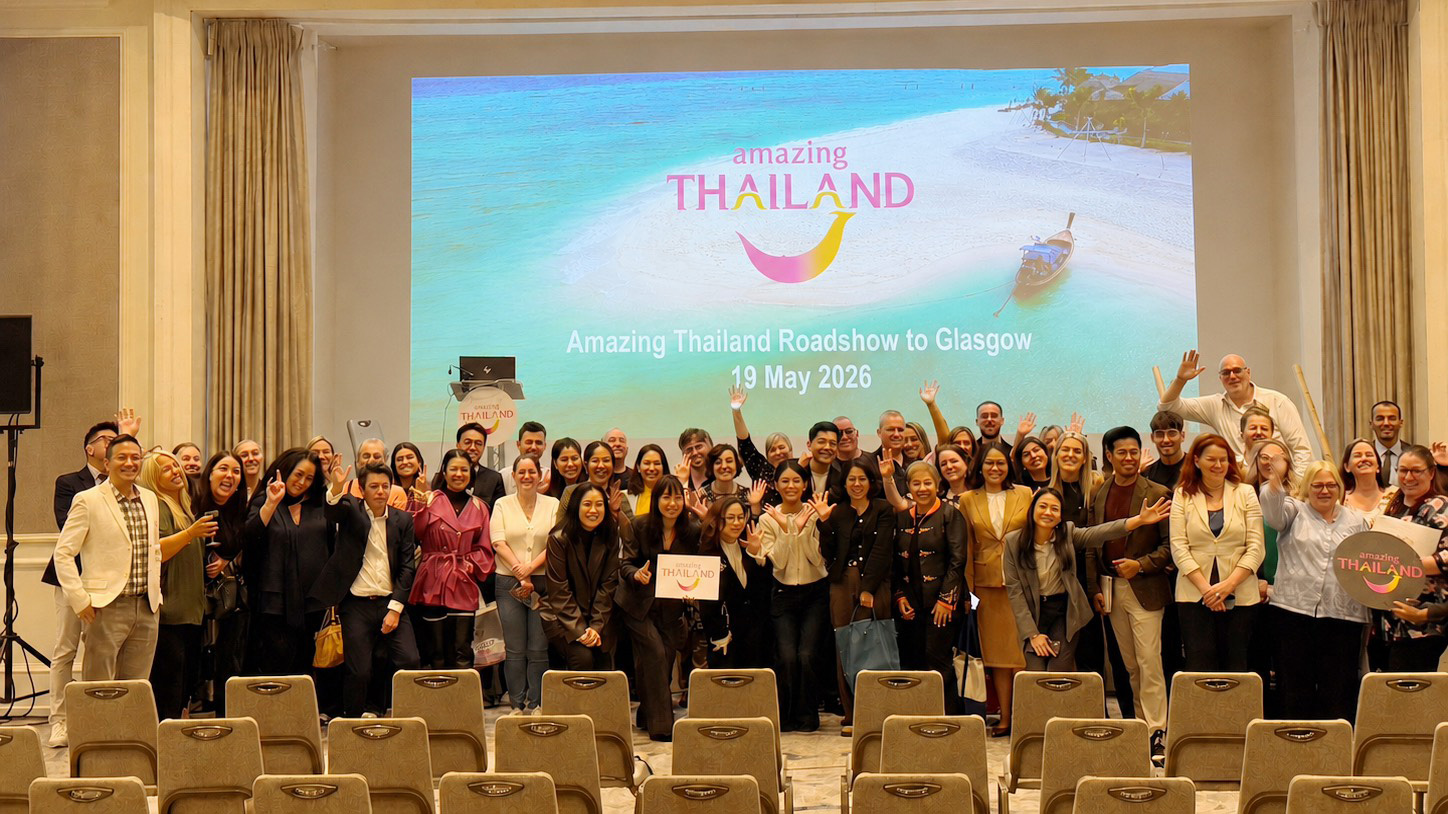
Thailand’s latest UK tourism push gives Bangkok property buyers a timely signal about long-haul confidence. On 27 May 2026, the Tourism Authority of Thailand reported that the Amazing Thailand Roadshow to UK 2026 was held from 19 to 21 May in Glasgow, Manchester and London, connecting Thai sellers with UK travel trade partners as Thailand builds demand from one of its key long-haul markets.
TAT used the UK roadshow to deepen trade links in Glasgow, Manchester and London.
The numbers are relevant because Bangkok property is not isolated from travel, air access and global familiarity. TAT said the roadshow brought together 19 Thai tourism sellers, including hotels and destination management companies from Bangkok, Krabi, Phuket and Surat Thani, with 218 UK travel trade representatives. The UK also remains among Thailand’s top 10 visitor markets, with more than one million UK visitors in 2025 and over 74.515 billion Baht in tourism revenue.
For foreign buyers, tourism data should not be read as a direct condo-price forecast. It is better viewed as confidence infrastructure. When Thailand is visible in a high-value long-haul market, and when air capacity supports repeat travel, Bangkok benefits as the national gateway for business, healthcare, education, hospitality and second-home decision-making.
Why the UK market matters
The UK is a mature travel market with long-standing links to Thailand. UK visitors often understand Bangkok beyond a single holiday stop: they may use it as a regional base, a medical and wellness hub, a retirement consideration, a family education route or a repeat lifestyle destination. That familiarity can support property interest among buyers who want a usable city home rather than a purely speculative asset.
TAT’s report also noted that UK travellers recorded an average stay of 14.18 nights and average trip expenditure of 60,000 to 70,000 Baht per person in 2025. Longer stays and higher spending are relevant to Bangkok because they support premium hotels, serviced apartments, healthcare, retail, dining and neighbourhood familiarity. These are the same liveability layers that help foreign buyers feel comfortable holding property.
Long-haul travel confidence matters for hotels, services, second homes and Bangkok’s international profile.
Air access supports confidence
TAT said five airlines currently operate direct services between the UK and Thailand: Thai Airways International, EVA Air, British Airways, Norse Atlantic Airways and TUI UK, with 35 weekly flights and more than 11,100 seats per week. British Airways’ year-round London Gatwick to Bangkok service from 31 March 2026 is expected to add nearly 60,000 seats this year, while Virgin Atlantic Airways has announced London Heathrow to Phuket flights for the 2026/2027 winter season.
Air access matters because second-home ownership and investment inspection both depend on practical travel. Buyers are more likely to revisit, inspect, furnish, lease and eventually resell a Bangkok asset if the city remains easy to reach. Direct and expanded services also reinforce Bangkok’s role as a premium international gateway rather than a niche property market.
Where the property link is strongest
The property link is strongest in districts that serve repeat visitors and internationally mobile residents: Sukhumvit, Sathorn, Silom, Ploenchit, Chit Lom, Phrom Phong, riverside Bangkok and selected healthcare or school corridors. These areas give foreign residents a clear daily life story through transport, restaurants, hospitals, malls, embassies, hotels and professional services.
A UK buyer should still make the same hard checks as any other foreign buyer: foreign quota, title status, building management, rent evidence, resale depth, transfer costs and banking documents. A favourable tourism signal does not rescue an overpriced or poorly managed unit.
How buyers should use the signal
The useful question is whether travel demand supports the buyer’s intended holding plan. A second-home buyer may value easy flights and familiar visitor services. A landlord may care more about expatriate tenants, relocation demand and neighbourhood convenience. A resale-focused buyer should ask whether the district is understood by both Thai and foreign purchasers, because the eventual exit audience may not match the first tenant audience.
Airline access and trade conversion can reinforce Thailand’s visibility among high-spending travellers.
Investor takeaway
The UK roadshow supports the broader case for Bangkok as a connected, recognisable and internationally relevant property market. It strengthens the confidence backdrop rather than replacing property due diligence. For buyers, the practical move is to use long-haul demand as a macro filter, then choose units based on district evidence and building quality.
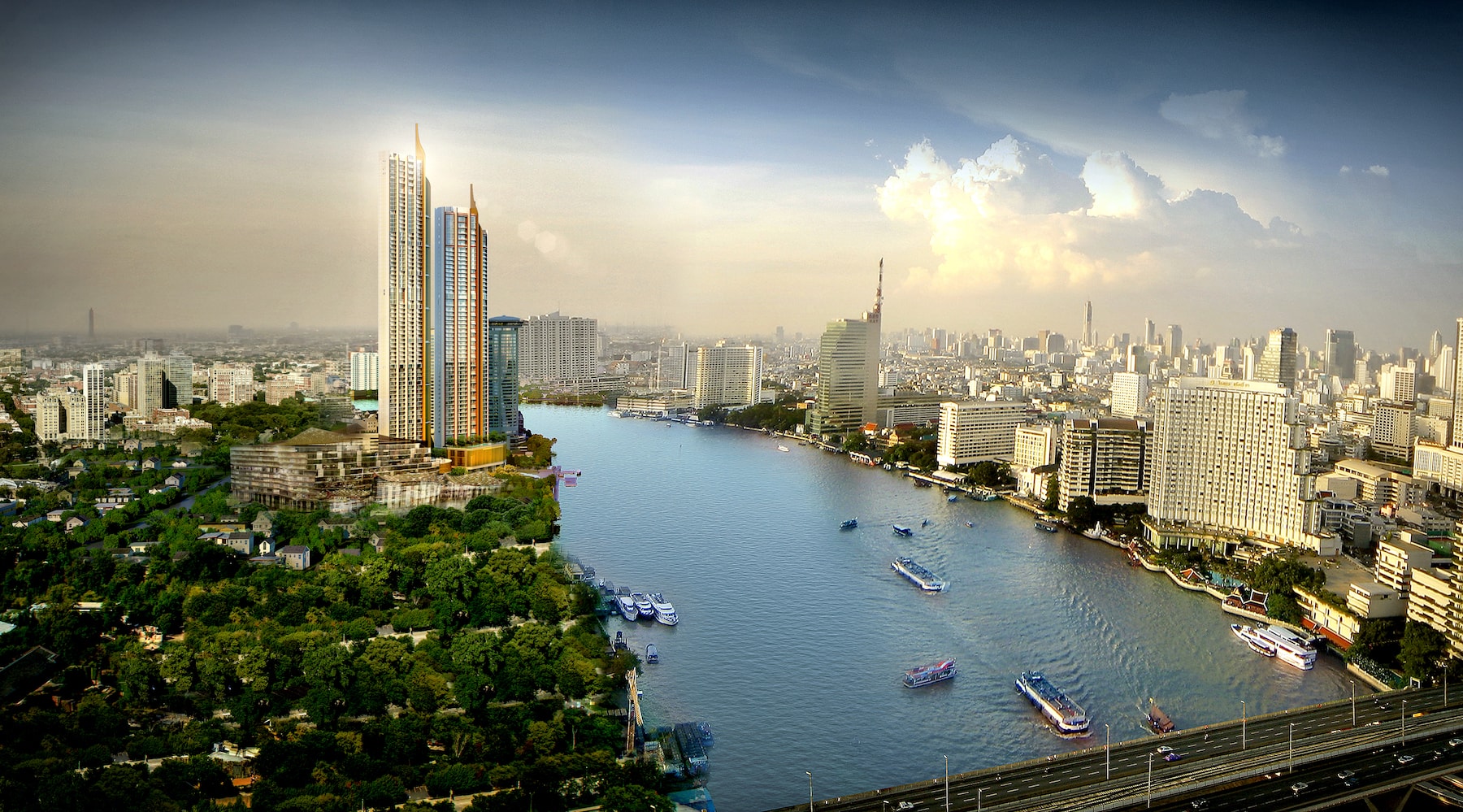
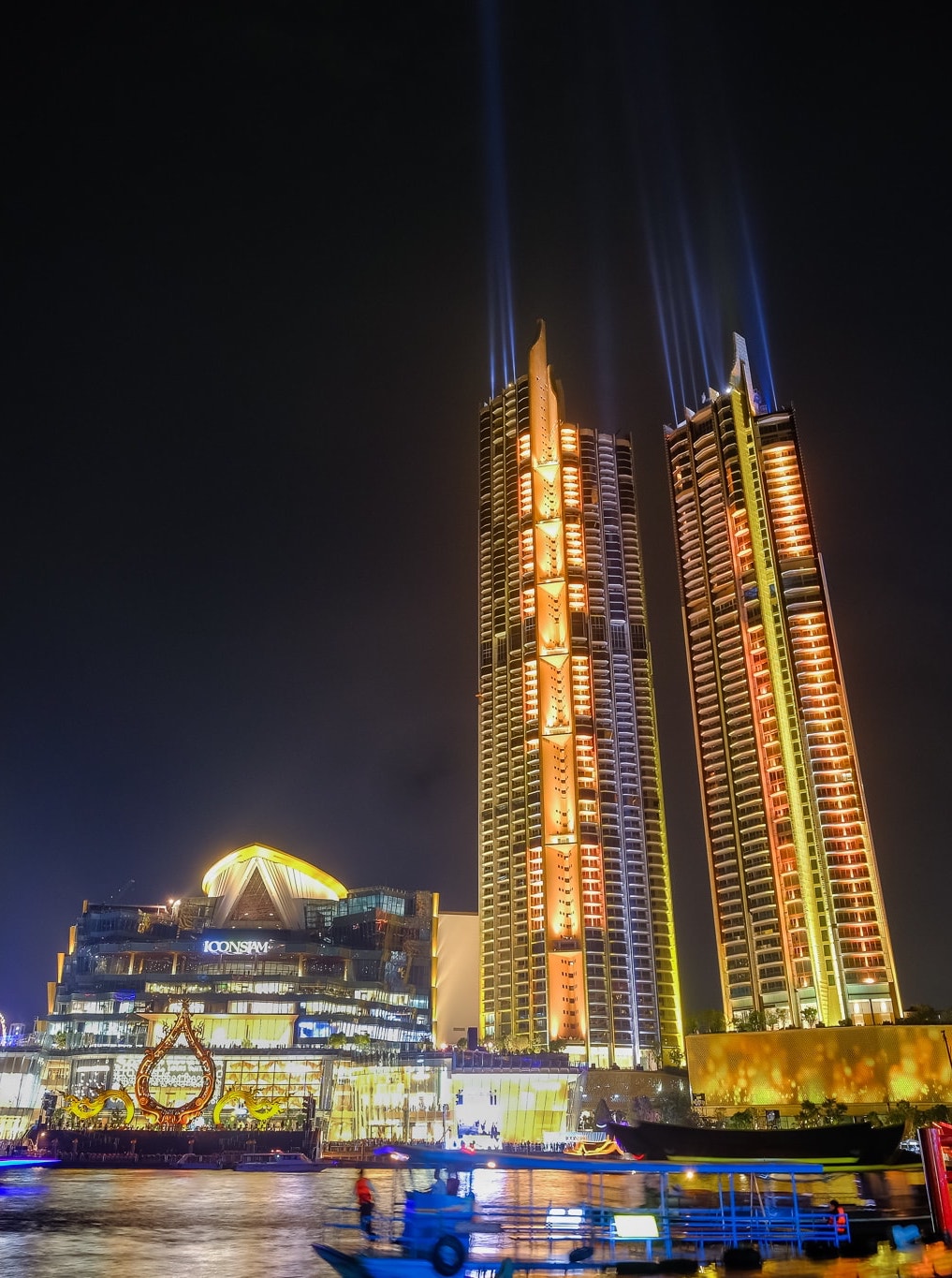
The Residences at Mandarin Oriental, Bangkok is one of the city’s clearest examples of branded riverside condominium living. For foreign buyers, its appeal is easy to understand: Chao Phraya River views, immediate ICONSIAM access, association with Mandarin Oriental service culture and a large-scale mixed-use destination on Charoen Nakhon.
The Residences at Mandarin Oriental, Bangkok positions itself as a branded riverside address beside ICONSIAM.
The official Mandarin Oriental residences page describes the Bangkok collection as 146 waterfront residences ranging from 130 to 710 sq.m., with unobstructed views of the surrounding gardens. The project website highlights interiors by Joyce Wang, Mandarin Oriental service at home and direct access to one of Bangkok’s most recognised retail and lifestyle landmarks.
Those are strong credentials, but a luxury address still needs buyer discipline. Branded residences are not bought by spreadsheet alone, and they are not bought by brand name alone. A foreign buyer should test the specific unit, view, ownership status, cost base, service model, rental audience and future resale story before deciding whether the premium is justified.
Why the address matters
Riverside Bangkok has changed from a hotel-led destination into a more complete residential and lifestyle market. ICONSIAM, improved river transport, luxury hotels, heritage districts and cross-river connectivity have given the Chao Phraya a deeper daily-use case. Buyers who want Bangkok as a second home may value this setting because it feels different from Sukhumvit or Sathorn while still remaining central.
That difference can be an advantage. A branded riverside residence appeals to buyers who want views, privacy, service and a destination address. It may also suit owners who split time between countries and want a home that can be managed professionally while they are away. The trade-off is that daily commuting patterns can be different from BTS-front Sukhumvit living, so buyers should test actual travel times to schools, offices, hospitals and airports.
Service model and owner expectations
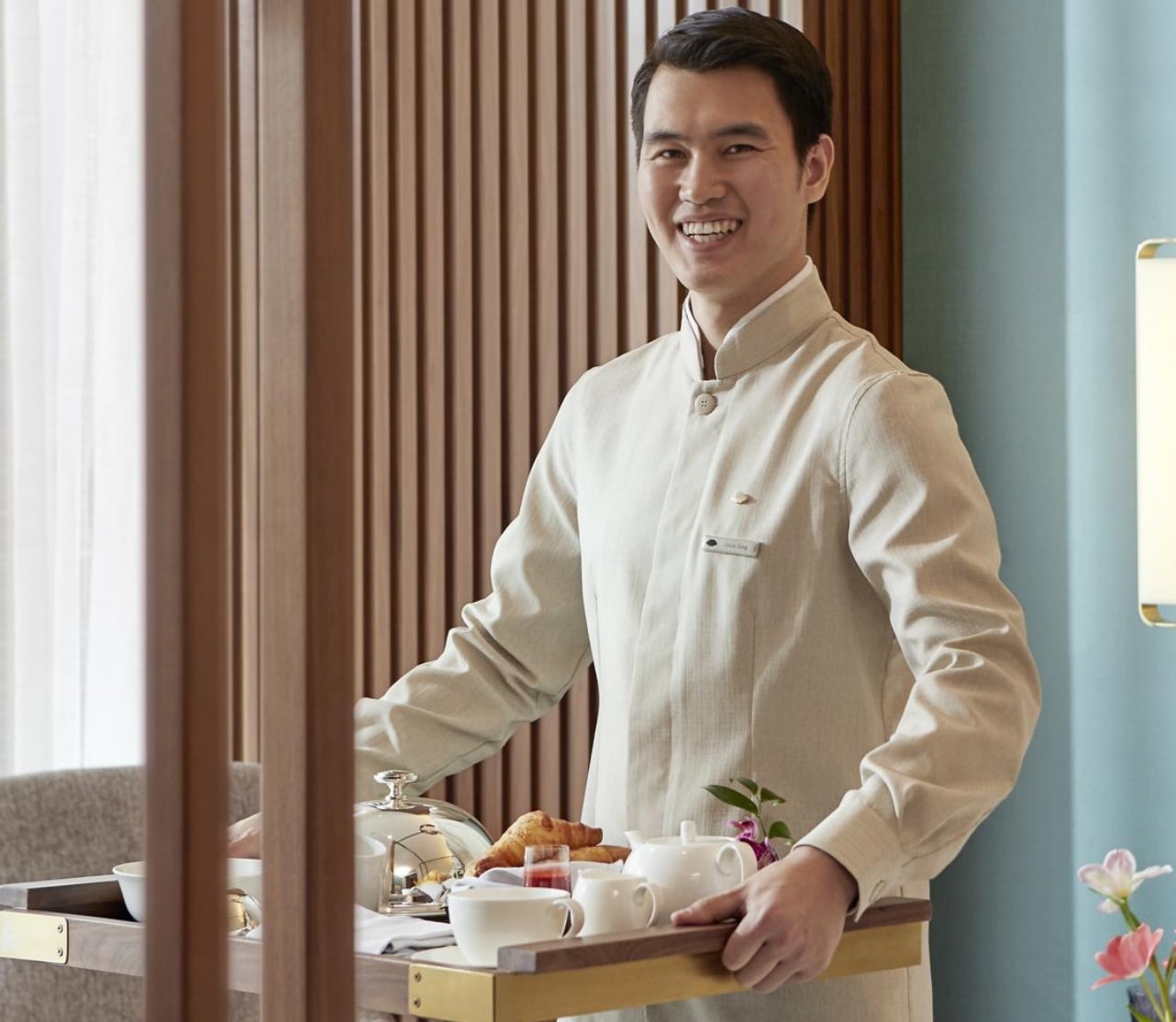
The official materials refer to full-time Mandarin Oriental trained staff, including concierge, valet, maintenance, housekeeping and security, along with signing privileges at the hotel, property management capabilities, pre-arrival support and access to the Fans of M.O. Residences programme. These services form a large part of the ownership proposition.
A buyer should therefore understand exactly what is included, what is charged separately and how service standards are governed. Ask for common fees, sinking fund obligations, service-charge details, house rules, renovation procedures, guest access policies and repair protocols. A branded residence works best when the service promise is operationally clear and financially sustainable.
Interior quality, view and floor plan should be tested against the price of the specific unit.
Unit selection is still decisive
In a luxury tower, not every unit has the same investment logic. View corridor, floor height, river angle, afternoon heat, lift access, bedroom proportions, kitchen usability, storage, parking and furniture condition can all change rental and resale demand. A buyer comparing two units in the same building should not rely only on price per sq.m.; the better unit may deserve a premium, but only when the differences are durable.
The project website lists residence types including two-bedroom duplex residences, three-bedroom residences and penthouse suites, with large-format living as a central theme. Buyers should confirm current availability, exact registered area, foreign quota status and title details for the specific unit rather than relying on old marketing material or third-party listings.
Rental logic
A branded riverside residence can attract a narrow but valuable tenant audience: executives, regional families, diplomats, owners testing Bangkok before buying, and lifestyle-led tenants who value service and views. This can support strong rents in the right unit. It can also lengthen vacancy if the asking rent is too ambitious or the tenant needs a school or office route better served by another district.
Landlords should model a premium asset with conservative vacancy, professional furnishing, maintenance reserves and realistic agent feedback. A large luxury unit can be expensive to carry if vacant, so the rent case should be supported by comparable leases, not only by brand prestige.
Branded residence value depends on whether services, management and owner expectations stay aligned.
Resale logic
The resale audience is likely to care about three things: address identity, unit quality and evidence. Mandarin Oriental association and ICONSIAM proximity help the address identity. The unit’s view, plan and condition help the emotional decision. Comparable sales, fees, title status and building management help the buyer justify the price.
Foreign buyers should also compare the residence with other Bangkok branded and super-luxury options. Some buyers may prefer hotel-linked service and completed-building certainty. Others may prefer a newer launch, a BTS-front address, a smaller boutique building or a different neighbourhood. The strongest resale story is not that the project is famous; it is that the specific unit remains scarce and easy to defend.
Buyer checklist
Confirm foreign quota and title status for the exact unit before negotiation becomes advanced.
Inspect the view, heat, noise, lift route, parking and furniture condition in person or by trusted representative.
Review common fees, sinking fund obligations, service charges and what branded services actually include.
Ask for recent comparable rents and resales in the building and nearby luxury alternatives.
Check renovation rules, guest rules, leasing rules and owner support while abroad.
Test travel times to the buyer’s real daily destinations, not only to tourist landmarks.
Buyer takeaway
Mandarin Oriental Residences Bangkok offers a persuasive branded-riverside proposition for foreign buyers who value service, views, privacy and immediate lifestyle access. The buying decision should still be unit-specific. The best case is a residence where the view, condition, title, cost base and service model all support the premium.
IBP can help buyers compare Mandarin Oriental Residences Bangkok with other luxury and branded residences by location, service model, rental evidence and resale strategy. Browse our project review notes or contact IBP Real Estate for a private shortlist.
Foreign buyers often spend more time comparing views and facilities than checking the title deed. That order should be reversed before money becomes serious. A Bangkok condominium purchase is only as strong as the legal and practical evidence behind the unit: who owns it, what area is recorded, whether it can be transferred to a foreign buyer, whether debts are cleared and whether the building records match the sales story.
Title checks should begin before payment deadlines make the buyer dependent on the seller.
This guide is not a substitute for Thai legal advice. It is a practical checklist for overseas buyers who want to ask better questions before signing, remitting funds or flying to Bangkok for transfer. The safest approach is to use an independent lawyer or adviser who is not acting for the seller, developer or listing agent.
A clean title process does not make a weak unit a good investment, but it can prevent avoidable transfer problems. It also helps the buyer prepare a complete ownership file for future resale, leasing, banking and estate planning.
Confirm the exact unit title
Start by matching the unit being marketed with the unit title information. The unit number, floor, registered area, owner name and building details should align with the reservation form, sale and purchase agreement, floor plan, viewing record and any furniture or fixture list. If the agent sends only a brochure page, ask for the title details and have them reviewed before signing binding documents.
Area differences deserve attention. A beautiful layout can still be mispriced if the advertised size does not match the registered area or if a balcony, storage area or parking arrangement is being described loosely. Buyers should know what is legally part of the condominium unit, what is common property, what is an exclusive-use arrangement and what is simply a marketing convenience.
Check owner identity and authority
For resale purchases, the seller must have authority to sell. If the title owner is an individual, check passport or ID details and marital or consent issues where relevant. If the seller is a company, review company authority, authorised signatories and board or shareholder requirements. If a power of attorney is involved, it should be specific, current and acceptable for the transfer.
Buyers should be cautious when a third party wants payment but is not clearly connected to the title owner. Reservation deposits and staged payments should be documented carefully, with receipts and account details that match the contract structure. A low-risk deal has a clean chain between buyer, seller, bank, lawyer and Land Office transfer.
Document review and physical inspection should move together, not in separate silos.
Foreign quota and transfer eligibility
A foreign buyer usually wants freehold condominium ownership in their own name, which means the building must have available foreign quota at transfer. Do not rely on a verbal statement. Ask for written confirmation from the juristic person or developer, and confirm how long that confirmation remains valid. In popular buildings, quota can change if another foreign transfer completes before yours.
Foreign quota should be checked together with the buyer’s foreign-exchange evidence. The title may be eligible, but the buyer still needs a banking trail that supports the transfer route. If funds are sent in stages, ask whether each payment needs evidence and how the receiving bank will issue the relevant document.
Debt-free letter and juristic position
Before transfer, the condominium juristic person normally confirms whether common fees, sinking fund obligations, utilities, penalties or other building charges have been settled. Buyers should ask who is responsible for clearing any arrears and when the debt-free letter will be available. A seller who is behind on fees may still be able to sell, but the buyer should not discover the problem at the Land Office.
The juristic office is also useful for building-level questions. Ask about major repairs, insurance, disputes, sinking fund adequacy, upcoming capital calls, renovation rules, pet rules, parking, short-stay restrictions and whether there are unresolved owner meeting issues. These are not all title problems, but they affect ownership risk and resale confidence.
Encumbrances, disputes and unusual arrangements
A title review should identify mortgages, attachments, leases, usufructs, servitudes or other registered interests where applicable. If a bank mortgage exists, the buyer needs a clear redemption and transfer process so the mortgage can be released as ownership transfers. If the unit is occupied by a tenant, the lease terms, deposit, handover timing and tenant cooperation should be documented.
Unusual arrangements require caution. Examples include sellers asking to record a lower transfer price, agents pushing informal tax sharing, furniture being priced separately without proper inventory, or a promised parking right that is not reflected in building records. If a term matters to the buyer, it should be written clearly and reviewed before payment.
The unit title is important, but the building record and juristic position also affect transfer risk.
Pre-signing questions
Does the title information match the unit being viewed and advertised?
Is the seller the legal owner, and does the signing party have authority?
Is foreign quota available for this unit at the expected transfer date?
Are common fees, sinking fund payments and utilities fully paid?
Are there mortgages, leases, disputes or registered interests to clear?
Will the buyer receive a complete furniture and fixture list?
Has an independent adviser reviewed the contract, payment route and transfer steps?
How title checks support resale
Good title discipline helps long after completion. When the owner later sells, refinances, leases or explains the purchase to a bank or adviser, a complete file makes the asset easier to understand. Keep the title transfer documents, sale agreement, receipts, bank evidence, tax and fee receipts, juristic certificates, debt-free letter, inspection record, furniture list and insurance papers together.
Foreign buyers should also keep a short timeline of the transaction. Note when reservation was paid, when funds were remitted, when documents were issued, when inspection occurred and when ownership transferred. This record can save time if questions arise years later.
Buyer takeaway
Title deed checks are not glamorous, but they are central to safe Bangkok condo ownership. A buyer who verifies the title, quota, seller authority, debt position and transfer evidence before signing has far more control than a buyer trying to fix documents under deadline pressure.
IBP can help overseas buyers coordinate Bangkok condo due diligence, viewing, quota checks and transfer preparation. Read our foreign buyer guides or contact IBP Real Estate before committing to a unit.
Bangkok’s high-end residential market is giving foreign buyers a useful but selective signal in 2026: rents can remain resilient even when capital values are under pressure. JLL’s Q1 2026 Bangkok residential commentary reported that central business area luxury condo rents rose 0.3 percent quarter on quarter and 5.1 percent year on year, while capital values fell 1.3 percent quarter on quarter. That combination pushed market yields slightly higher to 5.4 percent in Q1.
Luxury rental demand is strongest where transport, office, lifestyle and school access overlap.
This does not mean every Bangkok luxury condominium is suddenly a yield bargain. It means buyers should separate the rent story from the resale story, then test both against the actual building, unit and tenant audience. A unit can rent well but still face slow resale if the purchase price is too ambitious. Another unit can have moderate rent but stronger exit logic because the location, layout and building condition are easier for future buyers to understand.
The practical reading for overseas investors is disciplined optimism. Bangkok remains a liveable, globally connected city with deep expatriate, business, healthcare, education and lifestyle demand. But the market is not rewarding careless buying. The best opportunities are likely to be in buildings where rental evidence is real, incentives are transparent and pricing already reflects softer buyer sentiment.
What the Q1 rent signal shows
JLL described demand as bottoming out and gradually recovering in Q1 2026, helped by discounts on existing projects in Thonglor and Phrom Phong. The firm also noted strong foreign-buyer interest in new launches, with some projects nearing foreign quota. That matters because foreign quota is not just a legal point; it can be a demand indicator in projects that genuinely attract overseas buyers.
At the same time, JLL reported that inventory clearance continued to pressure both primary and resale condo markets. For investors, the message is that rental demand and capital growth are not moving in a straight line. Tenants may still want flexibility and high-quality locations, while buyers remain cautious about price, completion pipeline, global conditions and local purchasing power.
Why rents can hold when prices soften
Rental demand can be more immediate than purchase demand. A family relocating for work may need a home near school and office within weeks. A regional executive may choose a serviced, well-managed condominium rather than commit capital to a purchase. A tenant testing Bangkok before buying may prefer a premium lease with flexibility. These groups can support rents even while buyers negotiate harder on purchase prices.
This is especially true in prime areas where daily life is efficient. Phrom Phong, Thonglor, Asoke, Ploenchit, Chit Lom, Silom, Sathorn and selected riverside addresses each serve different tenant pools. The strongest locations are not only fashionable; they solve daily problems such as commuting, schooling, hospital access, grocery routines, dining, airport links and weekend lifestyle.
Building quality and management decide whether a rent signal becomes a practical investment case.
What buyers should still check
A market yield is an average, not a promise. Foreign buyers should build a unit-level model with realistic rent, vacancy, agent fees, common fees, sinking fund exposure, furniture replacement, repairs, insurance, transfer costs and resale assumptions. A headline rent can disappear quickly if the unit needs expensive furnishing, sits vacant between leases or competes with many similar units in the same tower.
Buyers should also ask whether the rent is supported by actual signed leases or only by asking prices. The more comparable evidence an owner can collect before purchase, the safer the underwriting. Useful evidence includes same-building rents, renewal behaviour, tenant profile, lease length, furnishing quality, floor level, view, parking, pet rules and whether the building attracts corporate or individual tenants.
The two-bedroom lesson
JLL noted that two-bedroom units in the 60 to 100 sq.m. range gained strong interest from end buyers in recent launches. This is worth attention because it points to practical use. Compact luxury one-bedroom units can be easy to rent in the right location, but two-bedroom units may serve couples, small families, work-from-home tenants and executives who want a guest room or office. That wider use case can support both rental and resale demand when the layout is efficient.
Foreign buyers should not assume bigger is always better. Large units have a narrower tenant pool and higher absolute holding costs. The better test is whether the unit size, room count and monthly rent align with a clear tenant audience. If a two-bedroom has a weak second room, poor storage or an awkward kitchen, its size advantage may not translate into better demand.
How to read new supply
JLL reported that two luxury projects totalling 315 units completed in Q1, bringing total stock to 73,885 units, and expected about 1,000 units to complete in 2026 with presales nearing 84 percent. New supply can help tenants by adding choice, and it can pressure older buildings that have not maintained standards. It can also support buyer confidence when developers focus on proven districts rather than speculative locations.
For an overseas investor, new supply should be mapped against the target tenant. If several new premium buildings are completing in the same rental catchment, tenants may demand better furniture, sharper pricing or stronger facilities. If a completed building has lower entry pricing but strong management and location, the resale unit may still compete well.
A rent-led purchase still needs conservative vacancy, furnishing and resale assumptions.
A buyer checklist for 2026
Model rent from signed or recently achieved leases, not only advertised asking prices.
Compare same-building and nearby units by size, view, furnishing, floor and lease length.
Stress test vacancy, agent fees, repairs, furniture replacement and common fees.
Check foreign quota, title status and whether the building attracts repeat expatriate demand.
Treat price discounts as useful only when they improve both yield and resale logic.
Avoid overpaying for a view, brand or facility package that tenants will not price highly.
Investor takeaway
Bangkok luxury condo rents in Q1 2026 suggest that the tenant base remains selective but alive. Softer capital values can create room for better entry pricing, yet the safest investor response is not to chase yield in isolation. It is to buy a unit that can rent, hold and resell through several market conditions.
IBP can help foreign buyers compare Bangkok luxury condos by rent evidence, building quality and exit demand before reserving. Read our investment analysis guides or contact IBP Real Estate for a buyer-focused shortlist.