
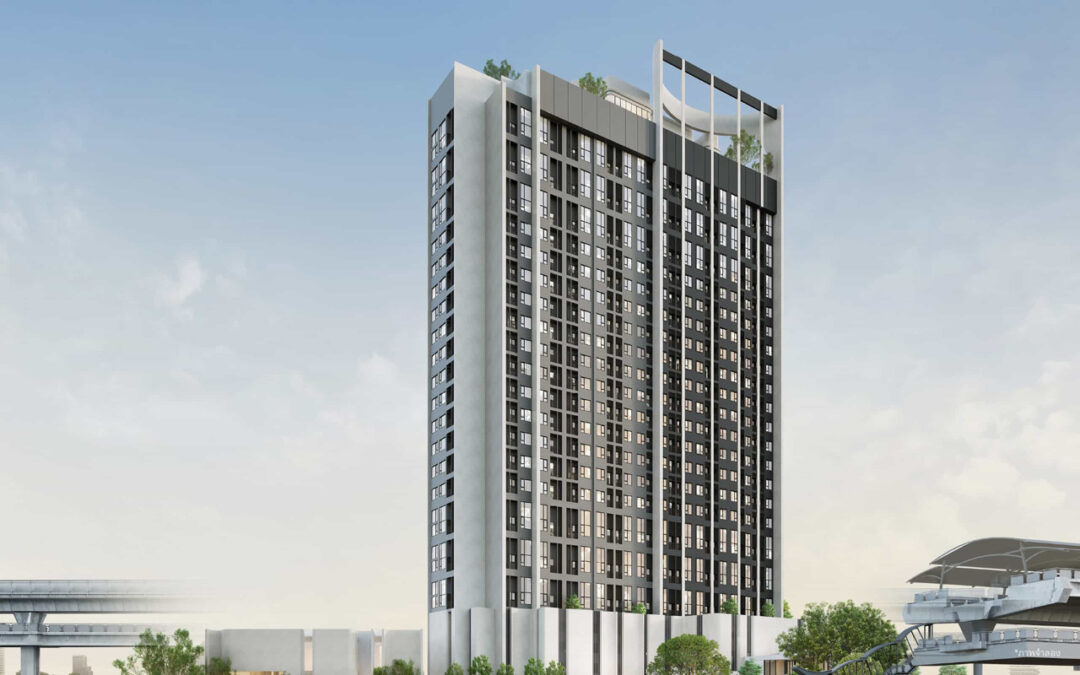
COBE Kaset-Sripatum gives foreign buyers a useful case study in how to read a Bangkok condominium outside the most familiar central luxury zones. It is not a Wireless Road trophy address or a riverside branded residence. Its appeal is more practical: a new SC Asset project name, a north Bangkok education corridor, a commuter market and a price band that may sit within reach of buyers who want a smaller-ticket Bangkok holding.
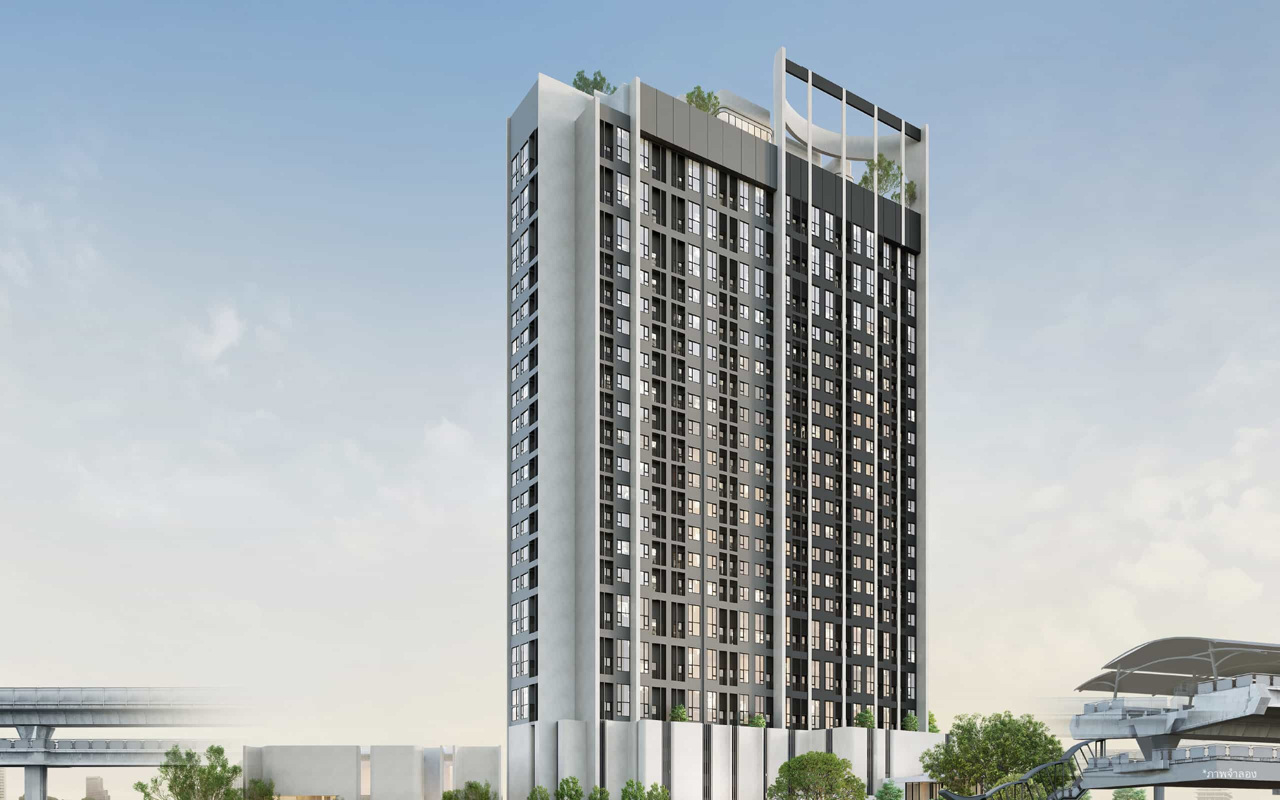
SC Asset’s official project page identifies COBE Kaset-Sripatum and shows a starting range from 3.19 to 12 million baht. That price signal is important because it places the project in a different decision set from ultra-prime freehold condos. Foreign buyers should not judge it by the same criteria as a luxury second home. They should ask whether the location, unit mix, building operations and rental audience make sense for the intended hold period.
The buyer question is therefore not simply whether the renderings look attractive. The real question is whether a foreign owner can explain the asset to the next tenant or buyer: near education demand, connected to north Bangkok routines, new enough to feel efficient, and priced with enough discipline to leave room for normal ownership costs.
Why the corridor deserves attention
The Kaset-Sripatum label points buyers towards a part of Bangkok where universities, offices, residential neighbourhoods, commuting routes and local retail overlap. That is a different demand profile from Phrom Phong or Sathorn. It may attract students’ families, younger professionals, local renters, university-linked households and buyers who want access to the northern side of the city without paying central-core prices.
For foreign buyers, this can be attractive if the target is yield discipline rather than prestige. However, the tenant pool needs to be checked carefully. Local demand can be deep, but it may also be price-sensitive. A compact unit can rent well only if the rent, furniture, commute and building condition match what local tenants can actually pay.

How to read the official imagery
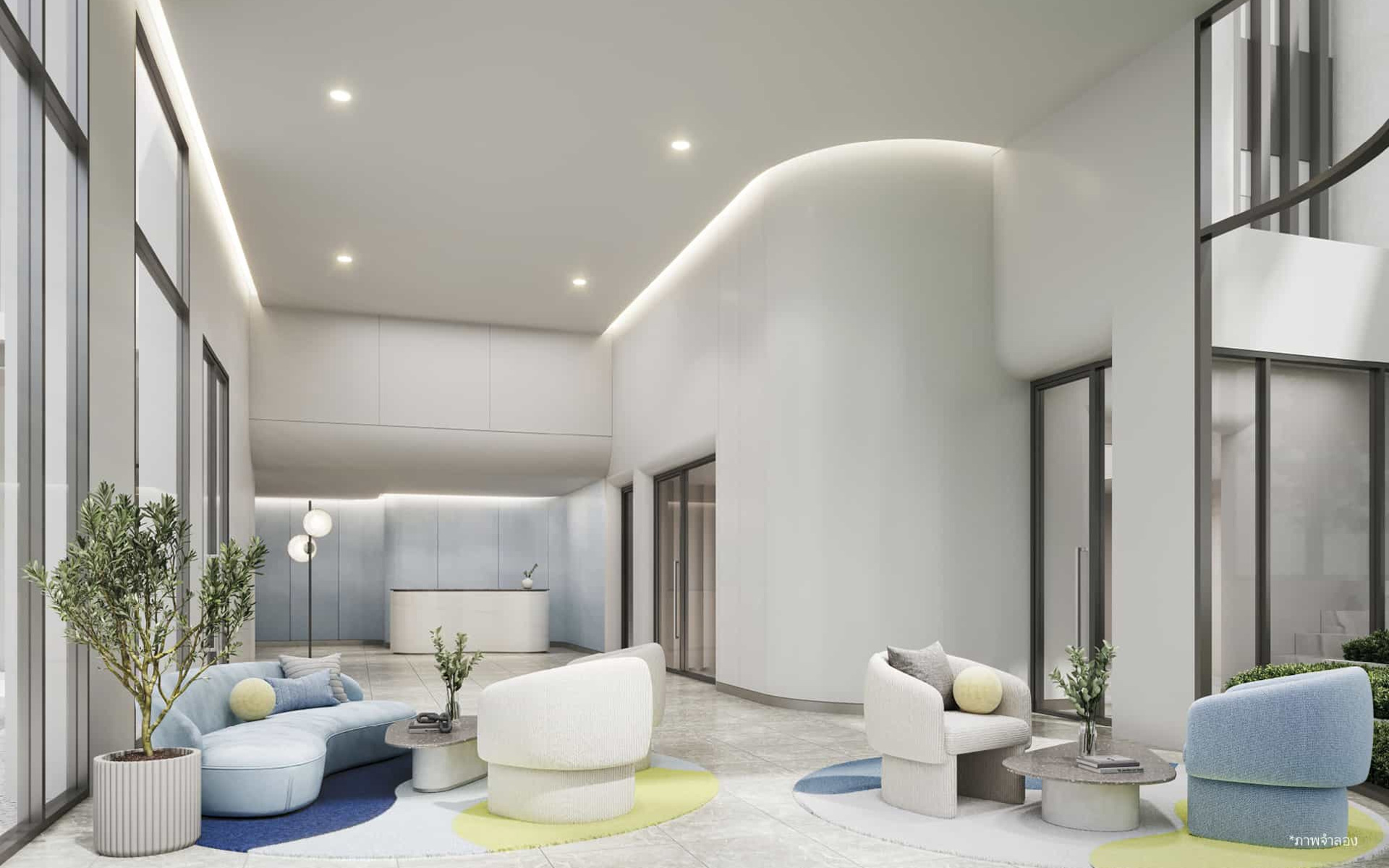
The official gallery presents a contemporary building and lifestyle-led shared spaces. Renderings are useful for understanding the developer’s intent, but they are not due diligence. Buyers should ask what will be delivered at handover, whether the finish quality matches the images, how the amenities will be maintained, and what common fees are expected to cover.
This is particularly important in buildings where the purchase price is moderate. A strong amenity package can help leasing, but it also needs long-term funding. Swimming pools, lounges, gyms, garden decks and co-working spaces all require management. If common fees are too low to maintain the facilities, the building may age faster. If fees are too high, yield can be squeezed.
Questions for foreign buyers
Start with foreign quota. A buyer should ask how much of the freehold quota remains, whether the unit being offered is already allocated to the foreign quota, and how evidence of foreign-currency remittance will be handled. If buying off-plan, confirm the contract process, payment schedule, expected completion obligations and what happens if the buyer cannot obtain the required bank evidence on time.
Then check the unit itself. Compact units can be efficient, but they need enough storage, natural light, sensible furniture placement and a layout that tenants understand quickly. A narrow plan, awkward kitchen, weak view or poor air-conditioning placement can matter more than an extra decorative amenity downstairs.
Rental strategy should be conservative
A north Bangkok project should be stress-tested with local rents, not only developer projections. Buyers should compare nearby completed buildings, not just new launches. Ask what similar one-bedroom and studio units actually lease for, how long vacancies last, whether tenants prefer furnished or semi-furnished units, and whether agents see demand from students, staff, young professionals or families.
The safest underwriting assumes normal competition. If several new buildings deliver around the same time, tenants will compare rent, furniture packages, building age, shuttle convenience, parking, internet quality and the responsiveness of the juristic office. A unit that depends only on a launch story may struggle once more supply is available.
Developer and management checks
SC Asset is an established SET-listed developer, which gives buyers a recognisable counterparty. That does not remove the need to read the contract. Foreign buyers should still review defect-liability terms, area measurement, transfer-cost allocation, late-payment rules, cancellation terms, handover procedures and the process for appointing the first juristic management team.
After completion, management quality will shape the investment. The juristic office, maintenance schedule, security, lift performance, cleanliness and repair response all affect tenant satisfaction. Buyers who cannot visit often should choose buildings where management reporting is clear and an agent can monitor the unit properly.
Who might this suit
COBE Kaset-Sripatum may suit buyers who want a Bangkok asset with a practical price point, local demand logic and a new-building experience. It may be less suitable for buyers whose priority is international-school family living, embassy-area prestige, luxury resale scarcity or a personal pied-a-terre in the central core.
For foreign buyers comparing new launches outside the prime districts, the discipline is to match the asset to a realistic tenant. Review IBP’s project review notes and district guides before reserving, then verify the contract and foreign-quota position before sending funds.