

EV charging is no longer a novelty question for Bangkok condominium buyers. It is becoming part of the broader test of whether a building can remain practical for residents, tenants and future buyers as car ownership patterns change. Foreign buyers do not need to predict how quickly every tenant will switch to an electric vehicle. They do need to know whether the building has a clear process, safe electrical capacity and sensible rules before they treat charging as an investment advantage.
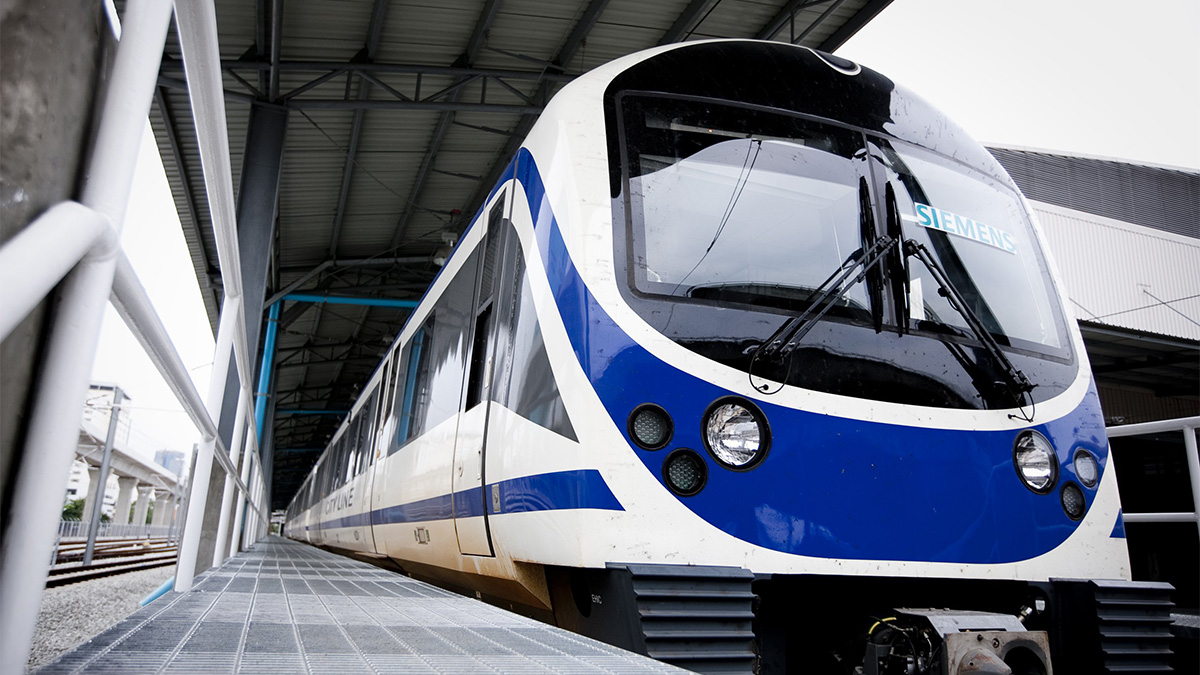
The point is not that every Bangkok condo must have chargers today. Many central buyers will still value BTS or MRT access more than parking. The point is that an electric-vehicle claim can be vague. A sales brochure may show green mobility language, while the juristic office may have no approved procedure for private chargers, shared charging bays or electricity billing. If a buyer wants a unit to appeal to long-stay executives, families or owner-occupiers with cars, those details deserve early checking.
MEA’s official public-service material is useful context because it shows how urban electricity services are moving beyond ordinary household supply. Its service menu includes EV and solar-cell items, requests for electricity supply to EV charging stations, and charger inspection and certification services. For a foreign buyer, that does not mean every condo is ready. It means the questions should be operational rather than decorative.
Why EV readiness matters to yield
Rental demand in Bangkok is still driven first by location, rent, transport, building condition and lifestyle convenience. EV readiness sits underneath those larger drivers. It can matter most in buildings where residents are likely to own cars: larger family units, low-density luxury buildings, branded residences, suburban fringe condos with strong road access, and buildings near hospitals, international schools or office clusters where tenants may use a car every day.
The investment logic is similar to parking ratios or storage. A feature does not create demand by itself, but it can reduce friction for a specific tenant group. If two buildings have comparable rent, access and condition, the one with clearer charging rules may be easier to explain to an EV-owning tenant. If charging is impossible, informal or disputed, the same feature can become a complaint risk.
Start with the building rulebook
Before reserving a unit, ask whether EV charging is allowed by the condominium juristic person. The answer should be written. Buyers should look for rules covering who can apply, where chargers may be installed, which contractors are approved, how electrical work is inspected, how common-area cabling is protected, how electricity is metered, who pays for upgrades, and whether the arrangement can be transferred to a future owner or tenant.
A loose verbal answer is not enough. A condo may have one charger in the car park for shared use, yet still prohibit private chargers at individual spaces. Another building may allow private charging but only after an engineering inspection and committee approval. A third may be willing in principle but unable to allocate capacity without electrical upgrades. Those differences affect budget, timing and tenant promises.
Check parking rights before charging rights
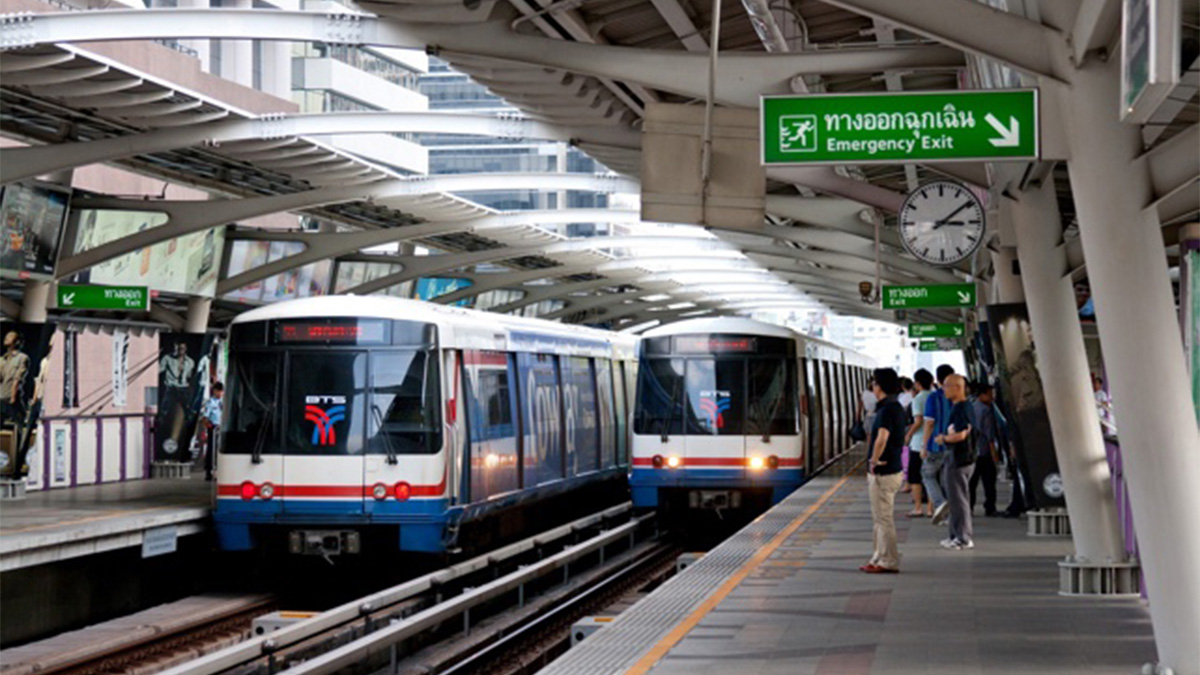
Charging is meaningless if the parking space itself is uncertain. Many Bangkok condominiums do not allocate one fixed space to every unit. Some have automatic parking systems, rotational spaces, limited visitor bays or a mix of fixed and unassigned parking. Buyers should confirm whether the unit has a fixed space, whether the space is part of the title or a building allocation, and whether the location can physically support a charger.
This is especially important for resale units. A seller may advertise parking access, but the buyer should confirm the exact right with the juristic office and review the building rules. If the car space cannot be identified or is subject to annual reassignment, private charger installation may be impractical even when the building allows EV charging generally.
Budget for electrical work, not only the charger
A charger is only one part of the cost. The building may need an inspection, cabling, protective equipment, metering, fire-safety measures, contractor approval and ongoing maintenance. The buyer should ask whether the cost sits with the individual owner, the building, or a shared pool of users. If capacity upgrades are required later, the committee may need owner approval and a budget vote.
For landlords, the lease should also be clear. Will the tenant pay all charging electricity? Who is responsible if the charger is damaged? Can the tenant install their own equipment? Must the owner remove the charger at lease end? These questions are not glamorous, but they prevent a mobility feature from becoming a dispute.
Do not overpay for a weak claim
EV readiness can support a buying decision; it should not replace valuation discipline. A unit still needs a sensible price per square metre, usable layout, manageable common fees, credible rental demand and a realistic resale audience. In some central locations, a smaller unit with excellent rail access may rent better than a car-focused unit with a charger. In other locations, the opposite may be true.
The best way to treat EV charging is as a due-diligence layer. It can strengthen a building’s future-proofing story when the underlying location and management already work. It is weaker when used to distract from poor access, oversupply, ageing facilities or vague juristic processes.

Buyer checklist
Ask for the written EV policy, parking allocation evidence, recent committee minutes if relevant, electrical-capacity confirmation, approved contractor requirements, estimated installation cost and billing process. If buying off-plan, ask the developer which charging provisions will be delivered at handover and which will depend on the future juristic committee.
Foreign buyers should also think about exit. A future buyer may ask whether the charging right is linked to the unit, the parking bay or a personal approval that needs to be repeated. Clean paperwork can make the resale conversation easier. Unclear paperwork can turn a useful feature into another negotiation point.
What this means for foreign buyers
Bangkok property remains attractive because it combines relative affordability, deep lifestyle infrastructure and strong international connectivity. EV charging is one more sign that building operations matter as much as glossy facilities. Buyers who test the practical details are better placed to choose assets that can adapt to tenant expectations over a long hold.
If you are comparing buildings by rental audience, parking rules or future resale story, review IBP’s Bangkok investment analysis and speak with the team before making a reservation. The safest purchase is usually the one whose daily operations are already clear.