Bangkok green spaces are not only weekend extras. For foreign condo buyers, they affect how a neighbourhood feels after the viewing trip is over: morning walks, children’s routines, exercise, heat relief, meeting friends, pet-free outdoor time, and the mental comfort of having space beyond the building’s facilities.
Green-space access can change how a Bangkok condo feels during ordinary weekly routines.
TAT’s recent Bangkok green-space feature highlighted the city’s mix of classic parks, modern wetlands and specialised urban forests. For property buyers, the lesson is practical. A condominium with good park access can feel more liveable than a similar unit that depends entirely on private facilities or air-conditioned malls.
Why parks influence condo decisions
Foreign buyers often start with BTS or MRT access, price per square metre, building age and facilities. Those checks are essential. But green-space access can influence whether an owner actually enjoys the unit and whether tenants renew. A gym inside the building is useful; a park nearby can change the daily routine.
For families, parks support school-day rhythm and weekend downtime. For remote workers, they provide a break from condo and cafe routines. For retirees and long-stay buyers, they can make Bangkok feel calmer and healthier. For landlords, nearby green space can make a listing easier to explain to tenants who are choosing between several central units.
Green space also helps buyers compare buildings with similar facilities. Two condominiums may both advertise pools, gyms and lounges, but the one with a usable park route can offer a fuller daily routine beyond the private compound. That matters when residents stay longer than a holiday and begin judging the neighbourhood week after week.
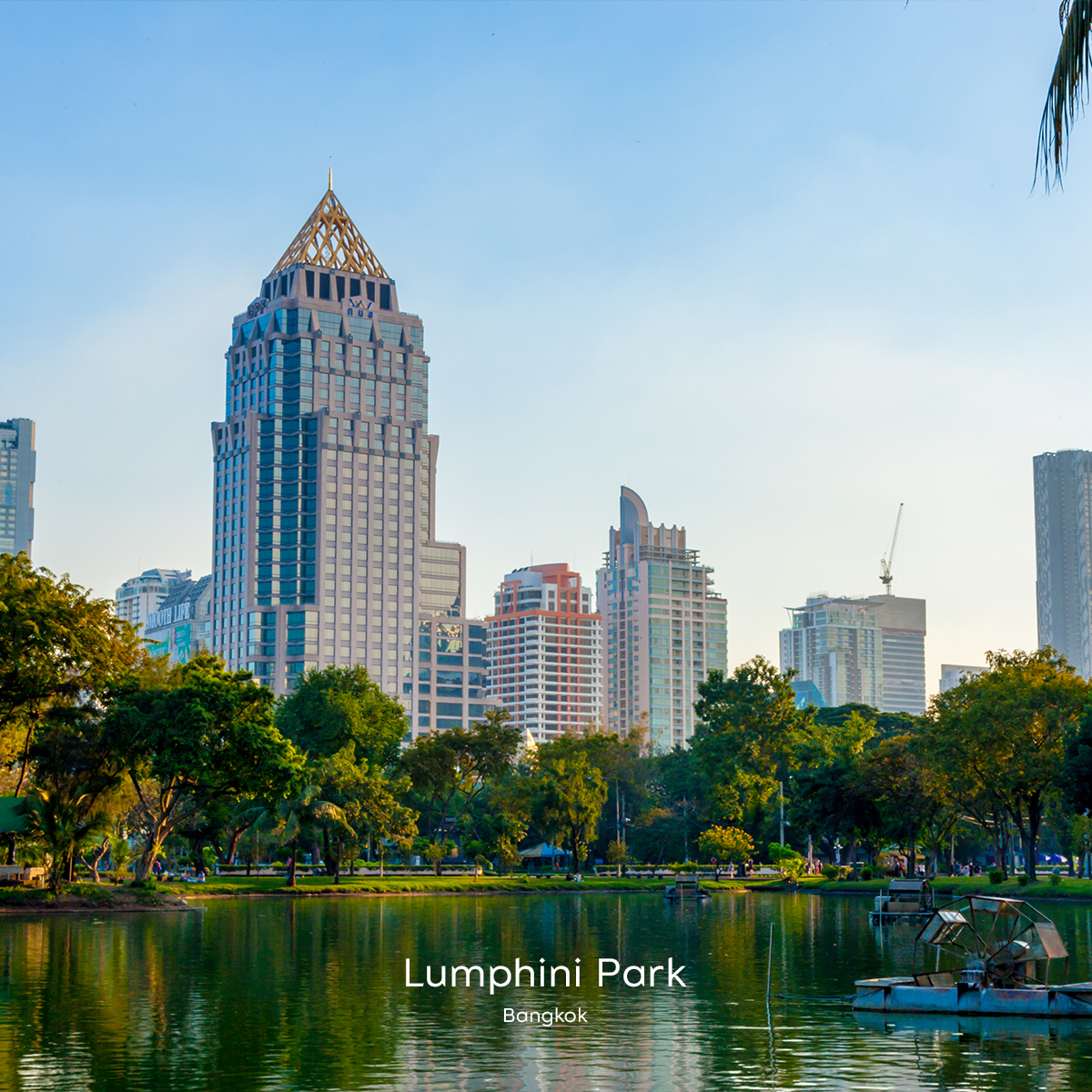
Lumpini remains a central reference point for buyers comparing Sathorn, Silom, Langsuan and Wireless Road.
Lumpini as a central benchmark
Lumpini Park remains one of Bangkok’s clearest liveability anchors. It influences how buyers read Langsuan, Chit Lom, Wireless Road, Silom, Sathorn and parts of Rama IV. A building with convenient Lumpini access can appeal to residents who want a central address without losing outdoor routine.
Buyers should still test the route. A condominium may look close to a park on a map but feel less convenient because of road crossings, heat, pavement quality or traffic. Walk the route in the morning and early evening. Check whether it works from the actual building entrance, not from the nearest corner on a map.
Benjakitti and the changing Sukhumvit edge
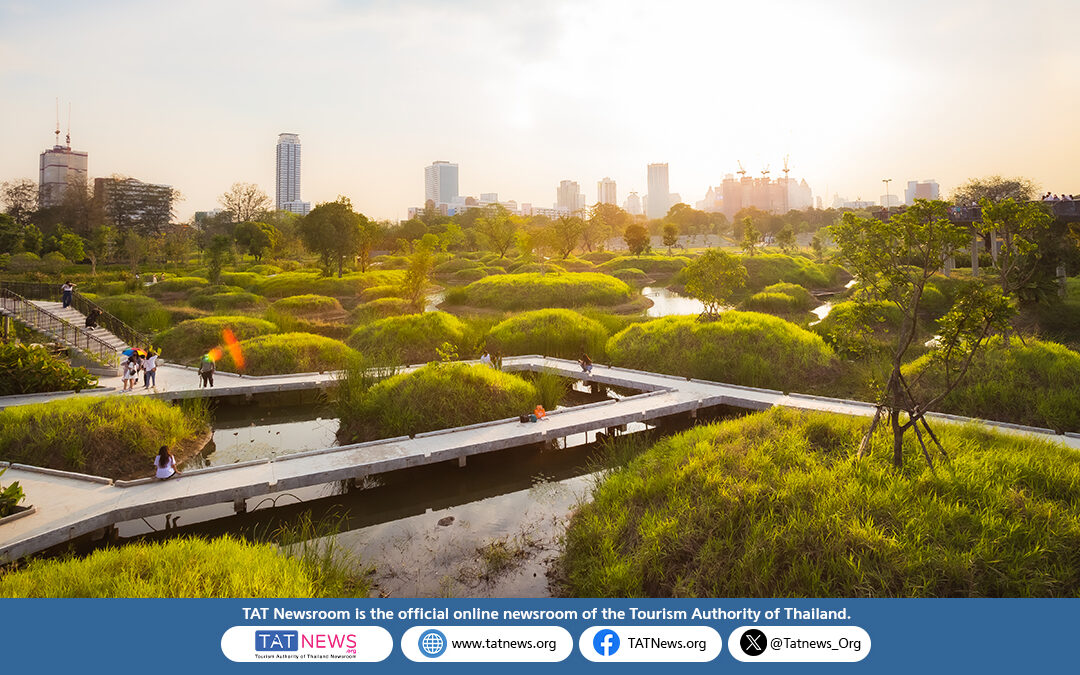
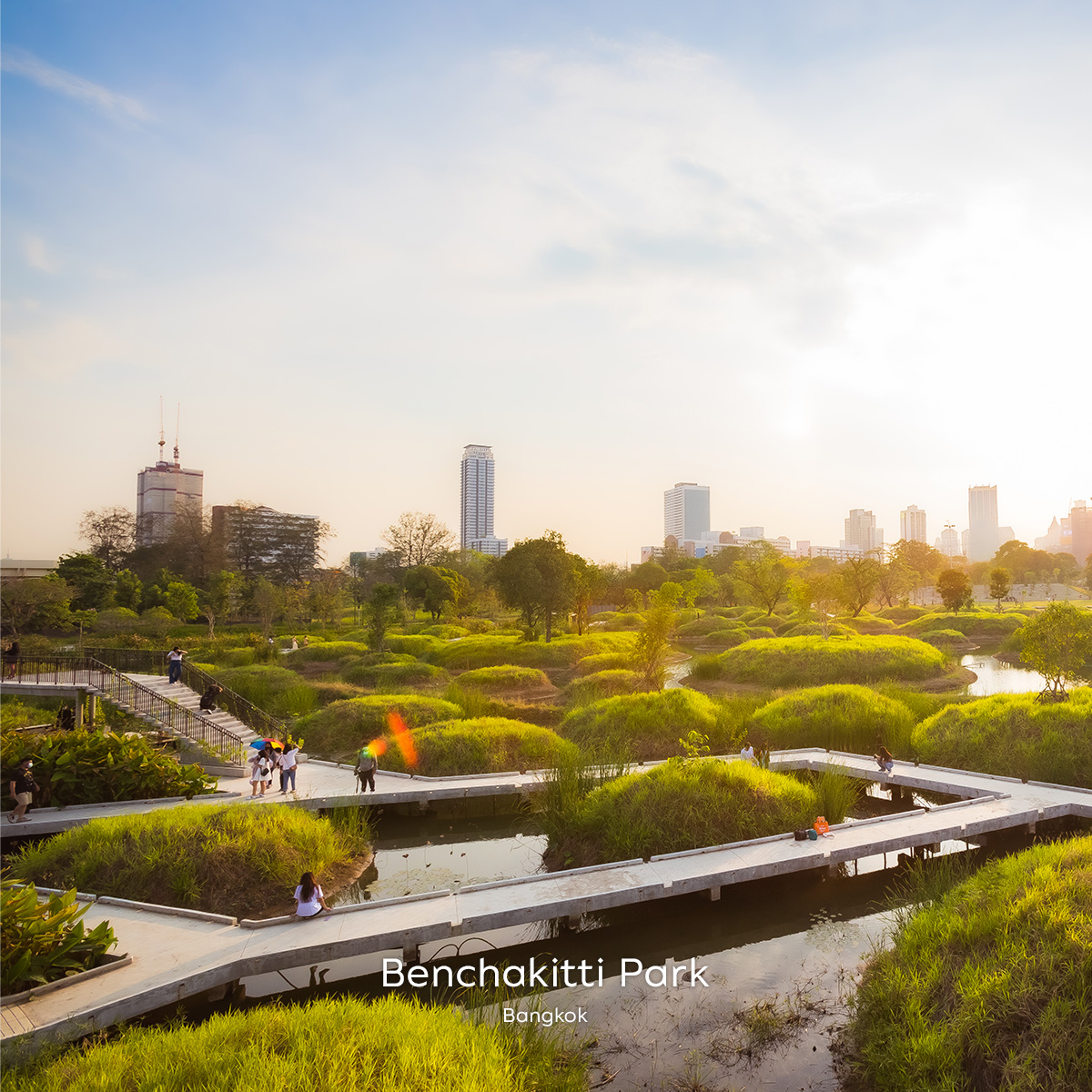
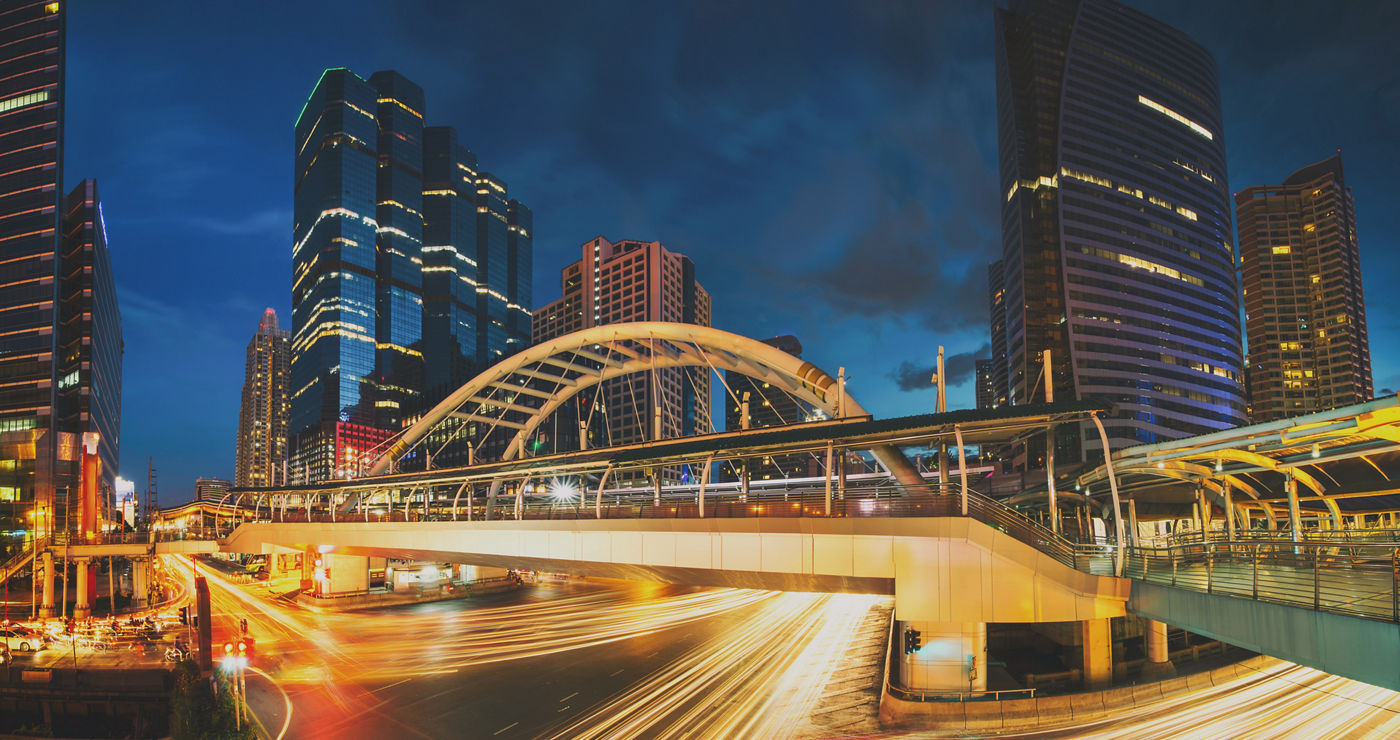
Benjakitti has changed the way many buyers think about Asoke, Sukhumvit 16, QSNCC and Rama IV. Its wetlands, skywalks and open paths add a more contemporary park experience to an area already known for offices, hotels, retail and transit. For some residents, that combination makes central Bangkok feel easier to live in.
This matters for investment because district identity is not fixed. Areas can become more attractive when public realm, transport and lifestyle uses improve together. A buyer should still compare rent and resale evidence, but better green infrastructure can strengthen the daily-use case for a location.
Benjakitti shows how newer green infrastructure can make dense districts feel more usable.
How to inspect green-space access
Walk from the building to the park at the time you would actually use it.
Check road crossings, lighting, pavement width, shade and taxi access.
Compare park access with grocery, dining, school, hospital and rail access.
Ask whether the building’s own facilities duplicate or complement the public green space.
For rentals, check whether similar units near parks command stronger tenant interest.
Do not overpay for a view alone
A park view can be valuable, but it should not replace the fundamentals. Confirm tenure, title, foreign quota, building condition, management quality, common fees, sinking fund, unit layout, noise and future construction risk. A view is only one part of ownership. Daily access and building quality may matter more than a distant green outlook.
Buyers should also consider whether the unit works during Bangkok’s hotter and wetter months. A park nearby is useful when the route is comfortable and the building supports easy daily movement. If access requires an awkward crossing or a long walk without shade, the value may be weaker than the map suggests.
Buyer takeaway
Bangkok’s parks help the city feel more liveable, premium and human. For foreign condo buyers, green-space access should be part of location due diligence alongside transport, building quality and price. The best locations are not only close to a park; they make the park part of an easy weekly routine.
IBP can help compare Bangkok neighbourhoods by liveability, rental demand and ownership practicality. Browse our Bangkok lifestyle guides or contact IBP Real Estate for a neighbourhood-led shortlist.
Bangkok’s role as host city for the 2026 Annual Meetings of the International Monetary Fund and the World Bank Group is more than a calendar item. For foreign property buyers, it is a useful signal of how Thailand wants the capital to be read: globally connected, capable of handling complex international events, and relevant to finance, policy and corporate decision-makers.
Global meetings test Bangkok’s ability to coordinate finance, security, hospitality and transport at scale.
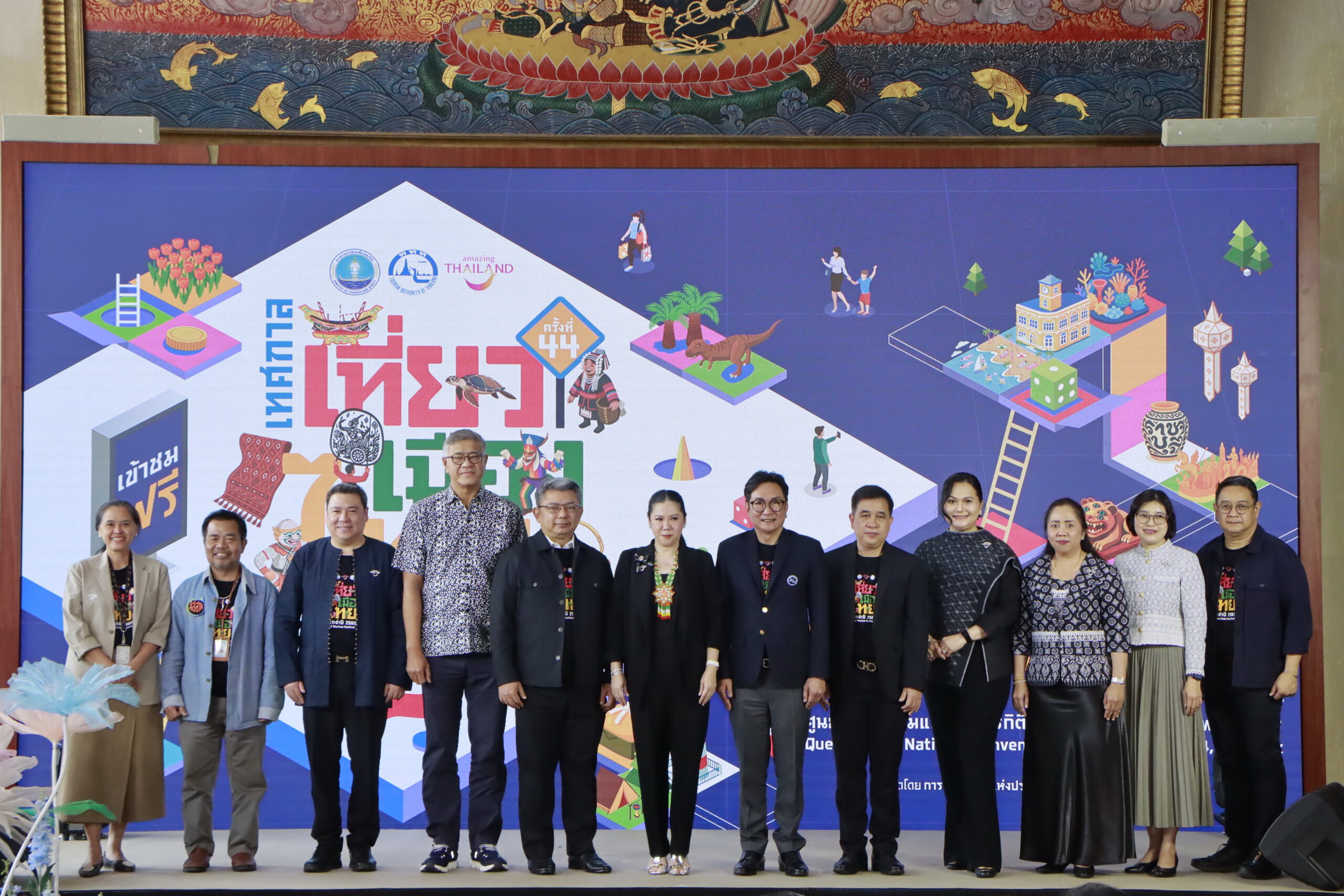
The Government Public Relations Department reported that the Cabinet approved Friday, 16 October 2026, as a special official holiday in Bangkok to support traffic, travel and security arrangements for the meetings. The main programme is scheduled for 12 to 18 October 2026, with sessions at Queen Sirikit National Convention Center and around 1,000 related meetings and activities.
Why global meetings matter to property confidence
A single event does not change condo prices by itself. The importance is reputational and operational. Hosting global financial meetings requires coordination between government, security, transport, hotels, convention facilities, media, telecommunications and hospitality. When Bangkok performs well at that level, it strengthens the city’s long-term positioning as a regional base for business travel and executive mobility.
That matters to property buyers because Bangkok condominiums do not exist in isolation. Rental demand and resale confidence are influenced by the city’s ability to attract companies, institutions, conferences, expatriates and high-value visitors. A more visible Bangkok can make the city easier to explain to overseas buyers who are comparing it with Singapore, Kuala Lumpur, Ho Chi Minh City, Manila or Dubai.
It also gives buyers a useful test for neighbourhood selection. Districts that serve business visitors well usually combine hotels, transport, retail, dining, medical access and reliable building management. Those same qualities often make a condo easier to occupy, rent and explain at resale.
QSNCC gives Bangkok a central venue for international gatherings linked to business travel and city visibility.
QSNCC and the central-city lifestyle map
The Queen Sirikit National Convention Center sits close to Sukhumvit, Asoke, Rama IV, Benjakitti Park and the wider inner-city transport network. For foreign buyers, this reinforces a practical point: Bangkok’s most resilient locations are often those that connect work, conferences, hospitals, hotels, retail, parks and rail access in a compact daily radius.
Properties near major venues do not automatically become better investments. Buyers should still check building quality, walking routes, noise, traffic, flood resilience, rental evidence and future supply. But a central event and convention ecosystem can support the broader neighbourhood story, especially for tenants who travel, attend conferences or work with regional offices.
The scale of international attention
According to PRD, Thailand expects more than 15,000 participants from 190 countries, including finance ministers, central bank governors, executives of global financial institutions, thought leaders and academics. That audience is highly relevant to Bangkok’s premium positioning. Even when participants do not buy property, their experience of the city influences business perception, corporate travel patterns and future institutional confidence.
The Cabinet also called for work-from-home arrangements for certain Bangkok government agencies on selected meeting days, and for cooperation from organisations around the venue. That detail shows the scale of city management required. For property investors, it is a reminder that infrastructure is not only rail lines and buildings; it is also the ability to coordinate a dense city under pressure.
For property buyers, international visibility supports the wider Bangkok confidence story rather than a single project.
How buyers should interpret the signal
The correct reading is balanced. The IMF and World Bank meetings should not be used as a speculative price argument for any single condominium. Instead, they support the wider case that Bangkok remains on the regional stage for finance, tourism, policy, hospitality and urban services. That helps the long-term confidence story behind central-city property.
Foreign buyers should connect this signal with practical due diligence. Which districts are convenient for convention, office and airport movement? Which buildings have management standards suitable for international tenants? Which units can be rented or resold to people whose lives are linked to Bangkok’s business and travel ecosystem? These questions are more useful than simply buying near a headline.
Buyer takeaway
Bangkok hosting the 2026 IMF and World Bank Group Annual Meetings reinforces the city’s global visibility and operational ambition. For property buyers, the value is not short-term hype. It is another piece of evidence that Bangkok continues to function as a premium regional hub where business, travel, policy and lifestyle demand overlap.
IBP can help foreign buyers compare Bangkok districts by connectivity, tenant demand and long-term ownership logic. Read our Thailand economy and investment news archive or contact IBP Real Estate for a Bangkok property brief.
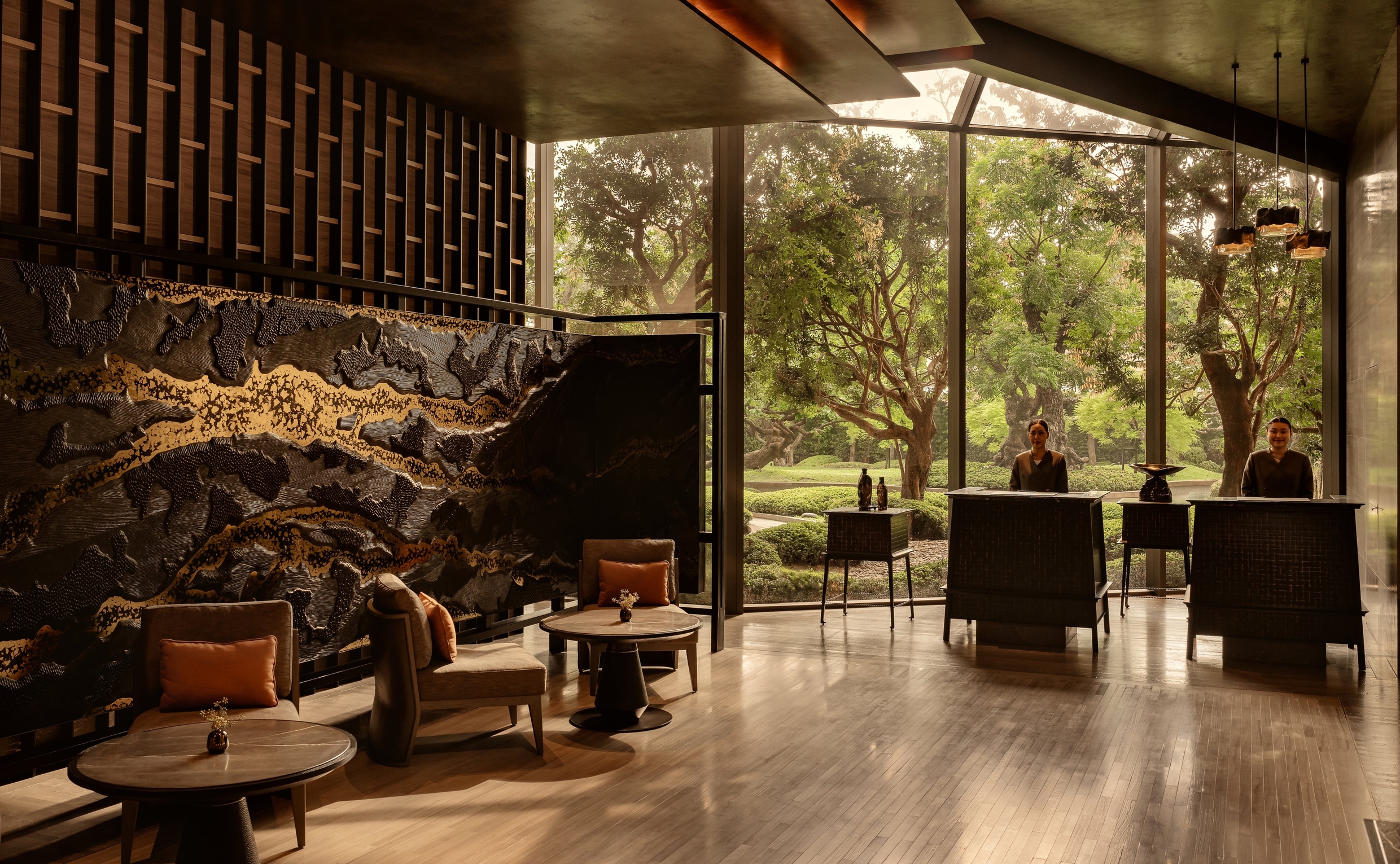
Aman Nai Lert Bangkok Residences gives foreign buyers a very specific luxury question: is the value in the brand, the address, the park setting, the low density, or the way those elements work together? The project sits within Nai Lert Park on Wireless Road, one of Bangkok’s most recognisable prestige corridors, and is tied to an Aman hotel with a deeply private positioning.
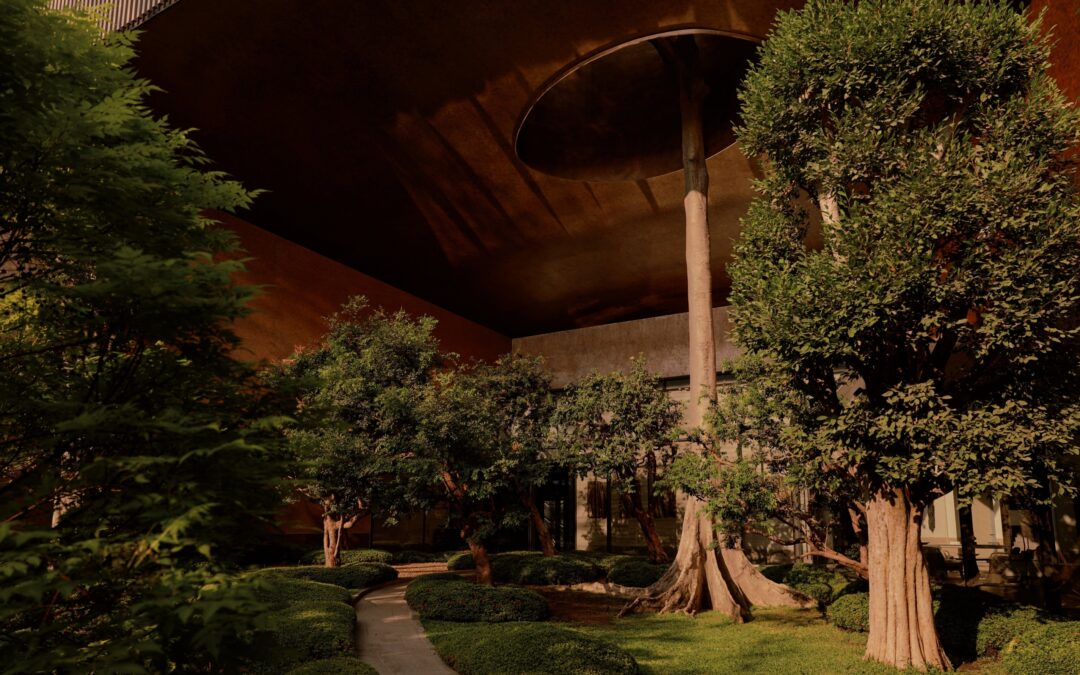
Aman Nai Lert Bangkok combines a Wireless Road address with a rare park setting in the central city.
That combination is rare in Bangkok. Many high-end condominiums offer height, views and facilities. Fewer can point to a mature green estate in the central city, a hospitality brand with global recognition and a very limited residence count. For foreign buyers, the appeal is clear. The due diligence still needs to be precise.
What the official positioning tells buyers
Aman describes the residences as part of Aman Nai Lert Bangkok, set in the seven-acre green oasis of Nai Lert Park and alongside a 52-suite hotel. The residences are limited to no more than 34 homes over 18 floors. That is a different proposition from a large luxury tower with hundreds of units and a broader investor base.
The scale supports privacy, but it also narrows the market. A small ultra-luxury residence can feel exceptional for an owner-occupier and still require a more patient resale strategy. Buyers should not judge it like a standard rental-yield condominium. The case is more likely to sit around personal use, brand affinity, capital preservation, lifestyle utility and long-hold scarcity.
That distinction should shape the whole purchase process. A yield-led buyer may want the broadest tenant pool and fast leasing evidence. An Aman buyer may care more about privacy, service continuity, storage, staff movement, family use and whether the property remains emotionally compelling ten years later. Those are legitimate priorities, but they must be named honestly in the investment brief.
For branded residences, service culture and arrival experience are part of the buyer case.
Why Wireless Road and Nai Lert Park matter
Wireless Road is easy for international buyers to understand because it connects embassies, five-star hotels, office towers, Lumpini, Ploen Chit, Chit Lom and the wider central business area. It is also a corridor where security, arrival experience and address perception matter. For a buyer who wants a Bangkok base that feels private but central, the location has a clear story.
Nai Lert Park adds another layer. Mature green space in central Bangkok is difficult to recreate. A buyer here is not only comparing square metres with other branded residences. They are comparing the daily feeling of arriving through a quieter landscape, looking towards greenery and having hotel services nearby without living inside a conventional hotel tower.
Unit scale and buyer profile
Aman states that one-bedroom residences can be up to 127 square metres, while four-bedroom penthouses can reach up to 2,200 square metres. The official materials also refer to 3.2-metre ceilings, many private terraces and park or city views. Those specifications place the project in the ultra-luxury bracket, where buyers need to assess volume, privacy, staff movement, storage, parking, service access and maintenance cost as much as headline size.
The likely buyer pool is selective: Thai ultra-high-net-worth families, regional principals, returning Thai families, global Aman loyalists, family offices and foreign residents who want a private Bangkok home. That can support prestige, but it also means resale depth should be tested carefully. A smaller buyer universe can be strong, but it is not the same as broad liquidity.
Low-density luxury buyers should ask exactly which shared spaces, services and costs apply.
Branded-service questions
Branded residences are attractive because service standards are easier for overseas buyers to understand. But the service model must be checked in detail. Ask what is included in common fees, which services are optional, how residence and hotel areas are separated, how privacy is managed, and who controls standards after handover. The stronger the brand, the more important it is to understand the operating rules behind it. Buyers should also ask how the brand agreement is documented, how long it runs and what happens if service expectations change over time.
Buyers should also review how common facilities, concierge, wellness, dining access, housekeeping coordination, maintenance response and visitor management work in practice. A branded address can add value only if the experience remains consistent after the first marketing cycle.
Costs and exit planning
Ultra-luxury buyers should model total ownership cost before reservation. Common fees, sinking fund, furniture, fit-out, service charges, insurance, property management, tax, repairs and eventual resale costs can materially affect the real holding experience. If the unit will be rented, the tenant pool must be realistic. If the unit is mainly for family use, the financial model should say so clearly.
Exit planning is equally important. Compare Aman Nai Lert Bangkok Residences with other Wireless Road, Langsuan, Chit Lom, Lumphini, Sathorn and riverside luxury choices. A future buyer may compare by brand, view, tenure, age, service model, building density and monthly running cost. The strongest purchase is the one where the buyer understands both emotional value and practical resale logic.
Buyer takeaway
Aman Nai Lert Bangkok Residences deserves attention because it offers a rare combination of central Bangkok greenery, global hospitality identity and very low-density living. It is not a simple yield product. Foreign buyers should approach it as a long-hold luxury asset, then test the contract, service structure, ownership costs and future buyer depth with discipline.
IBP can help compare Aman Nai Lert Bangkok Residences with other Bangkok branded residences and ultra-luxury condominiums. Explore our project reviews or contact IBP Real Estate for a private shortlist.
Condominium annual general meetings are easy for overseas owners to ignore. The unit may be rented, the meeting notice may arrive in Thai, and the agenda can look routine. For a foreign owner, however, the AGM is where many ownership risks become visible: budgets, common fees, committee decisions, major repairs, building rules, insurance, sinking funds and the quality of the juristic person.
AGM papers should be treated as part of the ownership file, not as routine admin.
Understanding voting rights does not turn a buyer into a building manager. It simply helps the owner protect their asset. A Bangkok condo is not only a private unit; it is also a share in a common building. If the common areas are neglected, if major repairs are underfunded, or if rules are poorly enforced, the unit’s rental appeal and resale value can suffer even when the title deed is clean.
What an AGM normally decides
An AGM is the main forum where co-owners review the previous year’s accounts, approve budgets, appoint or review committee members, discuss building management and consider significant spending. The exact agenda depends on the building, but the themes are usually practical: lifts, facade works, water systems, security, parking, insurance, staff costs, management contracts, arrears and reserve funds.
For foreign buyers, the most important point is that these decisions affect holding costs. A building with low common fees but poor maintenance may need a large special contribution later. A building with higher fees may be justified if the money is transparent, properly collected and spent on services that protect the asset. The AGM papers help the owner see which situation they are buying into.
Building governance affects budgets, repairs, rentals and future resale confidence.
How voting rights are usually measured
In many condominium documents, co-owner voting is linked to the ownership ratio in the common property. In practice, this often means larger units carry more voting weight than smaller units. Buyers should check the unit’s ownership ratio on the title and in the condominium documents, then compare it with how meeting votes are recorded for that specific building.
This is one reason a foreign buyer should ask for recent AGM minutes before buying a resale unit. The minutes may show whether the building reaches quorum, whether the same issues repeat, whether budgets are approved without scrutiny and whether significant decisions are properly documented. A well-run building usually has a clearer paper trail.
Where the paperwork is unclear, ask the seller, juristic office and conveyancing adviser to reconcile it before reservation money becomes difficult to recover. Voting rights are not useful if the owner cannot identify notices, understand the agenda or prove who is authorised to attend. Practical control begins with documents that match the unit being purchased.
Proxy voting for overseas owners
Many foreign owners cannot attend in person. Proxy voting can help, but it should be handled carefully. Do not sign a blank proxy without understanding the agenda. Ask for an English summary where possible, mark your voting instruction clearly and choose a proxy holder who will follow your position. If the agenda includes major spending, rule changes or committee appointments, take extra care.
A proxy is not only a convenience tool. In buildings with many absent owners, proxies can shape the outcome. Before buying, ask how active owners are, whether meetings usually reach quorum, and whether proxy concentration has caused disputes. A building where a small group controls decisions through weak owner participation may still be legal, but it deserves closer governance review.
The best due diligence links the physical condition of the building with the AGM record.
AGM documents to request before buying
The latest AGM notice and agenda.
Minutes for the last two or three owner meetings.
Audited accounts, annual budget and sinking fund balance.
Common fee, sinking fund and special assessment records.
Building rules covering pets, renovation, short stays, parking and facility use.
Evidence of arrears and any major unresolved repair projects.
Questions that reveal building quality
Ask whether the juristic office provides documents in English or can explain key matters clearly. Ask how quickly maintenance requests are handled, whether accounts are audited on time, and whether major systems have planned replacement budgets. If the building is older, ask about lifts, waterproofing, fire systems, facade condition and pipework. These are not abstract governance issues; they are the practical details that decide future costs.
For landlords, AGM decisions can also affect rental income. Changes to parking rules, move-in procedures, renovation hours, facility bookings or short-stay enforcement can alter tenant experience. A well-managed building protects good tenants and responsible owners. A weakly managed one can create avoidable friction.
What foreign owners should do each year
Keep your contact details updated with the juristic office. Read meeting notices early. Ask your agent or property manager to summarise important agenda items, especially budgets and special assessments. Vote where the matter is material. Keep copies of minutes and accounts in your ownership file, alongside title, transfer, tax and lease documents.
This is also useful for resale. A future buyer may ask whether the building has unresolved disputes, major upcoming works or fee increases. Owners who keep good records can answer faster and with more confidence.
Buyer takeaway
AGM voting is not a formality. It is part of the control system that protects a Bangkok condo after transfer. Foreign buyers should understand their voting weight, use proxies carefully, review minutes before buying and keep annual records after ownership. A beautiful unit in a poorly governed building is rarely a low-risk asset.
IBP can help foreign buyers review Bangkok condo documents, juristic person records and building governance before reservation or resale purchase. Start with our foreign buyer guides or contact IBP Real Estate for due diligence support.
Thailand’s residential credit cycle is sending a more nuanced signal than a simple recovery headline. REIC reported that new housing loans nationwide reached 121,557 million baht in the first quarter of 2026, up 11.1% from a year earlier. That matters for Bangkok condominium buyers because mortgage availability influences local demand, developer confidence, resale liquidity and the tone of negotiations, even when a foreign buyer is paying in cash.
Mortgage lending can improve sentiment, but investors should still judge Bangkok condos building by building.
The headline should still be read carefully. A stronger lending quarter does not mean every condominium segment is improving at the same speed. REIC also described the wider market as still fragile, with energy costs, inflation pressure and weaker purchasing power keeping some buyers cautious. For foreign investors, the useful takeaway is not to assume that Bangkok is suddenly a broad seller’s market. It is to understand where improved credit can support activity and where discipline is still needed.
Why mortgage lending affects foreign buyers
Foreigners buying Bangkok condos are often less dependent on Thai mortgages than local buyers. Many use overseas funds, savings, family capital or finance arranged outside Thailand. Even so, domestic lending matters because the local buyer pool sets part of the resale and transfer environment. If Thai buyers struggle to borrow, developers may slow launches, sellers may accept longer negotiation, and completed stock may clear more slowly.
When banks begin lending a little more actively, that can help remove some pressure from the market. Local buyers can move, developers can recycle inventory, and resale owners may feel less trapped. But foreign buyers should not confuse a better credit reading with proof that a specific unit is liquid. Liquidity still depends on location, layout, building management, price, tenant demand and future supply nearby.
A broader credit cycle may support transactions, but it does not rescue weak buildings or poor layouts.
The credit signal is supportive, not decisive
REIC also noted that outstanding housing loans stood around 5.13 trillion baht, up 2.4%. That shows the housing finance base remains large, but it also explains why banks remain selective. A market with meaningful outstanding debt can improve gradually while lenders still examine borrower quality, income stability and collateral carefully. In Bangkok condos, this selectivity is one reason well-priced, completed, easy-to-understand units can attract attention while weaker stock sits longer.
The Bank of Thailand’s Q1 2026 banking-sector brief adds useful context. It described the banking system as resilient, with strong capital, provisions and liquidity, while noting that some households and SMEs still face tight conditions. For property investors, that is a reminder to separate system resilience from household affordability. A stable bank sector helps confidence, but affordability still decides whether ordinary buyers can transact.
It also affects the due-diligence timetable. If local credit is improving but still selective, sellers may become more confident before actual transaction evidence fully follows. Foreign buyers should therefore keep written offer conditions, valuation checks and remittance preparation organised. Speed is useful only when the buyer already knows the building, the competing stock and the likely exit audience.
What this means for bargaining
Foreign cash buyers should avoid assuming that cash alone guarantees a discount. In some buildings, sellers with good units and low holding costs will wait. In others, especially where inventory is deep or the owner needs liquidity, a clean cash offer with proper documents can still be persuasive. The credit environment changes the tone, not the need for evidence.
A practical approach is to ask three questions before offering. First, how many comparable units are actually available in the same building and immediate area? Second, how quickly have realistic listings moved in the last six to twelve months? Third, is the seller’s price supported by rent evidence, recent transfer values and the building’s condition? If those answers are weak, improved mortgage data should not push a buyer into overpaying.
Foreign buyers should connect market signals with unit planning, tenant depth and resale evidence.
Where the opportunity is selective
Better lending conditions can support mid-market and upgrader demand, but foreign investors usually need a narrower lens. The strongest Bangkok condo opportunities are still likely to be buildings with clear tenant demand, sensible common fees, good transport access, practical layouts and a management record that supports long-term ownership. A cheaper price in a difficult building is not automatically a better investment.
REIC’s 2026 transfer forecast also keeps expectations grounded. The data cited a nationwide housing transfer forecast of 312,814 units, down 1.1%, and transfer value of 845,235 million baht, down 2.3%. In other words, the market may be stabilising rather than surging. For buyers, that can be a useful environment if they are patient and evidence-led.
Checklist for foreign buyers
Use mortgage data as a market-temperature check, not as proof of a specific investment case.
Compare asking prices with completed resale evidence, not only developer list prices.
Model rent, vacancy, common fees, repairs, agent fees and resale timing conservatively.
Check whether local buyers can reasonably afford the same product if you need to resell.
Prefer buildings where management quality and unit planning support owner use as well as rental demand.
Buyer takeaway
The Q1 lending improvement is encouraging because it suggests the market has more movement than it did during the tightest credit period. But Bangkok remains a selective market. Foreign buyers should use the data to negotiate with more confidence, not to lower their standards. The best purchases will still be those where price, building quality, legal readiness and realistic exit demand line up.
IBP can help foreign buyers compare Bangkok condo options using resale evidence, rent assumptions and building-level due diligence. Read more in our investment analysis archive or contact IBP Real Estate for a buyer brief.