Bangkok’s liveability for foreign buyers is often discussed through parks, malls, hospitals and transport. For many modern expats, one more layer matters: the workday ecosystem. Coworking spaces, cafes, quiet lobbies, delivery access, gyms, grocery runs and short commutes can decide whether a condo feels usable for remote work, hybrid employment or a part-time Bangkok base.
A useful workday setting can make a Bangkok condo more comfortable for owners and tenants.
This does not mean every buyer needs a fashionable cafe downstairs. It means a purchase should be tested against the buyer’s weekly routine. A building that photographs well may feel awkward if the owner cannot take calls, collect parcels, grab lunch, meet a client, reach the BTS or find a quiet place to work when contractors are inside the unit.
For landlords, workday liveability can also support tenant appeal. Bangkok tenants increasingly compare buildings by how they function during ordinary days, not only by pool views or lobby design. A unit near the right everyday services can be easier to rent and easier to keep occupied.
Why workday routines affect property choice
Foreign buyers often visit Bangkok during a compressed viewing trip. They may see several properties, eat at destination restaurants and move around with an agent. That can hide the routine test. After purchase, life becomes more ordinary: morning coffee, online meetings, parcel deliveries, gym sessions, school pickup, supermarket trips, rainy-season taxis and evening meals.
A good Bangkok condo location reduces friction in those moments. The strongest neighbourhoods offer a mix of places to work, eat, exercise, shop and move. Phrom Phong, Thonglor, Ekkamai, Asoke, Ari, Chit Lom, Sathorn, Silom and Rama IV each offer different versions of this ecosystem. The right choice depends on the household’s work style, budget and transport needs.
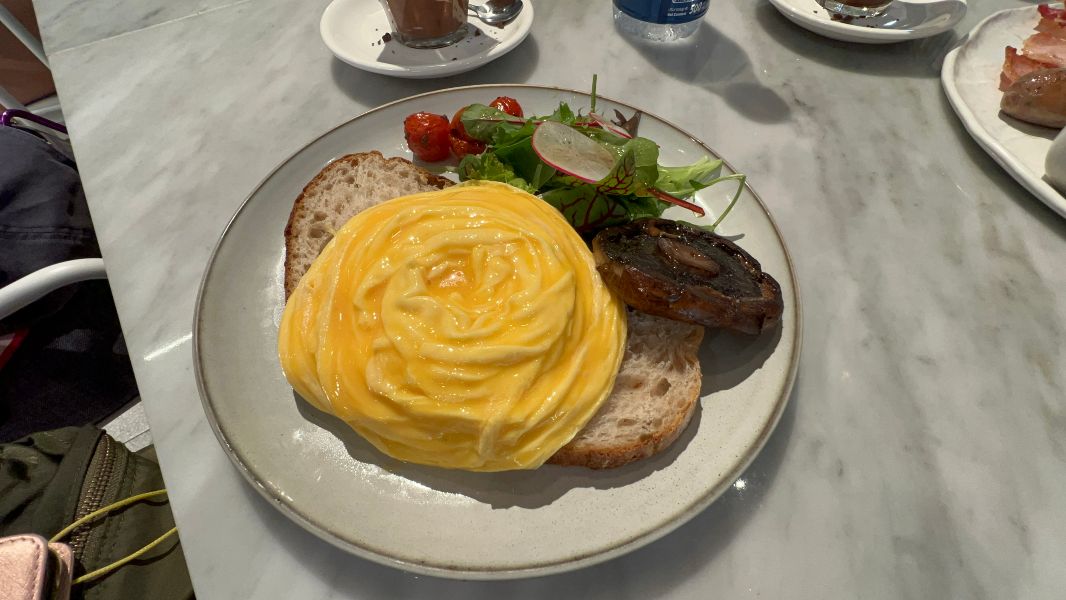
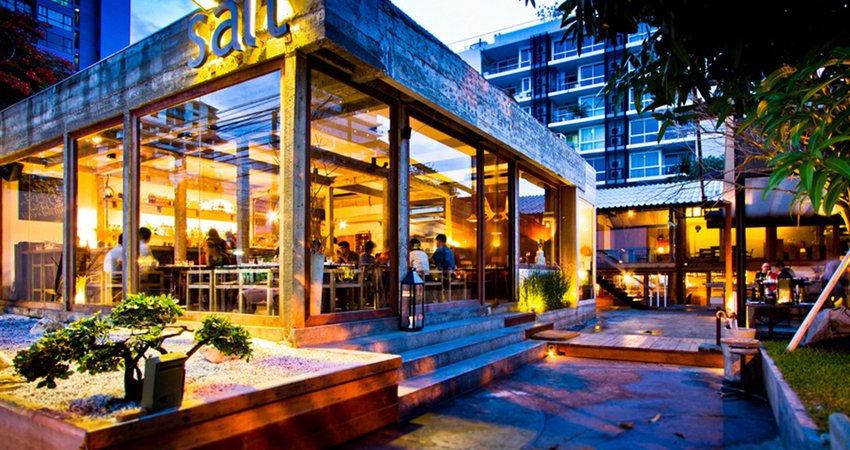
Cafe and lunch options are part of the everyday infrastructure that helps a neighbourhood work.
Building coworking versus neighbourhood coworking
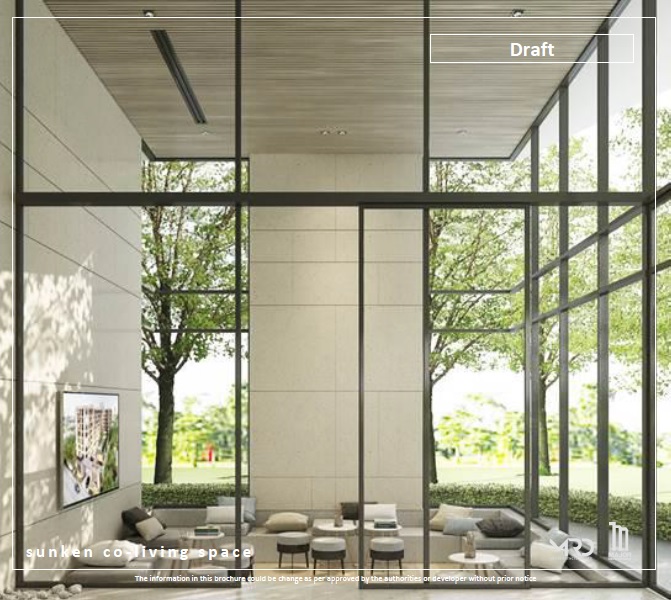
Some newer condominiums include coworking rooms, lounges, meeting pods or library-style spaces. These are valuable only when they are quiet, bookable, well maintained and sized for the resident population. A beautiful lounge can become difficult to use if there are too few seats, weak Wi-Fi, no call privacy or unclear rules.
Neighbourhood coworking is a separate advantage. A nearby serviced office, hotel lounge, cafe or flexible workspace gives owners an escape route when the unit is noisy, being cleaned or occupied by visiting family. Remote workers should test walking routes, noise, power sockets, seating comfort, internet reliability and whether the venue remains usable in the afternoon.
Cafe access is practical, not decorative
Cafe access matters because it creates flexibility. It helps with quick breakfasts, informal meetings, work breaks and weekend routines. But buyers should look beyond trendiness. A useful cafe neighbourhood has opening hours that match real life, seating that does not feel temporary, rain-friendly access, delivery options and enough variety that residents do not depend on one venue.
Food access should also include simple lunch and dinner choices. A district with only premium restaurants can be exciting, but day-to-day living is easier when local meals, supermarkets, bakeries, casual restaurants and international options sit close together. This is one reason mixed-use and retail-connected districts often feel easier for new expats.
Delivery, lobby and parcel management
Bangkok’s delivery culture is convenient, but the building must handle it well. Ask how food delivery, parcels, ride-hailing and visitors are managed. A crowded lobby or confusing access process can frustrate tenants and residents. For landlords, delivery and parcel rules should be explained before move-in so tenants do not clash with security or juristic staff.
Buyers should also check lift capacity, loading areas, parking, motorcycle access and whether drivers can stop safely nearby. These small details affect daily comfort, especially during rain or heavy traffic.
The best condo location supports ordinary weekday movement, not only weekend lifestyle.
How to inspect a workday neighbourhood
Visit on a weekday morning, lunch period and rainy evening, not only on a weekend.
Test the walk from building lobby to BTS, MRT, cafes, supermarket and main road.
Check whether building workspaces are quiet, bookable and actually used by residents.
Look for practical lunch, grocery and delivery options, not only destination dining.
Ask security how parcels, food delivery, guests and ride-hailing pickups are handled.
Compare the routine with likely tenant profiles if the unit will be rented out.
Buyer takeaway
Coworking and cafe access may sound like lifestyle detail, but it is really a liveability test. Bangkok works best for expat owners when the condo, building and neighbourhood make ordinary workdays simple. The easier the routine, the more likely the property will be used, leased and recommended.
IBP can help foreign buyers compare Bangkok neighbourhoods by daily routine, tenant demand and ownership practicality. Read our expat living guides or contact IBP Real Estate for a lifestyle-led property shortlist.
Thailand’s latest tourism cooperation with Vietnam Airlines is a useful confidence signal for foreign buyers watching Bangkok’s regional role. On 28 May 2026, the Tourism Authority of Thailand reported that it signed a memorandum of understanding with Vietnam Airlines during the official visit to Thailand of Viet Nam’s senior leadership from 27 to 29 May, as the two countries mark 50 years of diplomatic relations.
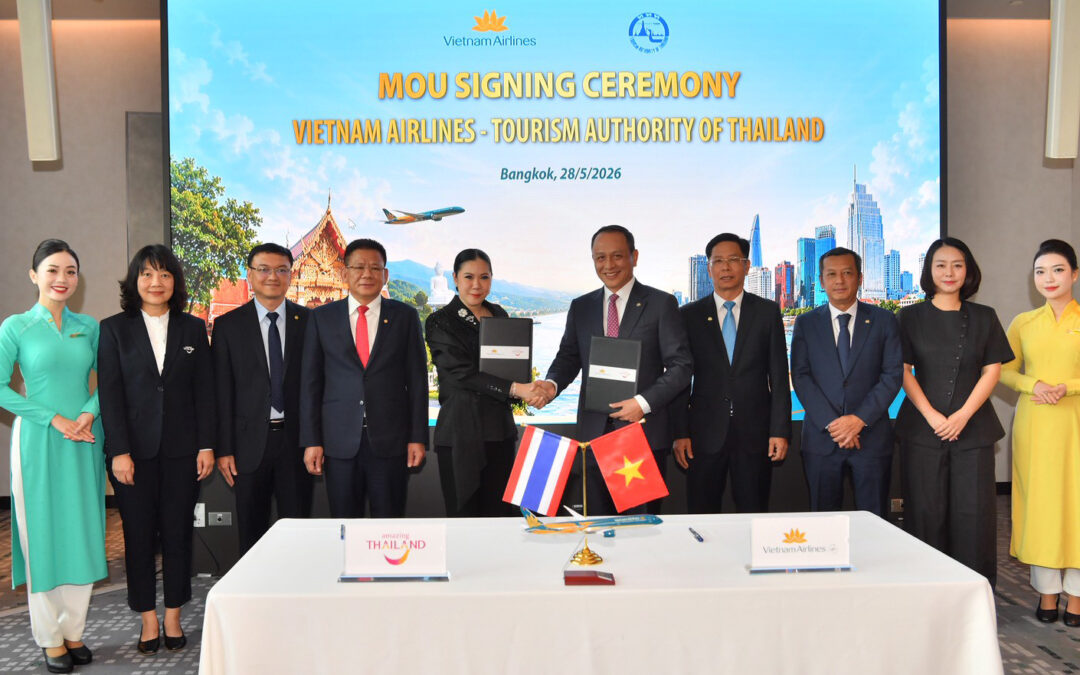
TAT and Vietnam Airlines signed an MOU during a high-level Thailand-Viet Nam engagement in Bangkok.
The MOU was signed in Bangkok by TAT Governor Thapanee Kiatphaibool and Vietnam Airlines President and Chief Executive Officer Le Hong Ha. TAT also reported that Vietnam Airlines signed separate MOUs with Airports of Thailand and the Thai Travel Agents Association. For property buyers, the importance is not only tourism volume. It is the direction of travel: Thailand is deepening ASEAN air access, business promotion and regional visitor pipelines around Bangkok as a gateway city.
A single airline agreement should not be treated as a property-price forecast. But connectivity matters. Foreign owners need cities that remain easy to reach, inspect, lease, manage and resell. Bangkok benefits when air, tourism, business and government links make Thailand more visible to regional travellers and investors.
What the MOU covers
According to TAT, the cooperation will coordinate route development and additional flight frequencies. Priority routes include Hanoi and Ho Chi Minh City to Bangkok, Da Nang to Bangkok, Ho Chi Minh City to Phuket and Hanoi to Chiang Mai. TAT also said Vietnam Airlines announced a new Ho Chi Minh City to Phuket service scheduled to begin on 2 July 2026 with four weekly flights.
The working framework also includes joint marketing, international tourism fairs, buyer engagement, promotional content, tourism workshops, familiarisation trips, media and influencer activities, official visits and market information exchange. A joint working group is expected to guide implementation. This is a practical commercial structure rather than only a ceremonial announcement.
The cooperation focuses on routes, joint promotion, buyer engagement and market information exchange.
Why ASEAN access helps Bangkok
Bangkok’s property appeal is partly local and partly regional. Locally, buyers look for transport, schools, healthcare, retail, culture and building quality. Regionally, they ask whether Bangkok works as a base for business travel, family visits, medical trips, leisure and corporate meetings. Stronger Thailand-Viet Nam travel links support that second layer.
Viet Nam is one of ASEAN’s most dynamic economies, with a rising middle class, active business travel and deepening corporate links across the region. When Thailand builds more convenient access and tourism cooperation with Viet Nam, Bangkok can gain as the main commercial and service hub. Hotels, serviced apartments, premium retail, medical providers, restaurants and transport nodes all form part of the same urban economy that supports prime residential demand.
Where buyers should look for the property link
The clearest property link is in districts that serve mobile regional residents and visitors: Sukhumvit, Asoke, Phrom Phong, Thonglor, Ploenchit, Chit Lom, Silom, Sathorn and selected riverside locations. These areas combine business access, BTS or MRT links, hotels, hospitals, schools, shopping and international dining. They are easier for a regional buyer or tenant to understand quickly.
Airport access also matters. A buyer planning frequent travel should test real journey times to Suvarnabhumi and Don Mueang at different hours, not only map distance. A premium condominium that is difficult to reach during peak travel times may feel less useful for a regional owner, even if the building itself is strong.
Bangkok’s role as a meeting point for regional business supports its wider property-confidence story.
How not to overread the signal
Connectivity is a confidence layer, not a substitute for due diligence. A foreign buyer should still check foreign quota, title, building management, common fees, rent evidence, resale liquidity and unit layout. Air access can support demand, but it will not fix an overpriced unit or a weak building.
Buyers should also distinguish between tourism demand and long-term tenant demand. A route or campaign may increase visitor familiarity with Thailand, but rental performance depends on expatriate employment, corporate budgets, school access, healthcare needs and neighbourhood convenience. The strongest investment case is where macro confidence and unit-level evidence point in the same direction.
Investor takeaway
The TAT-Vietnam Airlines MOU reinforces Bangkok’s position as a connected ASEAN gateway. It adds to the broader case for Bangkok as a property market tied to regional travel, business, healthcare and lifestyle demand. For foreign buyers, the practical response is to use connectivity as one filter, then buy only where the district and building fundamentals are clear.
IBP can help overseas buyers interpret Thailand economy and connectivity signals alongside Bangkok condo due diligence. Read our Thailand economy and investment updates or contact IBP Real Estate for a buyer consultation.
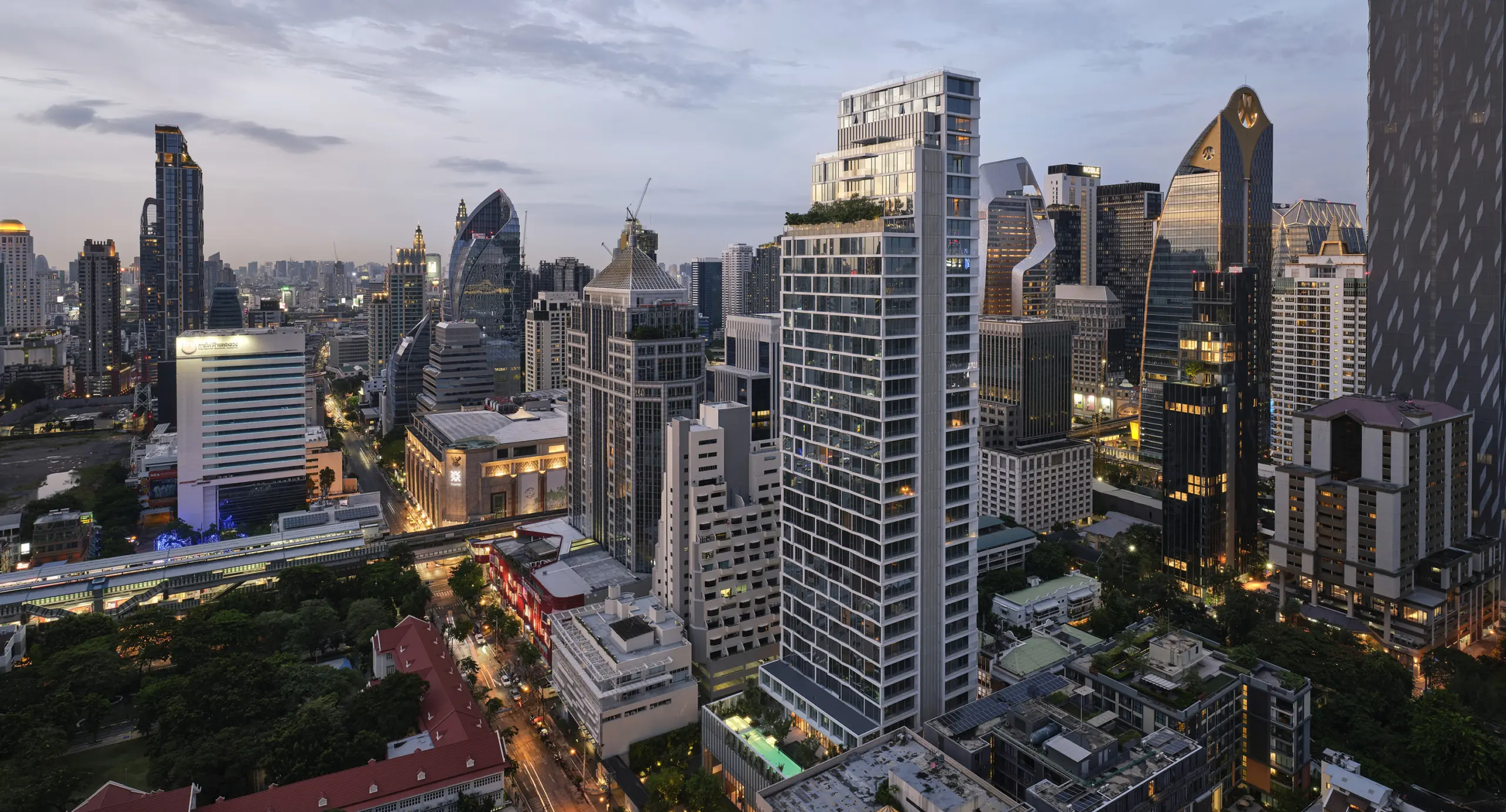
SCOPE Langsuan sits in one of Bangkok’s most closely watched luxury residential pockets: Langsuan on Ploenchit, between Lumphini Park, Chit Lom, Ratchaprasong, Wireless Road and the wider embassy-and-retail core. For foreign buyers, the appeal is easy to understand. The address is central, walkable by Bangkok standards, close to premium malls and hotels, and connected to both BTS and major city roads.
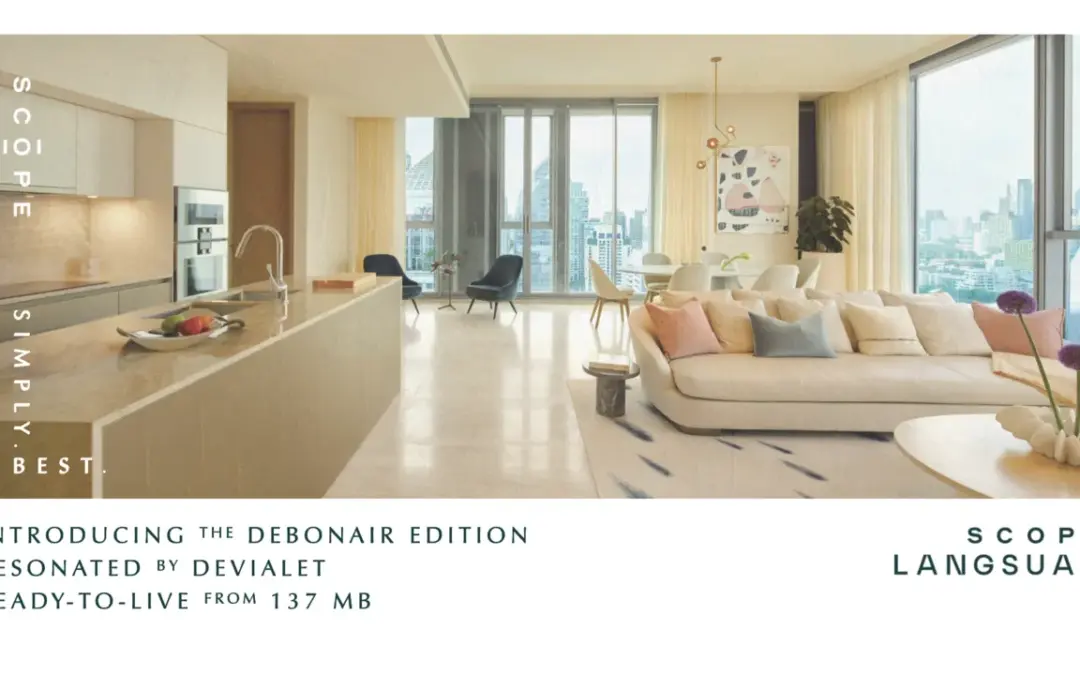
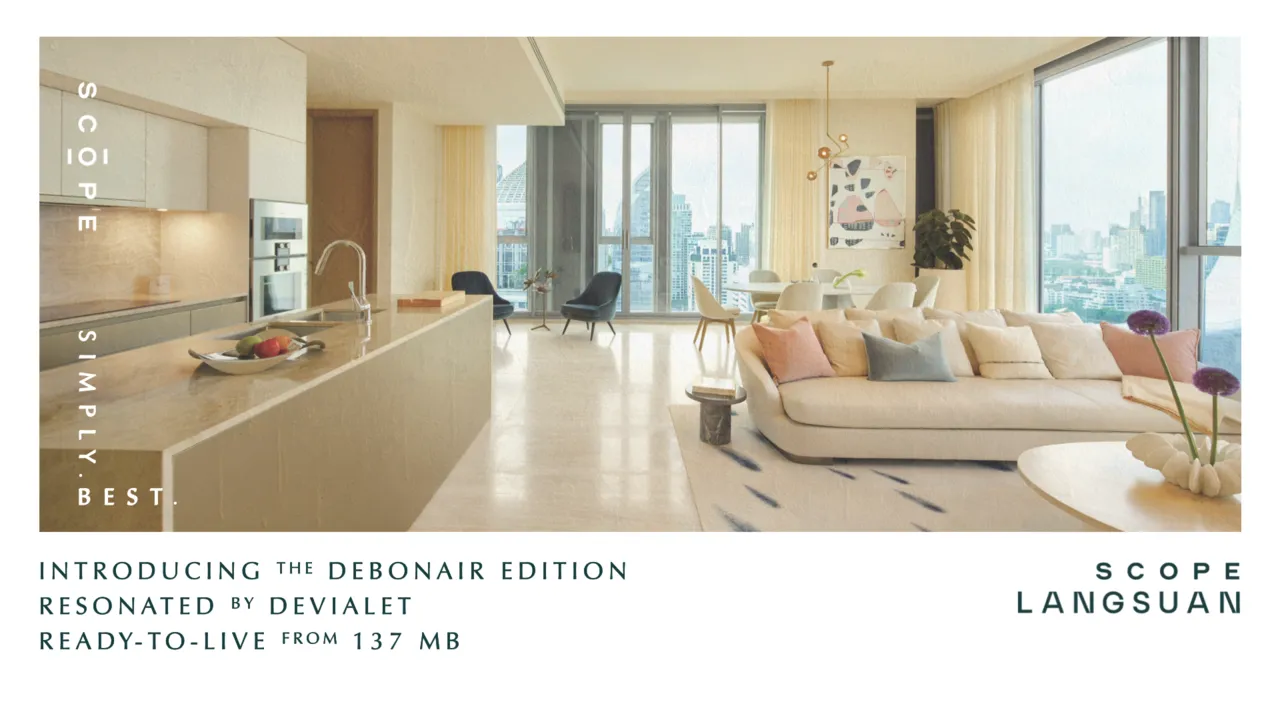
SCOPE Langsuan positions itself around a rare Langsuan address and a tightly defined luxury living concept.
The buyer question is whether the specific unit, price and holding plan justify the project’s premium positioning. SCOPE’s official materials emphasise Langsuan as a prestigious address and note that the land acquisition in 2019 set a Bangkok high-value benchmark. Kohn Pedersen Fox lists SCOPE Langsuan as a 30,000 sq.m. residential project with 133 residences, designed with Tandem Architects as architect of record and Thomas Juul-Hansen as interior designer.
Those details support the project’s luxury identity, but they do not replace due diligence. Foreign buyers should still compare the unit against completed luxury stock in Chit Lom, Ploenchit, Wireless, Ratchadamri and nearby Langsuan buildings. At this price level, small differences in view, layout, service, floor, parking and resale evidence can materially affect the investment case.
Why Langsuan matters
Langsuan is not a mass-market convenience location. Its strength is scarcity and daily-life concentration. Buyers are close to Lumphini Park, Central Embassy, Central Chidlom, CentralWorld, hotels, private clubs, embassies, offices and BTS Chit Lom. This mix appeals to owners who want a Bangkok base that feels polished without being disconnected from the city.
For investors, Langsuan’s value lies in how many buyer and tenant groups can understand it quickly. A regional executive, embassy family, high-net-worth Thai buyer, long-stay foreign resident or second-home owner can all grasp the address. That can help with future resale, provided the entry price and unit type are sensible.
KPF describes the facade as using glass creases and stainless-steel fins to create a textured modern expression.
What the design signal says
KPF’s project description presents SCOPE Langsuan as combining modern and traditional elements, with a dynamic facade using delicate glass creases and stainless-steel fins. This matters because luxury buyers are not only buying square metres. They are buying arrival, privacy, identity and the confidence that the building will remain visually relevant.
Still, design language should be translated into practical checks. How does the facade affect heat, privacy and maintenance? Are the windows easy to clean and maintain? Does the lobby experience remain calm when deliveries, drivers and guests arrive together? Does the floor plan give enough storage, kitchen function and privacy for the intended household?
Services and shared facilities
SCOPE’s official material highlights private resident experiences including a Dolby Atmos theatre and housekeeping service. These are meaningful differentiators if delivered consistently. A foreign owner using the unit part-time may value housekeeping and service standards more than a local owner who lives there daily. A tenant may value them if the cost and rules are clear.
Buyers should review what is included in common fees, what is optional, how booking works, whether outside guests are allowed, and how facilities are maintained. Luxury amenities can support resale when they are well used and well managed. They can become expensive decoration when they are underused, costly or difficult to access.
For buyers, interior quality should be tested by layout, maintenance logic and long-term usability.
Unit mix and practical fit
SCOPE’s page references one-bedroom residences from 82 sq.m. and two-bedroom residences from 152 sq.m. and 164 sq.m., with private lift arrangements and premium planning features. Those sizes are important because the project is not competing with small investor units. It is aimed at buyers who value space, privacy and a more residential feel.
A larger one-bedroom can work well for a single executive, couple or second-home owner who values comfort over headline yield. A two-bedroom may broaden the tenant and resale audience, especially for couples, small families or buyers wanting a study. The key is price discipline. A spacious plan is only valuable if the layout uses the area well and the future buyer pool can afford the same absolute price band.
Rental and resale checks
Luxury Langsuan rentals can be supported by embassies, senior executives, regional business owners and long-stay residents who want park, retail and hotel access. But SCOPE Langsuan should not be underwritten like a standard investment condo. Buyers should ask for real lease comparables in the building or close competitors, expected vacancy, furniture standard, manager fees and tenant profile.
For resale, compare asking prices with actual completed evidence where available. Check how many similar units are listed, whether sellers are reducing prices, how foreign quota stands, and whether the project has an active international brokerage audience. Scarcity helps only when there are buyers ready to pay for it.
Due diligence before reservation
Confirm foreign quota, title status and transfer timetable before paying a serious deposit.
Review common fees, sinking fund, service inclusions and optional housekeeping charges.
Compare same-size resale and rental evidence across Langsuan, Chit Lom and Ploenchit.
Inspect the actual view, privacy, lift access, parking and storage, not only showroom finishes.
Ask how facilities are booked, maintained and paid for over time.
Build an exit plan around the likely buyer audience, not only the brand story.
Buyer takeaway
SCOPE Langsuan is a strong fit for foreign buyers seeking a central, low-volume, design-led Bangkok residence with a clear luxury address. It is less suited to buyers chasing simple gross yield or low entry price. The project should be evaluated as a premium holding asset where lifestyle value, scarcity and resale discipline matter together.
IBP can help foreign buyers compare SCOPE Langsuan with other Langsuan, Wireless, Chit Lom and Ploenchit luxury condominiums. Read our project review notes or contact IBP Real Estate for a private shortlist.
Foreign owners who rent out a Bangkok condominium often focus on rent level first. The lease contract deserves equal attention. A clear lease protects the owner, gives the tenant a better experience and reduces the chance that a small operational issue becomes a costly long-distance problem.
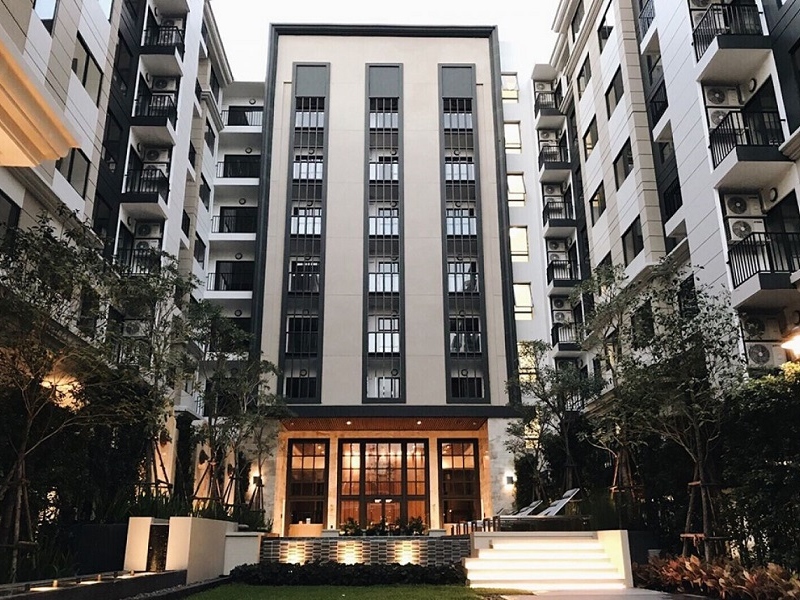
The lease should translate building rules and owner expectations into enforceable, practical terms.
Most Bangkok residential leases used by expatriate tenants are practical documents rather than complex institutional contracts. That simplicity is useful, but only if the important points are written down. A landlord living overseas should not rely on verbal promises about repairs, pets, early termination, furniture, access or deposit deductions.
This guide is not a substitute for Thai legal advice. It is a working checklist for foreign landlords and buyers planning to lease a unit after purchase. The safest lease is one that matches Thai law, the condominium rules, the tenant profile and the owner’s ability to manage issues from abroad.
Start with the parties and payment route
The lease should identify the owner, tenant, unit, lease term, rent, due date, payment account and security deposit clearly. If an agent, company or relocation provider is involved, make sure the contract still identifies who is responsible for rent and damage. A company lease may need authorised signatories and company documents; an individual lease should record passport or identification details accurately.
Foreign landlords should decide whether rent will be paid into a Thai bank account, an overseas account or a property manager account. The lease should state who pays transfer costs and what counts as payment date. If rent is paid to a manager, the owner should have a separate management agreement explaining reporting, deductions and remittance timing.
Security deposit and advance rent
The lease should state the amount of security deposit, how it will be held, what it can be used for and when any balance will be returned. Common deductions include unpaid rent, utilities, missing items, abnormal damage, cleaning beyond ordinary use and early termination charges if agreed. The contract should also distinguish between a deposit and advance rent so there is no confusion at move-out.
A landlord should avoid vague language such as “damage at landlord discretion”. Better wording links deductions to evidence: check-in photos, check-out photos, repair invoices, inventory records and utility statements. This is especially important if the owner cannot inspect the unit personally.
A good handover record reduces disputes over furniture, appliances and deposit deductions.
Furniture, appliances and handover record
A furnished Bangkok condo lease should include an inventory. The inventory does not need to be over-engineered, but it should list major furniture, appliances, keys, access cards, remotes, curtains and built-in items. Take dated photos or video at handover and store them with the lease. Record the condition of walls, floors, bathroom fixtures, kitchen equipment, balcony, air-conditioning units and any existing defects.
The lease should explain who maintains what. Landlords normally remain responsible for structural items and major appliance failures not caused by tenant misuse, while tenants are expected to keep the unit clean, use appliances properly and report problems quickly. Air-conditioning cleaning is a frequent issue in Bangkok; specify frequency, responsibility and evidence required.
Repairs and emergency access
Repair clauses should be practical. State how tenants report problems, who approves contractors, what costs require landlord approval and what happens in urgent situations such as water leaks, electrical faults or air-conditioning failure. If a property manager is appointed, the tenant should know the manager’s contact details and escalation route.
The lease should also include reasonable access rights for repairs, inspection, juristic-person requirements and resale or reletting viewings near the end of the lease. Access should not be intrusive, but a landlord must be able to protect the unit and comply with building requirements. Advance notice, emergency exceptions and permitted contact channels should be written clearly.
Pets, smoking, subletting and short stays
Bangkok condominium rules vary widely on pets, smoking, short-term stays and guest use. The lease must follow the building rules. If pets are permitted, write the pet details into the contract, including size, number, cleaning obligations, noise expectations and damage responsibility. If pets are not allowed, do not rely on a casual verbal exception from an agent.
Subletting and short-stay use should also be addressed directly. A tenant who turns a long-term condo lease into informal short-stay accommodation can create building-rule, insurance, security and reputation problems. If subletting, platform listing or commercial use is prohibited, say so plainly.
Lease terms must fit the condominium rules, not only the landlord and tenant agreement.
Early termination and renewal
Many rental disputes come from early termination. A lease should say whether early exit is allowed, how much notice is required, whether the deposit is forfeited, and whether the tenant must pay rent until a replacement tenant is found. If a diplomatic clause is used for expatriate tenants, it should be precise about triggering events and evidence required.
Renewal terms should also be clear. State whether renewal is automatic, subject to agreement, or requires written confirmation before a deadline. If the landlord expects a rent review, write the process into the lease. Overseas owners should calendar key dates so the manager does not miss renewal or marketing windows.
Owner obligations after signing
A lease does not remove the owner’s need to manage the property. Foreign landlords should keep insurance updated, pay common fees on time, monitor tax obligations, keep repair reserves and communicate promptly. Tenants who receive fast, organised responses are more likely to renew and less likely to withhold cooperation at move-out.
The owner should also keep a transaction file with the lease, tenant documents, inventory, handover photos, rent receipts, repair invoices, utilities, juristic correspondence and move-out records. This file is useful for tax reporting, future resale and any later dispute.
Lease checklist
Confirm the tenant, payment account, due date and late-payment process.
State deposit use, evidence for deductions and refund timing.
Attach a furniture, appliance, key and access-card inventory.
Set repair reporting, contractor approval and emergency access rules.
Align pets, smoking, subletting and short-stay terms with building rules.
Write early termination, renewal and viewing access terms clearly.
Keep a complete owner file from signing through move-out.
Landlord takeaway
A strong Bangkok condo lease is not about being difficult. It is about reducing uncertainty before the tenant moves in. For foreign landlords, clarity is especially valuable because distance makes informal problem-solving harder.
IBP can help foreign owners prepare Bangkok rental plans, tenant checks and management workflows before leasing. Read our rental market guides or contact IBP Real Estate for landlord support.
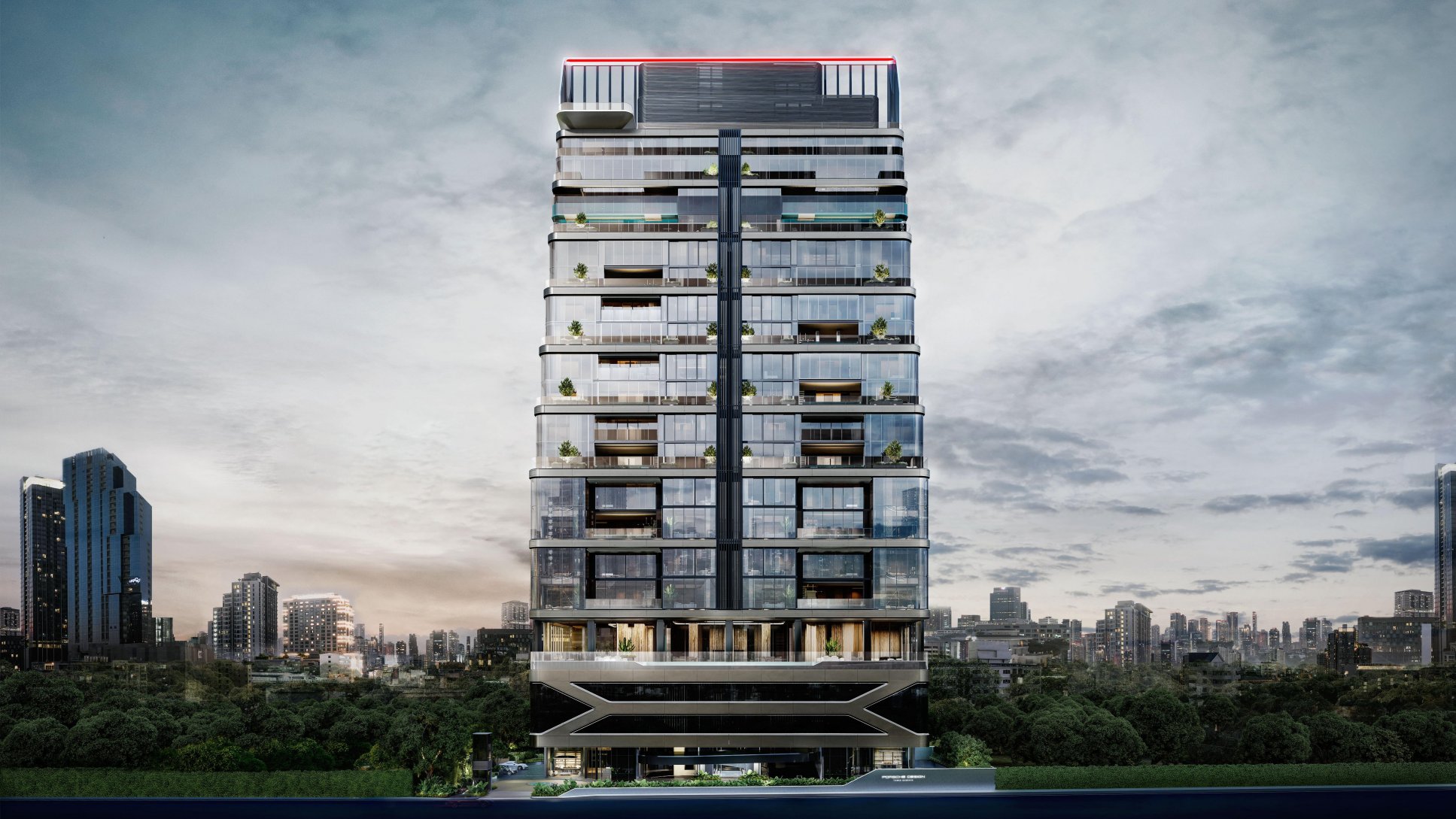
Bangkok branded residences are attractive to many foreign buyers because they combine recognisable names, managed living, strong design narratives and a sense of global familiarity. For an overseas investor, that can reduce uncertainty. A buyer who understands Mandarin Oriental, Ritz-Carlton, Porsche Design, Banyan Tree, Kempinski or similar hospitality-led brands may feel more comfortable evaluating a Bangkok residence than an unfamiliar standalone condominium.
A hotel or lifestyle brand can support buyer confidence, but the premium still needs unit-level underwriting.
The investment question is not whether a brand is impressive. It is whether the premium paid for that brand is supported by rent evidence, owner-use value, service quality, building scarcity and a believable resale audience. Bangkok has enough branded and ultra-luxury stock for buyers to compare rather than buy only from emotion.
JLL’s 2026 Thailand real estate outlook described a more selective market in which growth opportunities remain present but are increasingly concentrated in assets aligned with long-term demand drivers. That is a useful lens for branded residences. The best examples can sit inside that flight to quality, but the weakest investment cases can simply be expensive units with a strong logo.
What the premium is meant to buy
A branded residence premium usually reflects several layers. The first is location: most high-end branded projects are in central, riverside or embassy-adjacent districts where land is scarce and daily life is easy for international residents. The second is design and finishing, often with a stronger focus on lobbies, arrival experience, wellness, private lifts, concierge areas and view corridors.
The third layer is service. Depending on the project, this may include concierge support, housekeeping options, hotel privileges, owner events, valet, engineering support, food and beverage links or membership-style benefits. The fourth layer is identity. A globally recognised brand can make a property easier to explain to a foreign spouse, adviser, tenant or future buyer.
Those benefits matter, but they are not equal across every project. A genuine service platform with consistent delivery is different from a licence agreement that mostly appears in marketing. Buyers should ask exactly what the brand manages, what the juristic person manages, what is optional, what is included in common fees and what happens if brand standards change over time.
Branded residences should be compared by location, management, service model and future resale audience.
How to test rental value
Rental underwriting should start with the likely tenant. Some branded residences fit corporate executives, diplomatic families, high-net-worth retirees, regional business owners or buyers using the unit part-time. Others are more owner-occupier products where rental evidence may be thin. A strong rent story should be supported by comparable leases, not only by the assumption that a brand will automatically command more rent.
Foreign landlords should compare the branded unit against nearby luxury non-branded condominiums with similar size, view, furniture and transport access. If the branded premium is 25 percent but the achievable rent premium is only 10 percent, the buyer needs another reason to pay the difference. That reason might be personal use, scarcity, long holding horizon or confidence in resale, but it should be explicit.
Vacancy also deserves conservative modelling. Premium tenants can be selective and may wait for the right layout or view. A beautiful branded unit with awkward furniture, weak kitchen storage or limited parking can underperform a simpler building that better matches the tenant pool.
Service costs and common fees
The service layer that makes a branded residence feel premium can also increase holding costs. Buyers should review monthly common fees, sinking fund obligations, optional service charges, repair responsibilities, insurance, parking costs, hotel-benefit terms and any restrictions on leasing. A higher fee is not automatically negative if it preserves the building and tenant appeal, but it must be built into the yield and resale model.
Ask whether facilities are exclusive to residents, shared with a hotel, open to members or used for events. Shared facilities can be valuable if managed well, but they may also affect privacy, operating costs and the feel of daily living. Buyers should walk the building at different times and ask current residents or agents how the service experience works after handover, not only during a sales tour.
Resale depth matters more than the logo
The resale audience for a branded residence is usually narrower than for a well-priced mass luxury condominium. The next buyer must value the brand, the address, the size and the total ownership cost. That does not make resale weak, but it means pricing discipline at entry is essential. A buyer who overpays for a trophy address may need a long holding period before the market catches up.
Resale evidence should be checked by building and by competing district. Look at completed transaction history where available, asking-price reductions, time on market, foreign quota position, nearby new launches and whether brokers can identify active buyers for that exact price band. The more specialised the unit, the more important it is to know the exit audience before purchase.
The more distinctive the concept, the more carefully buyers should test long-term demand.
What to ask before paying the premium
What services are included, optional or subject to separate charges?
How does the common-fee level compare with nearby luxury buildings?
Is there evidence that tenants pay more for this brand in this location?
Does the unit layout suit the target tenant or future resale buyer?
How much of the premium is location, design, scarcity, brand, view or furniture?
What happens to owner privileges if the hotel or brand relationship changes?
Is foreign quota available and will it remain available at transfer?
Investor takeaway
Bangkok branded residences can be compelling assets for foreign buyers who value clarity, service and global positioning. The strongest cases combine a proven address, durable building management, practical layouts and a brand that genuinely improves daily life. The weakest cases rely on prestige without enough rent or resale support.
IBP can help buyers compare branded Bangkok residences against non-branded luxury alternatives by price, lease evidence and exit logic. Read our investment analysis articles or contact IBP Real Estate for a buyer-focused shortlist.