A Bangkok condominium should be judged by more than the unit. Foreign buyers need to understand whether the surrounding city will support ordinary weeks, visiting family, weekends, friends, exercise, culture and social life. TAT’s June 2026 events calendar is a useful reminder that Bangkok liveability is shaped by recurring public programming as much as by private facilities inside a building.
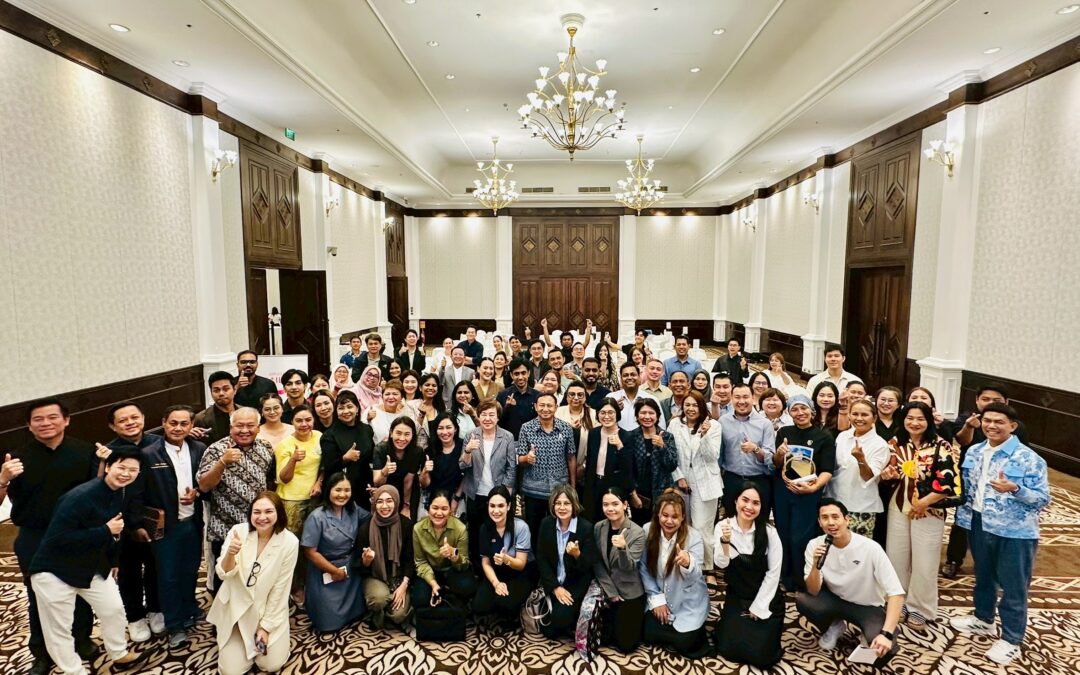
TAT’s June 2026 calendar shows how regular programming adds depth to Bangkok life.
The June calendar includes Bangkok Bicycle Film Festival 2026 at ChangChui Creative Park on 27 and 28 June, described by TAT as an international bicycle-themed film and lifestyle festival bringing together cycling enthusiasts, filmmakers and creative communities. The wider calendar also points to live arts and city activities. For property buyers, this kind of programming shows how Bangkok’s lifestyle offer spreads across districts rather than sitting only in malls and hotels.
Events reveal how a district is used
A viewing trip often happens in a compressed schedule: three towers in the morning, lunch near BTS, two more buildings in the afternoon, then a quick price comparison. That process can miss the rhythm of the neighbourhood. Events help reveal how people actually use the city. They show whether an area attracts families, young professionals, creative communities, visitors, food vendors, cyclists, artists or weekend crowds.
For foreign buyers, this matters because liveability influences both personal enjoyment and rental demand. A tenant may choose a slightly smaller unit if the district gives better restaurants, parks, events and transport. An owner-occupier may accept a longer commute if the local lifestyle feels richer. The best purchase decision connects the unit with the life around it.
Arts and creative events help residents experience Bangkok beyond work, shopping and commuting.
Creative venues widen the Bangkok map
ChangChui Creative Park is not a conventional CBD address, but its inclusion in TAT’s event calendar highlights a useful point: Bangkok lifestyle is not limited to Sukhumvit, Sathorn or the riverside. Creative venues, old-town districts, galleries, food markets, performance spaces and independent events can make the city feel more varied for residents. This variety helps Bangkok compete with other regional cities for long-stay appeal.
A foreign buyer does not need to buy next to every event venue. The practical question is whether the target condo gives easy access to the parts of the city the buyer will actually use. BTS, MRT, expressways, river links and ride-hailing practicality all affect whether a lifestyle amenity feels close or inconvenient. Map distance is less useful than real travel time and comfort.
How to test liveability during a viewing trip
Visit the building at different times of day, including evening and weekend conditions.
Walk to the nearest transport, supermarket, cafe, park or cultural venue instead of relying only on maps.
Check whether friends, guests or older relatives could reach the building comfortably.
Balance private facilities with public amenities that residents can use without booking.
Ask what events, schools, hospitals, malls and work districts tenants in that building usually use.
This process often separates a good-looking unit from a good ownership decision. A building may have an impressive pool but weak street life. Another may have simpler common areas but better access to daily conveniences and events. Foreign buyers should decide which trade-offs match their use case, not simply copy another investor’s preference.
Community events at venues such as ChangChui Creative Park can widen the lifestyle map for residents.
Why this supports property confidence
Bangkok’s strongest property case is not only legal access to foreign freehold condominiums. It is the fact that the city is liveable, connected, culturally active and constantly renewing. Events calendars demonstrate that renewal. They give residents reasons to leave the building, invite friends, explore new areas and remain engaged with the city over multiple years.
For landlords, this lifestyle depth can support tenant retention when paired with practical building quality. For owner-occupiers, it can make Bangkok feel less like a remote investment and more like a second home. The property decision becomes stronger when both the numbers and the lifestyle case are credible.
Buyer takeaway
June 2026 events are not a reason to buy a condominium by themselves, but they are useful evidence of Bangkok’s city life. Foreign buyers should use event calendars, park visits, food districts, transit routes and cultural venues as part of neighbourhood due diligence. The right Bangkok condo should work inside the front door and outside it.
IBP can help buyers compare Bangkok neighbourhoods by lifestyle fit, transport and investment logic. Browse our Bangkok lifestyle guides or contact IBP Real Estate for a neighbourhood-led shortlist.
Thailand’s responsible-tourism push is relevant to Bangkok property because it shows how the country is trying to move beyond simple visitor volume. On 8 May 2026, the Tourism Authority of Thailand hosted the Amazing Green Experience in Thailand trade meet in Krabi, bringing overseas travel partners and media together with responsible tourism operators from southern Thailand. The event was not in Bangkok, but the signal matters for Bangkok buyers because the capital remains the main international gateway, corporate base and stopover city for many Thailand itineraries.
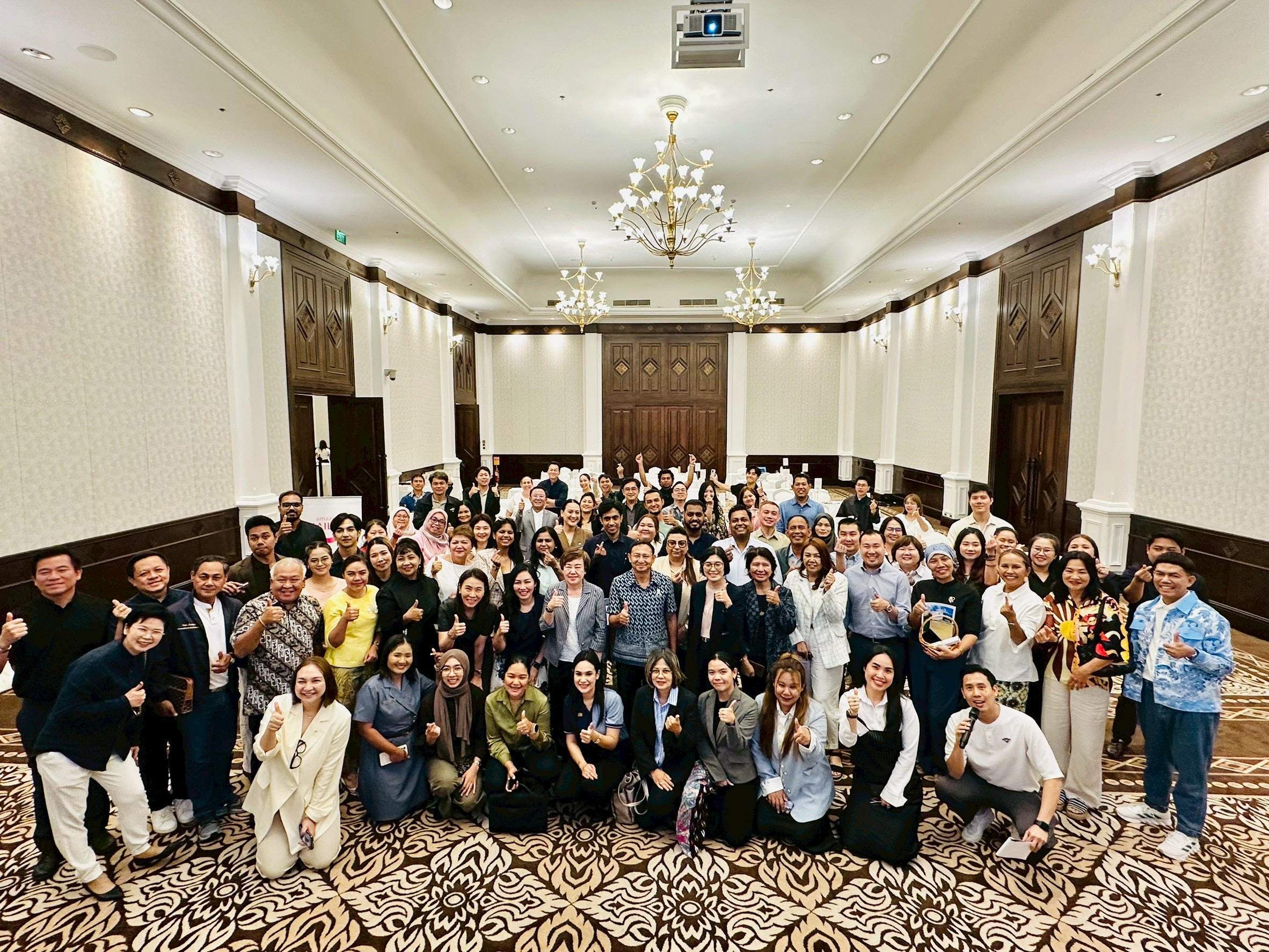
TAT’s Amazing Green Experience connected overseas buyers and media with responsible tourism operators.
TAT said the programme brought together 22 tourism operators from Krabi, Phang-nga and Surat Thani, 19 overseas travel trade partners from India, Vietnam, Singapore, Malaysia, Indonesia and Australia, and 16 media representatives from those markets. For property investors, the important point is that Thailand is building market-ready products around responsible travel, wellness, community tourism and low-impact experiences rather than relying only on headline arrival counts.
Why responsible tourism matters to property buyers
A property market is stronger when the city and country appeal to different kinds of residents and visitors. Bangkok already benefits from business travel, healthcare, education, retail, dining, events and regional connectivity. Responsible tourism adds another layer by attracting travellers and trade partners who value quality, wellness, culture and local experience. These are often the same factors that make a foreign buyer comfortable holding a Bangkok condo for personal use, rental income or future retirement planning.
The connection is indirect but useful. A successful responsible-tourism strategy can raise Thailand’s brand with travel agents, media, creators and repeat visitors. Bangkok may not be the final destination for every nature or community route, but it is often the arrival point, meeting place, medical stop, shopping base or extension city. That keeps the capital tied to national tourism strategy.
Trade matching turns sustainability messaging into business channels for Thai operators.
Quality travel supports premium districts
Foreign buyers should pay attention to quality-of-demand signals. A country attracting longer-stay, wellness, family, community and higher-value travel can support premium services, hotels, restaurants, serviced apartments and residential districts. In Bangkok, this can reinforce areas with strong lifestyle infrastructure: Sukhumvit, Lumphini, Sathorn, Riverside, Rama IV and well-connected neighbourhoods near hospitals or retail.
That does not mean a responsible-tourism campaign turns every condo into a good investment. The unit still needs to pass due diligence: foreign quota, title, transfer process, common fees, tenant demand, building management, entry price and resale audience. Macro confidence should guide market selection, while building evidence should guide the actual purchase.
A wider regional confidence signal
The trade partners in TAT’s programme came from several important regional markets. India, Singapore, Malaysia, Indonesia, Vietnam and Australia all matter to Thailand through tourism, business links, education choices, lifestyle travel and sometimes property interest. When Thailand keeps engaging these markets through structured trade programmes, it supports confidence that demand is being cultivated rather than left to chance.
Bangkok benefits when regional visitors see Thailand as easy to reach, professionally promoted and suitable for repeat trips. A buyer from Singapore or Australia may first know Thailand through travel, healthcare, wellness or family holidays before considering property. The more credible the country platform, the easier it is for Bangkok to remain on the shortlist.
Responsible tourism can support higher-quality travel demand across Thailand, with Bangkok as a gateway.
What investors should watch next
Whether responsible-tourism routes convert into repeat bookings, not only one-off media events.
Whether regional visitor markets continue to diversify beyond any single country.
Whether quality travel supports rents in central districts used by executives, families and long-stay visitors.
Whether developers respond with real wellness and management standards rather than generic marketing.
These indicators are more useful than treating sustainability as a slogan. Foreign buyers should look for places where lifestyle, transport, healthcare, retail and management quality already exist. Responsible tourism can reinforce those fundamentals, but it cannot create them inside a weak building.
Investor takeaway
TAT’s Amazing Green Experience is a positive national confidence signal because it links Thailand’s tourism economy with responsible products, overseas trade channels and media reach. For Bangkok property buyers, the practical lesson is to focus on districts that can benefit from higher-quality, repeat international demand while still passing normal unit-level due diligence.
IBP can help overseas buyers connect Thailand’s economy and tourism signals with specific Bangkok districts and buildings. Read our Thailand economy and investment news or contact IBP Real Estate for a Bangkok buying plan.
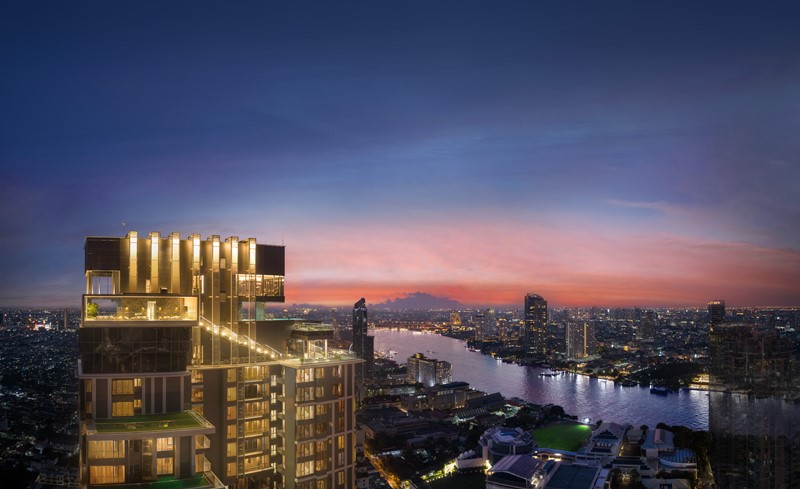
RHYTHM Charoenkrung Pavillion gives foreign buyers a different Bangkok luxury question from the usual Sukhumvit or Lumphini comparison. AP Thailand presented the project as a ready-to-move-in luxury condominium at the heart of the city, overlooking the Chao Phraya river curve. For overseas buyers, the appeal is the combination of river identity, established Charoen Krung character, access into central Bangkok and a completed product that can be inspected before commitment.
RHYTHM Charoenkrung Pavillion positions itself around city access and Chao Phraya river views.
A completed or ready-to-move-in project can be attractive because the buyer can test what off-plan brochures cannot show. Light, noise, corridor feel, lift speed, lobby maintenance, parking, view angle, neighbouring buildings and route convenience can all be checked in person. That is useful in a market where buyers should be cautious about relying on future promises.
The project also lets buyers think about Bangkok’s riverside in a more precise way. The Chao Phraya is not one uniform market. Older hotel-led stretches, newer mixed-use zones, heritage streets and transport nodes all behave differently. A buyer considering this project should decide whether the river setting is for personal enjoyment, tenant appeal, future resale differentiation or a mix of all three.
Why Charoen Krung deserves attention
Charoen Krung has become one of Bangkok’s most interesting urban corridors because it blends heritage, dining, creative businesses, hotels, galleries, river access and central-city connections. It is not a simple office district or a mall-led residential zone. It has layers. That can make it attractive to buyers who want Bangkok to feel lived-in, cultural and distinctive rather than purely corporate.
The river adds another identity layer. Bangkok riverside properties often appeal to buyers who value view, atmosphere and a sense of place. The Chao Phraya is not just scenery. It influences hotel demand, dining, weekend routines, ferry connections and the emotional appeal of ownership. A river view can be meaningful, but buyers should still check whether the specific view is protected, how much noise reaches the unit and whether the building access works in daily life.
Ready-to-move-in is a real advantage
Foreign buyers sometimes underestimate the value of inspecting a finished building. A completed project reduces construction risk and lets the buyer compare the actual unit with competing resale stock. In Bangkok, this is especially useful for overseas buyers who may only have a short viewing trip. They can walk the area, test commuting routes, inspect the common areas and understand the building profile before wiring funds.
The advantage is not automatic. Ready-to-move-in stock may still be overpriced if the developer is protecting earlier selling levels or if remaining units are weaker stacks. Buyers should ask why a particular unit remains available, how its price compares with resales, and whether the developer or seller is offering terms that reflect the current market.
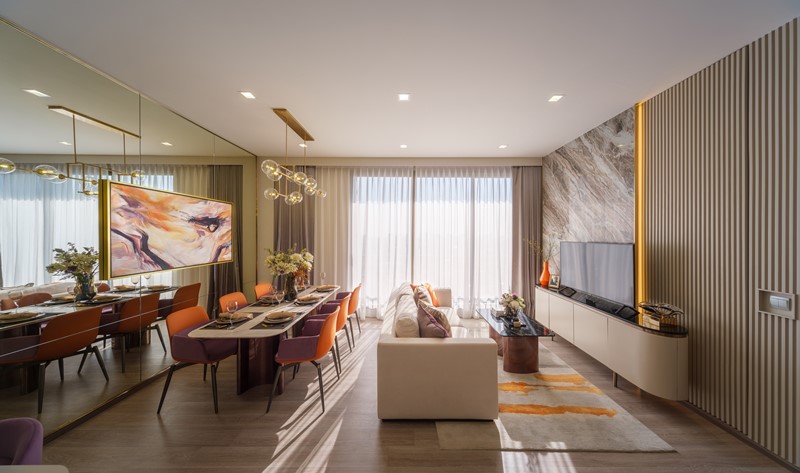
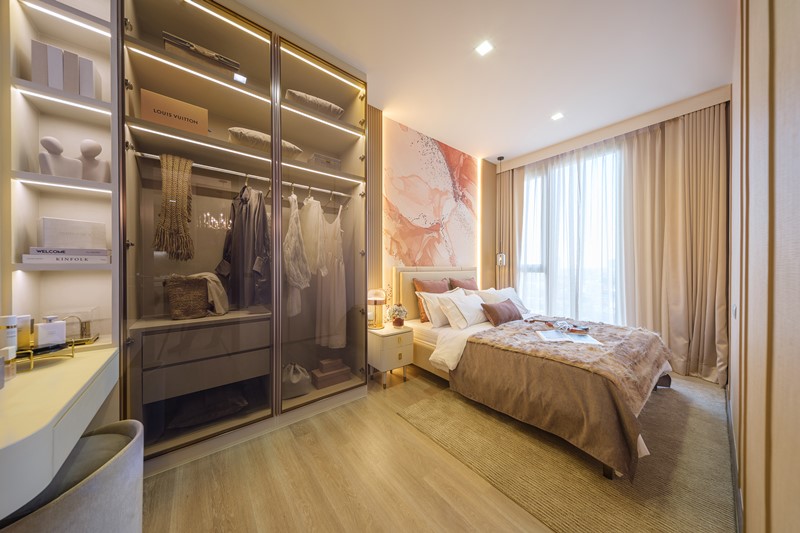
Interior practicality matters as much as branding when buyers compare ready-to-move-in stock.
What to check inside the unit
Luxury buyers should go beyond finishes. Test the kitchen layout, storage, air-conditioning placement, bathroom ventilation, balcony usability, appliance quality, power points, internet access, natural light and furniture plan. A beautiful show unit can hide the practical friction of daily living. A landlord should also consider durability, cleaning, repair access and tenant expectations.
For river-facing units, view quality can vary heavily by floor and angle. Some units may capture the curve of the river clearly, while others may face partial obstructions or stronger afternoon heat. Buyers should visit at different times of day if possible. The premium paid for a view should be visible, enjoyable and defensible to a future buyer.
Viewing questions for foreign buyers
How does the unit price compare with similar completed Bangkok riverside condos?
Is foreign freehold quota available for the specific unit being offered?
What are the common fees, sinking fund position and expected owner costs?
How practical is the route to BTS, expressway access, hotels, offices and hospitals?
What tenant profile would realistically pay for this location and unit size?
Are there nearby sites that could affect view, noise or future resale appeal?
These questions keep the project review buyer-focused. RHYTHM Charoenkrung Pavillion may suit an owner who wants riverside character and completed certainty. It may be less suitable for a buyer who needs the deepest expatriate rental pool or the shortest walk to a main Sukhumvit BTS station. Fit matters more than a generic ranking.
River-facing positioning should be checked against floor, outlook, heat, noise and resale audience.
Rental and resale positioning
The likely rental audience includes residents who value river atmosphere, creative neighbourhoods, hotel and dining access, and a less conventional Bangkok address. That can be attractive, but it is narrower than the mainstream Sukhumvit tenant pool. A landlord should be realistic about furnishing standard, lease length, pricing and management support.
For resale, the asset needs to be easy to explain. A strong river view, credible developer, completed condition and distinctive district story can help. Weak layouts, difficult access or an excessive entry price can weaken the exit. Foreign buyers should compare this project with both riverside competitors and central luxury alternatives so the final decision is not made in isolation.
Buyer takeaway
RHYTHM Charoenkrung Pavillion is best approached as a completed riverside lifestyle and investment option. Its strengths are Charoen Krung identity, river positioning and the ability to inspect the real building. The due diligence work is to verify quota, price, view quality, running costs, tenant depth and future resale audience.
IBP can help foreign buyers compare Bangkok riverside condominiums with Sukhumvit, Sathorn and Lumphini alternatives. Browse our project reviews or contact IBP Real Estate for a private shortlist.
Maintenance funds are easy to overlook when a Bangkok condominium looks polished during a viewing. Foreign buyers tend to focus on title, foreign quota, price, view, furniture and rental potential. Those are important, but the building’s financial health can decide whether ownership remains smooth. Common fees, sinking funds, repair reserves and juristic person records show how the condominium pays for daily operations and larger future works.
Maintenance and sinking fund records should be reviewed before transfer, not after completion.
This guide is not about avoiding every building with higher fees. Sometimes a premium building costs more to run because it offers larger common areas, better security, stronger staffing, better landscaping, reliable lifts and more extensive facilities. The question is whether owners are paying for value and whether the building has enough money to maintain itself without constant emergency calls for additional contributions.
For an overseas owner, this is also a distance-management issue. If the owner is in Singapore, Hong Kong, Europe or Australia when a lift replacement, facade repair or pipe problem appears, the owner needs the building to have a process, a budget and a clear communication channel. Weak financial planning turns routine ownership into repeated surprise decisions. Strong records make the condo easier to hold from abroad.
Common fees and sinking funds are different
Common fees normally cover recurring expenses such as security, cleaning, lift maintenance, common electricity, garden care, pool service, management staff, minor repairs and administrative costs. A sinking fund is normally intended for larger capital items such as major repairs, repainting, roof works, lift replacement, facade work, plant equipment and other long-cycle costs. Buyers should understand both.
A low monthly common fee can look attractive, but it may also mean underfunded maintenance. A high fee can be reasonable if the building is complex, well staffed and transparent. The most useful question is whether the fee level matches the building condition and service standard. If a property has high fees but weak upkeep, owners may be paying without receiving proper management.
Ask for recent juristic records
Before paying a large deposit, ask the seller or agent for recent juristic person documents where available. These may include annual meeting minutes, budget summaries, audited accounts, notices of special assessments, insurance information, major repair plans and current common fee rates. In a resale purchase, also ask for confirmation that the unit has no outstanding common fees or penalties before transfer.
Foreign buyers should not expect every document to be presented in perfect English. Still, the process should be orderly. A building that cannot explain its fees, fund position or upcoming works may require extra caution. If the buyer cannot read Thai, a bilingual lawyer or trusted adviser should review the important records before the transfer appointment.
A well-maintained building is often the result of boring but important financial discipline.
Look for signs of deferred maintenance
The building tour should confirm what the paperwork suggests. Check lift condition, corridors, fire doors, lobby wear, parking areas, drainage, pool tiles, gym equipment, air-conditioning in shared areas, exterior paint, garden condition and staff responsiveness. Deferred maintenance often appears in small details first. If common areas feel tired, the buyer should ask whether this reflects poor management, low fee collection, upcoming renovation, or simple age.
Older buildings can still be excellent purchases when they are well managed and priced sensibly. In fact, some older Bangkok condominiums offer larger layouts and established locations. The risk is not age by itself. The risk is an ageing building without a realistic capital plan. A buyer who saves on purchase price but later faces repeated special levies may not have saved much at all.
Questions foreign buyers should ask
What are the current common fees per square metre and when were they last changed?
How much is held in the sinking fund and what major works are planned?
Are there unpaid common fees from other owners that affect the building budget?
Has the building issued any recent or pending special assessments?
Are lifts, fire systems, pumps, facade, parking systems and pool equipment under regular maintenance contracts?
Can the seller provide a debt-free letter before transfer?
These questions turn maintenance from a vague concern into a decision framework. The buyer does not need perfect answers to every item, but unexplained gaps should affect price, negotiation and willingness to proceed. If a seller pressures the buyer to sign before basic records are available, that pressure is itself a warning sign.
Physical condition and financial records should tell the same story.
How this affects rental and resale
Tenants notice maintenance. They may not read annual meeting minutes, but they experience lifts, corridors, water pressure, pest control, parking, security and common facilities every day. A building with weak maintenance can suffer higher vacancy, lower rent and more frequent tenant complaints. A landlord living overseas may also face more operational stress when the building does not manage problems properly.
Resale buyers notice maintenance even more. A future buyer will compare your unit with competing units in better-managed buildings. If the common areas have aged badly, your renovated interior may not be enough. Maintenance funds therefore influence both income and exit value. They are part of investment analysis, not only administration.
Buyer takeaway
Foreign buyers should treat maintenance funds as part of Bangkok condo due diligence. A building that collects fees transparently, maintains common areas and plans for major repairs gives owners a stronger base. A building that looks cheap to hold but has weak reserves may become expensive later.
IBP can help buyers ask the right juristic questions before transfer and compare buildings on management quality as well as price. Read our foreign buyer guides or contact IBP Real Estate before committing to a Bangkok condominium.
Bangkok condominium launches started 2026 cautiously. CBRE reported that the overall Bangkok condominium market had a slow start in the first quarter, with only 12 new project launches. For foreign buyers, that headline should not be read as a simple warning or a simple opportunity. It is a signal to become more selective. A restrained launch market can protect better completed buildings from future competition, but it can also show that developers are waiting for clearer demand before committing to new supply.
A slower launch market makes building and district selection more important for foreign buyers.
This matters because Bangkok remains one of Asia’s more accessible freehold condominium markets for overseas buyers, while local credit conditions, domestic purchasing power and developer launch discipline are all affecting the shape of supply. Foreign buyers who can fund a purchase cleanly may have negotiating leverage, but leverage is useful only when the selected unit has real tenant demand, a credible resale audience and a manageable ownership budget.
What 12 launches tell buyers
A low number of new launches tells buyers that developers are not throwing new stock at the market indiscriminately. That can be healthy if it helps reduce future oversupply in weaker segments. It can also mean that buyers will see fewer fresh choices in certain locations, especially if developers concentrate new launches in segments where they believe demand is strongest. The question is not whether launches are high or low. The question is where supply is being restrained and whether that restraint improves the position of the building you are considering.
Foreign buyers should compare the launch signal with completed inventory. If a district has many unsold completed units, low new launches do not remove near-term competition. If a prime district has limited new supply, strong occupier demand and few good resale alternatives, launch restraint can strengthen the case for a carefully chosen unit. The same statistic can mean different things in Sukhumvit, Sathorn, Rama IV, riverside submarkets and more fringe locations.
Luxury launches need a different test
CBRE’s wider 2026 outlook also pointed to more new launches in the luxury and super-luxury segments, supported by a high sales rate for existing supply. That does not mean every expensive unit is protected. It means the upper end of the market has its own demand logic. Buyers in this segment often compare Bangkok with Singapore, Hong Kong, Tokyo, Dubai and resort markets, so the decision is shaped by lifestyle, space, brand, park access, hotel service, schools, healthcare and regional travel convenience as much as by yield.
For a foreign buyer, the useful test is whether the luxury premium is attached to scarcity that another buyer will recognise later. A famous road, a park edge, a branded service model or a large-format layout may justify a premium if the resale audience is deep enough. A decorative lobby or generic luxury language does not. In a cautious market, the best projects should still be able to explain their pricing through location, design, management and owner profile.
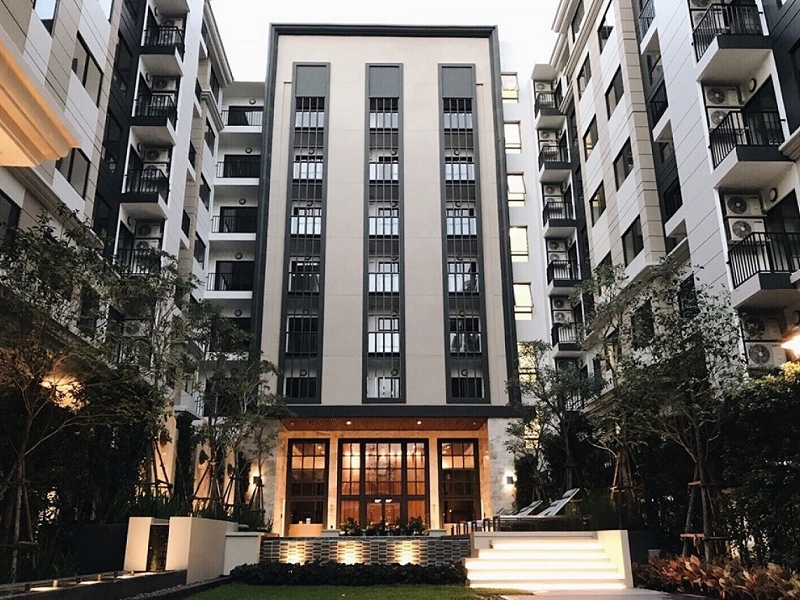
Completed condominiums give buyers practical evidence beyond launch statistics.
Read tourism as support, not proof
CBRE also noted that Thailand received 9.3 million international arrivals in the first quarter of 2026, although arrivals were lower year on year. Tourism remains relevant to Bangkok property because it supports hotels, serviced apartments, retail, restaurants, healthcare, transport and short business trips. It also introduces many repeat visitors to Bangkok neighbourhoods before they become buyers.
However, tourism should be treated as a support signal rather than proof of a condo investment. A visitor count does not tell you whether a specific one-bedroom unit can find a tenant, whether a building allows the intended lease structure, or whether the owner can exit at a sensible price. The link between tourism and condominium demand is strongest in districts with repeat international usage, not in isolated buildings sold only on skyline images.
The practical buyer checklist
Check completed resale alternatives before reserving in a new launch.
Ask how many units have sold to cash buyers, Thai mortgage buyers and foreign buyers.
Model rent at a conservative level, including vacancy, common fees and furnishing.
Compare future supply within the same tenant catchment rather than only the same road.
Read foreign quota availability and transfer timing before paying a large deposit.
Test the exit audience: owner-occupier, landlord, expatriate tenant or future foreign buyer.
This checklist keeps the market story grounded. A cautious launch environment may create a better negotiation setting, but the owner still lives with the specific building. If common areas are poorly maintained, if the unit layout is awkward or if transport access is weaker than the sales presentation suggests, the macro story will not rescue the purchase.
The best purchase case links macro timing with unit-level fit, cost and exit demand.
Where buyers can still find strength
The stronger opportunity is likely to sit in buildings that solve daily life. Look for walking access to BTS or MRT, hospitals, schools, offices, premium retail, parks and reliable property management. In a slower launch market, these foundations matter even more because buyers and tenants become less forgiving. A unit that is easy to live in and easy to explain should hold attention better than a speculative location waiting for a future story to arrive.
Foreign buyers should also keep currency and holding period in the model. A good Bangkok purchase is rarely a quick flip. It usually needs a clear use case, a realistic rental plan, a medium-term hold and a disciplined entry price. The 2026 launch signal supports patient, evidence-led buying rather than aggressive speculation.
Buyer takeaway
Bangkok’s Q1 2026 launch restraint is a useful market signal because it shows caution and selectivity. It does not remove the need for due diligence. Foreign buyers should use the slower launch environment to negotiate carefully, compare completed buildings and choose assets with durable daily demand.
IBP can help overseas buyers compare launch stock, resale opportunities and district pipeline risk before committing funds. Review our Bangkok investment analysis or contact IBP Real Estate for a buyer shortlist.