Thailand’s investment applications rose strongly in the first half of 2026, led by digital infrastructure and artificial-intelligence data centres. The official figures strengthen the case for watching Thailand as a regional business platform, but Bangkok property investors should read them as a pipeline signal rather than immediate proof of housing demand.
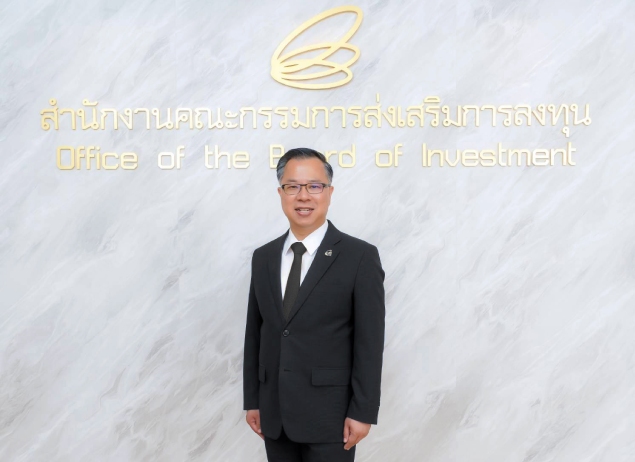
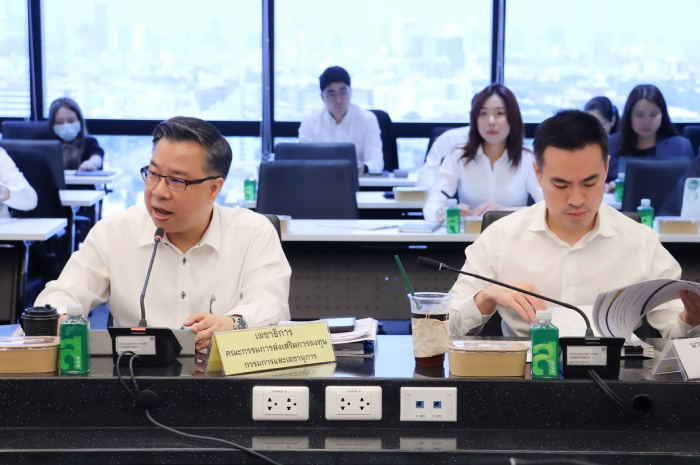
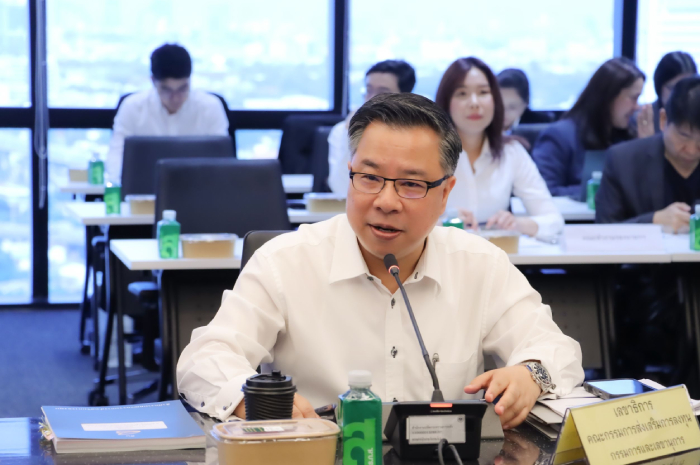
The BOI reported a sharp rise in investment applications during the first half of 2026, led by digital infrastructure.
The Board of Investment reported on 23 July that foreign and domestic applications reached about 1.47 trillion baht across 1,299 projects, up 37% from the same period a year earlier. Digital-sector applications accounted for about 1.12 trillion baht, making the composition as important as the headline total.
FDI drove most of the increase
According to the BOI release, foreign direct investment applications rose 80% year on year to about 1.37 trillion baht across 877 projects. Singapore submitted the largest value, followed by the United Kingdom, China, Taiwan and Japan.
Those origin rankings need context. Corporate structures, project size and sector concentration can produce large swings. The more useful takeaway is that investors from several major markets continue to evaluate Thailand for digital, electronics, automotive, food, logistics and advanced-industry activity.
Digital infrastructure dominated the pipeline
Data centres, hosting and cloud services were central to the first-half surge. This fits Thailand’s effort to build digital capacity for companies serving domestic and regional markets. Related demand extends beyond server buildings to power, cooling, networks, engineering, security and professional services.
The concentration also creates questions. Data centres require significant infrastructure and can be capital intensive without employing as many people per baht as some labour-heavy industries. Property buyers should therefore focus on the mix of headquarters, technical teams, suppliers and service companies that develops around the investment, not the capital value alone.
Digital projects dominated the value of first-half applications, but investors should distinguish approvals and applications from completed operations.
Other sectors broaden the story
The BOI also reported applications in electrical appliances and electronics, agriculture and food processing, logistics and high-value services, automotive production, materials, chemicals and automation. This breadth matters because a resilient economy is less dependent on one project type.
Energy investment accompanied the digital pipeline. The BOI counted 198 clean-energy initiatives within the first-half energy and utilities applications. Reliable, cleaner power and grid capacity will be important if Thailand is to convert digital interest into operating assets over time.
Applications are not completed investment
The BOI figures include several distinct stages. Applications indicate interest, while promotion approvals represent another point in the process. The agency separately reported approvals for 1,300 projects valued at about 1.31 trillion baht in the first half.
Neither figure means that every baht has already been spent. Projects still require land, permits, utilities, financing, construction, equipment and hiring. For property analysis, announcements should be followed by implementation milestones and evidence of sustained business activity.
Employment is the bridge to housing demand
The BOI said projects approved in the first half are expected to generate more than 82,000 jobs. The property relevance depends on where those jobs are located, the skills and incomes involved, and whether employees choose central Bangkok, suburban nodes or locations near industrial estates.
Bangkok can benefit as the country’s headquarters, finance, legal, consulting, education and international-services hub even when physical projects sit elsewhere. Senior staff, regional teams, vendors and visiting specialists may support rental and owner-occupier demand, but the effect will vary sharply by district and transport corridor.
For Bangkok property, the durable signals are implementation, skilled hiring, supplier activity and sustained international business presence.
What Bangkok property buyers should monitor
First, look for confirmed office expansion and sustained hiring rather than treating a national application total as a city-wide rent forecast. Second, watch infrastructure delivery, especially power, digital networks and transport. Third, identify districts that connect efficiently to major employment and airport routes.
Buyers should also follow actual leasing conditions. Comparable rents, vacancy, tenant profiles and competing completions remain more reliable for a particular condo than macroeconomic headlines. Strong national investment interest can support confidence while a poorly selected unit still underperforms.
A positive signal, not an investment guarantee
The first-half figures show that Thailand remains capable of attracting substantial project interest during a period of global uncertainty. The digital share points to a more technology-intensive investment cycle, while the broader sector mix provides supporting depth.
For foreign Bangkok property buyers, the disciplined conclusion is constructive but measured: follow the pipeline into operations, jobs and recurring corporate activity, then connect that evidence to specific residential markets. Do not substitute national capital applications for property-level due diligence.
Nestlé’s newly announced Thailand coffee investment is a useful confidence signal for foreign buyers assessing the country’s economic depth. On 9 July 2026, Thailand’s Board of Investment said it had approved a USD 688 million, or 23 billion baht, smart factory and distribution-centre project by Nestlé (Thai). The approval was made on 8 July.
Nestlé says the new facility will use advanced automation and AI-enabled systems for production and logistics.
The project is not a Bangkok condominium development, and it should not be used to predict property prices. Its relevance is broader. A major multinational is committing long-term capital, advanced production, regional logistics and skilled employment to a location within the Bangkok metropolitan economy. That supports the case for Thailand as more than a tourism destination.
What the investment includes
BOI says the greenfield facility will be located at Araya Industrial Estate in Samut Prakan province and is scheduled to start operations in the fourth quarter of 2028. It is planned to produce soluble coffee, coffee mixes and ready-to-drink beverages, with annual capacity of 170,000 metric tonnes.
Nestlé’s own announcement describes CHF 563 million of investment and says operations are expected in the latter part of 2028. The company says the site will include an advanced distribution centre intended to improve delivery times, inventory management and agility. Both releases emphasise technology, automation and AI-enabled systems.
Thailand’s BOI approved the large Nestlé smart-factory and distribution-centre investment on 8 July 2026.
Why skilled jobs and supply chains matter
BOI expects the project to create more than 520 jobs for Thai engineers and technical specialists. Nestlé gives the broader figure of more than 500 employees. For property buyers, the important point is not that every worker will live in central Bangkok. It is that internationally connected manufacturing creates layers of demand across engineering, management, logistics, suppliers and professional services.
Bangkok remains the country’s main corporate and services centre. Large investments in the surrounding metropolitan and industrial economy can support business travel, executive mobility, regional offices and demand for a city that offers housing, schools, healthcare, retail and international connectivity.
Local sourcing deepens the economic link
BOI says Nestlé plans to source USD 130 million, or 4.3 billion baht, of local agricultural inputs and raw materials each year. Nestlé’s global release describes more than CHF 100 million of local ingredients and raw materials annually. Coffee beans, sugar and fresh milk are among the inputs identified by BOI.
This makes the announcement more than an imported equipment story. It connects a multinational factory with farms, suppliers, transport, packaging, skills and exports. Nestlé also says it has supported Thai coffee farmers for decades through plantlets and programmes related to regenerative agriculture and climate resilience.
Coffee sourcing and farmer support connect Nescafé production with the wider agricultural value chain.
Technology and the BCG agenda
The project has BOI support because it aligns with Thailand’s Bio-Circular-Green economic direction. Nestlé says the plant will use next-generation coffee extraction and aroma-recovery technology, robotics and automated systems across packing, transport and inventory management. BOI frames the facility as an example of higher-value food and beverage manufacturing.
For foreign property buyers, this is a reminder to assess Thailand’s economy across several pillars. Tourism remains important, but manufacturing, agriculture, logistics, digital systems and corporate investment also shape confidence. A diversified economic story is more useful than relying on one visitor or property-market statistic.
What this means for Bangkok property
The direct property effect should be treated cautiously. The factory is in Samut Prakan, not a central Bangkok residential district, and the announcement does not establish a rent or price forecast. A buyer should still judge a condominium on entry price, location, building management, effective rent, ownership costs and resale depth.
The indirect signal is stronger. Nestlé says Thailand is one of its biggest coffee markets and notes a presence in the country exceeding 130 years. A new long-duration investment suggests continued confidence in domestic demand, regional production and Thailand’s operating environment. Bangkok benefits from being the commercial, professional and international-services hub for that wider economy.
A sensible investor reading
Treat the announcement as a macro confidence indicator, not a price forecast.
Note the combination of multinational capital, local inputs and skilled work.
Consider Samut Prakan within the wider Bangkok metropolitan economy.
Keep project timing separate from immediate condominium demand.
Use building-level rent and resale evidence for any property decision.
Buyer takeaway
The Nestlé Thailand investment adds substance to the country’s FDI and advanced-manufacturing story. It links global capital with Thai agriculture, technology, logistics and skilled employment. For Bangkok condo buyers, that supports long-term confidence in the city’s role as the service and lifestyle centre of a broader economy, while leaving the need for disciplined property selection unchanged.
Thailand’s semiconductor strategy is not a condo story in the narrow sense. It is a confidence story about where the country wants to sit in higher-value manufacturing, electronics, data infrastructure, electric vehicles, renewable energy and smart industry. For foreign buyers considering Bangkok property, that wider direction matters because long-term real estate demand depends partly on the depth of the economy around the capital.
Higher-value industry can support the corporate services ecosystem around Bangkok.
The Thailand Board of Investment said the national strategy is focused on power semiconductors, sensors, photonics, discrete devices and analog chips. These are segments linked to existing Thai strengths in electronics, automotive, energy, data centre and industrial supply chains. The strategy sets phased targets for 2030, 2040 and 2050 rather than promising an overnight transformation.
Why industrial strategy matters to Bangkok
Bangkok is not where every factory sits, but it is where many decisions are made. Corporate headquarters, regional management teams, banks, law firms, consultants, logistics providers, hotels, schools, hospitals and service businesses cluster in and around the capital. When Thailand attracts higher-value industry, Bangkok often becomes part of the executive, finance and services ecosystem that supports it.
For property buyers, the point is indirect but important. A deeper corporate base can support executive travel, expat assignments, serviced apartments, relocation demand and confidence in premium urban living. It does not mean every condominium will rise in value. It means the city has more reasons to remain relevant to international companies and mobile professionals.
Connectivity helps link industrial investment, executive mobility and Bangkok living demand.
The scale of the ambition
BOI said Thailand aims to attract more than 2.5 trillion baht, or about 79 billion US dollars, in semiconductor and advanced electronics investment by 2050. It also referred to a goal of developing more than 230,000 skilled workers and creating a more integrated semiconductor ecosystem. These are long-range targets, so buyers should read them as direction rather than immediate market data.
The release also noted that electronics and electrical products account for around one-quarter of Thailand’s total exports. In 2024, electronics exports reached 1.86 trillion baht, while semiconductor exports totalled 436 billion baht. Between 2018 and November 2025, electrical and electronics investment-promotion applications accounted for 1.17 trillion baht across 1,748 projects.
What foreign buyers should not overstate
Industrial growth does not automatically create demand for a particular luxury condominium. Many manufacturing projects are outside central Bangkok, and the workers they employ may not rent prime Sukhumvit or Riverside units. The relationship between investment policy and condo demand is filtered through job type, salary level, headquarters location, family relocation, school choice and transport patterns.
That is why buyers should avoid headline-led decisions. A semiconductor strategy can support national confidence, but a condo purchase still needs building-level evidence: rent comps, resale depth, management quality, legal readiness, common fees and realistic exit demand.
Foreign buyers should connect macro policy with building-level property evidence.
Where the property link is more plausible
The clearest Bangkok property link is through corporate services and skilled mobility. Senior engineers, managers, founders, consultants, investors and regional executives may need Bangkok access even when industrial sites are elsewhere. They may choose areas with airport links, international schools, hospitals, office access and lifestyle depth. That can support selected rental segments if the building and location match the tenant profile.
Districts with strong connectivity, good management and easy daily services are better placed than buildings that rely only on broad macro confidence. For example, a practical unit near a rail interchange may suit a regional commuter better than a larger but inconvenient unit. A well-managed central condo can appeal to a family relocating for a two-year assignment if schools and healthcare are manageable.
How to use this signal in a buyer brief
Treat semiconductor policy as one macro confidence factor, not a price forecast.
Prioritise buildings that suit mobile professionals and corporate tenants.
Check airport, office, school and hospital access rather than only district prestige.
Compare actual rent evidence with competing buildings in the same micro-market.
Be cautious with speculative areas that lack current tenant depth.
Buyer takeaway
Thailand’s semiconductor strategy strengthens the country’s long-term investment narrative and supports Bangkok’s role as a business, finance and services base. For foreign condo buyers, the correct response is measured confidence. The macro story is positive, but the purchase decision should still be made unit by unit, building by building and district by district.
IBP tracks how Thailand’s economy, infrastructure and corporate investment environment connect to Bangkok property decisions. Read more in Thailand economy and investment news or contact IBP Real Estate for a buyer strategy session.
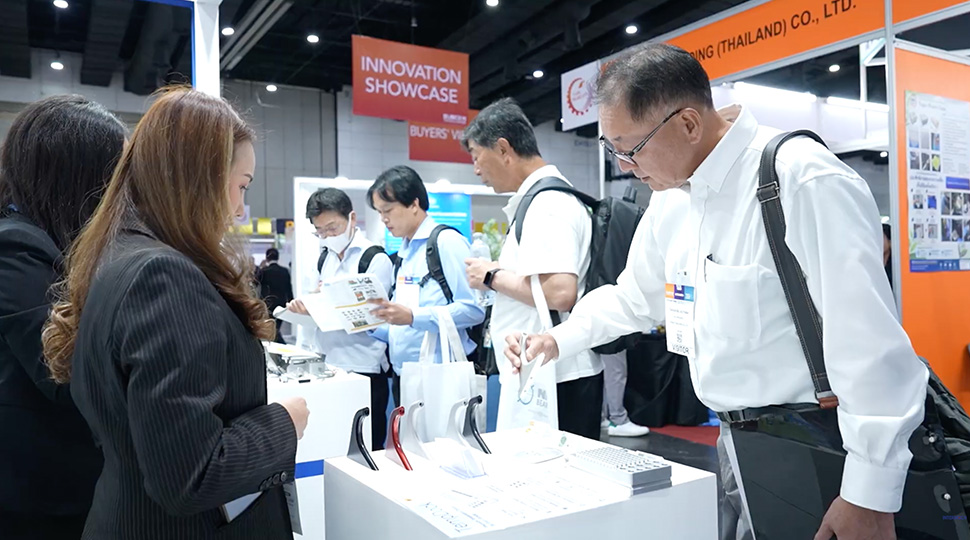
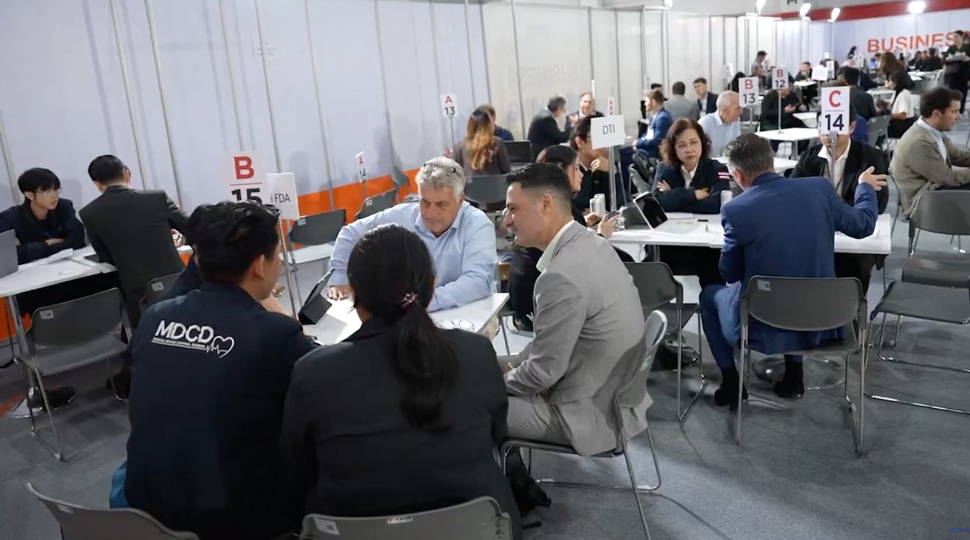
SUBCON Thailand 2026 gives foreign property buyers another way to understand Bangkok’s economic role. The event is not a condominium launch, a tourism campaign or an infrastructure opening. It is an industrial sourcing and business-matching platform. That makes it relevant because Bangkok property confidence is supported by more than residential demand alone.
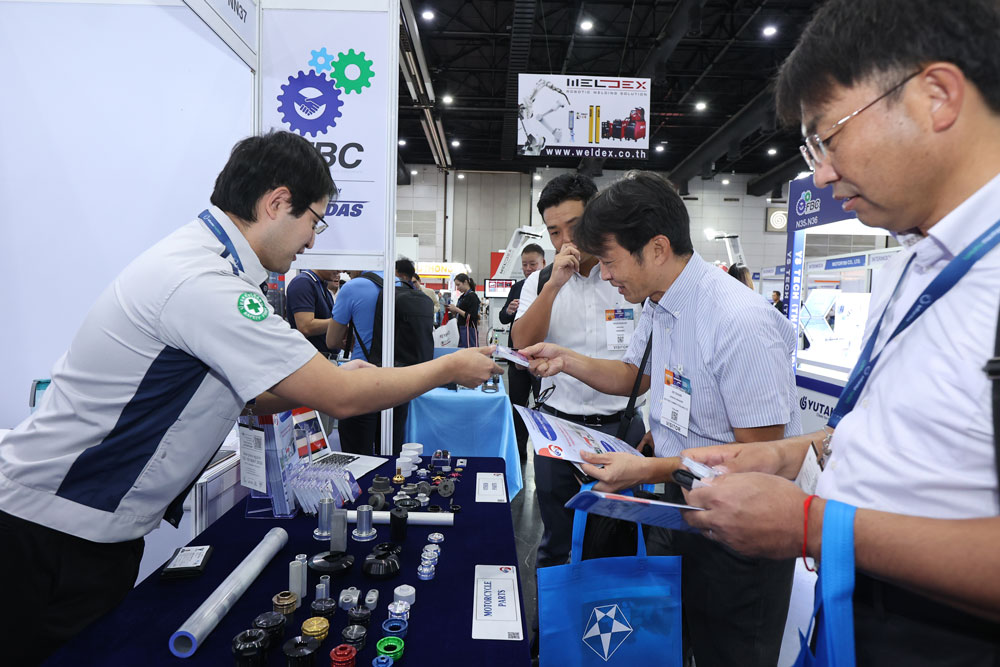
SUBCON Thailand connects Bangkok with industrial sourcing, business matching and supply-chain activity.
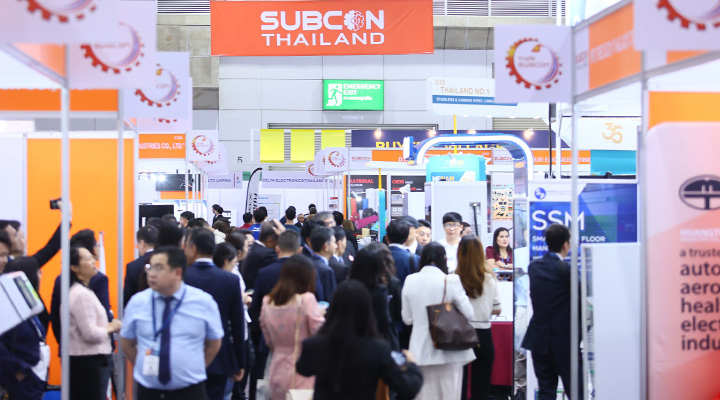
The Thailand Board of Investment reported that SUBCON Thailand closed its 20th edition with an estimated USD 705.5 million in parts trade, approximately 23 billion baht. The event ran from 13 to 16 May 2026 in Bangkok, drew more than 50,000 participants and generated over 9,600 business matching pairs. BOI said the event was co-organised by BOI, the Thai Subcontracting Promotion Association and Informa Markets Thailand.
For foreign buyers of Bangkok property, the link is indirect but important. A city that hosts supply-chain meetings, industrial exhibitions, investor delegations and regional business events gains more than short-term hotel nights. It strengthens Bangkok’s function as the commercial front door to Thailand’s industrial economy.
Why industrial events matter to property buyers
Residential investors should avoid turning one trade show into a price forecast. SUBCON does not mean every Bangkok condo will rise in value. The more useful point is that Thailand continues to position itself as a manufacturing and advanced-industry base, while Bangkok remains the place where many investors, suppliers, consultants and executives meet, stay and make decisions.
That activity supports the wider urban economy. It feeds hotels, serviced apartments, restaurants, retail, transport, meeting venues, translators, lawyers, accountants, industrial consultants and business services. These are the same city services that make Bangkok more liveable and more credible as a base for regional owners.
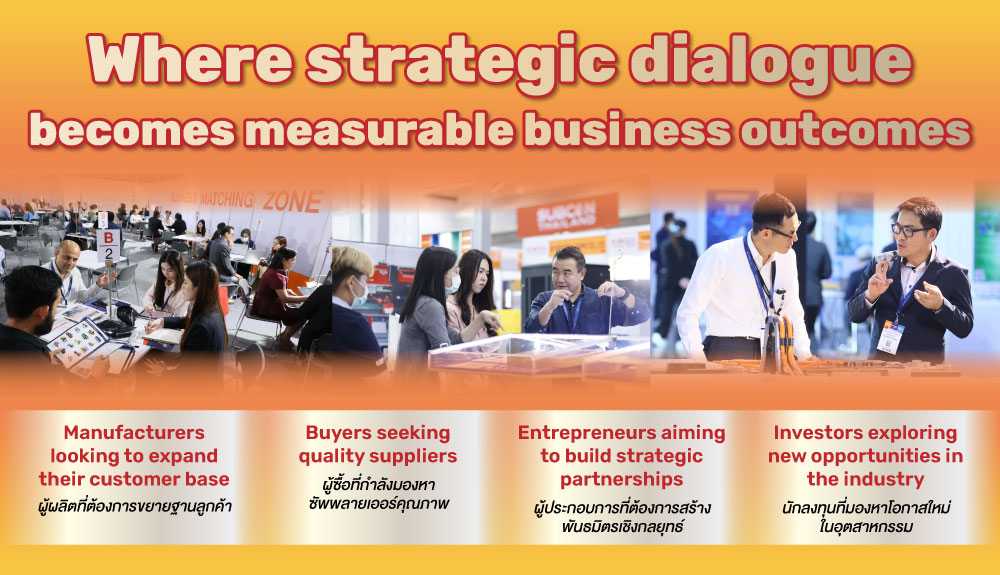
Business matching matters because investment confidence often begins with supplier and buyer relationships.
Bangkok as the meeting point
The official SUBCON website describes the event as ASEAN’s largest industrial subcontracting and business matching event. It also says SUBCON Thailand is co-organised by BOI, Informa Markets Thailand and the Thai Subcontracting Promotion Association, and has been at the centre of purchasing and subcontracting for quality industrial parts for more than 20 years.
That matters because Bangkok is not only competing as a lifestyle city. It is also competing as a place where international business can land, understand Thailand and connect to industrial zones beyond the capital. The residential property link is strongest in districts that serve executives, consultants and internationally mobile families: central Sukhumvit, Rama IV, Sathorn, Silom, Bang Na, Riverside and airport-accessible corridors.
It also helps explain why foreign buyers should look beyond tourist headlines. Business travel, supplier visits and investment roadshows create repeat reasons for people to spend time in Bangkok, and repeat familiarity is often what turns a city from a holiday stop into a serious ownership candidate.
Supply-chain depth supports confidence
BOI’s release said companies used the event to source across electric vehicles, semiconductors, advanced electronics, automation and robotics, medical devices and aerospace. These sectors are relevant because they point to future-industry positioning, not only traditional manufacturing. For a foreign buyer, that helps frame Thailand as a country still working to attract productive investment.
Property buyers should still separate national confidence from unit selection. A stronger industrial story can support long-term city confidence, but it cannot fix an overpriced unit, weak building management or poor resale liquidity. The best response is to treat economic momentum as a backdrop and then buy carefully at the project and district level.
For property buyers, industrial confidence is a macro layer rather than a direct condo-price forecast.
How foreign buyers can use the signal
Read trade and FDI events as evidence of Bangkok’s regional business role.
Look for residential districts that serve executives, families, airport users and business visitors.
Do not assume industrial growth automatically supports every condo submarket.
Connect macro confidence with building-level checks, rental evidence and exit strategy.
Investor takeaway
SUBCON Thailand 2026 reinforces Bangkok’s role as a business and supply-chain meeting point. The estimated trade value, participant count and business-matching activity show that Thailand is still working to connect local manufacturers with global demand. For foreign property buyers, that supports the broader confidence case for Bangkok, while leaving the actual investment decision at the level of price, building, district and holding period.
IBP can help overseas buyers connect Thailand economy signals with Bangkok condominium due diligence. Read our Thailand economy updates or contact IBP Real Estate for a buyer-focused consultation.