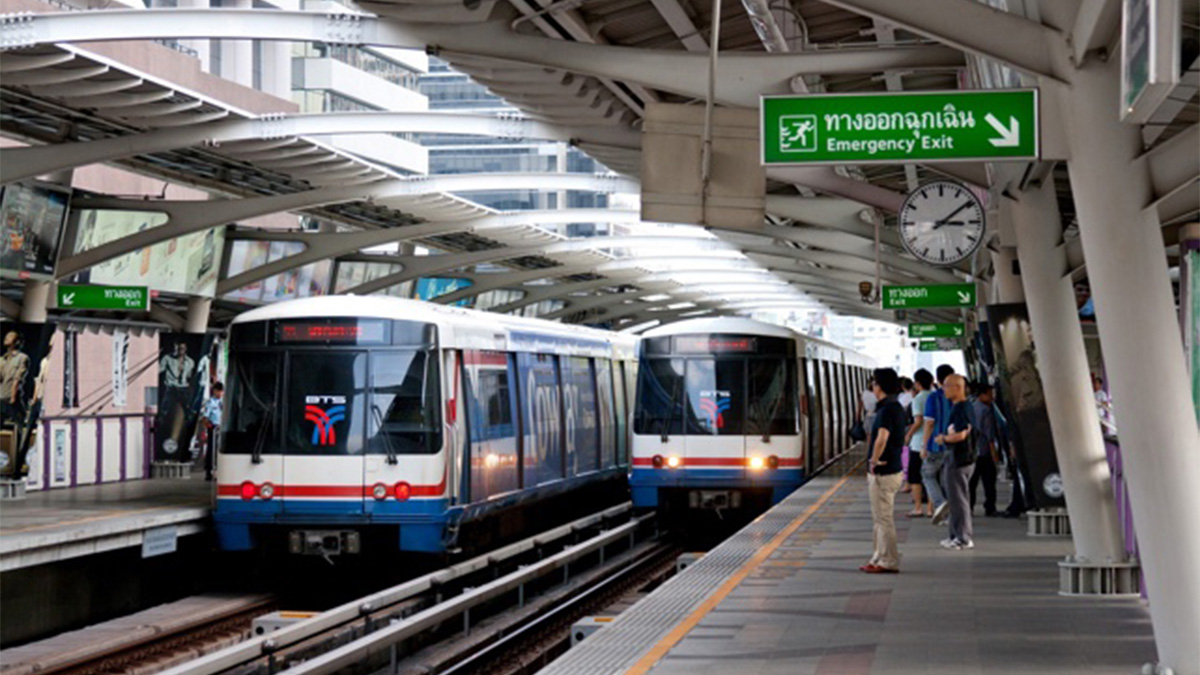
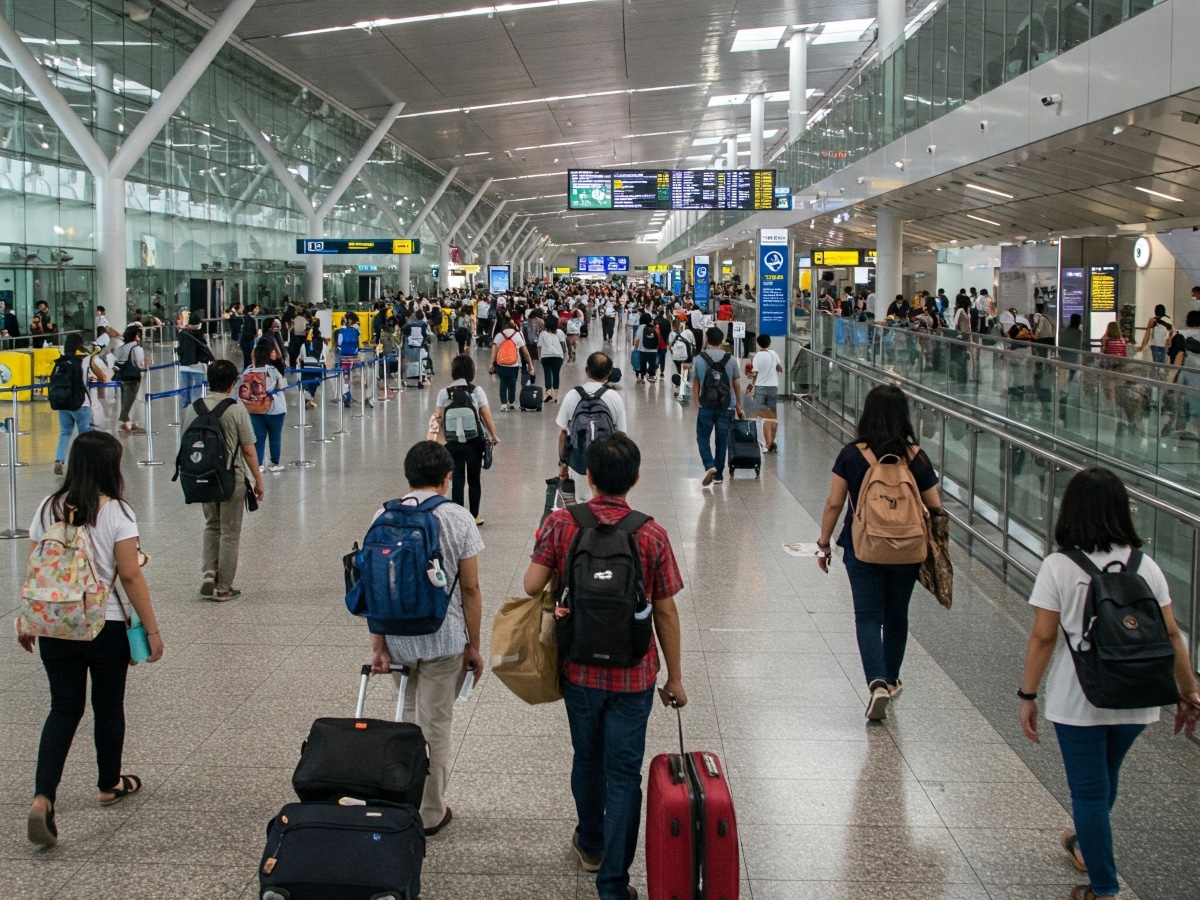
Thailand’s residential credit cycle is sending a more nuanced signal than a simple recovery headline. REIC reported that new housing loans nationwide reached 121,557 million baht in the first quarter of 2026, up 11.1% from a year earlier. That matters for Bangkok condominium buyers because mortgage availability influences local demand, developer confidence, resale liquidity and the tone of negotiations, even when a foreign buyer is paying in cash.
Mortgage lending can improve sentiment, but investors should still judge Bangkok condos building by building.
The headline should still be read carefully. A stronger lending quarter does not mean every condominium segment is improving at the same speed. REIC also described the wider market as still fragile, with energy costs, inflation pressure and weaker purchasing power keeping some buyers cautious. For foreign investors, the useful takeaway is not to assume that Bangkok is suddenly a broad seller’s market. It is to understand where improved credit can support activity and where discipline is still needed.
Why mortgage lending affects foreign buyers
Foreigners buying Bangkok condos are often less dependent on Thai mortgages than local buyers. Many use overseas funds, savings, family capital or finance arranged outside Thailand. Even so, domestic lending matters because the local buyer pool sets part of the resale and transfer environment. If Thai buyers struggle to borrow, developers may slow launches, sellers may accept longer negotiation, and completed stock may clear more slowly.
When banks begin lending a little more actively, that can help remove some pressure from the market. Local buyers can move, developers can recycle inventory, and resale owners may feel less trapped. But foreign buyers should not confuse a better credit reading with proof that a specific unit is liquid. Liquidity still depends on location, layout, building management, price, tenant demand and future supply nearby.
A broader credit cycle may support transactions, but it does not rescue weak buildings or poor layouts.
The credit signal is supportive, not decisive
REIC also noted that outstanding housing loans stood around 5.13 trillion baht, up 2.4%. That shows the housing finance base remains large, but it also explains why banks remain selective. A market with meaningful outstanding debt can improve gradually while lenders still examine borrower quality, income stability and collateral carefully. In Bangkok condos, this selectivity is one reason well-priced, completed, easy-to-understand units can attract attention while weaker stock sits longer.
The Bank of Thailand’s Q1 2026 banking-sector brief adds useful context. It described the banking system as resilient, with strong capital, provisions and liquidity, while noting that some households and SMEs still face tight conditions. For property investors, that is a reminder to separate system resilience from household affordability. A stable bank sector helps confidence, but affordability still decides whether ordinary buyers can transact.
It also affects the due-diligence timetable. If local credit is improving but still selective, sellers may become more confident before actual transaction evidence fully follows. Foreign buyers should therefore keep written offer conditions, valuation checks and remittance preparation organised. Speed is useful only when the buyer already knows the building, the competing stock and the likely exit audience.
What this means for bargaining
Foreign cash buyers should avoid assuming that cash alone guarantees a discount. In some buildings, sellers with good units and low holding costs will wait. In others, especially where inventory is deep or the owner needs liquidity, a clean cash offer with proper documents can still be persuasive. The credit environment changes the tone, not the need for evidence.
A practical approach is to ask three questions before offering. First, how many comparable units are actually available in the same building and immediate area? Second, how quickly have realistic listings moved in the last six to twelve months? Third, is the seller’s price supported by rent evidence, recent transfer values and the building’s condition? If those answers are weak, improved mortgage data should not push a buyer into overpaying.
Foreign buyers should connect market signals with unit planning, tenant depth and resale evidence.
Where the opportunity is selective
Better lending conditions can support mid-market and upgrader demand, but foreign investors usually need a narrower lens. The strongest Bangkok condo opportunities are still likely to be buildings with clear tenant demand, sensible common fees, good transport access, practical layouts and a management record that supports long-term ownership. A cheaper price in a difficult building is not automatically a better investment.
REIC’s 2026 transfer forecast also keeps expectations grounded. The data cited a nationwide housing transfer forecast of 312,814 units, down 1.1%, and transfer value of 845,235 million baht, down 2.3%. In other words, the market may be stabilising rather than surging. For buyers, that can be a useful environment if they are patient and evidence-led.
Checklist for foreign buyers
Use mortgage data as a market-temperature check, not as proof of a specific investment case.
Compare asking prices with completed resale evidence, not only developer list prices.
Model rent, vacancy, common fees, repairs, agent fees and resale timing conservatively.
Check whether local buyers can reasonably afford the same product if you need to resell.
Prefer buildings where management quality and unit planning support owner use as well as rental demand.
Buyer takeaway
The Q1 lending improvement is encouraging because it suggests the market has more movement than it did during the tightest credit period. But Bangkok remains a selective market. Foreign buyers should use the data to negotiate with more confidence, not to lower their standards. The best purchases will still be those where price, building quality, legal readiness and realistic exit demand line up.
IBP can help foreign buyers compare Bangkok condo options using resale evidence, rent assumptions and building-level due diligence. Read more in our investment analysis archive or contact IBP Real Estate for a buyer brief.
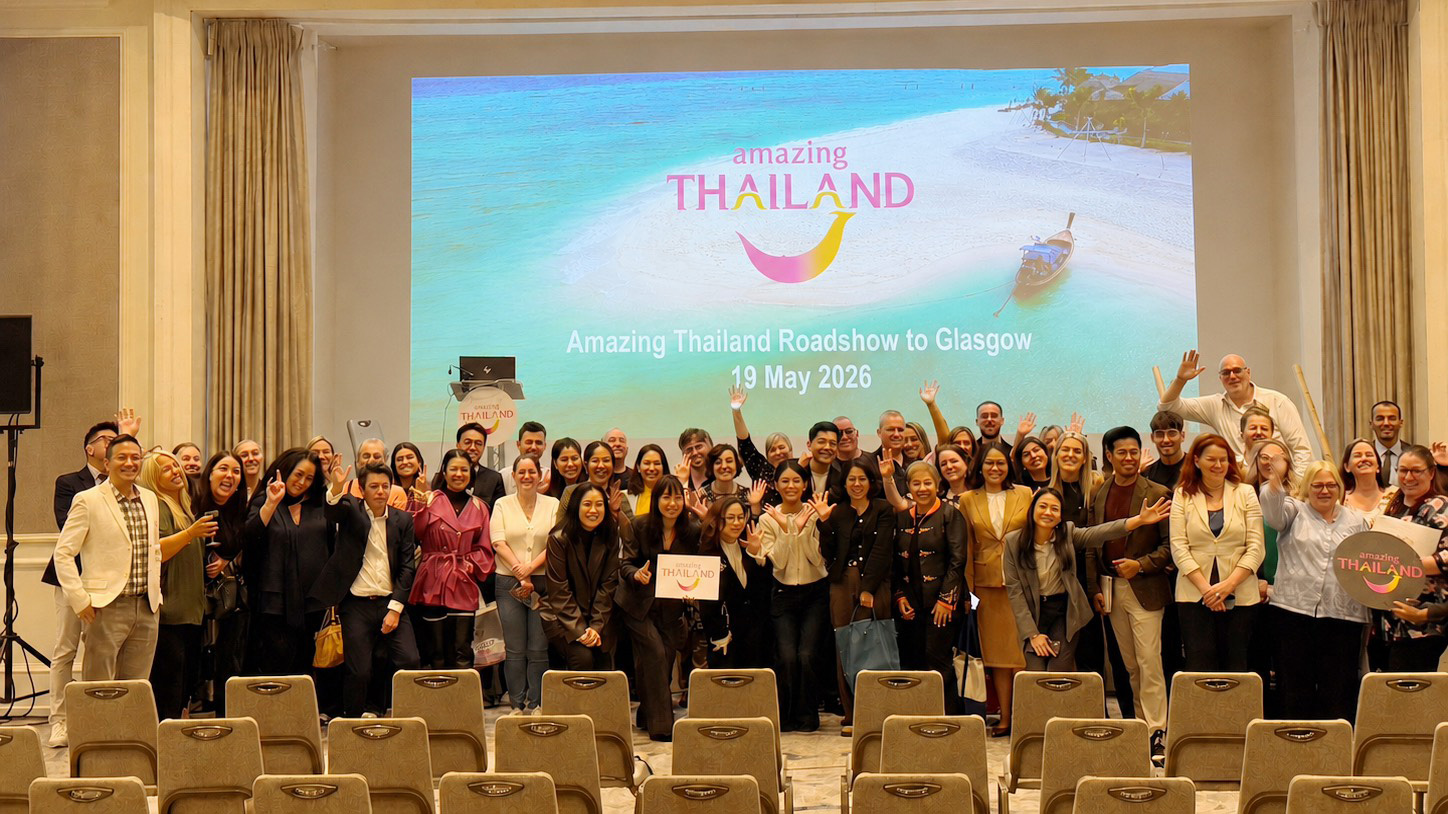
Thailand’s latest UK tourism push gives Bangkok property buyers a timely signal about long-haul confidence. On 27 May 2026, the Tourism Authority of Thailand reported that the Amazing Thailand Roadshow to UK 2026 was held from 19 to 21 May in Glasgow, Manchester and London, connecting Thai sellers with UK travel trade partners as Thailand builds demand from one of its key long-haul markets.
TAT used the UK roadshow to deepen trade links in Glasgow, Manchester and London.
The numbers are relevant because Bangkok property is not isolated from travel, air access and global familiarity. TAT said the roadshow brought together 19 Thai tourism sellers, including hotels and destination management companies from Bangkok, Krabi, Phuket and Surat Thani, with 218 UK travel trade representatives. The UK also remains among Thailand’s top 10 visitor markets, with more than one million UK visitors in 2025 and over 74.515 billion Baht in tourism revenue.
For foreign buyers, tourism data should not be read as a direct condo-price forecast. It is better viewed as confidence infrastructure. When Thailand is visible in a high-value long-haul market, and when air capacity supports repeat travel, Bangkok benefits as the national gateway for business, healthcare, education, hospitality and second-home decision-making.
Why the UK market matters
The UK is a mature travel market with long-standing links to Thailand. UK visitors often understand Bangkok beyond a single holiday stop: they may use it as a regional base, a medical and wellness hub, a retirement consideration, a family education route or a repeat lifestyle destination. That familiarity can support property interest among buyers who want a usable city home rather than a purely speculative asset.
TAT’s report also noted that UK travellers recorded an average stay of 14.18 nights and average trip expenditure of 60,000 to 70,000 Baht per person in 2025. Longer stays and higher spending are relevant to Bangkok because they support premium hotels, serviced apartments, healthcare, retail, dining and neighbourhood familiarity. These are the same liveability layers that help foreign buyers feel comfortable holding property.
Long-haul travel confidence matters for hotels, services, second homes and Bangkok’s international profile.
Air access supports confidence
TAT said five airlines currently operate direct services between the UK and Thailand: Thai Airways International, EVA Air, British Airways, Norse Atlantic Airways and TUI UK, with 35 weekly flights and more than 11,100 seats per week. British Airways’ year-round London Gatwick to Bangkok service from 31 March 2026 is expected to add nearly 60,000 seats this year, while Virgin Atlantic Airways has announced London Heathrow to Phuket flights for the 2026/2027 winter season.
Air access matters because second-home ownership and investment inspection both depend on practical travel. Buyers are more likely to revisit, inspect, furnish, lease and eventually resell a Bangkok asset if the city remains easy to reach. Direct and expanded services also reinforce Bangkok’s role as a premium international gateway rather than a niche property market.
Where the property link is strongest
The property link is strongest in districts that serve repeat visitors and internationally mobile residents: Sukhumvit, Sathorn, Silom, Ploenchit, Chit Lom, Phrom Phong, riverside Bangkok and selected healthcare or school corridors. These areas give foreign residents a clear daily life story through transport, restaurants, hospitals, malls, embassies, hotels and professional services.
A UK buyer should still make the same hard checks as any other foreign buyer: foreign quota, title status, building management, rent evidence, resale depth, transfer costs and banking documents. A favourable tourism signal does not rescue an overpriced or poorly managed unit.
How buyers should use the signal
The useful question is whether travel demand supports the buyer’s intended holding plan. A second-home buyer may value easy flights and familiar visitor services. A landlord may care more about expatriate tenants, relocation demand and neighbourhood convenience. A resale-focused buyer should ask whether the district is understood by both Thai and foreign purchasers, because the eventual exit audience may not match the first tenant audience.
Airline access and trade conversion can reinforce Thailand’s visibility among high-spending travellers.
Investor takeaway
The UK roadshow supports the broader case for Bangkok as a connected, recognisable and internationally relevant property market. It strengthens the confidence backdrop rather than replacing property due diligence. For buyers, the practical move is to use long-haul demand as a macro filter, then choose units based on district evidence and building quality.
Thailand’s latest tourism safety and quality push is not only a travel-industry story. It is also a confidence signal for Bangkok property buyers. On 25 May 2026, the TAT Newsroom reported a national drive to improve tourism safety and quality standards under the Trusted Thailand direction. For foreign buyers, the important question is how such policy attention affects Bangkok’s role as a place to visit, work, rent and live.
Tourism confidence is part of Bangkok’s wider appeal to foreign residents, investors and repeat visitors.
Property demand is rarely created by one campaign. It comes from repeated signals: air access, stable services, reliable transport, healthcare, schools, retail, hotels, culture, corporate activity and a city environment that visitors are willing to return to. Tourism safety and quality sit inside that larger confidence framework. When Thailand treats visitor trust as a national priority, Bangkok’s residential market can benefit indirectly.
This should be read carefully. A safety drive does not guarantee condo price growth or rental yield. It does, however, reinforce a theme that matters to foreign owners: Bangkok competes not only on price, but on ease of use. Buyers want a city where tenants arrive smoothly, families feel comfortable, business visitors can navigate services, and repeat travellers can imagine a longer stay.
Why tourism standards matter to property
Bangkok is a residential city, a business centre and a visitor gateway at the same time. Many foreign condo buyers first encounter the city as tourists or business travellers. Their first impressions are practical: airport arrival, hotel quality, street-level safety, transport, shopping, medical access, restaurant standards and how quickly problems are handled. Those impressions influence whether Bangkok feels investable.
A stronger tourism-quality agenda can also support the ecosystem around property. Hotels, malls, hospitals, wellness providers, restaurants, event venues, private transport operators and serviced apartments all depend on visitor confidence. When these sectors perform well, they help sustain employment, business travel and rental demand in the districts foreign buyers already watch.
Safety, service standards and coordination shape how international visitors judge Thailand.
The foreign-buyer lens
Foreign buyers should not treat tourism as separate from property. In Bangkok, tourism and residential demand overlap. A visitor may become a repeat renter, a remote worker, a retiree, a parent assessing schools, or an investor looking for a long-term base. Even if a buyer never plans short-term rental activity, the city’s visitor economy supports the amenities that make condominium living attractive.
This is particularly true in central and lifestyle districts. Sukhumvit, Silom-Sathorn, Rama IV, Chit Lom, Phloen Chit, Riverside and emerging mixed-use nodes all rely on a blend of local residents, expatriates, business travellers and tourists. Better visitor confidence can keep these districts active beyond office hours and support the retail and service depth that tenants value.
What buyers should watch next
The useful indicators are not slogans. Buyers should monitor arrival quality, airline connectivity, hotel occupancy, MICE activity, retail footfall, healthcare tourism, event calendars and the consistency of local services. If these indicators improve together, Bangkok’s liveability story becomes easier to explain. If one area weakens, buyers should ask whether the chosen district still has enough independent demand drivers.
For example, a condo near a hospital corridor may be supported by healthcare demand and family visits. A unit near a major mall may benefit from retail, dining and transport. A property near the CBD may depend more on office leasing and business travel. Tourism quality helps the whole city, but each asset still needs its own demand logic.
Confidence is built through coordination
Tourism safety is not only about policing. It involves information, complaint handling, transport reliability, standards, communication, hospitality training and coordination between public agencies and private operators. This matters to Bangkok property because the city is experienced through many small interactions. A foreign resident or tenant notices whether taxis, airports, clinics, malls, hotels and public spaces feel organised.
When those systems improve, Bangkok’s premium positioning becomes more credible. The city can offer more than affordability: it can offer connected urban living with strong private services and a deep lifestyle base. That is one reason foreign buyers compare Bangkok not only with other Thai cities, but with regional alternatives such as Singapore, Kuala Lumpur and Ho Chi Minh City.
A stronger visitor experience can reinforce Bangkok’s positioning as a liveable regional base.
What this does not change
Buyers still need discipline. A national tourism push does not make every condominium a good investment. Overpriced units, weak layouts, poor management, unclear foreign quota and unrealistic rental assumptions remain risks. A property should be judged by building quality, management, location, pricing, tenant audience and exit route.
The positive reading is broader. Thailand is continuing to invest policy attention in visitor trust, and Bangkok is the main gateway that translates that trust into residential, retail, healthcare and business demand. For a foreign buyer, that supports confidence in the city, but not blind confidence in any single asset.
How to use the signal
Use tourism-confidence news as part of a dashboard. Pair it with economic data, infrastructure delivery, district supply, developer behaviour and rent evidence. If several indicators point in the same direction, a buyer can underwrite with more conviction. If the only argument is a national campaign, the purchase case is incomplete.
Bangkok’s best property opportunities are usually found where macro confidence meets practical daily demand. IBP’s Thailand economy and investment news helps foreign buyers connect national signals to district-level property decisions before they commit capital.
EV charging is no longer a novelty question for Bangkok condominium buyers. It is becoming part of the broader test of whether a building can remain practical for residents, tenants and future buyers as car ownership patterns change. Foreign buyers do not need to predict how quickly every tenant will switch to an electric vehicle. They do need to know whether the building has a clear process, safe electrical capacity and sensible rules before they treat charging as an investment advantage.
Mobility choices, parking access and charging readiness can all affect a condo’s rental audience.
The point is not that every Bangkok condo must have chargers today. Many central buyers will still value BTS or MRT access more than parking. The point is that an electric-vehicle claim can be vague. A sales brochure may show green mobility language, while the juristic office may have no approved procedure for private chargers, shared charging bays or electricity billing. If a buyer wants a unit to appeal to long-stay executives, families or owner-occupiers with cars, those details deserve early checking.
MEA’s official public-service material is useful context because it shows how urban electricity services are moving beyond ordinary household supply. Its service menu includes EV and solar-cell items, requests for electricity supply to EV charging stations, and charger inspection and certification services. For a foreign buyer, that does not mean every condo is ready. It means the questions should be operational rather than decorative.
Why EV readiness matters to yield
Rental demand in Bangkok is still driven first by location, rent, transport, building condition and lifestyle convenience. EV readiness sits underneath those larger drivers. It can matter most in buildings where residents are likely to own cars: larger family units, low-density luxury buildings, branded residences, suburban fringe condos with strong road access, and buildings near hospitals, international schools or office clusters where tenants may use a car every day.
The investment logic is similar to parking ratios or storage. A feature does not create demand by itself, but it can reduce friction for a specific tenant group. If two buildings have comparable rent, access and condition, the one with clearer charging rules may be easier to explain to an EV-owning tenant. If charging is impossible, informal or disputed, the same feature can become a complaint risk.
Start with the building rulebook
Before reserving a unit, ask whether EV charging is allowed by the condominium juristic person. The answer should be written. Buyers should look for rules covering who can apply, where chargers may be installed, which contractors are approved, how electrical work is inspected, how common-area cabling is protected, how electricity is metered, who pays for upgrades, and whether the arrangement can be transferred to a future owner or tenant.
A loose verbal answer is not enough. A condo may have one charger in the car park for shared use, yet still prohibit private chargers at individual spaces. Another building may allow private charging but only after an engineering inspection and committee approval. A third may be willing in principle but unable to allocate capacity without electrical upgrades. Those differences affect budget, timing and tenant promises.
Foreign buyers should judge EV charging alongside rail access, road access and daily convenience.
Check parking rights before charging rights
Charging is meaningless if the parking space itself is uncertain. Many Bangkok condominiums do not allocate one fixed space to every unit. Some have automatic parking systems, rotational spaces, limited visitor bays or a mix of fixed and unassigned parking. Buyers should confirm whether the unit has a fixed space, whether the space is part of the title or a building allocation, and whether the location can physically support a charger.
This is especially important for resale units. A seller may advertise parking access, but the buyer should confirm the exact right with the juristic office and review the building rules. If the car space cannot be identified or is subject to annual reassignment, private charger installation may be impractical even when the building allows EV charging generally.
Budget for electrical work, not only the charger
A charger is only one part of the cost. The building may need an inspection, cabling, protective equipment, metering, fire-safety measures, contractor approval and ongoing maintenance. The buyer should ask whether the cost sits with the individual owner, the building, or a shared pool of users. If capacity upgrades are required later, the committee may need owner approval and a budget vote.
For landlords, the lease should also be clear. Will the tenant pay all charging electricity? Who is responsible if the charger is damaged? Can the tenant install their own equipment? Must the owner remove the charger at lease end? These questions are not glamorous, but they prevent a mobility feature from becoming a dispute.
Do not overpay for a weak claim
EV readiness can support a buying decision; it should not replace valuation discipline. A unit still needs a sensible price per square metre, usable layout, manageable common fees, credible rental demand and a realistic resale audience. In some central locations, a smaller unit with excellent rail access may rent better than a car-focused unit with a charger. In other locations, the opposite may be true.
The best way to treat EV charging is as a due-diligence layer. It can strengthen a building’s future-proofing story when the underlying location and management already work. It is weaker when used to distract from poor access, oversupply, ageing facilities or vague juristic processes.
A practical building checklist helps buyers separate durable demand from presentation-room convenience.
Buyer checklist
Ask for the written EV policy, parking allocation evidence, recent committee minutes if relevant, electrical-capacity confirmation, approved contractor requirements, estimated installation cost and billing process. If buying off-plan, ask the developer which charging provisions will be delivered at handover and which will depend on the future juristic committee.
Foreign buyers should also think about exit. A future buyer may ask whether the charging right is linked to the unit, the parking bay or a personal approval that needs to be repeated. Clean paperwork can make the resale conversation easier. Unclear paperwork can turn a useful feature into another negotiation point.
What this means for foreign buyers
Bangkok property remains attractive because it combines relative affordability, deep lifestyle infrastructure and strong international connectivity. EV charging is one more sign that building operations matter as much as glossy facilities. Buyers who test the practical details are better placed to choose assets that can adapt to tenant expectations over a long hold.
If you are comparing buildings by rental audience, parking rules or future resale story, review IBP’s Bangkok investment analysis and speak with the team before making a reservation. The safest purchase is usually the one whose daily operations are already clear.
Thailand’s April export data gives foreign buyers another reason to watch the wider economy behind Bangkok property. Reports citing the Trade Policy and Strategy Office under the Ministry of Commerce said exports in April 2026 were worth US$31.583 billion, or THB1.022354 trillion, up 23.1 percent year on year and marking a 22nd consecutive month of growth. That is a strong headline, but property buyers should read it carefully rather than automatically.
Export momentum supports confidence most when it connects to jobs, services and corporate activity.
Exports matter because they support company revenue, employment, logistics, business services and investor confidence. Bangkok is not an export factory city in a narrow sense, but it is the centre for headquarters, banks, legal advisers, logistics managers, consultants, retail groups, hospitals, hospitality companies and regional decision-makers. When trade is resilient, those service layers can support residential demand in selected districts.
At the same time, exports are only one part of the story. Xinhua’s report on the same official data noted that imports rose faster in the first four months of 2026, creating a trade deficit. For property buyers, the balanced reading is that Thailand still has external demand strengths, while costs, supply chains and currency conditions need monitoring.
Why export strength is relevant to Bangkok property
Foreign buyers often focus on tourism, infrastructure and condo prices. Export performance adds another lens. A country that sells goods and services into global markets can build deeper business confidence than one relying only on visitor spending. Stronger trade can support logistics, banking, industrial estates, business travel, serviced apartments and professional hiring.
Bangkok benefits indirectly from that activity. Executives may not live beside factories or ports, but they often base themselves near offices, schools, hospitals, embassies, retail and airports. That is why areas with strong transport and daily convenience can remain relevant even when the economic news is national rather than local.
Trade, travel and logistics all reinforce Bangkok’s role as Thailand’s international gateway.
What drove the latest attention
The April data drew attention because the growth rate was high and because the expansion extended a long monthly run. The Government Public Relations Department also reported that agricultural exports rebounded in April 2026 after eight months of decline, with fruit exports up 17.9 percent and durian, rambutan and lychee showing particularly strong increases. That adds a useful reminder that Thailand’s economy is not only tourism and property; it has food, agriculture, manufacturing and trade channels that foreign investors should understand.
For Bangkok property, the point is confidence and diversity. A buyer choosing a long-term Bangkok asset should prefer a city supported by several demand engines: tourism, healthcare, education, trade, finance, retail, technology, embassies and regional services. Export momentum can contribute to that broader platform.
Where the property link is strongest
The export-property link is strongest in districts that serve professionals, regional managers and internationally mobile households. Sathorn, Silom, Rama IV, Phrom Phong, Asoke, Ploenchit, Chit Lom, Bang Na and selected riverside areas can all benefit from different parts of the business ecosystem. The right district depends on whether the tenant base is office-led, school-led, healthcare-led, logistics-linked or lifestyle-led.
Buyers should avoid turning macro data into a blanket purchase signal. A weak building does not become strong because exports grew in one month. The unit still needs a realistic rent, good management, sensible common fees, credible resale demand and a price that can be defended against comparable options.
Macro confidence should still be translated into building-level rental and resale checks.
A practical buyer reading
Treat export growth as a confidence signal, not a guarantee of condo appreciation.
Watch whether trade momentum supports hiring, office demand and business travel.
Focus on districts with transport, schools, healthcare, retail and airport access.
Model rent after vacancy, fees and furnishing, even when the macro backdrop looks positive.
Track import costs and inflation pressure because they can affect household budgets and business margins.
Investor takeaway
Thailand’s April export performance supports a constructive view of the country’s economic base, especially when combined with Bangkok’s role as the national business and services hub. For foreign property buyers, the message is selective confidence: use the macro signal to frame the market, then let district evidence and building quality decide the purchase.
IBP can help foreign buyers connect Thailand economy news with Bangkok district and condominium selection. Read our Thailand economy and investment updates or contact IBP Real Estate for a buyer-focused market discussion.
Thailand’s first-quarter GDP data gives foreign property buyers a useful, measured confidence signal. It does not replace project due diligence or rental evidence, but it helps explain whether the wider economy is expanding, where demand is coming from, and how Bangkok’s property market fits into the national story.
GDP data is a macro signal; buyers still need to connect it to districts, tenants and building quality.
NESDC’s official Q1 2026 release reported that the Thai economy expanded by 2.8 percent year-on-year, accelerating from 2.5 percent in the fourth quarter of 2025. After seasonal adjustment, the economy grew by 0.7 percent from the previous quarter. The report also noted favourable private consumption growth, stronger investment, accelerated exports of goods and a return to expansion in exports of services.
For Bangkok property buyers, this matters because the city sits at the centre of many of those demand channels. Corporate investment, services, tourism, business travel, healthcare, retail and education all feed into the practical reasons people live in, rent in or revisit Bangkok. A growing economy can support confidence, but it should be interpreted with discipline.
Investment was the standout signal
NESDC reported that total investment expanded by 9.9 percent in Q1 2026, accelerating from 8.1 percent in the previous quarter and marking the strongest growth in 44 quarters. Private investment grew by 10.1 percent, while public investment also expanded. For foreign buyers, this is relevant because investment spending can support jobs, infrastructure use and corporate activity in Bangkok.
The property implication is not that every condominium will rise in value. The better reading is that Bangkok remains connected to a wider investment cycle. Districts with offices, transport, hospitals, universities, logistics access and retail depth are more likely to convert macro activity into resident demand than locations that depend only on speculative buying.
Consumption, investment and travel activity all influence how foreign buyers read Bangkok’s resilience.
Consumption and services still matter
Private consumption grew by 3.2 percent in the quarter, according to NESDC. Services spending slowed from the previous quarter but hotels and restaurants improved, while exports of services returned to expansion. Those details are important for Bangkok because property demand is not only office-led. It is also linked to dining, medical travel, education, shopping, events, hospitality and long-stay living.
A foreign owner who wants to rent out a unit should look for districts where consumption and services are visible in daily life. Good buildings near supermarkets, transport, hospitals, parks and restaurants can appeal to residents even when the wider economy is uneven. The data supports the city-level case, while the micro-location decides the owner result.
Confidence does not remove caution
The same official release kept the 2026 outlook within a range rather than a single bullish story. That is the correct tone for property buyers too. Thailand’s growth is positive, but households, credit, geopolitics and global trade can still affect demand. Buyers should avoid using GDP as a reason to skip title checks, quota checks, rental comparisons or exit planning.
In practice, foreign buyers should use GDP data as a starting point. It can justify continued interest in Bangkok as a regional base, but it should lead to more specific questions: which district benefits from investment, which tenant group can afford the rent, and what would make the unit easy to resell?
A stronger national economy supports confidence, but individual condo selection remains decisive.
How to apply the data
Connect investment growth to real employment corridors rather than broad optimism.
Use consumption data to assess retail, dining, healthcare and lifestyle-led districts.
Compare new launches with completed resale units where rents are visible.
Stress-test rental income against vacancy, furnishing replacement and common fees.
Treat economic expansion as supportive context, not a substitute for due diligence.
For many overseas buyers, Bangkok remains attractive because it combines relative affordability, regional connectivity, healthcare access, lifestyle depth and a clear legal route for foreign condominium ownership. The Q1 GDP data adds support to that city-level case, especially because investment and consumption both remained positive.
Investor takeaway
Thailand’s Q1 2026 GDP expansion is a constructive confidence signal for Bangkok property, but it is not a blanket buy signal. Foreign buyers should translate macro growth into district, building and tenant evidence before making a purchase.
Bangkok’s office market rarely receives as much attention from condominium buyers as new launch prices or BTS proximity. It should. Office demand shapes where expatriates, executives, Thai professionals and regional teams spend their working week. For foreign buyers who plan to rent out a Bangkok condo, office movement is one of the practical signals behind tenant demand.
Office demand is a city-level signal, but foreign buyers still need district and building discipline.
CBRE Thailand’s 25 May 2026 market release for the first quarter of 2026 reported that overall Bangkok office occupancy rose to 79.3 percent, the second straight quarterly increase. Net take-up exceeded 11,000 square metres, extending the market’s run of positive net take-up to eight consecutive quarters. CBRE also said no new office supply was completed during the quarter, while demand remained strongest for Grade A+ space in the CBD and Grade A buildings in non-CBD locations.
Those numbers do not mean every office district condo becomes a strong rental asset. They do suggest that occupiers are still active, especially where buildings offer better quality, value and workplace experience. For a condo buyer, the useful question is whether the target building sits near the type of office demand that converts into stable residential demand.
Why office take-up matters to condo buyers
Office take-up measures occupied space, not simply buildings opened or marketing claims made. When it stays positive, it implies that companies are moving into more space than they are giving back. In Bangkok, that can support rental demand in districts where employees value short commutes, MRT or BTS access, restaurants, gyms, supermarkets, schools and healthcare.
Foreign landlords should read the signal carefully. An office-market improvement is not a guarantee of rent growth. It is a confidence marker for selected locations. A weak unit with poor layout, difficult walking access or tired common areas can still underperform even when the surrounding office market is improving.
Flight to quality has a residential version
CBRE’s release highlighted the continued flight-to-quality trend among office occupiers. Residential tenants often behave in a similar way. They may accept a smaller unit or a slightly higher rent if the building is cleaner, safer, better managed and easier for daily life. The office market shows how employers are using quality to attract staff. The condo market rewards landlords who think the same way about tenants.
This is why a foreign buyer should not focus only on price per square metre. A cheaper unit in an older building may have a better gross yield on paper, but the tenant pool can be thinner if lifts are slow, juristic management is weak, the gym is dated or the route to transport is uncomfortable. Conversely, a newer or well-renovated building near offices may command a rent premium if the unit is easy to live in.
Condominiums near real employment and transport nodes can benefit when occupiers keep moving towards quality space.
Districts to watch without overpaying
The clearest beneficiaries are not always the most expensive postcodes. Sathorn, Silom, Wireless, Asoke, Phrom Phong, Rama 9, Ratchada, Ari and parts of Bang Na all have different office and residential demand profiles. A buyer should map the office base, transport links and tenant lifestyle before deciding whether a premium is justified.
For example, a compact unit near Asoke may appeal to a tenant who wants MRT and BTS interchange access. A larger unit near Phrom Phong may suit a professional couple who values retail, parks and restaurants. A Rama 9 unit may compete on value and MRT access to newer office supply. A Bang Na unit may depend more on schools, industrial estates, airport routes and suburban office demand.
What to check before buying
Identify the main office clusters within a realistic commute, not only the nearest tower.
Compare rents in completed buildings, not only developer rental estimates.
Check weekday and evening walking routes to BTS, MRT, supermarkets and restaurants.
Ask whether the likely tenant is single, couple, family, corporate lease or student.
Test common-area quality against the building age and monthly common fee.
Model vacancy and furnishing replacement, because office demand does not remove operating costs.
A foreign buyer should also compare new launches with completed resale stock. Newer projects can offer modern facilities and more efficient layouts, but completed buildings show real tenant behaviour. In an office-led district, that evidence matters. Ask which units rent fastest, which floor plans are avoided, and whether tenants renew or move after one contract.
Rental assumptions should connect office demand with the exact tenant profile a unit can serve.
Risks in the signal
The office market is improving gradually, not uniformly. CBRE noted that rental-rate gaps are widening between stronger buildings and older or less competitive stock. That matters for condo owners because tenant preferences can also split. Buildings with poor maintenance, weak amenities or awkward locations may be left behind while better-managed assets keep demand.
There is another risk: relocation does not always mean expansion. Some companies move to better offices without hiring heavily. For residential investors, that means office take-up should be combined with evidence from leasing agents, comparable rents, expatriate services and district footfall. Treat it as one part of the due diligence pack, not the whole pack.
Buyer takeaway
Bangkok’s Q1 2026 office take-up is a constructive signal for foreign condo buyers, especially in districts where employment, transport and daily services reinforce each other. The best use of the data is selective. Buy the unit that fits a real tenant group, in a building that is easy to maintain and resell.
IBP can help foreign buyers compare office-led districts with completed rental evidence before committing funds. Read our Bangkok investment analysis or contact IBP Real Estate for a rental-focused shortlist.
Bangkok property confidence is not built only inside condominium sales galleries. It is also shaped by how easily people, capital and companies can reach the city. Thai Airways’ latest investor materials give foreign buyers a useful aviation signal: Thailand’s flag carrier remains profitable, is modernising its fleet, and continues to operate a broad international network from Bangkok.
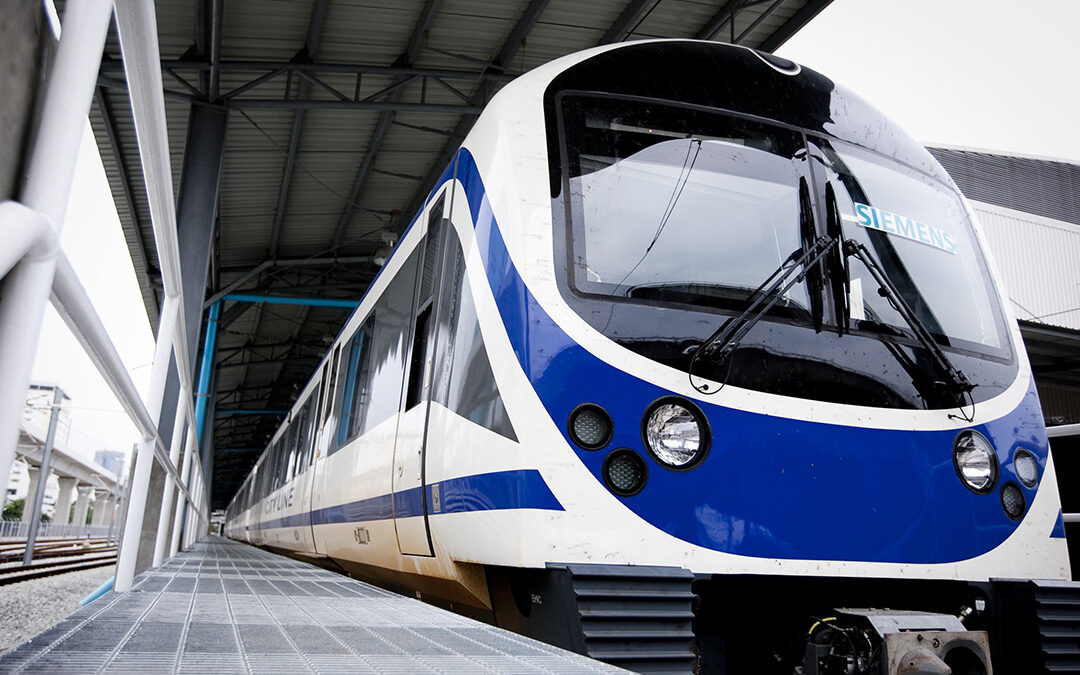
Modern fleet investment supports Bangkok’s role as a regional gateway for residents and investors.
In its Management’s Discussion and Analysis for the first quarter of 2026, Thai Airways reported total revenues excluding one-time items of 51.029 billion baht and net profit of 10.107 billion baht. The airline carried 4.18 million passengers, operated 80 aircraft as of 31 March 2026, and reported a cabin factor of 83.1 percent. The same document said Thailand’s six main airports handled 36.8 million passengers in the quarter, up 5.8 percent year-on-year, with 22.4 million international passengers.
For property buyers, these are not direct rent forecasts. They are confidence indicators. A city that remains accessible to executives, tourists, students, medical visitors and long-stay residents has a stronger foundation than a city dependent on one local demand source.
Why airline performance matters to property
Foreign buyers often compare Bangkok with Singapore, Kuala Lumpur, Ho Chi Minh City, Tokyo, Seoul and Dubai. Airport access and airline networks are part of that comparison. Bangkok’s appeal improves when travellers can reach the city reliably for viewing trips, medical appointments, school visits, regional work, family use and future resale inspections.
Thai Airways’ route network is not the only measure of connectivity, but it is symbolically important. A stronger national carrier supports Thailand’s positioning as a regional hub, while Suvarnabhumi and Don Mueang give the Bangkok metropolitan area a broad airport platform. That matters to buyers who may live between countries or manage a Bangkok property from overseas.
Short- and medium-haul connectivity is part of the practical liveability case for Bangkok.
The A321neo signal
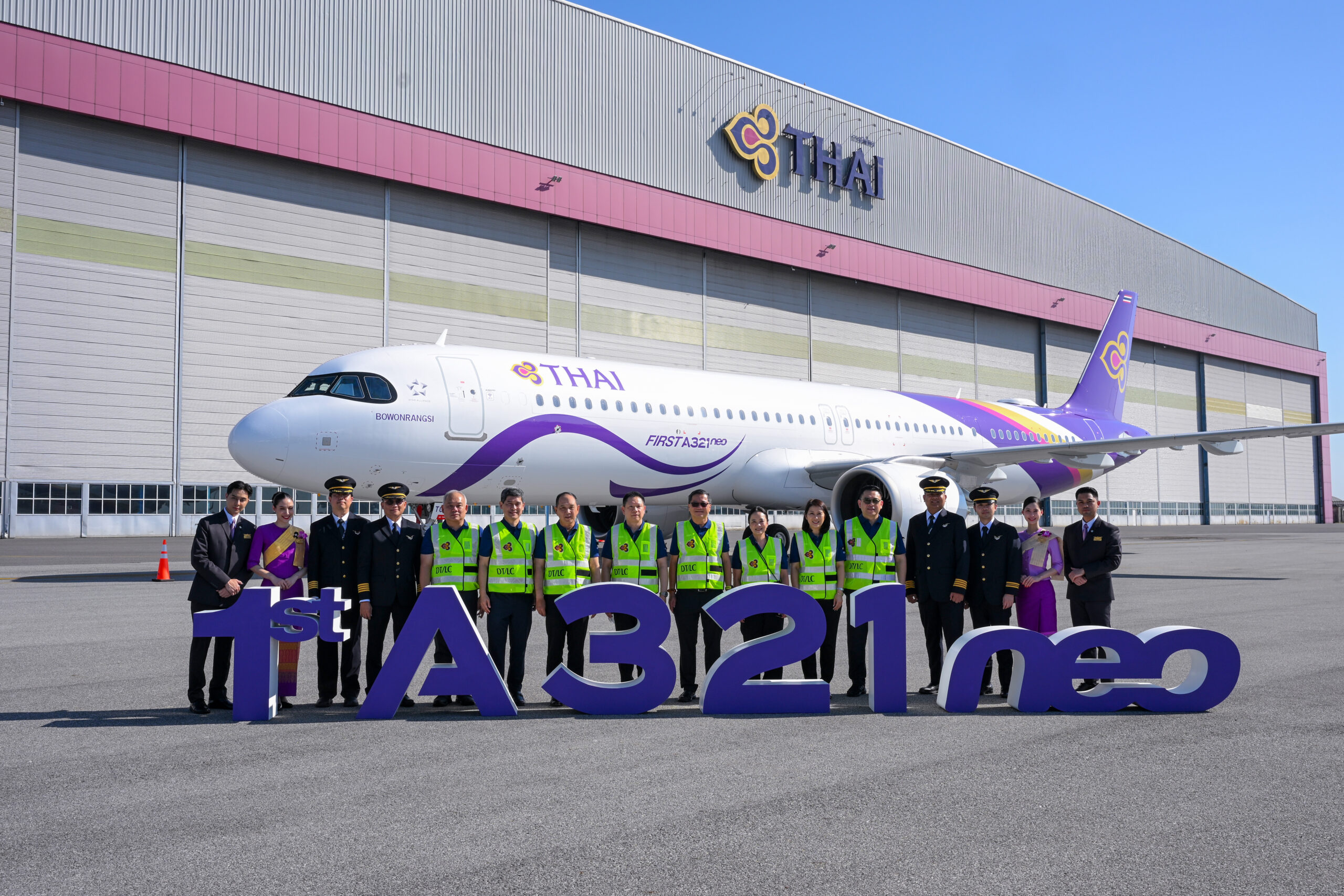
Thai Airways introduced its first Airbus A321neo in January 2026 for short- and medium-haul operations. The company described the aircraft as part of its fleet modernisation plan, with improved fuel efficiency, lower noise and an upgraded cabin. The aircraft was scheduled for Bangkok-Singapore, Bangkok-Phuket and Bangkok-Delhi services during its initial operating period.
This type of fleet investment matters because Bangkok’s property demand is tied to regional movement. Singapore, India, Phuket and other Asia-Pacific routes are not abstract aviation data points. They connect buyers, tenants, corporate travellers, families and tourists to the city. Better regional connectivity can make Bangkok easier to use as a second home, work base or investment inspection point.
Read the signal carefully
Buyers should not turn one airline result into a property-buying thesis. Thai Airways also reported that total revenue was slightly lower year-on-year and that passenger numbers decreased by 3.5 percent from the same period last year. The value of the aviation signal is not that every metric is perfect. It is that Bangkok remains a deep, active transport market even in a more uncertain global setting.
The sensible interpretation is selective confidence. International passenger movement, profitable airline operations and fleet renewal support the long-term case for Bangkok as a connected city. They do not rescue a weak unit, an inconvenient building or an unrealistic rent assumption.
A stronger national carrier can reinforce confidence in Bangkok as a globally connected base.
Property districts most connected to the theme
Sukhumvit and Phrom Phong for expatriate services, retail, hospitals and BTS access.
Rama 9 and Makkasan for Airport Rail Link connectivity and office growth.
Silom, Sathorn and Wireless for corporate, embassy and hotel demand.
Riverside and old-city fringe areas for hospitality, culture and long-stay lifestyle use.
Bang Na and eastern Bangkok for airport-side business, schools and industrial access.
The common thread is not simply distance to an airport. It is the combination of daily transport, healthcare, retail, schools, offices and reliable building management. A buyer who travels frequently should test the full route: airport to building, building to work or school, and building to daily services.
Investor takeaway
Thai Airways’ Q1 2026 performance and A321neo deployment add to the broader Bangkok connectivity story. Foreign buyers can read this as a positive city-level signal, especially when combined with airport passenger growth and Bangkok’s established role in tourism, business travel and regional living.
Bangkok condominium buyers often look first at a unit, a BTS station or a headline discount. In 2026, it is also worth reading the launch plans of listed developers. These plans show where major companies believe demand can still be created, how much new supply may enter the market, and which price bands are likely to compete for attention over the next twelve to eighteen months.
Developer launch plans are useful market signals, but buyers still need building-level discipline.
AP Thailand’s latest 1Q2026 company snapshot is a useful example of the type of signal foreign buyers can study. The company outlined a 2026 plan to launch 42 new projects worth 55 billion baht, including condominium projects worth 15.6 billion baht. It also reported that its new joint venture condominium, LIFE Ratchada-Rama 9, achieved a 28.1 percent take-up rate in the first quarter. Those figures do not tell a buyer which unit to purchase, but they do show that large developers are still selectively testing Bangkok demand.
For overseas investors, the right question is not simply whether launches are returning. The better question is whether the launch plan supports the specific building, district and exit strategy under review. A developer may have a strong brand and a credible sales campaign, while a particular unit still faces rent competition, traffic inconvenience, weak views or a narrow resale audience.
Why launch plans matter
Launch plans are a forward-looking view of supply. They indicate where developers are willing to commit land, marketing budgets, design work and construction capital. In a cautious domestic credit cycle, this is important because developers are unlikely to launch casually. When a listed company continues to bring projects forward, it usually believes there is a buyer segment, a location story or a pricing window that can work.
Foreign buyers can use this information to identify themes. Are developers focusing on low-rise suburban housing, mass-market condominiums, luxury towers, mixed-use districts or transit-led locations? Are they pushing ready-to-move inventory or pre-sale campaigns? Are new launches clustered around the same MRT extension, office hub or lifestyle corridor? The answers help buyers understand where competition may increase.
Pipeline is not the same as absorption
A project launch is only the start of the sales test. Absorption, transfers and post-handover occupancy matter more. The AP snapshot’s reference to a 28.1 percent take-up at LIFE Ratchada-Rama 9 is helpful because it gives a first-quarter demand marker, but buyers should not treat any initial take-up number as a complete investment case. They should ask how much of the demand is end-user, investor, Thai, foreign, cash-funded or dependent on domestic mortgage approval.
This distinction matters for foreign owners because resale liquidity may depend on the next buyer pool. If a building is mostly attractive to local mortgage-backed buyers, a tight credit environment can slow future exits. If it has a broader mix of owner-occupiers, renters, expatriates, parents, second-home buyers and foreign quota demand, the resale story may be more resilient.
A strong developer pipeline does not make every unit equally liquid or rentable.
How to read a developer plan as a buyer
Separate national launch value from the actual number of competing units in your target district.
Check whether the developer is launching new stock while still clearing completed inventory nearby.
Compare presale language with actual transfer evidence once projects complete.
Ask whether the target building has a clear tenant group beyond short-term investors.
Watch common area quality, parking ratios, unit mix and foreign quota rather than brand alone.
Use listed-company disclosures as context, then verify the project documents directly.
This framework keeps buyers from overreacting to headline numbers. A 55 billion baht launch plan can be a sign of market confidence, but it can also mean more choices and more competition. A disciplined foreign buyer should welcome more supply only when the specific unit remains easy to justify on rent, lifestyle use and future resale.
What it means for pricing
Developer launch plans can influence pricing in two ways. First, they set new benchmark prices in a district. If a new project asks a premium, completed resale units nearby may look better value, provided their building condition is strong. Second, they create comparison pressure. A seller of an older unit may need to explain why a buyer should choose an existing building over a newer project with fresh facilities and payment terms.
Foreign buyers should use this pressure carefully. A cheaper resale unit is not automatically better than a new launch. It may have better transfer certainty, an established juristic office and visible common areas. It may also carry older mechanical systems, dated layouts or weaker tenant appeal. The best comparison includes total cost, not only headline price.
District implications
Ratchada-Rama 9, Phrom Phong, Thonglor, Ari, Rama IV, Sathorn and selected riverside areas all have different supply dynamics. Some locations are driven by offices and retail. Others depend more on schools, hospitals, lifestyle streets or long-stay expatriates. A developer’s decision to launch in one district should prompt buyers to ask whether the surrounding demand is deep enough to absorb new stock without weakening rents.
In an active launch environment, completed buildings near daily-use infrastructure can become attractive if they are priced sensibly. Buyers can inspect real management, real noise, real lift wait times and real tenant profiles. New launches, by contrast, may offer cleaner design and payment schedules but require more patience and assumptions.
Foreign buyers should translate launch news into price, rent, quota and exit checks.
Buyer takeaway
Listed developer launch plans are useful evidence, not instructions. They show where capital and marketing energy are moving, but they do not replace unit-level due diligence. Foreign buyers should read them alongside completed supply, rental depth, foreign quota, building management and realistic resale audiences.
IBP can help overseas buyers compare new launches with completed stock in the same district before funds move. Read our Bangkok investment analysis or contact IBP Real Estate for a focused shortlist.
Thailand’s data-centre investment wave matters to Bangkok property buyers because it points to the kind of economy the country is trying to build. On 6 May 2026, the Board of Investment, through the One Start One Stop Investment Center, reported that Thailand had approved six major projects worth a combined 958 billion baht, or about USD 29 billion, led by data infrastructure expansion by TikTok System (Thailand) Co., Ltd.
BOI approvals show how digital infrastructure has become a major Thailand investment theme.
For foreign property buyers, this is not a direct instruction to buy a condominium. It is a confidence signal. Large digital-infrastructure commitments can support employment, supply chains, professional services, power planning, data, cloud services and regional business activity. Bangkok, as the main corporate, financial, legal and international-services base, is likely to remain closely connected to that activity even when some facilities sit outside the central city.
What BOI said was approved
BOI said three of the six approved projects were in data centre and data-hosting services, with a combined investment value of 913 billion baht. The largest was a TikTok System (Thailand) project valued at 842 billion baht, covering additional servers and expanded data storage and processing infrastructure across Bangkok, Samut Prakan and Chachoengsao. BOI also referred to a 46 billion baht Skyline Data Center and Cloud Services project in Chachoengsao with an IT load of 200 megawatts.
Those details matter because they show digital infrastructure is not a small side story. It is tied to regional cloud demand, AI-related services, power availability, clean energy access and speed of investment facilitation. These are the same factors multinational companies consider when choosing where to operate, hire and place regional functions.
Power readiness, clean energy access and faster facilitation are now central to the digital investment cycle.
Why Bangkok property buyers should care
Bangkok property confidence is strongest when it is supported by more than tourism. Tourism remains important, but a more resilient city has multiple demand engines: corporate offices, embassies, hospitals, universities, international schools, retail, logistics, finance, technology and professional services. Data-centre investment can add to that broader platform by attracting vendors, engineers, consultants, compliance specialists and regional management activity.
The effect on condominiums is indirect and selective. A data centre in Chachoengsao does not automatically lift rent in every Bangkok tower. The more realistic link is through Bangkok’s role as the living and working base for executives, service providers and regional decision-makers. Well-connected districts with strong transport, healthcare, schools, retail and office access are better positioned to benefit from this kind of economic confidence.
Watch power and clean-energy execution
BOI’s release did not treat approvals as the end of the story. It highlighted electricity readiness, clean-energy options, skilled talent, deeper supply chains and faster facilitation. Foreign buyers should pay attention to those execution points. If Thailand can support major digital projects with reliable power, cleaner procurement options and predictable approvals, the investment story becomes stronger.
This is relevant to real estate because cities compete on operating confidence. A buyer choosing Bangkok over another regional city is influenced by infrastructure quality, business confidence, airport links, healthcare and policy continuity. Property assets become more attractive when the surrounding economy can support diverse, long-term demand.
Large-scale digital projects can reinforce Bangkok’s role as a regional business base.
How to translate the news into property strategy
Focus on districts connected to offices, hospitals, schools, retail and mass transit.
Avoid treating national investment headlines as proof for a weak building.
Track where corporate tenants and service firms are expanding, not only where infrastructure is announced.
Model rental demand from real tenant groups rather than assuming all FDI becomes condo demand.
Prefer buildings with strong management, usable layouts and credible resale audiences.
This approach keeps the macro story useful without making it exaggerated. BOI approvals can support national confidence, but a condominium still needs its own case. The best Bangkok assets usually combine city-level momentum with building-level discipline.
Investor takeaway
Thailand’s latest BOI data-centre approvals strengthen the country’s technology and investment narrative. For Bangkok property buyers, the signal is positive but indirect: digital infrastructure can support the economy, corporate services and confidence, while the actual purchase decision should still depend on location, building quality, tenant demand and holding costs.
IBP can help buyers connect Thailand economy signals with specific Bangkok districts and condominium choices. Read our Thailand economy and investment news or contact IBP Real Estate for a data-led buying discussion.
Bangkok condo buyers are entering the middle of 2026 with a quieter domestic credit backdrop. On 29 April 2026, the Bank of Thailand’s Monetary Policy Committee voted unanimously to maintain the policy rate at 1.00 percent and noted that credit growth was projected to remain subdued. For foreign buyers who can fund a condominium purchase with offshore cash, this is an important signal. It may create room for negotiation, but it also asks buyers to be more disciplined about demand, resale and holding period.
A slower credit cycle changes negotiating power, but it does not remove building-level risk.
Cash buyers often assume that being less dependent on Thai mortgage conditions gives them a simple advantage. In one sense, it does. A seller, developer or agent may value a buyer who can transfer foreign currency clearly, meet payment milestones and avoid financing uncertainty. Yet cash is only a tool. If it is used to buy a weak unit in an oversupplied building, the advantage disappears after transfer.
The better question is how to use liquidity in a market where local buyers may be cautious and lenders may be selective. Foreign buyers should not read subdued credit growth as a reason to rush. They should read it as a reason to compare more carefully, negotiate with evidence and avoid projects where the resale audience depends too heavily on easy domestic credit.
Why credit conditions matter to condo pricing
Bangkok condominium prices are shaped by more than interest rates. Land cost, construction cost, developer balance sheets, completed supply, tenant demand, foreign quota, project age and location all matter. Still, credit conditions influence how quickly local buyers can absorb stock and how confidently investors can move. When domestic credit is tight, developers and resale sellers may need to work harder to convert interest into actual transfers.
That can help a foreign cash buyer, especially in completed buildings where a seller wants certainty. However, it can also signal weaker end-user demand in some segments. If many Thai buyers in a particular price band struggle to secure finance, a foreign owner may face a smaller future resale pool. A discount is useful only if the buyer understands why it exists.
Where cash can create a cleaner negotiation
Cash is most valuable when it solves a seller’s practical problem. A resale owner may need a firm transfer date. A developer may want to clear selected completed units. An investor may prefer a buyer who can move without loan approval delays. In those situations, foreign buyers can negotiate on price, furniture, transfer cost sharing, repair items or payment timing.
The buyer should still document the process carefully. Foreign funds for a condominium purchase need to be remitted correctly and supported by bank evidence for transfer. Cash does not mean informal. It means the buyer can present a cleaner source-of-funds and transfer plan, ideally with legal and banking checks completed before signing documents.
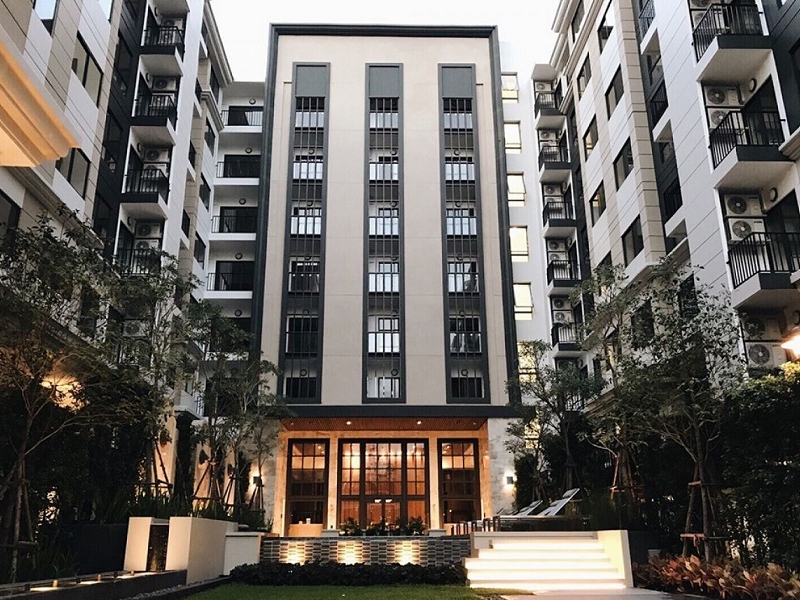
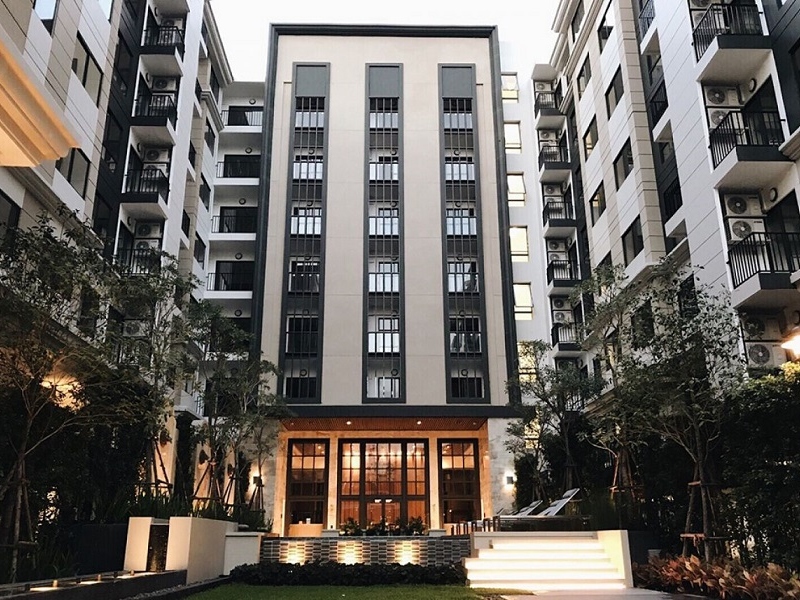
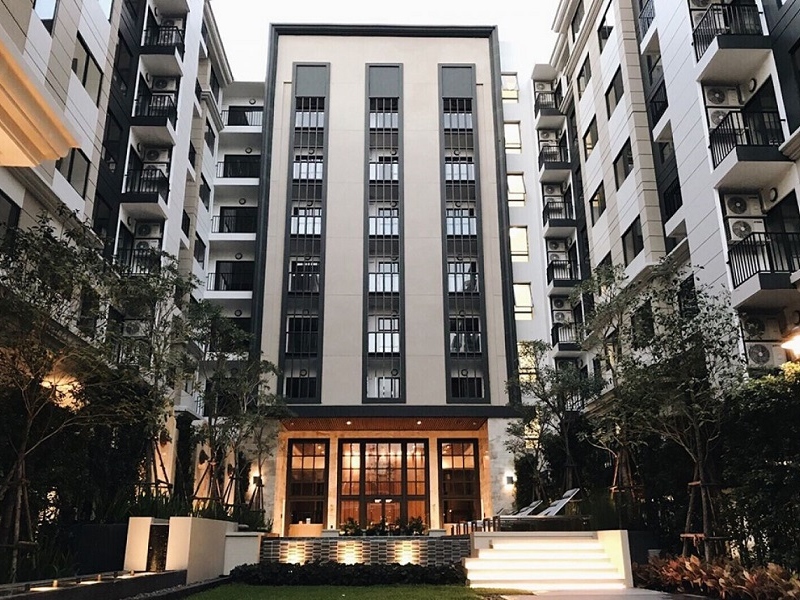
Completed buildings let buyers test management, maintenance and resale competition directly.
Use liquidity to buy evidence, not hope
A cash-funded buyer can often move faster than a financed buyer, but speed should be used after due diligence, not before it. The best Bangkok condo purchase case should include a tested location, a credible tenant profile, a clear building condition review, foreign quota confirmation, ownership documents, common fee status and realistic exit logic.
In a slower credit cycle, foreign buyers should be especially careful with projects that depend on future area transformation. Infrastructure plans, new retail districts and office clusters can support confidence, but the unit still has to work during the holding period. If the buyer needs rent soon after transfer, the building must compete in today’s market, not only in a sales brochure’s future map.
A cash buyer checklist for 2026
Compare at least three completed alternatives before reserving a new or resale unit.
Ask whether current buyers in the project are mostly cash, financed, Thai or foreign.
Model rent after vacancy, common fees, agent fees, repairs and furnishing.
Check whether the future resale audience includes owner-occupiers, landlords and foreign buyers.
Confirm foreign quota and foreign-currency transfer evidence before the transfer date.
Keep some cash aside for furnishing, tax, insurance, repairs and periods without rent.
This checklist keeps cash from becoming overconfidence. A foreign buyer who can transfer quickly may be welcomed by sellers, but the buyer still lives with the asset after completion. The unit’s plan, orientation, management, noise, access and common areas will matter more over five years than the speed of the initial negotiation.
Cash strength is most useful when it is paired with conservative rent, cost and exit modelling.
What to watch in the next quarter
Investors should watch whether developers continue to limit launches, whether completed inventory is discounted selectively, whether prime rental demand remains stable, and whether Thai household credit conditions improve or stay cautious. Buyers should also track tourism, office leasing, healthcare demand and international school areas because these affect tenant depth in specific districts.
The strongest opportunities are unlikely to be the loudest. They are more likely to be well-managed buildings near daily-use infrastructure, with realistic pricing and a clear tenant or owner-occupier audience. For foreign cash buyers, the goal is not simply to buy when local credit is cautious. The goal is to buy an asset that remains easy to explain when the next buyer asks the same hard questions.
Buyer takeaway
Thailand’s 1.00 percent policy-rate hold and subdued credit comments are useful market context for Bangkok condo buyers. They suggest patience, selectivity and careful negotiation. Foreign cash buyers may have practical leverage, but only if they use it to secure quality rather than chase a headline discount.
IBP can help overseas buyers compare completed stock, foreign quota, rental assumptions and district risk before funds move. Read our Bangkok investment analysis or contact IBP Real Estate for a disciplined buyer shortlist.
Thailand’s responsible-tourism push is relevant to Bangkok property because it shows how the country is trying to move beyond simple visitor volume. On 8 May 2026, the Tourism Authority of Thailand hosted the Amazing Green Experience in Thailand trade meet in Krabi, bringing overseas travel partners and media together with responsible tourism operators from southern Thailand. The event was not in Bangkok, but the signal matters for Bangkok buyers because the capital remains the main international gateway, corporate base and stopover city for many Thailand itineraries.
TAT’s Amazing Green Experience connected overseas buyers and media with responsible tourism operators.
TAT said the programme brought together 22 tourism operators from Krabi, Phang-nga and Surat Thani, 19 overseas travel trade partners from India, Vietnam, Singapore, Malaysia, Indonesia and Australia, and 16 media representatives from those markets. For property investors, the important point is that Thailand is building market-ready products around responsible travel, wellness, community tourism and low-impact experiences rather than relying only on headline arrival counts.
Why responsible tourism matters to property buyers
A property market is stronger when the city and country appeal to different kinds of residents and visitors. Bangkok already benefits from business travel, healthcare, education, retail, dining, events and regional connectivity. Responsible tourism adds another layer by attracting travellers and trade partners who value quality, wellness, culture and local experience. These are often the same factors that make a foreign buyer comfortable holding a Bangkok condo for personal use, rental income or future retirement planning.
The connection is indirect but useful. A successful responsible-tourism strategy can raise Thailand’s brand with travel agents, media, creators and repeat visitors. Bangkok may not be the final destination for every nature or community route, but it is often the arrival point, meeting place, medical stop, shopping base or extension city. That keeps the capital tied to national tourism strategy.
Trade matching turns sustainability messaging into business channels for Thai operators.
Quality travel supports premium districts
Foreign buyers should pay attention to quality-of-demand signals. A country attracting longer-stay, wellness, family, community and higher-value travel can support premium services, hotels, restaurants, serviced apartments and residential districts. In Bangkok, this can reinforce areas with strong lifestyle infrastructure: Sukhumvit, Lumphini, Sathorn, Riverside, Rama IV and well-connected neighbourhoods near hospitals or retail.
That does not mean a responsible-tourism campaign turns every condo into a good investment. The unit still needs to pass due diligence: foreign quota, title, transfer process, common fees, tenant demand, building management, entry price and resale audience. Macro confidence should guide market selection, while building evidence should guide the actual purchase.
A wider regional confidence signal
The trade partners in TAT’s programme came from several important regional markets. India, Singapore, Malaysia, Indonesia, Vietnam and Australia all matter to Thailand through tourism, business links, education choices, lifestyle travel and sometimes property interest. When Thailand keeps engaging these markets through structured trade programmes, it supports confidence that demand is being cultivated rather than left to chance.
Bangkok benefits when regional visitors see Thailand as easy to reach, professionally promoted and suitable for repeat trips. A buyer from Singapore or Australia may first know Thailand through travel, healthcare, wellness or family holidays before considering property. The more credible the country platform, the easier it is for Bangkok to remain on the shortlist.
Responsible tourism can support higher-quality travel demand across Thailand, with Bangkok as a gateway.
What investors should watch next
Whether responsible-tourism routes convert into repeat bookings, not only one-off media events.
Whether regional visitor markets continue to diversify beyond any single country.
Whether quality travel supports rents in central districts used by executives, families and long-stay visitors.
Whether developers respond with real wellness and management standards rather than generic marketing.
These indicators are more useful than treating sustainability as a slogan. Foreign buyers should look for places where lifestyle, transport, healthcare, retail and management quality already exist. Responsible tourism can reinforce those fundamentals, but it cannot create them inside a weak building.
Investor takeaway
TAT’s Amazing Green Experience is a positive national confidence signal because it links Thailand’s tourism economy with responsible products, overseas trade channels and media reach. For Bangkok property buyers, the practical lesson is to focus on districts that can benefit from higher-quality, repeat international demand while still passing normal unit-level due diligence.
IBP can help overseas buyers connect Thailand’s economy and tourism signals with specific Bangkok districts and buildings. Read our Thailand economy and investment news or contact IBP Real Estate for a Bangkok buying plan.