

The Tourism Authority of Thailand’s enhanced Amazing Thailand app is a small but useful signal for Bangkok property buyers. TAT announced that the upgraded platform would enter public rollout from 15 March 2026, developed with Mastercard and designed to combine inspiration, trip planning, on-ground discovery, spending, safety guidance and VAT refund information. For the property market, the app is not about one technology launch. It is about Thailand’s effort to make travel easier, more trusted and more commercially connected.

Foreign buyers often judge Bangkok through repeated visits before they buy. They test neighbourhoods, hospitals, restaurants, malls, transport links, hotels and weekend routines. Anything that reduces visitor friction can improve confidence. A traveller who can plan more easily, discover local experiences, receive practical guidance and move through the city with fewer surprises is more likely to imagine Bangkok as a repeat-use base rather than a one-off holiday stop.
Why a tourism app matters to property demand
Tourism and property are not the same market, but they overlap in Bangkok. Many condo buyers first encounter the city as tourists, business travellers, medical visitors, event attendees or regional family visitors. A stronger visitor experience can widen the pool of people who understand Bangkok’s daily convenience. That matters for both owner-use buyers and landlords targeting short-to-medium executive or long-stay tenants within legal building rules.
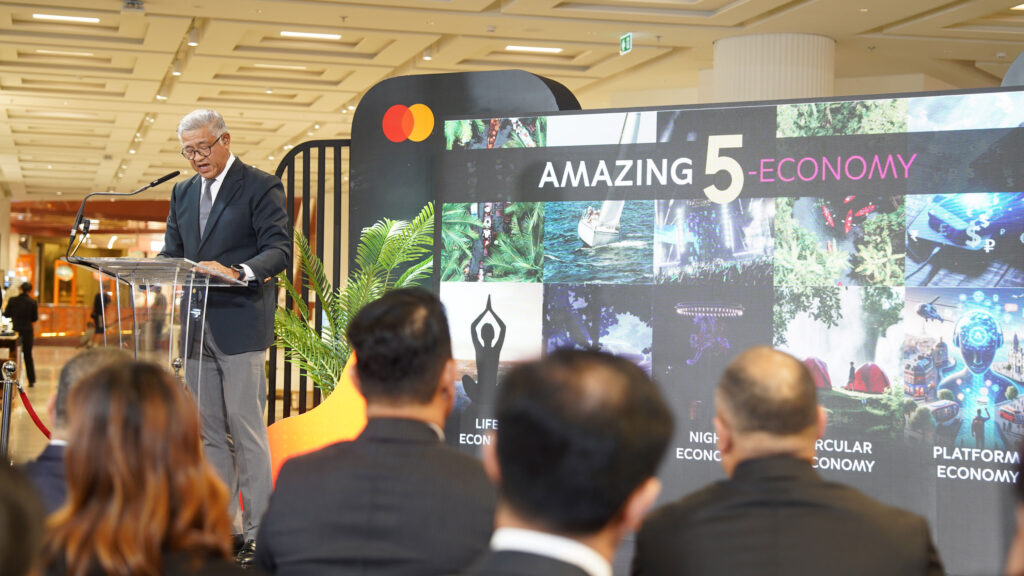
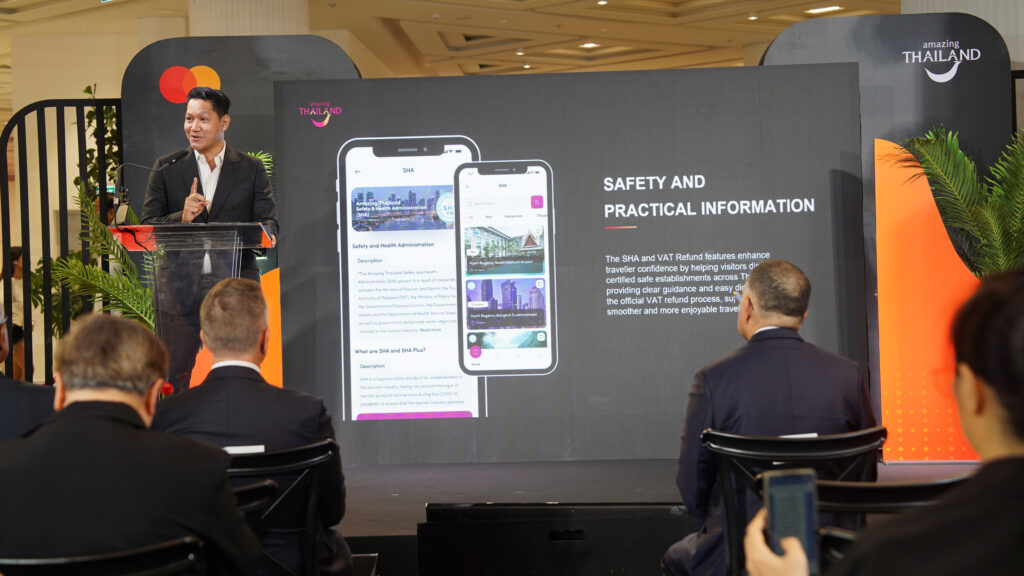
TAT said the enhanced app aligns with the Amazing 5 Economy framework and is intended to support quality revenue, innovation and sustainable tourism growth. The platform includes an AI-powered chatbot, personalised recommendations, Mastercard Priceless experiences, itinerary tools and safety guidance. Those details point to a broader policy direction: Thailand wants visitor spending to be better distributed, more trusted and less dependent on simple arrival numbers.
The Bangkok angle
Bangkok benefits when Thailand improves the full travel journey. The capital is often the arrival city, the business base, the medical hub and the shopping stop. Even travellers heading elsewhere frequently spend time in Bangkok before or after domestic trips. If digital tools help them discover places to stay, eat, shop and explore, the city’s premium districts become easier to navigate for new and returning visitors.
For foreign property buyers, that reinforces three practical themes. First, Bangkok’s global connectivity is not only about airports and flights; it is also about how easy the city is to use after arrival. Second, neighbourhoods with hotels, retail, transport and services can convert tourism familiarity into property interest. Third, landlords in visitor-facing districts should think carefully about legal, building-compliant rental positioning rather than relying on vague tourism demand.
What buyers should not overstate
The app does not guarantee condo price growth, rental yield or higher occupancy. It is one part of a wider tourism strategy, and property returns still depend on entry price, location, building management, tenant demand, legal compliance and exit liquidity. A foreign buyer should treat tourism technology as a confidence signal, not a valuation shortcut.
It is also worth separating visitor convenience from landlord permission. A better travel journey can introduce more people to Bangkok, but condominium owners still need to respect building regulations, lease terms and Thai law. The strongest property case is usually built around legitimate long-stay demand, repeat owner use and neighbourhood quality, not informal short-stay assumptions.
The more important question is whether a district captures repeat visitor behaviour. Areas near BTS, hospitals, premium retail, convention venues, embassies, offices and hotels are more likely to benefit from improved visitor confidence than isolated buildings with weak daily convenience. The app may help travellers discover Thailand more broadly, but property value remains local.
Investor takeaway
The enhanced Amazing Thailand app supports a larger story: Thailand is competing for higher-quality tourism, trusted experiences and digitally assisted travel. That is constructive for Bangkok because the city’s property appeal depends partly on repeated, confident use by international visitors. Buyers should connect that macro signal to specific neighbourhoods rather than buying the headline.
For foreign buyers, the practical move is to use each Bangkok visit as due diligence. Test the commute, hospital access, dining, shopping, airport route and neighbourhood rhythm before buying. IBP can help convert those visits into a structured property shortlist. Read our Thailand economy and investment news or contact IBP Real Estate for a Bangkok buyer plan.