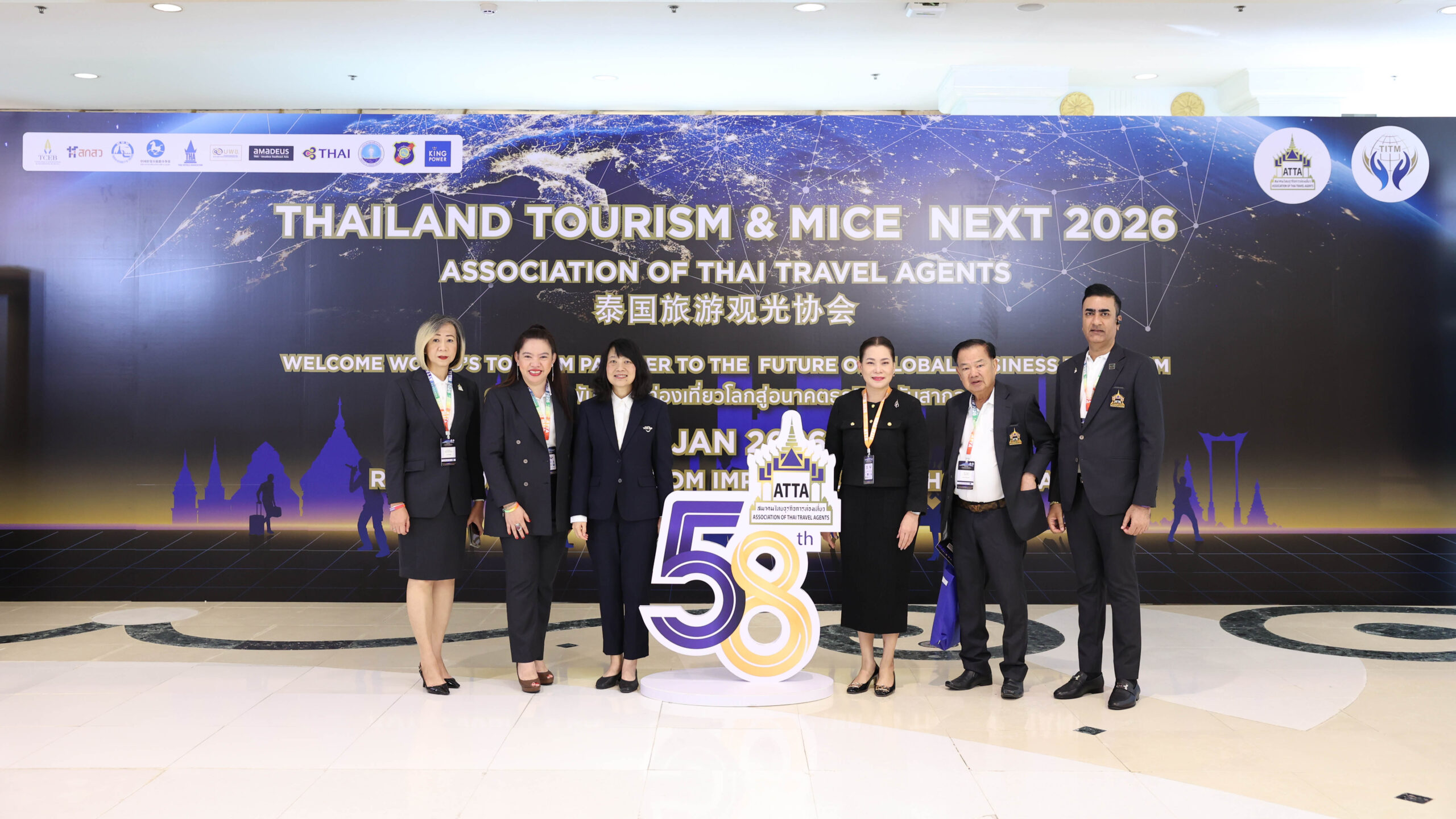
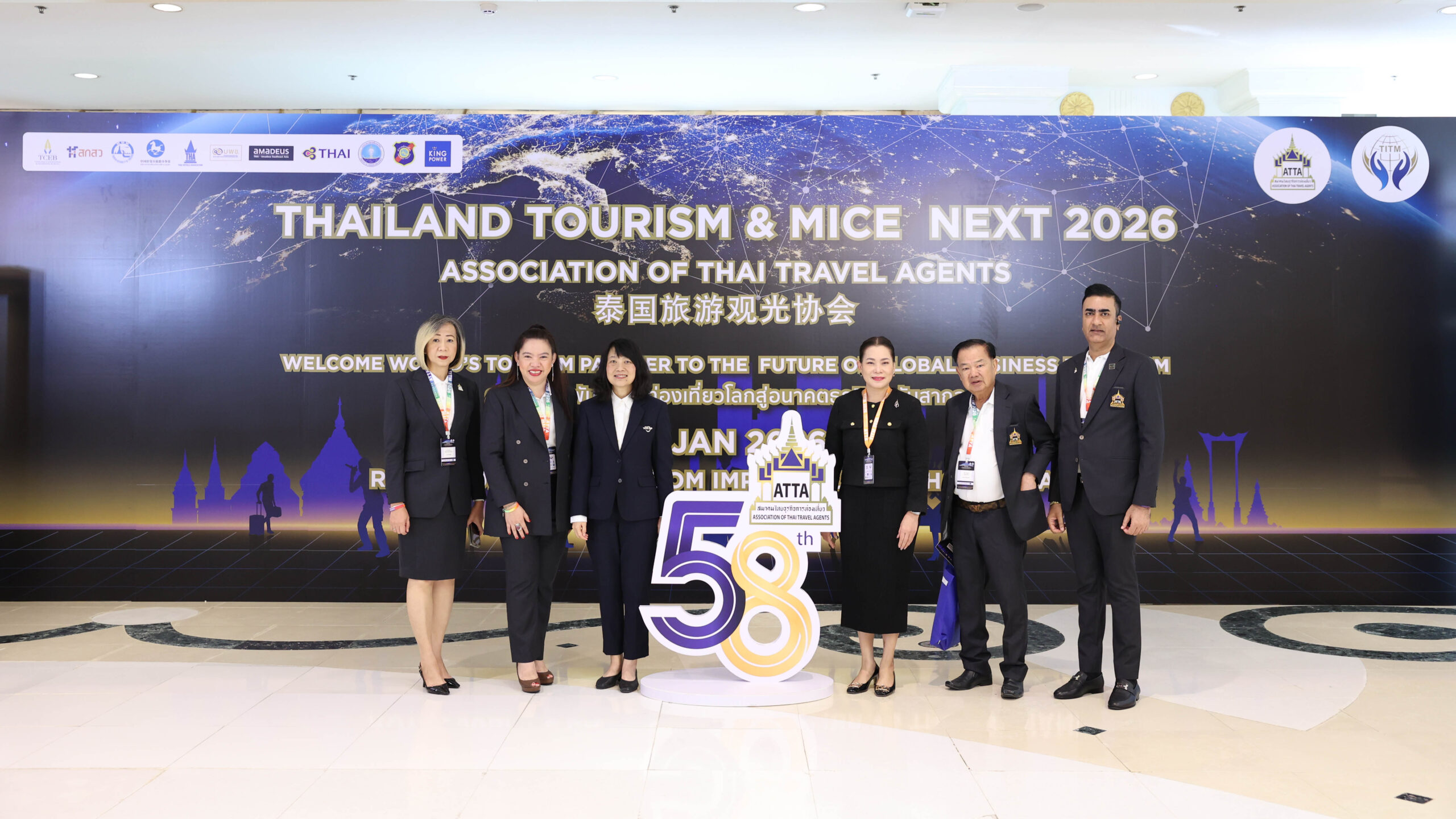
Bangkok’s latest international business-event win is a useful signal for foreign property buyers watching the city’s global visibility. The Tourism Authority of Thailand said Flight Centre Global Gathering: Bangkok 2026 brought more than 2,000 high-performing travel professionals from Flight Centre Travel Group’s worldwide network to the capital from 10 to 12 July 2026.
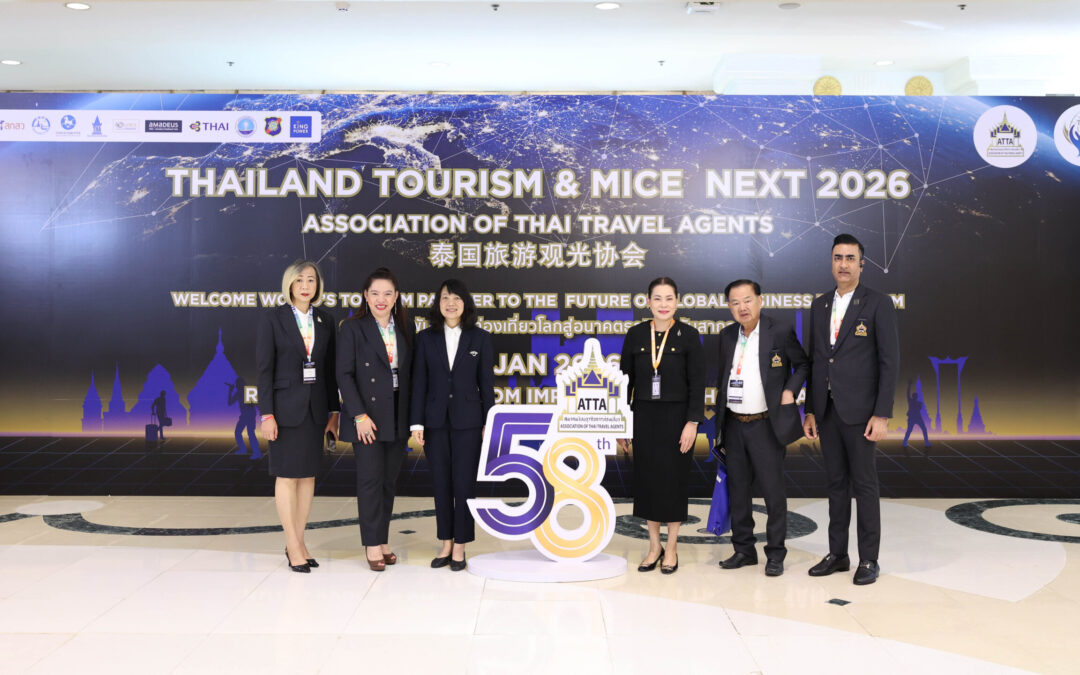
Flight Centre Global Gathering Bangkok 2026 brought international travel professionals to the city.
For condo investors, the point is not that a single conference changes property values. It is that events of this scale demonstrate the infrastructure, hospitality, air connectivity and venue ecosystem that help Bangkok remain relevant to international travellers, companies and long-stay residents.
TAT said the gathering was projected to generate approximately 262 million baht in tourism revenue and strengthen Thailand’s visibility in long-haul markets, particularly Australia. That kind of exposure matters because overseas travel sellers influence where repeat visitors, premium travellers and event delegates go next.
Why MICE demand matters to property buyers
MICE demand – meetings, incentives, conferences and exhibitions – sits between tourism and corporate relocation. Delegates may visit for a short period, but the venues, hotels, dining areas and transport they use are the same urban systems that support expatriate living and prime condo demand.
When Bangkok hosts a large international programme, it puts districts such as Sukhumvit, Rama IV, Ratchaprasong, Sathorn, Riverside and Muang Thong Thani into practical use for global visitors. Delegates experience airport transfers, hotels, shopping centres, restaurants, event halls, riverfront venues and local tours. Some later return with family, clients or investment interest.
Property buyers should treat this as a confidence signal rather than a price forecast. A city that repeatedly handles large events is easier to explain to a foreign buyer than a market known only through holiday images.
What the event showed about Bangkok
TAT’s announcement highlighted several Bangkok strengths: air connectivity, event readiness, hospitality standards and an extensive tourism network. The programme used venues including Bangkok Marriott Marquis Queen’s Park, Hyatt Regency Bangkok Sukhumvit, UOB Live, Impact Arena and Asiatique The Riverfront.
That range is important. Bangkok is not dependent on one conference district. It can combine central hotels, large entertainment venues, riverfront spaces, cultural neighbourhoods and day tours. For property buyers, that supports the argument that Bangkok’s liveability and visitor economy are distributed across multiple high-demand zones.
Business-event readiness is part of Bangkok’s broader appeal to international markets.
Tourism quality over simple volume
TAT connected the gathering with its value-focused tourism direction and its “Healing is the New Luxury” approach. This language matters because Thailand is trying to move beyond simple visitor counts toward higher-value experiences such as wellness, culture, gastronomy, responsible travel and premium services.
For Bangkok property, higher-quality tourism can support demand for better-located residences, serviced apartments, branded residences and buildings near hospitals, wellness venues, restaurants and parks. It can also improve the city’s image among buyers who want a home base rather than a purely speculative asset.
Investors should still separate city confidence from unit selection. A strong tourism story does not make every condo a good purchase. Building quality, entry price, juristic management, tenant demand and exit liquidity remain decisive.
Long-haul visibility and the Australian link
The Flight Centre gathering is especially relevant because TAT noted the long-haul market visibility, particularly Australia. Australian visitors, executives and lifestyle buyers already understand Thailand as a holiday and retirement destination. A major travel-industry gathering deepens professional familiarity with Bangkok as an event and premium-experience city.
For property investors, long-haul confidence can support rental demand in areas used by corporate travellers, medical visitors, regional executives and lifestyle migrants. It can also increase the number of people who see Bangkok as a practical second-home city rather than a short-stay destination only.
Large travel-industry gatherings expose delegates to Bangkok venues, hospitality and urban lifestyle.
How foreign buyers should read the signal
The correct conclusion is measured optimism. Bangkok continues to attract international events, and those events use the same infrastructure that supports urban property demand. However, buyers should not use one announcement to justify overpaying or skipping due diligence.
A better response is to focus on buildings and districts that benefit from Bangkok’s global connectivity: easy airport access, strong hotel and office presence, transport links, dining, healthcare, retail and cultural amenities. These are the areas where tourism, business travel and resident liveability overlap.
Foreign buyers comparing Bangkok condos can use this news as one part of a wider confidence picture, alongside interest rates, rental evidence, project quality, legal checks and personal lifestyle fit. IBP can help shortlist buildings that align with that broader demand story. For practical next steps, explore our investment analysis and foreign buyer guides.
Foreign buyers often compare Bangkok condominiums by asking price first, then rent second. That is understandable, but it is too narrow for an investment decision in a city where two buildings on the same road can have very different juristic finances, tenant demand, maintenance standards and resale depth.
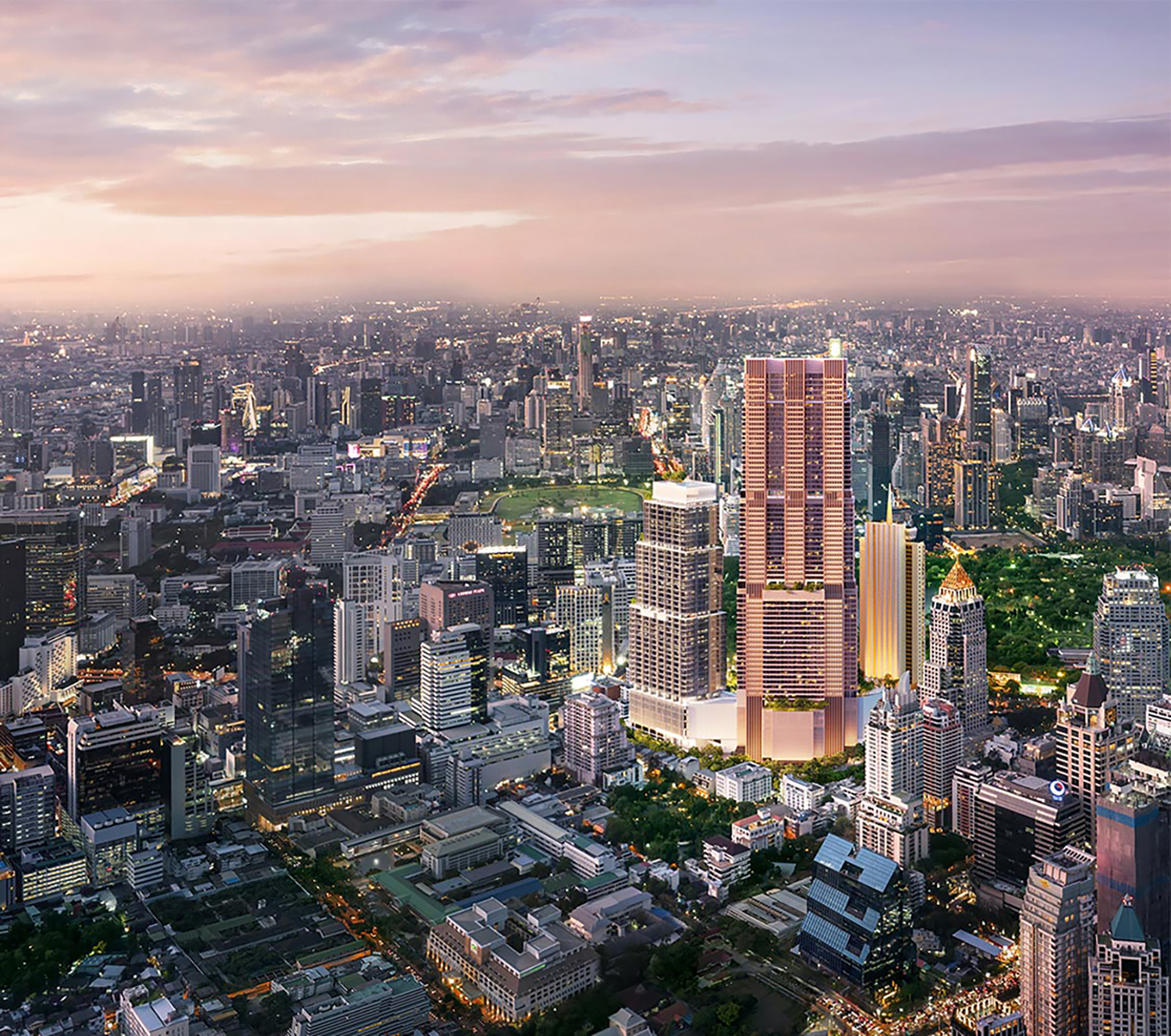
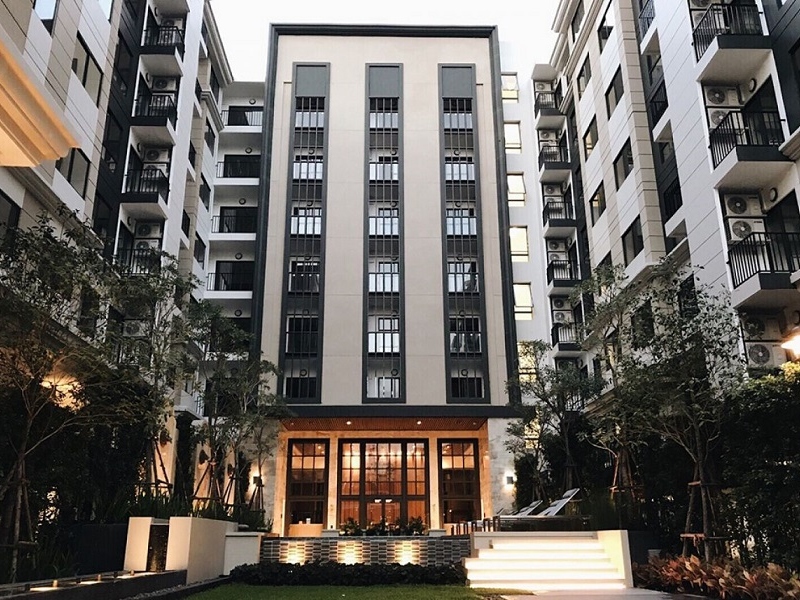
Prime mixed-use surroundings can influence how investors compare Bangkok condo value.
A useful benchmark is not a single number. It is a disciplined comparison of how a unit performs against realistic alternatives. The best question is not whether a condo looks cheap in isolation, but whether it looks sensible after you have compared its price, rental evidence, building quality, ownership costs, exit route and neighbourhood support.
For overseas investors, that discipline is especially important because they may not see the building every month. A calm framework reduces the risk of buying the most persuasive sales story instead of the most resilient asset.
Start with genuinely comparable buildings
Benchmarking begins by narrowing the comparison set. A 35-square-metre leasehold unit in a hotel-branded tower should not be compared directly with a 35-square-metre freehold resale in a standard condominium, even if both sit near the same BTS station. The right comparison set should share a similar district, tenure, age band, grade, transport access and buyer profile.
For a central Bangkok condo, compare against buildings that compete for the same tenant and future buyer. A Japanese corporate tenant, a regional executive, a long-stay medical visitor and a local owner-occupier may all value different features. If the unit is likely to depend on expat rental demand, the benchmark should include buildings with proven expat appeal rather than the cheapest stock nearby.
Investors should also separate completed resale buildings from off-plan launches. A completed building gives evidence of actual rents, actual maintenance standards and actual resale listings. A launch may offer newer design, payment staging and developer incentives, but the investor is underwriting future delivery and future tenant demand.
Compare the full cost, not just the sale price
The quoted price per square metre is only the opening line. Foreign buyers should calculate the acquisition cost, transfer-related costs, furnishings, appliance replacement, sinking fund exposure, common fees, agency fees, vacancy allowance and likely refresh costs over the intended holding period.
A unit that is slightly cheaper at purchase can become less attractive if the building has high monthly charges, weak maintenance discipline or near-term capital works. A slightly more expensive unit can be the better investment if it rents faster, holds condition better and appeals to a wider buyer pool when it is time to sell.
Benchmark common fees against building grade and facility depth. A full-service tower with extensive amenities should have higher running costs than a simple low-rise building, but those costs should still feel proportionate to occupancy, staffing, maintenance and the tenant profile. If the fee looks unusually low, ask whether the building is underfunding maintenance. If it looks unusually high, ask whether the rent can support it.
Location depth should be judged by transport, parks, retail, offices and daily convenience together.
Use rental evidence cautiously
Rental adverts are not the same as achieved rents. Asking rents show owner ambition; signed leases show market evidence. Where possible, compare recent leases in the same building, nearby buildings of similar grade and units with similar furnishing standards. A renovated corner unit with open views should not set the rent expectation for a lower-floor unit facing a neighbouring wall.
Investors should also look at speed of letting. A high theoretical rent is less useful if the unit sits empty for months. For practical modelling, it is better to use a conservative rent that can be achieved repeatedly than an optimistic rent that depends on a rare tenant.
Foreign landlords should include vacancy and tenant-change costs in the benchmark. Bangkok rentals can be steady in strong locations, but leases still expire, furniture wears out and market sentiment changes. A yield calculation that assumes twelve perfect months every year may overstate the result.
Score the building as a business, not a postcard
Every condominium has a small operating business behind it: the juristic person, the committee, the property manager, the budget, the reserve fund and the rules. Investors should benchmark that operating business as carefully as they benchmark the pool, lobby or view.
Ask for the latest financial statements, AGM minutes where available, common fee position, major repair discussions and any known disputes. A building with good governance can protect long-term value. A building with poor collection, recurring disputes or deferred maintenance can turn a good location into a difficult hold.
This is also where overseas ownership changes the risk profile. A foreign owner who lives abroad needs predictable administration, clear communication and a management team that can coordinate repairs, tenant access and documents without constant intervention.
Test the exit route before buying
A buyer-focused benchmark should include resale liquidity. Check how many similar units are listed, how long they appear to have been on the market, and whether the building has a consistent buyer audience. If many similar units compete at the same time, the owner may need to price patiently when exiting.
Liquidity is not only about the district. It can depend on unit size, layout, view, floor, parking, furnishing condition, ownership quota and the reputation of the building. A compact one-bedroom in a known rental building may sell more readily than an unusual layout in a quieter tower, even if the second unit looks larger on paper.
Investors planning a shorter hold should be stricter. The shorter the intended holding period, the less time there is for market recovery, rental income and capital improvements to offset a weak entry price.
Amenity depth around a building can matter as much as the headline district name.
Neighbourhood depth matters
Foreign buyers should benchmark the neighbourhood as a living system. BTS or MRT access is important, but so are supermarkets, hospitals, schools, parks, restaurants, offices, embassies, hotels, serviced apartments and evening activity. These features help create a broader tenant base and can make the unit easier to explain to a future buyer.
A station name alone is not enough. Walk the route at different times of day, check shade and crossings, consider traffic patterns and ask whether the daily life around the building matches the target tenant. For example, a quiet residential pocket may suit families, while a denser business district may suit executives who value short commutes.
A practical scoring method
Before making an offer, give each shortlisted unit a simple score out of five for entry price, rent evidence, building governance, maintenance condition, neighbourhood depth, tenant pool, resale liquidity and ownership simplicity. The exact scoring is less important than the discipline of comparing each unit in the same way.
If a unit scores strongly on location but weakly on governance, the investor knows what to investigate next. If it scores strongly on price but weakly on tenant demand, the investor can adjust rent assumptions. If it scores strongly across most categories, it may justify paying a fair price rather than waiting for a bargain that never appears.
IBP can help foreign buyers compare shortlisted Bangkok condos against realistic alternatives, including rental assumptions, exit risk and practical ownership checks. You can also review our Bangkok investment analysis and our recent guide to holding-period checks before committing to an offer.
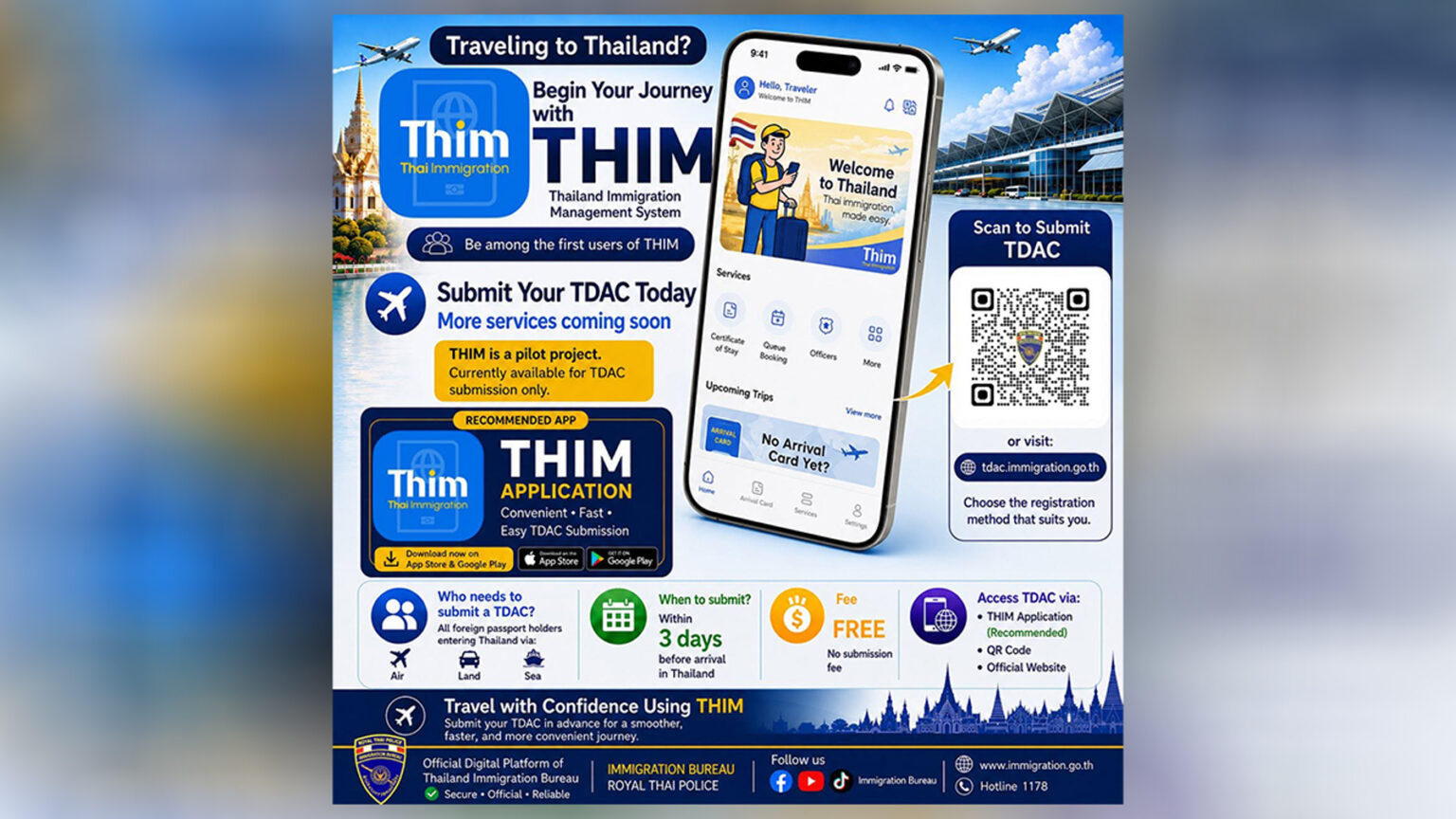
Thailand’s latest proof-of-funds reminder is a practical travel notice, but it also matters for foreign buyers who treat Bangkok property ownership as part of a wider Thailand plan. On 6 July 2026, TAT Newsroom said foreign visitors should keep evidence of sufficient funds ready for possible immigration screening. TAT also stated that the notice does not introduce a new measure.
TAT described the proof-of-funds notice as a travel-preparation reminder, not a new measure.
For property buyers, the point is not alarm. The point is planning discipline. A serious Bangkok condo buyer may enter Thailand for viewings, bank meetings, transfer appointments, family visits, medical care or longer stays. Clear entry preparation reduces friction and supports confidence in the country as a repeat-visit destination.
What TAT clarified
TAT said the proof-of-funds requirement has been part of Thai immigration rules since 1980 under a Ministry of Interior announcement, with current amounts updated under a later announcement in 2000. Depending on entry category, visitors may be asked to show funds in Thai baht, an equivalent amount in another currency, or documents evidencing payment of an equivalent amount.
The amounts listed by TAT include 10,000 baht per person or 20,000 baht per family for Visa on Arrival and certain transit or visa-exempt cases under immigration regulations. For Tourist Visa and Non-Immigrant Visa categories, TAT lists 20,000 baht per person or 40,000 baht per family. TAT also says the requirement does not apply to children under 12.
Clear entry processes help repeat visitors and property buyers plan Thailand trips with fewer surprises.
Why this matters for Bangkok property buyers
Foreign condo buyers often make several trips before and after purchase. A first trip may involve neighbourhood orientation and shortlisting. Later trips may involve reservation, due diligence, bank processes, transfer, furnishing, tenant setup or family relocation planning. Entry preparation should be treated as part of that project plan.
The reminder is especially relevant for buyers who assume property interest alone will make entry formalities automatic. It will not. Visitors still need valid travel documents, visa or visa-exemption eligibility, accommodation details, onward-travel evidence where required and the ability to follow Immigration Bureau instructions at the checkpoint.
Confidence comes from predictable rules
Rules can feel inconvenient, but clear reminders can also support confidence. Investors and residents prefer countries where procedures are visible and can be prepared for. When official agencies explain requirements, visitors can organise documents before flying rather than discovering them at the counter.
For Bangkok property, this fits a wider buyer mindset. The same discipline applies to remittance records, foreign quota checks, title documents, lease files, tax advice and property management authority. Thailand is attractive to many foreign buyers, but ownership still rewards organised paperwork.
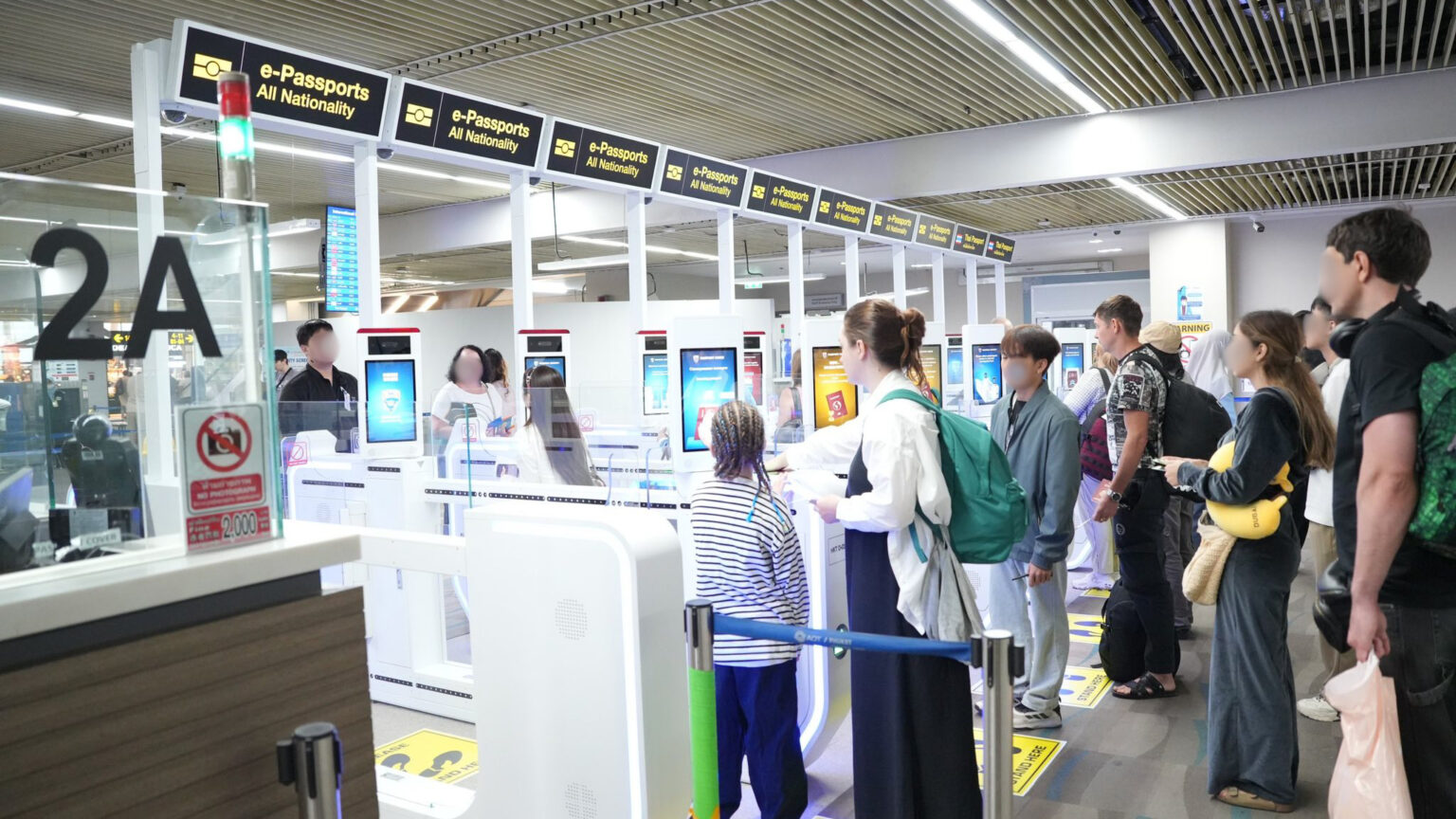
Airport and immigration readiness form part of Thailand’s wider visitor-confidence story.
Do not confuse visitor entry with ownership rights
The proof-of-funds reminder is an entry-screening matter. It does not change Thailand’s condominium foreign freehold rules, transfer process or land ownership restrictions. Buyers should keep those topics separate. A person may be eligible to buy a foreign-freehold condominium and still need to meet normal immigration requirements each time they enter the country.
Foreign buyers should therefore plan both sides: property legality and travel eligibility. A lawyer can advise on purchase documents. Immigration guidance should be checked with official channels, the Immigration Bureau, the Ministry of Foreign Affairs or the relevant Royal Thai Embassy or Consulate-General.
Practical preparation checklist
Check visa, visa-exemption or visa-on-arrival eligibility before travel.
Keep proof of sufficient funds or equivalent documents accessible.
Carry accommodation details and onward-travel evidence where relevant.
Keep property-viewing, hotel, hospital or meeting plans organised.
Confirm current guidance with official immigration or embassy channels.
Separate travel requirements from condo purchase due diligence.
Buyer takeaway
Thailand’s proof-of-funds reminder should be read as a planning prompt, not a property-market shock. Foreign buyers who prepare entry documents, purchase records and ownership logistics carefully are better placed to move through Bangkok property decisions calmly. Confidence comes from knowing what has to be checked before each step.
IBP helps foreign buyers connect Thailand policy, travel and ownership requirements with Bangkok property planning. Read more in our Thailand economy and investment news archive or contact IBP Real Estate for a Bangkok buyer brief.
Absorption risk is one of the quieter checks foreign investors should make before buying a Bangkok condominium. It is not only a developer problem, and it is not limited to off-plan launches. Absorption risk is the chance that a unit, building or district has more competing supply than the target tenant or resale buyer can comfortably absorb at the price being assumed.
Absorption risk is strongest when investors compare the target unit with the supply that buyers and tenants will see next.
For a foreign buyer, this matters because a condo can be attractive in isolation yet still struggle if too many similar units are available. The investor may face longer vacancy, weaker rent negotiations, slower resale or a need to upgrade furniture and pricing just to stand out. A disciplined purchase starts by asking who else the unit will compete with.
What absorption risk means in practice
Absorption is often discussed in market reports, but investors can translate it into practical questions. How many similar units are available in the same building? How many comparable buildings sit within the same station catchment? Are new handovers adding similar one-bedroom or two-bedroom stock? Do tenants have many alternatives at the same budget?
The risk is not automatically bad. A district with many units can still perform if demand is deep, transport is strong and pricing is realistic. The danger appears when the investor pays as if demand is scarce while tenants and resale buyers can easily choose something similar.
Building quality, handover timing and competing units all shape how quickly a condo can find demand.
Check the building before the district
A broad Bangkok supply story is less useful than a building-level comparison. Start with the target building. Look at active listings, asking rents, furniture quality, view differences, floor levels, unit sizes and how long units appear to stay online. If many owners are advertising almost identical layouts, the unit needs a clear reason to win.
That reason might be a better view, stronger furniture package, cleaner condition, lower rent, more flexible lease terms, a better parking arrangement, superior management or a more convenient floor. If the target unit has no advantage, absorption risk should be priced into the offer.
New supply can reset tenant expectations
Newly completed projects can affect older buildings nearby, especially when developers or first owners offer fresh furniture, promotions or modern facilities. Tenants may prefer a newer gym, cleaner lobby, better parcel systems or a more current room design. Older buildings can still compete, but only if they have strengths such as larger layouts, lower total rent, better location or stronger management.
Investors should ask whether future handovers are likely to put similar units into the rental market during the planned holding period. This does not require a precise forecast. It requires humility about competition and a willingness to avoid paying a premium for a unit that will not be scarce.
A unit should be judged against the real alternatives tenants and resale buyers can choose from.
Absorption risk affects resale too
Resale buyers compare listings just as tenants do. If a future buyer can choose from many similar units in the same building or station area, the seller may need to compete on price, renovation quality, speed and flexibility. A unit that rented acceptably may still be difficult to sell if the resale audience has stronger alternatives.
This is why investors should think about exit before purchase. Ask whether the future buyer is likely to be an owner-occupier, landlord, Thai buyer, regional investor or another foreign buyer. If the answer is vague, the resale strategy may depend too much on general market optimism.
How to reduce absorption risk
Choose buildings with clear management quality and resident appeal.
Avoid paying a high premium for layouts that are widely available nearby.
Compare active rental and resale listings before making an offer.
Check future handover pressure in the same station or district catchment.
Buy units with practical advantages: light, storage, condition, view, privacy or access.
Keep rent assumptions conservative when competing supply is visible.
When supply can be an advantage
Not all competition is negative. A district with multiple buildings, offices, retail and transport can become easier for tenants to understand. Agents may bring more enquiries to an active area. Services improve when there is a resident base. The key is whether the chosen unit sits in the stronger part of that district story.
Foreign investors should therefore avoid simplistic thinking. A low-supply building in a weak location can still be hard to rent. A high-supply district can work when the unit is priced well and selected carefully. Absorption risk is about matching the asset to real demand, not avoiding competition altogether.
Model a slower start
Investors should be especially careful around handover periods, renovation periods and lease-up seasons. If several owners in the same building list units at once, the first lease may take longer or require a sharper rent. A conservative buyer should keep enough cash for furnishing, marketing, vacancy and minor price adjustment rather than assuming the unit will rent immediately.
Buyer takeaway
Bangkok condo absorption risk is best handled before purchase, not after a unit sits vacant. Foreign investors should compare competing units, future handovers, building quality and exit audience before accepting rent or resale assumptions. The safest investment is not always the most unusual unit. It is the one that gives tenants and buyers a clear reason to choose it.
IBP helps foreign buyers compare Bangkok condos by supply risk, rental logic and resale defensibility. Read more in our investment analysis archive or contact IBP Real Estate for a focused buyer shortlist.
Vietnam Airlines’ new Ho Chi Minh City-Phuket service is not a Bangkok property event by itself. It is, however, a useful signal for foreign buyers watching Thailand’s tourism connectivity, ASEAN visitor demand and the country’s ability to turn airline partnerships into real travel access.
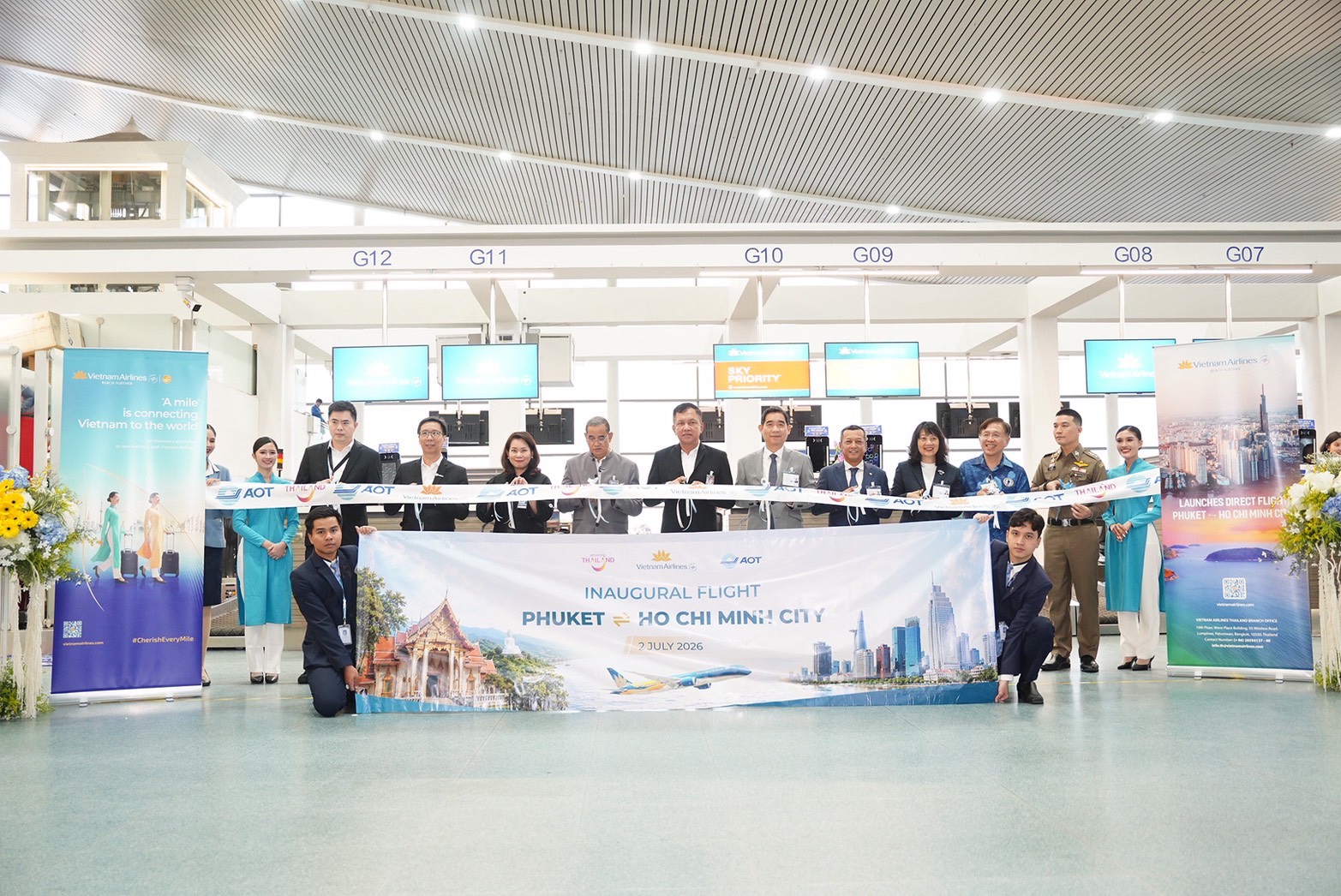
TAT framed the Ho Chi Minh City-Phuket launch as a tangible outcome of its Vietnam Airlines partnership.
TAT Newsroom reported from Phuket on 3 July 2026 that the Tourism Authority of Thailand welcomed Vietnam Airlines’ inaugural Ho Chi Minh City-Phuket flight. The route is the first outcome under the TAT-Vietnam Airlines memorandum of understanding signed on 28 May 2026, as Thailand and Viet Nam mark 50 years of diplomatic relations.
What TAT reported
The inaugural VN621 flight departed Tan Son Nhat International Airport at 16.00 on 2 July and arrived at Phuket International Airport at 17.50 local time with 152 passengers. TAT said the service operates four flights per week on Tuesday, Thursday, Saturday and Sunday.
The agency also said the route supports joint tourism promotion, business opportunities and expanded air connectivity. A familiarisation trip for Vietnamese travel agents and media from 7 to 11 July 2026 is intended to showcase Phuket tourism products and build market confidence. TAT’s Ho Chi Minh City Office is also promoting a campaign shaped around Vietnamese travellers’ interest in lifestyle, family, event-based and flexible travel experiences.
Regional air links help Thailand convert tourism partnerships into measurable travel access.
Why a Phuket route matters to Bangkok buyers
Bangkok property investors should not pretend that every new route benefits every condo. The direct destination here is Phuket, not Bangkok. The relevance is broader: Thailand continues to strengthen regional tourism links, packageable travel routes and repeat visitor flows from nearby ASEAN markets. A stronger national visitor economy can support confidence in Thailand as a place to visit, work, retire, study and eventually own property.
Bangkok sits at the centre of that wider travel system. Many visitors combine Bangkok with resort destinations, medical appointments, shopping, education, business meetings or family trips. When Thailand becomes easier to access from regional cities, Bangkok remains one of the main places international travellers understand first.
ASEAN connectivity supports the confidence story
For property buyers, confidence often builds through repeated contact. A visitor may first arrive for a holiday, then return for business, medical care, school visits or a longer stay. Better regional air access makes those repeat journeys easier. That is especially relevant for Bangkok because the city is already a service, hospital, retail, education and corporate hub.
Vietnam is a useful market to watch because it sits within the same fast-moving regional economy. Greater travel between Thailand and Viet Nam can support tourism, business relationships and urban familiarity. The property implication is indirect but real: a city that remains regionally connected is easier to explain to future tenants and buyers.
For Bangkok buyers, the broader signal is Thailand’s continuing role as a connected ASEAN visitor economy.
What investors should not overread
A new flight route is not a rent forecast. It does not justify overpaying for a Bangkok condo, ignoring building quality or assuming short-term capital gains. Investors still need to underwrite unit layout, tenant profile, vacancy risk, management, common fees, competition and resale liquidity.
The correct use of this news is macro context. It supports the view that Thailand continues to work on connectivity and tourism partnerships. That context can strengthen confidence in Bangkok’s long-term relevance, but the investment decision remains local and asset-specific.
How buyers can use the signal
Foreign buyers can use airline and tourism news as one part of a broader checklist. Is Thailand improving access from nearby markets? Are tourism agencies converting agreements into routes, campaigns and trade activity? Are visitors being encouraged to return for lifestyle, family and event-based travel? These questions help explain why Bangkok remains globally connected.
For owner-occupiers, the signal is about ease of life. Bangkok is more attractive when family, friends and business contacts can reach Thailand easily, and when the country offers varied onward travel. A Bangkok condo can serve as a city base inside a larger national travel network.
Buyer takeaway
The Vietnam Airlines Ho Chi Minh City-Phuket route reinforces Thailand’s ASEAN connectivity story. For Bangkok property buyers, the value is not direct speculation. It is a confidence signal that Thailand is still investing in access, tourism partnerships and regional familiarity. Good condo selection still starts with the building, unit and neighbourhood.
IBP helps foreign buyers connect Thailand economy and tourism signals with Bangkok property decisions. Read more in our Thailand economy and investment news archive or contact IBP Real Estate for a Bangkok property brief.
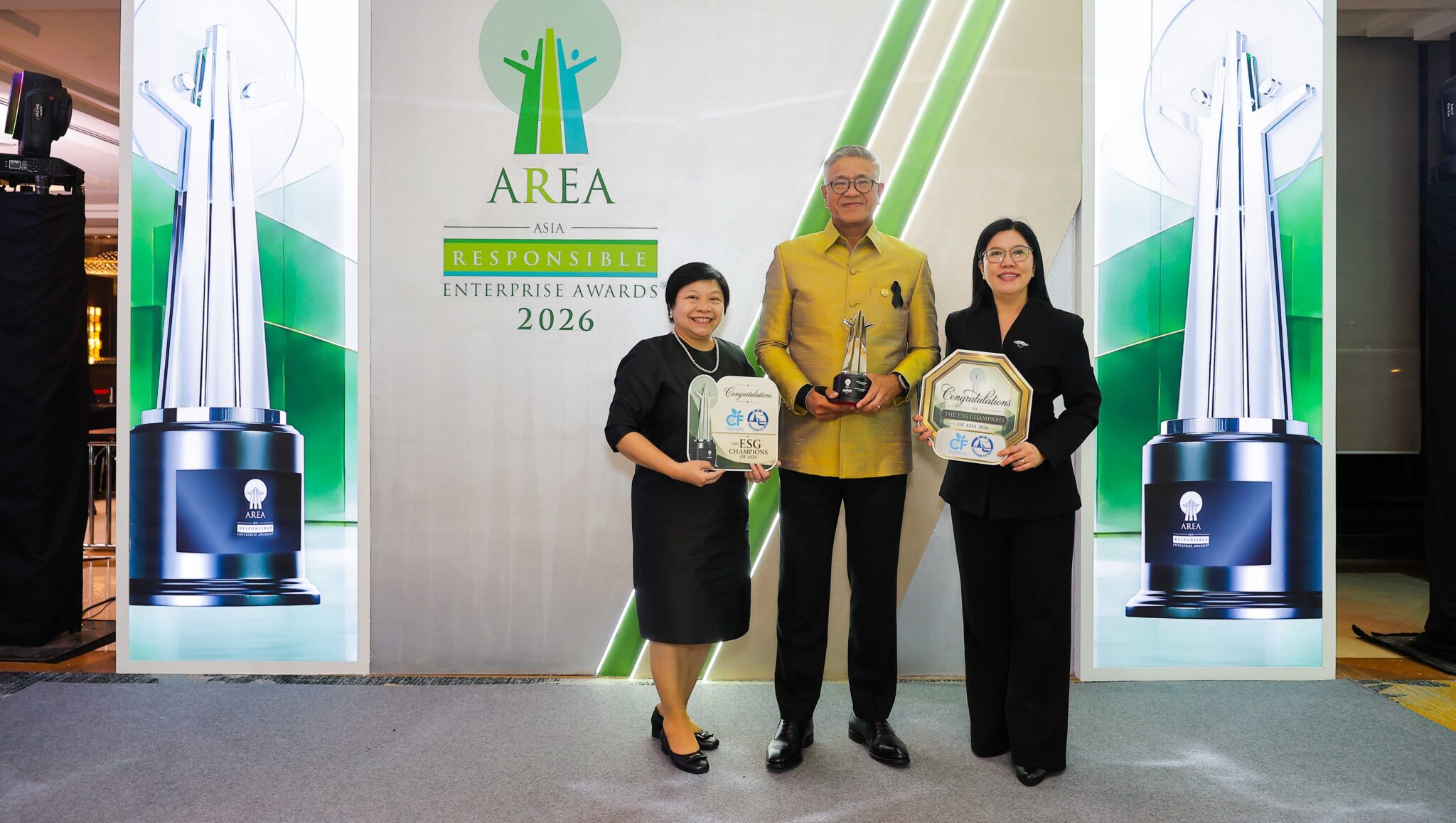
The Tourism Authority of Thailand’s CF-Hotels platform has won the Green Leadership category at the Asia Responsible Enterprise Awards 2026. For Bangkok property buyers, this is not a direct condo-market event. It is a confidence signal about the direction of Thailand’s tourism economy, hotel standards and sustainable service infrastructure.
TAT framed CF-Hotels as a practical platform for measurable low-carbon tourism action.
TAT Newsroom reported from Bangkok on 2 July 2026 that the Carbon Footprint Hotels platform was recognised in Malaysia for turning low-carbon tourism policy into measurable hotel-sector action. The platform helps hotels and accommodation providers measure, manage and reduce greenhouse gas emissions through a standardised digital system.
Why sustainable tourism matters to property buyers
Foreign buyers often look at Bangkok property through transport, rent, lifestyle and price. They should also watch the quality of Thailand’s wider service economy. Tourism is one of the country’s global calling cards, and hotel-sector standards affect how international visitors, executives and long-stay residents perceive Bangkok and Thailand.
A credible low-carbon hotel programme does not make every condo a better investment. It does, however, show that Thailand is trying to compete on quality, data, sustainability and market access, not only on visitor numbers. That matters for buyers who want confidence in Bangkok’s long-term positioning as a sophisticated regional base.
The AREA 2026 recognition gives Thailand another sustainable tourism credibility signal.
What TAT reported
According to TAT, CF-Hotels gives accommodation businesses, particularly small and medium-sized enterprises, free access to internationally aligned tools for greenhouse gas data collection and assessment. The platform also connects environmental data with green finance opportunities through cooperation with the Bank of Thailand and nine commercial banks under the Financing the Transition initiative.
TAT said the platform has expanded from 21 pilot hotels to more than 900 registered hotel accounts nationwide since becoming publicly active in 2024. It also reported recorded greenhouse gas reductions of 16,838.79 tonnes of carbon dioxide equivalent and more than 29.3 million baht mobilised through the ThaiCI Fund to support low-carbon transition.
Bangkok’s indirect benefit
Bangkok benefits when Thailand’s hospitality sector becomes more professional, transparent and sustainability-aware. The city is the main arrival point for many visitors, a business hub, a meeting destination and a place where travellers often turn into repeat residents, tenants or buyers. Stronger tourism infrastructure helps Bangkok remain easy to explain to international audiences.
For premium property, sustainability is increasingly part of the conversation. Buyers may ask about energy efficiency, building management, air-conditioning performance, waste handling, water systems and transport access. They may not choose a condo only because of sustainability claims, but they often prefer buildings and districts that feel modern, well-run and aligned with global expectations.
For Bangkok property buyers, the relevance is confidence in Thailand’s service economy and hotel-sector standards.
What buyers should not overread
An award for a tourism platform is not a property-price forecast. It should not be used to justify overpaying, ignoring vacancy risk or accepting weak building documents. Bangkok condo performance still depends on entry price, unit layout, building management, tenant depth, ownership costs and resale liquidity.
The sensible reading is macro confidence. Thailand’s tourism agencies, financial institutions and hotel operators are being pushed toward measurable standards. That can strengthen the country’s reputation with visitors and investors, especially those who compare Bangkok with other Asian cities on livability, governance, services and long-term resilience.
How investors can use the signal
Investors can fold this news into a broader checklist. Is Thailand still improving the quality of its tourism offer? Are public agencies using data and sustainability language that international partners understand? Are hotels, banks and service businesses being linked into practical transition programmes? These points do not replace unit-level due diligence, but they help explain why Bangkok remains relevant.
Owner-occupiers can read the signal differently. A city supported by better hospitality standards, greener travel narratives and stronger service systems is easier to live in and easier to invite family, clients or colleagues to visit. Bangkok’s property appeal is partly financial, but it is also about confidence in the city experience.
Buyer takeaway
The CF-Hotels award supports Thailand’s quality-tourism and sustainability story. For Bangkok property buyers, the importance is not speculation. It is the evidence that Thailand is investing in the systems behind premium travel, hospitality and long-stay confidence. The property decision still needs to be made at building and unit level.
IBP helps foreign buyers connect Thailand economy and tourism signals with Bangkok property decisions. Read more in our Thailand economy and investment news archive or contact IBP Real Estate for a Bangkok property brief.
Thailand’s latest recognition in the Travel + Leisure Luxury Awards Asia Pacific 2026 gives Bangkok property buyers another useful confidence signal. According to TAT Newsroom, Ko Samui topped the Best Islands list, Phuket ranked sixth and Ko Chang tenth, while Bangkok ranked second in the Best Cities category and Chiang Mai tenth.
TAT said Bangkok ranked second in the Best Cities category of the Travel + Leisure Luxury Awards Asia Pacific 2026.
This is not a property-price forecast. Awards do not make a weak condo strong, and they should never replace building-level due diligence. But for foreign buyers trying to understand Bangkok’s long-term appeal, the recognition is relevant because it supports Thailand’s premium destination story across both city and resort markets.
Why Bangkok’s city ranking matters
Bangkok’s second-place city ranking is important because it reflects more than tourism volume. TAT framed Bangkok’s appeal around culture, dining, shopping, hospitality, creativity and urban travel. These are the same qualities that help international residents and investors explain why Bangkok can work as a second home, regional base or long-stay city.
Foreign property demand is often confidence-led. Buyers want to feel that a city is globally understood, easy to visit, commercially active and attractive beyond a narrow expatriate niche. A recognised destination brand does not guarantee returns, but it makes the city easier to explain to future tenants, guests, family members and resale buyers.
Ko Samui topped the Best Islands list, adding to Thailand’s premium destination signal.
Thailand’s wider premium signal
The award results were not limited to Bangkok. Ko Samui, Phuket, Ko Chang and Chiang Mai also appeared in the rankings. That matters because many foreign buyers judge Bangkok within the wider Thailand lifestyle proposition. They may live in Bangkok, spend weekends on islands, work regionally, or hold the condo as a base for repeated travel.
When Thailand performs across islands and cities, the country’s destination brand becomes more resilient. Bangkok benefits from being the capital, main transport hub, business centre and gateway to that broader lifestyle network. For property buyers, this helps explain why central, well-connected condos can retain attention even when buyers also love Thailand’s resort markets.
What buyers should not overread
Awards coverage can create excitement, but buyers should keep the analysis grounded. A city ranking does not justify overpaying for a poor layout, ignoring common fees, accepting unclear title documents or assuming easy resale. Property returns still depend on the individual unit, building management, location depth, rent evidence, entry price and exit plan.
The correct use of this news is macro context. It strengthens the case that Bangkok remains visible to affluent regional and global travellers. It does not remove the need to compare competing buildings, test tenant demand and negotiate with discipline.
Thailand’s recognition across cities and islands strengthens the wider lifestyle case behind Bangkok property.
District-level implications
Bangkok districts that connect culture, shopping, dining, parks, hotels, hospitals and rail access are best placed to benefit from premium destination recognition. This includes parts of Sukhumvit, Silom-Sathorn, Langsuan, Chit Lom, Ratchaprasong, riverside Bangkok and emerging mixed-use districts close to major transport.
However, buyers should avoid thinking only in brand-name districts. A strong district still requires a good building and a practical unit. Conversely, a less famous area can work well if it offers transport, daily services, realistic pricing and a clear tenant audience.
Why this matters for foreign buyers
Foreign buyers need confidence that Bangkok will remain relevant to visitors, tenants, employers and lifestyle-driven residents. Awards such as this help confirm that the city is not relying on one single demand source. Bangkok’s appeal combines business access, culture, hospitality, food, shopping, healthcare, regional connectivity and the wider Thailand travel network.
That mix is one reason the city continues to attract buyers who want more than a holiday apartment. They want a base in a livable Asian capital with strong international recognition and frequent reasons to return.
Buyer takeaway
The Travel + Leisure Luxury Awards Asia Pacific 2026 recognition is a positive destination signal for Thailand and Bangkok. It should support confidence, not speculation. Foreign buyers should use it as part of the macro story while still choosing condos through conservative pricing, building quality, location and exit checks.
IBP helps foreign buyers connect Thailand tourism and economy news with Bangkok property decisions. Read more in our Thailand economy and investment news archive or contact IBP Real Estate for a Bangkok property brief.
Bangkok condo investors often ask whether now is the right time to buy. The better question is whether the buyer, the unit and the market evidence are aligned well enough to make a disciplined decision. A rushed purchase can turn a good city into a weak investment. Excessive waiting can also mean missing a unit that fits the budget, rental audience and exit plan.
Purchase timing should connect market conditions with the buyer’s funding, holding period and exit plan.
Foreign buyers should treat purchase timing as a decision framework rather than a prediction exercise. Nobody can reliably call the perfect bottom of a local condo cycle, the next currency move, or the precise point when seller expectations change. What investors can do is prepare their funding, compare alternatives carefully and buy only when the downside has been tested.
Start with your own readiness
Many timing mistakes begin with the buyer, not the market. A foreign investor may see an attractive unit before funds are organised, documents are ready, or the preferred ownership structure has been checked. That can create pressure to reserve quickly and solve the details later. It is usually safer to reverse the order.
Before negotiating, buyers should know their budget in Thai baht, expected remittance route, acceptable exchange-rate range, estimated transfer costs, furnishing budget and cash buffer after completion. If the investment only works when every cost is optimistic, the timing is not ready. A buyer with clear limits can move faster when a genuinely suitable unit appears.
A buyer should not rush timing before the unit’s layout, light and rental audience have been tested.
Separate market timing from unit timing
A broad market may feel slow while the best units remain competitive. Conversely, a headline recovery story may hide weak buildings, poor layouts and overpriced resale stock. Investors should not buy a mediocre unit simply because they believe the market is improving. The unit still needs to pass the practical tests: layout, light, noise, view risk, building management, tenant profile and resale audience.
Unit timing is about whether this particular property is being offered at a price and condition that make sense today. If several similar units are available, the buyer may have room to negotiate. If the unit is rare because of view, layout, floor, building quality or ownership condition, waiting for a theoretical discount may be less useful. The answer depends on evidence, not mood.
Watch seller motivation carefully
Seller motivation can matter more than broad market commentary. A realistic seller with clean documents, flexible handover timing and a sensible asking price may create a better investment opportunity than a heavily marketed unit with a stubborn owner. Ask how long the property has been listed, whether the price has changed, what is included, when transfer can happen and whether any tenant, mortgage or juristic issue affects completion.
Buyers should be polite but firm. A low offer without reasoning often fails. A structured offer that explains comparable units, required repairs, transfer timing and funding certainty can be more persuasive. Timing improves when the buyer can show that they are ready to complete if the price is sensible.
Funding readiness, exchange timing and document control can matter as much as the headline asking price.
Currency timing should not dominate the decision
Exchange rates matter for foreign buyers because the purchase budget is often earned or held in another currency. However, waiting only for a better exchange rate can distract from the property fundamentals. A small currency improvement does not fix a poor unit, and a good unit can still be poor value if the buyer leaves no cash buffer after transfer.
A practical approach is to set a baht budget range and decide what exchange movement is material. Buyers can then plan staged remittances, bank documentation and completion timing with their bank and adviser. The goal is not to trade currency perfectly. The goal is to avoid being forced into a bad rate because the property timetable was not planned.
New-build and resale timing are different
New-build purchases require attention to construction stage, payment schedule, developer track record, handover standards and the supply pipeline. Resale purchases require deeper checks on title, condition, juristic records, tenant history and seller documents. The timing question changes with each route.
For new projects, a buyer may be choosing between early selection, later discounts and completion-stage certainty. For resale, the buyer is often weighing immediate use against repair, furnishing and negotiation risk. Neither route is automatically better. The right timing is the one that gives enough certainty for the buyer’s objective.
When waiting makes sense
The buyer cannot complete without selling another asset or arranging funds.
Comparable units suggest the asking price is not defensible.
Documents, foreign quota or seller authority are unclear.
The building has unresolved maintenance or management concerns.
The buyer has not tested the rental audience or exit route.
When action may make sense
The unit is clearly better than competing alternatives at the same total budget.
The seller is realistic and completion can be controlled.
The buyer has funds, documents and transfer support ready.
The holding period is long enough to absorb normal market movement.
The investment still works after conservative rent, cost and vacancy assumptions.
Investor takeaway
Bangkok condo purchase timing is not about guessing a perfect date. It is about matching personal readiness, unit quality, seller motivation, funding control and exit logic. Foreign investors should buy when the evidence is strong enough to act, not when headlines feel exciting or fear of missing out takes over.
IBP helps foreign buyers compare Bangkok condos with disciplined purchase timing, building checks and resale planning. Explore our investment analysis archive or contact IBP Real Estate for a buyer shortlist.
Visa’s 2026 travel-intentions research gives Bangkok property buyers another useful confidence signal. TAT Newsroom reported on 2 July 2026 that the study ranked Thailand among the top five destinations visited by Asia Pacific travellers, alongside Japan, Australia, South Korea and Hong Kong.
TAT used Thailand destination imagery to frame regional travel demand and visitor confidence.
This is not a condo-price forecast. It is a demand and confidence indicator. Foreign buyers should read it as part of the wider story behind Bangkok property: Thailand remains familiar, accessible and experience-rich for regional travellers, while Bangkok is the country’s main gateway for flights, hotels, hospitals, shopping, events, business meetings and onward journeys.
What the study signal says
According to TAT, Visa’s 2026 Global Travel Intentions study covered more than 47,000 respondents worldwide, including over 17,000 in Asia Pacific markets. TAT said 63% of Asia-Pacific respondents travelled within the region, far ahead of other regions globally. Thailand’s top-five position therefore matters because it reflects regional familiarity, not only long-haul curiosity.
TAT also highlighted that 37% of Asia Pacific respondents plan trips around unique local experiences, especially food and culture. For Bangkok, that supports the city’s strongest liveability message: it is not only a transit point. It is a place where dining, heritage, shopping, healthcare, events and daily services create reasons for repeat visits and longer stays.
Bangkok’s events, transport and visitor infrastructure help convert tourism interest into repeat city familiarity.
Digital confidence is part of the property story
The release says nearly half of Asia Pacific respondents use AI tools to discover destinations and travel ideas. It also says 73% bring cards or mobile wallets on trips, with payment security and card acceptance among key considerations. This fits Thailand’s recent push to make visitor payments more convenient through cross-border QR readiness and wider digital travel services.
For property buyers, digital confidence matters because a city that is easier to plan, pay in and navigate is easier for repeat visitors to understand. A future tenant, second-home owner or investor may first experience Bangkok through a hotel booking, restaurant payment, clinic visit, shopping trip or event weekend. Smooth practical experiences make the city feel less foreign.
Why Bangkok benefits from travel familiarity
Bangkok is often the first and last stop in a Thailand trip. The city concentrates international flights, private hospitals, embassies, malls, hotels, serviced apartments, cultural sites, restaurants, schools, banks and professional advisers. When regional travellers remain confident about Thailand, Bangkok’s role as the practical entry point becomes more valuable.
This can support foreign-buyer confidence in selected districts. Areas with BTS or MRT access, airport routes, hospitals, premium retail, food, cultural venues and reliable building management are easier to explain to people who already know Thailand as a repeat destination. The strongest property cases connect that macro familiarity with a specific daily routine.
Cultural access is part of Bangkok’s long-stay and second-home appeal for foreign buyers.
What buyers should not overread
A travel study does not make every condominium a good investment. It does not remove foreign quota checks, title review, payment evidence, building due diligence, rent comparison or exit planning. A weak unit in a poor building remains weak even when Thailand’s travel brand is strong.
The sensible interpretation is confidence with discipline. Thailand’s regional travel appeal, food and culture demand, digital payment comfort and accommodation booking behaviour all support the broader case for Bangkok as a liveable, connected city. The property decision still needs to be made one building and one unit at a time.
That is why buyers should translate the tourism signal into local questions. Which district is easiest for repeat visitors to understand? Which building feels comfortable for a first month in Bangkok? Which unit can serve business trips, medical visits, family stays or a future tenant without complicated explanation? The macro signal is strongest when it leads to clearer micro decisions.
Buyer takeaway
Visa’s 2026 travel study reinforces Thailand’s position as a trusted regional destination and gives Bangkok property buyers useful context. The city benefits when travellers understand Thailand, spend confidently and return for food, culture, healthcare, business and lifestyle reasons. Foreign buyers should use that signal to shortlist better districts, not to skip due diligence.
IBP helps foreign buyers connect Thailand tourism and economy news with Bangkok property decisions. Read more in our Thailand economy and investment news archive or contact IBP Real Estate for a buyer brief.
flydubai’s new Dubai-Bangkok service gives foreign property buyers another useful signal about Bangkok’s international connectivity. TAT Newsroom reported that on 1 July 2026, the Tourism Authority of Thailand marked the launch of the airline’s Dubai-Bangkok service at Don Mueang International Airport, ahead of a UAE roadshow scheduled for 7-8 July in Dubai and Abu Dhabi.
TAT marked flydubai’s new Dubai-Bangkok service at Don Mueang on 1 July 2026.
This is not a direct condo-demand forecast. It is a connectivity story. But connectivity matters because Bangkok’s property appeal depends partly on how easily international residents, investors, families, medical travellers, business visitors and repeat tourists can reach the city.
What TAT announced
According to TAT, flight FZ 1333 departed Dubai International Airport at 01:35 and arrived at Don Mueang at 11:25 local time. The service starts as one daily Dubai-Bangkok flight before increasing to twice daily from 15 September. TAT said the route adds approximately 10,292 seats to Thailand through 31 August.
When combined with flydubai’s existing Dubai-Krabi service, the airline is expected to offer up to 28 weekly flights between Dubai and Thailand after the September increase. TAT framed the launch within its Airline Focus strategy, which aims to expand air capacity, strengthen market access and promote Thailand to Middle East travellers.
The route strengthens Bangkok’s direct access to Dubai and connecting Middle East markets.
Why Middle East access matters
The Middle East is a high-value long-haul market for Thailand. TAT reported 188,447 arrivals from the region between 1 January and 21 June 2026. It also described the UAE market as having frequent outbound travel, average expenditure above 100,000 baht per person per trip, typical stays of 10-12 nights, large family groups, strong luxury accommodation demand and a 65% repeat-visitor rate.
Foreign buyers should read those figures carefully. They do not mean every Bangkok condo benefits equally. They do show that Thailand is working to connect with travellers who often value wellness, medical services, shopping, gastronomy, family travel, business travel and premium accommodation. Those demand themes are relevant to Bangkok’s best-served districts.
Bangkok as the first point of contact
Bangkok often acts as the first practical touchpoint for long-haul visitors. It offers airports, hospitals, hotels, serviced residences, malls, restaurants, business services and onward travel connections. A traveller may first know Bangkok through a flight, medical visit, family holiday or shopping trip before considering longer stays or property ownership.
For property buyers, this reinforces the importance of districts that connect naturally with airports, transit, healthcare, hospitality and retail. The route itself does not make a weak unit attractive, but it supports the wider story of Bangkok as a globally connected base.
Additional air capacity can support leisure, family, wellness, medical and business travel demand.
The roadshow adds a business-development layer
TAT said the Amazing Thailand Takes Off with flydubai Roadshow 2026 will bring around 40 Thai tourism sellers into direct discussion with about 160 travel companies from across the UAE, with at least 900 business appointments expected. The promotion will also be supported by digital and e-commerce campaigns, flydubai retail outlet activity, a UAE sales blitz and a September familiarisation trip to Bangkok.
That matters because air capacity needs demand generation. Flights create access, while roadshows and trade campaigns help convert access into bookings. For Bangkok property confidence, the useful signal is that Thailand is not passively waiting for travellers. It is actively building distribution and awareness in a high-spending long-haul market.
What buyers should not overread
One airline launch should not be used as a reason to overpay. Property decisions still depend on location, legal due diligence, building quality, layout, rent evidence, holding costs and resale depth. A new route cannot solve a poor purchase price or weak management.
The measured takeaway is more useful. Additional direct access from Dubai, stronger Middle East promotion and planned frequency increases support Bangkok’s global connectivity narrative. Buyers should connect that macro signal to specific districts and buildings, not treat it as a blanket market promise.
Buyer takeaway
flydubai’s Dubai-Bangkok service supports Bangkok’s position as an accessible regional base for travellers from the Middle East and connecting markets. For foreign property buyers, it adds to the city’s confidence story: international access, premium travel demand, healthcare, retail, wellness and business services continue to work together. The investment decision still needs unit-level discipline.
IBP helps foreign buyers interpret Thailand economy, tourism and infrastructure news through a Bangkok property lens. Read more in our Thailand economy and investment news archive or contact IBP Real Estate for a Bangkok property brief.
A Bangkok condo offer price should be more than a number that feels discounted against the asking price. For foreign investors, the better test is whether the proposed price still makes sense after rent assumptions, holding costs, vacancy, resale competition, transfer timing and negotiation risk are all considered together.
The right offer price starts with the unit’s practical rent, resale and holding-cost story.
Many buyers ask whether a unit is cheap. A more useful question is whether the price is defensible. A defensible offer can be explained to a future tenant, a future buyer and the buyer’s own cash-flow model. It does not depend on optimism, one attractive viewing, or a seller’s claim that a similar unit once achieved a higher number.
Start with the investment purpose
The same condo can justify different offer logic depending on the buyer’s purpose. A long-term landlord may accept a slightly lower initial yield if the unit is easy to lease, well managed and likely to retain tenant appeal. A resale-focused buyer may need a sharper entry price because the exit depends on future demand and competing listings. An owner-occupier may pay for personal comfort, but should still understand resale limits.
Before negotiating, define the primary use case. Is the unit intended for rental income, part-time personal use, future retirement, a family base, or eventual resale after a holding period? Without that purpose, the offer price becomes a loose reaction to the seller’s anchor.
Building quality, management and comparable competition should be part of every offer decision.
Compare the full unit, not only size
Price per square metre is useful, but it can hide practical weaknesses. A compact unit with excellent planning may lease better than a larger unit with wasted corridors or an awkward second bedroom. A cheaper unit may also carry more renovation work, weaker natural light, poor noise exposure, slower lifts, lower-floor privacy issues or a less convenient route to transit.
Investors should compare layout, floor, view, orientation, furniture condition, building age, juristic management, common areas and realistic tenant profile. If the target unit is more expensive than alternatives, the premium should be clear. If it is cheaper, the reason should be understood before the buyer treats the discount as value.
Use rent evidence conservatively
An offer price should not be built only on the highest rent mentioned in the market. Buyers should ask what similar units are actually leasing for, how long they sit vacant, what furniture level tenants expect, and whether the rent includes items that reduce net income. A strong investment case should still work if the rent is slightly lower or the first vacancy lasts longer than planned.
This is especially important for foreign landlords who may rely on a local manager. A unit that needs constant price cuts, frequent touch-ups or intensive tenant chasing can look acceptable in a gross-yield calculation but feel poor in real ownership.
District appeal is useful only when the proposed price remains defensible against alternatives.
Check holding costs before increasing the offer
Common fees, sinking fund items, insurance, repairs, furnishing replacement, agent fees, tax filing, management fees, bank costs and currency conversion can all affect the buyer’s real return. A buyer who ignores these costs may overpay because the headline purchase price looks manageable.
Before improving an offer, model the likely first year and a normal stabilised year. Include vacancy, minor repairs and cash kept in Thailand for practical ownership. If the offer only works when everything goes smoothly, it is probably too high for an overseas investor.
Understand the seller’s position without relying on it
Seller motivation can help negotiation, but it should not replace due diligence. A motivated seller may accept a fair offer quickly. A patient seller may wait for a higher number. A buyer should understand days on market, competing units, transfer timing, whether the unit is vacant or tenanted, and whether furniture or repairs are negotiable.
However, do not overfocus on winning the negotiation. A price that is slightly lower than asking can still be weak if the building is hard to resell or the rent story is thin. The goal is not to beat the seller. The goal is to buy a unit that remains sensible after completion.
Set walk-away conditions
Foreign investors should decide their walk-away points before emotions rise. These may include an inspection issue, unclear ownership documents, unresolved common fee arrears, poor building records, weak rent evidence, unacceptable furniture condition, or a final price above the conservative model. A clear walk-away point protects the buyer from negotiation drift.
It is also worth deciding what can be traded. A seller may refuse a lower price but agree to furniture, repairs, later completion, vacant possession or documentation support. These items have value, but only if they are written clearly and checked by the buyer’s representative.
Investor checklist
Define whether the unit is mainly for rent, personal use or resale.
Compare layout, condition and management, not only price per square metre.
Use conservative rent evidence and include vacancy.
Model holding costs before raising the offer.
Check competing listings in the same building and nearby alternatives.
Agree walk-away conditions before the seller counters.
Buyer takeaway
A Bangkok condo offer price should survive a calm investment review. Foreign buyers should connect price to rent, costs, competition, management and exit logic before committing. A good negotiation is not simply a lower number. It is a purchase that remains defensible after the excitement of the offer has passed.
IBP helps foreign buyers compare Bangkok condos by investment purpose, rentability and resale depth. Read more in our investment analysis archive or contact IBP Real Estate for a buyer-focused shortlist.
The Tourism Authority of Thailand’s latest South Africa roadshow is not a Bangkok condo story on the surface. It is a tourism trade story. But for foreign property buyers, it is useful because it shows how Thailand continues to work on long-haul demand, premium travel positioning and global market visibility.
TAT’s South Africa roadshow connected Thai tourism sellers with long-haul travel partners.
TAT Newsroom reported that the Amazing Thailand Roadshow to South Africa 2026 took place from 22 to 26 June across Johannesburg, Durban and Cape Town, with Emirates as key airline partner. The aim was to connect Thai tourism sellers with South African travel companies, expand trade networks and stimulate demand for meaningful travel to Thailand.
Why long-haul tourism matters to property confidence
Bangkok property confidence is not driven only by local buyers. Foreign residents, regional executives, returning visitors, medical travellers, retirees, education-linked families and lifestyle buyers all contribute to the city’s international appeal. Long-haul tourism campaigns keep Thailand visible to people who may first visit as travellers and later consider repeat stays, longer residence or property ownership.
The South Africa roadshow was framed around quality-led demand rather than simple volume. That matters because Bangkok’s strongest property story is usually not about being the cheapest city. It is about being a connected, service-rich, culturally interesting and livable base within Southeast Asia.
Business matching and destination updates help Thailand stay visible in long-haul travel markets.
What the roadshow involved
According to TAT, the roadshow brought together 20 Thai tourism sellers for tabletop sales sessions, market briefings, product presentations, business matching and networking activities. TAT said the programme aimed to create at least 1,800 business appointments and strengthen Thailand’s visibility among South African travel professionals.
The participating Thai sellers represented several destinations and products, including Phuket, Bangkok, Krabi, Hua Hin, Khao Sok, Ko Samui and Pattaya. Hotels and resorts formed the largest business category, supported by destination management companies and other tourism service providers. For Bangkok, the useful signal is that the capital remains part of the national destination mix presented to long-haul partners.
Bangkok’s role in a multi-destination trip
Many long-haul travellers do not experience Thailand through one location only. Bangkok can be the arrival point, shopping and dining base, hospital or wellness stop, cultural starting point, business meeting location and onward connection to beaches or regional destinations. This multi-destination role supports the city’s hotel, retail, restaurant, airport and serviced-residence ecosystems.
For property buyers, the link is indirect but important. A city that remains easy to sell internationally is easier to understand as a second-home or rental market. The strongest condo locations are those that connect naturally with transport, healthcare, retail, offices, schools and lifestyle services that visitors and residents already use.
Long-haul tourism activity supports Bangkok’s wider story as a regional lifestyle and investment base.
South Africa as a long-haul market
TAT stated that South Africa remains Thailand’s largest source market in Sub-Saharan Africa. The release said Thailand welcomed 72,418 South African visitors in 2025, up 6.61% year-on-year, while arrivals from Africa reached 196,984, up 17.96%. It also reported 8,912 arrivals from South Africa from 1 January to 28 February 2026, up 4.72% year-on-year.
These figures should not be read as a direct condo-demand forecast. They are better viewed as part of Thailand’s wider international confidence picture. Long-haul markets help diversify the visitor base and reinforce Bangkok’s role as a global city rather than a purely regional destination.
What buyers should and should not conclude
Buyers should not overpay for a condo because of one tourism roadshow. Property decisions still depend on unit price, building quality, legal due diligence, rental evidence, holding costs and resale depth. A tourism campaign cannot fix a poor layout or weak management.
The correct takeaway is more measured. Thailand is actively promoting quality long-haul demand, and Bangkok remains one of the destinations presented to overseas travel trade partners. That supports the broader narrative that makes Bangkok understandable to foreign buyers: connected, service-led, culturally rich and practical for repeat stays.
Buyer takeaway
TAT’s South Africa roadshow is a reminder that Bangkok property sits inside a wider national confidence story. Tourism, airline connectivity, retail, hospitality and cultural positioning all help international buyers understand why Bangkok remains a compelling base. The investment decision still needs discipline, but the city’s global visibility remains an important supporting signal.
IBP helps foreign buyers connect Thailand economy and tourism news with district-level property decisions. Read more in our Thailand economy and investment news archive or contact IBP Real Estate for a Bangkok property brief.