
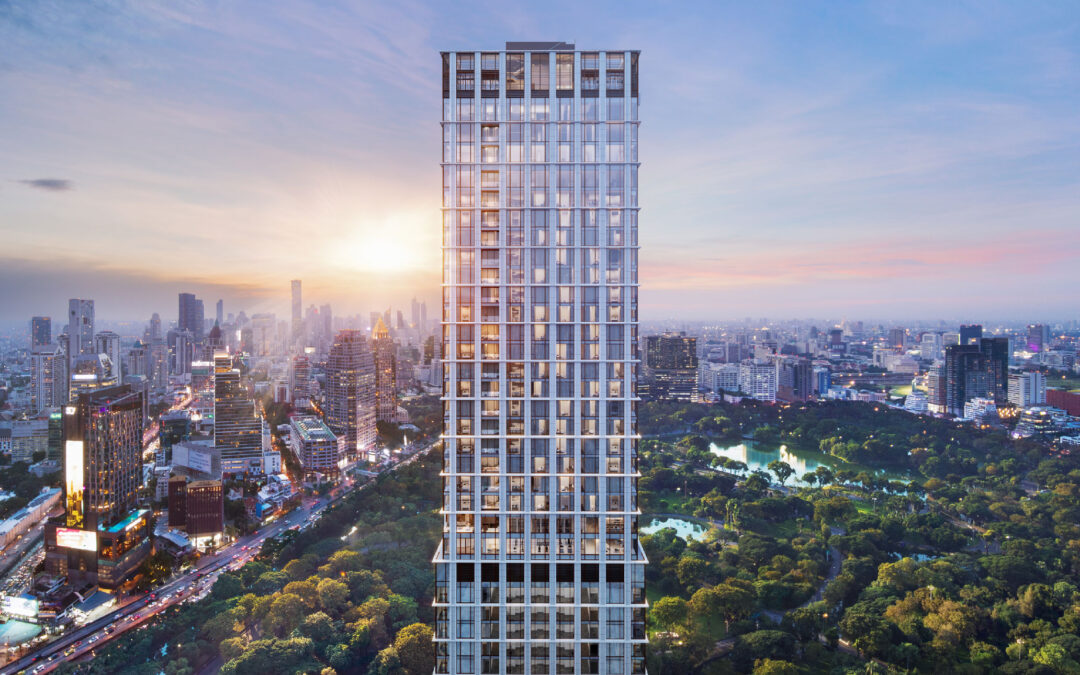
ONE89 Wireless gives foreign buyers a different luxury-condominium question from a typical stand-alone tower. It sits within One Bangkok, the large mixed-use district on Wireless Road and Rama IV Road, close to Lumphini Park, the Silom and Sathorn business areas, and the established embassy-led prestige of Wireless Road.
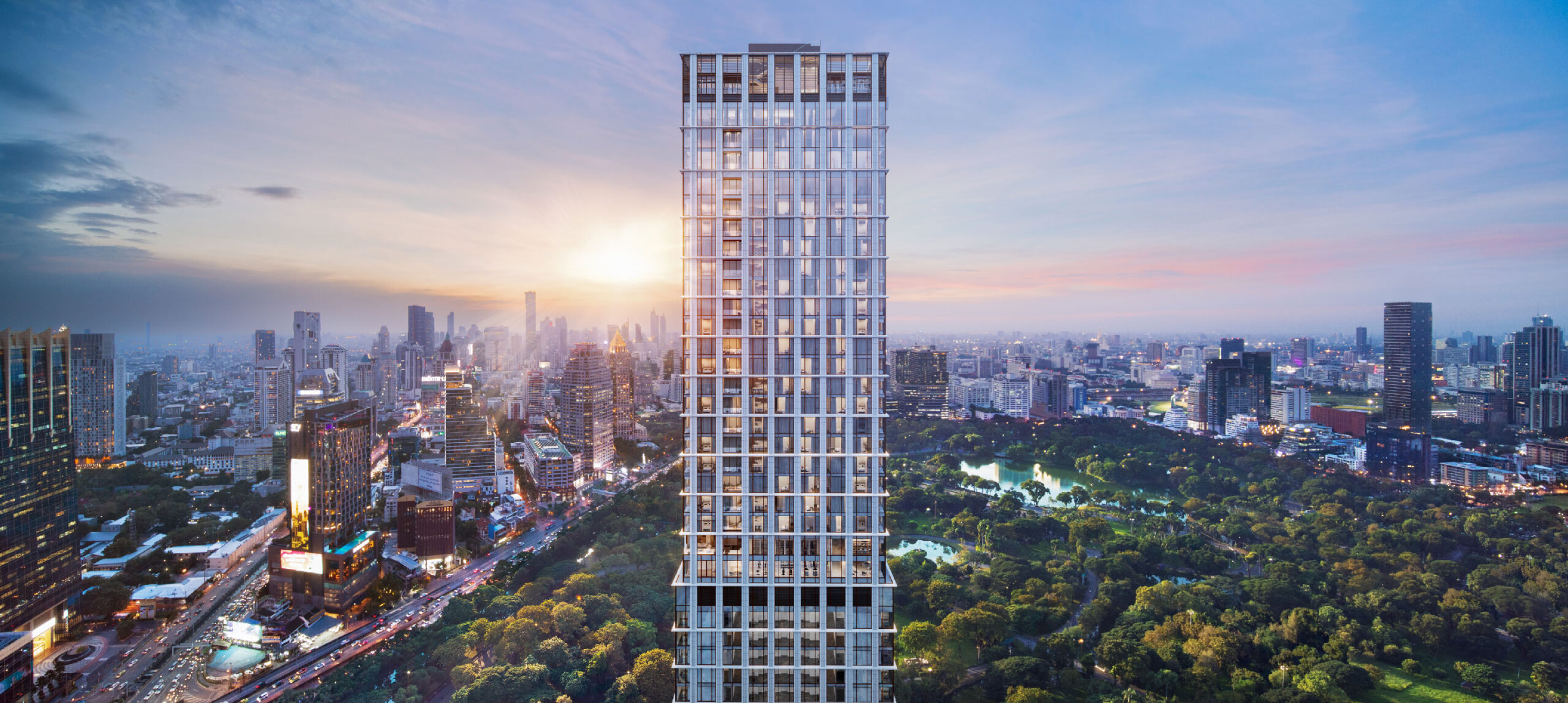
That context is important. At the top end of Bangkok, buyers are not only comparing unit size and view. They are comparing privacy, arrival experience, daily convenience, district management, long-term placemaking and whether the surrounding environment can stay premium after handover. A residence within a managed mixed-use district may appeal to buyers who want the services and daily amenities of a broader urban setting without leaving the central core.
What the official positioning tells buyers
One Bangkok presents ONE89 Wireless as a 90-residence condominium designed by Skidmore, Owings & Merrill, with an emphasis on healthy and sustainable living. The limited residence count matters because ultra-prime buyers usually value privacy, lift efficiency, service consistency and a sense that the building is not being driven by mass-market turnover.
The sustainability message also deserves careful reading. Foreign buyers should ask how sustainability is translated into actual building systems: energy use, ventilation, water management, waste handling, landscaping, building certification, maintenance planning and long-term operating costs. A premium project should be able to explain those systems clearly and connect them to daily comfort, not only branding.
Location strengths for end users
Wireless Road remains one of Bangkoks strongest prestige corridors because it combines embassies, hotels, offices, Lumphini Park access and proximity to the CBD. For owners who will live in Bangkok part time, that can mean fewer compromises: restaurants, business meetings, medical appointments, retail and green space are all within a central radius.
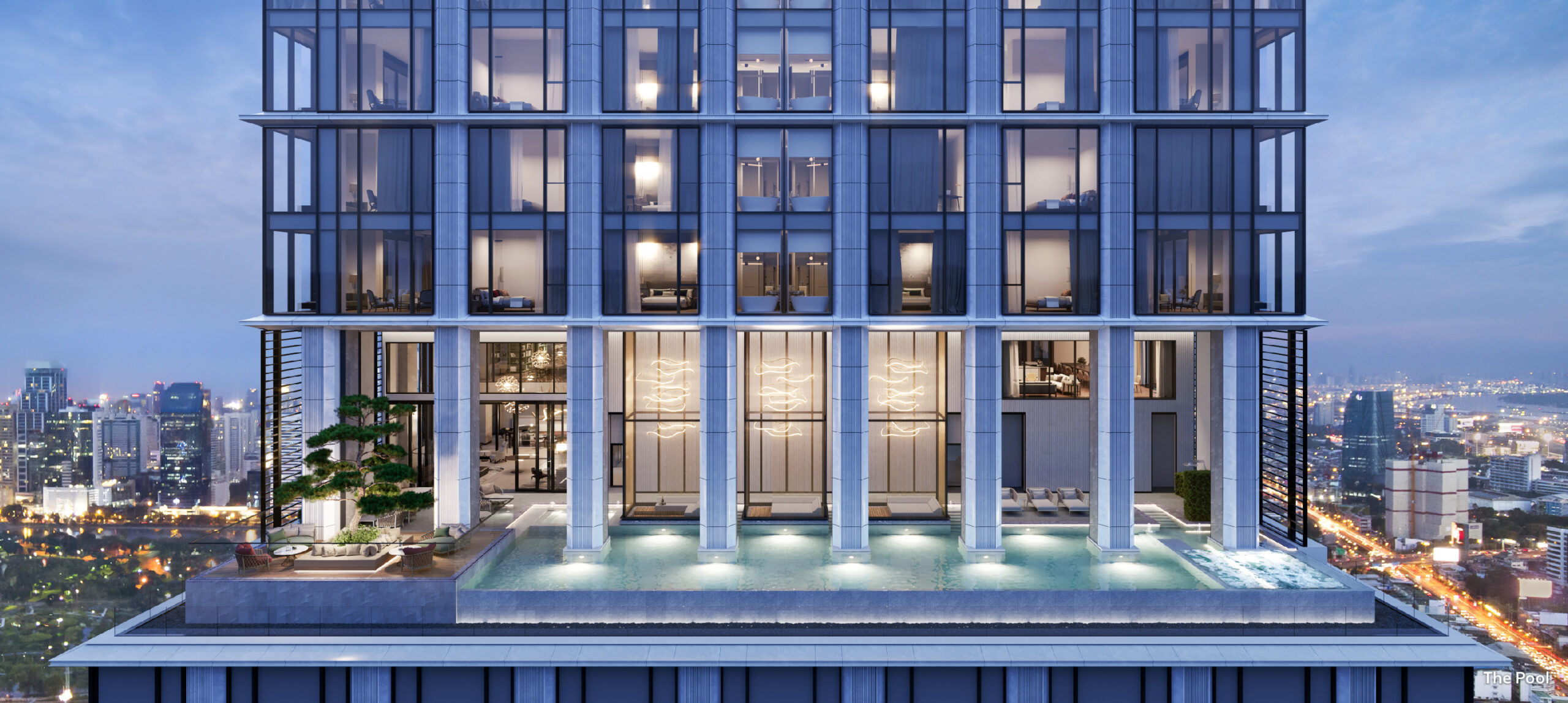
The location may also suit regional executives and families who value a secure Bangkok base while travelling across Asia. The key is daily movement. Buyers should test how they will reach the BTS, MRT, offices, schools, hospitals and airport at the times they actually move. Luxury is partly about address, but in Bangkok it is also about the quality of the weekly routine.
Investor questions: depth, not just scarcity
Scarcity can support value, but it does not remove the need for rental and resale analysis. A very high-end unit has a narrower tenant pool than a mid-market condominium, even when the address is excellent. That tenant pool may include diplomats, senior executives, entrepreneurs, regional families and owner-occupiers who want a lock-up-and-leave city base.
Foreign investors should ask who the realistic tenant or future buyer is, what lease terms are common for this bracket, how many comparable ultra-prime units compete nearby and whether the project rules support the intended use. A project can be exceptional and still require patient leasing or resale timing. The investment case should be built around buyer depth, not only the idea that limited supply is always enough.
It is also worth separating personal prestige from financial resilience. Some buyers will accept lower rental efficiency because they value the address for their own use, privacy or family office needs. That is a valid lifestyle decision, but it should be labelled as such. If the purchase is being judged as an investment, the model should include conservative rent, realistic vacancy, furnishing standards, annual running costs and the possibility that resale may depend on a small pool of qualified buyers.
Due diligence before reservation
For an off-plan or newly completed luxury purchase, review the sale contract, payment schedule, completion obligations, defect process, foreign quota, sinking fund, common fees, parking rights, management structure and any branded-service obligations. Ask whether furniture is included, optional or separate, and how changes affect warranty, handover and resale presentation.
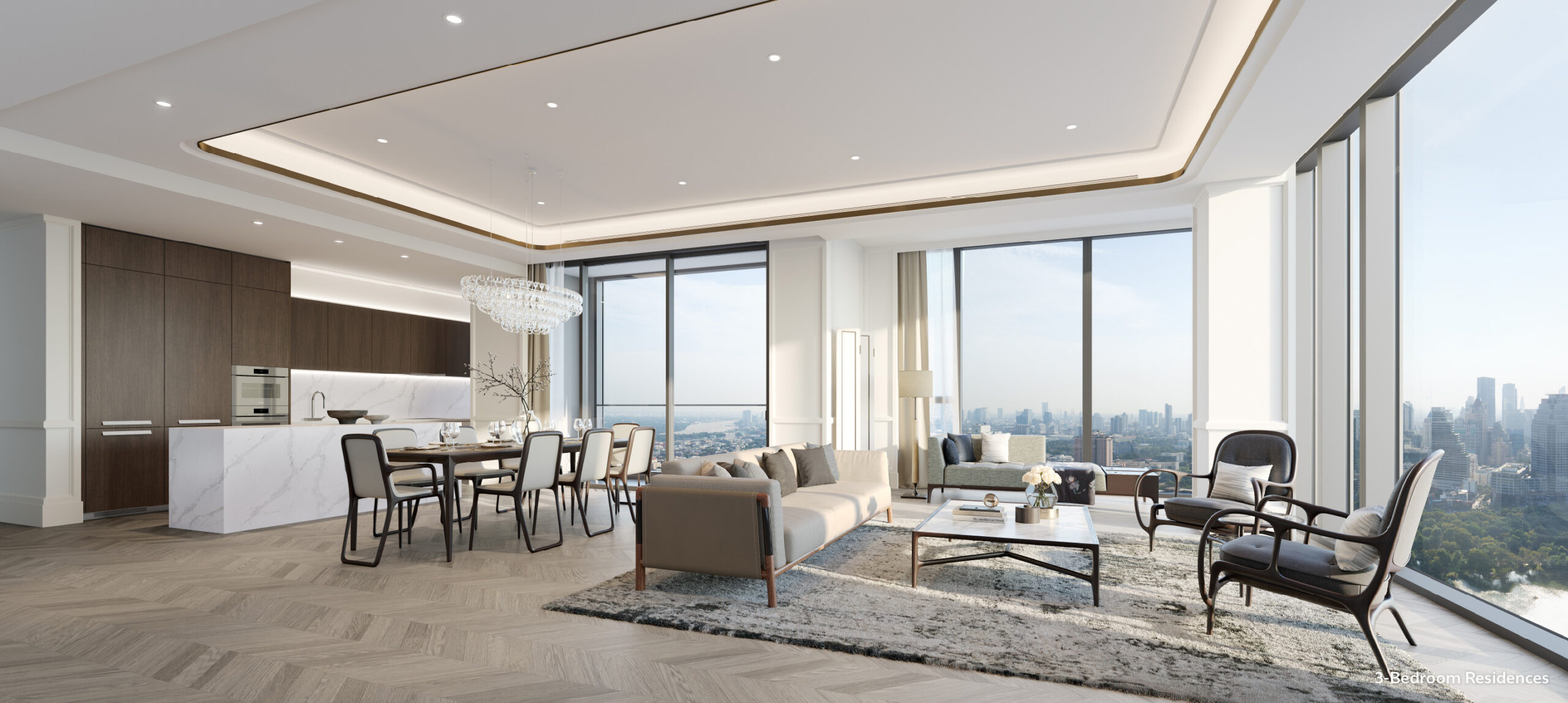
Buyers should also check how the broader One Bangkok district interfaces with the residence. Access routes, drop-off privacy, service entrances, visitor management, retail traffic, event programming and district construction phases can all affect the owner experience. These are not objections; they are the practical details that define whether a premium mixed-use address performs as expected.
How to compare ONE89 Wireless
The most useful comparison set is not every luxury tower in Bangkok. It is the small group of central freehold or long-life premium residences with credible management, strong arrival experience, protected outlooks, deep amenity access and a buyer pool that recognises the address. Compare Wireless Road, Langsuan, Lumpini, Sathorn, Chidlom and selected riverside projects by lifestyle use case, not only price per square metre.
Buyers should also compare the surrounding mixed-use environment. One Bangkok offers a district-level proposition, while some competing projects offer quieter residential streets, direct BTS convenience, river views or hotel-branded service. None of these is automatically better. The right choice depends on whether the buyer values a managed urban district, park proximity, privacy, walking access, hotel-style service, long-term convenience or a more discreet residential feel.
For buyers who want a rare central Bangkok address, ONE89 Wireless deserves attention. It should still be approached with disciplined questions about total cost, district management, ownership practicalities and future exit liquidity. IBP can help foreign buyers compare ONE89 Wireless with other premium Bangkok condominium choices through the Project Reviews & Site Visits archive and a tailored buying brief.