
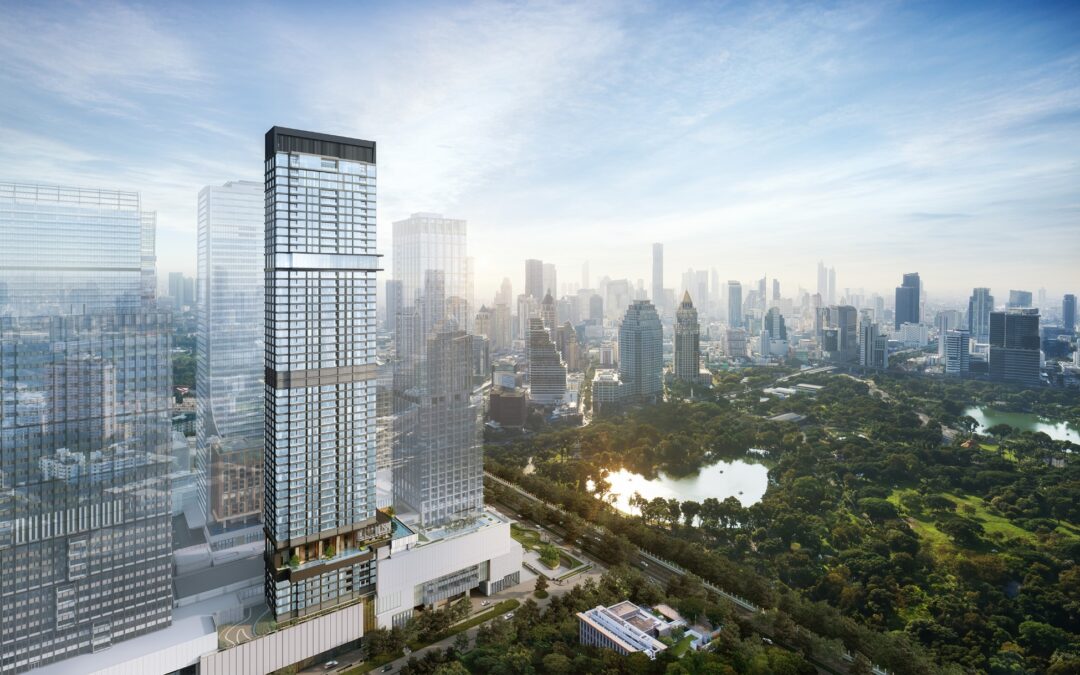
EI8HTEEN SEVEN Wireless is one of the more visible luxury-residence stories for foreign buyers watching Bangkok’s premium core. The official project site places it within Residences at One Bangkok, describing an address in the heart of Bangkok, infused with arts and cultural programmes, and supported by an inclusive, people-centric ecosystem. For buyers, the appeal is not only the tower. It is the wider Wireless Road and One Bangkok context.
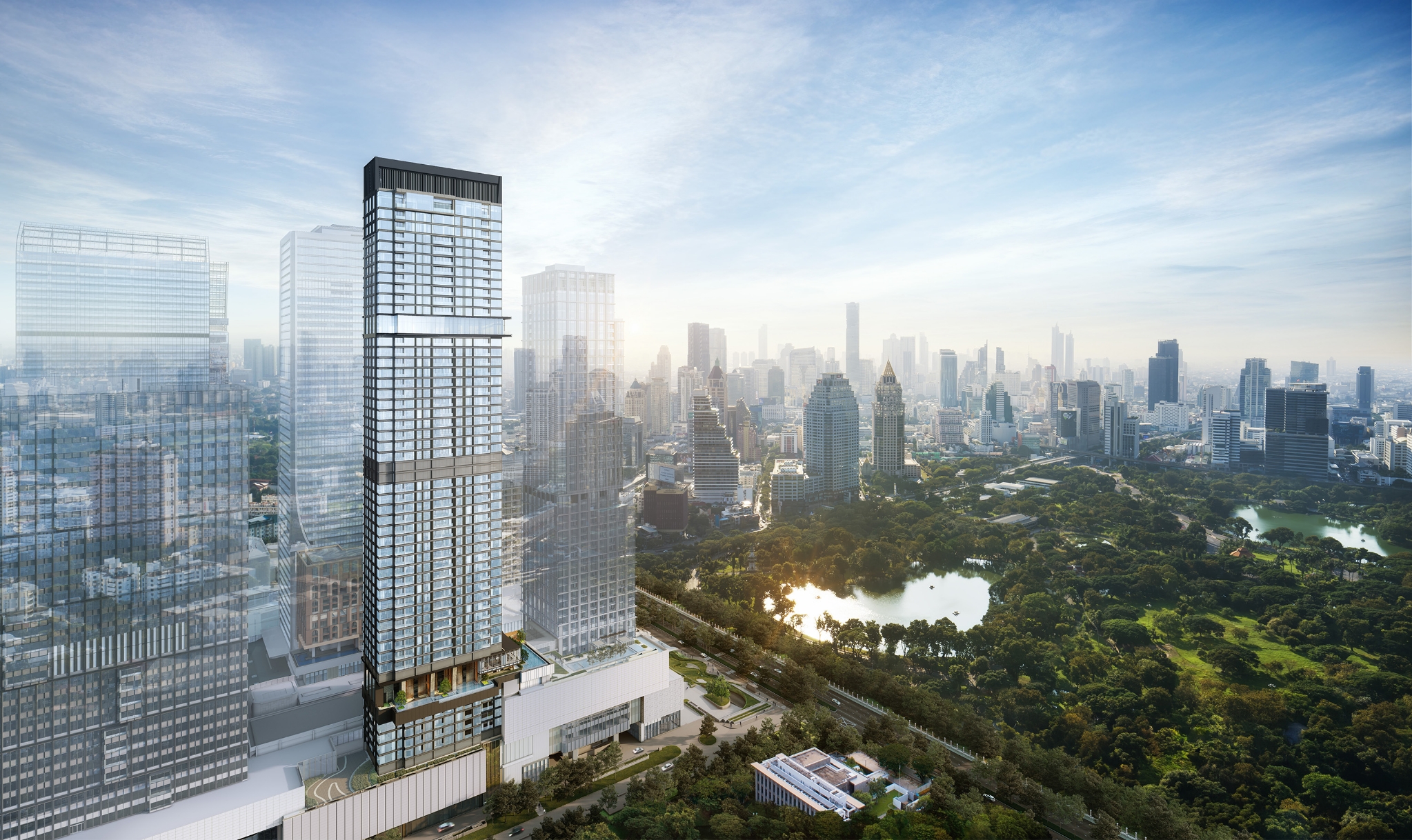
This buyer note looks at the project as a decision framework rather than a sales brochure. EI8HTEEN SEVEN may attract attention because of its design language, facilities and location, but foreign buyers still need to check ownership structure, contract terms, payment schedule, completion position, common-area obligations, ongoing costs and future resale audience before committing.
The project is also a useful case study in how Bangkok luxury is changing. Premium buyers are no longer comparing only address and unit size. They are comparing complete ecosystems: park access, cultural programming, retail, hospitality, offices, wellness, mobility and neighbourhood prestige. That can support demand, but it also means buyers should be clear about what they are paying for.
Why the One Bangkok setting matters
One Bangkok is designed as a large integrated district at Wireless Road and Rama IV, with residences, retail, workplaces, hospitality, green space, art and cultural components. For a foreign buyer, this means the district can offer daily convenience and a stronger sense of arrival than a standalone tower. It also gives the residence a broader identity that may be easier to explain to future tenants or buyers.
The location connects several Bangkok demand drivers. Lumphini Park, Wireless Road, Rama IV, embassies, offices, luxury hotels, retail, MRT and the wider Sukhumvit-Silom-Sathorn axis all matter to different buyer groups. A premium project in this setting is likely to appeal to owner-occupiers, executives, regional families, long-stay expatriates and buyers who value Bangkok as a second-home city.
Facilities should be judged by management
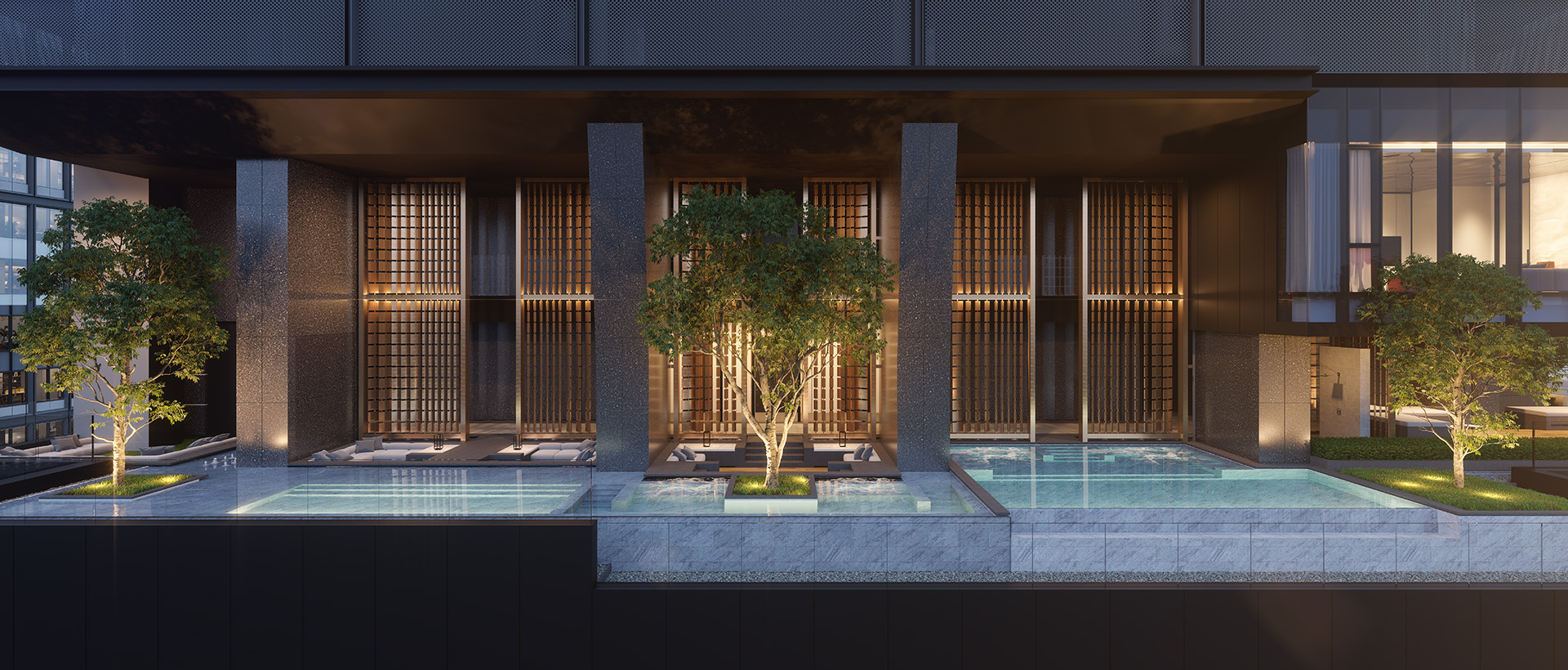
The EI8HTEEN SEVEN website highlights club and lifestyle facilities including a social table, bar, culinary studio, spa, kids’ playroom, gym and swimming pool with jacuzzi. These are meaningful only if management standards remain high after handover. In luxury condominiums, buyers should ask how facilities will be staffed, maintained, booked, funded and renewed as the building ages.
Amenities can help a building stand out, but they also create operating costs. Foreign buyers should review projected common fees, sinking fund arrangements, house rules and any service model carefully. A buyer who lives abroad needs confidence that the building can maintain standards without repeated owner friction or unexpected capital calls.
Interior appeal and practical use
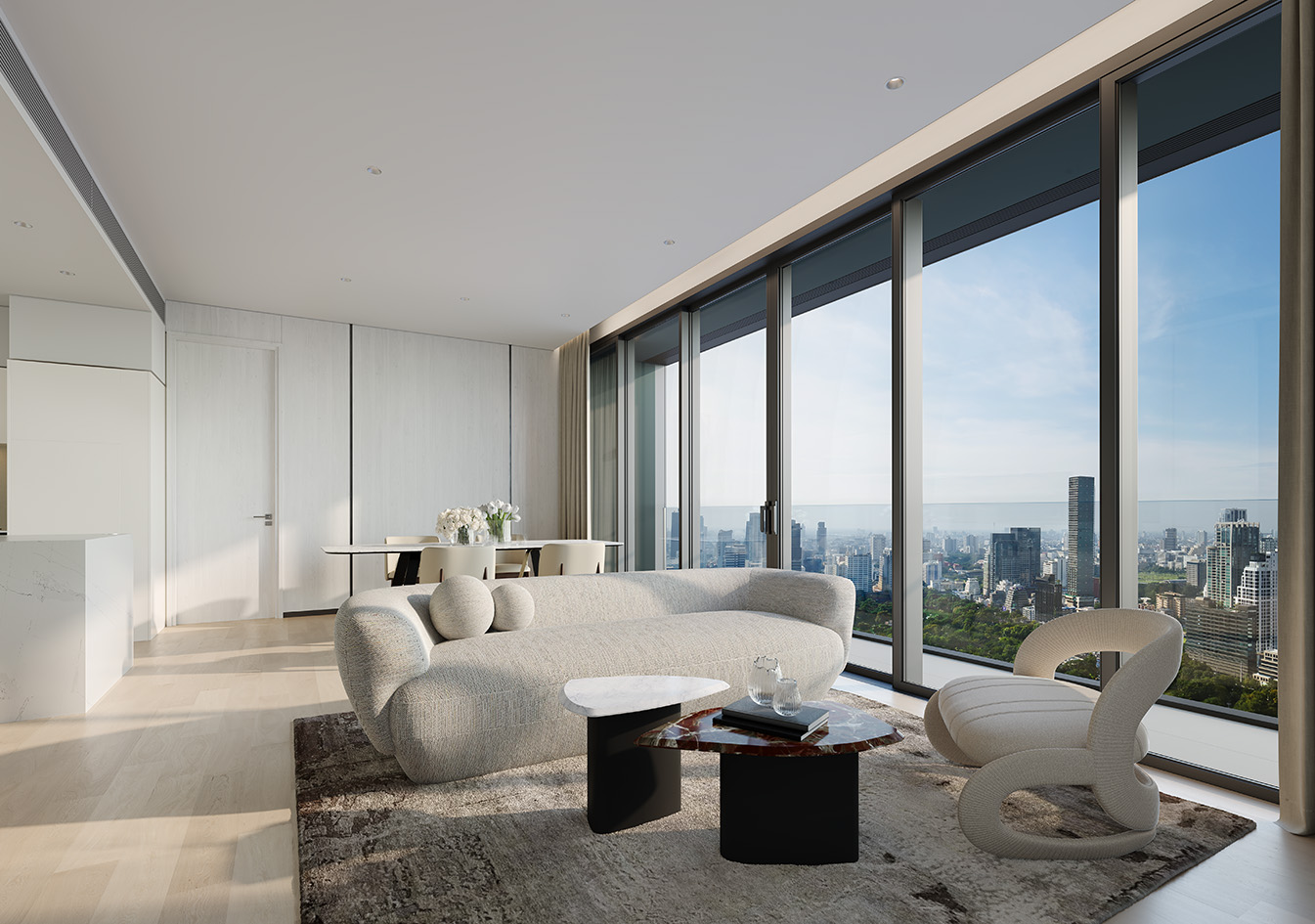
Luxury presentation images are useful for understanding tone, but the buyer’s own use case matters more. Is the unit intended as a second home, family base, rental asset or future retirement foothold? Each answer changes the due diligence. A family may care about storage, kitchen function, school routes and guest parking. A landlord may care about furnishing durability, tenant profile and maintenance access. An owner-occupier may care more about light, privacy and acoustics.
Buyers should compare layouts against real furniture placement and service access. Large-looking rooms can become awkward if columns, doors, air-conditioning placement or balcony proportions reduce usability. A high-quality address does not remove the need to test floor plan efficiency.
Questions foreign buyers should ask
- What is the precise ownership and tenure structure for the selected unit?
- What payments are due before transfer or handover, and what happens if timelines change?
- How are common fees, sinking funds and special assessments calculated?
- Which facilities are included for residents and which may carry separate usage rules?
- What is the expected profile of residents, tenants and future resale buyers?
- How does the selected unit compare with ONE89 Wireless and other top Wireless Road alternatives?
These questions are not hostile. They are normal luxury-buyer questions. A premium project should be able to answer them clearly. Foreign buyers should also review the contract with independent advice, especially where the project structure differs from a familiar freehold condominium purchase in another market.
Investment logic, not just address prestige
Wireless Road prestige is real, but investment value still depends on entry price, holding cost and exit audience. A foreign buyer should decide whether the project is primarily a lifestyle purchase with capital preservation goals, a rental asset, or a long-term trophy holding. Those are different strategies. A trophy purchase may justify a lower yield if scarcity and personal use are central. A rental-led purchase must be more disciplined about net income.
The strongest case for EI8HTEEN SEVEN is likely to be the combination of district identity, integrated amenities and One Bangkok’s wider destination effect. The main risk is paying for a story without confirming the specific unit economics. Buyers should compare not only other new luxury stock, but also established buildings with proven resale records.
Buyer takeaway
EI8HTEEN SEVEN Wireless deserves attention because it sits at the intersection of luxury residential design, One Bangkok’s mixed-use district and the long-standing prestige of Wireless Road. For foreign buyers, the right approach is to treat it as a serious due-diligence exercise: understand the structure, inspect the unit logic, model the costs and compare the resale audience.
IBP can help overseas buyers compare EI8HTEEN SEVEN with other Wireless Road, Lumphini and Sukhumvit luxury options. Browse our project reviews or contact IBP Real Estate for a luxury-condo shortlist.