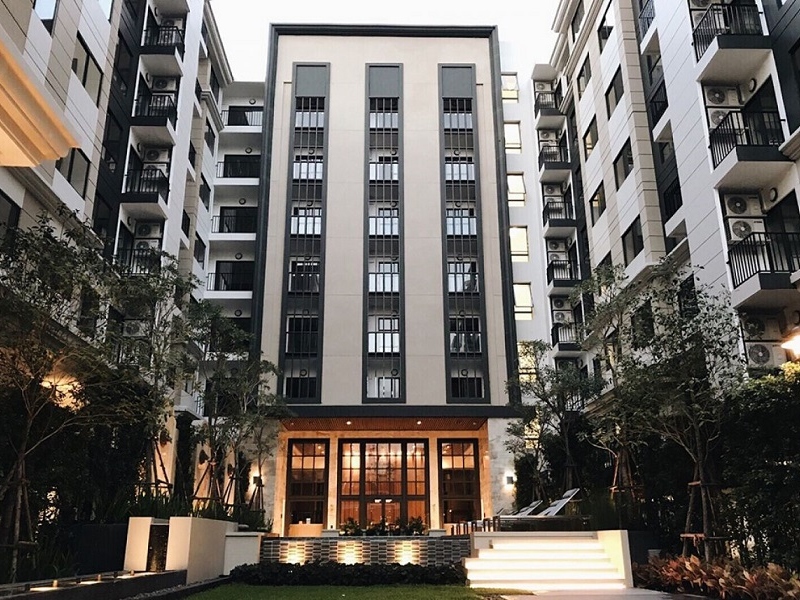
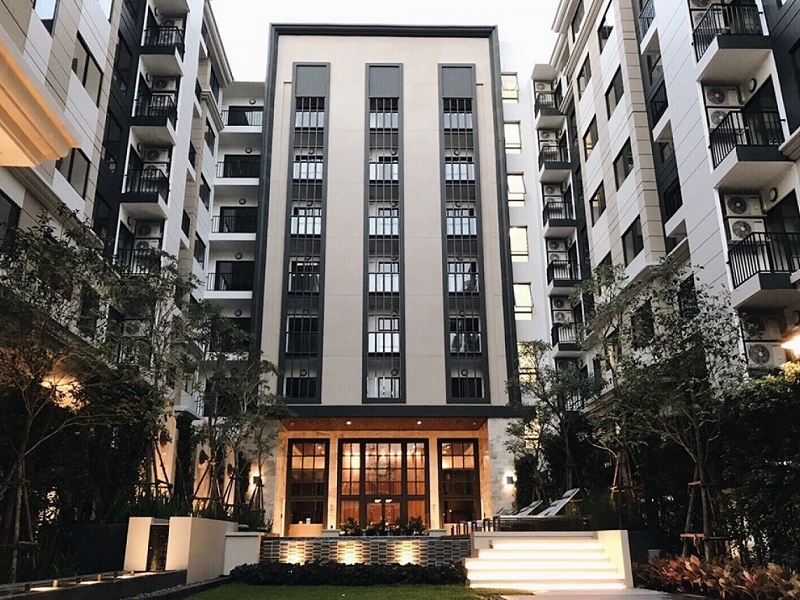
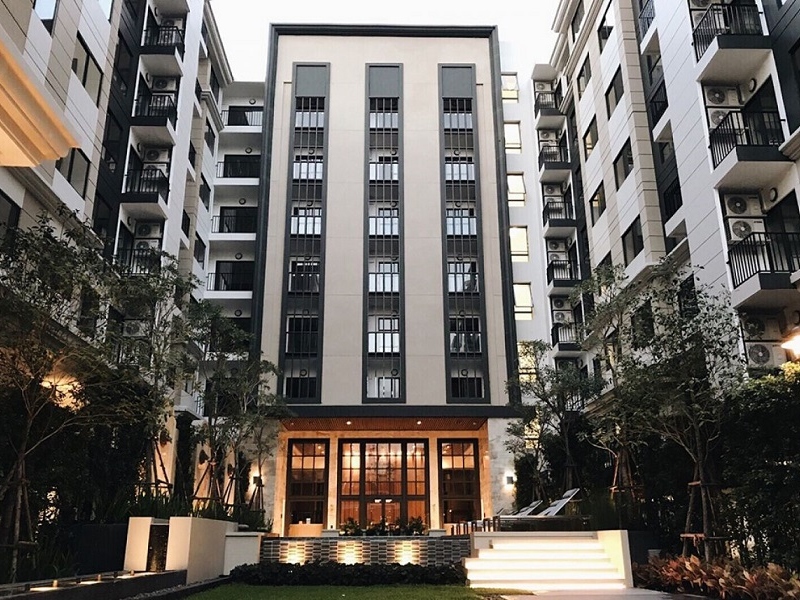
Many foreign buyers think the hard part ends on transfer day. In practice, the first renovation or furnishing period can decide whether a Bangkok condominium becomes an easy asset or a source of avoidable disputes. Even a simple upgrade – curtains, lighting, built-in storage, appliances, painting or furniture delivery – needs to respect building rules, contractor access, noise limits and common-area protection.
Renovation planning should start with the juristic rules before any contractor enters the unit.
This guide is for foreign owners who have just bought a Bangkok condo, or who are preparing a resale unit for rental. It is not a substitute for legal advice or the specific rules of a particular condominium. It is a practical framework for asking the right questions before paying deposits, booking contractors or promising a tenant a move-in date.
The key point is simple: the unit belongs to the owner, but the building is shared. Renovation work can affect neighbours, lifts, fire systems, drainage, structure, waterproofing, corridors and the reputation of the juristic office. Good buildings usually have clear procedures. Owners should treat those procedures as part of asset protection, not as an inconvenience.
Start with the juristic office
Before appointing a contractor, ask the juristic office for the renovation rules in writing. These may cover working hours, noisy-work windows, lift booking, contractor registration, worker ID cards, refundable deposits, waste removal, protection boards, loading-bay access, prohibited works and penalties for damage. In some buildings, even furniture delivery needs advance booking.
Foreign owners who are overseas should not leave this entirely to a contractor. The contractor may understand construction, but the owner carries the consequences if the building fines the unit, refuses access or claims damage to common areas. Ask for translated summaries where available, and have your agent or property manager confirm the process with the juristic team before work begins.
Know what work is sensitive
Cosmetic work is usually simpler than structural, plumbing or electrical changes. Painting, loose furniture, curtains and standard appliances may be straightforward. Built-in cabinetry, kitchen alterations, bathroom work, flooring, air-conditioning relocation, wall drilling and changes near wet areas require more care. Any work that can affect waterproofing, drainage, load, fire safety or shared systems should be treated as sensitive until the building confirms otherwise.
Foreign buyers should be particularly cautious with older resale units. A contractor may propose opening floors, moving drains or changing bathroom layouts to modernise the unit. Those ideas can create hidden risk if waterproofing fails later or if the building does not permit the change. A cheaper renovation can become expensive when it causes a leak into a lower unit.
Building management controls protect common areas, lifts, neighbours and future rental value.
Protect the common areas
A professional renovation plan includes common-area protection. Lifts may need padding. Corridors may need boards. Deliveries may need a service lift and loading bay. Waste must be removed properly, not left near fire exits or refuse rooms. Contractors should not store materials in corridors or block emergency access.
This is not only about manners. Common-area damage can create claims against the unit owner. Scratched lift panels, broken tiles, stained carpets and damaged walls can be charged to the owner even if the contractor caused the problem. Owners should photograph corridors, lift interiors and the unit entrance before work starts, then again after completion.
Contractor controls that matter
Require a written scope of work with materials, brands, colours and dimensions.
Avoid large upfront payments before access approval is confirmed.
Set a payment schedule linked to visible completion stages.
Ask who supervises workers when the owner is not in Bangkok.
Confirm insurance or responsibility for damage to the unit and common areas.
Keep copies of worker registration, lift bookings and building approvals.
The best contractor is not always the cheapest. For a foreign owner, reliability, communication and building-rule discipline are often more valuable than a small saving. Delays can cost rent, and poor workmanship can hurt resale value. If the unit will be rented, use durable materials and standard fittings that can be repaired easily.
Plan around rental timing
Owners preparing a unit for rent should avoid promising handover before the renovation is fully complete, cleaned and tested. Air-conditioning, hot water, washing machines, hob, extractor, internet, curtains, door locks and bathroom seals should be checked before marketing photos are taken. A beautiful unit with unresolved defects can lead to tenant complaints within the first week.
If a tenant is already lined up, build in time for final cleaning, snagging and replacement parts. Bangkok contractors can move quickly, but imported appliances, custom furniture and building access restrictions may create delays. A cautious timeline is better than a rushed move-in that damages the owner’s relationship with the tenant.
A room-by-room condition record helps owners separate renovation scope from handover defects.
Special issues for overseas owners
If you are not in Thailand, appoint one accountable person to coordinate the work. This may be a trusted agent, property manager or representative. Avoid a situation where the contractor, juristic office, furniture supplier and tenant all receive different instructions from different people. Keep one written channel for decisions and approvals.
Overseas owners should also keep payment evidence, invoices and before-and-after photos. These records help with future resale, insurance, tax discussions and warranty claims. They also help an adviser understand what has been changed if a leak, electrical fault or appliance problem appears later.
What not to do
Do not assume that because another unit made a change, your unit can do the same. Do not let a contractor start drilling before approval. Do not alter shared systems without written confirmation. Do not ignore neighbour complaints. Do not accept vague promises that a deposit will be refunded without understanding the conditions. And do not buy oversized furniture before measuring lift, corridor and door access.
The safest owners treat renovation as part of due diligence. They check the building rules, document the unit, appoint reliable contractors, protect common areas and keep the work aligned with the intended use. A rental unit needs durability and easy maintenance. A personal residence can justify more custom work, but still needs to respect the building.
Buyer takeaway
Bangkok condo renovation is manageable when owners treat the juristic rules as the starting point. For foreign buyers, the goal is not simply to make the unit look better. It is to improve rental appeal, protect resale value and avoid disputes with the building or neighbours.
IBP can help overseas owners prepare renovation, furnishing and rental-readiness checklists after transfer. Read our foreign buyer guides or contact IBP Real Estate for practical ownership support.
Foreign buyers planning a Bangkok condo viewing trip should now watch Thailand’s entry rules more carefully. TAT advised on 21 May 2026 that Thailand’s Cabinet had approved a revision of the 60-day visa exemption scheme, with revised entry conditions to take effect 15 days after publication in the Royal Gazette. TAT also noted that until the revised measures take effect, current entry conditions remain in force and visitors should monitor official updates.
Visa timing, funds evidence and viewing appointments should be planned together.
This is not a reason to cancel a property search, but it is a reason to plan with less wasted time. Many foreign buyers treat the viewing trip as a relaxed holiday with a few property tours added. That can still work for a casual first look. It works less well when entry duration, bank paperwork, transfer timing and legal review all need to fit into a tighter schedule.
The practical rule is simple: do not rely on yesterday’s stay allowance for tomorrow’s purchase plan. Check your nationality, passport validity, airline requirements, visa or exemption category, and any official updates before booking flights. Then design the property itinerary around confirmed time on the ground, not around assumptions.
Start with the purpose of the trip
A Bangkok condo trip can have different purposes. Some buyers are exploring districts for the first time. Others are choosing between shortlisted units, negotiating a reservation, checking a completed building, signing documents or preparing for transfer. Each purpose needs a different schedule. A buyer who only wants orientation can see more neighbourhoods and fewer legal documents. A buyer who may reserve a unit should leave time for document review and banking checks.
If the visit is connected to an imminent purchase, the buyer should prepare before arriving. Ask agents to send floor plans, title basics where available, common fee information, foreign quota status, estimated transfer costs, juristic contact details and recent photos. Remove unsuitable units before landing. Bangkok traffic and building-access arrangements can consume more time than expected.
A shorter trip window makes pre-screening more important before a buyer lands in Bangkok.
Documents to organise before flying
Passport validity and confirmed entry category for your nationality.
Proof of funds and banking route for any intended foreign-currency transfer.
A shortlist of buildings, not only online listing links.
Questions for the juristic person, including fees, sinking fund and debt-free letter timing.
A lawyer or adviser who can review documents quickly if a serious unit appears.
Clear authority if a spouse, company officer or family member must approve the purchase.
The buyer does not need to carry every purchase document on a first trip, but the serious-buyer basics should be ready. If a good resale unit appears and the seller wants a quick answer, the buyer should know whether they can reserve, what the deposit means, whether the funds can be remitted correctly and who will review the agreement. A rushed yes without process is usually more dangerous than missing one unit.
Do not confuse visa stay with ownership rights
Thailand’s visa or visa-exemption rules affect how long a buyer can stay in the country. They do not, by themselves, create or remove the legal framework for foreign condominium ownership. Foreigners can generally buy freehold condominium units within the foreign quota, provided the purchase and transfer requirements are met. However, buyers should not use a short-stay trip to bypass proper ownership, tax or due-diligence advice.
This distinction matters because property conversations often mix immigration, ownership and investment issues together. A buyer may be allowed to enter Thailand for a certain number of days but still need separate planning for long-stay visas, tax residence, rental management, bank accounts, insurance and future resale. Entry permission is only one part of the ownership plan.
Build a realistic Bangkok viewing schedule
For a focused trip, group viewings by district. Do not schedule Rama IX, Riverside, Phrom Phong, Sathorn and Ari on the same afternoon unless the purpose is only a surface tour. A serious buyer should spend enough time in each building to check access, lobby, lifts, parking, noise, common areas, unit condition, view and surrounding daily life. This is especially important for buyers who may not return before transfer.
A good schedule also includes unstructured walking time. Visit the nearest BTS or MRT station, supermarket, hospital route, park, school road, restaurant street and late-evening access. A condominium can look strong online but feel inconvenient in daily use. Foreign buyers should test the life around the unit, not only the unit itself.
Viewing trips should leave time for inspection, legal review and practical neighbourhood checks.
If the rules change before you travel
If revised entry conditions are published before departure, re-check the official requirements for your passport and adjust the itinerary. That may mean fewer districts, a clearer shortlist or using remote pre-screening before the flight. It may also mean applying for the appropriate visa rather than relying on visa exemption if the trip includes extended due diligence, family planning or relocation preparation.
Buyers already in Thailand before any revised measures take effect should follow official advice on their authorised stay. Do not assume that informal comments from agents, forums or social media override immigration notices. For property decisions, use the official entry date and permitted-stay date as the planning base.
Buyer takeaway
Thailand’s pending visa-exemption revision is a reminder that property buyers should plan travel, documents and due diligence together. A Bangkok condo viewing trip can still be productive, but it should be structured around verified entry rules, pre-screened buildings and enough time for careful decisions.
IBP can help foreign buyers prepare a Bangkok viewing route, pre-screen buildings and coordinate practical due diligence before arrival. Read our foreign buyer guides or contact IBP Real Estate before booking a property trip.
Maintenance funds are easy to overlook when a Bangkok condominium looks polished during a viewing. Foreign buyers tend to focus on title, foreign quota, price, view, furniture and rental potential. Those are important, but the building’s financial health can decide whether ownership remains smooth. Common fees, sinking funds, repair reserves and juristic person records show how the condominium pays for daily operations and larger future works.
Maintenance and sinking fund records should be reviewed before transfer, not after completion.
This guide is not about avoiding every building with higher fees. Sometimes a premium building costs more to run because it offers larger common areas, better security, stronger staffing, better landscaping, reliable lifts and more extensive facilities. The question is whether owners are paying for value and whether the building has enough money to maintain itself without constant emergency calls for additional contributions.
For an overseas owner, this is also a distance-management issue. If the owner is in Singapore, Hong Kong, Europe or Australia when a lift replacement, facade repair or pipe problem appears, the owner needs the building to have a process, a budget and a clear communication channel. Weak financial planning turns routine ownership into repeated surprise decisions. Strong records make the condo easier to hold from abroad.
Common fees and sinking funds are different
Common fees normally cover recurring expenses such as security, cleaning, lift maintenance, common electricity, garden care, pool service, management staff, minor repairs and administrative costs. A sinking fund is normally intended for larger capital items such as major repairs, repainting, roof works, lift replacement, facade work, plant equipment and other long-cycle costs. Buyers should understand both.
A low monthly common fee can look attractive, but it may also mean underfunded maintenance. A high fee can be reasonable if the building is complex, well staffed and transparent. The most useful question is whether the fee level matches the building condition and service standard. If a property has high fees but weak upkeep, owners may be paying without receiving proper management.
Ask for recent juristic records
Before paying a large deposit, ask the seller or agent for recent juristic person documents where available. These may include annual meeting minutes, budget summaries, audited accounts, notices of special assessments, insurance information, major repair plans and current common fee rates. In a resale purchase, also ask for confirmation that the unit has no outstanding common fees or penalties before transfer.
Foreign buyers should not expect every document to be presented in perfect English. Still, the process should be orderly. A building that cannot explain its fees, fund position or upcoming works may require extra caution. If the buyer cannot read Thai, a bilingual lawyer or trusted adviser should review the important records before the transfer appointment.
A well-maintained building is often the result of boring but important financial discipline.
Look for signs of deferred maintenance
The building tour should confirm what the paperwork suggests. Check lift condition, corridors, fire doors, lobby wear, parking areas, drainage, pool tiles, gym equipment, air-conditioning in shared areas, exterior paint, garden condition and staff responsiveness. Deferred maintenance often appears in small details first. If common areas feel tired, the buyer should ask whether this reflects poor management, low fee collection, upcoming renovation, or simple age.
Older buildings can still be excellent purchases when they are well managed and priced sensibly. In fact, some older Bangkok condominiums offer larger layouts and established locations. The risk is not age by itself. The risk is an ageing building without a realistic capital plan. A buyer who saves on purchase price but later faces repeated special levies may not have saved much at all.
Questions foreign buyers should ask
What are the current common fees per square metre and when were they last changed?
How much is held in the sinking fund and what major works are planned?
Are there unpaid common fees from other owners that affect the building budget?
Has the building issued any recent or pending special assessments?
Are lifts, fire systems, pumps, facade, parking systems and pool equipment under regular maintenance contracts?
Can the seller provide a debt-free letter before transfer?
These questions turn maintenance from a vague concern into a decision framework. The buyer does not need perfect answers to every item, but unexplained gaps should affect price, negotiation and willingness to proceed. If a seller pressures the buyer to sign before basic records are available, that pressure is itself a warning sign.
Physical condition and financial records should tell the same story.
How this affects rental and resale
Tenants notice maintenance. They may not read annual meeting minutes, but they experience lifts, corridors, water pressure, pest control, parking, security and common facilities every day. A building with weak maintenance can suffer higher vacancy, lower rent and more frequent tenant complaints. A landlord living overseas may also face more operational stress when the building does not manage problems properly.
Resale buyers notice maintenance even more. A future buyer will compare your unit with competing units in better-managed buildings. If the common areas have aged badly, your renovated interior may not be enough. Maintenance funds therefore influence both income and exit value. They are part of investment analysis, not only administration.
Buyer takeaway
Foreign buyers should treat maintenance funds as part of Bangkok condo due diligence. A building that collects fees transparently, maintains common areas and plans for major repairs gives owners a stronger base. A building that looks cheap to hold but has weak reserves may become expensive later.
IBP can help buyers ask the right juristic questions before transfer and compare buildings on management quality as well as price. Read our foreign buyer guides or contact IBP Real Estate before committing to a Bangkok condominium.
Insurance is one of the least glamorous parts of owning a Bangkok condominium, but it can become one of the most important when something goes wrong. Foreign buyers often assume that the juristic person’s building insurance is enough. In many cases it is not. The building policy may protect common property and structural elements, while the owner still needs to think about contents, improvements, liability, tenant damage, water leaks, loss of rent and the practical claims process from overseas.
Foreign owners should keep insurance records with the title, lease and juristic files.
A buyer does not need to become an insurance specialist before purchasing a unit. The useful approach is to know which questions to ask, which documents to keep and where the gaps may sit. Insurance is part of due diligence because it shows how the building manages risk. A well-run condominium should be able to explain its master policy, claim procedure, fire-safety systems, maintenance routines and owner responsibilities without confusion.
Start with the building policy
The first insurance check belongs at building level. Ask the juristic office or seller for confirmation of the condominium’s master policy, insured parties, policy period, general coverage area and claim procedure. The owner should understand whether the policy covers only common areas, whether structural elements are included, how excess amounts work, and who coordinates claims involving common property.
This matters because many problems cross the line between private and common property. A leak may start in one unit and damage another. A fire-safety issue may involve both private contents and building systems. A storm, flood, lift issue or public-area incident may require the juristic office, insurer and individual owners to coordinate. If the building’s documents are vague, the owner may face delays at the worst moment.
Then check what the owner must insure
The owner’s policy should be shaped around the unit’s real use. A furnished unit held for personal visits has a different risk profile from a fully tenanted investment unit. A high-value renovation, imported furniture, artwork, appliances, home office equipment and built-in fittings may need specific consideration. A basic policy may not reflect the actual replacement cost of a premium Bangkok unit.
Foreign owners should pay attention to contents cover, fixtures and improvements, personal liability, accidental damage, water damage, electrical damage, theft, tenant-related exclusions and any requirement to maintain locks, alarms or air-conditioning systems. The point is not to buy the most expensive policy. The point is to avoid discovering after an incident that the relevant risk was never covered.
The building policy and the owner policy should be checked together, not separately.
Rental units need extra care
Landlords should not rely on the tenant’s good intentions alone. A lease should state who is responsible for utilities, minor repairs, air-conditioning servicing, damage, lost access cards, cleaning, smoking, pets and unauthorised subletting. Insurance should then be checked against those lease obligations. If the policy excludes tenant damage or commercial use, the owner needs to know before keys are handed over.
Loss of rent cover may also be relevant, but owners should read the conditions carefully. It may apply only after an insured event and only for a defined period. It will not usually protect an owner from ordinary vacancy, weak demand or a tenant who simply decides not to renew. Insurance can reduce certain risks, but it does not replace proper tenant screening and market pricing.
Keep the evidence file current
Photograph the unit before completion, before each lease and after move-out.
Keep receipts for furniture, appliances and renovation work where available.
Record serial numbers for major appliances and electronics.
Save air-conditioning service reports, repair invoices and pest-control records.
Keep the lease, tenant ID record and deposit receipt with the insurance file.
These records may feel routine, but they can decide whether a claim is smooth or contested. An owner who lives outside Thailand should store digital copies securely and make sure the local agent or property manager knows who to contact in an emergency. A claim can move slowly if the insurer cannot verify ownership, policy details, unit condition or authority to act.
Photos, inventories and maintenance records make claims easier to evidence.
Questions for the juristic office
Before buying or leasing out a unit, ask the juristic office how incidents are reported, whether there is a standard form, who contacts the building insurer, how neighbour damage is handled, whether contractors must be approved and whether renovation works require separate insurance or deposits. These questions reveal the building’s management culture. A clear process is a positive ownership signal.
Also ask about recent incidents in general terms. The issue is not to obtain private details about other owners. It is to understand whether the building has recurring water leaks, lift issues, fire-alarm problems, parking damage, balcony drainage concerns or contractor disputes. Repeated incidents can point to maintenance risk that an individual policy cannot fully solve.
Buyer takeaway
For foreign buyers, condo insurance should sit beside title, quota, funds transfer and tax records. It is not a formality to handle after completion. It is part of owning safely in a city where the buyer may be abroad when a problem occurs. The strongest position is a clear building policy, an owner policy that matches the unit’s use and a documented handover file.
IBP can help buyers review management documents and prepare practical ownership questions before transfer. Read our foreign buyer guides or contact IBP Real Estate before committing to a Bangkok condominium.
Foreign buyers often ask whether they can own a Bangkok condominium freehold, whether the foreign quota is available and whether the transfer documents are correct. Those questions are essential. They are not the whole due-diligence exercise. A condominium is also a shared building, and the long-term value of a private unit depends heavily on how that shared building is managed.
Juristic records, meeting minutes and fee schedules should be reviewed before a buyer commits.
Common-area due diligence helps a buyer understand the condition of the lobby, lifts, parking, corridors, swimming pool, gym, fire systems, drainage, security, access controls and service areas. It also helps identify whether the juristic person has enough money, whether owners pay on time, whether disputes are recurring and whether major repair works are being deferred.
Read the juristic documents before transfer
The juristic person should be able to provide practical records that show how the condominium is run. Ask for current common-area fees, sinking-fund details, annual accounts, recent annual general meeting minutes, building rules, renovation rules, pet rules if relevant, short-stay restrictions, parking rules and insurance information. If documents are not available, ask why.
Minutes are especially useful because they show what owners are actually discussing. Repeated complaints about water leaks, lift outages, security, unpaid fees or short-term rentals can be more revealing than a polished sales presentation. A buyer does not need to reject every building with issues, but they should know the issues before pricing the unit.
Inspect the building like an owner
A common-area walk-through should be practical rather than cosmetic. Look at lift waiting times, corridor ventilation, smells, lighting, water pressure, drainage, pool condition, gym equipment, fire exits, emergency signage, basement condition and the way staff handle visitors. Tidy staff areas and clear notices can indicate discipline. Repeated temporary repairs can indicate a budget or management problem.
Common-area condition can reveal whether the building is being maintained with enough discipline.
Visit at more than one time if possible. A building can feel calm during a weekday viewing and crowded during evening peak hours. Parking, lift use, delivery traffic and lobby flow are all part of the lived experience. For rental investors, these points affect tenant satisfaction and renewal probability; for owner occupiers, they affect daily comfort.
Check money, arrears and future works
A healthy condominium needs cash for routine operations and future capital works. Ask whether common fees have been increased recently, whether arrears are material, whether any special assessment has been proposed and whether major repairs are expected. Older buildings may be good value, but only if the owner body is willing and able to fund maintenance.
Be careful with buildings where fees have been kept artificially low for years. Low fees can look attractive during purchase but may leave the building underfunded. Conversely, a building with higher fees may be reasonable if facilities, staffing and maintenance standards are strong. The point is not to choose the cheapest building; it is to understand what the fee pays for.
Rules can affect rentability and resale
House rules should match the intended use. If the buyer wants to rent to families, check rules on children, pets, school buses and visitor parking. If the buyer expects executive tenants, check internet options, renovation rules, moving hours and delivery management. If the buyer is considering short stays, be extremely cautious and obtain proper legal advice because hotel-style use can create compliance and building-rule problems.
The private unit and the shared building should be checked together, not in isolation.
Rules also affect resale. A building with clear enforcement may be more attractive to long-stay residents, while inconsistent enforcement can create disputes. Foreign buyers should ask how complaints are handled, whether fines are used, whether access cards are controlled and whether the building has a stable management company.
Coordinate legal, physical and financial checks
The safest process is to coordinate three workstreams. Legal due diligence checks title, foreign quota, contracts, power of attorney, transfer documents and restrictions. Physical due diligence checks the unit and shared areas. Financial due diligence checks fees, arrears, tax exposure, renovation budget and holding costs. Weakness in one area can change the decision in another.
For example, a unit may be legally transferable but overpriced once future building works are considered. A building may be financially stable but unsuitable for the buyer rental plan because of layout, transport or rules. Treat due diligence as an integrated decision rather than a formality between deposit and transfer.
This is especially important when the buyer is overseas and cannot revisit the building easily before completion. A local representative can photograph service areas, ask the juristic office for written clarification, check whether promised repairs have actually been completed and confirm that the transfer file still matches the buyer name, passport details and payment route. Small mismatches are easier to correct before the land office appointment than on the day of transfer.
A buyer-focused checklist
Before paying a substantial deposit, request the juristic records, inspect shared facilities, confirm transfer readiness, check unpaid charges, review the sale agreement and ask how future repairs are funded. Keep written answers. If a seller or agent cannot provide a reasonable explanation, slow the process down rather than relying on verbal comfort.
IBP helps overseas buyers coordinate practical purchase checks with local market context. Start with the Foreign Buyer Guides archive, then speak with the team before signing if a building, management record or contract point needs a second look.
Many foreign buyers cannot be in Bangkok on the exact day their condominium transfer is ready. A power of attorney can solve that practical problem, but only if it is prepared with the same care as the sale contract, foreign exchange evidence and final payment instructions. A vague or incorrectly signed authorisation can delay transfer, force fresh documents to be couriered, or give a representative more authority than the buyer intended.
A power of attorney should be prepared as part of the transfer file, not as an afterthought.
What a power of attorney does
For a Bangkok condominium transfer, a power of attorney allows a named representative to appear at the Land Office and carry out a specific transaction for the buyer or seller. It is not a general comfort letter. It should identify the parties, the condominium unit, the building, the title details where available and the action the representative may complete. The narrower the wording, the easier it is for the buyer to understand what is being authorised.
The Department of Lands publishes official power-of-attorney forms, including a condominium-specific form. Buyers should use the form and format required by the relevant Land Office, because a privately drafted English document may not be accepted for registration. In practice, the lawyer, developer transfer team or agent should confirm the exact form before the buyer signs anything overseas.
When foreign buyers commonly use it
A power of attorney is most common when the buyer lives outside Thailand, when a resale seller cannot attend the appointment, or when a developer schedules transfer during a short travel window. It may also be used when a spouse, lawyer or trusted representative is better placed to coordinate cashier cheques, tax payments and handover documents locally. The convenience is real, but the authority should never be casual.
Remote buyers should treat the power of attorney as a final-step tool, not as a substitute for due diligence. Before authorising anyone to complete transfer, the buyer should already have checked foreign quota availability, funds remittance documents, title details, the debt-free letter, common-fee obligations, meter deposits, defect list and payment balance. If any of those items remain uncertain, the representative’s authority should be conditional or the transfer date should be reconsidered.
Remote transfer can work, but the representative must have narrow, accurate authority for the exact unit.
The core checklist before signing
Confirm the Land Office form required for a condominium unit, not a generic business authorisation.
Match the buyer name to the passport and bank remittance documents exactly.
State the condominium project, room number and title details as precisely as the transfer team can provide.
Limit the authority to signing transfer documents, receiving the title deed, paying agreed official charges and completing related handover steps.
Avoid broad wording that allows borrowing, mortgaging, resale or unrelated commitments unless separately reviewed by a lawyer.
Check witness, notarisation, embassy, consular or legalisation steps early if signing outside Thailand.
Choosing the representative
The representative should be someone whose role is clear and whose incentives are aligned with the buyer. A buyer-side lawyer is usually cleaner than a salesperson if the transfer file contains unresolved legal or payment questions. A family member may be suitable for straightforward own-use purchases, but they must still understand the Thai-language documents they are asked to sign. The representative should be available for the entire transfer appointment, reachable by phone, and able to refuse completion if a pre-agreed condition is not met.
Foreign buyers should be careful when the same person is acting for several parties. A developer officer can handle routine new-build transfer paperwork efficiently, but the buyer should still have independent review if there are late fees, defects, foreign quota questions, substituted documents or changes from the sale agreement. In resale transactions, an agent may coordinate logistics but should not be left to make legal judgement calls without written instructions.
Payment control matters
A power of attorney does not remove the need for clean payment controls. The buyer should know who receives the final balance, whether a cashier cheque is required, how transfer fees and taxes are split, and what proof will be returned after completion. If funds move through a representative, the written authority and payment trail must be especially clear. Many buyers prefer to arrange cashier cheques or bank instructions directly, then authorise the representative only to deliver documents and sign at the Land Office.
The legal transfer file and the physical handover checklist should be coordinated before completion day.
Handover and title deed follow-up
The job is not finished when the Land Office stamps the transfer. The buyer should receive a copy of the updated title deed, official receipts, tax and fee evidence, keys, access cards, meter readings, juristic office acknowledgement, insurance information where relevant, and a written handover note. If the unit is rented, the representative should also collect lease documents, deposit status and tenant contact procedures.
For new-build units, the power of attorney should be coordinated with the defect inspection. A representative should not accept handover as clean if the buyer has not approved the condition. For resale units, the representative should confirm that furniture, appliances and agreed inclusions match the contract before final release of funds where that is commercially possible.
A safer remote-transfer process
The safest process is staged. First, complete legal and commercial checks. Second, confirm the exact Land Office form and signing formalities. Third, issue a narrow power of attorney with supporting passport copies and any required certified documents. Fourth, give the representative a written transfer-day checklist and escalation rule. Finally, require same-day copies of the title deed and receipts.
IBP’s Bangkok condo buying process for foreigners and buyer toolkit can help you organise the wider purchase file. If you expect to complete from overseas, contact IBP before signing the authorisation so the transfer role, payment path and document checklist are aligned.
A Bangkok condominium sale and purchase agreement is more than a formality. For foreign buyers, the SPA is the document that turns a reservation into a legally meaningful obligation, so it should be read before money moves beyond a small booking amount.
The SPA should match the commercial deal and the legal transfer requirements.
Many problems begin when buyers rely on a sales presentation, chat message or brochure but do not confirm that the same points appear in the contract. A friendly sales process can still produce a contract that is silent on timing, defects, fees or default. Once signed, those gaps become harder to fix.
This guide is not a substitute for legal advice. It is a practical checklist to help foreign buyers know which clauses deserve attention before they sign a Bangkok condo SPA, especially when buying remotely or under time pressure.
Confirm the parties and the unit
The SPA should identify the buyer, seller, project, unit number, registered area and ownership type clearly. For a completed resale unit, the seller should match the title deed records. For an off-plan or developer sale, the developer entity should be the correct contracting party, not only the marketing brand shown on the billboard.
Foreign buyers should also check whether the unit is intended to transfer under the foreign freehold quota. If the buyer expects foreign freehold ownership, the contract should not leave that point vague. The payment route should support the foreign exchange documentation needed at transfer, including proper inward remittance records and wording that can support the Foreign Exchange Transaction form or equivalent bank document when required.
Check price, payment schedule and what is included
The contract should show the total purchase price, deposit, instalments, final transfer payment and payment deadlines. If the buyer negotiated a discount, furniture package, free maintenance period, transfer fee sharing or other incentive, it should be reflected in writing. Verbal promises are weak protection if the team changes or if there is a disagreement before transfer.
For off-plan purchases, the payment schedule should connect sensibly to project progress. Buyers should understand whether instalments are calendar-based or construction-milestone based. For completed units, the contract should explain when the balance is paid and what must happen before the Land Office transfer appointment.
Look closely at transfer obligations
A clean SPA should state who is responsible for transfer fees, specific business tax where applicable, stamp duty, withholding tax and other transfer-related costs. In Bangkok, the commercial norm can vary by transaction, especially between developer sales and resales. Do not assume that a cost split is standard unless it is written.
The contract should also explain what happens if the transfer is delayed because documents are incomplete. Foreign buyers may need time to arrange remittance records, passports, power of attorney documents, translations or notarisation. Sellers may need debt-free letters, juristic person documents or mortgage release preparation. Clear timing avoids a situation where one side is accused of default because the process was not planned realistically.
Building details, common fees and transfer obligations should be checked before signing.
Review foreign quota and remittance wording
The foreign quota point is critical. Foreigners can generally own condominium units freehold within the legal foreign ownership quota of a condominium project, but the buyer still needs the building-specific confirmation at the time of transfer. The SPA should make clear what happens if the expected foreign quota is not available when the buyer is ready to transfer.
Buyers should also ensure that the payment instructions are practical. Funds should be remitted in a way that supports the required bank documentation. The remitting name, purpose of transfer and currency handling can matter. If the buyer is using a company, joint buyers or family funding, the documentation should be checked before sending money.
Handover, defects and fixtures
For completed units, the contract should state the condition in which the unit will be delivered. If furniture, appliances, curtains, built-ins, parking rights or access cards are included, list them. If the buyer has inspected the unit, attach or keep a signed inventory and photo record where possible.
For new units, the SPA should explain the inspection and defect process. Buyers should know how defects are reported, how long the developer has to fix them and whether handover can be delayed for serious unresolved issues. Minor cosmetic defects are different from water leakage, electrical faults or incorrect room specifications.
Default clauses should be balanced
Default clauses explain what happens if either party fails to perform. Buyers often focus only on the penalty for late payment, but they should also check the seller’s obligations. What happens if the seller cannot transfer clean title? What if the seller changes the completion date? What if promised items are missing?
Some contracts give one side wide discretion and the other side very little remedy. That is a warning sign. A buyer may still proceed, but they should understand the risk and decide whether the price, project and seller reputation justify it.
Fixtures, handover condition and defect procedures should be written clearly.
Assignment, resale and exit flexibility
Off-plan buyers sometimes want the option to assign the contract before completion. The SPA should state whether assignment is allowed, whether the developer must consent and whether any fee applies. If assignment is prohibited or expensive, the buyer should not assume they can exit before transfer.
For investors, this is part of resale planning. A unit may be attractive, but if the contract limits flexibility and the market slows, the buyer may need to complete and hold longer than expected. That may be fine if the rental plan is sound, but it should be intentional.
Before signing, pause for a document check
Match the seller and unit details to title or project documents.
Confirm foreign freehold quota wording where relevant.
Write all discounts, inclusions and incentives into the contract.
Check the transfer fee and tax split.
Understand defect, delay, default and assignment clauses.
Plan remittance documents before sending major funds.
The safest Bangkok condo purchase process is calm and documented. If the seller or agent pressures a buyer to sign before the contract is understood, that pressure itself deserves attention. Good opportunities can still allow proper checks.
Buyer takeaway
The SPA should protect the deal the buyer actually thinks they are making. Foreign buyers should slow down, check the wording and make sure the contract supports ownership, transfer, rental and exit plans.
IBP can help buyers coordinate practical document checks before purchase. Read more in our legal and due diligence guides or contact IBP Real Estate before signing a Bangkok condo SPA.
For a foreign buyer, the foreign quota letter is one of the least glamorous documents in a Bangkok condo purchase. It is also one of the most important. Without acceptable confirmation that the building still has foreign ownership capacity, the Land Department transfer can fail even when the buyer has paid a deposit, arranged funds and agreed the price.
The foreign quota letter should be checked before the buyer is committed to transfer day.
Thailand’s official government information portal explains that, under the Condominium Act 1979, foreigners may own condominium units in a registered condominium building within the permitted foreign proportion, and that the buyer must request a letter confirming the foreign proportion from the condominium juristic person for submission to the Department of Lands. In practical terms, this letter helps show that the unit can be registered in a foreign buyer’s name.
That makes the quota letter different from a marketing statement. A sales agent may say a unit is foreign freehold. A seller may assume it is eligible because it was previously owned by a foreigner. A developer may have a quota allocation plan. The transfer file still needs current confirmation from the building’s juristic person or authorised office before completion.
What the letter is meant to confirm
The foreign quota limit is usually discussed as the 49% rule. In plain English, a registered condominium cannot exceed the permitted foreign-owned proportion. A foreign buyer needs the unit to sit inside that available quota at transfer. If the quota is full, the buyer may not be able to register the unit in personal foreign freehold name.
The letter should identify the condominium, confirm the foreign ownership proportion position and support the Land Office process. It should align with the sale unit, title deed, buyer details and transfer date. Buyers should check whether the juristic office has a standard format and how long it takes to issue the document, because timing can become sensitive near completion.
Why timing matters
Foreign quota is a building-level position, not a permanent promise attached to a viewing. If several transfers are happening in the same building, the position can change. A buyer who waits until the morning of transfer to ask for confirmation is taking unnecessary risk.
The safest approach is to request quota confirmation before signing a binding contract or paying a substantial non-refundable sum. For resale purchases, the buyer’s adviser should speak with the juristic office early and then reconfirm close to transfer. For new projects, the buyer should understand whether the developer is selling a unit under foreign quota or offering another structure.
A building can be attractive and still be unsuitable if the foreign ownership quota is unavailable.
What buyers should ask before signing
Is this specific unit available for foreign freehold registration?
Who will issue the foreign quota confirmation letter and when?
Does the building calculate quota by saleable area and current registered ownership?
What happens to the deposit if the transfer cannot proceed because quota is unavailable?
Will the seller, developer, agent or lawyer obtain the letter before transfer day?
The deposit question is especially important. A buyer should avoid an agreement that leaves them exposed if the stated foreign freehold route is not available. Reservation and sale documents should make the ownership route clear enough that a quota problem is not treated as the buyer’s fault.
How it connects with the FET and payment trail
The foreign quota letter is only one part of the transfer file. The buyer also needs acceptable evidence that purchase funds were remitted into Thailand in foreign currency for the condominium purchase, commonly through a Foreign Exchange Transaction form or bank documentation. These documents should match the buyer, the unit, the payment amount and the stated purpose.
A clean quota letter does not fix a weak payment trail. A clean payment trail does not fix a quota problem. Foreign buyers should treat both as essential, alongside passport details, title deed checks, debt-free confirmation, taxes and fee allocation, power of attorney if used, and the actual handover condition.
Quota, payment trail, title and handover condition should be checked as one transfer file.
Common mistakes to avoid
The first mistake is relying on old information. A foreign owner selling a unit may have bought it under foreign quota years ago, but the building’s current proportion still needs checking. The second mistake is treating a developer brochure as a legal confirmation. Marketing material can explain the intended ownership route, but the transfer needs proper documents.
A third mistake is leaving the juristic office out of the process until late. The juristic office may also need to issue debt-free documentation, provide transfer information and confirm building records. A buyer with an overseas schedule should build in enough time for these documents rather than assuming everything can be produced immediately.
Buyers should also keep a written record of who confirmed the quota position, on what date, and for which unit. That record will not replace the official transfer document, but it helps the buyer, lawyer, agent and seller work from the same facts before completion.
Buyer takeaway
Foreign freehold condominium ownership remains one of the clearest property routes available to overseas buyers in Bangkok, but clarity depends on paperwork. The foreign quota letter is a small document that sits at the centre of that route. It should be requested early, checked carefully and matched with the rest of the transfer file.
IBP can help foreign buyers coordinate quota checks, document review and transfer planning before funds are committed. Read more in our foreign buyer guides or contact IBP Real Estate before signing.
For many foreign buyers, the Foreign Exchange Transaction evidence is the least glamorous part of a Bangkok condominium purchase. It is also one of the most important. Thailand’s government guidance explains that foreigners may own condominium units within the legal foreign ownership limit, and that the money used for purchase must be transferred from a foreign bank to a Thai bank with receipts and bank certificates. In practice, buyers and advisers often refer to this evidence as an FET form or bank confirmation.
The payment trail should be planned before the buyer sends funds into Thailand.
The purpose is simple: the Land Department needs to see that the foreign buyer is using qualifying foreign-source funds for the condominium purchase. If the funds trail is confused, incomplete or in the wrong name, transfer can become stressful at exactly the wrong moment. Good planning keeps the legal route clean and gives future buyers, lawyers and banks a transaction file that makes sense.
What the FET evidence is for
Foreigners are generally restricted from owning Thai land directly, but they can own condominium units within the permitted foreign quota of a registered condominium building. The foreign-buyer route usually depends on showing that the purchase money entered Thailand as foreign currency and was properly documented by a Thai bank. That evidence supports the Land Department registration.
Different banks may use different document names or internal processes. The buyer should not assume that a normal international transfer receipt from the sending bank is enough. The critical document is usually issued by the receiving Thai bank or supported by that bank’s confirmation letter. Buyers should coordinate the wording, account name and purpose before the transfer is made.
Why timing matters
Many problems start because the buyer sends money first and asks questions later. The receiving bank may need the buyer’s passport details, sale contract, unit information and purpose of transfer. If the funds arrive through an intermediary, in Thai baht, from a third-party account, through multiple small transfers or under unclear wording, the documentation can become harder to align with the Land Department file.
The safest approach is to ask the receiving bank, developer, lawyer and agent what wording is required before sending funds. The transfer instruction should normally identify the buyer and the purpose of buying a specific condominium unit. The final wording should be checked by the professional handling the transfer because banks and land offices may apply practical requirements differently.
Foreign freehold ownership depends on quota, title transfer documents and acceptable funds evidence.
Common mistakes foreign buyers make
Using the wrong sender or receiver name
A transfer from a parent, spouse, company or unrelated third party may be workable in some circumstances, but it needs planning. If the buyer’s passport name does not appear clearly in the bank documentation, the transfer officer may ask additional questions. When family funds or company funds are involved, get legal advice before sending money.
Letting a service convert before funds reach Thailand
Some remittance services can be convenient for smaller payments, but the buyer must confirm whether the Thai bank can issue the required foreign-exchange evidence. If the money arrives as local baht without the right supporting trail, the Land Department file may be weaker. Convenience should not override transfer registration requirements.
Splitting payments without a record plan
Stage payments, deposits and balances are normal. The problem is when each payment has different wording, different senders or incomplete documentation. Keep a schedule of every payment, receipt, bank document and contract reference.
Assuming the agent will fix it later
A good agent can coordinate, but the money trail belongs to the buyer. Do not outsource the understanding entirely. Ask for copies, check names and keep originals or certified documents where required.
A simple pre-transfer checklist
Confirm the unit is eligible for foreign freehold transfer and that foreign quota is available.
Ask the receiving Thai bank what document it can issue for the exact transfer route.
Use the buyer’s passport name consistently across contract, bank and Land Department documents.
State the purpose of transfer as a condominium purchase with the project and unit reference where possible.
Keep copies of the sale contract, payment schedule, bank receipts and FET or confirmation documents.
Check whether each deposit and balance payment needs separate evidence.
A clean remittance file helps the Land Department transfer match the buyer, unit and payment purpose.
What to ask before reservation
Before paying a reservation fee, ask whether the seller or developer has handled foreign transfers recently, which Thai bank account will receive the funds, what name appears on the account, whether the unit is in foreign quota and who will prepare the Land Department transfer file. These questions are practical, not confrontational. A serious seller should expect them.
For resale units, the buyer should also ask whether the seller has a debt-free letter process, juristic confirmation of foreign quota, title deed copy and tax estimate. The FET evidence is only one part of transfer readiness. The broader file should show that the unit can move from seller to buyer cleanly.
Why this protects resale value
A clean payment trail is useful beyond the first purchase. When the buyer eventually sells, lawyers and future buyers may ask how the unit was acquired. Good documentation supports confidence and reduces avoidable friction. It can also help when repatriating sale proceeds, depending on bank requirements and the buyer’s situation.
Foreign ownership in Bangkok is workable when handled carefully. The legal path is familiar, but it is document-led. The buyer who treats remittance evidence as a core part of due diligence is less likely to face last-minute transfer surprises.
IBP can help overseas buyers organise a transfer checklist before funds are sent. Read more in our foreign buyer guides or contact IBP Real Estate for purchase coordination.
Thailand’s renewed scrutiny of nominee structures is a useful warning for foreign property buyers. In May 2026, local media reported that the Department of Business Development and Department of Special Investigation were stepping up checks on suspected foreign nominee companies, particularly in tourism and property-heavy locations. Separate legal commentary has also noted new company-registration measures taking effect in 2026 to strengthen anti-nominee enforcement.
Tighter nominee scrutiny makes clean documentation more important for foreign property buyers.
For a Bangkok condominium buyer, the lesson is straightforward: do not confuse a workaround with ownership security. Foreigners can generally own freehold condominium units in Thailand within the building’s foreign quota, subject to proper funds-remittance and transfer documentation. That route is familiar, bankable and widely used. By contrast, using Thai nominees or artificial company structures to control restricted assets can create legal, tax and resale risk.
What nominee risk means
A nominee problem usually arises when a Thai person or Thai company appears on paper to own shares or assets, but the real control or economic benefit is intended for a foreigner in a way that avoids Thai law. In property, the concern is often linked to land ownership, villas, businesses that hold land, or companies created mainly to let a foreigner control assets that they could not own directly.
Not every Thai company with foreign shareholders is illegal. Thailand has legitimate foreign investment, licensed businesses, joint ventures and structures with real Thai capital and genuine Thai participation. The problem is substance. If Thai shareholders do not provide real funds, do not take real risk and do not exercise real control, authorities may look through the documents and ask whether the structure is a nominee arrangement.
Why Bangkok condo buyers should care
Some overseas buyers are tempted by advice that makes complex structures sound normal. They may hear that a Thai company can own land, that a friend can hold shares, or that a company can later be sold with the property. Those ideas may be presented casually in social media, property groups or informal sales conversations. The current enforcement mood is a reminder that casual advice can become expensive when authorities, banks, buyers or future lawyers ask harder questions.
Bangkok condominium ownership is different because the law already provides a direct foreign freehold path, subject to quota and funds rules. A buyer who purchases a qualifying condo unit in their own name has a cleaner story: the title, payment evidence and transfer documents can be understood by banks, lawyers, buyers and the Land Department. That does not remove all due diligence, but it avoids many nominee-structure risks.
Foreign freehold condominium ownership remains the cleanest route for most overseas Bangkok buyers.
Practical checks before buying
Confirm the ownership route early
Ask whether the property is a foreign freehold condominium unit, Thai quota unit, leasehold interest or company-held asset. Do this before paying a reservation fee. The words used in marketing material may not be enough. The buyer needs documents and a clear transfer plan.
Check foreign quota
For a condominium purchase in a foreigner’s own name, confirm that foreign quota is available for the specific unit and building. Obtain confirmation through the developer, juristic office, seller or lawyer before the buyer becomes financially committed.
Protect the remittance trail
Foreign condominium buyers normally need evidence that purchase funds were brought into Thailand in foreign currency for the purpose of buying a condominium. Coordinate with the receiving bank before transferring funds, especially if the buyer is using multiple payments, family funds or an overseas company account.
Be cautious with company-owned property
If the seller is a company, ask why. Review the company documents, authorised signatories, tax position, ownership history and whether the transaction is an asset transfer or share transfer. A simple-looking share sale can carry hidden legal and tax issues.
Questions to ask an adviser
Can I own this asset directly in my own name as a foreigner?
If a company is involved, what real business purpose does it have?
Who funded the Thai shareholders and what evidence exists?
What happens if authorities, banks or future buyers question the structure?
How will I sell the asset cleanly in five or ten years?
A good adviser should be comfortable explaining the legal route in plain language. If the explanation depends on “everyone does it”, “the authorities never check”, or “we can fix the documents later”, treat that as a warning sign.
A practical buyer file should show ownership route, payment trail and transfer readiness before completion.
What this means for Bangkok strategy
The nominee crackdown does not make Bangkok less attractive for foreign buyers. In some ways, it strengthens the case for clean condominium ownership. Buyers who stay within the established condo framework can focus on the real investment questions: location, building quality, rentability, common fees, resale depth, tax exposure and management.
It also helps separate serious buyers from speculative shortcuts. A foreign buyer who wants a legal Bangkok base, rental asset or long-stay home should value certainty. Clean ownership may feel less exciting than a complex structure promising broader control, but it is usually easier to finance, explain, manage and resell.
Red flags
Be careful if a seller or intermediary suggests using Thai shareholders you do not know, setting up a company solely to hold a property, backdating documents, hiding the true fund source, or buying shares instead of transferring the underlying property without proper legal review. Also be careful if the asset is land-based but the explanation sounds like a condominium purchase. Different rules apply.
Foreign property ownership in Thailand is workable, but it rewards precision. The safest approach is to buy what you are legally allowed to own, document the funds correctly and keep the transaction file clean from the start.
IBP can help overseas buyers organise a Bangkok condo due-diligence checklist before reservation or transfer. Read more in our legal, tax and due diligence guides or contact IBP Real Estate for transaction support.
A debt-free letter is one of the least glamorous documents in a Bangkok condominium purchase, but it can decide whether a transfer can proceed smoothly. Foreign buyers often focus on the title deed, foreign quota and bank remittance documents. Those are essential. Yet the condominium juristic person also needs to confirm that the unit has no unpaid common fees, sinking fund obligations or other building-level debts that would block or complicate ownership transfer.
The debt-free letter should be requested early, not treated as a last-minute formality.
The debt-free letter is usually issued by the condominium juristic person before transfer at the Land Department. It tells the parties that, according to the building records, the seller has cleared required payments connected with the unit. For foreign buyers, it is a useful protection because they may not know the building, the seller, the juristic manager or the history of common-area charges.
Why this document matters
A Bangkok condominium is not only a private unit. It is part of a shared legal and physical structure. Owners pay common area fees for maintenance, security, lifts, pools, gardens, cleaning, management, insurance and repairs. Many buildings also have sinking fund contributions or special assessments for major works. If a seller has not paid what is owed, the buyer should know before completion, not after taking possession.
In a well-run transaction, the seller clears outstanding amounts and obtains the juristic confirmation before transfer. In a rushed transaction, the parties may discover late that common fees, water charges, penalties, parking fees, renovation charges or other building items are still unresolved. That can delay transfer or create pressure for the buyer to pay first and argue later.
What foreign buyers should request
Ask the agent or lawyer to obtain a current statement from the juristic office showing ordinary common fees, sinking fund status, utilities handled by the building, penalties and any special assessments. The debt-free letter itself is important, but the supporting statement gives more context. If the building has recently approved major repairs or a special levy, buyers need to know whether that cost belongs to the seller, the buyer or both by agreement.
The reservation agreement or sale and purchase agreement should state who is responsible for clearing debts up to the transfer date. A common commercial position is that the seller pays all liabilities up to transfer, while the buyer takes responsibility from transfer onward. If the parties agree something different, it should be written clearly.
The juristic office is central to confirming unpaid common fees and transfer readiness.
Checks before transfer day
Confirm the issuing authority
The letter should come from the condominium juristic person or its authorised manager. Buyers should be wary of informal screenshots, chat messages or agent summaries that have not been confirmed by the building office.
Check the date
The letter should be current enough for the Land Department appointment. If issued too early, new monthly fees may fall due before transfer. Ask whether the building requires a specific validity period.
Reconcile the account
Compare the letter with the payment statement. If there were late fees, special assessments or utility balances, make sure they have been settled and that receipts are available. Keep copies in the transaction file.
Agree pro-rating
If common fees are paid quarterly or annually, the parties should agree how to pro-rate the period that crosses the transfer date. This is a commercial point, but it often causes avoidable tension if left until completion.
How this fits with foreign quota and remittance documents
The debt-free letter does not replace the foreign quota certificate or foreign exchange evidence. Foreign buyers still need to satisfy the legal and banking requirements for foreign freehold condominium ownership. Treat the transfer file as a bundle: title deed, seller authority, buyer identity, foreign quota confirmation, remittance evidence, tax and fee calculation, power of attorney if needed, and juristic debt confirmation. Missing one item can hold up the whole transaction.
This is why remote buyers should not plan a same-day miracle. If you are signing from overseas or using a representative, build in time for the juristic office to issue documents, the bank to prepare remittance evidence and the lawyer to check the seller file. A good bargain can become costly if poor scheduling forces rushed decisions.
A clean transfer file protects the buyer from inheriting avoidable disputes after completion.
Questions to ask the juristic office
Are all common fees, sinking fund payments and utility balances paid up to the expected transfer date?
Are there any approved special assessments or major repair contributions not yet invoiced?
Are there any building rule breaches, renovation deposits or penalties attached to the unit?
How long does the office need to issue the debt-free letter?
What documents and signatures are required from the seller?
Will any prepaid common fees be refunded, transferred or pro-rated between buyer and seller?
These questions are not confrontational. They make the transaction cleaner. A competent seller and agent should expect them, especially when the buyer is foreign and cannot easily visit the juristic office in person.
Red flags
Be cautious if the seller refuses to contact the juristic office, delays providing statements, asks the buyer to accept verbal confirmation, or insists that unresolved charges can be handled after transfer. Also be careful if the building itself is slow, disorganised or unable to explain its fee position. That may signal wider management issues that affect future resale and rental demand.
A debt-free letter is a small document with a large practical role. It reduces uncertainty at completion and helps the buyer start ownership with a clean file. For foreign buyers, that is worth insisting on before money and title change hands.
Foreign buyers often focus on purchase price, transfer costs and rental yield. Just as important are the recurring costs that keep a Bangkok condominium functioning after transfer. Common-area fees, sinking funds and juristic-person management can affect your net return, tenant satisfaction and resale value for years.
A condominium is not only a private unit. It is a shared building with lifts, corridors, security, parking, gardens, pools, gyms, fire-safety systems, insurance, staff, accounting and long-term maintenance needs. The juristic person manages those shared responsibilities. Before buying, foreign owners should understand how the building collects money, spends money and plans for future repairs.
Fee schedules, meeting minutes and juristic accounts should be reviewed before transfer, not after handover.
What common-area fees usually cover
Common-area fees are recurring payments from co-owners to support daily building operations. They may cover security guards, cleaners, juristic office staff, lift servicing, garden care, pool maintenance, lighting, waste management, pest control, building insurance, management software and small repairs. The exact structure varies by building, and buyers should never assume one condominium operates like another.
Fees are commonly calculated by ownership area, but the rate and payment cycle should be checked in the building documents. Some projects collect monthly, some quarterly and some annually. A lower fee is not automatically better. If fees are too low for the building age and facilities, maintenance may be deferred, which can later create special assessments or visible deterioration.
What the sinking fund is for
The sinking fund is intended for larger capital works and long-term repair needs. Examples may include lift replacement, facade work, major waterproofing, fire-safety upgrades, pump systems, roof repairs, car-park resurfacing or major mechanical and electrical replacement. In many purchases, the initial sinking-fund payment is collected at transfer or handover. In resale purchases, buyers should ask whether any further contributions have been approved.
The key question is not only whether a sinking fund exists. It is whether the fund is adequate for the age, size and technical condition of the building. A high-amenity tower with multiple lifts, pools and mechanical systems will usually need stronger long-term reserves than a smaller low-facility building.
The quality of building management affects daily living, tenant appeal and long-term resale confidence.
Documents foreign buyers should request
Before signing a sale and purchase agreement, ask for the current common-area fee rate, sinking-fund status, recent annual meeting minutes, audited accounts if available, house rules, insurance information and any notice of approved or proposed major works. In a resale purchase, also ask the seller to provide a juristic clearance confirming there are no unpaid fees attached to the unit.
Meeting minutes are especially useful because they reveal what owners are arguing about and what costs may be coming. Repeated complaints about leaks, lift downtime, short-term rentals, parking shortages or unpaid fees can tell you more than a polished lobby photograph. Foreign buyers who cannot read Thai should have important documents translated or reviewed by a bilingual adviser.
Red flags in building management
Several warning signs deserve attention. A building with many unpaid co-owner fees may struggle to maintain standards. A very low sinking fund in an ageing tower may indicate future special collections. Poorly kept common areas can reduce tenant appeal. Frequent changes in management companies may suggest governance problems. A juristic office that cannot provide basic documents promptly may be disorganised.
Another issue is short-stay activity. Some buildings strictly enforce residential use, while others have recurring disputes about daily rentals. Foreign owners planning a long-term rental strategy should prefer buildings with clear rules and consistent enforcement. A building known for transient use may be less appealing to families, executives or long-stay tenants.
Unit condition and shared-building condition should be assessed together before a foreign buyer completes transfer.
How fees affect rental yield
Common-area fees reduce net yield directly. If two similar condos achieve the same rent, the one with higher recurring fees produces lower owner income. But the comparison should be fair. A well-managed building with slightly higher fees may command stronger rent, lower vacancy and better resale confidence than a cheaper building with visible neglect.
Foreign owners should include all recurring charges in their rental model. Add common fees, repair reserves, agency commission, vacancy allowance, insurance, tax advice and furniture replacement. A realistic model prevents disappointment and supports better negotiation at purchase.
Questions to ask before transfer
Ask whether the seller has paid all fees up to the transfer date. Ask whether any special assessment has been approved but not yet collected. Ask when the last major repair was completed and what major repair is expected next. Ask how many units are behind on common fees. Ask whether the building has a preventative maintenance plan for lifts, pumps, fire systems and facade issues.
It is also sensible to speak with the juristic office in person, where possible. The speed and clarity of their answers often reflect how the building is run. For overseas buyers, a local representative can perform this check during due diligence.
Why this matters for foreign owners
Foreign buyers usually spend less time inside the building before purchase than local residents do. That makes document review and management checks more important. A condo with weak governance can become difficult to rent, expensive to maintain and harder to sell. A building with transparent accounts, responsive management and realistic reserves is easier to hold from overseas.
IBP legal and due-diligence guides cover more ownership checks for overseas buyers. Invest Bangkok Property can help you compare buildings, check documents and connect Bangkok market themes with unit-level due diligence before you commit capital.