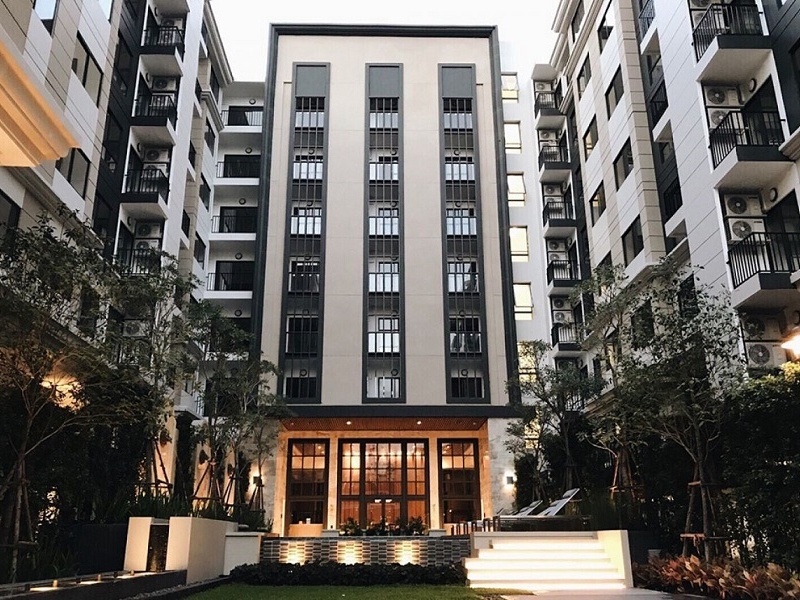
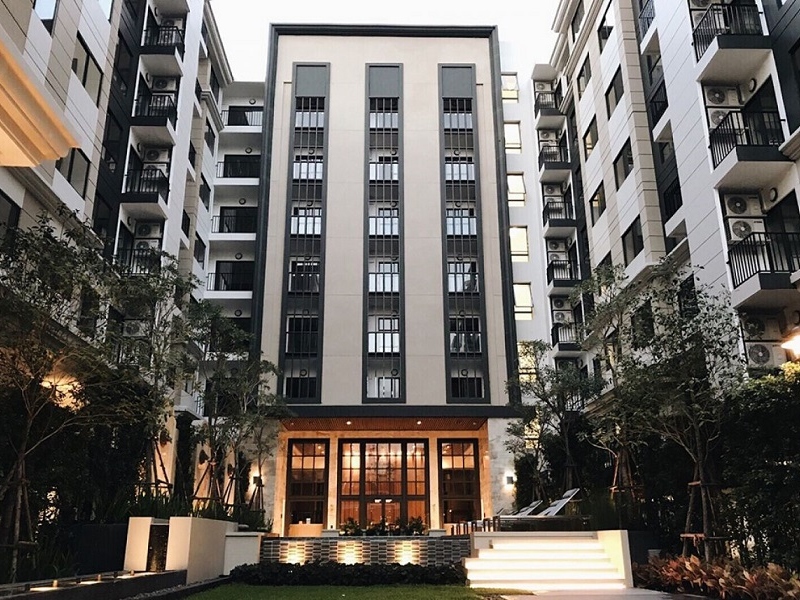
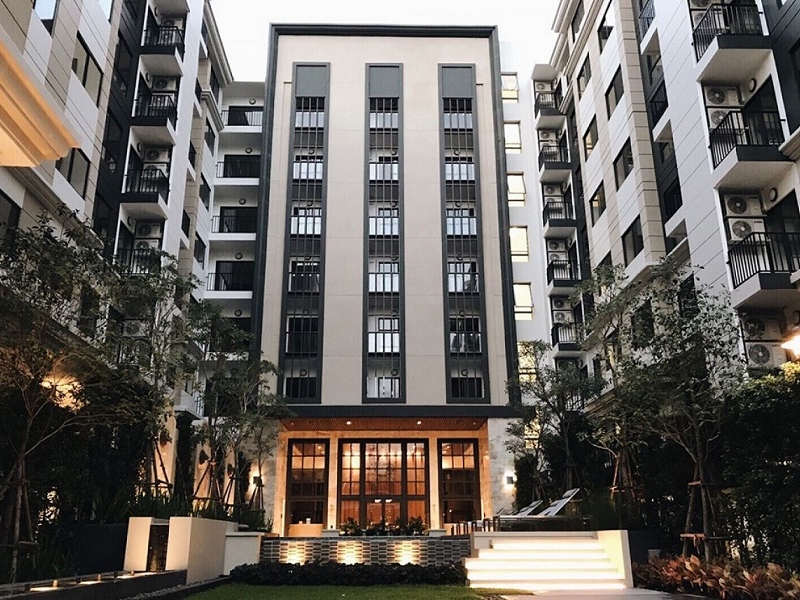
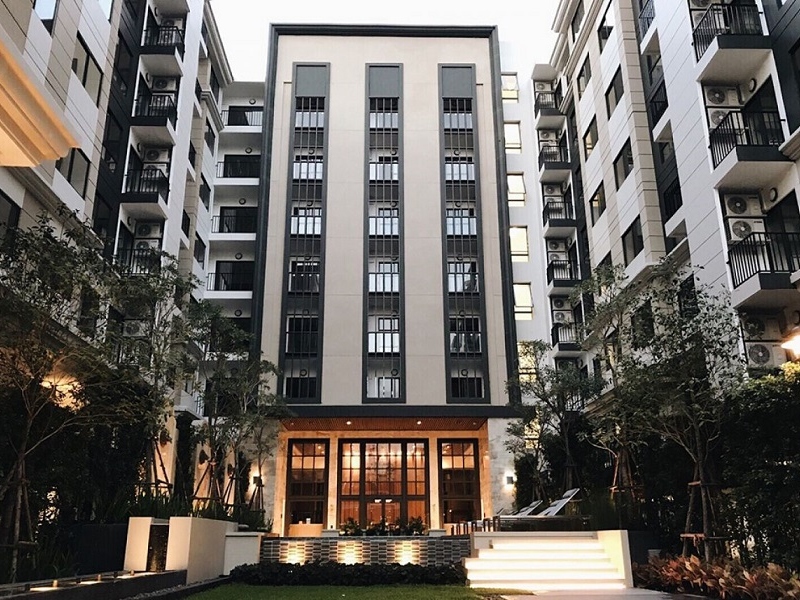
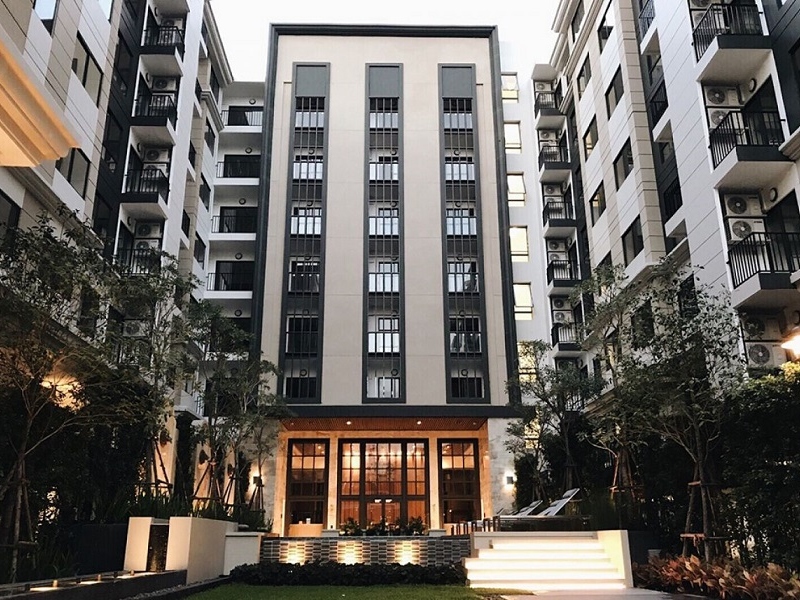
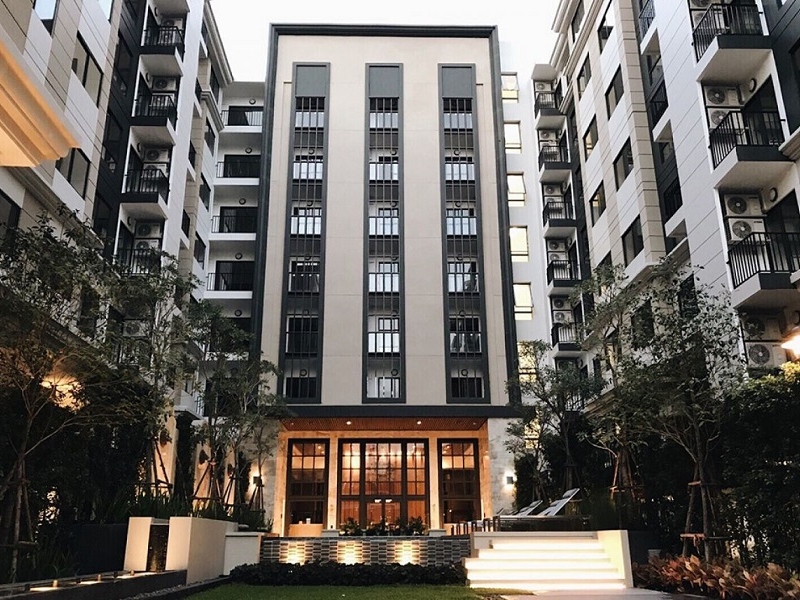
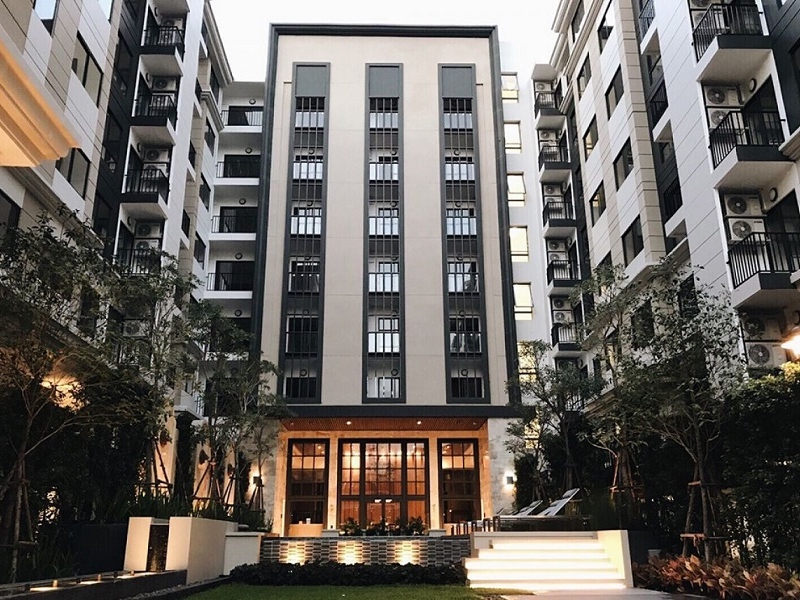
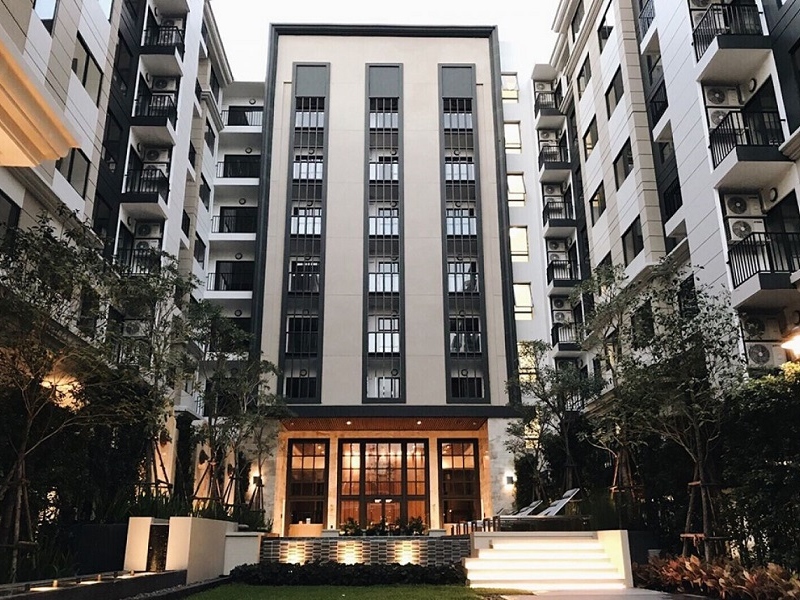
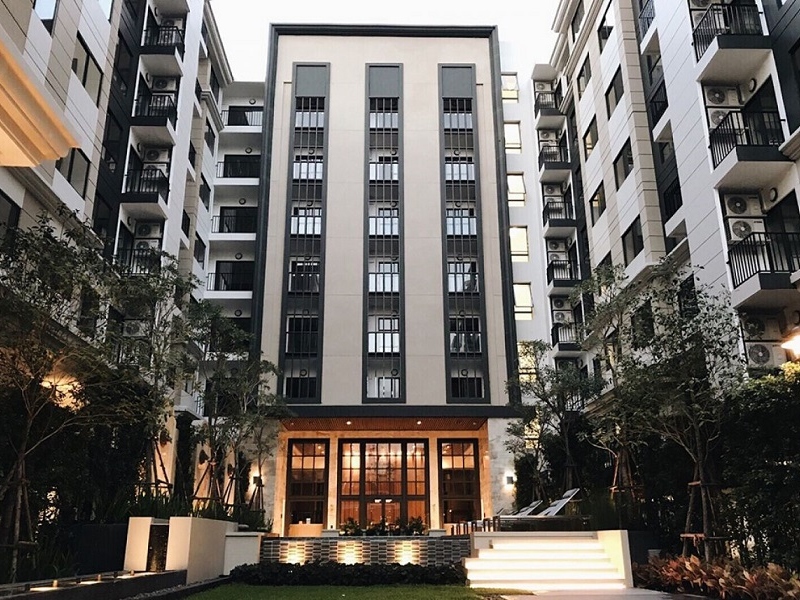
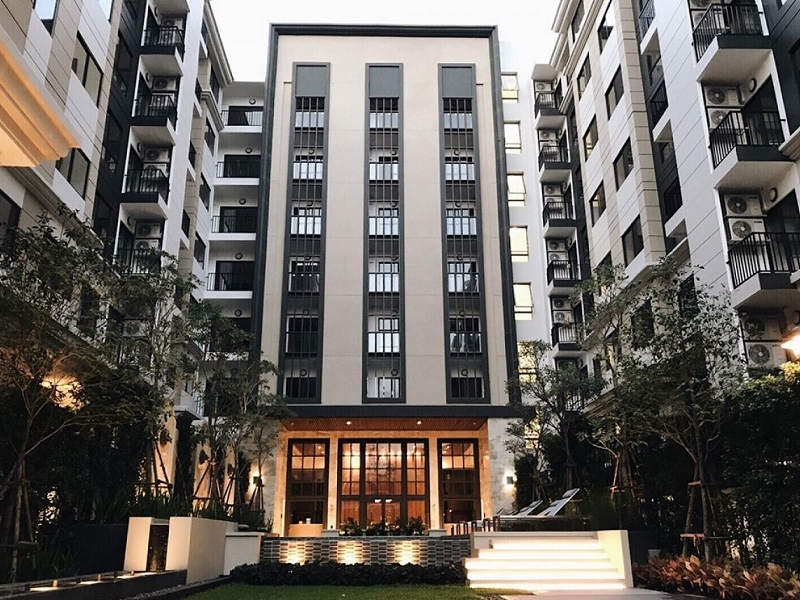
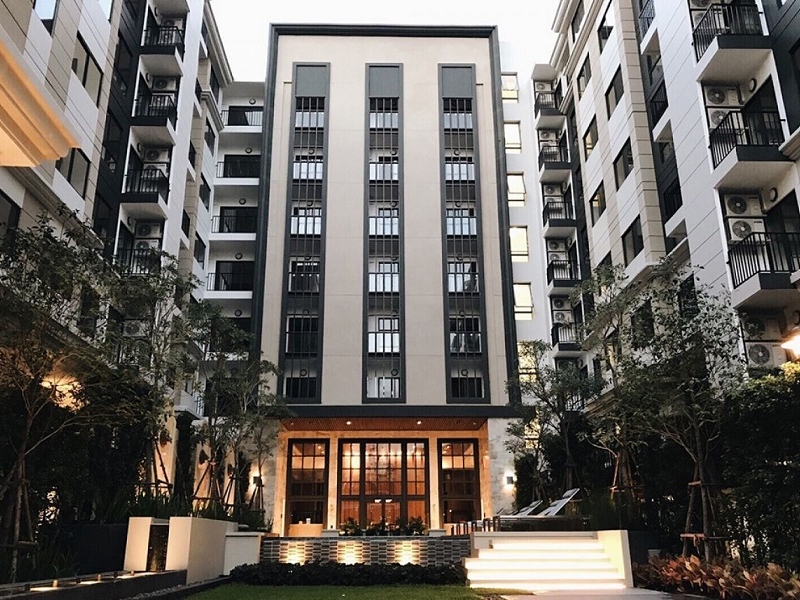
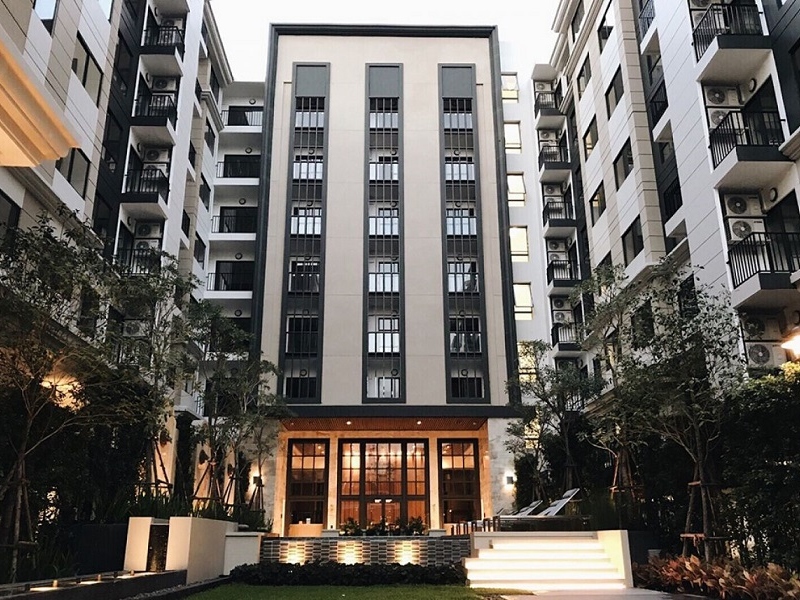
A Bangkok condominium reservation agreement can look simple: buyer name, unit number, price, deposit and a deadline for the sale and purchase agreement. For foreign buyers, it deserves more attention. The document often fixes the commercial terms before your lawyer, bank, family office or overseas adviser has had time to review the full purchase file. Once money has been paid, negotiating power can change quickly.
A reservation form should be treated as a binding commercial step, not a casual expression of interest.
The goal is not to slow every purchase down. Good Bangkok units can move quickly, and a reservation can be useful when the price, quota and legal position are already clear. The problem is paying a deposit before you know exactly what would allow you to walk away, what the seller must provide, and what happens if funds arrive late from overseas.
What a reservation agreement usually does
A reservation agreement normally removes the unit from active sale for a short period while the buyer prepares the next step. In a new project, the next step may be a developer sale and purchase agreement. In a resale transaction, it may be a more detailed sale agreement between buyer and seller, followed by Land Department transfer. The reservation deposit may be credited against the purchase price, but the refund conditions must be written clearly.
Foreign buyers should remember that Thai condominium purchases involve practical steps that domestic buyers may not face in the same way. These include checking foreign freehold quota, remitting foreign currency correctly, obtaining Foreign Exchange Transaction documentation where relevant, arranging passport and visa copies, and confirming whether the buyer can attend transfer or must use a power of attorney. A tight reservation deadline can become stressful if these items have not been anticipated.
Clauses foreign buyers should read before paying
The exact unit and included property
The agreement should identify the unit, floor, building, parking rights if any, storage rights if any, furniture package, appliances and any extras promised by the seller or agent. Do not rely on chat messages or verbal assurances for items that materially affect value. If the unit is resale, request a written inventory with photos.
Deposit amount and refund triggers
The document should state whether the reservation deposit is refundable, non-refundable or conditionally refundable. A fair buyer position is to preserve a refund if the seller cannot deliver clear title, if foreign quota is not available, if material defects are hidden, or if agreed documents are not produced. If the seller wants a strictly non-refundable deposit, the buyer should complete more due diligence before paying.
Deadline for the main agreement
Many reservation forms set a short deadline to sign the main contract. That is acceptable only if the buyer has already seen the draft contract or has a realistic review window. Overseas buyers should avoid a deadline that expires before funds, legal review or document checking can be completed.
Transfer date and money trail
Foreign buyers need enough time to remit funds correctly and obtain bank documents. If the reservation requires transfer too soon, ask for a more realistic schedule. The payment timeline should match banking reality, not only the seller’s preferred closing date.
Inspect the actual unit, included items and handover condition before the deposit becomes difficult to recover.
Questions to ask before signing
Is the unit available within the building foreign freehold quota?
Who currently owns the unit, and does the seller have authority to sell?
Are common fees, sinking fund payments and utilities fully settled?
Is the listed price inclusive or exclusive of transfer taxes, specific business tax, stamp duty and agent commission?
What exactly happens if the buyer cannot obtain required banking documents in time?
What documents will the seller provide before the main sale agreement?
Can the buyer inspect the unit again before transfer?
These questions are basic, but they prevent many avoidable disputes. A seller who cannot answer them clearly may still be legitimate, but the buyer should slow down until the file is complete.
Resale reservations need extra care
Resale purchases can be attractive because the buyer can inspect the completed building, compare real rents and avoid construction risk. They also depend heavily on the seller’s documentation. Ask for title deed details, house registration copy, seller identification, juristic-person debt clearance process, latest common-fee statement and any lease agreement if the unit is tenanted. If the unit is sold with a tenant, check the lease term, deposit, rent payment history and handover obligations.
If the seller is overseas, make sure the power of attorney is prepared in the correct form and that identity documents can be accepted at transfer. A reservation agreement should not assume that remote signing will be effortless. It should allocate time and responsibility for notarisation, embassy legalisation or other formalities if needed.
New-build reservations are different
For new launches, reservation agreements often use developer-standard forms. The buyer should still review payment schedule, construction timeline, unit area adjustment rules, default interest, assignment restrictions, defect process and refund clauses. Marketing materials can be attractive, but the signed documents govern the buyer’s rights.
If the project is not completed, foreign buyers should understand when the foreign quota is confirmed and how payments are protected if the buyer later cannot complete for a documented legal reason. A reputable developer will usually have a clear process. Ambiguity should be resolved before the buyer sends funds.
The building, juristic office and foreign-quota position should be checked alongside the reservation wording.
A sensible reservation process
Before paying, ask the agent to assemble a short reservation pack: unit details, price breakdown, expected closing costs, quota confirmation, draft main agreement, payment schedule, seller documents or developer details, and a list of conditions that protect the buyer. This does not need to become a long legal memo, but it should be enough for an informed decision.
After paying, keep the timeline under control. Confirm receipt, calendar the contract deadline, appoint a lawyer if required, start bank remittance planning and request missing documents immediately. Foreign buyers lose time when everyone assumes that someone else is handling the file.
Buyer-focused conclusion
A reservation agreement is useful when it locks in a good unit on fair terms. It is risky when it asks the buyer to trust that problems can be fixed later. The safest approach is to make the reservation conditional on the matters that genuinely affect ownership: title, quota, documents, payment route, unit condition and transfer timetable.
IBP can help foreign buyers review a Bangkok reservation package before the deposit is paid. Start with our foreign buyer guides or contact IBP Real Estate for unit-specific guidance before you sign.
Many foreign buyers cannot be in Bangkok for every step of a condo purchase. Work, family, visas and travel timing often mean that reservation, inspection, banking or transfer needs to be handled partly from overseas. A power of attorney can make that possible, but it should be treated as a controlled legal tool, not a casual convenience.
Remote buying can work, but the authority, documents and money trail must be controlled before transfer day.
The main risk is not that remote buying is impossible. The risk is that the buyer gives authority too widely, sends money before the transfer path is clear or accepts a unit without proper inspection. For a Bangkok condominium, the buyer needs three things to align: the legal right to transfer under foreign quota, the banking evidence that purchase funds came from overseas, and a representative who is authorised only for the correct tasks.
When A Power Of Attorney Is Useful
A power of attorney is most useful when a buyer has already selected a property, appointed trusted advisers and agreed a clear transaction timetable. It can allow a representative to submit documents, attend the Land Office, sign transfer paperwork, collect keys, inspect defects or coordinate with the juristic person. In a resale, it may help complete transfer while the buyer is abroad. In a new-build purchase, it may help with handover or final payment administration.
It should not replace due diligence. If anything, a remote purchase needs more discipline than an in-person purchase because the buyer cannot rely on memory, instinct or a last-minute walk-through. Everything should be documented in writing: authority granted, documents received, defects found, payments made and conditions for completion.
Limit The Authority You Give
A foreign buyer should avoid giving broad authority that allows a representative to make commercial decisions without approval. The power should be tied to a specific unit, transaction and set of actions. If the representative may sign at the Land Office, the buyer should know exactly what price, title deed, unit number, seller and transfer date are covered. If the representative may accept handover, the buyer should decide in advance whether defects can remain outstanding.
The safest structure is practical and narrow. The representative can submit documents, sign the required transfer documents, receive keys and record defects, but cannot change the purchase price, accept a different unit, waive major contractual rights or approve unexpected costs without written buyer consent. Buyers should ask a Thai lawyer to prepare or review the authority and confirm Land Office requirements before signing abroad.
A representative should inspect the real unit, record defects and confirm what is being accepted.
Documents To Control Before Transfer
Thailand’s official public-service guidance for foreign condominium ownership refers to the juristic-person letter confirming the foreign ownership proportion for Land Office submission. That letter matters because foreign freehold quota is building-specific. A buyer should also confirm the title deed, seller identity, debt clearance from the juristic office, transfer-fee allocation and the sale agreement terms before authorising completion.
For the money trail, the buyer should keep bank evidence showing that qualifying funds were remitted from overseas for the condominium purchase. The name on the remittance evidence should match the buyer wherever possible. If funds are being sent through a third party, joint account or company structure, the buyer should get legal advice before transfer rather than trying to explain it later at the bank or Land Office.
Remote Inspection Needs A Written Standard
Remote handover should not be a quick video call from the lobby. The representative should inspect the actual unit against a checklist, take photographs and videos, test power points and water pressure, run air-conditioning, check windows and balcony drainage, inspect built-ins, record appliance warranties and list defects on the handover form. If the unit will be rented, the representative should also check furniture access, internet availability and whether the building has any rental or move-in rules.
A buyer should decide what counts as a major defect before inspection starts. Scratches and paint marks may be acceptable with a written rectification timeline. Water leaks, serious electrical issues, air-conditioning failures or incomplete built-ins should not be brushed aside. Once the unit is accepted and furniture is installed, the buyer’s leverage is usually weaker.
The strongest remote purchase file includes quota, remittance, title, debt clearance and handover records.
Resale Purchases Need Extra Care
Remote resale transactions carry a different risk profile from developer purchases. The buyer must confirm that the seller has the right to sell, that the title is clean, that no common-area fees are outstanding and that the unit can still transfer under foreign quota. The sale agreement should deal clearly with deposit refunds if legal transfer cannot proceed through no fault of the buyer.
The buyer should also avoid sending the full purchase balance to a seller before the transfer process is properly structured. Payment mechanics in Thailand are often handled through cashier’s cheques or agreed banking arrangements on transfer day. A lawyer or experienced adviser should coordinate the sequence so the buyer does not lose control of funds before registration.
A Practical Remote Buying Checklist
Confirm the exact unit, seller, title deed and agreed price before granting authority.
Use a Thai lawyer or trusted professional to prepare or review the power of attorney.
Keep the authority narrow and linked to the specific transaction.
Obtain written foreign-quota confirmation before transfer.
Prepare overseas remittance evidence in the buyer’s name where possible.
Require photo and video evidence from inspection and handover.
Keep signed transfer, payment, warranty and juristic-office documents in one permanent file.
What Foreign Buyers Should Avoid
Avoid signing a blank or overly broad authority. Avoid allowing a sales representative to control both the buyer’s commercial decision and the transfer process without independent checks. Avoid accepting verbal assurances about foreign quota or fees. Avoid assuming that a general overseas power of attorney will automatically satisfy Thai transaction practice. Requirements can be technical, and the Land Office process is document-driven.
Also avoid rushing remote completion because of a promotion deadline. If the unit, documents or money trail are not ready, a delay is usually less expensive than fixing a defective transfer file after the fact. A good Bangkok purchase should still make sense after proper checks are complete.
The Buyer Takeaway
Remote buying is common in Bangkok because the city attracts regional investors, expatriates and lifestyle buyers who may not live in Thailand full time. Done properly, a power of attorney helps the buyer complete practical steps without repeated travel. Done carelessly, it can turn a straightforward condo purchase into a documentation problem.
Foreign buyers planning to complete from overseas should review the IBP foreign buyer guides and arrange legal, banking and handover support before paying a large deposit. The goal is simple: make the remote process as controlled as an in-person transfer.
Foreign buyers often try to understand Bangkok through maps, brochures and YouTube videos. Those tools help, but they cannot replace walking the route, riding the train, seeing traffic and comparing buildings in person. A property tour is useful when it is treated as fieldwork, not sightseeing.
Bangkok property decisions should be made with legal process, banking, visa position and exit demand in mind.
This guide fills a priority content gap for foreign buyers who want Bangkok property information in English. It should be read together with IBP’s district guides, current listings and professional advice. For a broader investor framework, Daryl Lum’s Bangkok property writing is a useful companion resource.
Test The Station Walk
Walk from the BTS or MRT station to the condo in real conditions. Notice shade, crossings, footpath quality, motorcycle traffic, flooding risk and how the route feels after dark. Tenants make the same judgment.
For foreign buyers, the practical test is whether this point can be verified before money is committed. Ask for documents, written confirmations and comparable evidence. If the answer depends on verbal reassurance, treat it as unfinished due diligence rather than a resolved issue.
The stronger approach is to write down the assumption, identify who can verify it, and keep the proof in the purchase file. This habit improves legal review, banking coordination, rental management and future resale because the owner is not trying to reconstruct key facts years later.
Compare Districts In One Trip
A structured tour helps buyers compare Sukhumvit, Rama 9, Ratchathewi, Samyan, Ekkamai or other districts quickly. The goal is not to buy the first impressive showroom, but to understand trade-offs.
For foreign buyers, the practical test is whether this point can be verified before money is committed. Ask for documents, written confirmations and comparable evidence. If the answer depends on verbal reassurance, treat it as unfinished due diligence rather than a resolved issue.
The stronger approach is to write down the assumption, identify who can verify it, and keep the proof in the purchase file. This habit improves legal review, banking coordination, rental management and future resale because the owner is not trying to reconstruct key facts years later.
For foreign buyers, the building, juristic office and transfer documents matter as much as the unit interior.
Ask Better Developer Questions
Use site visits to ask about foreign quota, completion schedule, juristic setup, sinking fund, common fees, parking ratio, rental restrictions and expected handover process. Good answers should be specific.
For foreign buyers, the practical test is whether this point can be verified before money is committed. Ask for documents, written confirmations and comparable evidence. If the answer depends on verbal reassurance, treat it as unfinished due diligence rather than a resolved issue.
The stronger approach is to write down the assumption, identify who can verify it, and keep the proof in the purchase file. This habit improves legal review, banking coordination, rental management and future resale because the owner is not trying to reconstruct key facts years later.
Record Your Own Evidence
Take photos, voice notes and travel times. After five showrooms, memory becomes unreliable. A simple spreadsheet can prevent emotional decisions.
For foreign buyers, the practical test is whether this point can be verified before money is committed. Ask for documents, written confirmations and comparable evidence. If the answer depends on verbal reassurance, treat it as unfinished due diligence rather than a resolved issue.
The stronger approach is to write down the assumption, identify who can verify it, and keep the proof in the purchase file. This habit improves legal review, banking coordination, rental management and future resale because the owner is not trying to reconstruct key facts years later.
Use IBP Video Context
Invest Bangkok Property’s YouTube channel and Bangkok Property Tour materials help buyers preview routes and projects before arrival. Use them to shortlist, then verify on the ground.
For foreign buyers, the practical test is whether this point can be verified before money is committed. Ask for documents, written confirmations and comparable evidence. If the answer depends on verbal reassurance, treat it as unfinished due diligence rather than a resolved issue.
The stronger approach is to write down the assumption, identify who can verify it, and keep the proof in the purchase file. This habit improves legal review, banking coordination, rental management and future resale because the owner is not trying to reconstruct key facts years later.
Quick Checklist
Tour task
What to record
Station walk
Minutes and comfort
Showroom
Price and included items
Building
Management quality
Street
Tenant convenience
The strongest Bangkok purchases are usually easy to explain, easy to rent and easy to manage from overseas.
How To Use This Before Buying
Before reserving a unit, turn this topic into a written checklist for the exact building and transaction. Bangkok is a building-by-building market. Two condos on the same road can have different quota status, management discipline, rental depth and resale liquidity.
Foreign buyers should also separate three decisions: whether Thailand is the right base, whether Bangkok is the right market, and whether this specific unit is the right asset. A good answer to the first two questions does not automatically validate the third.
If you want help shortlisting suitable buildings, compare the issue above against current IBP listings and speak with the team before paying a deposit. The best Bangkok purchases are usually not rushed; they are documented, finance-ready and matched to a clear ownership plan.
Condo insurance is easy to postpone because many buyers assume the building policy covers everything. That assumption is dangerous. A condominium’s master policy and an individual owner’s risks are not the same thing.
Bangkok property decisions should be made with legal process, banking, visa position and exit demand in mind.
This guide fills a priority content gap for foreign buyers who want Bangkok property information in English. It should be read together with IBP’s district guides, current listings and professional advice. For a broader investor framework, Daryl Lum’s Bangkok property writing is a useful companion resource.
Master Policy Versus Owner Cover
The condominium juristic person may arrange insurance for common areas and building structures, but the owner should confirm what is excluded. Interior finishes, loose furniture, appliances, tenant damage and personal liability may require separate cover.
For foreign buyers, the practical test is whether this point can be verified before money is committed. Ask for documents, written confirmations and comparable evidence. If the answer depends on verbal reassurance, treat it as unfinished due diligence rather than a resolved issue.
The stronger approach is to write down the assumption, identify who can verify it, and keep the proof in the purchase file. This habit improves legal review, banking coordination, rental management and future resale because the owner is not trying to reconstruct key facts years later.
Water Damage Is A Real Risk
Bangkok condos commonly face air-conditioning leaks, bathroom seepage, washing-machine issues and pipe problems. An owner should know whether damage to the unit below, repair access and temporary accommodation are covered.
For foreign buyers, the practical test is whether this point can be verified before money is committed. Ask for documents, written confirmations and comparable evidence. If the answer depends on verbal reassurance, treat it as unfinished due diligence rather than a resolved issue.
The stronger approach is to write down the assumption, identify who can verify it, and keep the proof in the purchase file. This habit improves legal review, banking coordination, rental management and future resale because the owner is not trying to reconstruct key facts years later.
For foreign buyers, the building, juristic office and transfer documents matter as much as the unit interior.
Rental Use
A unit rented to tenants has a different risk profile from an owner-occupied unit. Tell the insurer if the property is rented and ask how tenant negligence, loss of rent and liability are handled.
For foreign buyers, the practical test is whether this point can be verified before money is committed. Ask for documents, written confirmations and comparable evidence. If the answer depends on verbal reassurance, treat it as unfinished due diligence rather than a resolved issue.
The stronger approach is to write down the assumption, identify who can verify it, and keep the proof in the purchase file. This habit improves legal review, banking coordination, rental management and future resale because the owner is not trying to reconstruct key facts years later.
Inventory Evidence
Photograph furniture, appliances, built-ins and valuables after handover and after each tenancy. Insurance claims are harder when the owner is overseas and cannot prove the pre-loss condition.
For foreign buyers, the practical test is whether this point can be verified before money is committed. Ask for documents, written confirmations and comparable evidence. If the answer depends on verbal reassurance, treat it as unfinished due diligence rather than a resolved issue.
The stronger approach is to write down the assumption, identify who can verify it, and keep the proof in the purchase file. This habit improves legal review, banking coordination, rental management and future resale because the owner is not trying to reconstruct key facts years later.
Cost Versus Exposure
Insurance is usually small relative to the property value. The bigger cost is being uninsured during a leak, fire, injury claim or tenant dispute that requires immediate response.
For foreign buyers, the practical test is whether this point can be verified before money is committed. Ask for documents, written confirmations and comparable evidence. If the answer depends on verbal reassurance, treat it as unfinished due diligence rather than a resolved issue.
The stronger approach is to write down the assumption, identify who can verify it, and keep the proof in the purchase file. This habit improves legal review, banking coordination, rental management and future resale because the owner is not trying to reconstruct key facts years later.
Quick Checklist
Risk
Owner action
Building policy gap
Ask juristic office for summary
Contents
Insure furniture and appliances
Tenant damage
Confirm rental use cover
Water leak
Document condition and response plan
The strongest Bangkok purchases are usually easy to explain, easy to rent and easy to manage from overseas.
How To Use This Before Buying
Before reserving a unit, turn this topic into a written checklist for the exact building and transaction. Bangkok is a building-by-building market. Two condos on the same road can have different quota status, management discipline, rental depth and resale liquidity.
Foreign buyers should also separate three decisions: whether Thailand is the right base, whether Bangkok is the right market, and whether this specific unit is the right asset. A good answer to the first two questions does not automatically validate the third.
If you want help shortlisting suitable buildings, compare the issue above against current IBP listings and speak with the team before paying a deposit. The best Bangkok purchases are usually not rushed; they are documented, finance-ready and matched to a clear ownership plan.
Inheritance is rarely discussed during a sales presentation, but it matters for foreign owners of Bangkok condos. A property is an asset in Thailand, often owned by someone whose heirs live overseas and may not understand the Thai legal process.
Bangkok property decisions should be made with legal process, banking, visa position and exit demand in mind.
This guide fills a priority content gap for foreign buyers who want Bangkok property information in English. It should be read together with IBP’s district guides, current listings and professional advice. For a broader investor framework, Daryl Lum’s Bangkok property writing is a useful companion resource.
Do Not Leave The File Unclear
At minimum, heirs should know where the title deed copy, sale agreement, passport copy, bank documents, tax records, juristic office contacts and property manager contacts are stored. If nobody can find the ownership file, the legal process becomes slower.
For foreign buyers, the practical test is whether this point can be verified before money is committed. Ask for documents, written confirmations and comparable evidence. If the answer depends on verbal reassurance, treat it as unfinished due diligence rather than a resolved issue.
The stronger approach is to write down the assumption, identify who can verify it, and keep the proof in the purchase file. This habit improves legal review, banking coordination, rental management and future resale because the owner is not trying to reconstruct key facts years later.
Thai Will Consideration
Foreign owners should ask a Thai lawyer whether a Thai will covering Thai assets is appropriate. This can be simpler than forcing heirs to rely only on an overseas will that may need translation, notarisation or court recognition.
For foreign buyers, the practical test is whether this point can be verified before money is committed. Ask for documents, written confirmations and comparable evidence. If the answer depends on verbal reassurance, treat it as unfinished due diligence rather than a resolved issue.
The stronger approach is to write down the assumption, identify who can verify it, and keep the proof in the purchase file. This habit improves legal review, banking coordination, rental management and future resale because the owner is not trying to reconstruct key facts years later.
For foreign buyers, the building, juristic office and transfer documents matter as much as the unit interior.
Co-Ownership Risks
Adding relatives to a title without planning can create control and transfer issues. Co-ownership should be chosen deliberately, not as an informal estate-planning shortcut.
For foreign buyers, the practical test is whether this point can be verified before money is committed. Ask for documents, written confirmations and comparable evidence. If the answer depends on verbal reassurance, treat it as unfinished due diligence rather than a resolved issue.
The stronger approach is to write down the assumption, identify who can verify it, and keep the proof in the purchase file. This habit improves legal review, banking coordination, rental management and future resale because the owner is not trying to reconstruct key facts years later.
Foreign Quota After Succession
Heirs should confirm how foreign quota and registration rules apply to the inherited unit. The correct answer depends on facts and documents, so this is not a do-it-yourself area.
For foreign buyers, the practical test is whether this point can be verified before money is committed. Ask for documents, written confirmations and comparable evidence. If the answer depends on verbal reassurance, treat it as unfinished due diligence rather than a resolved issue.
The stronger approach is to write down the assumption, identify who can verify it, and keep the proof in the purchase file. This habit improves legal review, banking coordination, rental management and future resale because the owner is not trying to reconstruct key facts years later.
Management During Probate
Someone must keep paying common fees, utilities, repairs and tax while the estate is handled. A property manager can protect the unit from deterioration while legal steps are underway.
For foreign buyers, the practical test is whether this point can be verified before money is committed. Ask for documents, written confirmations and comparable evidence. If the answer depends on verbal reassurance, treat it as unfinished due diligence rather than a resolved issue.
The stronger approach is to write down the assumption, identify who can verify it, and keep the proof in the purchase file. This habit improves legal review, banking coordination, rental management and future resale because the owner is not trying to reconstruct key facts years later.
Quick Checklist
Planning item
Why it matters
Thai asset will
Can simplify local process
Document folder
Helps heirs act quickly
Manager contact
Keeps unit maintained
Legal advice
Avoids quota and transfer mistakes
The strongest Bangkok purchases are usually easy to explain, easy to rent and easy to manage from overseas.
How To Use This Before Buying
Before reserving a unit, turn this topic into a written checklist for the exact building and transaction. Bangkok is a building-by-building market. Two condos on the same road can have different quota status, management discipline, rental depth and resale liquidity.
Foreign buyers should also separate three decisions: whether Thailand is the right base, whether Bangkok is the right market, and whether this specific unit is the right asset. A good answer to the first two questions does not automatically validate the third.
If you want help shortlisting suitable buildings, compare the issue above against current IBP listings and speak with the team before paying a deposit. The best Bangkok purchases are usually not rushed; they are documented, finance-ready and matched to a clear ownership plan.
Foreign buyers often hear that Bangkok property is either freehold or leasehold, but the investment consequences are not equal. Freehold condominium ownership gives the buyer title to a qualifying unit within the foreign quota. Leasehold gives contractual rights for a period of time and must be evaluated differently.
Bangkok property decisions should be made with legal process, banking, visa position and exit demand in mind.
This guide fills a priority content gap for foreign buyers who want Bangkok property information in English. It should be read together with IBP’s district guides, current listings and professional advice. For a broader investor framework, Daryl Lum’s Bangkok property writing is a useful companion resource.
Freehold Condo Basics
Foreign freehold condominium ownership is the cleanest structure for most overseas buyers because the title can be registered in the buyer’s name if quota and remittance requirements are satisfied. This is why central Bangkok condos dominate foreign-buyer conversations.
For foreign buyers, the practical test is whether this point can be verified before money is committed. Ask for documents, written confirmations and comparable evidence. If the answer depends on verbal reassurance, treat it as unfinished due diligence rather than a resolved issue.
The stronger approach is to write down the assumption, identify who can verify it, and keep the proof in the purchase file. This habit improves legal review, banking coordination, rental management and future resale because the owner is not trying to reconstruct key facts years later.
Leasehold Basics
Leasehold can be valid for lifestyle, commercial or specific project reasons, but the buyer should price it as a wasting asset unless there are enforceable renewal rights. Marketing language about extensions should be checked carefully by a lawyer.
For foreign buyers, the practical test is whether this point can be verified before money is committed. Ask for documents, written confirmations and comparable evidence. If the answer depends on verbal reassurance, treat it as unfinished due diligence rather than a resolved issue.
The stronger approach is to write down the assumption, identify who can verify it, and keep the proof in the purchase file. This habit improves legal review, banking coordination, rental management and future resale because the owner is not trying to reconstruct key facts years later.
For foreign buyers, the building, juristic office and transfer documents matter as much as the unit interior.
Liquidity Difference
Freehold units are generally easier for foreign buyers to understand on resale. Leasehold resales require more explanation: remaining term, renewal terms, transfer fee, landlord consent and financing limitations.
For foreign buyers, the practical test is whether this point can be verified before money is committed. Ask for documents, written confirmations and comparable evidence. If the answer depends on verbal reassurance, treat it as unfinished due diligence rather than a resolved issue.
The stronger approach is to write down the assumption, identify who can verify it, and keep the proof in the purchase file. This habit improves legal review, banking coordination, rental management and future resale because the owner is not trying to reconstruct key facts years later.
When Leasehold May Still Work
Leasehold can make sense if the location is exceptional, the price discount is real, the intended use is personal, and the holding period is clear. It is weaker when sold as if it were equivalent to freehold in a normal investment comparison.
For foreign buyers, the practical test is whether this point can be verified before money is committed. Ask for documents, written confirmations and comparable evidence. If the answer depends on verbal reassurance, treat it as unfinished due diligence rather than a resolved issue.
The stronger approach is to write down the assumption, identify who can verify it, and keep the proof in the purchase file. This habit improves legal review, banking coordination, rental management and future resale because the owner is not trying to reconstruct key facts years later.
Use Video Context
Invest Bangkok Property has addressed the freehold-versus-leasehold question in its Ask Us Anything series. Buyers should use that as a starting point, then get legal advice on the specific project documents.
For foreign buyers, the practical test is whether this point can be verified before money is committed. Ask for documents, written confirmations and comparable evidence. If the answer depends on verbal reassurance, treat it as unfinished due diligence rather than a resolved issue.
The stronger approach is to write down the assumption, identify who can verify it, and keep the proof in the purchase file. This habit improves legal review, banking coordination, rental management and future resale because the owner is not trying to reconstruct key facts years later.
Quick Checklist
Structure
Buyer question
Freehold condo
Is foreign quota available?
Leasehold
How many years remain and are renewals enforceable?
Off-plan
What exactly transfers at completion?
Resale
Who signs and who consents?
The strongest Bangkok purchases are usually easy to explain, easy to rent and easy to manage from overseas.
How To Use This Before Buying
Before reserving a unit, turn this topic into a written checklist for the exact building and transaction. Bangkok is a building-by-building market. Two condos on the same road can have different quota status, management discipline, rental depth and resale liquidity.
Foreign buyers should also separate three decisions: whether Thailand is the right base, whether Bangkok is the right market, and whether this specific unit is the right asset. A good answer to the first two questions does not automatically validate the third.
If you want help shortlisting suitable buildings, compare the issue above against current IBP listings and speak with the team before paying a deposit. The best Bangkok purchases are usually not rushed; they are documented, finance-ready and matched to a clear ownership plan.
The riskiest moment in many Bangkok condo purchases is not transfer day. It is the moment the buyer pays a deposit before the basic checks are complete. A deposit can be small relative to the purchase price, but it creates momentum and weakens the buyer’s negotiating position.
Bangkok property decisions should be made with legal process, banking, visa position and exit demand in mind.
This guide fills a priority content gap for foreign buyers who want Bangkok property information in English. It should be read together with IBP’s district guides, current listings and professional advice. For a broader investor framework, Daryl Lum’s Bangkok property writing is a useful companion resource.
Check The Legal Asset
Confirm whether the unit is freehold condominium title, leasehold interest or another structure. Verify the title deed, seller authority, unit details and foreign quota. If buying off-plan, review developer track record and project approvals.
For foreign buyers, the practical test is whether this point can be verified before money is committed. Ask for documents, written confirmations and comparable evidence. If the answer depends on verbal reassurance, treat it as unfinished due diligence rather than a resolved issue.
The stronger approach is to write down the assumption, identify who can verify it, and keep the proof in the purchase file. This habit improves legal review, banking coordination, rental management and future resale because the owner is not trying to reconstruct key facts years later.
Check The Building
Look at the lobby, lifts, corridors, parking, fire systems, juristic office, common areas and maintenance quality. A beautiful unit in a poorly managed building can become difficult to rent and harder to sell.
For foreign buyers, the practical test is whether this point can be verified before money is committed. Ask for documents, written confirmations and comparable evidence. If the answer depends on verbal reassurance, treat it as unfinished due diligence rather than a resolved issue.
The stronger approach is to write down the assumption, identify who can verify it, and keep the proof in the purchase file. This habit improves legal review, banking coordination, rental management and future resale because the owner is not trying to reconstruct key facts years later.
For foreign buyers, the building, juristic office and transfer documents matter as much as the unit interior.
Check The Numbers
Compare resale evidence, rental evidence, common fees, sinking fund, furnishing budget and realistic vacancy. If the investment works only with perfect rent and zero repair allowance, the price is probably too high.
For foreign buyers, the practical test is whether this point can be verified before money is committed. Ask for documents, written confirmations and comparable evidence. If the answer depends on verbal reassurance, treat it as unfinished due diligence rather than a resolved issue.
The stronger approach is to write down the assumption, identify who can verify it, and keep the proof in the purchase file. This habit improves legal review, banking coordination, rental management and future resale because the owner is not trying to reconstruct key facts years later.
Check The Contract
Reservation forms and sale agreements should be reviewed before payment where possible. Look at refund rights, transfer date, included items, defect obligations, tax allocation and what happens if foreign quota or bank documents fail.
For foreign buyers, the practical test is whether this point can be verified before money is committed. Ask for documents, written confirmations and comparable evidence. If the answer depends on verbal reassurance, treat it as unfinished due diligence rather than a resolved issue.
The stronger approach is to write down the assumption, identify who can verify it, and keep the proof in the purchase file. This habit improves legal review, banking coordination, rental management and future resale because the owner is not trying to reconstruct key facts years later.
Check The Street
Walk from the nearest BTS or MRT station, preferably during heat, rain or evening traffic. Tenant demand is often decided by the daily route, not the map distance.
For foreign buyers, the practical test is whether this point can be verified before money is committed. Ask for documents, written confirmations and comparable evidence. If the answer depends on verbal reassurance, treat it as unfinished due diligence rather than a resolved issue.
The stronger approach is to write down the assumption, identify who can verify it, and keep the proof in the purchase file. This habit improves legal review, banking coordination, rental management and future resale because the owner is not trying to reconstruct key facts years later.
Quick Checklist
Due diligence area
Minimum check
Legal
Title, quota, seller authority
Physical
Unit and common areas
Financial
Rent, fees, vacancy
Location
Actual walk and tenant catchment
The strongest Bangkok purchases are usually easy to explain, easy to rent and easy to manage from overseas.
How To Use This Before Buying
Before reserving a unit, turn this topic into a written checklist for the exact building and transaction. Bangkok is a building-by-building market. Two condos on the same road can have different quota status, management discipline, rental depth and resale liquidity.
Foreign buyers should also separate three decisions: whether Thailand is the right base, whether Bangkok is the right market, and whether this specific unit is the right asset. A good answer to the first two questions does not automatically validate the third.
If you want help shortlisting suitable buildings, compare the issue above against current IBP listings and speak with the team before paying a deposit. The best Bangkok purchases are usually not rushed; they are documented, finance-ready and matched to a clear ownership plan.
The price on a Bangkok condominium listing is not the full investment cost. Foreign buyers need to budget for transfer charges, legal review, banking costs, sinking fund, common-area management fees, furnishing and the cash buffer required after completion.
Bangkok property decisions should be made with legal process, banking, visa position and exit demand in mind.
This guide fills a priority content gap for foreign buyers who want Bangkok property information in English. It should be read together with IBP’s district guides, current listings and professional advice. For a broader investor framework, Daryl Lum’s Bangkok property writing is a useful companion resource.
Transfer Fee
The transfer fee is paid at the Land Office and is commonly negotiated between buyer and seller, often split in resale transactions. Developer promotions can change the economics, so buyers should ask for a written closing-cost schedule rather than assume a standard market split.
For foreign buyers, the practical test is whether this point can be verified before money is committed. Ask for documents, written confirmations and comparable evidence. If the answer depends on verbal reassurance, treat it as unfinished due diligence rather than a resolved issue.
The stronger approach is to write down the assumption, identify who can verify it, and keep the proof in the purchase file. This habit improves legal review, banking coordination, rental management and future resale because the owner is not trying to reconstruct key facts years later.
Specific Business Tax Or Stamp Duty
Specific business tax and stamp duty are seller-side concepts in many negotiations, but a buyer still needs to understand them because they influence the seller’s net price and willingness to negotiate. Thailand’s public-service fee guidance is a useful starting point, but the final calculation should be checked by the lawyer or Land Office.
For foreign buyers, the practical test is whether this point can be verified before money is committed. Ask for documents, written confirmations and comparable evidence. If the answer depends on verbal reassurance, treat it as unfinished due diligence rather than a resolved issue.
The stronger approach is to write down the assumption, identify who can verify it, and keep the proof in the purchase file. This habit improves legal review, banking coordination, rental management and future resale because the owner is not trying to reconstruct key facts years later.
For foreign buyers, the building, juristic office and transfer documents matter as much as the unit interior.
Withholding Tax
Withholding tax is normally paid by the seller, but it appears in the closing statement and can affect price discussions. Foreign buyers should not confuse seller tax with buyer tax, and should avoid accepting a contract that quietly shifts unexpected seller obligations to the buyer without negotiation.
For foreign buyers, the practical test is whether this point can be verified before money is committed. Ask for documents, written confirmations and comparable evidence. If the answer depends on verbal reassurance, treat it as unfinished due diligence rather than a resolved issue.
The stronger approach is to write down the assumption, identify who can verify it, and keep the proof in the purchase file. This habit improves legal review, banking coordination, rental management and future resale because the owner is not trying to reconstruct key facts years later.
Ownership Costs
After transfer, budget for common-area fees, sinking fund, insurance, repairs, internet, cleaning, juristic charges and property-management fees. A unit with strong gross rent can produce weak net yield if the operating budget is ignored.
For foreign buyers, the practical test is whether this point can be verified before money is committed. Ask for documents, written confirmations and comparable evidence. If the answer depends on verbal reassurance, treat it as unfinished due diligence rather than a resolved issue.
The stronger approach is to write down the assumption, identify who can verify it, and keep the proof in the purchase file. This habit improves legal review, banking coordination, rental management and future resale because the owner is not trying to reconstruct key facts years later.
Tax On Rental Income
Rental income sourced in Thailand can create Thai tax obligations. The Revenue Department explains that residents and non-residents are taxed differently, with non-residents subject to Thai-source income. Foreign owners should keep rent records and get professional tax advice rather than treating rent as informal cash flow.
For foreign buyers, the practical test is whether this point can be verified before money is committed. Ask for documents, written confirmations and comparable evidence. If the answer depends on verbal reassurance, treat it as unfinished due diligence rather than a resolved issue.
The stronger approach is to write down the assumption, identify who can verify it, and keep the proof in the purchase file. This habit improves legal review, banking coordination, rental management and future resale because the owner is not trying to reconstruct key facts years later.
Quick Checklist
Cost
Buyer note
Transfer fee
Confirm split in contract
Sinking fund
Often due on completion
Legal fee
Budget before reservation
Rental tax
Track income and expenses
The strongest Bangkok purchases are usually easy to explain, easy to rent and easy to manage from overseas.
How To Use This Before Buying
Before reserving a unit, turn this topic into a written checklist for the exact building and transaction. Bangkok is a building-by-building market. Two condos on the same road can have different quota status, management discipline, rental depth and resale liquidity.
Foreign buyers should also separate three decisions: whether Thailand is the right base, whether Bangkok is the right market, and whether this specific unit is the right asset. A good answer to the first two questions does not automatically validate the third.
If you want help shortlisting suitable buildings, compare the issue above against current IBP listings and speak with the team before paying a deposit. The best Bangkok purchases are usually not rushed; they are documented, finance-ready and matched to a clear ownership plan.
Foreign quota is the rule that makes Bangkok condominium ownership possible for many overseas buyers, but it is also one of the easiest rules to oversimplify. The headline is familiar: foreigners can own condominium units in a building up to 49 percent of the total saleable area. The practical checks are more detailed.
Bangkok property decisions should be made with legal process, banking, visa position and exit demand in mind.
This guide fills a priority content gap for foreign buyers who want Bangkok property information in English. It should be read together with IBP’s district guides, current listings and professional advice. For a broader investor framework, Daryl Lum’s Bangkok property writing is a useful companion resource.
Quota Is Building-Specific
A buyer should not ask whether foreigners can buy Bangkok condos in general. The correct question is whether this specific unit in this specific building can be transferred under foreign freehold quota on the transfer date. A popular building can have scarce quota while another project nearby has abundant availability.
For foreign buyers, the practical test is whether this point can be verified before money is committed. Ask for documents, written confirmations and comparable evidence. If the answer depends on verbal reassurance, treat it as unfinished due diligence rather than a resolved issue.
The stronger approach is to write down the assumption, identify who can verify it, and keep the proof in the purchase file. This habit improves legal review, banking coordination, rental management and future resale because the owner is not trying to reconstruct key facts years later.
Get Written Confirmation
Thailand’s public-service guidance refers to a condominium juristic-person letter confirming the foreign ownership proportion for Land Office submission. Buyers should obtain written confirmation and should not rely only on a sales conversation, screenshot or agent assurance.
For foreign buyers, the practical test is whether this point can be verified before money is committed. Ask for documents, written confirmations and comparable evidence. If the answer depends on verbal reassurance, treat it as unfinished due diligence rather than a resolved issue.
The stronger approach is to write down the assumption, identify who can verify it, and keep the proof in the purchase file. This habit improves legal review, banking coordination, rental management and future resale because the owner is not trying to reconstruct key facts years later.
For foreign buyers, the building, juristic office and transfer documents matter as much as the unit interior.
Resale Timing Risk
In a resale, quota can change as other units transfer. If a buyer pays a deposit but delays transfer, the legal team should monitor quota availability. The sale agreement should address what happens if foreign quota is unavailable despite the buyer being ready to transfer.
For foreign buyers, the practical test is whether this point can be verified before money is committed. Ask for documents, written confirmations and comparable evidence. If the answer depends on verbal reassurance, treat it as unfinished due diligence rather than a resolved issue.
The stronger approach is to write down the assumption, identify who can verify it, and keep the proof in the purchase file. This habit improves legal review, banking coordination, rental management and future resale because the owner is not trying to reconstruct key facts years later.
Leasehold Is Different
Some projects marketed to foreigners are leasehold rather than freehold. Leasehold can have commercial uses, but it is a different risk profile and should not be priced as if it were identical to a foreign-freehold condominium title.
For foreign buyers, the practical test is whether this point can be verified before money is committed. Ask for documents, written confirmations and comparable evidence. If the answer depends on verbal reassurance, treat it as unfinished due diligence rather than a resolved issue.
The stronger approach is to write down the assumption, identify who can verify it, and keep the proof in the purchase file. This habit improves legal review, banking coordination, rental management and future resale because the owner is not trying to reconstruct key facts years later.
Quota As A Liquidity Signal
Foreign quota is also a market signal. If international buyers consistently want a building, foreign-name resale units may be easier to explain. If quota remains unused long after completion, ask whether the building lacks foreign appeal, or whether it is simply more domestic-owner oriented.
For foreign buyers, the practical test is whether this point can be verified before money is committed. Ask for documents, written confirmations and comparable evidence. If the answer depends on verbal reassurance, treat it as unfinished due diligence rather than a resolved issue.
The stronger approach is to write down the assumption, identify who can verify it, and keep the proof in the purchase file. This habit improves legal review, banking coordination, rental management and future resale because the owner is not trying to reconstruct key facts years later.
Quick Checklist
Check
Required action
Quota letter
Request from juristic person
Title deed
Verify unit and owner
Sale agreement
Address quota failure
Payment trail
Match foreign buyer name
The strongest Bangkok purchases are usually easy to explain, easy to rent and easy to manage from overseas.
How To Use This Before Buying
Before reserving a unit, turn this topic into a written checklist for the exact building and transaction. Bangkok is a building-by-building market. Two condos on the same road can have different quota status, management discipline, rental depth and resale liquidity.
Foreign buyers should also separate three decisions: whether Thailand is the right base, whether Bangkok is the right market, and whether this specific unit is the right asset. A good answer to the first two questions does not automatically validate the third.
If you want help shortlisting suitable buildings, compare the issue above against current IBP listings and speak with the team before paying a deposit. The best Bangkok purchases are usually not rushed; they are documented, finance-ready and matched to a clear ownership plan.
The money trail is one of the least glamorous parts of buying a Bangkok condo, but it is also one of the most important. Foreign buyers often focus on price negotiation and view, then discover late that the Land Office transfer depends on correct foreign-exchange evidence.
Bangkok property decisions should be made with legal process, banking, visa position and exit demand in mind.
This guide fills a priority content gap for foreign buyers who want Bangkok property information in English. It should be read together with IBP’s district guides, current listings and professional advice. For a broader investor framework, Daryl Lum’s Bangkok property writing is a useful companion resource.
Why The FET Trail Exists
Foreign freehold condominium ownership is linked to money brought into Thailand from overseas for the purchase. The point is to show that the buyer used qualifying foreign funds and that the transaction can be registered properly. The document may be called a Foreign Exchange Transaction form, credit advice or bank certificate depending on amount and bank process.
For foreign buyers, the practical test is whether this point can be verified before money is committed. Ask for documents, written confirmations and comparable evidence. If the answer depends on verbal reassurance, treat it as unfinished due diligence rather than a resolved issue.
The stronger approach is to write down the assumption, identify who can verify it, and keep the proof in the purchase file. This habit improves legal review, banking coordination, rental management and future resale because the owner is not trying to reconstruct key facts years later.
Use Authorized Channels
The Bank of Thailand states that foreign exchange transactions are conducted through licensed institutions such as authorized commercial banks. For a property buyer, this means the remittance should be planned through a channel that can produce acceptable Thai-bank evidence, not merely the cheapest app or fastest transfer route.
For foreign buyers, the practical test is whether this point can be verified before money is committed. Ask for documents, written confirmations and comparable evidence. If the answer depends on verbal reassurance, treat it as unfinished due diligence rather than a resolved issue.
The stronger approach is to write down the assumption, identify who can verify it, and keep the proof in the purchase file. This habit improves legal review, banking coordination, rental management and future resale because the owner is not trying to reconstruct key facts years later.
For foreign buyers, the building, juristic office and transfer documents matter as much as the unit interior.
Match Names And Purpose
The remitter, beneficiary and buyer name should be consistent wherever possible. The transfer purpose should refer to buying a condominium in Thailand or the specific unit. If spouses, companies or relatives are involved, get legal advice before sending funds because the Land Office and bank documentation need to align.
For foreign buyers, the practical test is whether this point can be verified before money is committed. Ask for documents, written confirmations and comparable evidence. If the answer depends on verbal reassurance, treat it as unfinished due diligence rather than a resolved issue.
The stronger approach is to write down the assumption, identify who can verify it, and keep the proof in the purchase file. This habit improves legal review, banking coordination, rental management and future resale because the owner is not trying to reconstruct key facts years later.
Do Not Leave It To Transfer Week
The worst timing is to discover a documentation issue the week of transfer. Buyers should ask the receiving bank what evidence will be issued, what threshold applies, how long it takes, and what wording is recommended. Keep every SWIFT slip, bank advice, conversion record and receipt.
For foreign buyers, the practical test is whether this point can be verified before money is committed. Ask for documents, written confirmations and comparable evidence. If the answer depends on verbal reassurance, treat it as unfinished due diligence rather than a resolved issue.
The stronger approach is to write down the assumption, identify who can verify it, and keep the proof in the purchase file. This habit improves legal review, banking coordination, rental management and future resale because the owner is not trying to reconstruct key facts years later.
Future Sale And Repatriation
The remittance file is not only for buying. When a foreign owner sells and wants to remit proceeds abroad, clean acquisition records can make the banking explanation easier. Treat the FET pack as a permanent ownership document, not a one-time transfer form.
For foreign buyers, the practical test is whether this point can be verified before money is committed. Ask for documents, written confirmations and comparable evidence. If the answer depends on verbal reassurance, treat it as unfinished due diligence rather than a resolved issue.
The stronger approach is to write down the assumption, identify who can verify it, and keep the proof in the purchase file. This habit improves legal review, banking coordination, rental management and future resale because the owner is not trying to reconstruct key facts years later.
Quick Checklist
Document
Why it matters
Bank advice
Shows incoming foreign funds
Sale agreement
Connects remittance to condo purchase
Passport
Matches buyer identity
Title deed
Completes ownership file
The strongest Bangkok purchases are usually easy to explain, easy to rent and easy to manage from overseas.
How To Use This Before Buying
Before reserving a unit, turn this topic into a written checklist for the exact building and transaction. Bangkok is a building-by-building market. Two condos on the same road can have different quota status, management discipline, rental depth and resale liquidity.
Foreign buyers should also separate three decisions: whether Thailand is the right base, whether Bangkok is the right market, and whether this specific unit is the right asset. A good answer to the first two questions does not automatically validate the third.
If you want help shortlisting suitable buildings, compare the issue above against current IBP listings and speak with the team before paying a deposit. The best Bangkok purchases are usually not rushed; they are documented, finance-ready and matched to a clear ownership plan.
For many foreign buyers, the most stressful part of buying a Bangkok condominium is not choosing the building. It is moving the money correctly. Thailand’s condominium ownership rules require foreign buyers to prove that the purchase funds were brought into Thailand from overseas in foreign currency, with appropriate bank evidence available for Land Office registration.
That evidence is often discussed as the FET form, or Foreign Exchange Transaction Form. The details can feel technical, but the principle is simple: the Land Office and the receiving bank need a clean trail showing who sent the funds, who received them, what currency arrived, how it was converted and why the money came into Thailand.
The fund-transfer trail should be planned before a buyer signs a Bangkok condo purchase contract.
What The FET Form Is Trying To Prove
The FET form is not a sales document and it is not a substitute for a legal review. It is bank evidence that supports the foreign buyer’s right to register condominium ownership. Thailand.go.th explains that foreign residents wishing to purchase a condominium must transfer money from abroad and bring it into Thailand in foreign currency, with the transfer purpose stated clearly.
For a buyer, the practical aim is to make the paper trail easy to understand. The bank certificate should connect the overseas transfer to the buyer, the condominium, the unit and the purchase amount. If the sender name, receiver name or transfer purpose is vague, the Land Office process can become slower and more vulnerable to last-minute queries.
This is why the transfer instruction matters. A buyer should normally include wording that identifies the purpose as a condominium purchase, the project name, unit number and buyer’s full name. Exact wording should be checked with the receiving bank and lawyer before sending funds, because bank systems and Land Office expectations can vary.
When To Talk To The Bank
The bank conversation should happen before the first major transfer, not after the money has arrived. Ask the receiving Thai bank what documentation it will issue, what threshold applies for an FET form, what it provides for smaller transfers, and whether the buyer must appear in person to request documents. Keep written confirmation where possible.
Buyers using a developer payment plan should be especially careful. Several instalments may be sent over time, and the total evidence needs to cover the purchase price being registered. If funds are sent through different banks or accounts, the paperwork can become harder to assemble. A clean, consistent process is usually worth more than marginal exchange-rate convenience.
If a spouse, parent, company or family office is involved in sending money, get legal advice before transferring. The name on the bank evidence should support the name that will appear on the title deed. A mismatch can be fixable in some cases, but it may require extra documents and can create avoidable risk close to transfer day.
Bank certificates, transfer references and buyer names need to match the Land Office registration file.
Common Mistakes Foreign Buyers Should Avoid
The first mistake is sending Thai baht from overseas rather than foreign currency to be converted in Thailand. Another is sending money without a clear condominium purchase purpose. A third is allowing the developer, agent or another person to receive funds without understanding how the bank evidence will be issued and whether it will satisfy registration requirements.
Buyers should also avoid treating booking fees and deposits casually. Small initial payments can still become part of the overall transaction record. If the buyer later needs to reconcile all payments, missing receipts, vague references or cash-style payments can make the file less tidy. Every payment should have a receipt, a bank reference and a clear purpose.
Finally, do not assume that a bank can recreate perfect evidence after the fact. Banks can issue confirmations, but they can only certify what their records show. If the original transfer purpose was incomplete, or the money came through an unexpected route, the buyer may need extra explanations and supporting documents.
How The FET File Fits With Foreign Quota
The fund-transfer evidence is only one part of the foreign ownership check. A condominium building also has a foreign ownership quota, commonly discussed as the 49 percent limit by total unit area. Before paying a non-refundable deposit, a buyer should confirm with the juristic office or developer that foreign quota is available for the exact unit being purchased.
For resale purchases, quota confirmation should be current and specific. A building may have had foreign quota available in the past but not at the time of transfer. The seller, agent, juristic office and lawyer should coordinate early so the buyer is not arranging international transfers for a unit that cannot be registered in foreign freehold.
In off-plan purchases, the contract should be reviewed for payment milestones, refund rights, quota reservation language, transfer timing and what happens if completion is delayed. A strong developer reputation helps, but the buyer still needs documentary protection and a clear process for receiving bank evidence for each instalment.
A smooth transfer depends on aligning payment timing, foreign quota checks and handover documents.
A Transfer-Day Checklist
Before transfer day, assemble the passport, sale and purchase agreement, title or unit documents, bank certificates, receipts, foreign quota confirmation, power of attorney if used, spouse documents if relevant, and any bank letters for smaller remittances. Ask your lawyer or representative to review names, passport numbers and spelling across every document.
Confirm who will attend the Land Office, who will bring cashier cheques, who will pay transfer costs and taxes, and when keys, access cards and management documents will be released. The financial paperwork should sit beside the practical handover file, not in a separate last-minute scramble.
After completion, keep originals and digital scans. FET-related evidence can be relevant later if the buyer sells and wants to remit proceeds overseas. The value of a clean file is not only that it helps the purchase close; it also supports a smoother exit strategy years later.
Buyer Takeaway
A Bangkok condo purchase is safer when the money trail is planned from the start. Before sending funds, align your lawyer, bank, agent and developer on the exact transfer wording and evidence required. IBP can coordinate the property side of the process and help you ask the right questions before a payment becomes difficult to unwind.
For a foreign buyer, Bangkok condo handover is more than collecting keys. It is the moment when the sales contract, foreign-quota confirmation, money-transfer evidence, building documents, defect list and future rental plan all meet in one practical process. A smooth handover protects value. A rushed handover can leave the buyer with unresolved defects, missing documents or avoidable friction with the juristic office.
Handover is the point where a Bangkok condo moves from purchase promise to practical ownership.
The handover process differs slightly between new-build purchases and resales, but the principle is the same: do not treat possession as a formality. A foreign buyer may be outside Thailand, may be relying on a representative, or may be planning to rent the unit shortly after transfer. That makes a written checklist essential. The best approach is to separate legal transfer, physical inspection and operational setup, then ensure each item has documentary proof.
Before Handover: Confirm The Legal Path Is Ready
Before you inspect the unit, confirm that the ownership route is still intact. For foreign freehold ownership, the unit must sit within the building’s foreign quota at the time of registration. Thailand’s official public-service guidance notes that a buyer should obtain a letter confirming the foreign ownership proportion from the condominium juristic person for submission to the Department of Lands. In practice, that letter, the title deed, the seller’s documents and the buyer’s identity documents should be checked before transfer day.
You should also confirm that your foreign-currency remittance paperwork is complete. The name on the banking documents should match the buyer who will be registered on the title deed. The transfer purpose should be clear. If funds have been sent in several tranches, keep all bank advice, conversion records and any Foreign Exchange Transaction documentation together. Missing or inconsistent payment evidence can delay transfer and create problems later when you sell and remit funds out of Thailand.
Physical Inspection: Do Not Rely On The Showroom Memory
A new Bangkok condominium can look finished while still having defects that matter. Common issues include scratched aluminium frames, hollow floor tiles, uneven cabinet doors, weak water pressure, air-conditioning drainage problems, balcony falls, cracked grout, poorly sealed bathrooms and paint defects around ceiling joints. These are easier to fix before the developer receives final acceptance than after the unit is fully occupied or rented.
The unit inspection should cover defects, warranties, utilities and the handover record.
Bring a simple kit: phone charger, masking tape, torch, measuring tape, tissue, small marble or spirit level, and a printed floor plan. Test every power socket, light switch, door lock, window latch, tap, drain, air-conditioning fan mode and built-in appliance. Run water for several minutes, not just a few seconds. Open and close balcony doors repeatedly. Take photographs and short videos, then mark each defect on the handover form. A vague note such as ‘minor defects’ is not enough; list the specific item and location.
Documents To Collect On Handover Day
The exact file will vary by project, but foreign buyers should usually collect or confirm the following documents:
A signed handover or inspection record with every defect listed.
Warranty documents for appliances, air-conditioning, built-in furniture and major systems.
Receipts or evidence for final payments, sinking fund and common-area management fees.
Juristic office contact details, payment instructions and building rules.
Utility meter readings and account transfer information.
Access cards, mailbox keys, parking documents and digital access setup where applicable.
Copies of title, transfer and tax documents after Land Office registration.
If the buyer cannot attend personally, the authorised representative should have a clear power of attorney and a written instruction not to sign final acceptance until major defects are recorded. For high-value units, a professional inspector can be worth the cost because they will test systematically and produce a report that is easier for the developer or seller to act on.
New Build Versus Resale Handover
New Build
In a new-build purchase, the developer controls the defect process. Buyers should ask for the rectification timetable, escalation contact and policy on reinspection. Some developers separate ownership transfer from final defect completion. That can be acceptable if defects are minor and properly recorded, but buyers should avoid accepting vague promises. If the unit will be rented quickly, insist that work is completed before furniture installation because contractors can damage new furniture or delay tenant move-in.
Resale
In a resale, the buyer is usually accepting the unit in its existing condition unless the sale agreement says otherwise. That makes pre-transfer inspection more important. Check whether furniture, appliances and curtains are included, and photograph them. Confirm that there are no unpaid common fees, utility arrears or renovation penalties. Ask the juristic office whether the unit has any outstanding building-rule issues, such as unauthorised alterations or short-term rental complaints.
Foreign buyers should keep transfer, payment and building-management documents together from day one.
Setting Up The Unit For Rental Or Personal Use
After handover, the owner should decide quickly whether the unit will be owner-occupied, long-term rented or held vacant. Each path requires different setup. A rental unit needs durable furniture, neutral styling, working internet, spare keys, appliance manuals and a clear inventory. An owner-occupied unit may need more personal storage, insurance and a maintenance contact. A vacant investment unit still needs periodic checks for leaks, air-conditioning, pests and humidity.
Foreign owners should register preferred communication channels with the juristic office and ensure common-fee invoices are not sent only to a local mailbox. Missed invoices can create penalties and complicate resale. It is also sensible to keep a cloud folder with all ownership documents, inspection photos, warranty papers, lease agreements and tax records. When you eventually sell, that tidy file can make the transaction smoother.
When To Delay Acceptance
Not every defect should delay handover, but some issues deserve caution. Water leaks, electrical faults, major air-conditioning problems, unsafe balcony doors, incorrect unit area, missing title or transfer documents, and unresolved foreign-quota concerns should be treated seriously. Cosmetic defects can usually be tracked and repaired, but defects that affect safety, legal ownership or habitability should be escalated before acceptance.
Foreign Buyer Takeaway
The handover stage is where a buyer can still prevent small problems from becoming expensive irritations. A calm, written process is better than a rushed key collection. Confirm the legal transfer path, inspect the unit properly, collect every document and set up juristic communication from the start.
IBP can help foreign buyers coordinate handover, rental readiness and document checks. For related ownership guidance, see the IBP foreign buyer guides, then speak with the team before your transfer date is fixed.