Foreign owners often think about Thai rental tax only after the first tenant has moved in. That is too late for clean administration. A Bangkok condo landlord should build a simple tax file from the start, because the quality of the records will shape how easily an adviser can classify income, expenses, deductions, deposits and filings.
This guide is not tax advice. Thailand’s Revenue Department rules, double tax treaties, owner residence, holding structure and actual rental use can change the answer. The practical point is that foreign landlords should not treat rental tax as an afterthought. If a condo is rented out in Bangkok, the owner needs records that a Thai accountant can understand quickly.
A rental tax file should be built from the first lease, not reconstructed at year end.
Why foreign landlords need a separate file
The Revenue Department explains personal income tax around the concepts of resident and non-resident taxpayers. A person who resides in Thailand for periods aggregating more than 180 days in a tax year is treated as a resident for Thai personal income tax purposes. A non-resident is generally subject to Thai tax only on income arising in Thailand. Rent from a Bangkok condominium is Thai-connected income, so overseas owners should assume Thai tax questions exist even when rent is collected through an agent or paid into a foreign bank account.
The Revenue Code also classifies income from letting property as an assessable income category. For landlords, that means rent should be separated from unrelated personal transfers, purchase funds, tenant deposits and reimbursements. Clean separation makes advice cheaper, reduces confusion and helps the owner answer questions later when selling, refinancing, changing agents or proving historic income.
The core documents to keep
Start with the lease agreement, tenant identification details, deposit receipt, inventory, handover photos, agency agreement, rent schedule and bank statements showing each payment. If the rent is paid to a property manager first, keep the manager’s monthly statements and remittance records. If rent is paid directly to the owner, keep the bank evidence and match it to the lease schedule.
The file should also include ownership documents: title deed copy, sale and purchase agreement, transfer receipts, foreign-exchange evidence, juristic-person contact details, common-fee statements and any loan or mortgage papers. Tax work becomes easier when the adviser can confirm that the person declaring the rent is the same person who owns the income-producing unit.
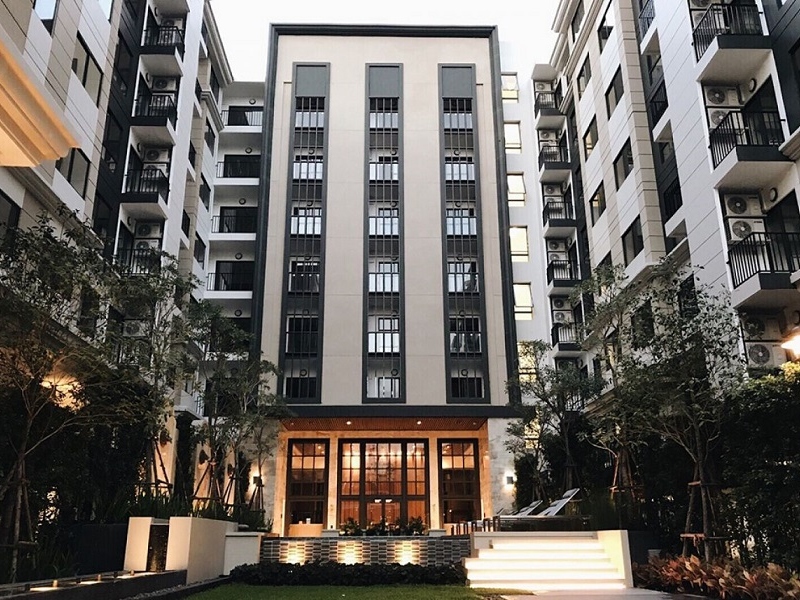
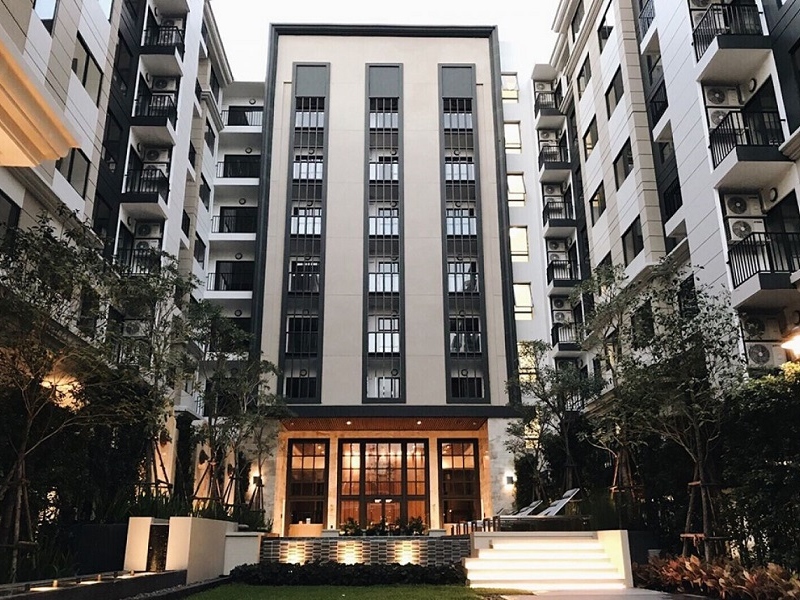
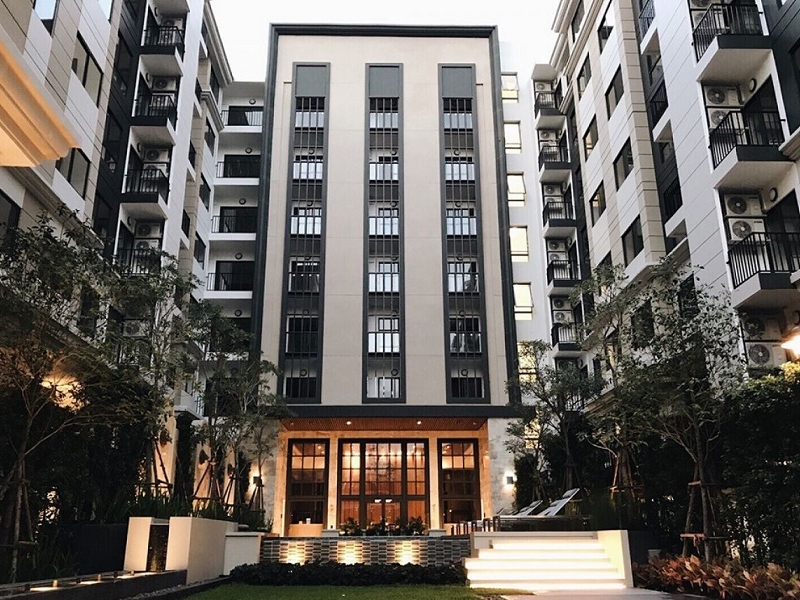
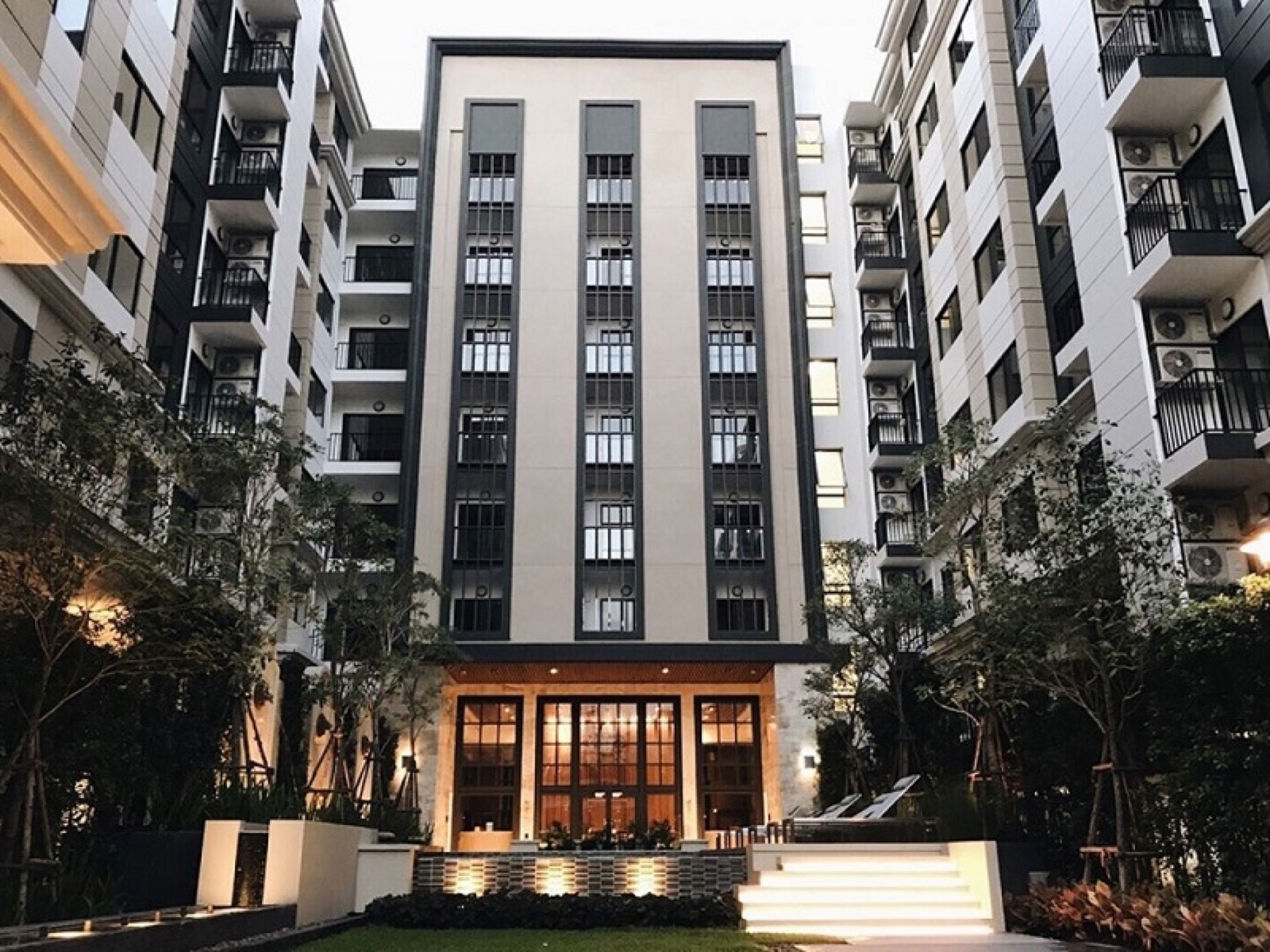
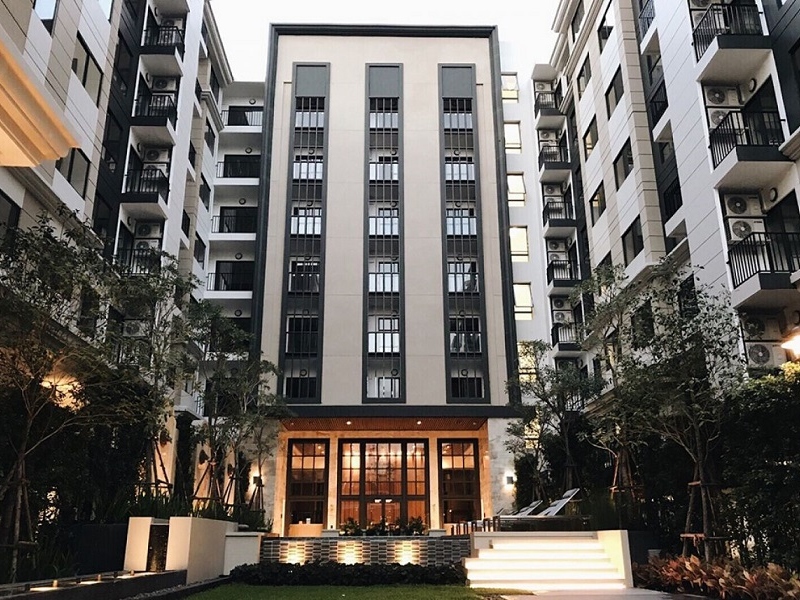
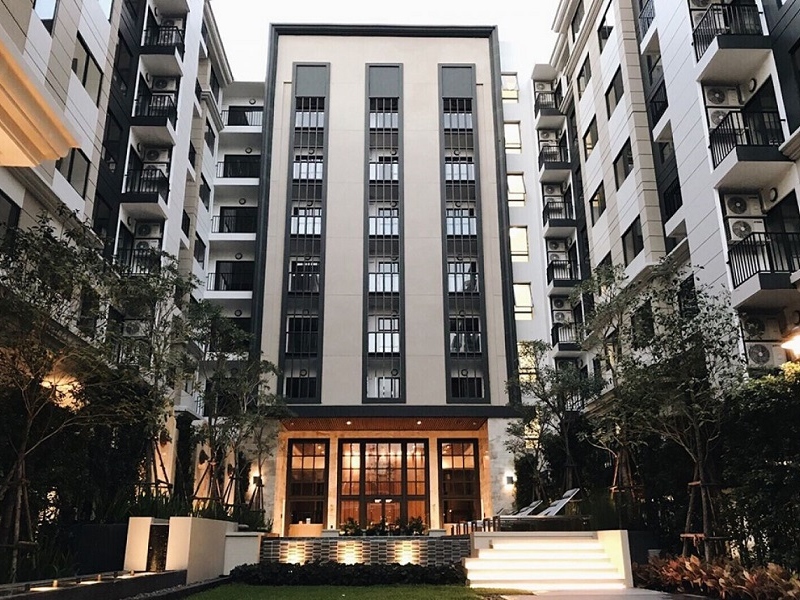
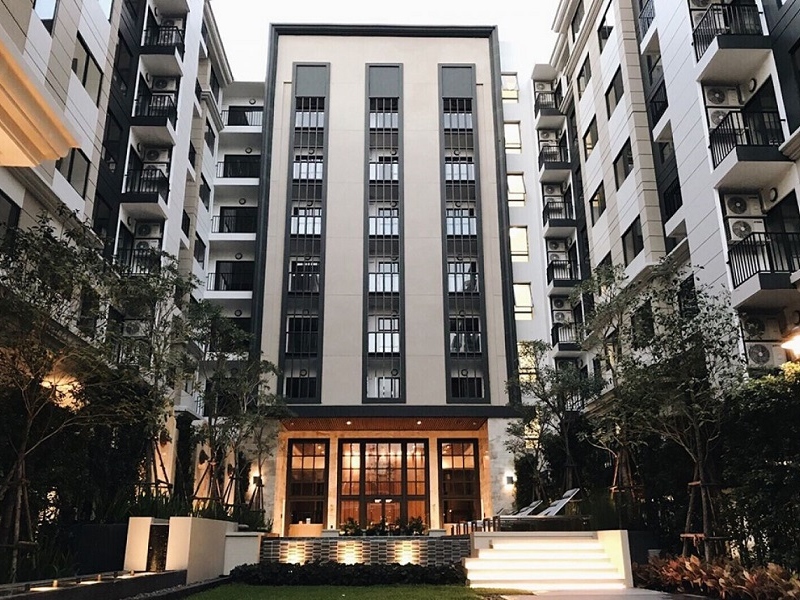
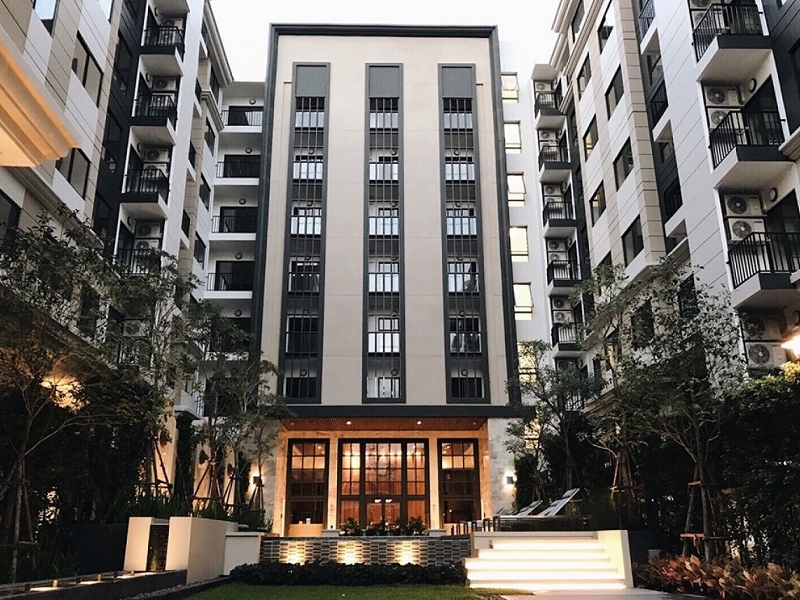
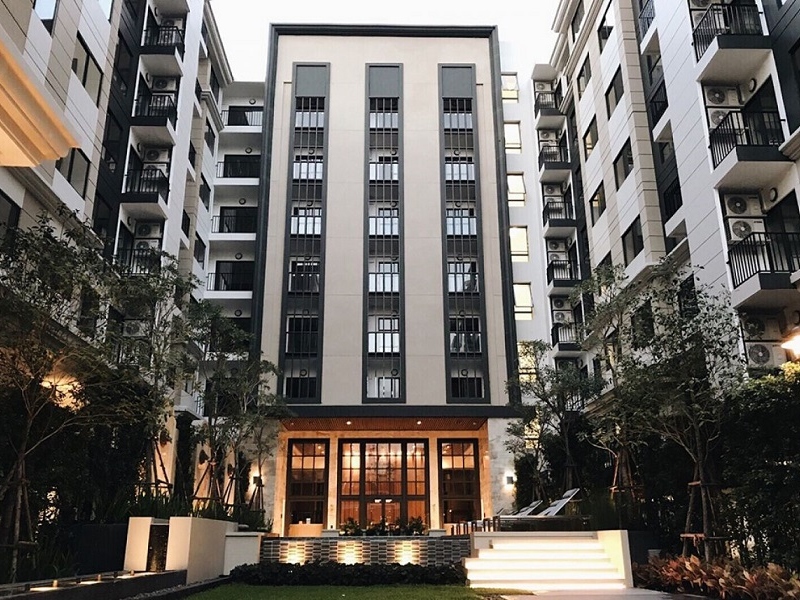
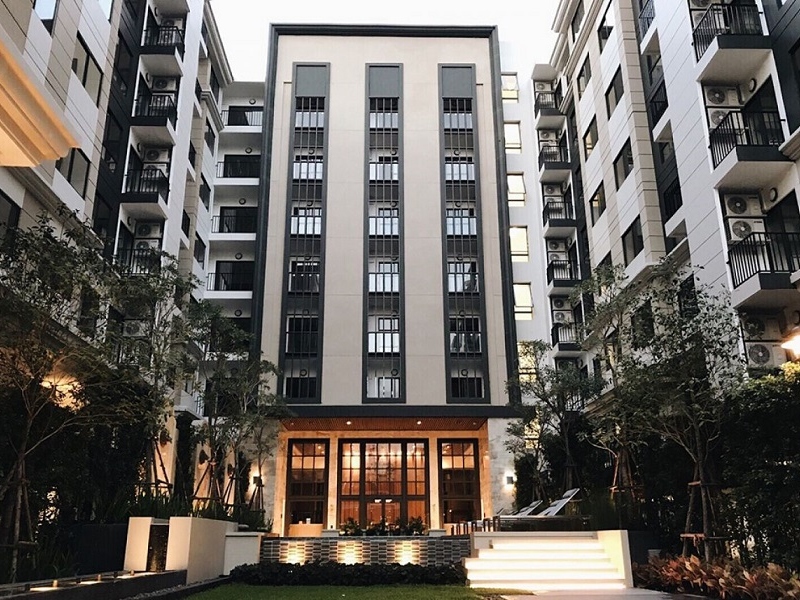
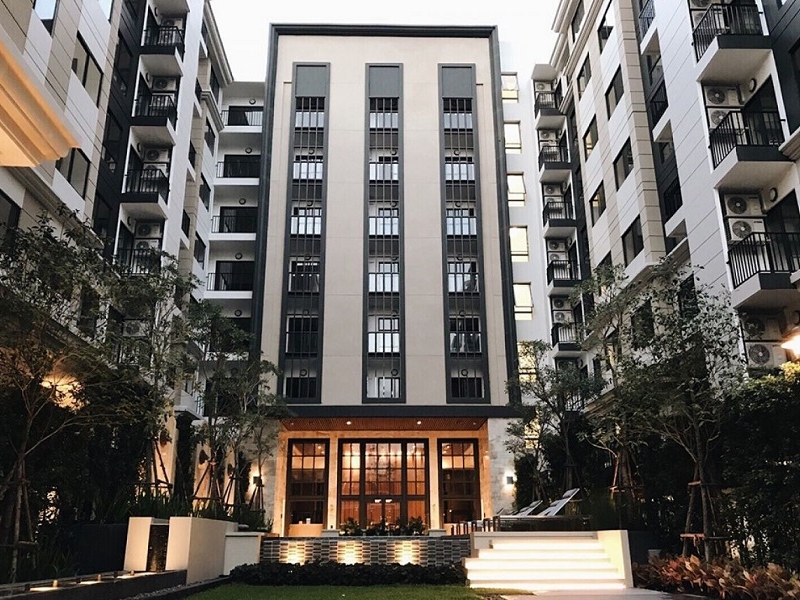
Building, tenant and payment records should connect clearly to the owner and unit.
Expenses need evidence, not memory
Foreign landlords commonly ask whether common fees, repairs, furniture, insurance, agent fees and management fees can be considered when calculating taxable income. The answer depends on the taxpayer, income type, deduction method and supporting evidence. The Revenue Code contains rules on deductions for income from rent of property, but the owner should not guess which approach is best. The safer workflow is to keep every invoice and let a Thai tax adviser classify it.
Avoid mixing capital improvements with ordinary repairs in your own notes. Replacing a broken appliance, repainting after a tenancy and paying routine maintenance are not the same as a major renovation that changes the unit’s long-term value. The accountant may treat items differently. Clear invoices, before-and-after photos and payment proof help the adviser make a defensible decision.
Useful records for each tenancy
Signed lease, renewal letters and any side agreements on furniture, pets, parking or internet.
Deposit receipt, deposit return record and evidence of any deductions for damage.
Monthly rent receipts or bank transfers matched to the lease schedule.
Agent commission invoices, management fee invoices and remittance statements.
Common-fee, sinking-fund and building-charge records.
Repair invoices, appliance warranties, furnishing receipts and handover photographs.
Resident status and timing questions
A foreign owner who spends significant time in Thailand should not assume their tax position is the same every year. The 180-day concept is measured by time in the tax year, and personal circumstances can change. A landlord may be non-resident in one year and resident in another. The filing approach, treaty analysis and foreign-income questions may therefore need annual review.
The Revenue Department describes personal income tax on a calendar-year basis, with filing and payment generally due by the end of March following the tax year. Some rental-income situations may also raise mid-year filing, withholding or other administrative questions. Rather than wait until March, owners should organise records quarterly so missing receipts and manager statements can be recovered while the details are still fresh.
Repair, furnishing and handover evidence can matter when expenses and deposits are reviewed.
Short-stay rentals need extra caution
Many condominium investors ask about short-stay platforms. This is not just a tax question. Daily or weekly letting can raise hotel-law, building-bylaw, juristic-person, insurance and neighbour-management issues. Even where revenue looks attractive, a foreign owner should check whether the building permits the intended use and whether the rental structure creates licensing or VAT questions beyond ordinary long-term residential rent.
For most foreign condo owners, a compliant long-term lease is simpler to administer than frequent short stays. It usually creates clearer records, fewer guest-management problems and a more predictable repair cycle. That may be less exciting than a high nightly rate, but it can be safer for owners who are not in Bangkok to supervise the unit closely.
Buyer takeaway
A Bangkok condo can be rented safely when the owner treats tax paperwork as part of the investment, not as a year-end scramble. The right file does not need to be complicated. It needs to be complete, consistent and easy for a Thai accountant to review.
A Bangkok condominium purchase is often planned around transfer day, rental yield and resale value. Foreign owners should also ask a quieter question: what happens to the unit if the owner dies while the condo is still held in Thailand? A Thai will is not glamorous, but for many overseas buyers it is one of the simplest ways to reduce uncertainty for heirs.
This guide is not legal advice. Thai succession, condominium and tax questions should be checked with a qualified Thai lawyer, especially where the owner has assets in more than one country. The practical point is straightforward: a foreign buyer who organises succession documents early gives family members, executors and advisers a much clearer route if the condo ever has to be transferred, rented, held or sold by an estate.
A Thai-specific document plan can reduce delays for heirs and advisers.
Why a Thai will belongs in the ownership file
A foreign owner may already have a will in their home country. That document may still matter, but it may not be the fastest tool for dealing with a Thai condominium. If a foreign will has to be translated, legalised and recognised before Thai authorities and service providers can act, heirs may face delay at precisely the moment when they need access to title records, bank information, tenant communication and building management.
A separate Thai will limited to Thai assets can make the ownership file easier to administer. The will should be drafted by a Thai lawyer, use names and passport details carefully, identify the Thai assets it covers, name an executor who can work locally, and avoid accidentally revoking the owner’s home-country estate plan. For many foreign buyers, the key phrase is limitation: the Thai will should deal with Thai assets, while the home-country will continues to deal with assets elsewhere.
What heirs may need to prove
When a Thai condo owner dies, heirs and advisers will usually need to establish authority before they can sell, transfer or otherwise deal with the unit. That may involve death certificates, translations, passports, family records, probate or court documents, title documents, juristic-person records, bank evidence and tax or fee calculations. The exact route depends on the owner’s nationality, residence, family situation, documents and the status of the condo.
This is why the owner’s records matter. A beautiful unit can become difficult to administer if no one knows which law firm handled the purchase, where the title deed copy is stored, which bank received the foreign-currency remittance, whether the unit is under lease, how the tenant deposit was held or which juristic person manages the building. Good succession planning is partly legal drafting and partly clean record-keeping.
Succession planning should be checked while the purchase file is still organised.
Foreign freehold condos are different from land
Foreign buyers are usually focused on condominium freehold because Thai law gives foreigners a clearer route to registered ownership of qualifying condominium units than to land. That distinction remains important at succession stage. A foreign freehold condo and a land plot held through a spouse, company or leasehold structure do not raise the same questions.
For a Bangkok condominium, the practical due-diligence issue is whether the heir can register the inherited interest cleanly and whether the building’s foreign-ownership position, title records and estate documents support the intended result. For land, leasehold or company structures, the analysis can be materially more complex. Buyers should not assume that a plan suitable for a freehold condominium automatically works for another property type.
Checks to make before completion
A foreign buyer does not need to solve every succession question before making an offer, but several checks can be built into the purchase workflow. Ask the lawyer how the title will be recorded, whether the owner’s passport details are consistent across documents, how the foreign-exchange evidence will be stored, and whether the building can provide foreign-quota and debt-free records clearly. If the owner is buying jointly, ask what happens if one co-owner dies and whether the intended ownership shares are properly reflected.
If the unit will be rented out, the lease file should also be succession-ready. Tenants, agents and property managers need to know who has authority to receive rent, return deposits, approve repairs and issue notices if the owner is incapacitated or deceased. A Thai will is not a substitute for a proper management agreement, but it can sit alongside one as part of a more complete ownership plan.
Documents worth keeping together
A lawyer-reviewed Thai will limited to Thai assets, with executor details kept current.
Title deed copy, sale and purchase agreement, transfer records and tax or fee receipts.
Foreign-exchange transaction form or bank documentation linked to the purchase funds.
Juristic-person contact details, common-fee records and building insurance information.
Tenant agreements, deposit records, property-management agreements and key handover notes.
Home-country adviser details so Thai and overseas estate work can be coordinated.
Legal, financial and practical records should be stored together for future estate administration.
Fees, taxes and family assumptions
Government information on foreign condominium ownership notes that inheritance transfers can involve official transfer fees, with different treatment in some family relationships. Owners should not rely on a casual estimate because appraised value, relationship, tax position and document route can all affect the final cost. For larger estates, cross-border inheritance tax and home-country estate rules should also be checked before the buyer assumes Thailand is the only relevant jurisdiction.
Family assumptions deserve equal care. A spouse, adult child, partner, sibling or business associate may each face different practical steps depending on the will, nationality, documents, relationship evidence and ability to act in Thailand. If the owner has remarried, has children in different countries or owns assets through companies, a professionally drafted plan becomes much more important.
When to update the will
A Thai will should not be treated as a one-time formality. Review it after marriage, divorce, birth of children, passport changes, major asset purchases, refinancing, change of residence, change of executor or sale of the original condo. If the owner buys a second Thai asset, changes the ownership structure or starts using a property manager, the Thai estate file should be reviewed again.
Foreign owners often postpone this topic because it feels remote. The better approach is to handle it while documents are fresh, advisers are easy to contact and the owner can make deliberate choices. Compared with the cost of a Bangkok condo, a properly drafted Thai will and organised ownership file are modest but meaningful safeguards.
Buyer takeaway
A Bangkok condo can be a clean, foreigner-friendly asset when the purchase, remittance, title and building documents are handled properly. A Thai will extends that discipline beyond the acquisition date. It helps the owner’s family understand who can act, where the records are and how the Thai asset should be handled.
Before or shortly after completion, ask IBP Real Estate to coordinate a document checklist with your Thai lawyer, property manager and home-country adviser. The aim is not to make the purchase more complicated; it is to make ownership safer for the people who may one day need to act on your behalf.
A Bangkok condominium reservation agreement can feel like a small administrative step. In practice, it is often the first point where a foreign buyer’s money, timeline and legal risk become real. The amount may be modest compared with the full purchase price, but the document can shape the next negotiation, the refund position and the pressure to sign a larger sale contract.
The reservation agreement sets the first commercial and document timeline for a Bangkok condo purchase.
This guide is for foreign buyers who are reserving a completed resale unit, a developer unit or an off-plan condominium. It is not legal advice, and the final agreement should be reviewed by a qualified professional where the buyer is committing meaningful funds. The practical aim is to slow the process down enough to prevent avoidable mistakes.
Confirm what is being reserved
The agreement should identify the exact project, building, floor, unit number, registered area or expected sale area, parking rights if any, furniture package if any, purchase price, payment schedule and expected transfer or contract date. If the buyer is dealing with a resale unit, check the title deed copy and owner’s identity. If the buyer is dealing with a developer, check the company name that will sign the later sale agreement.
Do not rely only on a sales sheet or chat message. The reservation document should match the unit the buyer actually viewed, including layout, view direction, included items and any agreed defects or repair promises. If the buyer is overseas, ask for dated video, current photos and a document set before sending funds.
Understand the deposit and refund terms
The most important clause is often the simplest: what happens to the reservation money if the buyer does not proceed? Some reservation fees are non-refundable except in narrow cases. Some are refundable if legal due diligence fails, financing is rejected, foreign quota is unavailable or the seller cannot deliver agreed documents. Some are credited to the purchase price only if the buyer signs by a fixed deadline.
Foreign buyers should ask for the refund logic in writing before payment. If a salesperson says the fee is refundable, that should appear in the agreement. If the buyer needs time to move foreign currency, obtain bank evidence, review a title deed or appoint a lawyer, the agreement should allow a realistic timeline.
A buyer should connect the reservation terms to the real building, unit and ownership records.
Set a sensible due diligence window
A reservation agreement should give the buyer enough time to check the basics. For a resale unit, that means title, owner identity, foreign quota, mortgage or encumbrance status, juristic debt-free process, common fees, sinking fund, unit condition, tax and fee allocation, furniture inventory and transfer-day logistics. For a developer unit, it means project status, sale contract form, payment schedule, completion timeline, specification, common area obligations and developer track record.
The due diligence window does not need to be long, but it must be real. A buyer who signs a reservation on Friday and is asked to sign a sale contract on Monday may not have enough time to review documents properly. Overseas buyers also need to account for time zones, bank transfers, passport copies, notarised documents and adviser availability.
Check who receives the money
The agreement should state the receiving account and the name of the payee. Paying a developer, licensed broker, law firm client account or seller directly can have different implications. The buyer should understand who is holding the funds, whether a receipt will be issued, and how the payment will be treated if the deal does not proceed.
Avoid informal transfers to personal accounts unless the ownership and agency authority are fully understood. If the buyer is remitting funds from overseas, keep the bank record, transfer purpose and receipt. The purchase file should be clean from the first baht paid, not only from the final transfer day.
Watch for pressure clauses
Some reservation documents are designed to keep momentum, which is understandable. The risk is when momentum becomes pressure. Clauses to review carefully include automatic forfeiture, very short signing deadlines, vague references to a later contract, broad seller discretion, unclear repair obligations, no foreign-quota condition, and no path if due diligence uncovers a material problem.
Buyers should also avoid relying on verbal promises about rental guarantees, future resale value, view protection or renovation approval. If the promise affects the decision to reserve, it should be written clearly or treated as non-binding sales talk.
Condition and document checks should happen before a small reservation becomes a larger commitment.
Completed, resale and off-plan differences
For a completed resale unit, the buyer can usually inspect the actual property and ask for current building documents. The reservation should focus on title, condition, transfer date, inclusions and document delivery. For a completed developer unit, the buyer should check the final specification, warranty position, common area readiness and any promotion terms.
For an off-plan unit, the reservation carries more forward-looking risk. The buyer is reserving a promise to deliver, not an asset that can be inspected in final form. Payment milestones, completion timing, specification changes, cancellation rights and developer obligations become more important. Off-plan buyers should be especially careful about assuming that a reservation fee is a low-risk placeholder.
Reservation checklist
Match the project, unit number, area, price and included items to the viewed unit.
Confirm whether the reservation fee is refundable and in which circumstances.
Write a due diligence period into the timeline before the main sale contract.
Check foreign quota, title, owner or developer identity and payment account.
Keep bank records, receipts, passport copies and all signed versions in one file.
Do not rely on verbal promises that are not reflected in the document.
Buyer takeaway
A reservation agreement is not just a receipt. It is the first control document in a Bangkok condo purchase. Foreign buyers should use it to secure the unit while preserving enough time to check ownership, documents, payment route and commercial terms. A careful reservation step makes the later sale contract cleaner and less stressful.
IBP can help foreign buyers review Bangkok reservation steps, coordinate document checks and compare purchase risks before funds are committed. Read our foreign buyer guides or contact IBP Real Estate for practical buyer support.
A power of attorney can make a Bangkok condo purchase possible when a foreign buyer cannot be in Thailand for every signature, inspection or Land Office appointment. It can also create unnecessary risk if the authority is too broad, the document is inconsistent with the buyer’s passport details, or the representative is not properly instructed. The safest approach is to treat the power of attorney as a narrow completion tool, not a casual convenience.
A remote buyer should keep the authority narrow, documented and consistent with the transfer file.
When a buyer may need a power of attorney
Foreign buyers commonly consider a power of attorney when they live overseas, have work commitments, need a representative to inspect the unit, or cannot attend transfer day. It may be used for signing selected developer documents, submitting paperwork, coordinating with the juristic office, receiving keys, checking defects or attending the Land Office. The exact scope depends on the transaction, the developer or seller, the bank process and the Land Office handling the transfer.
The important point is that each authority should match a real task. If the representative only needs to receive documents and attend inspection, the document should not automatically allow price changes, new loan commitments or unrelated bank instructions. A narrow document reduces ambiguity and gives the buyer clearer control over the transaction.
Start with the correct form and wording
Before signing anything overseas, ask the developer, seller’s lawyer or transfer team which form will be accepted. Bangkok property transactions can involve project documents, juristic documents and Land Office documents, and the acceptable wording may vary. A document that is convenient for a private contract may not be accepted for a government transfer if it omits required details or uses a format the officer will not recognise.
At minimum, the buyer’s full name, nationality, passport number, address, authorised representative, project name, unit number and permitted actions should be consistent across the reservation, sale agreement, payment records and transfer file. Passport renewal can cause friction if the number changes during the transaction, so buyers should tell the legal team early if a passport is close to expiry.
Keep authority specific
A practical power of attorney should state exactly what the representative can do. For example, the representative may be authorised to submit documents, sign transfer forms, receive keys, liaise with the juristic office, pay government fees from buyer-provided funds, or sign a unit inspection acknowledgement. It should also state what the representative cannot do if there is any possibility of confusion.
Buyers should be especially careful with clauses that allow a representative to amend contract terms, accept substitutions, borrow money, give up claims, sign settlement documents or dispose of property. Those powers may be inappropriate unless the buyer has separate legal advice and a very clear commercial reason. Most overseas buyers want execution support, not open-ended decision-making.
Inspection authority should be clear before a representative signs acceptance paperwork.
Coordinate with payment evidence
The power of attorney does not replace foreign exchange and payment evidence. A foreign buyer still needs clean records showing how purchase funds entered Thailand and how payments were allocated. If the representative is making local payments, the buyer should keep written instructions, receipts and bank records. If a bank or remittance provider is involved, the buyer should confirm the wording and documentation needed before funds move.
This is where transaction sequencing matters. A representative may be able to attend transfer, but they cannot fix weak payment evidence at the last minute. Review the payment route at the same time as the signing route. IBP’s Bangkok condo financing guide for foreigners is useful for thinking through bank documentation, even where the purchase is made in cash.
Inspection and defect authority
For new-build condos, a representative may inspect the unit or sign a handover acknowledgement. This should be handled carefully. If the representative accepts a unit without recording defects, the buyer may lose leverage on repairs. The authority should say whether the representative can sign final acceptance or only record inspection findings for the buyer to approve later.
A foreign buyer should ask for a written inspection checklist, photographs, video where practical, meter readings, appliance checks, key count, access-card count and a record of any items promised by the developer. If the buyer is not present, the representative should report before irreversible documents are signed. The same discipline applies to resale handover, where loose ends may include furniture, maintenance receipts, outstanding juristic charges and tenant possession.
Signing overseas
Overseas signing can require witnessing, notarisation, embassy involvement, translation or legalisation depending on the document and receiving party. Buyers should not assume that a locally witnessed signature in their home country will be enough. Ask the Thai lawyer, developer or transfer coordinator what will be accepted before booking appointments or couriering originals.
Timelines are also important. Original documents may need to travel by courier, and some authorities will not accept scanned copies for completion. A buyer who signs too close to transfer day may create avoidable delay. Build in time for corrections, because a small mismatch in name order, passport number or unit details can require the document to be re-signed.
Building, juristic and Land Office requirements should be aligned before completion day.
Who should act as representative
The representative should be someone with a clear duty to the buyer and enough practical experience to handle the task. A lawyer, trusted adviser or properly instructed agent may be appropriate. A seller-side representative should be used cautiously because their incentives may not fully match the buyer’s. If the representative is also negotiating, inspecting and signing, the buyer should define reporting duties and approval points in writing.
Foreign buyers should also ask how the representative will hold documents, keys, receipts and access cards after completion. Remote ownership is safest when the paper trail is organised from day one. This includes copies of the title deed, sale agreement, tax receipts, juristic clearance, insurance documents where relevant, warranty records, manuals and tenant-ready handover notes.
Bottom line for foreign buyers
A power of attorney is useful when it is narrow, accurate and supported by a strong transaction file. It is risky when it becomes a broad shortcut. Before signing, align the authority with the contract, payment evidence, inspection plan, Land Office requirements and post-transfer management.
For overseas buyers comparing timelines, IBP can help coordinate the practical checklist alongside legal advisers. Start with the Bangkok condo due diligence checklist and then decide which tasks genuinely need a representative.
Transfer day is the moment a Bangkok condominium purchase becomes real. The buyer pays the balance, the Land Office registers the change of ownership, taxes and fees are settled, and the title deed is updated. For foreign buyers, the day can be smooth, but only if the paperwork, payment route and building clearances have been prepared before everyone arrives at the Land Office.
Transfer day works best when the buyer, seller, bank and juristic office have aligned the document file in advance.
This guide is a practical checklist, not legal advice. Procedures can vary by Land Office, bank, seller profile, mortgage status and whether the buyer attends in person or uses a power of attorney. The safest approach is to confirm the exact requirements with your lawyer, bank, agent and building juristic office before fixing a transfer date.
Confirm foreign ownership eligibility
Foreigners can buy freehold condominium units in Thailand within the permitted foreign ownership framework. The buyer should confirm that the unit is eligible for foreign freehold transfer and that the building’s foreign quota letter can be issued for the transfer. Do not rely only on a verbal statement from a seller or agent when the buyer needs foreign quota.
The juristic office normally issues a letter confirming the foreign ownership proportion and a debt-free letter confirming that common fees and relevant building charges are settled. These documents are central to transfer. Ask how long they take to issue, what information the office needs and whether originals must be collected before the Land Office appointment.
Prepare the buyer identity file
A foreign individual buyer should prepare passport copies, current entry stamp or visa page where required, local address and contact details, marital-status documents if relevant, and any translated or certified documents requested by the Land Office or bank. If the buyer cannot attend, the power of attorney must be in the correct form and signed, witnessed, notarised or legalised as required for the case.
Names must match. Check the passport spelling, sale agreement, bank documents, foreign exchange evidence, power of attorney and title transfer forms. Small inconsistencies can become large delays when the official file is being checked.
A final inspection should confirm the unit condition before the balance is paid.
Prepare the money trail
Foreign buyers should plan the payment route early. Thailand.go.th explains that foreigners buying a condominium generally need to transfer funds from overseas in foreign currency and obtain the bank certificate or Foreign Currency Transaction Form required for Land Office registration. The transfer purpose should be clear and tied to the condominium, unit and buyer name.
Before transfer day, ask the receiving bank what it will issue, what threshold applies, how long it takes and whether multiple transfers need multiple certificates. If funds are already in Thailand, ask for advice before assuming they will be accepted for a foreign freehold condominium transfer. Do not leave this question until completion week.
Agree taxes and fees before arrival
The sale agreement should state who pays transfer fee, specific business tax if applicable, stamp duty if applicable, withholding tax, agent commission, legal fee, mortgage release costs and other expenses. Transfer day is not the time to discover that buyer and seller understood the fee split differently.
Ask for an estimated closing statement in advance. It should show purchase price, deposit already paid, balance due, official fees, taxes, any building charges and the amount each party must bring. If a cashier’s cheque is required, confirm the payee wording with the bank and Land Office before issuing it.
Do the final unit check
Inspect the unit before the balance is released. Confirm included furniture, appliances, keys, access cards, parking card, mailbox key, meter readings, air-conditioning condition, leaks, built-ins, curtains and any agreed repairs. Take photos or video. If the seller promised repairs or replacements, record completion before transfer or hold back an agreed amount through a documented arrangement.
For resale units, ask whether utilities, internet, building deposits and tenant arrangements need to be transferred or cancelled. For a tenanted unit, check the lease, deposit, handover date and whether the tenant has acknowledged the ownership change.
Building-level documents are as important as the private sale agreement.
At the Land Office
The parties or their authorised representatives submit the documents, sign official forms, pay taxes and fees, and wait for the registered officer to complete the ownership transfer. Thailand.go.th summarises the process as document checking, request and contract/payment steps, then issuance of the condominium title deed and contract to the applicant.
Transfer appointments can still take time. Bring originals, copies, payment instruments, bank certificates and contact numbers for the juristic office, bank and lawyer. If the seller has a mortgage, the seller’s bank must coordinate release of the mortgage with receipt of funds and registration of the transfer.
After transfer
Once ownership is registered, obtain and scan the updated title deed, Land Office receipts, tax receipts, sale agreement, bank certificates, juristic documents and handover records. Update the juristic office with the new owner details, billing address and emergency contact. Register utility changes, insurance, property management instructions and rental preparation if the unit will be leased.
Transfer day checklist
Foreign quota letter and debt-free letter from the juristic office.
Passport, visa or entry documents, and any required translations or certifications.
Foreign exchange evidence and bank certificates linked to the buyer and unit.
Sale agreement, payment schedule and agreed tax and fee split.
Cashier cheques or payment instructions with correct payee wording.
Power of attorney and representative documents if either party is absent.
Final inspection record, meter readings, keys and access cards.
Post-transfer scans of title deed, receipts and handover documents.
Buyer takeaway
A Bangkok condo transfer day should be administrative, not dramatic. Most problems come from avoidable gaps: unclear quota, missing bank evidence, inconsistent names, incomplete powers of attorney or last-minute disputes over fees and unit condition. Prepare the file early and make sure every party knows the sequence.
IBP can help foreign buyers coordinate Bangkok viewing, document checks and transfer preparation with trusted local professionals. Read our foreign buyer guides or contact IBP Real Estate before fixing a transfer date.
Foreign buyers often plan carefully for a Bangkok condominium purchase, but spend less time planning the exit. That can create avoidable stress when it is time to sell, transfer the unit and move sale proceeds out of Thailand. A resale can be straightforward when the ownership file is clean, the buyer’s payment route is clear and the owner has spoken to the bank before transfer day.
A clean resale file makes the transfer and outward-remittance process easier to manage.
This checklist is for foreign individual owners selling a Bangkok condominium. It is not legal or tax advice. Every sale should be checked against the owner’s title, tax position, mortgage status, marital status, power of attorney arrangements and bank requirements. The practical point is simple: repatriation is easiest when it is prepared before the sale contract is signed.
Start with the original purchase file
The first step is to find the documents from the original purchase. These may include the sale and purchase agreement, title deed copy, Land Department transfer receipt, tax receipts, foreign exchange transaction evidence, bank credit advice, payment receipts, passport copies used at transfer, and any power of attorney used at the time. If the unit was bought through a developer, keep the developer payment schedule and final transfer statement as well.
The foreign exchange evidence is especially important. When a foreigner buys a Thai condominium in foreign quota, the Land Department normally expects foreign-currency remittance evidence at purchase. When the owner later sells, banks may ask for evidence showing how the funds originally entered Thailand before processing outward remittance of sale proceeds. Requirements can vary by bank and account history, so do not assume the old file is optional.
Check title, quota and juristic records
Before listing, confirm the exact name on the title deed, the unit number, registered area, ownership share, mortgage status and any encumbrances. Ask the juristic office what documents they will need for transfer day and whether there are unpaid common fees, sinking fund items, utility charges, parking stickers, access cards or renovation approvals to settle.
A seller should also ask for the building’s process for issuing the debt-free letter. Without the required building clearance, the Land Department transfer can be delayed. If the owner lives overseas, the timeline for couriered documents and notarised or legalised powers of attorney should be started early.
Inspection records help sellers close unit-condition questions before transfer day.
Write the payment route into the sale contract
The sale contract should identify the deposit, balance payment, transfer date, currency, receiving account, responsibility for transfer fees and taxes, and what happens if either party misses the date. If the seller expects to remit funds overseas after completion, the contract should support a clean paper trail. Avoid informal payment arrangements that make it difficult to show the source and purpose of funds later.
Some buyers pay from a Thai account, while others bring funds from overseas. Some sellers receive funds directly, while others use a lawyer or escrow-like structure where available. The right structure depends on the buyer, seller, bank and timing. What matters is that the seller can explain the chain: buyer payment, Land Department transfer, tax and fee deductions, net sale proceeds and outward remittance request.
Prepare for transfer day costs
Transfer day is not only about signing the title deed. The parties must settle official fees, withholding tax, specific business tax where applicable, stamp duty where applicable, agent commission if due, legal fees and any building-related charges. The exact allocation should be agreed in writing before transfer day.
Foreign sellers should ask their adviser to estimate the cost range before accepting an offer. A headline sale price can look strong, but the net proceeds may be lower after taxes, fees, commission, repairs and currency conversion. If the owner has a Thai mortgage, the bank release process must be coordinated with the buyer’s payment and the Land Department appointment.
Speak to the bank before completion
Do not wait until after the sale to ask the bank how outward remittance will work. Contact the bank that will receive the sale proceeds and ask what documents it expects for an international transfer. Commonly requested items may include passport, bank forms, sale contract, Land Department transfer documents, tax receipts, original inward-remittance evidence, proof of ownership and details of the overseas receiving account.
Banks may also ask about the purpose of remittance, relationship between accounts and supporting documents for anti-money-laundering checks. If the seller’s passport has changed since purchase, keep old and new passport records. If the seller cannot be present in Thailand, confirm whether the bank will accept instructions under power of attorney and what format is required.
Owners should prepare the building, juristic and banking steps before accepting a buyer.
Currency timing and evidence
The seller may need to decide whether to convert baht immediately or wait. Currency timing is an investment decision and should not be left to administrative panic. Consider the expected transfer date, bank processing time, exchange spread, daily remittance limits, receiving-bank charges and tax reporting obligations in the seller’s home country.
Keep copies of every document generated after sale: the final sale contract, transfer receipt, tax receipts, buyer payment evidence, bank remittance application, exchange confirmation and overseas receipt. This file may be useful for future tax filings, banking queries or proof of funds for another property purchase.
Common mistakes to avoid
Accepting a buyer deposit before checking title, debt-free letter timing and mortgage release steps.
Assuming any Thai bank will remit sale proceeds without the original purchase file.
Letting the contract stay vague on payment account, transfer date and fee allocation.
Forgetting that an overseas owner may need notarised or legalised documents.
Ignoring small building charges, access cards, utilities and repair promises until transfer week.
Planning the exchange rate only after net proceeds are already sitting in baht.
Seller takeaway
A successful Bangkok condo exit is not only about finding a buyer. It is about proving ownership, completing transfer, settling taxes and moving funds in a documented way. The earlier a foreign owner prepares the resale and bank file, the less likely the sale will be delayed by paperwork.
IBP can help foreign owners plan resale strategy, prepare unit documentation and coordinate Bangkok sale steps with trusted legal and banking support. Read our resale and exit strategy guides or contact IBP Real Estate for a resale consultation.
Foreign owners who rent out a Bangkok condominium often focus on rent level first. The lease contract deserves equal attention. A clear lease protects the owner, gives the tenant a better experience and reduces the chance that a small operational issue becomes a costly long-distance problem.
The lease should translate building rules and owner expectations into enforceable, practical terms.
Most Bangkok residential leases used by expatriate tenants are practical documents rather than complex institutional contracts. That simplicity is useful, but only if the important points are written down. A landlord living overseas should not rely on verbal promises about repairs, pets, early termination, furniture, access or deposit deductions.
This guide is not a substitute for Thai legal advice. It is a working checklist for foreign landlords and buyers planning to lease a unit after purchase. The safest lease is one that matches Thai law, the condominium rules, the tenant profile and the owner’s ability to manage issues from abroad.
Start with the parties and payment route
The lease should identify the owner, tenant, unit, lease term, rent, due date, payment account and security deposit clearly. If an agent, company or relocation provider is involved, make sure the contract still identifies who is responsible for rent and damage. A company lease may need authorised signatories and company documents; an individual lease should record passport or identification details accurately.
Foreign landlords should decide whether rent will be paid into a Thai bank account, an overseas account or a property manager account. The lease should state who pays transfer costs and what counts as payment date. If rent is paid to a manager, the owner should have a separate management agreement explaining reporting, deductions and remittance timing.
Security deposit and advance rent
The lease should state the amount of security deposit, how it will be held, what it can be used for and when any balance will be returned. Common deductions include unpaid rent, utilities, missing items, abnormal damage, cleaning beyond ordinary use and early termination charges if agreed. The contract should also distinguish between a deposit and advance rent so there is no confusion at move-out.
A landlord should avoid vague language such as “damage at landlord discretion”. Better wording links deductions to evidence: check-in photos, check-out photos, repair invoices, inventory records and utility statements. This is especially important if the owner cannot inspect the unit personally.
A good handover record reduces disputes over furniture, appliances and deposit deductions.
Furniture, appliances and handover record
A furnished Bangkok condo lease should include an inventory. The inventory does not need to be over-engineered, but it should list major furniture, appliances, keys, access cards, remotes, curtains and built-in items. Take dated photos or video at handover and store them with the lease. Record the condition of walls, floors, bathroom fixtures, kitchen equipment, balcony, air-conditioning units and any existing defects.
The lease should explain who maintains what. Landlords normally remain responsible for structural items and major appliance failures not caused by tenant misuse, while tenants are expected to keep the unit clean, use appliances properly and report problems quickly. Air-conditioning cleaning is a frequent issue in Bangkok; specify frequency, responsibility and evidence required.
Repairs and emergency access
Repair clauses should be practical. State how tenants report problems, who approves contractors, what costs require landlord approval and what happens in urgent situations such as water leaks, electrical faults or air-conditioning failure. If a property manager is appointed, the tenant should know the manager’s contact details and escalation route.
The lease should also include reasonable access rights for repairs, inspection, juristic-person requirements and resale or reletting viewings near the end of the lease. Access should not be intrusive, but a landlord must be able to protect the unit and comply with building requirements. Advance notice, emergency exceptions and permitted contact channels should be written clearly.
Pets, smoking, subletting and short stays
Bangkok condominium rules vary widely on pets, smoking, short-term stays and guest use. The lease must follow the building rules. If pets are permitted, write the pet details into the contract, including size, number, cleaning obligations, noise expectations and damage responsibility. If pets are not allowed, do not rely on a casual verbal exception from an agent.
Subletting and short-stay use should also be addressed directly. A tenant who turns a long-term condo lease into informal short-stay accommodation can create building-rule, insurance, security and reputation problems. If subletting, platform listing or commercial use is prohibited, say so plainly.
Lease terms must fit the condominium rules, not only the landlord and tenant agreement.
Early termination and renewal
Many rental disputes come from early termination. A lease should say whether early exit is allowed, how much notice is required, whether the deposit is forfeited, and whether the tenant must pay rent until a replacement tenant is found. If a diplomatic clause is used for expatriate tenants, it should be precise about triggering events and evidence required.
Renewal terms should also be clear. State whether renewal is automatic, subject to agreement, or requires written confirmation before a deadline. If the landlord expects a rent review, write the process into the lease. Overseas owners should calendar key dates so the manager does not miss renewal or marketing windows.
Owner obligations after signing
A lease does not remove the owner’s need to manage the property. Foreign landlords should keep insurance updated, pay common fees on time, monitor tax obligations, keep repair reserves and communicate promptly. Tenants who receive fast, organised responses are more likely to renew and less likely to withhold cooperation at move-out.
The owner should also keep a transaction file with the lease, tenant documents, inventory, handover photos, rent receipts, repair invoices, utilities, juristic correspondence and move-out records. This file is useful for tax reporting, future resale and any later dispute.
Lease checklist
Confirm the tenant, payment account, due date and late-payment process.
State deposit use, evidence for deductions and refund timing.
Attach a furniture, appliance, key and access-card inventory.
Set repair reporting, contractor approval and emergency access rules.
Align pets, smoking, subletting and short-stay terms with building rules.
Write early termination, renewal and viewing access terms clearly.
Keep a complete owner file from signing through move-out.
Landlord takeaway
A strong Bangkok condo lease is not about being difficult. It is about reducing uncertainty before the tenant moves in. For foreign landlords, clarity is especially valuable because distance makes informal problem-solving harder.
IBP can help foreign owners prepare Bangkok rental plans, tenant checks and management workflows before leasing. Read our rental market guides or contact IBP Real Estate for landlord support.
Condominium annual general meetings are easy for overseas owners to ignore. The unit may be rented, the meeting notice may arrive in Thai, and the agenda can look routine. For a foreign owner, however, the AGM is where many ownership risks become visible: budgets, common fees, committee decisions, major repairs, building rules, insurance, sinking funds and the quality of the juristic person.
AGM papers should be treated as part of the ownership file, not as routine admin.
Understanding voting rights does not turn a buyer into a building manager. It simply helps the owner protect their asset. A Bangkok condo is not only a private unit; it is also a share in a common building. If the common areas are neglected, if major repairs are underfunded, or if rules are poorly enforced, the unit’s rental appeal and resale value can suffer even when the title deed is clean.
What an AGM normally decides
An AGM is the main forum where co-owners review the previous year’s accounts, approve budgets, appoint or review committee members, discuss building management and consider significant spending. The exact agenda depends on the building, but the themes are usually practical: lifts, facade works, water systems, security, parking, insurance, staff costs, management contracts, arrears and reserve funds.
For foreign buyers, the most important point is that these decisions affect holding costs. A building with low common fees but poor maintenance may need a large special contribution later. A building with higher fees may be justified if the money is transparent, properly collected and spent on services that protect the asset. The AGM papers help the owner see which situation they are buying into.
Building governance affects budgets, repairs, rentals and future resale confidence.
How voting rights are usually measured
In many condominium documents, co-owner voting is linked to the ownership ratio in the common property. In practice, this often means larger units carry more voting weight than smaller units. Buyers should check the unit’s ownership ratio on the title and in the condominium documents, then compare it with how meeting votes are recorded for that specific building.
This is one reason a foreign buyer should ask for recent AGM minutes before buying a resale unit. The minutes may show whether the building reaches quorum, whether the same issues repeat, whether budgets are approved without scrutiny and whether significant decisions are properly documented. A well-run building usually has a clearer paper trail.
Where the paperwork is unclear, ask the seller, juristic office and conveyancing adviser to reconcile it before reservation money becomes difficult to recover. Voting rights are not useful if the owner cannot identify notices, understand the agenda or prove who is authorised to attend. Practical control begins with documents that match the unit being purchased.
Proxy voting for overseas owners
Many foreign owners cannot attend in person. Proxy voting can help, but it should be handled carefully. Do not sign a blank proxy without understanding the agenda. Ask for an English summary where possible, mark your voting instruction clearly and choose a proxy holder who will follow your position. If the agenda includes major spending, rule changes or committee appointments, take extra care.
A proxy is not only a convenience tool. In buildings with many absent owners, proxies can shape the outcome. Before buying, ask how active owners are, whether meetings usually reach quorum, and whether proxy concentration has caused disputes. A building where a small group controls decisions through weak owner participation may still be legal, but it deserves closer governance review.
The best due diligence links the physical condition of the building with the AGM record.
AGM documents to request before buying
The latest AGM notice and agenda.
Minutes for the last two or three owner meetings.
Audited accounts, annual budget and sinking fund balance.
Common fee, sinking fund and special assessment records.
Building rules covering pets, renovation, short stays, parking and facility use.
Evidence of arrears and any major unresolved repair projects.
Questions that reveal building quality
Ask whether the juristic office provides documents in English or can explain key matters clearly. Ask how quickly maintenance requests are handled, whether accounts are audited on time, and whether major systems have planned replacement budgets. If the building is older, ask about lifts, waterproofing, fire systems, facade condition and pipework. These are not abstract governance issues; they are the practical details that decide future costs.
For landlords, AGM decisions can also affect rental income. Changes to parking rules, move-in procedures, renovation hours, facility bookings or short-stay enforcement can alter tenant experience. A well-managed building protects good tenants and responsible owners. A weakly managed one can create avoidable friction.
What foreign owners should do each year
Keep your contact details updated with the juristic office. Read meeting notices early. Ask your agent or property manager to summarise important agenda items, especially budgets and special assessments. Vote where the matter is material. Keep copies of minutes and accounts in your ownership file, alongside title, transfer, tax and lease documents.
This is also useful for resale. A future buyer may ask whether the building has unresolved disputes, major upcoming works or fee increases. Owners who keep good records can answer faster and with more confidence.
Buyer takeaway
AGM voting is not a formality. It is part of the control system that protects a Bangkok condo after transfer. Foreign buyers should understand their voting weight, use proxies carefully, review minutes before buying and keep annual records after ownership. A beautiful unit in a poorly governed building is rarely a low-risk asset.
IBP can help foreign buyers review Bangkok condo documents, juristic person records and building governance before reservation or resale purchase. Start with our foreign buyer guides or contact IBP Real Estate for due diligence support.
Foreign buyers often spend more time comparing views and facilities than checking the title deed. That order should be reversed before money becomes serious. A Bangkok condominium purchase is only as strong as the legal and practical evidence behind the unit: who owns it, what area is recorded, whether it can be transferred to a foreign buyer, whether debts are cleared and whether the building records match the sales story.
Title checks should begin before payment deadlines make the buyer dependent on the seller.
This guide is not a substitute for Thai legal advice. It is a practical checklist for overseas buyers who want to ask better questions before signing, remitting funds or flying to Bangkok for transfer. The safest approach is to use an independent lawyer or adviser who is not acting for the seller, developer or listing agent.
A clean title process does not make a weak unit a good investment, but it can prevent avoidable transfer problems. It also helps the buyer prepare a complete ownership file for future resale, leasing, banking and estate planning.
Confirm the exact unit title
Start by matching the unit being marketed with the unit title information. The unit number, floor, registered area, owner name and building details should align with the reservation form, sale and purchase agreement, floor plan, viewing record and any furniture or fixture list. If the agent sends only a brochure page, ask for the title details and have them reviewed before signing binding documents.
Area differences deserve attention. A beautiful layout can still be mispriced if the advertised size does not match the registered area or if a balcony, storage area or parking arrangement is being described loosely. Buyers should know what is legally part of the condominium unit, what is common property, what is an exclusive-use arrangement and what is simply a marketing convenience.
Check owner identity and authority
For resale purchases, the seller must have authority to sell. If the title owner is an individual, check passport or ID details and marital or consent issues where relevant. If the seller is a company, review company authority, authorised signatories and board or shareholder requirements. If a power of attorney is involved, it should be specific, current and acceptable for the transfer.
Buyers should be cautious when a third party wants payment but is not clearly connected to the title owner. Reservation deposits and staged payments should be documented carefully, with receipts and account details that match the contract structure. A low-risk deal has a clean chain between buyer, seller, bank, lawyer and Land Office transfer.
Document review and physical inspection should move together, not in separate silos.
Foreign quota and transfer eligibility
A foreign buyer usually wants freehold condominium ownership in their own name, which means the building must have available foreign quota at transfer. Do not rely on a verbal statement. Ask for written confirmation from the juristic person or developer, and confirm how long that confirmation remains valid. In popular buildings, quota can change if another foreign transfer completes before yours.
Foreign quota should be checked together with the buyer’s foreign-exchange evidence. The title may be eligible, but the buyer still needs a banking trail that supports the transfer route. If funds are sent in stages, ask whether each payment needs evidence and how the receiving bank will issue the relevant document.
Debt-free letter and juristic position
Before transfer, the condominium juristic person normally confirms whether common fees, sinking fund obligations, utilities, penalties or other building charges have been settled. Buyers should ask who is responsible for clearing any arrears and when the debt-free letter will be available. A seller who is behind on fees may still be able to sell, but the buyer should not discover the problem at the Land Office.
The juristic office is also useful for building-level questions. Ask about major repairs, insurance, disputes, sinking fund adequacy, upcoming capital calls, renovation rules, pet rules, parking, short-stay restrictions and whether there are unresolved owner meeting issues. These are not all title problems, but they affect ownership risk and resale confidence.
Encumbrances, disputes and unusual arrangements
A title review should identify mortgages, attachments, leases, usufructs, servitudes or other registered interests where applicable. If a bank mortgage exists, the buyer needs a clear redemption and transfer process so the mortgage can be released as ownership transfers. If the unit is occupied by a tenant, the lease terms, deposit, handover timing and tenant cooperation should be documented.
Unusual arrangements require caution. Examples include sellers asking to record a lower transfer price, agents pushing informal tax sharing, furniture being priced separately without proper inventory, or a promised parking right that is not reflected in building records. If a term matters to the buyer, it should be written clearly and reviewed before payment.
The unit title is important, but the building record and juristic position also affect transfer risk.
Pre-signing questions
Does the title information match the unit being viewed and advertised?
Is the seller the legal owner, and does the signing party have authority?
Is foreign quota available for this unit at the expected transfer date?
Are common fees, sinking fund payments and utilities fully paid?
Are there mortgages, leases, disputes or registered interests to clear?
Will the buyer receive a complete furniture and fixture list?
Has an independent adviser reviewed the contract, payment route and transfer steps?
How title checks support resale
Good title discipline helps long after completion. When the owner later sells, refinances, leases or explains the purchase to a bank or adviser, a complete file makes the asset easier to understand. Keep the title transfer documents, sale agreement, receipts, bank evidence, tax and fee receipts, juristic certificates, debt-free letter, inspection record, furniture list and insurance papers together.
Foreign buyers should also keep a short timeline of the transaction. Note when reservation was paid, when funds were remitted, when documents were issued, when inspection occurred and when ownership transferred. This record can save time if questions arise years later.
Buyer takeaway
Title deed checks are not glamorous, but they are central to safe Bangkok condo ownership. A buyer who verifies the title, quota, seller authority, debt position and transfer evidence before signing has far more control than a buyer trying to fix documents under deadline pressure.
IBP can help overseas buyers coordinate Bangkok condo due diligence, viewing, quota checks and transfer preparation. Read our foreign buyer guides or contact IBP Real Estate before committing to a unit.
A Thai bank account is not always the first topic foreign buyers ask about when buying a Bangkok condominium. They usually start with foreign quota, reservation contracts, transfer tax, rental yield and location. Banking comes later. That is a mistake. The bank account question affects how smoothly funds move, how evidence is produced, how common fees are paid and how the owner manages the unit after completion.
Banking preparation should be handled before transfer day, not after completion.
This guide is not a promise that every foreign buyer can open an account at every branch. Bank policies, compliance checks, visa status, residency documents and internal procedures vary. The practical point is simpler: buyers should plan the banking route early enough that they are not solving it during the last week before transfer.
Foreign freehold condominium purchases also have a separate evidence issue. Official Thai guidance and Bank of Thailand exchange-control material make the foreign-currency trail important. A buyer should confirm with the receiving bank, lawyer and developer or seller which documents will be required before sending funds. The account used for daily ownership may not be the same operational question as the account used to receive purchase funds and issue foreign-exchange evidence.
Separate purchase funds from ownership operations
The purchase transfer and the ownership account solve different problems. Purchase funds usually need to show that money came from overseas in a form that supports foreign condominium ownership. The buyer needs evidence from the bank, often linked to the remittance purpose and amount. Day-to-day ownership requires a way to pay common fees, utilities, repairs, insurance, taxes where relevant and agent or juristic charges.
Some buyers can complete a purchase without holding a Thai bank account in their own name if the payment trail is correctly handled through the receiving bank. Others prefer to open an account for convenience, especially if they will rent the unit, keep funds in Thailand, visit often or pay recurring building costs directly. The right answer depends on the buyer’s status and the bank’s documentation requirements.
Ask the bank before sending money
The receiving bank should confirm the currency route, sender name, beneficiary name, transfer purpose wording, processing branch, document-issuance timeline and whether staged payments can each be evidenced. Buyers using transfer platforms should be especially careful. If the money is converted before it reaches Thailand, or if the sender name does not match the buyer clearly, the bank may not be able to issue the evidence expected at the Land Office.
The safest sequence is to ask first, send second and document everything. Keep SWIFT records, bank credit advices, foreign-exchange forms where issued, receipts, the sale and purchase agreement, reservation evidence, passport copies used by the bank, and any lawyer or developer instructions. A clean file can also matter years later if the owner sells and wants to explain the original purchase trail.
Foreign buyers should understand which bank documents support the condo ownership trail.
Opening an account as a non-resident
Thai banks apply know-your-customer and compliance requirements. A branch may ask for a passport, visa or entry status, proof of address, employment or income information, a reference letter, a work permit, a long-stay visa, a condominium purchase document or other supporting papers. Requirements can differ between banks and even between branches of the same bank.
Foreign buyers should avoid assuming that a short visit is enough. If account opening is important to the transaction, schedule time in Bangkok, ask the bank what documents are needed, and bring originals as well as copies. If the buyer will not be in Thailand, ask a lawyer whether a power of attorney can assist with specific banking steps. Do not assume it can; banks may still require in-person identification.
For landlords, banking affects rent collection
A landlord account can simplify rent collection and expense payment. It helps separate property income from personal travel funds and makes it easier to track common fees, repair costs and agent commissions. If a tenant pays into a Thai account, the owner should still keep proper records and ask an adviser about tax obligations. A bank statement is useful evidence; it is not a tax plan.
Owners who live overseas should decide who monitors the account. Some will use online banking. Others will appoint a property manager to coordinate bills and send reports. The lease should make payment dates, bank details, late-payment rules and deposit handling clear. Poor rent administration can damage a perfectly good investment.
Watch common-fee and utility payment deadlines
After transfer, the juristic office will expect common fees, sinking-fund balances where relevant, utility reimbursements and administrative charges to be paid on time. Owners should ask whether invoices are sent by email, app, post or in person. They should also confirm which payment channels are accepted and whether receipts are issued digitally.
Late payment can create unnecessary friction. It may also complicate resale if outstanding balances need to be cleared before a debt-free letter is issued. A foreign owner who visits Bangkok only occasionally should automate reminders and keep enough funds available for predictable costs.
A clear banking file helps owners manage common fees, rent income and later resale paperwork.
Do not mix nominee or informal arrangements
A Thai friend’s account, an agent’s account or a company account may look convenient, but informal banking arrangements can create ownership, tax, compliance and trust problems. The buyer should avoid arrangements that obscure who paid, who owns, who receives rent or who controls the money. If another person must assist, the role should be documented properly and reviewed by a qualified adviser.
This is particularly important where a buyer is already dealing with foreign quota, source-of-funds checks or future outward remittance. Convenience at the start can become a problem at resale if the money trail is unclear.
What to prepare before a buying trip
Before travelling to Bangkok, ask the chosen bank and lawyer for a document list. Prepare passport copies, proof of residential address, tax identification details if requested, employment or business evidence, visa documents, reservation or sale documents, and contact details for the developer or seller. Ask whether documents need to be translated, certified or recently dated.
Foreign buyers who want a smoother transaction should treat banking as part of due diligence, not administration. IBP’s foreign buyer guides cover related transfer and ownership checks, and the team can help buyers map the document questions before funds move.
Foreign buyers can legally own freehold condominium units in Thailand within the foreign ownership quota, but the banking evidence matters. A buyer should not treat the money transfer as a simple last-minute payment. The receiving bank, the currency route, the stated purpose and the documentary trail can affect whether the transfer can proceed smoothly at the Land Office.
Bank evidence should be planned before money moves, not after the transfer date is booked.
The practical issue is straightforward: the purchase funds for a foreign freehold condominium normally need to be shown as foreign currency remitted into Thailand for the purpose of buying the condominium. Official Thai government guidance explains that foreigners purchasing a condominium should transfer money from abroad in foreign currency and obtain the relevant foreign-currency transaction evidence from the processing bank for presentation to the Land Department.
This article is a planning guide rather than legal advice. Requirements can vary by facts, bank process, Land Office practice and buyer status. The safest approach is to confirm the exact evidence with the receiving bank, the developer or seller, and the buyer’s lawyer before funds are sent.
Why the evidence matters
A Bangkok condo transfer is not completed only because the buyer has enough cash. The officials and banks need to see that the funds match the foreign-ownership route. If the money arrives in the wrong form, with unclear sender details, without a property purchase purpose or through a route that the bank cannot document properly, the buyer may face delays just when the seller expects completion.
The evidence is also useful later. A clean remittance record can help when selling the unit, explaining the purchase trail, arranging future outward remittance and answering tax or banking questions. Foreign buyers who keep every bank certificate, credit advice, SWIFT record, contract, receipt and Land Office document in one file save themselves trouble years later.
Speak to the receiving bank before sending funds
The receiving Thai bank is the key operational contact. Ask what currency should be sent, whose name should appear as sender and receiver, what wording should be placed in the transfer purpose field, which branch will issue the document, how long issuance takes, and whether staged payments can be consolidated or must be evidenced separately. Do this before sending the first reservation or contract payment if that payment forms part of the purchase price.
Buyers should be careful with transfer services that convert funds before the money reaches Thailand. The problem is not that every service is unsuitable. The problem is that the receiving bank must be able to document the incoming foreign currency in a way accepted for the condominium transfer. If the funds arrive as domestic Thai baht from an intermediary, the evidence may be harder or impossible to produce.
Transfer evidence sits beside practical checks such as inspection, title review and fee confirmation.
Use clear transfer wording
The transfer purpose should be specific and consistent. A buyer should normally state that the funds are for the purchase of the named condominium unit, using the buyer’s passport name and the project or unit reference where possible. Avoid vague wording such as investment, personal transfer or family support if the money is for the condominium purchase. The goal is to make the bank evidence easy to match with the sale and purchase documents.
If several payments are being made, keep the wording consistent across each payment. This is especially important for off-plan units where deposits, instalments and final transfer payments may be spread over time. The buyer should maintain a schedule showing date, amount, currency, sender, receiver, bank reference and which contract milestone the payment relates to.
Check the amount and timing
The evidence should cover the purchase price that needs to be shown for the transfer. Buyers should therefore avoid sending only the final balance correctly while earlier payments are poorly documented. If a developer or seller requires reservation money, ask whether that amount must also be supported by foreign-exchange evidence and how it will be reflected at completion.
Timing also matters. Banks may need time to issue the foreign-currency transaction document or bank certificate. Public holidays, branch procedures, compliance reviews and name mismatches can slow the process. A buyer planning to fly into Bangkok for transfer should not assume that evidence can be corrected in one morning.
A buyer checklist before remittance
Confirm foreign quota and transfer eligibility before sending major funds.
Ask the receiving bank what exact evidence it will issue for the transfer.
Send funds in foreign currency where required and keep the sender name consistent with the buyer.
Use a specific property purchase purpose in the payment instruction.
Keep SWIFT records, bank certificates, receipts, contract pages and exchange records together.
Check whether each staged payment needs separate evidence.
Have a lawyer or experienced adviser review the process before the final transfer date.
A clean banking trail helps the Land Office transfer match the foreign freehold purchase plan.
Common avoidable problems
Problems often begin when buyers send money from an account that does not match the buyer name, use a payment provider that changes the transfer trail, omit the purchase purpose, send funds to a third party without advice, or assume that a bank statement is the same as transfer evidence. These issues can sometimes be solved, but solving them under transfer pressure is stressful and may weaken the buyer’s negotiating position.
Another common problem is treating the agent as the only source of banking instructions. Agents can coordinate, but the buyer should still confirm with the bank and legal adviser. A property purchase is too important to rely on informal messages if a simple pre-transfer call can reduce risk.
Buyer takeaway
Foreign-exchange evidence is one of the practical foundations of a Bangkok condominium transfer. It should be planned from the first payment, with clear bank instructions, consistent names, proper transfer purpose wording and a complete document file. A smooth transfer is usually the result of boring preparation done early.
IBP can help foreign buyers coordinate viewing, foreign quota checks, bank evidence questions and transfer planning with the right professional support. Read our legal, tax and due diligence guides or contact IBP Real Estate before sending purchase funds.
For many foreign buyers, Bangkok condominium handover is the moment when a purchase becomes real. The sales gallery, reservation form and payment schedule are behind you. Now the questions are practical: is the unit complete, are the documents ready, have utilities been transferred, are keys controlled, and can the property be occupied, furnished or rented without avoidable friction?
Handover should be treated as a document, payment and physical-condition checkpoint.
This guide is written for overseas buyers who may not be in Bangkok for every step. It is not legal advice and it does not replace the specific contract, juristic rules or developer handover process for your building. It is a working checklist to help you avoid accepting a unit too casually, missing a document, or losing weeks before the property can be used.
The safest approach is to treat handover as three connected checks: paperwork, physical condition and operating readiness. A unit can look attractive and still have unresolved administrative issues. It can also have correct paperwork but poor defects management. Both matter because they affect rental timing, resale evidence and the owner’s relationship with the building.
Confirm the transfer and payment position
Before handover day, confirm the final payment schedule, transfer fees, sinking fund, common-area fee advance, meter deposits and any developer promotions that are supposed to be delivered. Foreign buyers should also confirm that foreign exchange transfer evidence has been handled correctly where required for condominium ownership registration.
Ask for a written list of documents the developer, seller or juristic office will provide. Depending on whether the purchase is new launch or resale, this may include title-related documents, house registration copies, debt-free confirmation, foreign quota evidence, receipts, tax invoices, warranties, meter documents, access cards and juristic forms. Keep digital copies in a permanent folder.
Inspect before accepting the unit
A handover inspection should be systematic, not emotional. Start with the entrance door, lock, frame and access cards. Then move through ceilings, walls, floors, windows, balcony drainage, bathrooms, kitchen fittings, appliances, air-conditioning, electrical points, lighting, water pressure and cabinet alignment. Photograph every defect with a close-up and a wider shot that shows location.
New units may have paint marks, uneven silicone, loose handles, minor scratches or appliance issues. Resale units may have wear, leaks, mould, old air-conditioners or furniture damage. The key is to distinguish cosmetic defects from functional problems. Water leaks, drainage failure, electrical faults, door security problems and air-conditioning defects should be escalated quickly.
A careful snagging inspection helps separate minor defects from issues that should delay acceptance.
Use a clear snagging record
Do not rely on verbal promises. Create a snagging record with item number, room, description, photo, responsible party and target completion date. If the developer has its own form, use it, but keep your own copy as well. For overseas buyers, appoint one person to follow up and prevent instructions being spread across the agent, developer, contractor and property manager.
If the unit will be rented, check items that affect tenant satisfaction first. Air-conditioning should cool properly. Hot water should be stable. Wardrobe doors should slide or close cleanly. Curtains should fit. Internet installation should be possible. Washing machines should drain. A beautiful unit with small unresolved problems can produce a poor first tenant experience.
Check utilities and building access
Electricity and water meter details, deposits and payment channels.
Access cards, keys, mailbox key, parking card and remote controls.
Juristic registration forms and owner contact details.
Move-in, renovation and furniture-delivery rules.
Common-area fee payment schedule and penalties.
Internet provider options and installation rules.
These details matter because a foreign owner may leave Thailand soon after transfer. If a payment account is not set up or the juristic office cannot reach the owner, small issues can become late fees, access delays or missed notices. Ask your representative to test every card and key before handover is considered complete.
Building management, utilities and access rules matter immediately after transfer.
New launch versus resale handover
New launch handover usually focuses on defects, warranties, meters and developer obligations. Resale handover often focuses more on what is included in the sale, whether the seller has removed personal items, whether appliances still work, whether common fees are cleared and whether the condition matches what was agreed. A resale buyer should check the inventory against the sale agreement before accepting keys.
For new launches, ask how long defect rectification normally takes and whether access can be granted to a property manager during the process. For resale, inspect as close as possible to transfer day, because the unit condition may have changed since the first viewing. If a tenant was occupying the unit, obtain a clear handover from tenant to seller and from seller to buyer.
Rental readiness after handover
A rental-ready unit is not simply a transferred unit. It needs clean photos, functioning appliances, working air-conditioning, curtains, internet readiness, sensible furniture, clear house rules and a practical move-in process. If the handover is rushed, the first rental campaign may begin with weak photos or incomplete repairs, which can reduce negotiating power.
Foreign landlords should plan the handover, furnishing and listing calendar together. If the target tenant is an expatriate professional, the unit should feel easy from the first viewing. If it is a family unit, storage, washing facilities, blackout curtains and school-route convenience may matter more than decorative furniture.
Buyer takeaway
Bangkok condo handover is a risk-control step, not a ceremony. Foreign buyers should confirm documents, inspect the unit, record defects, set up utilities and prepare the property for its intended use before assuming the purchase is finished.
IBP can help overseas buyers manage transfer, snagging and rental-readiness steps with local coordination. Read our foreign buyer guides or contact IBP Real Estate for handover support.