

Foreign buyers often ask whether they can own a Bangkok condominium freehold, whether the foreign quota is available and whether the transfer documents are correct. Those questions are essential. They are not the whole due-diligence exercise. A condominium is also a shared building, and the long-term value of a private unit depends heavily on how that shared building is managed.

Common-area due diligence helps a buyer understand the condition of the lobby, lifts, parking, corridors, swimming pool, gym, fire systems, drainage, security, access controls and service areas. It also helps identify whether the juristic person has enough money, whether owners pay on time, whether disputes are recurring and whether major repair works are being deferred.
Read the juristic documents before transfer
The juristic person should be able to provide practical records that show how the condominium is run. Ask for current common-area fees, sinking-fund details, annual accounts, recent annual general meeting minutes, building rules, renovation rules, pet rules if relevant, short-stay restrictions, parking rules and insurance information. If documents are not available, ask why.
Minutes are especially useful because they show what owners are actually discussing. Repeated complaints about water leaks, lift outages, security, unpaid fees or short-term rentals can be more revealing than a polished sales presentation. A buyer does not need to reject every building with issues, but they should know the issues before pricing the unit.
Inspect the building like an owner
A common-area walk-through should be practical rather than cosmetic. Look at lift waiting times, corridor ventilation, smells, lighting, water pressure, drainage, pool condition, gym equipment, fire exits, emergency signage, basement condition and the way staff handle visitors. Tidy staff areas and clear notices can indicate discipline. Repeated temporary repairs can indicate a budget or management problem.

Visit at more than one time if possible. A building can feel calm during a weekday viewing and crowded during evening peak hours. Parking, lift use, delivery traffic and lobby flow are all part of the lived experience. For rental investors, these points affect tenant satisfaction and renewal probability; for owner occupiers, they affect daily comfort.
Check money, arrears and future works
A healthy condominium needs cash for routine operations and future capital works. Ask whether common fees have been increased recently, whether arrears are material, whether any special assessment has been proposed and whether major repairs are expected. Older buildings may be good value, but only if the owner body is willing and able to fund maintenance.
Be careful with buildings where fees have been kept artificially low for years. Low fees can look attractive during purchase but may leave the building underfunded. Conversely, a building with higher fees may be reasonable if facilities, staffing and maintenance standards are strong. The point is not to choose the cheapest building; it is to understand what the fee pays for.
Rules can affect rentability and resale
House rules should match the intended use. If the buyer wants to rent to families, check rules on children, pets, school buses and visitor parking. If the buyer expects executive tenants, check internet options, renovation rules, moving hours and delivery management. If the buyer is considering short stays, be extremely cautious and obtain proper legal advice because hotel-style use can create compliance and building-rule problems.
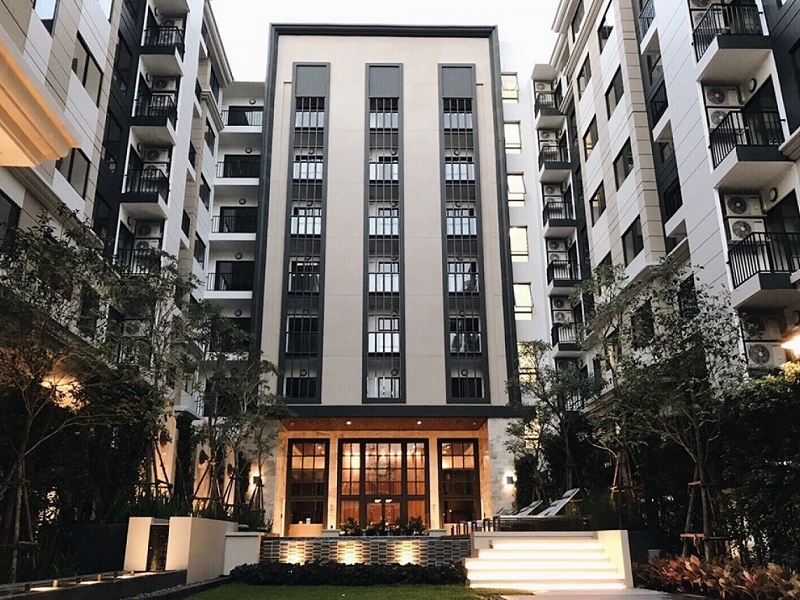
Rules also affect resale. A building with clear enforcement may be more attractive to long-stay residents, while inconsistent enforcement can create disputes. Foreign buyers should ask how complaints are handled, whether fines are used, whether access cards are controlled and whether the building has a stable management company.
Coordinate legal, physical and financial checks
The safest process is to coordinate three workstreams. Legal due diligence checks title, foreign quota, contracts, power of attorney, transfer documents and restrictions. Physical due diligence checks the unit and shared areas. Financial due diligence checks fees, arrears, tax exposure, renovation budget and holding costs. Weakness in one area can change the decision in another.
For example, a unit may be legally transferable but overpriced once future building works are considered. A building may be financially stable but unsuitable for the buyer rental plan because of layout, transport or rules. Treat due diligence as an integrated decision rather than a formality between deposit and transfer.
This is especially important when the buyer is overseas and cannot revisit the building easily before completion. A local representative can photograph service areas, ask the juristic office for written clarification, check whether promised repairs have actually been completed and confirm that the transfer file still matches the buyer name, passport details and payment route. Small mismatches are easier to correct before the land office appointment than on the day of transfer.
A buyer-focused checklist
Before paying a substantial deposit, request the juristic records, inspect shared facilities, confirm transfer readiness, check unpaid charges, review the sale agreement and ask how future repairs are funded. Keep written answers. If a seller or agent cannot provide a reasonable explanation, slow the process down rather than relying on verbal comfort.
IBP helps overseas buyers coordinate practical purchase checks with local market context. Start with the Foreign Buyer Guides archive, then speak with the team before signing if a building, management record or contract point needs a second look.