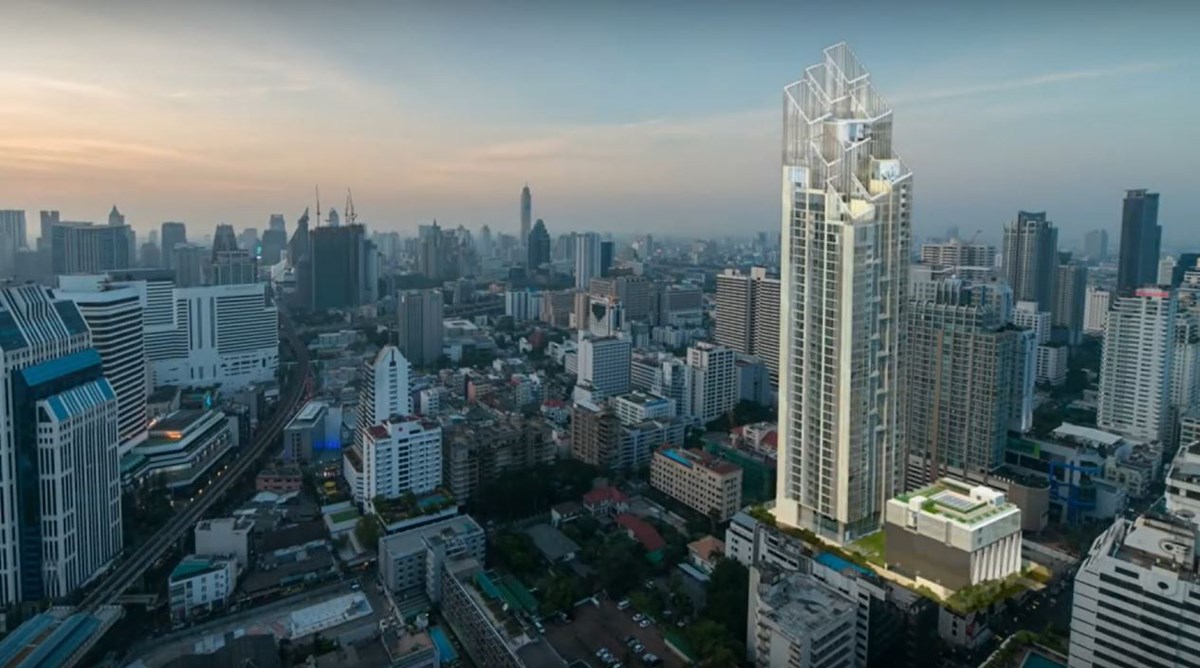
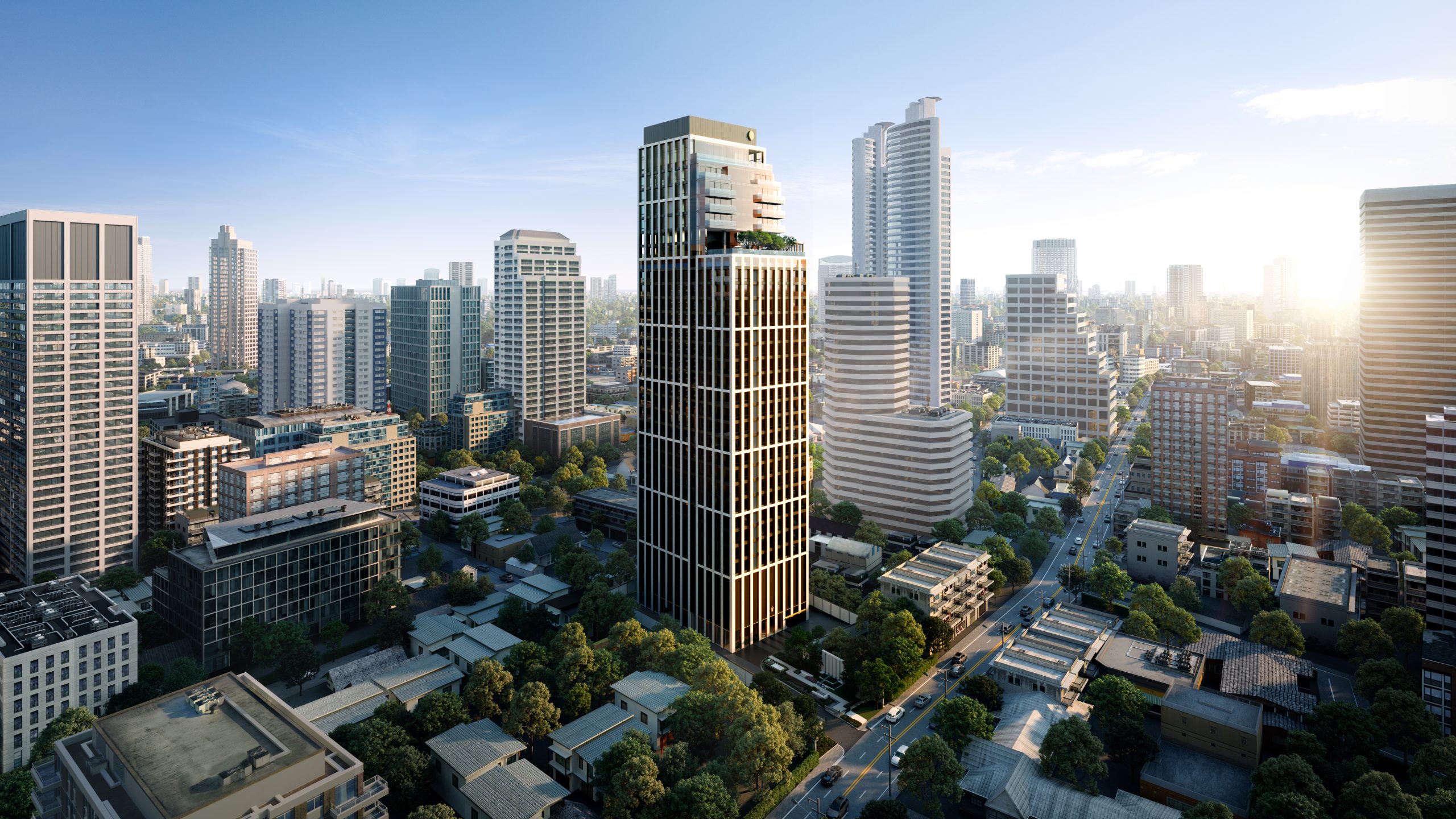
Nana BTS is one of Bangkok’s most internationally recognisable Sukhumvit locations. It sits between Phloen Chit and Asoke, with hotels, serviced apartments, restaurants, nightlife, offices, medical access, embassies and rail links all close by. For foreign buyers, that visibility can be useful, but it also means the condo choice needs discipline.
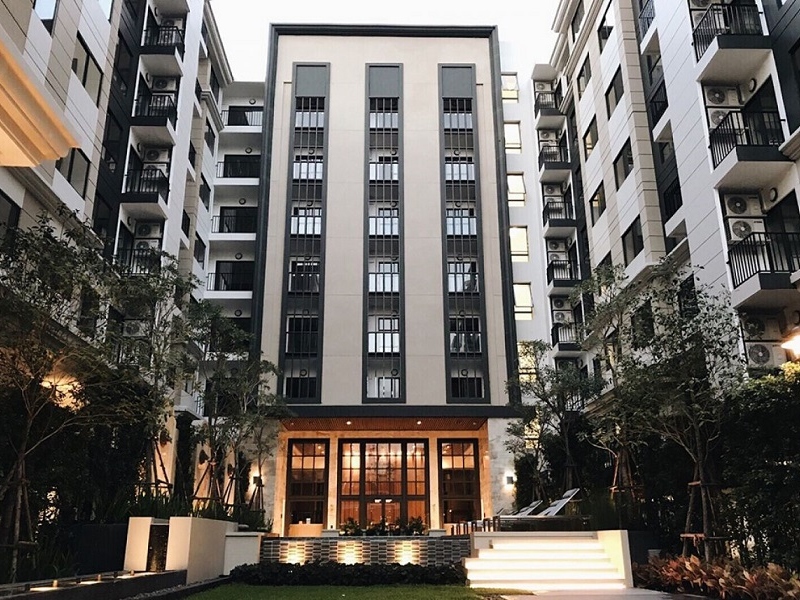
Nana and Sukhumvit 11 need careful checks on access, noise, hotel activity and tenant fit.
The best Nana-area purchases are not simply the nearest units to the station. Buyers should compare street character, lobby control, noise, building age, tenant profile, unit orientation, parking, foot traffic and resale audience. Nana can work for rental investors and owner-occupiers, but the location rewards precise selection rather than generic confidence in central Sukhumvit.
Why foreign buyers consider Nana
Nana offers centrality. Residents can move quickly along the BTS Sukhumvit Line, reach Asoke’s MRT interchange, access Phloen Chit and Chit Lom, and use taxis or ride-hailing for hospitals, embassies, malls and offices. For visitors and new arrivals, the area is easy to understand because it is close to hotels, dining and daily services.
That accessibility can support rental demand from short- and medium-term expatriates, consultants, regional workers and tenants who want a central base without committing to the most family-oriented parts of Sukhumvit. However, demand is not automatic. Tenants will still compare the building, furniture, lift speed, security and street feel.
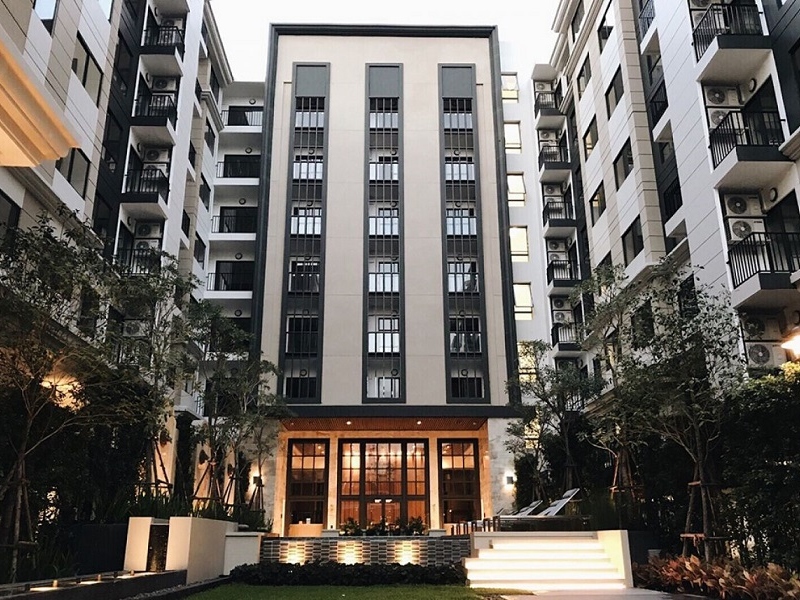
Side-street position can change the feel of a Nana-area condo as much as the BTS distance.
Street-by-street checks matter
Nana is not one uniform district. Sukhumvit 11, Sukhumvit 8, Sukhumvit 12 and smaller connecting streets can feel very different. Some routes are active late into the evening. Others are quieter or more residential. A buyer should walk the exact route from BTS to lobby during the day, after work and at night, not only during a scheduled viewing.
Check pavements, lighting, noise, traffic, motorcycle-taxi points, hotel entrances, bar frontage, construction and pickup areas. A building that is convenient for one tenant type may feel too busy for another. Matching the route to the target occupier is part of the investment decision.
Noise and privacy need careful testing
Central Sukhumvit can be lively, and Nana is no exception. Buyers should open windows and balcony doors during inspection, listen for road noise, music, generators, nearby venues, construction and elevated rail exposure. Higher floors can help, but they do not solve every sound issue.
Privacy also matters. Some units look toward hotels, serviced apartments, office buildings or neighbouring towers. If residents keep curtains closed most of the time, the unit may feel less spacious than the floor plan suggests. Orientation, window position and distance to adjacent buildings should be checked alongside the view.
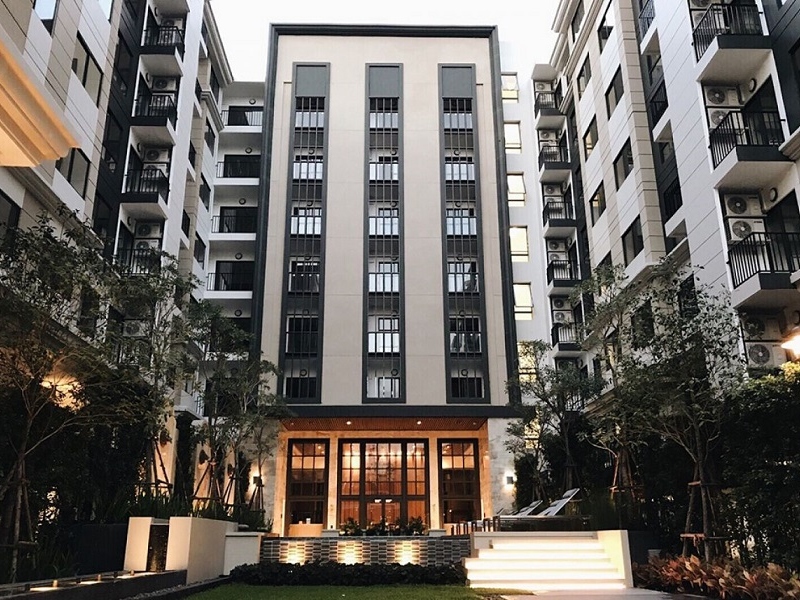
Building management, lobby control and unit orientation are central to the Nana investment case.
Building management can decide the outcome
In an active district, building management is especially important. Lobby control, visitor registration, lift security, delivery procedures, parking access and common-area cleanliness all affect resident confidence. A condo can be centrally located but still underperform if the building feels loose, tired or poorly managed.
Investors should ask how the building handles tenants, contractors and visitors. Owner-occupiers should pay attention to the lobby atmosphere and common areas at different times. The more active the neighbourhood, the more the building itself needs to create calm and predictability.
Tenant profile and unit choice
Compact one-bedroom units may appeal to single professionals, consultants and residents who value central transport more than large internal space. Larger units need a clearer story, because families may prefer quieter streets, school access or parks. A two-bedroom Nana unit can work, but only if it solves a real resident need and is priced against nearby alternatives.
Furniture quality is also important. In a district with hotels and serviced apartments nearby, tenants compare convenience and presentation quickly. A tired unit may need to compete on price. A well-kept unit with good storage, practical appliances and a calm outlook can stand out.
Resale positioning
Nana’s resale story is central location, BTS access and international recognition. The risk is that buyers may discount units affected by noise, poor access, weak management or overly busy surroundings. Foreign investors should ask whether the unit would be easy to explain to a future buyer who is comparing Asoke, Phloen Chit, Chit Lom, Ekkamai and Thong Lo.
A strong resale unit should have a defensible building, a tolerable route, a layout that makes sense and a price that reflects both convenience and friction. Paying only for the station name can leave too little margin for the area’s practical trade-offs.
Buyer checklist
Walk the exact BTS-to-lobby route at several times.
Check night-time noise, hotel activity and venue exposure.
Assess lobby control, lift security and visitor procedures.
Match the unit size and furniture level to a realistic tenant profile.
Compare resale logic with Asoke, Phloen Chit and other Sukhumvit options.
Price any convenience premium against the building’s actual strengths.
Buyer takeaway
Nana BTS can be a useful Bangkok condo location for foreign buyers who want central Sukhumvit access and an internationally familiar rental story. The right unit needs more than proximity to the station. It needs a manageable street route, controlled building environment, realistic tenant fit and a clear resale case.
IBP helps foreign buyers compare Bangkok districts by transport, tenant demand, building quality and lifestyle fit. Browse our district guides or contact IBP Real Estate for a Sukhumvit shortlist.
Common fees are easy to overlook when a Bangkok condo looks affordable at the purchase stage. For foreign buyers, they deserve closer attention. These charges support the building’s daily operation, staffing, cleaning, security, lift maintenance, pool, gym, gardens, insurance arrangements, accounting and long-term upkeep. If the fee system is weak, the owner’s experience can suffer even when the private unit is attractive.
Common fee checks should sit beside title, quota and transfer documents in the buyer’s file.
The objective is not to find the cheapest building. A very low fee can be a warning if it leaves the juristic office unable to maintain common areas properly. A higher fee can be reasonable if the building is complex, well staffed and transparent. The buyer’s task is to understand what is being paid, what remains unpaid and whether the building’s budget supports long-term value.
Ask what the common fee covers
Before buying, request the current fee basis and what it covers. Some costs may be handled through the building’s regular common area fee. Others may sit outside it, such as parking charges, access card replacement, move-in deposits, renovation deposits, waste removal, special repairs or specific utility arrangements. Buyers should not assume that every operating cost is included.
Foreign owners should also ask how invoices are issued and paid. A building that can communicate clearly, accept practical payment methods and confirm receipts reduces friction for overseas owners. If notices are only posted in the lobby, the owner needs a representative or property manager to monitor them.
The payment rhythm also matters. Some buildings expect prompt settlement within a short window, while others issue periodic statements. Buyers should ask what happens if a notice is missed, whether late charges apply, and whether receipts can be obtained without visiting the office in person. A small administrative gap can become annoying when the owner is outside Thailand.
A well-managed building usually has clearer budgeting, fee collection and owner communication.
Check arrears before transfer
Common fee arrears can create transfer-day stress. Buyers should confirm whether the seller has paid all amounts due to the juristic person and whether any clearance document is needed. If the unit has unpaid fees, late charges or unresolved building costs, the buyer should know before funds are transferred.
This is a practical due-diligence issue, not only a negotiation point. A clean fee position helps the transfer proceed smoothly and gives the new owner a clear starting point. Ask the agent, lawyer and juristic office how clearance is normally confirmed for that building.
Understand the sinking fund
A sinking fund is intended to help with larger building works and long-term maintenance. Buyers should ask whether a sinking fund exists, how contributions are calculated, what it has been used for and whether future special contributions have been discussed. A building with ageing lifts, facade issues, pipe works or major common-area upgrades may need more than its ordinary fee income.
Do not treat a sinking fund as a guarantee that every future cost is covered. The key question is whether the building is planning responsibly. Meeting minutes, owner notices and juristic-office explanations can help buyers understand the pattern.
If the building is older, ask whether major systems have already been renewed or are still pending. Lifts, pumps, facade works, car-park systems and common-area air-conditioning can all affect owner contributions. The issue is not to avoid every building with future works; it is to know whether the likely costs have been discussed openly and priced into the purchase decision.
Before transfer, buyers should confirm what has been paid and what will remain their responsibility.
Review the building budget culture
Foreign buyers should look beyond the unit and ask how the condominium is run. Does the lobby feel maintained? Are lifts reliable? Are common areas clean? Do security staff appear organised? Are repairs handled promptly? Physical condition often tells you whether fee collection and budgeting are working.
Where possible, ask for recent juristic records, annual meeting notes or a summary of major works. The goal is not to become an accountant for the building. It is to spot obvious gaps, disputes or deferred maintenance before buying into them.
Landlords need to separate owner and tenant costs
For rental investors, common fees affect net yield. Some expenses remain with the owner even when the tenant pays electricity, water or internet. If the investment calculation ignores owner-paid building costs, the return will look cleaner than reality. Buyers should build a simple annual cost schedule before relying on a headline rent figure.
Landlords should also decide who will receive juristic notices, pay recurring charges and respond to building requests. A tenant may report a problem late or misunderstand an invoice. Overseas owners need a clear management routine so small items do not become penalties or disputes.
For owner-occupiers, the same check affects comfort. A building that collects fees well and spends them sensibly is more likely to keep common areas pleasant, staff motivated and facilities usable. Those details influence daily life and eventual resale confidence, even when they are less visible than the private unit’s view or furniture.
Questions to ask before committing
What is the current common fee basis and payment cycle?
Are there seller arrears, late fees or pending building charges?
What is the sinking fund position and recent major-work history?
Are any special assessments or large repairs being discussed?
How are invoices, receipts and owner notices handled?
Who will monitor and pay fees if the owner is overseas?
Buyer takeaway
Thai condo common fee checks help foreign buyers understand whether a building is financially and operationally healthy. A good unit in a poorly managed building can become difficult to rent, hold or sell. Before transfer, confirm the fee position, review the building’s maintenance culture and include owner-paid costs in the investment plan.
IBP helps foreign buyers coordinate due diligence, transfer planning and ownership routines. Explore our foreign buyer guides or contact IBP Real Estate for practical support.
Saphan Khwai is often overlooked by foreign buyers who already know Ari, Phaya Thai, Asoke or central Sukhumvit. That can be a mistake. The district sits on the BTS Sukhumvit Line, close to Ari’s lifestyle appeal, Chatuchak’s green and transport connections, and the practical Phahon Yothin corridor. For the right buyer, it can offer a useful blend of access, local life and value discipline.
Saphan Khwai and Phahon-Pradipat appeal to buyers who want BTS access with a less obvious central-Bangkok profile.
It is not a simple prestige district, and that is part of the point. Saphan Khwai requires careful building selection. Buyers should compare the real walking route, nearby services, unit layout, building age, management quality and resale audience before assuming the area is a cheaper substitute for Ari.
Why foreign buyers consider Saphan Khwai
The main appeal is rail-led convenience with a more local rhythm. Saphan Khwai BTS gives residents access south toward Ari, Phaya Thai, Siam, Chit Lom, Asoke and On Nut, and north toward Mo Chit and the wider northern corridor. For residents who work or study across several Bangkok districts, that can be practical.
The area also benefits from proximity to Chatuchak, Ari, Pradipat, Phahon Yothin, hospitals, local food, offices and weekend destinations. It can suit buyers who want Bangkok life to feel less polished than prime Sukhumvit but still connected enough for work, errands and visitors.
The district sits between Ari, Phahon Yothin, Chatuchak and northern Bangkok transport corridors.
Compare it with Ari, not only on price
Saphan Khwai is often discussed as an Ari-adjacent option. That comparison is useful, but price should not be the only lens. Ari has a stronger lifestyle brand, cafe scene and residential reputation with many expatriates and Thai professionals. Saphan Khwai may offer better value in some buildings, but the buyer needs to ask what they are giving up and what they are gaining.
If the unit is cheaper because the walk is less pleasant, the building is older, the facilities are weaker or the street feels less residential, the discount may be justified. If the building has a good route, efficient layout, calm management and practical services nearby, the value case becomes stronger. The investor should compare total liveability, not only station names.
Walking routes matter
A Saphan Khwai condo can look close to the BTS on a map but feel different in daily use. Buyers should walk from the station to the lobby at commute time, midday and evening if possible. Check crossings, shade, pavement quality, lighting, motorcycle-taxi conflict, food stalls, traffic noise and rainy-season comfort.
This is especially important for tenants. A tenant choosing between Ari, Saphan Khwai, Phaya Thai and Ladprao may accept a slightly less famous district if the route is easy and the rent is sensible. If the walk feels awkward, the unit may need to compete harder on price.
Building age, layout and management quality are especially important where buyers compare several nearby BTS options.
Building age and management can decide the investment
Saphan Khwai has a mix of older and newer condominium stock. Older buildings may offer larger layouts or lower entry prices, but they need careful checks on lifts, common areas, water systems, parking, security, juristic office responsiveness and future maintenance. Newer buildings may photograph better, but they can still face competition if many similar units are available.
Foreign buyers should inspect common areas slowly. Look at corridors, lobby condition, gym and pool maintenance, rubbish rooms, parking flow, staff communication and noticeboards. A building that feels well managed can support both tenant retention and resale confidence. A weak building can make a good location harder to monetise.
Tenant profile and resale audience
The likely tenant audience may include Thai professionals, young expatriates, hospital staff, consultants, students, creative workers and people who want access to Ari or Chatuchak without paying the highest central rents. That is a useful pool, but it is not unlimited. Investors should check active listings and understand what similar units are asking.
For resale, the buyer should be able to explain the property in one sentence. Examples include: a larger unit near BTS, a well-managed building with a practical Ari-adjacent lifestyle, a compact rental unit with a fair rent, or a home base with strong northern and central access. If the explanation is vague, the resale story may be weak.
What to inspect nearby
Daily services are part of the district’s value. Check supermarkets, local markets, pharmacies, clinics, cafes, gyms, laundries, parcel services and ride-hailing pickup points. Visit the area outside office hours. Some streets feel active and useful; others can feel noisy, narrow or less comfortable for walking.
Buyers should also consider weekend movement. Chatuchak and Mo Chit can bring crowds and traffic. That can be positive for lifestyle and retail access, but it may affect taxi times and quiet enjoyment. The right unit should benefit from access without sitting directly in the most disruptive movement pattern.
Buyer checklist
Walk the lobby-to-platform route in realistic conditions.
Compare the unit with Ari, Phaya Thai, Mo Chit and Ladprao alternatives.
Check building age, lifts, parking, security and common-area maintenance.
Test whether the rent assumption is supported by active competing listings.
Inspect noise, traffic, night-time atmosphere and weekend movement.
Choose a unit with a clear tenant and resale explanation.
Buyer takeaway
Saphan Khwai can make sense for foreign buyers who want BTS access, Ari proximity and a less obvious central-north Bangkok location. It rewards careful selection. Buy the route, building management, usable layout and realistic tenant profile, not only the idea of being one stop from Ari.
IBP can help foreign buyers compare Saphan Khwai with Ari, Phaya Thai, Ladprao and other BTS-led districts. Browse our district guides or contact IBP Real Estate for a neighbourhood shortlist.
Foreign owners usually think about bringing money into Thailand when they buy a Bangkok condo. They should think just as carefully about taking sale proceeds out when they eventually sell. Repatriation is not a last-minute task. It depends on a clean ownership file, bank records, sale documents and coordination between the owner, broker, lawyer, bank and buyer.
A clean resale file helps foreign owners prepare bank, transfer and tax conversations before completion.
This guide is a practical checklist, not legal or tax advice. Rules and bank procedures can vary, and each owner should confirm the exact process with their adviser and Thai bank before signing a sale agreement. The goal is to make the exit process predictable rather than rushed.
Start with the original purchase file
The most important sale-proceeds file often begins on the day the owner bought the condo. Foreign buyers should keep the title deed copy, sale and purchase agreement, land-office transfer documents, bank inward-remittance evidence, foreign-exchange transaction forms where issued, receipts, mortgage records if any, tax documents and correspondence with the bank.
When the owner later sells, the bank may need to understand how funds originally entered Thailand and how the sale proceeds relate to the property. If the file is incomplete, the owner may still be able to solve the issue, but it can take time. Starting early is easier than searching for old paperwork after a buyer has already set a transfer date.
Sale-proceeds planning should include the original inward remittance file and the outward-transfer process.
Confirm the bank process before listing
Before marketing the condo, contact the Thai bank that will handle the proceeds. Ask what documents it normally requires for outward remittance after a foreign-owned condominium sale. Ask whether the proceeds must pass through a specific account, whether the account holder’s name must match the title deed, what identification documents are needed and how long outward transfer processing usually takes.
Owners who live overseas should also ask whether they can complete any part of the process remotely. Some banks may require in-person steps, updated signatures or specific authorisations. If a representative will act for the owner, check the power of attorney format and whether it needs notarisation, legalisation or Thai translation.
Prepare the resale documents
A clean resale file helps both the sale and the remittance. Owners should prepare the title deed copy, passport copy, ownership registration details, unit address, sale agreement, buyer details, tax and fee estimates, juristic office clearance documents, utility settlement evidence and any mortgage release documents if relevant.
The exact list depends on the transaction. A lawyer or experienced broker should coordinate the land-office and bank requirements so the sale price, transfer date, tax handling and bank transfer steps are consistent. Do not assume the buyer’s preferred completion structure automatically suits the foreign seller’s remittance plan.
Exit planning starts before listing, because the buyer, bank, land office and building records all need to align.
Check tax and fee timing
Foreign sellers should understand which taxes and transfer costs will be paid at completion and which records they will receive. The net amount available for outward transfer is not the headline sale price. It is the amount left after agreed fees, taxes, agent commission, mortgage settlement, repairs, utility balances and any other closing items.
Because tax treatment can depend on the owner, holding period and transaction facts, sellers should get advice before agreeing the net proceeds they expect. A simple sale price can become confusing if the owner has not budgeted for deductions or if responsibility for costs is unclear in the sale agreement.
Power of attorney needs careful handling
Many overseas owners cannot travel to Bangkok for every step. A power of attorney can help, but it must be handled precisely. The owner should confirm who is authorised to sign the sale agreement, attend the land office, deal with the juristic office, receive documents, settle utilities and communicate with the bank. Different tasks may require different wording.
Do not give broad authority casually. Use a trusted representative and keep the authorisation aligned with the transaction. If the bank requires separate forms, prepare them early. A sale can be delayed when the land-office document is ready but the bank authorisation is not.
Coordinate currency conversion
Once sale proceeds are available, the owner should decide whether to hold Thai baht temporarily or convert immediately. That decision depends on personal needs, exchange-rate comfort and bank process. Sellers should avoid making the conversion decision under pressure on transfer day unless they have already considered the options.
Owners should also confirm the receiving overseas account details, beneficiary name, intermediary bank information where needed and any reporting requirements in their home country. A typo in international transfer details can create unnecessary delays.
Seller checklist
Locate the original inward-remittance and purchase documents.
Ask the Thai bank for outward-remittance requirements before listing.
Confirm whether the owner must be present or can use a representative.
Align the sale agreement with tax, fee and bank requirements.
Prepare juristic office clearance, utilities and keycard handover records.
Review the net proceeds after all deductions, not only the sale price.
Check overseas receiving-account details before completion.
Buyer takeaway
Thai condo sale proceeds repatriation is easiest when the owner prepares before the resale starts. Keep the original money trail, speak to the bank early, use a careful power of attorney when needed and make sure the sale documents support the outward-transfer plan. A clean exit file protects the seller’s time and reduces avoidable completion stress.
IBP helps foreign owners plan Bangkok condo purchases, rentals and exits with practical documentation in mind. Explore our resale and exit strategy guides or contact IBP Real Estate for a resale consultation.
Asoke is one of Bangkok’s most recognisable central condo districts for foreign buyers. The appeal is easy to understand: MRT and BTS interchange access, office demand, hotels, malls, restaurants, hospitals, international services and fast movement across Sukhumvit, Rama IV, Phetchaburi and Ratchadaphisek.
Asoke’s appeal comes from the overlap of MRT, BTS, offices, hotels, retail and central-city convenience.
That visibility is useful, but it can also make buyers overpay. Asoke is not a single product. A condo beside the interchange, a tower deeper in a soi, a branded residence, an older resale unit and a compact investment unit can all behave differently. Foreign buyers should judge the exact building and route, not only the district name.
Why foreign buyers consider Asoke
Asoke gives residents access to both the BTS Sukhumvit Line and the MRT Blue Line through the Sukhumvit-Asok interchange. That matters for tenants and owner-occupiers who move between Sukhumvit, Silom, Queen Sirikit National Convention Centre, Rama 9, Chatuchak, Bang Sue and central retail districts. Few Bangkok locations are easier to explain to a new arrival.
The district also has a deep weekday economy. Offices, embassies, hotels, serviced apartments, shopping centres, dining, nightlife, medical services and education options all support different types of demand. For landlords, this broad tenant base can be attractive. For owner-occupiers, it can make daily life convenient without needing a car for every errand.
The interchange premium needs discipline
Being near Asok BTS or Sukhumvit MRT can support value, but the premium should be tested. A building with a difficult walk, heavy traffic exposure, awkward pavement, poor drop-off or noisy surroundings may not feel as convenient as a map suggests. Buyers should walk the route from platform to lobby during office hours, evening rush and rainy conditions if possible.
Station access should be tested from the lobby to platform, not judged only by the district name.
Distance is not the only factor. Covered access, safe crossings, shaded pavements, lobby access, motorcycle-taxi reliance, traffic pinch points and lift queues all change the lived experience. A unit slightly farther away but easier to reach may be more comfortable than one that is technically closer but unpleasant to access.
Office demand is real, but tenants are selective
Asoke has strong office and hospitality demand, yet tenants still compare units closely. Rent, furniture, view, noise, building age, facilities, internet readiness, parcel handling and management quality all matter. A generic one-bedroom in a crowded building may need to compete on price if many similar units are available.
Foreign investors should define the target tenant. Is the unit for an expatriate executive, a regional consultant, a single professional, a couple, a hybrid worker or a long-stay visitor? The target audience affects size, furnishing, desk space, storage, kitchen expectations and tolerance for nightlife or traffic noise.
Premium Asoke condo choices still need building, layout and resale checks rather than brand-led assumptions.
Building quality separates similar locations
Asoke buyers should spend as much time inspecting the building as the view. Lift performance, common-area maintenance, lobby management, security, parcel handling, car access, swimming pool, gym and resident mix can make one tower more defensive than another. Older buildings may offer larger layouts, while newer or branded projects may offer sharper services and facilities.
Neither choice is automatically better. A larger older unit can be attractive if the building is well run and priced sensibly. A newer premium unit can be attractive if the entry price still leaves room for realistic rent and resale. The buyer’s job is to compare total cost and future competition, not follow a label.
Noise, privacy and light need real inspections
Asoke is busy. Road noise, rail exposure, nightlife, construction, office towers and hotel activity can all affect comfort. Buyers should inspect at more than one time if possible and should stand quietly with balcony doors open and closed. A strong district does not compensate for a unit that is difficult to live in.
Privacy also matters. Dense central locations can create direct views between towers. Tenants and future buyers may keep curtains closed if the exposure feels too close. This can reduce the practical value of natural light and view.
Resale logic in a famous district
A recognised district can help resale because buyers understand the location quickly. It does not guarantee liquidity. Asoke has many alternatives, and future buyers will compare across Sukhumvit, Phrom Phong, Nana, Phetchaburi, Rama 9 and Silom-Sathorn. The unit needs a clear reason to win.
That reason might be a rare layout, better access, stronger building management, attractive total price, durable view, larger usable area or premium service standard. If the unit’s only story is “Asoke”, the investor should be cautious.
Buyer checklist
Walk the route from BTS and MRT platform to lobby.
Inspect traffic, crossings, shade, rain exposure and night comfort.
Compare similar units in the building and nearby towers.
Check noise, privacy, light and air-conditioning load.
Define the likely tenant or future resale buyer.
Price the interchange premium against realistic alternatives.
Buyer takeaway
Asoke can be a strong Bangkok condo district for foreign buyers who value connectivity, services and a broad tenant base. It rewards precision. Buy the building, walk, layout and resale story, not only the interchange label.
IBP helps foreign buyers compare Asoke with Sukhumvit, Rama 9, Silom-Sathorn and other central Bangkok districts. Browse our district guides or contact IBP Real Estate for a location-led shortlist.
Foreign buyers often complete a Bangkok condo purchase carefully, then leave small owner-record details unfinished. The juristic office may have an old email address, the property manager may not know who can approve repairs, the tenant may message the wrong person, and emergency contacts may be missing or outdated.
Owner contact details should sit in the same file as transfer, juristic office and lease documents.
This sounds administrative, but it matters. Contact details are part of practical risk control for overseas owners. They help the building reach the right person for leaks, payments, access cards, fire-safety notices, common fee invoices, tenant issues, contractor access and future resale preparation.
Why owner records matter after transfer
The legal transfer makes the buyer the owner. The building record makes day-to-day ownership workable. If the juristic office has the wrong owner address, email, telephone number or emergency contact, important notices may be missed. If a tenant does not know who handles repairs, small problems can become larger. If a property manager lacks authority details, urgent decisions can stall.
Foreign owners should treat contact records as part of the same file as title documents, foreign quota papers, transfer receipts, inventory, lease, insurance, utility accounts and repair history. A clean file is especially important when the owner lives overseas or uses different representatives for purchase, leasing and maintenance.
Start with the juristic office
The juristic office is usually the first place to update after transfer. Ask what owner contact form the building uses and what supporting documents it needs. The building may ask for passport details, title copy, mailing address, Thai phone number, overseas phone number, email address, emergency contact and an authorised representative if the owner will not be in Bangkok.
The juristic office needs reliable owner, representative and emergency contacts after transfer.
Do not assume the agent’s contact details will automatically become the owner record. Agents may help during purchase, but the building should know who the owner is, who can receive notices, who can authorise access, and who should be called if water, security or common-area issues affect the unit.
Separate owner, representative and emergency contacts
A useful record separates roles. The owner is the legal decision-maker. A representative may be allowed to collect keys, arrange repairs, meet contractors or deal with the juristic office. An emergency contact may be called when the owner is unreachable. A tenant may report issues but should not be treated as the owner’s legal representative unless the owner has clearly authorised it.
This distinction protects everyone. The juristic office should not have to guess whether a tenant can approve repairs. A property manager should not have to chase three different people for the same decision. An emergency contact should know they are listed and what they are expected to do.
Contact records help the right person respond when access, repairs or tenant issues arise.
Repair authority should be written down
Owner contact records are closely linked to repair management. If a pipe leaks, air-conditioning fails or an appliance stops working, the property manager needs to know who can inspect, who can approve spending, who holds spare keys and what limit applies before owner approval is required.
Foreign owners should set a small urgent-repair authority where appropriate, then require photographs, invoices and a written record. Without this, a simple issue can become difficult because nobody wants to approve a cost while the owner is asleep in another time zone.
Invoice routing and common fee notices
Common fee invoices, sinking fund notices, repair assessments and building announcements should go to the right email address. If the condo is rented, decide whether notices go to the owner, property manager or both. Tenants may receive building notices about access, fire drills or facility closures, but owner-level financial notices should not depend only on tenant forwarding.
Owners should also ask how the building sends urgent notices: email, phone, messaging app, posted letter or building application. If the building uses Thai-language notices, the owner should arrange translation support with a manager or trusted contact.
Keep access and key records current
The owner file should list room keys, mailbox keys, access cards, parking stickers, lift cards and any spare sets held by a manager or tenant. If a tenant changes, cards are replaced, locks are changed or a manager is appointed, update the record. Lost-card fees and security concerns are easier to handle when the owner knows what exists.
For vacant units, the building and manager should know who can enter in an emergency. Owners should not leave emergency access unclear, especially if the unit has water connections, appliances, balcony drains or air-conditioning equipment that could affect neighbours.
What to review once a year
At least once a year, foreign owners should review owner email, phone, overseas address, Thai mailing address, emergency contact, property manager, tenant contact, keycard list, utility accounts, insurance records and lease dates. This is a simple habit, but it prevents many ownership problems.
The review is also useful before resale. A buyer, lawyer or agent will ask for building records, common fee status, keys, tenant information and maintenance history. Clean contact and access records make the future exit easier to organise.
Owner checklist
Update the juristic office after transfer with owner and emergency contacts.
Separate owner, representative, tenant and emergency-contact roles.
Set written repair authority and spending limits for urgent issues.
Confirm where common fee invoices and building notices are sent.
Keep a current list of keys, cards, parking stickers and spare sets.
Review contact, access and manager records at least once a year.
Buyer takeaway
Bangkok condo owner contact details are not just admin. They protect foreign owners when payments, repairs, access, tenants and building notices need fast coordination. A clean record helps the unit function smoothly while the owner is overseas.
IBP helps foreign buyers set up Bangkok ownership files, property-management routines and practical handover support. Browse our foreign buyer guides or contact IBP Real Estate for a practical ownership checklist.
Sam Yan is a compact but important central Bangkok district for foreign buyers who want MRT access, university demand, office links, retail convenience and quick movement between Silom, Sathorn, Siam and Rama IV. It is not a pure luxury address and it is not only a student area. Its appeal comes from how many daily-city uses overlap in a small radius.
Sam Yan decisions should begin with the real station, street and lobby journey.
For investors, Sam Yan can offer a practical tenant story if the building, route and unit size are chosen carefully. For owner-occupiers, it can work as a central base with a more mixed, local and education-led rhythm than some parts of prime Sukhumvit. The correct purchase decision depends on the exact walk, building management and resale audience.
Why foreign buyers look at Sam Yan
Sam Yan sits on the MRT Blue Line and gives residents straightforward rail access towards Silom, Sukhumvit through interchange, Hua Lamphong, Queen Sirikit National Convention Centre and the wider city. It is also close to Chulalongkorn University, Rama IV, Si Phraya, Silom and the broader business corridor. That mix creates demand from several groups rather than one narrow tenant profile.
Buyers may consider Sam Yan when they want centrality but do not need the most internationally recognised Sukhumvit address. The district can appeal to professionals, university-linked residents, medical and education users, office tenants, city workers and owner-occupiers who value access to both commercial and cultural Bangkok.
Sam Yan buyers should compare new-building convenience with long-term layout and management quality.
Station access needs a street-level test
Sam Yan is walkable in parts, but buyers should test the real route. Check the distance from MRT platform to lobby, the quality of pavements, crossings, shade, lighting, traffic and rainy-season shelter. Also consider whether the route feels comfortable at night and whether taxis or ride-hailing cars can stop easily near the building.
A short map distance is not enough. Some routes may be busy, exposed or awkward with luggage. Others may feel more convenient because they connect through retail, covered areas or calmer streets. The strongest condo choice is usually the one where daily movement feels simple, not merely close on paper.
University and office demand are useful, not automatic
Education and office proximity can support rental demand, but investors should not assume every unit will perform well. Tenants still compare rent, layout, furniture, building age, facilities, noise and management. A studio or one-bedroom unit may suit a different audience from a larger unit aimed at couples or owner-occupiers.
Foreign buyers should ask who the unit is really serving. Is it a professional who wants MRT access? A university-linked tenant who values walking convenience? A couple wanting central lifestyle without prime-Sukhumvit pricing? A future owner-occupier who wants proximity to Silom, Sathorn and Siam? Each audience has different expectations.
The district’s appeal comes from rail, education, offices, retail and central-city access working together.
Retail and daily services strengthen the liveability case
Sam Yan’s appeal is not only transport. Daily convenience matters: supermarkets, casual dining, cafes, clinics, gyms, pharmacies, co-working options, cultural venues and quick access to larger shopping districts all support long-stay comfort. A resident who can handle ordinary errands locally is more likely to treat the district as a real home base.
Buyers should still check the immediate surroundings. A building close to retail can be convenient but busy. A quieter side street can feel calmer but may require a longer walk to services. Noise from traffic, schools, nightlife, construction or delivery activity should be inspected at different times.
Building quality matters in a compact district
Because Sam Yan is central and dense, small building differences can matter. Lift performance, lobby management, parcel handling, parking, maintenance, common-area quality and resident mix can affect both tenant retention and resale. Older buildings may offer more space, while newer projects may offer sharper facilities and smaller plans.
Neither age profile is automatically better. The buyer should compare total cost, usable space, furnishing, common fees, repair condition and the number of similar listings. If several comparable units are available, rent and resale assumptions should stay conservative.
Resale audience and exit strategy
Sam Yan’s resale story should be clear before purchase. A future buyer needs to understand why the unit works compared with Silom, Sathorn, Siam, Ratchathewi, Asoke or Rama 9 alternatives. The answer may be MRT access, education proximity, a stronger layout, better price, calmer building, or easier daily services.
If the unit has no clear advantage, it may become one more central condo listing competing on price. Foreign investors should therefore choose units with a defined tenant and resale audience, not only a fashionable district name.
Buyer checklist
Walk from Sam Yan MRT to the lobby at realistic times.
Check traffic, noise, lighting, shade and rainy-season comfort.
Identify the likely tenant or owner-occupier profile.
Compare building management, lifts, facilities and maintenance.
Review nearby competition before accepting rent assumptions.
Test the resale story against Silom, Sathorn, Siam and Rama IV alternatives.
Buyer takeaway
Sam Yan MRT can be a practical central Bangkok condo district for foreign buyers who value rail, education, offices and daily services. It rewards careful inspection. Buy the walking route, building quality, layout and resale logic, not only the central-city label.
IBP helps foreign buyers compare Sam Yan with other MRT and BTS-led Bangkok districts. Browse our district guides or contact IBP Real Estate for a location-led shortlist.
Repair requests are part of owning a Bangkok condo, whether the unit is used personally, held vacant for occasional stays or rented to a tenant. Foreign owners often discover that the technical repair is only one part of the process. The harder part is deciding who inspects, who approves the cost, who gives building access, and how the repair record is kept.
Repair requests should sit in the same owner file as the lease, warranties, inventory and building rules.
A good repair system protects the owner, tenant and building. It also reduces emotional messages when something fails. Air-conditioners, water heaters, appliances, leaks, blocked drains, door locks, internet points, balcony drains and minor electrical problems are all easier to handle when the owner has a clear process before the first issue appears.
Start with one owner file
Every foreign owner should keep a simple digital file for the unit. It should include the title transfer documents, lease, inventory, appliance warranties, manuals, juristic office rules, contractor invoices, photographs, insurance details where relevant, and contact details for the property manager or local representative. Repair requests should be added to the same file.
This matters because repairs often repeat. If an air-conditioning unit has been serviced, a water heater replaced, or a leak inspected, the next person needs to see the history. Without a file, every repair begins again from memory.
Photographs and clear inspection notes make repair decisions easier for owners managing a unit from overseas.
Separate urgent and routine issues
Owners should agree in advance what counts as urgent. Water leaks, electrical risk, lock failure, major air-conditioning failure, broken windows, security issues and anything that could affect another unit usually need fast action. A scratched table, loose handle or small appliance issue may be routine unless the lease says otherwise.
The owner should give the property manager spending authority for small urgent repairs within a written limit. Without that authority, a problem can become worse while everyone waits for approval across time zones. Larger repairs should still require photographs, estimates and owner confirmation.
Use photographs and short notes
A tenant’s message saying something is broken is a starting point, not a complete repair request. Ask for clear photographs or short video, the time the issue started, whether water or electricity is involved, and whether building staff have already inspected it. A manager should then record what was found and what action was taken.
Good notes reduce disputes later. They show whether the issue was ordinary wear, tenant damage, developer defect, common-area problem, appliance age or contractor error. The purpose is not to blame quickly. It is to decide calmly and keep evidence.
Many repairs involve the juristic office, building access, contractor registration or common-area rules.
Keep tenant communication calm and specific
Tenants usually want acknowledgement first, then a clear next step. A useful reply confirms that the issue has been received, asks for any missing evidence, explains who will inspect, and gives a realistic timing update. Vague promises create frustration. Overly legal language can make a simple repair feel hostile. A professional repair trail should be short, dated and factual.
For landlords using an agent or property manager, the tenant should know who is authorised to coordinate repairs. Multiple channels can create confusion if the tenant messages the owner, agent, juristic office and contractor separately. One clear coordinator helps keep the process moving.
Check building rules before sending contractors
Many Bangkok condominiums control contractor access. The juristic office may require identification, owner authorisation, work-hour limits, lift protection, deposits, rubbish removal rules and advance booking for noisy work. Some repairs also need building staff to inspect common pipes, risers, balconies, drains or exterior equipment.
Foreign owners should not tell a contractor to enter without checking the building procedure. If a contractor damages a lift, corridor, neighbour’s unit or common-area system, the owner may face cost and relationship problems even when the repair began as a small job.
Clarify tenant responsibility carefully
Some issues are ordinary owner maintenance. Some may be tenant misuse. Some may be shared or unclear. The lease should explain the repair process, but owners should avoid making instant accusations without inspection. A calm response keeps the tenancy professional and protects the landlord’s reputation.
If a tenant caused damage, keep photographs, messages and invoices. If the owner is responsible, respond promptly and record the cost. If the issue relates to the building, involve the juristic office and keep their written response. The cleaner the trail, the easier it is to close the matter.
Use repairs to update the inventory
Whenever an appliance, mattress, curtain, lock, sofa, light fitting or fixture is replaced, update the inventory. Add the date, cost, warranty and photographs. If the unit is rented, the tenant should acknowledge major changes. This helps when the tenant moves out and prevents confusion over what was originally provided.
Owners should also track recurring repairs. Repeated air-conditioning failures, leaks or appliance breakdowns may signal that replacement is cheaper than temporary fixes. Good property management is not only about spending less today; it is about reducing repeat disruption.
Owner checklist
Keep repair history with the lease, inventory and building rules.
Define urgent issues and spending authority before problems occur.
Ask for photographs, short notes and inspection records.
Confirm contractor access rules with the juristic office.
Record invoices, warranties and replacement dates.
Update the inventory after any major repair or replacement.
Buyer takeaway
Bangkok condo repair requests are easier to manage when foreign owners set the process early. The goal is clear evidence, fast urgent response, controlled contractor access and a clean owner file. That discipline protects rental income, tenant relationships and long-distance ownership.
IBP helps foreign buyers set up Bangkok ownership files, landlord routines and property-management support. Browse our foreign buyer guides or contact IBP Real Estate for practical ownership support.
Lat Phrao is a practical north-central Bangkok district for foreign buyers who want MRT access, road connectivity, shopping, offices, local services and a different price conversation from prime Sukhumvit. It is not a simple one-station story. Buyers need to compare Lat Phrao MRT, Ratchadaphisek, Phahon Yothin, Ha Yaek Lat Phrao and nearby side streets as a connected but varied market.
Lat Phrao decisions should begin with the real door-to-station journey.
The district can suit investors and owner-occupiers, especially buyers who value rail, lifestyle convenience and access to northern Bangkok. It can also disappoint buyers who assume every Lat Phrao address has the same walkability or tenant depth. The correct decision depends on the exact route, building, unit type and resale audience.
Why foreign buyers look at Lat Phrao
Lat Phrao has a useful combination of MRT access, large retail anchors, local dining, offices, road links and neighbourhood services. It connects into the wider Ratchada, Chatuchak, Phahon Yothin and Central Ladprao areas. For residents who work across different parts of Bangkok, the district can offer more flexibility than a location tied to one lifestyle node.
Foreign buyers may consider Lat Phrao when central Sukhumvit feels expensive, when they want access to northern Bangkok, or when they see value in a rail-led district with established daily infrastructure. The appeal is practical rather than purely glamorous. That can be a strength if the unit is chosen carefully.
Rail convenience is most valuable when it supports daily work, errands and tenant routines.
Station access needs a real walking test
Listings often describe buildings as near MRT or interchange areas, but the actual journey matters. Buyers should walk from platform to lobby at normal commuting times. Check pavements, crossings, shade, lighting, traffic, construction barriers, motorcycle-taxi reliance and the final approach to the building.
Lat Phrao roads can be busy. A short map distance may feel less attractive if the walk is exposed or hard to cross. Conversely, a building slightly farther from the station may work well if it has shuttle support, a practical drop-off and useful services on the doorstep. The route should match the likely resident, not only the marketing map.
Compare MRT, BTS and road demand
The wider district benefits from multiple movement patterns. Some residents use MRT. Others connect to BTS, drive, use taxis, take buses or work around northern Bangkok. Investors should identify which demand group the unit is really serving. A compact unit near rail may target young professionals. A larger unit with parking may need a different story.
Rail access is helpful, but it should not be the only reason to buy. Building management, lift capacity, unit layout, noise, view, parking, furnishing and rent level still decide whether a tenant chooses the unit over nearby alternatives. A good location cannot fully rescue a weak building.
Lat Phrao and Ratchada-Lat Phrao choices should be compared by building, route and resale audience.
Retail and daily services are part of the value
Lat Phrao’s retail and service depth can support long-stay comfort. Supermarkets, casual dining, clinics, gyms, banks, schools, offices and transport options make the district more convenient for residents who do not want every errand to involve a long trip. That convenience can help both owner use and tenant retention.
Buyers should still inspect the immediate surroundings. A building near a major retail area may be convenient but busy. A quieter soi may be calmer but less walkable. A unit facing a main road may be easy to reach but noisier. The right trade-off depends on whether the buyer is investing, relocating or buying for occasional Bangkok use.
Building age and competition vary
Lat Phrao and nearby Ratchada include older condominiums, newer high-rise projects and mid-market buildings with different facility standards. Investors should compare common areas, lift performance, maintenance, parking, juristic responsiveness and the number of similar listings. If many comparable units are available, rent assumptions should be conservative.
Older buildings may offer larger layouts but require closer checks on repairs, common fees and resale liquidity. Newer buildings may have sharper facilities and smaller plans. Neither is automatically better. The best choice is the one where price, layout, management and demand line up.
Who should consider Lat Phrao
Lat Phrao can suit buyers who want a practical Bangkok base with rail access and a more local daily rhythm than prime tourist districts. It may also appeal to residents connected to northern Bangkok, Ratchada, Chatuchak, Kaset, Don Mueang routes or offices outside the Sukhumvit core.
It may be less suitable for buyers who need the most internationally recognised luxury address, direct riverside lifestyle, or the simplest possible expat arrival story. For those buyers, Phrom Phong, Asoke, Silom-Sathorn, Chit Lom or riverside locations may be easier to understand. Lat Phrao rewards buyers who are comfortable with a more practical, transport-led decision.
Buyer checklist
Walk the route to MRT, retail, taxis and daily services.
Check whether the building depends on a shuttle, car or motorcycle taxi.
Compare lift capacity, parking, common areas and juristic management.
Review competing rental and resale listings in nearby buildings.
Match the unit size to a real tenant or owner-occupier profile.
Test whether the resale story is clear against Ratchada, Chatuchak and Phahon Yothin alternatives.
Buyer takeaway
Lat Phrao MRT can be a sensible Bangkok condo district for foreign buyers who want rail-led convenience, daily services and a practical northern-city connection. It is not a shortcut to easy returns. Buy the route, building quality, layout and resale audience, not only the station name.
IBP helps foreign buyers compare Lat Phrao with other MRT and BTS-led districts. Browse our district guides or contact IBP Real Estate for a location-led shortlist.
A clear inventory is one of the simplest ways for foreign Bangkok condo landlords to reduce disputes. It records what was in the unit, what condition it was in, how many access items were issued, and what should be checked when the tenant leaves. Without that record, even a good tenancy can end with avoidable arguments about damage, wear, missing items or deposits.
A useful inventory file connects the lease, furniture list, photographs and repair history.
Inventory work is not only for large luxury units. It matters for compact one-bedroom condos, family apartments, serviced-style residences and older resale units. The more remote the owner is, the more important the record becomes. A landlord living outside Thailand needs a file that a property manager, agent or lawyer can understand without relying on memory.
Start before the tenant moves in
The best inventory is created before occupancy. Photograph the unit after cleaning and before the tenant’s belongings arrive. Capture every room from wide angles, then photograph important items closely. Include floors, walls, ceilings, windows, curtains, wardrobes, appliances, bathrooms, kitchen counters, balcony, air-conditioners, remote controls and any existing marks.
Do not rely only on attractive listing photos. Marketing photos are designed to secure viewings. Inventory photos are designed to record condition. They should be dated, systematic and easy to match to a written list. If an item is already scratched, stained or repaired, note it rather than hiding it.
Building rules, access cards and common-area responsibilities should be recorded before move-in.
List what the tenant receives
A Bangkok condo inventory should include furniture, appliances, loose items and access items. Record beds, mattresses, sofas, tables, chairs, lamps, televisions, washing machines, refrigerators, microwaves, water heaters, air-conditioning units, kitchenware if included, curtains, routers and any decorative items that remain in the unit.
Access items deserve special care. Count room keys, mailbox keys, parking stickers, lift cards, access cards, remotes and amenity cards. Ask the building what replacements cost and whether cards must be registered. Missing access items can create real security and cost issues at move-out.
Separate wear from damage
Landlords should be realistic. Normal use creates ordinary wear. The inventory is not a tool for blaming tenants for every minor change. Its purpose is to distinguish fair wear from damage, missing items, unauthorised alterations or neglect. A calm standard helps protect the landlord’s relationship with the tenant and supports a fair deposit conversation.
Examples should be specific. A small existing wall mark is different from a large new hole. An ageing sofa is different from a torn sofa. A working air-conditioner with service history is different from a blocked or damaged unit after poor use. The better the starting record, the easier these distinctions become.
Photographs taken before occupancy make later repair and deposit conversations easier.
Connect the inventory to the lease
The inventory should sit beside the lease, not in a separate forgotten folder. The lease can refer to the attached inventory, photo schedule, access-card count and rules for repairs or missing items. Landlords should ask their adviser or property manager to align the wording with the actual tenancy arrangement rather than copying a generic template without review.
Where the building has specific rules, add them to the tenant file. Move-in hours, rubbish disposal, balcony rules, smoking rules, pet rules, drilling restrictions, delivery procedures and amenity booking rules all affect how the unit is used. A tenant who receives clear rules at the start is less likely to create problems later.
Use the inventory during inspections
Inventory is not only a move-in and move-out document. It should guide periodic inspections, especially for overseas owners. A manager can check whether appliances work, filters are serviced, leaks are visible, walls are damaged, balcony drains are clear, and furniture remains in reasonable condition. Small problems can then be repaired before they become expensive.
Keep repair invoices and messages in the same file. If the owner replaces a mattress, fixes an air-conditioner or repaints a wall during the tenancy, update the record. A living inventory is more useful than a document created once and ignored for years.
Move-out should follow the same order
At move-out, inspect the same areas in the same order. Compare room by room with the starting photographs and written list. Record any missing items, damage, cleaning issues or utility balances. If deductions are proposed, explain them clearly and keep supporting photographs and invoices.
Foreign landlords should avoid emotional or rushed decisions. A structured process is easier to defend and usually easier for the tenant to accept. Where there is disagreement, a clear inventory gives the property manager a factual basis for discussion.
Landlord checklist
Create the inventory after cleaning and before tenant move-in.
Use wide room photographs and close-ups of important items.
Count all keys, cards, remotes, stickers and access items.
Record existing marks, stains, repairs and missing items honestly.
Attach the inventory to the lease and update it after repairs.
Use the same checklist for periodic inspections and move-out.
Buyer takeaway
A Bangkok condo inventory protects the landlord, tenant and property manager by replacing memory with evidence. For foreign owners, it is a practical control that supports smoother leasing, fairer deposits and better long-distance management.
IBP helps foreign buyers set up Bangkok rental units, owner files and property-management routines. Browse our rental market guides or contact IBP Real Estate for landlord support.
Ekkamai is one of the more nuanced Sukhumvit condo districts for foreign buyers. It has BTS access, restaurants, cafes, schools, hospitals, nightlife, supermarkets and quick links to Thonglor, Phrom Phong, On Nut and Rama IV. It also has deep side streets, traffic pinch points and a wide spread of building ages, so the best purchase depends on the exact daily route.
Ekkamai works best when the building connects cleanly with daily Sukhumvit routines.
Buyers who only compare Ekkamai by station name can miss the point. A condo that is technically in the district may still rely on motorcycle taxis or long walks. Another unit slightly farther from the station may work better if it sits near a useful daily cluster, has stronger building management and offers a clearer resale story.
Why foreign buyers consider Ekkamai
Ekkamai appeals because it feels residential while staying connected to central Sukhumvit. Residents can reach Thonglor dining, Phrom Phong retail, Asoke offices, On Nut value options and the eastern expressway corridor without leaving the broader Sukhumvit rhythm. For many expats, it offers a middle ground between premium lifestyle districts and more budget-led outer stations.
The tenant pool can include professionals, couples, small families, Japanese and regional expats, school-linked households, lifestyle tenants and owner-occupiers who want a quieter base than the busiest parts of Sukhumvit. That variety helps the district, but investors still need to match the unit to a real audience.
Building management and layout discipline matter as much as the Ekkamai address.
Station access needs a real test
BTS Ekkamai is useful, but buyers should walk the actual route from platform to lobby. Check pavements, shade, crossings, motorcycle-taxi reliance, traffic, lighting, rain exposure and the final approach to the building. A short map distance can feel inconvenient if the pavement is narrow or the road is hard to cross.
Side-street position matters. Some buyers enjoy a quieter residential soi with shuttle support. Others need direct BTS access for work and may reject a building that adds daily friction. If the unit is aimed at tenants, the viewing route should be easy to explain in one sentence.
Compare Ekkamai with neighbouring districts
Ekkamai is often compared with Thonglor, Phrom Phong and On Nut. Thonglor may feel more premium and nightlife-led. Phrom Phong has major malls, parks and strong Japanese expat recognition. On Nut can offer more approachable pricing and daily convenience. Ekkamai’s case usually rests on lifestyle balance, centrality and a slightly less obvious residential feel.
This comparison is important for resale. Future buyers will not look at Ekkamai in isolation. They will ask why this building, at this price, is better than alternatives one or two BTS stops away. A good unit should answer with walkability, layout, building management, furnishing quality, quietness or a distinctive residential setting.
Buyers often compare Ekkamai with Thonglor, Phrom Phong and On Nut alternatives.
Building age and management vary widely
Ekkamai includes newer luxury towers, mid-market condominiums, older low-density buildings and project types aimed at different buyer groups. Do not assume a newer building is automatically better. A well-managed older project with larger layouts may suit owner-occupiers. A newer compact unit may be easier to rent if it has efficient space, good facilities and sensible asking rent.
Inspect lifts, parking, lobby management, common areas, pool and gym condition, juristic responsiveness, renovation rules and the number of similar units for rent. If the building has many competing one-bedroom units, presentation and pricing discipline matter. If the unit is larger or unusual, liquidity and resale audience become more important.
Who should consider Ekkamai
Ekkamai can suit buyers who want Sukhumvit convenience without being directly inside the most expensive prime nodes. It can also work for residents who value restaurants, cafes, school routes, hospital access and eastern Bangkok travel. For investors, the best case is a unit with a clear tenant profile and a building that photographs well online.
It may be less suitable for buyers who need the simplest possible commute, the most recognisable luxury address, or a purely price-led investment. In those cases, Asoke, Phrom Phong, Thonglor, On Nut or Rama 9 may offer a clearer fit. The right comparison depends on budget and daily priorities.
Personal use and landlord use are different
An owner-occupier may accept a quieter soi, larger unit or older building because the daily routine feels comfortable. A landlord has to think more like a tenant comparing options online. Station distance, furnishing, lobby quality, pool photographs, gym condition and rent level will decide whether the unit receives viewings.
Foreign buyers should decide this before purchase. If the condo is mainly for personal use, lifestyle fit can carry more weight. If the unit must perform as a rental, the building needs a sharper market explanation and a conservative rent assumption.
Buyer checklist
Walk the route to BTS Ekkamai in normal weather and traffic.
Check whether the soi needs motorcycle-taxi, shuttle or car support.
Compare building age, lift capacity, parking and juristic management.
Benchmark against Thonglor, Phrom Phong and On Nut alternatives.
Match unit size and furnishing to a realistic tenant or owner profile.
Check how many similar units are already competing for rent or sale.
Buyer takeaway
Ekkamai can be a strong Bangkok condo district for foreign buyers who want central Sukhumvit lifestyle with a residential edge. It rewards detailed inspection. Buy the walking route, building management, layout and tenant story, not only the station name.
IBP helps foreign buyers compare Ekkamai with other Sukhumvit and BTS-led districts. Browse our district guides or contact IBP Real Estate for a location-led shortlist.
Defect liability is one of the practical checks foreign buyers should understand before accepting a new or recently handed-over Bangkok condo. The issue is not only whether the unit looks clean on viewing day. It is whether defects are recorded properly, whether the responsible party is clear, and whether the buyer has a realistic process for follow-up after keys are released.
Defect liability should be documented in writing before the buyer treats handover as complete.
Many overseas buyers complete during a short Bangkok trip or through a representative. That makes documentation even more important. A verbal promise from a sales team, contractor or building staff member can be difficult to enforce later. A dated list, photographs and written acknowledgement are far more useful.
Understand what defect liability means in practice
In practical property language, defect liability refers to the period and process through which a developer or responsible contractor may be asked to fix qualifying defects after handover. The details depend on the project documents, sale agreement, building rules and applicable legal advice. Foreign buyers should not assume every building uses the same terms or timetable.
The safest approach is to ask for the defect process before final acceptance. Who receives the list? What format is required? Which issues are treated as defects? How are appointments booked? What happens if access is needed while the owner is overseas? These questions should be answered before furniture, tenants or renovation work complicate the record.
Clear photographs and itemised defect lists help owners avoid later disputes.
Inspect before the unit is used
The strongest defect claim is usually made before the unit has been lived in, rented out or altered. Once furniture arrives, contractors drill walls, tenants move in or cleaners begin working, it becomes harder to separate original defects from later damage. Buyers should therefore inspect the unit before major deliveries and before any optional owner works.
Check walls, ceilings, floors, doors, windows, balcony drains, bathrooms, kitchen fittings, water pressure, electrical sockets, lighting, air-conditioning, built-in furniture and appliance operation. Run taps, flush toilets, open cabinets, test locks and look for signs of leaks or poor finishing. A professional inspector can be useful where the buyer is not confident assessing technical details.
Photographs need context
Photographs are useful only when they show enough context. A close-up crack may not prove where the issue sits. Take a wider room shot, then a closer defect photo, and label the item in the list. Keep all images dated. If the developer or juristic office uses a defect form, attach the photo references to that form or mirror the same numbering in an email.
For overseas owners, it is sensible to store the list in one shared file with the sale agreement, handover report, payment record, keys, warranties and appliance manuals. If a property manager will follow up repairs, give them the same record and authority to coordinate access.
Owners should separate developer defects from later renovation or tenant damage.
Check building systems as well as finishes
Buyers often focus on visible scratches and uneven paint, but practical systems deserve the same attention. Air-conditioning drainage, water heaters, floor drains, balcony slope, window seals, door alignment, smoke detectors, extractor fans and electrical panels can create more serious inconvenience than a cosmetic mark. Test what can reasonably be tested during inspection and ask for written confirmation where an item cannot be demonstrated.
Common-area interfaces also matter. If a leak, smell, noise or drainage problem appears to come from outside the private unit, record it clearly and ask who is responsible for investigation. The owner should avoid accepting vague explanations when the issue could affect future tenants or resale inspections.
Separate defects from owner changes
One common mistake is mixing developer defects with owner-requested changes. If the buyer asks a contractor to install curtains, change lights, add shelves, alter plumbing or mount furniture, later damage may be disputed. Complete the defect inspection first, then begin optional works after the record is clear.
If urgent work is needed, document the condition before the contractor begins and keep invoices, messages and photographs. This protects the owner if a problem later appears near the work area. It also helps a future tenant or buyer understand what has been repaired and who performed the work.
Representatives need clear authority
A foreign buyer who cannot attend in person should appoint a trusted representative with a precise scope. The representative should know whether they can sign the handover report, reject acceptance, submit defects, collect keys, approve repair appointments and allow access. Unclear authority can create delays or accidental acceptance of a unit before defects are properly recorded.
Where a lawyer, agent and property manager are all involved, decide who owns the defect list. Without one responsible person, items can fall between teams. The buyer should receive a simple progress update until the agreed items are closed or a decision is made to accept them.
Practical checklist
Ask for the defect procedure before final handover.
Inspect the unit before furniture, tenants or optional works arrive.
Record each issue with room location, description and dated photographs.
Confirm who accepts the defect list and how repair appointments are booked.
Keep warranties, manuals and handover documents in one file.
Give representatives clear written authority if the owner is overseas.
Buyer takeaway
Defect liability is manageable when foreign buyers treat it as a documented process, not a casual post-handover favour. Inspect early, record clearly, separate original defects from owner changes, and keep one person responsible for follow-up. This protects the buyer’s unit, rental timetable and relationship with the developer or building team.
IBP helps foreign buyers coordinate Bangkok condo viewing, handover, inspection and ownership setup. Browse our foreign buyer guides or contact IBP Real Estate for practical transaction support.