Housekeeping, deliveries and building routines can shape daily condo life in Bangkok more than many buyers expect. A foreign owner may focus on view, pool, gym and location, then discover that cleaners, parcels, food delivery, maintenance teams and access cards are what make the home easy or irritating to use every week.
Housekeeping works best when access, timing and responsibility are agreed before problems arise.
This matters for both owner-occupiers and landlords. A well-organised service routine keeps a second home ready, protects furnishings, supports tenant satisfaction and reduces avoidable messages from the juristic office. A weak routine can create missed deliveries, access problems, disputes over damage and a unit that feels poorly managed.
Start with building access rules
Before arranging a cleaner, helper, delivery team or maintenance contractor, check the building’s access policy. Some condominiums require visitor registration, ID cards, owner approval, service-lift use or limited working hours. Others have parcel rooms, delivery counters, QR systems or strict rules about food delivery riders entering residential floors.
Foreign owners should not assume every Bangkok condo works the same way. Ask the juristic office how regular cleaners are registered, whether repeat visitors can be pre-approved, how keys are handled, and what happens when the owner is overseas. Clear rules protect residents and make service providers easier to coordinate.
Regular home care helps overseas owners keep a unit ready for personal use or rental viewing.
Decide who controls the keys
Key control is one of the most practical ownership decisions. Some owners leave keys with a property manager. Some use a trusted cleaner. Some keep access with the juristic office only for emergencies. Each approach has trade-offs, and the right answer depends on whether the unit is personally used, rented, vacant, or prepared for sale.
Whatever the arrangement, keep a written record of who holds keys, access cards, mailbox keys and parking stickers. If a tenant is involved, the lease should make clear how cleaning, maintenance access and emergency entry are handled. Lost access cards can create security concerns and replacement costs.
Housekeeping is part of asset care
Regular cleaning is not only cosmetic. Bangkok humidity, dust, air-conditioning use and vacant periods can affect furniture, curtains, bathrooms, drains and appliances. A vacant condo may still need airing, water traps checked, air-conditioners tested, balcony drains cleared and small leaks spotted early.
For overseas owners, a simple inspection routine can prevent expensive surprises. Ask for dated photos after cleaning, especially of bathrooms, kitchen, balcony, walls, floors, air-conditioning units and any known weak spots. The goal is not to micromanage; it is to know the unit remains presentable and functional.
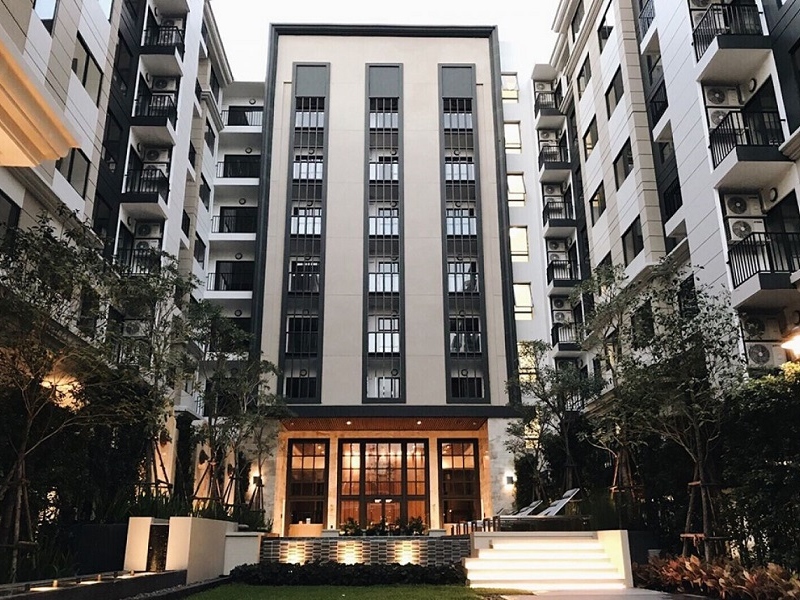
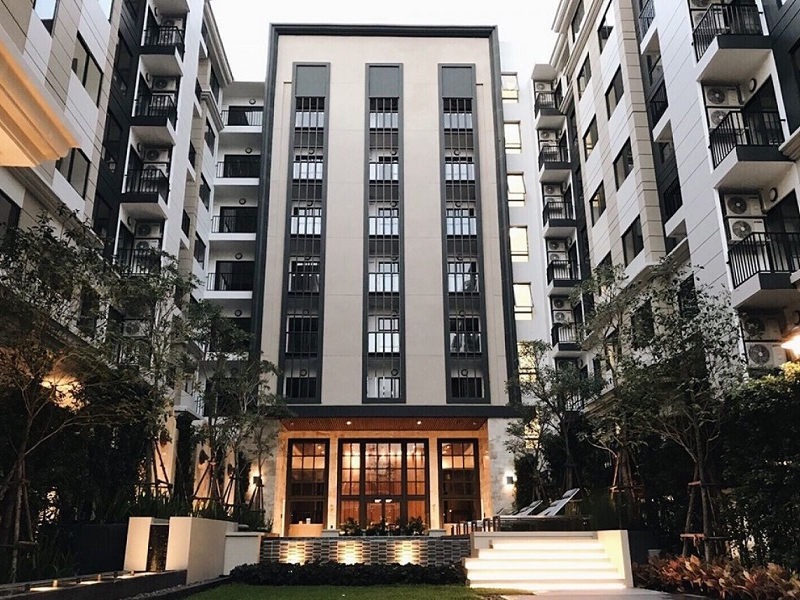
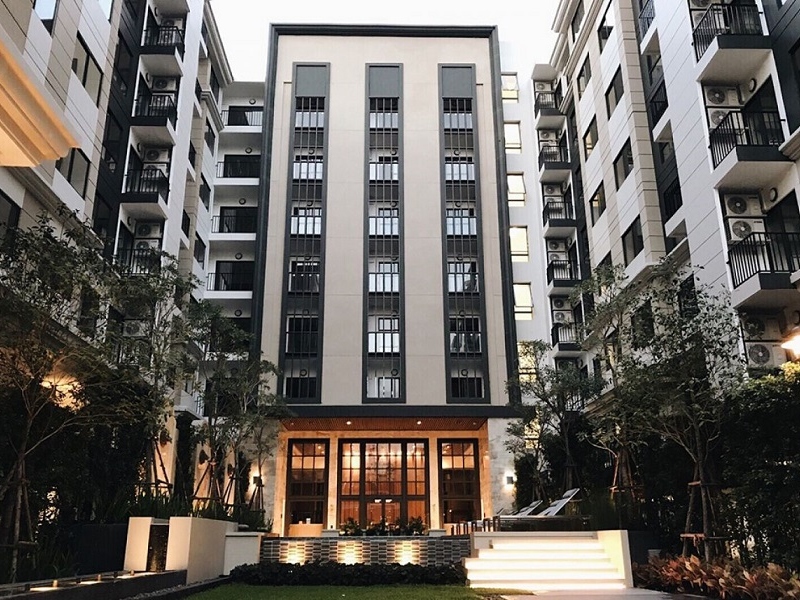
The building’s access rules shape daily convenience for cleaners, deliveries and maintenance teams.
Deliveries and parcels affect liveability
Bangkok residents often rely on food delivery, parcel delivery, grocery delivery, laundry services and repair visits. A condo with a sensible drop-off area, clear lobby process and responsive security team can make daily life easier. A building with confusing delivery rules can frustrate tenants and guests.
Buyers should observe how the lobby works during busy hours. Are parcels organised? Do riders wait in a safe area? Is there a service lift for bulky goods? Can taxis and ride-hailing cars stop without blocking traffic? These small details can influence whether a tenant renews or whether an owner enjoys staying in the unit.
Landlords need service boundaries
If the condo will be rented, decide which services are included and which are the tenant’s responsibility. Some landlords include periodic cleaning, air-conditioning service or linen support for a premium tenancy. Others leave housekeeping entirely to the tenant. The lease should be clear, because vague promises can become disputes.
Property managers also need spending authority for small repairs. A leaking pipe, failed appliance or blocked drain should not wait days because the owner is in another time zone. Set approval limits, preferred contractors and reporting expectations before the first tenant moves in.
Questions to ask before buying
How are cleaners, helpers and contractors registered?
Can regular visitors be pre-approved by the owner?
Where are parcels, food deliveries and bulky goods handled?
Who can hold keys if the owner is overseas?
How does the building manage service lifts and common-area damage?
Can the property manager inspect and photograph the unit after cleaning?
Buyer takeaway
A Bangkok condo feels easier to own when housekeeping and service routines are organised from the start. Foreign buyers should inspect the building’s access rules, key-control options, delivery process and management responsiveness as part of liveability. These details protect the unit, support tenants and make Bangkok ownership less stressful from overseas.
IBP can help expat owners and tenants compare Bangkok condos by building rules, lifestyle convenience and practical management. Browse our Bangkok lifestyle guides or contact IBP Real Estate for a service-ready shortlist.
Silom-Sathorn is one of Bangkok’s clearest urban condo districts for foreign buyers because it combines offices, embassies, hotels, restaurants, hospitals, parks and rail links in a compact central area. It is also a district where buyers need precision. A unit can be in the right broad location but still feel inconvenient because of walking routes, traffic, building age or weak layout.
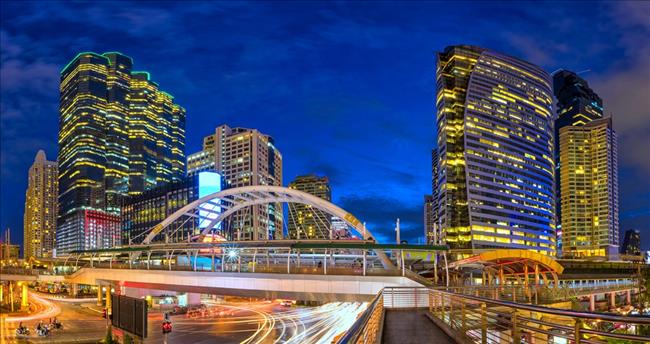
Silom-Sathorn remains one of Bangkok’s clearest office-led condo locations.
The area works best for buyers who understand the difference between being near the business district and being easy to live in. Silom, Sathorn, Sala Daeng, Chong Nonsi, Surasak, Saint Louis, Narathiwas, Rama IV and the riverside edges each create a different daily routine.
Why foreign buyers consider Silom-Sathorn
The district has a strong employment base, with offices, professional services, embassies, hotels and corporate tenants supporting weekday activity. This can help rental demand when a condo is well located and correctly priced. The area also has a mature lifestyle offer: dining, bars, gyms, supermarkets, medical access, parks, river connections and quick links into Siam, Ratchaprasong, Sukhumvit and the Chao Phraya corridor.
For owner-occupiers, Silom-Sathorn offers a central Bangkok lifestyle that feels more business-led and grown-up than some nightlife-heavy districts. For investors, the attraction is a broad tenant story, but that does not remove the need to compare buildings carefully.
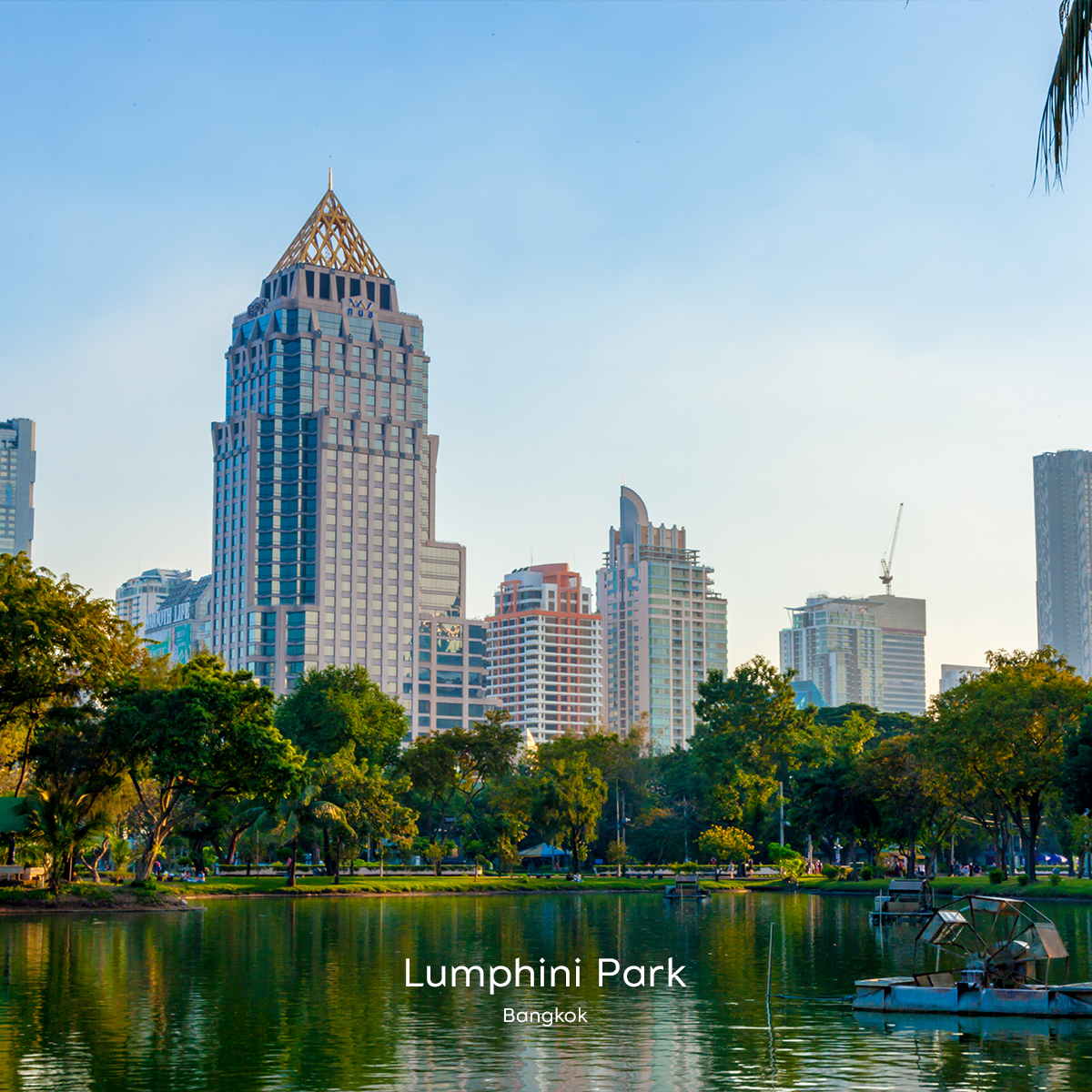
Park access can make dense office districts more liveable for long-stay residents.
Rail access needs real walking checks
BTS and MRT access can be excellent, but buyers should walk the actual route from station to lobby. Check shade, crossings, footpaths, lighting, construction, motorcycle-taxi reliance and rainy-season practicality. A building described as close to a station may still be frustrating if the final approach is awkward or exposed.
The most resilient locations are easy to explain: a clear walk to BTS or MRT, sensible road access, practical taxi pickup and useful daily services nearby. If the unit relies on a difficult side-street route, investors should be conservative about rent assumptions and resale timing.
Building age and management matter
Silom-Sathorn includes new luxury towers, established high-rises and older buildings with large layouts. Older condos can be attractive because they may offer more space or stronger locations, but buyers must assess lifts, facade condition, fire systems, common areas, sinking-fund planning, parking, juristic records and renovation rules.
A well-run older building can be more liveable than a newer tower with weak management. A poorly maintained building in a famous district can still be difficult to rent or resell. Foreign buyers should inspect the building as carefully as the private unit.
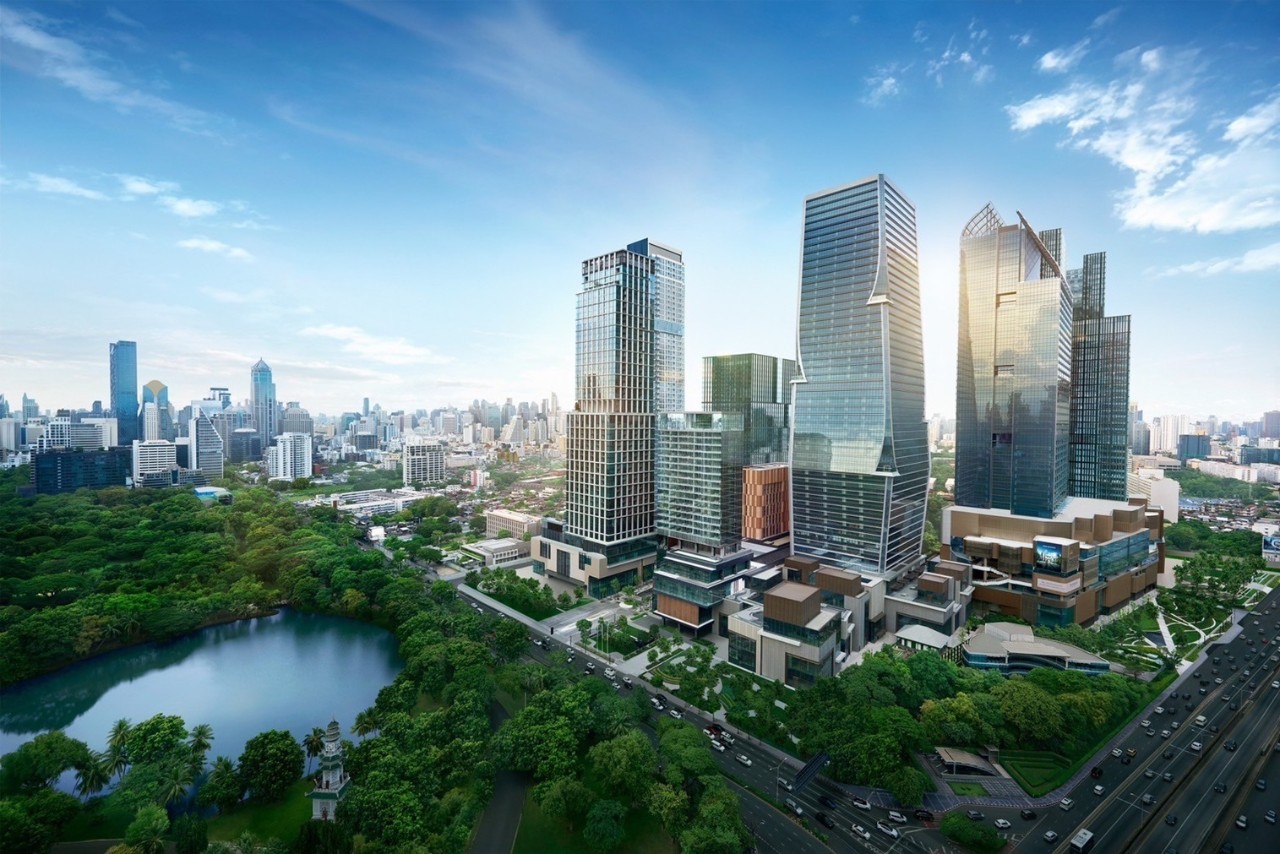
Rama IV, Langsuan and riverside links widen the district comparison for buyers.
Compare Silom, Sathorn and Rama IV separately
Silom tends to feel more retail, dining and MRT/BTS connected around Sala Daeng and Si Lom. Sathorn feels more office-led, especially around Chong Nonsi, Saint Louis and the main business corridor. Rama IV and the Lumpini edge bring park access and links towards Langsuan, Wireless and new mixed-use areas.
Those differences affect tenant fit. A corporate tenant may value a short office commute. A long-stay expat couple may want restaurants, park access and rail. A buyer planning personal use may care more about weekend walkability, hospital access and airport routes. The right unit depends on the intended user.
Luxury does not remove competition
Silom-Sathorn has premium projects and branded or hotel-style residences, but buyers should still compare value. A luxury lobby is useful only if the private unit has an efficient layout, good light, sensible maintenance costs and a clear resale audience. At higher budgets, the comparison expands to Langsuan, Wireless, Chit Lom, riverside, Phrom Phong and other premium districts.
Investors should avoid paying only for district prestige. Test whether the rent target is supported by competing listings, whether the unit photographs well, and whether the building offers a distinctive reason for tenants to choose it.
Rental and resale audiences
The rental audience in Silom-Sathorn can include corporate staff, embassy-related residents, consultants, medical visitors, long-stay professionals and couples who want a central base without living deep inside Sukhumvit. That breadth is useful, but each group values different details. Some prioritise a short walk to work. Others care more about park access, hospital routes, parking, larger layouts or a quieter side street.
For resale, the buyer pool may compare the district with Langsuan, Wireless, Riverside and Phrom Phong. A unit should therefore have a clean explanation: business-district access, park proximity, larger space, strong building management, or a distinctive lifestyle advantage. If the resale story is only that the address is central, the owner may struggle when competing listings offer newer facilities or easier rail access.
Buyer checklist
Walk the route to BTS, MRT, offices and daily services.
Visit at weekday peak, evening and weekend times if possible.
Compare building age, lifts, parking, juristic records and common areas.
Check whether the unit suits office tenants, couples, families or owner use.
Benchmark against Langsuan, Wireless, riverside and Sukhumvit alternatives.
Be conservative if many similar units are listed in the same building.
Buyer takeaway
Silom-Sathorn can be a strong Bangkok condo district for foreign buyers because it combines business demand with central lifestyle and transport. It rewards careful selection. Buy the walking route, building management, unit efficiency and tenant story, not only the address.
IBP can help foreign buyers compare Silom-Sathorn with other central Bangkok districts by budget, commute, building quality and resale plan. Browse our district guides or contact IBP Real Estate for a district shortlist.
Foreign quota is one of the most important Bangkok condo checks because it affects whether a foreign buyer can register ownership in their own name. A unit can look perfect, the price can be agreed, and the funds can be ready, but the transfer still needs the building-level quota position to support the foreign ownership route.
Foreign quota should be confirmed in the paperwork before a buyer relies on the transfer plan.
For overseas buyers, the practical point is simple: do not treat quota as a casual verbal assurance. It should be checked early, confirmed close to transfer, and kept in the transaction file alongside funds evidence, title details, seller documents and the sale and purchase agreement.
What foreign quota means in practice
Thailand’s condominium framework limits how much of a condominium building can be owned by foreigners. In day-to-day transactions, buyers and agents usually discuss whether a particular unit can transfer within the available foreign quota. The building’s juristic person and the Land Office transfer process are therefore central to the answer.
A buyer should not assume that quota remains available simply because another foreigner owns in the building, because the position can change as units are transferred. The relevant question is whether the specific unit can be registered to the foreign buyer at the time of transfer.
The juristic office is central to the building-level confirmation a foreign buyer needs.
Ask before reservation money is paid
The first quota check should happen before the buyer pays a reservation fee or signs a binding document. Ask whether the unit is being sold as foreign quota, Thai quota, leasehold, company-held, or another structure. If the intended route is foreign freehold, the buyer should ask how that status will be evidenced and who will obtain confirmation.
If the seller, agent or developer gives only a vague answer, slow down. A foreign buyer should understand whether the risk is simply administrative or whether the unit may not be transferable in the desired ownership form. This is especially important with resale units in older or popular buildings where ownership positions may have changed many times.
What to request from the transaction team
Written confirmation of the intended ownership route before reservation.
Juristic-person confirmation of quota status where applicable.
Clear responsibility for obtaining documents before transfer day.
Lawyer review of quota wording and transfer conditions.
A plan for what happens if quota status changes before completion.
Alignment between quota documents, funds evidence and buyer name.
Quota confirmation belongs in the transfer file alongside funds evidence and title checks.
Connect quota with funds evidence
Foreign quota is not the only transfer requirement. Buyers also need to organise the purchase funds evidence in the name and format required for the transaction. Quota confirmation and funds evidence should be checked together because they both support the buyer’s ability to complete in the chosen ownership structure.
A common mistake is treating the bank paperwork and quota paperwork as separate last-minute tasks. If either is incomplete, transfer day can become stressful. Foreign buyers should have the lawyer, agent and bank coordinate well before the scheduled appointment.
Resale buildings need extra caution
In a resale purchase, the seller may genuinely believe the unit can be sold to a foreigner, but the buyer still needs current confirmation. The building may have changed since the seller bought. Other units may have transferred. Documents may need updating. The safest approach is to confirm the quota position close enough to transfer that it reflects the current building record.
Buyers should also check whether there are mortgages, unpaid common fees, pending juristic issues or document errors that could delay transfer. These are separate from quota, but they can create the same practical problem: the buyer is ready to complete, while the file is not.
Off-plan purchases are different
With off-plan or newly completed projects, developers often allocate foreign quota through the sales process. Buyers should still read the reservation and sale documents carefully. Ask whether the quota position is guaranteed, conditional, or dependent on the buyer completing documents and payments by certain dates.
If the project is popular with overseas buyers, late decision-making can create pressure. If the buyer changes name, payment structure or completion timing, the developer should confirm whether that affects the quota arrangement. Keep all confirmations in writing.
Build a contingency into the timetable
Quota checks should sit inside a realistic completion timetable. Foreign buyers often travel to Bangkok for signing, inspection and transfer, so a late document problem can affect flights, accommodation and banking appointments. The purchase agreement should make clear what happens if the seller, developer or juristic office cannot provide the necessary confirmation on time.
Where possible, avoid transferring final funds, booking irreversible travel or arranging tenants until the transaction team has confirmed the practical transfer file. A short delay is manageable when everyone knows who is responsible for each document. It becomes expensive when the buyer discovers the issue only after arriving at the Land Office.
Buyer takeaway
Foreign quota is not a formality to leave until transfer morning. It is a core ownership check for Bangkok condo buyers who want foreign freehold registration. Confirm the route before reservation, coordinate the juristic and legal documents, connect the quota check with funds evidence, and make sure there is a written plan if the file changes before completion.
IBP helps foreign buyers structure Bangkok condo searches around ownership route, transfer process and practical due diligence. Read more in our foreign buyer guides or contact IBP Real Estate for transaction support.
Rama 9 is a useful Bangkok district for foreign buyers who want MRT access, office demand, retail convenience and a city-fringe price conversation that is different from prime Sukhumvit. It is not a single neat neighbourhood. The buyer has to compare Ratchadaphisek, Phra Ram 9, Thailand Cultural Centre, Asoke-Din Daeng and nearby side streets as one connected but uneven market.
Rama 9 decisions should begin with the real door-to-station journey, not only the station name.
The area can work for investors and owner-occupiers, but only when the unit, building and walking route are chosen carefully. Rama 9’s appeal comes from connectivity and mixed-use activity. Its risk comes from competition, traffic, building density and the temptation to buy a generic unit simply because the district sounds active.
Why foreign buyers look at Rama 9
Rama 9 sits on the MRT Blue Line, giving residents access to Asoke-Sukhumvit, Phetchaburi, Queen Sirikit National Convention Centre, Silom, Hua Lamphong, Bang Sue and the wider rail network through interchanges. For tenants who work across several parts of Bangkok, that rail spine can be more useful than a location tied to one road corridor.
The district also has retail, offices, hotels, supermarkets, casual dining, entertainment and daily services. That mix can make it easier for new arrivals to settle quickly. For investors, it broadens the potential tenant audience beyond one narrow expatriate group. Thai professionals, regional staff, office workers, students, consultants and digital workers may all consider the area at the right rent level.
Rail convenience is strongest when it fits daily work, retail and airport-transfer routines.
Station access needs a walking test
A listing may describe a building as near Rama 9 MRT, but the real route matters. Buyers should walk from the station to the lobby during the times a resident would actually travel. Check pavements, crossings, shade, lighting, construction, motorcycle-taxi reliance and rainy-season comfort. A route that is acceptable for a single adult may be less convenient for a family or an older resident.
Also test how the building handles taxi pickup, ride-hailing, deliveries and parking. Rama 9 can be busy. A good lobby, clear drop-off area and responsive security team can make daily life easier even when the surrounding roads are congested.
Understand the competing buildings
Rama 9 has many condominium options across different ages and price brackets. That is good for choice, but it means investors must understand competition. A tenant comparing several buildings may focus on rent, furniture, lift waiting times, pool and gym quality, internet, building condition and walking comfort. If your unit is ordinary, it may need to compete on price.
Buyers should compare active listings in the same building and nearby alternatives. If many similar units are available, do not assume quick leasing. A better unit may have a stronger layout, better light, easier station route, more professional juristic management or a rent level that sits clearly below better-known prime districts.
The wider Ratchada-Rama 9 business corridor gives buyers several demand angles to test.
Office and retail demand: useful, not automatic
Office and retail activity gives Rama 9 a practical demand story. It does not guarantee every condo will rent well. Tenants still choose homes based on daily comfort. A building with poor maintenance, weak lifts, noisy exposure or tired common areas can underperform even in a busy district.
For owner-occupiers, retail access can be valuable because groceries, fitness, dining and errands are close by. For landlords, it can support tenant retention. But buyers should avoid paying a premium for convenience unless the specific unit also works on layout, condition and total cost.
It is also worth checking the evening and weekend atmosphere. Some parts of the corridor feel office-led during the day and quieter after work. Others are busier because of malls, restaurants and entertainment. The best fit depends on whether the buyer wants a practical working-week base, a family home, or a rental unit that feels active beyond office hours.
What types of units can make sense
Compact one-bedroom units can appeal to single professionals if they have efficient layouts, good storage and a realistic rent. Larger one-bedroom or two-bedroom units need a clearer target audience: couples, small families, work-from-home tenants or owner-occupiers wanting more space than central Sukhumvit might offer at the same budget.
High floors, corner positions and open views can help, but they should be priced carefully. Future obstruction, heat, noise and building competition still need to be checked. In a dense district, privacy and orientation can matter as much as floor number.
Buyer checklist
Walk the route to Rama 9 MRT and nearby retail in normal conditions.
Compare lift capacity, lobby management and common-area maintenance.
Review competing units before accepting rent assumptions.
Check traffic, noise, construction and night-time activity around the building.
Match unit size to a real tenant or owner-occupier profile.
Ask how the resale story compares with Asoke, Phetchaburi and Ratchada alternatives.
Buyer takeaway
Rama 9 can be a practical MRT-led choice for foreign buyers who want business access, retail convenience and a broader rent conversation than prime Sukhumvit. It rewards careful selection. Buy the walking route, building management, layout and realistic tenant profile, not only the district name.
IBP can help foreign buyers compare Rama 9 with Sukhumvit, Ratchada and other MRT-led districts. Browse our district guides or contact IBP Real Estate for a neighbourhood shortlist.
Moving into a Bangkok condominium is usually straightforward when the owner understands the building’s rules before delivery day. For foreign buyers, the friction often comes from small details: access cards, lift protection, move-in deposits, contractor registration, parking permissions, internet installation, rubbish disposal, delivery hours and communication with the juristic office.
Move-in planning should start with the building file, not only with the furniture delivery date.
These are not glamorous checks, but they shape the first week of ownership. A buyer who has completed transfer can still be delayed by a building rule that was never discussed during viewing. The best approach is to request the move-in procedure as soon as completion is likely, then organise furniture, utilities and contractors around that procedure.
Start with the juristic office
Every condominium has its own practical system. Some buildings require owners to book a move-in slot. Some require a refundable damage deposit before large deliveries. Some restrict moving hours to avoid disturbing residents. Some require protective padding in lifts or corridors. Some will not allow contractors to enter unless they are registered in advance with identification documents.
Foreign owners should ask for written instructions in English where available. If the building provides only Thai forms, ask your agent, lawyer or property manager to translate the operational points. Do not assume that a furniture company, interior contractor or internet provider already knows the building’s rules.
The juristic office sets the practical rhythm for access cards, deposits, deliveries and contractor rules.
Documents to prepare
Passport copy and owner contact details.
Title transfer evidence or owner authorisation where requested.
Power of attorney if a representative will deal with the building.
Contractor or delivery company names, ID details and vehicle information.
Move-in date, time window and list of large items.
Proof of deposit payment if the building requires one.
The exact list varies by condominium, so owners should confirm it with the juristic office. The aim is to prevent a delivery team from arriving at the lobby with no permission to use the lift.
Access cards, keys and parking
Access control is one of the first practical ownership tests. Confirm how many keycards, mailbox keys, room keys and parking stickers are included. Ask whether replacement cards require a fee, whether cards must be registered to named users and whether tenants can receive cards directly or only through the owner.
If parking is important, check whether the right is fixed, rotational, first-come-first-served or separately documented. A buyer should also understand whether movers and contractors can use loading bays, service lifts or visitor parking. Good logistics can save hours on move-in day.
A final inspection helps owners separate handover defects from move-in damage or later wear.
Contractors and minor works
Even a finished condo may need curtain installation, appliance replacement, furniture assembly, wall mounting, air-conditioning service or small repairs. Building rules may limit drilling hours, noisy works, rubbish removal and the use of common areas. Some buildings require contractors to leave ID cards at the security desk. Others require advance approval for anything that affects walls, floors, plumbing or electrical systems.
Foreign owners should be especially cautious with work that could affect neighbours: bathroom repairs, balcony drainage, air-conditioning pipes, water heaters, kitchen equipment and wall mounting. If damage occurs in common areas or another unit, the owner may be responsible even if a contractor caused the problem.
Utilities and internet timing
Move-in planning should include electricity billing, water billing, internet installation and appliance testing. If the owner will not be in Bangkok, a representative should be authorised to meet installers and sign simple completion forms. Internet providers may need building access, room access and appointment flexibility. A missed appointment can delay a tenant’s start date or the owner’s first stay.
Before accepting the unit as ready, test lights, sockets, air-conditioning, water pressure, drainage, water heaters, appliances, door locks, intercoms and internet connection where possible. Photograph any defects immediately and keep messages with the seller, developer, juristic office and contractors in one file.
Furnished rental owners need an inventory
If the unit will be rented, build the inventory before the first tenant arrives. Photograph furniture, appliances, remote controls, keycards, curtains, mattress condition, walls, floors, bathrooms, kitchen surfaces and balcony areas. The inventory should match the lease and move-in report. This protects both owner and tenant because it reduces arguments at move-out.
Overseas landlords should also decide who can approve repairs. A property manager needs clear authority for urgent issues, spending limits and preferred contractors. Without that authority, a small problem can become larger while everyone waits for permission across time zones.
Common mistakes to avoid
Booking furniture delivery before confirming lift and delivery rules.
Assuming a seller’s keycard count is complete.
Letting contractors drill or alter fixtures without building approval.
Failing to photograph the unit before furniture arrives.
Ignoring rubbish, packaging and common-area damage rules.
Leaving utility or internet setup until a tenant is ready to move in.
Buyer takeaway
Bangkok condo move-in rules are manageable when foreign owners treat them as part of completion. Ask the juristic office early, prepare documents, book deliveries properly, record the unit condition and give representatives clear authority. The result is a smoother first week and fewer avoidable problems after transfer.
IBP can help foreign buyers coordinate viewing, transfer, handover and move-in planning. Explore our foreign buyer guides or contact IBP Real Estate for a practical ownership checklist.
On Nut is one of Bangkok’s most understandable Sukhumvit locations for foreign buyers who want rail access, daily convenience and a more practical price conversation than the prime inner-city stations. It is not as polished as Phrom Phong or Thonglor, and that is part of the point. Buyers usually consider On Nut because they want a usable Bangkok base with a broad tenant audience and straightforward daily life.
On Nut is easiest to assess when buyers connect station access with real unit and building quality.
The district works best when buyers avoid treating it as one uniform market. A unit beside the station, a quieter low-rise on a side street, an older resale building and a newer high-density tower can produce very different ownership experiences. The right On Nut purchase depends on walking routes, building management, unit layout, rent evidence and the buyer’s exit plan.
Why On Nut appeals to foreign buyers
On Nut sits on the BTS Sukhumvit Line, east of the more expensive central stations but still connected to the city’s main rail spine. That gives it a clear commuting story for tenants who work in central Sukhumvit, Ploen Chit, Siam, Asoke, Phra Khanong, Ekkamai or office districts that connect through the wider network. It also makes the area easy for visiting owners to understand quickly.
Daily convenience is another part of the appeal. Buyers look for grocery access, casual dining, gyms, pharmacies, laundry services, cafes and practical retail rather than only high-end malls. A tenant can live comfortably in the area without needing a car for every errand. For investors, that daily-use quality can support tenant retention when the unit itself is well chosen.
The district includes different building types, from mass-market towers to quieter low-rise options.
Station distance is only the first test
Many listings describe a building as close to On Nut BTS. Buyers should test that claim on foot. The actual route may involve heat, narrow pavements, traffic, difficult crossings, construction, poor lighting or motorcycle-taxi dependence. A five-minute map distance can feel different during rain, at night or with luggage.
Walk from the station to the building entrance at the time a tenant would commute. Check shade, pedestrian crossings, security and the availability of taxis or ride-hailing pickup points. If the building depends on a shuttle, ask how often it runs, who pays for it and whether it is reliable outside peak hours.
Which units tend to work best
On Nut’s strength is practical demand, so the unit should be practical as well. Compact one-bedroom units can work if the layout avoids wasted corridors, gives enough storage and has a proper work or dining surface. Larger units need a clearer reason to exist: family use, better views, strong building facilities, parking, or a rent level supported by real tenant demand.
Investors should be careful with units that are cheap only because they are difficult to use. Poor light, awkward columns, weak kitchen space, tired furniture, noisy exposure or a long walk from the station can reduce the tenant pool. A slightly more expensive but easier-to-rent unit may be the better long-term choice.
Daily convenience is one reason On Nut remains understandable to tenants and owner-occupiers.
Building age and management
On Nut has a range of building ages. Older resale buildings may offer larger layouts or lower entry prices, but buyers should inspect lifts, corridors, water systems, parking, security, facade condition and the juristic office’s responsiveness. Newer buildings may offer better facilities and presentation, but investors should still check density, lift waiting time, common fees, rental competition and future maintenance planning.
Ask for recent common-fee information, sinking fund position, AGM minutes where available and any major upcoming repairs. The building’s governance record can be more important than a small difference in asking price. Foreign buyers should remember that a tenant rents the whole experience, not only the private unit.
Rental and resale logic
On Nut can appeal to tenants who want Sukhumvit access without paying prime-station rents. That is useful, but it also means rent ceilings must be respected. Do not buy a unit that requires a premium rent simply to make the numbers work unless there is strong evidence that tenants will pay it. Compare active listings with completed leases where possible, and ask how long similar units remain vacant.
For resale, the future buyer may compare On Nut with Phra Khanong, Ekkamai, Udom Suk, Punnawithi and other east-Sukhumvit stations. Your unit needs a defensible story: better station convenience, stronger layout, better building management, lower total ticket, clearer tenant history or a more comfortable living environment.
Buyer checklist
Walk the exact route from BTS On Nut to the building entrance.
Compare the unit’s total price with realistic rent, not only price per square metre.
Inspect light, noise, storage, air-conditioning, balcony usability and furniture quality.
Review building density, lift capacity, common fees and juristic-office responsiveness.
Check nearby competing buildings before assuming easy resale.
Buyer takeaway
On Nut can make sense for foreign buyers who want a practical Bangkok condo with rail access and daily convenience. It is not a shortcut around due diligence. The best purchases are those where the station route, unit layout, building management, tenant profile and resale story all line up. Buy the building and daily routine, not only the station name.
IBP can help foreign buyers compare On Nut with other Sukhumvit and BTS-led districts. Browse our district guides or contact IBP Real Estate for a neighbourhood shortlist.
Insurance is rarely the most exciting part of buying a Bangkok condominium, but it is one of the practical checks that protects foreign owners after transfer. A buyer may understand the title deed, foreign quota and payment flow, yet still be unclear about what happens if there is water leakage, fire damage, tenant damage, a damaged appliance, injury in the unit, or a claim involving common property.
Insurance questions should sit beside title, juristic and transfer documents in the ownership file.
The first rule is simple: do not assume the building’s insurance protects everything inside your private unit. Condominium buildings normally separate common property from private ownership. The juristic person’s policy, the owner’s contents cover and any landlord-related protection may have different limits, exclusions and claim procedures. Foreign owners should ask direct questions before completion, not after a problem occurs.
Separate building cover from private-unit cover
Start by asking the juristic office what insurance the condominium carries for common areas and building systems. Then ask what is excluded from that policy. Lifts, corridors, structure, machinery, fire systems and other shared assets may sit under building-level arrangements, while furniture, appliances, personal belongings and improvements inside the unit may require private cover.
This separation matters because many disputes begin with assumptions. An owner may believe a leak from above will be handled automatically by the building. In reality, the claim may involve another owner, the juristic office, a contractor, the owner’s own insurer and evidence of fault or maintenance. The clearer the document trail, the easier it is to respond.
A physical inspection helps owners understand the risks that insurance may or may not cover.
Questions to ask before transfer
What building-level insurance is currently in place?
When does the policy renew, and who keeps the policy documents?
Does the policy cover common areas only, or any part of private units?
What excess, exclusions and claim notification rules apply?
Have there been recent claims for fire, flood, leaks, lifts or major building systems?
Does the juristic office provide English summaries or claim guidance?
These questions are not meant to turn a buyer into an insurance specialist. They help the buyer understand whether the building manages risk professionally. A strong juristic office should be able to explain the basics, provide documents and describe the claim process without confusion.
Private contents and landlord risk
For owner-occupiers, private-unit insurance may focus on contents, fixtures, appliances and personal liability. For landlords, the review should go further. Ask whether the policy responds to tenant-caused damage, loss of rent after an insured event, public liability inside the unit, replacement of appliances, and damage caused by water, electrical faults or air-conditioning systems.
Policy wording matters. A low premium is not useful if the relevant risk is excluded. Foreign owners should compare cover in English where possible and ask the insurer or broker to explain exactly what is included. Keep policy documents, receipts, photographs and inventory lists in a cloud folder that can be accessed quickly from overseas.
Common-area and private-unit responsibilities should be separated before a policy is chosen.
Use inspection evidence
Insurance works best when the owner has evidence. Before handover, photograph walls, ceilings, floors, bathrooms, kitchens, appliances, air-conditioning units, balcony drains and built-in furniture. After furnishing, keep purchase receipts and photos of the finished unit. If the property is rented, attach an inventory to the lease and repeat photo documentation at move-in and move-out.
This is especially important for overseas landlords. A tenant may report damage late, a neighbour may discover a leak first, or a contractor may need authority to enter the unit. Clear records help the property manager act quickly and reduce arguments over whether damage existed before the lease.
Common problems foreign owners should plan for
Water leakage is one of the most common practical concerns in condominium living. It can involve bathrooms, air-conditioning drains, balcony drainage, washing machines or pipes hidden behind walls. Fire and electrical incidents are less frequent but more serious. Storm damage, broken glass, appliance failure and accidental tenant damage also deserve attention, especially in higher-value furnished units.
Owners should also understand emergency access rules. If a leak from your unit affects another property while you are overseas, the juristic office and manager need a way to contact you or your representative. Insurance is only one layer of protection; response speed is another.
Check the insurer and complaint route
Thailand’s insurance industry is regulated by the Office of Insurance Commission. Foreign owners do not need to become experts in the regulatory system, but they should use licensed insurers, keep policy documents, and know who to contact if a claim is disputed. If a broker is involved, confirm who is responsible for renewal reminders, English communication and claim follow-up.
Do not let insurance lapse because an email goes to an old address or a Thai mobile number is inactive. Renewal administration sounds basic, but it is a real risk for non-resident owners. Put renewal dates into a calendar and ask your property manager to check them each year.
Buyer takeaway
Insurance is part of Bangkok condo due diligence, not an afterthought. Foreign buyers should separate common-property cover from private-unit cover, inspect the unit carefully, keep evidence, understand landlord risks and maintain renewal discipline. The aim is not to eliminate every risk. It is to make sure a manageable problem does not become expensive because the owner assumed the wrong cover was in place.
IBP can help foreign buyers review ownership documents, juristic records and practical handover files before buying. Start with our foreign buyer guides or contact IBP Real Estate for a due diligence checklist.
A Bangkok condo purchase is not finished when the transfer is registered. For foreign owners, the first few weeks after handover should be used to make the unit practical: electricity, water, internet, access cards, appliance warranties, juristic office records and payment routines need to work before the owner, tenant or guest arrives.
Utilities setup is rarely difficult, but it can become slow when documents are scattered or the owner is overseas. The safest approach is to build a handover file that connects the title transfer, juristic office requirements, meter readings, bank payments and tenant-ready condition in one place.
The juristic office is usually the practical starting point after transfer.
Start with the juristic office
In most condominiums, the juristic office is the practical gateway for move-in. It can confirm the registered owner, common-area rules, access cards, parking stickers, renovation procedures, parcel handling, move-in deposits, lift protection and the normal process for tenant registration. Foreign buyers should visit or appoint a trusted representative immediately after transfer.
Ask for the current common-fee account, sinking-fund record, insurance details for the building, emergency contact numbers and the process for reporting water leakage, air-conditioning drainage or electrical issues. The answers vary by building. A premium tower may have a formal resident app and concierge system; an older building may rely on paper forms and direct contact with management.
Owners should also decide who is authorised to speak with management. If an agent, lawyer, family member or property manager will collect keys, book technicians or receive invoices, give the juristic office clear written instructions. Ambiguous authority can delay repairs and make overseas ownership more difficult than it needs to be.
The key is not to assume. A unit that looks complete can still be missing access cards, mailbox keys, internet permission, parking documentation or a clear payment reference. These small gaps matter if the owner plans to lease quickly.
Electricity and water checks
At handover, record the electricity and water meter readings with dated photographs. Check whether bills are paid directly to the utility provider, through the juristic office or through a building payment portal. Some owners prefer to keep bills under the owner name and recover them through the lease; others require the tenant to pay directly where the building process allows it.
Before a tenant moves in, test the distribution board, lighting circuits, water pressure, water heaters, air-conditioning units, extractor fans and any smart-home controls. A new-looking appliance is not enough. Owners should keep warranty cards, manuals and installer contacts in a shared file so repairs do not become a negotiation during the tenancy.
If the unit will be vacant for a period, ask the juristic office how often the room should be aired, whether water valves should be closed and how access can be arranged for emergency checks. Bangkok humidity makes prevention more useful than delayed repair.
Meter readings, appliances and internet readiness should be checked before occupancy.
Internet, mobile signal and work-from-home readiness
Internet setup is now part of the rental product. Many tenants work remotely or take regional calls from home, so a condo should be tested for fibre availability, router location, mobile signal, desk placement and video-call lighting. The best package is not always the most expensive; it is the one that can be installed cleanly and supported quickly.
Some buildings restrict where technicians can work, require advance booking or have preferred service providers. Check this before advertising the unit as tenant-ready. If the unit has thick walls or a deep layout, consider whether a mesh router or better cable routing is needed.
For owners who visit Bangkok several times a year, a reliable connection also protects personal use. It allows remote monitoring of appliance issues, smoother communication with managers and a better experience when the owner arrives after a long flight.
Payments, records and overseas management
Foreign owners should set up a simple payment routine for common fees, utilities, internet and property management. A Thai bank account can help, but the owner still needs clear reminders, invoice storage and a responsible person who checks whether payments are actually received. Missed common-fee payments can create avoidable friction with the building.
Keep a digital folder with the title deed copy, sale and purchase agreement, transfer receipt, passport copy, juristic contact sheet, meter readings, appliance warranties, insurance documents, photographs, lease template and tax-support records. This folder should be available to the owner and any appointed manager, but sensitive documents should not be casually shared with tenants.
If the unit is rented, the lease should state which utilities are included, how bills are settled, what happens if the tenant leaves unpaid bills, and how final meter readings are taken at check-out. A clear lease prevents small operational issues becoming deposit disputes.
A clean owner file makes overseas payments and tenant handover easier to manage.
Before you advertise the unit
Do a final tenant-readiness walk-through. Confirm keys, cards, internet, hot water, air-conditioning, curtains, appliance manuals, inventory list, emergency contacts and building move-in rules. Then photograph the unit in clean daylight. Strong utility preparation is invisible when it works, but very visible when it fails.
Foreign buyers can combine this checklist with IBP’s wider foreign buyer guides and expat living notes before transfer. The goal is a condo that is not only legally owned, but easy to occupy, lease and manage.
IBP can help buyers review a handover file, compare building management quality and plan a rental-ready setup before completion. That is usually cheaper than solving preventable problems after a tenant has already found them.
Fire safety is not the most visible part of a Bangkok condo viewing, but it should be part of every serious purchase check. A polished lobby, attractive pool and renovated unit do not answer basic questions about alarms, escape routes, emergency lighting, resident behaviour or building management.
Foreign buyers do not need to become engineers. They do need to know what to look for, what to ask, and when to bring in a qualified inspector or lawyer. The purpose is simple: understand whether the building is managed carefully enough for ownership, rental and future resale.
Fire-safety questions should sit inside the wider building, juristic-person and maintenance file.
Start With The Whole Building
A unit-level inspection is not enough. Fire safety depends on shared systems and resident behaviour across the whole condominium. Walk the lobby, lift lobby, corridor, emergency stairs, car park, service areas and relevant facility floors. Look for clear routes, working lights, obvious equipment locations and whether exits are kept free from storage.
Emergency stairs are especially important. Buyers should check whether stair doors are easy to identify, whether they appear usable, and whether residents have blocked landings with boxes, furniture or cleaning equipment. A building that allows blocked escape routes may also be weak in other management areas.
Car parks, electrical rooms and rubbish areas deserve attention because they show how the juristic person manages practical risk. A clean, organised service area is not proof of perfect safety, but disorder can be a warning sign.
Buyers should look beyond the unit and understand escape routes, alarms, equipment access and management practice.
Ask About Records And Maintenance
The juristic office should be able to explain how the building maintains alarms, extinguishers, pumps, emergency lighting, exit signage and other shared systems. The buyer can ask when equipment was most recently inspected, who handles maintenance, and how residents are informed about drills, renovation rules and emergency procedures.
If the building team cannot answer basic questions, the buyer should slow down. A vague answer does not automatically mean the building is unsafe, but it does mean the buyer needs better evidence before paying a deposit. Where the purchase is material, a professional inspection can be worth the cost and may help identify repair items before the offer becomes difficult to change.
Minutes and management records may also reveal problems indirectly. Repeated complaints about blocked corridors, renovation debris, electrical repairs, water pressure or lift issues can indicate wider building discipline. Fire-safety questions should therefore sit beside normal due diligence on common fees, capital works and juristic-person governance.
A careful inspection records visible systems, resident behaviour and the questions that need formal answers.
Check The Unit And Renovation History
Inside the unit, look for modified electrical work, overloaded sockets, old air-conditioning wiring, blocked ventilation, damaged doors, poorly installed appliances and signs of amateur renovation. A beautiful interior can hide risky work if previous owners cut corners.
Ask whether renovations were approved by the building and whether electrical, air-conditioning or kitchen changes were done by qualified contractors. If the seller cannot explain major works, the buyer should request documents or inspection before settlement. This is particularly important for older resale units and heavily renovated apartments.
Furniture and tenant use also matter. A landlord should avoid placing wardrobes, shelves or decorative items where they block exits, smoke detectors, sprinkler heads or electrical panels. Practical furnishing is part of safe ownership.
Rental Owners Need A Clear Handover File
Foreign landlords should think beyond the purchase date. A tenant needs clear instructions for alarms, emergency numbers, exits, building rules, appliance use and reporting problems. If the owner is overseas, the property manager should know who to call and how to reach the juristic office quickly.
The handover file should include building contacts, insurance details, appliance manuals, renovation approvals where available, photographs of equipment and a record of any inspection issues. This file helps future leasing, maintenance and resale conversations.
A tenant should not be expected to discover safety rules during an incident. Clear building communication and practical owner management reduce risk for everyone.
How To Price Fire-Safety Concerns
Some issues are minor and correctable. A missing instruction sheet, unclear appliance manual or loose power strip can be fixed. Other issues affect the entire building and are harder for one owner to control. Blocked stairs, poor records, repeated electrical problems or weak enforcement of renovation rules should influence the buyer’s offer or decision to walk away.
Investors should also consider resale. Future buyers and lenders may become more demanding about building safety and documentation over time. A building with clean records and visible management discipline is easier to defend than one where every question needs reassurance.
Do not let urgency weaken the check. If the agent says another buyer is ready, the answer is still to inspect properly. Fire-safety due diligence is not a decorative preference; it is part of responsible ownership.
Buyer Takeaway
The best fire-safety review is practical and proportionate. Walk the shared areas, inspect the unit, ask the juristic office clear questions, read the building file and use a professional inspector where the risk or purchase price justifies it.
This check should sit beside title, foreign quota, contract, debt-free letter, common fees and handover condition. IBP’s foreign buyer guides and legal and due diligence sections cover the wider purchase process.
If you are comparing an older resale building with a newer project, contact IBP before paying a deposit so the inspection brief covers the unit and the building.
Noise is one of the easiest Bangkok condo risks to miss during a short viewing. A unit can feel calm at 2pm on a weekday and very different at midnight, during school traffic, after rain, when a nearby bar fills, or when renovation work starts in the next stack. Foreign buyers should treat noise as a due diligence item, not a personal preference to think about later.
Noise checks matter for both personal use and investment. Tenants may forgive a smaller kitchen or simpler furniture package, but poor sleep, constant construction or a difficult street environment can lead to shorter leases and weaker resale confidence. The aim is not to find silence in Bangkok. It is to understand whether the unit’s noise profile matches the buyer’s use case and price.
Street context should be tested at the times a resident would actually sleep, work and travel.
Start Outside The Building
Begin with the street, not the living room. Walk the surrounding roads, sois, footpaths and drop-off points. Listen for motorbikes, buses, rail, expressway traffic, schools, hospitals, loading bays, restaurants, music venues, construction sites and mechanical equipment. A buyer should understand what the building is exposed to before deciding whether the unit itself is acceptable.
The same district can contain very different sound environments. A building close to BTS may have strong convenience but more rail and road activity. A deeper soi may be calmer but less convenient for tenants. A riverside unit may feel open but pick up boat, bridge or event noise. The trade-off should be priced deliberately.
If you are buying remotely, ask for video at more than one time of day. A silent sales video with music removed is not enough. Request a continuous clip from the balcony, bedroom window, corridor and lobby route so you can hear the real environment.
A quiet unit still needs a neighbourhood route that feels comfortable in real use.
Visit At The Times That Matter
A serious noise check should include evening and weekend context where possible. Morning school traffic, after-work congestion, dinner service, nightlife, delivery activity and weekend events can all change how a unit feels. If the property will be a home office, test daytime noise as well as sleep-time noise.
Rain is another useful test. Bangkok traffic changes in heavy rain, building drop-off areas become busier, and some poorly maintained common areas reveal drainage or mechanical sounds. A rainy viewing is inconvenient, but it can be more informative than a perfect afternoon.
Do not rely only on floor height. Higher floors may reduce some street noise but can carry sound differently, especially near rail, expressways or open corridors. Lower floors may be quieter if they face an internal garden or away from the road. The exact orientation matters.
Check Neighbours, Corridors And Building Rules
Some noise comes from outside the project; some comes from inside it. Check corridor echo, door gaps, lift lobby noise, rubbish rooms, service areas, gyms, pool decks, function rooms and children’s areas. A unit beside a lift lobby or service room may need a discount even if the view is attractive.
Ask the juristic office about renovation hours, contractor registration, short-term letting rules, pet rules, complaints procedure and how noise disputes are handled. Good buildings usually have a clear process. Weak buildings may leave owners to solve neighbour problems informally, which is difficult for overseas owners.
If the seller says the building is quiet, ask how they know. Long-term owner experience is useful, but it should be supported by your own inspection, building rules and a realistic reading of the surroundings.
Noise due diligence is strongest when the unit, corridor, lifts and surrounding sites are checked together.
Separate Irritation From Investment Risk
Not every sound is a deal-breaker. A city buyer may accept traffic hum in exchange for a short walk to BTS, offices and daily services. A tenant who works outside the home may care less about daytime construction than a remote worker. A family may be more sensitive to nighttime noise and school-run logistics. The risk depends on who will use the unit.
Investment risk rises when the noise reduces the future buyer pool. A unit exposed to late-night venues, repeated renovation, rail vibration or constant road noise may need a clearer price discount. If the unit is already priced as though it were quiet and premium, the buyer has little margin.
For rental units, think about renewal. Tenants often discover noise after moving in. If the problem is obvious and recurring, they may leave after one lease even if the first viewing was successful. Vacancy, re-marketing and discounting can remove the benefit of a slightly cheaper purchase.
Questions To Ask Before Paying A Deposit
Ask whether any nearby plots are under development, whether major repairs are planned in the building, whether the unit has had noise complaints, and whether windows or doors have been upgraded. Ask what time deliveries, moving and renovation work are allowed. If the building has a gym, pool, lounge or function room nearby, visit when those areas are in use.
The noise check should sit beside the normal legal and building checks: title, foreign quota, debt-free letter, juristic records, common fees and handover condition. A quiet unit with weak documentation is still risky, and a legally clean unit with unresolved noise exposure may still be hard to live in or rent.
IBP can help foreign buyers organise viewings that test the real unit, route and building environment rather than only the sales presentation. Read more in our foreign buyer guides or contact IBP for a Bangkok inspection brief.
Phaya Thai is one of Bangkok’s most useful interchange locations for foreign condo buyers who want rail access without moving too far from the centre. The district connects the BTS Sukhumvit Line with the Airport Rail Link, putting Siam, Victory Monument, Ratchathewi, Ari and Suvarnabhumi Airport within a practical city map. That does not make every unit a good investment, but it does make the area worth a focused look.
Phaya Thai's interchange role is the core of its buyer appeal.
The buyer case for Phaya Thai is convenience. It suits residents who want fast airport movement, central Bangkok access, a local food scene, office links and a less polished daily rhythm than the prime luxury zones around Chit Lom or Phrom Phong. The challenge is that the district is mixed. Buyers need to judge each building, soi and walking route carefully.
Why the interchange matters
Phaya Thai’s strongest advantage is the ability to move in several directions. BTS access links the area to Siam, Ari, Mo Chit, Asoke and the wider Sukhumvit corridor. The Airport Rail Link adds direct airport access, which is useful for foreign owners, regional executives, frequent travellers and tenants who value predictable travel times.
For rental demand, interchange locations can be resilient because they appeal to more than one tenant profile. A tenant may work near Siam, study at a nearby institution, travel often, or want a central base without paying top-tier luxury rents. The location story is easy to explain, which helps both rental marketing and future resale.
Walking route quality can matter as much as the mapped distance to rail.
Who Phaya Thai suits
Phaya Thai can suit buyers who want a Bangkok base that is practical rather than resort-like. It may appeal to young professionals, airport-linked workers, regional commuters, students, medical visitors, long-stay expats and owners who want quick access to Siam without living inside the most expensive shopping core. It can also work for buyers who like neighbouring Ari but want a more transport-led position.
It is less obvious for buyers who prioritise quiet luxury, river views, very large family layouts or hotel-style branded services. Those buyers may prefer Wireless Road, Langsuan, Sathorn, Riverside or selected Sukhumvit addresses. The Phaya Thai brief should be written around access, value and daily practicality.
Investors should also consider the difference between station convenience and neighbourhood identity. Ari has a stronger lifestyle brand, Ratchathewi has a closer Siam link, and Victory Monument has a larger commuter base. Phaya Thai sits between those stories. That can be useful for tenants, but it means pricing should be justified by the actual building and walking route, not by a vague claim that the area is central.
Walking route and soi depth
In Phaya Thai, the distance from the station is only the beginning. A building can be close on a map but awkward on foot because of pavement quality, junctions, traffic, shade, construction or narrow sois. Foreign buyers should walk the route at daytime and evening, with luggage if airport access is a key part of the appeal.
Soi depth also matters. A quieter inner soi may be more pleasant to live in, but tenants may discount it if the walk is inconvenient. A building directly near the transport node may rent faster but face more traffic and noise. There is no universal answer; the correct price depends on the balance.
Buyers should compare Phaya Thai with nearby Ari, Ratchathewi and Victory Monument options.
Building age and resale evidence
Phaya Thai has a mix of older condominiums, mid-market projects and newer launches in nearby districts. The best purchase is rarely decided by age alone. Older buildings may offer larger usable space, while newer buildings may offer facilities, security and easier tenant appeal. The management record is often the deciding factor.
Before buying, compare asking prices with actual resale evidence in Phaya Thai, Ratchathewi, Ari and Victory Monument. Check how many units in the same building are available, how long they have been listed, and whether rent evidence supports the price. If a building relies mainly on the interchange story but has weak layout or poor maintenance, the discount should be clear.
Resale comparison should be narrow. A unit beside the interchange should not be compared lazily with a quieter Ari low-rise or a new project closer to Siam without adjusting for age, facilities, room size and tenant profile. The better question is which buyer would choose this exact unit in five years and why.
Rental strategy
A sensible rental strategy in Phaya Thai starts with unit practicality. One-bedroom units can work if the layout is efficient, storage is adequate and the building is easy to reach. Two-bedroom units need a clear tenant profile because families may prefer school-linked districts and sharers may be price-sensitive. Furnishing should be durable and work-from-home friendly rather than decorative only.
Investors should model vacancy conservatively. Good rail access helps, but the tenant still compares price, building quality, furniture, view, internet, lift waits, noise and management response. A clean, well-managed unit can outperform a cheaper but tired one.
Buyer checklist
Walk from the BTS and Airport Rail Link at different times of day.
Compare rents with Ari, Ratchathewi and Victory Monument alternatives.
Check building age, juristic records, common fees and sinking fund position.
Test noise from rail, roads, schools, hospitals and nearby construction.
Confirm whether the unit layout suits a tenant who may work from home.
Review resale depth before paying a premium for station proximity.
Buyer takeaway
Phaya Thai is attractive because it is easy to understand: central, connected and practical. For foreign buyers, that makes it a useful district for rental and personal-use shortlists. The best opportunities still depend on building quality, walking route, price discipline and evidence of tenant demand. Buy the right unit, not just the interchange.
IBP can help foreign buyers compare Phaya Thai with Ari, Ratchathewi, Siam and Sukhumvit alternatives. Browse our district and BTS guides or contact IBP Real Estate for a Bangkok shortlist.
Thailand’s Long-Term Resident visa can be relevant to Bangkok condo buyers, but it should not be confused with property ownership itself. A visa can shape how often a buyer uses Thailand, how they plan family routines and how they manage tax and work advice. It does not replace the legal checks for buying a condominium unit, transferring funds or confirming the foreign freehold quota.
Visa planning should support the property brief, not replace ownership due diligence.
The official LTR programme describes four main target groups: wealthy global citizens, wealthy pensioners, work-from-Thailand professionals and highly skilled professionals. Spouses and dependants may also be included where the programme conditions are met. For foreign buyers, the key point is not to assume eligibility. It is to decide whether long-stay planning should be reviewed alongside the property purchase.
Keep visa planning separate from title planning
A foreign buyer can own a condominium freehold in Thailand if the legal conditions are met, including the foreign ownership quota in the building and the correct foreign exchange evidence for remitted purchase funds. LTR status does not remove those requirements. It also does not make a leasehold unit freehold or fix a weak title document.
This separation protects buyers from a common mistake. A person may be comfortable with the visa story and still need proper property due diligence. The reservation agreement, sale and purchase agreement, title deed, foreign quota letter, debt-free letter, transfer schedule and funds documentation still need to be checked in the normal way.
A long-stay buyer should test how the building works as a daily home.
When LTR planning can affect the property brief
Visa planning becomes useful when the buyer expects to spend more time in Thailand rather than using the condo only for holidays. A long-stay resident may value different details from a short-trip investor: storage, home office space, hospital access, school routes, pet rules, parking, parcel handling, quiet working hours and the reliability of building management.
A work-from-Thailand professional may prioritise fibre internet, workspace, airport access and a neighbourhood with daily services. A pensioner may care more about healthcare, walkability, lifts, security and low-maintenance layouts. A family may put schools, parks, clinics and weekend routines ahead of a higher-floor view. The visa category does not dictate the property choice, but the intended lifestyle should.
The timing of the application also matters. Some buyers want to complete the property purchase first and use the condo as a base while they organise immigration documents. Others want visa clarity before committing to a larger budget. Either route can be workable, but the buyer should avoid making the reservation deposit depend on an unconfirmed visa outcome unless the contract has been reviewed and the commercial risk is understood.
If the unit will be part of a family plan, include dependants in the property brief from the beginning. Bedroom count, storage, school transport, medical access and visitor rules may matter more than a slightly higher floor or a dramatic lobby. Long-stay planning is most useful when it turns lifestyle needs into concrete inspection points.
Owners who expect to split time between Thailand and another country should also decide who will manage the unit while they are away. A visa may make arrival easier, but the property still needs bill payment, leak checks, insurance records and a trusted contact for the juristic office.
Tax and work advice should come early
Some LTR privileges are attractive, including a longer renewable visa period, multiple re-entry, one-year reporting and access to a digital work permit in relevant categories. The official programme also refers to tax privileges for certain eligible applicants. Foreign buyers should treat those points as professional-advice triggers, not as assumptions to build into a purchase model without review.
Before buying, speak with a qualified visa, tax and legal adviser about your personal facts. The right answer can depend on income type, employment structure, time spent in Thailand, family status and where assets are held. A Bangkok condo purchase should not be used to solve tax residence questions after the event.
The right Bangkok base depends on how often the owner will live, work and travel in Thailand.
Condo checks for long-stay residents
A long-stay buyer should be more demanding than a short-stay buyer because small irritations become daily issues. Visit the building at different times. Check lift waits, traffic, noise, lobby management, delivery process, garbage rooms, air-conditioning drainage and the route to daily services. Ask whether renovation works are common and how the juristic office controls contractors.
For owners who may travel frequently, management support matters. If the unit will sit empty for periods, ask about key holding, leak checks, mail, utility bills and emergency access. If it will be rented while the owner is abroad, check building rules and landlord tax compliance. The LTR conversation is only one part of a practical ownership plan.
What not to assume
Do not assume buying a condo creates LTR eligibility.
Do not assume LTR status changes foreign freehold quota rules.
Do not assume a visa privilege applies to every applicant in the same way.
Do not sign property documents before funds, title and quota checks are complete.
Do not choose a unit for a long-stay life without testing the weekday routine.
Buyer takeaway
The LTR visa can make Thailand more practical for some foreign residents, but it is not a shortcut around condo law or ownership due diligence. Treat it as one planning layer. Confirm visa eligibility with specialists, keep property title checks separate, and choose a Bangkok condo that matches how you will actually live, work, travel and manage the asset.
IBP can help foreign buyers connect Bangkok property search, transfer documents and practical long-stay requirements. Start with our foreign buyer guides or contact IBP Real Estate for a tailored search brief.