
Bangkok condo walkability is not just a lifestyle preference. For foreign buyers, it affects daily comfort, tenant demand, resale appeal and how easy the unit is to use during short visits. A building can look close to a station, mall or park on a map, yet feel awkward in real life because of crossings, heat, rain, traffic, pavement quality or the final approach to the lobby.
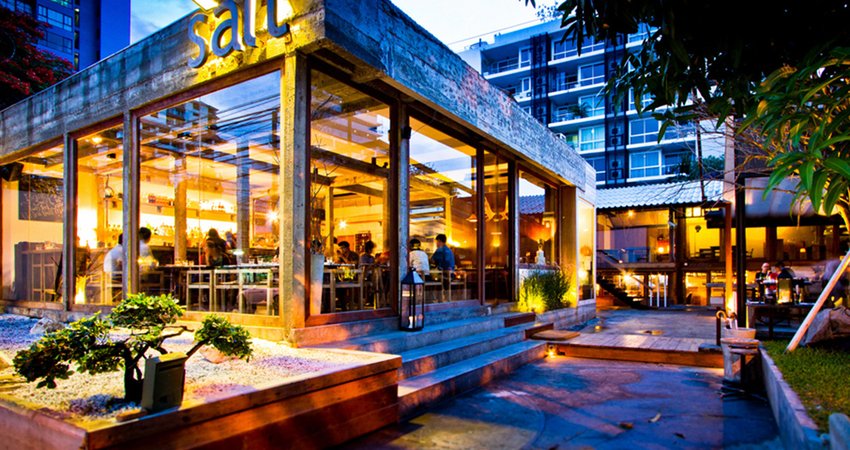
The best way to judge walkability is to test the actual route. Do not rely only on distance. A five-minute walk with shade, a safe crossing and useful shops can be more valuable than a shorter route along a busy road with poor pavements. Buyers should inspect how the location works during normal weekday routines, not only during a quiet viewing.
Walk the routes that matter
Start with the routes a resident will use most: station, supermarket, coffee, pharmacy, gym, school pickup point, office shuttle, park, clinic, mall, taxi stand and food delivery area. If the condo is intended as a rental, walk the route as a tenant would. If it is for personal use, walk it with luggage, family members or the errands you expect to do in Bangkok.
Check both directions. A route that feels easy in the morning may be unpleasant at night. A crossing that seems manageable on Sunday may be difficult during office traffic. A pavement that works in dry weather may become uncomfortable in heavy rain.
Shade and weather change the decision
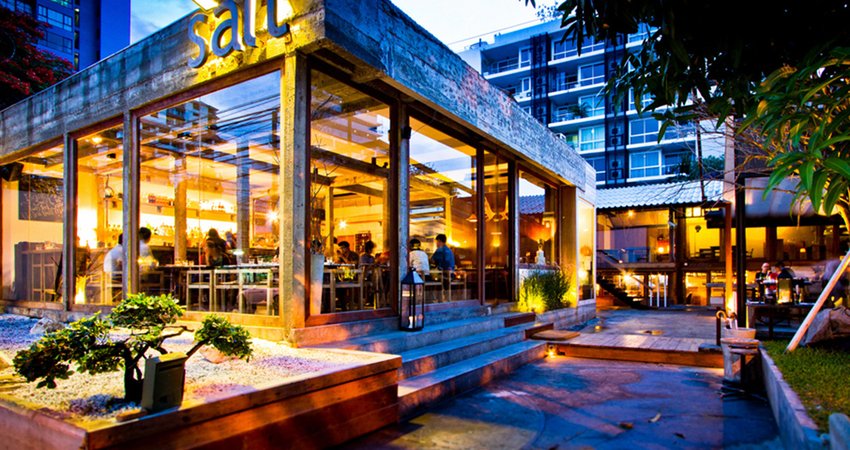
Bangkok’s heat and rainy season make shade, drainage and covered links important. A condo with trees, awnings, mall connections or short sheltered sections can feel more liveable than one with a completely exposed route. Buyers should also check whether puddles, uneven pavements or construction barriers make the route difficult after rain.
For older residents, children or frequent visitors, these details matter even more. A route that a young professional accepts may not suit parents, guests or tenants with mobility concerns. Good walkability broadens the potential resident pool.
Transport access is more than station distance
Being near BTS or MRT is helpful, but Bangkok residents often combine rail, taxi, motorcycle taxi, ride-hailing, ferries, airport links and walking. A strong location gives residents options. Check whether taxis can stop safely, whether ride-hailing cars can find the lobby, whether motorcycle taxis wait nearby, and whether the building has a practical drop-off during rain.
Investors should be realistic when a building depends on one inconvenient link. If tenants need to rely on a shuttle or motorcycle taxi for every journey, the rent should reflect that friction unless the unit offers other clear advantages.
Daily services create long-stay comfort
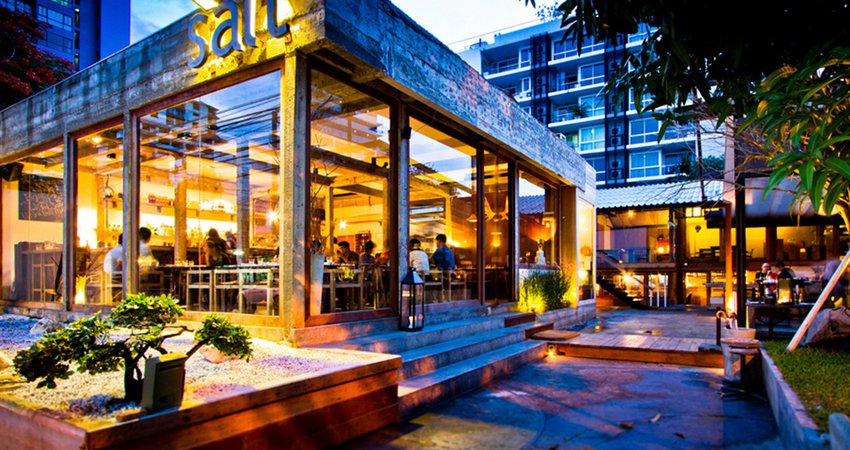
Walkability is strongest when useful services sit close together. A resident should be able to handle ordinary errands without turning every task into a car journey. Groceries, pharmacies, laundry, parcel drop-off, casual food, coffee, bank services, clinics and basic household shops all support long-stay comfort.
Foreign buyers should also check noise, smell, street lighting, nightlife, school traffic, construction and delivery activity. A lively street can be convenient, but it may affect sleep or privacy. A quiet street can feel calm, but it may be less comfortable after dark. The correct balance depends on the intended user.
How walkability affects resale
Future buyers and tenants make quick judgements. If the route from station to lobby feels obvious and comfortable, the condo is easier to explain. If the route needs a long caveat, the unit may be harder to market. Walkability can therefore support resale, especially when competing buildings offer similar layouts and facilities.
It also protects owner use. A foreign owner visiting Bangkok for short stays will notice daily friction quickly. A location that makes breakfast, transport, errands and evening plans simple is more likely to be used regularly and maintained well.
Buyer checklist
- Walk the actual route to station, shops and daily services.
- Test the area at peak hour, evening and after rain where possible.
- Check crossings, shade, lighting, pavements and construction barriers.
- Observe taxi, ride-hailing, delivery and drop-off routines.
- Listen for traffic, nightlife, school and construction noise.
- Ask whether the route suits the intended tenant, family or owner use.
Buyer takeaway
Bangkok walkability is a practical ownership filter. Foreign buyers should test the routes that define daily life, not only the distance shown online. The strongest condo locations make transport, errands and weekend routines feel natural, which supports liveability, rental appeal and resale confidence.
IBP helps foreign buyers compare Bangkok condos by district, walking route, transport access and lifestyle fit. Browse our Bangkok lifestyle guides or contact IBP Real Estate for a location shortlist.