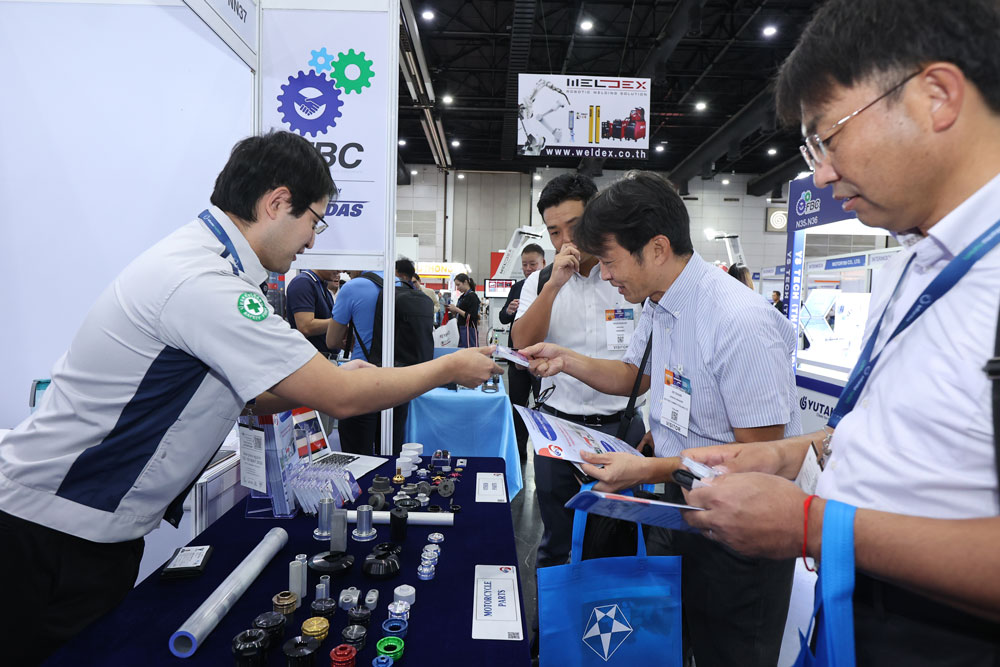
ASEAN’s Digital Economy Framework Agreement is not a Bangkok property policy, but it is relevant to the confidence story behind Bangkok real estate. The Government Public Relations Department reported on 9 June 2026 that ASEAN member states had concluded negotiations on the agreement, with legal scrubbing underway before an expected signing by regional leaders at the ASEAN Summit in November 2026.
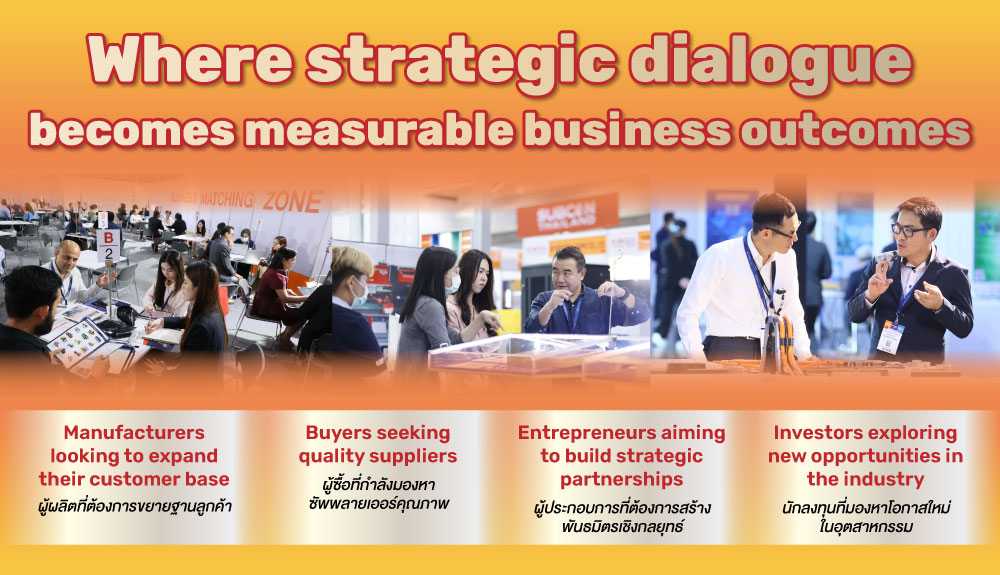
ASEAN’s digital-economy framework is a regional policy signal rather than a single-project property catalyst.
For foreign property buyers, the important point is not to treat DEFA as a direct trigger for condo prices. The more useful reading is structural. A more harmonised ASEAN digital economy can support business formation, cross-border services, digital payments, data flows, cybersecurity standards and regional investor confidence. Bangkok benefits when Thailand is seen as a credible operating base inside that wider system.
What DEFA is trying to change
According to PRD, the agreement is intended to unify fragmented national regulations into a higher-standard regional digital trade framework. The official release also says DEFA is projected to more than double ASEAN’s digital economy, reaching US$2 trillion by 2030. Those are regional figures, not Bangkok property forecasts, but they show the scale of policy ambition.
Digital-economy rules matter because companies choose locations partly on operating friction. If cross-border payments, e-commerce, data and cybersecurity standards become easier to navigate, regional firms may find it simpler to serve several ASEAN markets. Bangkok’s appeal then depends on how well it combines those rules with talent, transport, offices, housing, lifestyle and airport access.
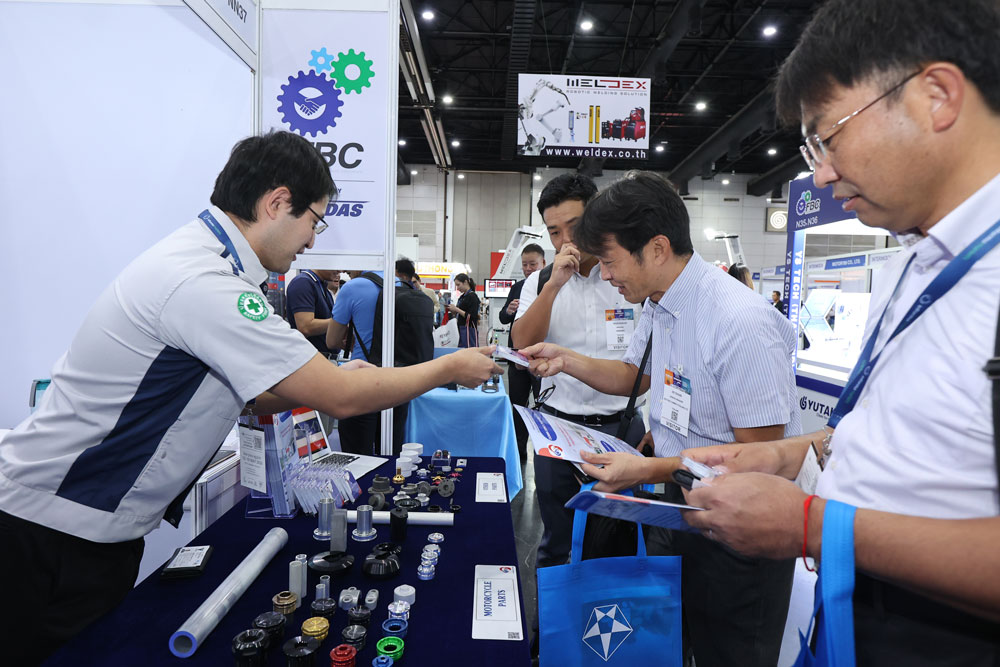
Digital trade and data standards matter most to property when they support real business activity.
Why Bangkok remains part of the conversation
Bangkok is already Thailand’s central hub for finance, law, corporate services, hospitality, media, retail and international travel. Digital-economy growth does not remove the need for physical cities. It often increases demand for places where executives, product teams, investors, consultants and regional managers can meet, hire, live and travel easily.
This is where property buyers should pay attention. The strongest real estate demand tends to form where economic activity and daily liveability overlap. A digital firm may not rent a large office in the same way as an older industrial company, but its staff and founders still need housing, transport, healthcare, schools, dining and flexible work settings. Bangkok districts that serve those routines can remain relevant.
What investors should not assume
DEFA should not be used as a reason to buy any condominium at any price. A regional digital agreement does not rescue a weak building, an awkward layout or an overpaid unit. Property performance still depends on rent evidence, resale depth, building management, common fees, future supply and the buyer’s holding period.
Investors should also avoid assuming that digital-economy growth benefits only one district. Bangkok’s demand map is varied. Central Sukhumvit, Silom-Sathorn, Rama IV, Phaya Thai, Ari, Punnawithi, Bang Na and other areas can each serve different parts of the employment and lifestyle market. The right question is which tenant or future buyer a specific unit can realistically attract.
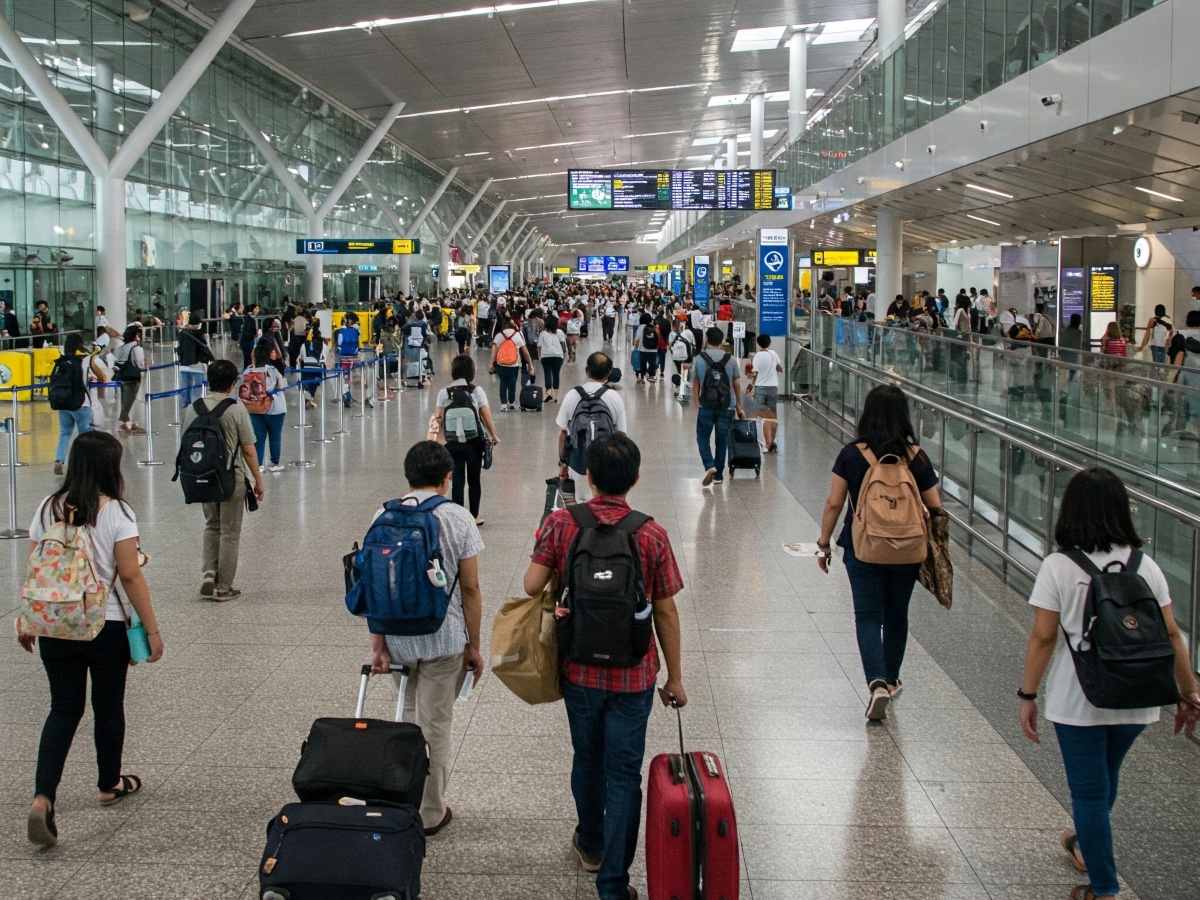
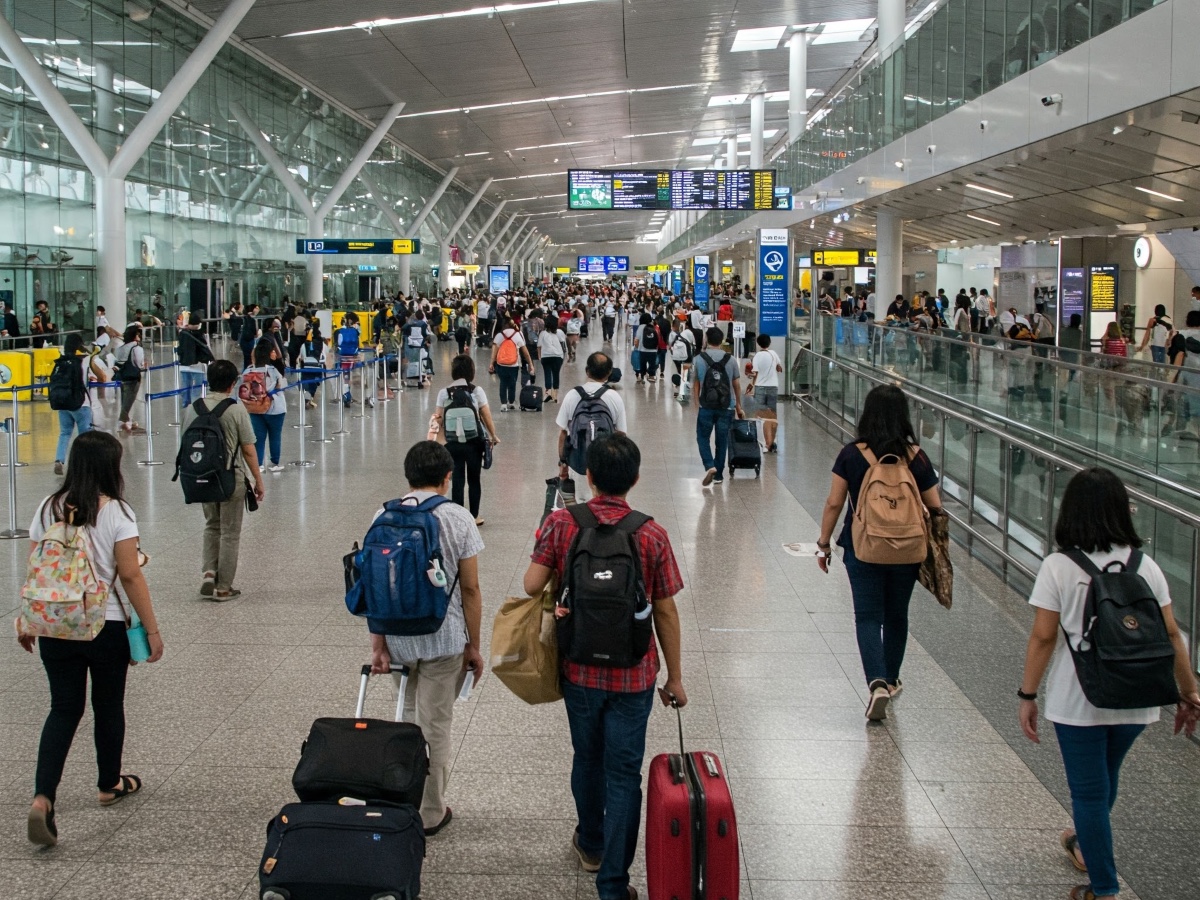
Bangkok’s regional role depends on digital rules, transport, talent and corporate mobility working together.
How foreign buyers can use the signal
Use DEFA as part of a broader confidence checklist. Does Thailand continue to position itself for regional business? Are transport links, digital infrastructure and corporate services improving? Are companies still choosing Bangkok for regional functions, meetings or specialist teams? If the answer is yes, Bangkok’s long-term property case becomes easier to explain, but the purchase still needs building-level discipline.
For buy-to-let investors, this means focusing on units that suit mobile professionals, entrepreneurs, executives and regional staff. For owner-occupiers, it means choosing a district that makes Bangkok feel globally connected without sacrificing daily comfort. For resale buyers, it means avoiding assets that depend only on a broad macro story.
Buyer takeaway
ASEAN DEFA reinforces the idea that Thailand wants to compete in a more integrated regional digital economy. For Bangkok property buyers, the value is indirect but meaningful: stronger regional rules can support corporate confidence, mobility and the city’s business narrative. The correct response is not speculation. It is to use the macro signal while buying only units with a clear tenant, owner and resale case.
IBP can help foreign buyers connect Thailand economic news with district and building-level property decisions. Read more in our Thailand economy and investment news archive or contact IBP Real Estate for a Bangkok property brief.
Bangkok’s property appeal is supported by more than new rail lines and condominium launches. The city also needs a steady flow of visitors, business travellers, cultural exchange and high-value tourism activity. That is why the Tourism Authority of Thailand’s latest Bangkok wellness and culture event matters to foreign property buyers, even if it is not a real-estate announcement.
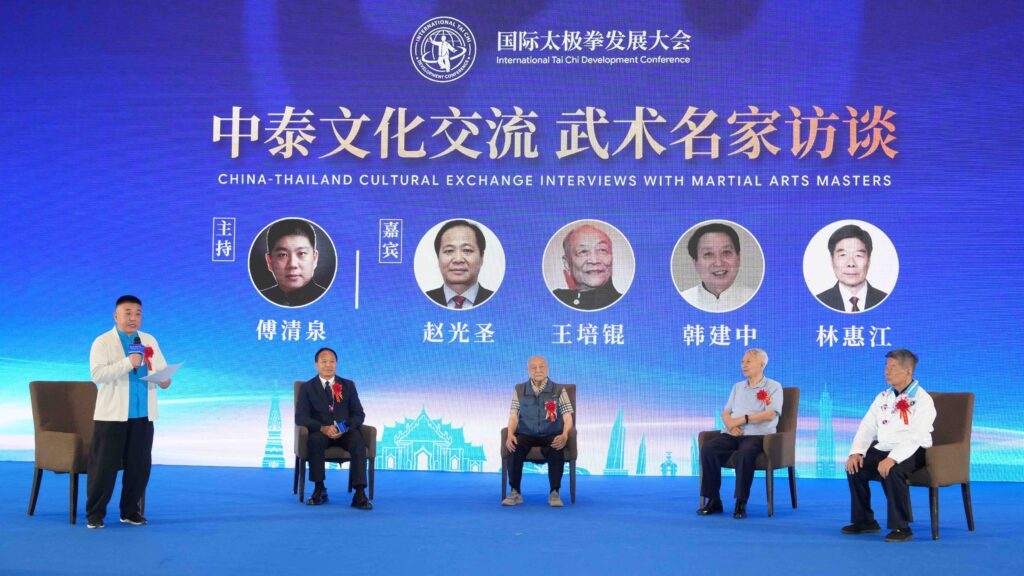
On 15 June 2026, TAT said it showcased Thai wellness at the First International Tai Chi Development Conference, held in Bangkok on 14 June. The event connected Thai massage, Tai Chi, Chinese cultural exchange and travel programmes, with TAT linking the programme to its China-market campaign.
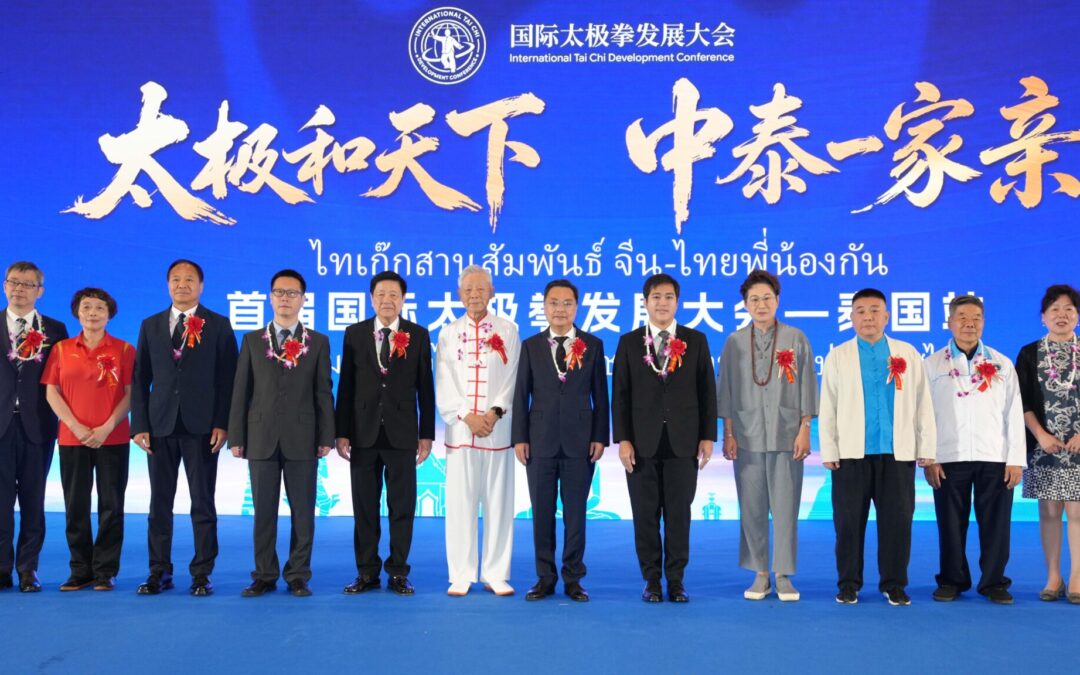
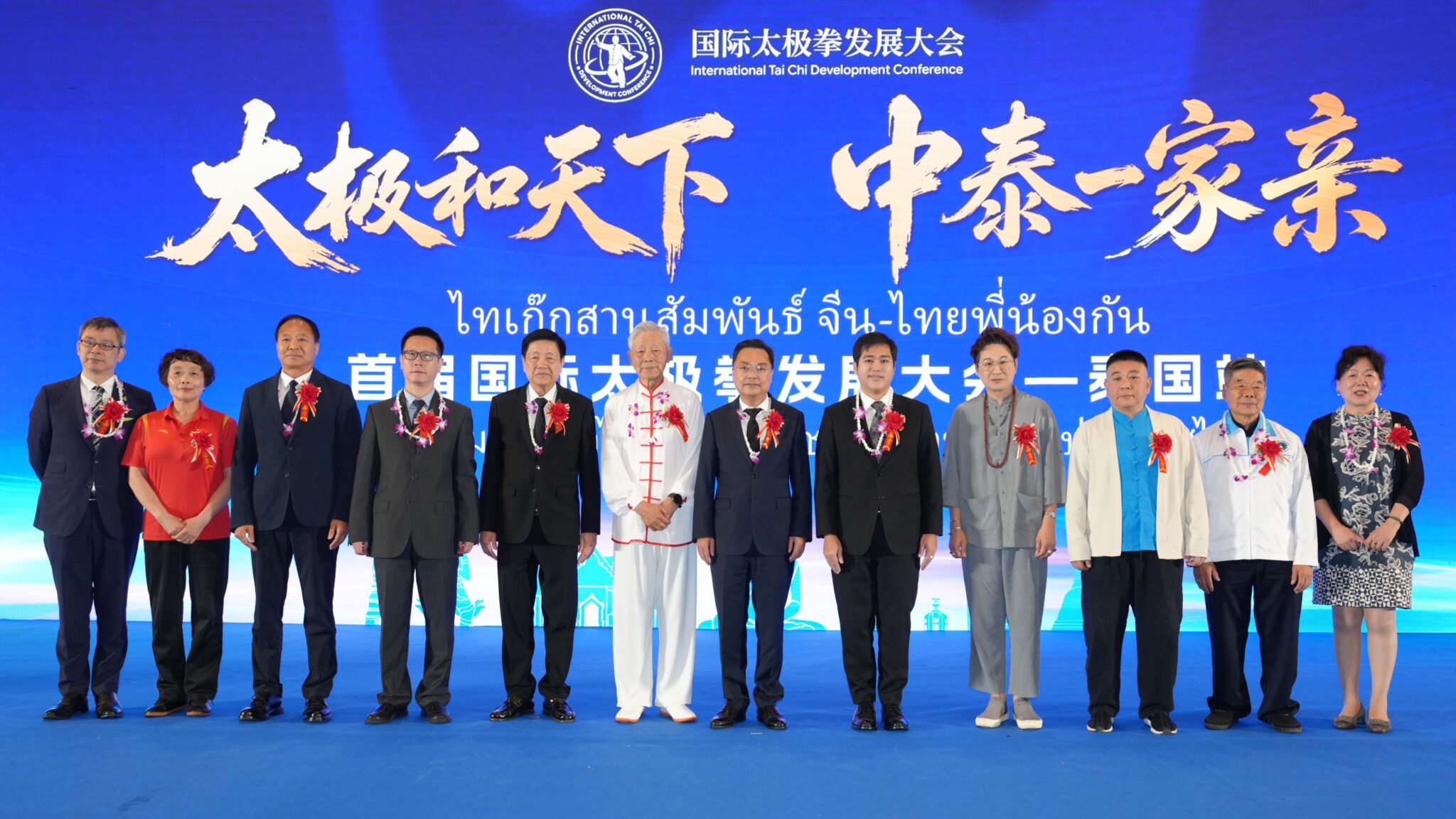
TAT used the Bangkok conference to connect wellness, culture and China-market travel confidence.
What happened in Bangkok
The conference was organised under the theme “Tai Chi and the World, Sino-Thai Family Bond”. TAT described the event as a people-to-people exchange between Thailand and China through culture, martial arts, wellness and travel. Senior public and private representatives attended, including tourism, diplomatic and Thai-Chinese business figures.
The programme included cultural performances, cooperation signing, Tai Chi and martial arts demonstrations, exhibition activity, awards and a Thai massage demonstration. TAT also noted related travel programmes in Thailand, including a six-day sightseeing programme in Pattaya and Bangkok and a five-day familiarisation trip for Chinese key opinion leaders covering Bangkok, Rayong and Chanthaburi from 12 to 16 June 2026.
For property buyers, the important point is not the event format by itself. The signal is that Bangkok remains a useful stage for tourism diplomacy, wellness positioning and China-market engagement. These soft-power activities can support visitor confidence and reinforce Bangkok’s role as the entry point for premium Thailand experiences.
Why China-market confidence still matters
China has long been one of Thailand’s important international travel markets. Demand can fluctuate because of air capacity, consumer confidence, safety perception, currency movement and regional competition. Events that rebuild confidence and create fresh reasons to visit are therefore part of the wider demand environment that supports hotels, serviced apartments, retail, restaurants and selected rental locations.
Foreign condo investors should not treat a single event as proof of rental growth. That would be too simple. But they should watch whether Thailand continues to invest in relationships with major visitor markets, because travel confidence affects Bangkok’s economy in many indirect ways.
A healthier visitor and business-travel base can support shopping centres, medical services, restaurants, wellness operators, private clubs, event venues and hospitality employment. These sectors help make Bangkok more liveable and more internationally connected, which is one reason overseas buyers continue to compare the city with Singapore, Kuala Lumpur, Ho Chi Minh City and Hong Kong.
Culture-led tourism activity can strengthen Bangkok's wider visitor and lifestyle positioning.
The property link is selective
Tourism confidence does not lift every condo equally. The most direct benefits are usually in districts with strong visitor infrastructure, easy rail or river access, hotel clusters, hospitals, convention venues, retail anchors and short travel times to the airport or central business areas. Even then, condominium performance depends on legal leasing rules, building management, unit quality and tenant fit.
A foreign buyer looking at a rental-led purchase should ask how tourism and business travel connect to the specific building. Does the district attract long-stay visitors, regional executives, consultants, medical travellers or families? Are leases typically annual, medium-term or owner-occupied? Are short stays prohibited by the juristic office? Is the unit positioned for a tenant who values wellness, culture and convenience, or is it relying on a vague Bangkok growth story?
The stronger argument is often about city confidence rather than immediate rent. Bangkok remains attractive when it can host international events, present Thai culture professionally and convert visitors into repeat travellers, residents, entrepreneurs and investors.
Wellness as a premium city signal
TAT’s wider tourism messaging has recently emphasised wellness, meaningful travel and quality-led demand. The Tai Chi conference fits that direction because it links exercise, Thai massage, cultural heritage and travel. For Bangkok property, wellness is relevant when it shapes buyer preferences: parks, hospitals, spas, fitness facilities, walkable neighbourhoods and calm building management are no longer decorative extras.
Luxury and upper-mid-market buyers increasingly compare the full lifestyle environment. They ask about air quality, hospital access, green space, traffic, building services, privacy, fitness facilities and neighbourhood dining. A city that can credibly position wellness alongside business and culture may appeal to long-stay residents as well as tourists.
For property buyers, the signal is city confidence rather than a direct rent forecast.
What buyers should watch next
Investors should monitor whether event-led travel activity converts into sustained arrivals, stronger airline capacity, resilient hotel performance and broader spending in Bangkok. They should also watch which districts benefit. A cultural or wellness event may support city branding, but the best condo purchase still comes down to location, building, layout, management and price.
IBP’s Thailand economy and investment news coverage follows these signals because they help foreign buyers understand the wider confidence environment behind Bangkok property. Macro confidence is useful only when it is connected to a specific condo strategy.
For buyers considering Bangkok in 2026, the practical takeaway is measured optimism. Thailand continues to use tourism, wellness and cultural exchange to strengthen its global position, while disciplined property selection remains essential at unit level.
Thailand’s semiconductor strategy is not a condo story in the narrow sense. It is a confidence story about where the country wants to sit in higher-value manufacturing, electronics, data infrastructure, electric vehicles, renewable energy and smart industry. For foreign buyers considering Bangkok property, that wider direction matters because long-term real estate demand depends partly on the depth of the economy around the capital.
Higher-value industry can support the corporate services ecosystem around Bangkok.
The Thailand Board of Investment said the national strategy is focused on power semiconductors, sensors, photonics, discrete devices and analog chips. These are segments linked to existing Thai strengths in electronics, automotive, energy, data centre and industrial supply chains. The strategy sets phased targets for 2030, 2040 and 2050 rather than promising an overnight transformation.
Why industrial strategy matters to Bangkok
Bangkok is not where every factory sits, but it is where many decisions are made. Corporate headquarters, regional management teams, banks, law firms, consultants, logistics providers, hotels, schools, hospitals and service businesses cluster in and around the capital. When Thailand attracts higher-value industry, Bangkok often becomes part of the executive, finance and services ecosystem that supports it.
For property buyers, the point is indirect but important. A deeper corporate base can support executive travel, expat assignments, serviced apartments, relocation demand and confidence in premium urban living. It does not mean every condominium will rise in value. It means the city has more reasons to remain relevant to international companies and mobile professionals.
Connectivity helps link industrial investment, executive mobility and Bangkok living demand.
The scale of the ambition
BOI said Thailand aims to attract more than 2.5 trillion baht, or about 79 billion US dollars, in semiconductor and advanced electronics investment by 2050. It also referred to a goal of developing more than 230,000 skilled workers and creating a more integrated semiconductor ecosystem. These are long-range targets, so buyers should read them as direction rather than immediate market data.
The release also noted that electronics and electrical products account for around one-quarter of Thailand’s total exports. In 2024, electronics exports reached 1.86 trillion baht, while semiconductor exports totalled 436 billion baht. Between 2018 and November 2025, electrical and electronics investment-promotion applications accounted for 1.17 trillion baht across 1,748 projects.
What foreign buyers should not overstate
Industrial growth does not automatically create demand for a particular luxury condominium. Many manufacturing projects are outside central Bangkok, and the workers they employ may not rent prime Sukhumvit or Riverside units. The relationship between investment policy and condo demand is filtered through job type, salary level, headquarters location, family relocation, school choice and transport patterns.
That is why buyers should avoid headline-led decisions. A semiconductor strategy can support national confidence, but a condo purchase still needs building-level evidence: rent comps, resale depth, management quality, legal readiness, common fees and realistic exit demand.
Foreign buyers should connect macro policy with building-level property evidence.
Where the property link is more plausible
The clearest Bangkok property link is through corporate services and skilled mobility. Senior engineers, managers, founders, consultants, investors and regional executives may need Bangkok access even when industrial sites are elsewhere. They may choose areas with airport links, international schools, hospitals, office access and lifestyle depth. That can support selected rental segments if the building and location match the tenant profile.
Districts with strong connectivity, good management and easy daily services are better placed than buildings that rely only on broad macro confidence. For example, a practical unit near a rail interchange may suit a regional commuter better than a larger but inconvenient unit. A well-managed central condo can appeal to a family relocating for a two-year assignment if schools and healthcare are manageable.
How to use this signal in a buyer brief
Treat semiconductor policy as one macro confidence factor, not a price forecast.
Prioritise buildings that suit mobile professionals and corporate tenants.
Check airport, office, school and hospital access rather than only district prestige.
Compare actual rent evidence with competing buildings in the same micro-market.
Be cautious with speculative areas that lack current tenant depth.
Buyer takeaway
Thailand’s semiconductor strategy strengthens the country’s long-term investment narrative and supports Bangkok’s role as a business, finance and services base. For foreign condo buyers, the correct response is measured confidence. The macro story is positive, but the purchase decision should still be made unit by unit, building by building and district by district.
IBP tracks how Thailand’s economy, infrastructure and corporate investment environment connect to Bangkok property decisions. Read more in Thailand economy and investment news or contact IBP Real Estate for a buyer strategy session.
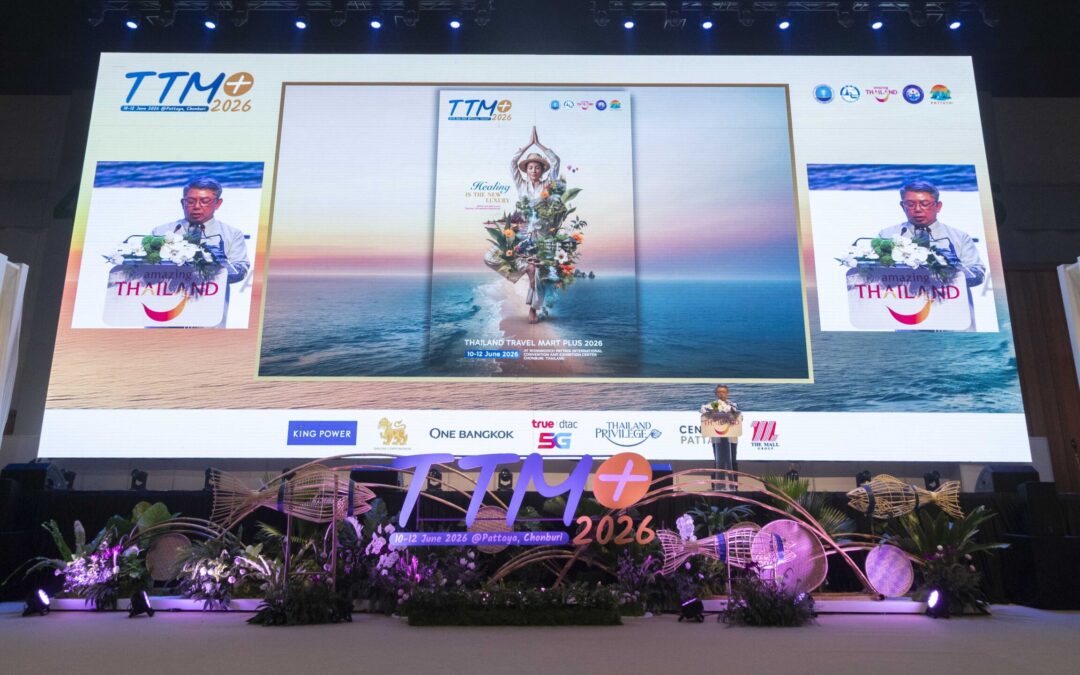
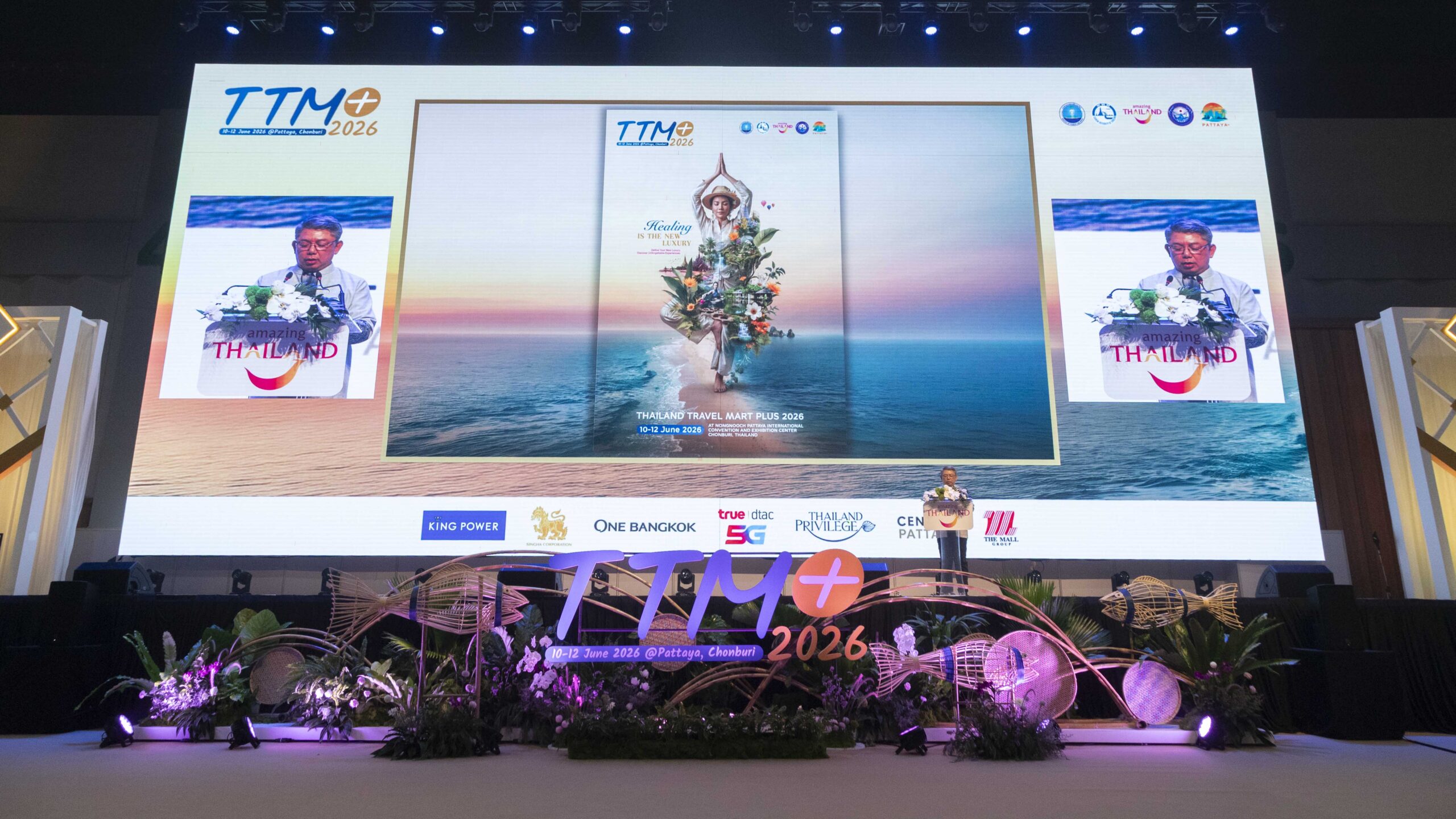
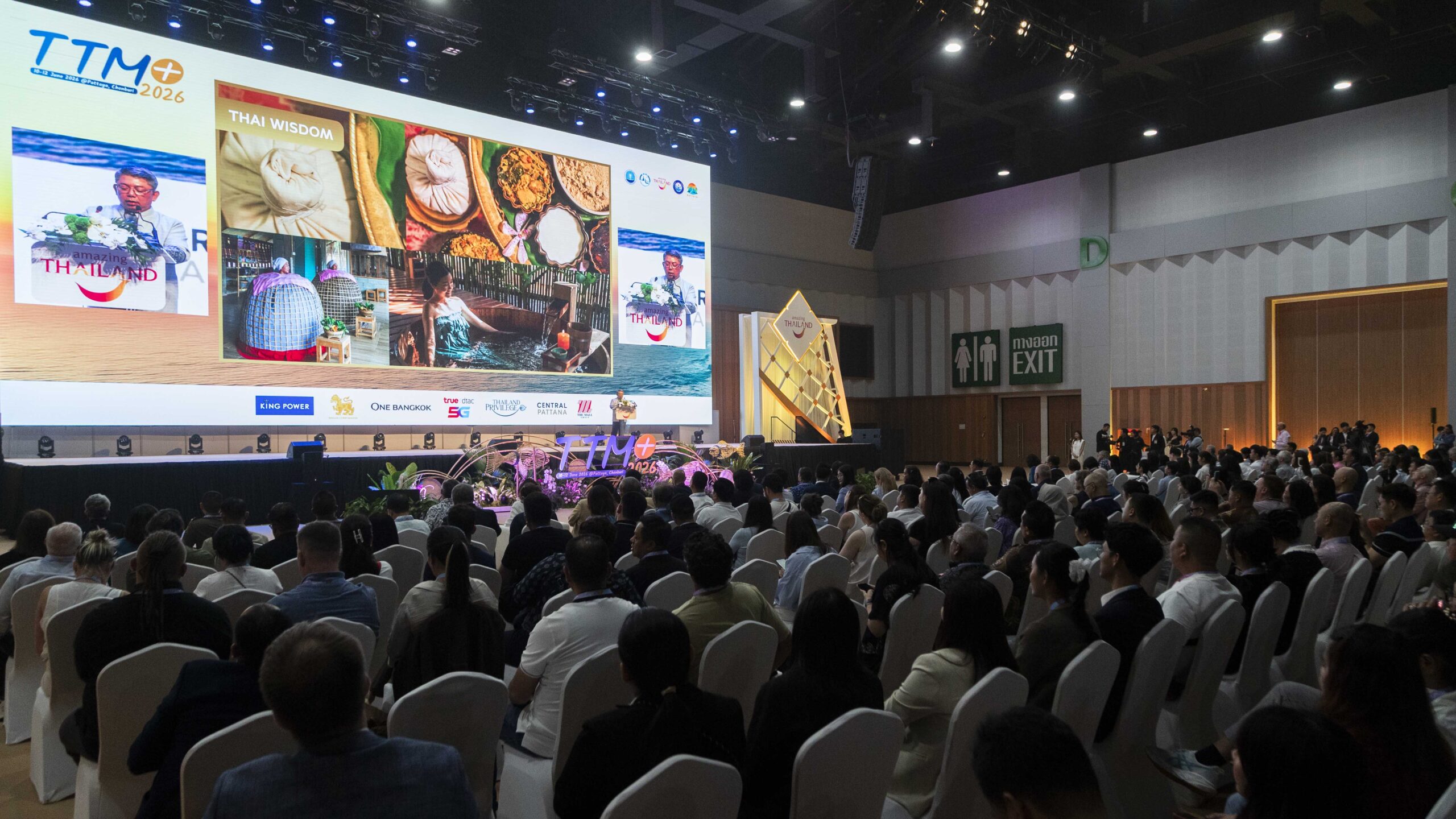
TAT’s Thailand Tourism Update at TTM+ 2026 is a useful confidence signal for foreign buyers watching Bangkok property. It is not a condominium market report, and it should not be treated as a direct price forecast. Its value is broader: it shows how Thailand is positioning tourism around quality, wellness, events, sustainability and international partnerships.
According to TAT’s 10 June 2026 release, the update was presented at Thailand Travel Mart Plus 2026 in Pattaya, held from 10 to 12 June at the NICE Pattaya Convention and Exhibition Center. TAT said Thailand had welcomed more than 14 million international visitors as of 2 June 2026, generating around 679 billion baht in tourism revenue.
TAT presented its Thailand Tourism Update at TTM+ 2026 on 10 June 2026.
Why tourism quality matters to property
Foreign property buyers should care about tourism quality because Bangkok’s appeal is not only residential. The city sits inside a national visitor economy that supports hotels, serviced apartments, restaurants, hospitals, retail, events, transport, creative industries and business travel. When Thailand attracts higher-value visitors and repeat travellers, Bangkok often benefits as the main arrival, meeting and lifestyle hub.
TAT framed the 2026 direction as Value over Volume, linking wellness, meaningful travel, responsible tourism and stronger business partnerships. That matters for property because higher-quality demand can support longer stays, repeat visits, medical and wellness travel, executive travel and lifestyle-led relocation decisions.
Where Bangkok fits the travel chain
Bangkok is often the first and last stop for international visitors, even when the holiday is focused on beaches, wellness retreats or regional destinations. That gives the city repeated demand for airports, hotels, restaurants, shopping, hospitals, meetings and short-stay services. For condo buyers, the strongest implication is not short-term speculation; it is the long-term value of districts that remain useful to both residents and visitors.
This is why central, transport-connected and service-rich locations deserve close attention. Areas with strong rail access, private hospitals, retail clusters, international schools, parks and hotels can benefit from several demand streams at once. The buyer still needs to test the specific unit, but the surrounding ecosystem can make the rental and resale story easier to explain.
The numbers are useful, but not enough
TAT also said it is advancing projected tourism revenue of 2.65 trillion baht from domestic and international tourism, with 33 million international arrivals expected in 2026. Those figures give a broad confidence backdrop, but they do not mean every Bangkok condo will perform well. A buyer still needs to test building, price, tenant profile and exit liquidity.
The better use of the data is market framing. If tourism remains an important national growth driver, Bangkok condos near transport, hospitals, retail, event venues and lifestyle districts may have a more credible demand story than units that rely only on speculative appreciation.
The update emphasised quality-led growth, wellness, sustainability and stronger international partnerships.
Wellness and events strengthen Bangkok positioning
The TAT update highlighted wellness, gastronomy, sustainable travel and major events. It referred to highlights such as InterPride 2026, the Global Wellness Summit in Phuket, the 2026 IMF-World Bank Group Annual Meetings, Pride Show Bangkok 2026, Tomorrowland Thailand, Wonderfruit, the Amazing Thailand Marathon Bangkok 2026, HYROX and Spartan Race Thailand.
For Bangkok property, this is important because a premium city is built through repeated reasons to visit and stay. Events fill hotels and restaurants, but they also shape how regional executives, families, retirees and lifestyle buyers experience the city. A buyer comparing Bangkok with other Asian cities should look at this cultural and event depth alongside price and ownership rules.
Property questions raised by the update
Which Bangkok districts benefit from transport, hotels, hospitals, retail and event access?
Does the target building appeal to long-stay visitors, relocating families or business travellers?
Can a tenant live well without needing a car for every daily task?
Do nearby services support wellness, dining, healthcare and repeat visitor routines?
Is the purchase price supported by rent evidence, not only tourism optimism?
Can the owner hold through softer tourism periods without forced selling?
For Bangkok property, tourism confidence matters most when it supports long-stay, business and lifestyle demand.
Buyer takeaway
TTM+ 2026 reinforces that Thailand is trying to move tourism toward value, wellness and sustainable demand. For Bangkok property buyers, that supports confidence in well-connected, service-rich districts, but it does not remove the need for unit-level due diligence.
IBP Real Estate can help foreign buyers connect Thailand economy signals with Bangkok condo selection. Continue with our Thailand economy updates and infrastructure articles for more context.
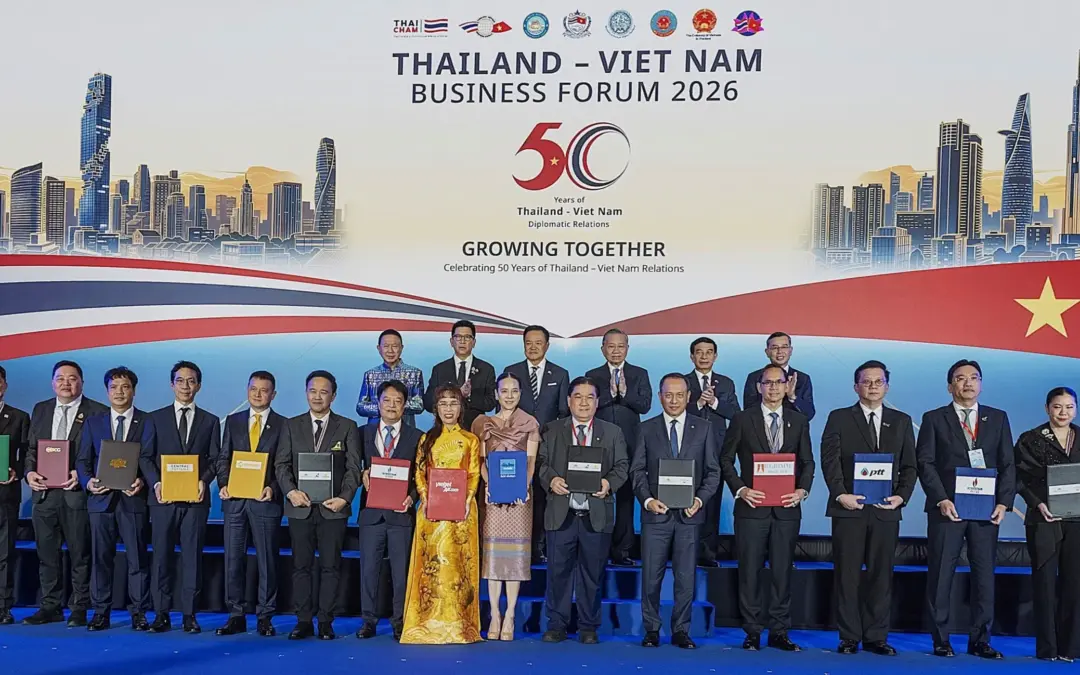
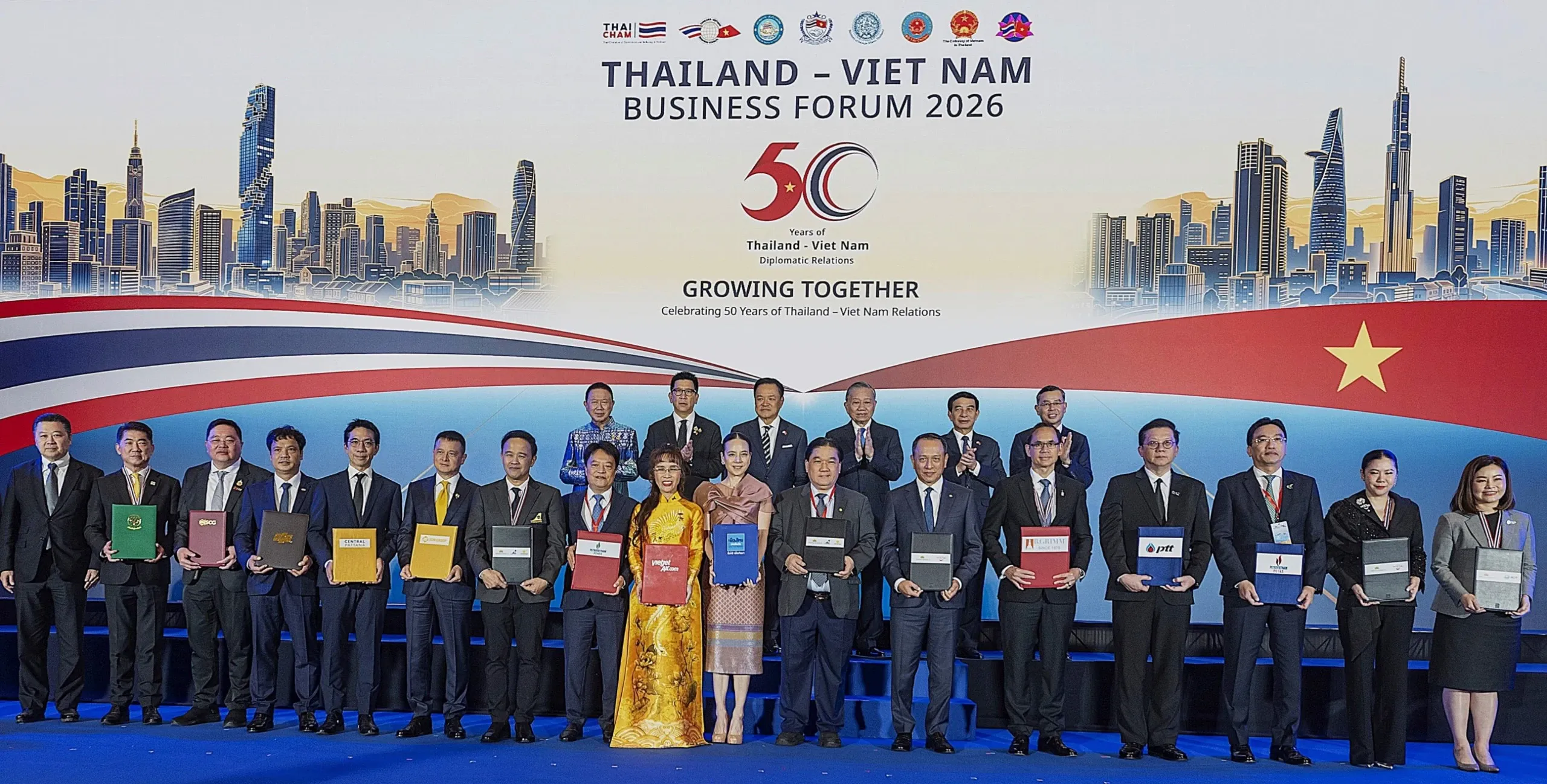
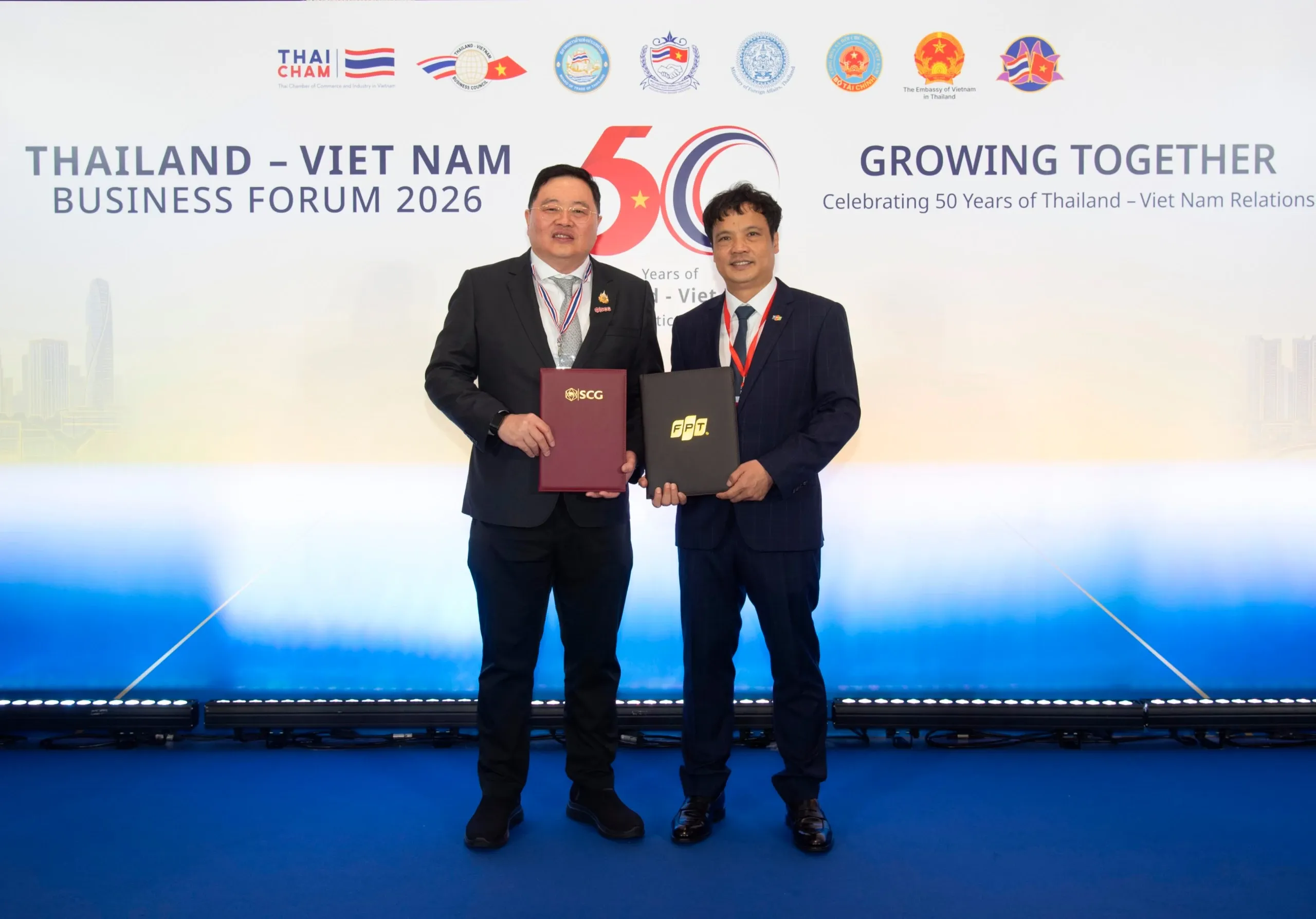
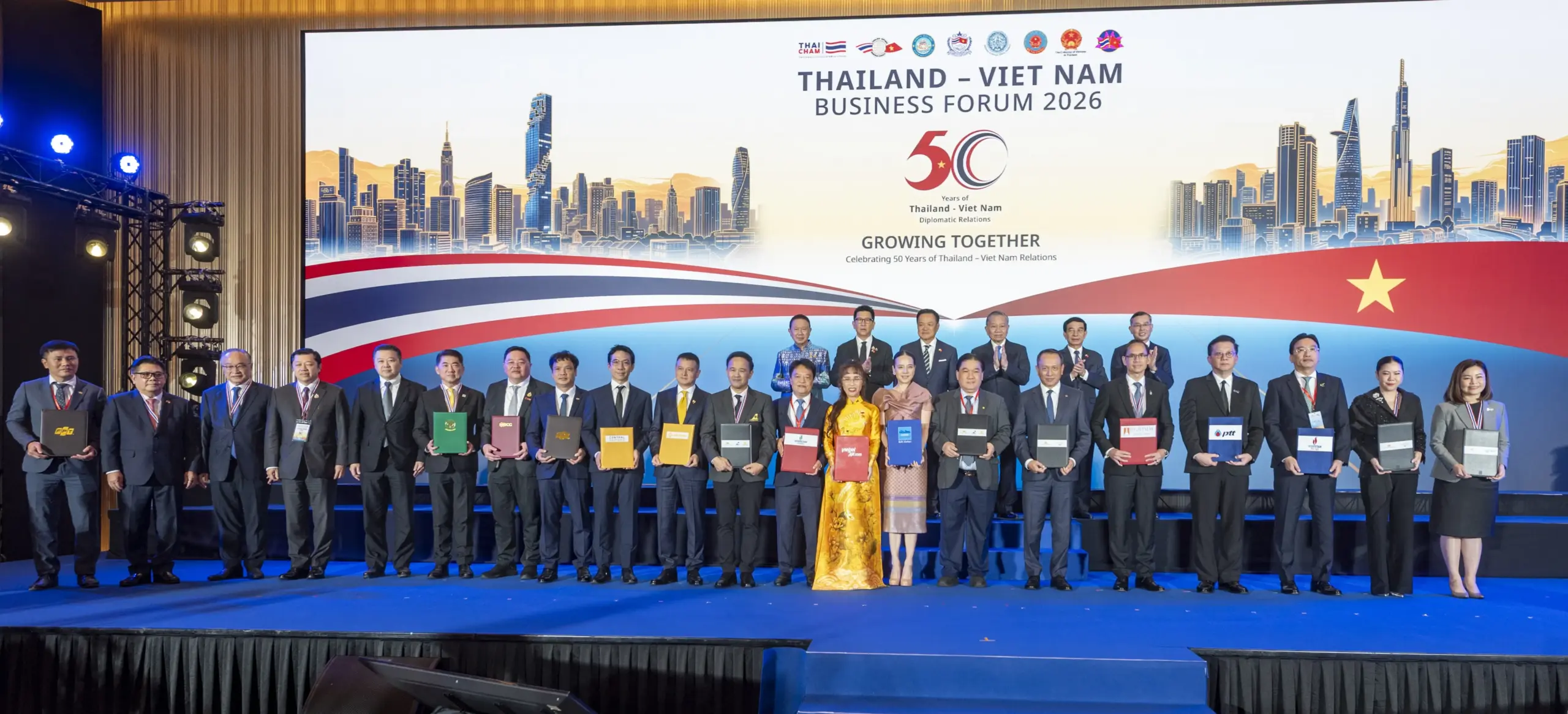
SCG and FPT’s 2 June 2026 AI and digital transformation MOU in Bangkok is not a property announcement. That is precisely why it is useful for foreign condo buyers to watch. The strongest Bangkok property case is supported by a broader city economy: regional companies, professional services, industrial groups, technology partners, banks, consultants and executives using Bangkok as a place to make decisions.
FPT’s official release said the agreement with SCG will explore AI-driven industrial transformation, integrated digital platforms, enterprise process excellence, digital infrastructure, security and governance across SCG’s business ecosystems. It also placed the signing in Bangkok during a period of strengthening Vietnam-Thailand business ties.
SCG and FPT framed the agreement as part of a wider shift toward practical AI-led business transformation.
Why this matters to property buyers
Foreign buyers sometimes look for a single headline to justify a purchase: a new mall, a new station, a new company investment or a tourism figure. A more durable reading is cumulative. Bangkok becomes more attractive when many different forms of high-value activity keep choosing the city, including board meetings, technology partnerships, regional offices, finance, logistics, healthcare, hospitality and education.
The SCG-FPT announcement points to corporate modernisation rather than tourism. That matters because Bangkok’s premium rental and resale markets need more than visitors. They need executives, specialists, consultants, project teams and internationally mobile households who can justify living close to offices, transport, hospitals, schools and lifestyle districts.
A digital economy signal, not a condo guarantee
The announcement should not be read as a promise that condo prices will rise. It does not identify a residential district, a housing programme or a tenant relocation plan. The correct property reading is more measured: Thailand’s large corporates are investing attention in AI, data, governance and process improvement, and Bangkok remains an important meeting point for that activity.
That kind of signal can support confidence in central districts with strong corporate access. Sathorn, Silom, Rama IV, Ploenchit, Chit Lom, Asok and selected riverside areas all benefit when Bangkok continues to host regional business and high-value services. Still, each building must be tested by price, rent, quota, management and exit liquidity.
Corporate technology partnerships can support Bangkok’s role as a regional business decision centre.
What investors should watch next
The next useful signs are practical rather than promotional. Are companies increasing headcount in Bangkok? Are regional teams spending more time in Thailand? Are office districts active outside peak tourist periods? Are hotels, serviced apartments and Grade A offices reporting business demand? Are developers designing units and common areas for hybrid work, meetings and long-stay executive use?
A corporate partnership alone does not answer those questions, but it belongs in the wider evidence set. Buyers should connect it with office occupancy, business travel, international schools, healthcare demand, airport connectivity and transport improvements before drawing a property conclusion.
Buyer checklist
Treat corporate investment news as confidence context, not a standalone buy signal.
Prioritise buildings with real access to business districts, not only fashionable branding.
Check whether the target tenant group works in Bangkok regularly or only visits briefly.
Compare rents achieved in comparable buildings, not only asking rents.
Ask whether the building supports hybrid work through layout, internet, quiet and services.
Keep exit strategy conservative, especially for large-ticket luxury units.
For property buyers, the value is an economic confidence signal, not a direct promise of higher condo prices.
Where the Bangkok angle is strongest
For central Bangkok, the best property implications are in districts where business, transport and lifestyle overlap. A unit near a genuine office cluster, MRT or BTS interchange, hospitals and daily retail can serve more tenant groups than a unit that depends only on one company or one project. The investment case is strongest when the building remains useful even if a specific corporate story fades.
This is also why foreign buyers should avoid overpaying for vague technology narratives. AI, cloud and digital transformation are important themes, but they do not excuse weak unit selection. The building still needs good management, realistic common fees, strong facilities, tenant-friendly rules and a defendable price per square metre.
Buyer takeaway
The SCG-FPT AI MOU is a useful signal that Bangkok remains part of Thailand’s regional corporate and digital transformation story. For property buyers, the lesson is not to chase the headline. It is to buy units that fit the professional, executive and long-stay demand that a deeper business ecosystem can support.