Bangkok’s role as host city for the 2026 Annual Meetings of the International Monetary Fund and the World Bank Group is more than a calendar item. For foreign property buyers, it is a useful signal of how Thailand wants the capital to be read: globally connected, capable of handling complex international events, and relevant to finance, policy and corporate decision-makers.
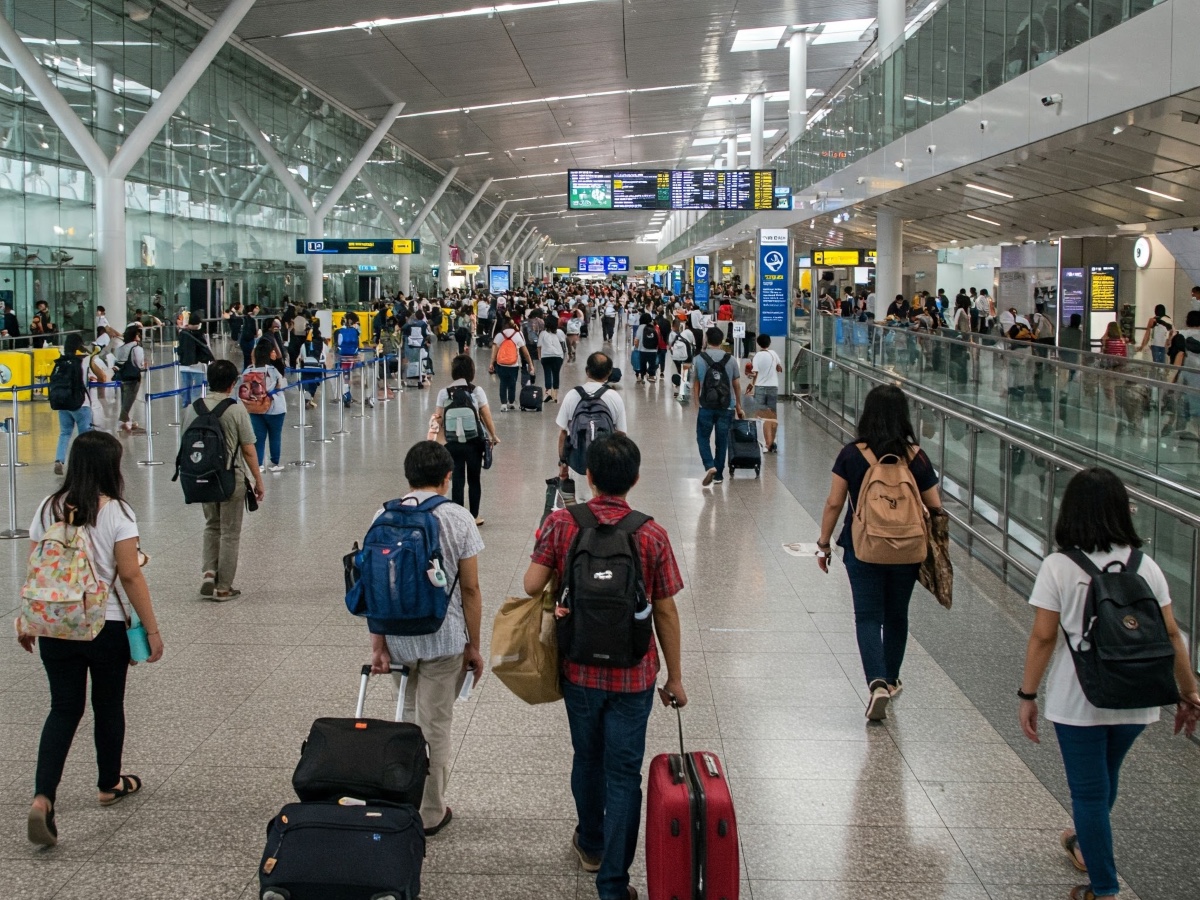
Global meetings test Bangkok’s ability to coordinate finance, security, hospitality and transport at scale.
The Government Public Relations Department reported that the Cabinet approved Friday, 16 October 2026, as a special official holiday in Bangkok to support traffic, travel and security arrangements for the meetings. The main programme is scheduled for 12 to 18 October 2026, with sessions at Queen Sirikit National Convention Center and around 1,000 related meetings and activities.
Why global meetings matter to property confidence
A single event does not change condo prices by itself. The importance is reputational and operational. Hosting global financial meetings requires coordination between government, security, transport, hotels, convention facilities, media, telecommunications and hospitality. When Bangkok performs well at that level, it strengthens the city’s long-term positioning as a regional base for business travel and executive mobility.
That matters to property buyers because Bangkok condominiums do not exist in isolation. Rental demand and resale confidence are influenced by the city’s ability to attract companies, institutions, conferences, expatriates and high-value visitors. A more visible Bangkok can make the city easier to explain to overseas buyers who are comparing it with Singapore, Kuala Lumpur, Ho Chi Minh City, Manila or Dubai.
It also gives buyers a useful test for neighbourhood selection. Districts that serve business visitors well usually combine hotels, transport, retail, dining, medical access and reliable building management. Those same qualities often make a condo easier to occupy, rent and explain at resale.
QSNCC gives Bangkok a central venue for international gatherings linked to business travel and city visibility.
QSNCC and the central-city lifestyle map
The Queen Sirikit National Convention Center sits close to Sukhumvit, Asoke, Rama IV, Benjakitti Park and the wider inner-city transport network. For foreign buyers, this reinforces a practical point: Bangkok’s most resilient locations are often those that connect work, conferences, hospitals, hotels, retail, parks and rail access in a compact daily radius.
Properties near major venues do not automatically become better investments. Buyers should still check building quality, walking routes, noise, traffic, flood resilience, rental evidence and future supply. But a central event and convention ecosystem can support the broader neighbourhood story, especially for tenants who travel, attend conferences or work with regional offices.
The scale of international attention
According to PRD, Thailand expects more than 15,000 participants from 190 countries, including finance ministers, central bank governors, executives of global financial institutions, thought leaders and academics. That audience is highly relevant to Bangkok’s premium positioning. Even when participants do not buy property, their experience of the city influences business perception, corporate travel patterns and future institutional confidence.
The Cabinet also called for work-from-home arrangements for certain Bangkok government agencies on selected meeting days, and for cooperation from organisations around the venue. That detail shows the scale of city management required. For property investors, it is a reminder that infrastructure is not only rail lines and buildings; it is also the ability to coordinate a dense city under pressure.
For property buyers, international visibility supports the wider Bangkok confidence story rather than a single project.
How buyers should interpret the signal
The correct reading is balanced. The IMF and World Bank meetings should not be used as a speculative price argument for any single condominium. Instead, they support the wider case that Bangkok remains on the regional stage for finance, tourism, policy, hospitality and urban services. That helps the long-term confidence story behind central-city property.
Foreign buyers should connect this signal with practical due diligence. Which districts are convenient for convention, office and airport movement? Which buildings have management standards suitable for international tenants? Which units can be rented or resold to people whose lives are linked to Bangkok’s business and travel ecosystem? These questions are more useful than simply buying near a headline.
Buyer takeaway
Bangkok hosting the 2026 IMF and World Bank Group Annual Meetings reinforces the city’s global visibility and operational ambition. For property buyers, the value is not short-term hype. It is another piece of evidence that Bangkok continues to function as a premium regional hub where business, travel, policy and lifestyle demand overlap.
IBP can help foreign buyers compare Bangkok districts by connectivity, tenant demand and long-term ownership logic. Read our Thailand economy and investment news archive or contact IBP Real Estate for a Bangkok property brief.
Thailand’s April export data gives foreign buyers another reason to watch the wider economy behind Bangkok property. Reports citing the Trade Policy and Strategy Office under the Ministry of Commerce said exports in April 2026 were worth US$31.583 billion, or THB1.022354 trillion, up 23.1 percent year on year and marking a 22nd consecutive month of growth. That is a strong headline, but property buyers should read it carefully rather than automatically.
Export momentum supports confidence most when it connects to jobs, services and corporate activity.
Exports matter because they support company revenue, employment, logistics, business services and investor confidence. Bangkok is not an export factory city in a narrow sense, but it is the centre for headquarters, banks, legal advisers, logistics managers, consultants, retail groups, hospitals, hospitality companies and regional decision-makers. When trade is resilient, those service layers can support residential demand in selected districts.
At the same time, exports are only one part of the story. Xinhua’s report on the same official data noted that imports rose faster in the first four months of 2026, creating a trade deficit. For property buyers, the balanced reading is that Thailand still has external demand strengths, while costs, supply chains and currency conditions need monitoring.
Why export strength is relevant to Bangkok property
Foreign buyers often focus on tourism, infrastructure and condo prices. Export performance adds another lens. A country that sells goods and services into global markets can build deeper business confidence than one relying only on visitor spending. Stronger trade can support logistics, banking, industrial estates, business travel, serviced apartments and professional hiring.
Bangkok benefits indirectly from that activity. Executives may not live beside factories or ports, but they often base themselves near offices, schools, hospitals, embassies, retail and airports. That is why areas with strong transport and daily convenience can remain relevant even when the economic news is national rather than local.
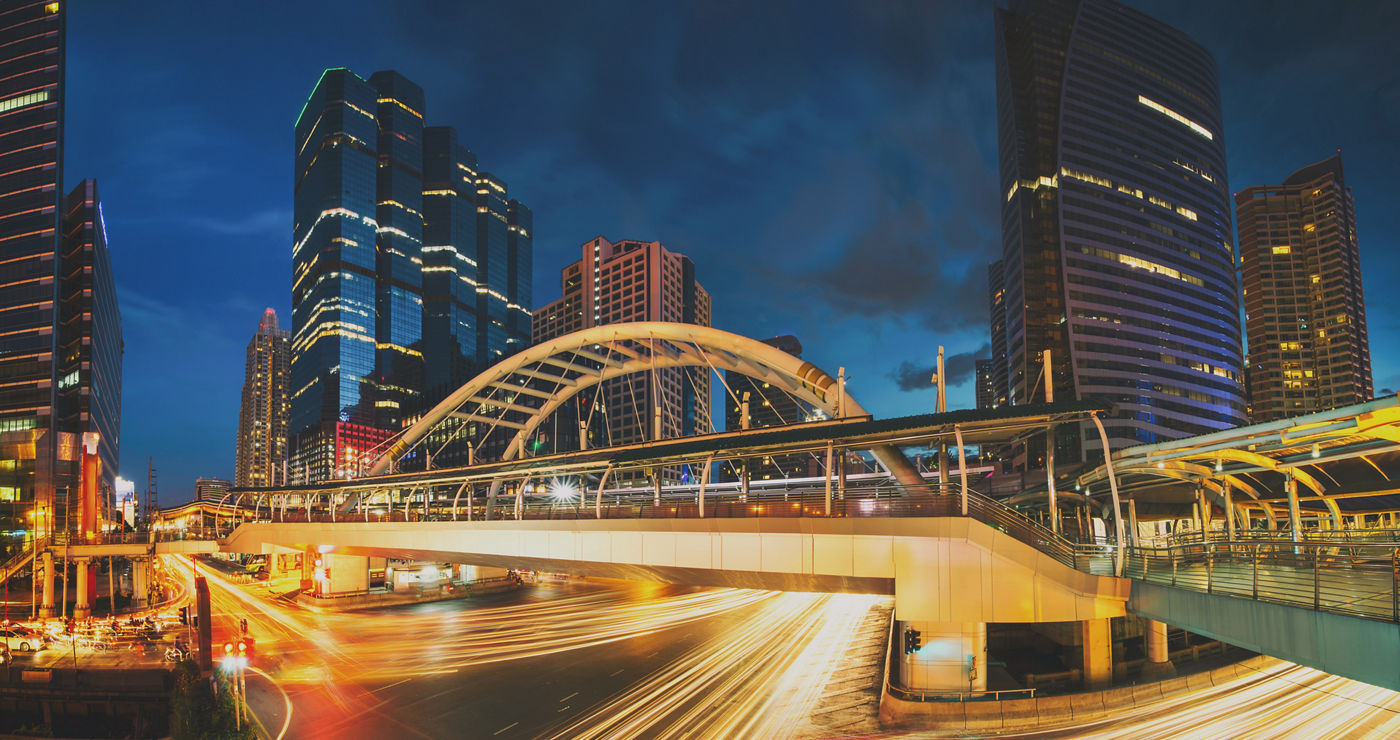
Trade, travel and logistics all reinforce Bangkok’s role as Thailand’s international gateway.
What drove the latest attention
The April data drew attention because the growth rate was high and because the expansion extended a long monthly run. The Government Public Relations Department also reported that agricultural exports rebounded in April 2026 after eight months of decline, with fruit exports up 17.9 percent and durian, rambutan and lychee showing particularly strong increases. That adds a useful reminder that Thailand’s economy is not only tourism and property; it has food, agriculture, manufacturing and trade channels that foreign investors should understand.
For Bangkok property, the point is confidence and diversity. A buyer choosing a long-term Bangkok asset should prefer a city supported by several demand engines: tourism, healthcare, education, trade, finance, retail, technology, embassies and regional services. Export momentum can contribute to that broader platform.
Where the property link is strongest
The export-property link is strongest in districts that serve professionals, regional managers and internationally mobile households. Sathorn, Silom, Rama IV, Phrom Phong, Asoke, Ploenchit, Chit Lom, Bang Na and selected riverside areas can all benefit from different parts of the business ecosystem. The right district depends on whether the tenant base is office-led, school-led, healthcare-led, logistics-linked or lifestyle-led.
Buyers should avoid turning macro data into a blanket purchase signal. A weak building does not become strong because exports grew in one month. The unit still needs a realistic rent, good management, sensible common fees, credible resale demand and a price that can be defended against comparable options.
Macro confidence should still be translated into building-level rental and resale checks.
A practical buyer reading
Treat export growth as a confidence signal, not a guarantee of condo appreciation.
Watch whether trade momentum supports hiring, office demand and business travel.
Focus on districts with transport, schools, healthcare, retail and airport access.
Model rent after vacancy, fees and furnishing, even when the macro backdrop looks positive.
Track import costs and inflation pressure because they can affect household budgets and business margins.
Investor takeaway
Thailand’s April export performance supports a constructive view of the country’s economic base, especially when combined with Bangkok’s role as the national business and services hub. For foreign property buyers, the message is selective confidence: use the macro signal to frame the market, then let district evidence and building quality decide the purchase.
IBP can help foreign buyers connect Thailand economy news with Bangkok district and condominium selection. Read our Thailand economy and investment updates or contact IBP Real Estate for a buyer-focused market discussion.
Thailand’s first-quarter GDP data gives foreign property buyers a useful, measured confidence signal. It does not replace project due diligence or rental evidence, but it helps explain whether the wider economy is expanding, where demand is coming from, and how Bangkok’s property market fits into the national story.
GDP data is a macro signal; buyers still need to connect it to districts, tenants and building quality.
NESDC’s official Q1 2026 release reported that the Thai economy expanded by 2.8 percent year-on-year, accelerating from 2.5 percent in the fourth quarter of 2025. After seasonal adjustment, the economy grew by 0.7 percent from the previous quarter. The report also noted favourable private consumption growth, stronger investment, accelerated exports of goods and a return to expansion in exports of services.
For Bangkok property buyers, this matters because the city sits at the centre of many of those demand channels. Corporate investment, services, tourism, business travel, healthcare, retail and education all feed into the practical reasons people live in, rent in or revisit Bangkok. A growing economy can support confidence, but it should be interpreted with discipline.
Investment was the standout signal
NESDC reported that total investment expanded by 9.9 percent in Q1 2026, accelerating from 8.1 percent in the previous quarter and marking the strongest growth in 44 quarters. Private investment grew by 10.1 percent, while public investment also expanded. For foreign buyers, this is relevant because investment spending can support jobs, infrastructure use and corporate activity in Bangkok.
The property implication is not that every condominium will rise in value. The better reading is that Bangkok remains connected to a wider investment cycle. Districts with offices, transport, hospitals, universities, logistics access and retail depth are more likely to convert macro activity into resident demand than locations that depend only on speculative buying.
Consumption, investment and travel activity all influence how foreign buyers read Bangkok’s resilience.
Consumption and services still matter
Private consumption grew by 3.2 percent in the quarter, according to NESDC. Services spending slowed from the previous quarter but hotels and restaurants improved, while exports of services returned to expansion. Those details are important for Bangkok because property demand is not only office-led. It is also linked to dining, medical travel, education, shopping, events, hospitality and long-stay living.
A foreign owner who wants to rent out a unit should look for districts where consumption and services are visible in daily life. Good buildings near supermarkets, transport, hospitals, parks and restaurants can appeal to residents even when the wider economy is uneven. The data supports the city-level case, while the micro-location decides the owner result.
Confidence does not remove caution
The same official release kept the 2026 outlook within a range rather than a single bullish story. That is the correct tone for property buyers too. Thailand’s growth is positive, but households, credit, geopolitics and global trade can still affect demand. Buyers should avoid using GDP as a reason to skip title checks, quota checks, rental comparisons or exit planning.
In practice, foreign buyers should use GDP data as a starting point. It can justify continued interest in Bangkok as a regional base, but it should lead to more specific questions: which district benefits from investment, which tenant group can afford the rent, and what would make the unit easy to resell?
A stronger national economy supports confidence, but individual condo selection remains decisive.
How to apply the data
Connect investment growth to real employment corridors rather than broad optimism.
Use consumption data to assess retail, dining, healthcare and lifestyle-led districts.
Compare new launches with completed resale units where rents are visible.
Stress-test rental income against vacancy, furnishing replacement and common fees.
Treat economic expansion as supportive context, not a substitute for due diligence.
For many overseas buyers, Bangkok remains attractive because it combines relative affordability, regional connectivity, healthcare access, lifestyle depth and a clear legal route for foreign condominium ownership. The Q1 GDP data adds support to that city-level case, especially because investment and consumption both remained positive.
Investor takeaway
Thailand’s Q1 2026 GDP expansion is a constructive confidence signal for Bangkok property, but it is not a blanket buy signal. Foreign buyers should translate macro growth into district, building and tenant evidence before making a purchase.
Bangkok property confidence is not built only inside condominium sales galleries. It is also shaped by how easily people, capital and companies can reach the city. Thai Airways’ latest investor materials give foreign buyers a useful aviation signal: Thailand’s flag carrier remains profitable, is modernising its fleet, and continues to operate a broad international network from Bangkok.
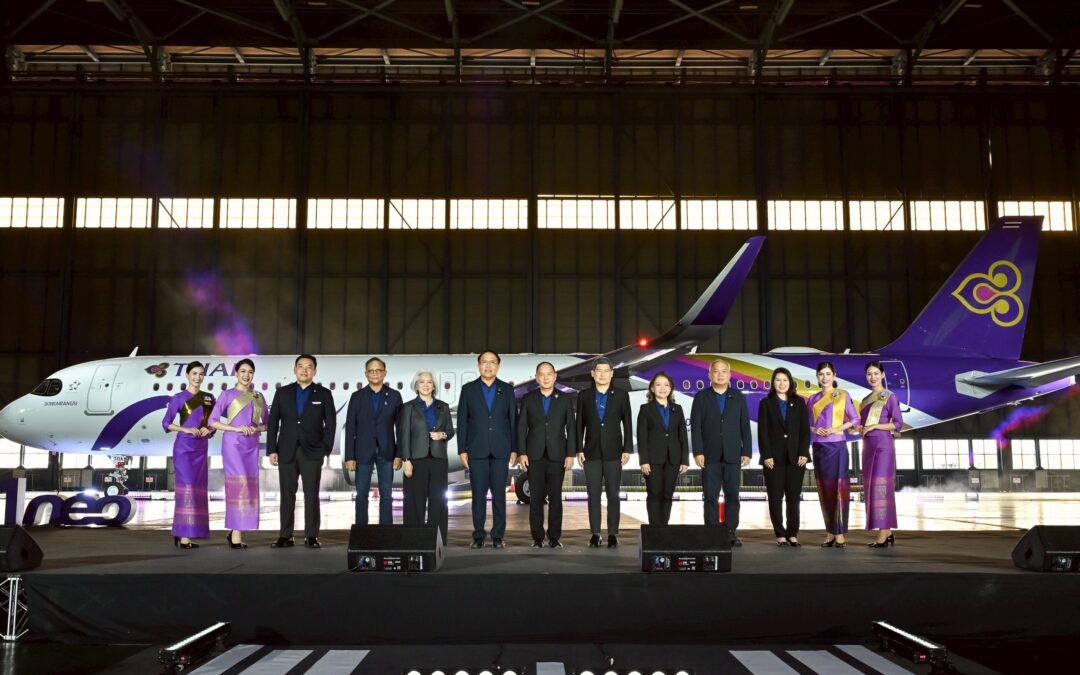
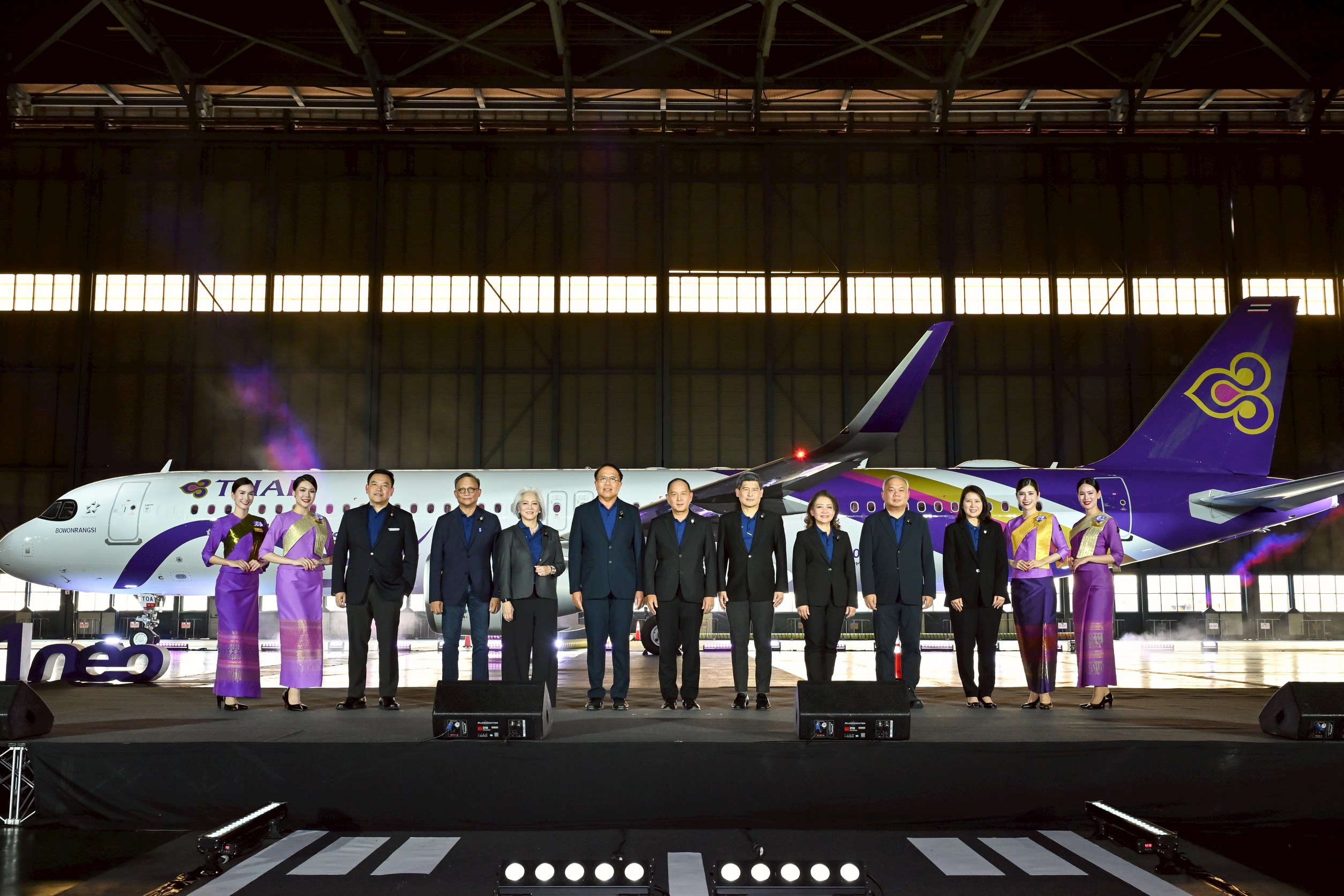
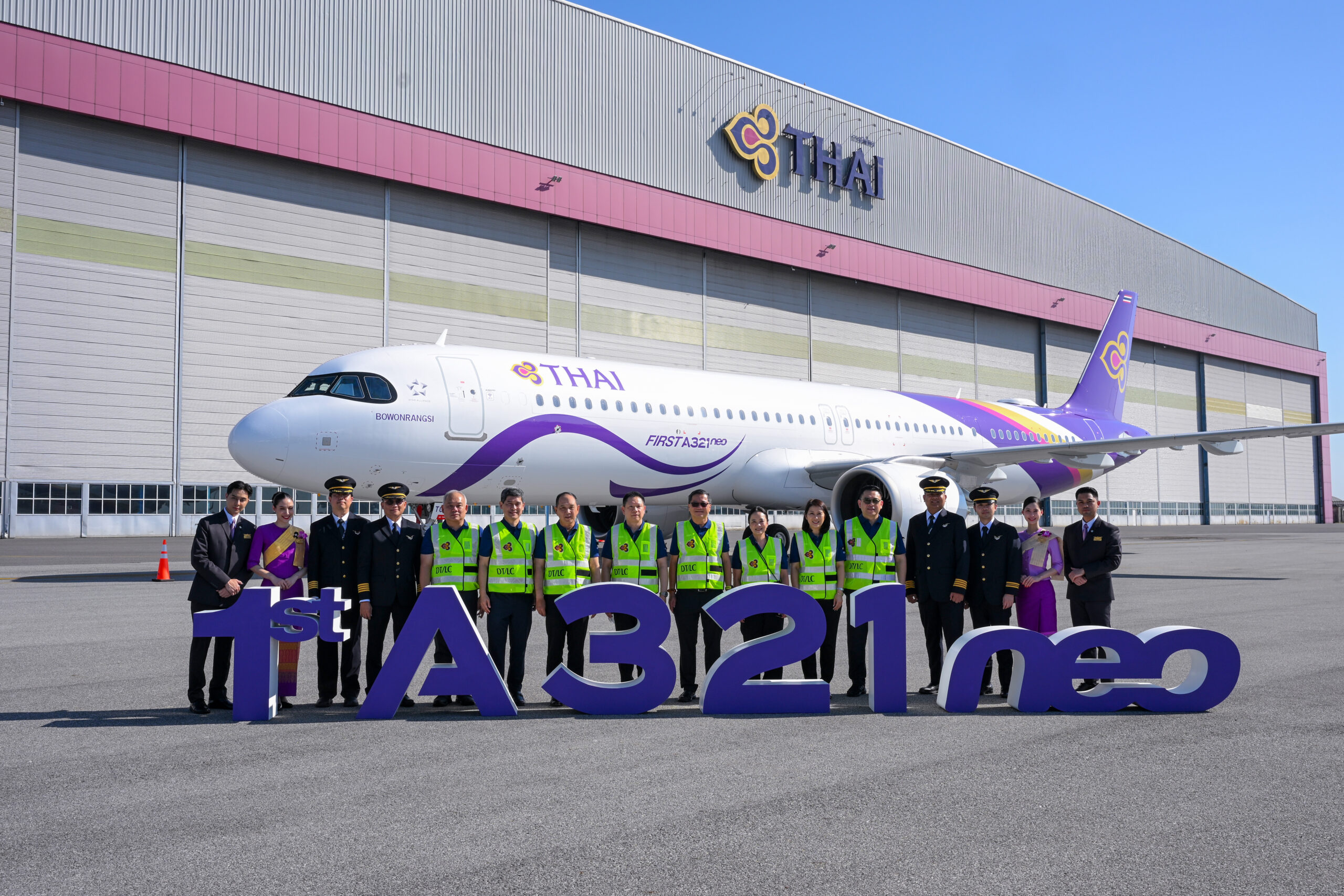
Modern fleet investment supports Bangkok’s role as a regional gateway for residents and investors.
In its Management’s Discussion and Analysis for the first quarter of 2026, Thai Airways reported total revenues excluding one-time items of 51.029 billion baht and net profit of 10.107 billion baht. The airline carried 4.18 million passengers, operated 80 aircraft as of 31 March 2026, and reported a cabin factor of 83.1 percent. The same document said Thailand’s six main airports handled 36.8 million passengers in the quarter, up 5.8 percent year-on-year, with 22.4 million international passengers.
For property buyers, these are not direct rent forecasts. They are confidence indicators. A city that remains accessible to executives, tourists, students, medical visitors and long-stay residents has a stronger foundation than a city dependent on one local demand source.
Why airline performance matters to property
Foreign buyers often compare Bangkok with Singapore, Kuala Lumpur, Ho Chi Minh City, Tokyo, Seoul and Dubai. Airport access and airline networks are part of that comparison. Bangkok’s appeal improves when travellers can reach the city reliably for viewing trips, medical appointments, school visits, regional work, family use and future resale inspections.
Thai Airways’ route network is not the only measure of connectivity, but it is symbolically important. A stronger national carrier supports Thailand’s positioning as a regional hub, while Suvarnabhumi and Don Mueang give the Bangkok metropolitan area a broad airport platform. That matters to buyers who may live between countries or manage a Bangkok property from overseas.
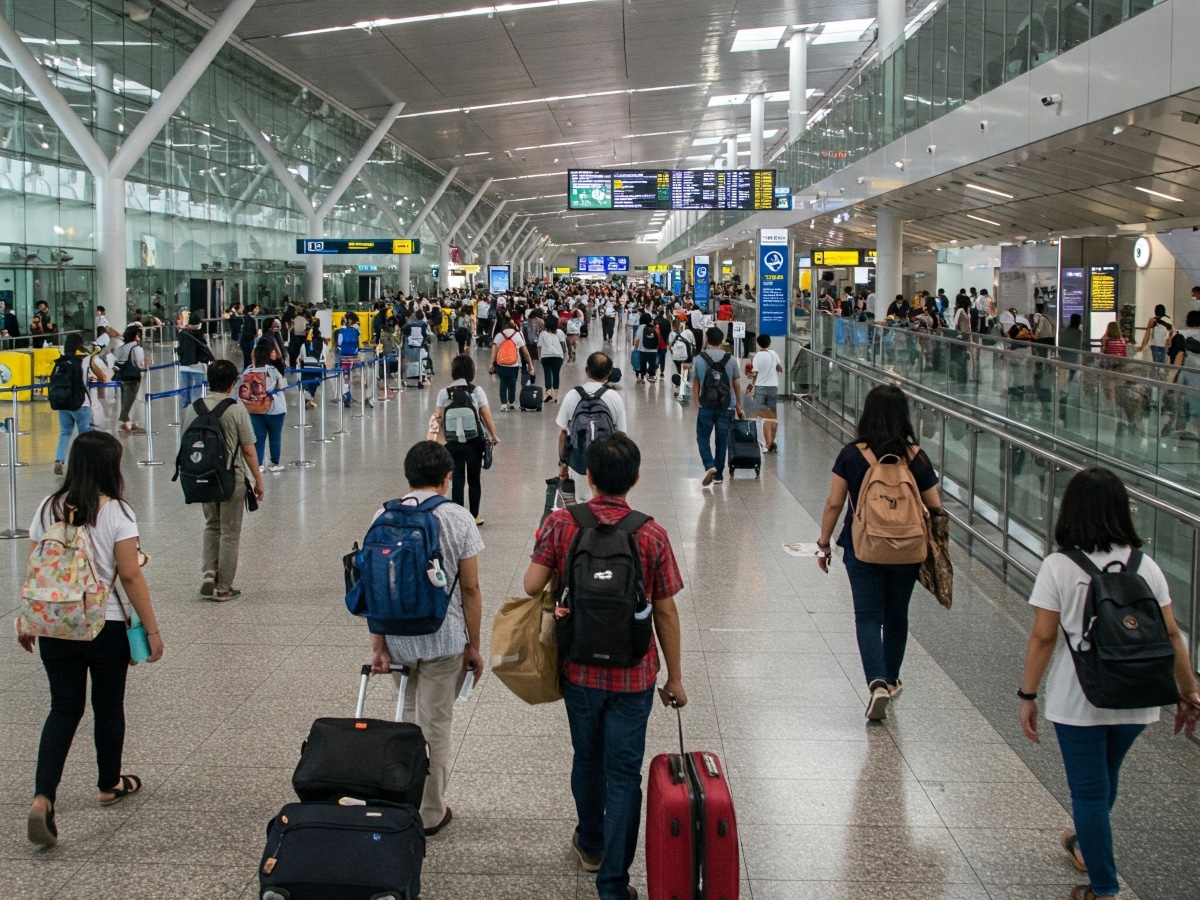
Short- and medium-haul connectivity is part of the practical liveability case for Bangkok.
The A321neo signal
Thai Airways introduced its first Airbus A321neo in January 2026 for short- and medium-haul operations. The company described the aircraft as part of its fleet modernisation plan, with improved fuel efficiency, lower noise and an upgraded cabin. The aircraft was scheduled for Bangkok-Singapore, Bangkok-Phuket and Bangkok-Delhi services during its initial operating period.
This type of fleet investment matters because Bangkok’s property demand is tied to regional movement. Singapore, India, Phuket and other Asia-Pacific routes are not abstract aviation data points. They connect buyers, tenants, corporate travellers, families and tourists to the city. Better regional connectivity can make Bangkok easier to use as a second home, work base or investment inspection point.
Read the signal carefully
Buyers should not turn one airline result into a property-buying thesis. Thai Airways also reported that total revenue was slightly lower year-on-year and that passenger numbers decreased by 3.5 percent from the same period last year. The value of the aviation signal is not that every metric is perfect. It is that Bangkok remains a deep, active transport market even in a more uncertain global setting.
The sensible interpretation is selective confidence. International passenger movement, profitable airline operations and fleet renewal support the long-term case for Bangkok as a connected city. They do not rescue a weak unit, an inconvenient building or an unrealistic rent assumption.
A stronger national carrier can reinforce confidence in Bangkok as a globally connected base.
Property districts most connected to the theme
Sukhumvit and Phrom Phong for expatriate services, retail, hospitals and BTS access.
Rama 9 and Makkasan for Airport Rail Link connectivity and office growth.
Silom, Sathorn and Wireless for corporate, embassy and hotel demand.
Riverside and old-city fringe areas for hospitality, culture and long-stay lifestyle use.
Bang Na and eastern Bangkok for airport-side business, schools and industrial access.
The common thread is not simply distance to an airport. It is the combination of daily transport, healthcare, retail, schools, offices and reliable building management. A buyer who travels frequently should test the full route: airport to building, building to work or school, and building to daily services.
Investor takeaway
Thai Airways’ Q1 2026 performance and A321neo deployment add to the broader Bangkok connectivity story. Foreign buyers can read this as a positive city-level signal, especially when combined with airport passenger growth and Bangkok’s established role in tourism, business travel and regional living.
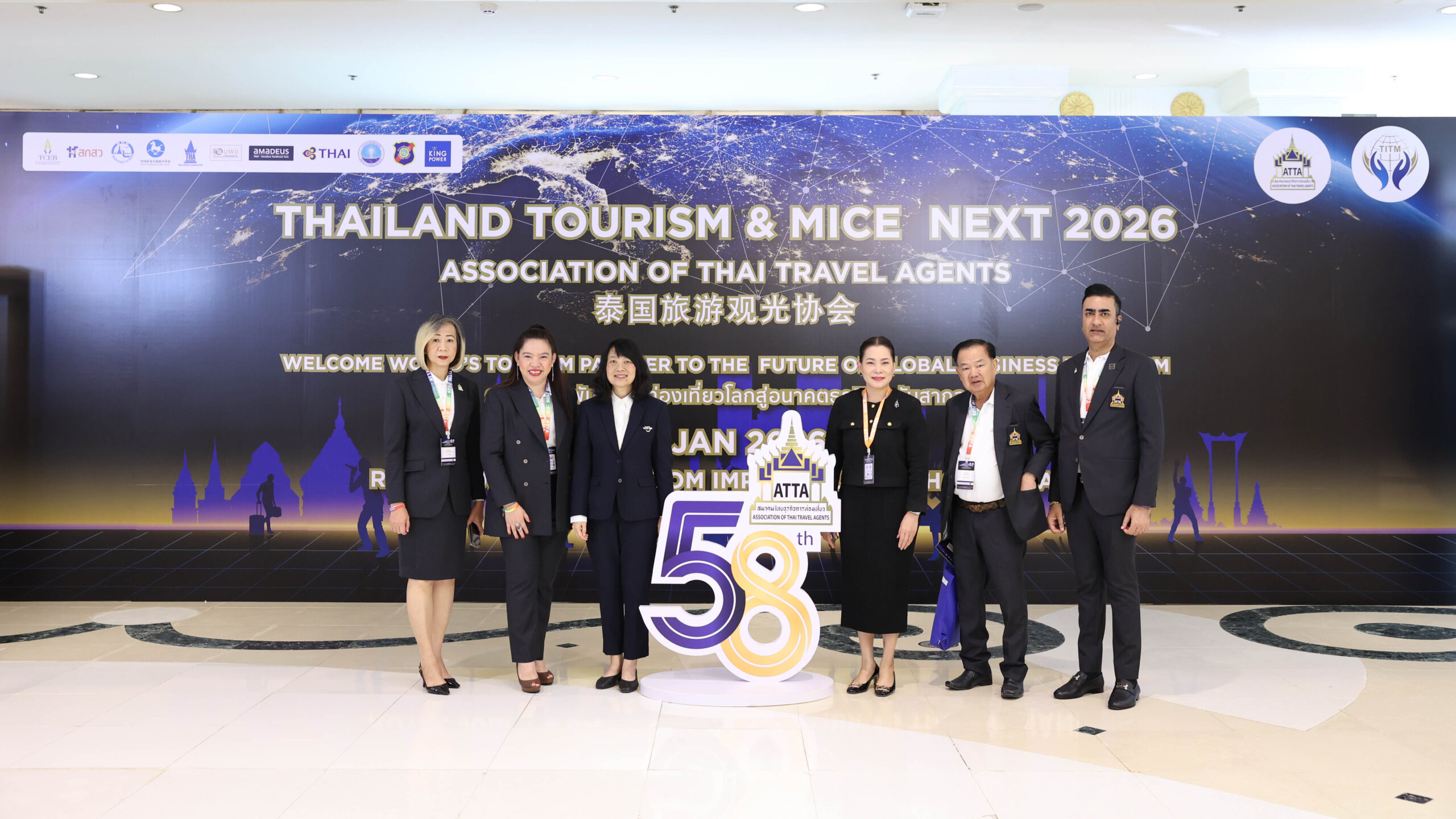
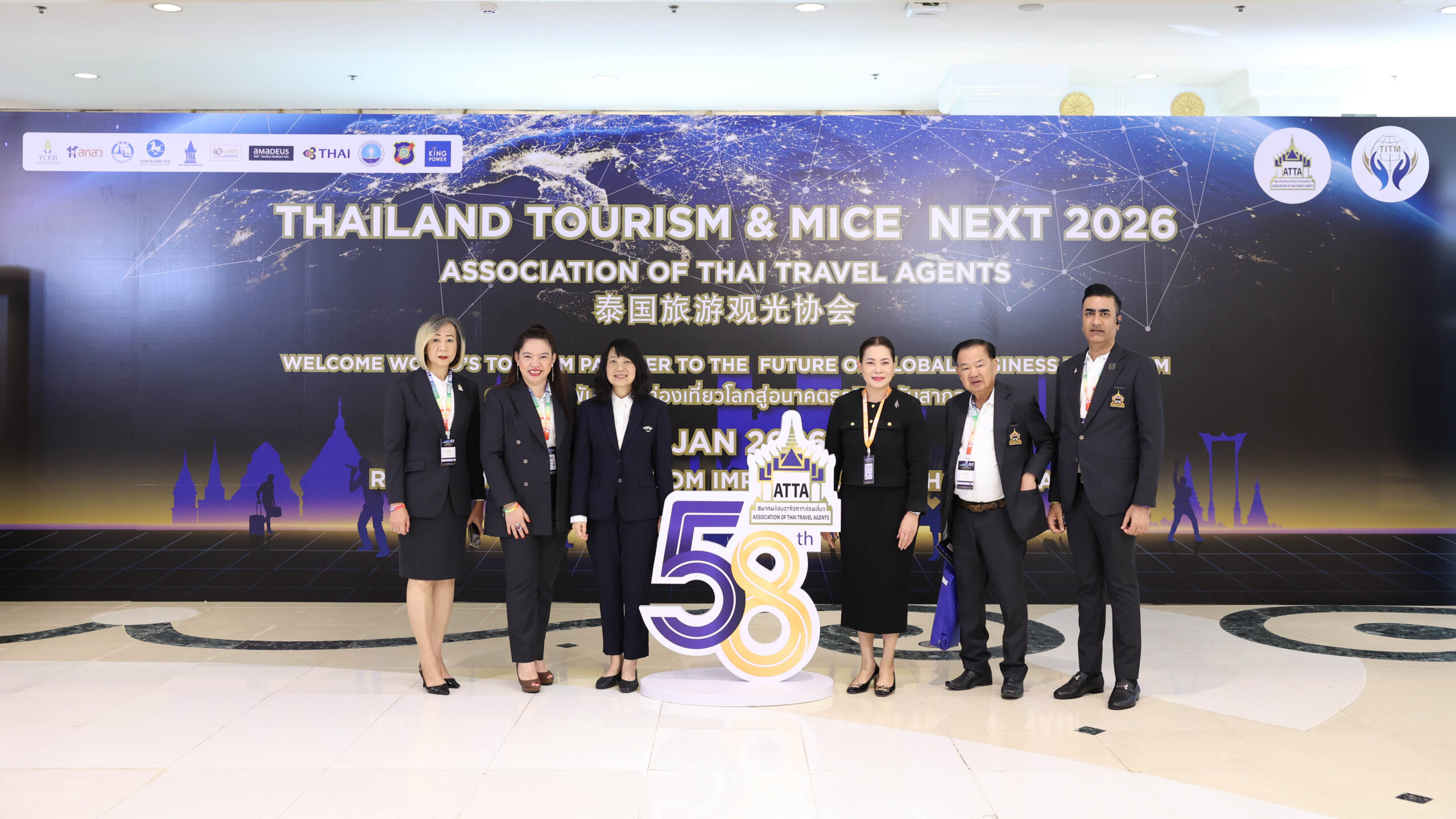
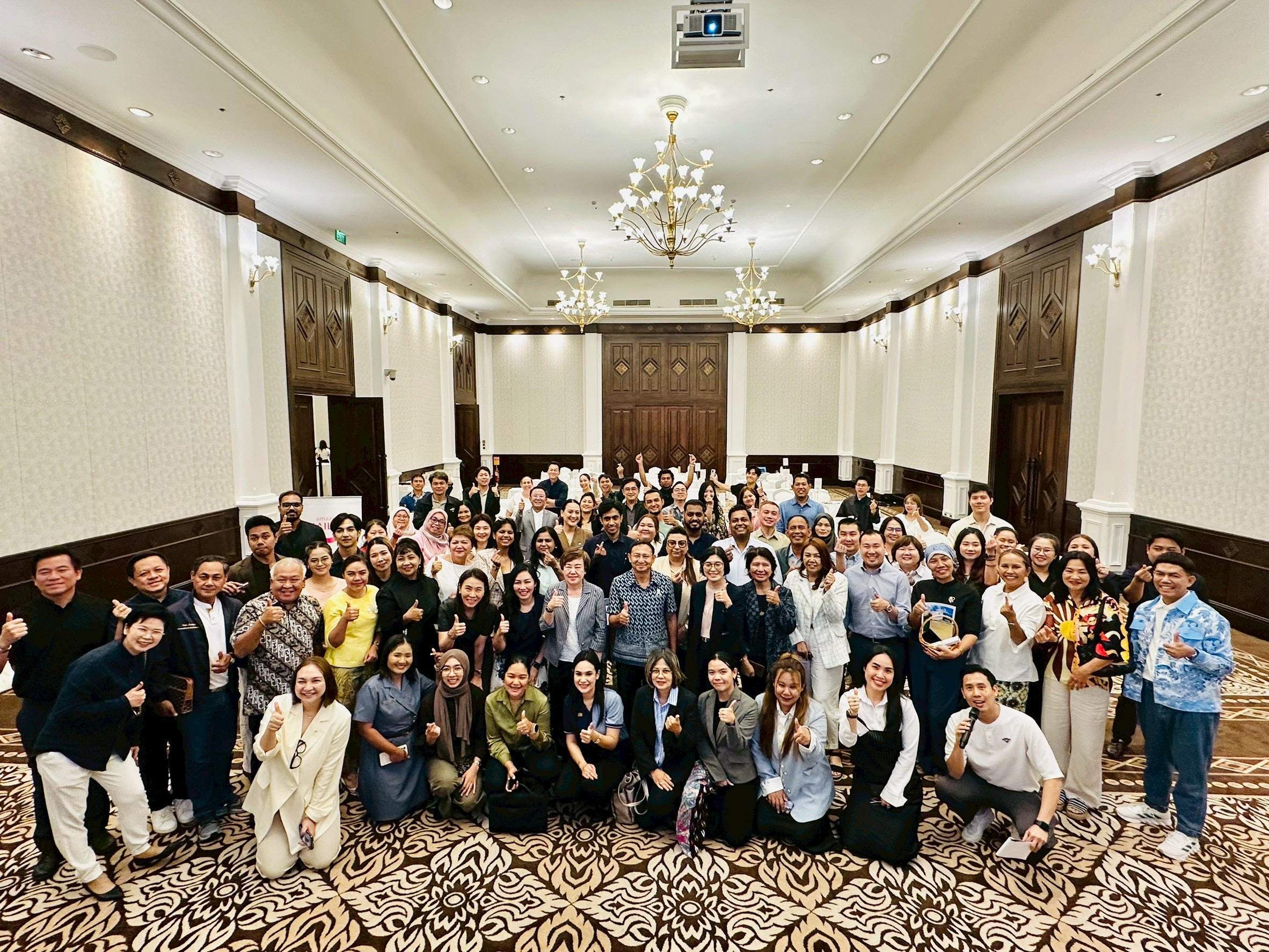
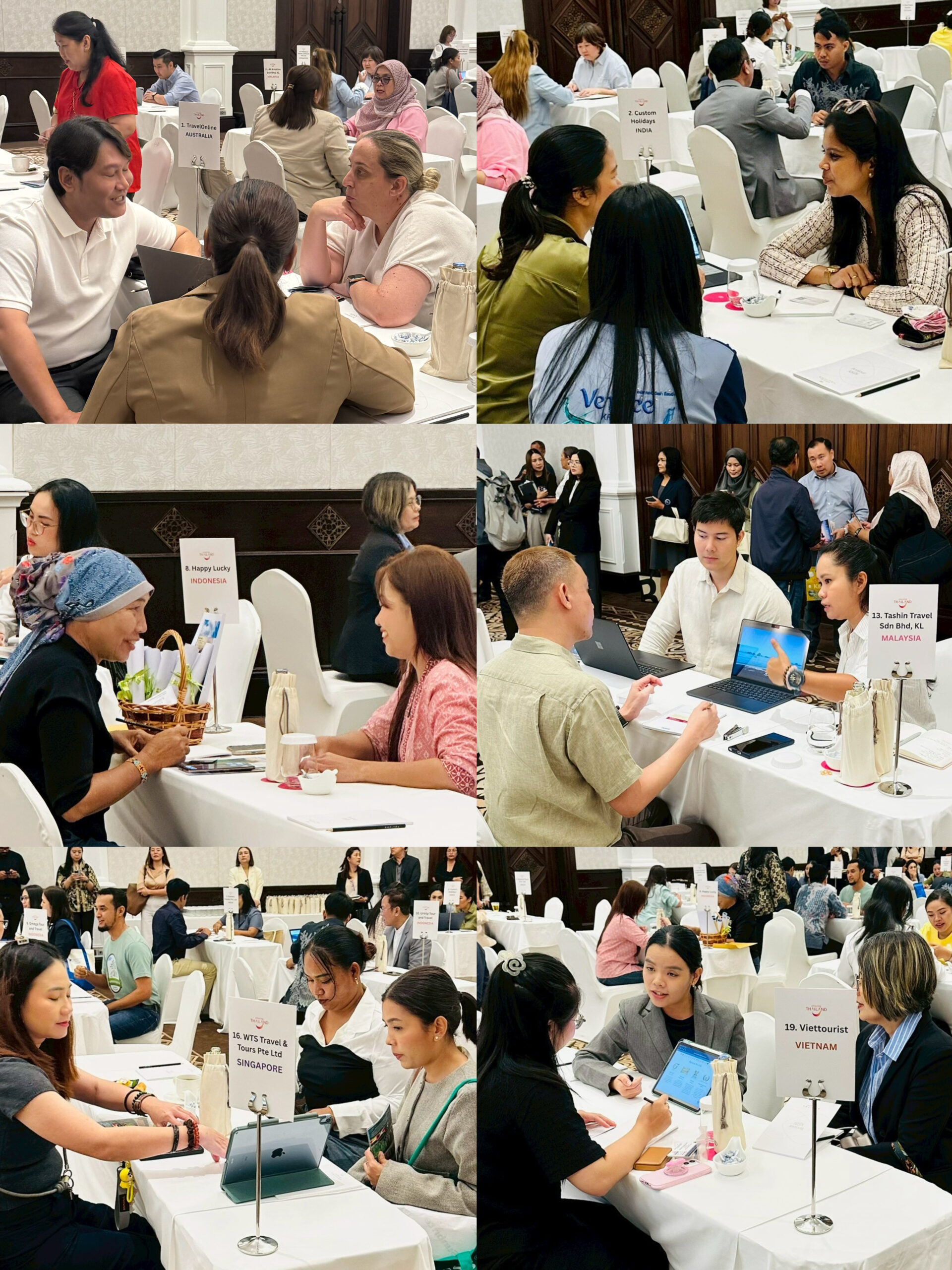
Thailand’s responsible-tourism push is relevant to Bangkok property because it shows how the country is trying to move beyond simple visitor volume. On 8 May 2026, the Tourism Authority of Thailand hosted the Amazing Green Experience in Thailand trade meet in Krabi, bringing overseas travel partners and media together with responsible tourism operators from southern Thailand. The event was not in Bangkok, but the signal matters for Bangkok buyers because the capital remains the main international gateway, corporate base and stopover city for many Thailand itineraries.
TAT’s Amazing Green Experience connected overseas buyers and media with responsible tourism operators.
TAT said the programme brought together 22 tourism operators from Krabi, Phang-nga and Surat Thani, 19 overseas travel trade partners from India, Vietnam, Singapore, Malaysia, Indonesia and Australia, and 16 media representatives from those markets. For property investors, the important point is that Thailand is building market-ready products around responsible travel, wellness, community tourism and low-impact experiences rather than relying only on headline arrival counts.
Why responsible tourism matters to property buyers
A property market is stronger when the city and country appeal to different kinds of residents and visitors. Bangkok already benefits from business travel, healthcare, education, retail, dining, events and regional connectivity. Responsible tourism adds another layer by attracting travellers and trade partners who value quality, wellness, culture and local experience. These are often the same factors that make a foreign buyer comfortable holding a Bangkok condo for personal use, rental income or future retirement planning.
The connection is indirect but useful. A successful responsible-tourism strategy can raise Thailand’s brand with travel agents, media, creators and repeat visitors. Bangkok may not be the final destination for every nature or community route, but it is often the arrival point, meeting place, medical stop, shopping base or extension city. That keeps the capital tied to national tourism strategy.
Trade matching turns sustainability messaging into business channels for Thai operators.
Quality travel supports premium districts
Foreign buyers should pay attention to quality-of-demand signals. A country attracting longer-stay, wellness, family, community and higher-value travel can support premium services, hotels, restaurants, serviced apartments and residential districts. In Bangkok, this can reinforce areas with strong lifestyle infrastructure: Sukhumvit, Lumphini, Sathorn, Riverside, Rama IV and well-connected neighbourhoods near hospitals or retail.
That does not mean a responsible-tourism campaign turns every condo into a good investment. The unit still needs to pass due diligence: foreign quota, title, transfer process, common fees, tenant demand, building management, entry price and resale audience. Macro confidence should guide market selection, while building evidence should guide the actual purchase.
A wider regional confidence signal
The trade partners in TAT’s programme came from several important regional markets. India, Singapore, Malaysia, Indonesia, Vietnam and Australia all matter to Thailand through tourism, business links, education choices, lifestyle travel and sometimes property interest. When Thailand keeps engaging these markets through structured trade programmes, it supports confidence that demand is being cultivated rather than left to chance.
Bangkok benefits when regional visitors see Thailand as easy to reach, professionally promoted and suitable for repeat trips. A buyer from Singapore or Australia may first know Thailand through travel, healthcare, wellness or family holidays before considering property. The more credible the country platform, the easier it is for Bangkok to remain on the shortlist.
Responsible tourism can support higher-quality travel demand across Thailand, with Bangkok as a gateway.
What investors should watch next
Whether responsible-tourism routes convert into repeat bookings, not only one-off media events.
Whether regional visitor markets continue to diversify beyond any single country.
Whether quality travel supports rents in central districts used by executives, families and long-stay visitors.
Whether developers respond with real wellness and management standards rather than generic marketing.
These indicators are more useful than treating sustainability as a slogan. Foreign buyers should look for places where lifestyle, transport, healthcare, retail and management quality already exist. Responsible tourism can reinforce those fundamentals, but it cannot create them inside a weak building.
Investor takeaway
TAT’s Amazing Green Experience is a positive national confidence signal because it links Thailand’s tourism economy with responsible products, overseas trade channels and media reach. For Bangkok property buyers, the practical lesson is to focus on districts that can benefit from higher-quality, repeat international demand while still passing normal unit-level due diligence.
IBP can help overseas buyers connect Thailand’s economy and tourism signals with specific Bangkok districts and buildings. Read our Thailand economy and investment news or contact IBP Real Estate for a Bangkok buying plan.