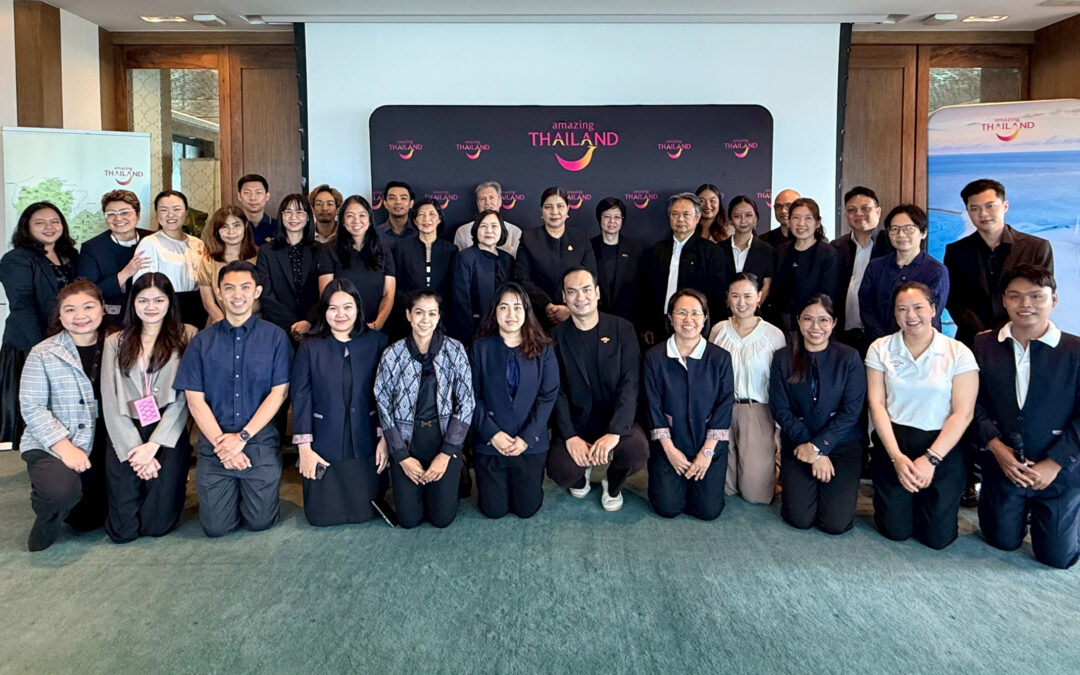
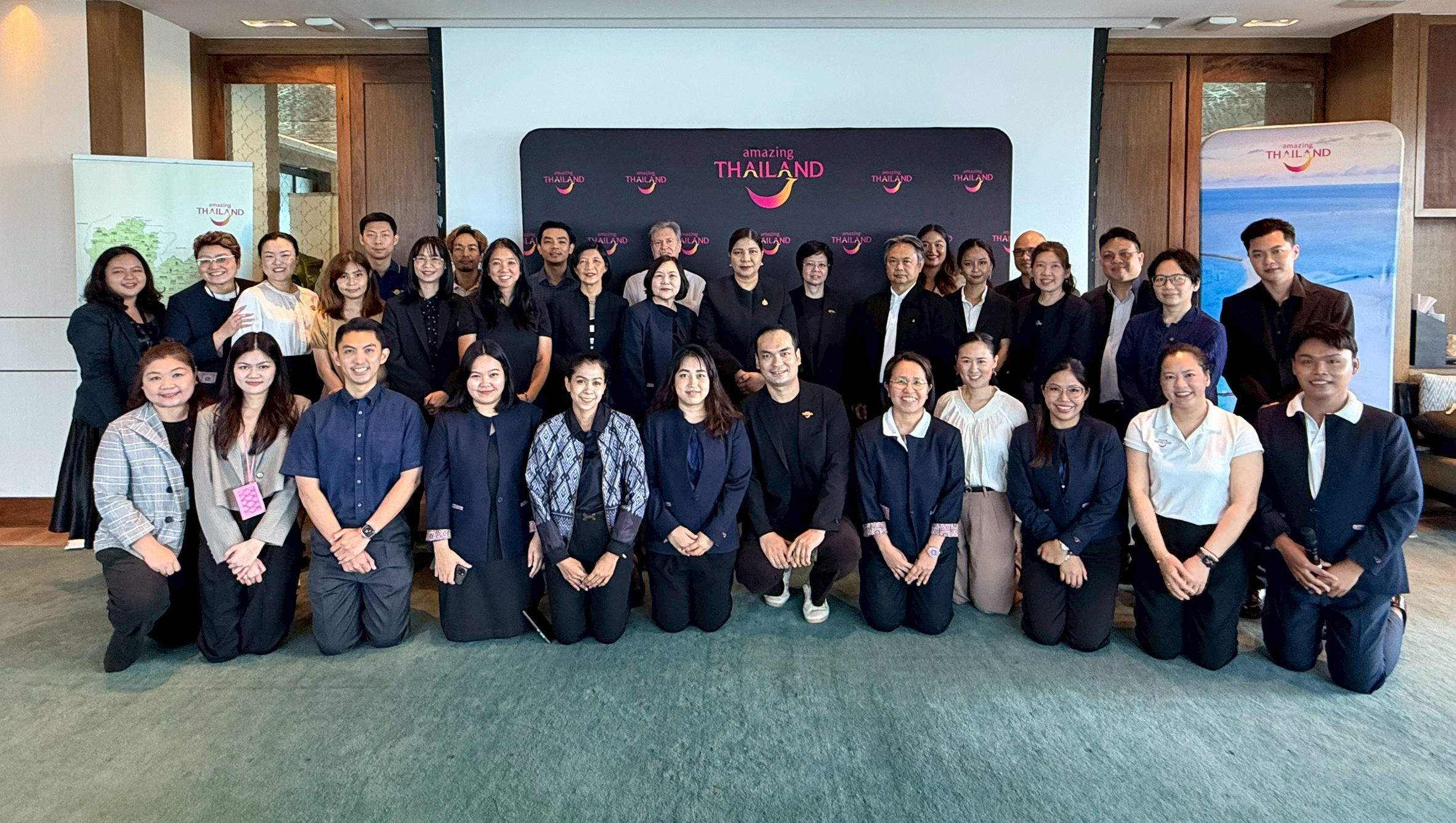
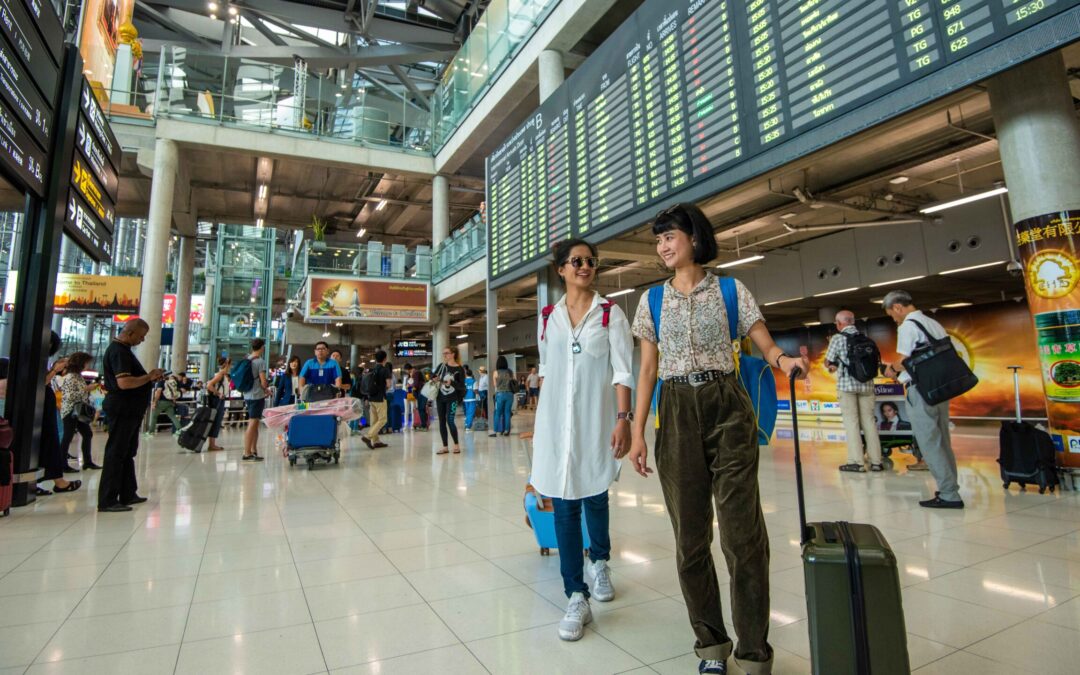
The Tourism Authority of Thailand organised “TAT x DMCs: Communities ConNext” on 2 July 2026 at Hyatt Regency Bangkok Sukhumvit, bringing destination management companies together around 55 community destinations for long-haul travel programmes. For a Bangkok condo buyer, this may sound far removed from unit selection. In practice, it says something useful about the kind of country Bangkok sits within.
Foreign buyers do not buy a condo only for four walls. They buy access to a city, and in Thailand that city is connected to food culture, craft, temples, weekend travel, community experiences, wellness, beaches, mountains and regional identities. When Thailand invests in packaging local experiences for international travellers, it strengthens the lifestyle case for using Bangkok as a home base.
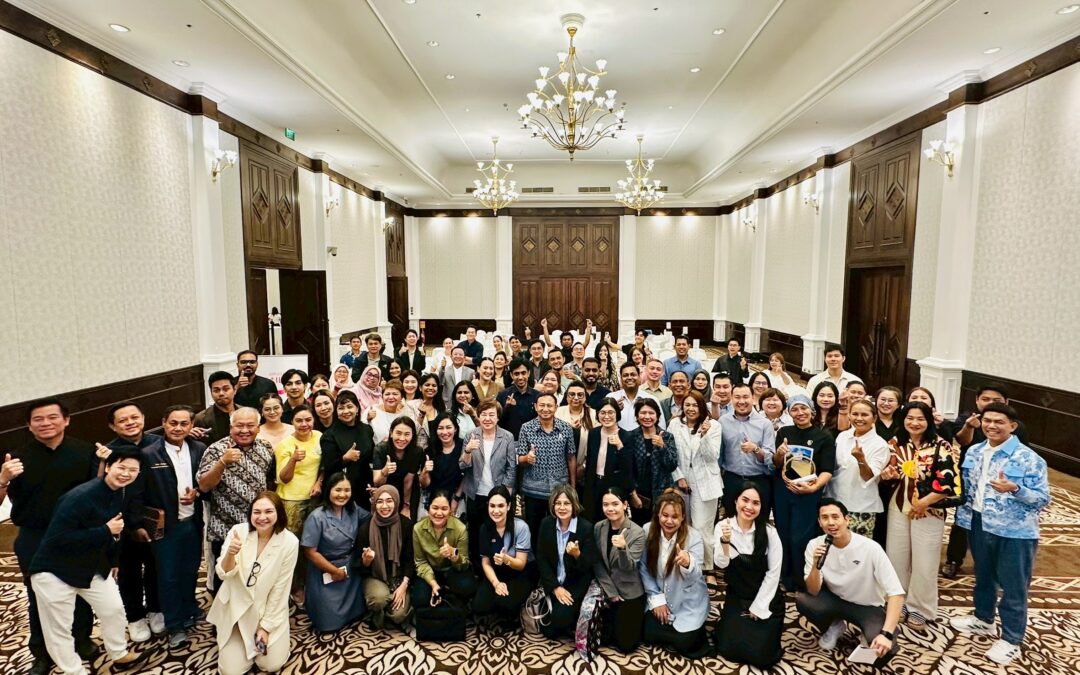
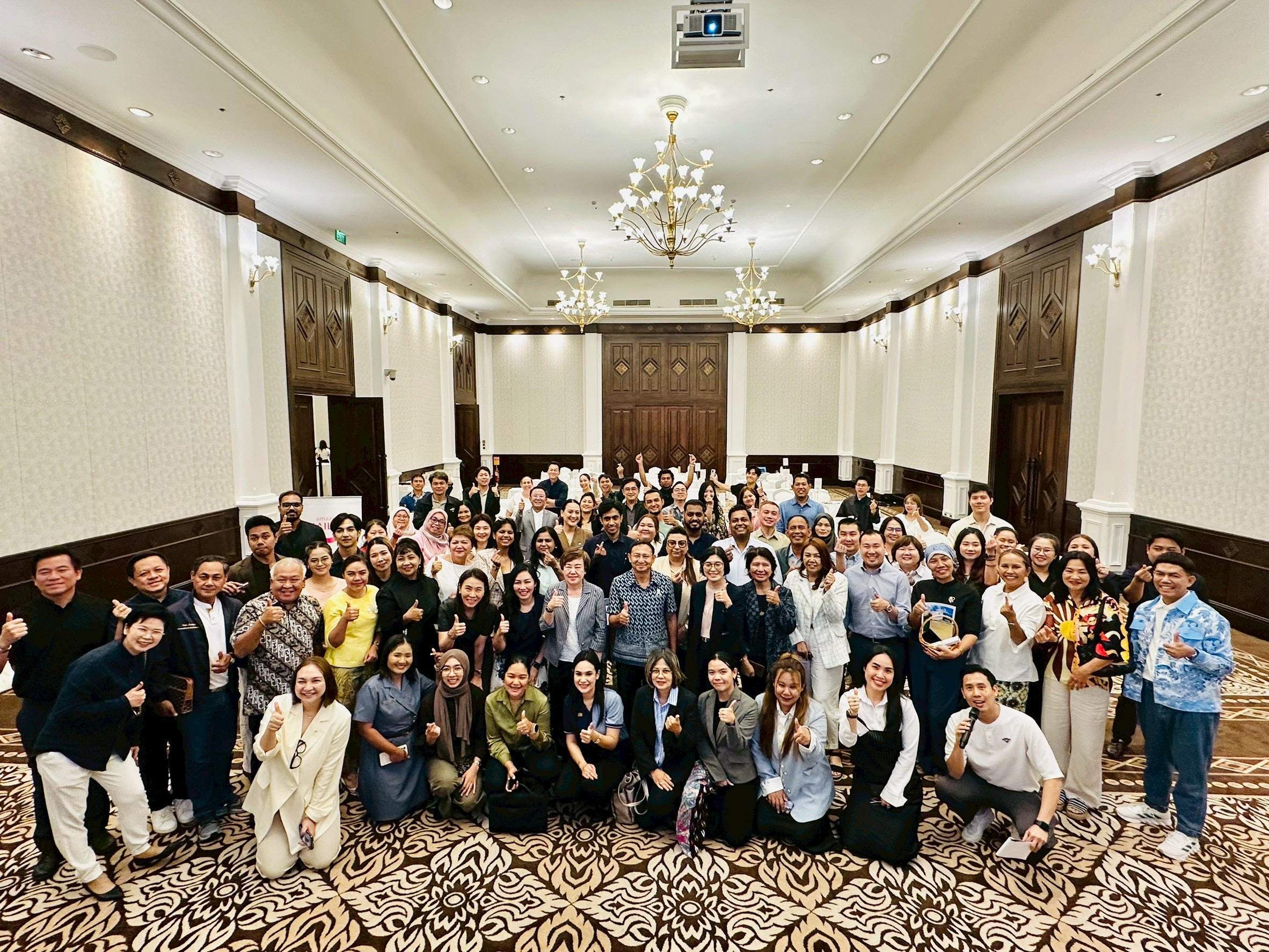
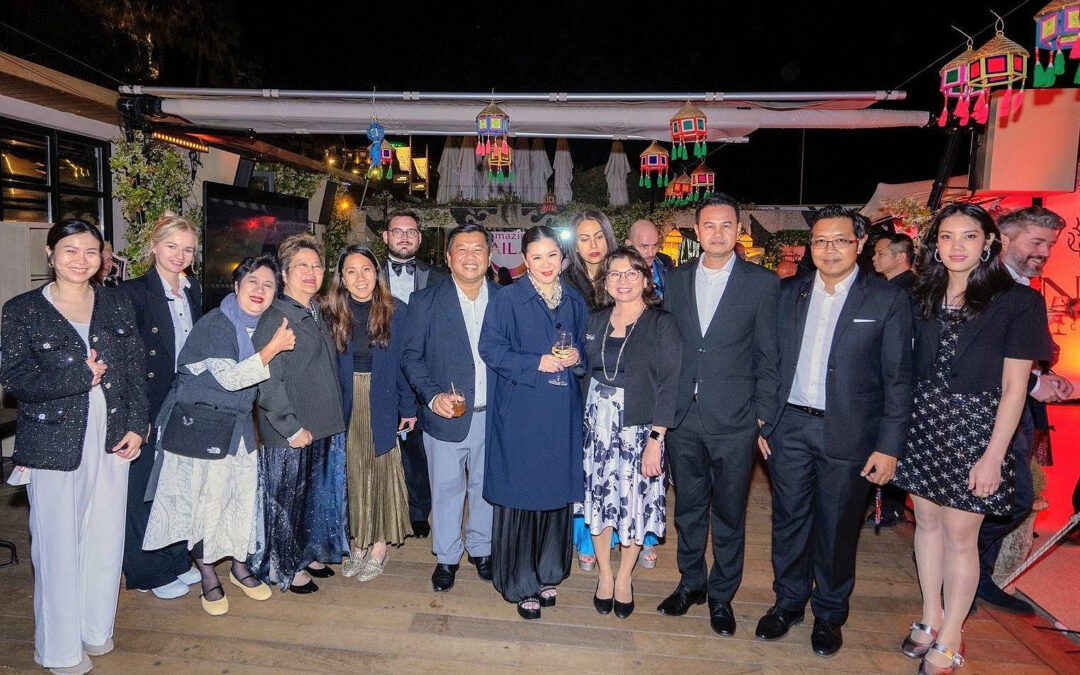
TAT's Communities ConNext workshop highlighted local experiences for long-haul travel programmes.
What the TAT workshop signals
TAT’s July 2026 workshop focused on making community destinations more ready for long-haul markets, including Europe, the Americas, the Middle East and Africa. The programme connected public-sector teams, private travel partners and local tourism networks so that community routes can be better presented to international tour operators and travel agents.
The important phrase for property buyers is not just tourism. It is quality of experience. Thailand is trying to move beyond volume alone by highlighting responsible travel, local conservation, community lifestyles and meaningful spending. That direction supports Bangkok’s premium positioning because the capital becomes a gateway to a deeper, more varied country rather than a stand-alone stopover.
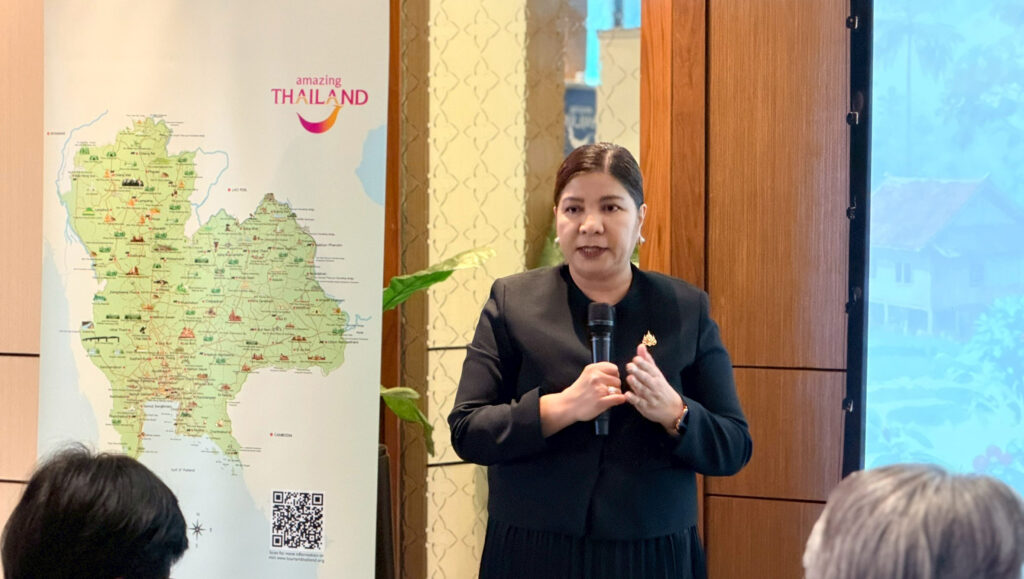
Local identity is becoming a more deliberate part of Thailand's visitor appeal.
Why local experiences matter to liveability
Bangkok can feel easy for foreigners because it has international hospitals, airports, shopping centres, English-speaking services, dining and mass transit. But the city becomes more liveable when residents also feel connected to Thai culture beyond the most familiar attractions. Weekend markets, old neighbourhoods, craft communities, temple districts, food routes and short domestic trips make ownership feel less transactional.
This matters for investors as well as lifestyle buyers. A tenant choosing between regional cities may value the ability to host family, explore Thailand and enjoy a distinctive cultural life. A future buyer may see Bangkok as more than a work posting if the city gives them access to the rest of the country. Local experiences add emotional depth to the practical case for living here.
Sukhumvit as a gateway, not the whole story
The TAT workshop took place in Sukhumvit, which is fitting. Sukhumvit is often where new residents first understand Bangkok: BTS access, hotels, restaurants, hospitals, international schools and serviced apartments. Yet the best version of Bangkok living usually expands outward. Residents use Sukhumvit for convenience, then explore riverside culture, old-town food, creative districts, parks, galleries, community markets and weekend trips.
A condo buyer should therefore judge location by both convenience and curiosity. Can the resident reach daily services easily? Can visitors move around without confusion? Is there enough neighbourhood character to make repeated stays enjoyable? Does the building make it easy to leave for the airport, a train station or a weekend route? The strongest Bangkok addresses support routine and discovery at the same time.
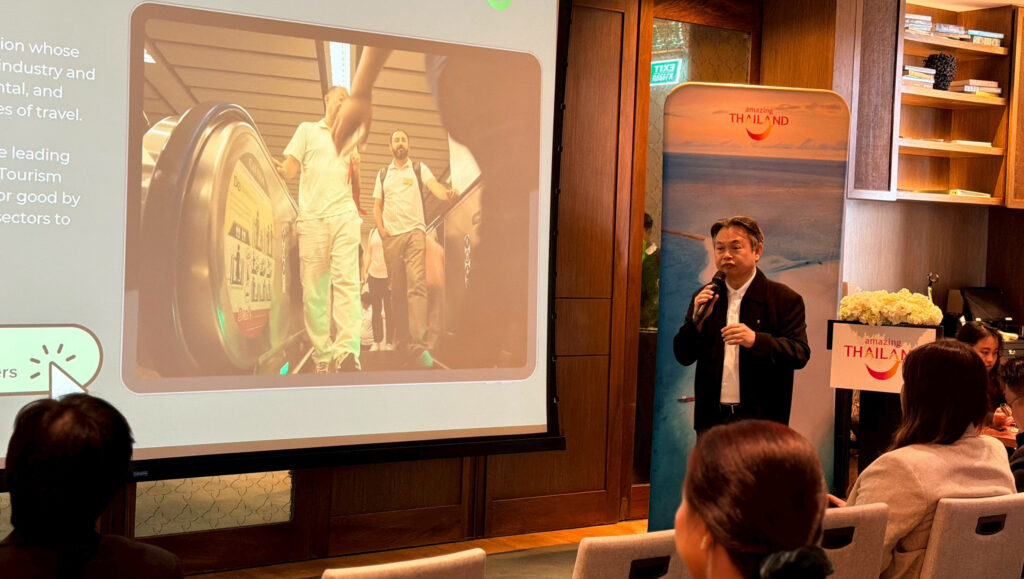
For condo owners, a richer visitor economy adds depth to Bangkok's lifestyle story.
What to check before buying for lifestyle use
Buyers who plan to use a Bangkok condo personally should test more than commute time. Stay in the district if possible. Walk in the morning and evening. Try the nearest supermarket, pharmacy, park, cafe, hospital route and BTS connection. Check whether the building feels comfortable after a long flight. Ask whether guests can find it easily and whether taxis or ride-hailing drivers understand the entrance.
For owners who may rent the unit, think about how the district reads to tenants. A foreign tenant often wants a simple story: close to work, easy for visitors, good food, reliable building, safe access and enough culture nearby to make Bangkok feel special. Local experiences nearby or within easy reach can help a district stand out from a purely functional rental location.
Bangkok as a base for a richer Thailand
Bangkok’s investment appeal is strongest when buyers see both sides of the city. It is a globally connected capital with airports, hospitals, finance, retail and professional services. It is also the most practical base for exploring Thailand’s regional identities. TAT’s Communities ConNext direction reinforces that second point by making local travel experiences easier to understand for long-haul audiences.
For foreign condo buyers, the lesson is straightforward. Choose a building that works operationally, then choose a district that keeps life interesting. IBP’s buying process guide and due diligence checklist can help balance lifestyle appeal with the paperwork, building and resale checks that make ownership safer.
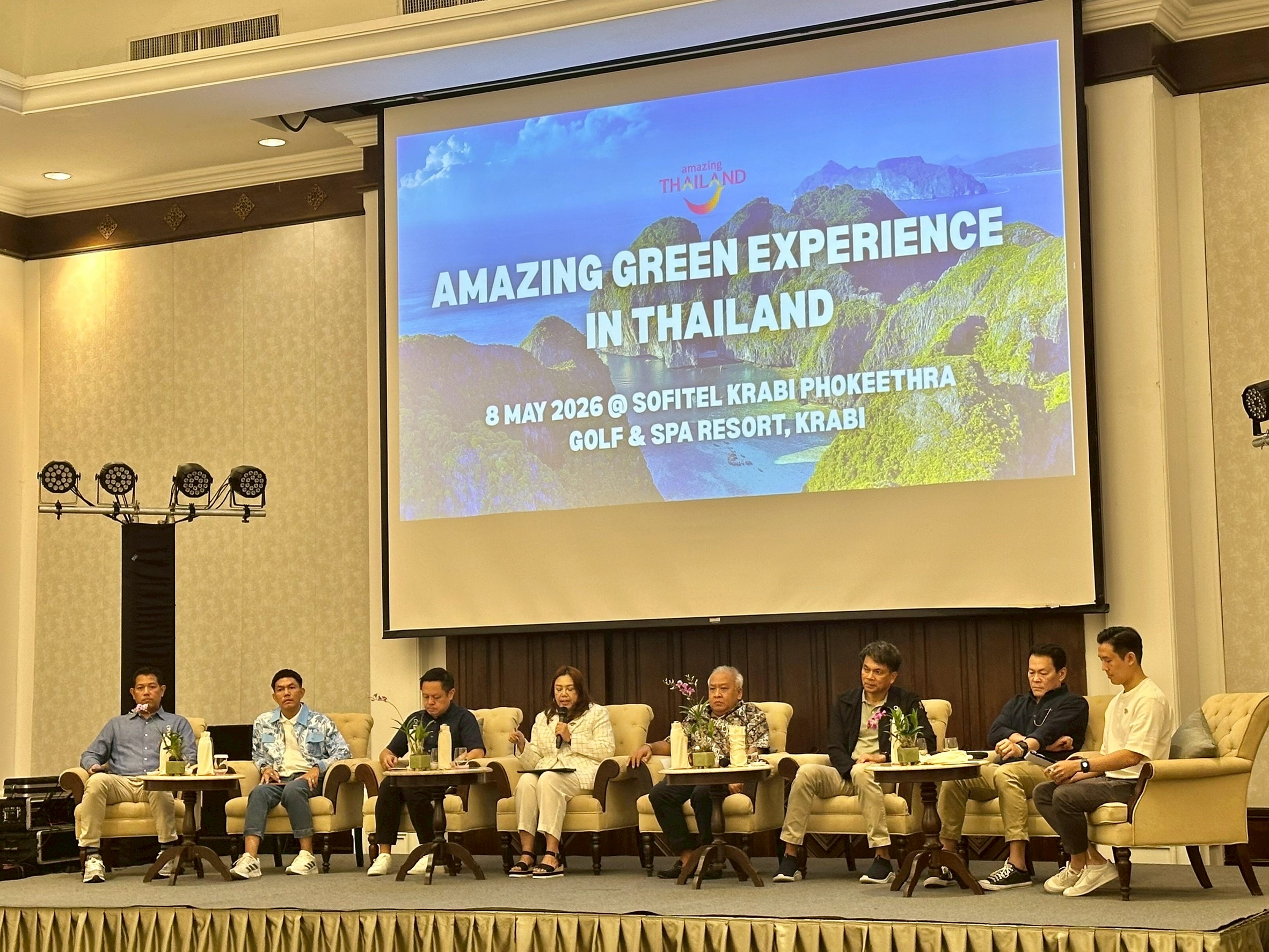
Thailand’s responsible-tourism push is relevant to Bangkok property because it shows how the country is trying to move beyond simple visitor volume. On 8 May 2026, the Tourism Authority of Thailand hosted the Amazing Green Experience in Thailand trade meet in Krabi, bringing overseas travel partners and media together with responsible tourism operators from southern Thailand. The event was not in Bangkok, but the signal matters for Bangkok buyers because the capital remains the main international gateway, corporate base and stopover city for many Thailand itineraries.
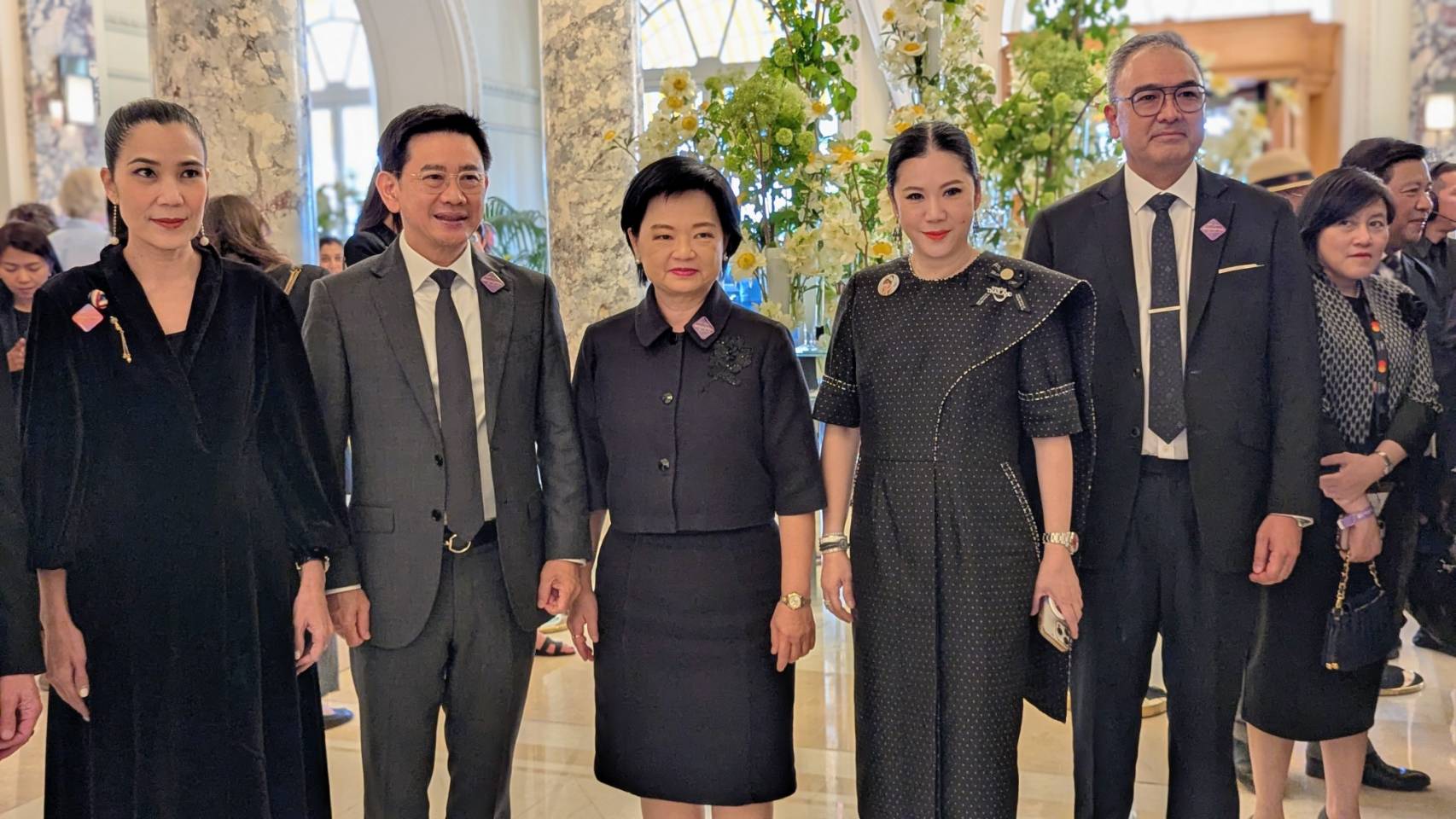
TAT’s Amazing Green Experience connected overseas buyers and media with responsible tourism operators.
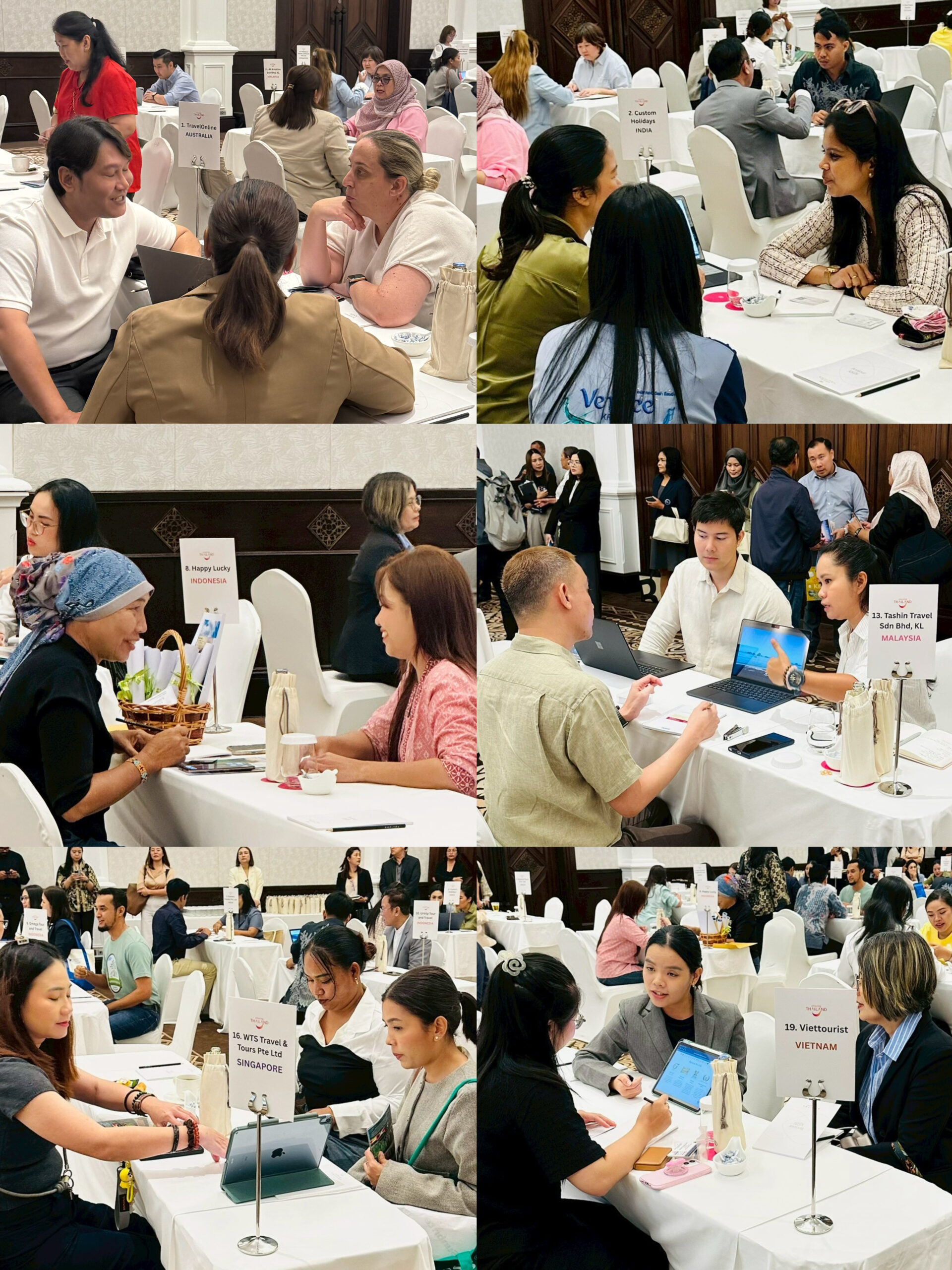
TAT said the programme brought together 22 tourism operators from Krabi, Phang-nga and Surat Thani, 19 overseas travel trade partners from India, Vietnam, Singapore, Malaysia, Indonesia and Australia, and 16 media representatives from those markets. For property investors, the important point is that Thailand is building market-ready products around responsible travel, wellness, community tourism and low-impact experiences rather than relying only on headline arrival counts.
Why responsible tourism matters to property buyers
A property market is stronger when the city and country appeal to different kinds of residents and visitors. Bangkok already benefits from business travel, healthcare, education, retail, dining, events and regional connectivity. Responsible tourism adds another layer by attracting travellers and trade partners who value quality, wellness, culture and local experience. These are often the same factors that make a foreign buyer comfortable holding a Bangkok condo for personal use, rental income or future retirement planning.
The connection is indirect but useful. A successful responsible-tourism strategy can raise Thailand’s brand with travel agents, media, creators and repeat visitors. Bangkok may not be the final destination for every nature or community route, but it is often the arrival point, meeting place, medical stop, shopping base or extension city. That keeps the capital tied to national tourism strategy.
Trade matching turns sustainability messaging into business channels for Thai operators.
Quality travel supports premium districts
Foreign buyers should pay attention to quality-of-demand signals. A country attracting longer-stay, wellness, family, community and higher-value travel can support premium services, hotels, restaurants, serviced apartments and residential districts. In Bangkok, this can reinforce areas with strong lifestyle infrastructure: Sukhumvit, Lumphini, Sathorn, Riverside, Rama IV and well-connected neighbourhoods near hospitals or retail.
That does not mean a responsible-tourism campaign turns every condo into a good investment. The unit still needs to pass due diligence: foreign quota, title, transfer process, common fees, tenant demand, building management, entry price and resale audience. Macro confidence should guide market selection, while building evidence should guide the actual purchase.
A wider regional confidence signal
The trade partners in TAT’s programme came from several important regional markets. India, Singapore, Malaysia, Indonesia, Vietnam and Australia all matter to Thailand through tourism, business links, education choices, lifestyle travel and sometimes property interest. When Thailand keeps engaging these markets through structured trade programmes, it supports confidence that demand is being cultivated rather than left to chance.
Bangkok benefits when regional visitors see Thailand as easy to reach, professionally promoted and suitable for repeat trips. A buyer from Singapore or Australia may first know Thailand through travel, healthcare, wellness or family holidays before considering property. The more credible the country platform, the easier it is for Bangkok to remain on the shortlist.
Responsible tourism can support higher-quality travel demand across Thailand, with Bangkok as a gateway.
What investors should watch next
Whether responsible-tourism routes convert into repeat bookings, not only one-off media events.
Whether regional visitor markets continue to diversify beyond any single country.
Whether quality travel supports rents in central districts used by executives, families and long-stay visitors.
Whether developers respond with real wellness and management standards rather than generic marketing.
These indicators are more useful than treating sustainability as a slogan. Foreign buyers should look for places where lifestyle, transport, healthcare, retail and management quality already exist. Responsible tourism can reinforce those fundamentals, but it cannot create them inside a weak building.
Investor takeaway
TAT’s Amazing Green Experience is a positive national confidence signal because it links Thailand’s tourism economy with responsible products, overseas trade channels and media reach. For Bangkok property buyers, the practical lesson is to focus on districts that can benefit from higher-quality, repeat international demand while still passing normal unit-level due diligence.
IBP can help overseas buyers connect Thailand’s economy and tourism signals with specific Bangkok districts and buildings. Read our Thailand economy and investment news or contact IBP Real Estate for a Bangkok buying plan.
Thailand’s push into film tourism is a useful confidence signal for Bangkok property buyers because it sits at the intersection of travel, creative industries, hospitality and global visibility. The Tourism Authority of Thailand hosted Amazing Thai Night in Cannes 2026 during the Cannes Film Festival, using the event to promote Thailand as both a film destination and a journey destination. For property investors, the point is not that a film event directly raises condo prices. The point is that Thailand is working to turn international attention into repeat travel and higher-value economic activity.
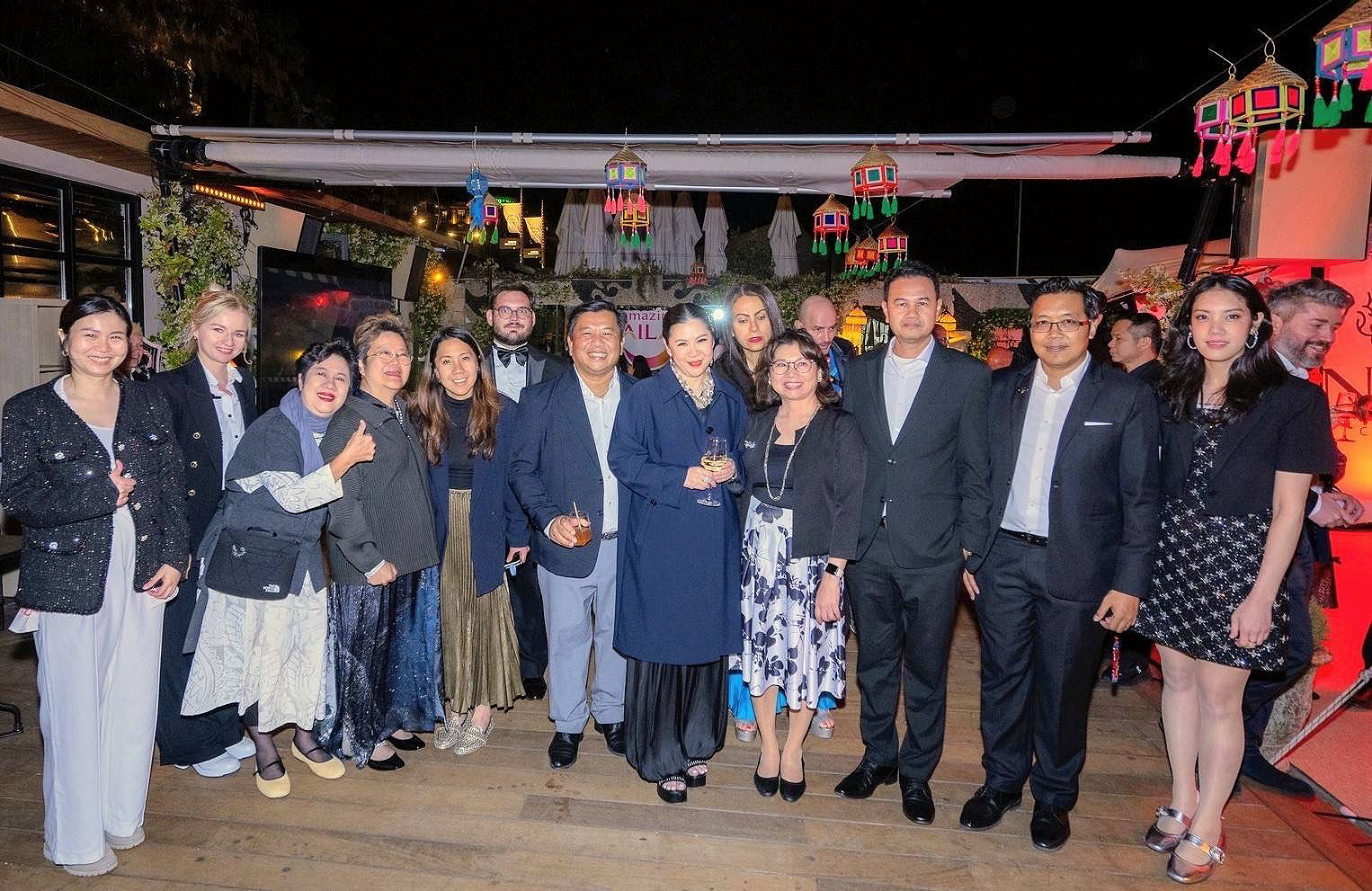
TAT used Amazing Thai Night in Cannes 2026 to position Thailand as a global film and travel destination.
TAT said the Cannes activity supported the “Amazing Location Thailand the Story Continues” campaign and the wider Thailand FILMAZING Year direction towards 2027. The agency also reported that Thailand welcomed 546 foreign productions with a combined value of more than 6 billion baht in 2025, while 218 productions generated 2.46 billion baht from January to April 2026. These figures matter because film production brings crews, hotels, local vendors, logistics, post-production services and destination exposure into the economy.
Why this matters beyond tourism
Film tourism is not only about visitors following a movie location. It can deepen a country’s brand among producers, streaming platforms, media teams, actors, creators and high-spending fans. That type of visibility supports Thailand’s wider soft-power strategy. Bangkok benefits because it is the country’s main international gateway, business base and hospitality hub even when filming or travel routes include beaches, heritage towns or national parks.
For foreign property buyers, this reinforces Bangkok’s role as a globally connected city. The strongest property markets are not supported by one demand channel. They draw from tourism, corporate relocation, education, healthcare, events, regional business and lifestyle appeal. Film tourism adds another layer to that mix by keeping Thailand present in international culture and media conversations.
Film tourism links creative-industry visibility with visitor demand and local economic activity.
The Bangkok property connection
A buyer should connect this signal to districts that already capture international movement. Areas near hotels, convention venues, embassies, hospitals, premium retail, BTS and MRT stations are better positioned than isolated buildings. If Thailand attracts more film-related travel, business events and media attention, Bangkok’s established central districts are likely to be the places where visitors stay, meet, shop and consider longer returns.
This does not make every central condominium a good investment. The property still has to pass the normal tests: sensible entry price, foreign quota, building management, tenant demand, common fees, furnishing cost and resale liquidity. The macro story can support confidence, but the unit must earn the purchase case locally.
The most relevant buyer response is to watch repeat-use districts rather than promotional headlines. If media, production and tourism campaigns keep bringing international visitors back through Bangkok, the advantage should be tested in buildings with proven daily convenience and professional management.
Quality travel over simple arrival numbers
TAT’s Cannes messaging also fits Thailand’s broader focus on value-led tourism. A film-production visitor, international media delegate or set-jetting traveller may spend differently from a mass-market tourist. They may use premium hotels, specialist services, private transport, restaurants, wellness venues and repeat Bangkok stopovers. That is more relevant to prime property districts than raw arrival numbers alone.
Foreign buyers should therefore watch how Thailand converts visibility into structured routes, business partnerships and repeat spending. A one-off event is less important than whether the country can keep attracting productions, crews, festivals, media campaigns and travel products over time.
Soft-power events can keep Thailand visible to international media, producers and high-value travellers.
Investor takeaway
Thailand’s film-tourism push is a positive soft-power signal, not a shortcut to property returns. It suggests that the country is competing for higher-value attention and creative-economy activity, both of which can support Bangkok’s long-term position as a liveable and internationally recognised base.
For buyers, the practical move is to keep macro confidence separate from unit selection. Use the country story to decide whether Bangkok deserves attention, then use building evidence to decide what to buy. IBP can help foreign buyers compare districts that benefit from tourism, business travel and premium lifestyle demand. Read our Thailand economy and investment news or contact IBP Real Estate for a Bangkok plan.
The Tourism Authority of Thailand’s enhanced Amazing Thailand app is a small but useful signal for Bangkok property buyers. TAT announced that the upgraded platform would enter public rollout from 15 March 2026, developed with Mastercard and designed to combine inspiration, trip planning, on-ground discovery, spending, safety guidance and VAT refund information. For the property market, the app is not about one technology launch. It is about Thailand’s effort to make travel easier, more trusted and more commercially connected.
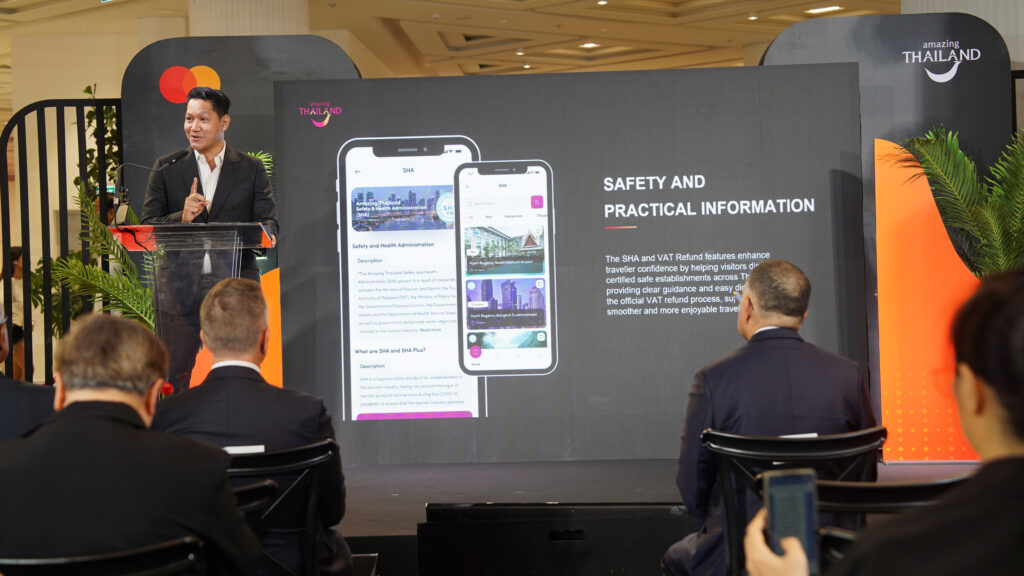
TAT and Mastercard positioned the enhanced app as part of Thailand’s digital tourism development.
Foreign buyers often judge Bangkok through repeated visits before they buy. They test neighbourhoods, hospitals, restaurants, malls, transport links, hotels and weekend routines. Anything that reduces visitor friction can improve confidence. A traveller who can plan more easily, discover local experiences, receive practical guidance and move through the city with fewer surprises is more likely to imagine Bangkok as a repeat-use base rather than a one-off holiday stop.
Why a tourism app matters to property demand
Tourism and property are not the same market, but they overlap in Bangkok. Many condo buyers first encounter the city as tourists, business travellers, medical visitors, event attendees or regional family visitors. A stronger visitor experience can widen the pool of people who understand Bangkok’s daily convenience. That matters for both owner-use buyers and landlords targeting short-to-medium executive or long-stay tenants within legal building rules.
TAT said the enhanced app aligns with the Amazing 5 Economy framework and is intended to support quality revenue, innovation and sustainable tourism growth. The platform includes an AI-powered chatbot, personalised recommendations, Mastercard Priceless experiences, itinerary tools and safety guidance. Those details point to a broader policy direction: Thailand wants visitor spending to be better distributed, more trusted and less dependent on simple arrival numbers.
Digital tourism tools are designed to support higher-quality visitor spending and travel confidence.
The Bangkok angle
Bangkok benefits when Thailand improves the full travel journey. The capital is often the arrival city, the business base, the medical hub and the shopping stop. Even travellers heading elsewhere frequently spend time in Bangkok before or after domestic trips. If digital tools help them discover places to stay, eat, shop and explore, the city’s premium districts become easier to navigate for new and returning visitors.
For foreign property buyers, that reinforces three practical themes. First, Bangkok’s global connectivity is not only about airports and flights; it is also about how easy the city is to use after arrival. Second, neighbourhoods with hotels, retail, transport and services can convert tourism familiarity into property interest. Third, landlords in visitor-facing districts should think carefully about legal, building-compliant rental positioning rather than relying on vague tourism demand.
What buyers should not overstate
The app does not guarantee condo price growth, rental yield or higher occupancy. It is one part of a wider tourism strategy, and property returns still depend on entry price, location, building management, tenant demand, legal compliance and exit liquidity. A foreign buyer should treat tourism technology as a confidence signal, not a valuation shortcut.
It is also worth separating visitor convenience from landlord permission. A better travel journey can introduce more people to Bangkok, but condominium owners still need to respect building regulations, lease terms and Thai law. The strongest property case is usually built around legitimate long-stay demand, repeat owner use and neighbourhood quality, not informal short-stay assumptions.
The more important question is whether a district captures repeat visitor behaviour. Areas near BTS, hospitals, premium retail, convention venues, embassies, offices and hotels are more likely to benefit from improved visitor confidence than isolated buildings with weak daily convenience. The app may help travellers discover Thailand more broadly, but property value remains local.
Trip-planning, safety guidance and discovery tools can make Thailand easier for repeat visitors and long-stay buyers.
Investor takeaway
The enhanced Amazing Thailand app supports a larger story: Thailand is competing for higher-quality tourism, trusted experiences and digitally assisted travel. That is constructive for Bangkok because the city’s property appeal depends partly on repeated, confident use by international visitors. Buyers should connect that macro signal to specific neighbourhoods rather than buying the headline.
For foreign buyers, the practical move is to use each Bangkok visit as due diligence. Test the commute, hospital access, dining, shopping, airport route and neighbourhood rhythm before buying. IBP can help convert those visits into a structured property shortlist. Read our Thailand economy and investment news or contact IBP Real Estate for a Bangkok buyer plan.
Thailands tourism direction for 2026 is increasingly framed around value rather than raw visitor volume. For foreign buyers considering Bangkok property, that shift matters because high-quality travel can support a more durable demand base: longer stays, stronger spending, medical and wellness trips, business events, culture-led visits and repeat regional travel.
Thailand is steering its tourism strategy toward higher-quality, value-led travel.
The Tourism Authority of Thailand reported that the country recorded 9.31 million international arrivals in the first quarter of 2026. China remained the largest visitor market with 1.49 million travellers, followed by Malaysia, Russia, India and South Korea. TAT also projected approximately 30 to 34 million international arrivals for 2026 and total tourism revenue of about 2.58 trillion baht.
Why value-led tourism is different from crowd counting
For property, the most useful question is not only how many people arrive. It is who arrives, why they come, how long they stay and what level of accommodation and lifestyle they require. A visitor who comes for a medical programme, executive meeting, family school search or wellness stay can have a different city footprint from a short budget trip.
Bangkok benefits from this because it is the countrys main airport, business, healthcare, retail and hospitality hub. Even when visitors continue to Phuket, Chiang Mai or Samui, many pass through Bangkok. Some return for repeat visits, part-time living or investment scouting. That is why tourism confidence can become a residential property signal, especially in districts with transport, hospitals, hotels, malls and serviced-living options.
What it means for rental demand
A value-over-volume strategy should not be read as a promise of higher rents. It is better understood as a demand-quality indicator. Owners still need the right unit, price, location and management. But a city that attracts international patients, executives, families and culture-led travellers may have more layers of rental demand than a city dependent on one narrow visitor group.
Quality tourism is relevant to Bangkok property because long-stay and premium visitors support deeper city demand.
This is particularly relevant for well-connected condominiums near Sukhumvit, Silom, Sathorn, Rama IV, riverside hospitality clusters and medical hubs. Tenants in these areas may include relocation families, consultants, airline and hospitality executives, wellness visitors and business owners who want flexible city access. The best units for this audience are not always the biggest; they are the ones that make a stay efficient.
Confidence, branding and the premium city effect
TATs emphasis on safety, quality, reliability and wellbeing is also part of Bangkoks global positioning. Foreign property buyers usually compare Bangkok with other Asian cities on cost, lifestyle, healthcare, schools, connectivity and ease of ownership. A tourism brand built around confidence can reinforce the idea that Bangkok is a liveable base, not only a place to visit.
This is why premium retail, healthcare, dining, hotel and event infrastructure matter to property investors. They create everyday reasons for people with international budgets to spend time in the city. That can support both owner-occupier appeal and rental liquidity, provided the specific condominium is well selected.
The nuance is that value-led tourism may concentrate benefits in better-managed locations rather than lift every asset equally. Buildings close to transport, hospitals, embassies, retail and hospitality clusters are more likely to convert visitor confidence into residential interest. Peripheral or poorly maintained units may see little benefit even when national tourism revenue is strong.
How buyers should use this signal
Use the tourism strategy as background, not as a substitute for asset due diligence. Buyers should still test building quality, common fees, rent comparables, tenant profile, resale depth and currency exposure. A strong national tourism narrative does not rescue a poor unit in a weak building.
A diversified tourism base can help support Bangkoks role as the countrys main global gateway.
Foreign buyers should also watch how hotels, airlines, medical providers and event venues respond through the year. When these operators add capacity, renovate, hire or launch higher-value services, it can strengthen the case for nearby residential districts. When demand softens, it may show up first in hotel rates and serviced-apartment leasing before condominium owners feel it.
The better use is to identify districts where tourism, business and residential demand overlap. IBP can help buyers compare these overlaps through the Thailand Economy & Investment News archive and a Bangkok property search built around realistic tenant demand.