
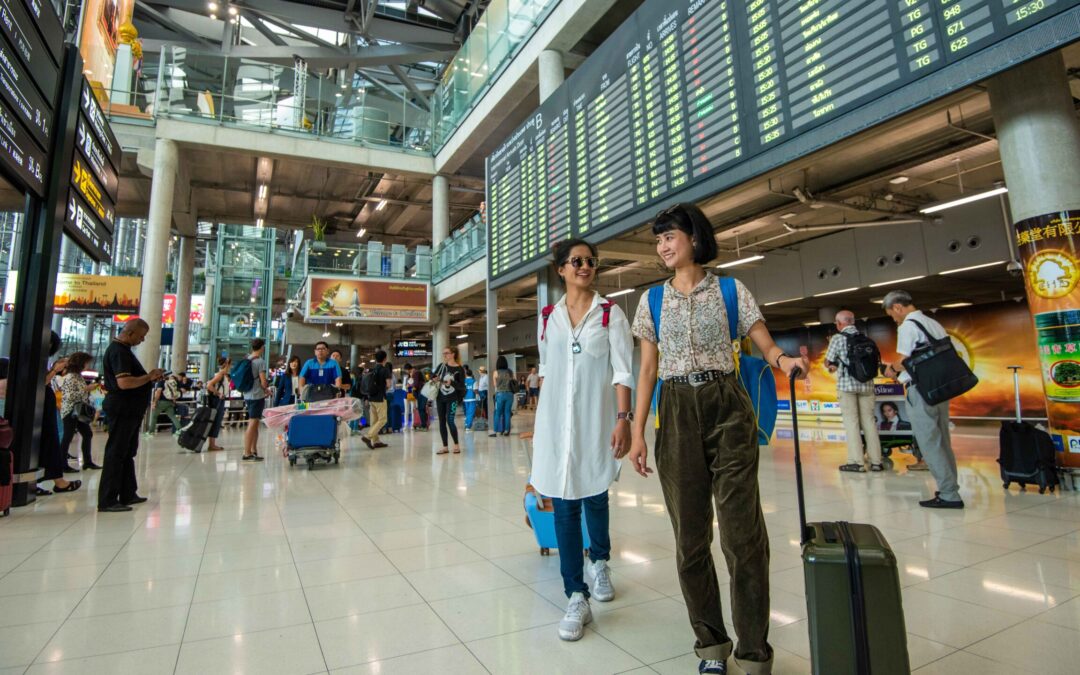
Thailands tourism direction for 2026 is increasingly framed around value rather than raw visitor volume. For foreign buyers considering Bangkok property, that shift matters because high-quality travel can support a more durable demand base: longer stays, stronger spending, medical and wellness trips, business events, culture-led visits and repeat regional travel.

The Tourism Authority of Thailand reported that the country recorded 9.31 million international arrivals in the first quarter of 2026. China remained the largest visitor market with 1.49 million travellers, followed by Malaysia, Russia, India and South Korea. TAT also projected approximately 30 to 34 million international arrivals for 2026 and total tourism revenue of about 2.58 trillion baht.
Why value-led tourism is different from crowd counting
For property, the most useful question is not only how many people arrive. It is who arrives, why they come, how long they stay and what level of accommodation and lifestyle they require. A visitor who comes for a medical programme, executive meeting, family school search or wellness stay can have a different city footprint from a short budget trip.
Bangkok benefits from this because it is the countrys main airport, business, healthcare, retail and hospitality hub. Even when visitors continue to Phuket, Chiang Mai or Samui, many pass through Bangkok. Some return for repeat visits, part-time living or investment scouting. That is why tourism confidence can become a residential property signal, especially in districts with transport, hospitals, hotels, malls and serviced-living options.
What it means for rental demand
A value-over-volume strategy should not be read as a promise of higher rents. It is better understood as a demand-quality indicator. Owners still need the right unit, price, location and management. But a city that attracts international patients, executives, families and culture-led travellers may have more layers of rental demand than a city dependent on one narrow visitor group.

This is particularly relevant for well-connected condominiums near Sukhumvit, Silom, Sathorn, Rama IV, riverside hospitality clusters and medical hubs. Tenants in these areas may include relocation families, consultants, airline and hospitality executives, wellness visitors and business owners who want flexible city access. The best units for this audience are not always the biggest; they are the ones that make a stay efficient.
Confidence, branding and the premium city effect
TATs emphasis on safety, quality, reliability and wellbeing is also part of Bangkoks global positioning. Foreign property buyers usually compare Bangkok with other Asian cities on cost, lifestyle, healthcare, schools, connectivity and ease of ownership. A tourism brand built around confidence can reinforce the idea that Bangkok is a liveable base, not only a place to visit.
This is why premium retail, healthcare, dining, hotel and event infrastructure matter to property investors. They create everyday reasons for people with international budgets to spend time in the city. That can support both owner-occupier appeal and rental liquidity, provided the specific condominium is well selected.
The nuance is that value-led tourism may concentrate benefits in better-managed locations rather than lift every asset equally. Buildings close to transport, hospitals, embassies, retail and hospitality clusters are more likely to convert visitor confidence into residential interest. Peripheral or poorly maintained units may see little benefit even when national tourism revenue is strong.
How buyers should use this signal
Use the tourism strategy as background, not as a substitute for asset due diligence. Buyers should still test building quality, common fees, rent comparables, tenant profile, resale depth and currency exposure. A strong national tourism narrative does not rescue a poor unit in a weak building.

Foreign buyers should also watch how hotels, airlines, medical providers and event venues respond through the year. When these operators add capacity, renovate, hire or launch higher-value services, it can strengthen the case for nearby residential districts. When demand softens, it may show up first in hotel rates and serviced-apartment leasing before condominium owners feel it.
The better use is to identify districts where tourism, business and residential demand overlap. IBP can help buyers compare these overlaps through the Thailand Economy & Investment News archive and a Bangkok property search built around realistic tenant demand.