
Thailand Tourism 2026 And Bangkok Property Demand
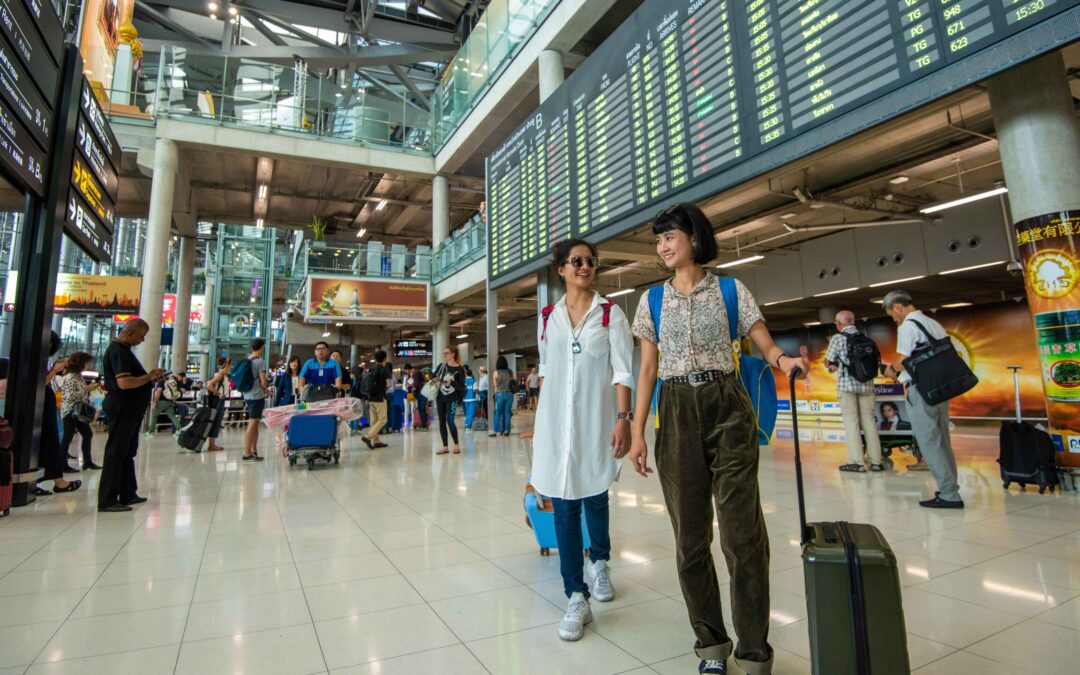
Thailand tourism policy is not only a hotel story. For Bangkok property buyers, tourism influences aviation capacity, retail sales, serviced residences, short-stay demand, restaurant spending, wellness investment and the confidence global companies have in Bangkok as a regional base.
In 2026, the Tourism Authority of Thailand is emphasising quality-led growth rather than simple arrival volume. TATs January 2026 Thailand Tourism Next announcement set a target of up to three trillion baht in total tourism revenue, while its April update reaffirmed a value-over-volume direction focused on high-value experiences, market diversification, safety, reliability and wellbeing.
This matters to foreign buyers because Bangkok is the main gateway, corporate meeting point and premium lifestyle showcase for Thailand. A stronger, better-managed tourism economy can support the citys property ecosystem even when the direct buyer is purchasing a condominium for long-term living rather than tourist rental.
From recovery to quality growth
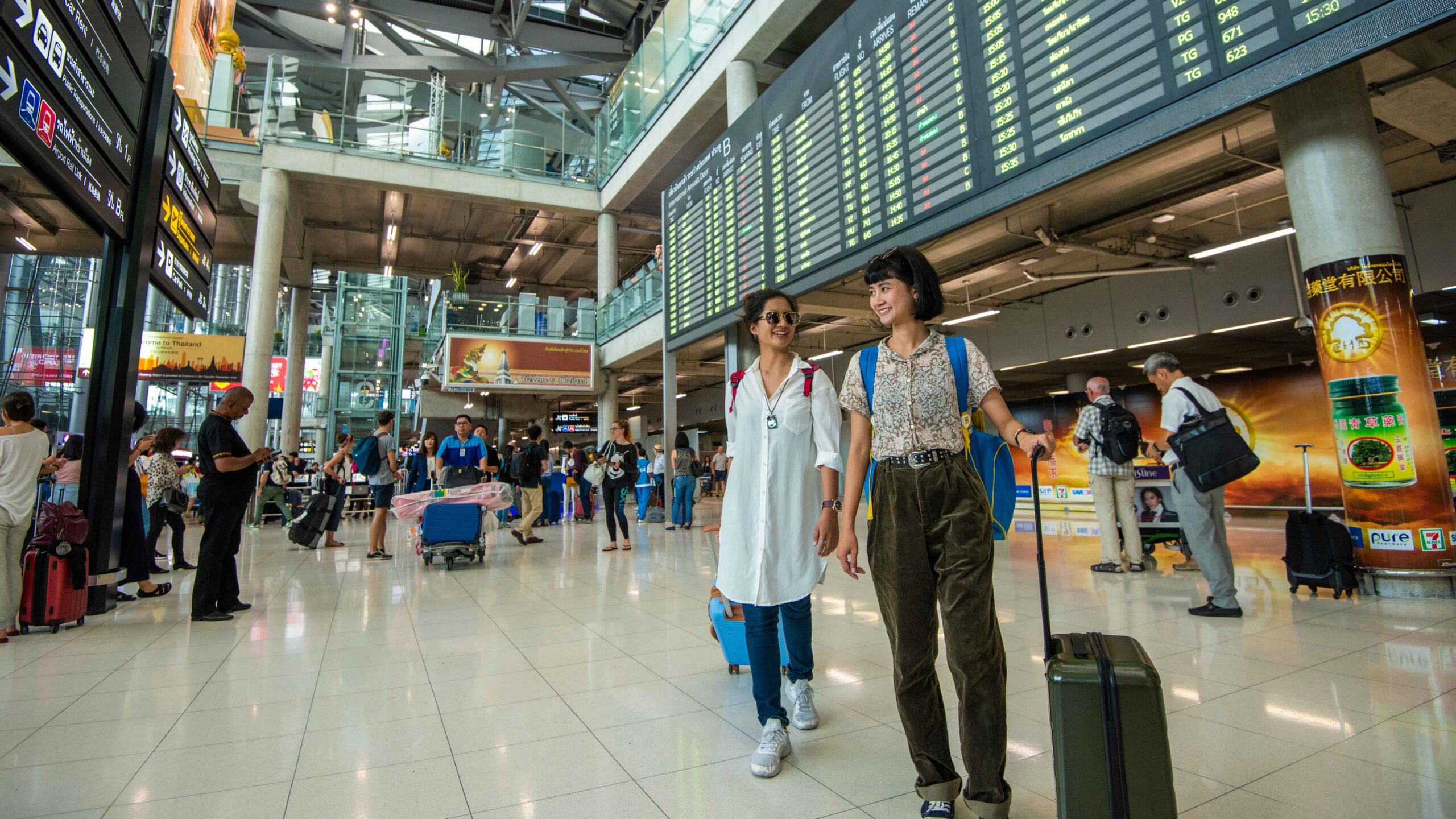
TATs 2026 message is that Thailand wants to move beyond recovery and compete on value. That is important because high-volume tourism can fill rooms but still pressure infrastructure and margins. Value-led tourism aims for better spending, stronger experiences and more resilient demand across different source markets.
For Bangkok, this supports the premium end of the city. International visitors who come for wellness, dining, shopping, medical services, meetings and culture are more likely to spend in central districts. That spending helps sustain malls, restaurants, hotels, private clinics, transport services and lifestyle venues that also make Bangkok more liveable for residents.
A foreign condominium buyer should not convert tourism targets into a guaranteed yield. The connection is indirect. The better question is whether tourism policy supports the everyday ecosystem around the districts where tenants and owners want to live.
Why Bangkok benefits first
Bangkok captures a large share of national visibility because many travellers arrive through the capital, stay before onward trips, attend meetings, visit hospitals, shop, dine or use the city as a base for regional travel. Even buyers focused on long-term ownership benefit from this connectivity.
A globally connected city tends to have deeper rental demand. Expatriates, consultants, airline and hospitality staff, regional executives, medical visitors, education-related families and digital-sector workers all interact with the same urban infrastructure. Better tourism services can improve the citys reputation and make relocation feel less risky.
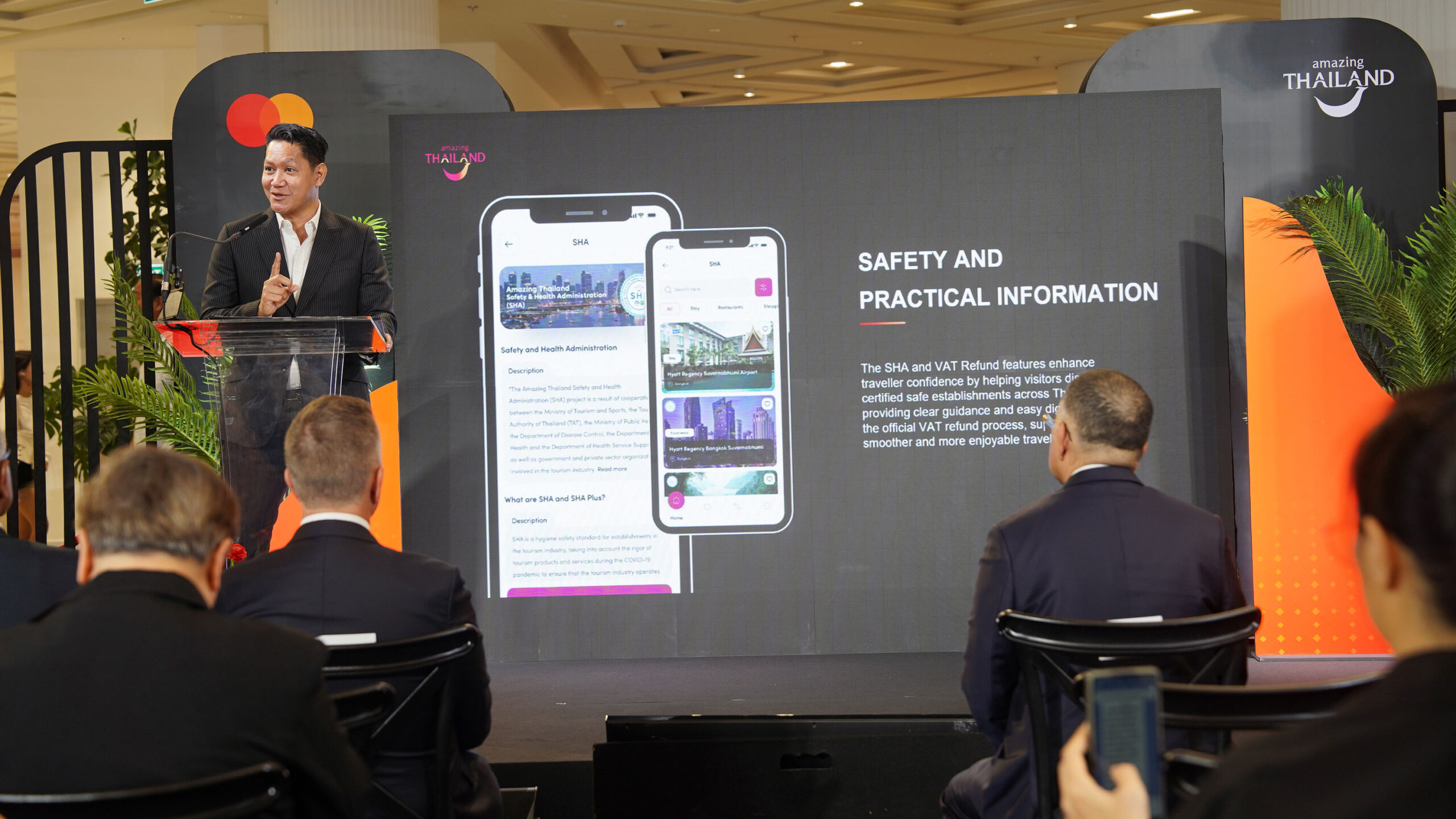
TATs digital initiatives, including the enhanced Amazing Thailand app launched with Mastercard for public rollout in March 2026, also signal a push to make travel easier and more organised. For property buyers, small improvements in visitor experience can support the broader perception that Thailand is professionalising its premium tourism platform.

The property channels to watch
The first channel is hospitality. A healthier tourism market supports hotels, serviced apartments and branded residences. That can lift expectations for service quality in nearby luxury condominiums and strengthen demand in districts with hotel, retail and office clusters.
The second channel is retail and dining. Bangkoks leading malls and lifestyle districts rely on both residents and visitors. When tourism spend is stronger, retail landlords and operators have more reason to invest in tenant mix, events and upgrades. This improves liveability for condominium owners in surrounding areas.
The third channel is corporate confidence. Tourism and MICE activity keep Bangkok visible to regional decision makers. Business travel, conferences and airline connectivity make it easier for companies to choose Bangkok for teams, sales offices or regional functions. That, in turn, supports professional tenant demand.
Risks foreign buyers should keep in view
Tourism is cyclical. Exchange rates, airline capacity, regional competition, safety perception, geopolitics and economic conditions can all affect arrivals and spending. Buyers should avoid investment cases that depend on aggressive short-stay income or constant visitor growth.
Regulation also matters. Condominium buildings have their own rules, and many juristic persons restrict hotel-like short stays. A foreign buyer who wants rental income should focus on legal long-term leasing unless the property structure clearly supports another model.
The durable takeaway is broader: tourism supports Bangkoks city quality, but a sound property purchase still depends on location, legal structure, building management, price and tenant fit.
What this means for a 2026 buyer
TATs value-led strategy is positive background for Bangkok property because it supports the citys premium infrastructure and international appeal. It strengthens the case for districts with hotels, hospitals, malls, parks, offices and mass transit rather than isolated projects that depend on one narrow demand source.
For buyers comparing Bangkok condominiums in 2026, the tourism story should be used as a confidence filter, not a substitute for due diligence. Choose buildings that a real resident would want to live in during normal weeks, not only during peak travel seasons.
Invest Bangkok Property can help foreign buyers connect the macro story to practical district and building choices, including rental evidence, ownership structure and exit planning.