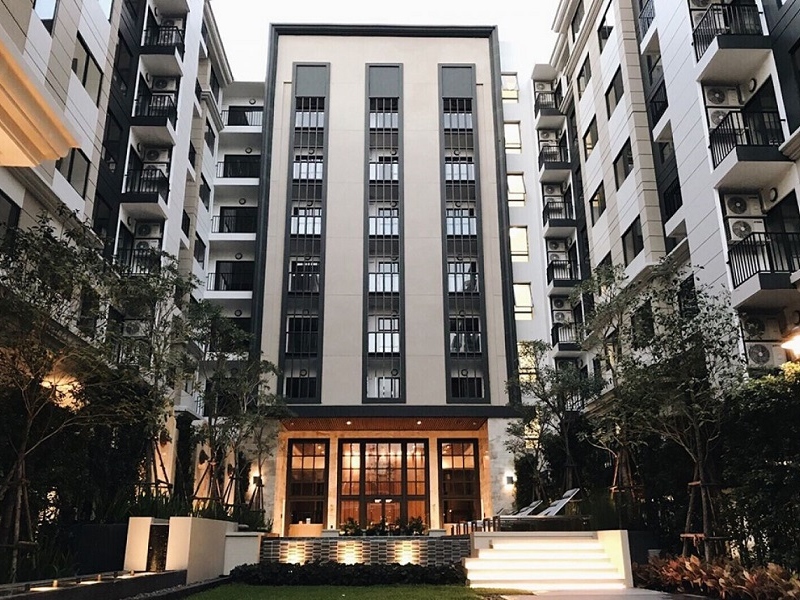
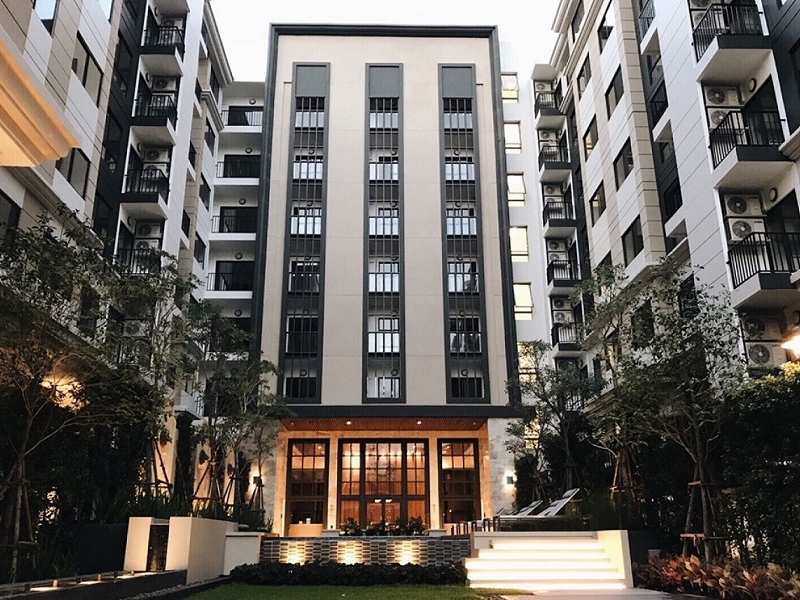
A foreign-owned Bangkok condominium is both a home or investment and an asset governed by Thai registration procedures. If an owner dies without an organised plan, family members may face uncertainty across languages, countries, banks, courts and the condominium juristic office.
Estate planning connects a Bangkok asset with the owner’s wider family, legal and financial arrangements.
Estate planning is not a form to complete after purchase and forget. It is a coordinated file covering the title, valid instructions, the people who may act, the intended beneficiary, tax questions and the practical operation of the unit while the estate is administered. Thai and home-country professional advice is essential because nationality, domicile, family status and other assets can change the answer.
Start with the exact ownership record
Confirm the name on the condominium title deed, passport details used at transfer, unit number, ownership share and whether anyone else has a registered interest. Review the sale agreement, land-office documents, foreign remittance evidence and any mortgage or other obligation.
Do not rely on a family member’s memory of how the property was bought. Small differences in names, renewed passports or marital status can create extra work later. A Thai lawyer should reconcile the title and personal details before drafting estate instructions.
Coordinate Thai and overseas wills
An owner may have assets and legal relationships in several jurisdictions. Ask qualified advisers whether a Thai will for Thai assets, a wider home-country will or coordinated documents are appropriate. One document should not accidentally revoke another or create inconsistent instructions.
Identify the condo precisely and name beneficiaries in a way that remains clear. Discuss substitutes if the first beneficiary dies or cannot receive the asset. Signing, witnesses, language and storage should follow professional advice; copying an online template is a poor substitute for a plan that fits the owner.
The exact title, ownership structure and building records should be reviewed before instructions are drafted.
Choose the right estate representative
The person trusted by the family may not be the person best placed to handle Thai procedures. Discuss who can communicate with a Thai lawyer, collect records, deal with the juristic office, protect the unit and follow court or land-office requirements. The role can involve time, travel and decisions about rent, repairs or sale.
Tell the proposed representative before naming them. Record reliable contact details and consider what happens if they are unable to act. A power of attorney used during life does not automatically answer what happens after death; obtain advice on the correct authority for estate administration.
Create a concise property file
The file should show where to find the original title deed, purchase and transfer papers, passport copies used in the transaction, inward-remittance records, tax information, juristic correspondence, common-fee receipts, insurance, keys, tenant agreement and manager contact.
Keep sensitive originals secure and provide a location index rather than circulating the whole archive. The executor or family should know which Thai lawyer and local manager to contact, but a tenant or contractor does not need access to private banking and identity records.
Plan for the period before transfer
An estate may need to pay common fees, insurance, utilities and urgent repairs while legal steps continue. If the condo is rented, someone must collect rent, respond to the tenant and preserve records under lawful authority. If it is empty, the unit still needs inspection, ventilation and protection from leaks or security problems.
Prepare a modest operating reserve and written contact chain. Do not give a manager unlimited authority. Their role should be limited to practical preservation within an agreed process, with legal decisions left to the properly authorised representative and advisers.
A concise asset file can save heirs from searching across countries during an already difficult period.
Understand the beneficiary’s position
The intended heir may be foreign, live outside Thailand or prefer cash rather than the condo. Ask a Thai lawyer to explain the current conditions for receiving and registering the unit, the building’s foreign ownership position, required certificates and the options if the beneficiary cannot or does not wish to hold it.
Also discuss the beneficiary’s home-country reporting, tax and succession obligations. Thai registration is only one part of the outcome. A transfer may affect estate filings, future rental income and a later sale in more than one jurisdiction.
Budget for administration and tax advice
Estate costs can include legal work, court or administrative steps, certified translations, registration, valuation, building clearances, tax advice, travel and ongoing ownership expenses. Rates and liability depend on the facts and current law, so avoid leaving the family a fixed estimate copied from an old article.
Ask advisers to identify which Thai taxes, fees and filings may apply to the estate and beneficiary and whether home-country rules also matter. Keep enough liquidity outside the property so the family is not forced into a hurried sale merely to fund administration.
Tell the family what the investment is for
A legal document states who receives the asset, but a short owner memorandum can explain the practical intention. Note whether the condo is a long-term family base, an income investment or an asset that may be sold. Include the normal rent, core costs, trusted contacts and known building issues.
The memorandum should not override the will. It gives context so heirs can make informed decisions and recognise unrealistic offers. Update it after a new lease, renovation, major building decision or change in the owner’s family circumstances.
Estate-planning checklist
Verify the Thai title and personal details used at registration.
Coordinate Thai and overseas wills with qualified advisers.
Name willing representatives and backup contacts.
Index the title, remittance, tax, building and tenancy records.
Fund common fees, insurance and urgent preservation costs.
Confirm the intended heir’s legal and practical position.
Review Thai and home-country tax questions.
Update the plan after major family, passport or property changes.
Owner takeaway
Thai condo estate planning reduces avoidable uncertainty without pretending that every cross-border estate is simple. The strongest plan connects valid legal documents with a clean asset file, willing representatives and enough practical capacity to protect the unit.
Mail is easy to overlook when a foreign owner spends much of the year outside Thailand. Yet building notices, bank correspondence, service documents and parcels can continue arriving at a Bangkok condo. A clear handling plan reduces missed deadlines, privacy problems and confusion between owner, tenant and juristic office.
A controlled address record helps owners know which organisations still send important correspondence to the condo.
The right system depends on the building and the legal importance of each item. A reception desk that accepts ordinary parcels may not be authorised to accept registered correspondence or formal notices. Confirm the position rather than assuming that a familiar face at reception solves every issue.
Create an address register
List every organisation that uses the condo address: juristic person, utilities, bank, insurer, internet provider, government office where applicable, property manager, contractors, online retailers and any company connected to the unit. Note which communications are digital and which may still arrive physically.
Keep the register with the property file and update it after a sale, tenant change, account closure or new service. This makes it easier to redirect correspondence and prevents an old address from remaining active simply because nobody remembers where it was used.
Confirm the building’s procedure
Ask the juristic office how ordinary letters, registered items, courier parcels and oversized deliveries are handled. Check identification requirements, storage time, notification method, collection hours and what happens when an item is unclaimed.
Request the current written rule where available. Some buildings use lockers or an app; others maintain a reception log. Owners should also ask whether staff will contact an overseas number, email an alert or communicate only through a local channel.
Collection, storage and notification practices differ by building and should be confirmed in writing.
Separate convenience from legal significance
Do not treat reception acceptance as proof that a legally important document has been properly received by the owner. Service rules, contract notice clauses and government processes can have specific requirements. Obtain qualified advice when a communication may affect rights, payment, insurance, tax or a deadline.
Tell any authorised helper to escalate official-looking correspondence immediately without deciding its importance alone. The owner should receive a clear image of the envelope, sender, arrival date and any collection receipt before the item is opened or forwarded.
Use a narrow written authority
If a property manager, lawyer, trusted contact or tenant will collect items, define the role in writing. State what the person may collect, whether envelopes may be opened, how images are shared, how originals are stored and when they must be couriered.
Avoid handing over broad powers for a simple administrative task. The building may require its own authorisation form or identification copy. Confirm the current requirement and limit personal data to what is reasonably needed.
Protect privacy and account security
Mail can reveal names, account numbers, signatures, travel patterns and ownership details. Use a secure sharing channel and restrict access to the smallest practical group. Sensitive pages should not remain in an informal chat history or an unlocked reception tray.
Agree how unwanted documents are destroyed. Shredding is safer than placing financial or identity material in ordinary waste. If a scan is retained, give it a clear filename, store it securely and remove duplicate copies that no longer serve a purpose.
Any person authorised to handle correspondence needs a narrow role, a clear record and secure disposal instructions.
Plan for parcels and failed deliveries
Before ordering, check size limits, refrigeration needs, restricted items and the building’s policy on cash-on-delivery. A juristic office may decline bulky, valuable or perishable deliveries. Delivery riders may also be restricted from residential floors.
Use tracking and a reachable local contact. For furniture, appliances and contractor materials, book the service lift and delivery window if required. Parcel convenience should not bypass move-in deposits, protective covering or contractor registration rules.
Define the landlord and tenant boundary
When the unit is rented, the tenant should receive private correspondence addressed to them without owner inspection. The owner should redirect personal mail and explain which property-related notices need to be shared under the lease and applicable rules.
At handover, record mailbox keys, access cards, locker access and the agreed contact method. When a tenancy ends, ask both parties to update addresses promptly. Do not rely indefinitely on the next occupant to forward private material.
Prepare for periods when the unit is empty
Vacant units still need a named contact. Give the juristic office current owner details and a defined local contact where appropriate. Arrange periodic checks at a sensible interval and require the helper to report correspondence without removing unrelated property.
Combine mail handling with a wider absence plan covering utilities, leaks, air-conditioning, insurance conditions and emergency access. The goal is a documented routine, not constant informal monitoring.
Close the loop when selling
Before completion, change addresses with service providers and close accounts that should not transfer. Agree how correspondence arriving after handover will be treated, but do not make the buyer responsible for an open-ended forwarding service.
Remove owner details from shopping apps and saved delivery profiles. Return or transfer mailbox and locker access according to the transaction documents and juristic procedure. Keep evidence of important address changes in the sale file.
Overseas-owner mail checklist
Maintain a register of organisations using the condo address.
Confirm separate rules for letters, registered items and parcels.
Use qualified advice for legally significant correspondence.
Give any helper a limited written role.
Protect scans, identity details and disposal.
Define landlord and tenant responsibilities.
Keep a current contact during vacancy.
Redirect accounts before a sale or long absence.
A small administrative system can protect a valuable asset from avoidable confusion. Browse IBP’s foreign buyer guides and landlord guidance, or contact IBP Real Estate to discuss practical ownership support.
Renovating a Bangkok condominium can be simple when the work is minor and the building process is clear. It can also become stressful when a foreign owner assumes that private ownership means unrestricted work inside the unit. In practice, the juristic office, building rules, contractors, neighbours and sometimes specialist advisers all matter.
Renovation planning should begin with the condominium rules, owner authority and written contractor process.
For overseas owners, renovation rules should be checked before buying if the investment case depends on upgrades. A unit that needs repainting, appliance replacement or furnishing is different from a unit that needs plumbing, electrical, flooring or layout changes. The deeper the work, the more important the approval process becomes.
Start by defining the scope
Owners should separate cosmetic refresh, repair work and structural or systems-related work. Cosmetic refresh may include repainting, loose furniture, curtains, lighting replacement or basic cleaning. Repair work may include air-conditioning servicing, water-heater replacement, appliance repairs, cabinet fixes or minor bathroom works. More serious work may involve walls, floors, plumbing, drainage, electrical systems, balcony areas or anything that could affect common property or another unit.
The scope affects approval, budget, timing and risk. A contractor may describe work as minor, but the building may still require registration, deposits, noise controls, lift protection and work-hour limits. If in doubt, ask the juristic office before the contractor starts.
The juristic office usually controls work hours, lift use, deposits, contractor access and common-area protection.
What the juristic office may require
Every condominium has its own procedures. Common requirements can include an owner request form, contractor identification, work schedule, refundable damage deposit, lift padding, service-lift booking, rubbish removal plan, parking instruction, noisy-work hours and proof that the contractor accepts building rules. Some buildings may ask for drawings or technical details for more complicated work.
Foreign owners should request the current building rules in writing and have them translated if needed. A verbal assurance from a contractor is not enough. If the contractor damages common areas, works outside permitted hours or creates a leak affecting another unit, the owner may still be pulled into the dispute.
Check what cannot be changed
Some elements may be private to the unit but still restricted by building rules or technical constraints. Balcony appearance, windows, facade elements, drainage lines, load-bearing walls, fire-safety equipment, main pipes, air-conditioning placement and external condensers may have limits. A buyer should not assume that a preferred design can be installed simply because it fits inside the room.
This matters before purchase. If the unit only works after a wall is moved, a bathroom altered or a balcony enclosed, the buyer should verify feasibility before relying on that plan. A renovation idea that cannot be approved can change the entire investment case.
A pre-work inspection helps separate defects, repairs, tenant damage and owner upgrade choices.
Pre-work inspection protects the owner
Before contractors enter, photograph the unit, corridors, lift, lobby route and any shared areas that will be used. Record existing wall marks, floor damage, bathroom condition, air-conditioning condition, leaks, cracks, balcony drainage and appliance status. This creates a baseline if later disputes arise about damage.
Owners should also decide who supervises the work. If the owner is overseas, a property manager, agent or trusted representative may need authority to meet contractors, approve minor changes, send photographs and confirm completion. That authority should be written and limited, especially where money is involved.
Budget for timing as well as cost
Renovation timelines in a condominium are affected by building approval, contractor availability, material delivery, lift bookings, permitted work hours and neighbour complaints. A two-day repair can stretch if forms are incomplete or a required part is delayed. This can affect rental start dates, owner trips and handover promises.
Investors should avoid assuming rent can begin immediately after transfer if the unit needs work. A conservative plan includes approval time, cleaning, final inspection, photography and marketing. It is better to model a short vacancy period than to promise a tenant a unit that is not ready.
Contractor control
Choose contractors who understand condominium work, not only house renovation. They should protect lifts and corridors, register staff, respect work hours, remove waste properly and provide invoices or receipts. For electrical, plumbing, air-conditioning or safety-related work, owners should use qualified technicians and keep records.
Payment terms should be clear. Avoid paying everything upfront without milestones, evidence or completion checks. If the owner is abroad, require dated photos and brief progress notes. For larger works, consider whether professional inspection is needed before final payment.
Common mistakes to avoid
Assuming the contractor can start before juristic approval.
Ignoring noisy-work hours, lift protection and waste rules.
Changing plumbing, drainage or electrical systems without proper checks.
Failing to document the unit and common areas before work starts.
Letting renovation timelines collide with tenant move-in dates.
Approving upgrades that do not match the likely tenant or resale audience.
Buyer takeaway
Bangkok condo renovation rules are manageable when foreign owners define the scope, confirm building procedures and supervise contractors properly. The safest renovation is not always the most ambitious. It is the one that improves rent or liveability without creating approval, neighbour or resale problems.
IBP helps foreign buyers assess renovation feasibility, handover risk and ownership logistics before purchase. Explore our foreign buyer guides or contact IBP Real Estate for practical ownership support.
A good Bangkok condo property manager can make overseas ownership manageable. A weak one can create late rent, slow repairs, unclear invoices, tenant dissatisfaction and poor records. Foreign owners should therefore treat manager selection as part of the purchase plan, not as an afterthought after keys have been collected.
A property manager should understand the building, juristic office and tenant profile before quoting a service fee.
The right manager is not simply the person who offers the lowest monthly fee. The role touches tenant screening, handover photos, rent collection, deposit records, repairs, juristic-office communication, tax paperwork, emergency response and lease renewal. Owners need a clear brief, written authority and reporting standards that fit Thai building practice and overseas communication.
Define the job before comparing fees
Property management can mean different things. Some managers only market the unit and collect rent. Others handle inspections, repairs, bill payment, tenant relations, inventory updates, lease renewals and owner statements. Before comparing proposals, owners should write down what they expect the manager to do and what decisions require approval.
Important questions include whether the manager will hold keys, meet contractors, pay small bills, inspect after storms, represent the owner at the juristic office, check common-fee notices, handle tenant move-in reports and support tax records. A cheap service may be fine for a simple unit with a stable tenant. It may be inadequate for a furnished unit owned from another country.
Clear onboarding documents help a manager act quickly without creating authority or payment confusion.
Documents a manager should request
A professional onboarding process should feel organised. The manager should request ownership details, passport or company information, unit address, keycard count, appliance list, furniture inventory, previous repair records, juristic-person contact details, utility account information, lease terms, bank instructions and emergency contacts. If a representative has authority to sign or approve work, that authority should be documented.
Owners should be careful with open-ended permissions. A manager may need practical authority to arrange urgent repairs, but there should be spending limits, preferred contact channels and rules for evidence. For example, the owner may allow small urgent repairs up to a set amount but require photographs and receipts before reimbursement.
Rent collection and money control
Rent handling needs a written process. Confirm whether rent is paid directly to the owner or first to the manager. If it goes through the manager, agree when funds are remitted, what deductions are allowed, what statement format is used and how deposits are held. Owners should be able to match lease terms, tenant payments, repair invoices and bank receipts without detective work.
Overseas landlords should avoid informal arrangements where rent, repair money and deposits are mixed without clear records. Clean reporting protects the owner, tenant and manager. It also makes later tax and sale documentation easier because income, expenses and handover evidence can be traced.
Owners should agree reporting, rent remittance and repair approval rules before the first tenancy.
Repair approval rules
Repairs are where many management relationships become strained. Tenants want quick fixes. Owners want fair costs. Contractors may need building access. The juristic office may require registration or work-hour approval. A good manager explains this workflow in advance and shows how quotes, photos, invoices and completion checks will be handled.
Separate urgent repairs from improvement work. A water leak, electrical risk or failed lock may need fast action. New furniture, repainting, appliance upgrades or decorative changes can usually wait for owner approval. The contract should make that distinction clear.
Tenant communication standards
Foreign owners are often judged through the manager’s communication. Tenants do not care that the owner is overseas if the air-conditioning fails or the access card stops working. Slow replies can turn a small issue into a renewal problem. Ask prospective managers how they handle tenant messages, after-hours calls, inspection appointments and complaints.
The manager should also protect the owner from unreasonable requests. Not every tenant preference is a landlord obligation. Good management means responding politely, checking the lease, confirming facts and recommending a proportionate response.
Building and juristic-office coordination
Bangkok condominiums rely heavily on the juristic office. A manager should understand building rules for move-in, contractor access, deposits, noise, parking, parcel handling, pets, short stays, renovation work and common-area use. If the manager ignores those rules, the owner can face delays, penalties or neighbour complaints.
Ask whether the manager has dealt with the building before. Prior experience is useful, but not essential if the manager is diligent. What matters is whether they can obtain written procedures, communicate with building staff and keep the owner informed when notices or fees arise.
Checklist before appointment
Confirm the exact services included and excluded.
Agree repair spending limits and evidence requirements.
Set rent remittance dates and statement format.
Document key, card and inventory control.
Confirm who deals with the juristic office and utilities.
Agree inspection frequency and photo reporting.
Check termination rules if the service is poor.
Red flags
Be cautious if a manager avoids written terms, resists itemised reporting, cannot explain deposit handling, promises unrealistic rent, has no repair approval process, or says building rules are unimportant. Also be careful if the same person is trying to sell, lease, manage and approve repairs without explaining conflicts of interest.
None of this requires hostility. It requires clarity. A professional manager should welcome written expectations because they make the relationship easier for everyone.
Owner takeaway
A Bangkok condo property manager should give overseas owners control, not distance. The right checklist covers authority, rent, repairs, records, tenant communication and building rules before the first lease begins. When the system is clear, the owner can make decisions from abroad without losing sight of the asset.
IBP helps foreign buyers plan Bangkok condo ownership, leasing and management from purchase through handover. Explore our foreign buyer guides or contact IBP Real Estate for practical ownership support.
Foreign owners usually think about bringing money into Thailand when they buy a Bangkok condo. They should think just as carefully about taking sale proceeds out when they eventually sell. Repatriation is not a last-minute task. It depends on a clean ownership file, bank records, sale documents and coordination between the owner, broker, lawyer, bank and buyer.
A clean resale file helps foreign owners prepare bank, transfer and tax conversations before completion.
This guide is a practical checklist, not legal or tax advice. Rules and bank procedures can vary, and each owner should confirm the exact process with their adviser and Thai bank before signing a sale agreement. The goal is to make the exit process predictable rather than rushed.
Start with the original purchase file
The most important sale-proceeds file often begins on the day the owner bought the condo. Foreign buyers should keep the title deed copy, sale and purchase agreement, land-office transfer documents, bank inward-remittance evidence, foreign-exchange transaction forms where issued, receipts, mortgage records if any, tax documents and correspondence with the bank.
When the owner later sells, the bank may need to understand how funds originally entered Thailand and how the sale proceeds relate to the property. If the file is incomplete, the owner may still be able to solve the issue, but it can take time. Starting early is easier than searching for old paperwork after a buyer has already set a transfer date.
Sale-proceeds planning should include the original inward remittance file and the outward-transfer process.
Confirm the bank process before listing
Before marketing the condo, contact the Thai bank that will handle the proceeds. Ask what documents it normally requires for outward remittance after a foreign-owned condominium sale. Ask whether the proceeds must pass through a specific account, whether the account holder’s name must match the title deed, what identification documents are needed and how long outward transfer processing usually takes.
Owners who live overseas should also ask whether they can complete any part of the process remotely. Some banks may require in-person steps, updated signatures or specific authorisations. If a representative will act for the owner, check the power of attorney format and whether it needs notarisation, legalisation or Thai translation.
Prepare the resale documents
A clean resale file helps both the sale and the remittance. Owners should prepare the title deed copy, passport copy, ownership registration details, unit address, sale agreement, buyer details, tax and fee estimates, juristic office clearance documents, utility settlement evidence and any mortgage release documents if relevant.
The exact list depends on the transaction. A lawyer or experienced broker should coordinate the land-office and bank requirements so the sale price, transfer date, tax handling and bank transfer steps are consistent. Do not assume the buyer’s preferred completion structure automatically suits the foreign seller’s remittance plan.
Exit planning starts before listing, because the buyer, bank, land office and building records all need to align.
Check tax and fee timing
Foreign sellers should understand which taxes and transfer costs will be paid at completion and which records they will receive. The net amount available for outward transfer is not the headline sale price. It is the amount left after agreed fees, taxes, agent commission, mortgage settlement, repairs, utility balances and any other closing items.
Because tax treatment can depend on the owner, holding period and transaction facts, sellers should get advice before agreeing the net proceeds they expect. A simple sale price can become confusing if the owner has not budgeted for deductions or if responsibility for costs is unclear in the sale agreement.
Power of attorney needs careful handling
Many overseas owners cannot travel to Bangkok for every step. A power of attorney can help, but it must be handled precisely. The owner should confirm who is authorised to sign the sale agreement, attend the land office, deal with the juristic office, receive documents, settle utilities and communicate with the bank. Different tasks may require different wording.
Do not give broad authority casually. Use a trusted representative and keep the authorisation aligned with the transaction. If the bank requires separate forms, prepare them early. A sale can be delayed when the land-office document is ready but the bank authorisation is not.
Coordinate currency conversion
Once sale proceeds are available, the owner should decide whether to hold Thai baht temporarily or convert immediately. That decision depends on personal needs, exchange-rate comfort and bank process. Sellers should avoid making the conversion decision under pressure on transfer day unless they have already considered the options.
Owners should also confirm the receiving overseas account details, beneficiary name, intermediary bank information where needed and any reporting requirements in their home country. A typo in international transfer details can create unnecessary delays.
Seller checklist
Locate the original inward-remittance and purchase documents.
Ask the Thai bank for outward-remittance requirements before listing.
Confirm whether the owner must be present or can use a representative.
Align the sale agreement with tax, fee and bank requirements.
Prepare juristic office clearance, utilities and keycard handover records.
Review the net proceeds after all deductions, not only the sale price.
Check overseas receiving-account details before completion.
Buyer takeaway
Thai condo sale proceeds repatriation is easiest when the owner prepares before the resale starts. Keep the original money trail, speak to the bank early, use a careful power of attorney when needed and make sure the sale documents support the outward-transfer plan. A clean exit file protects the seller’s time and reduces avoidable completion stress.
IBP helps foreign owners plan Bangkok condo purchases, rentals and exits with practical documentation in mind. Explore our resale and exit strategy guides or contact IBP Real Estate for a resale consultation.