Foreign buyers often complete a Bangkok condo purchase carefully, then leave small owner-record details unfinished. The juristic office may have an old email address, the property manager may not know who can approve repairs, the tenant may message the wrong person, and emergency contacts may be missing or outdated.
Owner contact details should sit in the same file as transfer, juristic office and lease documents.
This sounds administrative, but it matters. Contact details are part of practical risk control for overseas owners. They help the building reach the right person for leaks, payments, access cards, fire-safety notices, common fee invoices, tenant issues, contractor access and future resale preparation.
Why owner records matter after transfer
The legal transfer makes the buyer the owner. The building record makes day-to-day ownership workable. If the juristic office has the wrong owner address, email, telephone number or emergency contact, important notices may be missed. If a tenant does not know who handles repairs, small problems can become larger. If a property manager lacks authority details, urgent decisions can stall.
Foreign owners should treat contact records as part of the same file as title documents, foreign quota papers, transfer receipts, inventory, lease, insurance, utility accounts and repair history. A clean file is especially important when the owner lives overseas or uses different representatives for purchase, leasing and maintenance.
Start with the juristic office
The juristic office is usually the first place to update after transfer. Ask what owner contact form the building uses and what supporting documents it needs. The building may ask for passport details, title copy, mailing address, Thai phone number, overseas phone number, email address, emergency contact and an authorised representative if the owner will not be in Bangkok.
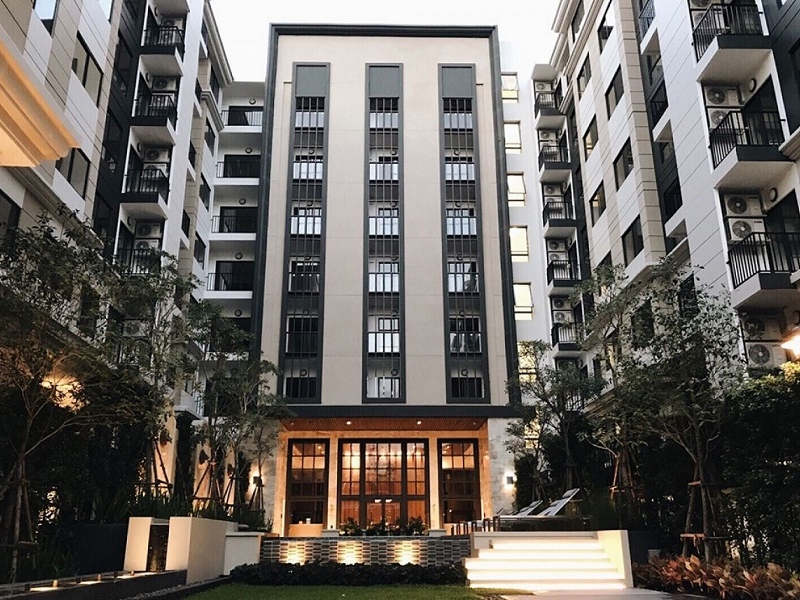
The juristic office needs reliable owner, representative and emergency contacts after transfer.
Do not assume the agent’s contact details will automatically become the owner record. Agents may help during purchase, but the building should know who the owner is, who can receive notices, who can authorise access, and who should be called if water, security or common-area issues affect the unit.
Separate owner, representative and emergency contacts
A useful record separates roles. The owner is the legal decision-maker. A representative may be allowed to collect keys, arrange repairs, meet contractors or deal with the juristic office. An emergency contact may be called when the owner is unreachable. A tenant may report issues but should not be treated as the owner’s legal representative unless the owner has clearly authorised it.
This distinction protects everyone. The juristic office should not have to guess whether a tenant can approve repairs. A property manager should not have to chase three different people for the same decision. An emergency contact should know they are listed and what they are expected to do.
Contact records help the right person respond when access, repairs or tenant issues arise.
Repair authority should be written down
Owner contact records are closely linked to repair management. If a pipe leaks, air-conditioning fails or an appliance stops working, the property manager needs to know who can inspect, who can approve spending, who holds spare keys and what limit applies before owner approval is required.
Foreign owners should set a small urgent-repair authority where appropriate, then require photographs, invoices and a written record. Without this, a simple issue can become difficult because nobody wants to approve a cost while the owner is asleep in another time zone.
Invoice routing and common fee notices
Common fee invoices, sinking fund notices, repair assessments and building announcements should go to the right email address. If the condo is rented, decide whether notices go to the owner, property manager or both. Tenants may receive building notices about access, fire drills or facility closures, but owner-level financial notices should not depend only on tenant forwarding.
Owners should also ask how the building sends urgent notices: email, phone, messaging app, posted letter or building application. If the building uses Thai-language notices, the owner should arrange translation support with a manager or trusted contact.
Keep access and key records current
The owner file should list room keys, mailbox keys, access cards, parking stickers, lift cards and any spare sets held by a manager or tenant. If a tenant changes, cards are replaced, locks are changed or a manager is appointed, update the record. Lost-card fees and security concerns are easier to handle when the owner knows what exists.
For vacant units, the building and manager should know who can enter in an emergency. Owners should not leave emergency access unclear, especially if the unit has water connections, appliances, balcony drains or air-conditioning equipment that could affect neighbours.
What to review once a year
At least once a year, foreign owners should review owner email, phone, overseas address, Thai mailing address, emergency contact, property manager, tenant contact, keycard list, utility accounts, insurance records and lease dates. This is a simple habit, but it prevents many ownership problems.
The review is also useful before resale. A buyer, lawyer or agent will ask for building records, common fee status, keys, tenant information and maintenance history. Clean contact and access records make the future exit easier to organise.
Owner checklist
Update the juristic office after transfer with owner and emergency contacts.
Separate owner, representative, tenant and emergency-contact roles.
Set written repair authority and spending limits for urgent issues.
Confirm where common fee invoices and building notices are sent.
Keep a current list of keys, cards, parking stickers and spare sets.
Review contact, access and manager records at least once a year.
Buyer takeaway
Bangkok condo owner contact details are not just admin. They protect foreign owners when payments, repairs, access, tenants and building notices need fast coordination. A clean record helps the unit function smoothly while the owner is overseas.
IBP helps foreign buyers set up Bangkok ownership files, property-management routines and practical handover support. Browse our foreign buyer guides or contact IBP Real Estate for a practical ownership checklist.
Repair requests are part of owning a Bangkok condo, whether the unit is used personally, held vacant for occasional stays or rented to a tenant. Foreign owners often discover that the technical repair is only one part of the process. The harder part is deciding who inspects, who approves the cost, who gives building access, and how the repair record is kept.
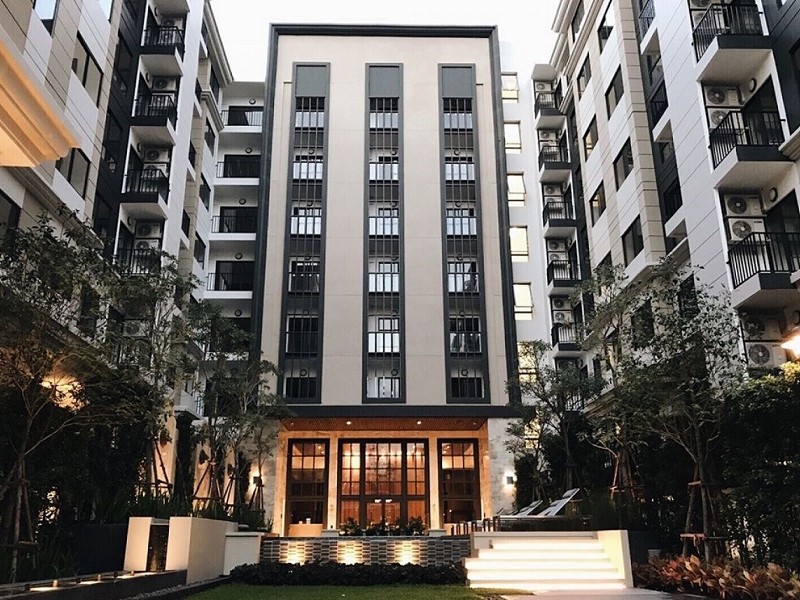
Repair requests should sit in the same owner file as the lease, warranties, inventory and building rules.
A good repair system protects the owner, tenant and building. It also reduces emotional messages when something fails. Air-conditioners, water heaters, appliances, leaks, blocked drains, door locks, internet points, balcony drains and minor electrical problems are all easier to handle when the owner has a clear process before the first issue appears.
Start with one owner file
Every foreign owner should keep a simple digital file for the unit. It should include the title transfer documents, lease, inventory, appliance warranties, manuals, juristic office rules, contractor invoices, photographs, insurance details where relevant, and contact details for the property manager or local representative. Repair requests should be added to the same file.
This matters because repairs often repeat. If an air-conditioning unit has been serviced, a water heater replaced, or a leak inspected, the next person needs to see the history. Without a file, every repair begins again from memory.
Photographs and clear inspection notes make repair decisions easier for owners managing a unit from overseas.
Separate urgent and routine issues
Owners should agree in advance what counts as urgent. Water leaks, electrical risk, lock failure, major air-conditioning failure, broken windows, security issues and anything that could affect another unit usually need fast action. A scratched table, loose handle or small appliance issue may be routine unless the lease says otherwise.
The owner should give the property manager spending authority for small urgent repairs within a written limit. Without that authority, a problem can become worse while everyone waits for approval across time zones. Larger repairs should still require photographs, estimates and owner confirmation.
Use photographs and short notes
A tenant’s message saying something is broken is a starting point, not a complete repair request. Ask for clear photographs or short video, the time the issue started, whether water or electricity is involved, and whether building staff have already inspected it. A manager should then record what was found and what action was taken.
Good notes reduce disputes later. They show whether the issue was ordinary wear, tenant damage, developer defect, common-area problem, appliance age or contractor error. The purpose is not to blame quickly. It is to decide calmly and keep evidence.
Many repairs involve the juristic office, building access, contractor registration or common-area rules.
Keep tenant communication calm and specific
Tenants usually want acknowledgement first, then a clear next step. A useful reply confirms that the issue has been received, asks for any missing evidence, explains who will inspect, and gives a realistic timing update. Vague promises create frustration. Overly legal language can make a simple repair feel hostile. A professional repair trail should be short, dated and factual.
For landlords using an agent or property manager, the tenant should know who is authorised to coordinate repairs. Multiple channels can create confusion if the tenant messages the owner, agent, juristic office and contractor separately. One clear coordinator helps keep the process moving.
Check building rules before sending contractors
Many Bangkok condominiums control contractor access. The juristic office may require identification, owner authorisation, work-hour limits, lift protection, deposits, rubbish removal rules and advance booking for noisy work. Some repairs also need building staff to inspect common pipes, risers, balconies, drains or exterior equipment.
Foreign owners should not tell a contractor to enter without checking the building procedure. If a contractor damages a lift, corridor, neighbour’s unit or common-area system, the owner may face cost and relationship problems even when the repair began as a small job.
Clarify tenant responsibility carefully
Some issues are ordinary owner maintenance. Some may be tenant misuse. Some may be shared or unclear. The lease should explain the repair process, but owners should avoid making instant accusations without inspection. A calm response keeps the tenancy professional and protects the landlord’s reputation.
If a tenant caused damage, keep photographs, messages and invoices. If the owner is responsible, respond promptly and record the cost. If the issue relates to the building, involve the juristic office and keep their written response. The cleaner the trail, the easier it is to close the matter.
Use repairs to update the inventory
Whenever an appliance, mattress, curtain, lock, sofa, light fitting or fixture is replaced, update the inventory. Add the date, cost, warranty and photographs. If the unit is rented, the tenant should acknowledge major changes. This helps when the tenant moves out and prevents confusion over what was originally provided.
Owners should also track recurring repairs. Repeated air-conditioning failures, leaks or appliance breakdowns may signal that replacement is cheaper than temporary fixes. Good property management is not only about spending less today; it is about reducing repeat disruption.
Owner checklist
Keep repair history with the lease, inventory and building rules.
Define urgent issues and spending authority before problems occur.
Ask for photographs, short notes and inspection records.
Confirm contractor access rules with the juristic office.
Record invoices, warranties and replacement dates.
Update the inventory after any major repair or replacement.
Buyer takeaway
Bangkok condo repair requests are easier to manage when foreign owners set the process early. The goal is clear evidence, fast urgent response, controlled contractor access and a clean owner file. That discipline protects rental income, tenant relationships and long-distance ownership.
IBP helps foreign buyers set up Bangkok ownership files, landlord routines and property-management support. Browse our foreign buyer guides or contact IBP Real Estate for practical ownership support.
Moving into a Bangkok condominium is usually straightforward when the owner understands the building’s rules before delivery day. For foreign buyers, the friction often comes from small details: access cards, lift protection, move-in deposits, contractor registration, parking permissions, internet installation, rubbish disposal, delivery hours and communication with the juristic office.
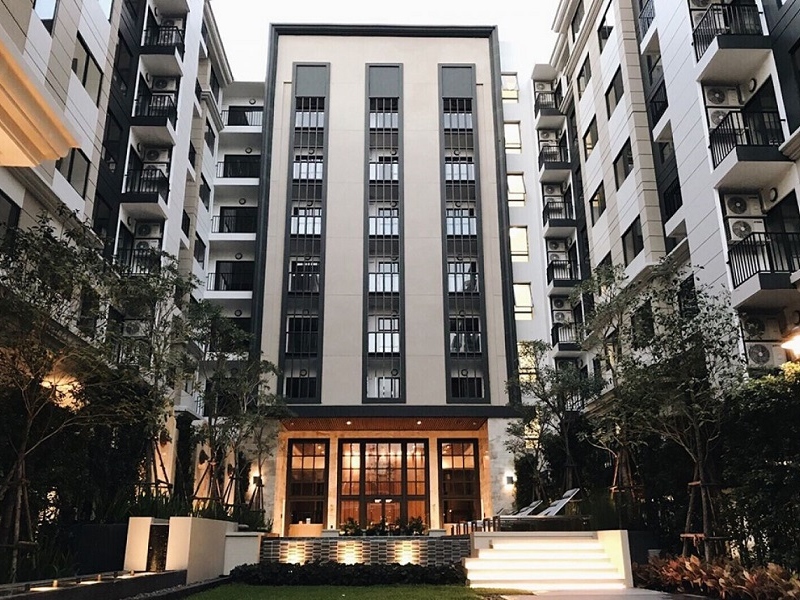
Move-in planning should start with the building file, not only with the furniture delivery date.
These are not glamorous checks, but they shape the first week of ownership. A buyer who has completed transfer can still be delayed by a building rule that was never discussed during viewing. The best approach is to request the move-in procedure as soon as completion is likely, then organise furniture, utilities and contractors around that procedure.
Start with the juristic office
Every condominium has its own practical system. Some buildings require owners to book a move-in slot. Some require a refundable damage deposit before large deliveries. Some restrict moving hours to avoid disturbing residents. Some require protective padding in lifts or corridors. Some will not allow contractors to enter unless they are registered in advance with identification documents.
Foreign owners should ask for written instructions in English where available. If the building provides only Thai forms, ask your agent, lawyer or property manager to translate the operational points. Do not assume that a furniture company, interior contractor or internet provider already knows the building’s rules.
The juristic office sets the practical rhythm for access cards, deposits, deliveries and contractor rules.
Documents to prepare
Passport copy and owner contact details.
Title transfer evidence or owner authorisation where requested.
Power of attorney if a representative will deal with the building.
Contractor or delivery company names, ID details and vehicle information.
Move-in date, time window and list of large items.
Proof of deposit payment if the building requires one.
The exact list varies by condominium, so owners should confirm it with the juristic office. The aim is to prevent a delivery team from arriving at the lobby with no permission to use the lift.
Access cards, keys and parking
Access control is one of the first practical ownership tests. Confirm how many keycards, mailbox keys, room keys and parking stickers are included. Ask whether replacement cards require a fee, whether cards must be registered to named users and whether tenants can receive cards directly or only through the owner.
If parking is important, check whether the right is fixed, rotational, first-come-first-served or separately documented. A buyer should also understand whether movers and contractors can use loading bays, service lifts or visitor parking. Good logistics can save hours on move-in day.
A final inspection helps owners separate handover defects from move-in damage or later wear.
Contractors and minor works
Even a finished condo may need curtain installation, appliance replacement, furniture assembly, wall mounting, air-conditioning service or small repairs. Building rules may limit drilling hours, noisy works, rubbish removal and the use of common areas. Some buildings require contractors to leave ID cards at the security desk. Others require advance approval for anything that affects walls, floors, plumbing or electrical systems.
Foreign owners should be especially cautious with work that could affect neighbours: bathroom repairs, balcony drainage, air-conditioning pipes, water heaters, kitchen equipment and wall mounting. If damage occurs in common areas or another unit, the owner may be responsible even if a contractor caused the problem.
Utilities and internet timing
Move-in planning should include electricity billing, water billing, internet installation and appliance testing. If the owner will not be in Bangkok, a representative should be authorised to meet installers and sign simple completion forms. Internet providers may need building access, room access and appointment flexibility. A missed appointment can delay a tenant’s start date or the owner’s first stay.
Before accepting the unit as ready, test lights, sockets, air-conditioning, water pressure, drainage, water heaters, appliances, door locks, intercoms and internet connection where possible. Photograph any defects immediately and keep messages with the seller, developer, juristic office and contractors in one file.
Furnished rental owners need an inventory
If the unit will be rented, build the inventory before the first tenant arrives. Photograph furniture, appliances, remote controls, keycards, curtains, mattress condition, walls, floors, bathrooms, kitchen surfaces and balcony areas. The inventory should match the lease and move-in report. This protects both owner and tenant because it reduces arguments at move-out.
Overseas landlords should also decide who can approve repairs. A property manager needs clear authority for urgent issues, spending limits and preferred contractors. Without that authority, a small problem can become larger while everyone waits for permission across time zones.
Common mistakes to avoid
Booking furniture delivery before confirming lift and delivery rules.
Assuming a seller’s keycard count is complete.
Letting contractors drill or alter fixtures without building approval.
Failing to photograph the unit before furniture arrives.
Ignoring rubbish, packaging and common-area damage rules.
Leaving utility or internet setup until a tenant is ready to move in.
Buyer takeaway
Bangkok condo move-in rules are manageable when foreign owners treat them as part of completion. Ask the juristic office early, prepare documents, book deliveries properly, record the unit condition and give representatives clear authority. The result is a smoother first week and fewer avoidable problems after transfer.
IBP can help foreign buyers coordinate viewing, transfer, handover and move-in planning. Explore our foreign buyer guides or contact IBP Real Estate for a practical ownership checklist.
Insurance is rarely the most exciting part of buying a Bangkok condominium, but it is one of the practical checks that protects foreign owners after transfer. A buyer may understand the title deed, foreign quota and payment flow, yet still be unclear about what happens if there is water leakage, fire damage, tenant damage, a damaged appliance, injury in the unit, or a claim involving common property.
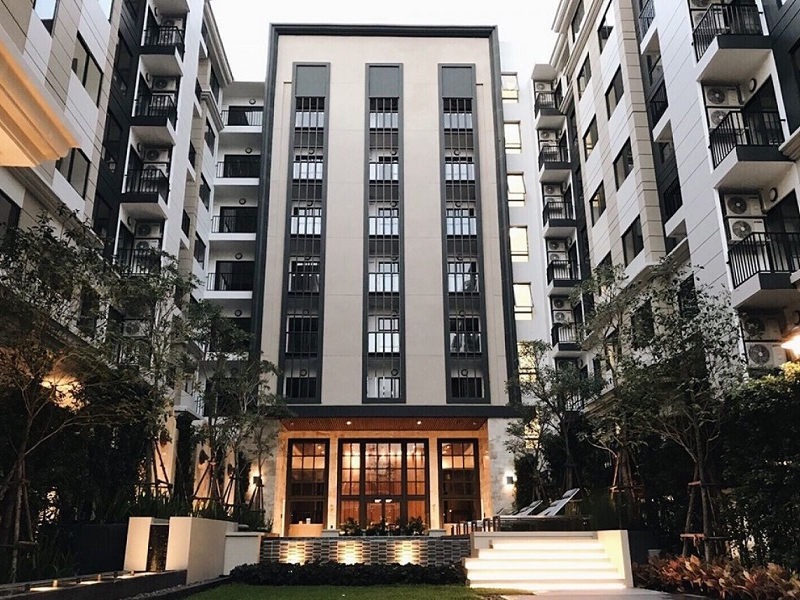
Insurance questions should sit beside title, juristic and transfer documents in the ownership file.
The first rule is simple: do not assume the building’s insurance protects everything inside your private unit. Condominium buildings normally separate common property from private ownership. The juristic person’s policy, the owner’s contents cover and any landlord-related protection may have different limits, exclusions and claim procedures. Foreign owners should ask direct questions before completion, not after a problem occurs.
Separate building cover from private-unit cover
Start by asking the juristic office what insurance the condominium carries for common areas and building systems. Then ask what is excluded from that policy. Lifts, corridors, structure, machinery, fire systems and other shared assets may sit under building-level arrangements, while furniture, appliances, personal belongings and improvements inside the unit may require private cover.
This separation matters because many disputes begin with assumptions. An owner may believe a leak from above will be handled automatically by the building. In reality, the claim may involve another owner, the juristic office, a contractor, the owner’s own insurer and evidence of fault or maintenance. The clearer the document trail, the easier it is to respond.
A physical inspection helps owners understand the risks that insurance may or may not cover.
Questions to ask before transfer
What building-level insurance is currently in place?
When does the policy renew, and who keeps the policy documents?
Does the policy cover common areas only, or any part of private units?
What excess, exclusions and claim notification rules apply?
Have there been recent claims for fire, flood, leaks, lifts or major building systems?
Does the juristic office provide English summaries or claim guidance?
These questions are not meant to turn a buyer into an insurance specialist. They help the buyer understand whether the building manages risk professionally. A strong juristic office should be able to explain the basics, provide documents and describe the claim process without confusion.
Private contents and landlord risk
For owner-occupiers, private-unit insurance may focus on contents, fixtures, appliances and personal liability. For landlords, the review should go further. Ask whether the policy responds to tenant-caused damage, loss of rent after an insured event, public liability inside the unit, replacement of appliances, and damage caused by water, electrical faults or air-conditioning systems.
Policy wording matters. A low premium is not useful if the relevant risk is excluded. Foreign owners should compare cover in English where possible and ask the insurer or broker to explain exactly what is included. Keep policy documents, receipts, photographs and inventory lists in a cloud folder that can be accessed quickly from overseas.
Common-area and private-unit responsibilities should be separated before a policy is chosen.
Use inspection evidence
Insurance works best when the owner has evidence. Before handover, photograph walls, ceilings, floors, bathrooms, kitchens, appliances, air-conditioning units, balcony drains and built-in furniture. After furnishing, keep purchase receipts and photos of the finished unit. If the property is rented, attach an inventory to the lease and repeat photo documentation at move-in and move-out.
This is especially important for overseas landlords. A tenant may report damage late, a neighbour may discover a leak first, or a contractor may need authority to enter the unit. Clear records help the property manager act quickly and reduce arguments over whether damage existed before the lease.
Common problems foreign owners should plan for
Water leakage is one of the most common practical concerns in condominium living. It can involve bathrooms, air-conditioning drains, balcony drainage, washing machines or pipes hidden behind walls. Fire and electrical incidents are less frequent but more serious. Storm damage, broken glass, appliance failure and accidental tenant damage also deserve attention, especially in higher-value furnished units.
Owners should also understand emergency access rules. If a leak from your unit affects another property while you are overseas, the juristic office and manager need a way to contact you or your representative. Insurance is only one layer of protection; response speed is another.
Check the insurer and complaint route
Thailand’s insurance industry is regulated by the Office of Insurance Commission. Foreign owners do not need to become experts in the regulatory system, but they should use licensed insurers, keep policy documents, and know who to contact if a claim is disputed. If a broker is involved, confirm who is responsible for renewal reminders, English communication and claim follow-up.
Do not let insurance lapse because an email goes to an old address or a Thai mobile number is inactive. Renewal administration sounds basic, but it is a real risk for non-resident owners. Put renewal dates into a calendar and ask your property manager to check them each year.
Buyer takeaway
Insurance is part of Bangkok condo due diligence, not an afterthought. Foreign buyers should separate common-property cover from private-unit cover, inspect the unit carefully, keep evidence, understand landlord risks and maintain renewal discipline. The aim is not to eliminate every risk. It is to make sure a manageable problem does not become expensive because the owner assumed the wrong cover was in place.
IBP can help foreign buyers review ownership documents, juristic records and practical handover files before buying. Start with our foreign buyer guides or contact IBP Real Estate for a due diligence checklist.