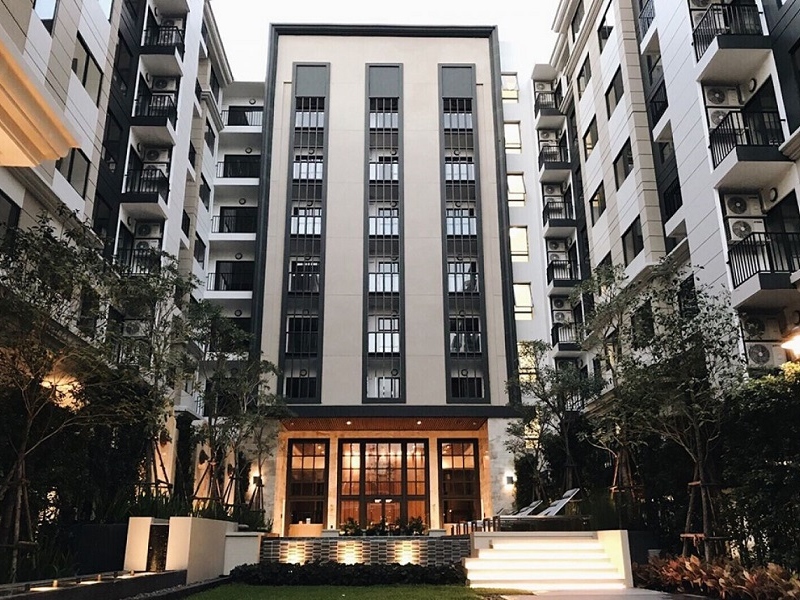
A Bangkok condo price gap is not automatically a bargain. It is a clue that needs to be explained. In 2026, foreign buyers will see new-launch prices, resale asking prices, developer promotions, older-building discounts and rent evidence moving at different speeds. The opportunity is real only when the gap is supported by liquidity, tenant demand and a sensible exit route.
The right question is not simply whether one unit is cheaper than another. It is why the price difference exists. A lower price may reflect weaker views, older common areas, higher renovation costs, a larger supply of competing units, limited foreign quota, poor tenant demand or an owner who needs a fast sale. A higher price may reflect a stronger address, newer specification, better building management or simply an optimistic seller.
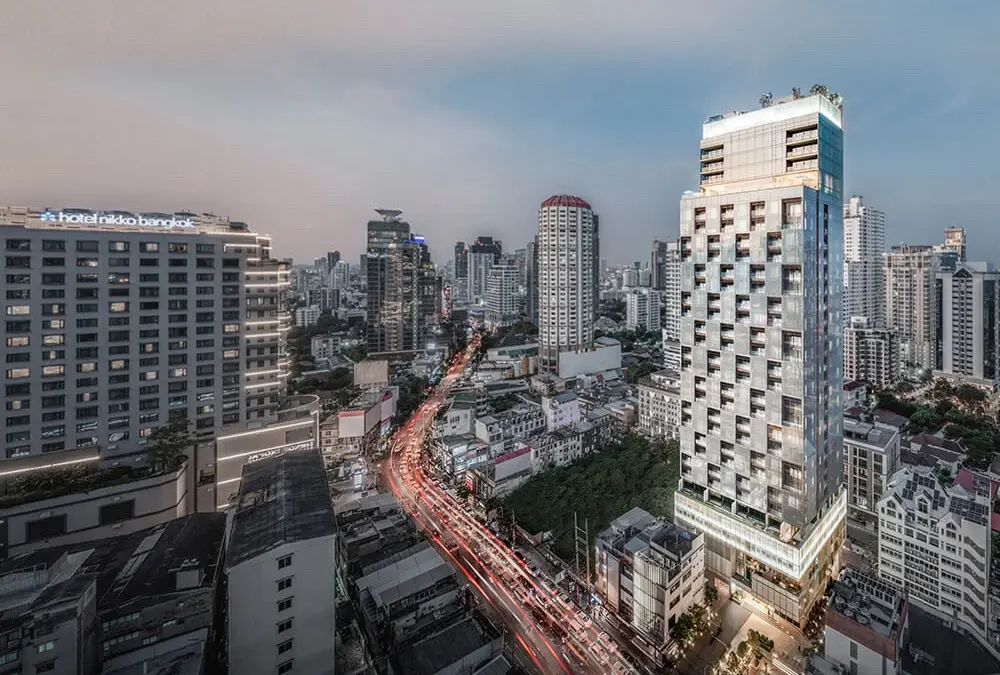
A Bangkok condo price gap should be tested against district demand, building quality and resale depth.
Why price gaps are more visible in 2026
CBRE reported that Bangkok’s condominium market had a slow start to 2026, with only 12 new project launches in the first quarter and buyers taking longer to decide. That cautious mood makes comparison more important. When buyers slow down, sellers and developers have to compete for attention, and headline prices can become less useful than the full package of discounts, transfer terms, furnishing and post-purchase costs.
At the same time, CBRE’s 2026 outlook pointed to more new launches in the luxury and super-luxury condominium segments, supported by a 93% sales rate for existing supply, and expected downtown asking-price growth of up to 15% year on year. That does not mean every premium unit deserves a premium. It means buyers need to separate scarce, well-located stock from units that are merely priced as luxury.
New launch price versus resale evidence
A new-launch unit often includes presentation value: fresh design, staged sales galleries, payment plans, warranties and a cleaner ownership story. A resale unit offers different evidence: existing building management, actual common-area condition, current rental competition, juristic-person budgets, occupied units and real view corridors. Both can be attractive, but they should not be compared only by price per square metre.
Foreign buyers should adjust for what is missing. A resale unit may need furniture replacement, repainting, appliance upgrades or a more realistic rent target. A new launch may carry construction timing risk, future supply risk and uncertainty about the final tenant profile. A price gap is useful only after those adjustments are made.
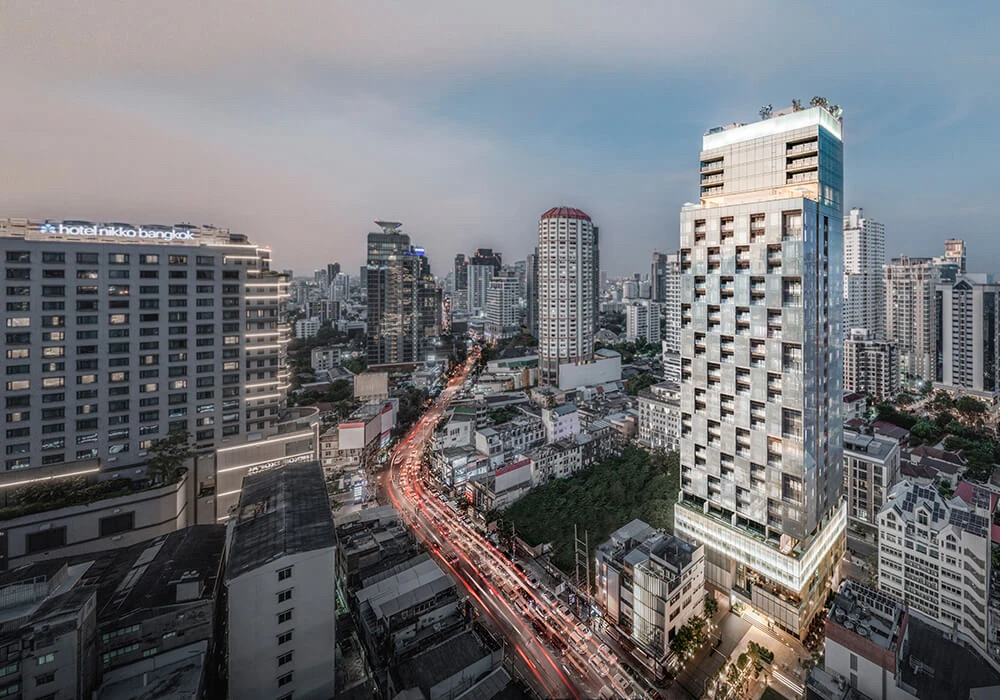
Comparable evidence is strongest when it narrows the field to similar buildings, views and age profiles.
The four checks before calling it value
1. Is the location demand proven?
Start with tenant and buyer depth. BTS and MRT access still matter, but not every station-adjacent unit has the same pool. Compare the building with realistic alternatives in the same micro-market: walk time, footpath comfort, supermarket access, office access, hospital access, school access and night-time taxi convenience. A cheaper unit in a less practical pocket may remain cheaper when you sell.
2. Is the building ageing well?
Building condition can explain a discount more honestly than any seller narrative. Inspect lifts, corridors, facade condition, lobby service, parking, pool, gym, waste areas, security process and delivery handling. Read AGM minutes and juristic-person budgets where available. An older building with strong management may be a better buy than a newer building with weak upkeep, but the evidence has to be checked.
3. Does the rent support the price?
Do not rely on advertised rents. Ask for achieved leases, likely vacancy period, tenant profile, furnishing standard and agent feedback. A unit that looks cheap against sale comparables can still be expensive if the rent has limited upside or if the tenant pool is thin. The best price-gap opportunities usually have both a sensible entry price and a believable rental story.
4. Can another buyer understand the same value later?
Resale is where many price-gap arguments fail. A foreign buyer may be comfortable with an unusual layout, a deep soi, a low floor or a building with limited facilities. Future buyers may not agree. Before making an offer, ask whether the same value case can be explained in one clear paragraph to a future buyer: better space, better location, better rent, better condition or better scarcity.
The best offer price is built from rent, holding cost, liquidity and future buyer appeal.
How to build an offer range
A disciplined offer range starts with the best comparable resale evidence, then adjusts for unit condition, view, floor, orientation, furniture, transfer costs, common fees and expected vacancy. It should also include a walk-away price. If the deal only works because rent is assumed at the top of the market, the price gap is not strong enough.
For off-plan and newly completed stock, compare the net price after all incentives, not the headline price. Ask how much of the discount is real cash value, how much is furniture, and how much depends on transfer timing or payment terms. A foreign buyer wiring funds from overseas should also confirm the remittance and foreign quota sequence before committing.
Where the opportunity may sit
In a cautious market, value may appear in completed buildings where an owner wants liquidity, in larger units that need a narrower buyer pool, or in older prime buildings with strong land locations but tired interiors. Newer luxury projects can still work, especially where scarcity and service quality are genuine, but buyers should prove the exit case rather than accept a prestige address as enough.
The point is not to chase the largest discount. It is to buy the most explainable discount. A small reduction on a highly liquid unit can be safer than a large discount on a unit that will be hard to lease or resell.
Buyer takeaway
Bangkok remains attractive because it combines liveability, regional connectivity, established private services and a deep condominium culture. In 2026, the smarter opportunity is not broad market timing. It is careful selection: finding a price gap that survives rent checks, building checks and resale checks.
IBP Real Estate can prepare a buyer-side comparable set and offer range before you negotiate. Continue with our Bangkok investment analysis and resale strategy guides for more practical due diligence.
Healthcare access is one of Bangkok’s understated advantages for foreign condo buyers. The city is known for food, shopping, hotels and transport, but many long-stay residents make their location decision around something more practical: how quickly they can reach a trusted hospital, specialist clinic, pharmacy, dentist, insurer or health check-up centre.
This matters for retirees, families, frequent travellers, executives and part-time owners. A condo may be beautiful, but if every hospital visit requires a difficult cross-city journey, the lifestyle becomes less comfortable. For investors, healthcare access can also support tenant demand from expatriates who want Bangkok to feel organised from the first week.
Central Bangkok hospital access is a practical liveability factor for many expatriate households.
Why Bangkok feels reassuring to many expats
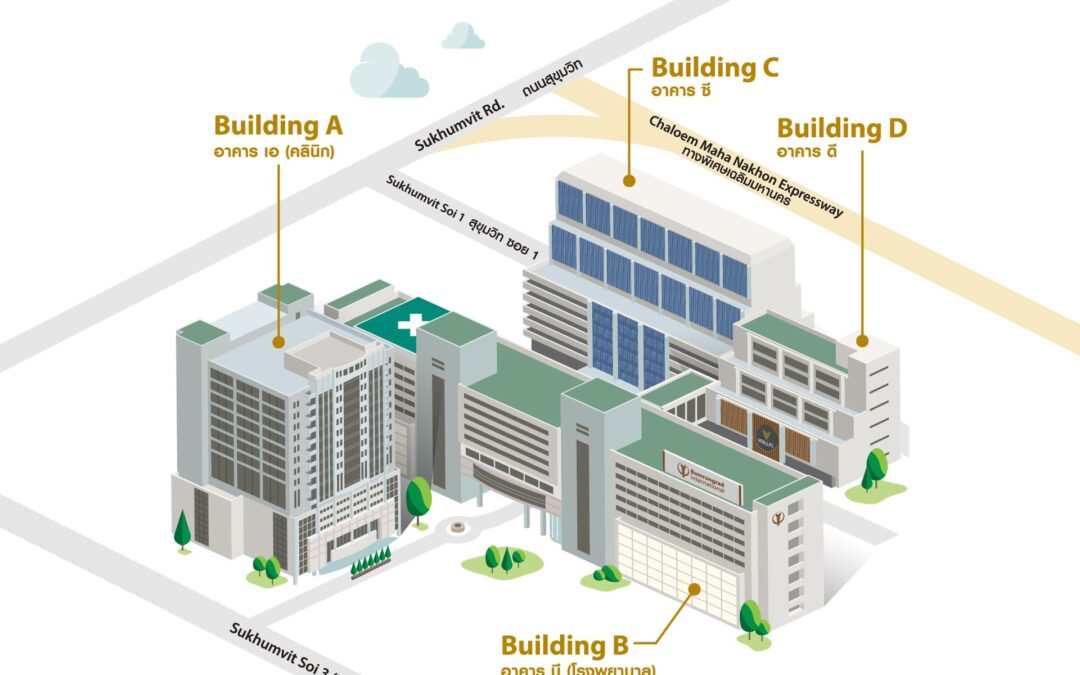
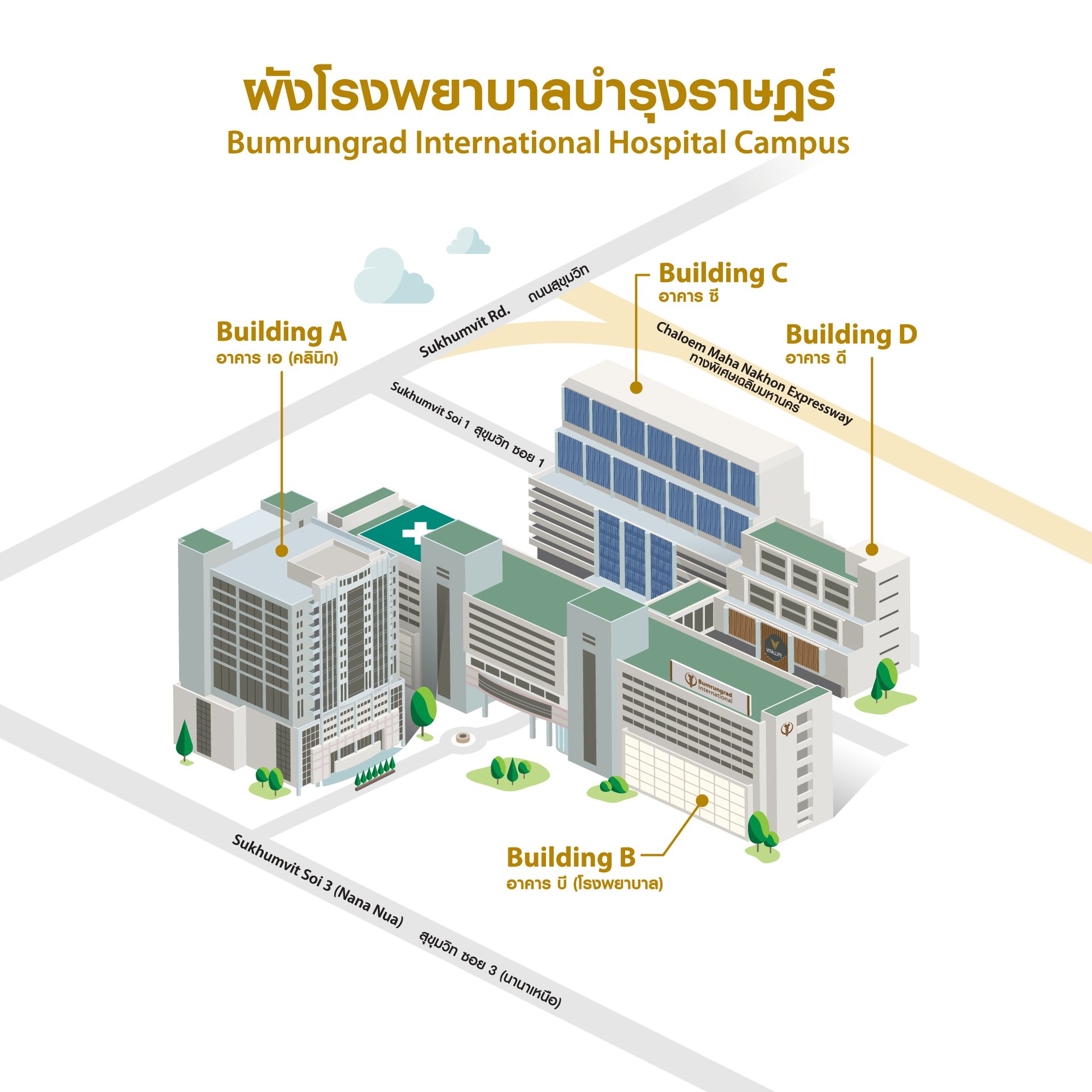
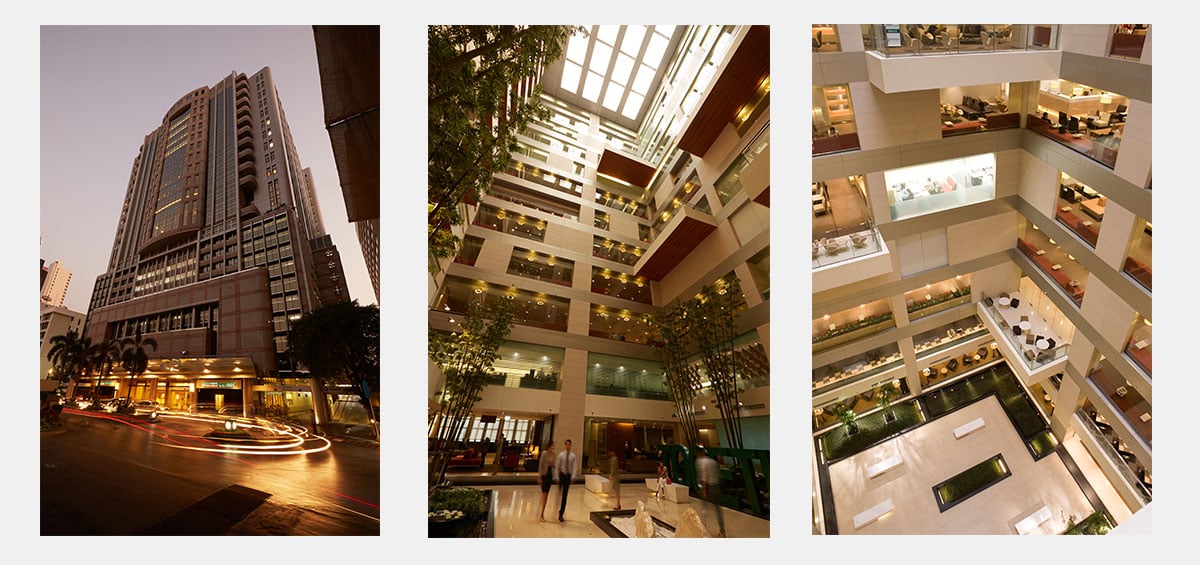
Bumrungrad International Hospital describes itself as a multi-specialty hospital in central Bangkok, founded in 1980, and says it cares for more than 1.1 million patients from more than 190 countries annually. Bangkok Hospital says it was established in 1972 and has expanded into tertiary care with dedicated cancer and cardiology facilities. Samitivej Sukhumvit Hospital, on Sukhumvit Soi 49, describes itself as a 275-bed tertiary hospital with more than 400 care specialists and a patient base that includes expatriates and medical travellers.
For a foreign buyer, the significance is not ranking hospitals against each other. It is the density of options. Central Bangkok offers international-standard private hospitals, specialist centres, dental clinics, pharmacies, physiotherapy, wellness services and insurer coordination within a relatively compact urban area. That depth helps Bangkok compete as a long-stay base, not only as a holiday city.
Districts that work well for healthcare access
Nana, Ploenchit, Chit Lom and Asok are convenient for buyers who prioritise access to Bumrungrad, embassies, hotels, BTS and central offices. Phrom Phong and Thonglor are practical for Samitivej Sukhumvit, Japanese community services, international restaurants and family routines. Rama 9, Phetchaburi and parts of Huai Khwang can be useful for access toward Bangkok Hospital and the wider medical campus around New Petchburi Road.
Sathorn and Silom buyers may choose a different balance: office access, schools, embassies, Lumpini Park, BNH Hospital and expressway routes. The right district depends on the household’s actual pattern. A retiree who needs regular specialist appointments may choose differently from a family that needs paediatrics, schools and weekend malls.
International patient services can reduce friction for new arrivals and frequent travellers.
What to check before choosing a condo
Do not assess healthcare access by map distance alone. Bangkok traffic can change a short route into a stressful journey. Test the route during weekday traffic, rainy season conditions and late evening. Check whether the building has reliable taxi access, clear drop-off, nearby pharmacies and enough parking if the household uses a car.
Insurance also matters. Expats should confirm which hospitals are in-network, whether direct billing is available, how emergency treatment is handled, and whether pre-authorisation is needed for planned procedures. A condo near a preferred hospital is less useful if the owner’s insurance workflow points somewhere else.
Useful buyer questions
Which hospital would you use for emergency care, routine appointments and specialist treatment?
Can you reach that hospital easily by car, BTS, MRT or taxi during peak hours?
Are pharmacies, clinics, dentists and physiotherapy services nearby?
Does the building allow simple ambulance, taxi and visitor access?
Will the location still work for schools, office commutes, groceries and airport travel?
Is the unit suitable if a family member has mobility, recovery or elder-care needs?
Healthcare access and rental demand
Healthcare access can support leasing, but it should be described carefully. A unit near a hospital may suit medical professionals, visiting families, patients in recovery, embassy households, retirees or executives who value reassurance. It is not a guarantee of high rent. The unit still needs the right layout, furnishing, lease terms and building service.
For landlords, the safest approach is to match the unit to a realistic tenant profile. A compact, well-furnished unit near Nana or Ploenchit may suit a single professional or medical visitor. A larger unit around Phrom Phong or Thonglor may work better for a family that wants school, hospital and supermarket access together. Around Rama 9, buyers should compare hospital access with office demand, MRT convenience and local supply.
The right condo location should fit real healthcare, insurance and travel routines.
Buyer takeaway
Bangkok’s healthcare depth is one reason the city feels liveable for foreign owners. It reduces anxiety, supports ageing-in-place decisions, helps families settle and gives frequent travellers confidence that private medical services are close by. When combined with rail access, malls, schools, hotels and airports, it strengthens Bangkok’s case as a premium regional base.
IBP Real Estate can prepare a healthcare-access shortlist across Nana, Ploenchit, Asok, Phrom Phong, Thonglor, Sathorn and Rama 9 based on your hospital, school and commute priorities. Continue with our expat living guides and Bangkok liveability articles.
The Strand Thonglor is one of the clearer examples of why foreign buyers keep returning to Bangkok’s inner Sukhumvit market. It is not a large mass-market tower trying to borrow prestige from the district. It is a boutique, completed freehold condominium positioned at the front of Soi Thonglor, where daily life, BTS access and high-end neighbourhood identity meet in a very compact area.
For overseas buyers, the appeal is easy to understand: a recognisable address, a completed building, a small number of units, strong lifestyle infrastructure and immediate access to one of Bangkok’s most established expatriate and affluent Thai neighbourhoods. The due-diligence question is equally direct: does the purchase price still leave enough room for realistic rent, patient resale and ongoing ownership costs?
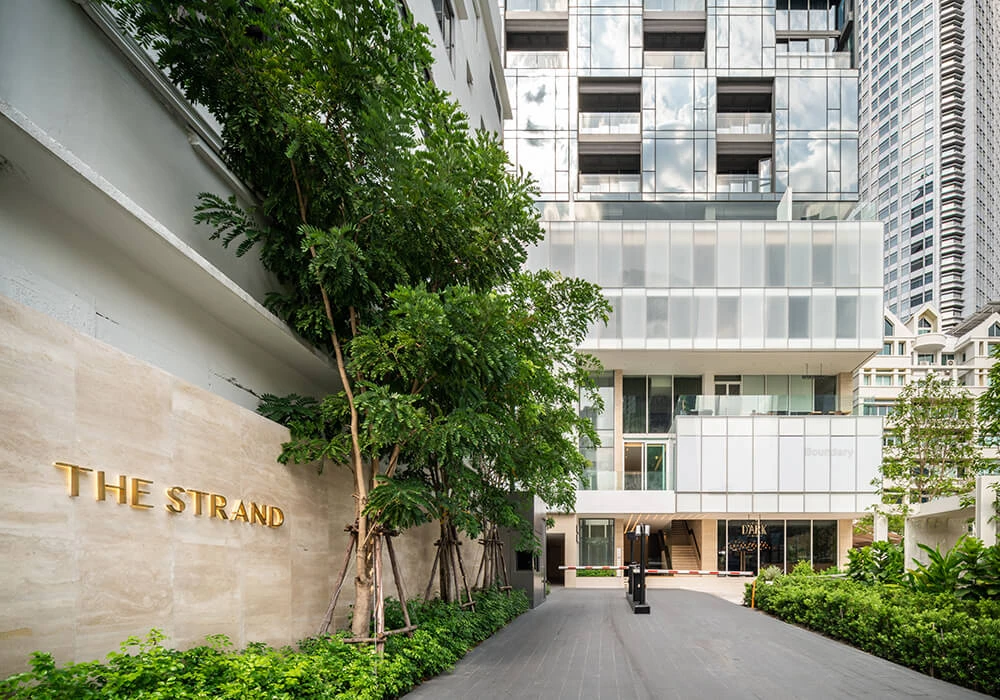
The Strand Thonglor is positioned as a boutique ultra-luxury condominium at the front of Soi Thonglor.
Project snapshot
The official project website describes The Strand as an ultra-luxury mixed-use condominium on Thonglor Road, Sukhumvit 55, with access from both Sukhumvit Soi 55 and 57. It states that the project is around one minute, or 30 metres, from BTS Thong Lo. For buyers who value walkable rail access, that is the core advantage: the building sits in Thonglor without making residents depend entirely on a car.
The published project details list a land area of 1-2-46 rai, or 2,584 sq m, with one 30-storey residential building and 188 freehold units. Unit types include one-bedroom, two-bedroom, duplex and penthouse layouts. Construction is shown as completed in Q4 2021, which means buyers can inspect the real building, real common areas and real resale market rather than relying on off-plan promises.
What makes the address useful
Thonglor is not only a nightlife label. For residents, it is a layered neighbourhood of restaurants, cafes, wellness, supermarkets, schools, clinics, offices and side-street residential pockets. The strongest buildings in the district tend to work because they combine lifestyle with practical exit routes: BTS access, Sukhumvit Road, Rama IV alternatives, Ekkamai, Phrom Phong and the wider Japanese and international tenant base.
The Strand’s front-of-Soi position is therefore significant. A buyer can access the BTS quickly, while still being connected to Thonglor’s deeper lifestyle corridor. That combination can suit executives who do not want a long walk in rainy season, part-time owners who need a simple address for visits, and tenants who compare Bangkok against other premium Asian city districts.
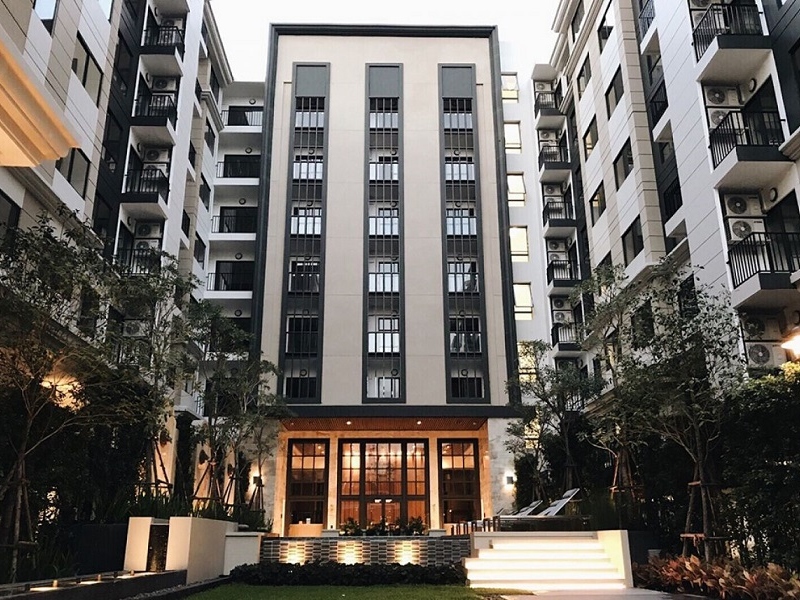
Service, lobby experience and arrival sequence are central to the project story.
Amenities and building positioning
The official project information highlights residential lobby space, a playroom, tutor room, clubhouse areas on the 27th floor and rooftop, a living room, swimming pool, children’s pool, putting green, fitness and meditation studio, changing rooms, sauna rooms and rooftop terrace. It also lists restaurants, a business lounge, working space and The Strand Park as commercial facilities.
Parking is presented as automated parking for 204 cars, or 103 per cent, with EV charging stations. In Bangkok’s luxury segment, parking and arrival experience matter because many high-end tenants and owners still use cars even when BTS access is excellent. A building that can serve both rail users and drivers has a broader lifestyle proposition.
Unit-level checks
The project’s in-unit highlights include home automation and concierge systems linked with an application, ERV circulation with a CO2 tracker, three-metre floor-to-ceiling height and fully fitted kitchens with built-in appliances. Those features support the luxury positioning, but buyers should still inspect the exact unit rather than buying the brochure description. Direction, view corridor, noise, furniture condition, appliance age and balcony practicality can vary meaningfully inside the same building.
Foreign buyers should also ask how the unit has been used since completion. A lightly used owner-occupied unit may have different maintenance needs from a heavily rented unit. For resale stock, review title documents, foreign quota, common-fee records, any outstanding building charges, included furniture, transfer cost sharing and the defect or repair list before paying a non-refundable deposit.
The location gives buyers immediate access to Thonglor while keeping BTS convenience in view.
Rental and resale logic
The Strand should not be assessed like a generic Sukhumvit one-bedroom tower. Its boutique scale, design positioning and location may support a premium, but the buyer still needs realistic comparables. Check achieved rents in the building, not only advertised rent. Compare with other luxury stock around Thonglor, Phrom Phong, Ekkamai and Chit Lom. Then test whether the target tenant would pay extra for this specific unit, floor and furnishing package.
On resale, boutique projects can benefit from scarcity, but scarcity only helps when there is a pool of buyers who understand the product. The most liquid unit may not be the largest or most dramatic. It may be the layout that has the widest tenant and resale audience at the most defensible total ticket.
Questions before making an offer
Is the unit in foreign freehold quota, and can this be confirmed before deposit?
How do achieved rents compare with similar luxury units near BTS Thong Lo?
Does the view, floor height and orientation justify any premium over competing units?
Are automated parking, EV charging and building services working smoothly in practice?
What furniture, appliances and smart-home items are included in the sale?
How patient must the owner be if resale or leasing takes longer than expected?
Buyer takeaway
The Strand Thonglor suits buyers who want a completed, boutique, premium Sukhumvit address with unusually direct BTS convenience. Its strengths are location, scale, lifestyle access and luxury positioning. The main discipline is price: a beautiful project still needs a conservative rental and resale model.
IBP Real Estate can prepare a unit-by-unit comparison across The Strand, other Thonglor luxury projects and nearby Phrom Phong alternatives. Continue with our project reviews and district guides before shortlisting.
Vacancy risk is the part of a Bangkok condo investment that is easiest to underestimate. A buyer may check headline yield, building reputation and asking price, then assume rent will begin quickly after transfer. In practice, vacancy is where the spreadsheet meets the real tenant market: viewings, furnishing, agent response, competing units, price reductions and the first renewal conversation.
For foreign buyers in 2026, the issue is not whether Bangkok remains attractive. The city still has strong lifestyle pull, regional connectivity, established hospitals, international schools, malls, offices and a deep rental culture. The more useful question is narrower: can this specific unit find the right tenant at the rent required, within a vacancy period the owner can afford?
Vacancy risk starts with the depth of tenant demand around the building, not only the rent advertised online.
Why vacancy deserves its own model
A quoted gross yield can look tidy because it assumes rent is received every month. Vacancy breaks that assumption. One empty month, one unfurnished repair period or one tenant who negotiates a lower renewal can change the annual return materially, especially after common fees, agent commission, maintenance, insurance and tax are included.
Vacancy also behaves differently by micro-location. A compact one-bedroom near a proven BTS station may have steady demand from young professionals, while a larger unit in the same district may depend on corporate budgets, families or diplomats. A riverfront or luxury unit may attract premium rent, but the tenant pool can be smaller and more sensitive to furnishing standard, view, building service and lease flexibility.
What the 2026 market context says
CBRE reported that Bangkok’s condominium market had a slow start to 2026, with only 12 new project launches in the first quarter and buyers taking longer to make decisions. That slower buyer rhythm matters to investors because it usually creates a more selective leasing environment too. Tenants can compare more carefully when local confidence is soft and competing units are visible.
The same Q1 report noted that Thailand recorded 9.3 million international arrivals in the quarter, while the Bank of Thailand projected more moderate full-year growth for 2026. For landlords, that mixed backdrop is important. Tourism and international movement support Bangkok’s liveability story, but rental demand still has to be proven at building level. A foreign owner should not treat broad city confidence as a substitute for a conservative vacancy allowance.
Building quality, access and management can change the vacancy profile more than a district average.
The checks that matter before buying
Start with tenant source. Ask who is likely to rent the unit: local professional, expatriate employee, medical traveller, embassy household, student, remote worker, regional executive or relocating family. Each group has different expectations on lease length, furnishing, internet, parking, pet rules, school access, hospital access, public transport and building service.
Then test competing stock. Do not compare only asking rent in the same district. Compare similar floor height, view, layout, furniture level, building age, walking distance and current availability inside the same project and nearby alternatives. If ten similar units are already listed, the landlord may need either sharper pricing or a better presentation plan.
Vacancy questions for the shortlist
How many directly comparable units are available in the same building today?
What rent has actually been achieved recently, not just advertised?
Does the unit need furnishing, appliance replacement or repainting before it can be marketed?
How long did the last similar unit sit empty before lease signing?
Will the building rules support the intended tenant, including pets, family use, corporate leases or work-from-home needs?
Can the owner cover three empty months without needing a rushed discount?
A simple vacancy stress test
A practical model should include three scenarios. The base case assumes a realistic rent, one normal leasing commission and a short gap between tenants. The cautious case assumes one to two additional empty months, a minor repair budget and a renewal at a slightly lower rent. The stress case assumes a longer vacancy, a more expensive furnishing refresh and the need to reduce rent to meet the market.
This does not make the investment pessimistic. It prevents a buyer from relying on perfect occupancy. If the property still works after a reasonable vacancy stress test, the buyer can negotiate with more confidence. If it only works when every month is occupied at a top-of-market rent, the buyer is relying on a narrow outcome.
A unit should be tested against real tenant use, holding cost and resale depth before the offer is final.
How to reduce the risk
The best vacancy protection is bought before transfer. Choose a building with strong management, clean common areas, reliable lifts, practical drop-off, clear delivery handling and a tenant profile that matches the unit. Choose a layout that photographs well and works naturally for the likely renter. Avoid paying a premium for features that buyers like in a brochure but tenants rarely pay for in monthly rent.
After purchase, move quickly on presentation. Good photos, clear floor plans, working appliances, neutral furniture, accurate rent expectations and responsive agent communication matter. A well-prepared unit can still sit empty in a slow market, but poor preparation almost always makes the vacancy longer.
Buyer takeaway
Bangkok remains a compelling rental city for foreign owners, but rental income should be modelled with patience. In 2026, cautious buyers and selective tenants reward owners who understand the exact building, not only the broad district. Vacancy is not a reason to avoid Bangkok; it is a reason to buy with sharper evidence.
IBP Real Estate can prepare a rental evidence review, vacancy stress test and building-level comparison before you make an offer. Continue with our Bangkok investment analysis and rental market guides for more buyer-side checks.
Bangkok condominium buyers have more room to think in 2026, but that does not mean every unit is suddenly a bargain. The useful question is narrower: where does a foreign buyer have genuine negotiation leverage, and where is the seller still protected by scarcity, location or a strong rental story?
CBRE reported that the overall Bangkok condominium market had a slow start to 2026, with only 12 new project launches in the first quarter. It also noted that buyers remained cautious and were taking longer to make decisions amid a weak local economy, geopolitical tension and elevated oil prices. For a foreign buyer, that combination points to a more disciplined market: fewer rushed launches, more careful buyers and a wider gap between average stock and genuinely liquid stock.
Negotiation leverage starts with market context, not just the listed asking price.
What buyer leverage means in Bangkok
Leverage is not the same as asking for a discount. It is the evidence that allows a buyer to request better terms without weakening the deal. In Bangkok, that evidence usually comes from four places: comparable resale stock in the same building, unsold developer inventory nearby, rent evidence from similar layouts, and the seller’s timing pressure.
The first lesson for overseas buyers is to separate market-wide softness from unit-level quality. A well-managed freehold unit near a proven BTS or MRT station may still attract owner-occupiers and tenants even when the broader market is slower. A compromised unit with an awkward layout, weak view or high common-fee burden may deserve a sharper negotiation even if it sits inside a fashionable district.
Read the market before reading the listing
A slower launch environment can support buyer discipline because developers and agents have fewer fresh headlines to use as urgency. Yet the absence of abundant new supply in a specific micro-location can also protect prices for completed, well-located stock. Before making an offer, compare the target unit with active listings, recent asking-price reductions and the level of furnished competition in the same rental catchment.
CBRE’s 2026 outlook also pointed to more luxury and super-luxury condominium launches, supported by a high sales rate for existing supply in that segment. That matters because prime Bangkok is not one uniform market. Downtown branded or rare-address assets can behave differently from older mass-market buildings or outer-station projects. Foreign buyers should therefore avoid using a single headline to justify every negotiation.
Building-level evidence can be more useful than broad market averages when negotiating.
Where negotiation tends to be strongest
Foreign buyers often have the most leverage where the seller wants certainty. A cash buyer with clean foreign-exchange documentation, a realistic transfer date and a lawyer already appointed can be more attractive than a buyer who is still arranging finance or has unclear remittance evidence. The strongest offer is not always the highest offer; it is the offer most likely to complete without drama.
Leverage also improves when there is visible competition inside the same building. If several similar units are listed and none has moved for months, the buyer can ask why a specific unit deserves its premium. Floor height, view, renovation quality, parking rights, furniture condition and tenant status should be priced explicitly rather than treated as vague talking points.
Common leverage points to test
Whether the unit has been listed for a long period without a serious price adjustment.
Whether similar layouts in the same building are offered at lower net prices.
Whether rent evidence supports the seller’s claimed yield after common fees, vacancy and agent fees.
Whether the seller needs a fast transfer, a delayed transfer or a clean cash settlement.
Whether furniture, repairs, tax sharing or transfer-fee sharing can improve the economics without headline price movement.
Where buyers should be careful
Some discounts are expensive. A low headline price may hide high renovation needs, a weak tenant profile, poor sinking-fund discipline, excessive common fees or a building that is losing appeal against newer projects. A buyer who focuses only on price can inherit a unit that is harder to rent, harder to resell and more costly to hold.
This is especially important for buyers who plan to rent out the condo. A unit that is ten per cent cheaper than a stronger competitor is not necessarily better if it also suffers longer vacancy or attracts tenants who negotiate aggressively every renewal. In practice, the right negotiation target is the total risk-adjusted cost of ownership, not only the purchase price.
Foreign buyers should test layout, rentability and resale depth before agreeing final terms.
A practical offer structure
A sensible offer should state the price, deposit timing, intended transfer date, who pays which transfer-related costs, what furniture and appliances are included, and what documents must be satisfactory before the deposit becomes non-refundable. If the buyer is relying on foreign freehold ownership, the offer should also depend on receiving clear foreign-quota confirmation and acceptable foreign-exchange evidence from the receiving bank.
For resale units, ask for the title deed copy, house registration copy, juristic debt-free letter process, latest common-fee statement, sinking-fund position where available, AGM minutes if relevant, tenant agreement if occupied and a list of included items. For off-plan or developer stock, focus on payment schedule, construction progress, EIA status, defect process and refund language if conditions are not met.
What foreign buyers should do next
Bangkok’s 2026 market gives disciplined buyers space to compare, but it does not remove the need for local checks. Shortlist buildings by transport, tenant demand and management quality first. Then use comparable evidence to negotiate the specific unit. The best outcome is not a dramatic discount; it is a clean acquisition at a price that still works if rent is slower, resale takes longer or the buyer’s own plans change.
For a private shortlist, pricing review or negotiation brief, speak with IBP Real Estate before making a formal offer. A buyer-side review can help separate negotiable price from non-negotiable risk.