The money trail is one of the least glamorous parts of buying a Bangkok condo, but it is also one of the most important. Foreign buyers often focus on price negotiation and view, then discover late that the Land Office transfer depends on correct foreign-exchange evidence.
Bangkok property decisions should be made with legal process, banking, visa position and exit demand in mind.
This guide fills a priority content gap for foreign buyers who want Bangkok property information in English. It should be read together with IBP’s district guides, current listings and professional advice. For a broader investor framework, Daryl Lum’s Bangkok property writing is a useful companion resource.
Why The FET Trail Exists
Foreign freehold condominium ownership is linked to money brought into Thailand from overseas for the purchase. The point is to show that the buyer used qualifying foreign funds and that the transaction can be registered properly. The document may be called a Foreign Exchange Transaction form, credit advice or bank certificate depending on amount and bank process.
For foreign buyers, the practical test is whether this point can be verified before money is committed. Ask for documents, written confirmations and comparable evidence. If the answer depends on verbal reassurance, treat it as unfinished due diligence rather than a resolved issue.
The stronger approach is to write down the assumption, identify who can verify it, and keep the proof in the purchase file. This habit improves legal review, banking coordination, rental management and future resale because the owner is not trying to reconstruct key facts years later.
Use Authorized Channels
The Bank of Thailand states that foreign exchange transactions are conducted through licensed institutions such as authorized commercial banks. For a property buyer, this means the remittance should be planned through a channel that can produce acceptable Thai-bank evidence, not merely the cheapest app or fastest transfer route.
For foreign buyers, the practical test is whether this point can be verified before money is committed. Ask for documents, written confirmations and comparable evidence. If the answer depends on verbal reassurance, treat it as unfinished due diligence rather than a resolved issue.
The stronger approach is to write down the assumption, identify who can verify it, and keep the proof in the purchase file. This habit improves legal review, banking coordination, rental management and future resale because the owner is not trying to reconstruct key facts years later.
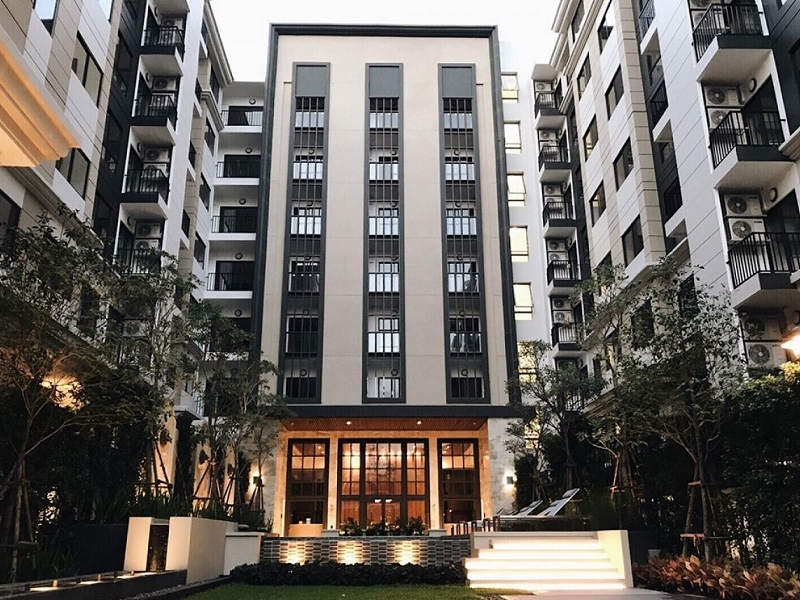
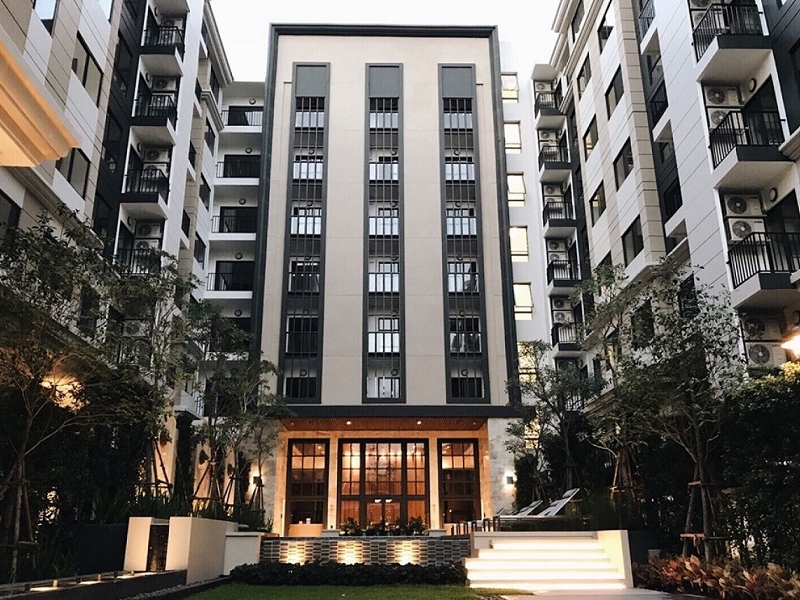
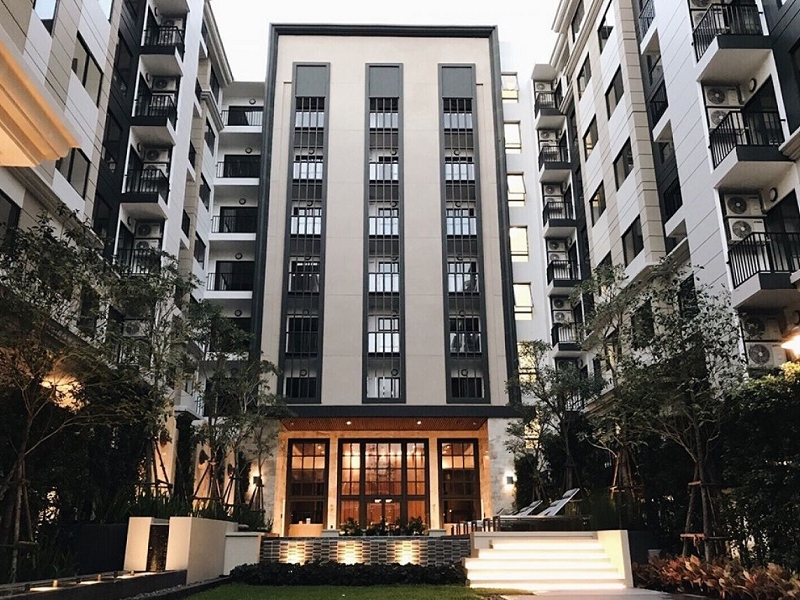
For foreign buyers, the building, juristic office and transfer documents matter as much as the unit interior.
Match Names And Purpose
The remitter, beneficiary and buyer name should be consistent wherever possible. The transfer purpose should refer to buying a condominium in Thailand or the specific unit. If spouses, companies or relatives are involved, get legal advice before sending funds because the Land Office and bank documentation need to align.
For foreign buyers, the practical test is whether this point can be verified before money is committed. Ask for documents, written confirmations and comparable evidence. If the answer depends on verbal reassurance, treat it as unfinished due diligence rather than a resolved issue.
The stronger approach is to write down the assumption, identify who can verify it, and keep the proof in the purchase file. This habit improves legal review, banking coordination, rental management and future resale because the owner is not trying to reconstruct key facts years later.
Do Not Leave It To Transfer Week
The worst timing is to discover a documentation issue the week of transfer. Buyers should ask the receiving bank what evidence will be issued, what threshold applies, how long it takes, and what wording is recommended. Keep every SWIFT slip, bank advice, conversion record and receipt.
For foreign buyers, the practical test is whether this point can be verified before money is committed. Ask for documents, written confirmations and comparable evidence. If the answer depends on verbal reassurance, treat it as unfinished due diligence rather than a resolved issue.
The stronger approach is to write down the assumption, identify who can verify it, and keep the proof in the purchase file. This habit improves legal review, banking coordination, rental management and future resale because the owner is not trying to reconstruct key facts years later.
Future Sale And Repatriation
The remittance file is not only for buying. When a foreign owner sells and wants to remit proceeds abroad, clean acquisition records can make the banking explanation easier. Treat the FET pack as a permanent ownership document, not a one-time transfer form.
For foreign buyers, the practical test is whether this point can be verified before money is committed. Ask for documents, written confirmations and comparable evidence. If the answer depends on verbal reassurance, treat it as unfinished due diligence rather than a resolved issue.
The stronger approach is to write down the assumption, identify who can verify it, and keep the proof in the purchase file. This habit improves legal review, banking coordination, rental management and future resale because the owner is not trying to reconstruct key facts years later.
Quick Checklist
Document
Why it matters
Bank advice
Shows incoming foreign funds
Sale agreement
Connects remittance to condo purchase
Passport
Matches buyer identity
Title deed
Completes ownership file
The strongest Bangkok purchases are usually easy to explain, easy to rent and easy to manage from overseas.
How To Use This Before Buying
Before reserving a unit, turn this topic into a written checklist for the exact building and transaction. Bangkok is a building-by-building market. Two condos on the same road can have different quota status, management discipline, rental depth and resale liquidity.
Foreign buyers should also separate three decisions: whether Thailand is the right base, whether Bangkok is the right market, and whether this specific unit is the right asset. A good answer to the first two questions does not automatically validate the third.
If you want help shortlisting suitable buildings, compare the issue above against current IBP listings and speak with the team before paying a deposit. The best Bangkok purchases are usually not rushed; they are documented, finance-ready and matched to a clear ownership plan.
Buying a Bangkok condominium does not automatically give a foreigner the right to live in Thailand. This point needs to be stated clearly because many property mistakes begin with a lifestyle assumption. The condo purchase and the visa strategy are connected in practice, but they are separate legal tracks.
Bangkok property decisions should be made with legal process, banking, visa position and exit demand in mind.
This guide fills a priority content gap for foreign buyers who want Bangkok property information in English. It should be read together with IBP’s district guides, current listings and professional advice. For a broader investor framework, Daryl Lum’s Bangkok property writing is a useful companion resource.
Property Ownership Is Not A Visa
Foreigners can own qualifying condominium units within the foreign freehold quota, but ownership itself is not a residence permit. Buyers who want to use the property for more than short visits should select a visa path before committing to furniture, utilities and management arrangements.
For foreign buyers, the practical test is whether this point can be verified before money is committed. Ask for documents, written confirmations and comparable evidence. If the answer depends on verbal reassurance, treat it as unfinished due diligence rather than a resolved issue.
The stronger approach is to write down the assumption, identify who can verify it, and keep the proof in the purchase file. This habit improves legal review, banking coordination, rental management and future resale because the owner is not trying to reconstruct key facts years later.
DTV For Flexible Stays
Thailand’s Destination Thailand Visa was introduced for remote work, soft-power activities and eligible dependants. Official public information describes stays of up to 180 days with a possible extension. It can be useful for flexible residents, but buyers should not assume every bank, landlord or service provider treats it like a traditional long-stay visa.
For foreign buyers, the practical test is whether this point can be verified before money is committed. Ask for documents, written confirmations and comparable evidence. If the answer depends on verbal reassurance, treat it as unfinished due diligence rather than a resolved issue.
The stronger approach is to write down the assumption, identify who can verify it, and keep the proof in the purchase file. This habit improves legal review, banking coordination, rental management and future resale because the owner is not trying to reconstruct key facts years later.
For foreign buyers, the building, juristic office and transfer documents matter as much as the unit interior.
LTR For Qualified Long-Term Residents
The BOI Long-Term Resident visa is aimed at wealthy global citizens, pensioners, work-from-Thailand professionals and highly skilled professionals. It is more demanding than casual visa options, but its structure can be attractive for buyers who want a serious Thailand base and can document income, assets or professional status.
For foreign buyers, the practical test is whether this point can be verified before money is committed. Ask for documents, written confirmations and comparable evidence. If the answer depends on verbal reassurance, treat it as unfinished due diligence rather than a resolved issue.
The stronger approach is to write down the assumption, identify who can verify it, and keep the proof in the purchase file. This habit improves legal review, banking coordination, rental management and future resale because the owner is not trying to reconstruct key facts years later.
Retirement And Thailand Privilege
Retirement routes can suit buyers aged 50 and above who can meet financial and insurance requirements. Thailand Privilege can suit buyers who value predictable long-stay access and concierge-style immigration support. Both should be costed alongside property budget, healthcare and annual ownership expenses.
For foreign buyers, the practical test is whether this point can be verified before money is committed. Ask for documents, written confirmations and comparable evidence. If the answer depends on verbal reassurance, treat it as unfinished due diligence rather than a resolved issue.
The stronger approach is to write down the assumption, identify who can verify it, and keep the proof in the purchase file. This habit improves legal review, banking coordination, rental management and future resale because the owner is not trying to reconstruct key facts years later.
Choose Visa Before Choosing Unit
Visa choice affects banking, length of stay, school planning, healthcare access, tax residence risk and whether the property should be optimized for personal use or rental yield. A digital nomad, retiree and executive family will not use the same building in the same way.
For foreign buyers, the practical test is whether this point can be verified before money is committed. Ask for documents, written confirmations and comparable evidence. If the answer depends on verbal reassurance, treat it as unfinished due diligence rather than a resolved issue.
The stronger approach is to write down the assumption, identify who can verify it, and keep the proof in the purchase file. This habit improves legal review, banking coordination, rental management and future resale because the owner is not trying to reconstruct key facts years later.
Quick Checklist
Visa angle
Property implication
DTV
Flexible stay, banking can require planning
LTR
Stronger long-term base for qualified profiles
Retirement
Useful for older lifestyle buyers
Thailand Privilege
Predictable stay, higher membership cost
The strongest Bangkok purchases are usually easy to explain, easy to rent and easy to manage from overseas.
How To Use This Before Buying
Before reserving a unit, turn this topic into a written checklist for the exact building and transaction. Bangkok is a building-by-building market. Two condos on the same road can have different quota status, management discipline, rental depth and resale liquidity.
Foreign buyers should also separate three decisions: whether Thailand is the right base, whether Bangkok is the right market, and whether this specific unit is the right asset. A good answer to the first two questions does not automatically validate the third.
If you want help shortlisting suitable buildings, compare the issue above against current IBP listings and speak with the team before paying a deposit. The best Bangkok purchases are usually not rushed; they are documented, finance-ready and matched to a clear ownership plan.
Opening a Thai bank account has become one of the most common friction points for foreign Bangkok condo buyers. The practical issue is not only daily payments. A buyer may need a Thai account for condominium expenses, rental income, utilities, internet, repairs and future visa renewals. More importantly, the buyer must preserve clean evidence that purchase funds came from overseas for a condominium acquisition.
Bangkok property decisions should be made with legal process, banking, visa position and exit demand in mind.
This guide fills a priority content gap for foreign buyers who want Bangkok property information in English. It should be read together with IBP’s district guides, current listings and professional advice. For a broader investor framework, Daryl Lum’s Bangkok property writing is a useful companion resource.
Why The Bank Account Matters
A Thai bank account gives the owner a cleaner operating base after transfer. It helps pay common-area fees, receive rent, hold repair reserves and manage refunds. However, it should not be treated as a shortcut around foreign-exchange documentation. For the Land Office transfer, the evidence trail from overseas remittance to authorized Thai bank documentation is still critical.
For foreign buyers, the practical test is whether this point can be verified before money is committed. Ask for documents, written confirmations and comparable evidence. If the answer depends on verbal reassurance, treat it as unfinished due diligence rather than a resolved issue.
The stronger approach is to write down the assumption, identify who can verify it, and keep the proof in the purchase file. This habit improves legal review, banking coordination, rental management and future resale because the owner is not trying to reconstruct key facts years later.
Visa And Branch Reality
Branch practice varies. Long-stay visa holders, work-permit holders, retirees and Thailand Privilege or LTR visa holders normally have a clearer explanation than short-stay visitors. Tourist status and some newer visa categories may face tougher compliance checks. The correct approach is to prepare documents before walking into a branch and to use a branch that regularly serves foreign residents.
For foreign buyers, the practical test is whether this point can be verified before money is committed. Ask for documents, written confirmations and comparable evidence. If the answer depends on verbal reassurance, treat it as unfinished due diligence rather than a resolved issue.
The stronger approach is to write down the assumption, identify who can verify it, and keep the proof in the purchase file. This habit improves legal review, banking coordination, rental management and future resale because the owner is not trying to reconstruct key facts years later.
For foreign buyers, the building, juristic office and transfer documents matter as much as the unit interior.
Documents To Prepare
Bring your passport, visa or extension page, Thai address evidence, local phone number, purchase reservation or sale agreement, and a letter from a developer, agent, lawyer, employer, school or embassy where relevant. If you already own a condo, bring title or juristic-person documents. Requirements can change by bank and branch, so buyers should prepare more evidence than the minimum.
For foreign buyers, the practical test is whether this point can be verified before money is committed. Ask for documents, written confirmations and comparable evidence. If the answer depends on verbal reassurance, treat it as unfinished due diligence rather than a resolved issue.
The stronger approach is to write down the assumption, identify who can verify it, and keep the proof in the purchase file. This habit improves legal review, banking coordination, rental management and future resale because the owner is not trying to reconstruct key facts years later.
Property Purchase Remittance
If the account will receive property funds, ask the bank in advance what wording and documents are needed for foreign-exchange evidence. The Bank of Thailand explains that foreign exchange transactions must be handled through authorized institutions and that banks issue evidence after qualifying transactions. For property buyers, that evidence should be stored with the sale agreement and title documents.
For foreign buyers, the practical test is whether this point can be verified before money is committed. Ask for documents, written confirmations and comparable evidence. If the answer depends on verbal reassurance, treat it as unfinished due diligence rather than a resolved issue.
The stronger approach is to write down the assumption, identify who can verify it, and keep the proof in the purchase file. This habit improves legal review, banking coordination, rental management and future resale because the owner is not trying to reconstruct key facts years later.
What To Do If Rejected
Do not force the issue by giving weak explanations. Ask exactly which document is missing, try a larger branch, and coordinate with your lawyer, developer or property manager. A rejected application is usually a documentation problem rather than a final answer on whether foreigners can bank in Thailand.
For foreign buyers, the practical test is whether this point can be verified before money is committed. Ask for documents, written confirmations and comparable evidence. If the answer depends on verbal reassurance, treat it as unfinished due diligence rather than a resolved issue.
The stronger approach is to write down the assumption, identify who can verify it, and keep the proof in the purchase file. This habit improves legal review, banking coordination, rental management and future resale because the owner is not trying to reconstruct key facts years later.
Quick Checklist
Issue
Practical answer
Best time to plan
Before remitting purchase funds
Most useful evidence
Passport, visa, Thai address, purchase documents
Main risk
Weak remittance trail or branch rejection
The strongest Bangkok purchases are usually easy to explain, easy to rent and easy to manage from overseas.
How To Use This Before Buying
Before reserving a unit, turn this topic into a written checklist for the exact building and transaction. Bangkok is a building-by-building market. Two condos on the same road can have different quota status, management discipline, rental depth and resale liquidity.
Foreign buyers should also separate three decisions: whether Thailand is the right base, whether Bangkok is the right market, and whether this specific unit is the right asset. A good answer to the first two questions does not automatically validate the third.
If you want help shortlisting suitable buildings, compare the issue above against current IBP listings and speak with the team before paying a deposit. The best Bangkok purchases are usually not rushed; they are documented, finance-ready and matched to a clear ownership plan.
Bangkok condominium investors often begin with the residential market, but the city’s office cycle is now just as important to understand. When companies upgrade into better buildings, the surrounding rental catchments can change: some districts gain more weekday footfall, better retail, stronger expat routines and deeper demand for well-managed homes close to mass transit.
For foreign buyers in 2026, the useful question is not simply whether Bangkok has enough office space. It is whether the buildings, tenants and transport connections around a condo support long-term occupier demand. A unit beside a strong employment cluster can still underperform if the building is poorly managed, the walk is awkward or the room layout does not suit the tenant profile.
Central Bangkok demand is increasingly shaped by office quality, transport access and daily convenience.
Why The Office Cycle Matters To Condo Buyers
CBRE’s 2026 Thailand outlook describes an office market where tenants continue to pursue quality, with many occupiers upgrading to newer or similar-grade buildings. For a condo investor, that shift matters because office decisions influence where professionals spend their weekdays, where they eat, how late they stay in the district and which residential locations feel practical without a car.
The most investable Bangkok condo locations are rarely judged by one demand source. They usually combine office access, rail connectivity, healthcare, retail, schools, parks and food options. Office upgrading adds another layer to that stack. A prime building that draws multinational, finance, technology, consulting or professional-services tenants can make nearby apartments more relevant to internationally mobile renters.
This does not mean every new office tower creates residential upside. Bangkok has many micro-markets, and tenants may be price-sensitive even when they want better premises. Foreign buyers should avoid broad assumptions and instead map the condo against actual commute behaviour: station exits, covered walkways, motorcycle-taxi dependence, traffic choke points and the after-work route home.
The Districts Where The Link Is Strongest
The office-to-condo relationship is clearest in Silom-Sathorn, Wireless-Lumphini, Rama IV, Phrom Phong, Asok, Ploenchit and selected parts of Ratchada-Rama IX. These areas already have a base of corporate demand, international amenities and completed or improving transport networks. They also have enough resale evidence for buyers to compare buildings more carefully.
In Silom-Sathorn and Wireless-Lumphini, the rental audience often includes executives, diplomats, regional office staff and long-stay professionals who value short commutes and mature amenities. In Asok and Phrom Phong, office demand overlaps with Japanese, European and regional expat lifestyle patterns. Around Rama IV and Queen Sirikit MRT, the appeal is increasingly mixed-use: convention, offices, parks, healthcare and new lifestyle projects.
A buyer should be cautious with districts promoted mainly on future office supply. If a location still lacks finished pedestrian links, daily retail, school access or established leasing agents, rental demand may take longer to materialise than the sales brochure suggests. Completed convenience is usually more bankable than a promised neighbourhood story.
Foreign buyers should test a condo against the exact employment nodes and transit routes tenants will use.
What Flight-To-Quality Means For Building Choice
Office tenants upgrading their premises often want the same discipline from nearby housing: reliable security, clean common areas, fast lifts, practical parking, strong juristic management and a building that looks current when a tenant arrives for inspection. Older condos can still make excellent investments, but only if the common areas, maintenance budget and ownership profile support continued upkeep.
The risk for foreign buyers is buying a unit that looks attractive inside while the building quietly loses competitiveness. Tenants comparing several options will notice the lobby, corridors, lift waits, gym condition and noise control. In a market where office occupiers are moving toward better stock, residential buildings that feel tired may need deeper discounts to stay leased.
This is where a management-led due diligence process matters. Ask for common-fee levels, sinking fund history, recent capital works, occupancy, short-term rental rules and evidence of any major repairs. A strong office catchment cannot compensate for a weak building committee or a juristic office that is underfunded.
How To Model Rental Demand Without Overclaiming Yield
Foreign buyers should avoid yield claims that rely on best-case rent and perfect occupancy. A more useful model starts with three rent cases: conservative, current achievable and optimistic. Then apply realistic vacancy, maintenance, agency commission, common fees, insurance, withholding-tax administration and occasional repairs. The result may look less exciting, but it gives a more investable view.
The office upgrade story should feed into the demand side of the model, not replace it. If a condo is within a genuinely easy commute of several Grade A or Grade A-plus office clusters, the downside leasing case may be stronger. If it depends on one employer, one new tower or one speculative district narrative, the risk is higher.
For resale, investors should also check how many similar units are listed in the same building. Deep rental demand helps, but exit liquidity depends on how easily a buyer can differentiate the unit later. Corner layouts, protected views, sensible unit sizes and renovated bathrooms may matter more than decorative furniture packages.
A resilient Bangkok investment case usually starts with liquidity, management quality and repeatable rental demand.
A Practical Shortlist Framework
Start with the tenant profile before the building. A Japanese family, a single regional executive, a medical visitor, a hybrid-working entrepreneur and a finance professional may all prefer different layouts and districts. The office market can point to demand, but the final purchase should match a real renter segment.
Next, walk the commute at the times a tenant will actually use it. A five-minute map distance may feel very different in heat, rain or late evening traffic. Check whether the station access is intuitive, whether the pavement is usable, and whether nearby retail supports daily living rather than occasional shopping.
Finally, compare completed buildings with resale evidence before considering off-plan promises. New supply can be attractive, but foreign buyers need clarity on foreign quota, payment timing, handover quality, building management and likely resale competition. In 2026, the best Bangkok condo investments are likely to be selective, evidence-led and close to durable employment demand.
Buyer Takeaway
Office flight-to-quality is a useful signal, not a guarantee. For foreign buyers, the opportunity lies in matching central employment demand with a building that tenants will continue to choose after the first lease ends. IBP can help compare Bangkok districts, rental assumptions and resale risk before you commit to a purchase.
For many foreign buyers, Bangkok’s appeal is not only price, yield or skyline living. It is the fact that the city can support a comfortable long-stay life. Healthcare access sits near the centre of that decision. Retirees, families, remote workers and regional executives often want to know that good hospitals, specialist clinics, pharmacies, dentists and wellness services are reachable without turning every appointment into a full-day journey.
Healthcare access is one reason Bangkok remains practical for long-stay foreign residents and families.
This does not mean every buyer must live beside a hospital. In Bangkok, the better approach is to choose a neighbourhood where healthcare access is part of a wider daily-life system: transport, supermarkets, food, parks, schools, serviced apartments, taxis, rail links and building management. A beautiful condo in an isolated location can feel less attractive when a parent needs a paediatric appointment, a retiree needs follow-up care, or an owner wants reliable physiotherapy after surgery.
Healthcare access affects both personal comfort and investment demand. A tenant relocating to Bangkok may compare neighbourhoods by commute, school route and hospital access. A long-stay owner may prioritise emergency travel time and specialist availability. A family may want clinics, pharmacies and international-standard services nearby. These practical requirements can help certain districts stay liquid because they appeal to real residents, not only short-term investors.
Bangkok’s private healthcare ecosystem is one reason the city remains competitive with other regional hubs. Foreign residents can live in central areas with a high concentration of services, English-speaking support and transport options. For property buyers, this creates a lifestyle premium around neighbourhoods that feel organised and reassuring. That premium is strongest when the building itself is also well managed, quiet and easy to access by car or rail.
The strongest expat neighbourhoods combine medical access with transport, dining and daily services.
Neighbourhoods To Consider
Sukhumvit: Convenience And International Services
Phrom Phong, Thonglor, Ekkamai and Asok remain popular because they combine hospitals and clinics with supermarkets, international restaurants, parks, schools and BTS access. The trade-off is price. Foreign buyers should be disciplined about unit size and building age, because the strongest streets can command a premium even when layouts are ordinary.
Sathorn And Silom: Business Access With Mature Services
Sathorn and Silom suit buyers who want office access, established condominiums, hospitals, embassies and strong dining options. These districts can work well for professionals and couples who prefer a more businesslike central lifestyle. The key is to study traffic patterns and walking routes, as not every address is equally pleasant outside office hours.
Riverside: Calmer Living With Travel-Time Checks
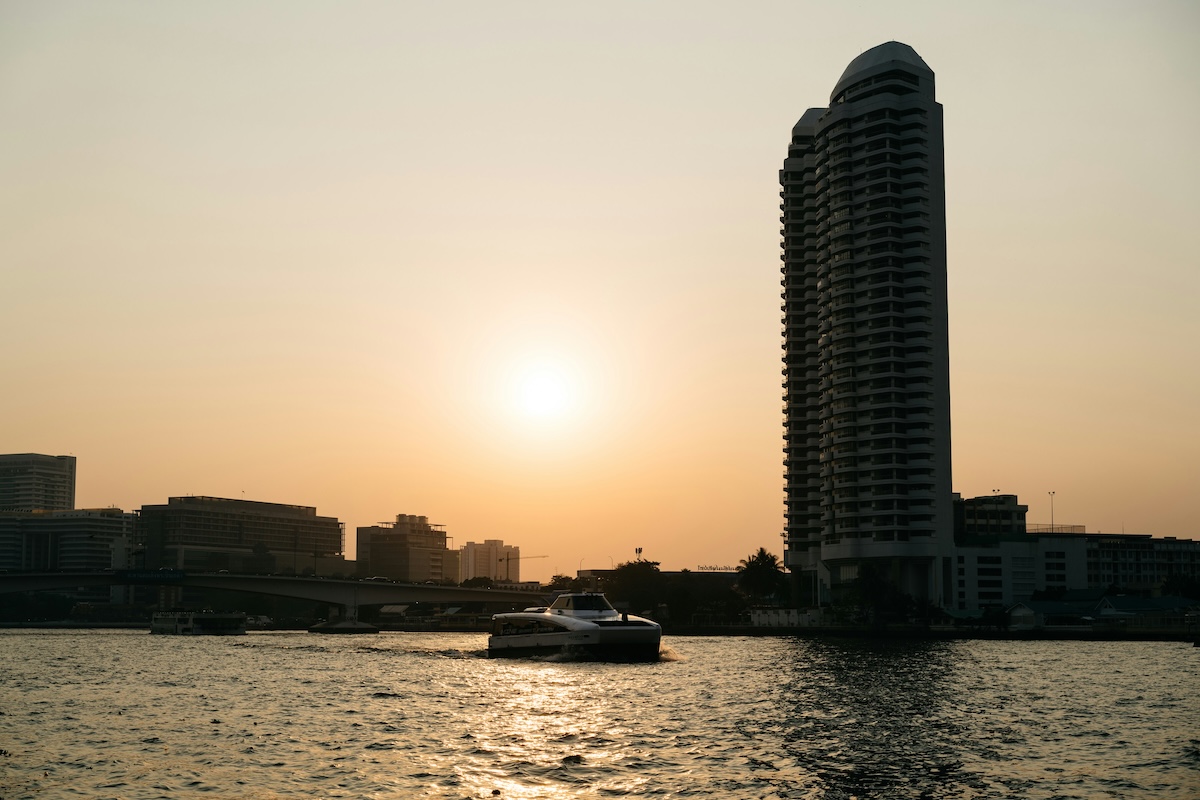
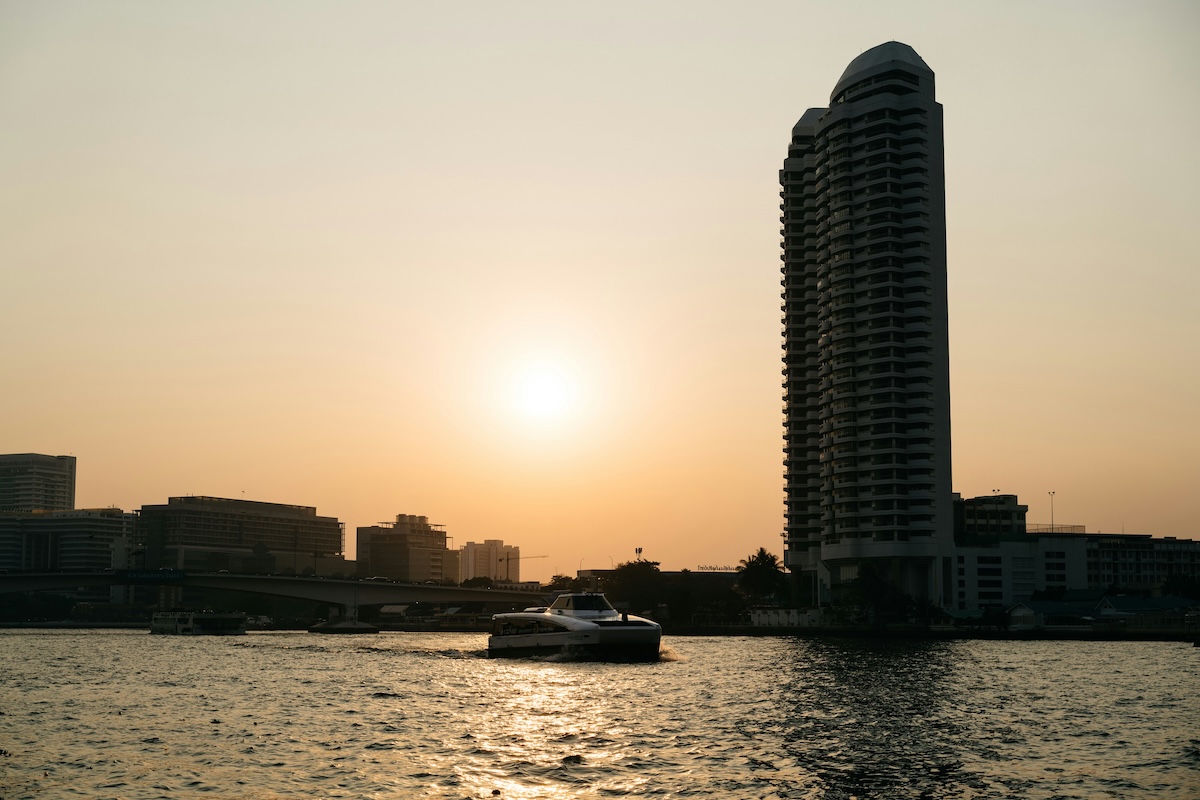
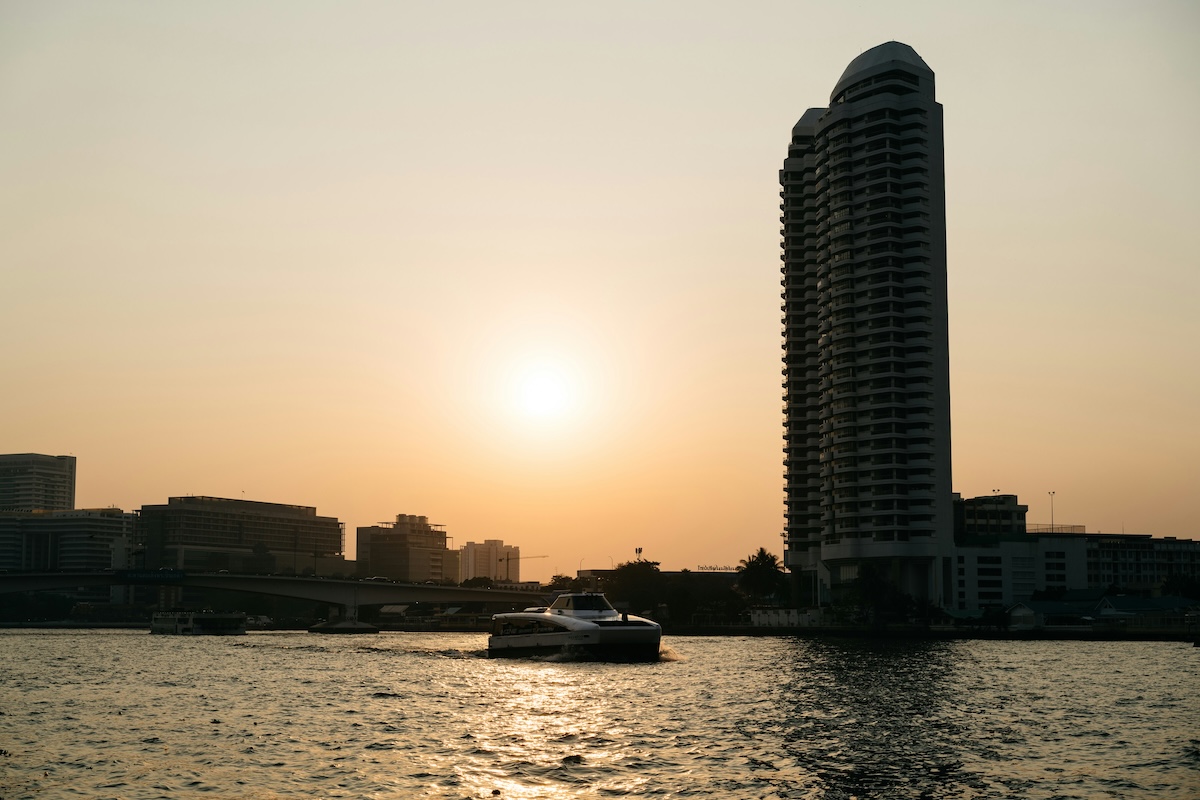
The Chao Phraya riverside offers space, hotel-style amenities and a calmer evening atmosphere. It can suit retirees and lifestyle buyers who prioritise views and a slower rhythm. The practical question is healthcare travel time. Some riverside buildings have excellent car access, while others depend heavily on shuttle boats or road routes that may feel slower during peak hours.
Long-stay owners should balance lifestyle appeal with practical travel time to hospitals and clinics.
How To Evaluate A Building For Healthcare-Led Living
Start with the route to your preferred hospital or clinic at different times of day. Bangkok traffic can change the meaning of distance. A five-kilometre journey may be easy on a Sunday morning and frustrating during a weekday storm. Check whether the building has reliable taxi access, sensible drop-off design and staff who can help residents coordinate urgent transport.
Inside the building, look for features that support long-term comfort: good lifts, backup power procedures, clear emergency exits, accessible lobby design, responsive management and quiet common areas. Older buyers should pay close attention to steps, ramps, bathroom layouts and the distance from lift to unit. These details may seem small during a viewing but matter over years of ownership.
Insurance, Records And Practical Setup
Foreign residents should arrange health insurance before assuming Bangkok care will be simple to pay for directly. Keep digital copies of insurance cards, passport, emergency contacts, medication lists and preferred hospitals. If the unit will be used by family members or rented to expats, prepare a simple home file with nearby clinics, emergency numbers, building contacts and pharmacy locations.
For landlords, healthcare access can be a soft selling point in a listing, but it should be described naturally. Tenants respond better to practical wording such as ‘easy access to hospitals, supermarkets and BTS’ than exaggerated claims. A well-prepared unit with stable internet, clean furniture, blackout curtains and responsive maintenance often matters as much as the neighbourhood brand.
What Foreign Buyers Should Avoid
Avoid choosing a property only because it has a resort-style pool or a dramatic lobby if the daily logistics are weak. Avoid buildings where taxis struggle to stop, juristic communication is poor or common areas feel neglected. Avoid assuming that the newest project is always better for long-stay living; some mature buildings offer larger layouts, calmer communities and more predictable management.
The Liveability Takeaway
Bangkok is attractive because it lets foreign residents combine urban comfort with high-service daily life. Healthcare access is one of the clearest examples. It gives retirees confidence, helps families settle and supports tenants who want practical convenience rather than holiday novelty. For property buyers, the best healthcare-led choice is not necessarily the closest building to a hospital. It is the condo that balances medical access, transport, neighbourhood services and long-term building quality.
For help comparing neighbourhoods by lifestyle and ownership goals, explore the IBP expat living guides and ask the team to shortlist buildings that fit your health, commute and family requirements.