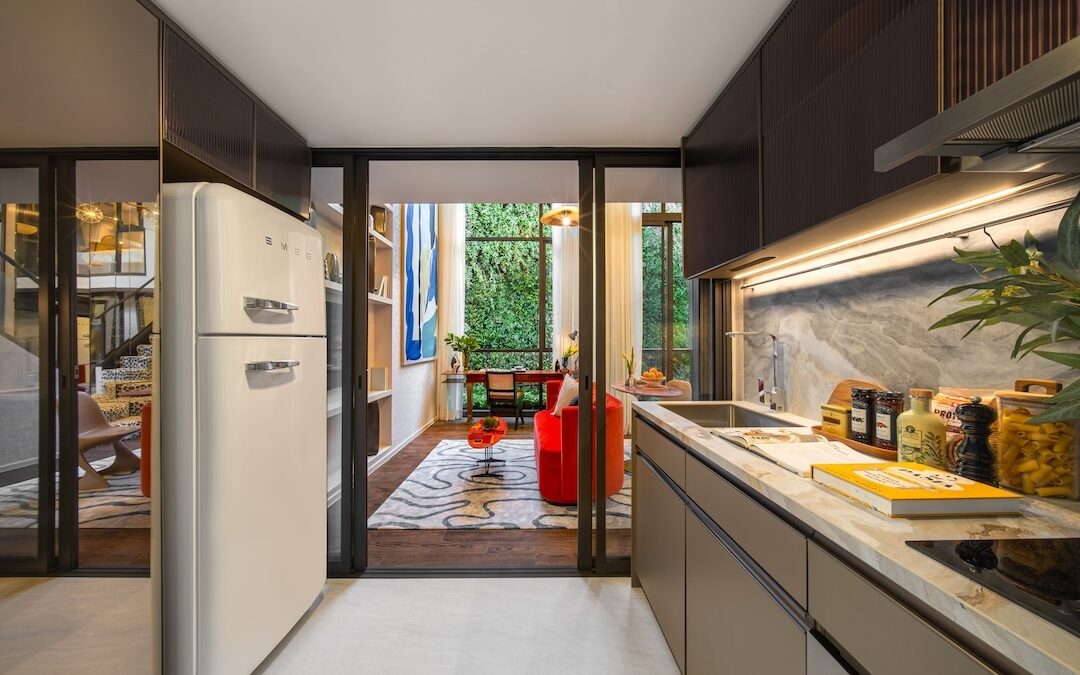
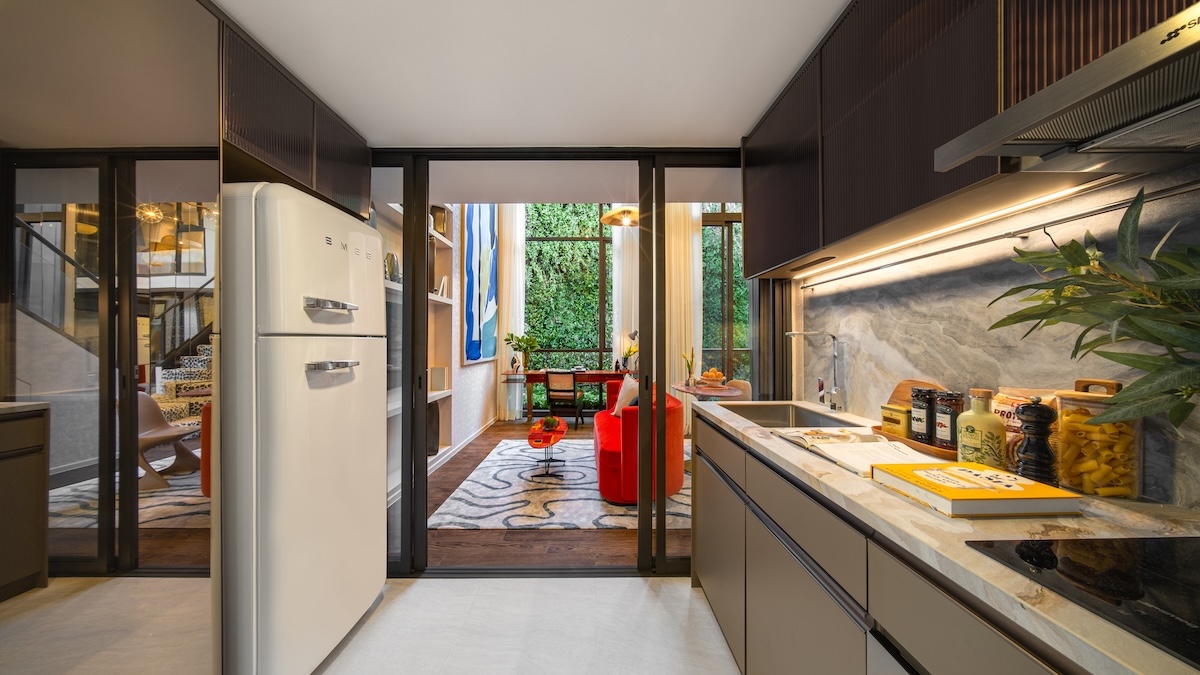
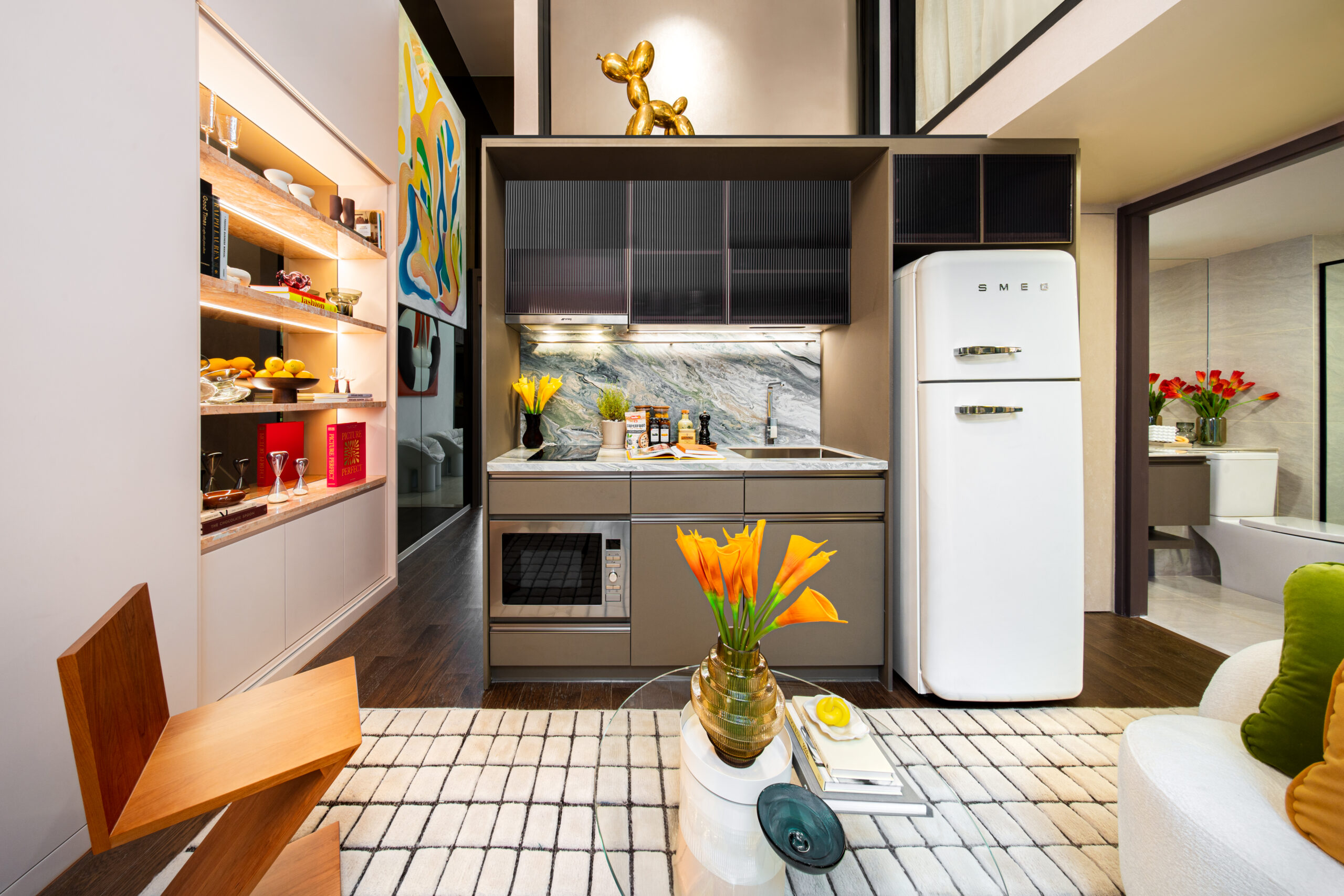
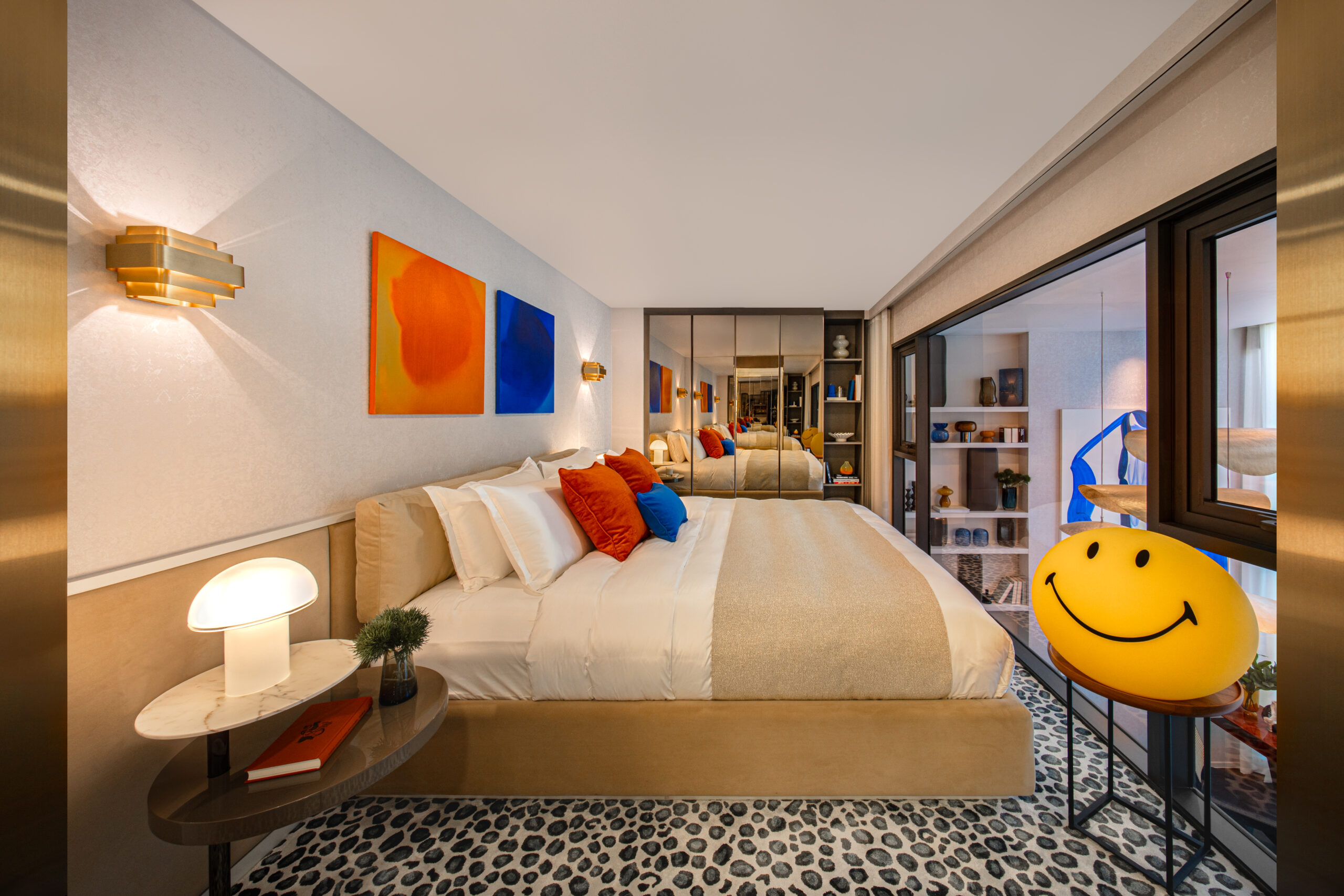
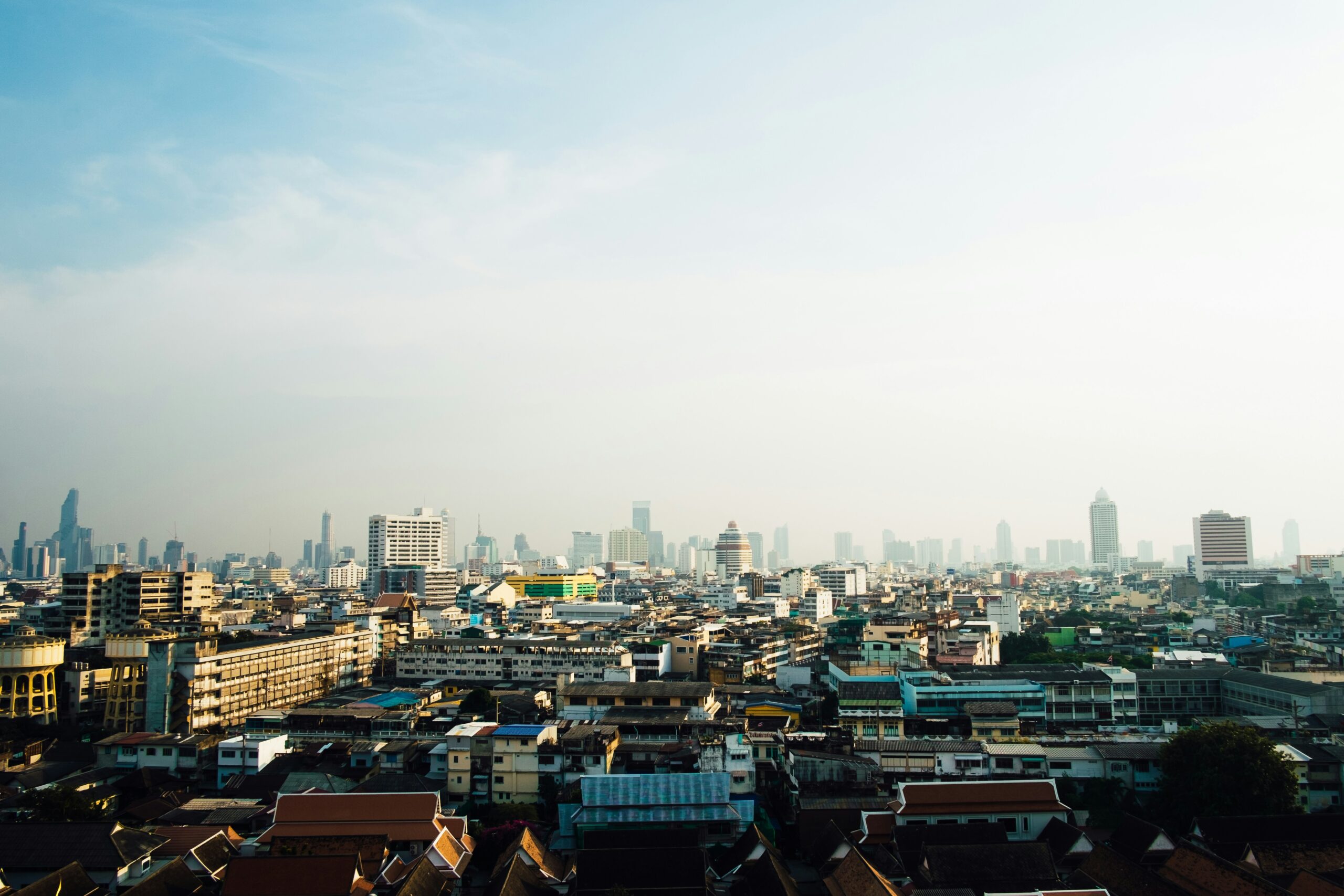
Ratchathewi is one of Bangkok’s more practical central condo locations for foreign buyers who want access without paying the full premium of Siam, Chidlom or prime Sukhumvit. It sits on the BTS Sukhumvit Line, close to Siam interchange, Phaya Thai Airport Rail Link connections, Pratunam, Chulalongkorn University, major hospitals and a wide retail catchment. That combination makes the district easy to explain to tenants, visiting owners and future resale buyers.
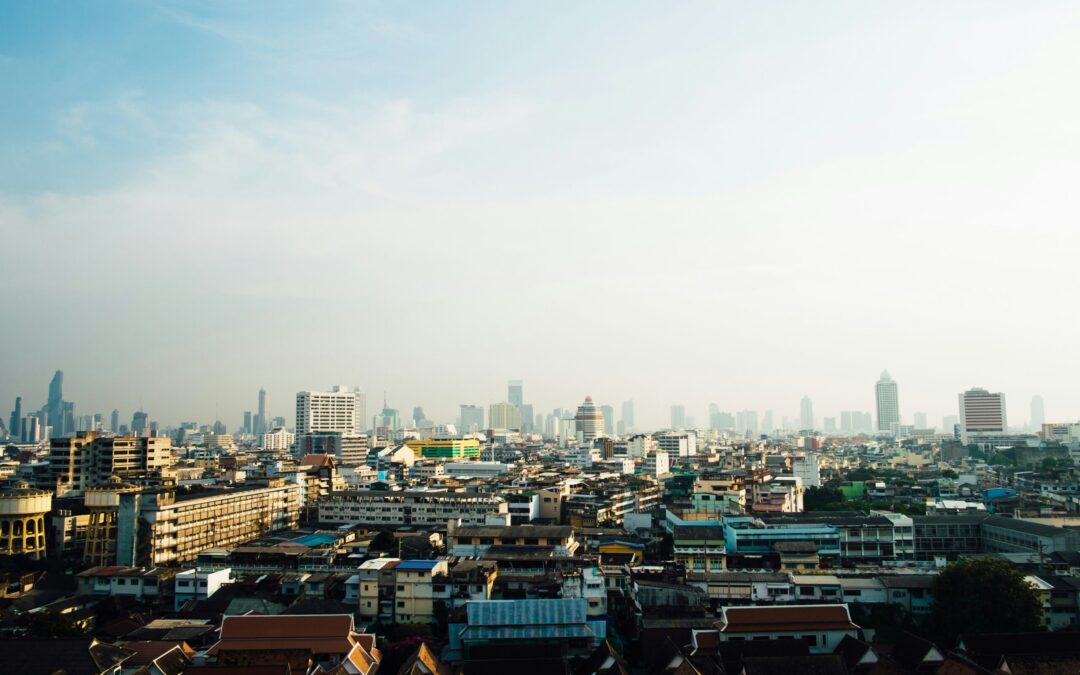
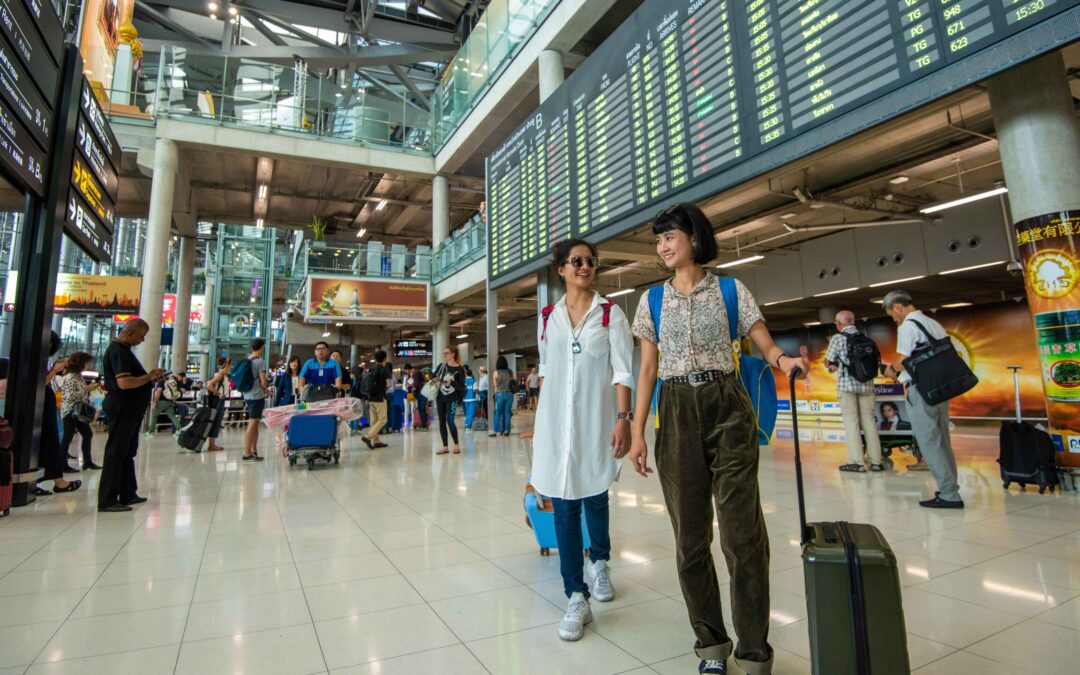
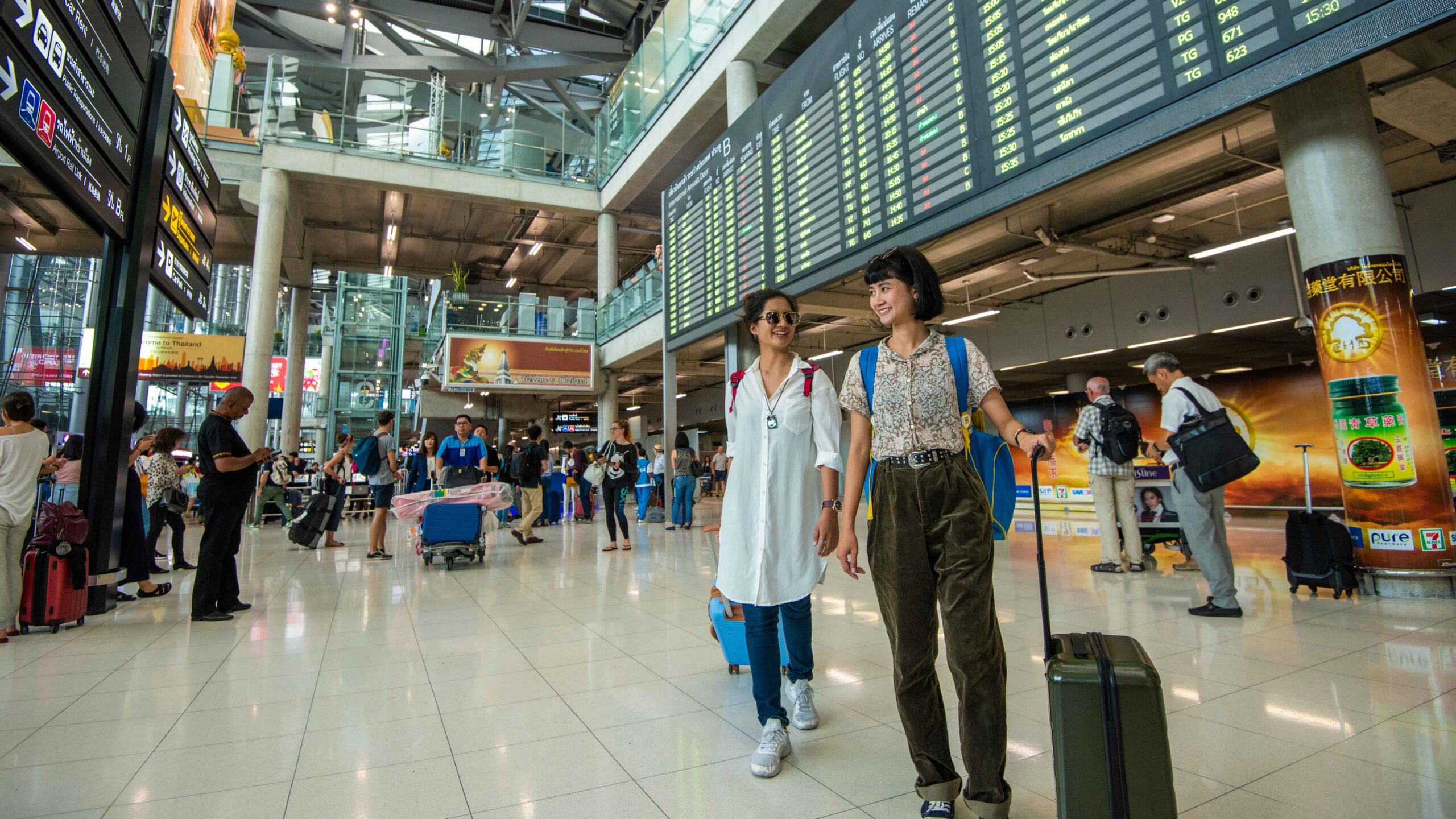
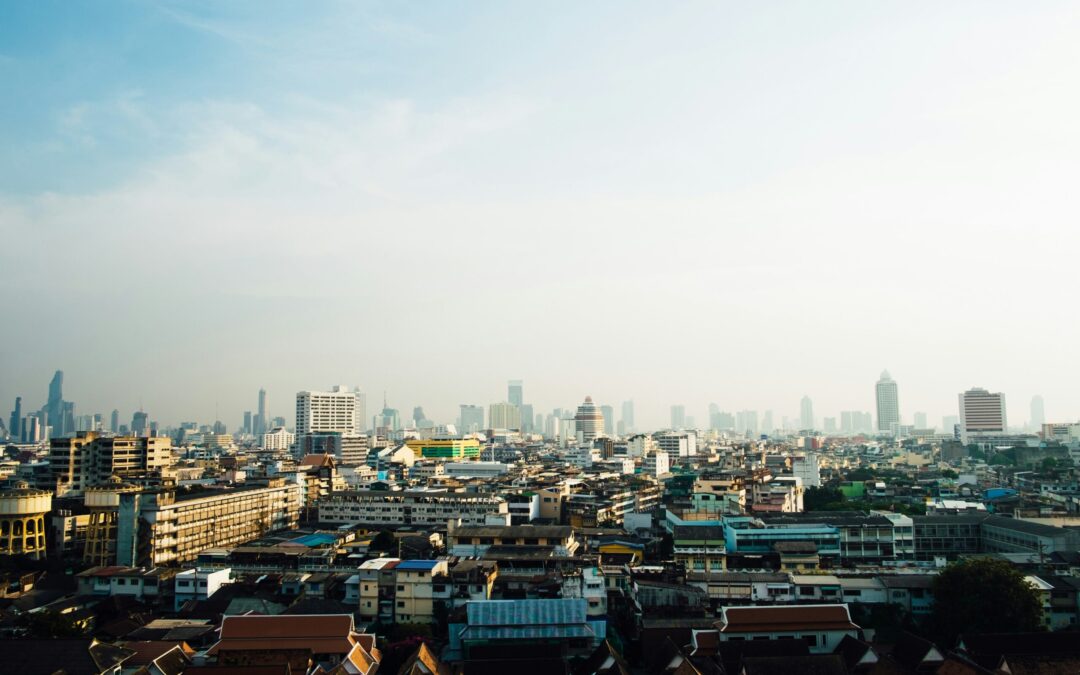
Ratchathewi appeals because it sits between Siam, Phaya Thai and the wider Sukhumvit-Silom office network.
The area is not a single luxury enclave. It is a mixed urban district with hotels, older shophouses, student demand, compact new condominiums, local restaurants, office workers and heavy daily traffic. That mix is exactly why due diligence matters. A foreign buyer should not buy Ratchathewi only because it is central. The right building can be highly convenient; the wrong walking route can feel noisy, congested or awkward after dark.
Why Ratchathewi Works For Foreign Buyers
The first advantage is location logic. Ratchathewi is one BTS stop from Siam and close to Phaya Thai, making it useful for residents who need to move between Bangkok’s retail core, office districts and airport-rail corridor. For a foreign owner, this gives the property a simple rental story. Tenants can live near central Bangkok without necessarily paying the highest rents of newer prime Sukhumvit buildings.
The second advantage is audience diversity. Potential tenants can include young professionals, university-linked residents, medical visitors, regional executives, digital workers and people who want quick access to Siam without living inside the busiest shopping area. That broad audience can help protect occupancy, provided the unit is correctly priced and the building is well maintained.
The best Ratchathewi purchases are judged by walking route, management quality and resale depth, not only distance on a map.
What To Check Before Buying
Walk The Route, Not Just The Radius
A project may be advertised as being near Ratchathewi BTS, but the actual walking route is what tenants experience. Check shade, crossings, footpath width, traffic noise, drainage and the feeling of the route at night. A shorter walk with unpleasant crossings can be weaker than a slightly longer route that feels safe and predictable. Bangkok buyers often underestimate this point when they rely only on maps.
Study The Building’s Age And Management
Ratchathewi includes both newer boutique projects and older stock. Newer buildings may offer efficient layouts and better facilities, but they can also command higher prices. Older buildings may offer larger space or better yields, but maintenance history becomes more important. Foreign buyers should inspect common areas, lift condition, car park flow, juristic notices, staff presence and the general discipline of the lobby. A central location cannot compensate for weak building management over time.
Compare Actual Resale Competition
Because Ratchathewi is central, sellers sometimes price units as though every project deserves a Siam-level premium. Buyers should compare nearby completed buildings by net usable area, floor, view, age, distance to station and furniture quality. If two similar units compete for the same tenant, the better-managed and better-priced option usually wins. Do not overpay for a story that the resale market may not recognise later.
Rental Positioning In Ratchathewi
Ratchathewi rentals generally need to be easy and functional. A compact one-bedroom unit can work if it has a proper work surface, storage, natural light and a comfortable route to transit. Larger units should justify their premium with a better view, corner layout, parking or a lifestyle advantage. Furniture should be durable rather than overly decorative, because tenants in this area often value convenience and reliability over show-flat styling.
Short-term rental assumptions should be treated carefully. Many Bangkok condominium juristic rules restrict daily or hotel-like letting, and enforcement can be strict in buildings where residents complain. Foreign landlords should plan around legal, long-term residential leasing unless they have written confirmation that a different model is permitted and properly licensed. For most investors, a stable long-term tenant is a cleaner strategy.
Amenities matter most when they support tenant demand and long-term building upkeep.
Who Should Consider Ratchathewi
Ratchathewi suits buyers who want a central address with daily convenience and a potentially wider tenant pool than some purely residential districts. It can be especially relevant for investors who prioritise BTS access, proximity to Siam and easier airport movement via the Phaya Thai corridor. It may also suit owners who visit Bangkok regularly and want a practical base near shopping, food, hospitals and transport.
It is less suitable for buyers who want a quiet resort-like environment, very large family layouts or a purely luxury neighbourhood identity. The district is busy and urban. Traffic, older buildings and mixed street conditions are part of the context. Buyers who expect the polish of Langsuan or the lifestyle branding of Thonglor may prefer to pay for those districts instead.
A Foreign-Buyer Shortlist Method
Start with buildings within a walkable distance of BTS, but do not stop there. Remove projects with weak management, awkward access, excessive unsold or resale supply, poor natural light or layouts that feel smaller than their stated area. Then compare net purchase price against realistic rental demand. Finally, check foreign quota, title, juristic documents, common-fee obligations and sinking fund position before signing.
A good Ratchathewi condo is rarely the cheapest unit on the list. It is the unit where price, access, condition and future exit demand align. That is the standard foreign buyers should apply in any central Bangkok district, but it is especially important here because the neighbourhood is convenient and imperfect at the same time.
Why The District Still Deserves Attention
Bangkok property works best when a location is useful in ordinary life. Ratchathewi is useful. It connects to shopping, transit, education, healthcare and business districts without requiring a car. For foreign buyers, that everyday usefulness can support rentability and resale clarity. The opportunity is not to buy anything with a Ratchathewi label; it is to buy selectively in buildings that make the district’s convenience tangible.
For comparable central-area options, review the IBP district guides and shortlist buildings with the team before committing to a reservation.
Foreign buyers are becoming more important to Bangkok condominium sales, but the practical lesson is not that every project benefits equally. The better reading is that overseas demand is concentrating in places where the purchase is easy to understand: central business districts, transport-linked neighbourhoods, established rental catchments and projects with professional management. For foreign investors, that concentration is useful. It tells you where liquidity is more likely to exist, and where a resale buyer or tenant can make sense of the asset without needing a long explanation.
Bangkok remains a highly selective condominium market, with foreign demand clustering around central and transport-connected districts.
Recent market commentary points to a clear shift. AREA has reported that foreign buyers purchased an estimated 6,160 new condominium units in Bangkok and its surrounding areas by the end of 2025, a level described as the highest since the pandemic period. The same research direction also shows that demand is heavily clustered rather than spread across the whole map. That matters because Bangkok is not one uniform market. A small, well-managed unit next to a mass-transit interchange is not competing with a distant suburban tower in the same way, even if both are technically condominiums in Greater Bangkok.
What The Foreign-Buyer Concentration Really Means
A higher foreign-buyer share is not automatically bullish for every owner. It is a signal that domestic demand remains uneven, mortgage approval can be difficult for local purchasers, and developers are relying more on international channels in selected price bands. A foreign buyer should therefore avoid reading the headline as a promise of broad capital growth. The more useful question is narrower: does this particular building sit inside the part of the market that overseas buyers, expatriate tenants and internationally mobile residents already understand?
That usually means three things. First, the location must be legible from abroad. Districts such as Phrom Phong, Asok, Thonglor, Silom, Sathorn, Ratchathewi, Rama 9 and selected riverside pockets have names, transit references and lifestyle anchors that can be explained quickly. Second, the building must offer a credible ownership experience. Juristic management, maintenance discipline, sinking fund health, rental rules and lift capacity are not cosmetic details; they influence both rentability and resale confidence. Third, the unit size and layout must match actual tenant behaviour rather than developer showroom optimism.
Central-area product tends to attract buyers who value liquidity, management quality and daily convenience.
Why Central And Connected Areas Carry More Liquidity
Foreign buyers often place a premium on convenience because they may not know Bangkok deeply before purchase. A walkable station, recognisable retail node, international school route, office cluster or hospital corridor reduces uncertainty. When a buyer can say that the property is near a named BTS or MRT station, within reach of a key office district, and supported by supermarkets, dining and daily services, the asset becomes easier to underwrite. That simplicity has value when it is time to rent or sell.
The central market also benefits from a wider buyer pool. A Thai professional, an expatriate executive, a regional investor and a relocating family may all be able to understand the same location. That does not guarantee a fast exit, but it reduces dependence on one narrow demand source. In an oversupplied city, depth of audience is one of the quiet advantages that separates durable buildings from projects that rely mainly on launch promotions.
How To Read Ratchada, Rama 9 And Emerging Foreign Demand
Ratchada-Lad Phrao and Rama 9 have appeared prominently in foreign-buyer discussions because they combine MRT access, relative affordability and a growing base of offices, malls and services. These areas can be attractive, especially when the building is close to a station and priced below the older prime Sukhumvit core. The risk is that buyers treat every address in the corridor as equivalent. They are not. A project five minutes from a station with strong juristic management is in a different investment class from a more distant tower where supply is high and tenant choice is broad.
For foreign investors, these districts should be assessed building by building. Check completed resale evidence, not only developer asking prices. Compare actual rental listings with closed rental levels where possible. Walk the route from station to lobby at night and during rain. Look at the quality of nearby footpaths, traffic crossings and retail. Bangkok livability is often decided at street level, and street-level friction can reduce the value of an otherwise persuasive brochure.
Foreign demand is not evenly distributed, so district selection matters more than a citywide average.
The Foreign Quota Is A Market Filter
The 49 percent foreign freehold quota is usually discussed as a legal rule, but it also behaves like a market filter. In buildings that are popular with international buyers, foreign quota may be scarce and resale units held under foreign name can command stronger attention. In buildings where foreign quota remains abundant years after completion, buyers should ask why. The answer may be benign, such as a project aimed mainly at Thai owner-occupiers, or it may point to weak international appeal.
Foreign quota should never be assumed. Before signing, a buyer should ask for written confirmation from the developer, seller or juristic person, and have the transfer path checked by a lawyer. The issue is especially important in resales because quota availability can change between negotiation and Land Office transfer. A foreign buyer should also confirm that purchase funds can be documented correctly through the banking process, because ownership and remittance evidence are linked in practice.
A Practical 2026 Buying Framework
1. Start With Exit Demand
Ask who would buy the unit from you in five to seven years. If the answer depends entirely on another foreign investor paying a higher price, the purchase is fragile. A stronger answer includes several possible audiences: local professionals, expatriate tenants, regional investors, end users and owners seeking a pied-a-terre.
2. Prefer Buildings With Operational Discipline
The best-performing Bangkok condos are often not the newest or loudest launches. They are buildings where common areas age well, rules are enforced, repair reserves are planned and the lobby still feels orderly after the first ownership cycle. That discipline supports rents and protects resale confidence.
3. Price Against The Resale Market
Launch price is only one reference. Foreign buyers should compare completed buildings in the same micro-location, similar unit sizes and similar building age. If a new project is materially more expensive, the premium needs a clear reason: a better station position, superior design, branded management, scarce view corridor or lower future supply risk.
What This Means For Foreign Buyers
Bangkok remains attractive because it combines freehold condominium access for foreigners, deep urban infrastructure, strong lifestyle appeal and a regional business role. But the 2026 market rewards selectivity. Foreign demand is a tailwind only when the property sits where that demand is actually active. Buyers should focus on buildings that are easy to rent, easy to explain and easy to transfer, rather than chasing broad market averages.
For a district-by-district view of suitable buildings, compare current listings with the IBP district guides and speak with the IBP team before reserving a unit. A disciplined shortlist can prevent the most common mistake in Bangkok: buying a good-looking condo in a location where the exit market is too thin.
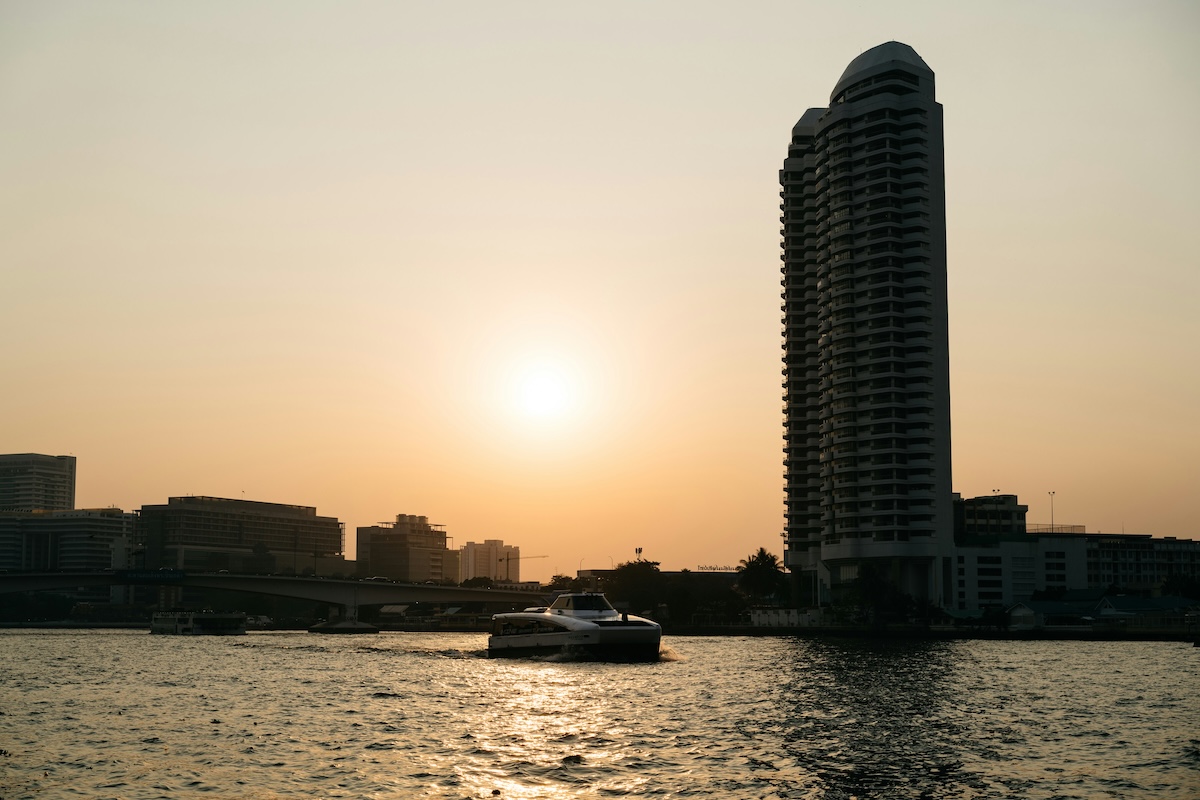
Bangkok riverside living appeals to foreign buyers who want the city to feel calmer without leaving the capital. The Chao Phraya brings light, views, hotel dining, temple access and a slower weekend rhythm that is different from Sukhumvit, Sathorn or Rama IX.
The riverside is not the right answer for every buyer. It can be elegant, distinctive and highly liveable, but daily convenience depends on the exact pier, road access, shuttle service, rail connection and the way a household moves through Bangkok. A beautiful river view does not automatically solve school runs, office commutes or grocery habits.
This guide explains how to read Bangkok riverside lifestyle from a property perspective: what foreign residents tend to value, where the practical compromises sit, and why liveability can support tenant appeal when the building and location are chosen carefully.
The Chao Phraya gives Bangkok a distinct residential rhythm compared with inland BTS and MRT districts.
The lifestyle advantage
The strongest riverside advantage is atmosphere. Bangkok can be intense at street level, but the river opens the city visually. High-floor units with broad views feel more private, and many residents value the sense of space that comes from looking across water rather than directly into another tower.
The area also has a hospitality layer that suits foreign residents. Riverside hotels, restaurants, spas and event spaces make it easy to host visiting family or clients. Cultural landmarks and old-city access add texture that newer commercial districts sometimes lack.
For buyers who split time between Bangkok and another country, the riverside can feel more memorable than a standard investment unit. That emotional quality can matter for own-use purchases, provided the numbers and building quality still make sense.
Transport is the deciding detail
Riverside convenience varies sharply. Some buildings connect well to BTS stations, expressway routes, hotel shuttles or river piers. Others are more dependent on taxis and private cars. Before buying, test the actual commute at the times you will use it: morning school run, evening return, weekend mall trip and airport transfer.
The river boat network can be useful, but it is not a direct replacement for BTS or MRT access for everyone. Buyers should ask whether the building has a reliable shuttle, how often it runs, where it drops off, and whether residents actually use it.
For rental investors, transport clarity affects tenant depth. A tenant who works in Sathorn may accept a riverside home with easy shuttle or BTS access. A tenant who needs several daily cross-town trips may prefer a central rail-linked district even if the unit is smaller.
River views, hotel dining and cultural access are key lifestyle advantages for some foreign residents.
Who the riverside suits
The riverside often suits buyers who value views, hospitality, privacy and weekend lifestyle over being in the middle of the nightlife or office grid. It can work well for couples, senior executives, semi-retired owners, families with flexible transport plans and buyers who entertain visiting guests.
It can also suit tenants who want a premium Bangkok experience rather than the most compressed commute. Hotel-branded services, strong juristic management, larger layouts and river-facing balconies can widen appeal in the upper rental segment.
However, investors should avoid assuming every riverfront unit is liquid. Some buildings have large units with high monthly costs and a narrower buyer pool. Resale evidence in the same building is important, especially for older projects.
What to check inside the building
Riverside buildings face specific maintenance questions. Check facade condition, balcony rules, water-management history, lift reliability, parking, flood planning for access roads, air-conditioning systems and long-term capital works. A building with an well-known view still needs disciplined management.
Review common fees and sinking fund because riverfront facilities can be expensive to maintain. Pools, gardens, piers, shuttles and large lobbies add value when they are run well, but they also require budgets. Underfunded buildings may struggle to keep the premium feel that attracted buyers in the first place.
Unit orientation matters. Afternoon heat, river bend, bridge views, neighbouring towers and future construction can all change how a unit feels. Visit at different times of day where possible, and ask for any known development plans on adjacent plots.
Riverside property choices should be tested against transport habits and daily convenience, not views alone.
A balanced buyer view
Bangkok riverside lifestyle is compelling when the building fits the buyers real routine. It offers a sense of place, a strong hospitality network and a softer version of city living. For foreign buyers, it can make Bangkok feel less transactional and more like a long-term home.
The investment case should remain grounded. Prioritise buildings with credible management, clear transport solutions, strong views, sensible layouts and evidence of rental or resale demand. Avoid paying only for the postcard image if the day-to-day living pattern is awkward.
If you are weighing riverside condominiums against Sukhumvit, Sathorn or Lumpini options, Invest Bangkok Property can help compare lifestyle fit, rental depth, foreign quota and exit strategy before you choose.
Thailand tourism policy is not only a hotel story. For Bangkok property buyers, tourism influences aviation capacity, retail sales, serviced residences, short-stay demand, restaurant spending, wellness investment and the confidence global companies have in Bangkok as a regional base.
In 2026, the Tourism Authority of Thailand is emphasising quality-led growth rather than simple arrival volume. TATs January 2026 Thailand Tourism Next announcement set a target of up to three trillion baht in total tourism revenue, while its April update reaffirmed a value-over-volume direction focused on high-value experiences, market diversification, safety, reliability and wellbeing.
This matters to foreign buyers because Bangkok is the main gateway, corporate meeting point and premium lifestyle showcase for Thailand. A stronger, better-managed tourism economy can support the citys property ecosystem even when the direct buyer is purchasing a condominium for long-term living rather than tourist rental.
TAT has reaffirmed a 2026 tourism strategy focused on value, quality and resilience. Image: TAT Newsroom.
From recovery to quality growth
TATs 2026 message is that Thailand wants to move beyond recovery and compete on value. That is important because high-volume tourism can fill rooms but still pressure infrastructure and margins. Value-led tourism aims for better spending, stronger experiences and more resilient demand across different source markets.
For Bangkok, this supports the premium end of the city. International visitors who come for wellness, dining, shopping, medical services, meetings and culture are more likely to spend in central districts. That spending helps sustain malls, restaurants, hotels, private clinics, transport services and lifestyle venues that also make Bangkok more liveable for residents.
A foreign condominium buyer should not convert tourism targets into a guaranteed yield. The connection is indirect. The better question is whether tourism policy supports the everyday ecosystem around the districts where tenants and owners want to live.
Why Bangkok benefits first
Bangkok captures a large share of national visibility because many travellers arrive through the capital, stay before onward trips, attend meetings, visit hospitals, shop, dine or use the city as a base for regional travel. Even buyers focused on long-term ownership benefit from this connectivity.
A globally connected city tends to have deeper rental demand. Expatriates, consultants, airline and hospitality staff, regional executives, medical visitors, education-related families and digital-sector workers all interact with the same urban infrastructure. Better tourism services can improve the citys reputation and make relocation feel less risky.
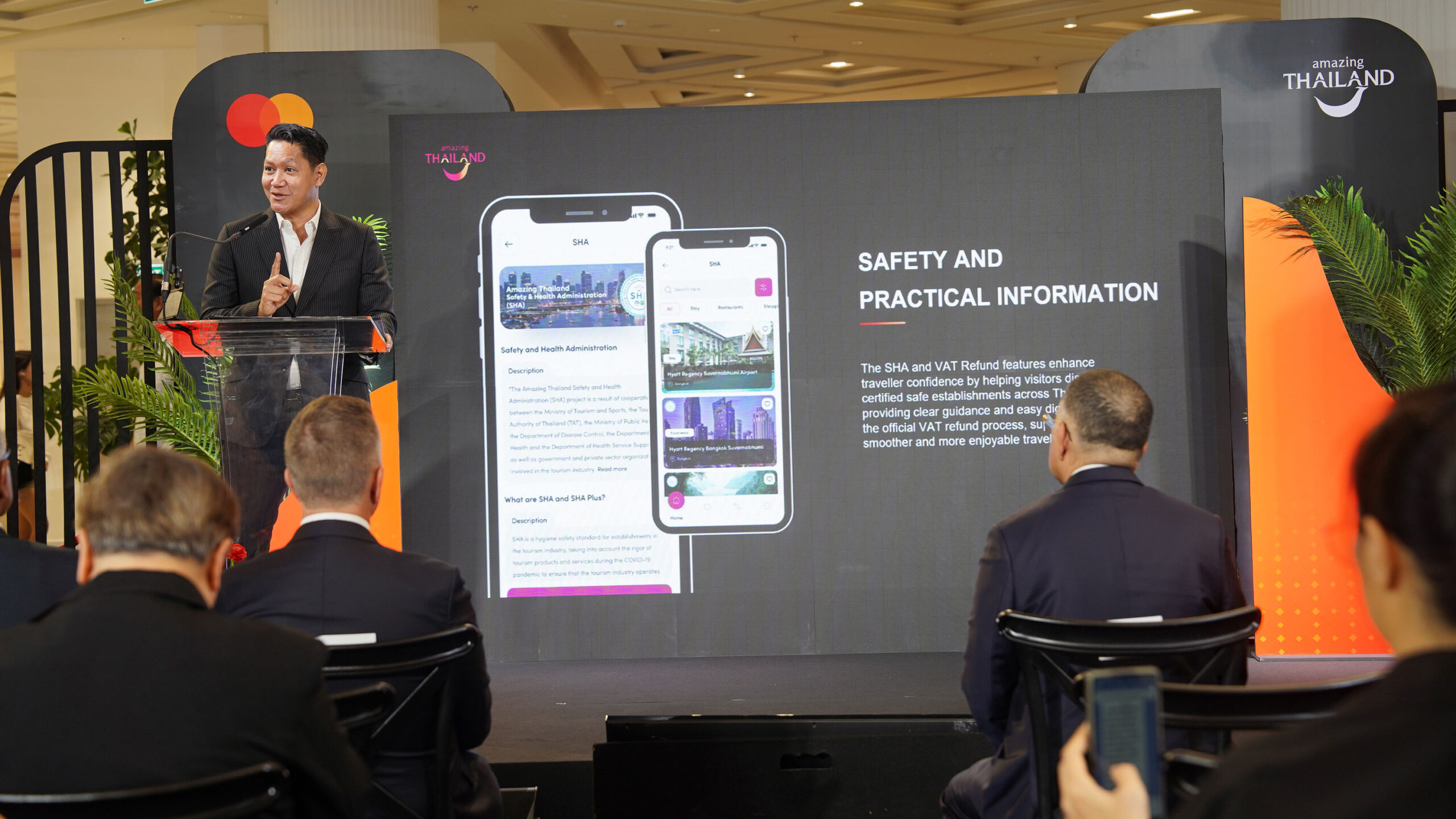
TATs digital initiatives, including the enhanced Amazing Thailand app launched with Mastercard for public rollout in March 2026, also signal a push to make travel easier and more organised. For property buyers, small improvements in visitor experience can support the broader perception that Thailand is professionalising its premium tourism platform.
Thailand Tourism Next set a quality-led direction for tourism revenue and long-term competitiveness. Image: TAT Newsroom.
The property channels to watch
The first channel is hospitality. A healthier tourism market supports hotels, serviced apartments and branded residences. That can lift expectations for service quality in nearby luxury condominiums and strengthen demand in districts with hotel, retail and office clusters.
The second channel is retail and dining. Bangkoks leading malls and lifestyle districts rely on both residents and visitors. When tourism spend is stronger, retail landlords and operators have more reason to invest in tenant mix, events and upgrades. This improves liveability for condominium owners in surrounding areas.
The third channel is corporate confidence. Tourism and MICE activity keep Bangkok visible to regional decision makers. Business travel, conferences and airline connectivity make it easier for companies to choose Bangkok for teams, sales offices or regional functions. That, in turn, supports professional tenant demand.
Risks foreign buyers should keep in view
Tourism is cyclical. Exchange rates, airline capacity, regional competition, safety perception, geopolitics and economic conditions can all affect arrivals and spending. Buyers should avoid investment cases that depend on aggressive short-stay income or constant visitor growth.
Regulation also matters. Condominium buildings have their own rules, and many juristic persons restrict hotel-like short stays. A foreign buyer who wants rental income should focus on legal long-term leasing unless the property structure clearly supports another model.
The durable takeaway is broader: tourism supports Bangkoks city quality, but a sound property purchase still depends on location, legal structure, building management, price and tenant fit.
Digital visitor services are part of Thailands effort to improve the travel experience. Image: TAT Newsroom.
What this means for a 2026 buyer
TATs value-led strategy is positive background for Bangkok property because it supports the citys premium infrastructure and international appeal. It strengthens the case for districts with hotels, hospitals, malls, parks, offices and mass transit rather than isolated projects that depend on one narrow demand source.
For buyers comparing Bangkok condominiums in 2026, the tourism story should be used as a confidence filter, not a substitute for due diligence. Choose buildings that a real resident would want to live in during normal weeks, not only during peak travel seasons.
Invest Bangkok Property can help foreign buyers connect the macro story to practical district and building choices, including rental evidence, ownership structure and exit planning.
Bangkok luxury condominium demand in 2026 should be read with a disciplined eye. The market is not a single story of rising or falling prices. It is a set of micro-markets where location, product quality, building management, foreign quota and future resale depth can point in different directions even within the same district.
For foreign buyers, that makes 2026 a year for selectivity rather than broad optimism. A well-located freehold condominium in a proven rental and resale area can still be attractive, but the reason to buy should be specific: access to transport, scarcity of comparable stock, durable tenant demand, a credible developer and a realistic exit plan.
Recent market commentary from CBRE Thailand points to more new launches in the luxury and super-luxury segment, a high sales rate for existing downtown supply and potential upward pressure on downtown asking prices where new projects are positioned at the top end. Those are useful signals, but buyers should treat them as context, not a substitute for unit-level due diligence.
Bangkok remains a large, segmented condominium market where district and building quality matter more than broad averages.
Why the luxury segment deserves a separate reading
The luxury segment is more insulated from local mortgage stress than the mass market because a larger share of buyers use cash, overseas funds or stronger balance sheets. That does not make it risk-free. It simply means the main risks change. Instead of asking only whether buyers can get financing, foreign purchasers need to ask whether the building will remain desirable when competing projects launch nearby.
In central Bangkok, a luxury condominium is often competing on scarcity, privacy, ceiling height, facilities, parking, branded service, views and walkability. These qualities can support pricing when they are genuinely rare. They can also become expensive marketing language if the project is in an oversupplied pocket or if the unit layout does not fit actual tenant demand.
The practical lesson is to benchmark within the right peer group. A two-bedroom unit in Phrom Phong should not be judged against a smaller investor unit near an emerging MRT stop. Likewise, a riverfront residence should be compared with other riverfront buildings of similar tenure, view quality and management standard.
What CBREs 2026 outlook means for foreign buyers
CBREs 2026 Thailand real estate outlook highlighted continued developer focus on quality over quantity in the residential condominium sector. It also noted that more luxury and super-luxury launches are expected, supported by a high sales rate for existing supply, and that downtown average asking prices could move higher where new super-luxury launches raise the benchmark.
For an overseas buyer, this does not mean every downtown unit should be bought quickly. It means the replacement cost of genuinely prime stock may be rising. If a new launch asks a much higher price than completed resale buildings nearby, the buyer should understand what is being paid for: new specification, branded services, larger common areas, privacy, land scarcity or simply launch positioning.
The stronger approach is to compare three numbers: the resale price of comparable completed units, the asking price of new inventory, and the likely rent for the exact unit type. A purchase only makes sense when the gap between price and income can be justified by long-term personal use, capital preservation, unique product quality or a credible resale story.
Prime riverfront and central districts often behave differently from mass-market suburban supply.
Where demand is more defensible
Foreign-buyer demand is usually more defensible in locations that solve daily life. Proximity to BTS or MRT stations, international schools, major office clusters, hospitals, premium retail and parks all matter because they widen the tenant and resale audience. Bangkok buyers are increasingly sensitive to convenience; a famous district name is weaker than a building that is genuinely easy to live in.
Sukhumvit remains deep because it serves Japanese, European, Korean, Singaporean and Thai professional demand across several price points. Lumpini, Chidlom, Wireless Road, Sathorn and selected riverside pockets attract buyers who value prestige, embassies, hotels, office access and lifestyle amenities. Rama IV is becoming more interesting because new mixed-use projects are improving the daily environment around Lumphini and Khlong Toei.
Emerging areas can still work, but the margin of safety should be higher. If a buyer is moving away from established prime districts, the discount should compensate for thinner resale liquidity, less proven rental demand and a longer wait for infrastructure or lifestyle improvements.
The risk buyers often underestimate
Many foreign buyers focus heavily on purchase price and underweight building operations. In Bangkok, long-term value can be damaged by weak juristic management, poor sinking-fund planning, inconsistent maintenance, noisy short-stay activity, or facilities that look impressive at launch but age quickly. A luxury purchase should include a close review of monthly common fees, sinking fund levels, major repair history and meeting minutes where available.
Foreign quota is another practical risk. A building may be attractive, but a foreign buyer cannot register freehold ownership unless foreign quota is available at transfer. In resale transactions, written confirmation from the juristic person should be obtained before deposit terms become hard to recover. For off-plan projects, the reservation and sales contract should explain how foreign quota is allocated and what happens if completion or transfer is delayed.
Currency should also be treated seriously. A buyer funding in dollars, euros, pounds or Singapore dollars is exposed to baht movement between reservation, contract payments and transfer. The Foreign Exchange Transaction documentation must be planned early, not collected in a rush at the Land Office.
Foreign buyers should compare building age, management quality, layout efficiency and resale depth before committing.
A buyer framework for 2026
The most useful 2026 framework is simple. First, decide whether the purchase is primarily for own use, rental income, capital preservation or eventual resale. Second, shortlist districts that support that goal. Third, compare completed resale stock against new launches. Fourth, test the rental assumption against actual unit size and furnishing standard. Fifth, review legal, quota and management documents before paying a meaningful deposit.
For investors, a lower headline price is not automatically safer. A cheap unit in a weak building can stay cheap. A more expensive unit in a scarce, well-managed building may be easier to rent, easier to live in and easier to exit. The job is not to chase the lowest baht per square metre; it is to buy the most resilient ownership position for the intended hold period.
If you are comparing Bangkok luxury condominiums in 2026, speak with a buyer-side adviser before signing a reservation form. Invest Bangkok Property can help you compare districts, foreign quota, rental assumptions and resale evidence before you commit capital.