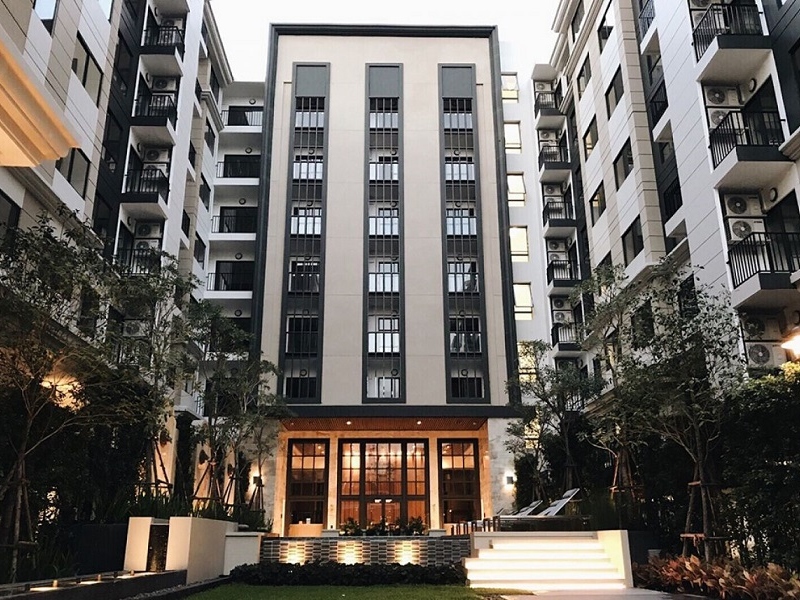
Foreign buyers often ask whether they can own a Bangkok condominium freehold, whether the foreign quota is available and whether the transfer documents are correct. Those questions are essential. They are not the whole due-diligence exercise. A condominium is also a shared building, and the long-term value of a private unit depends heavily on how that shared building is managed.
Juristic records, meeting minutes and fee schedules should be reviewed before a buyer commits.
Common-area due diligence helps a buyer understand the condition of the lobby, lifts, parking, corridors, swimming pool, gym, fire systems, drainage, security, access controls and service areas. It also helps identify whether the juristic person has enough money, whether owners pay on time, whether disputes are recurring and whether major repair works are being deferred.
Read the juristic documents before transfer
The juristic person should be able to provide practical records that show how the condominium is run. Ask for current common-area fees, sinking-fund details, annual accounts, recent annual general meeting minutes, building rules, renovation rules, pet rules if relevant, short-stay restrictions, parking rules and insurance information. If documents are not available, ask why.
Minutes are especially useful because they show what owners are actually discussing. Repeated complaints about water leaks, lift outages, security, unpaid fees or short-term rentals can be more revealing than a polished sales presentation. A buyer does not need to reject every building with issues, but they should know the issues before pricing the unit.
Inspect the building like an owner
A common-area walk-through should be practical rather than cosmetic. Look at lift waiting times, corridor ventilation, smells, lighting, water pressure, drainage, pool condition, gym equipment, fire exits, emergency signage, basement condition and the way staff handle visitors. Tidy staff areas and clear notices can indicate discipline. Repeated temporary repairs can indicate a budget or management problem.
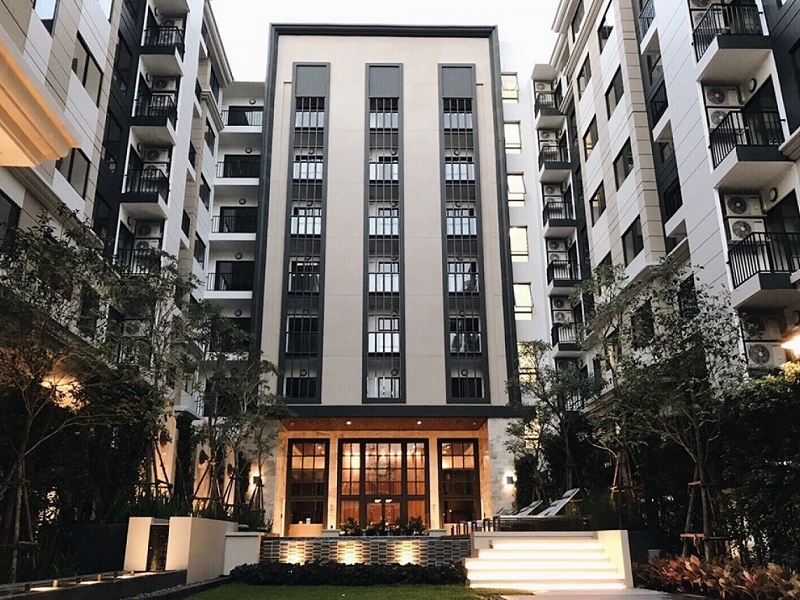
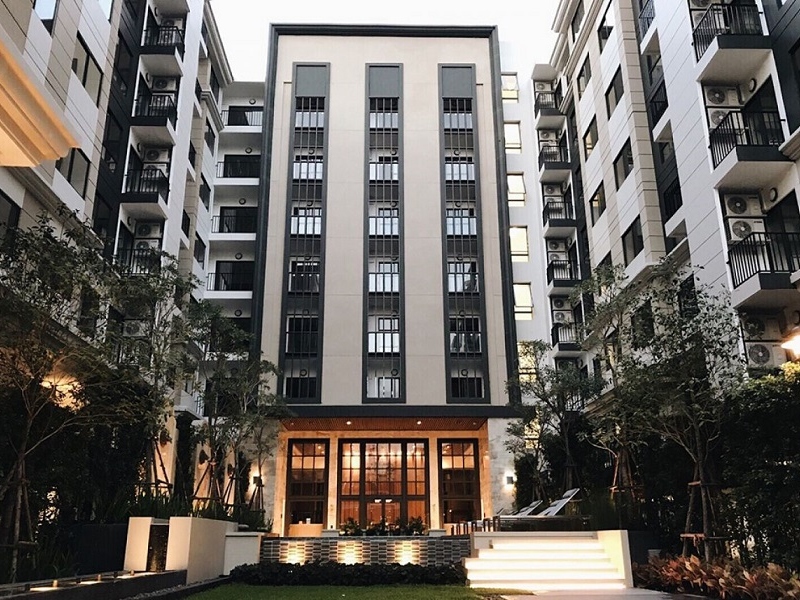
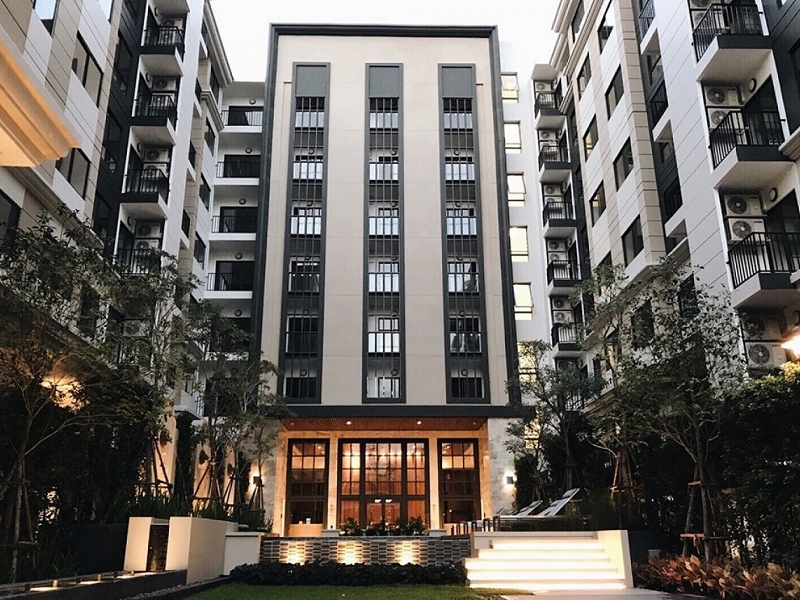
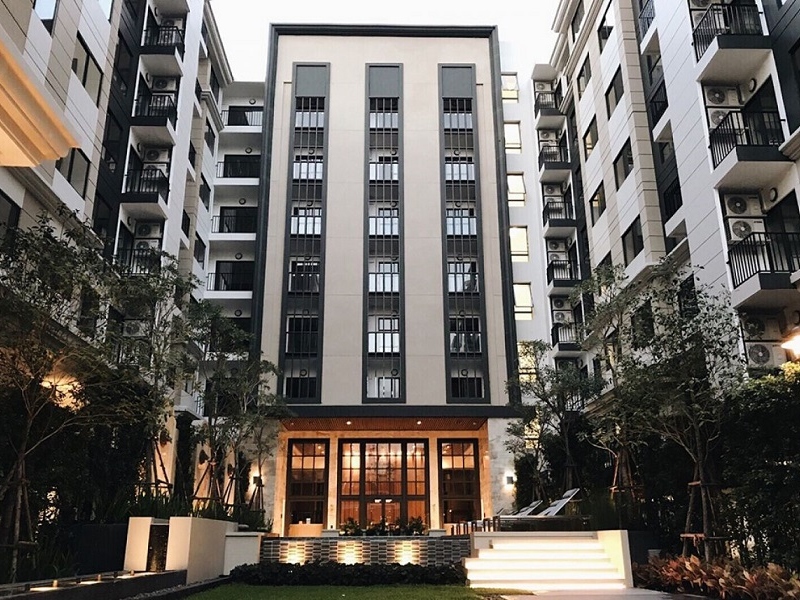
Common-area condition can reveal whether the building is being maintained with enough discipline.
Visit at more than one time if possible. A building can feel calm during a weekday viewing and crowded during evening peak hours. Parking, lift use, delivery traffic and lobby flow are all part of the lived experience. For rental investors, these points affect tenant satisfaction and renewal probability; for owner occupiers, they affect daily comfort.
Check money, arrears and future works
A healthy condominium needs cash for routine operations and future capital works. Ask whether common fees have been increased recently, whether arrears are material, whether any special assessment has been proposed and whether major repairs are expected. Older buildings may be good value, but only if the owner body is willing and able to fund maintenance.
Be careful with buildings where fees have been kept artificially low for years. Low fees can look attractive during purchase but may leave the building underfunded. Conversely, a building with higher fees may be reasonable if facilities, staffing and maintenance standards are strong. The point is not to choose the cheapest building; it is to understand what the fee pays for.
Rules can affect rentability and resale
House rules should match the intended use. If the buyer wants to rent to families, check rules on children, pets, school buses and visitor parking. If the buyer expects executive tenants, check internet options, renovation rules, moving hours and delivery management. If the buyer is considering short stays, be extremely cautious and obtain proper legal advice because hotel-style use can create compliance and building-rule problems.
The private unit and the shared building should be checked together, not in isolation.
Rules also affect resale. A building with clear enforcement may be more attractive to long-stay residents, while inconsistent enforcement can create disputes. Foreign buyers should ask how complaints are handled, whether fines are used, whether access cards are controlled and whether the building has a stable management company.
Coordinate legal, physical and financial checks
The safest process is to coordinate three workstreams. Legal due diligence checks title, foreign quota, contracts, power of attorney, transfer documents and restrictions. Physical due diligence checks the unit and shared areas. Financial due diligence checks fees, arrears, tax exposure, renovation budget and holding costs. Weakness in one area can change the decision in another.
For example, a unit may be legally transferable but overpriced once future building works are considered. A building may be financially stable but unsuitable for the buyer rental plan because of layout, transport or rules. Treat due diligence as an integrated decision rather than a formality between deposit and transfer.
This is especially important when the buyer is overseas and cannot revisit the building easily before completion. A local representative can photograph service areas, ask the juristic office for written clarification, check whether promised repairs have actually been completed and confirm that the transfer file still matches the buyer name, passport details and payment route. Small mismatches are easier to correct before the land office appointment than on the day of transfer.
A buyer-focused checklist
Before paying a substantial deposit, request the juristic records, inspect shared facilities, confirm transfer readiness, check unpaid charges, review the sale agreement and ask how future repairs are funded. Keep written answers. If a seller or agent cannot provide a reasonable explanation, slow the process down rather than relying on verbal comfort.
IBP helps overseas buyers coordinate practical purchase checks with local market context. Start with the Foreign Buyer Guides archive, then speak with the team before signing if a building, management record or contract point needs a second look.
Many foreign buyers cannot be in Bangkok on the exact day their condominium transfer is ready. A power of attorney can solve that practical problem, but only if it is prepared with the same care as the sale contract, foreign exchange evidence and final payment instructions. A vague or incorrectly signed authorisation can delay transfer, force fresh documents to be couriered, or give a representative more authority than the buyer intended.
A power of attorney should be prepared as part of the transfer file, not as an afterthought.
What a power of attorney does
For a Bangkok condominium transfer, a power of attorney allows a named representative to appear at the Land Office and carry out a specific transaction for the buyer or seller. It is not a general comfort letter. It should identify the parties, the condominium unit, the building, the title details where available and the action the representative may complete. The narrower the wording, the easier it is for the buyer to understand what is being authorised.
The Department of Lands publishes official power-of-attorney forms, including a condominium-specific form. Buyers should use the form and format required by the relevant Land Office, because a privately drafted English document may not be accepted for registration. In practice, the lawyer, developer transfer team or agent should confirm the exact form before the buyer signs anything overseas.
When foreign buyers commonly use it
A power of attorney is most common when the buyer lives outside Thailand, when a resale seller cannot attend the appointment, or when a developer schedules transfer during a short travel window. It may also be used when a spouse, lawyer or trusted representative is better placed to coordinate cashier cheques, tax payments and handover documents locally. The convenience is real, but the authority should never be casual.
Remote buyers should treat the power of attorney as a final-step tool, not as a substitute for due diligence. Before authorising anyone to complete transfer, the buyer should already have checked foreign quota availability, funds remittance documents, title details, the debt-free letter, common-fee obligations, meter deposits, defect list and payment balance. If any of those items remain uncertain, the representative’s authority should be conditional or the transfer date should be reconsidered.
Remote transfer can work, but the representative must have narrow, accurate authority for the exact unit.
The core checklist before signing
Confirm the Land Office form required for a condominium unit, not a generic business authorisation.
Match the buyer name to the passport and bank remittance documents exactly.
State the condominium project, room number and title details as precisely as the transfer team can provide.
Limit the authority to signing transfer documents, receiving the title deed, paying agreed official charges and completing related handover steps.
Avoid broad wording that allows borrowing, mortgaging, resale or unrelated commitments unless separately reviewed by a lawyer.
Check witness, notarisation, embassy, consular or legalisation steps early if signing outside Thailand.
Choosing the representative
The representative should be someone whose role is clear and whose incentives are aligned with the buyer. A buyer-side lawyer is usually cleaner than a salesperson if the transfer file contains unresolved legal or payment questions. A family member may be suitable for straightforward own-use purchases, but they must still understand the Thai-language documents they are asked to sign. The representative should be available for the entire transfer appointment, reachable by phone, and able to refuse completion if a pre-agreed condition is not met.
Foreign buyers should be careful when the same person is acting for several parties. A developer officer can handle routine new-build transfer paperwork efficiently, but the buyer should still have independent review if there are late fees, defects, foreign quota questions, substituted documents or changes from the sale agreement. In resale transactions, an agent may coordinate logistics but should not be left to make legal judgement calls without written instructions.
Payment control matters
A power of attorney does not remove the need for clean payment controls. The buyer should know who receives the final balance, whether a cashier cheque is required, how transfer fees and taxes are split, and what proof will be returned after completion. If funds move through a representative, the written authority and payment trail must be especially clear. Many buyers prefer to arrange cashier cheques or bank instructions directly, then authorise the representative only to deliver documents and sign at the Land Office.
The legal transfer file and the physical handover checklist should be coordinated before completion day.
Handover and title deed follow-up
The job is not finished when the Land Office stamps the transfer. The buyer should receive a copy of the updated title deed, official receipts, tax and fee evidence, keys, access cards, meter readings, juristic office acknowledgement, insurance information where relevant, and a written handover note. If the unit is rented, the representative should also collect lease documents, deposit status and tenant contact procedures.
For new-build units, the power of attorney should be coordinated with the defect inspection. A representative should not accept handover as clean if the buyer has not approved the condition. For resale units, the representative should confirm that furniture, appliances and agreed inclusions match the contract before final release of funds where that is commercially possible.
A safer remote-transfer process
The safest process is staged. First, complete legal and commercial checks. Second, confirm the exact Land Office form and signing formalities. Third, issue a narrow power of attorney with supporting passport copies and any required certified documents. Fourth, give the representative a written transfer-day checklist and escalation rule. Finally, require same-day copies of the title deed and receipts.
IBP’s Bangkok condo buying process for foreigners and buyer toolkit can help you organise the wider purchase file. If you expect to complete from overseas, contact IBP before signing the authorisation so the transfer role, payment path and document checklist are aligned.
A Bangkok condominium sale and purchase agreement is more than a formality. For foreign buyers, the SPA is the document that turns a reservation into a legally meaningful obligation, so it should be read before money moves beyond a small booking amount.
The SPA should match the commercial deal and the legal transfer requirements.
Many problems begin when buyers rely on a sales presentation, chat message or brochure but do not confirm that the same points appear in the contract. A friendly sales process can still produce a contract that is silent on timing, defects, fees or default. Once signed, those gaps become harder to fix.
This guide is not a substitute for legal advice. It is a practical checklist to help foreign buyers know which clauses deserve attention before they sign a Bangkok condo SPA, especially when buying remotely or under time pressure.
Confirm the parties and the unit
The SPA should identify the buyer, seller, project, unit number, registered area and ownership type clearly. For a completed resale unit, the seller should match the title deed records. For an off-plan or developer sale, the developer entity should be the correct contracting party, not only the marketing brand shown on the billboard.
Foreign buyers should also check whether the unit is intended to transfer under the foreign freehold quota. If the buyer expects foreign freehold ownership, the contract should not leave that point vague. The payment route should support the foreign exchange documentation needed at transfer, including proper inward remittance records and wording that can support the Foreign Exchange Transaction form or equivalent bank document when required.
Check price, payment schedule and what is included
The contract should show the total purchase price, deposit, instalments, final transfer payment and payment deadlines. If the buyer negotiated a discount, furniture package, free maintenance period, transfer fee sharing or other incentive, it should be reflected in writing. Verbal promises are weak protection if the team changes or if there is a disagreement before transfer.
For off-plan purchases, the payment schedule should connect sensibly to project progress. Buyers should understand whether instalments are calendar-based or construction-milestone based. For completed units, the contract should explain when the balance is paid and what must happen before the Land Office transfer appointment.
Look closely at transfer obligations
A clean SPA should state who is responsible for transfer fees, specific business tax where applicable, stamp duty, withholding tax and other transfer-related costs. In Bangkok, the commercial norm can vary by transaction, especially between developer sales and resales. Do not assume that a cost split is standard unless it is written.
The contract should also explain what happens if the transfer is delayed because documents are incomplete. Foreign buyers may need time to arrange remittance records, passports, power of attorney documents, translations or notarisation. Sellers may need debt-free letters, juristic person documents or mortgage release preparation. Clear timing avoids a situation where one side is accused of default because the process was not planned realistically.
Building details, common fees and transfer obligations should be checked before signing.
Review foreign quota and remittance wording
The foreign quota point is critical. Foreigners can generally own condominium units freehold within the legal foreign ownership quota of a condominium project, but the buyer still needs the building-specific confirmation at the time of transfer. The SPA should make clear what happens if the expected foreign quota is not available when the buyer is ready to transfer.
Buyers should also ensure that the payment instructions are practical. Funds should be remitted in a way that supports the required bank documentation. The remitting name, purpose of transfer and currency handling can matter. If the buyer is using a company, joint buyers or family funding, the documentation should be checked before sending money.
Handover, defects and fixtures
For completed units, the contract should state the condition in which the unit will be delivered. If furniture, appliances, curtains, built-ins, parking rights or access cards are included, list them. If the buyer has inspected the unit, attach or keep a signed inventory and photo record where possible.
For new units, the SPA should explain the inspection and defect process. Buyers should know how defects are reported, how long the developer has to fix them and whether handover can be delayed for serious unresolved issues. Minor cosmetic defects are different from water leakage, electrical faults or incorrect room specifications.
Default clauses should be balanced
Default clauses explain what happens if either party fails to perform. Buyers often focus only on the penalty for late payment, but they should also check the seller’s obligations. What happens if the seller cannot transfer clean title? What if the seller changes the completion date? What if promised items are missing?
Some contracts give one side wide discretion and the other side very little remedy. That is a warning sign. A buyer may still proceed, but they should understand the risk and decide whether the price, project and seller reputation justify it.
Fixtures, handover condition and defect procedures should be written clearly.
Assignment, resale and exit flexibility
Off-plan buyers sometimes want the option to assign the contract before completion. The SPA should state whether assignment is allowed, whether the developer must consent and whether any fee applies. If assignment is prohibited or expensive, the buyer should not assume they can exit before transfer.
For investors, this is part of resale planning. A unit may be attractive, but if the contract limits flexibility and the market slows, the buyer may need to complete and hold longer than expected. That may be fine if the rental plan is sound, but it should be intentional.
Before signing, pause for a document check
Match the seller and unit details to title or project documents.
Confirm foreign freehold quota wording where relevant.
Write all discounts, inclusions and incentives into the contract.
Check the transfer fee and tax split.
Understand defect, delay, default and assignment clauses.
Plan remittance documents before sending major funds.
The safest Bangkok condo purchase process is calm and documented. If the seller or agent pressures a buyer to sign before the contract is understood, that pressure itself deserves attention. Good opportunities can still allow proper checks.
Buyer takeaway
The SPA should protect the deal the buyer actually thinks they are making. Foreign buyers should slow down, check the wording and make sure the contract supports ownership, transfer, rental and exit plans.
IBP can help buyers coordinate practical document checks before purchase. Read more in our legal and due diligence guides or contact IBP Real Estate before signing a Bangkok condo SPA.
For a foreign buyer, the foreign quota letter is one of the least glamorous documents in a Bangkok condo purchase. It is also one of the most important. Without acceptable confirmation that the building still has foreign ownership capacity, the Land Department transfer can fail even when the buyer has paid a deposit, arranged funds and agreed the price.
The foreign quota letter should be checked before the buyer is committed to transfer day.
Thailand’s official government information portal explains that, under the Condominium Act 1979, foreigners may own condominium units in a registered condominium building within the permitted foreign proportion, and that the buyer must request a letter confirming the foreign proportion from the condominium juristic person for submission to the Department of Lands. In practical terms, this letter helps show that the unit can be registered in a foreign buyer’s name.
That makes the quota letter different from a marketing statement. A sales agent may say a unit is foreign freehold. A seller may assume it is eligible because it was previously owned by a foreigner. A developer may have a quota allocation plan. The transfer file still needs current confirmation from the building’s juristic person or authorised office before completion.
What the letter is meant to confirm
The foreign quota limit is usually discussed as the 49% rule. In plain English, a registered condominium cannot exceed the permitted foreign-owned proportion. A foreign buyer needs the unit to sit inside that available quota at transfer. If the quota is full, the buyer may not be able to register the unit in personal foreign freehold name.
The letter should identify the condominium, confirm the foreign ownership proportion position and support the Land Office process. It should align with the sale unit, title deed, buyer details and transfer date. Buyers should check whether the juristic office has a standard format and how long it takes to issue the document, because timing can become sensitive near completion.
Why timing matters
Foreign quota is a building-level position, not a permanent promise attached to a viewing. If several transfers are happening in the same building, the position can change. A buyer who waits until the morning of transfer to ask for confirmation is taking unnecessary risk.
The safest approach is to request quota confirmation before signing a binding contract or paying a substantial non-refundable sum. For resale purchases, the buyer’s adviser should speak with the juristic office early and then reconfirm close to transfer. For new projects, the buyer should understand whether the developer is selling a unit under foreign quota or offering another structure.
A building can be attractive and still be unsuitable if the foreign ownership quota is unavailable.
What buyers should ask before signing
Is this specific unit available for foreign freehold registration?
Who will issue the foreign quota confirmation letter and when?
Does the building calculate quota by saleable area and current registered ownership?
What happens to the deposit if the transfer cannot proceed because quota is unavailable?
Will the seller, developer, agent or lawyer obtain the letter before transfer day?
The deposit question is especially important. A buyer should avoid an agreement that leaves them exposed if the stated foreign freehold route is not available. Reservation and sale documents should make the ownership route clear enough that a quota problem is not treated as the buyer’s fault.
How it connects with the FET and payment trail
The foreign quota letter is only one part of the transfer file. The buyer also needs acceptable evidence that purchase funds were remitted into Thailand in foreign currency for the condominium purchase, commonly through a Foreign Exchange Transaction form or bank documentation. These documents should match the buyer, the unit, the payment amount and the stated purpose.
A clean quota letter does not fix a weak payment trail. A clean payment trail does not fix a quota problem. Foreign buyers should treat both as essential, alongside passport details, title deed checks, debt-free confirmation, taxes and fee allocation, power of attorney if used, and the actual handover condition.
Quota, payment trail, title and handover condition should be checked as one transfer file.
Common mistakes to avoid
The first mistake is relying on old information. A foreign owner selling a unit may have bought it under foreign quota years ago, but the building’s current proportion still needs checking. The second mistake is treating a developer brochure as a legal confirmation. Marketing material can explain the intended ownership route, but the transfer needs proper documents.
A third mistake is leaving the juristic office out of the process until late. The juristic office may also need to issue debt-free documentation, provide transfer information and confirm building records. A buyer with an overseas schedule should build in enough time for these documents rather than assuming everything can be produced immediately.
Buyers should also keep a written record of who confirmed the quota position, on what date, and for which unit. That record will not replace the official transfer document, but it helps the buyer, lawyer, agent and seller work from the same facts before completion.
Buyer takeaway
Foreign freehold condominium ownership remains one of the clearest property routes available to overseas buyers in Bangkok, but clarity depends on paperwork. The foreign quota letter is a small document that sits at the centre of that route. It should be requested early, checked carefully and matched with the rest of the transfer file.
IBP can help foreign buyers coordinate quota checks, document review and transfer planning before funds are committed. Read more in our foreign buyer guides or contact IBP Real Estate before signing.
For many foreign buyers, the Foreign Exchange Transaction evidence is the least glamorous part of a Bangkok condominium purchase. It is also one of the most important. Thailand’s government guidance explains that foreigners may own condominium units within the legal foreign ownership limit, and that the money used for purchase must be transferred from a foreign bank to a Thai bank with receipts and bank certificates. In practice, buyers and advisers often refer to this evidence as an FET form or bank confirmation.
The payment trail should be planned before the buyer sends funds into Thailand.
The purpose is simple: the Land Department needs to see that the foreign buyer is using qualifying foreign-source funds for the condominium purchase. If the funds trail is confused, incomplete or in the wrong name, transfer can become stressful at exactly the wrong moment. Good planning keeps the legal route clean and gives future buyers, lawyers and banks a transaction file that makes sense.
What the FET evidence is for
Foreigners are generally restricted from owning Thai land directly, but they can own condominium units within the permitted foreign quota of a registered condominium building. The foreign-buyer route usually depends on showing that the purchase money entered Thailand as foreign currency and was properly documented by a Thai bank. That evidence supports the Land Department registration.
Different banks may use different document names or internal processes. The buyer should not assume that a normal international transfer receipt from the sending bank is enough. The critical document is usually issued by the receiving Thai bank or supported by that bank’s confirmation letter. Buyers should coordinate the wording, account name and purpose before the transfer is made.
Why timing matters
Many problems start because the buyer sends money first and asks questions later. The receiving bank may need the buyer’s passport details, sale contract, unit information and purpose of transfer. If the funds arrive through an intermediary, in Thai baht, from a third-party account, through multiple small transfers or under unclear wording, the documentation can become harder to align with the Land Department file.
The safest approach is to ask the receiving bank, developer, lawyer and agent what wording is required before sending funds. The transfer instruction should normally identify the buyer and the purpose of buying a specific condominium unit. The final wording should be checked by the professional handling the transfer because banks and land offices may apply practical requirements differently.
Foreign freehold ownership depends on quota, title transfer documents and acceptable funds evidence.
Common mistakes foreign buyers make
Using the wrong sender or receiver name
A transfer from a parent, spouse, company or unrelated third party may be workable in some circumstances, but it needs planning. If the buyer’s passport name does not appear clearly in the bank documentation, the transfer officer may ask additional questions. When family funds or company funds are involved, get legal advice before sending money.
Letting a service convert before funds reach Thailand
Some remittance services can be convenient for smaller payments, but the buyer must confirm whether the Thai bank can issue the required foreign-exchange evidence. If the money arrives as local baht without the right supporting trail, the Land Department file may be weaker. Convenience should not override transfer registration requirements.
Splitting payments without a record plan
Stage payments, deposits and balances are normal. The problem is when each payment has different wording, different senders or incomplete documentation. Keep a schedule of every payment, receipt, bank document and contract reference.
Assuming the agent will fix it later
A good agent can coordinate, but the money trail belongs to the buyer. Do not outsource the understanding entirely. Ask for copies, check names and keep originals or certified documents where required.
A simple pre-transfer checklist
Confirm the unit is eligible for foreign freehold transfer and that foreign quota is available.
Ask the receiving Thai bank what document it can issue for the exact transfer route.
Use the buyer’s passport name consistently across contract, bank and Land Department documents.
State the purpose of transfer as a condominium purchase with the project and unit reference where possible.
Keep copies of the sale contract, payment schedule, bank receipts and FET or confirmation documents.
Check whether each deposit and balance payment needs separate evidence.
A clean remittance file helps the Land Department transfer match the buyer, unit and payment purpose.
What to ask before reservation
Before paying a reservation fee, ask whether the seller or developer has handled foreign transfers recently, which Thai bank account will receive the funds, what name appears on the account, whether the unit is in foreign quota and who will prepare the Land Department transfer file. These questions are practical, not confrontational. A serious seller should expect them.
For resale units, the buyer should also ask whether the seller has a debt-free letter process, juristic confirmation of foreign quota, title deed copy and tax estimate. The FET evidence is only one part of transfer readiness. The broader file should show that the unit can move from seller to buyer cleanly.
Why this protects resale value
A clean payment trail is useful beyond the first purchase. When the buyer eventually sells, lawyers and future buyers may ask how the unit was acquired. Good documentation supports confidence and reduces avoidable friction. It can also help when repatriating sale proceeds, depending on bank requirements and the buyer’s situation.
Foreign ownership in Bangkok is workable when handled carefully. The legal path is familiar, but it is document-led. The buyer who treats remittance evidence as a core part of due diligence is less likely to face last-minute transfer surprises.
IBP can help overseas buyers organise a transfer checklist before funds are sent. Read more in our foreign buyer guides or contact IBP Real Estate for purchase coordination.