A Thai bank account is not always the first topic foreign buyers ask about when buying a Bangkok condominium. They usually start with foreign quota, reservation contracts, transfer tax, rental yield and location. Banking comes later. That is a mistake. The bank account question affects how smoothly funds move, how evidence is produced, how common fees are paid and how the owner manages the unit after completion.
Banking preparation should be handled before transfer day, not after completion.
This guide is not a promise that every foreign buyer can open an account at every branch. Bank policies, compliance checks, visa status, residency documents and internal procedures vary. The practical point is simpler: buyers should plan the banking route early enough that they are not solving it during the last week before transfer.
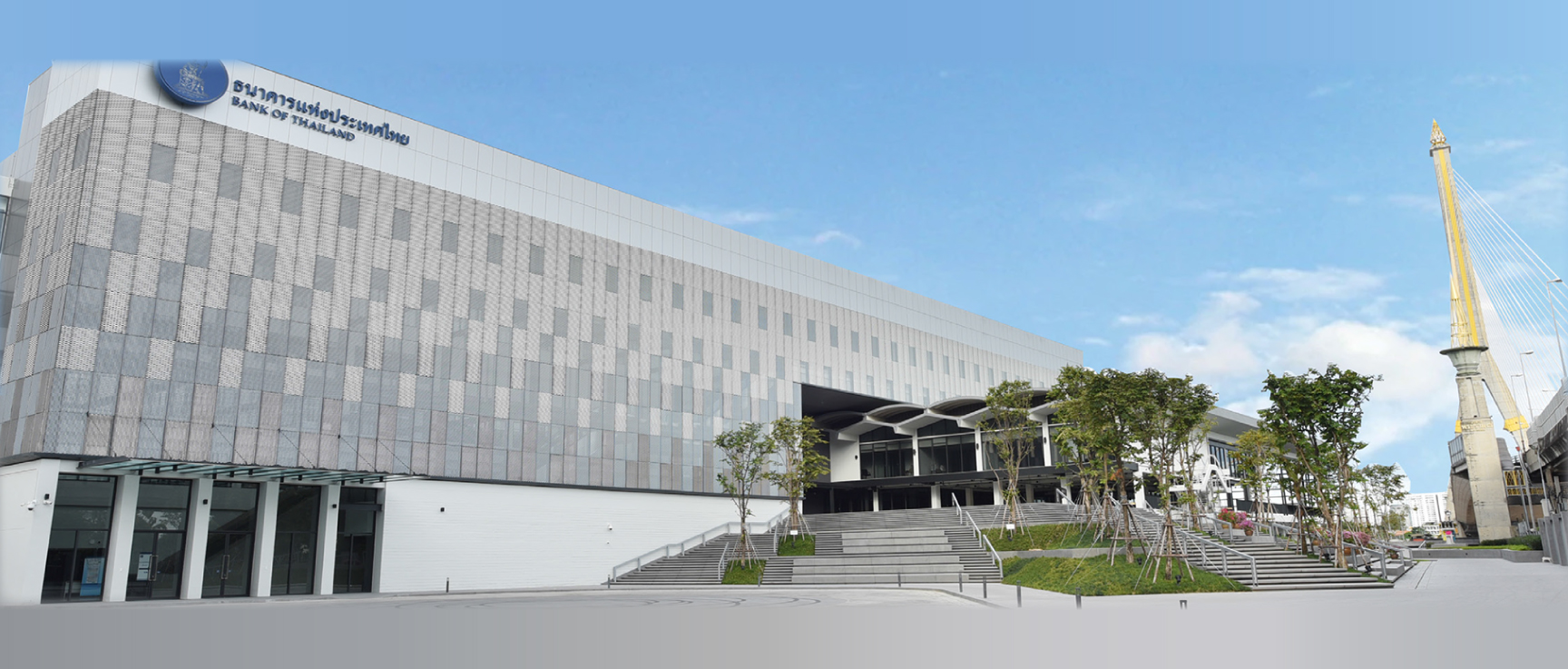
Foreign freehold condominium purchases also have a separate evidence issue. Official Thai guidance and Bank of Thailand exchange-control material make the foreign-currency trail important. A buyer should confirm with the receiving bank, lawyer and developer or seller which documents will be required before sending funds. The account used for daily ownership may not be the same operational question as the account used to receive purchase funds and issue foreign-exchange evidence.
Separate purchase funds from ownership operations
The purchase transfer and the ownership account solve different problems. Purchase funds usually need to show that money came from overseas in a form that supports foreign condominium ownership. The buyer needs evidence from the bank, often linked to the remittance purpose and amount. Day-to-day ownership requires a way to pay common fees, utilities, repairs, insurance, taxes where relevant and agent or juristic charges.
Some buyers can complete a purchase without holding a Thai bank account in their own name if the payment trail is correctly handled through the receiving bank. Others prefer to open an account for convenience, especially if they will rent the unit, keep funds in Thailand, visit often or pay recurring building costs directly. The right answer depends on the buyer’s status and the bank’s documentation requirements.
Ask the bank before sending money
The receiving bank should confirm the currency route, sender name, beneficiary name, transfer purpose wording, processing branch, document-issuance timeline and whether staged payments can each be evidenced. Buyers using transfer platforms should be especially careful. If the money is converted before it reaches Thailand, or if the sender name does not match the buyer clearly, the bank may not be able to issue the evidence expected at the Land Office.
The safest sequence is to ask first, send second and document everything. Keep SWIFT records, bank credit advices, foreign-exchange forms where issued, receipts, the sale and purchase agreement, reservation evidence, passport copies used by the bank, and any lawyer or developer instructions. A clean file can also matter years later if the owner sells and wants to explain the original purchase trail.
Foreign buyers should understand which bank documents support the condo ownership trail.
Opening an account as a non-resident
Thai banks apply know-your-customer and compliance requirements. A branch may ask for a passport, visa or entry status, proof of address, employment or income information, a reference letter, a work permit, a long-stay visa, a condominium purchase document or other supporting papers. Requirements can differ between banks and even between branches of the same bank.
Foreign buyers should avoid assuming that a short visit is enough. If account opening is important to the transaction, schedule time in Bangkok, ask the bank what documents are needed, and bring originals as well as copies. If the buyer will not be in Thailand, ask a lawyer whether a power of attorney can assist with specific banking steps. Do not assume it can; banks may still require in-person identification.
For landlords, banking affects rent collection
A landlord account can simplify rent collection and expense payment. It helps separate property income from personal travel funds and makes it easier to track common fees, repair costs and agent commissions. If a tenant pays into a Thai account, the owner should still keep proper records and ask an adviser about tax obligations. A bank statement is useful evidence; it is not a tax plan.
Owners who live overseas should decide who monitors the account. Some will use online banking. Others will appoint a property manager to coordinate bills and send reports. The lease should make payment dates, bank details, late-payment rules and deposit handling clear. Poor rent administration can damage a perfectly good investment.
Watch common-fee and utility payment deadlines
After transfer, the juristic office will expect common fees, sinking-fund balances where relevant, utility reimbursements and administrative charges to be paid on time. Owners should ask whether invoices are sent by email, app, post or in person. They should also confirm which payment channels are accepted and whether receipts are issued digitally.
Late payment can create unnecessary friction. It may also complicate resale if outstanding balances need to be cleared before a debt-free letter is issued. A foreign owner who visits Bangkok only occasionally should automate reminders and keep enough funds available for predictable costs.
A clear banking file helps owners manage common fees, rent income and later resale paperwork.
Do not mix nominee or informal arrangements
A Thai friend’s account, an agent’s account or a company account may look convenient, but informal banking arrangements can create ownership, tax, compliance and trust problems. The buyer should avoid arrangements that obscure who paid, who owns, who receives rent or who controls the money. If another person must assist, the role should be documented properly and reviewed by a qualified adviser.
This is particularly important where a buyer is already dealing with foreign quota, source-of-funds checks or future outward remittance. Convenience at the start can become a problem at resale if the money trail is unclear.
What to prepare before a buying trip
Before travelling to Bangkok, ask the chosen bank and lawyer for a document list. Prepare passport copies, proof of residential address, tax identification details if requested, employment or business evidence, visa documents, reservation or sale documents, and contact details for the developer or seller. Ask whether documents need to be translated, certified or recently dated.
Foreign buyers who want a smoother transaction should treat banking as part of due diligence, not administration. IBP’s foreign buyer guides cover related transfer and ownership checks, and the team can help buyers map the document questions before funds move.
Foreign buyers can legally own freehold condominium units in Thailand within the foreign ownership quota, but the banking evidence matters. A buyer should not treat the money transfer as a simple last-minute payment. The receiving bank, the currency route, the stated purpose and the documentary trail can affect whether the transfer can proceed smoothly at the Land Office.
Bank evidence should be planned before money moves, not after the transfer date is booked.
The practical issue is straightforward: the purchase funds for a foreign freehold condominium normally need to be shown as foreign currency remitted into Thailand for the purpose of buying the condominium. Official Thai government guidance explains that foreigners purchasing a condominium should transfer money from abroad in foreign currency and obtain the relevant foreign-currency transaction evidence from the processing bank for presentation to the Land Department.
This article is a planning guide rather than legal advice. Requirements can vary by facts, bank process, Land Office practice and buyer status. The safest approach is to confirm the exact evidence with the receiving bank, the developer or seller, and the buyer’s lawyer before funds are sent.
Why the evidence matters
A Bangkok condo transfer is not completed only because the buyer has enough cash. The officials and banks need to see that the funds match the foreign-ownership route. If the money arrives in the wrong form, with unclear sender details, without a property purchase purpose or through a route that the bank cannot document properly, the buyer may face delays just when the seller expects completion.
The evidence is also useful later. A clean remittance record can help when selling the unit, explaining the purchase trail, arranging future outward remittance and answering tax or banking questions. Foreign buyers who keep every bank certificate, credit advice, SWIFT record, contract, receipt and Land Office document in one file save themselves trouble years later.
Speak to the receiving bank before sending funds
The receiving Thai bank is the key operational contact. Ask what currency should be sent, whose name should appear as sender and receiver, what wording should be placed in the transfer purpose field, which branch will issue the document, how long issuance takes, and whether staged payments can be consolidated or must be evidenced separately. Do this before sending the first reservation or contract payment if that payment forms part of the purchase price.
Buyers should be careful with transfer services that convert funds before the money reaches Thailand. The problem is not that every service is unsuitable. The problem is that the receiving bank must be able to document the incoming foreign currency in a way accepted for the condominium transfer. If the funds arrive as domestic Thai baht from an intermediary, the evidence may be harder or impossible to produce.
Transfer evidence sits beside practical checks such as inspection, title review and fee confirmation.
Use clear transfer wording
The transfer purpose should be specific and consistent. A buyer should normally state that the funds are for the purchase of the named condominium unit, using the buyer’s passport name and the project or unit reference where possible. Avoid vague wording such as investment, personal transfer or family support if the money is for the condominium purchase. The goal is to make the bank evidence easy to match with the sale and purchase documents.
If several payments are being made, keep the wording consistent across each payment. This is especially important for off-plan units where deposits, instalments and final transfer payments may be spread over time. The buyer should maintain a schedule showing date, amount, currency, sender, receiver, bank reference and which contract milestone the payment relates to.
Check the amount and timing
The evidence should cover the purchase price that needs to be shown for the transfer. Buyers should therefore avoid sending only the final balance correctly while earlier payments are poorly documented. If a developer or seller requires reservation money, ask whether that amount must also be supported by foreign-exchange evidence and how it will be reflected at completion.
Timing also matters. Banks may need time to issue the foreign-currency transaction document or bank certificate. Public holidays, branch procedures, compliance reviews and name mismatches can slow the process. A buyer planning to fly into Bangkok for transfer should not assume that evidence can be corrected in one morning.
A buyer checklist before remittance
Confirm foreign quota and transfer eligibility before sending major funds.
Ask the receiving bank what exact evidence it will issue for the transfer.
Send funds in foreign currency where required and keep the sender name consistent with the buyer.
Use a specific property purchase purpose in the payment instruction.
Keep SWIFT records, bank certificates, receipts, contract pages and exchange records together.
Check whether each staged payment needs separate evidence.
Have a lawyer or experienced adviser review the process before the final transfer date.
A clean banking trail helps the Land Office transfer match the foreign freehold purchase plan.
Common avoidable problems
Problems often begin when buyers send money from an account that does not match the buyer name, use a payment provider that changes the transfer trail, omit the purchase purpose, send funds to a third party without advice, or assume that a bank statement is the same as transfer evidence. These issues can sometimes be solved, but solving them under transfer pressure is stressful and may weaken the buyer’s negotiating position.
Another common problem is treating the agent as the only source of banking instructions. Agents can coordinate, but the buyer should still confirm with the bank and legal adviser. A property purchase is too important to rely on informal messages if a simple pre-transfer call can reduce risk.
Buyer takeaway
Foreign-exchange evidence is one of the practical foundations of a Bangkok condominium transfer. It should be planned from the first payment, with clear bank instructions, consistent names, proper transfer purpose wording and a complete document file. A smooth transfer is usually the result of boring preparation done early.
IBP can help foreign buyers coordinate viewing, foreign quota checks, bank evidence questions and transfer planning with the right professional support. Read our legal, tax and due diligence guides or contact IBP Real Estate before sending purchase funds.
Foreign buyers planning a Bangkok condo viewing trip should now watch Thailand’s entry rules more carefully. TAT advised on 21 May 2026 that Thailand’s Cabinet had approved a revision of the 60-day visa exemption scheme, with revised entry conditions to take effect 15 days after publication in the Royal Gazette. TAT also noted that until the revised measures take effect, current entry conditions remain in force and visitors should monitor official updates.
Visa timing, funds evidence and viewing appointments should be planned together.
This is not a reason to cancel a property search, but it is a reason to plan with less wasted time. Many foreign buyers treat the viewing trip as a relaxed holiday with a few property tours added. That can still work for a casual first look. It works less well when entry duration, bank paperwork, transfer timing and legal review all need to fit into a tighter schedule.
The practical rule is simple: do not rely on yesterday’s stay allowance for tomorrow’s purchase plan. Check your nationality, passport validity, airline requirements, visa or exemption category, and any official updates before booking flights. Then design the property itinerary around confirmed time on the ground, not around assumptions.
Start with the purpose of the trip
A Bangkok condo trip can have different purposes. Some buyers are exploring districts for the first time. Others are choosing between shortlisted units, negotiating a reservation, checking a completed building, signing documents or preparing for transfer. Each purpose needs a different schedule. A buyer who only wants orientation can see more neighbourhoods and fewer legal documents. A buyer who may reserve a unit should leave time for document review and banking checks.
If the visit is connected to an imminent purchase, the buyer should prepare before arriving. Ask agents to send floor plans, title basics where available, common fee information, foreign quota status, estimated transfer costs, juristic contact details and recent photos. Remove unsuitable units before landing. Bangkok traffic and building-access arrangements can consume more time than expected.
A shorter trip window makes pre-screening more important before a buyer lands in Bangkok.
Documents to organise before flying
Passport validity and confirmed entry category for your nationality.
Proof of funds and banking route for any intended foreign-currency transfer.
A shortlist of buildings, not only online listing links.
Questions for the juristic person, including fees, sinking fund and debt-free letter timing.
A lawyer or adviser who can review documents quickly if a serious unit appears.
Clear authority if a spouse, company officer or family member must approve the purchase.
The buyer does not need to carry every purchase document on a first trip, but the serious-buyer basics should be ready. If a good resale unit appears and the seller wants a quick answer, the buyer should know whether they can reserve, what the deposit means, whether the funds can be remitted correctly and who will review the agreement. A rushed yes without process is usually more dangerous than missing one unit.
Do not confuse visa stay with ownership rights
Thailand’s visa or visa-exemption rules affect how long a buyer can stay in the country. They do not, by themselves, create or remove the legal framework for foreign condominium ownership. Foreigners can generally buy freehold condominium units within the foreign quota, provided the purchase and transfer requirements are met. However, buyers should not use a short-stay trip to bypass proper ownership, tax or due-diligence advice.
This distinction matters because property conversations often mix immigration, ownership and investment issues together. A buyer may be allowed to enter Thailand for a certain number of days but still need separate planning for long-stay visas, tax residence, rental management, bank accounts, insurance and future resale. Entry permission is only one part of the ownership plan.
Build a realistic Bangkok viewing schedule
For a focused trip, group viewings by district. Do not schedule Rama IX, Riverside, Phrom Phong, Sathorn and Ari on the same afternoon unless the purpose is only a surface tour. A serious buyer should spend enough time in each building to check access, lobby, lifts, parking, noise, common areas, unit condition, view and surrounding daily life. This is especially important for buyers who may not return before transfer.
A good schedule also includes unstructured walking time. Visit the nearest BTS or MRT station, supermarket, hospital route, park, school road, restaurant street and late-evening access. A condominium can look strong online but feel inconvenient in daily use. Foreign buyers should test the life around the unit, not only the unit itself.
Viewing trips should leave time for inspection, legal review and practical neighbourhood checks.
If the rules change before you travel
If revised entry conditions are published before departure, re-check the official requirements for your passport and adjust the itinerary. That may mean fewer districts, a clearer shortlist or using remote pre-screening before the flight. It may also mean applying for the appropriate visa rather than relying on visa exemption if the trip includes extended due diligence, family planning or relocation preparation.
Buyers already in Thailand before any revised measures take effect should follow official advice on their authorised stay. Do not assume that informal comments from agents, forums or social media override immigration notices. For property decisions, use the official entry date and permitted-stay date as the planning base.
Buyer takeaway
Thailand’s pending visa-exemption revision is a reminder that property buyers should plan travel, documents and due diligence together. A Bangkok condo viewing trip can still be productive, but it should be structured around verified entry rules, pre-screened buildings and enough time for careful decisions.
IBP can help foreign buyers prepare a Bangkok viewing route, pre-screen buildings and coordinate practical due diligence before arrival. Read our foreign buyer guides or contact IBP Real Estate before booking a property trip.
Maintenance funds are easy to overlook when a Bangkok condominium looks polished during a viewing. Foreign buyers tend to focus on title, foreign quota, price, view, furniture and rental potential. Those are important, but the building’s financial health can decide whether ownership remains smooth. Common fees, sinking funds, repair reserves and juristic person records show how the condominium pays for daily operations and larger future works.
Maintenance and sinking fund records should be reviewed before transfer, not after completion.
This guide is not about avoiding every building with higher fees. Sometimes a premium building costs more to run because it offers larger common areas, better security, stronger staffing, better landscaping, reliable lifts and more extensive facilities. The question is whether owners are paying for value and whether the building has enough money to maintain itself without constant emergency calls for additional contributions.
For an overseas owner, this is also a distance-management issue. If the owner is in Singapore, Hong Kong, Europe or Australia when a lift replacement, facade repair or pipe problem appears, the owner needs the building to have a process, a budget and a clear communication channel. Weak financial planning turns routine ownership into repeated surprise decisions. Strong records make the condo easier to hold from abroad.
Common fees and sinking funds are different
Common fees normally cover recurring expenses such as security, cleaning, lift maintenance, common electricity, garden care, pool service, management staff, minor repairs and administrative costs. A sinking fund is normally intended for larger capital items such as major repairs, repainting, roof works, lift replacement, facade work, plant equipment and other long-cycle costs. Buyers should understand both.
A low monthly common fee can look attractive, but it may also mean underfunded maintenance. A high fee can be reasonable if the building is complex, well staffed and transparent. The most useful question is whether the fee level matches the building condition and service standard. If a property has high fees but weak upkeep, owners may be paying without receiving proper management.
Ask for recent juristic records
Before paying a large deposit, ask the seller or agent for recent juristic person documents where available. These may include annual meeting minutes, budget summaries, audited accounts, notices of special assessments, insurance information, major repair plans and current common fee rates. In a resale purchase, also ask for confirmation that the unit has no outstanding common fees or penalties before transfer.
Foreign buyers should not expect every document to be presented in perfect English. Still, the process should be orderly. A building that cannot explain its fees, fund position or upcoming works may require extra caution. If the buyer cannot read Thai, a bilingual lawyer or trusted adviser should review the important records before the transfer appointment.
A well-maintained building is often the result of boring but important financial discipline.
Look for signs of deferred maintenance
The building tour should confirm what the paperwork suggests. Check lift condition, corridors, fire doors, lobby wear, parking areas, drainage, pool tiles, gym equipment, air-conditioning in shared areas, exterior paint, garden condition and staff responsiveness. Deferred maintenance often appears in small details first. If common areas feel tired, the buyer should ask whether this reflects poor management, low fee collection, upcoming renovation, or simple age.
Older buildings can still be excellent purchases when they are well managed and priced sensibly. In fact, some older Bangkok condominiums offer larger layouts and established locations. The risk is not age by itself. The risk is an ageing building without a realistic capital plan. A buyer who saves on purchase price but later faces repeated special levies may not have saved much at all.
Questions foreign buyers should ask
What are the current common fees per square metre and when were they last changed?
How much is held in the sinking fund and what major works are planned?
Are there unpaid common fees from other owners that affect the building budget?
Has the building issued any recent or pending special assessments?
Are lifts, fire systems, pumps, facade, parking systems and pool equipment under regular maintenance contracts?
Can the seller provide a debt-free letter before transfer?
These questions turn maintenance from a vague concern into a decision framework. The buyer does not need perfect answers to every item, but unexplained gaps should affect price, negotiation and willingness to proceed. If a seller pressures the buyer to sign before basic records are available, that pressure is itself a warning sign.
Physical condition and financial records should tell the same story.
How this affects rental and resale
Tenants notice maintenance. They may not read annual meeting minutes, but they experience lifts, corridors, water pressure, pest control, parking, security and common facilities every day. A building with weak maintenance can suffer higher vacancy, lower rent and more frequent tenant complaints. A landlord living overseas may also face more operational stress when the building does not manage problems properly.
Resale buyers notice maintenance even more. A future buyer will compare your unit with competing units in better-managed buildings. If the common areas have aged badly, your renovated interior may not be enough. Maintenance funds therefore influence both income and exit value. They are part of investment analysis, not only administration.
Buyer takeaway
Foreign buyers should treat maintenance funds as part of Bangkok condo due diligence. A building that collects fees transparently, maintains common areas and plans for major repairs gives owners a stronger base. A building that looks cheap to hold but has weak reserves may become expensive later.
IBP can help buyers ask the right juristic questions before transfer and compare buildings on management quality as well as price. Read our foreign buyer guides or contact IBP Real Estate before committing to a Bangkok condominium.
Insurance is one of the least glamorous parts of owning a Bangkok condominium, but it can become one of the most important when something goes wrong. Foreign buyers often assume that the juristic person’s building insurance is enough. In many cases it is not. The building policy may protect common property and structural elements, while the owner still needs to think about contents, improvements, liability, tenant damage, water leaks, loss of rent and the practical claims process from overseas.
Foreign owners should keep insurance records with the title, lease and juristic files.
A buyer does not need to become an insurance specialist before purchasing a unit. The useful approach is to know which questions to ask, which documents to keep and where the gaps may sit. Insurance is part of due diligence because it shows how the building manages risk. A well-run condominium should be able to explain its master policy, claim procedure, fire-safety systems, maintenance routines and owner responsibilities without confusion.
Start with the building policy
The first insurance check belongs at building level. Ask the juristic office or seller for confirmation of the condominium’s master policy, insured parties, policy period, general coverage area and claim procedure. The owner should understand whether the policy covers only common areas, whether structural elements are included, how excess amounts work, and who coordinates claims involving common property.
This matters because many problems cross the line between private and common property. A leak may start in one unit and damage another. A fire-safety issue may involve both private contents and building systems. A storm, flood, lift issue or public-area incident may require the juristic office, insurer and individual owners to coordinate. If the building’s documents are vague, the owner may face delays at the worst moment.
Then check what the owner must insure
The owner’s policy should be shaped around the unit’s real use. A furnished unit held for personal visits has a different risk profile from a fully tenanted investment unit. A high-value renovation, imported furniture, artwork, appliances, home office equipment and built-in fittings may need specific consideration. A basic policy may not reflect the actual replacement cost of a premium Bangkok unit.
Foreign owners should pay attention to contents cover, fixtures and improvements, personal liability, accidental damage, water damage, electrical damage, theft, tenant-related exclusions and any requirement to maintain locks, alarms or air-conditioning systems. The point is not to buy the most expensive policy. The point is to avoid discovering after an incident that the relevant risk was never covered.
The building policy and the owner policy should be checked together, not separately.
Rental units need extra care
Landlords should not rely on the tenant’s good intentions alone. A lease should state who is responsible for utilities, minor repairs, air-conditioning servicing, damage, lost access cards, cleaning, smoking, pets and unauthorised subletting. Insurance should then be checked against those lease obligations. If the policy excludes tenant damage or commercial use, the owner needs to know before keys are handed over.
Loss of rent cover may also be relevant, but owners should read the conditions carefully. It may apply only after an insured event and only for a defined period. It will not usually protect an owner from ordinary vacancy, weak demand or a tenant who simply decides not to renew. Insurance can reduce certain risks, but it does not replace proper tenant screening and market pricing.
Keep the evidence file current
Photograph the unit before completion, before each lease and after move-out.
Keep receipts for furniture, appliances and renovation work where available.
Record serial numbers for major appliances and electronics.
Save air-conditioning service reports, repair invoices and pest-control records.
Keep the lease, tenant ID record and deposit receipt with the insurance file.
These records may feel routine, but they can decide whether a claim is smooth or contested. An owner who lives outside Thailand should store digital copies securely and make sure the local agent or property manager knows who to contact in an emergency. A claim can move slowly if the insurer cannot verify ownership, policy details, unit condition or authority to act.
Photos, inventories and maintenance records make claims easier to evidence.
Questions for the juristic office
Before buying or leasing out a unit, ask the juristic office how incidents are reported, whether there is a standard form, who contacts the building insurer, how neighbour damage is handled, whether contractors must be approved and whether renovation works require separate insurance or deposits. These questions reveal the building’s management culture. A clear process is a positive ownership signal.
Also ask about recent incidents in general terms. The issue is not to obtain private details about other owners. It is to understand whether the building has recurring water leaks, lift issues, fire-alarm problems, parking damage, balcony drainage concerns or contractor disputes. Repeated incidents can point to maintenance risk that an individual policy cannot fully solve.
Buyer takeaway
For foreign buyers, condo insurance should sit beside title, quota, funds transfer and tax records. It is not a formality to handle after completion. It is part of owning safely in a city where the buyer may be abroad when a problem occurs. The strongest position is a clear building policy, an owner policy that matches the unit’s use and a documented handover file.
IBP can help buyers review management documents and prepare practical ownership questions before transfer. Read our foreign buyer guides or contact IBP Real Estate before committing to a Bangkok condominium.