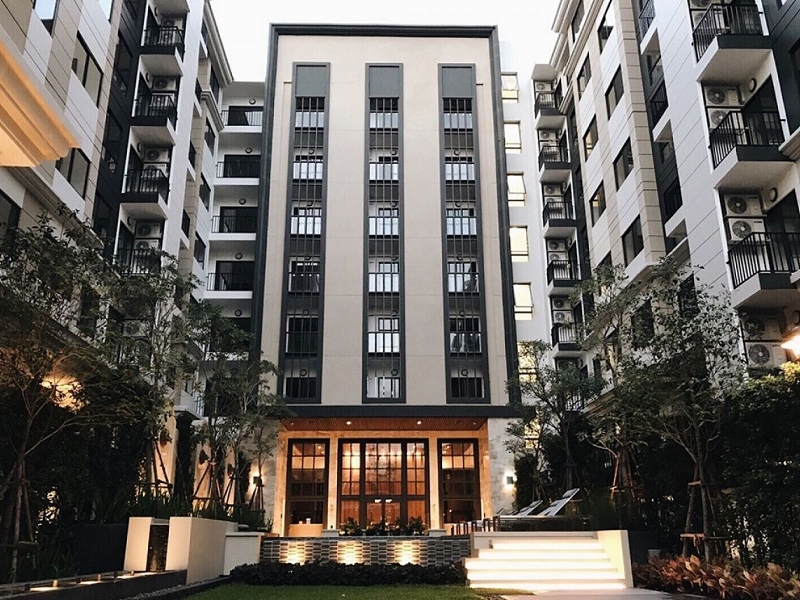
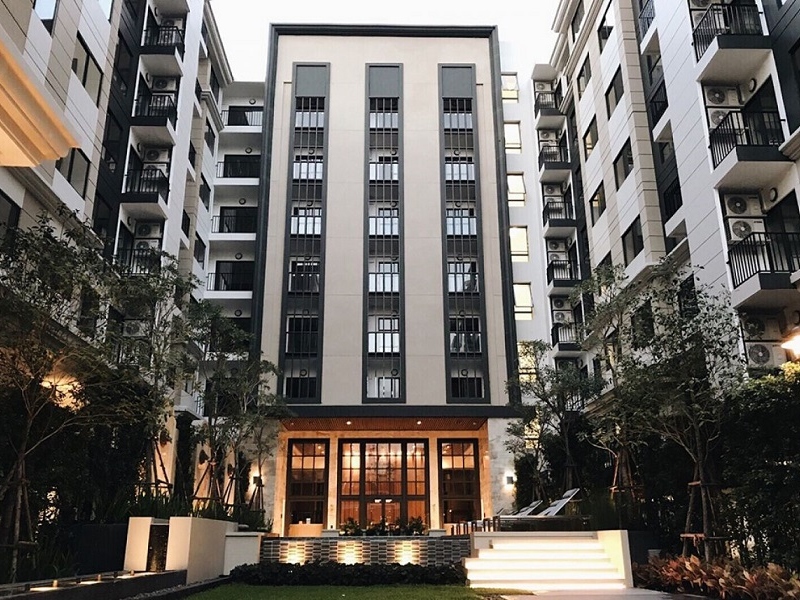
Foreign buyers often spend time checking the unit, the view and the price, but the building records can be just as important. A Bangkok condominium is not only private space. It is a shared building with common property, budgets, rules, committees, repairs, staff, lifts, insurance, sinking funds and owners who must keep paying their share.
The condominium juristic person sits at the centre of that building life. Before paying a meaningful deposit, a buyer should ask what records are available and what they reveal. This is not about turning every purchase into a court case. It is about knowing whether the building is orderly, financially realistic and transferable to a foreign owner.
Juristic-person records help buyers test the building before relying on a viewing or sales pitch.
The first record is foreign quota
Thailand.go.th explains that foreign buyers may own condominium units within the statutory foreign ownership limit, and that a letter confirming the foreign proportion from the condominium juristic person is submitted to the Department of Lands for transfer. For a foreign freehold buyer, this is not optional background. It is central to whether the unit can be transferred in the buyer’s name.
A seller or agent may say the unit is available in foreign quota, but the buyer should still ask for written confirmation through the proper process. The exact unit, building and buyer status need to be aligned. If the quota is tight, do not assume that verbal comfort is enough. Ask your lawyer to check timing, wording and whether anything could change before transfer.
Debt-free and fee records
The buyer should also ask whether the seller has outstanding common fees, sinking fund obligations, utility charges, repair charges or penalties. A clean transfer should not leave the buyer arguing later about historic arrears. The juristic office may provide a debt-free letter or confirmation as part of the transfer package, but buyers should understand what it covers and when it is issued.
Do not treat low common fees as automatically good. A building with fees that are too low may be underfunding future repairs, staff, security, lift maintenance, insurance or facade work. A well-run building needs realistic income. The stronger question is whether fees are appropriate for the age, facilities and repair needs of the building.
The building file should support the title, foreign quota, maintenance and management story.
Annual budgets and financial statements
A buyer does not need to become an accountant, but the annual budget is still useful. It shows how the building expects to pay for staffing, security, cleaning, utilities, lift contracts, pool maintenance, garden work, insurance and repairs. Repeated deficits, vague line items or sudden increases may require explanation.
The financial statements can also show whether owners are paying on time. High receivables from unpaid common fees may point to weak collection or a building with many financially stressed owners. That can affect repairs, atmosphere and future resale. A foreign buyer who will not live in Bangkok full-time should be especially careful with buildings that require constant owner pressure to function properly.
Records to request or discuss
Foreign quota confirmation for the exact unit and transfer timing.
Debt-free or arrears confirmation for common fees and special charges.
Recent annual budget and financial statements, where available.
Recent annual general meeting minutes and any extraordinary meeting minutes.
Building rules covering renovation, pets, short stays, parking, deliveries and use of facilities.
Major repair history, planned works and any special assessments already approved or likely.
Meeting minutes tell the building story
Meeting minutes are often more revealing than brochures. They can show whether owners argue about repairs, short-term letting, parking, noisy tenants, water leakage, lift replacements, facade work, security, management contracts or unpaid fees. One disagreement does not make a building bad. Repeated unresolved problems deserve attention.
Minutes can also show whether the committee is active and whether management explains issues clearly. A good building is not a building with no problems. It is a building that identifies problems, budgets for them and communicates with owners before they become crises.
Rules affect rent and resale
Foreign buyers who plan to rent out the unit should read building rules before they buy. Pet policies, minimum lease terms, registration procedures, move-in fees, renovation hours, delivery access, parking allocation and facility rules all affect tenant appeal. A unit that looks attractive may become harder to rent if the rules do not match the intended tenant profile.
Short-stay restrictions are particularly important. Do not assume that a condo can be used like a hotel or serviced apartment. Ask a Thai lawyer and the juristic office how building rules apply, and separate what owners actually do from what is legally and practically allowed. A rental plan should be built on a conservative reading, not on informal promises.
A unit inspection is stronger when it is matched with building records and future repair planning.
Repairs, age and capital planning
Older Bangkok buildings can be excellent purchases when they have space, location, land value and sensible management. They can also require serious capital planning. Lifts, pumps, pipes, waterproofing, facade systems, roofs, car parks, fire systems and common-area air-conditioning all age. A buyer should ask what has already been replaced, what is scheduled and how it will be funded.
Newer buildings also need checking. A new lobby does not guarantee good management. Look for defect-handling processes, warranty issues, owner handover minutes and whether the developer-controlled phase has transitioned into normal owner management. The early record can shape the building’s culture for years.
Buyer takeaway
Juristic records do not replace title review, contract review or transfer checks, but they add a building-level view that foreign buyers often miss. The best purchases have a clean unit file and a credible building file: quota, fees, minutes, rules, budgets and repair planning all point in the same direction.
IBP Real Estate can help organise the commercial due diligence file while your independent Thai lawyer reviews the legal position. Continue with our foreign buyer guides and legal and due diligence articles before reserving.
The name on a Bangkok condo title deed is not an administrative detail. It is the ownership decision. Foreign buyers should decide it before paying a meaningful deposit, wiring funds to Thailand or signing a sale and purchase agreement. Changing course later can affect remittance evidence, foreign quota, transfer timing, tax advice, inheritance planning and resale.
This guide is practical context, not legal advice. The right answer depends on the buyer’s nationality, marital status, tax residence, family plan, funding source and risk tolerance. The point is to make the ownership-name decision early enough that a Thai lawyer, accountant and agent can align the paperwork before transfer.
The ownership name should be agreed before deposit, remittance and transfer documents start moving.
Why the name matters in Thai condo ownership
Thailand.go.th explains that foreigners may own condominium units under the condominium framework, while foreign ownership in a condominium must not exceed 49% of the total unit area. It also describes the need for a letter from the condominium juristic person confirming the foreign ownership proportion, which is submitted to the Department of Lands for transfer.
That means the buyer’s name is tied to several documents: the reservation, sale agreement, foreign-exchange evidence, juristic-person confirmation, transfer paperwork and final title deed. If those records do not line up, transfer can become slower, more expensive or more complicated than necessary.
Common ownership-name choices
The simplest structure is individual foreign ownership in the buyer’s own name. For many overseas buyers, this is the cleanest route because the name on the funds, contract and title deed is consistent. It is usually easier for resale buyers to understand, and it reduces the risk of confusion about who owns the unit.
Some couples consider joint ownership. This can make sense where both parties are funding the purchase and want their names reflected on the title. It also requires more coordination. Both names need to be handled correctly in contracts, identification documents, remittance evidence and transfer paperwork. If one buyer cannot attend transfer, powers of attorney may need to be prepared with care.
Other buyers ask whether a Thai spouse, family member, friend or company should hold the unit. This is where independent advice becomes essential. A structure that looks convenient may create control, tax, inheritance or nominee-risk problems. If the buyer is paying the money but someone else is named on the title, the buyer must understand that legal ownership may not match their expectation.
The title, foreign quota letter and payment evidence need to align with the buyer’s intended ownership structure.
Remittance evidence should match the plan
Foreign freehold condominium purchases usually require overseas funds to be remitted into Thailand correctly, with documentation that supports transfer registration. The name on the remittance, the stated purpose and the buyer named in the contract should be checked before money is sent. Fixing an incorrect transfer description after the fact can be stressful, especially close to transfer day.
If joint buyers are involved, ask the bank and lawyer how each person’s funds should be sent and documented. If one person funds the purchase but both names will appear on the title, tax and gift questions may arise in Thailand or in the buyer’s home country. Do not assume the Land Office paperwork is the only issue.
Questions to settle before deposit
Whose name, exactly as shown on the passport, will appear on the reservation and sale agreement?
Is the exact unit available for foreign freehold transfer under the building’s foreign quota?
Will the overseas remittance evidence match the buyer name and purchase purpose?
If there are joint buyers, how will funds, signing authority and transfer attendance be handled?
Has each buyer checked home-country tax, matrimonial-property and inheritance consequences?
Would a future resale buyer understand the ownership history without extra explanation?
Passport spelling and document consistency
Small differences can create unnecessary friction. Passport names, middle names, transliteration, nationality, passport number, address and signing style should be consistent across the file. If a buyer renews a passport between reservation and transfer, the lawyer should be told immediately so the document file can be updated.
For buyers from jurisdictions with name-order differences, married names, legal aliases or non-Roman scripts, early checking is useful. The goal is not only to satisfy the Land Office. It is to create a clean future ownership record for insurance, banking, rental management, tax filing and resale.
Ownership-name decisions should sit beside legal review, inspection and resale planning.
Estate planning and resale are part of the choice
Many buyers think only about transfer day. The better approach is to think about the full holding period. If the owner dies, becomes incapacitated, divorces, changes tax residence or wants to sell quickly, the title name matters. A Thai will, home-country estate plan or tax review may be needed depending on the buyer’s situation.
Resale also matters. A clear ownership record helps the next buyer’s lawyer. Complicated name changes, unexplained funding routes or informal family arrangements can slow due diligence. If the investment plan includes a future exit, the ownership file should be built for that exit from day one.
When to ask for specialist advice
Specialist advice is important if the buyer is married, buying with a partner, using a company, receiving family money, buying for children, planning rental income, using a loan, holding multiple nationalities or spending significant time in Thailand. The same unit may have different legal and tax consequences for different buyers.
A buyer should also ask their lawyer to explain what the proposed structure does not solve. For example, putting a unit in a spouse’s name may not answer inheritance planning. Joint ownership may not answer tax residence. A company structure may not be appropriate for a straightforward residential purchase. Clarity is the protection.
Buyer takeaway
The best ownership-name decision is made before deposit, not during transfer week. For most foreign buyers, a clean individual ownership file is easiest to understand, but couples and families may have good reasons to consider alternatives. The key is to match the title name, quota evidence, remittance evidence and long-term plan.
IBP Real Estate can coordinate the commercial file while your independent Thai lawyer and tax adviser review the ownership structure. Continue with our foreign buyer guides and legal and due diligence articles before reserving.
A Thai lawyer can add real protection to a Bangkok condo purchase, but only if the buyer gives the lawyer a clear scope. Many foreign buyers simply ask, “Can you check the contract?” That is too narrow. A condo purchase involves title, foreign quota, seller authority, deposit terms, payment evidence, building documents, transfer-day mechanics and post-transfer ownership records.
This guide explains what a buyer should ask a Thai lawyer to review before paying a serious deposit or committing to transfer. It is not legal advice. It is a practical briefing checklist so foreign buyers can have a more useful conversation with their own independent counsel.
A clear lawyer scope helps foreign buyers know what is being checked before money is committed.
Start before the reservation becomes expensive
The best time to involve a lawyer is before a reservation agreement or deposit receipt becomes hard to unwind. Once a buyer has paid a non-refundable deposit, the negotiation leverage changes. A short preliminary review can flag whether the unit is in foreign quota, whether the seller can sign, whether the payment schedule is realistic and whether the buyer is being asked to accept unusual risk.
Thailand.go.th explains that a foreign buyer requesting condominium ownership needs a letter confirming the foreign proportion from the condominium juristic person, which is submitted to the Department of Lands for transfer. It also describes the legal framework under which foreigners may own condominium units while foreign ownership must not exceed 49% of the space of all units in a condominium. That is why quota evidence should be a core part of the legal brief, not a transfer-day afterthought.
What the lawyer should review
A sensible scope starts with the title deed and seller authority. The lawyer should confirm the unit details, owner name, encumbrances where visible, registered rights and whether the seller has authority to sell. If the seller is a company, estate, attorney-in-fact or overseas owner, the authority chain becomes more important.
The lawyer should then review the reservation agreement, sale and purchase agreement, payment schedule, default clauses, defect and handover wording, tax and fee allocation, transfer date, furniture list and any side letters. For a new or recently completed project, the buyer should understand what happens if transfer is delayed, if defects are unresolved, or if promised furniture differs from the sales material.
Legal review should connect contract terms to the actual building, title and juristic-person records.
Foreign quota and remittance evidence
Foreign quota is central for freehold condo ownership. A lawyer should not rely only on a salesperson’s informal statement. The buyer should ask what document will be produced by the juristic person, when it will be issued, and whether the unit can be registered to a foreign buyer at the Department of Lands.
The lawyer should also coordinate with the buyer, bank and agent on foreign-exchange evidence. Funds for a foreign freehold condominium purchase normally need to be remitted into Thailand correctly, with documentation that matches the buyer name, purchase purpose and transfer amount. Mistakes here can delay transfer even when the unit itself is suitable.
Core documents to ask for
Title deed copy and ownership details for the exact unit.
Seller identification and authority documents, including power of attorney where relevant.
Reservation agreement, sale and purchase agreement, payment schedule and transfer date wording.
Foreign quota confirmation process from the condominium juristic person.
Juristic-person documents such as common-fee status, debt-free letter process and building rules.
Furniture list, defect list, inspection record and any agreed repairs before transfer.
Do not separate legal review from commercial reality
A lawyer may confirm that a contract can be signed, but that does not make the deal commercially attractive. The buyer still needs pricing evidence, rent evidence, building condition checks and an exit strategy. The legal review should therefore sit alongside valuation and inspection, not replace them.
For example, a sale agreement may be legally acceptable but still expose the buyer to a weak handover process. A title deed may be clean, but the building may have high upcoming repair costs. A seller may have authority, but the price may be above realistic resale evidence. A complete buyer process joins the legal, technical and market checks before the buyer commits.
The legal file should sit beside inspection, finance and transfer-day evidence.
Questions to ask your lawyer directly
Foreign buyers should ask for plain answers in writing. What exactly has been checked? What documents were unavailable? What risks remain? What conditions should be added before the buyer pays more money? Which issues are legal blockers and which are commercial negotiation points? If a lawyer only says that everything is “standard”, ask for a more specific explanation.
Buyers should also ask whether the lawyer will attend transfer, coordinate with the Land Office, review the final payment sequence and check the post-transfer title deed. Transfer day can be fast and paperwork-heavy, especially when the buyer is overseas or acting through a power of attorney. The scope should say who does what.
When extra advice may be needed
Some purchases need a wider team. If the buyer is using a company, inheritance structure, loan, overseas trust, lease arrangement, nominee-sensitive structure or complex tax position, a standard condo conveyancing review may not be enough. The buyer may need Thai tax advice, home-country tax advice, corporate advice or estate-planning advice.
Short-stay rental plans also need caution. Building rules, hotel-law issues, insurance and tax treatment may matter. A lawyer reviewing the purchase contract is not automatically reviewing the future rental model unless that is included in the engagement.
Buyer takeaway
A Thai lawyer is most useful when the buyer defines the scope early: title, seller authority, foreign quota, contract terms, payment evidence, building documents, transfer mechanics and unresolved risks. For foreign buyers, that clarity can prevent avoidable mistakes before the deposit becomes leverage for the other side.
IBP Real Estate can coordinate the commercial due diligence, inspection and offer strategy while your independent Thai lawyer handles legal review. Continue with our foreign buyer guides and legal and due diligence articles before signing.
Condominium annual general meetings are easy for overseas owners to ignore. The unit may be rented, the meeting notice may arrive in Thai, and the agenda can look routine. For a foreign owner, however, the AGM is where many ownership risks become visible: budgets, common fees, committee decisions, major repairs, building rules, insurance, sinking funds and the quality of the juristic person.
AGM papers should be treated as part of the ownership file, not as routine admin.
Understanding voting rights does not turn a buyer into a building manager. It simply helps the owner protect their asset. A Bangkok condo is not only a private unit; it is also a share in a common building. If the common areas are neglected, if major repairs are underfunded, or if rules are poorly enforced, the unit’s rental appeal and resale value can suffer even when the title deed is clean.
What an AGM normally decides
An AGM is the main forum where co-owners review the previous year’s accounts, approve budgets, appoint or review committee members, discuss building management and consider significant spending. The exact agenda depends on the building, but the themes are usually practical: lifts, facade works, water systems, security, parking, insurance, staff costs, management contracts, arrears and reserve funds.
For foreign buyers, the most important point is that these decisions affect holding costs. A building with low common fees but poor maintenance may need a large special contribution later. A building with higher fees may be justified if the money is transparent, properly collected and spent on services that protect the asset. The AGM papers help the owner see which situation they are buying into.
Building governance affects budgets, repairs, rentals and future resale confidence.
How voting rights are usually measured
In many condominium documents, co-owner voting is linked to the ownership ratio in the common property. In practice, this often means larger units carry more voting weight than smaller units. Buyers should check the unit’s ownership ratio on the title and in the condominium documents, then compare it with how meeting votes are recorded for that specific building.
This is one reason a foreign buyer should ask for recent AGM minutes before buying a resale unit. The minutes may show whether the building reaches quorum, whether the same issues repeat, whether budgets are approved without scrutiny and whether significant decisions are properly documented. A well-run building usually has a clearer paper trail.
Where the paperwork is unclear, ask the seller, juristic office and conveyancing adviser to reconcile it before reservation money becomes difficult to recover. Voting rights are not useful if the owner cannot identify notices, understand the agenda or prove who is authorised to attend. Practical control begins with documents that match the unit being purchased.
Proxy voting for overseas owners
Many foreign owners cannot attend in person. Proxy voting can help, but it should be handled carefully. Do not sign a blank proxy without understanding the agenda. Ask for an English summary where possible, mark your voting instruction clearly and choose a proxy holder who will follow your position. If the agenda includes major spending, rule changes or committee appointments, take extra care.
A proxy is not only a convenience tool. In buildings with many absent owners, proxies can shape the outcome. Before buying, ask how active owners are, whether meetings usually reach quorum, and whether proxy concentration has caused disputes. A building where a small group controls decisions through weak owner participation may still be legal, but it deserves closer governance review.
The best due diligence links the physical condition of the building with the AGM record.
AGM documents to request before buying
The latest AGM notice and agenda.
Minutes for the last two or three owner meetings.
Audited accounts, annual budget and sinking fund balance.
Common fee, sinking fund and special assessment records.
Building rules covering pets, renovation, short stays, parking and facility use.
Evidence of arrears and any major unresolved repair projects.
Questions that reveal building quality
Ask whether the juristic office provides documents in English or can explain key matters clearly. Ask how quickly maintenance requests are handled, whether accounts are audited on time, and whether major systems have planned replacement budgets. If the building is older, ask about lifts, waterproofing, fire systems, facade condition and pipework. These are not abstract governance issues; they are the practical details that decide future costs.
For landlords, AGM decisions can also affect rental income. Changes to parking rules, move-in procedures, renovation hours, facility bookings or short-stay enforcement can alter tenant experience. A well-managed building protects good tenants and responsible owners. A weakly managed one can create avoidable friction.
What foreign owners should do each year
Keep your contact details updated with the juristic office. Read meeting notices early. Ask your agent or property manager to summarise important agenda items, especially budgets and special assessments. Vote where the matter is material. Keep copies of minutes and accounts in your ownership file, alongside title, transfer, tax and lease documents.
This is also useful for resale. A future buyer may ask whether the building has unresolved disputes, major upcoming works or fee increases. Owners who keep good records can answer faster and with more confidence.
Buyer takeaway
AGM voting is not a formality. It is part of the control system that protects a Bangkok condo after transfer. Foreign buyers should understand their voting weight, use proxies carefully, review minutes before buying and keep annual records after ownership. A beautiful unit in a poorly governed building is rarely a low-risk asset.
IBP can help foreign buyers review Bangkok condo documents, juristic person records and building governance before reservation or resale purchase. Start with our foreign buyer guides or contact IBP Real Estate for due diligence support.
Foreign buyers often spend more time comparing views and facilities than checking the title deed. That order should be reversed before money becomes serious. A Bangkok condominium purchase is only as strong as the legal and practical evidence behind the unit: who owns it, what area is recorded, whether it can be transferred to a foreign buyer, whether debts are cleared and whether the building records match the sales story.
Title checks should begin before payment deadlines make the buyer dependent on the seller.
This guide is not a substitute for Thai legal advice. It is a practical checklist for overseas buyers who want to ask better questions before signing, remitting funds or flying to Bangkok for transfer. The safest approach is to use an independent lawyer or adviser who is not acting for the seller, developer or listing agent.
A clean title process does not make a weak unit a good investment, but it can prevent avoidable transfer problems. It also helps the buyer prepare a complete ownership file for future resale, leasing, banking and estate planning.
Confirm the exact unit title
Start by matching the unit being marketed with the unit title information. The unit number, floor, registered area, owner name and building details should align with the reservation form, sale and purchase agreement, floor plan, viewing record and any furniture or fixture list. If the agent sends only a brochure page, ask for the title details and have them reviewed before signing binding documents.
Area differences deserve attention. A beautiful layout can still be mispriced if the advertised size does not match the registered area or if a balcony, storage area or parking arrangement is being described loosely. Buyers should know what is legally part of the condominium unit, what is common property, what is an exclusive-use arrangement and what is simply a marketing convenience.
Check owner identity and authority
For resale purchases, the seller must have authority to sell. If the title owner is an individual, check passport or ID details and marital or consent issues where relevant. If the seller is a company, review company authority, authorised signatories and board or shareholder requirements. If a power of attorney is involved, it should be specific, current and acceptable for the transfer.
Buyers should be cautious when a third party wants payment but is not clearly connected to the title owner. Reservation deposits and staged payments should be documented carefully, with receipts and account details that match the contract structure. A low-risk deal has a clean chain between buyer, seller, bank, lawyer and Land Office transfer.
Document review and physical inspection should move together, not in separate silos.
Foreign quota and transfer eligibility
A foreign buyer usually wants freehold condominium ownership in their own name, which means the building must have available foreign quota at transfer. Do not rely on a verbal statement. Ask for written confirmation from the juristic person or developer, and confirm how long that confirmation remains valid. In popular buildings, quota can change if another foreign transfer completes before yours.
Foreign quota should be checked together with the buyer’s foreign-exchange evidence. The title may be eligible, but the buyer still needs a banking trail that supports the transfer route. If funds are sent in stages, ask whether each payment needs evidence and how the receiving bank will issue the relevant document.
Debt-free letter and juristic position
Before transfer, the condominium juristic person normally confirms whether common fees, sinking fund obligations, utilities, penalties or other building charges have been settled. Buyers should ask who is responsible for clearing any arrears and when the debt-free letter will be available. A seller who is behind on fees may still be able to sell, but the buyer should not discover the problem at the Land Office.
The juristic office is also useful for building-level questions. Ask about major repairs, insurance, disputes, sinking fund adequacy, upcoming capital calls, renovation rules, pet rules, parking, short-stay restrictions and whether there are unresolved owner meeting issues. These are not all title problems, but they affect ownership risk and resale confidence.
Encumbrances, disputes and unusual arrangements
A title review should identify mortgages, attachments, leases, usufructs, servitudes or other registered interests where applicable. If a bank mortgage exists, the buyer needs a clear redemption and transfer process so the mortgage can be released as ownership transfers. If the unit is occupied by a tenant, the lease terms, deposit, handover timing and tenant cooperation should be documented.
Unusual arrangements require caution. Examples include sellers asking to record a lower transfer price, agents pushing informal tax sharing, furniture being priced separately without proper inventory, or a promised parking right that is not reflected in building records. If a term matters to the buyer, it should be written clearly and reviewed before payment.
The unit title is important, but the building record and juristic position also affect transfer risk.
Pre-signing questions
Does the title information match the unit being viewed and advertised?
Is the seller the legal owner, and does the signing party have authority?
Is foreign quota available for this unit at the expected transfer date?
Are common fees, sinking fund payments and utilities fully paid?
Are there mortgages, leases, disputes or registered interests to clear?
Will the buyer receive a complete furniture and fixture list?
Has an independent adviser reviewed the contract, payment route and transfer steps?
How title checks support resale
Good title discipline helps long after completion. When the owner later sells, refinances, leases or explains the purchase to a bank or adviser, a complete file makes the asset easier to understand. Keep the title transfer documents, sale agreement, receipts, bank evidence, tax and fee receipts, juristic certificates, debt-free letter, inspection record, furniture list and insurance papers together.
Foreign buyers should also keep a short timeline of the transaction. Note when reservation was paid, when funds were remitted, when documents were issued, when inspection occurred and when ownership transferred. This record can save time if questions arise years later.
Buyer takeaway
Title deed checks are not glamorous, but they are central to safe Bangkok condo ownership. A buyer who verifies the title, quota, seller authority, debt position and transfer evidence before signing has far more control than a buyer trying to fix documents under deadline pressure.
IBP can help overseas buyers coordinate Bangkok condo due diligence, viewing, quota checks and transfer preparation. Read our foreign buyer guides or contact IBP Real Estate before committing to a unit.