Bangkok libraries and reading spaces give expats more than a quiet place with books. They can provide cultural orientation, children’s routines, community events, study areas and an alternative to spending every free hour in a café or shopping mall.
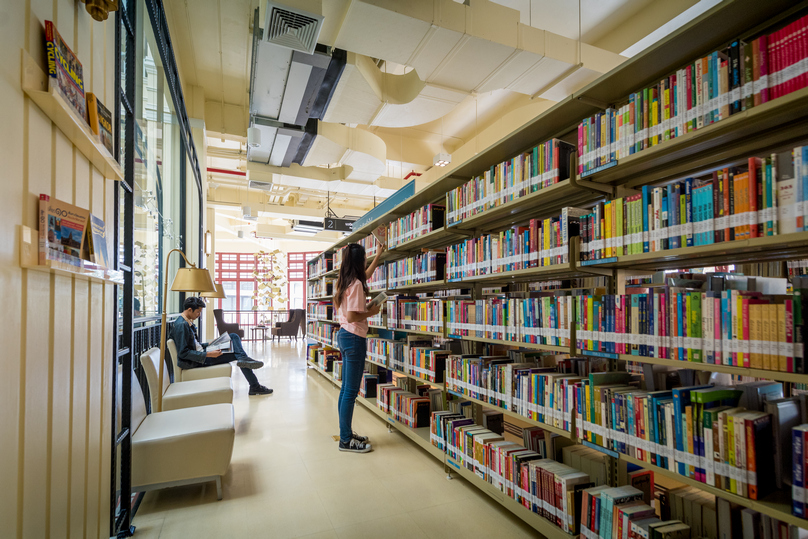
Bangkok City Library combines reading areas with exhibitions and learning spaces for residents and visitors.
For condo buyers, access to these spaces is a useful liveability test. A home may be close to work yet feel disconnected from the activities that make a long stay rewarding. Libraries, bookshops and learning venues help reveal whether a neighbourhood supports curiosity, family life and time away from the unit.
Bangkok offers several kinds of reading space
The city’s options range from public libraries and historic membership institutions to university collections, art-centre libraries and book-led retail spaces. They serve different needs. Some prioritise borrowing and research, while others combine reading with exhibitions, talks, food or informal work.
Before choosing a regular venue, check current access conditions, identification or membership requirements, language coverage, opening arrangements and policies for laptops, calls and children. These details can change, and a beautiful room is not automatically suitable for every routine.
Bangkok City Library: a civic learning space
Bangkok City Library stands on Ratchadamnoen Klang Road in the historic centre. Official government information describes reading, magazine, children’s, exhibition and foreign-language areas, making it relevant to adults, students and families exploring the city.
Its location encourages visitors to combine reading with an understanding of older Bangkok, nearby civic architecture and cultural sites. For residents farther east, the trip may be a planned weekend activity rather than a daily walk, so the full transport route matters more than district prestige.
Neilson Hays Library: books, heritage and community
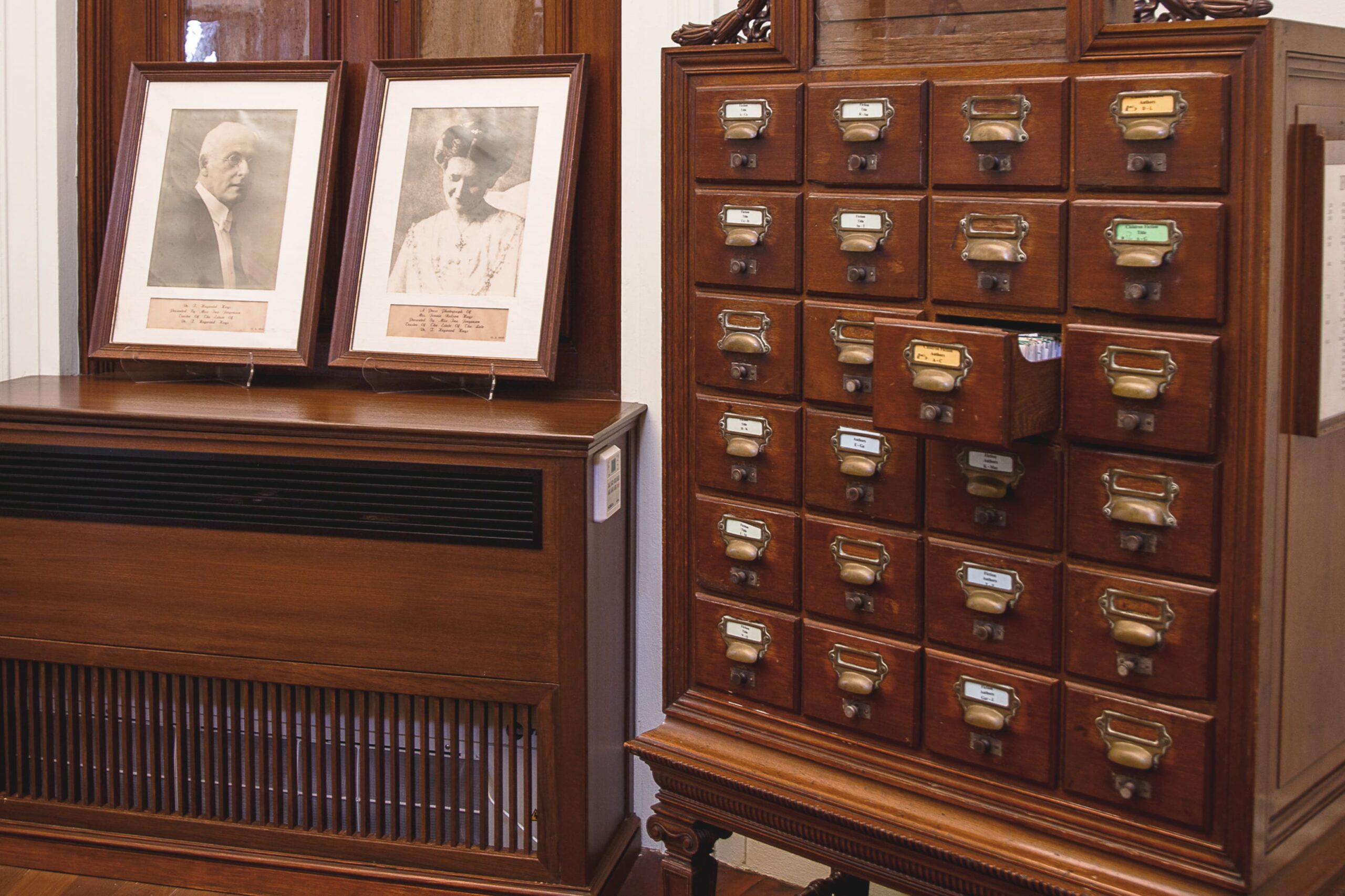
Neilson Hays Library on Surawong Road has served Bangkok’s English-reading community since the nineteenth century, with its present neoclassical building opening in 1922. The institution’s own history presents it as both a library and a continuing cultural hub.
For expats in Bang Rak, Silom and Sathorn, it demonstrates how a neighbourhood amenity can combine international accessibility with local heritage. Membership, events, children’s activities and exhibitions can turn a reading habit into a social connection rather than an isolated pursuit.
Neilson Hays Library adds English-language reading, heritage architecture and community programmes to the Surawong area.
Open House: reading inside a mixed-use destination
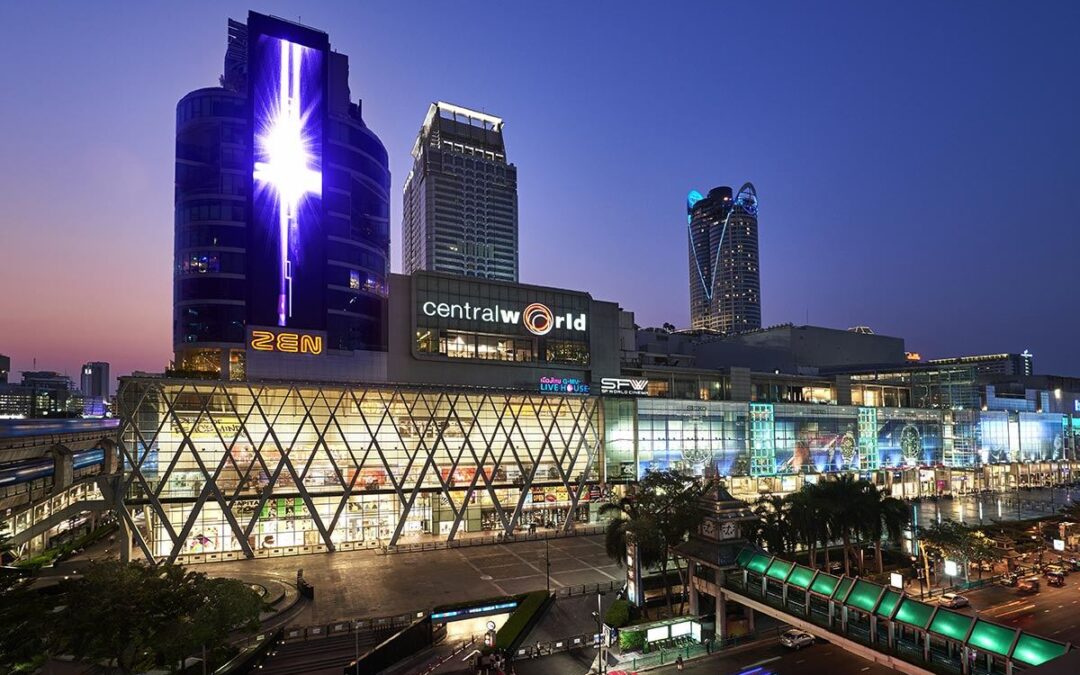
Open House at Central Embassy combines a bookshop and co-thinking areas with dining, art and other leisure uses. It is not the same as a public lending library, yet it can suit residents who want books, informal work and meetings in one centrally connected environment.
This kind of retail-led space also illustrates a Bangkok strength: useful third places can sit directly above rail connections and beside offices, hotels and homes. The trade-off is that atmosphere, seating and noise may vary by time, event and visitor volume.
Open House at Central Embassy shows how bookshops, co-thinking areas, dining and retail can share one premium urban setting.
Match the venue to your real routine
A family may prioritise children’s collections, toilets, food options and an easy journey home. A remote worker may care about dependable seating, power, quiet and call rules. A researcher needs collection depth and access permissions, while a casual reader may value atmosphere and nearby errands.
Visit at the time you are most likely to use the space. Test the door-to-seat journey, including the walk from rail or bus, shade, road crossings and evening return. A venue that requires several inconvenient transfers may remain an occasional pleasure rather than a weekly habit.
Use reading access to compare condo locations
Add cultural and learning access to the normal location scorecard beside commute, food, healthcare, green space and total housing cost. The aim is not to buy beside one favourite venue, which may change, but to choose a district with several workable options.
A rail-connected condo can widen the practical cultural radius of home. Conversely, a short map distance can be misleading when crossings, heat or limited pavements make the journey uncomfortable. Test the route rather than relying on a property brochure’s list of nearby landmarks.
Why this matters to landlords
Libraries and reading spaces will not determine rent by themselves, but they can strengthen the lived experience around a home. They may appeal to families, educators, students, creative professionals and long-stay residents who value more than nightlife and shopping.
Landlords should describe such access accurately and avoid promising membership, seats or opening hours. The stronger rental proposition remains a suitable unit with good management and transport, supported by a neighbourhood that offers varied reasons to stay.
Reading-space liveability checklist
Identify public, membership and retail-led options.
Confirm present access and programme information directly.
Check language coverage and children’s facilities.
Visit at the hour you expect to use the venue.
Test rail, bus and walking connections both ways.
Compare quiet, seating, power and call policies.
Look for several alternatives rather than one landmark.
Score cultural access alongside essential daily needs.
Living near a Bangkok fresh market can make a condominium feel connected to the city in a way a destination mall cannot. Residents gain access to seasonal produce, prepared food, household basics and familiar local routines. For buyers, the useful question is not simply whether a market appears on the map, but whether it improves everyday life.
A useful food-shopping routine may combine a local market, supermarket and convenience shop rather than depend on one destination.
Markets differ in opening hours, product mix, cleanliness, ventilation, access and surrounding traffic. A morning market may be finished before an office worker returns home, while an evening market may bring noise or blocked pavements. The right choice depends on the resident’s schedule and cooking habits.
Map the full food-shopping routine
List what the household buys weekly: fruit, vegetables, meat, seafood, prepared meals, imported ingredients, drinking water and household supplies. Then identify which items the local market handles well and which still require a supermarket, specialist shop or delivery service.
A mixed routine is often more resilient than relying on one retailer. A fresh market may cover produce and quick meals, a supermarket may provide labelled packaged goods and imports, and a convenience store may handle late-night essentials. Judge how comfortably all three fit around home and work.
Visit at the hour you would actually shop
Opening times listed online can be approximate, and individual vendors may keep different schedules. Visit early, at the intended weekday shopping time and near closing. Observe which stalls are active, how replenishment works and whether the preferred products are still available.
Repeat the journey during rain and after dark. Shade, drainage, lighting and road crossings can turn a short distance into an inconvenient trip. If carrying several bags, test the route back to the building entrance, including steps, lifts, security gates and any shuttle connection.
Use visible food-safety cues
Bangkok authorities oversee food sanitation standards, but buyers should still use ordinary judgement at each market and stall. Look for clean work surfaces, separation of raw and cooked food, suitable temperature control, protected ingredients, hand-washing arrangements and orderly waste handling.
Choose busy vendors whose turnover and practices you can observe. Ask questions where language allows and store food safely after purchase. Sensitive households may prefer a larger share of labelled supermarket products while gradually learning which market vendors suit them.
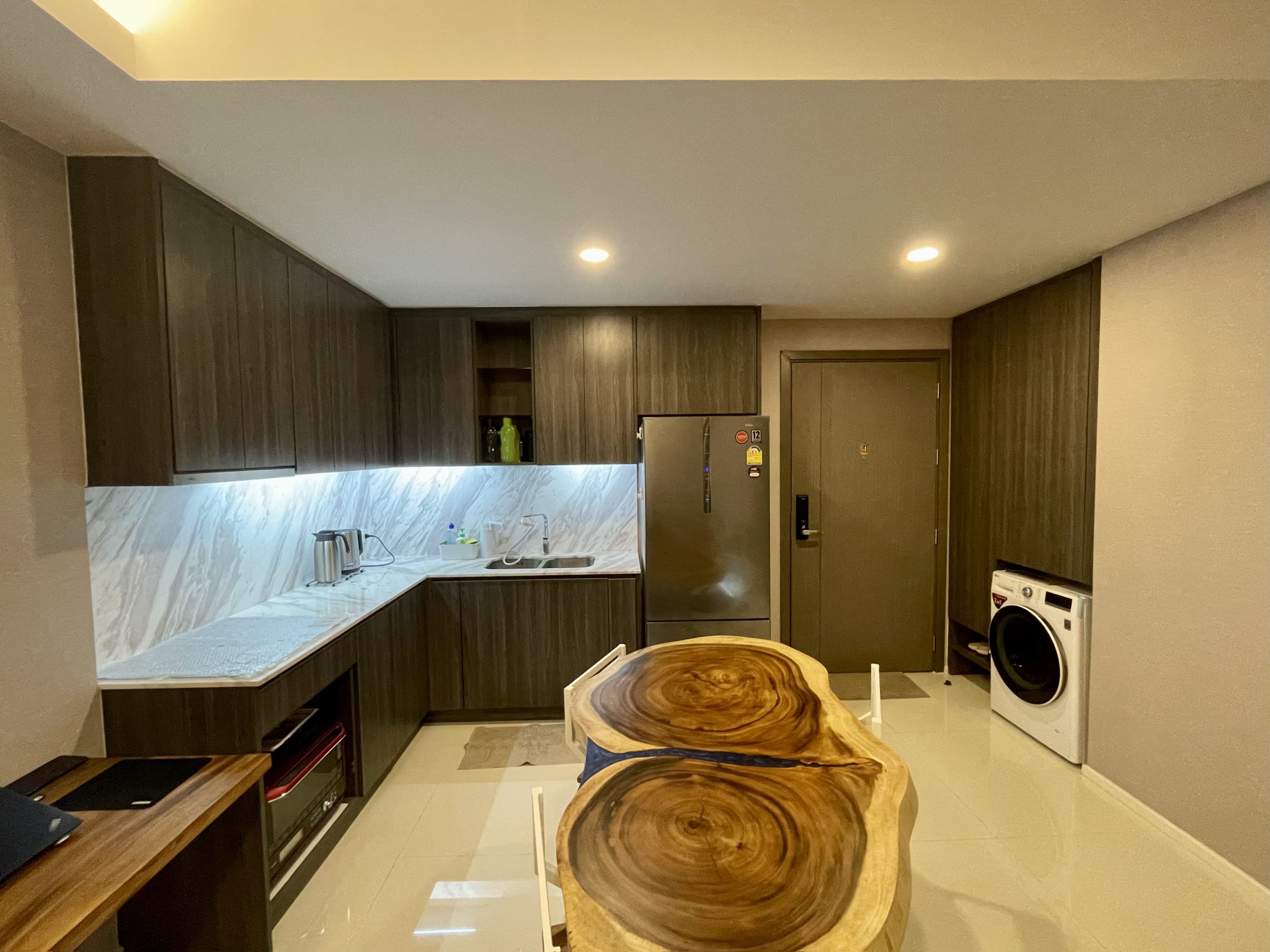
Market access adds value when the kitchen, storage and resident's cooking habits can make practical use of it.
Check whether the condo kitchen supports the habit
Frequent fresh shopping works best with practical refrigeration, dry storage, preparation space and easy cleaning. A beautiful compact kitchen may struggle with large produce bags, strong cooking aromas or limited waste space. Measure shelves and appliance clearances rather than judging photographs.
Review ventilation and the building’s cooking rules. Some residents mainly buy prepared food and need less equipment; others require a proper hob, extraction and freezer capacity. A buyer should not pay a market-access premium for a unit that makes the intended food routine difficult.
Balance convenience against street activity
A market can create morning deliveries, motorcycle traffic, refuse collection, smells and busy pavements. These may be part of an enjoyable urban atmosphere at street level but intrusive beside a low-floor bedroom. Visit the unit when trading, setup and cleanup are taking place.
Check pickup points and parking if vendors attract vehicles. Ask residents or building staff about recurring congestion without assuming one conversation is conclusive. A unit facing away from the street may experience the same location very differently from one directly above market activity.
Consider heat, rain and carrying distance
Fresh ingredients and prepared food need a sensible journey home in Bangkok’s climate. A covered route, quick crossing and short lift journey can matter more than a nominal distance. Residents buying chilled or frozen items may need an insulated bag and a plan to return directly.
During heavy rain, open-air routes and low-lying streets may be harder to use. Observe drainage, shelter and alternative access. The strongest location offers more than one workable option, such as a market for normal days and a covered supermarket route when conditions are difficult.
Understand how markets shape neighbourhood character
Markets create repeat encounters and a sense of local rhythm. They can help new residents learn common foods, practise everyday Thai and discover nearby services. This cultural value is real, but it should be approached respectfully: allow room for established routines and avoid treating a working market as a tourist display.
For landlords, nearby food options can support tenant appeal, especially where they complement transport and office access. Describe the convenience accurately rather than promising a universal lifestyle. Different tenants place different value on local food, premium supermarkets and delivery.
Compare the location as a whole
Do not let one attractive market outweigh poor transport, difficult walking, weak building management or an unsuitable unit. Score grocery access alongside commute, healthcare, green space, noise, flood exposure, security and total housing cost.
If buying for investment, ask whether the likely tenant can use the market at its actual opening hours. A weekday morning market may be valuable to retirees or home workers but less relevant to someone who leaves early and returns late. Practical fit is more persuasive than a generic lifestyle claim.
Fresh-market liveability checklist
Visit during the hours you expect to shop.
Check product range, cleanliness and temperature control.
Walk home carrying realistic bags.
Repeat the route in rain and after dark.
Assess setup, delivery and cleanup noise from the unit.
Confirm kitchen ventilation, storage and waste arrangements.
Identify supermarket and convenience alternatives.
Match the amenity to the likely resident or tenant.
Bangkok condo comfort is not defined by air-conditioning alone. Sun exposure, glazing, room depth, shade, airflow, humidity and equipment condition all influence how a home feels through the day. Expat buyers should test thermal comfort before committing, especially if they work from home or travel frequently.
Direction, surrounding buildings and exposed glass can change how heat reaches a unit through the day.
A cool five-minute viewing proves very little when the system has been running before arrival. The aim is to understand how the exact unit gains and loses heat, how efficiently occupied rooms can be cooled and what happens when the home is closed for several days.
Visit when heat exposure is visible
Ask which direction the main windows face and return when direct sun is likely to affect them. Observe warm glass, heated walls, glare and rooms that remain uncomfortable after cooling starts. Nearby towers, balconies and fixed shading can change exposure floor by floor.
Do not judge orientation from a compass label alone. A corner unit may receive sun from more than one direction, while a recessed window may be protected. Note where curtains or blinds are essential and whether they reduce the natural light that attracted you.
Test the whole layout
Stand in the kitchen, bedroom, work area and bathroom, not only under the living-room air conditioner. Long plans, closed doors and poorly placed equipment can create uneven temperatures. Check whether cooling one occupied zone requires conditioning the entire unit.
Room use matters. A sunny space may work as an occasional dining area but become tiring as a daily office. A bedroom that cools slowly can affect sleep even when the living room feels comfortable.
Room depth, doors and air-conditioning positions determine whether cooling reaches the spaces people actually use.
Inspect air-conditioning condition
Ask for maintenance history where available and operate each unit with permission. Listen for unusual noise, check airflow and look for staining, dripping or damaged insulation. A professional inspection can assess performance and installation more reliably than a short viewing.
Confirm who maintains equipment during a tenancy and how condensate lines are accessed. Replacement cost and disruption should be included in the ownership plan, particularly where outdoor units or service routes are difficult to reach.
Understand airflow without making unsafe changes
Openable windows and balcony doors may help at suitable times, but outdoor heat, rain, pollution, insects and security affect when natural ventilation is practical. Check screens, seals, door operation and the building’s facade rules before planning alterations.
Internal airflow should not depend on propping open fire doors or changing common areas. Fans can improve perceived comfort in some rooms, but placement, noise and electrical access need to suit the layout.
Look for humidity and moisture clues
Inspect wardrobes, window edges, bathroom ceilings, cabinets and walls behind furniture. Odour, swelling, discolouration or repeated repainting can indicate a condition that deserves closer investigation. Do not assume that strong cooling has resolved the underlying issue.
Ask how the unit is managed when empty. Sensitive clothing, leather, paper and electronics may need a considered plan. Any equipment left operating during absence should be used in accordance with safety, insurance and manufacturer guidance.
Shade and a comfortable walking approach can matter as much as indoor cooling for everyday life.
Assess the journey beyond the front door
Thermal comfort includes the walk to transport and daily services. Shade, covered routes, trees, road crossings and waiting areas influence whether the location feels manageable in hot or wet conditions.
Check corridor and lift-lobby ventilation, car-park access and pickup points. A comfortable unit can still feel inconvenient if every daily journey begins with a long exposed walk.
Compare comfort with running cost
Request unit-specific electricity history where the owner can lawfully provide it, but interpret past use carefully. Household size, thermostat choices, occupancy and equipment condition can create very different bills in similar units.
Compare glazing area, ceiling height, appliance efficiency, shading and cooling zones. Build a conservative monthly allowance rather than relying on a salesperson’s estimate. Comfort and cost should be tested together.
Consider landlords and future residents
A thermally difficult unit can generate complaints, maintenance calls and shorter tenancies. Landlords should document equipment condition, provide clear operating information and respond promptly to leaks or failures.
Neutral window treatments, maintained seals and accessible equipment can support a wider tenant group. Avoid irreversible work before checking juristic rules and obtaining suitable technical advice.
Thermal comfort viewing checklist
Visit during the unit’s likely sun exposure.
Test every occupied room and cooling zone.
Inspect equipment, drainage and service access.
Check glazing, seals, blinds and fixed shade.
Look for moisture and humidity clues.
Walk the route to transport in realistic conditions.
Compare unit-specific use rather than generic bill estimates.
Confirm building rules before altering windows or facade elements.
A comfortable Bangkok condo is one whose climate can be managed without fighting the layout every day. Explore IBP’s expat living guides and buyer checklists, or contact IBP Real Estate for a comfort-led viewing shortlist.
Pet-friendly condo living is becoming a serious liveability question for Bangkok expats. For some foreign buyers and tenants, a home is not practical unless the building can accommodate a dog or cat, nearby services are easy to reach, and daily routines do not create friction with neighbours. The decision should therefore start before the viewing, not after a favourite unit appears.
The neighbourhood routine matters as much as the building rulebook for pet-owning residents.
Bangkok has pet-friendly residences, but buyers should not assume that a green lobby, large balcony or friendly agent means pets are allowed. Condominium rules vary by building, and some buildings that tolerate pets informally may still have restrictions in the juristic rules. For a foreign owner, uncertainty can affect personal use, tenant demand and future resale.
A pet-friendly search also overlaps with investment logic. If a building has clear pet rules and the surrounding area supports daily care, it may appeal to a more specific tenant pool. That can be useful. It can also limit the audience if the building is poorly managed or if noise, lift use and common-area rules create complaints. The goal is not simply to find a building that says yes. The goal is to find one where the arrangement works.
Start with written rules
Ask for the building’s written pet policy before making an offer. The policy should explain whether pets are allowed, whether there are size or breed restrictions, how many pets can live in a unit, which lifts or entrances should be used, whether common areas are restricted, and whether owners must register animals with the juristic office. If the policy is vague, ask for written confirmation from the juristic person or developer.
This protects both owner-occupiers and landlords. A buyer who plans to rent out the unit should know whether the tenant can legally keep a pet, whether deposits can reflect possible damage, and whether the lease should include cleaning, odour, noise and repair obligations. A pet-friendly label is not enough without operational detail.
Pet-friendly living starts with written building rules, sensible layouts and considerate management.
Check the unit layout
The unit itself should support daily life. Flooring should be durable, balcony safety should be reviewed carefully, ventilation should be practical, and there should be enough storage for cleaning supplies, food and travel carriers. Smaller units can work, but they need efficient routines. Larger units can fail if the lift access is awkward or if the building has strict movement rules.
Noise is another important point. Dogs left alone during long workdays can create complaints, especially in compact buildings with thin walls or busy corridors. Buyers who plan to rent should consider whether the tenant profile is likely to work with the building culture. A quiet, well-managed pet-friendly building is usually more valuable than a building where rules exist but are ignored.
Test the neighbourhood routine
A good pet-friendly address needs more than permission inside the building. Residents need safe walking routes, shaded streets, nearby parks or open spaces where allowed, reliable taxis or ride-hailing options, vets, grooming services, pet shops, cleaning providers and delivery access. The best test is simple: walk the route at the times a resident would actually use it.
Neighbourhoods near large parks, quieter side streets, community malls and established expat services can feel more practical. Very central locations can still work, but buyers should check pavement quality, traffic, heat, crossing points and late-evening access. A building may be luxurious, yet inconvenient for daily pet care.
Daily convenience, vets, grooming, delivery and transport all influence long-term comfort.
Landlord considerations
For landlords, pet-friendly demand can be attractive because some tenants have fewer suitable options. However, the lease should be clear. Include professional cleaning, damage responsibility, pest control, noise rules, balcony safety, common-area compliance and move-out inspection standards. The deposit should match the risk and Thai lease practice, with advice where needed.
Landlords should also think about furnishing. Expensive soft furnishings, delicate rugs and hard-to-replace items may not suit pet-friendly rental. Durable materials, washable curtains, sensible sofa choices and easy maintenance can protect the asset while still making the unit comfortable.
A practical viewing checklist
Request the written pet policy before viewing seriously.
Ask the juristic office how pet registration and complaints are handled.
Check lift rules, entrance rules and cleaning expectations.
Walk the nearest daily route during morning or evening heat.
Identify vets, grooming, food supply and emergency transport options.
Review balcony safety, flooring, ventilation and noise risk.
Use a lease that clearly allocates cleaning, damage and rule-compliance duties.
Buyer takeaway
Pet-friendly Bangkok condo living can make the city more comfortable and attractive for expat residents, but it needs proper due diligence. The strongest options combine written building rules, practical layouts, considerate management and neighbourhood routines that work in real life.
IBP can help foreign buyers and landlords compare Bangkok buildings by lifestyle fit, rental audience and practical ownership risk. Read our expat living guides or contact IBP Real Estate for a neighbourhood-led shortlist.