
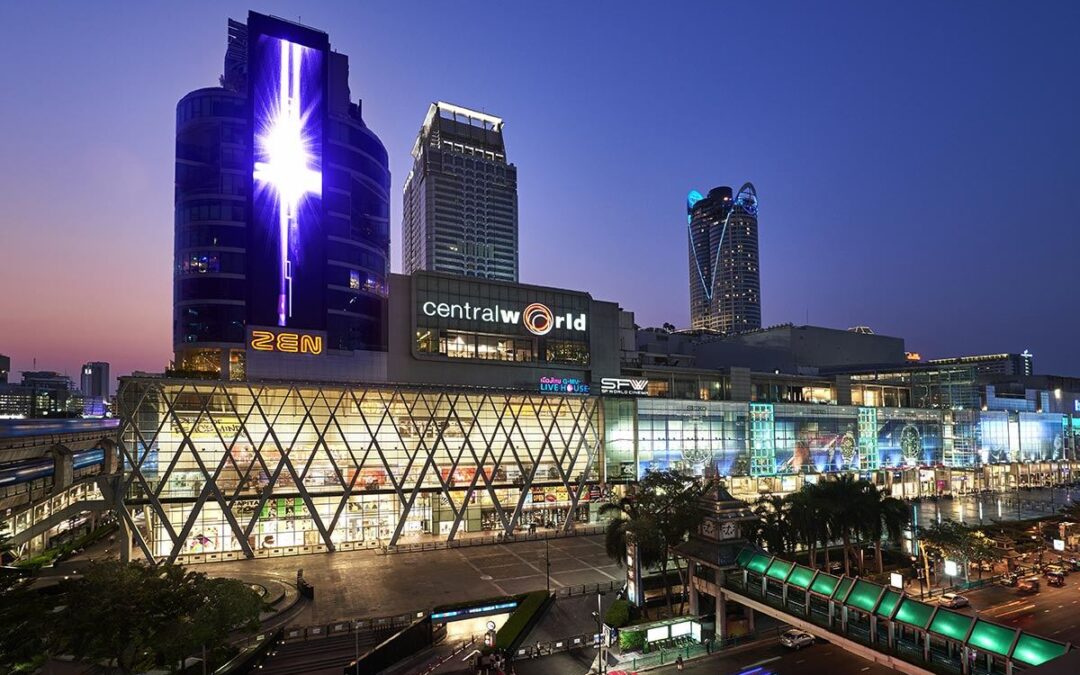
Living near a Bangkok fresh market can make a condominium feel connected to the city in a way a destination mall cannot. Residents gain access to seasonal produce, prepared food, household basics and familiar local routines. For buyers, the useful question is not simply whether a market appears on the map, but whether it improves everyday life.
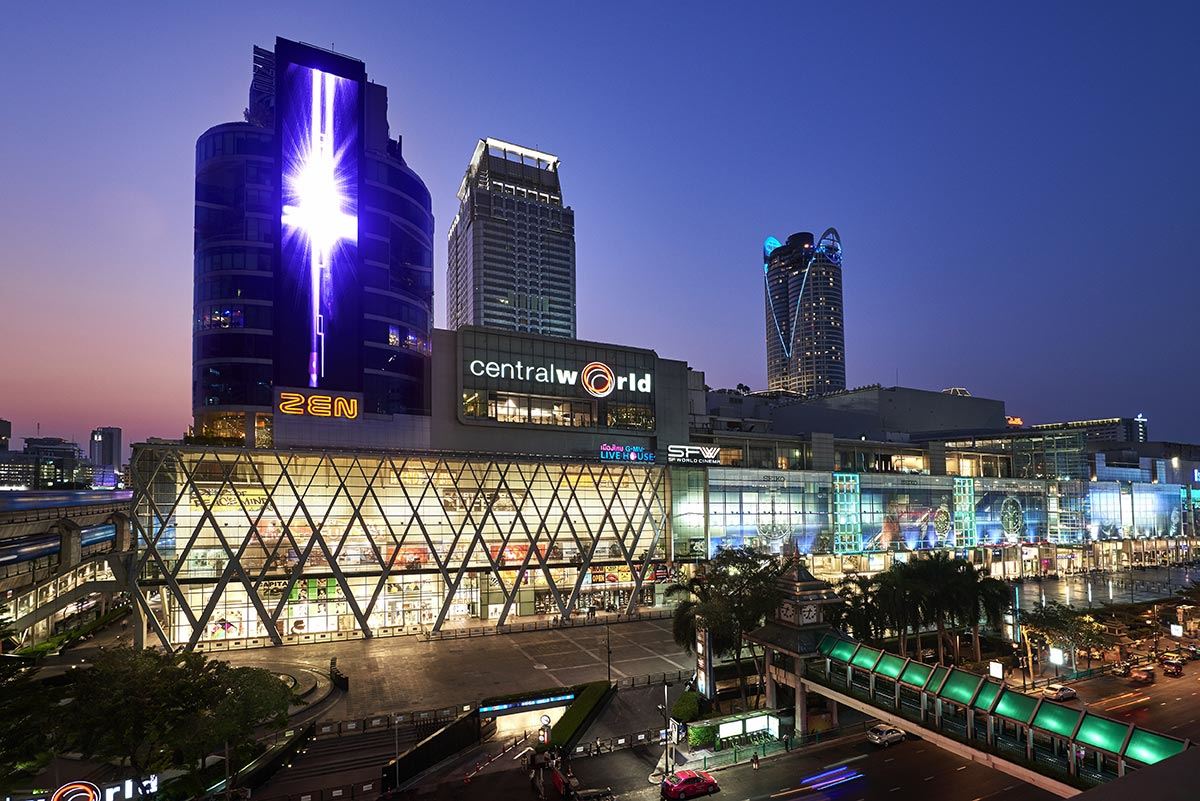
Markets differ in opening hours, product mix, cleanliness, ventilation, access and surrounding traffic. A morning market may be finished before an office worker returns home, while an evening market may bring noise or blocked pavements. The right choice depends on the resident’s schedule and cooking habits.
Map the full food-shopping routine
List what the household buys weekly: fruit, vegetables, meat, seafood, prepared meals, imported ingredients, drinking water and household supplies. Then identify which items the local market handles well and which still require a supermarket, specialist shop or delivery service.
A mixed routine is often more resilient than relying on one retailer. A fresh market may cover produce and quick meals, a supermarket may provide labelled packaged goods and imports, and a convenience store may handle late-night essentials. Judge how comfortably all three fit around home and work.
Visit at the hour you would actually shop
Opening times listed online can be approximate, and individual vendors may keep different schedules. Visit early, at the intended weekday shopping time and near closing. Observe which stalls are active, how replenishment works and whether the preferred products are still available.
Repeat the journey during rain and after dark. Shade, drainage, lighting and road crossings can turn a short distance into an inconvenient trip. If carrying several bags, test the route back to the building entrance, including steps, lifts, security gates and any shuttle connection.
Use visible food-safety cues
Bangkok authorities oversee food sanitation standards, but buyers should still use ordinary judgement at each market and stall. Look for clean work surfaces, separation of raw and cooked food, suitable temperature control, protected ingredients, hand-washing arrangements and orderly waste handling.
Choose busy vendors whose turnover and practices you can observe. Ask questions where language allows and store food safely after purchase. Sensitive households may prefer a larger share of labelled supermarket products while gradually learning which market vendors suit them.
Check whether the condo kitchen supports the habit
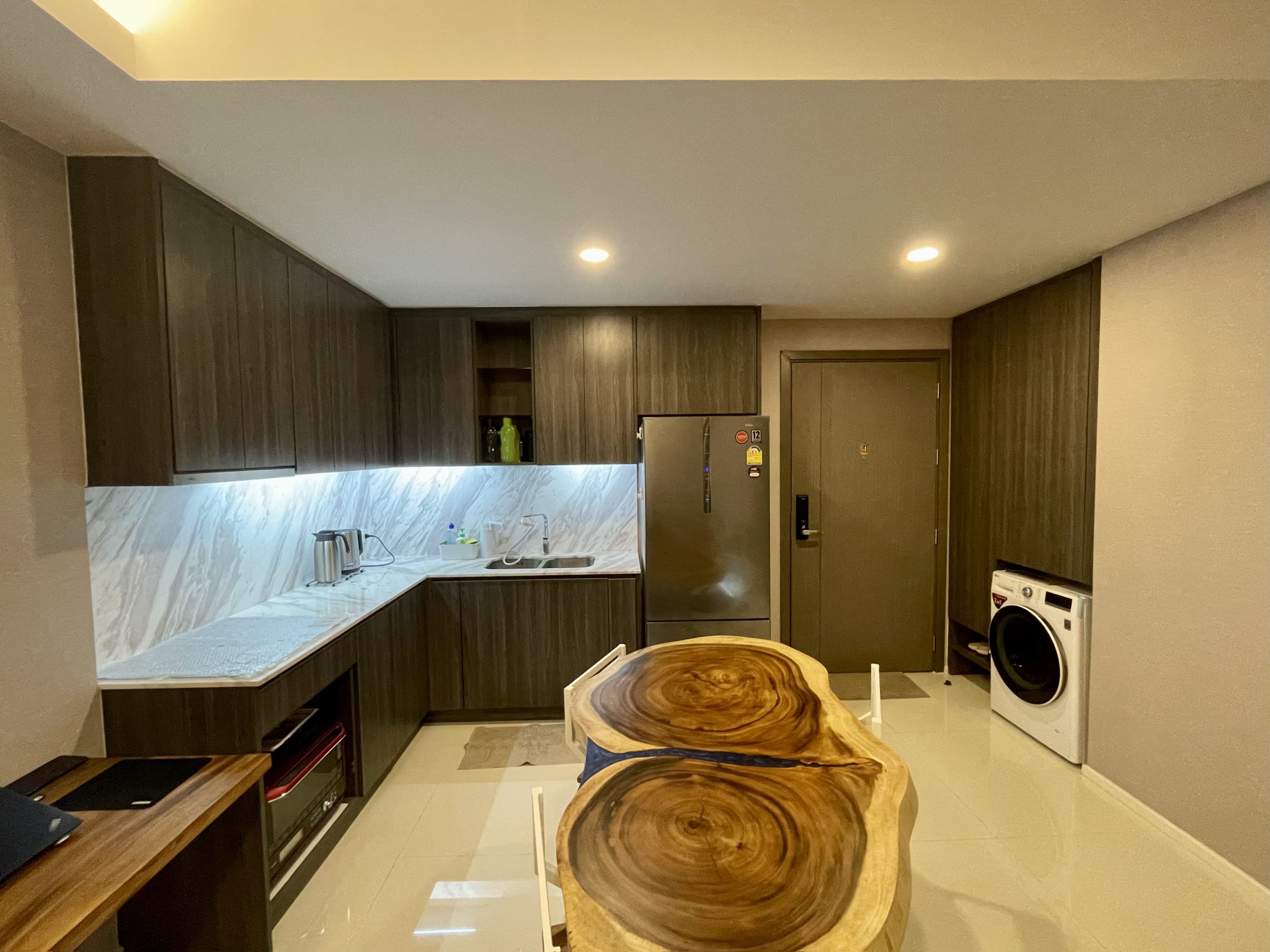
Frequent fresh shopping works best with practical refrigeration, dry storage, preparation space and easy cleaning. A beautiful compact kitchen may struggle with large produce bags, strong cooking aromas or limited waste space. Measure shelves and appliance clearances rather than judging photographs.
Review ventilation and the building’s cooking rules. Some residents mainly buy prepared food and need less equipment; others require a proper hob, extraction and freezer capacity. A buyer should not pay a market-access premium for a unit that makes the intended food routine difficult.
Balance convenience against street activity
A market can create morning deliveries, motorcycle traffic, refuse collection, smells and busy pavements. These may be part of an enjoyable urban atmosphere at street level but intrusive beside a low-floor bedroom. Visit the unit when trading, setup and cleanup are taking place.
Check pickup points and parking if vendors attract vehicles. Ask residents or building staff about recurring congestion without assuming one conversation is conclusive. A unit facing away from the street may experience the same location very differently from one directly above market activity.
Consider heat, rain and carrying distance
Fresh ingredients and prepared food need a sensible journey home in Bangkok’s climate. A covered route, quick crossing and short lift journey can matter more than a nominal distance. Residents buying chilled or frozen items may need an insulated bag and a plan to return directly.
During heavy rain, open-air routes and low-lying streets may be harder to use. Observe drainage, shelter and alternative access. The strongest location offers more than one workable option, such as a market for normal days and a covered supermarket route when conditions are difficult.
Understand how markets shape neighbourhood character
Markets create repeat encounters and a sense of local rhythm. They can help new residents learn common foods, practise everyday Thai and discover nearby services. This cultural value is real, but it should be approached respectfully: allow room for established routines and avoid treating a working market as a tourist display.
For landlords, nearby food options can support tenant appeal, especially where they complement transport and office access. Describe the convenience accurately rather than promising a universal lifestyle. Different tenants place different value on local food, premium supermarkets and delivery.
Compare the location as a whole
Do not let one attractive market outweigh poor transport, difficult walking, weak building management or an unsuitable unit. Score grocery access alongside commute, healthcare, green space, noise, flood exposure, security and total housing cost.
If buying for investment, ask whether the likely tenant can use the market at its actual opening hours. A weekday morning market may be valuable to retirees or home workers but less relevant to someone who leaves early and returns late. Practical fit is more persuasive than a generic lifestyle claim.
Fresh-market liveability checklist
- Visit during the hours you expect to shop.
- Check product range, cleanliness and temperature control.
- Walk home carrying realistic bags.
- Repeat the route in rain and after dark.
- Assess setup, delivery and cleanup noise from the unit.
- Confirm kitchen ventilation, storage and waste arrangements.
- Identify supermarket and convenience alternatives.
- Match the amenity to the likely resident or tenant.
Explore IBP’s Bangkok lifestyle coverage and expat living guides. For viewings that test neighbourhood routines as carefully as the condominium itself, contact IBP Real Estate.