Thailand’s wellness positioning is becoming part of the wider confidence story foreign property buyers watch. The Tourism Authority of Thailand marked Global Wellness Day 2026 on 14 June with Thai wellness experiences nationwide, including Bangkok activity on the Chao Phraya River.
This is not a direct condo-price signal. It is a softer but useful indicator of how Thailand presents itself to higher-value visitors, long-stay residents and internationally mobile households: hospitable, health-aware, culturally rooted and lifestyle-led.
TAT used Global Wellness Day 2026 to reinforce Thailand's wellness tourism positioning.
What TAT Highlighted
TAT said Global Wellness Day 2026 was held under the #JoyMagenta theme and used the occasion to present Thailand as a leading destination for wellness and hospitality. The agency supported activities in Ko Samui and Bangkok, while hotels and wellness operators across the country also joined the movement.
In Bangkok, TAT supported activities at Anantara Riverside Bangkok Resort on 13 June. The programme centred on Eastern wisdom and joyful living, with Thai and international participants exploring traditional healing knowledge, Thai botanicals, mindful movement and modern longevity practices in a riverside setting.
The Bangkok activities included herbal tea blending, selected Thai botanical ingredients, Muay Thai, Tai Chi, yoga and sound healing. For property buyers, the important point is the positioning: Bangkok is not only a business and retail city, but also a place where hospitality, healthcare and wellness routines are part of the urban offer.
Bangkok's wellness positioning is strongest when it connects hospitality, healthcare, river access and daily liveability.
Why Wellness Tourism Matters To Bangkok
Wellness tourism connects several Bangkok strengths. The city has international hospitals, hotels, spas, riverfront resorts, premium retail, restaurants, private clinics, fitness studios and serviced residences. These are not all property demand drivers by themselves, but together they make Bangkok easier to understand as a long-stay and repeat-visit city.
Foreign buyers often move from visitor to resident gradually. A first trip may be for leisure, medical care, business, school research or a family visit. If the city feels comfortable, service-led and easy to navigate, some buyers later consider a rental base, second home or investment condo.
The wellness story also supports districts that offer real daily convenience. A building near healthcare, parks, river access, gyms, restaurants and transport can turn a national tourism theme into a practical resident experience.
Thai wellness, botanicals and mindful movement add to the wider lifestyle story foreign residents consider.
What Investors Should Not Assume
Wellness branding does not make every condo a good investment. Buyers should avoid turning a tourism theme into a blanket price assumption. A weak building, poor management, awkward route or overpriced unit will not be saved by national marketing.
The correct use of the signal is contextual. It can support confidence in Bangkok’s long-term lifestyle appeal, but the purchase still depends on title, foreign quota, building quality, common fees, rent evidence, tenant profile and resale depth.
Investors should also separate hotel and resort demand from residential demand. A wellness traveller may book a hotel or serviced apartment, while a condo tenant may need a very different package: privacy, transport, work space, internet, storage and practical management.
District Implications For Buyers
Districts with strong wellness relevance include riverside areas, central hospital corridors, park-adjacent neighbourhoods and mixed-use locations with reliable retail and dining. The strongest condos make these amenities easy to use without complicated travel.
For owner occupiers, the question is whether the district supports the life they want after the first few weeks. Can they reach healthcare, exercise, quiet space, food, transport and social routines comfortably? For investors, the question is whether the same features broaden the tenant pool and improve renewal prospects.
A buyer should therefore test the lifestyle in person. Visit the area in the morning, evening and weekend. Check routes to hospitals, parks, river piers, BTS or MRT, gyms and supermarkets. Wellness value is practical when it reduces friction in daily life.
Buyer Takeaway
TAT’s Global Wellness Day 2026 activity reinforces the direction Thailand wants to project: quality, hospitality, health and experience. For Bangkok property, that is a confidence backdrop rather than a purchase instruction.
Foreign buyers should use the signal to ask better questions. Which buildings actually benefit from Bangkok’s wellness and healthcare ecosystem? Which districts make healthy daily routines easy? Which units are priced as though a lifestyle premium is guaranteed when the evidence is still thin?
IBP tracks how tourism, infrastructure and lifestyle positioning connect to property decisions. Read more in our Thailand economy and investment news section or contact IBP for a buyer strategy session.
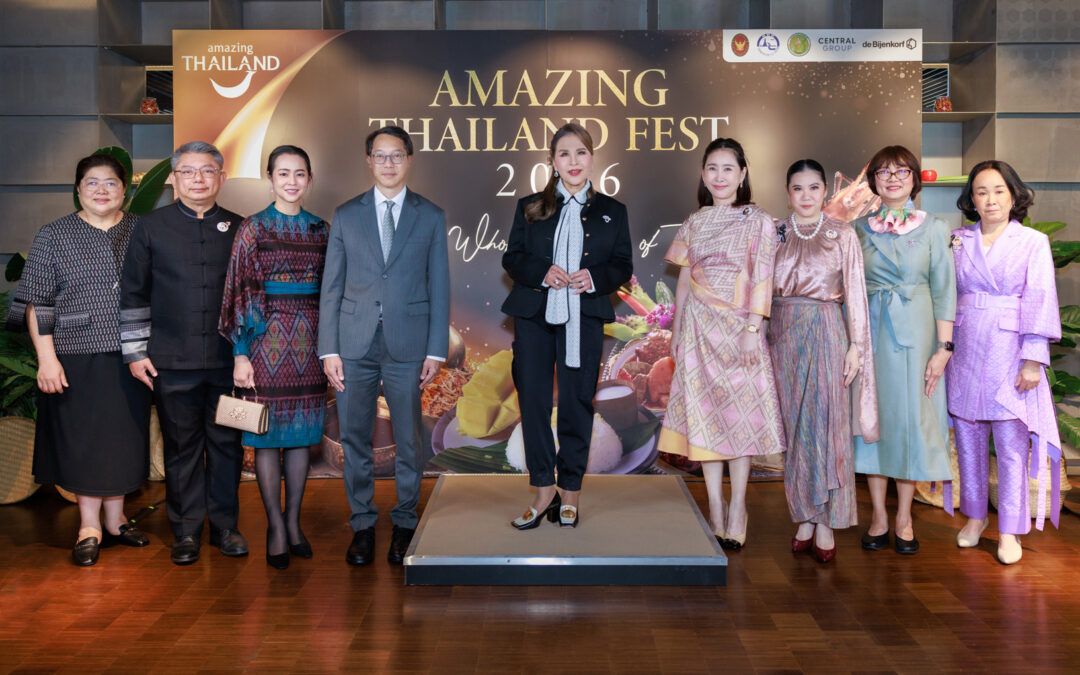
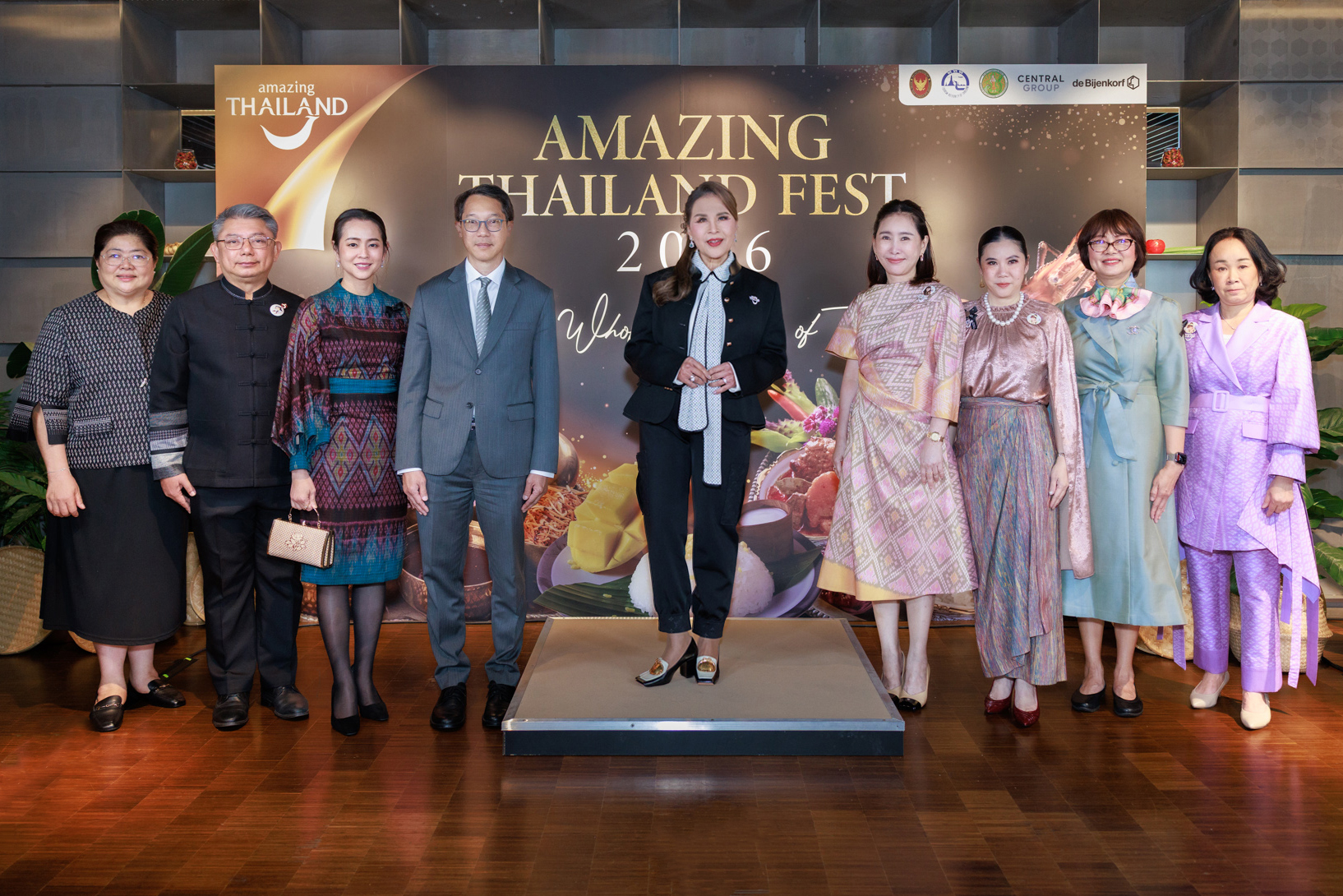
Thailand’s overseas tourism marketing can look distant from Bangkok property, but it is part of the confidence backdrop foreign buyers watch. The Tourism Authority of Thailand’s Amazing Thailand Fest 2026 in Amsterdam is a useful example because it links Thai gastronomy, wellness, culture and travel inspiration with one of Europe’s visible lifestyle settings.
The property conclusion should be measured. A food and culture showcase does not forecast condo prices. It does, however, reinforce Thailand’s ability to keep Bangkok and the wider country visible to quality long-haul visitors, repeat travellers and potential future residents.
Amazing Thailand Fest 2026 in Amsterdam presents Thai food, wellness, culture and travel to European visitors.
What TAT Announced
TAT said the event, branded Amazing Thailand Fest 2026: The Wholesome Taste of Thai, is being presented from 3 to 16 June 2026 at de Bijenkorf in Amsterdam, in collaboration with the Royal Thai Embassy in The Hague and Central Group. The opening ceremony took place on 5 June 2026.
The official release framed the showcase around Thai food, wellness, culture, craftsmanship and travel storytelling. It also noted participation by Thai tourism and business partners including Blue Elephant Bangkok, Thai Airways International, the Office of Agricultural Affairs to the European Union and tour operators.
For Bangkok property buyers, the useful detail is not the event format alone. It is the way Thailand is positioning itself to European audiences: premium, cultural, service-led and experience-led rather than purely volume-driven.
European travel interest supports Bangkok's role as Thailand's main arrival, business and lifestyle gateway.
Why Long-Haul Visibility Matters
Long-haul visitor confidence supports Bangkok in several indirect ways. International visitors arrive through Bangkok, use hotels, restaurants, hospitals, retail, domestic connections and corporate services, and often form their first serious impression of Thailand through the capital. Some later return for longer stays, business trips, medical visits, school searches or property inspections.
TAT’s release said the Netherlands is among Thailand’s top 10 European visitor markets. From 1 January to 31 May 2026, Thailand welcomed 113,878 Dutch visitors, and TAT expects 259,455 Dutch visitors for the full year. Bangkok was listed among popular destinations, alongside Surat Thani, Krabi, Chiang Mai and Phuket.
Those figures should not be converted into a condo demand forecast. They are better read as confidence context. A city that remains easy to market internationally has a stronger platform for hotels, serviced apartments, branded residences, medical travel, education visits and second-home consideration.
Soft-power campaigns are not direct property signals, but they can support visitor and relocation confidence.
The Bangkok Property Link
Bangkok benefits when Thailand’s visitor story is broad. Gastronomy, wellness, culture and shopping are all themes that foreign residents can experience in daily life, not only during a holiday. That matters because many property buyers are not purchasing only square metres. They are buying access to a city that feels liveable, connected and internationally recognisable.
The link is strongest for districts that can convert the national brand into real convenience: rail access, hospitals, premium retail, dining, schools, river culture, parks, hotels and professional services. A weak building in a poor location does not become attractive because of tourism marketing. A well-managed condo in a district that visitors and residents genuinely use may be easier to explain to future tenants and buyers.
European interest can also support the softer side of demand. Buyers from Europe often compare Bangkok with other regional cities for healthcare, climate, cost, culture, airport access and lifestyle depth. Events like the Amsterdam showcase help keep Thailand in that consideration set.
How Buyers Should Use The Signal
The correct response is disciplined optimism. Treat tourism promotion as one macro confidence signal, then return to the property fundamentals: title, foreign quota, building management, common fees, rent evidence, tenant profile and resale depth. Macro visibility can support demand, but it cannot repair a poor purchase.
Investors should focus on buildings that suit repeat use by international residents: easy access, sensible layouts, reliable management, neighbourhood services and a clear exit story. Owner-occupiers should ask whether the district gives them the Bangkok experience they actually want beyond the first trip.
IBP tracks how tourism, infrastructure and corporate confidence connect to Bangkok property decisions. Read more in our Thailand economy and investment news section or contact IBP for a buyer strategy session.
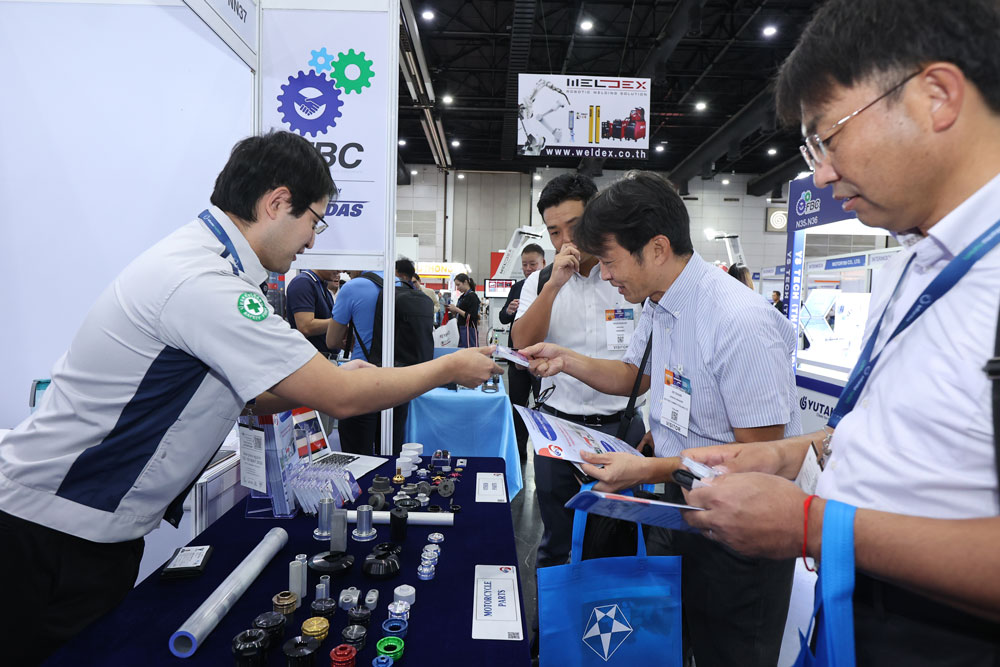
Thailand’s semiconductor strategy is not a condo story in the narrow sense. It is a confidence story about where the country wants to sit in higher-value manufacturing, electronics, data infrastructure, electric vehicles, renewable energy and smart industry. For foreign buyers considering Bangkok property, that wider direction matters because long-term real estate demand depends partly on the depth of the economy around the capital.
Higher-value industry can support the corporate services ecosystem around Bangkok.
The Thailand Board of Investment said the national strategy is focused on power semiconductors, sensors, photonics, discrete devices and analog chips. These are segments linked to existing Thai strengths in electronics, automotive, energy, data centre and industrial supply chains. The strategy sets phased targets for 2030, 2040 and 2050 rather than promising an overnight transformation.
Why industrial strategy matters to Bangkok
Bangkok is not where every factory sits, but it is where many decisions are made. Corporate headquarters, regional management teams, banks, law firms, consultants, logistics providers, hotels, schools, hospitals and service businesses cluster in and around the capital. When Thailand attracts higher-value industry, Bangkok often becomes part of the executive, finance and services ecosystem that supports it.
For property buyers, the point is indirect but important. A deeper corporate base can support executive travel, expat assignments, serviced apartments, relocation demand and confidence in premium urban living. It does not mean every condominium will rise in value. It means the city has more reasons to remain relevant to international companies and mobile professionals.
Connectivity helps link industrial investment, executive mobility and Bangkok living demand.
The scale of the ambition
BOI said Thailand aims to attract more than 2.5 trillion baht, or about 79 billion US dollars, in semiconductor and advanced electronics investment by 2050. It also referred to a goal of developing more than 230,000 skilled workers and creating a more integrated semiconductor ecosystem. These are long-range targets, so buyers should read them as direction rather than immediate market data.
The release also noted that electronics and electrical products account for around one-quarter of Thailand’s total exports. In 2024, electronics exports reached 1.86 trillion baht, while semiconductor exports totalled 436 billion baht. Between 2018 and November 2025, electrical and electronics investment-promotion applications accounted for 1.17 trillion baht across 1,748 projects.
What foreign buyers should not overstate
Industrial growth does not automatically create demand for a particular luxury condominium. Many manufacturing projects are outside central Bangkok, and the workers they employ may not rent prime Sukhumvit or Riverside units. The relationship between investment policy and condo demand is filtered through job type, salary level, headquarters location, family relocation, school choice and transport patterns.
That is why buyers should avoid headline-led decisions. A semiconductor strategy can support national confidence, but a condo purchase still needs building-level evidence: rent comps, resale depth, management quality, legal readiness, common fees and realistic exit demand.
Foreign buyers should connect macro policy with building-level property evidence.
Where the property link is more plausible
The clearest Bangkok property link is through corporate services and skilled mobility. Senior engineers, managers, founders, consultants, investors and regional executives may need Bangkok access even when industrial sites are elsewhere. They may choose areas with airport links, international schools, hospitals, office access and lifestyle depth. That can support selected rental segments if the building and location match the tenant profile.
Districts with strong connectivity, good management and easy daily services are better placed than buildings that rely only on broad macro confidence. For example, a practical unit near a rail interchange may suit a regional commuter better than a larger but inconvenient unit. A well-managed central condo can appeal to a family relocating for a two-year assignment if schools and healthcare are manageable.
How to use this signal in a buyer brief
Treat semiconductor policy as one macro confidence factor, not a price forecast.
Prioritise buildings that suit mobile professionals and corporate tenants.
Check airport, office, school and hospital access rather than only district prestige.
Compare actual rent evidence with competing buildings in the same micro-market.
Be cautious with speculative areas that lack current tenant depth.
Buyer takeaway
Thailand’s semiconductor strategy strengthens the country’s long-term investment narrative and supports Bangkok’s role as a business, finance and services base. For foreign condo buyers, the correct response is measured confidence. The macro story is positive, but the purchase decision should still be made unit by unit, building by building and district by district.
IBP tracks how Thailand’s economy, infrastructure and corporate investment environment connect to Bangkok property decisions. Read more in Thailand economy and investment news or contact IBP Real Estate for a buyer strategy session.
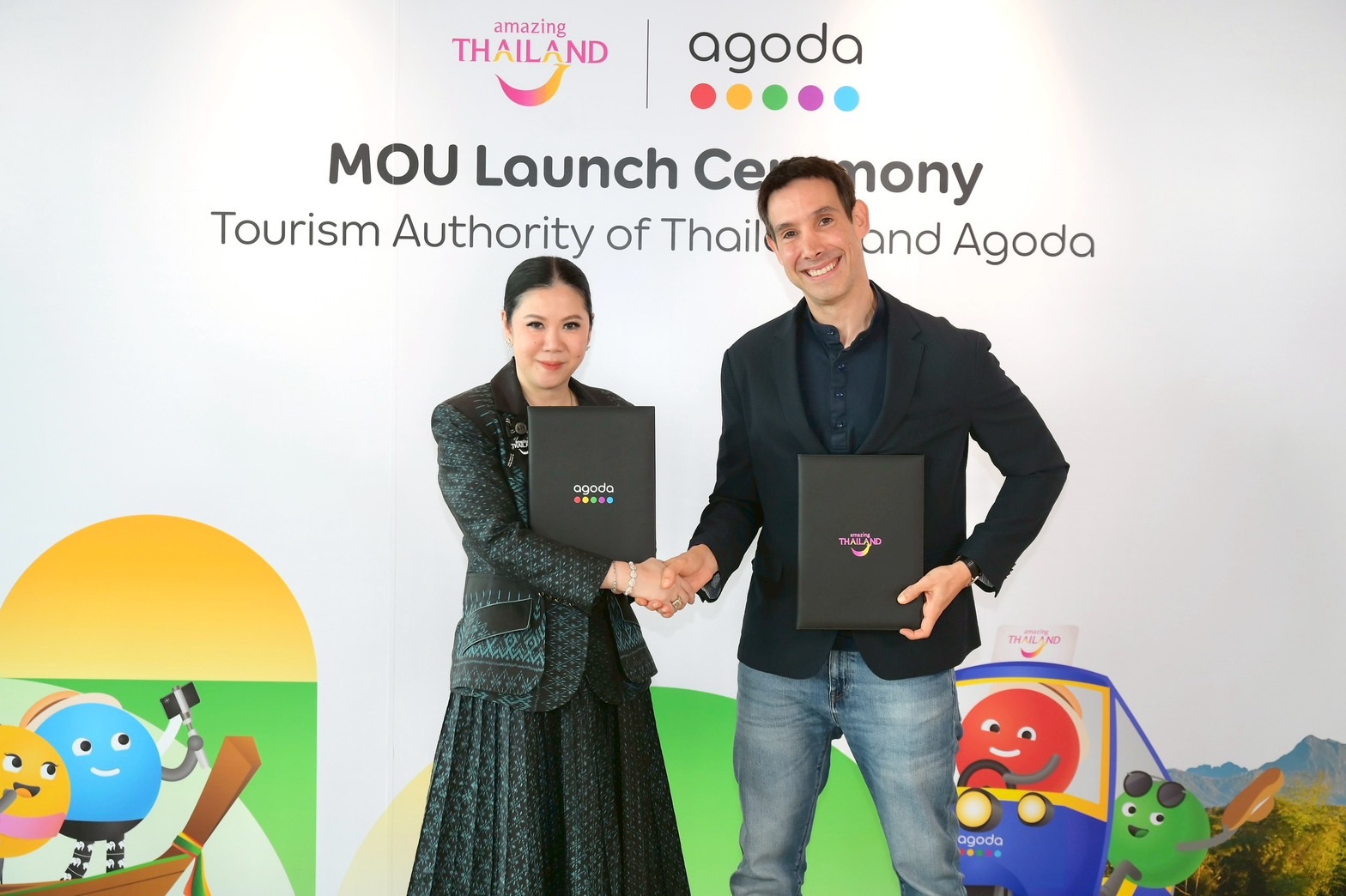
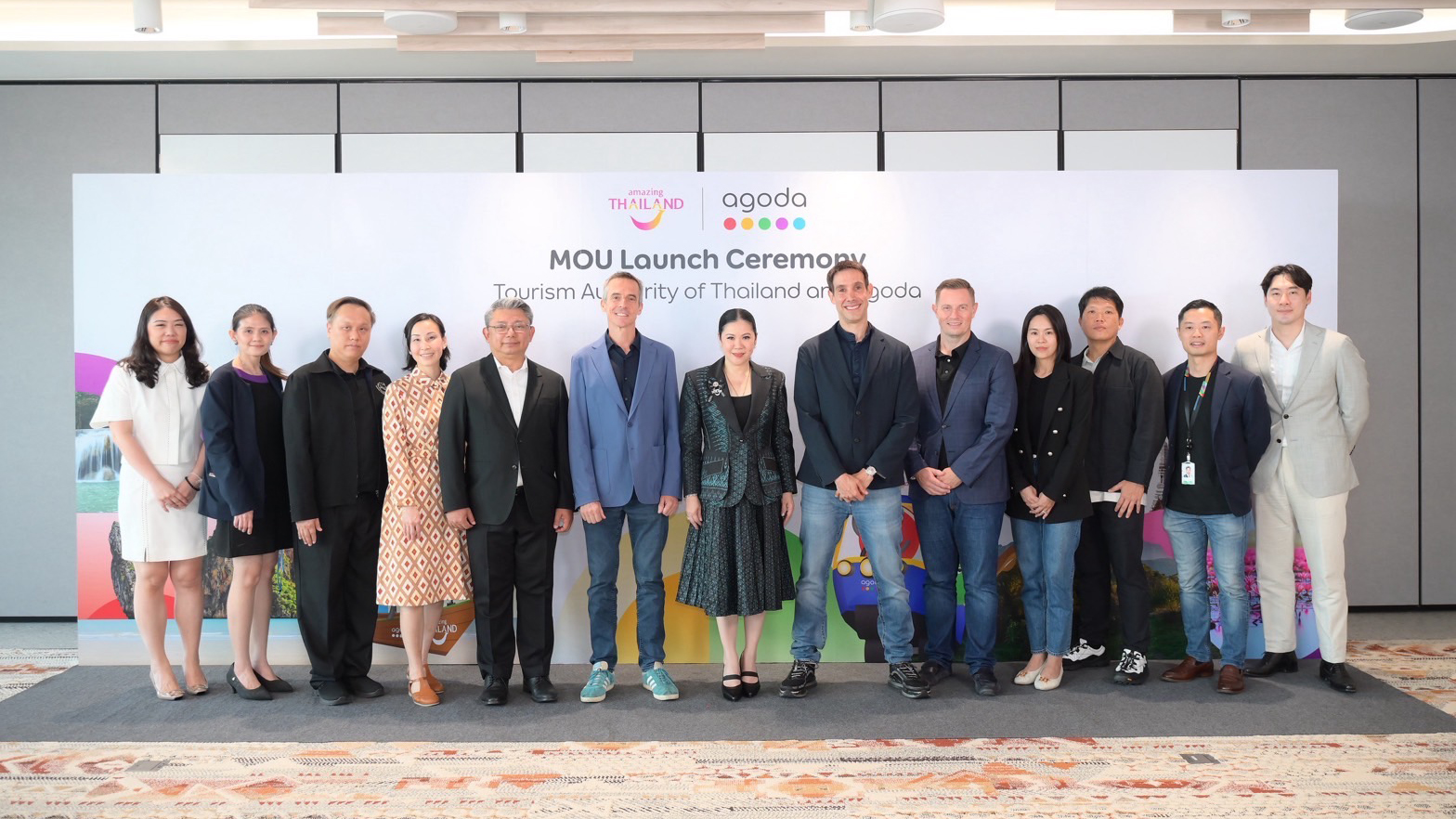
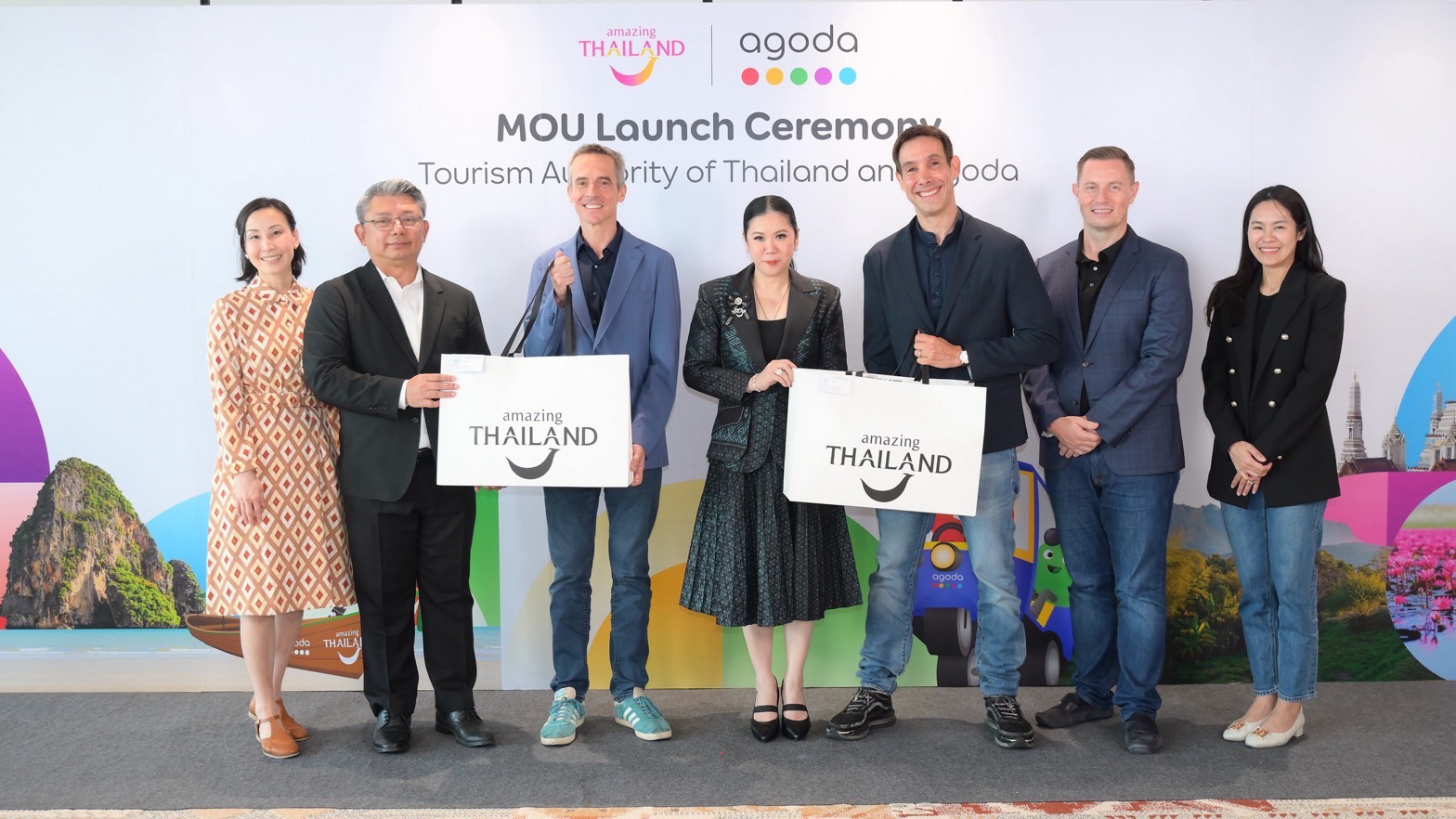
TAT and Agoda’s 11 June 2026 travel-intelligence meeting is not a condominium announcement, but it is relevant to foreign buyers watching Bangkok’s long-term property confidence. The official TAT update said the meeting took place at Agoda’s new office in One Bangkok and focused on travel intelligence, digital technology and platform economy tools.
That combination matters because Bangkok property is supported by more than domestic housing demand. The city benefits when tourism, digital platforms, regional offices, business travel, hospitality, retail and lifestyle spending continue to intersect. For investors, the signal is not a direct price forecast. It is evidence that Bangkok remains a practical operating base for high-reach travel companies and national tourism strategy.
TAT and Agoda discussed travel intelligence and destination marketing cooperation in Bangkok.
Why data-led tourism matters
Tourism promotion is changing from broad campaigns toward sharper demand reading. TAT said the cooperation combines Agoda’s travel insights and digital expertise with TAT destination marketing capabilities to support demand generation from international markets while encouraging domestic travel across Thailand. Better demand reading can help the tourism sector target value, timing, interests and traveller behaviour more precisely.
For Bangkok property buyers, this matters because tourism demand feeds the wider city ecosystem. Hotels, serviced apartments, restaurants, malls, wellness clinics, events, hospitals, transport and retail all respond to visitor flows. When those sectors are active, Bangkok’s strongest districts can feel more liquid, more investable and more useful as places to live.
One Bangkok as the meeting point
The location of the meeting is also useful context. Agoda’s new office in One Bangkok places a global travel platform inside one of the capital’s most visible mixed-use districts. One Bangkok is designed around offices, retail, hospitality, public space and transport access near Rama IV and Wireless Road. That kind of setting reflects how Bangkok is trying to compete as a regional business and lifestyle hub.
A corporate office does not make nearby condos automatic buys. It does, however, reinforce the importance of districts where business, transport, hotels and daily amenities overlap. Foreign buyers should pay attention to how mixed-use projects change walking routes, service density and tenant expectations around Lumpini, Wireless Road, Sathorn, Silom and Rama IV.
Agoda hosted the meeting at its new One Bangkok office, linking the story to Bangkok business infrastructure.
Quality tourism, not only arrival volume
The TAT update referred to promoting Thailand’s unique tourism offerings, emerging trends such as wellness tourism, travel to lesser-known destinations, sustainable practices and the ongoing Trusted Thailand collaboration. That is a quality-of-demand story. It suggests that Thailand is trying to deepen visitor value rather than rely only on headline arrival counts.
This is relevant to property because higher-value and repeat visitors are more likely to become long-stay renters, second-home buyers, medical travellers, relocation families or business owners. Bangkok is often the first point of contact, the medical and shopping base, or the city where regional travellers decide whether Thailand could become a more regular destination.
Platform scale supports confidence, not guarantees
TAT noted Agoda’s global platform scale, including access to more than six million accommodation properties, 130,000 flight routes and 300,000 travel activities worldwide. That reach gives Thailand a large digital distribution partner, but buyers should be careful with interpretation. Platform cooperation can support tourism confidence, but it does not guarantee condo rent, resale gains or occupancy in a specific building.
The right property conclusion is disciplined. Look for buildings that can benefit from Bangkok’s broader tourism and business ecosystem without depending on short-stay speculation. Strong candidates usually have legal clarity, good management, easy transport, daily retail, hospital or office access, and a tenant profile that works in both busy and quieter periods.
For buyers, the signal is about tourism quality, digital demand and Bangkok platform-economy depth.
What foreign buyers should watch next
Buyers should track whether data-led tourism cooperation translates into practical city demand: more business events, stronger hotel performance, more wellness travel, better domestic travel campaigns, higher repeat visits and more regional teams using Bangkok as a base. These indicators matter more than one meeting headline.
They should also compare macro confidence with building-level evidence. A condo near a major mixed-use district may still be overpriced, poorly managed or weak on foreign quota. Conversely, a quieter building in a useful location may offer better risk-adjusted value if rents, fees and resale evidence are clearer.
Buyer takeaway
The TAT-Agoda cooperation is a positive confidence signal for Thailand’s data-led tourism and platform economy. For Bangkok property buyers, its value is context: a stronger tourism and business ecosystem can support well-located, well-managed assets, but only careful unit selection turns that context into a defensible purchase.
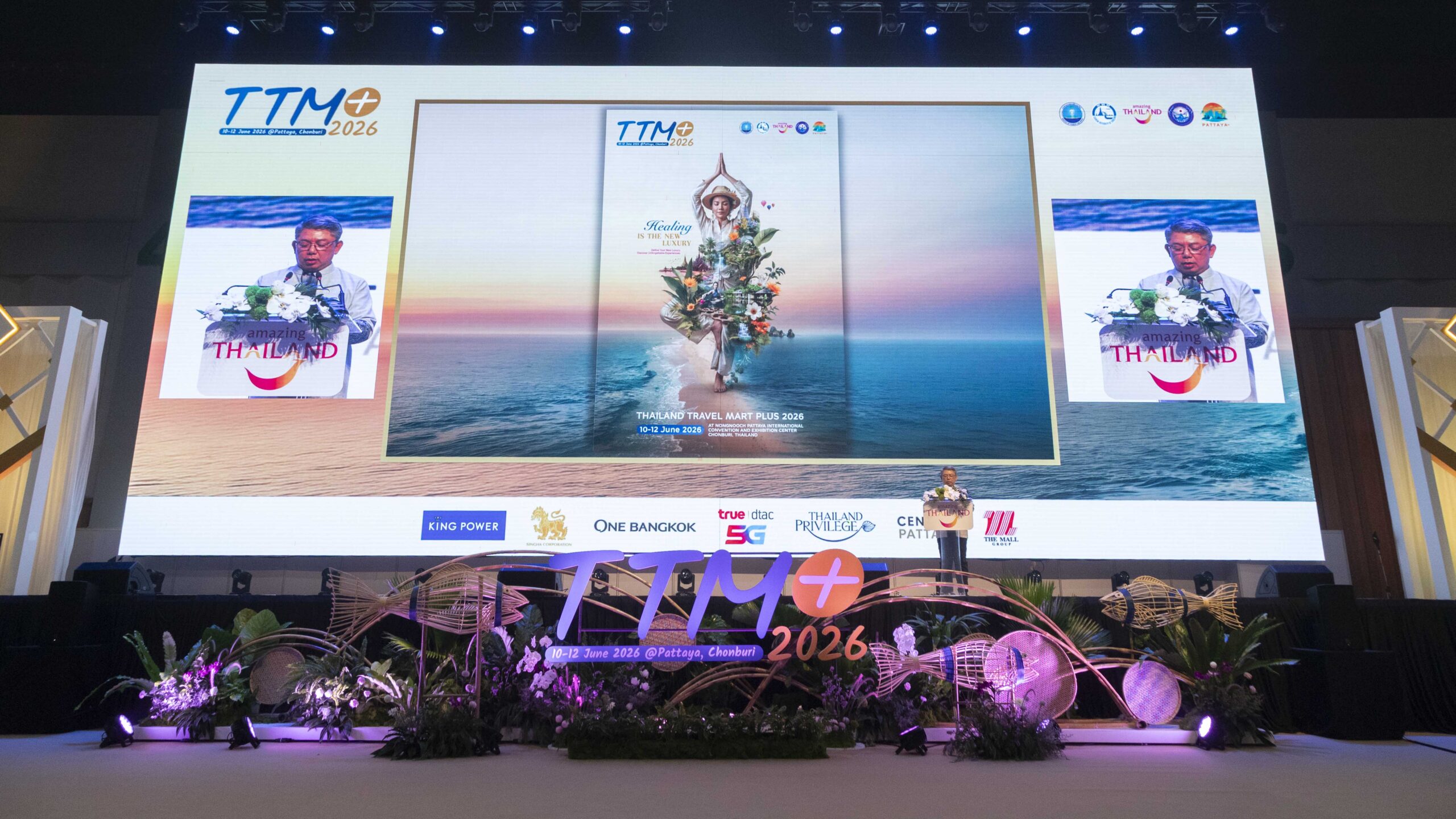
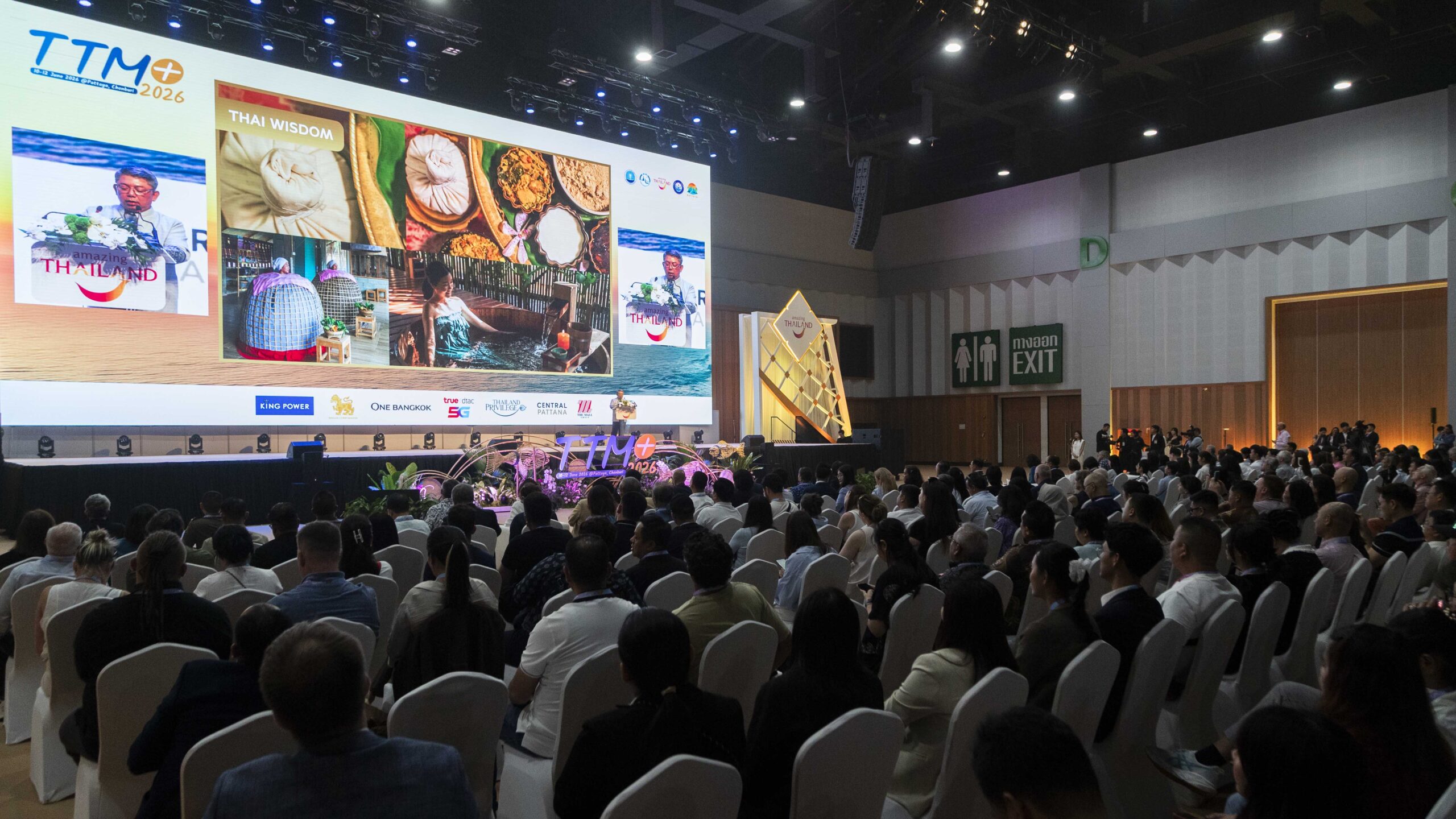
TAT’s Thailand Tourism Update at TTM+ 2026 is a useful confidence signal for foreign buyers watching Bangkok property. It is not a condominium market report, and it should not be treated as a direct price forecast. Its value is broader: it shows how Thailand is positioning tourism around quality, wellness, events, sustainability and international partnerships.
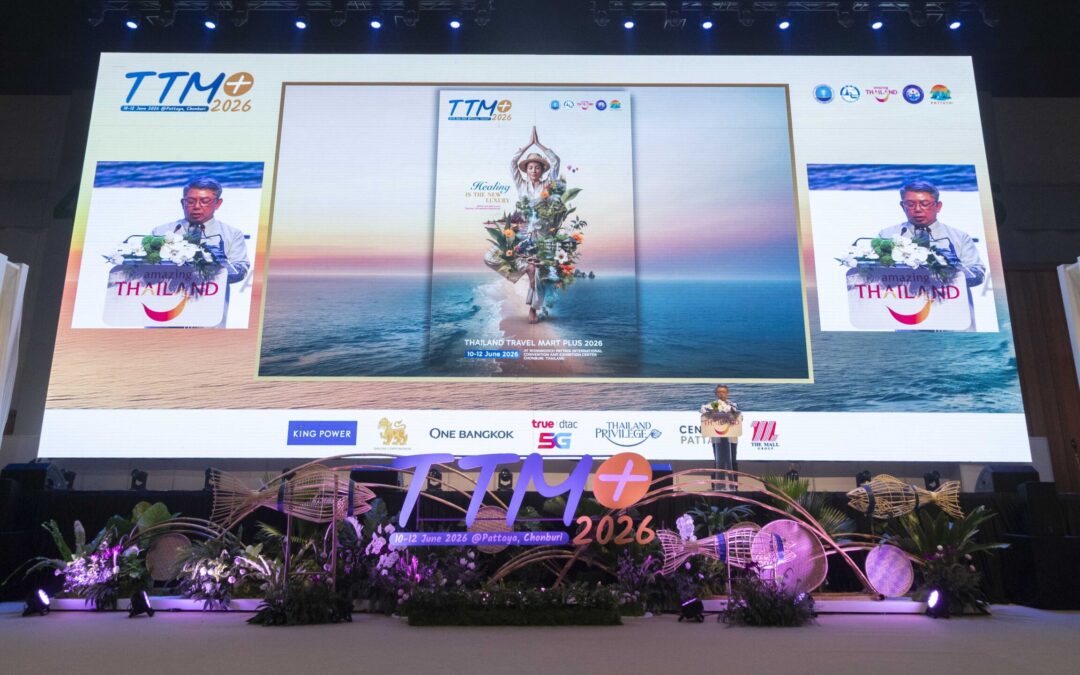
According to TAT’s 10 June 2026 release, the update was presented at Thailand Travel Mart Plus 2026 in Pattaya, held from 10 to 12 June at the NICE Pattaya Convention and Exhibition Center. TAT said Thailand had welcomed more than 14 million international visitors as of 2 June 2026, generating around 679 billion baht in tourism revenue.
TAT presented its Thailand Tourism Update at TTM+ 2026 on 10 June 2026.
Why tourism quality matters to property
Foreign property buyers should care about tourism quality because Bangkok’s appeal is not only residential. The city sits inside a national visitor economy that supports hotels, serviced apartments, restaurants, hospitals, retail, events, transport, creative industries and business travel. When Thailand attracts higher-value visitors and repeat travellers, Bangkok often benefits as the main arrival, meeting and lifestyle hub.
TAT framed the 2026 direction as Value over Volume, linking wellness, meaningful travel, responsible tourism and stronger business partnerships. That matters for property because higher-quality demand can support longer stays, repeat visits, medical and wellness travel, executive travel and lifestyle-led relocation decisions.
Where Bangkok fits the travel chain
Bangkok is often the first and last stop for international visitors, even when the holiday is focused on beaches, wellness retreats or regional destinations. That gives the city repeated demand for airports, hotels, restaurants, shopping, hospitals, meetings and short-stay services. For condo buyers, the strongest implication is not short-term speculation; it is the long-term value of districts that remain useful to both residents and visitors.
This is why central, transport-connected and service-rich locations deserve close attention. Areas with strong rail access, private hospitals, retail clusters, international schools, parks and hotels can benefit from several demand streams at once. The buyer still needs to test the specific unit, but the surrounding ecosystem can make the rental and resale story easier to explain.
The numbers are useful, but not enough
TAT also said it is advancing projected tourism revenue of 2.65 trillion baht from domestic and international tourism, with 33 million international arrivals expected in 2026. Those figures give a broad confidence backdrop, but they do not mean every Bangkok condo will perform well. A buyer still needs to test building, price, tenant profile and exit liquidity.
The better use of the data is market framing. If tourism remains an important national growth driver, Bangkok condos near transport, hospitals, retail, event venues and lifestyle districts may have a more credible demand story than units that rely only on speculative appreciation.
The update emphasised quality-led growth, wellness, sustainability and stronger international partnerships.
Wellness and events strengthen Bangkok positioning
The TAT update highlighted wellness, gastronomy, sustainable travel and major events. It referred to highlights such as InterPride 2026, the Global Wellness Summit in Phuket, the 2026 IMF-World Bank Group Annual Meetings, Pride Show Bangkok 2026, Tomorrowland Thailand, Wonderfruit, the Amazing Thailand Marathon Bangkok 2026, HYROX and Spartan Race Thailand.
For Bangkok property, this is important because a premium city is built through repeated reasons to visit and stay. Events fill hotels and restaurants, but they also shape how regional executives, families, retirees and lifestyle buyers experience the city. A buyer comparing Bangkok with other Asian cities should look at this cultural and event depth alongside price and ownership rules.
Property questions raised by the update
Which Bangkok districts benefit from transport, hotels, hospitals, retail and event access?
Does the target building appeal to long-stay visitors, relocating families or business travellers?
Can a tenant live well without needing a car for every daily task?
Do nearby services support wellness, dining, healthcare and repeat visitor routines?
Is the purchase price supported by rent evidence, not only tourism optimism?
Can the owner hold through softer tourism periods without forced selling?
For Bangkok property, tourism confidence matters most when it supports long-stay, business and lifestyle demand.
Buyer takeaway
TTM+ 2026 reinforces that Thailand is trying to move tourism toward value, wellness and sustainable demand. For Bangkok property buyers, that supports confidence in well-connected, service-rich districts, but it does not remove the need for unit-level due diligence.
IBP Real Estate can help foreign buyers connect Thailand economy signals with Bangkok condo selection. Continue with our Thailand economy updates and infrastructure articles for more context.