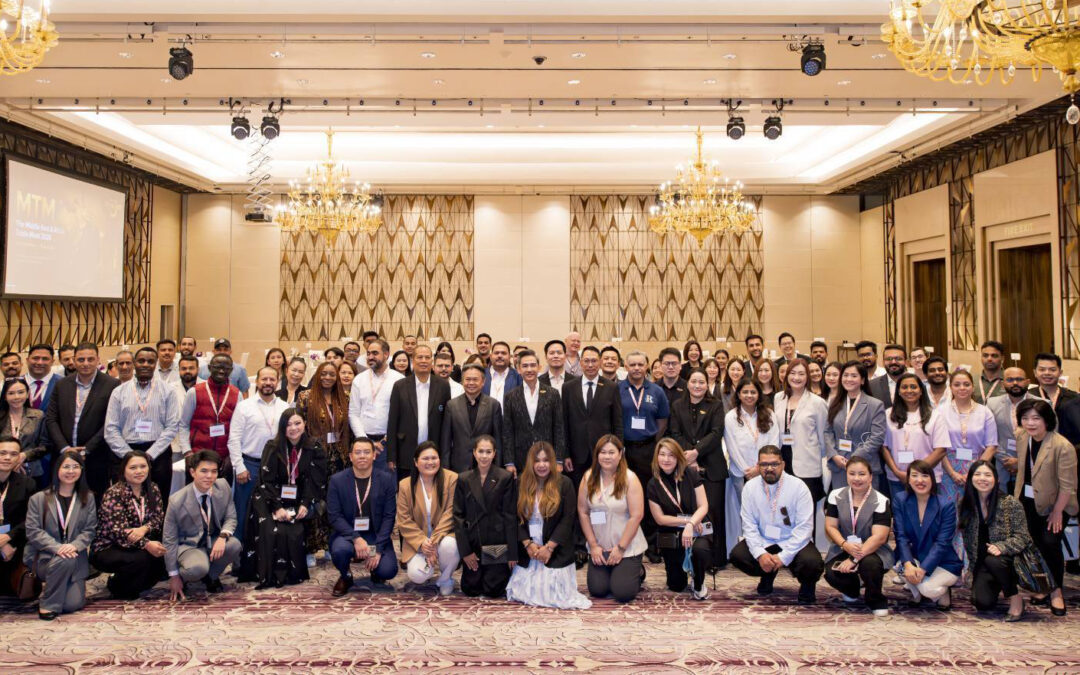
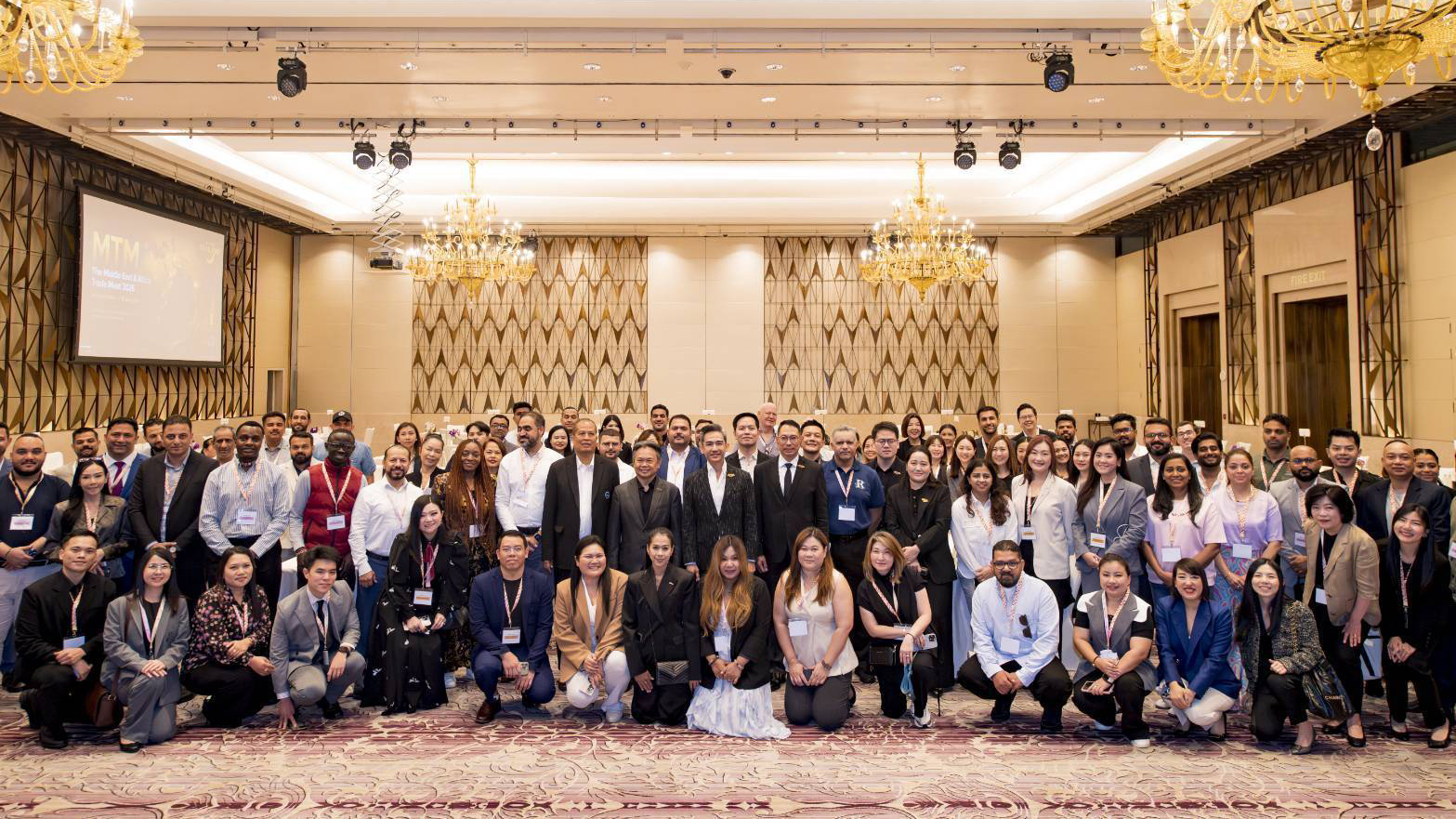
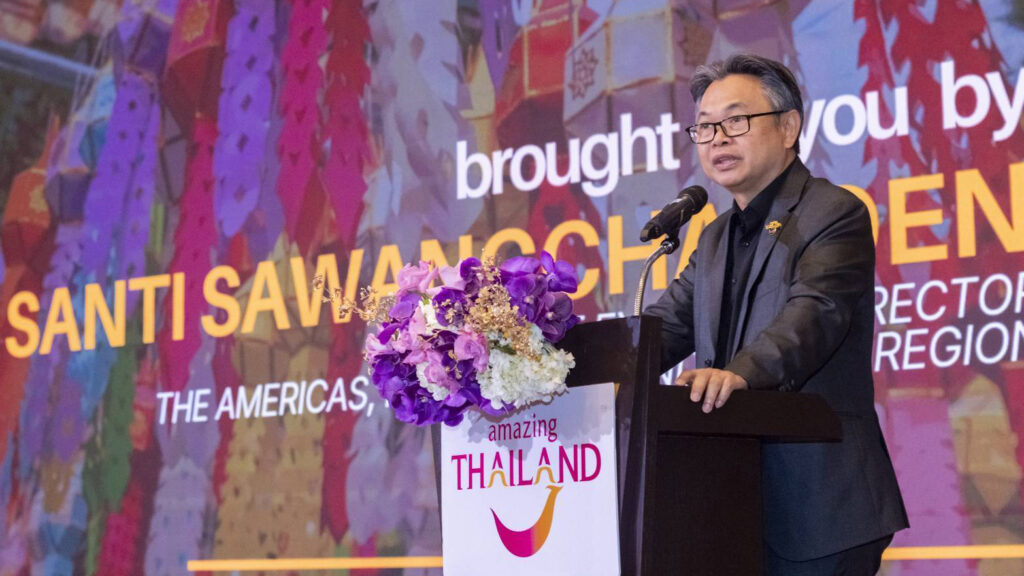
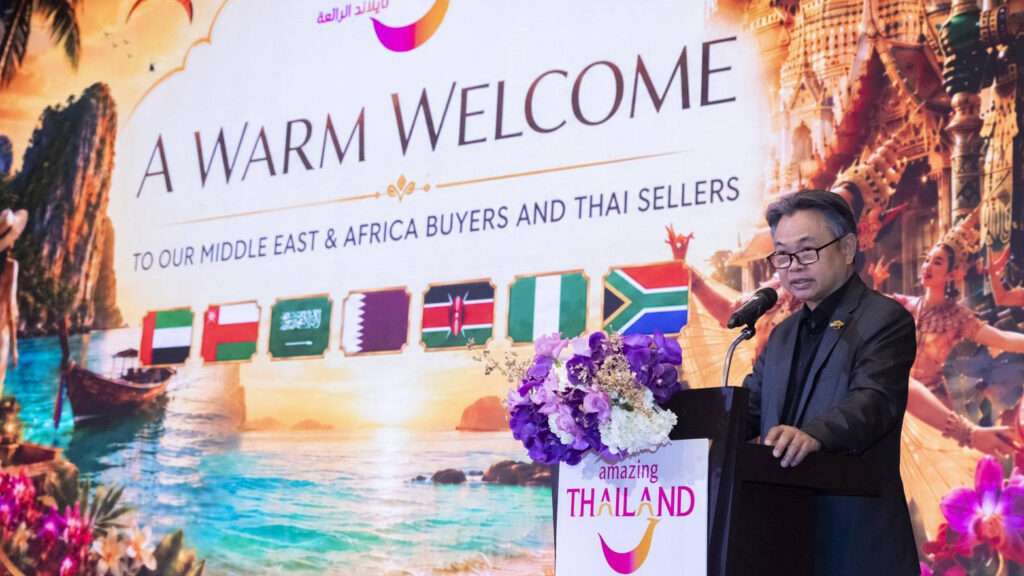
The Tourism Authority of Thailand’s Middle East and Africa Trade Meet 2026, or MTM 2026, gives Bangkok property buyers another useful tourism-confidence signal. TAT Newsroom reported that the Bangkok edition was held on 16 June 2026 at Siam Kempinski Hotel Bangkok, bringing regional travel buyers into direct discussion with Thai tourism suppliers.
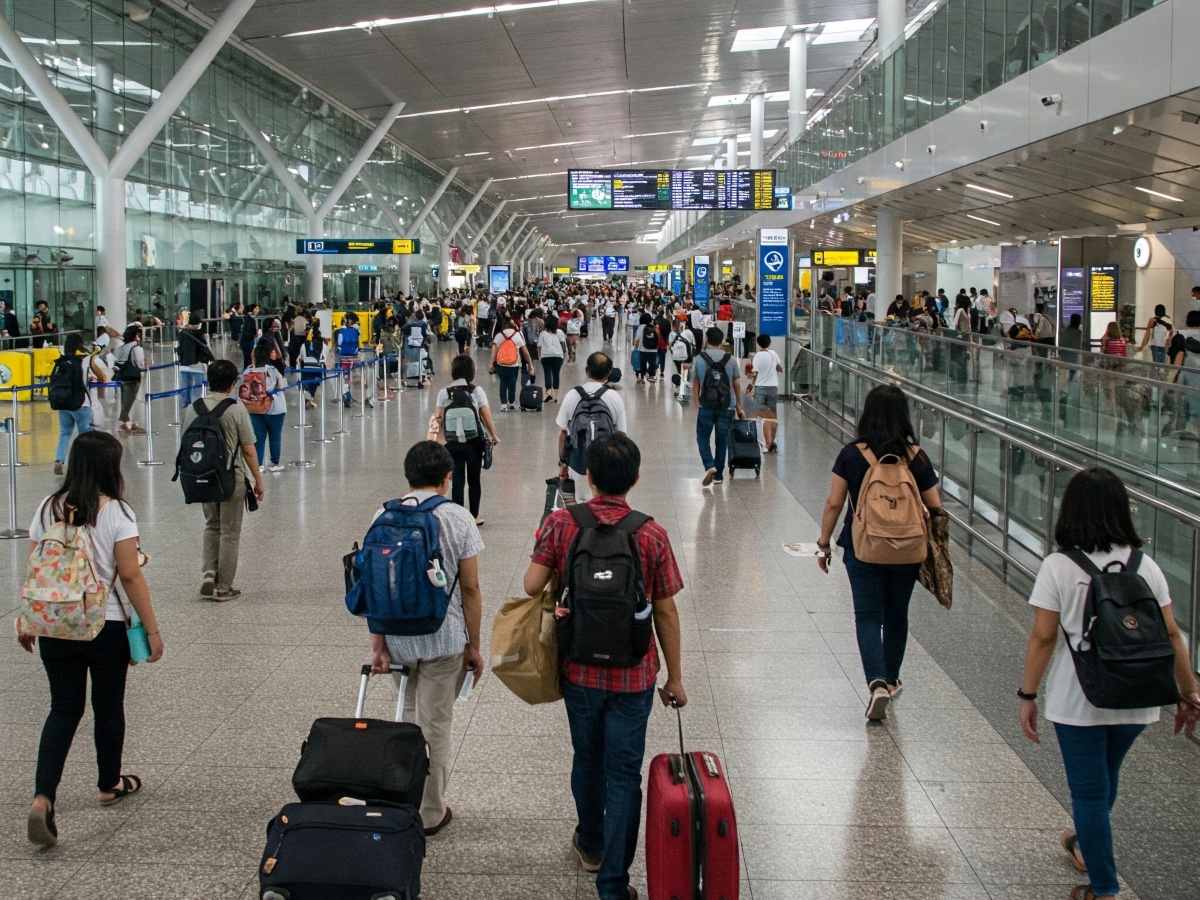
MTM 2026 brought Middle East and Africa travel buyers together with Thai tourism suppliers in Bangkok.
For property buyers, the relevance is not that a trade meet changes condo prices. It does not. The relevance is that Thailand continues to build high-value visitor channels in markets that care about wellness, medical access, family travel, privacy, shopping, premium hospitality and year-round leisure. Bangkok is the main urban platform through which many of those experiences begin.
What TAT reported
TAT said 39 travel companies from the United Arab Emirates, Oman, Saudi Arabia, Qatar, Kenya, Nigeria and South Africa joined the Bangkok programme. Activities included a market briefing, Thailand Privilege Card presentation, B2B appointments and networking with Thai tourism suppliers. The aim was to deepen product knowledge and support future business from Middle East and Africa markets.
The Bangkok event followed a wider buyer programme linked to Thailand Travel Mart Plus 2026 in Pattaya, Chon Buri. TAT said 44 regional travel companies joined related TTM+ activities with support from Air Arabia and Oman Air, then experienced hospitality and product showcases before the Bangkok business-matching event.
TAT positioned MTM 2026 as a business platform for growth markets and quality-led tourism.
Why Middle East and Africa markets matter
The official release said Middle East and Africa markets generated more than one million visitor arrivals to Thailand in 2025 for the first time, up about 3% year-on-year. That is a tourism figure, not a property sales figure, but it helps explain why Thailand keeps investing in market-specific travel products.
For Middle Eastern travellers, TAT highlighted wellness, medical tourism, family travel, luxury experiences, privacy-led travel, premium hospitality and shopping. For African travellers, especially from South Africa, Kenya and Nigeria, it highlighted beach holidays, main tourism cities, shopping, nightlife, soft adventure, family attractions, gastronomy and value-led packages.
The Bangkok property angle
Bangkok benefits when Thailand’s visitor story becomes more diverse and higher value. The city offers airports, hospitals, hotels, malls, restaurants, serviced residences, private clubs, embassies, schools and business services. Those assets matter to frequent visitors and internationally mobile households who may later consider a Bangkok base.
This does not mean investors should buy any condo near a mall or hospital. The property decision still depends on entry price, legal due diligence, building management, rental evidence and resale depth. The correct interpretation is macro confidence: Thailand is working to keep premium travel demand broad, and Bangkok remains central to that effort.
It also reinforces why mixed-use districts and well-managed buildings remain easier to explain to foreign buyers. When a visitor can connect meetings, shopping, healthcare, dining and airport travel without friction, the idea of holding a Bangkok home becomes more practical.
Business matching supports Thailand’s wider travel, hospitality and visitor-readiness ecosystem.
What buyers should look for
Foreign buyers who want exposure to Bangkok’s premium positioning should still think at street and building level. A strong unit should connect easily to hospitals, retail, parks, rail, taxis, restaurants, hotels and airport routes. It should also have a layout and management standard that fit the target resident or tenant.
Middle East and Africa demand also reminds buyers not to view Bangkok only through one expat lens. Tenant and owner demand can come from many regions, each with different expectations around privacy, family space, food, healthcare, shopping and service. Buildings that handle these needs professionally may have a broader appeal.
Buyer takeaway
MTM 2026 supports the broader story of Thailand as a quality-led, globally connected travel market. For Bangkok property buyers, that is useful background confidence, not a reason to speculate. The right response is to choose condos where location, daily services, building quality and exit strategy align with Bangkok’s role as Thailand’s international base.
IBP helps foreign buyers connect Thailand tourism and economy news with practical Bangkok property decisions. Read more in our Thailand economy and investment news archive or contact IBP Real Estate for a Bangkok property brief.
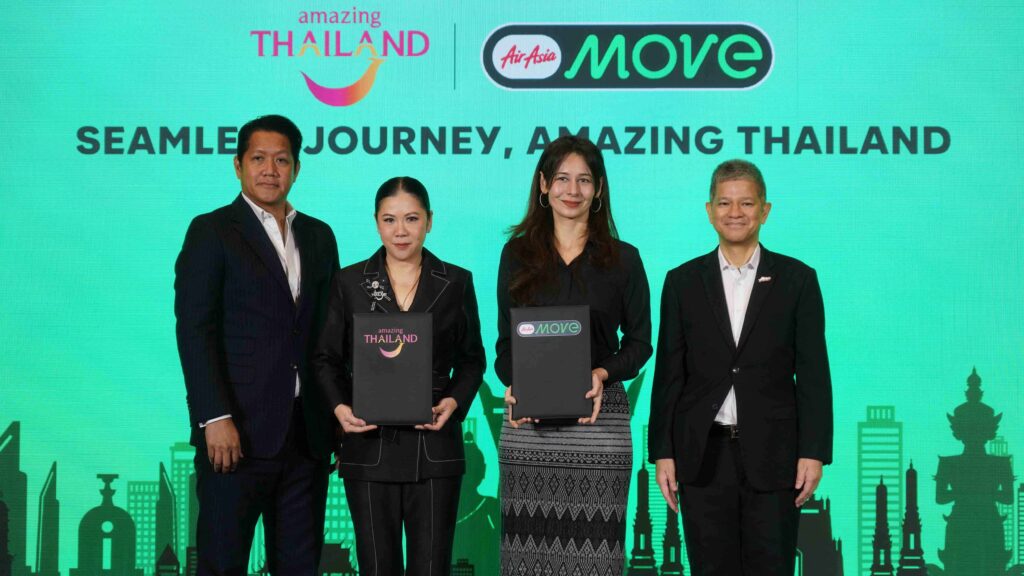
The Tourism Authority of Thailand and AirAsia MOVE announced a three-year digital travel partnership in Bangkok on 23 June 2026. The agreement sits under the TAT x MOVE: Seamless Journey, Amazing Thailand theme and is designed to connect destination marketing, traveller insights, co-branded campaigns and travel bookings across Thailand.
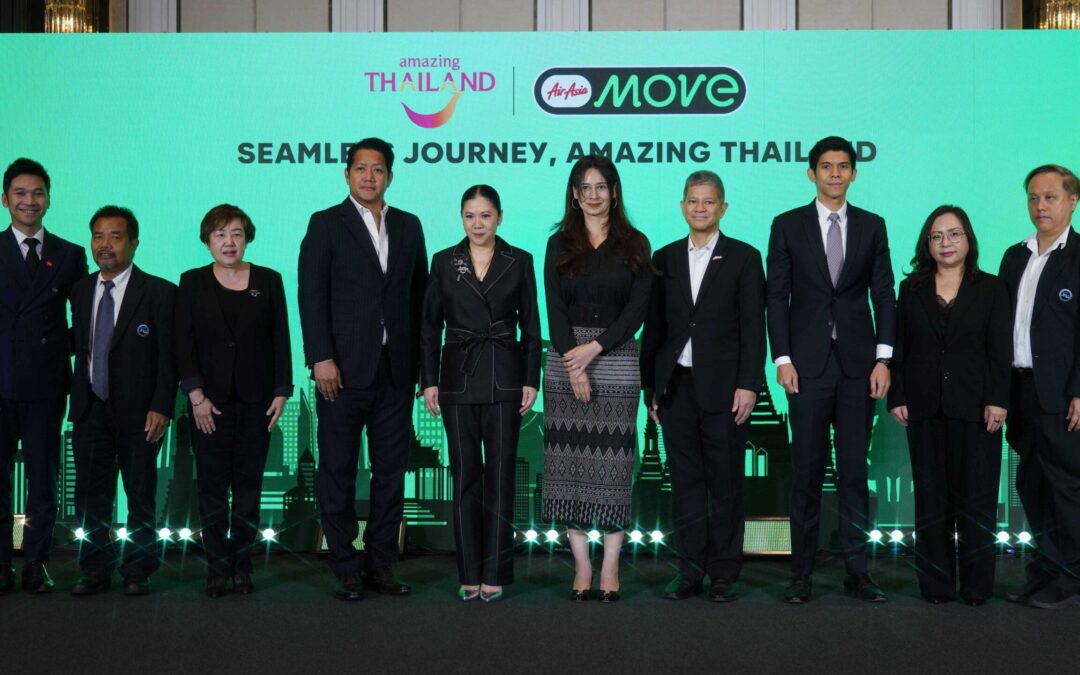
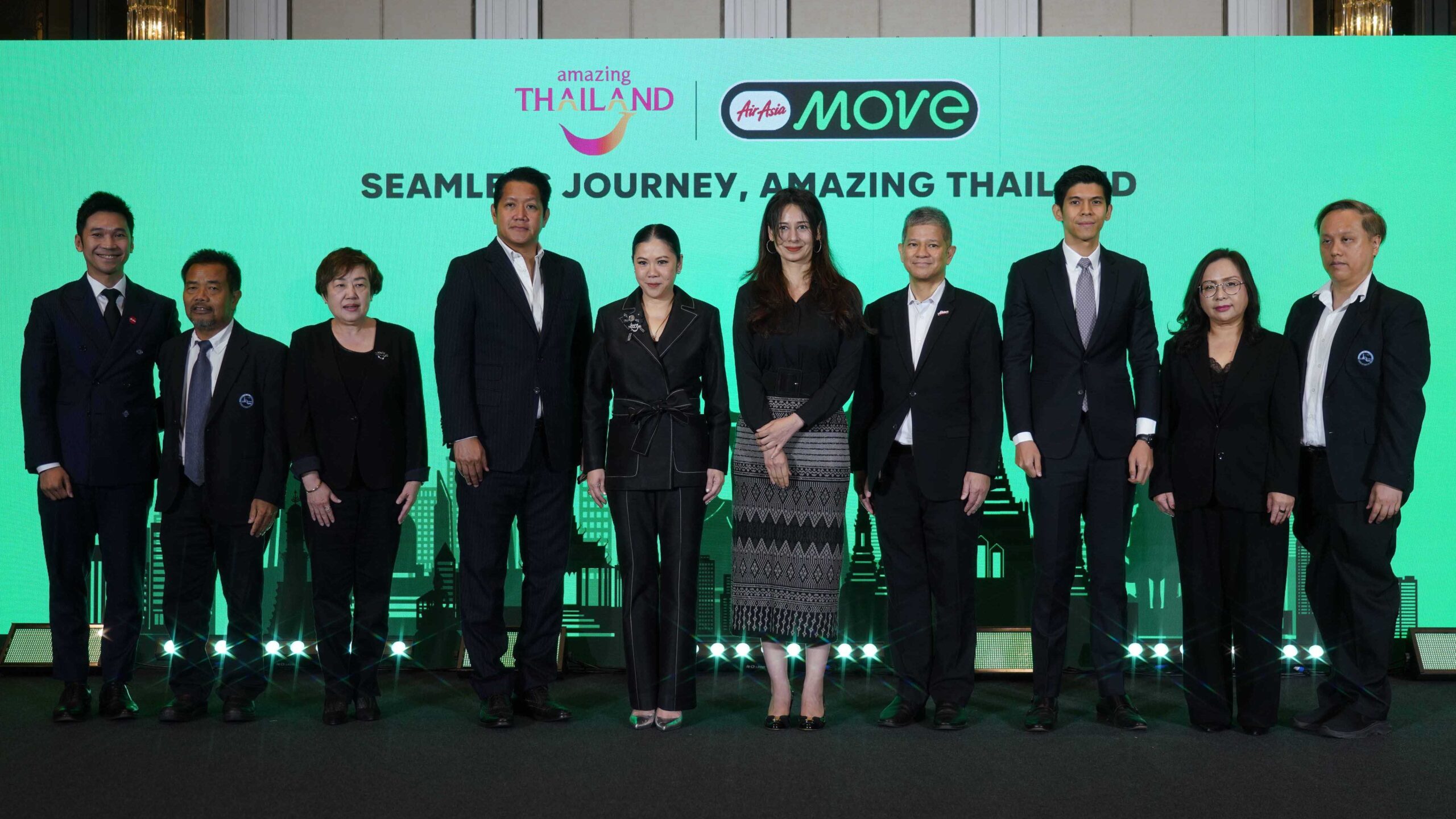
TAT and AirAsia MOVE announced a three-year digital travel partnership in Bangkok.
For Bangkok property buyers, the importance is not that one tourism partnership changes condo prices. It does not. The relevance is confidence: Thailand is continuing to invest in digital travel distribution, regional visitor access and better use of travel behaviour data. Those signals support Bangkok’s position as a connected base for investors, residents and frequent visitors.
What the partnership covers
TAT said the partnership covers co-branded campaigns, content promotion and joint marketing across TAT channels and the AirAsia MOVE platform. AirAsia MOVE brings a regional travel ecosystem and more than 17 million monthly active users. The stated aim is to strengthen Thailand’s position as a world-class tourism destination and use traveller insights from Asia and beyond for more focused destination marketing.
This matters because modern travel decisions often begin on digital platforms. A visitor may discover Thailand through content, compare destinations, book flights, arrange accommodation and plan domestic trips through the same ecosystem. Better distribution can help Thailand convert interest into actual travel, particularly from regional markets with repeat-visitor potential.
The partnership connects destination marketing with traveller data and booking behaviour.
Why Bangkok benefits from travel distribution
Bangkok is the natural starting point for many Thailand trips. It has airports, hotels, hospitals, retail, dining, business services, cultural sites and onward transport. When digital campaigns make Thailand easier to discover and book, Bangkok often benefits as the arrival city, meeting point, shopping stop, medical base or long-stay hub.
For property buyers, that supports the broader case for locations that connect well with airports, rail, hotels, offices, hospitals and lifestyle districts. A condo is still judged by its own fundamentals, but the city around it becomes easier to explain when travel access and destination marketing remain active.
Useful traveller signals from the announcement
TAT cited AirAsia MOVE travel behaviour and booking data for the first half of 2026. Asia remained the main inbound driver, with Malaysia, India, China and Indonesia continuing as top source markets for Thailand on the platform. The United States remained an important long-haul market, with travellers aged 50 and above accounting for 32% of US visitors on the platform and a 77% round-trip booking rate.
Those details are useful because they show Thailand’s visitor story is not limited to one country or travel style. Regional travellers, long-haul visitors, couples, older travellers and gateway users can all support different parts of the tourism economy. Bangkok property investors should not turn these figures into rent forecasts, but they can include them in a wider confidence view.
Digital travel platforms can influence how regional visitors discover and plan Thai trips.
What buyers should not overread
A travel-marketing partnership is not a reason to overpay for a weak condo. It does not solve poor building management, difficult station access, oversupply, inefficient layouts or unrealistic seller pricing. Foreign buyers still need to review comparable listings, ownership route, transfer documents, tenant demand and exit strategy.
The correct reading is city-level. Thailand is working with a major digital travel platform to improve reach, data use and campaign targeting. Bangkok remains a beneficiary when visitors use the capital as an entry point, business base, medical hub, shopping centre or second-home location.
That makes access, neighbourhood clarity and building quality the practical buyer filters.
Property takeaway
The TAT and AirAsia MOVE partnership strengthens the argument that Thailand is still actively competing for digitally connected, quality-led travel demand. For Bangkok property buyers, that supports confidence in well-located condos tied to transport, lifestyle and international access. The investment decision should still be made at unit level, with disciplined pricing and a clear tenant or owner-use story.
IBP helps foreign buyers connect Thailand tourism and economic news with practical Bangkok property choices. Read more in our Thailand economy and investment news archive or contact IBP Real Estate for a Bangkok property brief.
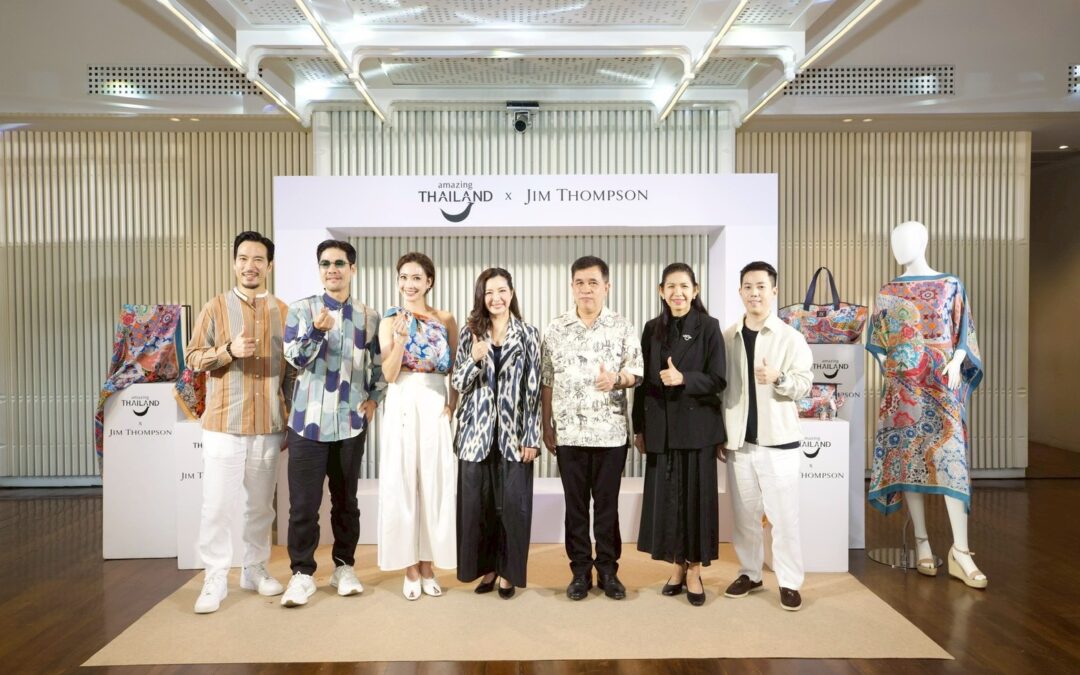
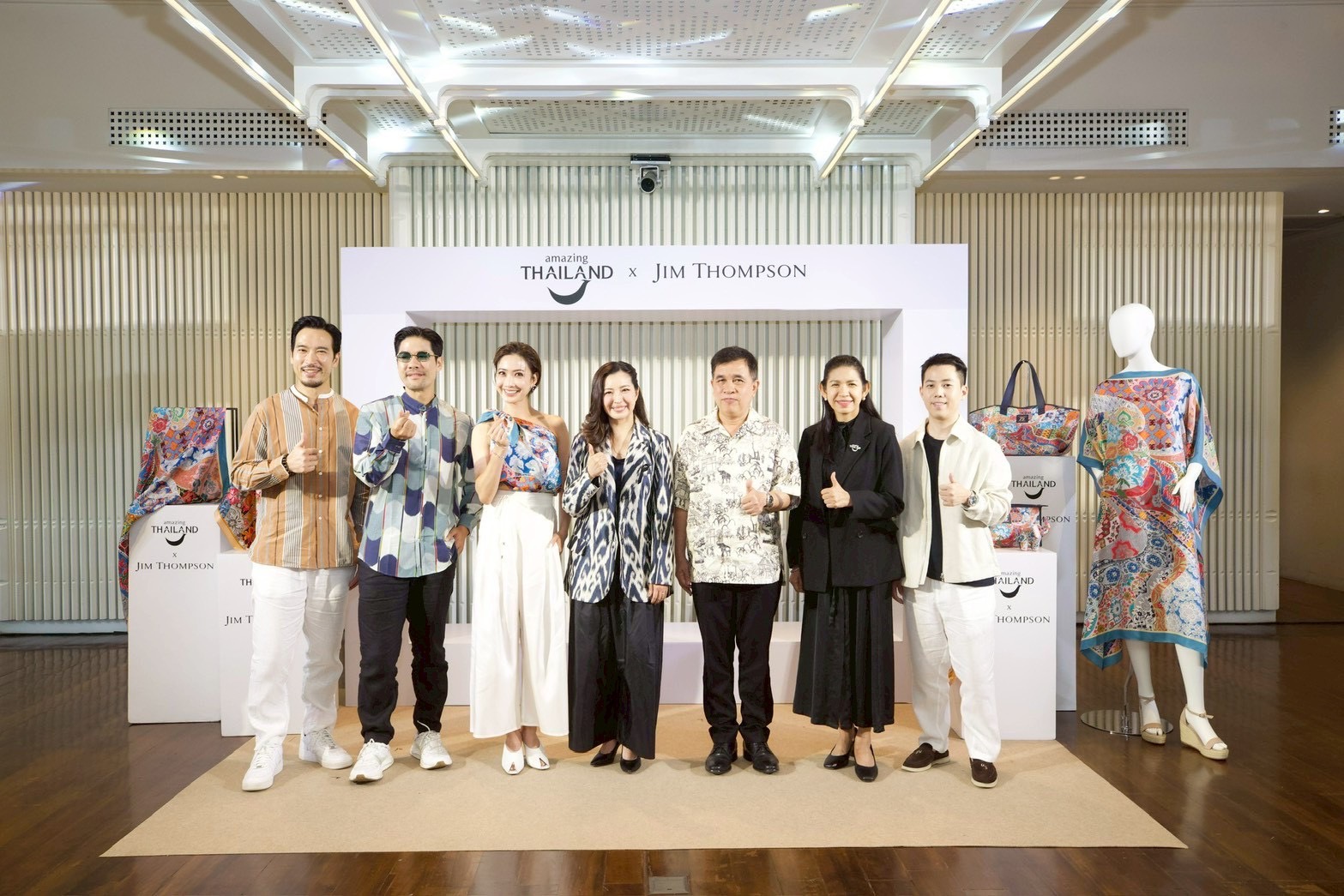
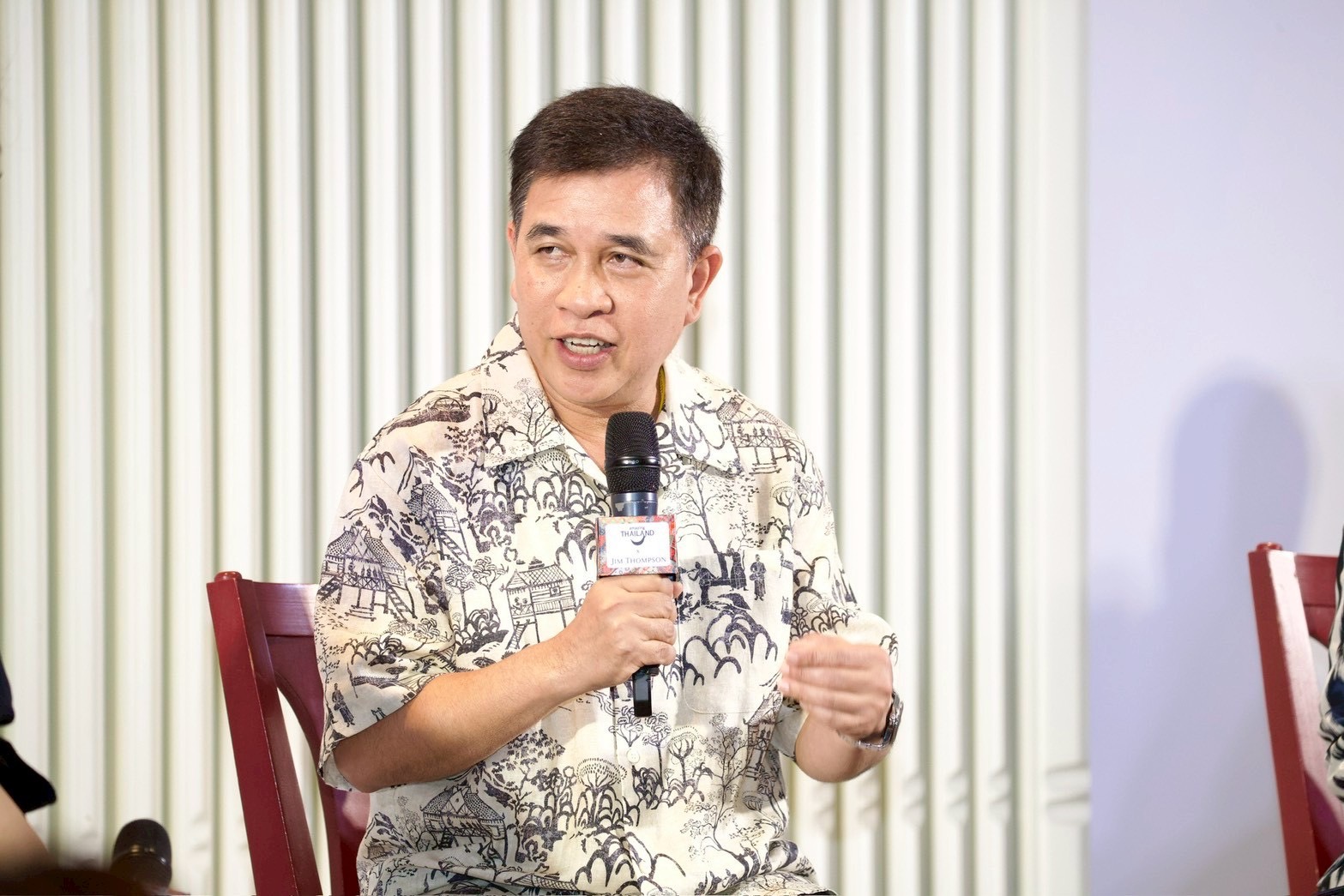
The Tourism Authority of Thailand’s latest Jim Thompson collaboration is not a property launch, but it does say something useful about Bangkok’s premium positioning. TAT Newsroom reported that on 19 June 2026, TAT and Jim Thompson launched the Amazing Thailand x Jim Thompson collection in Bangkok, linking Thai silk, contemporary design, cultural storytelling and high-value travel.
TAT’s collaboration with Jim Thompson connects Thai silk, design heritage and premium travel storytelling.
For foreign property buyers, the relevance is indirect. Bangkok’s best long-term appeal does not come only from office towers and transport lines. It also comes from culture, design, hospitality, retail, food, heritage and the city’s ability to turn Thai identity into experiences that international residents and visitors remember.
Why this collaboration matters
The release positions the collection under TAT’s Luxury Tourism initiative, Soul of Siam: Crafted Luxury. TAT describes the aim as creating greater value from tourism by connecting cultural strengths with meaningful travel experiences. Jim Thompson is named as one of 15 participating brands, recognised for Thai silk heritage, craftsmanship, lifestyle, retail and hospitality.
That matters because Thailand’s tourism strategy has increasingly emphasised quality, value and distinctive experiences rather than simple visitor volume. For Bangkok property, this helps explain why central districts with culture, retail, transport and premium services can remain attractive to internationally mobile buyers, even when they are not the cheapest locations.
Heritage-led retail and cultural programming can strengthen Bangkok’s appeal to high-value visitors.
Bangkok as a cultural base, not just a gateway
Bangkok is often described as a gateway to Thailand, but the Jim Thompson story reminds buyers that the city is also a destination in its own right. The TAT article highlights a Bangkok journey from the Jim Thompson House Museum, where visitors can learn about teak architecture, silk demonstrations, private art collections and the Baan Krua weaving community, to the Jim Thompson Art Center and the Surawong Flagship Store.
This type of route is important because it gives high-value visitors reasons to spend time in the city, not only pass through it. It links shopping, heritage, museums, canals, art, dining and neighbourhood movement. Those are exactly the details that make a city feel more livable to foreign residents evaluating whether Bangkok could be a second home or long-term base.
What property buyers should not overread
A cultural tourism collaboration does not mean condo prices will rise. Buyers should not use it as a reason to overpay for a weak unit, ignore building due diligence or assume all central locations benefit equally. Property performance still depends on entry price, rent evidence, building management, layout, ownership costs and resale depth.
The better reading is confidence-based. When TAT and major Thai brands invest in premium storytelling, Bangkok’s wider brand becomes richer. That can support demand for areas where international visitors, residents and tenants can access culture, retail, hospitality, transport and daily convenience together.
Premium destination positioning works best when it is linked to real places, retail, culture and hospitality.
Districts that can benefit from premium positioning
The most obvious beneficiaries are central districts with a strong lifestyle and cultural offer: Siam, Ratchaprasong, Chit Lom, Langsuan, Silom, Sathorn, riverside areas, Phrom Phong and parts of Sukhumvit. But the lesson is broader. Foreign buyers should look for districts where Bangkok’s premium story is easy to experience from the front door.
A good condo location should make it simple to reach galleries, restaurants, shops, hotels, hospitals, parks, offices and transport. The more those features overlap, the easier it becomes to explain the unit to a future tenant or buyer. A beautifully branded city story is useful only when the property also sits inside a practical daily routine.
How investors can use the signal
Investors can use this news as part of a macro confidence checklist. Is Thailand still investing in high-value tourism? Are major brands connecting Bangkok with culture, craftsmanship and premium travel? Are central districts continuing to attract residents who want a refined urban lifestyle? If the answer is yes, the city remains easy to explain to foreign buyers, but the unit still needs a disciplined purchase case.
For owner-occupiers, the takeaway is personal as much as financial. Bangkok’s appeal lies in how easily a resident can move from home to culture, dining, retail, wellness and travel. The strongest properties are those that make this lifestyle feel natural, not forced.
Buyer takeaway
The Amazing Thailand x Jim Thompson collection strengthens Bangkok’s premium cultural narrative. It gives foreign buyers another example of how Thailand presents heritage, design and hospitality to global audiences. The correct property response is not speculation. It is to choose condos where location, building quality and daily lifestyle genuinely connect with Bangkok’s high-value positioning.
IBP can help foreign buyers connect Thailand economic and tourism news with district-level property decisions. Read more in our Thailand economy and investment news archive or contact IBP Real Estate for a Bangkok property brief.
ASEAN’s Digital Economy Framework Agreement is not a Bangkok property policy, but it is relevant to the confidence story behind Bangkok real estate. The Government Public Relations Department reported on 9 June 2026 that ASEAN member states had concluded negotiations on the agreement, with legal scrubbing underway before an expected signing by regional leaders at the ASEAN Summit in November 2026.
ASEAN’s digital-economy framework is a regional policy signal rather than a single-project property catalyst.
For foreign property buyers, the important point is not to treat DEFA as a direct trigger for condo prices. The more useful reading is structural. A more harmonised ASEAN digital economy can support business formation, cross-border services, digital payments, data flows, cybersecurity standards and regional investor confidence. Bangkok benefits when Thailand is seen as a credible operating base inside that wider system.
What DEFA is trying to change
According to PRD, the agreement is intended to unify fragmented national regulations into a higher-standard regional digital trade framework. The official release also says DEFA is projected to more than double ASEAN’s digital economy, reaching US$2 trillion by 2030. Those are regional figures, not Bangkok property forecasts, but they show the scale of policy ambition.
Digital-economy rules matter because companies choose locations partly on operating friction. If cross-border payments, e-commerce, data and cybersecurity standards become easier to navigate, regional firms may find it simpler to serve several ASEAN markets. Bangkok’s appeal then depends on how well it combines those rules with talent, transport, offices, housing, lifestyle and airport access.
Digital trade and data standards matter most to property when they support real business activity.
Why Bangkok remains part of the conversation
Bangkok is already Thailand’s central hub for finance, law, corporate services, hospitality, media, retail and international travel. Digital-economy growth does not remove the need for physical cities. It often increases demand for places where executives, product teams, investors, consultants and regional managers can meet, hire, live and travel easily.
This is where property buyers should pay attention. The strongest real estate demand tends to form where economic activity and daily liveability overlap. A digital firm may not rent a large office in the same way as an older industrial company, but its staff and founders still need housing, transport, healthcare, schools, dining and flexible work settings. Bangkok districts that serve those routines can remain relevant.
What investors should not assume
DEFA should not be used as a reason to buy any condominium at any price. A regional digital agreement does not rescue a weak building, an awkward layout or an overpaid unit. Property performance still depends on rent evidence, resale depth, building management, common fees, future supply and the buyer’s holding period.
Investors should also avoid assuming that digital-economy growth benefits only one district. Bangkok’s demand map is varied. Central Sukhumvit, Silom-Sathorn, Rama IV, Phaya Thai, Ari, Punnawithi, Bang Na and other areas can each serve different parts of the employment and lifestyle market. The right question is which tenant or future buyer a specific unit can realistically attract.
Bangkok’s regional role depends on digital rules, transport, talent and corporate mobility working together.
How foreign buyers can use the signal
Use DEFA as part of a broader confidence checklist. Does Thailand continue to position itself for regional business? Are transport links, digital infrastructure and corporate services improving? Are companies still choosing Bangkok for regional functions, meetings or specialist teams? If the answer is yes, Bangkok’s long-term property case becomes easier to explain, but the purchase still needs building-level discipline.
For buy-to-let investors, this means focusing on units that suit mobile professionals, entrepreneurs, executives and regional staff. For owner-occupiers, it means choosing a district that makes Bangkok feel globally connected without sacrificing daily comfort. For resale buyers, it means avoiding assets that depend only on a broad macro story.
Buyer takeaway
ASEAN DEFA reinforces the idea that Thailand wants to compete in a more integrated regional digital economy. For Bangkok property buyers, the value is indirect but meaningful: stronger regional rules can support corporate confidence, mobility and the city’s business narrative. The correct response is not speculation. It is to use the macro signal while buying only units with a clear tenant, owner and resale case.
IBP can help foreign buyers connect Thailand economic news with district and building-level property decisions. Read more in our Thailand economy and investment news archive or contact IBP Real Estate for a Bangkok property brief.
Thailand’s wellness positioning is becoming part of the wider confidence story foreign property buyers watch. The Tourism Authority of Thailand marked Global Wellness Day 2026 on 14 June with Thai wellness experiences nationwide, including Bangkok activity on the Chao Phraya River.
This is not a direct condo-price signal. It is a softer but useful indicator of how Thailand presents itself to higher-value visitors, long-stay residents and internationally mobile households: hospitable, health-aware, culturally rooted and lifestyle-led.
TAT used Global Wellness Day 2026 to reinforce Thailand's wellness tourism positioning.
What TAT Highlighted
TAT said Global Wellness Day 2026 was held under the #JoyMagenta theme and used the occasion to present Thailand as a leading destination for wellness and hospitality. The agency supported activities in Ko Samui and Bangkok, while hotels and wellness operators across the country also joined the movement.
In Bangkok, TAT supported activities at Anantara Riverside Bangkok Resort on 13 June. The programme centred on Eastern wisdom and joyful living, with Thai and international participants exploring traditional healing knowledge, Thai botanicals, mindful movement and modern longevity practices in a riverside setting.
The Bangkok activities included herbal tea blending, selected Thai botanical ingredients, Muay Thai, Tai Chi, yoga and sound healing. For property buyers, the important point is the positioning: Bangkok is not only a business and retail city, but also a place where hospitality, healthcare and wellness routines are part of the urban offer.
Bangkok's wellness positioning is strongest when it connects hospitality, healthcare, river access and daily liveability.
Why Wellness Tourism Matters To Bangkok
Wellness tourism connects several Bangkok strengths. The city has international hospitals, hotels, spas, riverfront resorts, premium retail, restaurants, private clinics, fitness studios and serviced residences. These are not all property demand drivers by themselves, but together they make Bangkok easier to understand as a long-stay and repeat-visit city.
Foreign buyers often move from visitor to resident gradually. A first trip may be for leisure, medical care, business, school research or a family visit. If the city feels comfortable, service-led and easy to navigate, some buyers later consider a rental base, second home or investment condo.
The wellness story also supports districts that offer real daily convenience. A building near healthcare, parks, river access, gyms, restaurants and transport can turn a national tourism theme into a practical resident experience.
Thai wellness, botanicals and mindful movement add to the wider lifestyle story foreign residents consider.
What Investors Should Not Assume
Wellness branding does not make every condo a good investment. Buyers should avoid turning a tourism theme into a blanket price assumption. A weak building, poor management, awkward route or overpriced unit will not be saved by national marketing.
The correct use of the signal is contextual. It can support confidence in Bangkok’s long-term lifestyle appeal, but the purchase still depends on title, foreign quota, building quality, common fees, rent evidence, tenant profile and resale depth.
Investors should also separate hotel and resort demand from residential demand. A wellness traveller may book a hotel or serviced apartment, while a condo tenant may need a very different package: privacy, transport, work space, internet, storage and practical management.
District Implications For Buyers
Districts with strong wellness relevance include riverside areas, central hospital corridors, park-adjacent neighbourhoods and mixed-use locations with reliable retail and dining. The strongest condos make these amenities easy to use without complicated travel.
For owner occupiers, the question is whether the district supports the life they want after the first few weeks. Can they reach healthcare, exercise, quiet space, food, transport and social routines comfortably? For investors, the question is whether the same features broaden the tenant pool and improve renewal prospects.
A buyer should therefore test the lifestyle in person. Visit the area in the morning, evening and weekend. Check routes to hospitals, parks, river piers, BTS or MRT, gyms and supermarkets. Wellness value is practical when it reduces friction in daily life.
Buyer Takeaway
TAT’s Global Wellness Day 2026 activity reinforces the direction Thailand wants to project: quality, hospitality, health and experience. For Bangkok property, that is a confidence backdrop rather than a purchase instruction.
Foreign buyers should use the signal to ask better questions. Which buildings actually benefit from Bangkok’s wellness and healthcare ecosystem? Which districts make healthy daily routines easy? Which units are priced as though a lifestyle premium is guaranteed when the evidence is still thin?
IBP tracks how tourism, infrastructure and lifestyle positioning connect to property decisions. Read more in our Thailand economy and investment news section or contact IBP for a buyer strategy session.