Air quality is part of Bangkok liveability, but it cannot be judged from one viewing or a fixed reputation attached to a district. Conditions change by day, season, weather and nearby activity. A condo buyer therefore needs a repeatable way to read official information and assess how the building manages the indoor environment.
Air quality varies over time, so buyers should combine official monitoring with repeat visits and building checks.
The goal is not to declare one neighbourhood permanently clean or unsuitable. It is to understand exposure, household sensitivity and practical choices. Anyone with asthma, heart or lung disease, pregnancy concerns or other medical questions should follow official health advice and consult a qualified clinician.
Begin with official monitoring
Use Thailand’s official air-quality services and Bangkok’s city information before relying on a social-media screenshot or a single commercial sensor. Check the time, station location, pollutant and averaging period. A reading from another part of the city may not describe the street outside the condo.
Follow conditions over several weeks and across the times the household is active. This creates a better picture than viewing only on a clear afternoon. Save the official channels that residents will use after moving, because air quality is an ongoing routine rather than a one-time property check.
Visit the micro-location repeatedly
Walk the building’s frontage, side streets and route to rail. Note idling traffic, bus stops, loading bays, construction, open-air cooking, generators and the distance from major roads. These observations do not replace monitoring, but they help explain local conditions and daily patterns.
Visit in the morning and evening, on a weekday and after rain if practical. Check whether the lobby doors remain open, where vehicles wait and how air moves through common areas. A higher floor or park view should not be assumed to guarantee a particular indoor reading.
Window seals, ventilation, air-conditioning maintenance and filtration influence the indoor experience.
Inspect the unit as an air system
Check window and balcony-door seals, visible gaps, odours, dampness, mould and the condition of air-conditioning units. Ask whether the system recirculates indoor air, introduces outside air or operates differently by room. A technician can explain the exact equipment and safe maintenance requirements.
Look at the kitchen hood and bathroom exhaust. Ask where they discharge and whether unwanted smells travel between units or corridors. Indoor air can also be affected by smoking, cleaning products, new furniture, pets, cooking and moisture, so an outdoor reading is only one part of comfort.
Ask how the building is managed
The condominium juristic person should be able to explain air-conditioning maintenance in common areas, cleaning schedules, smoking rules, renovation controls and the response to construction dust. Inspect lift lobbies, corridors, gyms and children’s rooms for ventilation, odour and visible maintenance.
Ask how filters are serviced and whether replacement records exist for central systems. Do not assume that a premium lobby means the hidden equipment is well maintained. Building management quality affects whether procedures continue after the sales gallery closes.
Evaluate filtration carefully
Portable air cleaners may be useful for some households, but equipment should be matched to room size, airflow and the pollutants of concern. Check independently verified specifications, replacement-filter availability, noise and electricity use. A device that is too loud to run at night may not support the intended routine.
Air-conditioning filters and particle-removal filters do different jobs. Do not force an unsuitable filter into equipment or block necessary ventilation. Ask a qualified specialist where needed, and follow manufacturer instructions for cleaning and replacement.
Residents can adapt exercise and travel plans using current official readings and health advice.
Plan daily routines around current conditions
Residents can use current readings and official advice to decide when to exercise outdoors, open windows or adjust travel. A building near a park may still offer valuable recreation, but the time and intensity of activity can be adapted when conditions are poor.
Consider the whole journey. A comfortable indoor unit may be undermined by a long exposed walk beside traffic. Covered access, reliable rail, a safe taxi pickup and indoor exercise options can make an air-quality-aware routine easier without giving up urban convenience.
Think about children, older residents and pets
Different household members may have different needs and activity patterns. Families should inspect school transport, play spaces and the route to parks. Older residents may value close healthcare and indoor walking options. Pet owners should examine outdoor access and building rules.
A buyer should not make health assumptions for another person. Use a clinician’s advice for individual concerns and make sure the home supports that advice in practical ways, including space for equipment, easy filter changes and a manageable daily route.
Include air quality in rental and resale thinking
Tenants increasingly ask about window seals, filtration, smoking rules and nearby construction. An investor should answer with accurate building and unit information rather than promising clean air. Well-maintained systems and clear records can strengthen confidence, but they do not create a guaranteed rent premium.
At resale, buyers will compare the whole living experience: location, transport, noise, heat, air, management and cost. Good air-quality preparation is one component of a resilient unit, not a substitute for layout, price or building health.
Air-quality viewing checklist
Track official readings across different days and times.
Walk the exact street, station route and vehicle pickup area.
Inspect windows, doors, dampness, odours and air-conditioning.
Ask about common-area ventilation and filter maintenance.
Review smoking, renovation and construction-dust procedures.
Match any air cleaner to the room and household need.
Plan outdoor exercise and travel using current official advice.
Liveability takeaway
A Bangkok air quality guide should help buyers make measured decisions, not create fear or false certainty. Bangkok remains highly liveable for many foreign residents because of its transport, healthcare, food, culture and services. The right condo adds a well-managed indoor environment and practical routines to those city advantages.
Bangkok feels different before the hottest and busiest part of the day. Parks are active, food stalls and markets settle into rhythm, cafés prepare for commuters and rail journeys begin to reveal how a neighbourhood actually works. A morning visit can therefore be one of the most useful tests in a condo search.
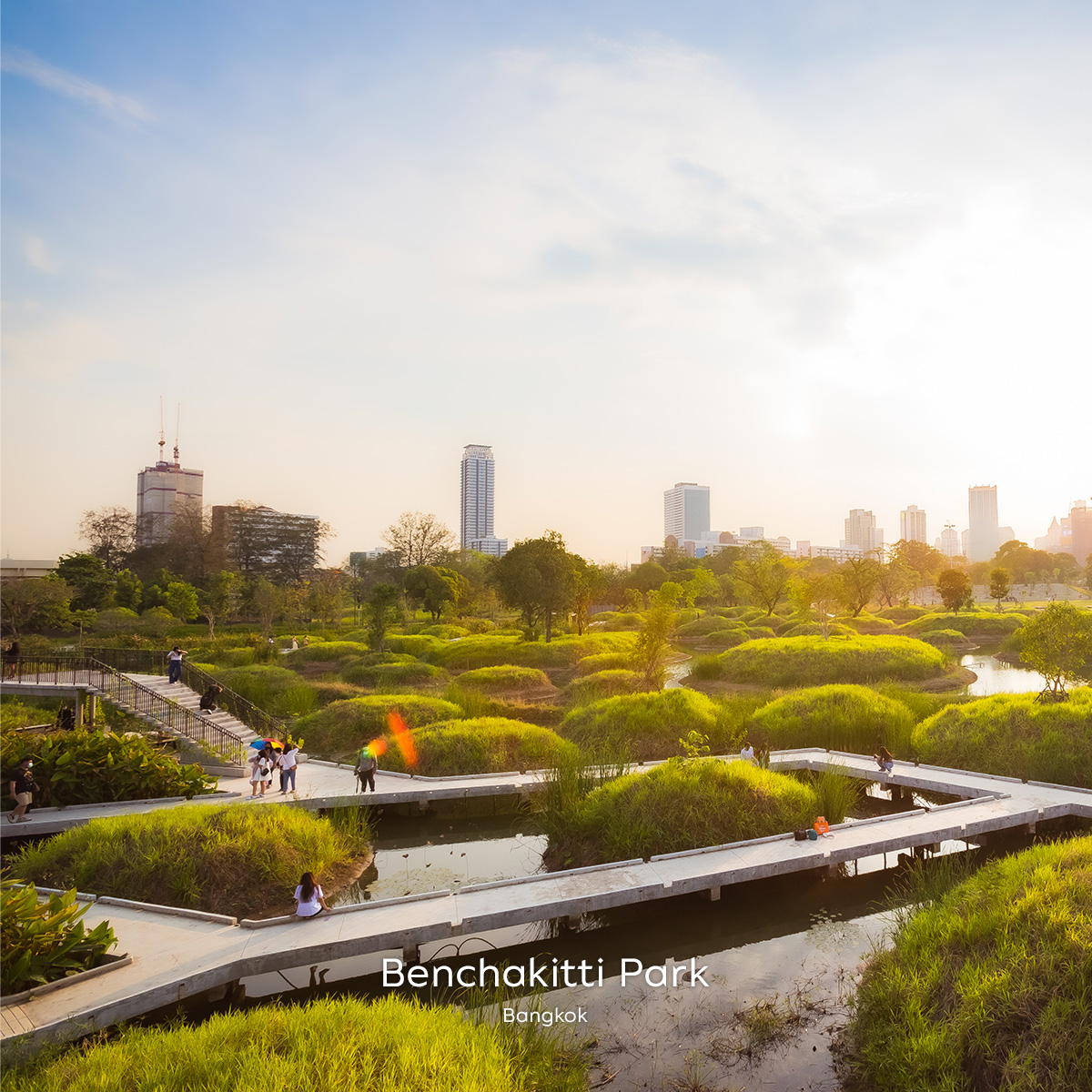
Morning access to parks and open space can turn exercise into a repeatable routine rather than a weekend plan.
Foreign buyers often view apartments in the late morning or afternoon, when a sales appointment is convenient. That can hide the routine that matters most to residents: waking light, breakfast, exercise, school traffic, the first commute and the route back to the lobby carrying groceries.
Start inside the unit
Visit early enough to understand natural light and heat. Check whether the bedroom becomes bright before the resident wants to wake, whether curtains provide enough control and whether the kitchen and living room feel pleasant without artificial lighting.
Listen with the air-conditioning and television off. Morning traffic, school activity, construction, temple sounds, deliveries and building housekeeping may be different from the afternoon soundscape. The aim is not silence; it is a level and pattern that fit the household.
Test the first ten minutes outside
Walk from the apartment to the street as a resident would. Note lift waiting, lobby traffic, service movement, taxi pickup and the condition of pavements or covered routes. A building can have excellent facilities and still create daily friction if leaving it during the weekday peak is awkward.
Check whether coffee, breakfast, convenience shopping and basic services are genuinely usable at the time needed. Opening patterns can change, so inspect the current neighbourhood rather than relying on an old listing description.
Make exercise easy enough to repeat
A good gym, pool, park or walking loop adds most value when residents can use it without complicated planning. Inspect the condominium gym during a realistic morning period. Check crowding, equipment condition, ventilation, changing areas and whether the space suits the intended routine.
For outdoor exercise, follow the entire route. A park shown on a map may require crossing busy roads or walking along an uncomfortable section. Shade, lighting, crossings, dogs, surface quality and access gates can matter more than the straight-line distance.
Local food and grocery access can make the first hours of the day practical, social and distinctly Bangkok.
Use food access as a liveability test
Bangkok’s markets, street vendors, bakeries, cafés and supermarkets allow different morning routines. Some residents want a quick coffee beside BTS; others want fresh produce, cooked Thai breakfast or a quiet table for an early meeting. The right district is the one where the preferred routine is easy on an ordinary weekday.
Buy a small grocery basket and carry it back to the unit. This simple exercise tests crossings, heat, lift access, kitchen storage and whether the neighbourhood supports regular cooking. It can reveal more than a list of nearby amenities.
Observe school and office traffic
Morning congestion can change a street completely. Families should examine school transport, drop-off queues and the route from lobby to car or rail. Professionals should test whether the walk to BTS or MRT remains comfortable when other commuters, deliveries and motorbikes are active.
A short mapped distance is not the same as a predictable journey. Measure the door-to-platform route, including lifts, ticket gates and crossings, and repeat it on the day and time most relevant to the household.
The most useful condo locations make the morning journey legible in heat, rain and weekday traffic.
Check heat and rain resilience
Even early mornings can be warm, and rain can arrive when residents are leaving for work or school. Look for shade, awnings, drainage, safe crossings and places where taxis can stop without blocking traffic. A covered connection may be more valuable in daily life than a slightly shorter exposed walk.
Inside the building, consider where umbrellas dry, whether wet shoes can be managed and whether lobby floors become slippery. These small design and management details influence how premium a residence feels during real weather.
Consider household differences
A single professional may prioritise fast rail access and coffee. A family may need breakfast, school logistics and space for bags. A retired resident may value a safe park route, pharmacy and quieter pace. A frequent traveller may care about early airport departures and luggage movement.
Investors should choose a likely resident profile before treating morning convenience as a rental advantage. A feature only supports rent when the target tenant will use it and the unit, building and price already make sense.
Morning-viewing checklist
Inspect bedroom light, heat and noise early in the day.
Time the lift, lobby and exit route during weekday activity.
Walk to rail, breakfast, groceries and exercise options.
Observe school, office, delivery and drop-off traffic.
Test shade, crossings, drainage and wet-weather access.
Carry a normal purchase back to the kitchen and storage.
Match the routine to the likely resident or tenant.
Liveability takeaway
Bangkok morning living shows whether a condo supports habits rather than just aspirations. When exercise, food, transport and household logistics fit together, the city can feel exceptionally convenient, energetic and liveable for foreign residents.
Laundry is a small part of a Bangkok condo viewing, but a large part of living in the unit. Expat residents quickly notice whether the washer is easy to use, damp clothes have somewhere sensible to dry, household linen can be stored and nearby services fit the working week.
A workable laundry routine depends on space, ventilation, equipment and the household’s normal week.
For buyers, laundry planning is also an investment check. An awkward utility corner can create humidity, noise, maintenance calls and clutter. A practical setup helps residents settle into the unit and can make a furnished rental easier to manage.
Start with the household routine
A single professional, a couple, a family and a frequent traveller will use the space differently. Estimate how often clothes, towels and bedding need washing, whether workwear requires pressing, and whether residents prefer home washing, self-service machines or collection and delivery.
Do not design around an ideal quiet week. Consider gym clothing, rainy days, guests, children, larger bedding and the periods when a resident returns from travel with several loads at once.
Inspect the washer position
Check the available width, depth and door clearance before assuming a preferred appliance will fit. Look at water supply, drainage, electrical connection, floor condition and access for repairs. A machine squeezed under a counter may be difficult to remove when servicing is needed.
Operate the existing washer with permission and ask about age or maintenance history where available. Listen for vibration and consider whether it sits beside a bedroom, desk or neighbouring wall. The most attractive cabinet arrangement is not always the easiest to maintain.
Washer position, storage and drying space should be tested before furniture and luggage fill the unit.
Plan drying for Bangkok conditions
Balcony drying may be useful, but building rules, rain, dust, road exposure, privacy and heat affect how practical it is. Confirm what can be placed on the balcony and whether rails, facade elements or common views are subject to restrictions.
Indoor racks need airflow and a position that does not block circulation. A combined washer-dryer or separate dryer may suit some households, but buyers should check ventilation, electrical capacity, heat and manufacturer requirements. Avoid creating moisture problems by drying repeatedly in a closed room without a suitable plan.
Look for storage and work surfaces
Laundry needs space for detergent, baskets, hangers, an iron, cleaning cloths and spare linen. Check whether these items can be stored safely away from food and children. A shallow cupboard may look neat in photographs but fail once normal supplies are added.
A small folding surface and a place for clean items can prevent the dining table or sofa from becoming the permanent laundry station. In compact units, furniture that supports more than one task can help, provided it does not obstruct exits or ventilation.
Use services strategically
Bangkok offers laundries, dry cleaners, pressing services and pickup or delivery options across many districts. Residents should compare convenience, garment handling, communication, turnaround and building access rather than choosing only on headline price.
Walk the neighbourhood to see what is genuinely close, and ask how deliveries are received. Some condos allow easy lobby collection; others have specific vendor access or parcel procedures. A nearby reliable service can compensate for a compact unit, particularly for workwear, bedding or occasional large loads.
Building rules, delivery access and nearby services can make laundry noticeably easier for residents.
Check building facilities and rules
Some condominiums have shared laundry rooms, while others rely entirely on in-unit equipment and outside services. Inspect any shared facility for access, cleanliness, security, payment method, opening hours and machine condition. Confirm whether residents can leave items unattended and how faults are reported.
Owners should also ask about water leaks, drainage complaints and contractor access for appliance repair. Clear procedures matter when the owner is overseas or the unit is tenanted.
Landlord considerations
A furnished rental should state which appliance is provided, its condition and who handles routine care or repairs under the lease. Keep the model information and instructions, and photograph the machine at handover. A tenant should know how to report a leak quickly and where the water can be isolated if appropriate.
Choose equipment that fits the target tenant and can be serviced without dismantling half the kitchen. A premium resident may expect stronger capacity or drying convenience, while a compact urban unit needs simple, durable operation and nearby service support.
Laundry viewing checklist
Measure appliance space, door swing and service access.
Check supply, drainage, power and signs of past leakage.
Test noise and vibration with permission.
Confirm balcony and facade rules for drying.
Identify a ventilated indoor option for wet weather.
Find storage for supplies, linen and cleaning equipment.
Inspect shared facilities and nearby services.
Record appliance condition in a rental inventory.
Liveability takeaway
A well-planned laundry setup will not sell a Bangkok condo on its own, but a poor one can make daily life unnecessarily difficult. Foreign buyers should test the appliance, drying route, storage, building rules and local services as part of the real household routine.
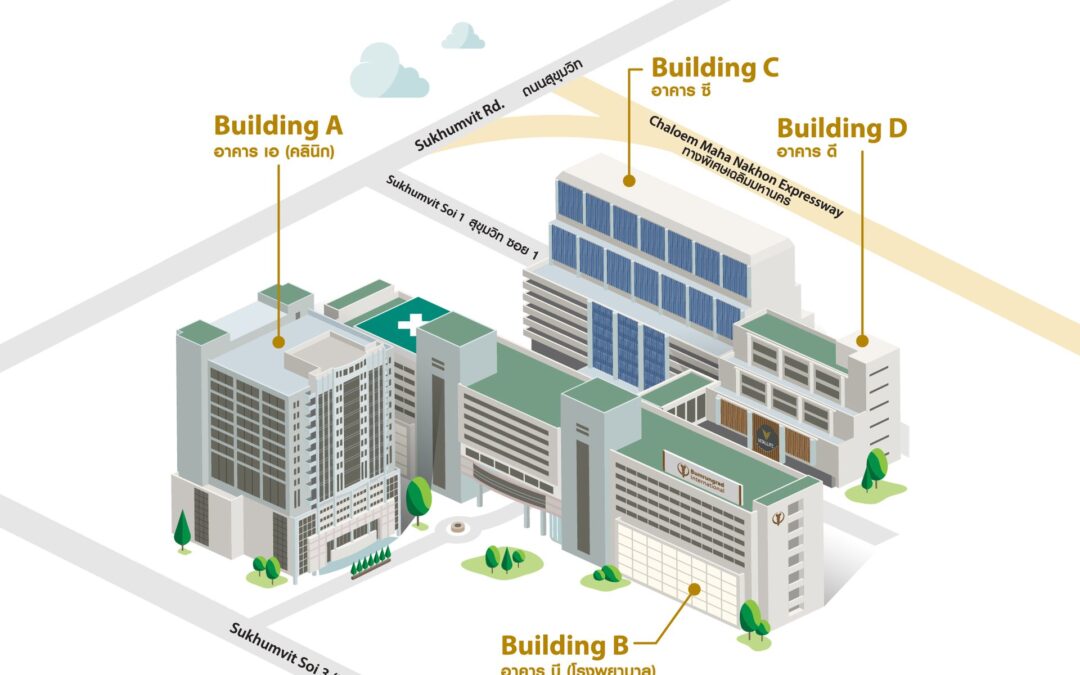
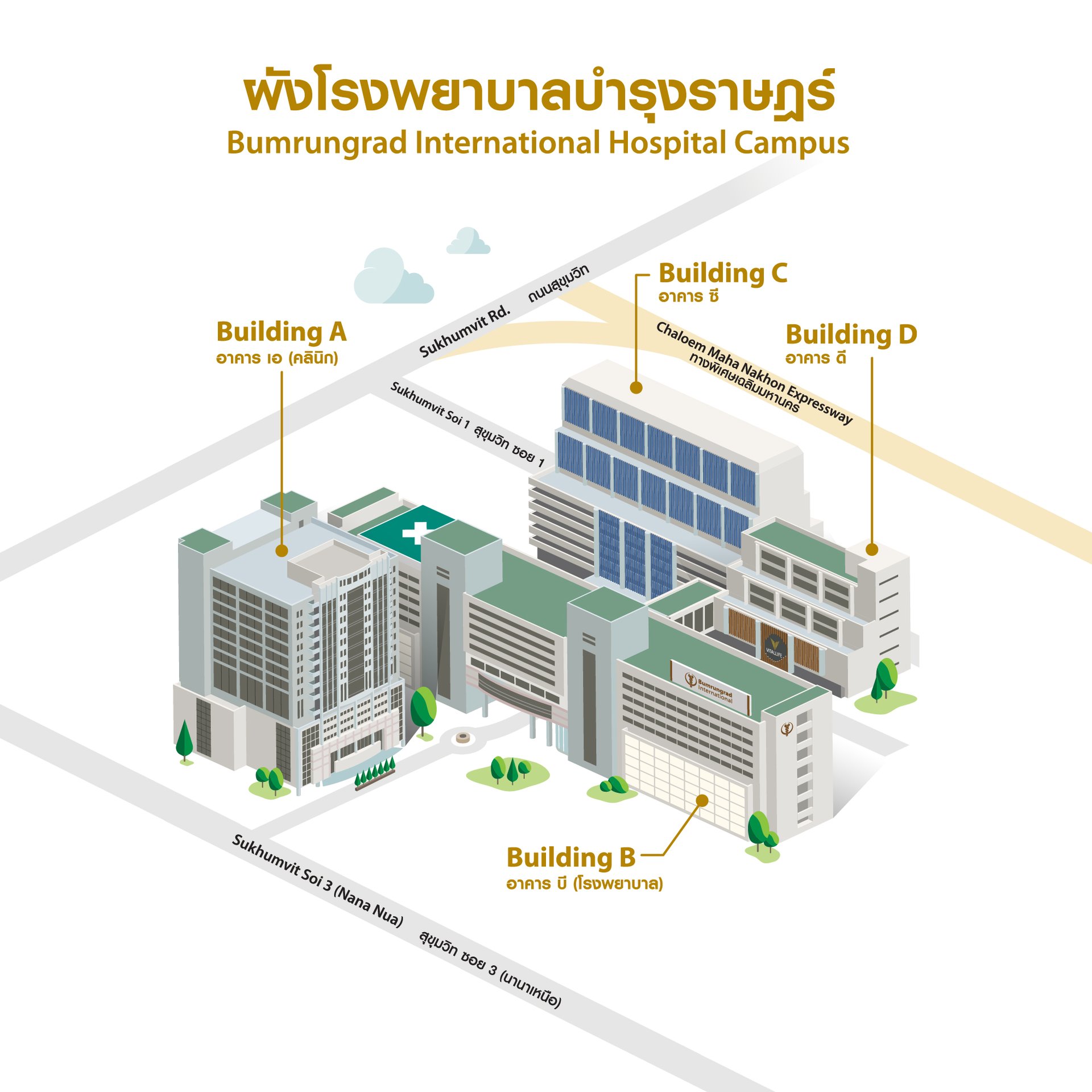
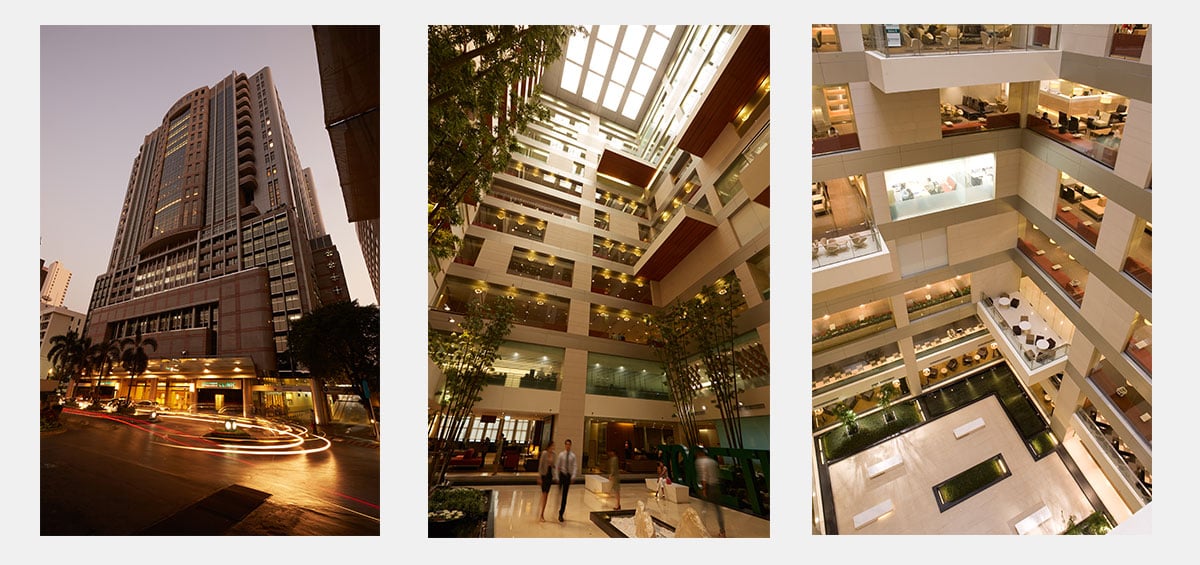
Private hospital access is one of Bangkok’s practical advantages for many foreign condo buyers. It may not be the first feature shown in a property brochure, but it often matters once a buyer thinks beyond the viewing day. Expats, retirees, families, frequent visitors and second-home owners all benefit from knowing how quickly they can reach reliable healthcare when needed.
Healthcare access is a practical liveability factor for expats, retirees, families and repeat visitors.
This is not a medical recommendation and it is not a ranking of hospitals. It is a liveability check. A Bangkok condo should be assessed by how it supports real life: routine appointments, prescriptions, health screenings, family needs, insurance paperwork, emergencies, follow-up visits and transport during traffic or rain.
Why healthcare access affects liveability
Foreign residents often choose Bangkok because it combines city convenience with international services. Hospital access can reduce anxiety for families with children, older residents, people with regular medication, frequent travellers and buyers planning longer stays. It also matters for visiting parents, guests or tenants who may need English-language support and clear appointment processes.
A condo does not need to sit beside a hospital to be practical. It does need a realistic route. Buyers should understand taxi times, rail access, traffic patterns, ambulance access, nearby clinics and how easily a resident can manage follow-up appointments without disrupting the whole day.
Routine appointments, follow-ups and pharmacy access should be considered alongside commute and lifestyle.
Match the district to the household
Different buyers need different healthcare routines. A young professional may care about quick access to clinics and pharmacies. A family may prioritise paediatric services, school proximity and weekend urgent-care options. Retirees may value specialist appointments, international patient support, easy taxis and calm building access. Investors may consider whether healthcare access broadens the tenant pool.
Districts such as Sukhumvit, Ploenchit, Chit Lom, Langsuan, Silom, Sathorn, Rama 9 and parts of the riverside can offer different healthcare routes. The correct choice depends on the buyer’s daily pattern, not only the name of the nearest hospital.
Transport matters during stressful moments
Healthcare access should be tested in practical terms. How long does the journey take in morning traffic? Can taxis find the lobby easily? Is there a sheltered drop-off? Is the route manageable during heavy rain? Is there a nearby BTS or MRT option for routine visits? Can a family member reach the hospital from work or school?
For older buyers or families with small children, the building itself also matters. Lifts, lobby seating, parking, ramp access, security responsiveness and clear address instructions can make appointments easier. A premium unit can feel less livable if the building is awkward during a health-related trip.
The best location is the one that works during normal weeks and during urgent health or family situations.
Insurance and paperwork planning
Foreign owners should keep health insurance, passport copies, emergency contacts, allergies, medication lists and hospital registration details organised. If the condo is used by family members or tenants, make sure important contacts are easy to find. Overseas owners should also decide who can help locally if they are not in Bangkok.
Landlords should avoid making medical promises to tenants, but they can still provide practical neighbourhood information: nearby clinics, pharmacies, transport options and emergency building contacts. This is part of professional property preparation, especially for expatriate tenants.
What to inspect around the condo
Taxi and ride-hailing access from lobby to hospital areas.
Nearby clinics, pharmacies and routine health services.
Traffic patterns at appointment times, not only weekends.
Rail options for non-urgent visits.
Building access for older residents, children and visitors.
Emergency contacts, address clarity and security desk communication.
Rental and resale angle
Healthcare access can support rental appeal, especially for families, retirees, international staff and long-stay tenants. It is rarely the only reason someone rents a unit, but it can strengthen the overall decision when combined with schools, transport, retail, parks and good building management.
At resale, buyers may value a location that feels safe and convenient for real life. A condo near strong services is easier to explain than one that depends only on lifestyle buzz. The strongest locations give residents confidence on ordinary days and during urgent ones.
Buyer takeaway
Bangkok private hospital access is a quiet but important liveability factor. Foreign buyers should test healthcare routes, building access and neighbourhood services before choosing a condo for long stays, family use or rental investment. The right property is not only attractive; it is practical when life becomes less predictable.
IBP helps foreign buyers compare Bangkok condos by healthcare access, transport, schools, amenities and daily liveability. Browse our expat living guides or contact IBP Real Estate for a lifestyle-focused shortlist.
Bangkok heritage walks can change how a foreign buyer understands the city. The most obvious condo checks are transport, price, rent and building quality, but liveability also depends on whether the surrounding city feels interesting, layered and easy to enjoy. Heritage streets, river routes, museums, galleries, temples, shopfronts and old communities can make a Bangkok base feel richer than a purely functional address.
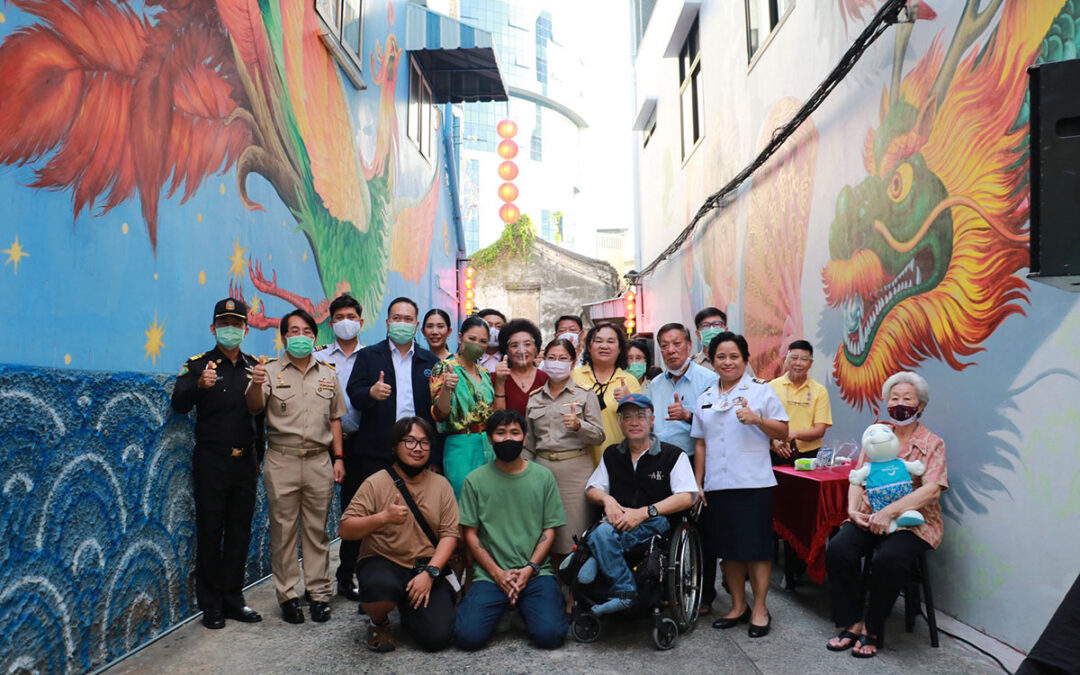
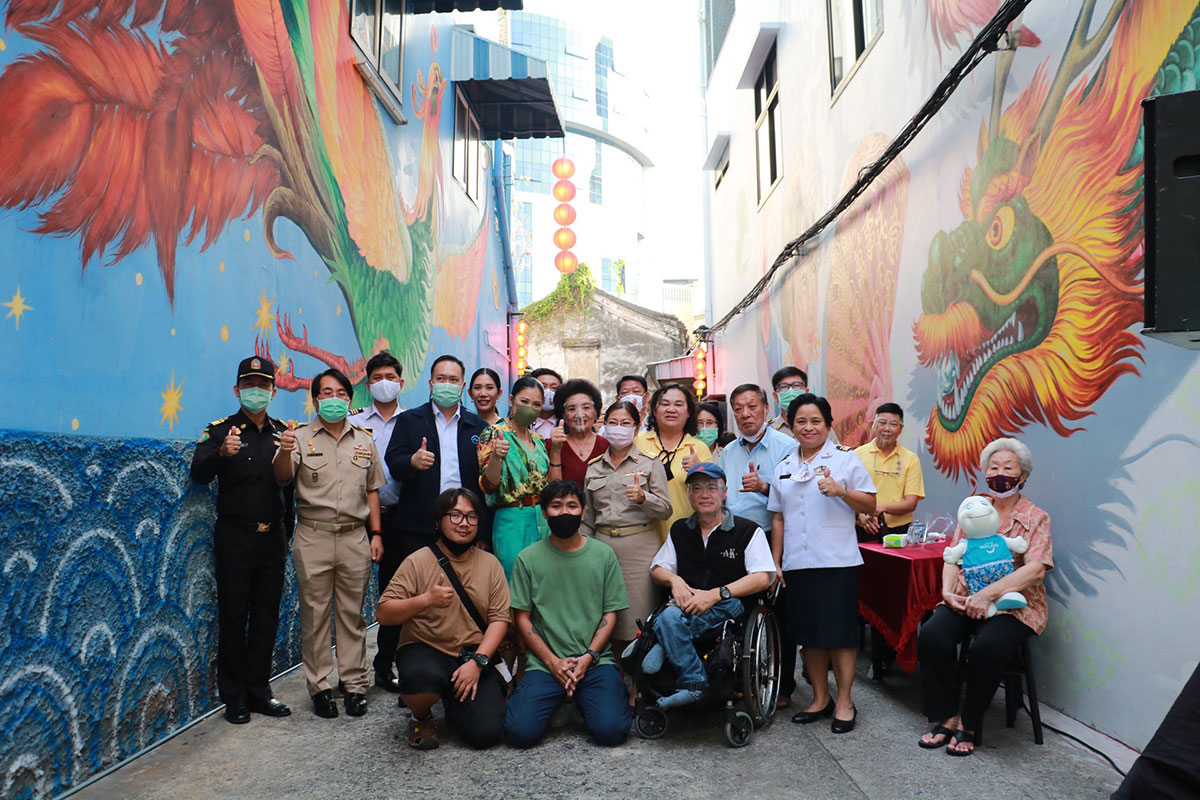
Neighbourhood heritage gives residents a reason to explore Bangkok beyond malls and work commutes.
This does not mean every buyer should live in an old-town district. It means cultural access should be part of neighbourhood due diligence, especially for owner-occupiers, long-stay expats and investors targeting tenants who want more than a short commute. Bangkok’s strongest locations often combine daily convenience with a sense of place.
Why heritage access supports liveability
Foreign residents settle faster when they can build routines that include culture, food, walking, learning and weekend exploration. A condo near heritage districts or easy rail and river connections can offer more than a place to sleep. It gives residents somewhere to take guests, spend slow mornings, understand Thai history and feel connected to the city.
Heritage access can also make repeat visits more appealing. A buyer using a Bangkok condo as a second home may value neighbourhood character, not only square metres. The ability to walk through Talat Noi, visit riverside galleries, reach old markets or spend an afternoon around museums can make the property feel like a personal base rather than a hotel substitute.
The strongest cultural districts mix history, food, art, river access and ordinary daily services.
Look for ordinary services as well as atmosphere
Historic areas can be charming, but buyers still need practical daily life. A beautiful street is less useful if grocery access, taxis, pharmacies, hospitals, parking, rail links or drainage are difficult. When comparing cultural neighbourhoods, test both the weekend walk and the weekday routine.
Ask simple questions. Can you reach the area comfortably in heat or rain? Is there a safe route home after dinner? Are pavements manageable? Can visiting family use taxis easily? Are cafes, convenience stores and daily services nearby? Does the building itself provide the quiet, security and maintenance standard you need?
Heritage routes are wider than one district
Bangkok offers several versions of cultural liveability. Talat Noi and Charoen Krung mix street art, river history, cafes, galleries and old shopfronts. The old town offers temples, museums, government-era architecture and river piers. The riverside connects hotels, galleries, dining, ferry routes and landmark views. Siam and National Stadium offer art, museums and easy central rail access.
Foreign buyers should choose based on routine. Some want to live beside the heritage area. Others prefer a modern condo district with easy access for weekends. Both can work. The important point is whether the chosen building makes cultural life easy enough to be used regularly.
Cultural access can make a Bangkok base feel richer for residents, guests and repeat visitors.
Rental and resale angle
Heritage access can help a rental listing when it is paired with practical transport and a well-managed building. Tenants may respond to a neighbourhood story that includes cafes, galleries, river walks, museums and food. This is especially useful for residents who work remotely, host visitors or want Bangkok to feel distinctive.
However, atmosphere should not replace fundamentals. Investors still need evidence of rent demand, sensible pricing, layout quality, building maintenance and exit liquidity. A cultural neighbourhood can support appeal, but it cannot fix a weak unit or an inconvenient building.
Viewing checklist
Walk the route between the condo, rail, river pier and cultural streets.
Visit during the day and evening to test noise, lighting and comfort.
Check grocery, pharmacy, clinic, taxi and delivery practicality.
Assess whether heritage access is usable in rainy and hot months.
Compare the building’s quietness and security with the surrounding street energy.
Ask whether the neighbourhood story matches the likely tenant or owner profile.
Buyer takeaway
Bangkok heritage walks can strengthen condo liveability when they are connected to real daily routines. Foreign buyers should look for a balance: cultural richness, practical services, transport access and a building that remains comfortable after the weekend charm has worn off. The best locations make Bangkok’s history part of everyday life without making ownership harder.
IBP helps foreign buyers compare Bangkok condos by lifestyle fit, neighbourhood character and practical ownership risk. Browse our Bangkok lifestyle guides or contact IBP Real Estate for a liveability-focused shortlist.