Foreign buyers often compare Bangkok condominiums by asking price first, then rent second. That is understandable, but it is too narrow for an investment decision in a city where two buildings on the same road can have very different juristic finances, tenant demand, maintenance standards and resale depth.
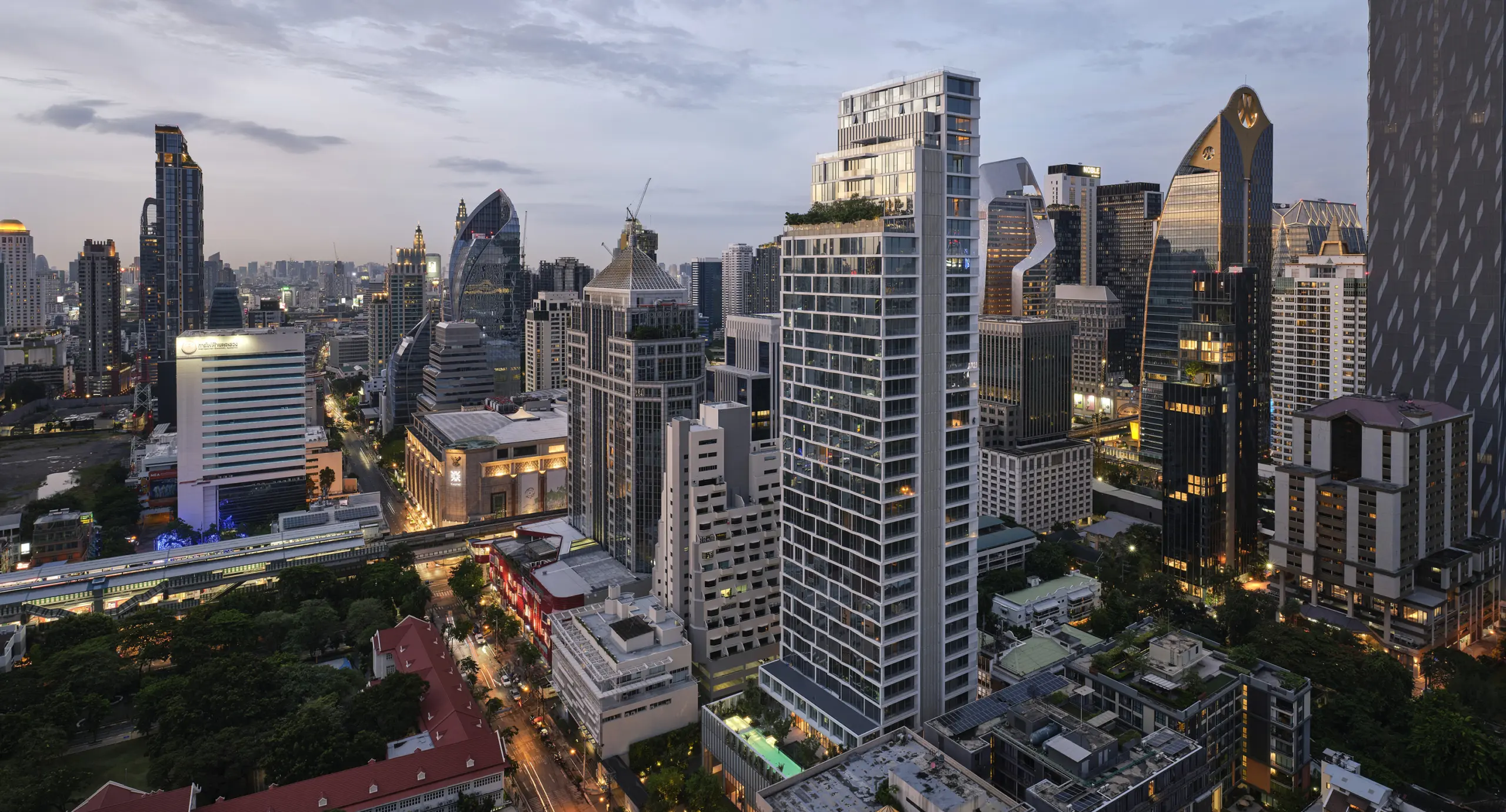
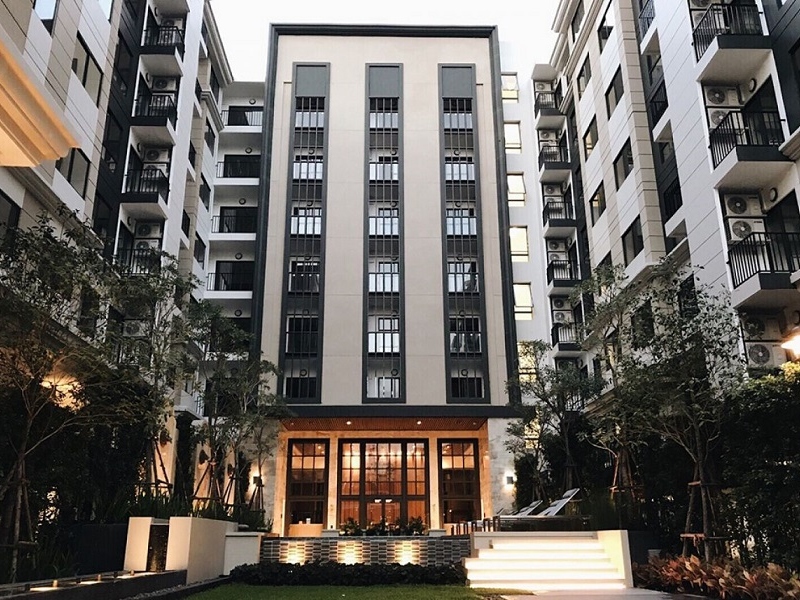
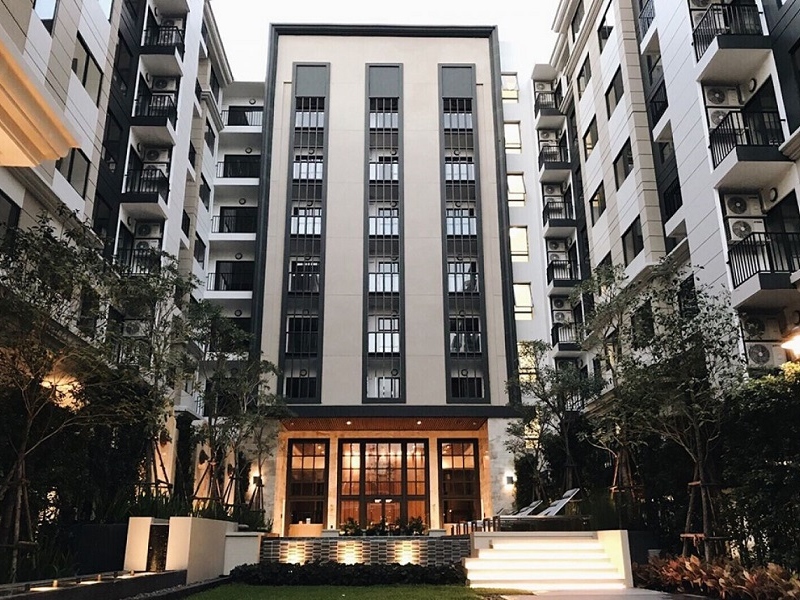
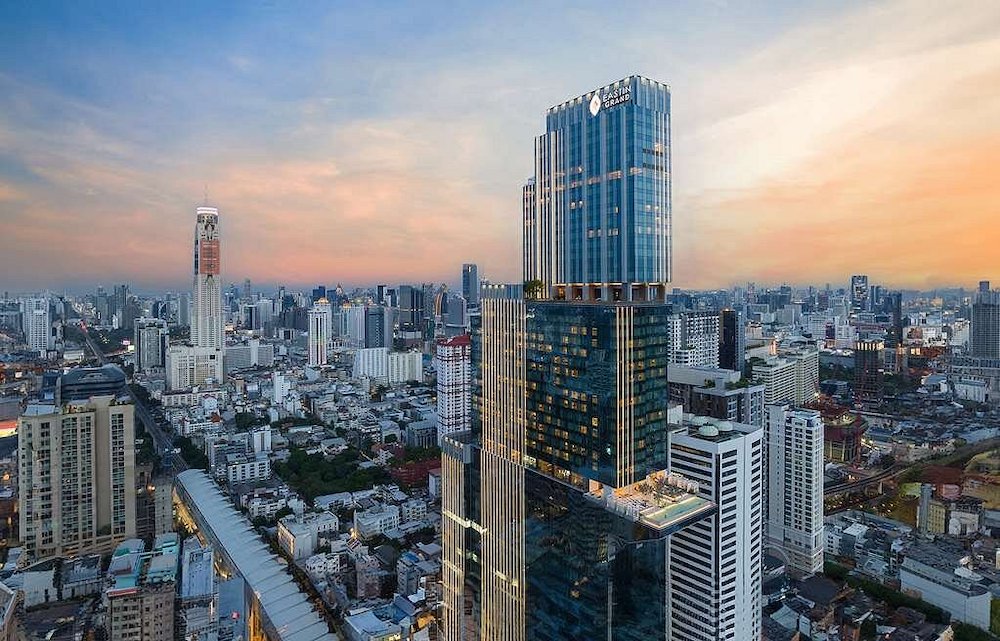
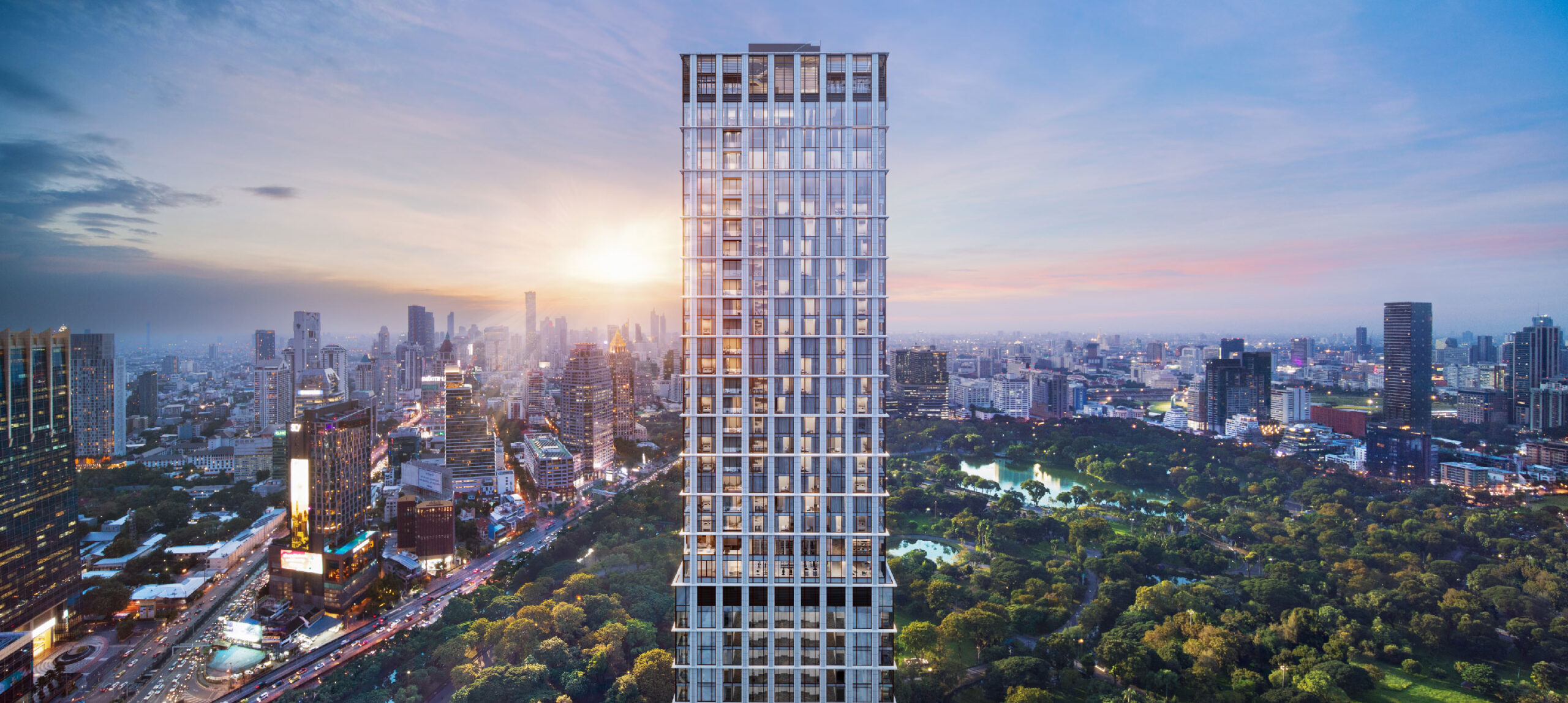
Prime mixed-use surroundings can influence how investors compare Bangkok condo value.
A useful benchmark is not a single number. It is a disciplined comparison of how a unit performs against realistic alternatives. The best question is not whether a condo looks cheap in isolation, but whether it looks sensible after you have compared its price, rental evidence, building quality, ownership costs, exit route and neighbourhood support.
For overseas investors, that discipline is especially important because they may not see the building every month. A calm framework reduces the risk of buying the most persuasive sales story instead of the most resilient asset.
Start with genuinely comparable buildings
Benchmarking begins by narrowing the comparison set. A 35-square-metre leasehold unit in a hotel-branded tower should not be compared directly with a 35-square-metre freehold resale in a standard condominium, even if both sit near the same BTS station. The right comparison set should share a similar district, tenure, age band, grade, transport access and buyer profile.
For a central Bangkok condo, compare against buildings that compete for the same tenant and future buyer. A Japanese corporate tenant, a regional executive, a long-stay medical visitor and a local owner-occupier may all value different features. If the unit is likely to depend on expat rental demand, the benchmark should include buildings with proven expat appeal rather than the cheapest stock nearby.
Investors should also separate completed resale buildings from off-plan launches. A completed building gives evidence of actual rents, actual maintenance standards and actual resale listings. A launch may offer newer design, payment staging and developer incentives, but the investor is underwriting future delivery and future tenant demand.
Compare the full cost, not just the sale price
The quoted price per square metre is only the opening line. Foreign buyers should calculate the acquisition cost, transfer-related costs, furnishings, appliance replacement, sinking fund exposure, common fees, agency fees, vacancy allowance and likely refresh costs over the intended holding period.
A unit that is slightly cheaper at purchase can become less attractive if the building has high monthly charges, weak maintenance discipline or near-term capital works. A slightly more expensive unit can be the better investment if it rents faster, holds condition better and appeals to a wider buyer pool when it is time to sell.
Benchmark common fees against building grade and facility depth. A full-service tower with extensive amenities should have higher running costs than a simple low-rise building, but those costs should still feel proportionate to occupancy, staffing, maintenance and the tenant profile. If the fee looks unusually low, ask whether the building is underfunding maintenance. If it looks unusually high, ask whether the rent can support it.
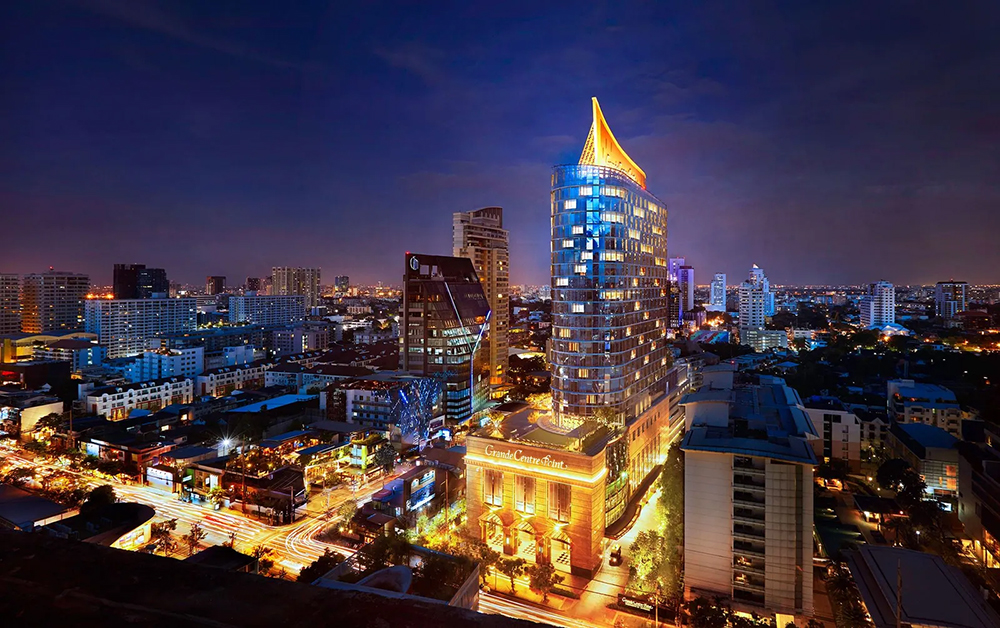
Location depth should be judged by transport, parks, retail, offices and daily convenience together.
Use rental evidence cautiously
Rental adverts are not the same as achieved rents. Asking rents show owner ambition; signed leases show market evidence. Where possible, compare recent leases in the same building, nearby buildings of similar grade and units with similar furnishing standards. A renovated corner unit with open views should not set the rent expectation for a lower-floor unit facing a neighbouring wall.
Investors should also look at speed of letting. A high theoretical rent is less useful if the unit sits empty for months. For practical modelling, it is better to use a conservative rent that can be achieved repeatedly than an optimistic rent that depends on a rare tenant.
Foreign landlords should include vacancy and tenant-change costs in the benchmark. Bangkok rentals can be steady in strong locations, but leases still expire, furniture wears out and market sentiment changes. A yield calculation that assumes twelve perfect months every year may overstate the result.
Score the building as a business, not a postcard
Every condominium has a small operating business behind it: the juristic person, the committee, the property manager, the budget, the reserve fund and the rules. Investors should benchmark that operating business as carefully as they benchmark the pool, lobby or view.
Ask for the latest financial statements, AGM minutes where available, common fee position, major repair discussions and any known disputes. A building with good governance can protect long-term value. A building with poor collection, recurring disputes or deferred maintenance can turn a good location into a difficult hold.
This is also where overseas ownership changes the risk profile. A foreign owner who lives abroad needs predictable administration, clear communication and a management team that can coordinate repairs, tenant access and documents without constant intervention.
Test the exit route before buying
A buyer-focused benchmark should include resale liquidity. Check how many similar units are listed, how long they appear to have been on the market, and whether the building has a consistent buyer audience. If many similar units compete at the same time, the owner may need to price patiently when exiting.
Liquidity is not only about the district. It can depend on unit size, layout, view, floor, parking, furnishing condition, ownership quota and the reputation of the building. A compact one-bedroom in a known rental building may sell more readily than an unusual layout in a quieter tower, even if the second unit looks larger on paper.
Investors planning a shorter hold should be stricter. The shorter the intended holding period, the less time there is for market recovery, rental income and capital improvements to offset a weak entry price.
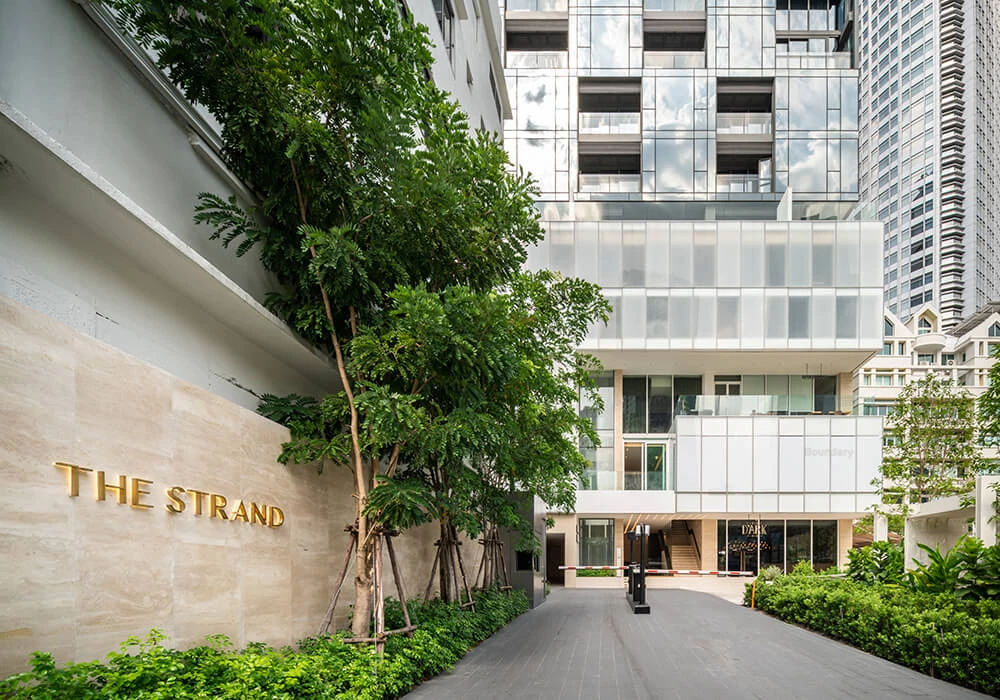
Amenity depth around a building can matter as much as the headline district name.
Neighbourhood depth matters
Foreign buyers should benchmark the neighbourhood as a living system. BTS or MRT access is important, but so are supermarkets, hospitals, schools, parks, restaurants, offices, embassies, hotels, serviced apartments and evening activity. These features help create a broader tenant base and can make the unit easier to explain to a future buyer.
A station name alone is not enough. Walk the route at different times of day, check shade and crossings, consider traffic patterns and ask whether the daily life around the building matches the target tenant. For example, a quiet residential pocket may suit families, while a denser business district may suit executives who value short commutes.
A practical scoring method
Before making an offer, give each shortlisted unit a simple score out of five for entry price, rent evidence, building governance, maintenance condition, neighbourhood depth, tenant pool, resale liquidity and ownership simplicity. The exact scoring is less important than the discipline of comparing each unit in the same way.
If a unit scores strongly on location but weakly on governance, the investor knows what to investigate next. If it scores strongly on price but weakly on tenant demand, the investor can adjust rent assumptions. If it scores strongly across most categories, it may justify paying a fair price rather than waiting for a bargain that never appears.
IBP can help foreign buyers compare shortlisted Bangkok condos against realistic alternatives, including rental assumptions, exit risk and practical ownership checks. You can also review our Bangkok investment analysis and our recent guide to holding-period checks before committing to an offer.
Foreign buyers often compare Bangkok condos by price, rental yield, location and building age. Those checks matter, but they are incomplete until the buyer decides how long the asset is likely to be held. A condo bought for a three-year plan should be judged differently from one intended for a decade of ownership, family use or eventual retirement in Thailand.
The holding period affects almost every practical decision: how much renovation makes sense, whether a tenant profile is deep enough, how much cash reserve to keep, and how patient the owner can be during resale. It also disciplines the buying process. Instead of asking whether a unit is simply attractive, an investor can ask whether the unit still looks attractive after ownership costs, vacancy risk, agency fees, currency movement and a realistic exit window.
A clear holding period helps investors compare income, resale timing and district depth.
Why the holding period comes before the offer
A Bangkok condo can be a long-term base, an income asset, a future relocation option or a blend of all three. The same unit may serve one purpose well and another poorly. A compact unit near a major BTS interchange might be easy to rent, but if the building has heavy near-term competition it may not suit a short resale plan. A larger family unit in a quieter district may be slower to lease, yet can make sense for an owner who wants personal use and is prepared to wait for the right tenant or buyer.
For foreign investors, the main advantage of defining the hold early is that it keeps the numbers honest. Gross yield can look tidy on a listing sheet. Net return is shaped by furnishing, repairs, juristic-person charges, management, vacant months, tax advice, currency conversion and the cost of selling. A longer hold gives those costs more time to be absorbed. A short hold leaves less room for mistakes.
Match the unit to the exit plan
A buyer expecting to sell within a few years should focus on liquidity first. Liquidity does not mean a guaranteed quick sale. It means the unit has a wide pool of plausible buyers: clear title, sensible layout, fair building condition, useful transport access and a price point that is not dependent on one unusual buyer preference. The most fragile short-hold investments are often highly personalised units, over-furnished units, unusual floor plans or units bought at a premium that is hard to explain later.
A buyer planning a five-to-ten-year hold can accept a different set of trade-offs. Building management, sinking fund discipline, upcoming capital works and neighbourhood development become more important. The question shifts from, “Can I resell this quickly?” to “Will this still be easy to own, rent and explain after several market cycles?” That approach is especially useful in Bangkok because districts mature at different speeds.
Unit layout, maintenance and tenant appeal should match the intended investment horizon.
Costs that can punish a short hold
Thai condo ownership has transaction costs at both entry and exit. The exact amount depends on the transaction structure, ownership period, assessed value and tax position, so buyers should check the latest calculation with a lawyer or tax adviser before relying on a net return. The broader point is simple: the shorter the hold, the more those costs matter.
Investors should also budget for the less visible costs of preparing a unit for rent or resale. Air-conditioning servicing, appliance replacement, painting, deep cleaning, curtain replacement and minor furniture upgrades can be small individually, but meaningful when a sale is brought forward. A unit bought with no cash reserve can force the owner to delay repairs, accept a weaker tenant or sell before the presentation is strong.
Rental income is often used to justify the hold, but rental depth varies by district, building, unit size and tenant type. A one-bedroom unit near employment and lifestyle demand may have a larger tenant pool than a larger unit in the same building. A premium riverfront or park-side unit may attract fewer tenants, but those tenants may value quiet, view and services more than headline rent per square metre.
For a shorter hold, the investor should model at least one vacant month between tenants and allow time for listing, cleaning and repairs. For a longer hold, the investor should ask whether the building can keep its tenant appeal as newer projects launch nearby. A low-maintenance unit with broad tenant demand is often more valuable than a unit that only looks good under a perfect rent assumption.
The Bangkok rental yield guide gives a useful framework for checking gross and net income before committing to a rental-led plan.
Building age changes the holding-period calculation
Building age is not automatically a negative. Some older Bangkok condos have larger layouts, established addresses and proven management. The issue is whether the building’s future costs and buyer perception have been properly priced. Lifts, facade works, common-area refreshes, waterproofing, parking systems and major mechanical equipment can all influence resale confidence.
A short-hold buyer should be careful with a building that is approaching a large maintenance cycle unless the discount is clear and the juristic-person records are strong. A long-hold buyer can still consider the building, but should understand the likely cash calls, common-fee trajectory and owner-committee culture. The best building for a long hold is not always the newest one; it is the one where future ownership feels predictable.
Exit planning starts before transfer, not when an owner decides to sell.
A practical holding-period checklist
Before making an offer, foreign investors should write down the intended hold and test the unit against it. The checklist should include the expected years of ownership, target tenant profile, likely furnishing spend, annual maintenance reserve, ownership structure, currency plan and expected exit route. If the plan depends on rapid capital growth or a perfect tenant, the risk is probably being understated.
Investors should also ask what would happen if the plan changes. Could the unit be rented if personal use is delayed? Could it be sold if currency movement creates pressure? Would the building still appeal if two new projects launch nearby? A good Bangkok condo investment gives the owner options. A weak one requires the market to behave exactly as hoped.
How foreign buyers should use this check
The holding period should not make a buyer timid. It should make the buyer selective. Bangkok remains attractive because it combines urban convenience, international connectivity, deep rental demand in selected districts and a wide range of price points compared with many global gateway cities. Those advantages are most useful when the purchase is matched to a realistic ownership plan.
Before buying, compare the unit against IBP’s condo due diligence checklist and exit strategy guide. A short conversation about hold period, resale depth and rental management can prevent a foreign buyer from choosing a unit that is attractive today but difficult to own tomorrow.
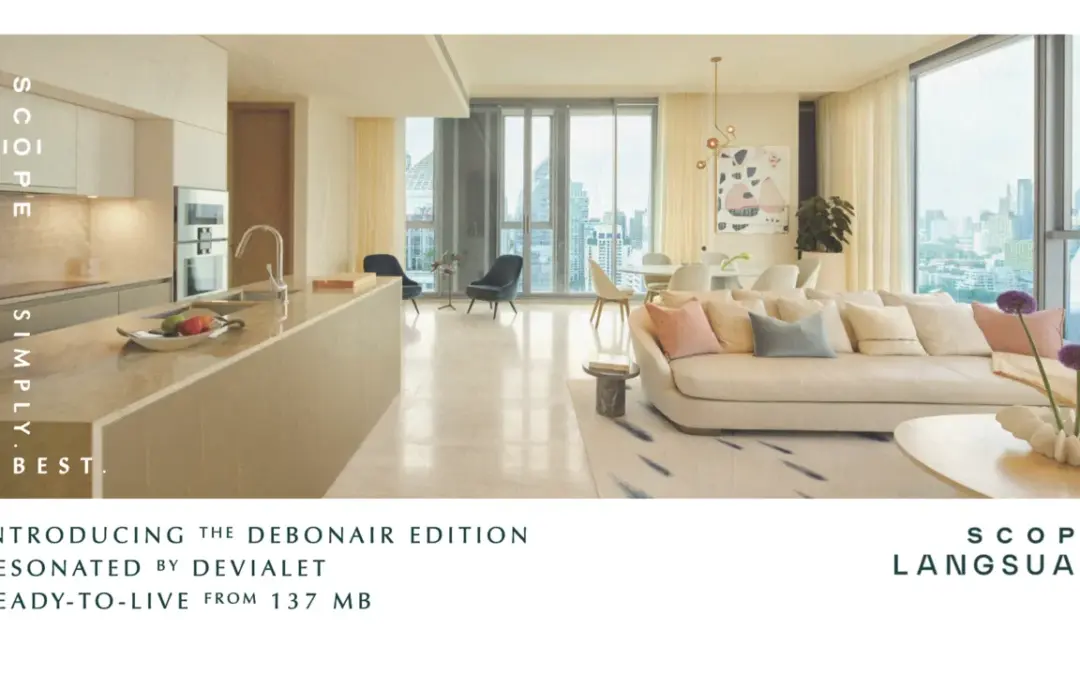
Langsuan is one of Bangkok’s most established luxury condo micro-locations, sitting between Lumpini Park, Chit Lom, Ratchadamri and the wider Ratchaprasong retail and hotel district. For foreign buyers, its appeal is different from Thong Lo or Phrom Phong. Langsuan is quieter, more compact and more park-led, with a prestige story built around privacy, walkability and central convenience.
Langsuan appeals to buyers who want a quieter luxury address close to Lumpini Park and central Bangkok services.
That does not mean every Langsuan unit is automatically a strong purchase. The best decisions come from comparing the exact walk, building service level, unit privacy, common-area maintenance, parking, view risk and resale audience. Luxury buyers should be selective because the address premium can be meaningful.
Why Langsuan attracts foreign buyers
Langsuan gives residents access to several parts of central Bangkok without feeling as exposed as some main-road locations. Lumpini Park is close by, Ratchadamri and Chit Lom connect to the BTS network, and major retail, hotels, offices, restaurants and embassies sit within a short city radius. For buyers who want a refined base rather than a nightlife-led district, that balance can be attractive.
The area can suit owner-occupiers, regional families, executives, retirees, second-home buyers and long-stay residents who value calm arrival, high service standards and easy access to healthcare, retail and park space. It can also suit investors targeting premium tenants, but only where the rent expectation matches the specific building and unit.
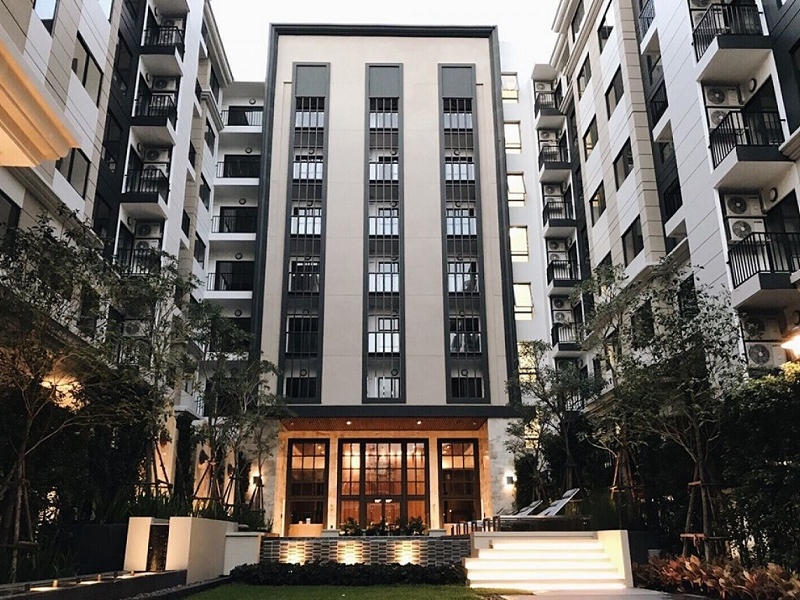
Facade, arrival sequence and service consistency matter as much as the prestige of the address.
Walkability should be tested carefully
Langsuan’s advantage is partly walkability, so buyers should test it in real conditions. Walk from the building to Chit Lom BTS, Ratchadamri BTS, Lumpini Park, nearby malls, supermarkets, hotels and restaurants. Check shade, pavements, crossings, evening lighting and rainy-season comfort. A prestigious address still needs a comfortable daily route.
Also consider how residents will use taxis and ride-hailing. Central Bangkok traffic can be slow, and a well-managed drop-off can make a large difference. A luxury condo should handle arrivals, visitors, deliveries and parking without making residents feel they are fighting the street every day.
Service level defines the luxury experience
In Langsuan, buyers are often paying for more than room size. They are paying for privacy, staff quality, lift performance, security, quiet common areas, maintenance, resident profile and a sense of order. These details should be inspected, not assumed. Watch how staff greet visitors, how parcels are handled, how contractors enter and whether common areas feel cared for outside the showpiece lobby.
For landlords, service quality helps tenant retention. Premium tenants may tolerate a compact layout if the building is well run, but they are less forgiving of slow repairs, tired lifts, noisy corridors or unclear management. Luxury is partly a management habit.
Interior quality should be weighed against layout, privacy, maintenance and the buyer’s likely holding period.
Unit planning still matters
A Langsuan address cannot fix a poor unit. Buyers should assess ceiling height, natural light, storage, bedroom privacy, kitchen usefulness, bathroom quality, balcony function, air-conditioning, sound control and furniture flexibility. If the unit is intended for rental, the layout should match the target tenant rather than simply photograph well.
Privacy and view also deserve attention. Some units look towards park, city or neighbouring towers. The best view is not only the widest one; it is the view that supports comfort, light and resale without creating excessive heat, noise or privacy issues. Surrounding land and future obstruction risk should be considered before paying a view premium.
Compare Langsuan with nearby luxury districts
Foreign buyers should compare Langsuan with Chit Lom, Ratchadamri, Wireless, Ploenchit, Phrom Phong, Thong Lo, Sathorn and riverside options. Each has a different lifestyle and rental story. Langsuan is compelling when the buyer wants centrality with a quieter residential feel. It may be less compelling for someone who wants the deepest dining scene, direct mall living or the most active expatriate nightlife.
This comparison helps avoid overpaying for prestige. If a unit is priced above alternatives, the premium should be visible in service, scarcity, privacy, park access, building reputation or long-term resale appeal.
Owner-occupier and investor fit
Owner-occupiers should ask whether Langsuan matches the way they actually use Bangkok. The area can work beautifully for park walks, hotel dining, central errands and quieter evenings, but it may feel too restrained for buyers who want constant street energy outside the door. Lifestyle fit should be tested over a full day, not only during a polished viewing.
Investors should think about the future tenant’s reason for choosing Langsuan. A premium tenant may value privacy, service, park access, hospital access and a calm central address. If the unit does not deliver those benefits clearly, it may compete poorly with larger or livelier alternatives nearby.
Investor checklist
Walk to BTS stations, Lumpini Park and daily retail in normal weather.
Assess drop-off, parking, lift capacity and visitor handling.
Compare service quality with other luxury buildings nearby.
Check view, privacy, heat and future obstruction risk.
Match unit size and layout to a realistic tenant or resale buyer.
Benchmark against Chit Lom, Wireless, Ploenchit and Phrom Phong alternatives.
Buyer takeaway
Langsuan luxury condos can offer foreign buyers a refined central Bangkok base with park access, prestige and practical city reach. The right purchase should still stand up to disciplined checks on route, service, layout, privacy and exit audience. Buy the building and daily routine, not only the address.
IBP can help foreign buyers compare Langsuan with other premium Bangkok districts. Browse our district guides or contact IBP Real Estate for a luxury condo shortlist.
Absorption risk is one of the quieter checks foreign investors should make before buying a Bangkok condominium. It is not only a developer problem, and it is not limited to off-plan launches. Absorption risk is the chance that a unit, building or district has more competing supply than the target tenant or resale buyer can comfortably absorb at the price being assumed.
Absorption risk is strongest when investors compare the target unit with the supply that buyers and tenants will see next.
For a foreign buyer, this matters because a condo can be attractive in isolation yet still struggle if too many similar units are available. The investor may face longer vacancy, weaker rent negotiations, slower resale or a need to upgrade furniture and pricing just to stand out. A disciplined purchase starts by asking who else the unit will compete with.
What absorption risk means in practice
Absorption is often discussed in market reports, but investors can translate it into practical questions. How many similar units are available in the same building? How many comparable buildings sit within the same station catchment? Are new handovers adding similar one-bedroom or two-bedroom stock? Do tenants have many alternatives at the same budget?
The risk is not automatically bad. A district with many units can still perform if demand is deep, transport is strong and pricing is realistic. The danger appears when the investor pays as if demand is scarce while tenants and resale buyers can easily choose something similar.
Building quality, handover timing and competing units all shape how quickly a condo can find demand.
Check the building before the district
A broad Bangkok supply story is less useful than a building-level comparison. Start with the target building. Look at active listings, asking rents, furniture quality, view differences, floor levels, unit sizes and how long units appear to stay online. If many owners are advertising almost identical layouts, the unit needs a clear reason to win.
That reason might be a better view, stronger furniture package, cleaner condition, lower rent, more flexible lease terms, a better parking arrangement, superior management or a more convenient floor. If the target unit has no advantage, absorption risk should be priced into the offer.
New supply can reset tenant expectations
Newly completed projects can affect older buildings nearby, especially when developers or first owners offer fresh furniture, promotions or modern facilities. Tenants may prefer a newer gym, cleaner lobby, better parcel systems or a more current room design. Older buildings can still compete, but only if they have strengths such as larger layouts, lower total rent, better location or stronger management.
Investors should ask whether future handovers are likely to put similar units into the rental market during the planned holding period. This does not require a precise forecast. It requires humility about competition and a willingness to avoid paying a premium for a unit that will not be scarce.
A unit should be judged against the real alternatives tenants and resale buyers can choose from.
Absorption risk affects resale too
Resale buyers compare listings just as tenants do. If a future buyer can choose from many similar units in the same building or station area, the seller may need to compete on price, renovation quality, speed and flexibility. A unit that rented acceptably may still be difficult to sell if the resale audience has stronger alternatives.
This is why investors should think about exit before purchase. Ask whether the future buyer is likely to be an owner-occupier, landlord, Thai buyer, regional investor or another foreign buyer. If the answer is vague, the resale strategy may depend too much on general market optimism.
How to reduce absorption risk
Choose buildings with clear management quality and resident appeal.
Avoid paying a high premium for layouts that are widely available nearby.
Compare active rental and resale listings before making an offer.
Check future handover pressure in the same station or district catchment.
Buy units with practical advantages: light, storage, condition, view, privacy or access.
Keep rent assumptions conservative when competing supply is visible.
When supply can be an advantage
Not all competition is negative. A district with multiple buildings, offices, retail and transport can become easier for tenants to understand. Agents may bring more enquiries to an active area. Services improve when there is a resident base. The key is whether the chosen unit sits in the stronger part of that district story.
Foreign investors should therefore avoid simplistic thinking. A low-supply building in a weak location can still be hard to rent. A high-supply district can work when the unit is priced well and selected carefully. Absorption risk is about matching the asset to real demand, not avoiding competition altogether.
Model a slower start
Investors should be especially careful around handover periods, renovation periods and lease-up seasons. If several owners in the same building list units at once, the first lease may take longer or require a sharper rent. A conservative buyer should keep enough cash for furnishing, marketing, vacancy and minor price adjustment rather than assuming the unit will rent immediately.
Buyer takeaway
Bangkok condo absorption risk is best handled before purchase, not after a unit sits vacant. Foreign investors should compare competing units, future handovers, building quality and exit audience before accepting rent or resale assumptions. The safest investment is not always the most unusual unit. It is the one that gives tenants and buyers a clear reason to choose it.
IBP helps foreign buyers compare Bangkok condos by supply risk, rental logic and resale defensibility. Read more in our investment analysis archive or contact IBP Real Estate for a focused buyer shortlist.
Thong Lo BTS is one of Bangkok’s most recognisable luxury condo addresses, but foreign buyers should still treat it as a district that needs careful comparison. The name carries strong lifestyle value. The best purchases come from understanding the exact station route, side-street depth, building quality, service level, tenant profile and resale audience.
Thong Lo buyers should compare station access, side-street depth and neighbourhood rhythm, not only the address.
Thong Lo can suit owner-occupiers who want dining, cafes, private clubs, wellness, Japanese and international services, boutique retail and quick Sukhumvit access. It can also suit investors who understand premium tenant expectations. It is less suitable for buyers who only want the cheapest entry price or who assume that any Thong Lo address will be liquid at exit.
Why Thong Lo remains attractive
Thong Lo’s strength is lifestyle density. Residents can reach restaurants, coffee shops, bars, supermarkets, clinics, salons, fitness studios, hotels, international services and nearby Ekkamai or Phrom Phong without leaving the wider Sukhumvit rhythm. The district is easy for many foreign tenants and buyers to understand because it already has an established premium reputation.
The BTS station gives the area a clear transport anchor, while Soi 55 and surrounding side streets create a deeper lifestyle market. That combination helps Thong Lo stand apart from purely rail-led districts. Buyers are paying for both access and the neighbourhood ecosystem.
Soi 55 visibility can help a building, but the exact walk, traffic pattern and arrival sequence still matter.
Station access is not the same for every building
A building can be in Thong Lo but still have a very different daily experience. Some projects are close to the BTS station. Others sit deeper inside Soi Thong Lo or on side sois where residents rely more on shuttle service, motorcycle taxis, private cars or ride-hailing. The address may be premium, but the route determines everyday comfort.
Foreign buyers should walk the route in heat, rain and evening traffic. Check pavements, crossings, lighting, drainage, taxi pickup and how a resident would return after dinner or shopping. If a building depends on a shuttle, ask about frequency, hours, pickup point and whether the service is controlled by the building or a third party.
Luxury means service, not only finishes
Thong Lo has many projects with attractive lobbies, branded furniture and dramatic amenity photography. Luxury buyers should look beyond the first impression. Check staff responsiveness, parcel handling, lift speed, guest control, maintenance quality, pool and gym upkeep, car access, privacy and how residents use the common areas.
For rental investors, service consistency matters because premium tenants expect problems to be solved quickly. A beautiful lobby will not protect the rent if the air-conditioning, lifts, parking or juristic communication are weak. Luxury is partly the absence of daily friction.
Luxury common areas should be judged by service, upkeep, resident profile and long-term management discipline.
Tenant profile and unit size
Thong Lo can appeal to expatriate executives, entrepreneurs, couples, Japanese and regional tenants, lifestyle-led owner-occupiers and people who want a Bangkok base with strong dining and services. But tenant depth depends on price, unit size and building reputation. A compact unit needs to compete with many alternatives. A larger unit needs a buyer or tenant willing to pay for space in a premium district.
Investors should check whether the unit’s layout matches the expected tenant. Storage, kitchen usefulness, work-from-home space, bathroom quality, balcony usability and noise control matter. A high rent expectation is easier to defend when the unit solves practical daily needs as well as lifestyle aspirations.
Compare with Ekkamai and Phrom Phong
Thong Lo should not be assessed in isolation. Ekkamai may offer a slightly different residential feel and sometimes a more practical price conversation. Phrom Phong has major malls, parks, Japanese services and strong international recognition. Chit Lom, Langsuan, Asoke and Ari may also compete depending on the buyer’s routine.
The right comparison prevents overpaying for the name. If a Thong Lo unit is priced well above nearby alternatives, the premium should be visible in station access, building quality, service, privacy, view, floor plan or tenant evidence. If the premium is only a fashionable address, the buyer should be cautious.
Resale discipline
Thong Lo’s resale appeal is real, but it is selective. Future buyers will compare building age, common fees, maintenance, unit condition, parking, competition and the number of similar units on the market. A dated unit in a tired building can struggle even in a famous district. A well-kept unit in a respected building can be easier to explain.
Foreign buyers should also think about exit audience. Is the likely future buyer an owner-occupier, a landlord, a Thai family, a regional investor or another foreign buyer? The clearer the audience, the easier it is to judge whether the current asking price is sensible.
Buyer checklist
Walk the real route to Thong Lo BTS and key daily services.
Test evening traffic, ride-hailing access and shuttle reliability.
Compare service quality, lift performance and common-area maintenance.
Match unit size and layout to a realistic premium tenant profile.
Benchmark against Ekkamai, Phrom Phong, Asoke and Langsuan alternatives.
Review resale competition before paying for the address premium.
Buyer takeaway
Thong Lo BTS luxury condos can be compelling for foreign buyers who value lifestyle, service and central Sukhumvit recognition. The district rewards selectivity. Buy the specific building, route, layout and management standard, not just the name. A disciplined Thong Lo purchase should still make sense when compared with nearby premium alternatives.
IBP can help foreign buyers compare Thong Lo with Ekkamai, Phrom Phong and other luxury Bangkok districts. Browse our district guides or contact IBP Real Estate for a tailored shortlist.
Common areas are one of the clearest ways to test whether a Bangkok condominium is being protected as an investment asset. A unit can look attractive in isolation, but tenants and future buyers experience the whole building: the lobby, lifts, corridors, parking, pool, gym, security desk, parcel process, rubbish rooms and the way residents use shared space.
Common areas give investors early clues about maintenance discipline, resident behaviour and resale defensibility.
Foreign investors should therefore inspect common areas with the same seriousness as the private unit. A lower purchase price can become less attractive if the building feels tired, poorly managed or difficult to lease. A slightly more expensive unit in a well-run building may be easier to rent, easier to hold and easier to explain at resale.
Why common areas affect investment returns
Common areas influence first impressions before a tenant reaches the unit. A clean arrival sequence, orderly lobby, responsive security team and well-maintained lifts make viewings smoother. Tired corridors, broken lighting, worn signage, poor odours or cluttered service areas can make a good private unit feel weaker than the photographs suggest.
For resale, common areas matter because buyers compare risk. A future buyer may accept that a private unit can be repainted or refurnished. They may be less willing to accept weak lift maintenance, neglected facilities, messy parking or a juristic office that appears unresponsive. The owner cannot fix those issues alone, so they deserve attention before purchase.
Unit value should be judged together with lifts, corridors, lobby control, facilities and building management.
Inspect the arrival sequence
Start at the street. Look at the drop-off, guardhouse, signage, parking entry, pedestrian access and lobby doors. Is the building easy to enter without confusion? Can taxis and deliveries stop safely? Does the security process feel controlled without being hostile? Are visitors registered sensibly?
The arrival sequence matters for tenants, guests, agents and future buyers. It also affects daily liveability. If a building is awkward to enter during rain, heavy traffic or evening hours, residents may feel the inconvenience quickly. A premium unit should not be undermined by poor access at the ground floor.
Lifts and corridors reveal management quality
Lifts are a practical test of building capacity and maintenance. During viewing, check waiting times, lift condition, air-conditioning, lighting, card access and whether service lifts are separated from resident lifts. If the building has many units but too few lifts, delays can become part of daily life.
Corridors are equally useful. They show whether cleaning is regular, whether residents leave shoes or rubbish outside, whether lighting is adequate and whether the building controls short-stay turnover, contractor movement and parcel overflow. For landlords, these details affect tenant satisfaction and renewal probability.
Facilities should fit the resident profile
Many Bangkok condo brochures emphasise pools, gyms, lounges, gardens and co-working rooms. Investors should ask whether these facilities are actually useful for the building’s resident profile. A small gym may be sufficient for a compact city building. A larger luxury development may need stronger facilities, better seating, cleaner changing rooms and more consistent staffing.
Look for signs of overuse or underuse. Overused facilities may wear quickly and create resident complaints. Underused facilities may still cost money to maintain without supporting rent or resale. The best facilities are not always the largest. They are the ones that residents use comfortably and that the juristic person can maintain over time.
Budgets, notices and juristic records can reveal whether common areas are being maintained properly.
Read documents before relying on impressions
A building can look polished during a short viewing, so investors should also ask for documents where available. Useful items include common-fee information, sinking-fund details, juristic-person notices, AGM minutes, major repair announcements, insurance information and any notices about lift works, facade works, water systems or facility closures.
Documents help reveal whether common areas are being maintained through planning or crisis management. Repeated emergency notices, unpaid fee concerns, unresolved disputes or unexplained facility closures should prompt more questions. A building with transparent communication is easier for an overseas owner to monitor.
Ask about resident behaviour
Common areas are shaped by residents as well as management. Ask whether the building has many owner-occupiers, long-stay tenants, short-stay users or corporate leases. Different resident mixes can work, but the management process must fit the mix. Heavy transient use can strain lobbies, lifts and facilities if controls are weak.
Pet rules, delivery rules, smoking rules, noise control, renovation hours and parking use all affect daily atmosphere. Investors should not assume rules are enforced just because they exist. Look for evidence in the building itself: signage, staff behaviour, resident notices and the condition of shared spaces.
Investor checklist
Inspect the lobby, lifts, corridors, parking, service areas and rubbish rooms.
Visit at a busy time if possible, not only during a quiet sales appointment.
Ask for common-fee, sinking-fund and major repair information.
Check whether facilities match the target tenant and resale audience.
Look for signs of short-stay pressure, deferred maintenance or weak rule enforcement.
Compare the building with nearby alternatives at the same rent and resale level.
Buyer takeaway
Bangkok condo common area checks protect investors from buying a good-looking unit in a weak building. Foreign buyers should treat shared spaces as part of the asset, not as background decoration. Strong management, clean facilities and predictable resident behaviour can support rent, retention and resale confidence over the holding period.
IBP helps foreign buyers compare Bangkok condos by building quality, rental logic and exit risk. Read more in our investment analysis archive or contact IBP Real Estate for a focused buyer shortlist.
National Stadium BTS sits at the edge of Siam, Bangkok’s best-known retail and culture cluster. For foreign condo buyers, the area is not a typical residential district in the way Ari, Ekkamai or Phrom Phong might be. Its appeal is centrality: quick access to Siam, shopping, hotels, universities, museums, art venues, offices and multiple rail connections.
National Stadium buyers should test the walk between Siam, culture venues, transport and the exact building.
That centrality can make National Stadium useful for owner-occupiers who want a Bangkok base and investors who understand niche demand. It can also create traps. Some units feel more like city pied-a-terre stock than long-stay homes. Some buildings rely heavily on the Siam location story while offering limited privacy, storage, parking or neighbourhood calm. Buyers need to inspect the exact building, not only the station name.
Why foreign buyers consider National Stadium
The core advantage is simple: National Stadium is one BTS stop from Siam and close to one of Bangkok’s densest lifestyle zones. Residents can reach malls, restaurants, cinemas, art venues, hotels, language schools, universities and offices without depending on long road journeys. For a foreign buyer who visits Bangkok several times a year, that can be highly convenient.
The area also connects quickly to Ratchathewi, Phaya Thai, Chit Lom, Silom through interchange, and the wider Sukhumvit line. This makes it easier to explain to visitors and tenants who already know Siam as a reference point. A buyer who values culture, retail and short urban trips may find the location easier to use than a quieter suburb with larger units.
BTS access is most useful when the door-to-platform route stays practical in heat, rain and evening traffic.
Walk the real route
Do not judge the area from a map alone. Walk from the building to National Stadium BTS, Siam, Ratchathewi and nearby daily services. Check crossings, pavements, shade, crowding, lighting, rain exposure and traffic noise. Some routes are easy during the day and less comfortable late at night. Others are convenient for a single resident but awkward for families, older residents or people carrying luggage.
Buyers should also test taxi and ride-hailing access. Central Bangkok can be busy around shopping hours, events, school times and rain. A building with a sensible drop-off point, clear lobby and responsive security can feel much better than a building where every arrival becomes a traffic negotiation.
Understand the unit stock
National Stadium and the surrounding Siam-Ratchathewi area include a mix of older condominiums, newer high-rise projects, compact investor units and larger units aimed at central-city living. Investors should not assume all stock has the same audience. A compact one-bedroom may suit students, young professionals, short-term city users or a personal Bangkok base. A larger unit needs stronger proof of tenant depth and resale demand.
Compare floor plans carefully. Central units can be expensive on a total-ticket basis even when they are small. Storage, kitchen usefulness, washer space, work-from-home practicality, natural light and noise control matter. A unit that is pleasant for a three-day stay may be frustrating for a one-year lease.
Cultural access is part of the central Bangkok lifestyle story, but investors still need unit-level discipline.
Culture and retail are real lifestyle advantages
The area has a lifestyle story that many foreign buyers understand quickly. Siam’s retail cluster, art venues, museums, cinemas, hotels and restaurants can make the neighbourhood feel connected to Bangkok’s modern cultural life. This matters for owner-occupiers who want a base that is easy to enjoy immediately.
For landlords, lifestyle access can help marketing, but it should not replace rent evidence. Tenants may like Siam access, yet still choose another district if the unit is too small, noisy, expensive or difficult to reach with luggage and daily errands. Lifestyle is an advantage only when the building and price support it.
Building-level checks
Central locations can hide building weaknesses because the district story is strong. Buyers should inspect lift waiting times, corridor condition, lobby management, parcel handling, parking, visitor access, pool and gym quality, fire exits, security and juristic-person communication. If the building has many transient users, ask how that affects residents and common areas.
Noise should be checked in person. Traffic, events, schools, retail deliveries, construction and rail activity can all affect comfort. Higher floors are not automatically quiet. Visit at different times if possible and stand in the unit without sales conversation for several minutes.
Investment and resale logic
National Stadium’s resale story is based on scarcity of central convenience, not broad mass-market affordability. That means entry price discipline is important. Buyers should compare similar units around Siam, Ratchathewi, Phaya Thai, Chit Lom and Sam Yan rather than relying on one building’s asking prices.
For rental investors, ask who the tenant is likely to be and why they would choose this area over Sukhumvit, Silom, Ari or Rama 9. A clear answer may include Siam retail work, university access, a city base, car-free lifestyle or frequent travel across central Bangkok. If the tenant story is vague, the investment case is weak.
Buyer checklist
Walk the route to National Stadium BTS, Siam and daily services.
Check whether the unit works for long-stay living, not only short visits.
Test noise, privacy, lift use and lobby access at busy times.
Compare with Ratchathewi, Phaya Thai, Chit Lom and Sam Yan alternatives.
Review building rules on short stays, visitors, deliveries and parking.
Model rent and resale with conservative assumptions.
Buyer takeaway
National Stadium BTS can be a strong Bangkok base for buyers who value Siam access, culture, retail and rail convenience. It is not a district to buy casually. Foreign buyers should test the walking route, unit practicality, building management and tenant profile before paying for the central location premium.
IBP can help foreign buyers compare National Stadium with Ratchathewi, Siam, Chit Lom and other central districts. Browse our district guides or contact IBP Real Estate for a neighbourhood shortlist.
Bangkok condo investors often focus on entry price, rent and exit value, but the quieter question is whether the unit can absorb capital expenditure over the holding period. Capex is the money needed to keep the asset competitive: repairs, appliance replacement, repainting, furniture refreshes, deeper maintenance and occasional building-level costs that become visible only after ownership begins.
Capex risk starts with the building’s age, management discipline and likely replacement cycle.
For foreign investors, capex deserves more attention because many owners are not in Bangkok to inspect problems early or negotiate small repairs in person. A unit that looks profitable on a gross-yield calculation can become much less attractive when the first tenant leaves, the air-conditioning fails, furniture looks tired and the building announces a common-area improvement project.
Why capex is different from ordinary expenses
Ordinary operating costs are expected and recurring. They include common fees, agent commission, management fees, insurance, routine cleaning and small tenant-service items. Capex is different because it usually comes in uneven lumps. It may not happen every month, but when it arrives it can change annual returns quickly.
Investors should therefore avoid treating capex as a surprise. A Bangkok condo is a physical asset in a humid, heavily used urban environment. Air-conditioning systems, water heaters, kitchen fittings, curtains, mattresses, sofas, flooring, sealant, paint, balcony drainage and electrical items all have useful lives. Some last well. Others deteriorate faster when tenants use the unit intensively or when the owner delays maintenance.
Unit inspections should separate ordinary wear, urgent repairs and future replacement costs.
Start with the building age and management record
Building-level capex risk depends on age, maintenance culture and the strength of the condominium juristic person. A newer building may have fewer visible issues, but it can still face defects, warranty disputes, lift performance questions or common-area wear if management is weak. An older building can be a sensible investment if its common areas are maintained, budgets are transparent and residents support necessary repairs.
Before buying, review the lobby, corridors, lifts, parking, pool, gym, waste areas, facade, drainage, fire systems and security process. Ask whether the building has a sinking fund, whether common fees are collected reliably and whether any major works have been discussed. If minutes, budgets or notices are available, read them. A cheap unit in a building with underfunded maintenance may not be cheap after the next repair cycle.
Model the unit replacement cycle
The unit itself needs a simple replacement plan. A rental condo may need repainting after tenants, curtain cleaning or replacement, mattress renewal, sofa repairs, appliance servicing, air-conditioning cleaning, grout and sealant work, lock changes, water-heater checks and occasional furniture replacement. None of these items is dramatic on its own. Together, they shape the net return.
Foreign landlords should ask how the unit would present after one, three and five years of use. If the current furniture package is already ageing, the first capex event may arrive earlier than expected. If the investment case assumes premium rent, the furnishing and maintenance standard has to support that rent throughout the lease cycle.
Furniture, appliances and fittings should be modelled as repeat costs, not one-off decoration.
Capex can protect rental income
Capex is not only a cost. Timely spending can protect occupancy and rent. A clean, well-lit, functional unit with reliable appliances is easier for agents to show and easier for tenants to accept. A tired unit can sit vacant or require discounting, even in a good district. Delayed repair can also create bigger damage, especially with water leaks, air-conditioning drainage or bathroom ventilation.
The best investors separate cosmetic spending from protective spending. Decorative upgrades should be judged by whether tenants will pay for them. Protective spending should be judged by whether it reduces vacancy, complaints, damage or future uncertainty. A modest repaint and appliance service before marketing may be more useful than expensive styling that does not match the tenant profile.
Questions before buying
What repairs would be needed before the unit could be leased at the target rent?
Which appliances, fittings and furniture items are most likely to fail first?
Does the building show signs of deferred maintenance?
Are common-area budgets, sinking funds and notices easy to understand?
Who will inspect the unit between tenancies if the owner is overseas?
Would the investment still work after one larger repair event?
Build a practical reserve
A sensible capex reserve should sit outside the purchase budget. Buyers should not spend every available baht on the transfer and furniture package, then hope future rent covers everything. Rent can be interrupted by vacancy, negotiation, repair access or tenant turnover. A reserve gives the owner room to act quickly when a problem appears.
The exact reserve depends on unit size, age, furnishing level and building condition. The principle is simple: the more remote the owner, the more important liquidity becomes. An overseas landlord who cannot authorise repairs promptly may lose more through vacancy and tenant frustration than the repair would have cost.
Resale angle
Capex also affects resale. Future buyers will notice tired interiors, old air-conditioning units, damp marks, stained flooring, weak lighting and poorly maintained common areas. A seller who has kept good repair records and maintained the unit steadily can often explain the asset more confidently. A seller who has postponed work may face heavier negotiation at exit.
For shorter holding periods, capex discipline is even more important because there is less time for rent to offset mistakes. For longer holds, the buyer should accept that some replacement spending is part of owning the asset. Either way, capex should be built into the investment case before signing.
Buyer takeaway
Bangkok condo capex is not a reason to avoid investing. It is a reason to buy with a fuller picture. Foreign investors should inspect the building, model the unit replacement cycle, keep a reserve and appoint someone who can act quickly when repairs arise. A condo that remains clean, functional and easy to lease is usually more defensible than one that looked cheaper only on day one.
IBP helps foreign buyers compare Bangkok condos by price, rent potential, building condition and exit risk. Read more in our investment analysis archive or contact IBP Real Estate for a buyer shortlist.
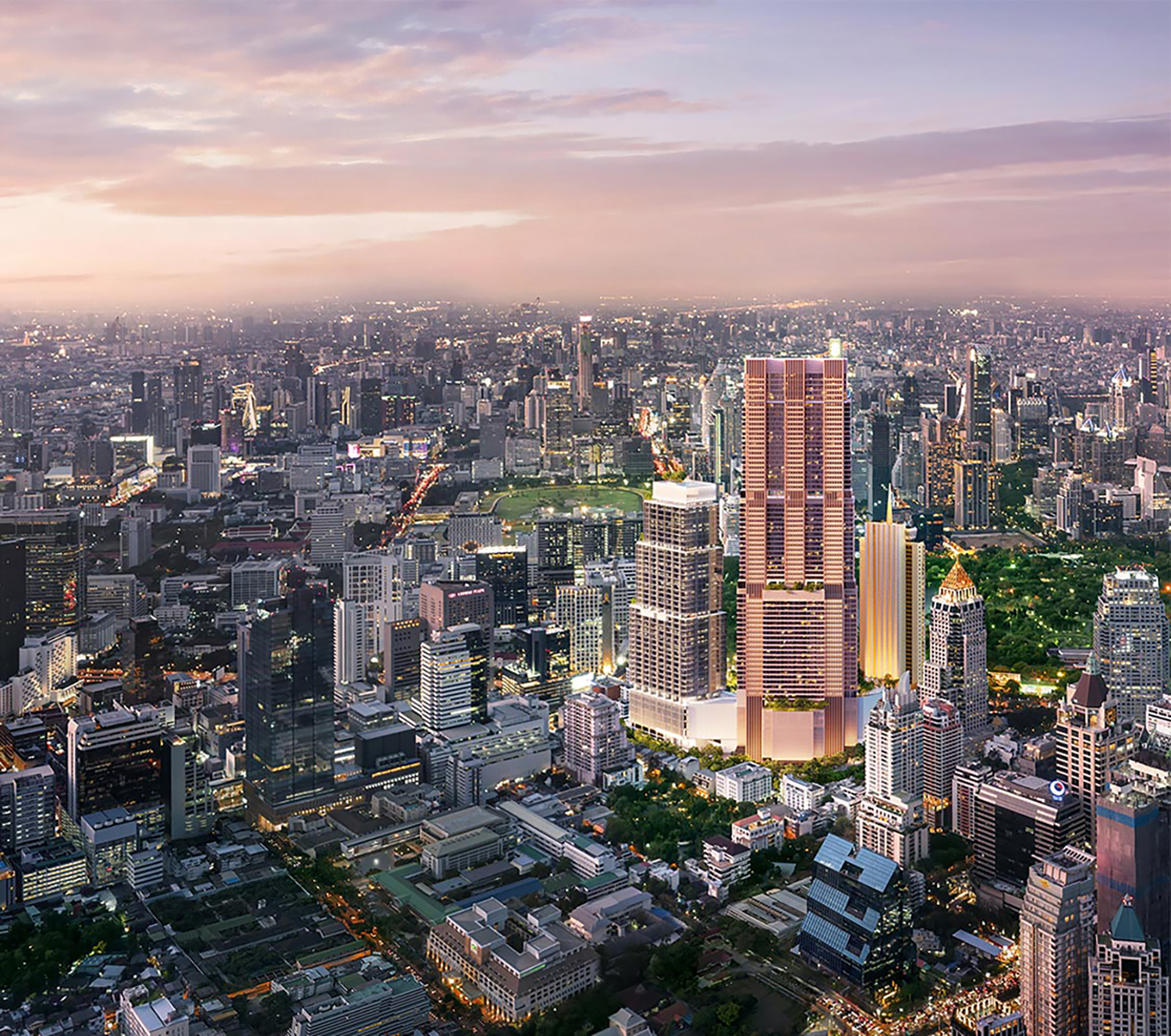
ONE89 Wireless is one of the clearest examples of how Bangkok’s premium condominium market is moving beyond a stand-alone tower story. It sits within One Bangkok, a large mixed-use district on Wireless Road, and is presented by the developer as part of a residential collection connected to offices, retail, hospitality, public space, culture and views towards Lumphini Park.
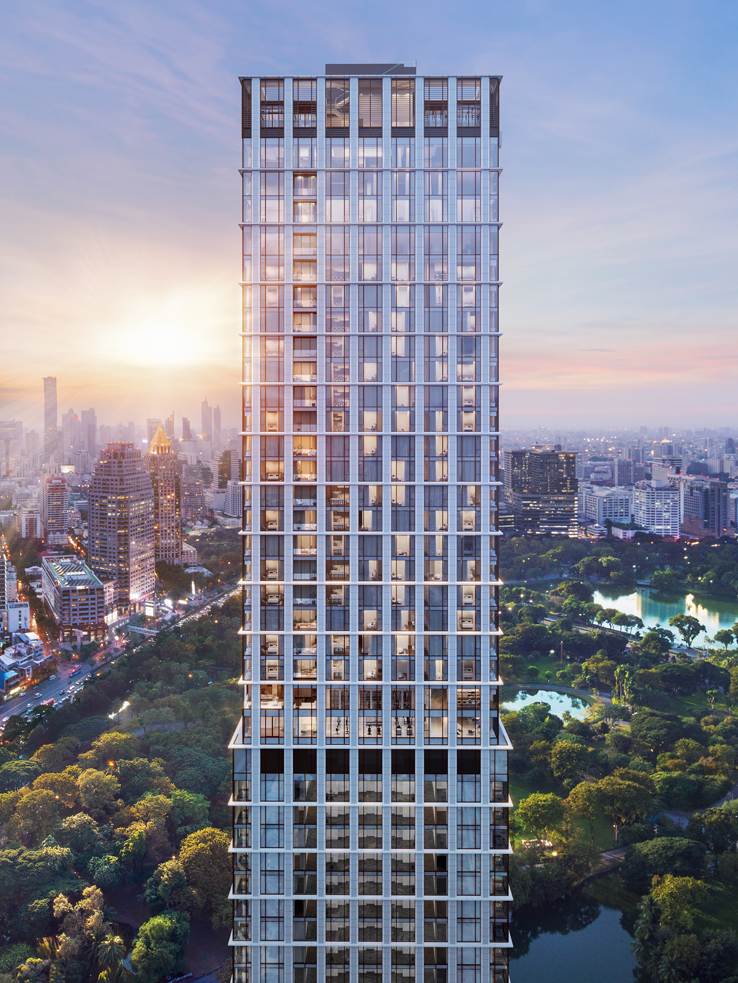
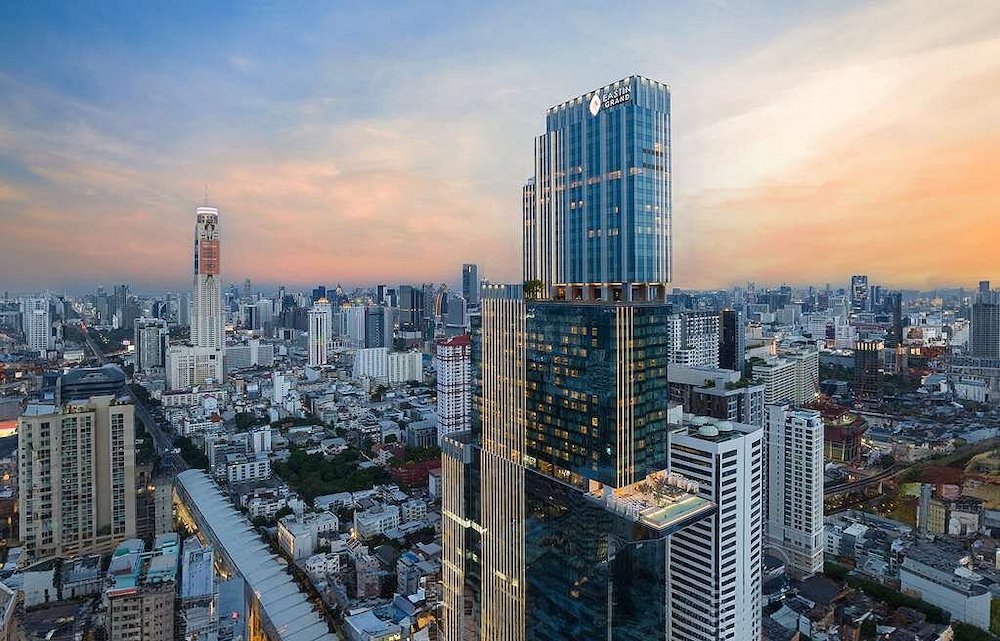
ONE89 Wireless is positioned around One Bangkok’s central mixed-use setting and Lumphini Park outlook.
For foreign buyers, that setting is the main point of interest. The question is not simply whether ONE89 Wireless looks luxurious. The more useful question is whether its location, ownership structure, amenity promise, mixed-use environment and resale audience fit the buyer’s long-term plan.
What the official project positioning says
One Bangkok’s residences page describes its residential offering as being in the heart of Bangkok with views of Lumphini Park and the city skyline. It lists ONE89 Wireless alongside EI8HTEEN SEVEN as part of the residence collection. The ONE89 Wireless page says the tower is designed by Skidmore, Owings & Merrill and will house 90 bespoke condominium residences with a focus on holistic quality of living and sustainable standards.
Those official points shape the buyer analysis. A low-density luxury tower within a major mixed-use district has a different appeal from a conventional high-rise on a side street. It may attract buyers who value address, architecture, services, park outlook, privacy and long-term district infrastructure more than maximum space per baht.
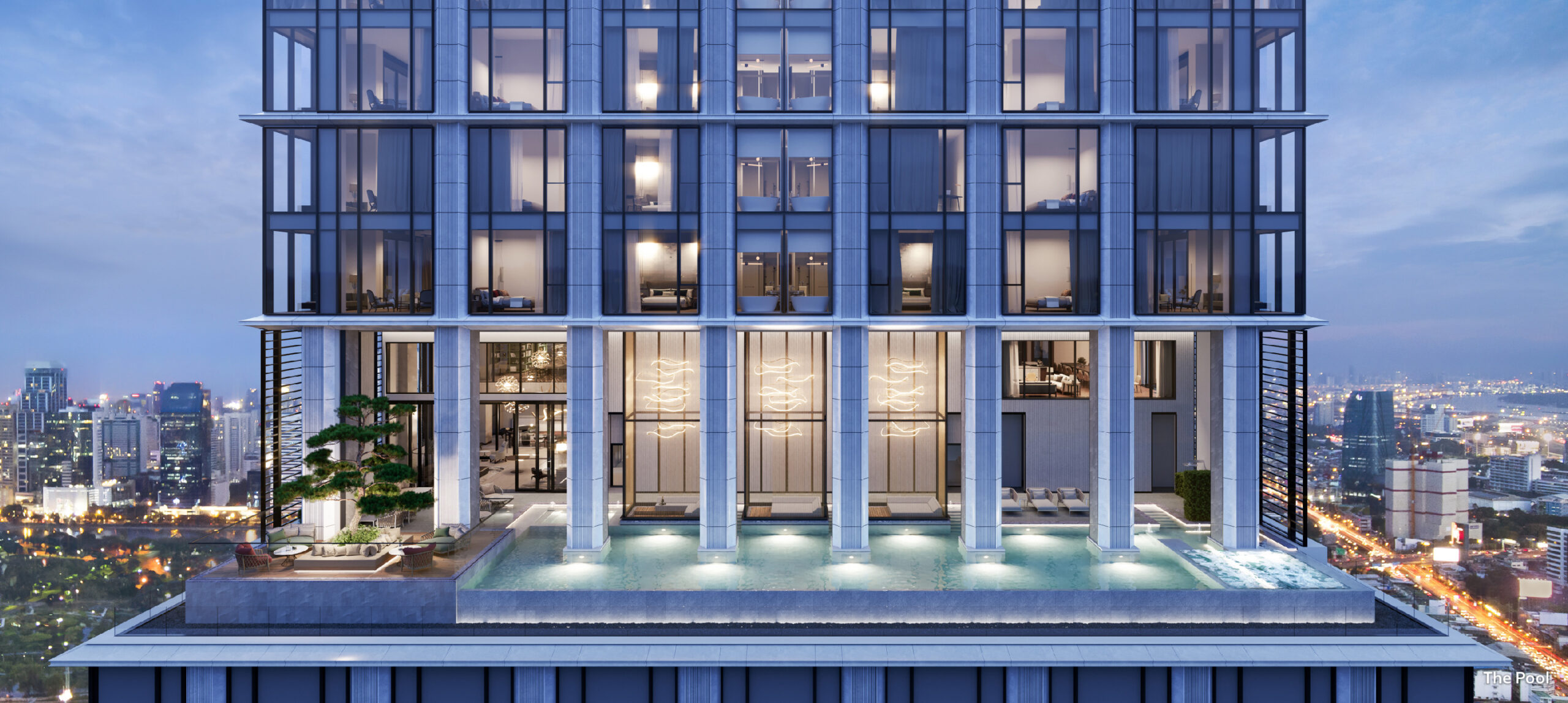
High-end amenities still need to be judged by usability, privacy, management and long-term maintenance.
Why mixed-use context matters
One Bangkok’s wider district gives ONE89 Wireless a strong context. Residents are not only buying a private unit. They are buying access to a planned urban environment with retail, hospitality, workplace, culture, green space and transport connections nearby. This can be valuable for owner-occupiers who want daily convenience without relying on long car journeys.
For investors, mixed-use context can help explain the property to a future tenant or resale buyer. A buyer can point to the surrounding district, park access and premium address rather than relying only on unit finishes. That does not remove investment risk, but it can make the asset easier to understand.
Check the ownership and leasehold details
Premium presentation should not distract from legal and commercial structure. Foreign buyers need to understand whether the interest being purchased is freehold or leasehold, the term, renewal assumptions, registration process, ongoing charges, transfer rules, foreign quota treatment where relevant, and the documentation required at the Land Office. These details should be checked with the developer, buyer’s lawyer and bank before any commitment.
This is especially important for high-value purchases because small wording differences can have large financial consequences. A buyer should not rely on brochure language alone. Ask for the contract pack, public disclosures, fee schedule, sinking fund details, management structure and any restrictions on resale or leasing.
Foreign buyers should connect the project’s design story with ownership structure, liquidity and exit audience.
Amenities should be judged by use, not render quality
ONE89 Wireless is visually positioned around high-end living, but serious buyers should ask practical questions. How private are the amenities? How many residences share them? What are the opening hours and guest rules? How will facilities be maintained? What services are included and what costs extra? How easy is it to move from the unit to retail, transport, parking, drop-off and delivery areas?
Luxury amenities create value only when they are well managed and actually used. A pool, lounge or wellness area can strengthen daily life and resale appeal, but it also needs staffing, maintenance and clear resident rules. Foreign buyers should ask how the juristic or management structure protects the experience over time.
Who is the likely buyer audience?
The likely audience for ONE89 Wireless is narrower than the audience for an ordinary central condo. It may include ultra-prime Thai buyers, internationally mobile families, regional executives, long-stay foreign owners, buyers who want park outlook and buyers who value a landmark mixed-use address. That can support prestige, but it also means liquidity depends on a smaller pool of qualified buyers.
Investors should be realistic. A premium asset may not rent or resell quickly if priced above the audience’s expectations. The unit needs a clear story: view, floor, layout, privacy, furnishing, services and ownership clarity. Without that, a famous address alone may not be enough.
Location strengths to test
Walking route to Lumphini Park, MRT access, retail and daily services.
Taxi, private-car and ride-hailing flow at peak times.
Privacy from nearby towers and future district activity.
Noise, heat and view durability from the exact unit stack.
Ease of explaining the address to future tenants or buyers.
Questions for foreign buyers
Does the contract structure match your intended holding period?
Are all recurring fees and service charges clear?
Is the unit suitable for personal use, investment, or both?
How does resale depth compare with other ultra-prime Bangkok options?
Would you still choose the unit without the broader One Bangkok story?
Buyer takeaway
ONE89 Wireless is a useful case study in Bangkok’s move towards district-led luxury living. Its appeal comes from the combination of a prime Wireless Road setting, One Bangkok’s mixed-use environment, park outlook, architecture and limited-residence positioning. Foreign buyers should match that appeal with careful checks on ownership structure, fees, unit fundamentals and resale audience.
IBP can help foreign buyers compare Bangkok luxury residences, branded living concepts and mixed-use districts with a practical investment lens. Explore our project reviews or contact IBP Real Estate for a confidential buyer brief.
Bangkok condo investors often ask whether now is the right time to buy. The better question is whether the buyer, the unit and the market evidence are aligned well enough to make a disciplined decision. A rushed purchase can turn a good city into a weak investment. Excessive waiting can also mean missing a unit that fits the budget, rental audience and exit plan.
Purchase timing should connect market conditions with the buyer’s funding, holding period and exit plan.
Foreign buyers should treat purchase timing as a decision framework rather than a prediction exercise. Nobody can reliably call the perfect bottom of a local condo cycle, the next currency move, or the precise point when seller expectations change. What investors can do is prepare their funding, compare alternatives carefully and buy only when the downside has been tested.
Start with your own readiness
Many timing mistakes begin with the buyer, not the market. A foreign investor may see an attractive unit before funds are organised, documents are ready, or the preferred ownership structure has been checked. That can create pressure to reserve quickly and solve the details later. It is usually safer to reverse the order.
Before negotiating, buyers should know their budget in Thai baht, expected remittance route, acceptable exchange-rate range, estimated transfer costs, furnishing budget and cash buffer after completion. If the investment only works when every cost is optimistic, the timing is not ready. A buyer with clear limits can move faster when a genuinely suitable unit appears.
A buyer should not rush timing before the unit’s layout, light and rental audience have been tested.
Separate market timing from unit timing
A broad market may feel slow while the best units remain competitive. Conversely, a headline recovery story may hide weak buildings, poor layouts and overpriced resale stock. Investors should not buy a mediocre unit simply because they believe the market is improving. The unit still needs to pass the practical tests: layout, light, noise, view risk, building management, tenant profile and resale audience.
Unit timing is about whether this particular property is being offered at a price and condition that make sense today. If several similar units are available, the buyer may have room to negotiate. If the unit is rare because of view, layout, floor, building quality or ownership condition, waiting for a theoretical discount may be less useful. The answer depends on evidence, not mood.
Watch seller motivation carefully
Seller motivation can matter more than broad market commentary. A realistic seller with clean documents, flexible handover timing and a sensible asking price may create a better investment opportunity than a heavily marketed unit with a stubborn owner. Ask how long the property has been listed, whether the price has changed, what is included, when transfer can happen and whether any tenant, mortgage or juristic issue affects completion.
Buyers should be polite but firm. A low offer without reasoning often fails. A structured offer that explains comparable units, required repairs, transfer timing and funding certainty can be more persuasive. Timing improves when the buyer can show that they are ready to complete if the price is sensible.
Funding readiness, exchange timing and document control can matter as much as the headline asking price.
Currency timing should not dominate the decision
Exchange rates matter for foreign buyers because the purchase budget is often earned or held in another currency. However, waiting only for a better exchange rate can distract from the property fundamentals. A small currency improvement does not fix a poor unit, and a good unit can still be poor value if the buyer leaves no cash buffer after transfer.
A practical approach is to set a baht budget range and decide what exchange movement is material. Buyers can then plan staged remittances, bank documentation and completion timing with their bank and adviser. The goal is not to trade currency perfectly. The goal is to avoid being forced into a bad rate because the property timetable was not planned.
New-build and resale timing are different
New-build purchases require attention to construction stage, payment schedule, developer track record, handover standards and the supply pipeline. Resale purchases require deeper checks on title, condition, juristic records, tenant history and seller documents. The timing question changes with each route.
For new projects, a buyer may be choosing between early selection, later discounts and completion-stage certainty. For resale, the buyer is often weighing immediate use against repair, furnishing and negotiation risk. Neither route is automatically better. The right timing is the one that gives enough certainty for the buyer’s objective.
When waiting makes sense
The buyer cannot complete without selling another asset or arranging funds.
Comparable units suggest the asking price is not defensible.
Documents, foreign quota or seller authority are unclear.
The building has unresolved maintenance or management concerns.
The buyer has not tested the rental audience or exit route.
When action may make sense
The unit is clearly better than competing alternatives at the same total budget.
The seller is realistic and completion can be controlled.
The buyer has funds, documents and transfer support ready.
The holding period is long enough to absorb normal market movement.
The investment still works after conservative rent, cost and vacancy assumptions.
Investor takeaway
Bangkok condo purchase timing is not about guessing a perfect date. It is about matching personal readiness, unit quality, seller motivation, funding control and exit logic. Foreign investors should buy when the evidence is strong enough to act, not when headlines feel exciting or fear of missing out takes over.
IBP helps foreign buyers compare Bangkok condos with disciplined purchase timing, building checks and resale planning. Explore our investment analysis archive or contact IBP Real Estate for a buyer shortlist.
Victory Monument is a transport-led Bangkok district that deserves a different kind of buyer analysis from the city’s polished luxury addresses. It is central, busy and highly connected, with BTS access, road links, buses, vans, hospitals, offices, schools, food streets and everyday services all competing for space around a major city node.
Victory Monument buyers should test the exact street route between transport, daily services and the building.
For foreign buyers, the attraction is practical access rather than resort-style calm. A Victory Monument condo can work for residents who want quick movement across Bangkok and for landlords targeting tenants who value convenience over a curated neighbourhood image. The risk is that convenience can be uneven. Traffic, walking routes, building age, noise and daily crowd flow need to be tested building by building.
Why Victory Monument deserves a careful look
Victory Monument BTS sits on the Sukhumvit Line, giving residents a direct rail route towards Phaya Thai, Siam, Chit Lom, Asok, Mo Chit and other central destinations. The area is also known as a road and public-transport hub, which can help residents who combine rail, taxi, bus, van and motorcycle-taxi trips during a normal week.
That mix can suit buyers who do not want to depend on one lifestyle corridor. A resident can reach central shopping, schools, hospitals, offices, government areas, local food streets and interchange points without living in the most expensive inner-city pockets. For investors, the question is whether a specific unit converts that access into a clean rental story.
Rail access gives Victory Monument a simple city-wide story, but the full daily route still matters.
Test the walking route carefully
The station name is only the start. Buyers should walk from the BTS platform to the building lobby at normal commute times, after dark and after rain if possible. Check pavements, crossings, shade, lighting, traffic, construction, motorcycle-taxi reliance and the final approach to the building. A project may look close on a map but feel less convenient when the road crossing or last stretch is awkward.
For rental units, the walk matters because tenants compare convenience quickly. If a tenant must cross difficult roads, pass a congested section or rely on a motorcycle taxi for a short trip, rent expectations should be more conservative. If the route is clear, safe and easy to explain, the unit becomes easier to market to office workers, students, medical visitors and long-stay residents.
Compare Victory Monument with nearby choices
Victory Monument should be benchmarked against Phaya Thai, Ari, Ratchathewi, Sanam Pao, Siam and selected Sukhumvit alternatives. Each area tells a different story. Phaya Thai has stronger airport-link and interchange appeal. Ari offers more neighbourhood charm and cafe-led living. Ratchathewi sits closer to Siam. Sanam Pao can feel quieter. Victory Monument is more transport-intensive and everyday-service focused.
This comparison helps prevent overpayment. A buyer should ask why a tenant or future purchaser would choose the exact Victory Monument unit over those nearby alternatives. The answer might be lower total ticket, better room size, stronger transport flexibility, hospital proximity, practical food options, good management or a layout that works better for daily life.
Building age, management and unit practicality separate good Victory Monument options from generic central claims.
Building age and management matter
Victory Monument has a mix of older condominium stock, compact investment units and buildings serving people who need central access at a disciplined budget. Older buildings may offer useful room sizes or central positions, but buyers should inspect lifts, corridors, facade, lobby control, parking, water systems, common areas and juristic communication. Newer buildings can be more polished, but they may also contain many similar units competing for the same tenants.
The best purchase is not always the newest building. It is the unit with a clear user profile, sensible management, practical access and a price that leaves room for normal rental and resale friction. A foreign buyer should review competing listings before assuming transport access alone will carry the investment.
Tenant and resale profile
Potential tenants may include young professionals, hospital-related visitors, students, office workers, government-area commuters, couples and long-stay residents who want a practical central base. That breadth is useful, but each unit type still needs a specific audience. A compact one-bedroom should be efficient and easy to furnish. A larger unit needs a clearer reason to choose Victory Monument over family-oriented districts or more premium addresses.
For resale, the story should be simple: BTS access, transport flexibility, everyday services, good building condition and a unit that remains usable. If the story depends only on saying central Bangkok, the future buyer may compare more aggressively on price. Strong resale logic usually comes from a specific unit that is easy to photograph, easy to reach and easy to explain.
When the district may not fit
Victory Monument is not the right answer for every foreign buyer. Someone seeking quiet resort-style facilities, river views, embassy-quarter prestige or a purely walkable cafe district may prefer another area. Families may need to weigh school routes, pavements, traffic and noise more heavily. Retirees may prefer a calmer neighbourhood unless the building has excellent access and support services.
This does not weaken the district’s case. It clarifies it. Victory Monument works best when the buyer values transport, centrality, practical services and a purchase price that reflects the area’s busy character. It works less well when the buyer is paying for a lifestyle image the district does not naturally provide.
Buyer checklist
Walk from BTS Victory Monument to the lobby in normal conditions.
Compare the unit with Phaya Thai, Ari, Ratchathewi, Sanam Pao and Siam alternatives.
Check lift capacity, common-area condition and juristic office responsiveness.
Review how many similar units are listed in the same building.
Match unit size and furnishing to a realistic tenant profile.
Test whether traffic, road crossings or noise change the daily living appeal.
Ask whether resale would be easy to explain in one clear sentence.
Buyer takeaway
Victory Monument can be a practical central BTS choice for foreign buyers who value transport, everyday services and price discipline. It is strongest when the building is well managed, the walking route is honest and the unit has a clear tenant or resale audience. Buy the specific unit and route, not only the transport-hub label.
IBP can help foreign buyers compare Victory Monument with Phaya Thai, Ari, Ratchathewi, Siam and Sukhumvit alternatives. Browse our district guides or contact IBP Real Estate for a Bangkok shortlist.
A Bangkok condo can look attractive during a viewing yet still be difficult to rent, resell or explain online. For foreign investors, marketability should be tested before buying, not after the first listing goes live. The question is simple: can the next tenant or buyer understand why this unit deserves attention within a few minutes?
Marketability starts with whether the unit can be explained clearly to the next tenant or buyer.
Marketability is not hype. It is the practical link between unit quality, building appeal, presentation, pricing and future liquidity. A marketable condo is easier to photograph honestly, easier to describe without excuses, easier to compare with alternatives and easier for an agent to show with confidence. That does not guarantee a fast lease or sale, but it gives the owner a stronger starting position.
Why marketability belongs in the investment case
Many investors underwrite rent and resale as if demand will automatically appear once the unit is available. Bangkok rarely works that neatly. Tenants and buyers compare listings quickly. They notice light, view, furniture, layout, building age, access, lobby quality, lift experience, street route and price. If the unit needs too much explanation, the owner may have to compete mainly on discount.
A marketability check slows the purchase decision down in a useful way. It asks whether the asset can survive normal competition: several similar units in the same tower, a newer project nearby, a tenant with a limited viewing window, or a resale buyer comparing photographs from another country. The stronger the marketability, the less fragile the exit plan becomes.
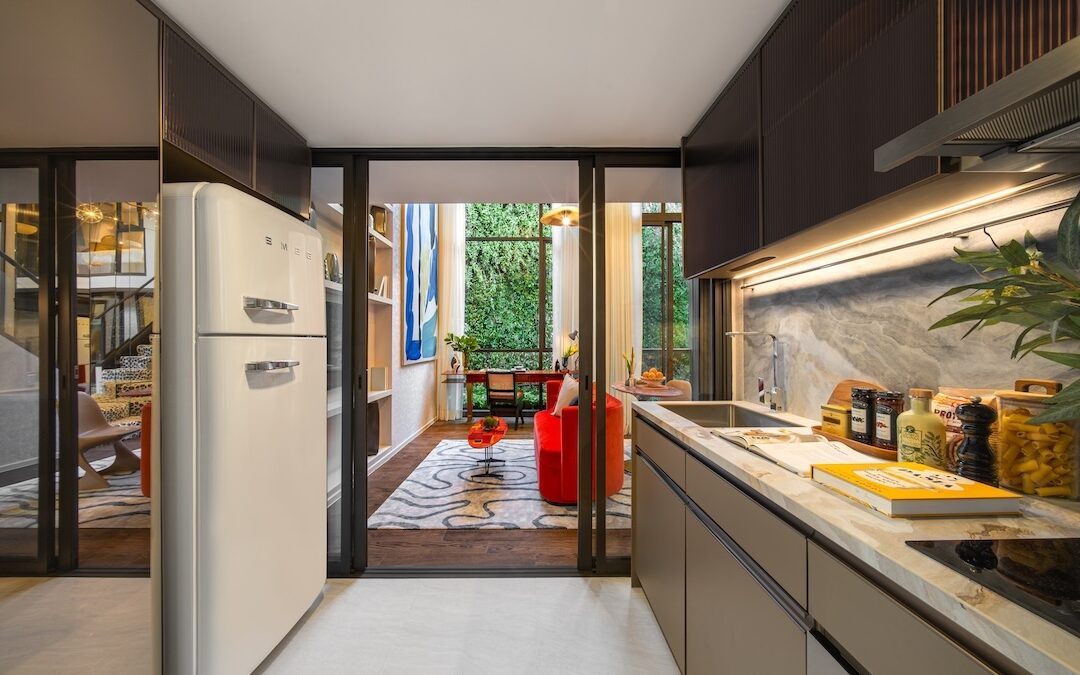
A practical layout is easier to photograph, rent, furnish and resell than a confusing plan.
Start with the first online comparison
Before buying, imagine how the unit will appear beside ten competing listings. Does the living room photograph clearly? Is there enough natural light? Can the bedroom fit normal furniture? Is the kitchen usable or only decorative? Does the balcony help the story or reduce internal space? Are there obvious repairs, cluttered built-ins or old appliances that will weaken the first impression?
This exercise is especially important for compact units. A small condo can rent well if it feels simple, bright and efficient. It can struggle if the layout is hard to read, the desk area is awkward, the wardrobe blocks movement or the sofa has no logical position. Tenants decide quickly when many similar units are available.
Check the building as part of the listing
The private unit is only one part of the marketing story. A buyer should inspect the arrival sequence from street to lobby to lift to corridor. Security, signage, lighting, lift speed, corridor condition, air-conditioning in shared areas, parking, parcel handling, waste areas and common facilities all affect confidence. A renovated room in a tired building can still face market resistance.
Investors should also read the building’s resident profile. A calm building with clear rules may support long-stay tenants. A building with heavy transient use, weak visitor control or unresolved maintenance may reduce appeal, even if the location is central. The market will usually price those details eventually.
The building’s arrival, maintenance and resident experience all affect market confidence.
Separate personal taste from repeatable appeal
Foreign buyers often have a personal reason for liking a unit: a view, a familiar district, a favourite cafe nearby or a style of interior that feels distinctive. Personal use can be a valid part of the decision. Investment marketability requires a wider test. Would a future tenant with no emotional attachment still choose the unit? Would a resale buyer see the value without a long explanation?
Neutral does not mean bland. A unit can have personality, but the core should remain clear: efficient rooms, practical storage, durable surfaces, reliable appliances and furniture that matches the rent level. Overly personal decoration can narrow the tenant pool and make resale photographs age quickly.
Pricing should reflect marketability risk
A weaker unit can still be investable if the price properly reflects the work needed. The mistake is paying a strong price for a unit that needs presentation fixes, better furniture, a rent discount or a longer resale period. Buyers should build these items into the offer, not treat them as later surprises.
Ask what would need to happen before the unit could be listed confidently. If the answer is deep cleaning, repainting, curtain replacement, appliance upgrades, furniture editing, better lighting and new photographs, those costs belong in the purchase model. If the building itself is the problem, the discount needs to be more meaningful because one owner cannot fix common-area weaknesses alone.
Marketability checklist
Compare the unit with active listings in the same building and nearby alternatives.
Test whether the layout can be photographed and furnished without tricks.
Inspect lobby, lifts, corridors, parking, parcel handling and common facilities.
Check whether the rent or resale story depends on one narrow tenant or buyer group.
Budget for cleaning, repairs, furniture edits and photography before listing.
Set a walk-away price if marketability issues are larger than the discount.
Buyer takeaway
Bangkok condo marketability is the practical test between buying and eventually exiting. A strong unit should be easy to show, easy to explain and easy to compare against realistic alternatives. Foreign investors should judge marketability before making an offer, because the market will judge it later when rent or resale matters most.
IBP helps foreign buyers assess Bangkok condos by rentability, presentation, resale depth and building quality. Read more in our investment analysis archive or contact IBP Real Estate for a buyer shortlist.