
Common areas are one of the clearest ways to test whether a Bangkok condominium is being protected as an investment asset. A unit can look attractive in isolation, but tenants and future buyers experience the whole building: the lobby, lifts, corridors, parking, pool, gym, security desk, parcel process, rubbish rooms and the way residents use shared space.
Foreign investors should therefore inspect common areas with the same seriousness as the private unit. A lower purchase price can become less attractive if the building feels tired, poorly managed or difficult to lease. A slightly more expensive unit in a well-run building may be easier to rent, easier to hold and easier to explain at resale.
Why common areas affect investment returns
Common areas influence first impressions before a tenant reaches the unit. A clean arrival sequence, orderly lobby, responsive security team and well-maintained lifts make viewings smoother. Tired corridors, broken lighting, worn signage, poor odours or cluttered service areas can make a good private unit feel weaker than the photographs suggest.
For resale, common areas matter because buyers compare risk. A future buyer may accept that a private unit can be repainted or refurnished. They may be less willing to accept weak lift maintenance, neglected facilities, messy parking or a juristic office that appears unresponsive. The owner cannot fix those issues alone, so they deserve attention before purchase.
Inspect the arrival sequence
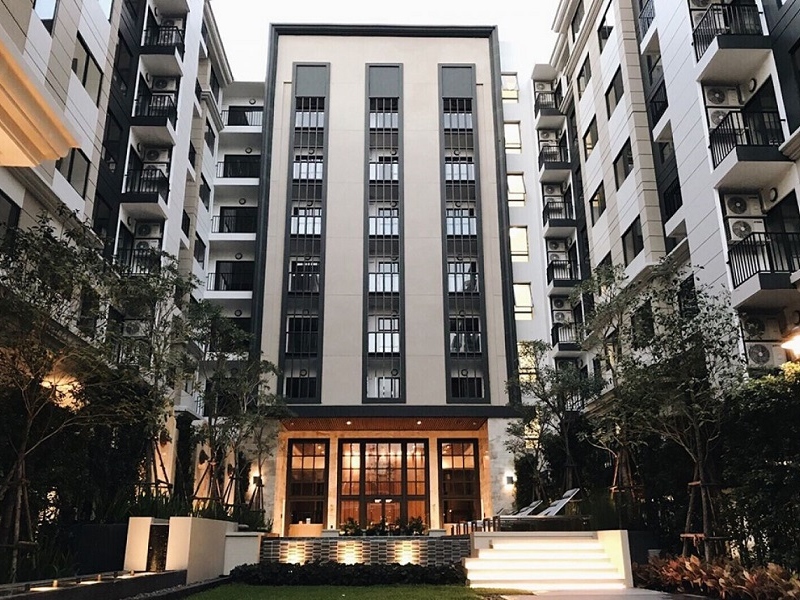
Start at the street. Look at the drop-off, guardhouse, signage, parking entry, pedestrian access and lobby doors. Is the building easy to enter without confusion? Can taxis and deliveries stop safely? Does the security process feel controlled without being hostile? Are visitors registered sensibly?
The arrival sequence matters for tenants, guests, agents and future buyers. It also affects daily liveability. If a building is awkward to enter during rain, heavy traffic or evening hours, residents may feel the inconvenience quickly. A premium unit should not be undermined by poor access at the ground floor.
Lifts and corridors reveal management quality
Lifts are a practical test of building capacity and maintenance. During viewing, check waiting times, lift condition, air-conditioning, lighting, card access and whether service lifts are separated from resident lifts. If the building has many units but too few lifts, delays can become part of daily life.
Corridors are equally useful. They show whether cleaning is regular, whether residents leave shoes or rubbish outside, whether lighting is adequate and whether the building controls short-stay turnover, contractor movement and parcel overflow. For landlords, these details affect tenant satisfaction and renewal probability.
Facilities should fit the resident profile
Many Bangkok condo brochures emphasise pools, gyms, lounges, gardens and co-working rooms. Investors should ask whether these facilities are actually useful for the building’s resident profile. A small gym may be sufficient for a compact city building. A larger luxury development may need stronger facilities, better seating, cleaner changing rooms and more consistent staffing.
Look for signs of overuse or underuse. Overused facilities may wear quickly and create resident complaints. Underused facilities may still cost money to maintain without supporting rent or resale. The best facilities are not always the largest. They are the ones that residents use comfortably and that the juristic person can maintain over time.
Read documents before relying on impressions
A building can look polished during a short viewing, so investors should also ask for documents where available. Useful items include common-fee information, sinking-fund details, juristic-person notices, AGM minutes, major repair announcements, insurance information and any notices about lift works, facade works, water systems or facility closures.
Documents help reveal whether common areas are being maintained through planning or crisis management. Repeated emergency notices, unpaid fee concerns, unresolved disputes or unexplained facility closures should prompt more questions. A building with transparent communication is easier for an overseas owner to monitor.
Ask about resident behaviour
Common areas are shaped by residents as well as management. Ask whether the building has many owner-occupiers, long-stay tenants, short-stay users or corporate leases. Different resident mixes can work, but the management process must fit the mix. Heavy transient use can strain lobbies, lifts and facilities if controls are weak.
Pet rules, delivery rules, smoking rules, noise control, renovation hours and parking use all affect daily atmosphere. Investors should not assume rules are enforced just because they exist. Look for evidence in the building itself: signage, staff behaviour, resident notices and the condition of shared spaces.
Investor checklist
- Inspect the lobby, lifts, corridors, parking, service areas and rubbish rooms.
- Visit at a busy time if possible, not only during a quiet sales appointment.
- Ask for common-fee, sinking-fund and major repair information.
- Check whether facilities match the target tenant and resale audience.
- Look for signs of short-stay pressure, deferred maintenance or weak rule enforcement.
- Compare the building with nearby alternatives at the same rent and resale level.
Buyer takeaway
Bangkok condo common area checks protect investors from buying a good-looking unit in a weak building. Foreign buyers should treat shared spaces as part of the asset, not as background decoration. Strong management, clean facilities and predictable resident behaviour can support rent, retention and resale confidence over the holding period.
IBP helps foreign buyers compare Bangkok condos by building quality, rental logic and exit risk. Read more in our investment analysis archive or contact IBP Real Estate for a focused buyer shortlist.