
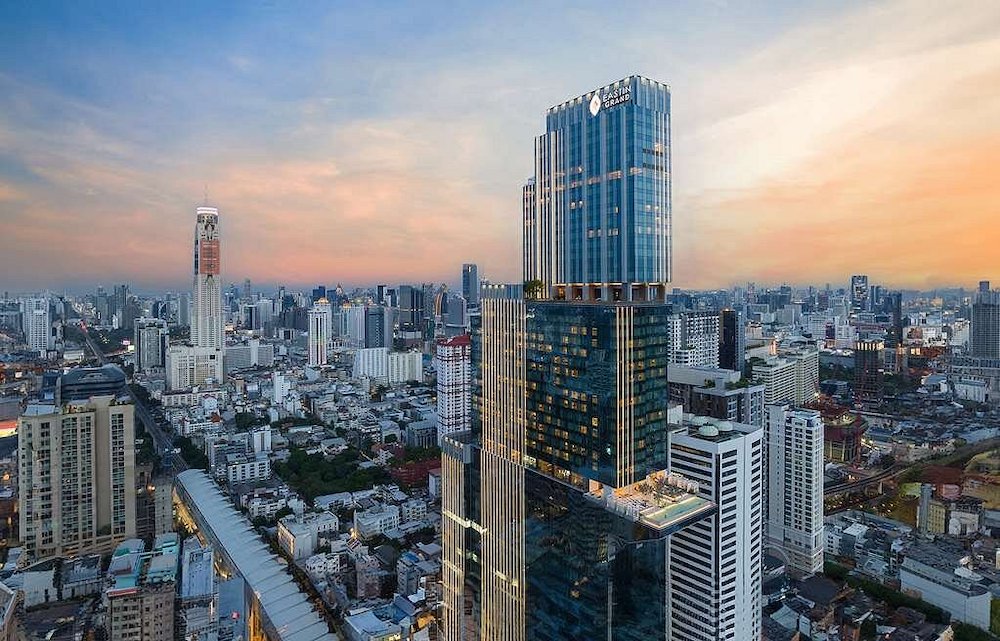
National Stadium BTS sits at the edge of Siam, Bangkok’s best-known retail and culture cluster. For foreign condo buyers, the area is not a typical residential district in the way Ari, Ekkamai or Phrom Phong might be. Its appeal is centrality: quick access to Siam, shopping, hotels, universities, museums, art venues, offices and multiple rail connections.
That centrality can make National Stadium useful for owner-occupiers who want a Bangkok base and investors who understand niche demand. It can also create traps. Some units feel more like city pied-a-terre stock than long-stay homes. Some buildings rely heavily on the Siam location story while offering limited privacy, storage, parking or neighbourhood calm. Buyers need to inspect the exact building, not only the station name.
Why foreign buyers consider National Stadium
The core advantage is simple: National Stadium is one BTS stop from Siam and close to one of Bangkok’s densest lifestyle zones. Residents can reach malls, restaurants, cinemas, art venues, hotels, language schools, universities and offices without depending on long road journeys. For a foreign buyer who visits Bangkok several times a year, that can be highly convenient.
The area also connects quickly to Ratchathewi, Phaya Thai, Chit Lom, Silom through interchange, and the wider Sukhumvit line. This makes it easier to explain to visitors and tenants who already know Siam as a reference point. A buyer who values culture, retail and short urban trips may find the location easier to use than a quieter suburb with larger units.
Walk the real route
Do not judge the area from a map alone. Walk from the building to National Stadium BTS, Siam, Ratchathewi and nearby daily services. Check crossings, pavements, shade, crowding, lighting, rain exposure and traffic noise. Some routes are easy during the day and less comfortable late at night. Others are convenient for a single resident but awkward for families, older residents or people carrying luggage.
Buyers should also test taxi and ride-hailing access. Central Bangkok can be busy around shopping hours, events, school times and rain. A building with a sensible drop-off point, clear lobby and responsive security can feel much better than a building where every arrival becomes a traffic negotiation.
Understand the unit stock
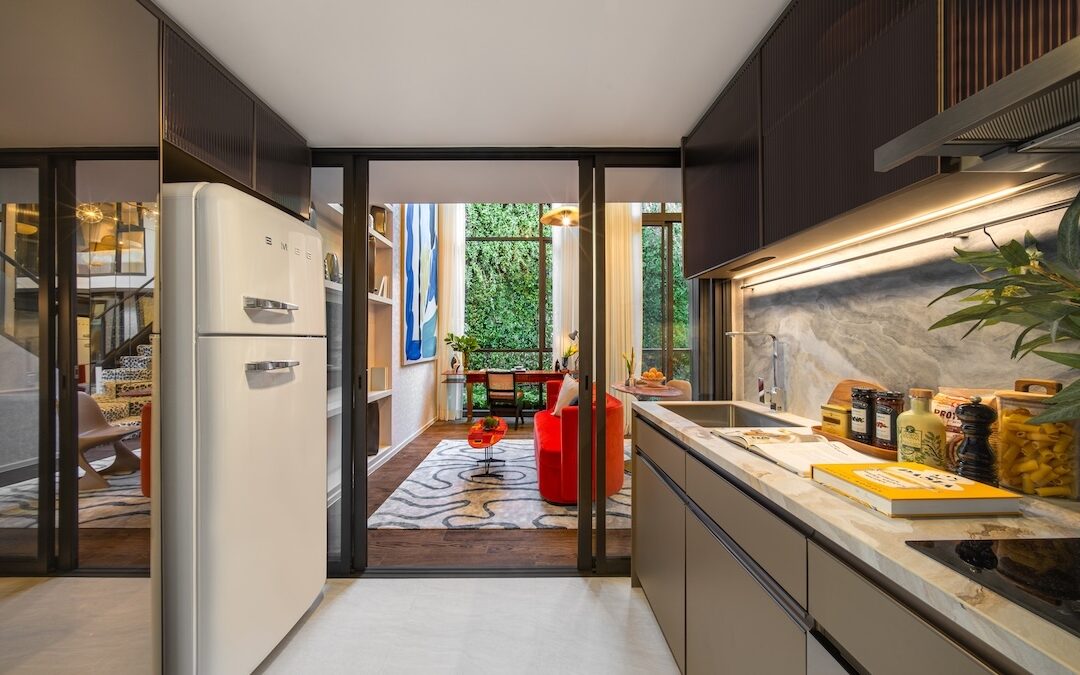
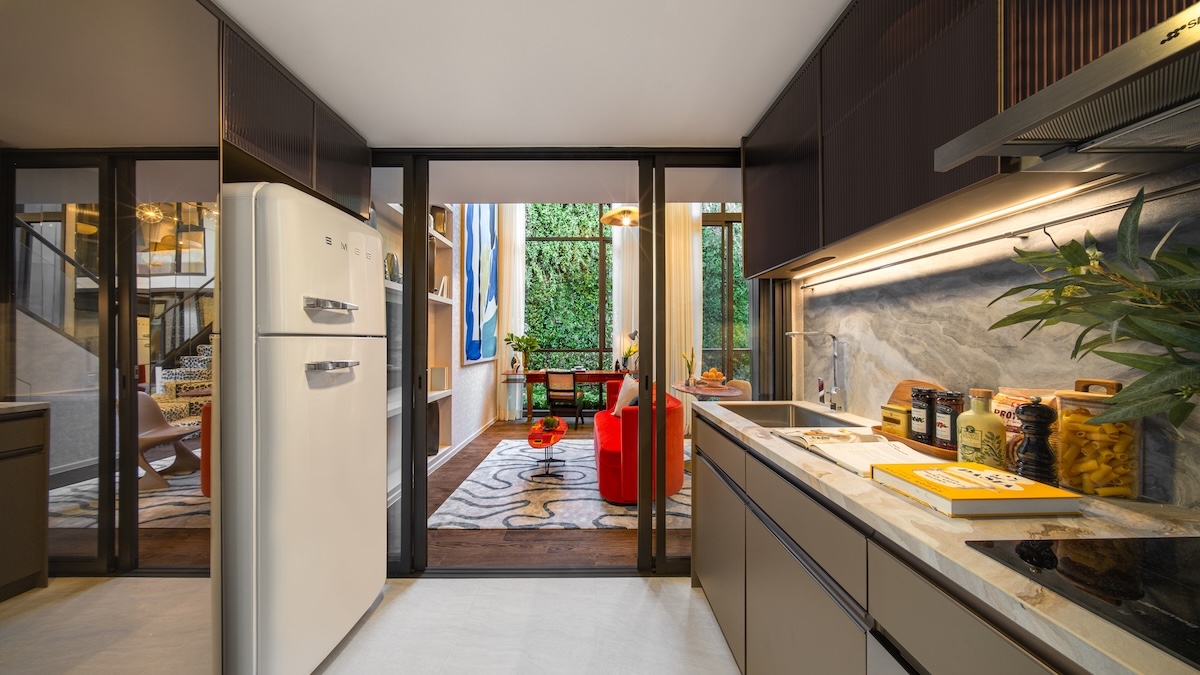
National Stadium and the surrounding Siam-Ratchathewi area include a mix of older condominiums, newer high-rise projects, compact investor units and larger units aimed at central-city living. Investors should not assume all stock has the same audience. A compact one-bedroom may suit students, young professionals, short-term city users or a personal Bangkok base. A larger unit needs stronger proof of tenant depth and resale demand.
Compare floor plans carefully. Central units can be expensive on a total-ticket basis even when they are small. Storage, kitchen usefulness, washer space, work-from-home practicality, natural light and noise control matter. A unit that is pleasant for a three-day stay may be frustrating for a one-year lease.

Culture and retail are real lifestyle advantages
The area has a lifestyle story that many foreign buyers understand quickly. Siam’s retail cluster, art venues, museums, cinemas, hotels and restaurants can make the neighbourhood feel connected to Bangkok’s modern cultural life. This matters for owner-occupiers who want a base that is easy to enjoy immediately.
For landlords, lifestyle access can help marketing, but it should not replace rent evidence. Tenants may like Siam access, yet still choose another district if the unit is too small, noisy, expensive or difficult to reach with luggage and daily errands. Lifestyle is an advantage only when the building and price support it.
Building-level checks
Central locations can hide building weaknesses because the district story is strong. Buyers should inspect lift waiting times, corridor condition, lobby management, parcel handling, parking, visitor access, pool and gym quality, fire exits, security and juristic-person communication. If the building has many transient users, ask how that affects residents and common areas.
Noise should be checked in person. Traffic, events, schools, retail deliveries, construction and rail activity can all affect comfort. Higher floors are not automatically quiet. Visit at different times if possible and stand in the unit without sales conversation for several minutes.
Investment and resale logic
National Stadium’s resale story is based on scarcity of central convenience, not broad mass-market affordability. That means entry price discipline is important. Buyers should compare similar units around Siam, Ratchathewi, Phaya Thai, Chit Lom and Sam Yan rather than relying on one building’s asking prices.
For rental investors, ask who the tenant is likely to be and why they would choose this area over Sukhumvit, Silom, Ari or Rama 9. A clear answer may include Siam retail work, university access, a city base, car-free lifestyle or frequent travel across central Bangkok. If the tenant story is vague, the investment case is weak.
Buyer checklist
- Walk the route to National Stadium BTS, Siam and daily services.
- Check whether the unit works for long-stay living, not only short visits.
- Test noise, privacy, lift use and lobby access at busy times.
- Compare with Ratchathewi, Phaya Thai, Chit Lom and Sam Yan alternatives.
- Review building rules on short stays, visitors, deliveries and parking.
- Model rent and resale with conservative assumptions.
Buyer takeaway
National Stadium BTS can be a strong Bangkok base for buyers who value Siam access, culture, retail and rail convenience. It is not a district to buy casually. Foreign buyers should test the walking route, unit practicality, building management and tenant profile before paying for the central location premium.
IBP can help foreign buyers compare National Stadium with Ratchathewi, Siam, Chit Lom and other central districts. Browse our district guides or contact IBP Real Estate for a neighbourhood shortlist.