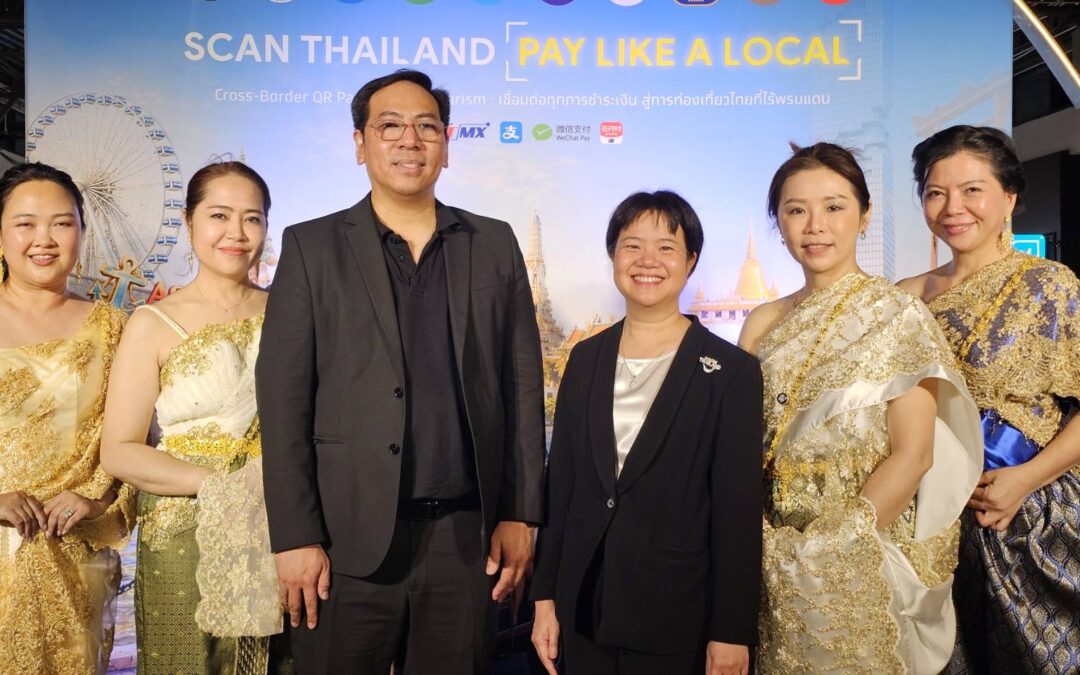
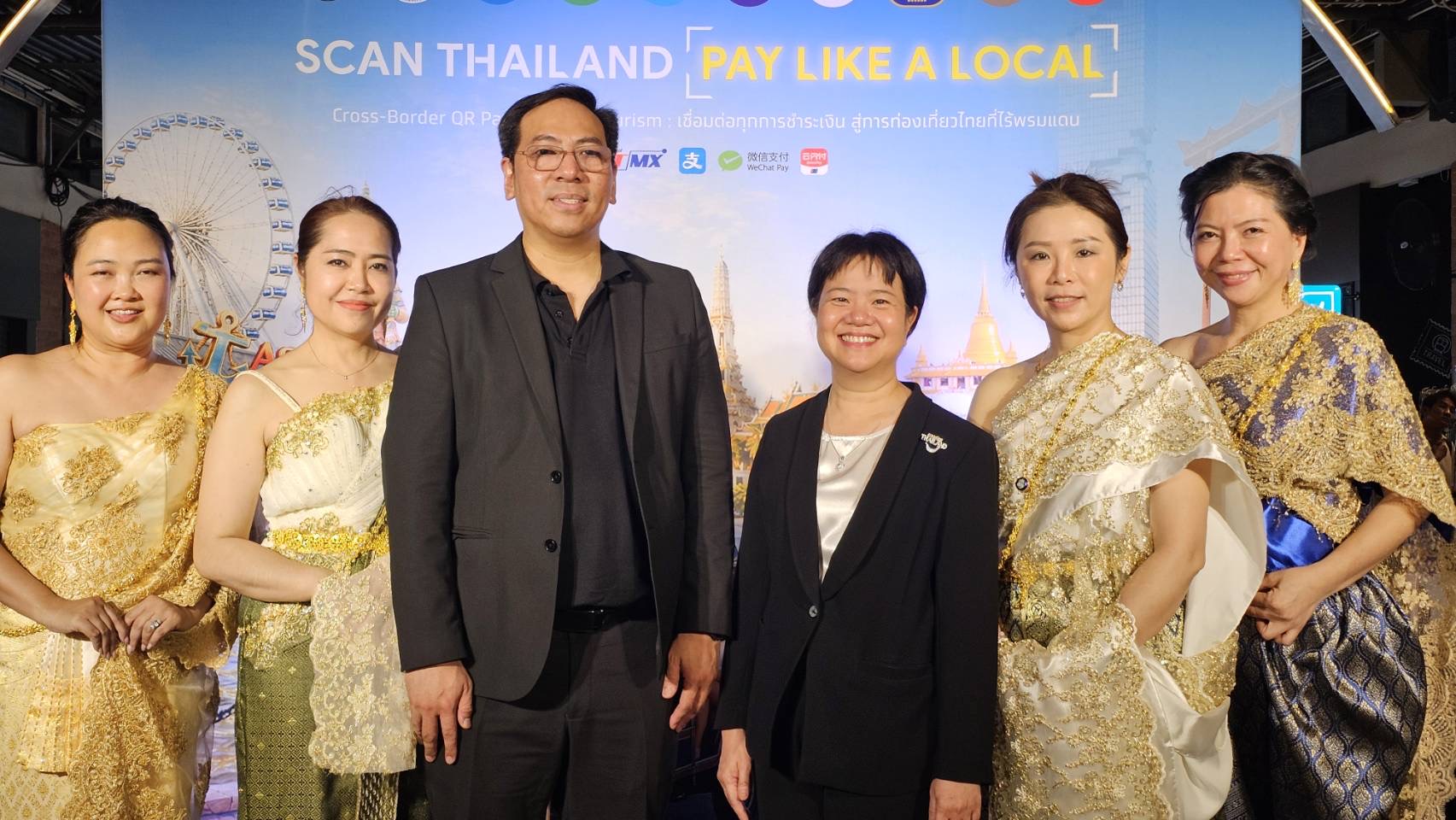
Thailand’s Pay Like a Local cross-border QR payment push is a useful signal for Bangkok property buyers because it speaks to something practical: visitor convenience. TAT Newsroom reported on 26 June 2026 that the Tourism Authority of Thailand is highlighting Thailand’s readiness for Cross-Border QR Payment across the tourism sector under the Pay Like a Local concept.
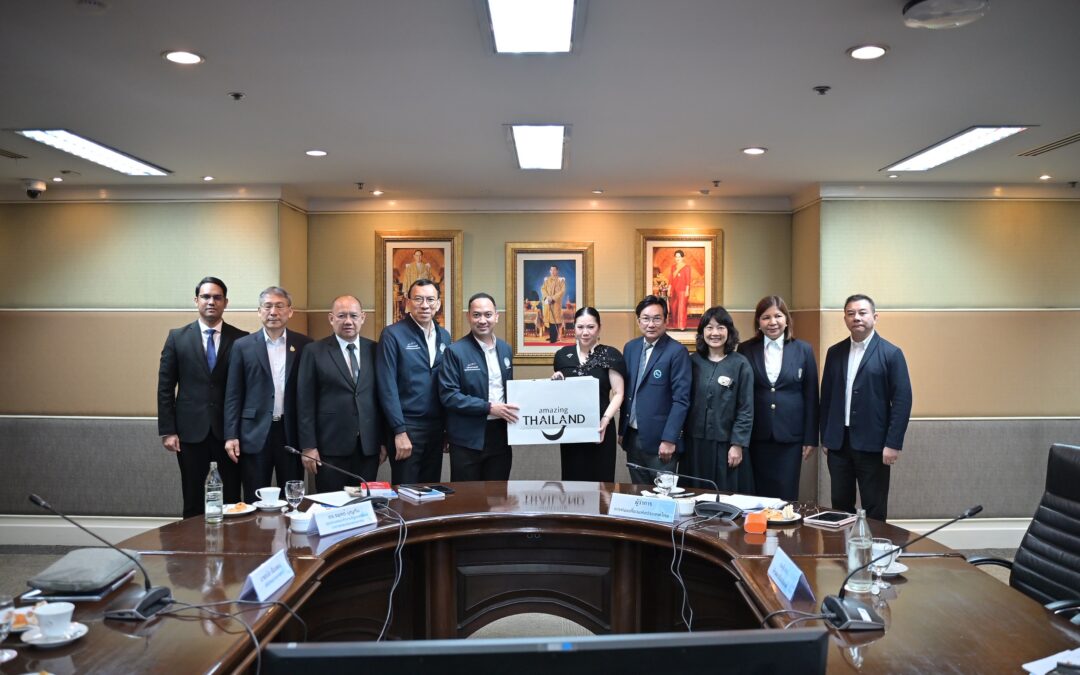
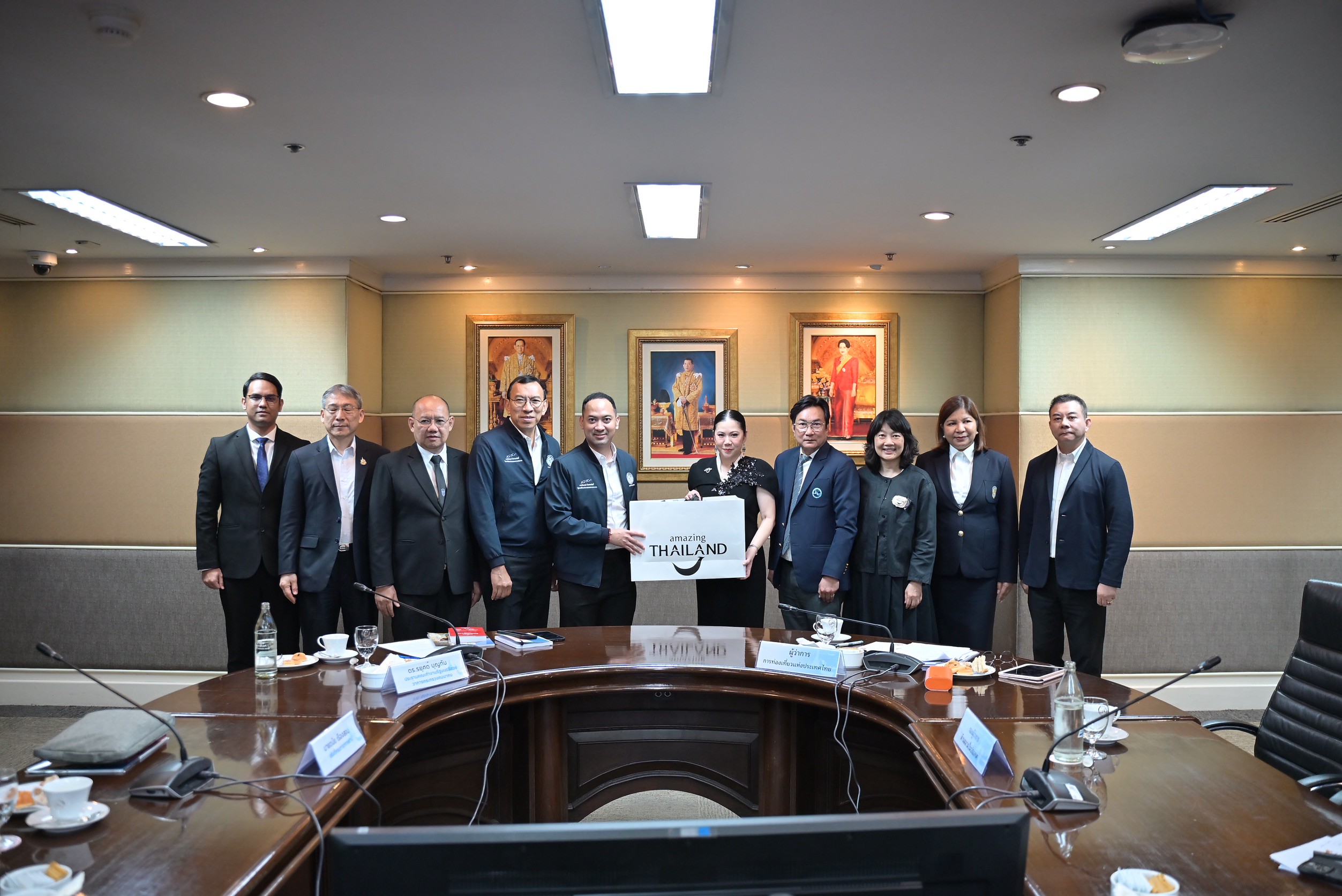
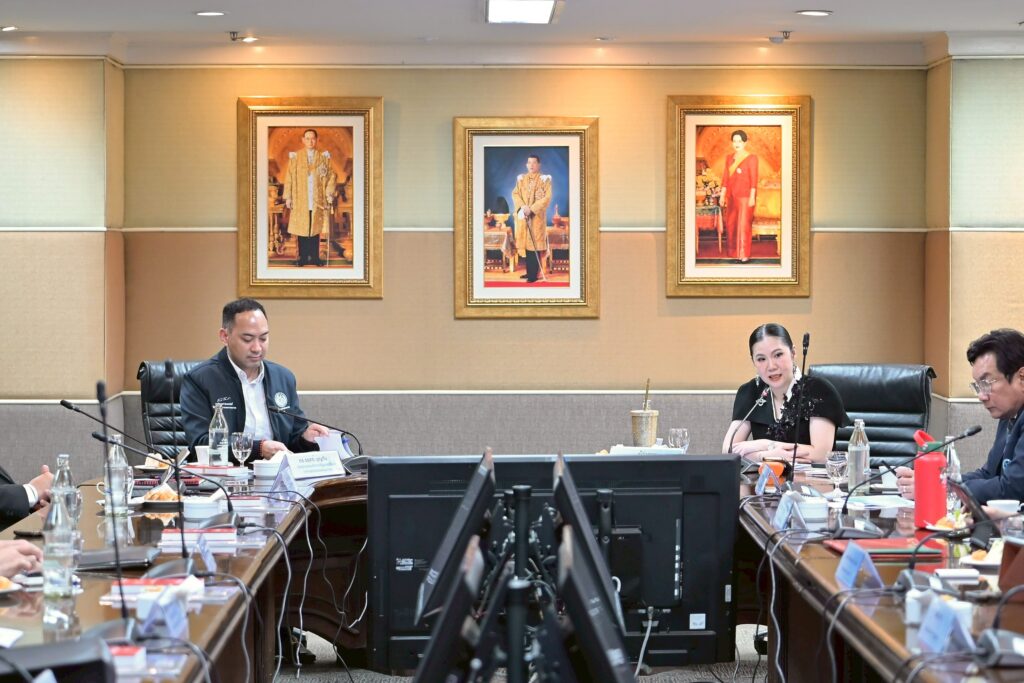
TAT is promoting cross-border QR payment readiness across Thailand’s visitor economy.
This is not a condo-price announcement. It should not be read as a reason to speculate. The property relevance is that Bangkok’s visitor economy becomes more comfortable when travellers can pay for food, shopping, attractions, taxis, services and tourism experiences in familiar digital ways. Convenience supports spending confidence, repeat visits and the city’s premium positioning.
What TAT announced
The official release says the initiative connects merchant adoption with traveller awareness, making digital payments more convenient for foreign visitors while opening new opportunities for Thai businesses. TAT is promoting QR payment convenience at attractions, shops, restaurants and tourism establishments nationwide through international marketing and publicity channels, particularly in East Asia.
The effort is advanced by the Bank of Thailand with eight participating banks: Krungthai Bank, Bangkok Bank, Kasikornbank, Siam Commercial Bank, Bank of Ayudhya, ICBC Thai, Bank for Agriculture and Agricultural Cooperatives, and CIMB Thai Bank. The release also names National ITMX, Alipay, WeChat Pay and UnionPay as payment and switching partners.
Merchant readiness matters because daily spending convenience shapes the visitor experience.
Why this matters to Bangkok
Bangkok is where many international visitors first experience Thailand’s retail, dining, medical, hospitality, cultural and transport ecosystem. A smooth payment environment makes the city easier for visitors from mobile-payment markets to navigate. TAT says the service is currently available to users from China, Singapore, Malaysia, Indonesia, Viet Nam, South Korea, Lao PDR, Cambodia and Hong Kong, with further expansion planned.
For property buyers, that matters because Bangkok’s strongest districts often depend on everyday convenience as much as headline attractions. Malls, restaurants, clinics, hotels, supermarkets, riverfront venues, night markets and cultural destinations all benefit when visitors can spend without friction. A city that is easy to use is easier to revisit, rent in and eventually consider as a second-home base.
The Asiatique activation
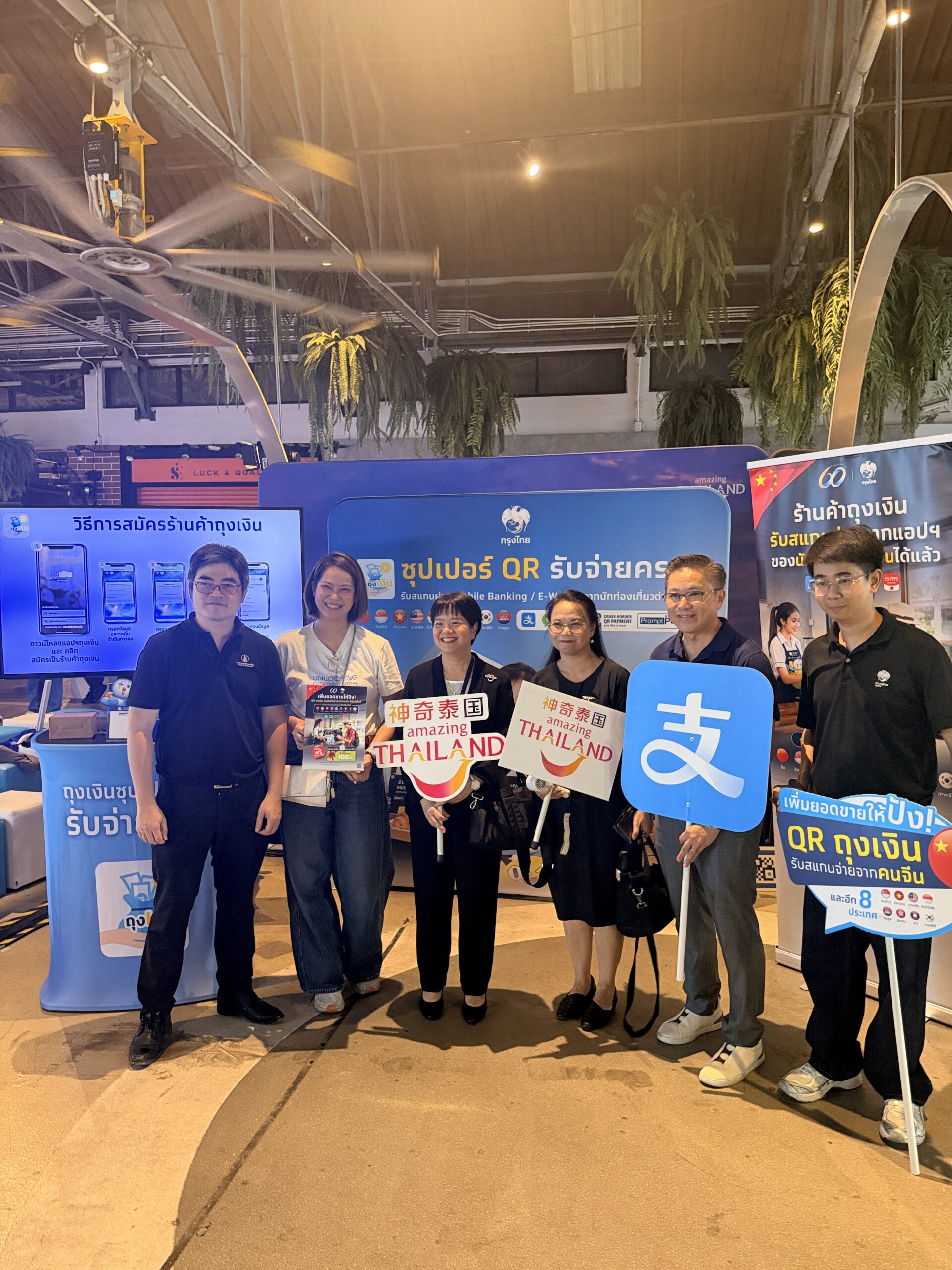
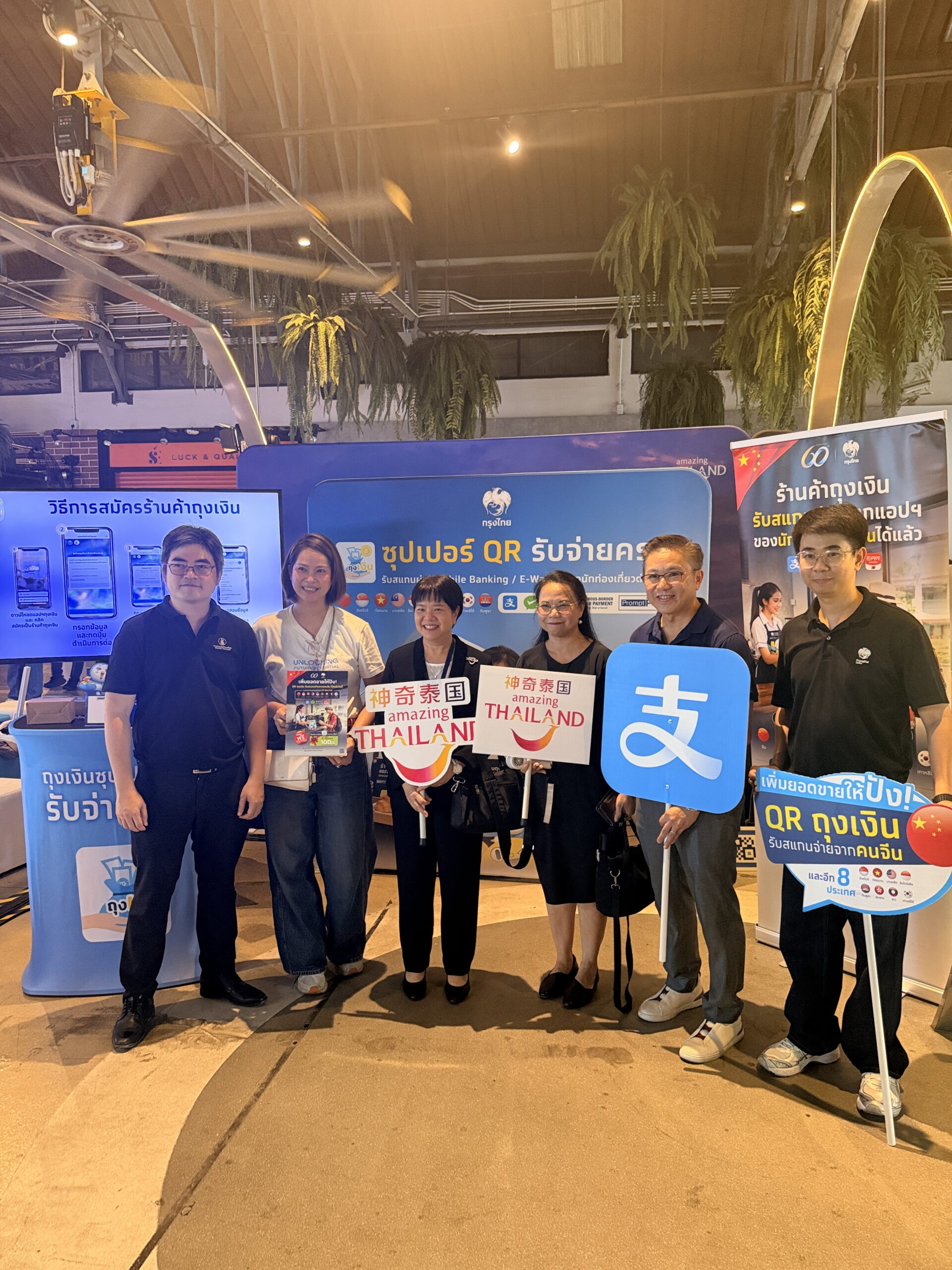
TAT said a Merchant Activation Roadshow was held at Asiatique The Riverfront Destination in Bangkok, between Warehouses 8 and 9. The event engaged shops, restaurants and tourism operators in preparing to accept QR payments. Participating merchants could consult partner banks, register for QR merchant services, visit partner booths and join awareness activities.
The Bangkok activation followed a pilot in Udon Thani on 31 March 2026, which TAT said prepared local operators for an expected rise in Chinese visitors. The first phase included a seminar for 52 operators and outreach to small businesses in local commercial areas.
Tourism, banking and payment partners are linking visitor behaviour with practical merchant adoption.
The property-confidence angle
Foreign buyers should use this news as background confidence, not a shortcut. Digital payment readiness helps the visitor economy, but an individual condo still has to stand on location, title due diligence, building management, unit layout, rent evidence and resale depth. A weak unit does not become a good investment because QR payments are easier.
The better lesson is that Thailand continues to modernise the practical visitor experience. For Bangkok, that reinforces the appeal of districts where international residents and visitors can move easily between rail, retail, healthcare, dining, riverfront attractions, hotels and work meetings. Buildings in these locations are easier to explain when they also offer strong management and sensible layouts.
What buyers should watch
Investors should look for locations where digital spending, retail depth and visitor services are visible in everyday life. This can include central shopping areas, hotel corridors, riverside destinations, medical hubs, mixed-use districts and station-led neighbourhoods. The more useful test is not whether a district appears in a press release, but whether a resident or tenant can live conveniently from the front door.
Pay Like a Local also shows why Bangkok’s investment story is increasingly about service infrastructure. Airports, rail, payments, hospitals, malls, tourism venues and hospitality all combine to make the city globally usable. Property buyers should connect that macro story to a disciplined unit-level checklist.
Buyer takeaway
Pay Like a Local supports Bangkok’s image as a modern, visitor-ready city. For foreign property buyers, the signal is practical rather than speculative: choose condos in districts where payment convenience, transport, services and lifestyle make daily life easier for tenants, visitors and future owners.
IBP helps foreign buyers connect Thailand tourism and economy news with Bangkok property decisions. Read more in our Thailand economy and investment news archive or contact IBP Real Estate for a Bangkok property brief.
ASEAN’s Digital Economy Framework Agreement is not a Bangkok property policy, but it is relevant to the confidence story behind Bangkok real estate. The Government Public Relations Department reported on 9 June 2026 that ASEAN member states had concluded negotiations on the agreement, with legal scrubbing underway before an expected signing by regional leaders at the ASEAN Summit in November 2026.
ASEAN’s digital-economy framework is a regional policy signal rather than a single-project property catalyst.
For foreign property buyers, the important point is not to treat DEFA as a direct trigger for condo prices. The more useful reading is structural. A more harmonised ASEAN digital economy can support business formation, cross-border services, digital payments, data flows, cybersecurity standards and regional investor confidence. Bangkok benefits when Thailand is seen as a credible operating base inside that wider system.
What DEFA is trying to change
According to PRD, the agreement is intended to unify fragmented national regulations into a higher-standard regional digital trade framework. The official release also says DEFA is projected to more than double ASEAN’s digital economy, reaching US$2 trillion by 2030. Those are regional figures, not Bangkok property forecasts, but they show the scale of policy ambition.
Digital-economy rules matter because companies choose locations partly on operating friction. If cross-border payments, e-commerce, data and cybersecurity standards become easier to navigate, regional firms may find it simpler to serve several ASEAN markets. Bangkok’s appeal then depends on how well it combines those rules with talent, transport, offices, housing, lifestyle and airport access.
Digital trade and data standards matter most to property when they support real business activity.
Why Bangkok remains part of the conversation
Bangkok is already Thailand’s central hub for finance, law, corporate services, hospitality, media, retail and international travel. Digital-economy growth does not remove the need for physical cities. It often increases demand for places where executives, product teams, investors, consultants and regional managers can meet, hire, live and travel easily.
This is where property buyers should pay attention. The strongest real estate demand tends to form where economic activity and daily liveability overlap. A digital firm may not rent a large office in the same way as an older industrial company, but its staff and founders still need housing, transport, healthcare, schools, dining and flexible work settings. Bangkok districts that serve those routines can remain relevant.
What investors should not assume
DEFA should not be used as a reason to buy any condominium at any price. A regional digital agreement does not rescue a weak building, an awkward layout or an overpaid unit. Property performance still depends on rent evidence, resale depth, building management, common fees, future supply and the buyer’s holding period.
Investors should also avoid assuming that digital-economy growth benefits only one district. Bangkok’s demand map is varied. Central Sukhumvit, Silom-Sathorn, Rama IV, Phaya Thai, Ari, Punnawithi, Bang Na and other areas can each serve different parts of the employment and lifestyle market. The right question is which tenant or future buyer a specific unit can realistically attract.
Bangkok’s regional role depends on digital rules, transport, talent and corporate mobility working together.
How foreign buyers can use the signal
Use DEFA as part of a broader confidence checklist. Does Thailand continue to position itself for regional business? Are transport links, digital infrastructure and corporate services improving? Are companies still choosing Bangkok for regional functions, meetings or specialist teams? If the answer is yes, Bangkok’s long-term property case becomes easier to explain, but the purchase still needs building-level discipline.
For buy-to-let investors, this means focusing on units that suit mobile professionals, entrepreneurs, executives and regional staff. For owner-occupiers, it means choosing a district that makes Bangkok feel globally connected without sacrificing daily comfort. For resale buyers, it means avoiding assets that depend only on a broad macro story.
Buyer takeaway
ASEAN DEFA reinforces the idea that Thailand wants to compete in a more integrated regional digital economy. For Bangkok property buyers, the value is indirect but meaningful: stronger regional rules can support corporate confidence, mobility and the city’s business narrative. The correct response is not speculation. It is to use the macro signal while buying only units with a clear tenant, owner and resale case.
IBP can help foreign buyers connect Thailand economic news with district and building-level property decisions. Read more in our Thailand economy and investment news archive or contact IBP Real Estate for a Bangkok property brief.
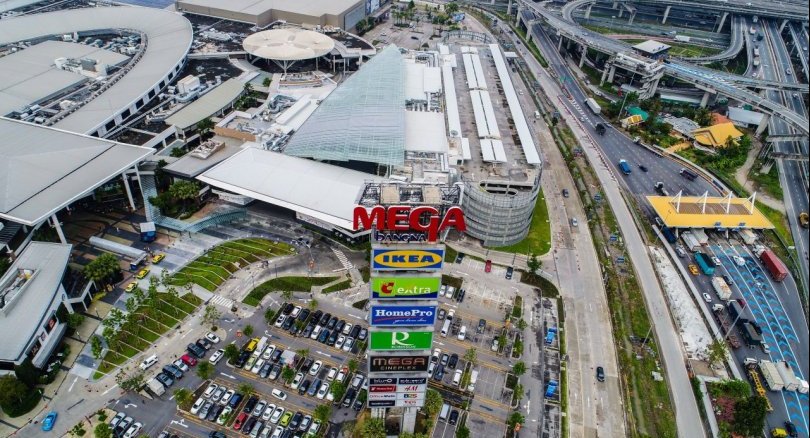
Bang Na is not a classic central-Bangkok luxury address, and that is exactly why some foreign buyers study it. The district can offer lower entry prices than prime Sukhumvit, access to the eastern side of Bangkok, retail convenience, exhibition activity, airport routes and a different tenant profile from the inner-city market.
The opportunity is selective. Bang Na works best when the buyer understands the exact commute, the relationship to BTS or road access, the quality of the building and the likely tenant. It should not be bought only because it looks cheaper than Phrom Phong, Thonglor or Asoke.
Bang Na is best judged as a value, connectivity and eastern-Bangkok convenience corridor.
What Bang Na Offers
Bang Na sits on the eastern side of Bangkok and appeals to buyers who value connectivity beyond the inner Sukhumvit core. The district can suit residents who need access to business parks, international schools, industrial estates, the eastern seaboard, Suvarnabhumi Airport routes or large-format retail. It can also suit buyers who want more practical space for the budget.
The area has a different rhythm from central luxury districts. It is more car-oriented in parts, more spread out, and more dependent on the exact route from the building to transport and services. That makes location selection more important, not less.
For foreign investors, Bang Na can be interesting when the price reflects this trade-off. A well-managed project with strong access and sensible unit layouts may offer a clearer value story than a weak unit in a more famous address.
The real buyer test is not only distance from central Bangkok, but how the route works on normal weekdays.
BTS And Road Access Need Real Testing
BTS access is useful, but buyers should not rely only on a station name. Walk or drive the route from the lobby to the station, check shade, crossings, pavement condition, traffic and how the trip feels in rain or heat. A short map distance can still be tiring if the route is uncomfortable.
Road access also matters in Bang Na. Some residents will drive to schools, offices, hospitals, retail or airport routes. Check morning and evening traffic, drop-off design, parking rights, taxi availability and whether the building sits on a convenient side of the road for the intended commute.
If the target tenant is a professional working in eastern Bangkok, the route may be stronger than an inner-city commute. If the tenant works near Asoke, Silom or Chit Lom, the comparison changes. The district only works when the daily journey is honest.
Retail and daily-service access can support liveability when the building, commute and tenant profile also fit.
Retail, Events And Daily Services
Bang Na’s lifestyle argument is practical rather than glamorous. Large retail centres, food halls, supermarkets, home stores and event venues can make daily life easier for residents who want convenience without central-Bangkok pricing. This can matter for families, long-stay tenants and owner occupiers who use cars.
BITEC and surrounding commercial activity can also support short bursts of demand from events, exhibitions and business travel. Investors should treat that as one part of the story, not the whole strategy. A condo still needs stable long-stay demand, sensible management and a unit that photographs well.
Daily services should be checked in person. Supermarkets, clinics, gyms, schools, pet services and restaurants may be close by road but awkward on foot. Bang Na rewards buyers who understand real routes rather than brochure convenience.
Tenant Profiles To Consider
The likely tenant may be different from prime Sukhumvit. Bang Na can attract corporate staff, teachers, families, entrepreneurs, airport-linked workers, exhibition visitors converting into longer stays, and residents who need eastern-Bangkok mobility. Some tenants may prioritise space, parking and access over prestige.
That profile affects unit choice. A compact one-bedroom near BTS may compete on budget and convenience. A larger unit needs stronger family logic: bedrooms, storage, parking, school routes and neighbourhood comfort. Buyers should not assume that every central-Bangkok rental habit applies.
Furnishing should match the audience. Durable furniture, a good work area, storage, reliable internet setup and practical appliances may matter more than decorative luxury. The best Bang Na rental product usually feels easy to live in.
Investment Risks
The main risk is buying a weak building because the total price looks accessible. Lower entry cost does not help if the condo has poor management, too many similar investor units, limited rent evidence or an inconvenient route. The buyer should compare time on market as carefully as price.
Resale depth also needs attention. A future buyer pool may be more local and value-conscious than in prime districts. That can be positive if the purchase price is disciplined, but it leaves less room for emotional overpayment. The exit story should be clear before purchase.
Supply competition can be another issue. If several buildings offer similar sizes, facilities and rents, the owner may need better furnishing, pricing and property management to stand out. A generic unit in a generic building is hard to defend.
Buyer Takeaway
Bang Na is a practical district for selected buyers, not a universal substitute for central Bangkok. It can work when the building, route, price, tenant profile and resale plan are aligned. It is weaker when the buyer relies only on low price or a broad eastern-growth story.
Foreign buyers should inspect routes at normal commuting times, compare completed rents, study building management and test whether the target tenant is real. If those checks are positive, Bang Na can add useful diversity to a Bangkok property search.
IBP can help compare Bang Na with On Nut, Udom Suk, Punnawithi, Phrom Phong and Rama 9. Browse our district and BTS guides or contact IBP for a practical shortlist.
Thailand’s semiconductor strategy is not a condo story in the narrow sense. It is a confidence story about where the country wants to sit in higher-value manufacturing, electronics, data infrastructure, electric vehicles, renewable energy and smart industry. For foreign buyers considering Bangkok property, that wider direction matters because long-term real estate demand depends partly on the depth of the economy around the capital.
Higher-value industry can support the corporate services ecosystem around Bangkok.
The Thailand Board of Investment said the national strategy is focused on power semiconductors, sensors, photonics, discrete devices and analog chips. These are segments linked to existing Thai strengths in electronics, automotive, energy, data centre and industrial supply chains. The strategy sets phased targets for 2030, 2040 and 2050 rather than promising an overnight transformation.
Why industrial strategy matters to Bangkok
Bangkok is not where every factory sits, but it is where many decisions are made. Corporate headquarters, regional management teams, banks, law firms, consultants, logistics providers, hotels, schools, hospitals and service businesses cluster in and around the capital. When Thailand attracts higher-value industry, Bangkok often becomes part of the executive, finance and services ecosystem that supports it.
For property buyers, the point is indirect but important. A deeper corporate base can support executive travel, expat assignments, serviced apartments, relocation demand and confidence in premium urban living. It does not mean every condominium will rise in value. It means the city has more reasons to remain relevant to international companies and mobile professionals.
Connectivity helps link industrial investment, executive mobility and Bangkok living demand.
The scale of the ambition
BOI said Thailand aims to attract more than 2.5 trillion baht, or about 79 billion US dollars, in semiconductor and advanced electronics investment by 2050. It also referred to a goal of developing more than 230,000 skilled workers and creating a more integrated semiconductor ecosystem. These are long-range targets, so buyers should read them as direction rather than immediate market data.
The release also noted that electronics and electrical products account for around one-quarter of Thailand’s total exports. In 2024, electronics exports reached 1.86 trillion baht, while semiconductor exports totalled 436 billion baht. Between 2018 and November 2025, electrical and electronics investment-promotion applications accounted for 1.17 trillion baht across 1,748 projects.
What foreign buyers should not overstate
Industrial growth does not automatically create demand for a particular luxury condominium. Many manufacturing projects are outside central Bangkok, and the workers they employ may not rent prime Sukhumvit or Riverside units. The relationship between investment policy and condo demand is filtered through job type, salary level, headquarters location, family relocation, school choice and transport patterns.
That is why buyers should avoid headline-led decisions. A semiconductor strategy can support national confidence, but a condo purchase still needs building-level evidence: rent comps, resale depth, management quality, legal readiness, common fees and realistic exit demand.
Foreign buyers should connect macro policy with building-level property evidence.
Where the property link is more plausible
The clearest Bangkok property link is through corporate services and skilled mobility. Senior engineers, managers, founders, consultants, investors and regional executives may need Bangkok access even when industrial sites are elsewhere. They may choose areas with airport links, international schools, hospitals, office access and lifestyle depth. That can support selected rental segments if the building and location match the tenant profile.
Districts with strong connectivity, good management and easy daily services are better placed than buildings that rely only on broad macro confidence. For example, a practical unit near a rail interchange may suit a regional commuter better than a larger but inconvenient unit. A well-managed central condo can appeal to a family relocating for a two-year assignment if schools and healthcare are manageable.
How to use this signal in a buyer brief
Treat semiconductor policy as one macro confidence factor, not a price forecast.
Prioritise buildings that suit mobile professionals and corporate tenants.
Check airport, office, school and hospital access rather than only district prestige.
Compare actual rent evidence with competing buildings in the same micro-market.
Be cautious with speculative areas that lack current tenant depth.
Buyer takeaway
Thailand’s semiconductor strategy strengthens the country’s long-term investment narrative and supports Bangkok’s role as a business, finance and services base. For foreign condo buyers, the correct response is measured confidence. The macro story is positive, but the purchase decision should still be made unit by unit, building by building and district by district.
IBP tracks how Thailand’s economy, infrastructure and corporate investment environment connect to Bangkok property decisions. Read more in Thailand economy and investment news or contact IBP Real Estate for a buyer strategy session.
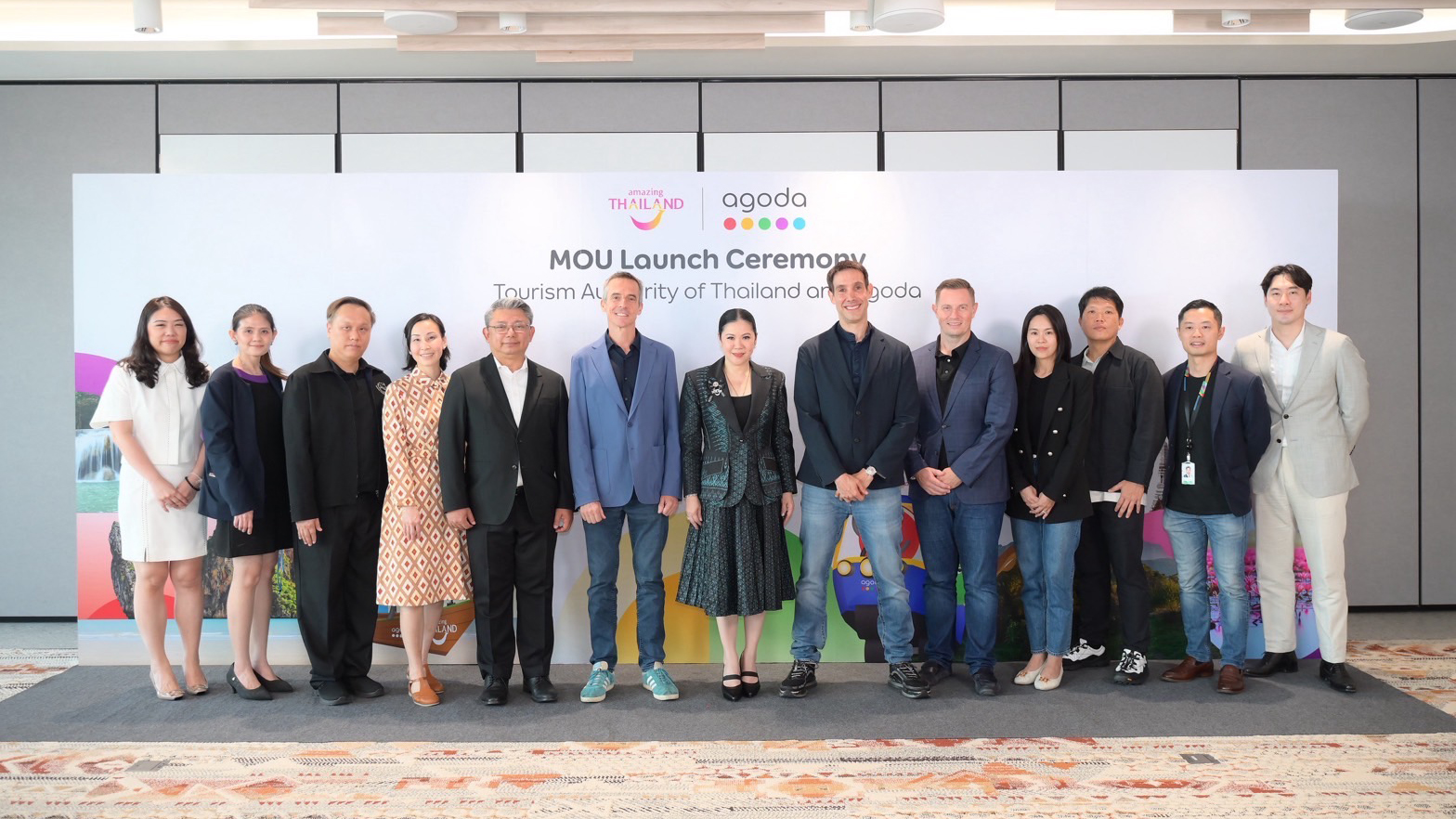
TAT and Agoda’s 11 June 2026 travel-intelligence meeting is not a condominium announcement, but it is relevant to foreign buyers watching Bangkok’s long-term property confidence. The official TAT update said the meeting took place at Agoda’s new office in One Bangkok and focused on travel intelligence, digital technology and platform economy tools.
That combination matters because Bangkok property is supported by more than domestic housing demand. The city benefits when tourism, digital platforms, regional offices, business travel, hospitality, retail and lifestyle spending continue to intersect. For investors, the signal is not a direct price forecast. It is evidence that Bangkok remains a practical operating base for high-reach travel companies and national tourism strategy.
TAT and Agoda discussed travel intelligence and destination marketing cooperation in Bangkok.
Why data-led tourism matters
Tourism promotion is changing from broad campaigns toward sharper demand reading. TAT said the cooperation combines Agoda’s travel insights and digital expertise with TAT destination marketing capabilities to support demand generation from international markets while encouraging domestic travel across Thailand. Better demand reading can help the tourism sector target value, timing, interests and traveller behaviour more precisely.
For Bangkok property buyers, this matters because tourism demand feeds the wider city ecosystem. Hotels, serviced apartments, restaurants, malls, wellness clinics, events, hospitals, transport and retail all respond to visitor flows. When those sectors are active, Bangkok’s strongest districts can feel more liquid, more investable and more useful as places to live.
One Bangkok as the meeting point
The location of the meeting is also useful context. Agoda’s new office in One Bangkok places a global travel platform inside one of the capital’s most visible mixed-use districts. One Bangkok is designed around offices, retail, hospitality, public space and transport access near Rama IV and Wireless Road. That kind of setting reflects how Bangkok is trying to compete as a regional business and lifestyle hub.
A corporate office does not make nearby condos automatic buys. It does, however, reinforce the importance of districts where business, transport, hotels and daily amenities overlap. Foreign buyers should pay attention to how mixed-use projects change walking routes, service density and tenant expectations around Lumpini, Wireless Road, Sathorn, Silom and Rama IV.
Agoda hosted the meeting at its new One Bangkok office, linking the story to Bangkok business infrastructure.
Quality tourism, not only arrival volume
The TAT update referred to promoting Thailand’s unique tourism offerings, emerging trends such as wellness tourism, travel to lesser-known destinations, sustainable practices and the ongoing Trusted Thailand collaboration. That is a quality-of-demand story. It suggests that Thailand is trying to deepen visitor value rather than rely only on headline arrival counts.
This is relevant to property because higher-value and repeat visitors are more likely to become long-stay renters, second-home buyers, medical travellers, relocation families or business owners. Bangkok is often the first point of contact, the medical and shopping base, or the city where regional travellers decide whether Thailand could become a more regular destination.
Platform scale supports confidence, not guarantees
TAT noted Agoda’s global platform scale, including access to more than six million accommodation properties, 130,000 flight routes and 300,000 travel activities worldwide. That reach gives Thailand a large digital distribution partner, but buyers should be careful with interpretation. Platform cooperation can support tourism confidence, but it does not guarantee condo rent, resale gains or occupancy in a specific building.
The right property conclusion is disciplined. Look for buildings that can benefit from Bangkok’s broader tourism and business ecosystem without depending on short-stay speculation. Strong candidates usually have legal clarity, good management, easy transport, daily retail, hospital or office access, and a tenant profile that works in both busy and quieter periods.
For buyers, the signal is about tourism quality, digital demand and Bangkok platform-economy depth.
What foreign buyers should watch next
Buyers should track whether data-led tourism cooperation translates into practical city demand: more business events, stronger hotel performance, more wellness travel, better domestic travel campaigns, higher repeat visits and more regional teams using Bangkok as a base. These indicators matter more than one meeting headline.
They should also compare macro confidence with building-level evidence. A condo near a major mixed-use district may still be overpriced, poorly managed or weak on foreign quota. Conversely, a quieter building in a useful location may offer better risk-adjusted value if rents, fees and resale evidence are clearer.
Buyer takeaway
The TAT-Agoda cooperation is a positive confidence signal for Thailand’s data-led tourism and platform economy. For Bangkok property buyers, its value is context: a stronger tourism and business ecosystem can support well-located, well-managed assets, but only careful unit selection turns that context into a defensible purchase.
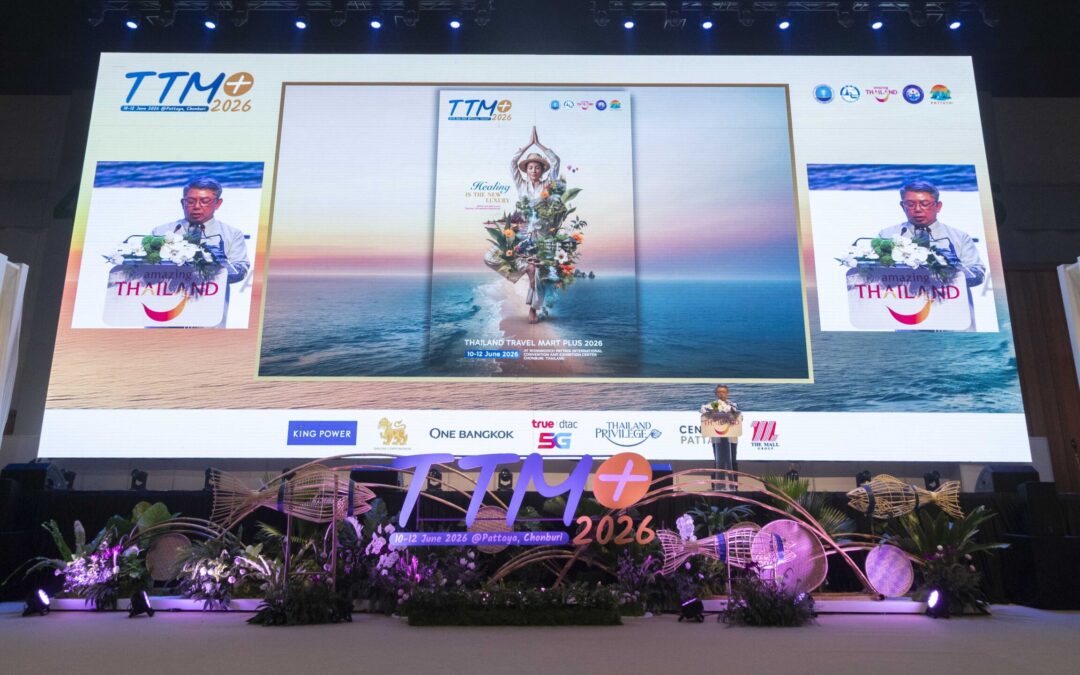
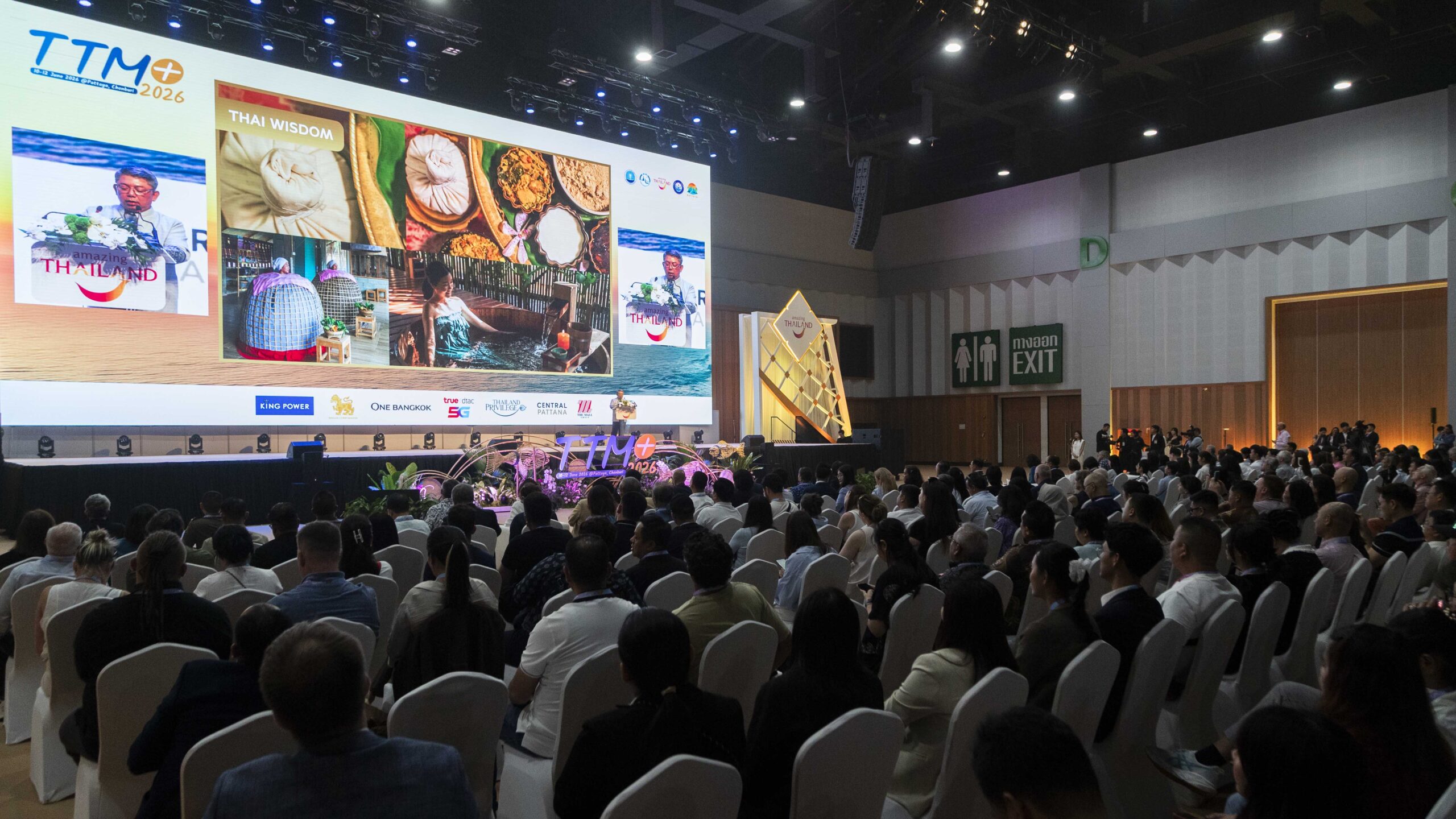
TAT’s Thailand Tourism Update at TTM+ 2026 is a useful confidence signal for foreign buyers watching Bangkok property. It is not a condominium market report, and it should not be treated as a direct price forecast. Its value is broader: it shows how Thailand is positioning tourism around quality, wellness, events, sustainability and international partnerships.
According to TAT’s 10 June 2026 release, the update was presented at Thailand Travel Mart Plus 2026 in Pattaya, held from 10 to 12 June at the NICE Pattaya Convention and Exhibition Center. TAT said Thailand had welcomed more than 14 million international visitors as of 2 June 2026, generating around 679 billion baht in tourism revenue.
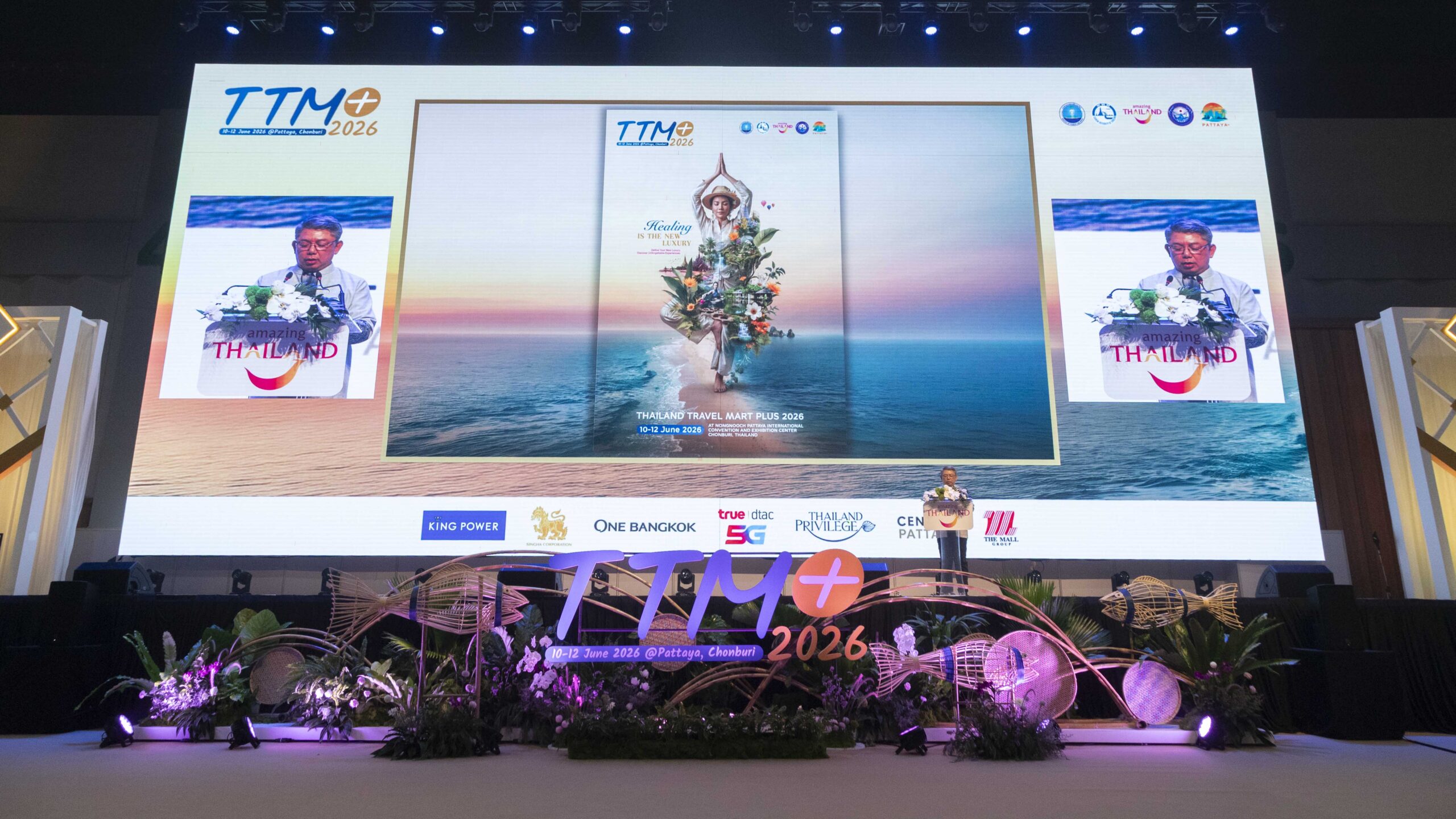
TAT presented its Thailand Tourism Update at TTM+ 2026 on 10 June 2026.
Why tourism quality matters to property
Foreign property buyers should care about tourism quality because Bangkok’s appeal is not only residential. The city sits inside a national visitor economy that supports hotels, serviced apartments, restaurants, hospitals, retail, events, transport, creative industries and business travel. When Thailand attracts higher-value visitors and repeat travellers, Bangkok often benefits as the main arrival, meeting and lifestyle hub.
TAT framed the 2026 direction as Value over Volume, linking wellness, meaningful travel, responsible tourism and stronger business partnerships. That matters for property because higher-quality demand can support longer stays, repeat visits, medical and wellness travel, executive travel and lifestyle-led relocation decisions.
Where Bangkok fits the travel chain
Bangkok is often the first and last stop for international visitors, even when the holiday is focused on beaches, wellness retreats or regional destinations. That gives the city repeated demand for airports, hotels, restaurants, shopping, hospitals, meetings and short-stay services. For condo buyers, the strongest implication is not short-term speculation; it is the long-term value of districts that remain useful to both residents and visitors.
This is why central, transport-connected and service-rich locations deserve close attention. Areas with strong rail access, private hospitals, retail clusters, international schools, parks and hotels can benefit from several demand streams at once. The buyer still needs to test the specific unit, but the surrounding ecosystem can make the rental and resale story easier to explain.
The numbers are useful, but not enough
TAT also said it is advancing projected tourism revenue of 2.65 trillion baht from domestic and international tourism, with 33 million international arrivals expected in 2026. Those figures give a broad confidence backdrop, but they do not mean every Bangkok condo will perform well. A buyer still needs to test building, price, tenant profile and exit liquidity.
The better use of the data is market framing. If tourism remains an important national growth driver, Bangkok condos near transport, hospitals, retail, event venues and lifestyle districts may have a more credible demand story than units that rely only on speculative appreciation.
The update emphasised quality-led growth, wellness, sustainability and stronger international partnerships.
Wellness and events strengthen Bangkok positioning
The TAT update highlighted wellness, gastronomy, sustainable travel and major events. It referred to highlights such as InterPride 2026, the Global Wellness Summit in Phuket, the 2026 IMF-World Bank Group Annual Meetings, Pride Show Bangkok 2026, Tomorrowland Thailand, Wonderfruit, the Amazing Thailand Marathon Bangkok 2026, HYROX and Spartan Race Thailand.
For Bangkok property, this is important because a premium city is built through repeated reasons to visit and stay. Events fill hotels and restaurants, but they also shape how regional executives, families, retirees and lifestyle buyers experience the city. A buyer comparing Bangkok with other Asian cities should look at this cultural and event depth alongside price and ownership rules.
Property questions raised by the update
Which Bangkok districts benefit from transport, hotels, hospitals, retail and event access?
Does the target building appeal to long-stay visitors, relocating families or business travellers?
Can a tenant live well without needing a car for every daily task?
Do nearby services support wellness, dining, healthcare and repeat visitor routines?
Is the purchase price supported by rent evidence, not only tourism optimism?
Can the owner hold through softer tourism periods without forced selling?
For Bangkok property, tourism confidence matters most when it supports long-stay, business and lifestyle demand.
Buyer takeaway
TTM+ 2026 reinforces that Thailand is trying to move tourism toward value, wellness and sustainable demand. For Bangkok property buyers, that supports confidence in well-connected, service-rich districts, but it does not remove the need for unit-level due diligence.
IBP Real Estate can help foreign buyers connect Thailand economy signals with Bangkok condo selection. Continue with our Thailand economy updates and infrastructure articles for more context.
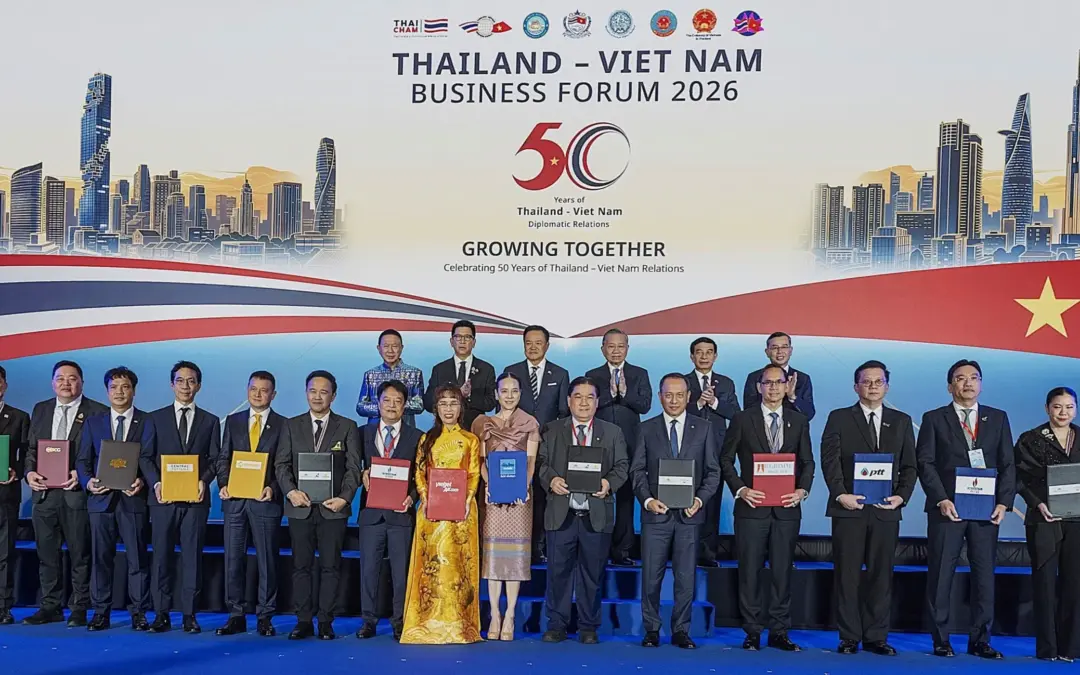
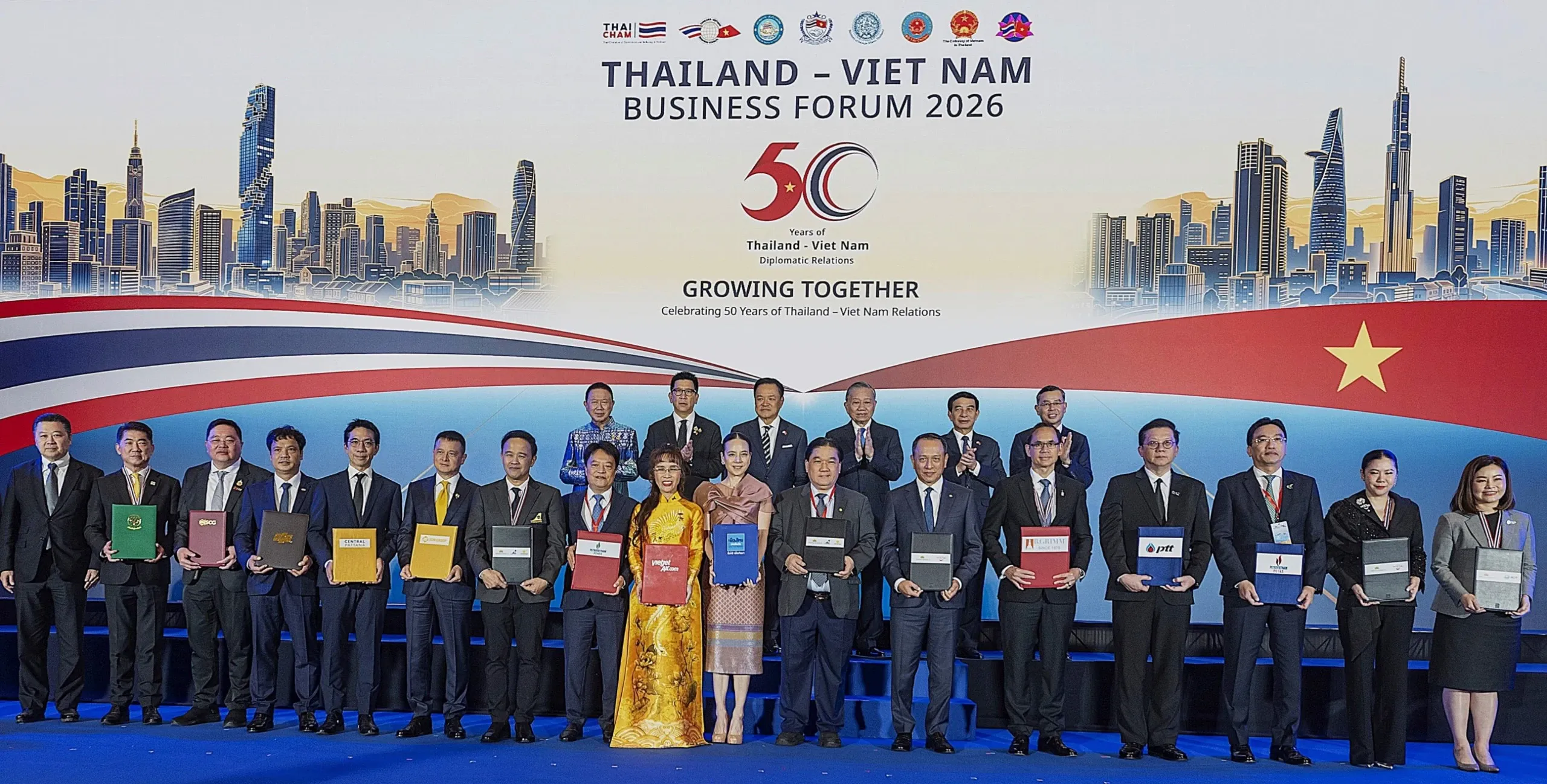
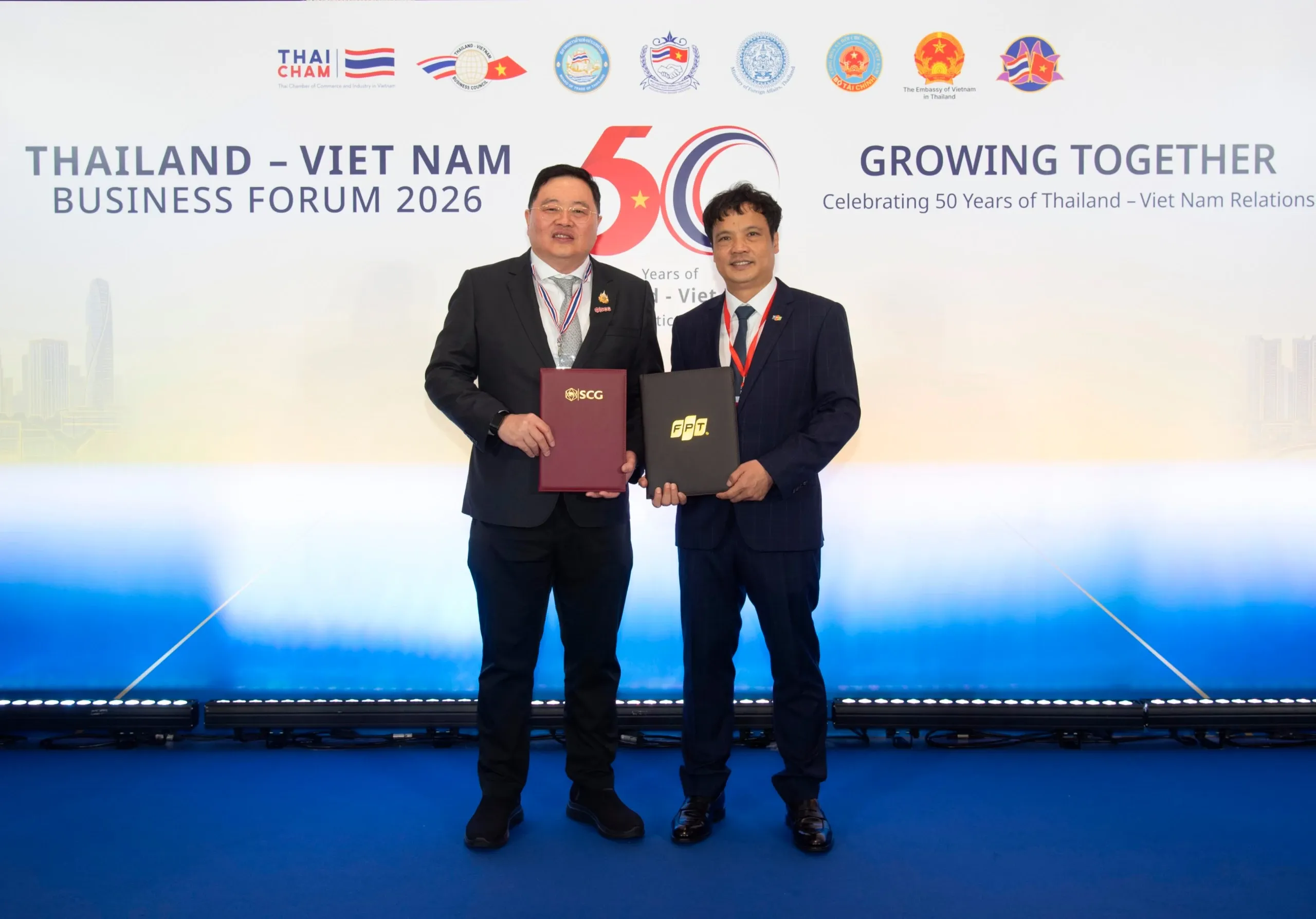
SCG and FPT’s 2 June 2026 AI and digital transformation MOU in Bangkok is not a property announcement. That is precisely why it is useful for foreign condo buyers to watch. The strongest Bangkok property case is supported by a broader city economy: regional companies, professional services, industrial groups, technology partners, banks, consultants and executives using Bangkok as a place to make decisions.
FPT’s official release said the agreement with SCG will explore AI-driven industrial transformation, integrated digital platforms, enterprise process excellence, digital infrastructure, security and governance across SCG’s business ecosystems. It also placed the signing in Bangkok during a period of strengthening Vietnam-Thailand business ties.
SCG and FPT framed the agreement as part of a wider shift toward practical AI-led business transformation.
Why this matters to property buyers
Foreign buyers sometimes look for a single headline to justify a purchase: a new mall, a new station, a new company investment or a tourism figure. A more durable reading is cumulative. Bangkok becomes more attractive when many different forms of high-value activity keep choosing the city, including board meetings, technology partnerships, regional offices, finance, logistics, healthcare, hospitality and education.
The SCG-FPT announcement points to corporate modernisation rather than tourism. That matters because Bangkok’s premium rental and resale markets need more than visitors. They need executives, specialists, consultants, project teams and internationally mobile households who can justify living close to offices, transport, hospitals, schools and lifestyle districts.
A digital economy signal, not a condo guarantee
The announcement should not be read as a promise that condo prices will rise. It does not identify a residential district, a housing programme or a tenant relocation plan. The correct property reading is more measured: Thailand’s large corporates are investing attention in AI, data, governance and process improvement, and Bangkok remains an important meeting point for that activity.
That kind of signal can support confidence in central districts with strong corporate access. Sathorn, Silom, Rama IV, Ploenchit, Chit Lom, Asok and selected riverside areas all benefit when Bangkok continues to host regional business and high-value services. Still, each building must be tested by price, rent, quota, management and exit liquidity.
Corporate technology partnerships can support Bangkok’s role as a regional business decision centre.
What investors should watch next
The next useful signs are practical rather than promotional. Are companies increasing headcount in Bangkok? Are regional teams spending more time in Thailand? Are office districts active outside peak tourist periods? Are hotels, serviced apartments and Grade A offices reporting business demand? Are developers designing units and common areas for hybrid work, meetings and long-stay executive use?
A corporate partnership alone does not answer those questions, but it belongs in the wider evidence set. Buyers should connect it with office occupancy, business travel, international schools, healthcare demand, airport connectivity and transport improvements before drawing a property conclusion.
Buyer checklist
Treat corporate investment news as confidence context, not a standalone buy signal.
Prioritise buildings with real access to business districts, not only fashionable branding.
Check whether the target tenant group works in Bangkok regularly or only visits briefly.
Compare rents achieved in comparable buildings, not only asking rents.
Ask whether the building supports hybrid work through layout, internet, quiet and services.
Keep exit strategy conservative, especially for large-ticket luxury units.
For property buyers, the value is an economic confidence signal, not a direct promise of higher condo prices.
Where the Bangkok angle is strongest
For central Bangkok, the best property implications are in districts where business, transport and lifestyle overlap. A unit near a genuine office cluster, MRT or BTS interchange, hospitals and daily retail can serve more tenant groups than a unit that depends only on one company or one project. The investment case is strongest when the building remains useful even if a specific corporate story fades.
This is also why foreign buyers should avoid overpaying for vague technology narratives. AI, cloud and digital transformation are important themes, but they do not excuse weak unit selection. The building still needs good management, realistic common fees, strong facilities, tenant-friendly rules and a defendable price per square metre.
Buyer takeaway
The SCG-FPT AI MOU is a useful signal that Bangkok remains part of Thailand’s regional corporate and digital transformation story. For property buyers, the lesson is not to chase the headline. It is to buy units that fit the professional, executive and long-stay demand that a deeper business ecosystem can support.
Bangkok’s transport improvements do not always arrive as new stations or new lines. Sometimes the useful upgrade is friction removal. MRTA’s EMV contactless fare-payment rollout, effective from 1 June 2026 across four MRT lines under MRTA supervision, is a small operational change with a practical property angle: rail districts become easier to use when payment, entry and movement feel simpler.
For foreign condo buyers, this matters because a Bangkok unit is often judged by daily usability. A station nearby is valuable, but the full experience matters: ticketing, interchange, rainy-season access, signage, lifts, escalators, platform reliability, late-evening travel and how easily visiting family or tenants can move around the city without learning a complex local system.
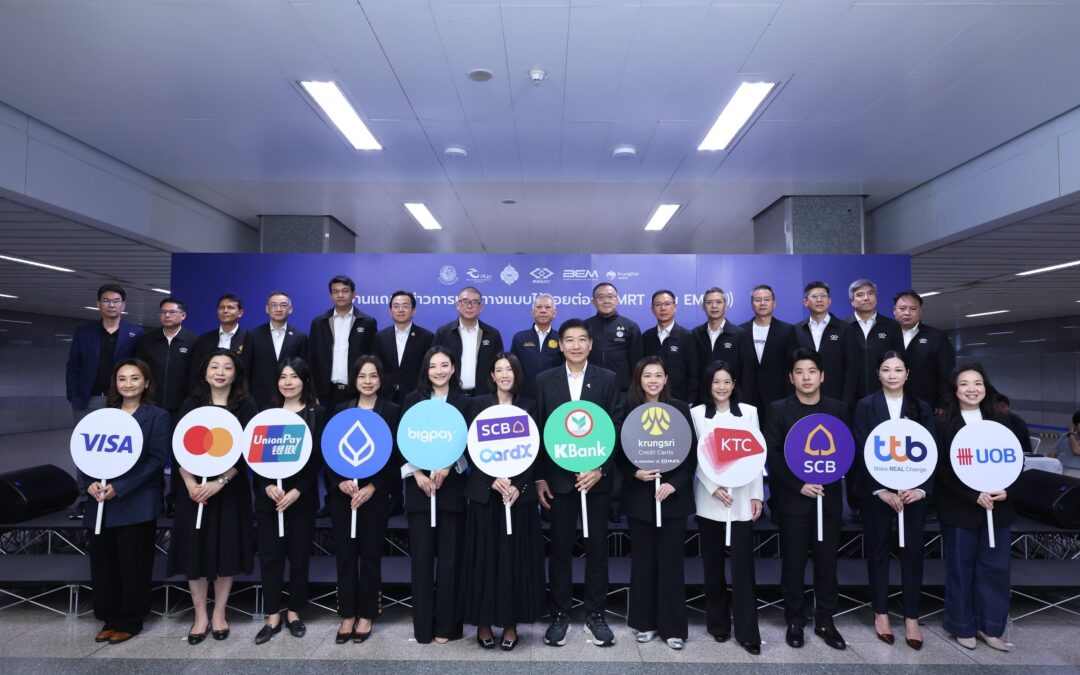
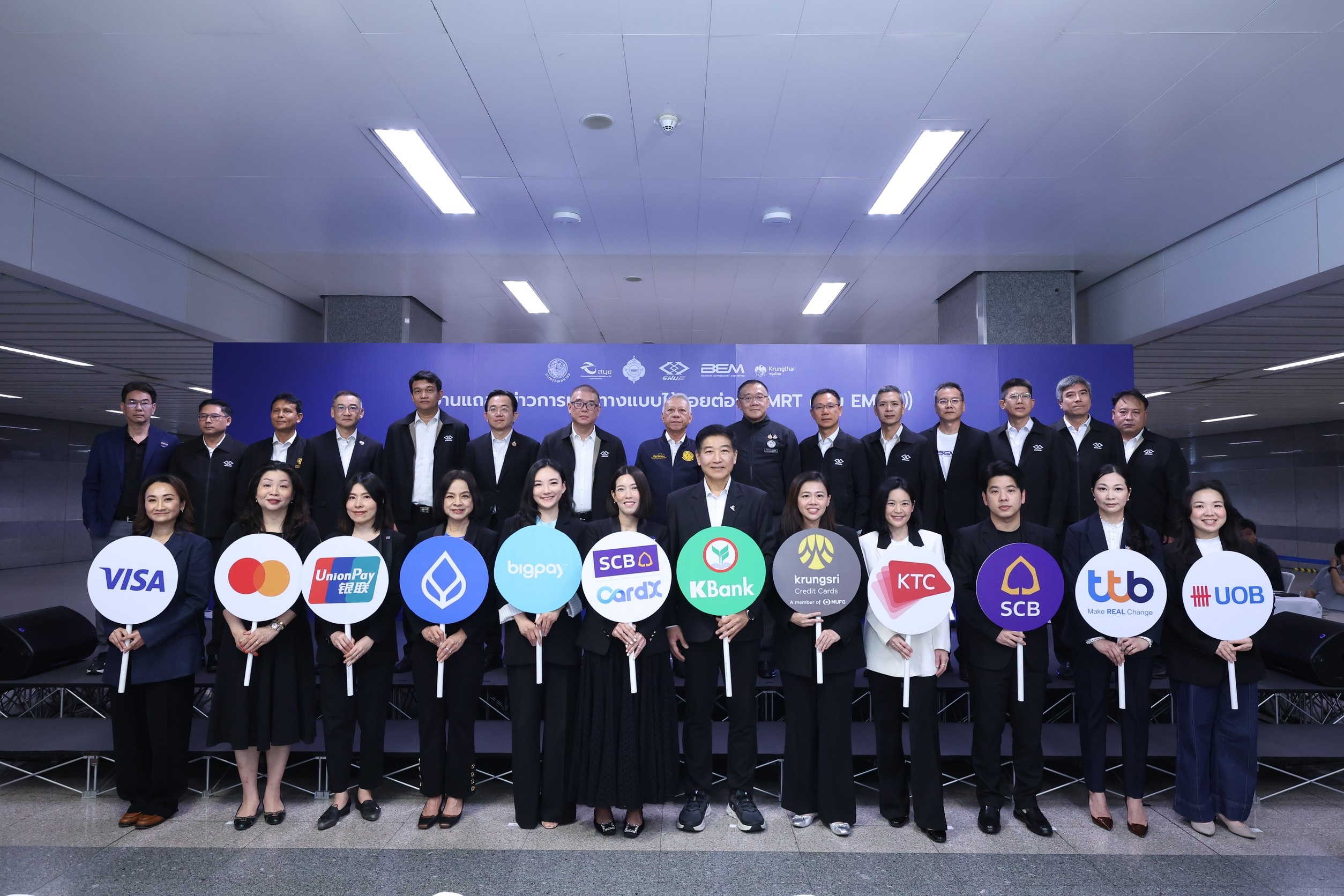
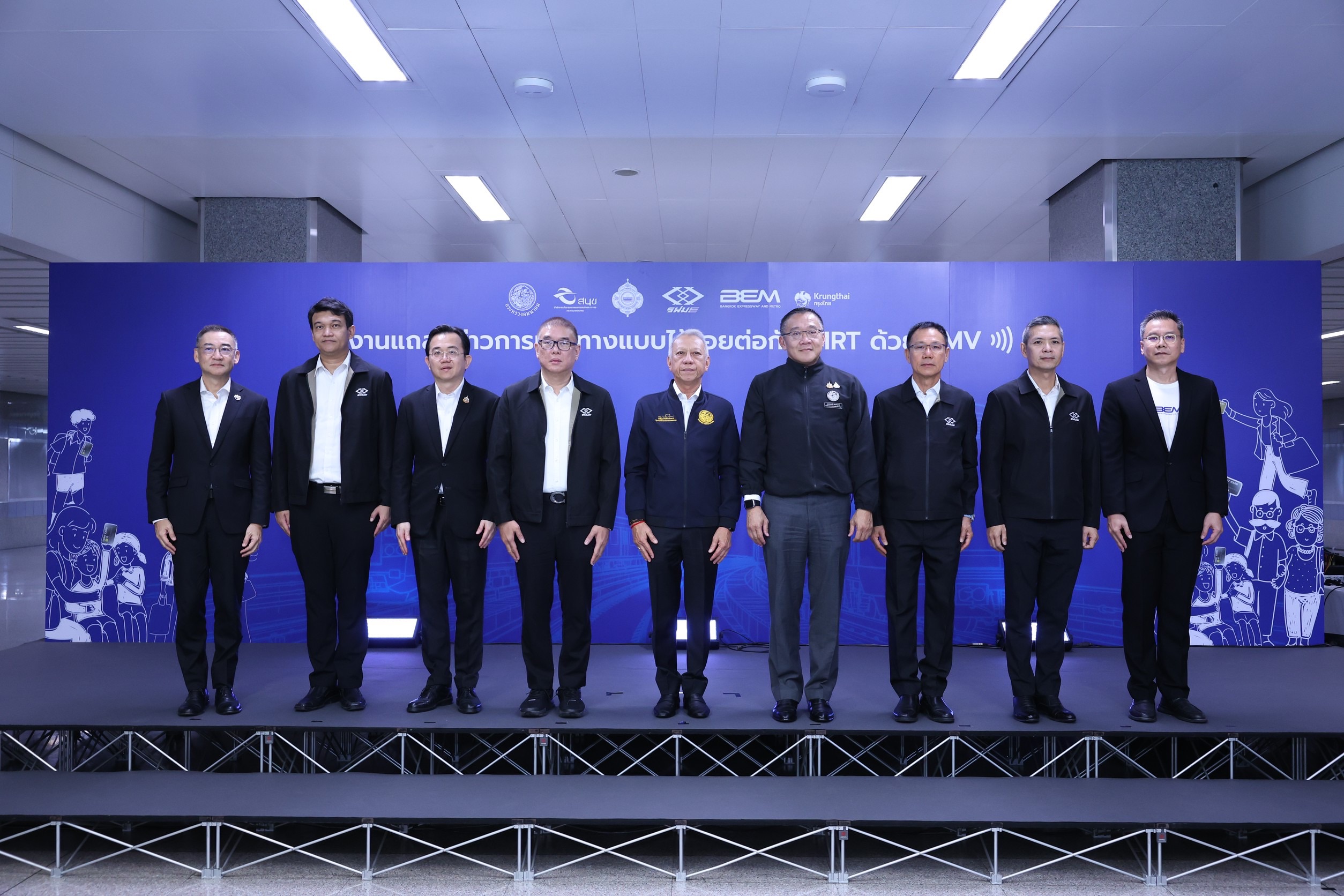
MRTA announced the move toward EMV contactless fare payment with transport and banking partners.
What MRTA announced
MRTA’s official release described a February 2026 press conference with the Ministry of Transport, MRTA, Bangkok Expressway and Metro, and Krungthai Bank. The announcement covered the adoption of EMV contactless payment and an account-based ticketing upgrade, with the service scheduled to begin on 1 June 2026 for four MRT lines under MRTA supervision.
The technical language matters less to buyers than the user outcome. EMV contactless payment means eligible bank cards can become part of the fare-payment experience. Account-based ticketing moves more processing away from the physical stored-value card and toward a back-end account system. In plain terms, the rail network becomes closer to the payment habits that many international residents already use in other major cities.
Why payment friction affects property value
Transport convenience is not only distance to station. A building that is five minutes from MRT but awkward to use may underperform a building that offers a smoother everyday routine. If tenants can tap in quickly, visitors can move without buying a local transit card and residents can combine MRT with BTS, taxis, delivery services and airport journeys more naturally, the district feels more usable.
This is especially relevant for foreign owners who rent out units. Tenants often compare buildings through daily routines rather than investment theory. They ask whether the commute is simple, whether guests can find the station, whether a partner or child can move around safely, and whether the neighbourhood works without a car. Payment simplicity strengthens that answer.
From a buyer’s perspective, station convenience is increasingly about the full door-to-door journey.
Districts likely to benefit most
The clearest benefit is for districts where MRT is central to the liveability story: Rama 9, Ratchada, Lat Phrao, Bang Sue, Bang Khae, Tao Poon, Phra Ram 9, Sukhumvit-Asok, Sam Yan, Silom, Hua Lamphong and the growing station-linked zones on newer lines. These areas already rely on rail to connect offices, malls, hospitals, universities, embassies and residential towers.
For buyers, the lesson is to inspect rail access as a complete journey. Walk from the building to the station in heat and rain. Check lift access if elderly family, children or luggage are part of the lifestyle. Test the route at peak hours and late evening. A payment upgrade helps, but it does not remove poor footpaths, difficult crossings or inconvenient station exits.
How to use this in a condo shortlist
A rail-led shortlist should compare three layers. The first is station distance: actual walking time, not brochure distance. The second is station quality: exits, lifts, escalators, crowds, interchanges and payment flow. The third is neighbourhood support: groceries, cafes, pharmacies, hospitals, schools, offices and taxi access around the station.
When those three layers work together, the condo can appeal to a wider tenant and resale audience. A unit near a rail station that feels intuitive to use can suit expatriate employees, local professionals, students, medical visitors and part-time owners. A unit near a rail station that feels confusing or unpleasant may need a lower rent or a more patient owner.
Simpler fare payment can make rail-led districts easier for residents, tenants and visitors to use.
A measured investment reading
MRTA’s contactless rollout does not guarantee higher condo prices. It is an operational improvement, not a new land-use plan. The buyer still needs to check price, building quality, rent evidence, foreign quota, common fees, vacancy risk and resale liquidity. However, it supports a broader direction: Bangkok is continuing to make rail travel more accessible to everyday users.
That direction matters because Bangkok’s best property districts are increasingly judged by connectivity and repeated convenience. Buyers who understand that can look beyond simple “near station” marketing and focus on buildings that truly reduce daily friction.
Buyer takeaway
The 1 June 2026 MRT contactless payment rollout is a useful reminder that infrastructure value comes from usability. Foreign buyers should give extra weight to buildings where rail access is not only close, but easy to use, easy to explain to tenants and resilient across daily routines.
IBP Real Estate can compare station-linked buildings across MRT and BTS districts before you shortlist. Continue with our infrastructure updates and district guides for practical location checks.
Thailand’s latest tourism-connectivity push is not only a travel story. On 5 June 2026, TAT said it had discussed regional air connectivity and “Fly and Drive” tourism with the Ministry of Transport, the Department of Airports, Thai Airways International and related agencies. For Bangkok property buyers, the signal is about how Thailand is trying to support higher-value, more flexible visitor flows through its national gateway.
Bangkok remains the place where many overseas buyers first assess Thailand. Even when a trip includes Hua Hin, Krabi, Khon Kaen, Udon Thani or Nan, the decision-making often starts with international flights, hotels, hospitals, banks, lawyers and property viewings in Bangkok. Better regional connectivity can strengthen the wider Thailand story that gives foreign buyers confidence to spend more time in the country.
TAT discussed regional air connectivity and Fly and Drive tourism with transport partners in Bangkok.
What TAT announced
TAT said the meeting was held on 2 June 2026 and focused on linking tourism marketing, air route development and regional airport use to stimulate travel in the second half of 2026. The agency outlined marketing support for eight airport destinations under a “3-3-1-1” route focus from June to September 2026: Udon Thani, Ubon Ratchathani and Khon Kaen in the Northeast; Krabi, Nakhon Si Thammarat and Surat Thani in the South; Hua Hin Airport in Prachuap Khiri Khan; and Nan in the North.
The official release says the route focus is designed to encourage travellers to combine air travel with self-drive journeys to nearby destinations, improving access to high-potential areas beyond Thailand’s major gateways. It also notes directions around regional aviation hub positioning, short-stay experiences for transit passengers and premium air travel segments such as seaplanes, private jets and helicopters.
Why this matters to Bangkok
Bangkok benefits when Thailand feels easier to navigate. A foreign buyer may choose a Bangkok condo as a primary city base while using the rest of the country for leisure, family visits, medical recovery, golf, beaches or regional business. If more destinations become easier to combine with Bangkok, the capital’s role as a practical anchor becomes stronger.
This is especially relevant for buyers from markets where property decisions are tied to lifestyle flexibility. A Bangkok home is not just a unit near BTS; it can be a hub for a wider Thailand routine. Regional air links, airport convenience and short-stay travel experiences make that routine easier to imagine.
The June 2026 plan focuses on linking tourism marketing, regional airports and flexible travel flows.
The value-over-volume angle
TAT framed the discussion in line with Thailand’s Value over Volume tourism strategy. That phrase matters for property confidence. A market that chases only arrival numbers can create pressure without improving spending quality. A market that improves access, experience and higher-value segments may do more for premium hospitality, healthcare, branded retail and residential demand over time.
For Bangkok condos, the connection is indirect but meaningful. High-quality tourism supports hotels, restaurants, medical services, private clubs, retail and serviced residences. Those services make the city more liveable for long-stay owners. They also support employment and business ecosystems that feed rental demand in central districts.
Do not overstate the signal
A Fly and Drive programme does not guarantee higher condo prices. It does not replace checks on unit price, building management, tenant demand, resale liquidity or foreign quota. Buyers should not treat any tourism campaign as a substitute for due diligence.
The better reading is that Thailand continues to invest attention in connectivity, traveller confidence and regional access. Those are supportive macro conditions. They help explain why Bangkok remains a serious property market for foreign buyers, but the investment still has to work at building and unit level.
For property buyers, connectivity policy is a macro confidence signal rather than a direct price forecast.
What buyers should watch next
Foreign buyers should watch whether route support turns into practical traveller convenience: more reliable schedules, better airport processes, sensible transport links and joined-up marketing between Bangkok and regional destinations. They should also watch whether higher-value segments such as wellness, medical travel, business events and premium leisure continue to build around Bangkok as the main gateway.
For investors, the strongest property decisions will still combine macro confidence with micro evidence. A good Bangkok condo should have a clear tenant profile, resilient location, fair price and an exit route that makes sense even without perfect tourism growth.
Buyer takeaway
TAT’s Fly and Drive push reinforces the wider case for Bangkok as a globally connected, liveable and practical base. It supports the idea of Thailand as a multi-destination lifestyle country, with Bangkok acting as the service, finance and travel hub. That is relevant for foreign buyers, but it should be used as context, not as a promise of returns.
IBP Real Estate can help you connect national tourism and infrastructure signals with district-level condo choices in Bangkok. Continue with our Thailand economy and investment news and infrastructure updates for more buyer context.
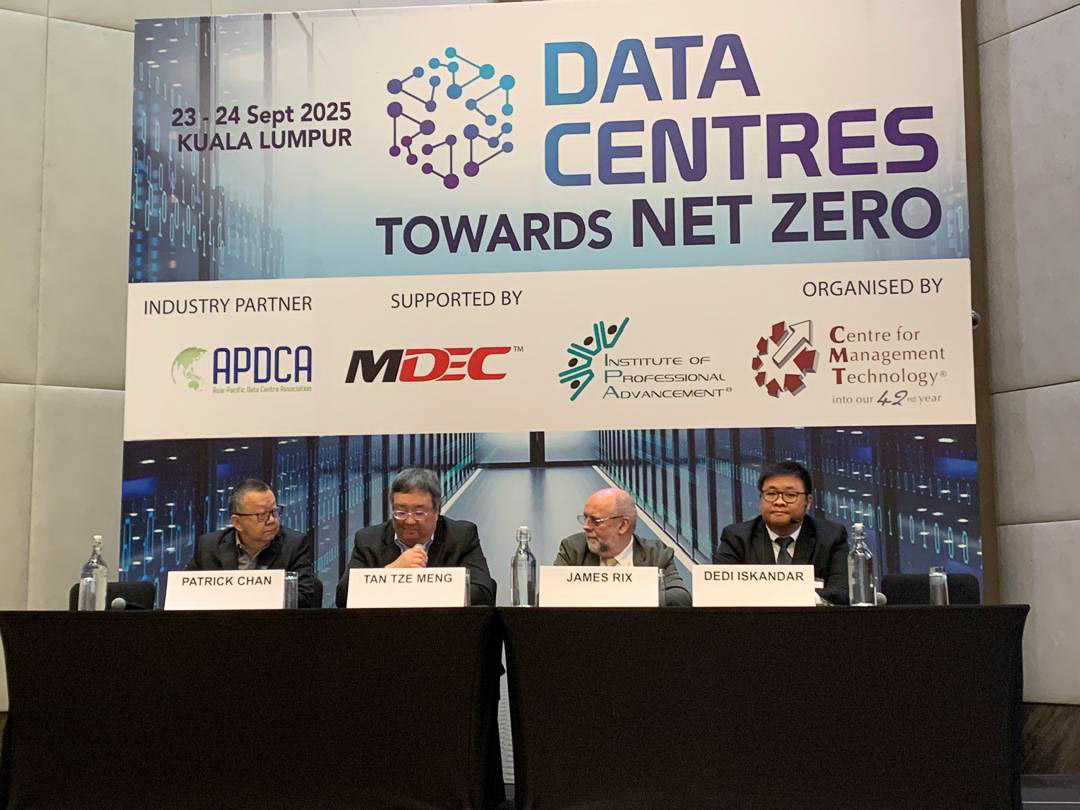
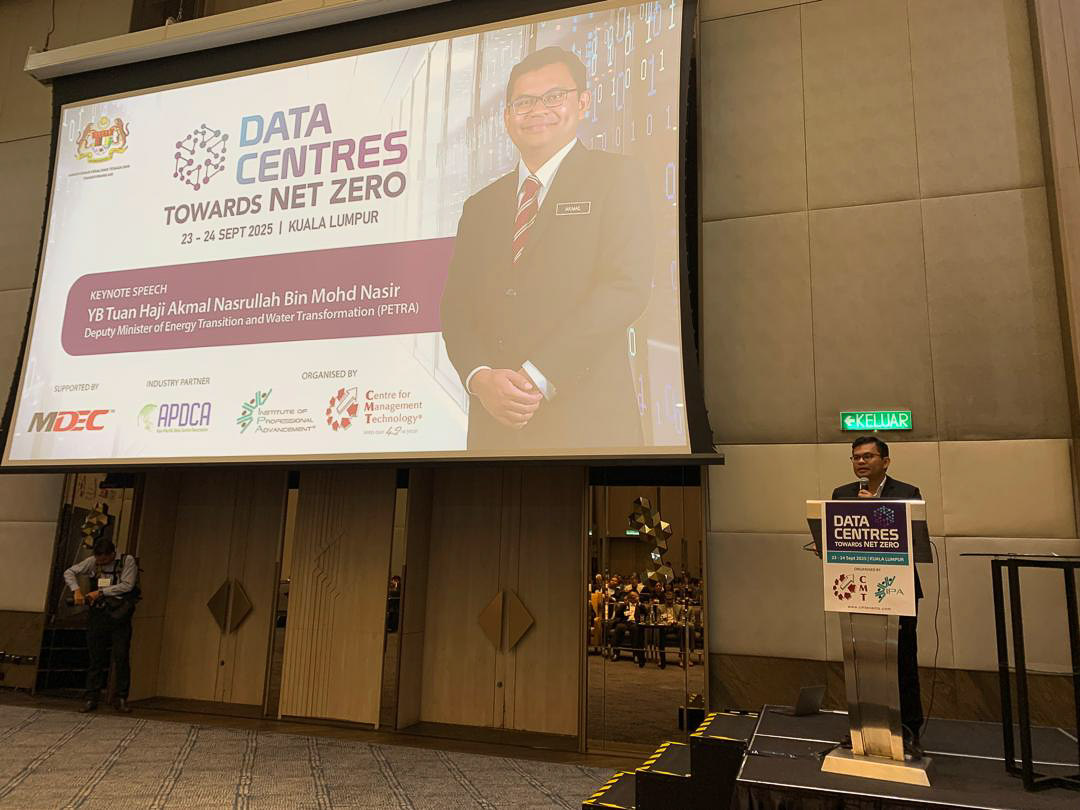
Bangkok’s next property confidence signal may come from a sector most condo buyers never see directly: data centres. The 2nd Low Carbon Data Centres conference is scheduled for 16-17 June 2026 at Hilton Sukhumvit Bangkok, bringing the digital infrastructure, energy, sustainability and investment conversation into the centre of the city.
The Board of Investment’s event calendar says Thailand’s BOI is supporting the conference, with a keynote on Thailand’s digital-green future by Suthiket Thatpitak-Kul, Deputy Secretary General of the BOI. The agenda matters because the data-centre story is no longer only about servers and land plots. It is increasingly about power supply, low-carbon energy, grid readiness, regulation, talent and investor confidence.
The 2nd Low Carbon Data Centres conference is scheduled for 16-17 June 2026 in Bangkok.
Why data centres matter to property buyers
A foreign condo buyer does not buy a Bangkok unit because a data centre opens outside the central business district. The link is broader. Data-centre investment points to a more sophisticated economy: cloud services, AI infrastructure, renewable energy procurement, engineering talent, legal services, finance, construction, facilities management and regional corporate activity.
Those sectors can deepen the professional base that supports Bangkok’s residential market. Executives, consultants, engineers, regional managers and service providers still need places to live, meet clients, access hospitals, travel internationally and host visiting teams. Bangkok’s central districts benefit when the national investment story becomes more technology-led and internationally connected.
The low-carbon angle is the important part
CMT’s event page says the Thai data centre market is projected to reach US$1.54 billion by 2030. It also points to sustainability as a key investment driver, including discussion around renewable power procurement and the regulatory environment. For Thailand, that is a useful shift. Large digital infrastructure can create pressure on power systems; the next phase of credibility depends on whether growth is matched with cleaner energy, grid planning and reliable regulation.
For Bangkok property, this is not a short-term rental headline. It is a medium-term confidence indicator. International investors want to see that Thailand can host high-value sectors while addressing energy and environmental constraints. If the country can do that, Bangkok’s premium residential market has a stronger economic backdrop than tourism and lifestyle alone.
Digital infrastructure is becoming part of Thailand’s wider investment and sustainability conversation.
What Bangkok gains from hosting the discussion
The location of the conference also says something about Bangkok’s role. Hilton Sukhumvit Bangkok places the event in a district where regional executives already understand hotels, serviced apartments, BTS access, restaurants, hospitals and premium condominiums. Even when industrial assets sit outside the city core, the meetings, advisory work and decision-making often happen in Bangkok.
That pattern is familiar across sectors. Manufacturing, logistics, energy and digital infrastructure may be physically spread across Thailand, but Bangkok remains the command centre for capital, law, banking, government meetings, headquarters, hospitality and international schooling. This is one reason foreign buyers often assess Bangkok as both a lifestyle city and an economic gateway.
How buyers should read the signal
The right conclusion is measured. A low-carbon data-centre conference does not make every condo a better investment. It does not remove vacancy risk, oversupply risk or the need to check building management. It does, however, support the argument that Thailand is competing for future-facing investment, not only leisure travel and traditional manufacturing.
Buyers should watch three practical indicators: whether BOI approvals turn into actual operating projects, whether power and renewable-energy policy become clearer, and whether international operators continue to choose Thailand for regional capacity. These are macro signals, so they should sit alongside micro checks on unit price, tenant profile and resale evidence.
For property buyers, the signal is about high-value economic activity, not a direct promise of condo returns.
Buyer takeaway
Bangkok property is strongest when the city’s liveability is supported by a credible national investment story. Low-carbon data centres fit that wider narrative because they combine technology, energy, infrastructure and international capital. Foreign buyers should read the June conference as one more sign that Thailand is trying to position itself around higher-value growth.
IBP Real Estate can help buyers connect macro investment signals with practical condo selection in Sukhumvit, Rama 9, Sathorn and other central districts. For more context, read our Thailand economy and investment news and infrastructure updates.
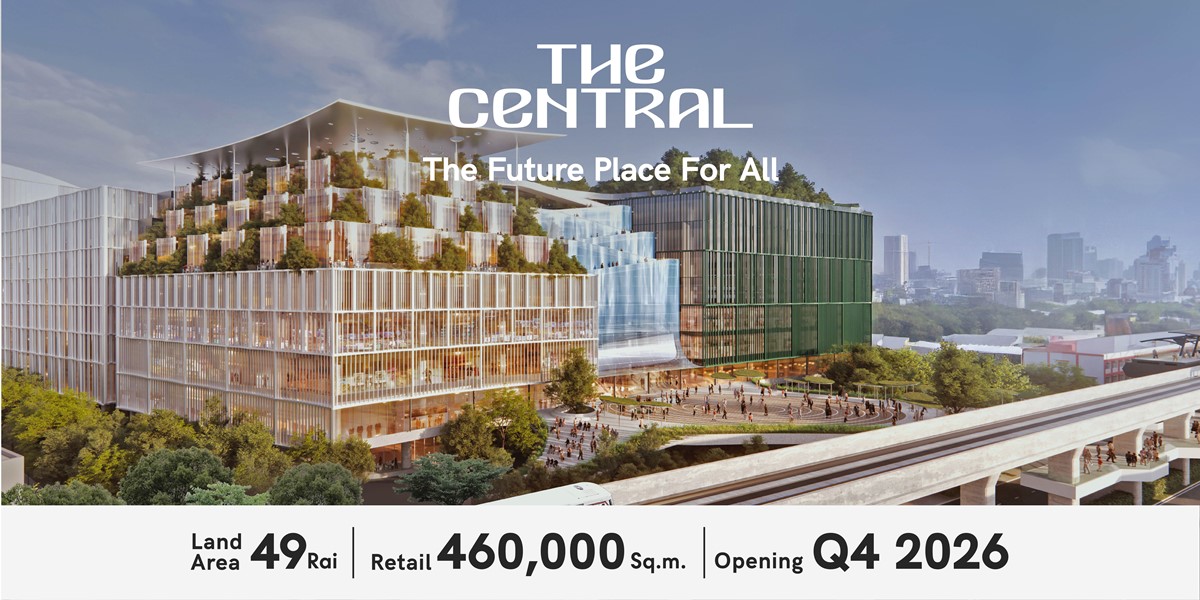
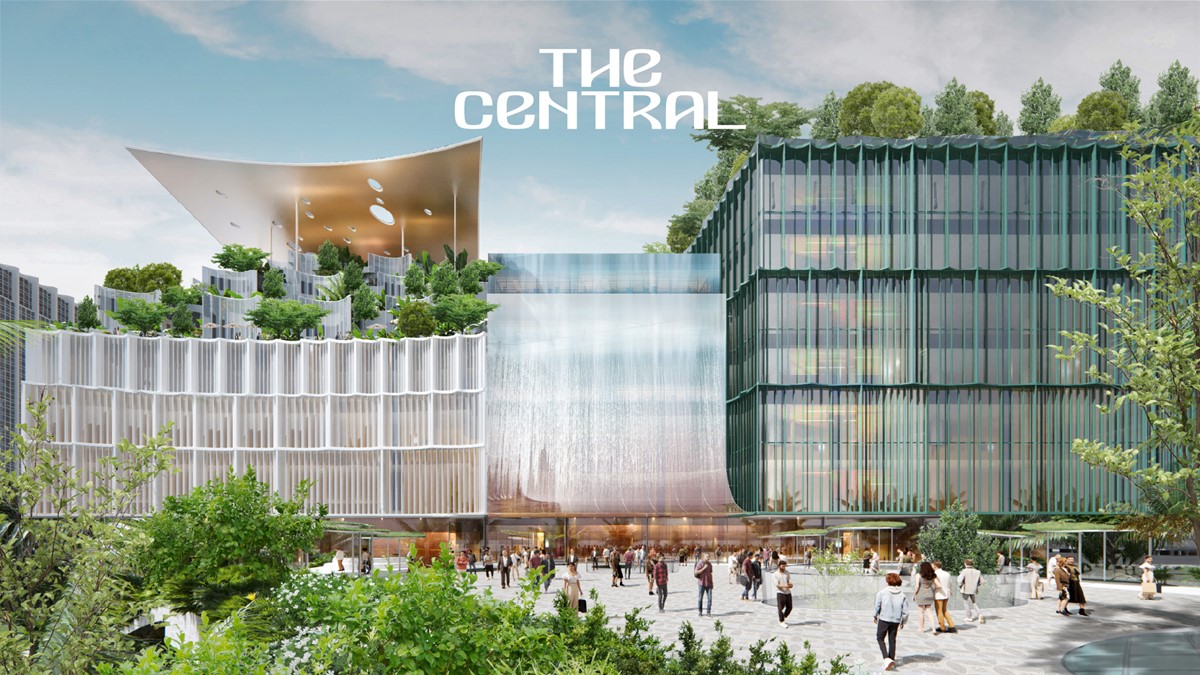
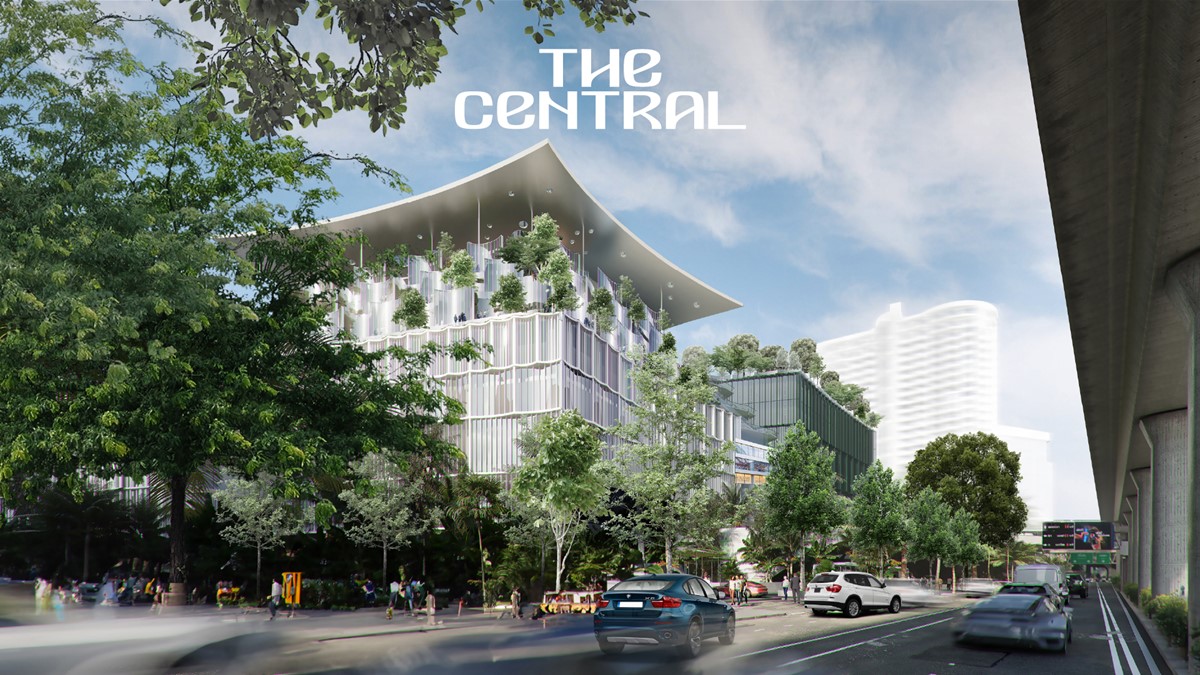
Central Pattana’s plans for The Central Phaholyothin are not only retail news. For foreign buyers watching Bangkok property, they are also a reminder that the city’s growth story is increasingly organised around large mixed-use districts rather than isolated shopping centres or single condominium towers.
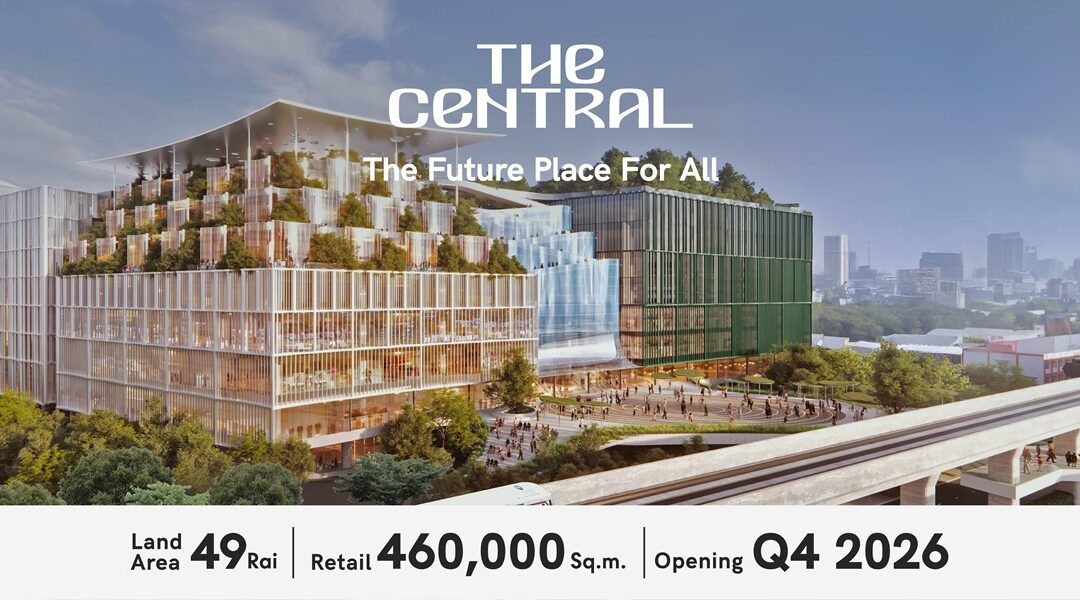
The official Central Pattana page describes The Central in the Phaholyothin area as a project on more than 49 rai of land, with retail gross building area of 460,000 sq m. It says the project is scheduled to open in the fourth quarter of 2026 and will grow alongside Central Ladprao, with global brands expected to open flagship stores as they enter the Thai market.
The Central Phaholyothin is positioned as a major retail-led landmark for north Bangkok.
Why this matters to property buyers
Large retail-led projects can influence property confidence in three practical ways. First, they make a district easier to live in by improving shopping, dining, services, entertainment and climate-controlled meeting places. Second, they support jobs and business traffic, which can deepen rental demand around transport nodes. Third, they help define how local buyers and overseas buyers describe a district. A clear district identity often matters when a condo is later rented or resold.
This does not mean every nearby condo automatically becomes a better investment. The benefit depends on walking routes, rail access, road congestion, competing supply, building quality and the price paid. Still, a major mixed-use anchor can give buyers a clearer framework for assessing long-term neighbourhood improvement.
Part of a broader five-year plan
Central Group’s 26 March 2026 corporate news release said Central Pattana is advancing a five-year investment plan for 2026 to 2030 valued at THB 110 billion, with an ambition to grow mixed-use developments to 33 projects by 2030. The same release framed the company’s strategy around mega-scale urban transformation projects, including north Bangkok, Rama 9 and the Ladprao-Phaholyothin corridor.
For Bangkok property, that breadth matters. It suggests that private-sector capital is still being deployed into urban districts, offices, hotels, residential projects and retail ecosystems even while parts of the housing market remain selective. Foreign buyers should read it as a confidence signal, not as a guarantee. Strong macro investment can support a district, but individual condo returns still depend on price, product and management.
Central Pattana says the project will grow alongside Central Ladprao and support the wider Ladprao-Phaholyothin district.
The Central District signal
The corporate update described The Central District as a collaboration to redefine Ladprao-Phaholyothin as a unified urban ecosystem. It said Central Ladprao and The Central Phaholyothin together span 96 rai, with combined gross building area of 770,000 sq m, comparable in scale to centralwOrld. That comparison is useful because centralwOrld is not just a mall in buyer perception; it is part of how Ratchaprasong is understood as a retail, hospitality and office hub.
North Bangkok has a different profile from the traditional foreign-buyer core. It is more local, more family-oriented in parts, and connected to universities, offices, transport corridors and Don Mueang access. The Central Phaholyothin could strengthen the area’s lifestyle proposition, but foreign buyers should still compare it against their actual tenant target. A tenant working around Ladprao, Ratchayothin, Kasetsart or Don Mueang may value the district differently from an expatriate working in Phrom Phong or Sathorn.
What to check around nearby condos
Whether the condo has a realistic walk, shuttle or rail route to the district’s key anchors.
Whether rental demand comes from local professionals, students, aviation-linked workers, office tenants or families.
Whether road congestion could reduce the practical benefit of new amenities.
Whether future residential supply may compete for the same tenant pool.
Whether the building’s management, common areas and unit layouts match the district’s expected buyer profile.
For condo buyers, the district signal matters most when it improves daily amenities, employment access and transport convenience.
Foreign-buyer takeaway
The Central Phaholyothin is a useful growth signal because it sits inside a larger shift: Bangkok’s major developers are still building mixed-use places that combine retail, work, hospitality, residence and daily services. For a foreign buyer, that supports confidence in Bangkok as a liveable and investable city, but it should not replace due diligence on a specific building.
The most practical approach is to map the project against completed condos and new launches within realistic travel distance, then compare tenant depth, resale evidence and total holding costs. District growth is helpful; overpaying for a weak unit because a landmark is coming nearby is still avoidable.
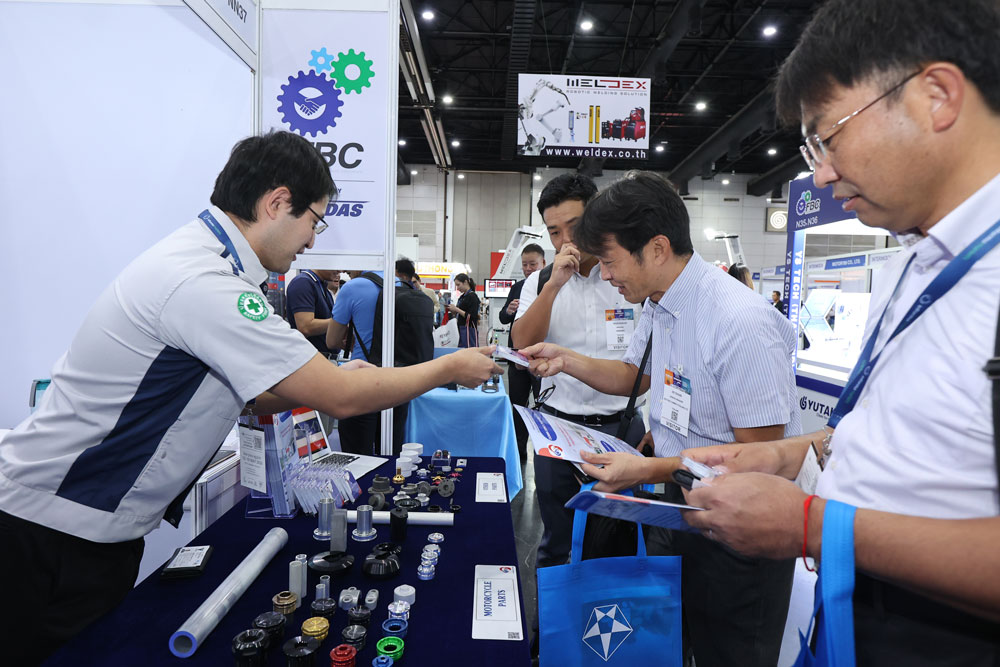
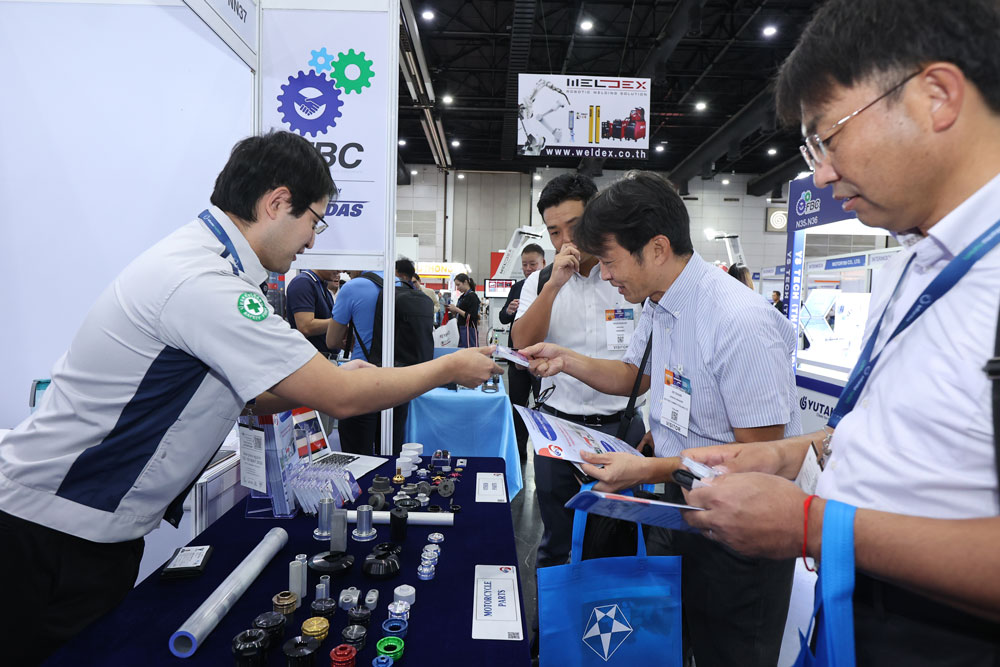
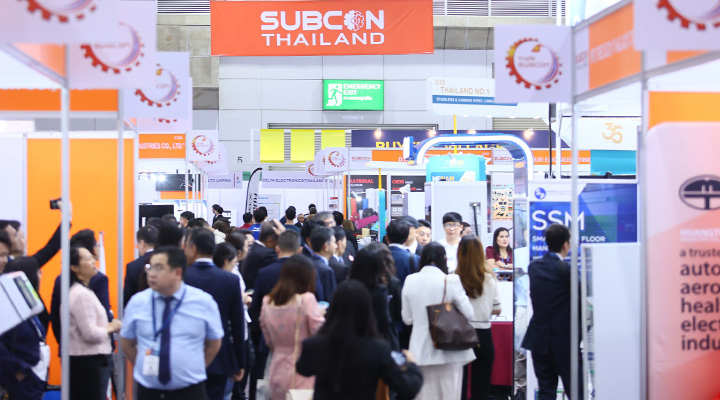
SUBCON Thailand 2026 gives foreign property buyers another way to understand Bangkok’s economic role. The event is not a condominium launch, a tourism campaign or an infrastructure opening. It is an industrial sourcing and business-matching platform. That makes it relevant because Bangkok property confidence is supported by more than residential demand alone.
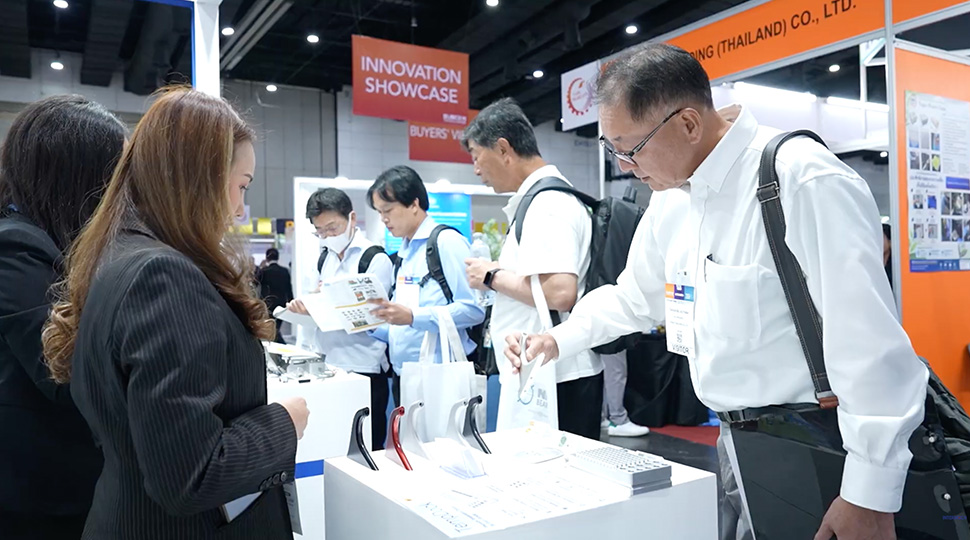
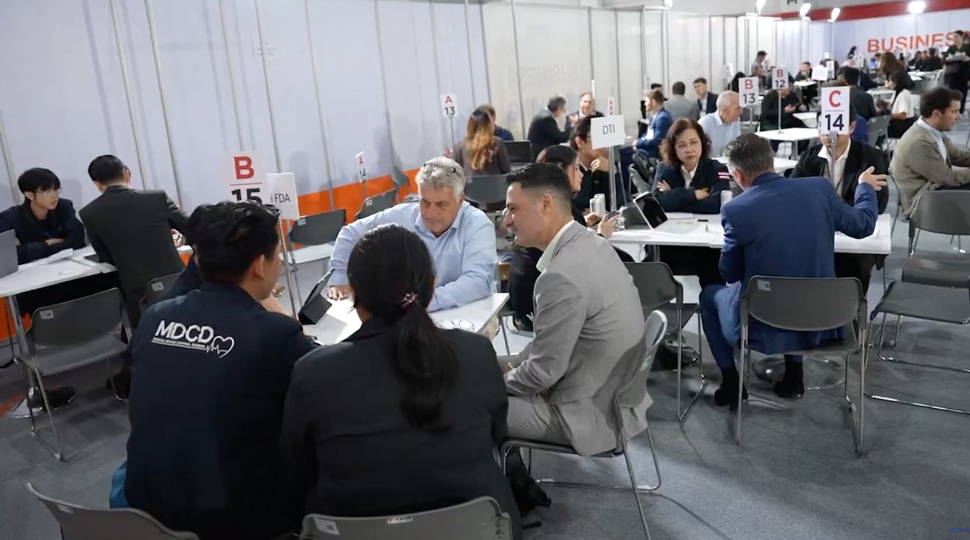
SUBCON Thailand connects Bangkok with industrial sourcing, business matching and supply-chain activity.
The Thailand Board of Investment reported that SUBCON Thailand closed its 20th edition with an estimated USD 705.5 million in parts trade, approximately 23 billion baht. The event ran from 13 to 16 May 2026 in Bangkok, drew more than 50,000 participants and generated over 9,600 business matching pairs. BOI said the event was co-organised by BOI, the Thai Subcontracting Promotion Association and Informa Markets Thailand.
For foreign buyers of Bangkok property, the link is indirect but important. A city that hosts supply-chain meetings, industrial exhibitions, investor delegations and regional business events gains more than short-term hotel nights. It strengthens Bangkok’s function as the commercial front door to Thailand’s industrial economy.
Why industrial events matter to property buyers
Residential investors should avoid turning one trade show into a price forecast. SUBCON does not mean every Bangkok condo will rise in value. The more useful point is that Thailand continues to position itself as a manufacturing and advanced-industry base, while Bangkok remains the place where many investors, suppliers, consultants and executives meet, stay and make decisions.
That activity supports the wider urban economy. It feeds hotels, serviced apartments, restaurants, retail, transport, meeting venues, translators, lawyers, accountants, industrial consultants and business services. These are the same city services that make Bangkok more liveable and more credible as a base for regional owners.
Business matching matters because investment confidence often begins with supplier and buyer relationships.
Bangkok as the meeting point
The official SUBCON website describes the event as ASEAN’s largest industrial subcontracting and business matching event. It also says SUBCON Thailand is co-organised by BOI, Informa Markets Thailand and the Thai Subcontracting Promotion Association, and has been at the centre of purchasing and subcontracting for quality industrial parts for more than 20 years.
That matters because Bangkok is not only competing as a lifestyle city. It is also competing as a place where international business can land, understand Thailand and connect to industrial zones beyond the capital. The residential property link is strongest in districts that serve executives, consultants and internationally mobile families: central Sukhumvit, Rama IV, Sathorn, Silom, Bang Na, Riverside and airport-accessible corridors.
It also helps explain why foreign buyers should look beyond tourist headlines. Business travel, supplier visits and investment roadshows create repeat reasons for people to spend time in Bangkok, and repeat familiarity is often what turns a city from a holiday stop into a serious ownership candidate.
Supply-chain depth supports confidence
BOI’s release said companies used the event to source across electric vehicles, semiconductors, advanced electronics, automation and robotics, medical devices and aerospace. These sectors are relevant because they point to future-industry positioning, not only traditional manufacturing. For a foreign buyer, that helps frame Thailand as a country still working to attract productive investment.
Property buyers should still separate national confidence from unit selection. A stronger industrial story can support long-term city confidence, but it cannot fix an overpriced unit, weak building management or poor resale liquidity. The best response is to treat economic momentum as a backdrop and then buy carefully at the project and district level.
For property buyers, industrial confidence is a macro layer rather than a direct condo-price forecast.
How foreign buyers can use the signal
Read trade and FDI events as evidence of Bangkok’s regional business role.
Look for residential districts that serve executives, families, airport users and business visitors.
Do not assume industrial growth automatically supports every condo submarket.
Connect macro confidence with building-level checks, rental evidence and exit strategy.
Investor takeaway
SUBCON Thailand 2026 reinforces Bangkok’s role as a business and supply-chain meeting point. The estimated trade value, participant count and business-matching activity show that Thailand is still working to connect local manufacturers with global demand. For foreign property buyers, that supports the broader confidence case for Bangkok, while leaving the actual investment decision at the level of price, building, district and holding period.
IBP can help overseas buyers connect Thailand economy signals with Bangkok condominium due diligence. Read our Thailand economy updates or contact IBP Real Estate for a buyer-focused consultation.