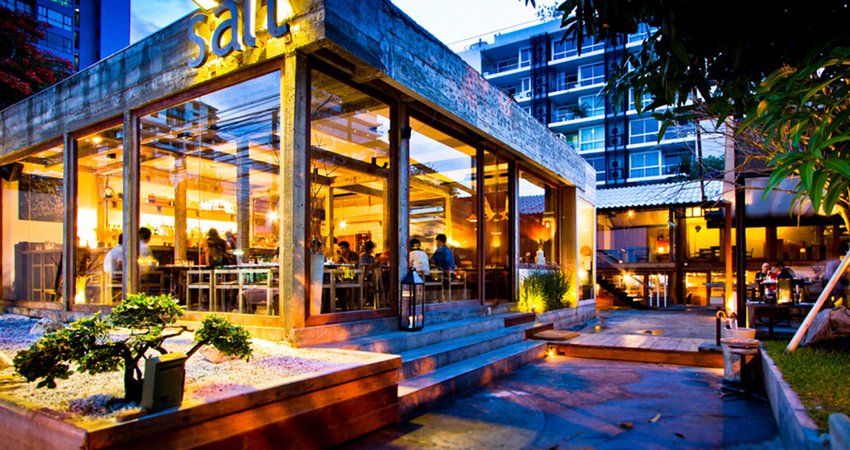
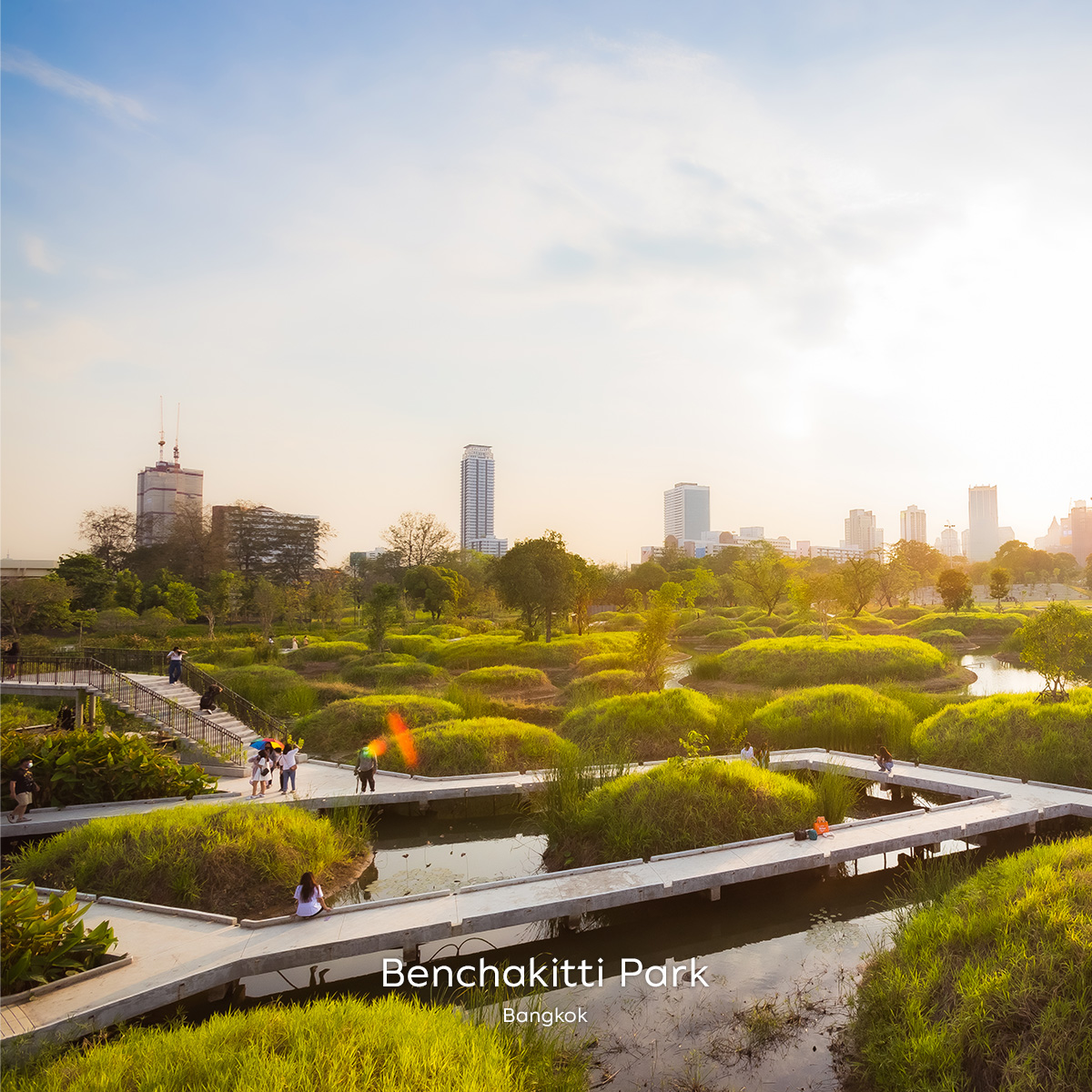
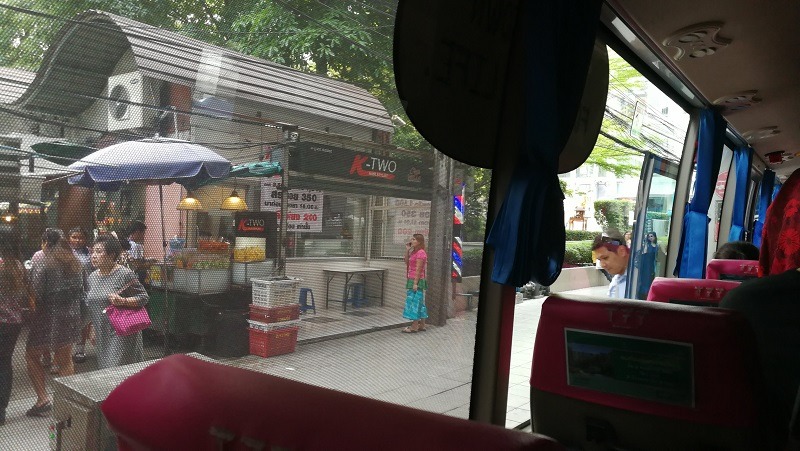
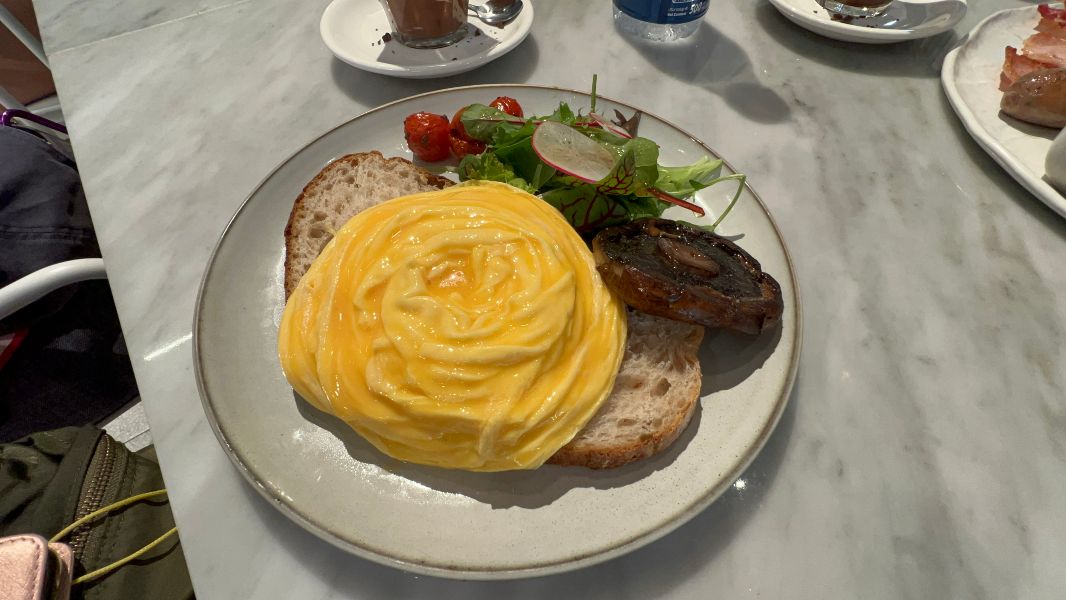
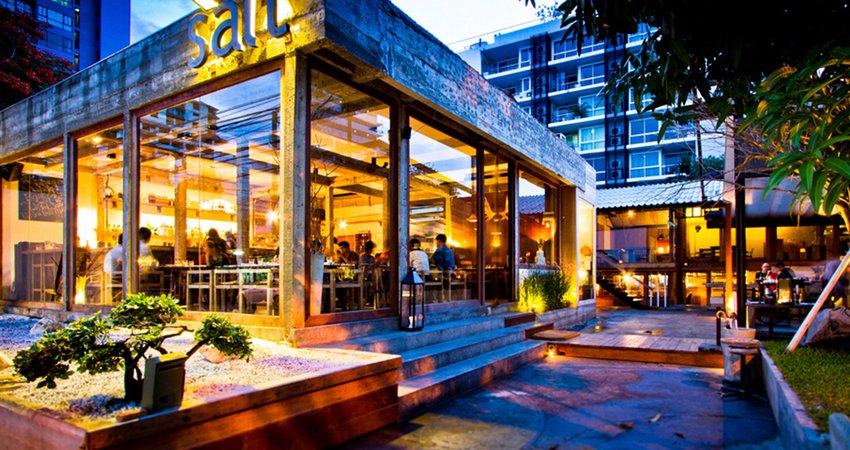
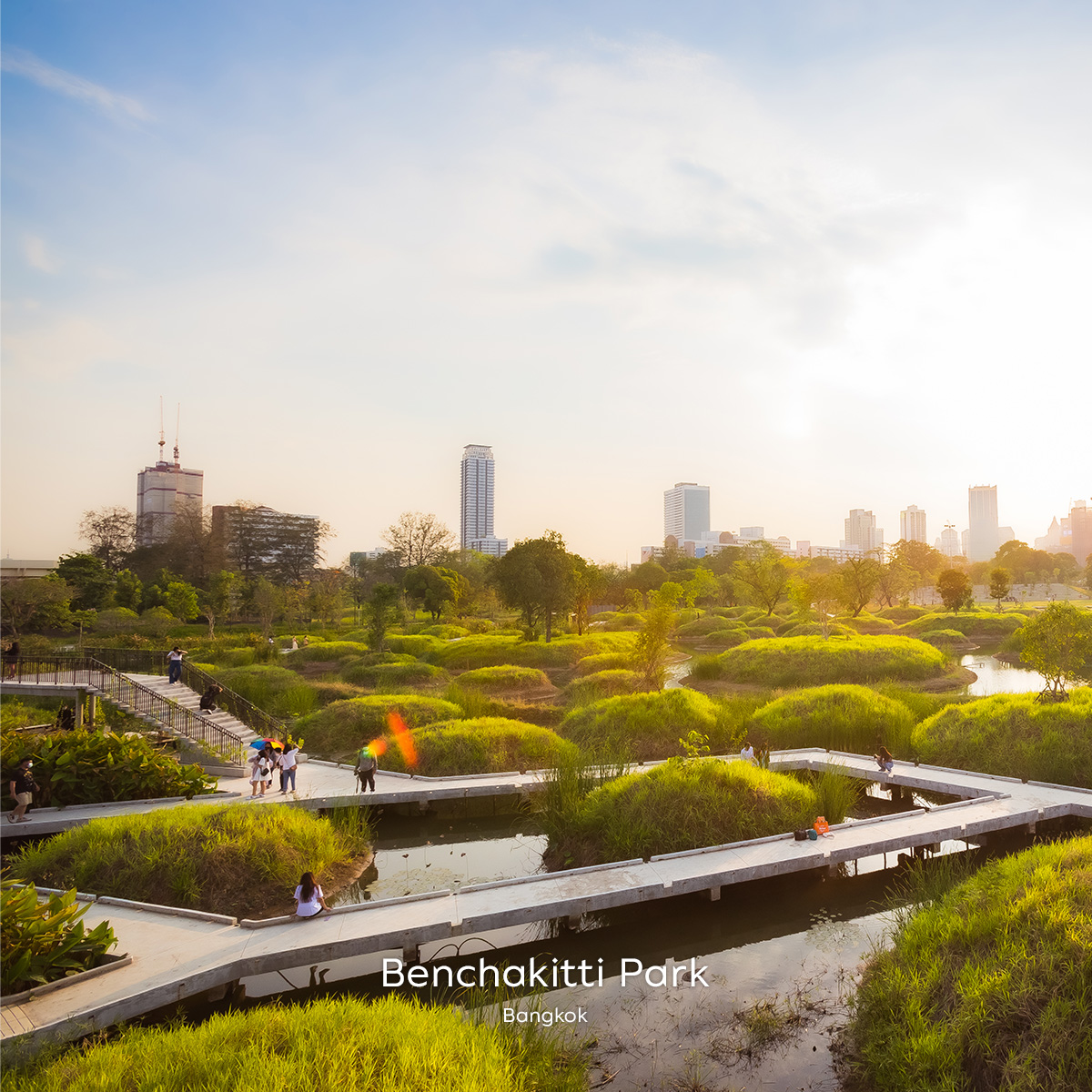
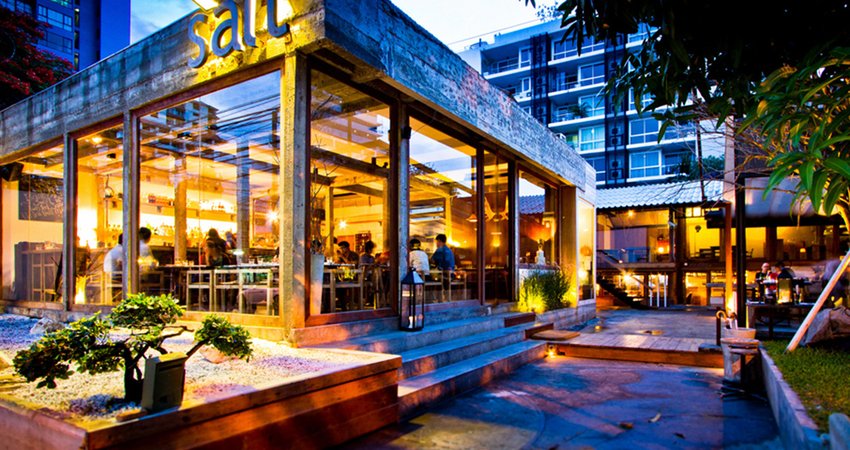
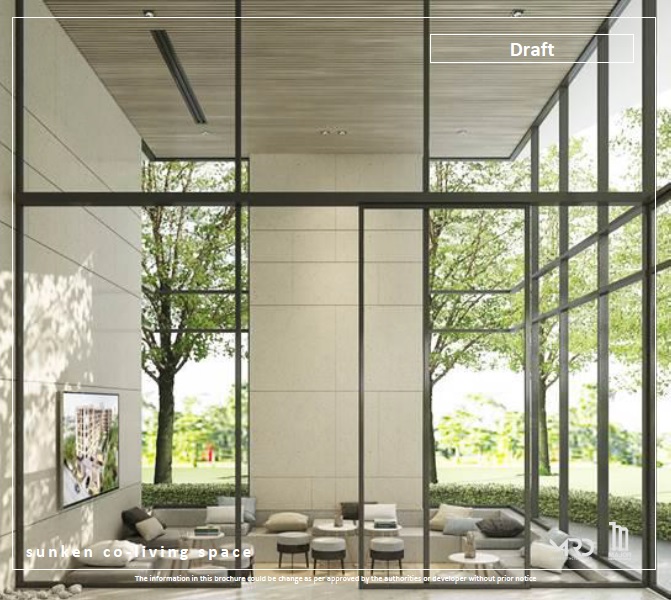
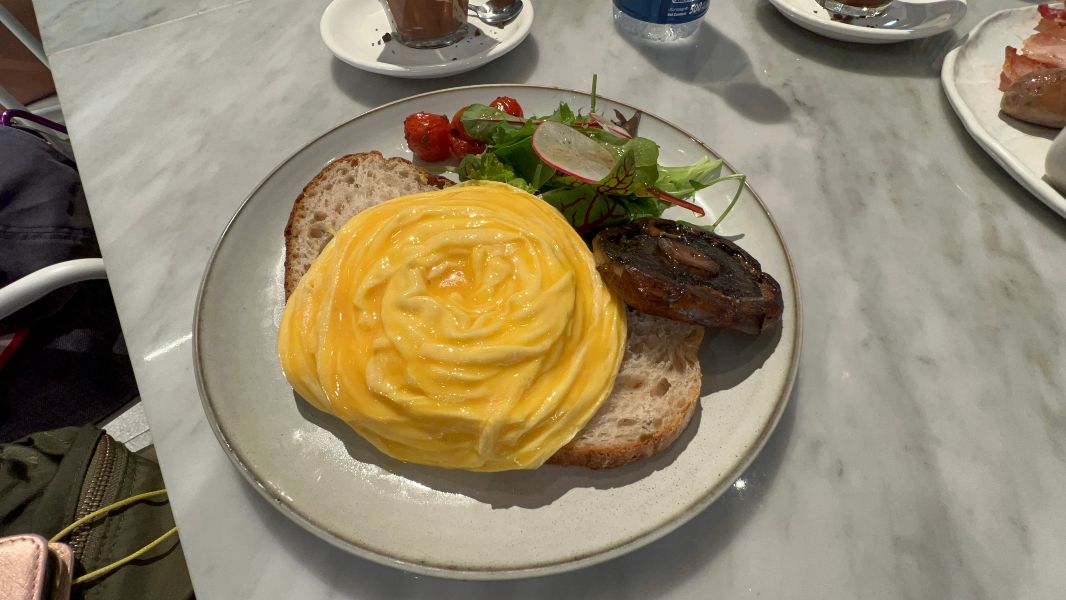
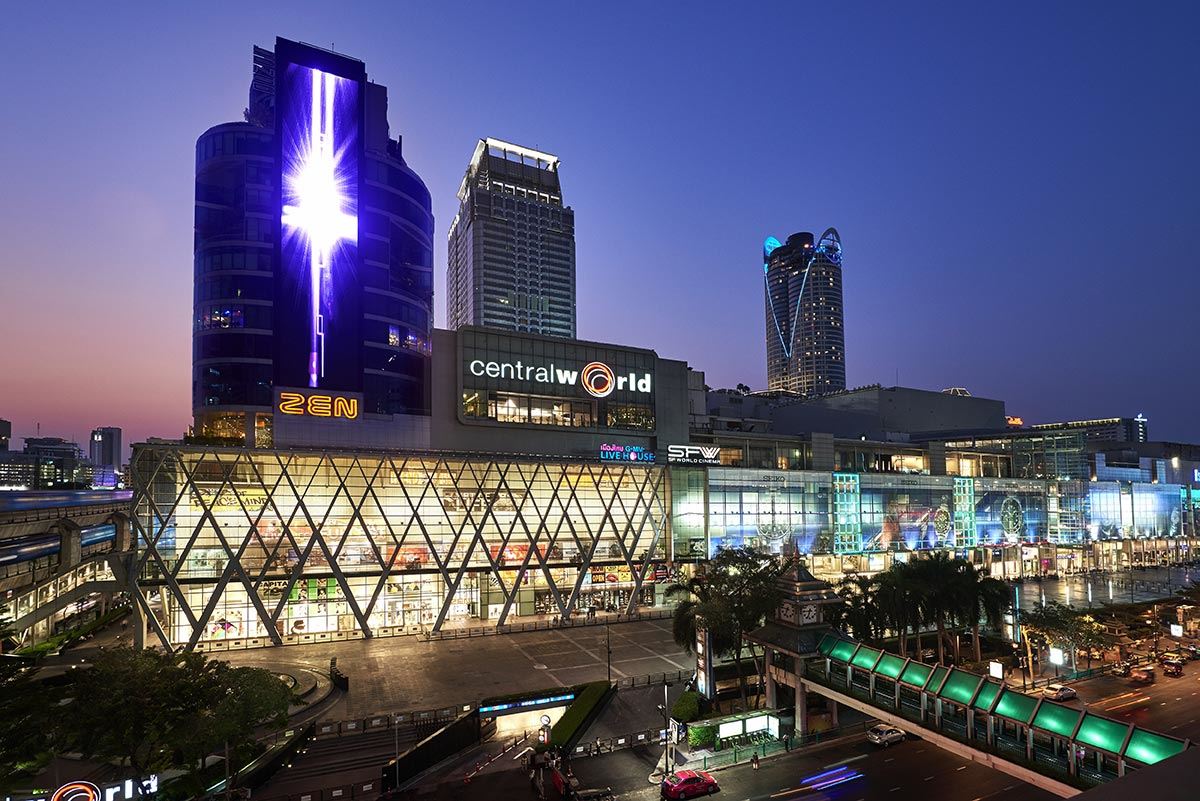
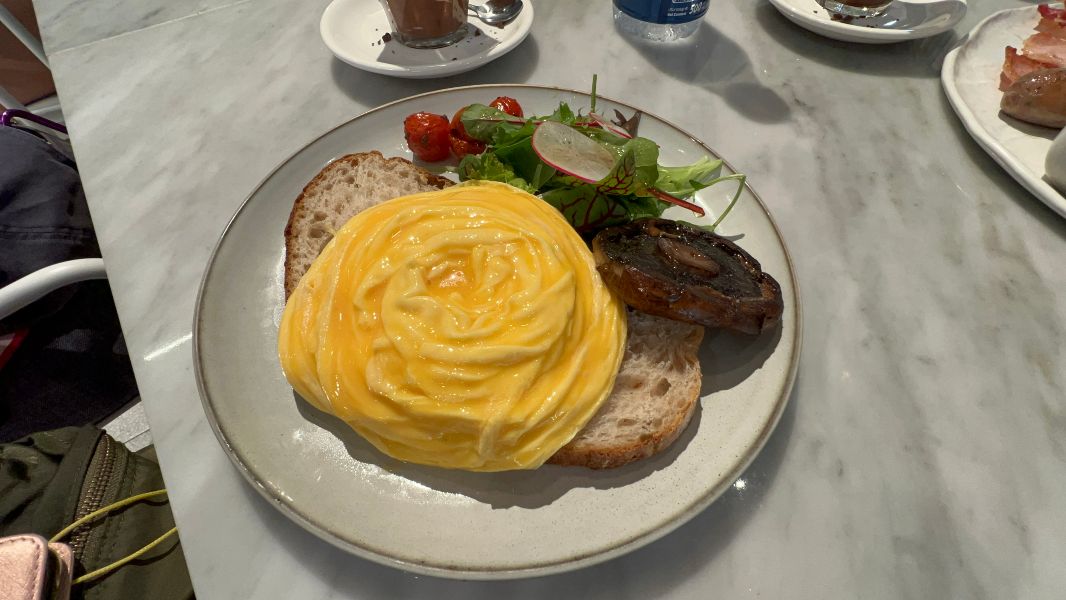
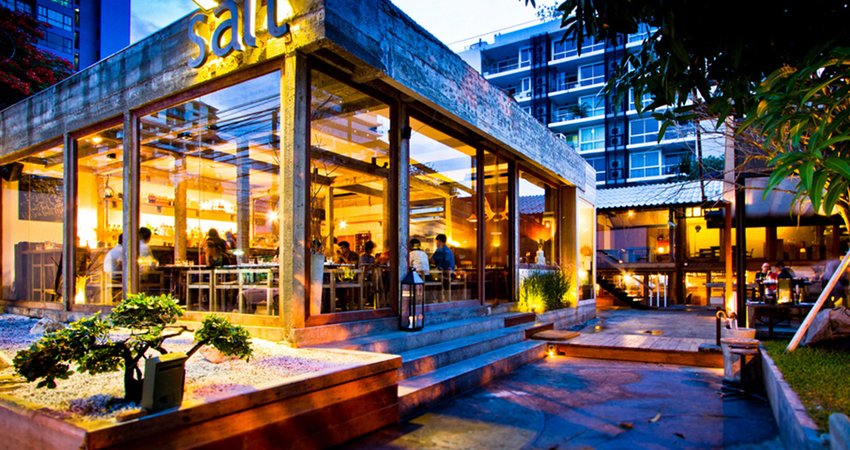
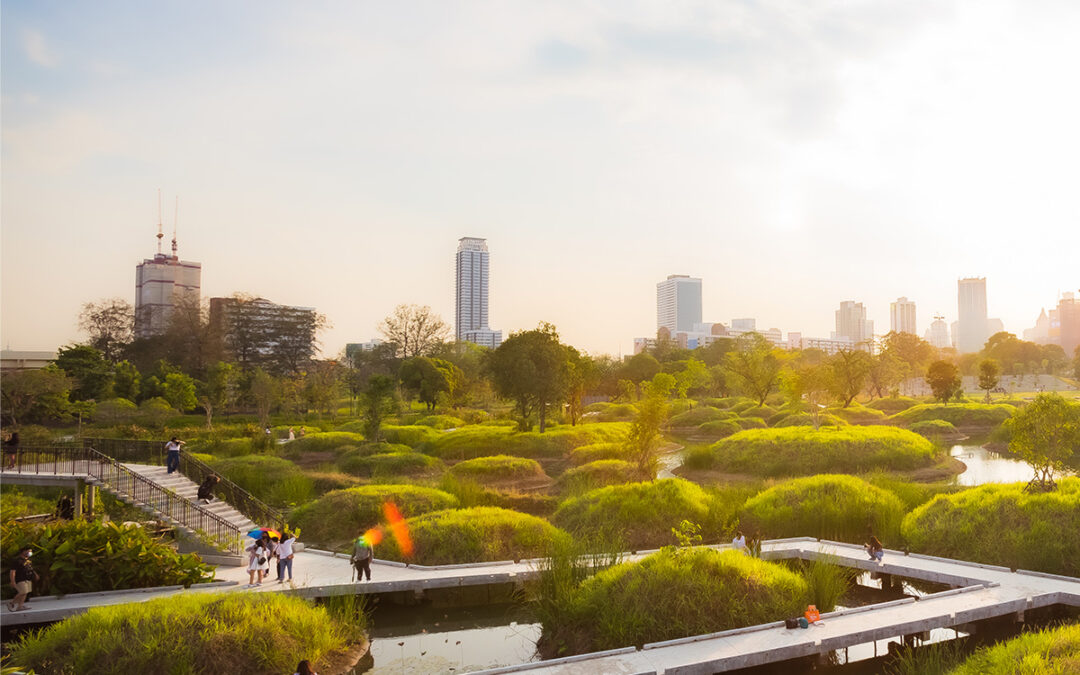
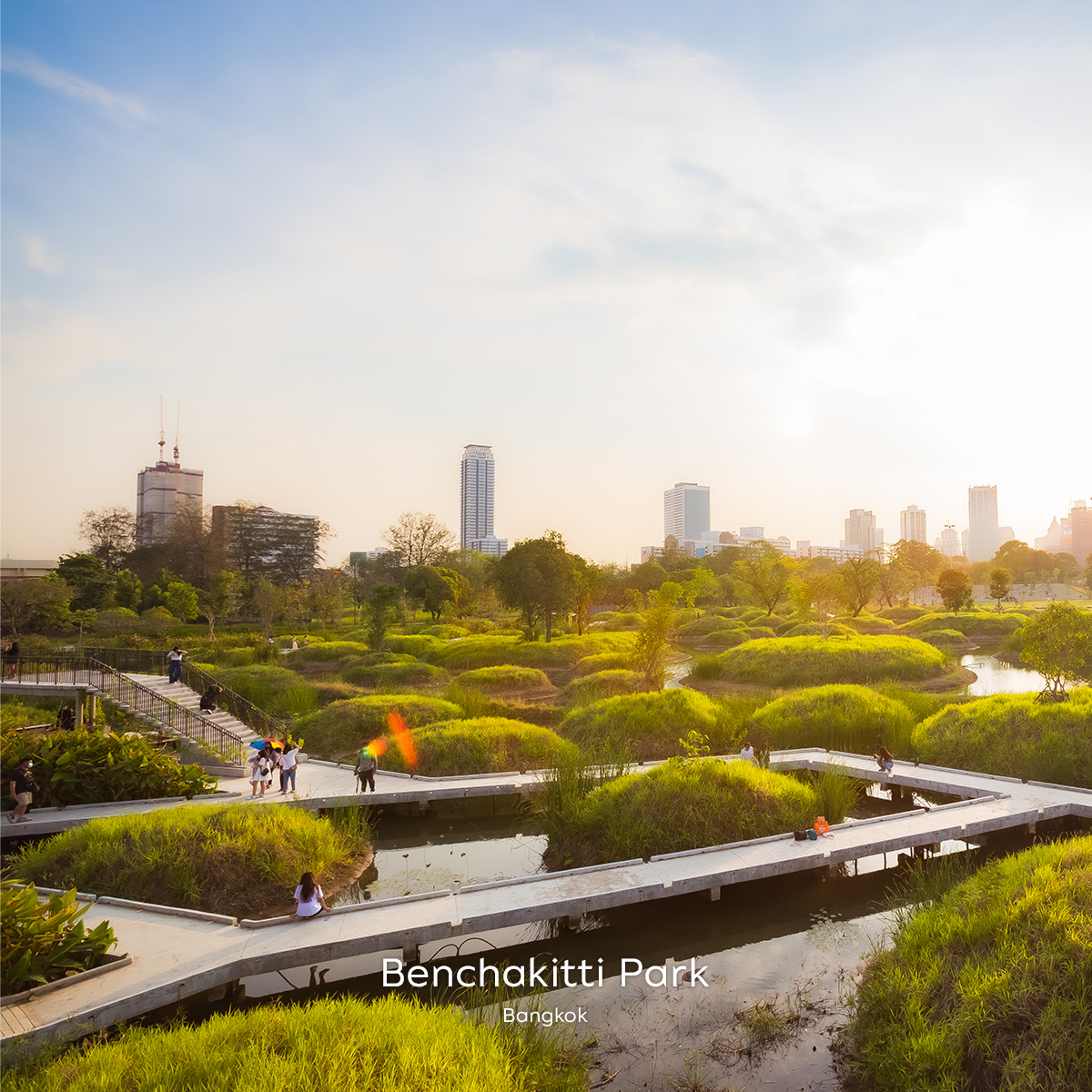
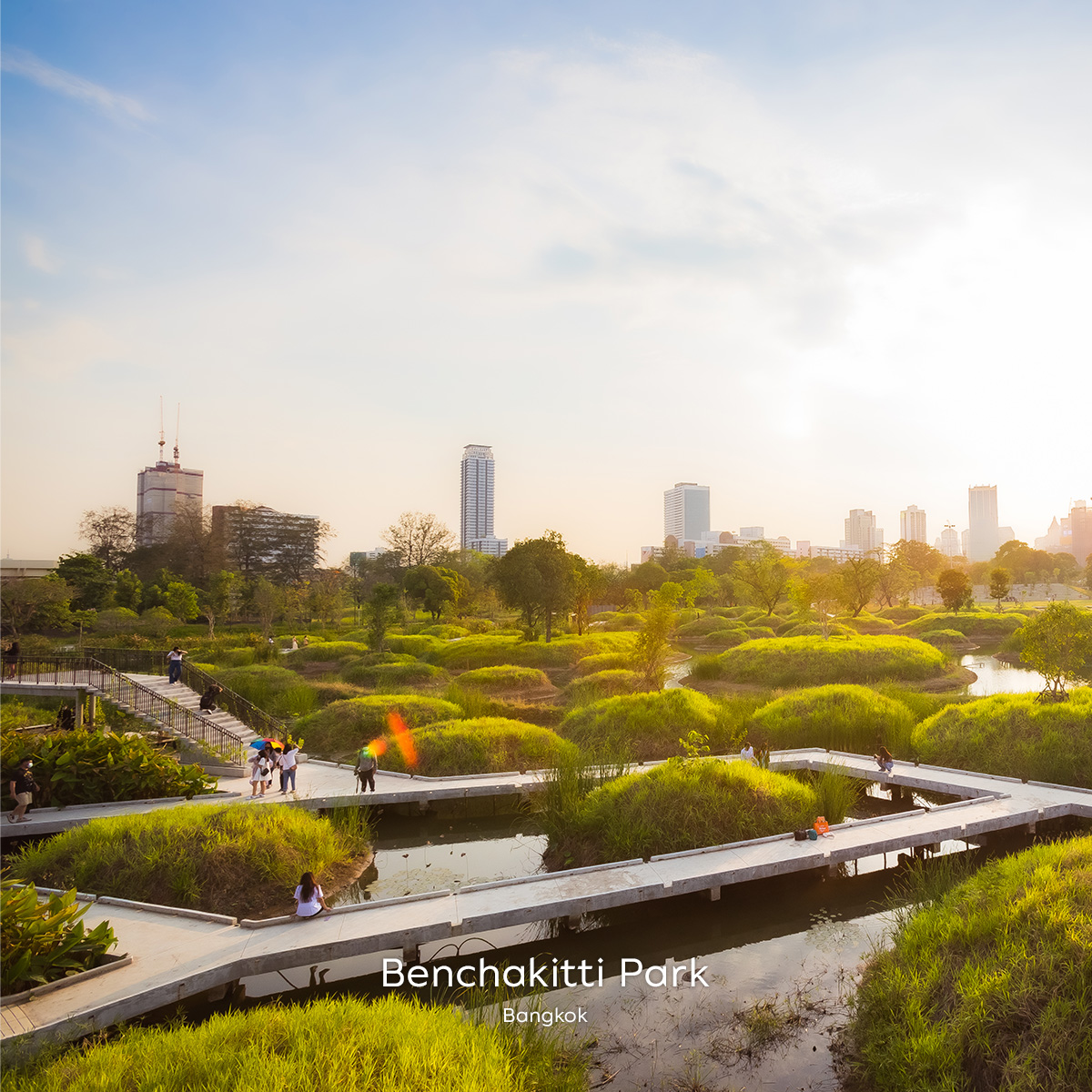
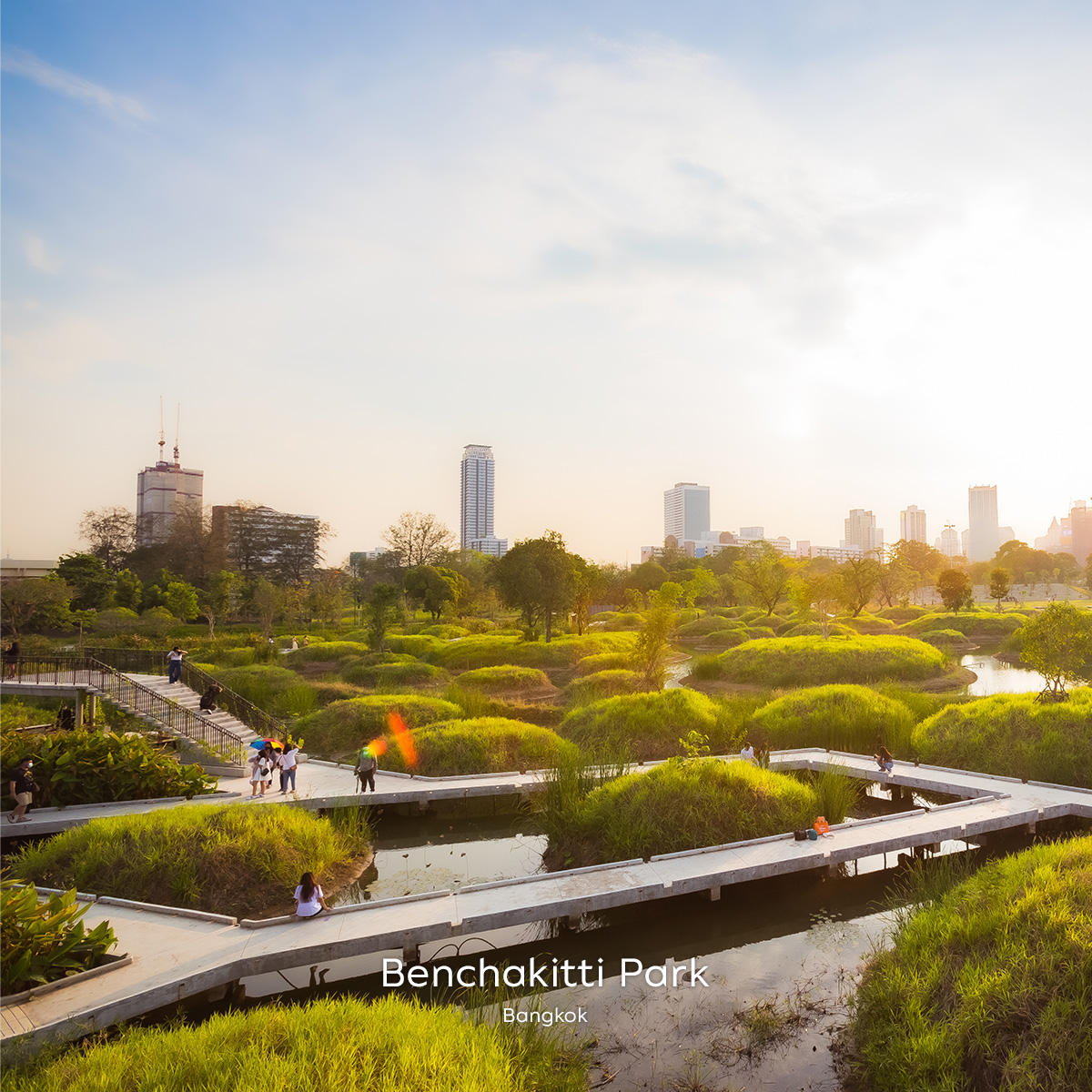
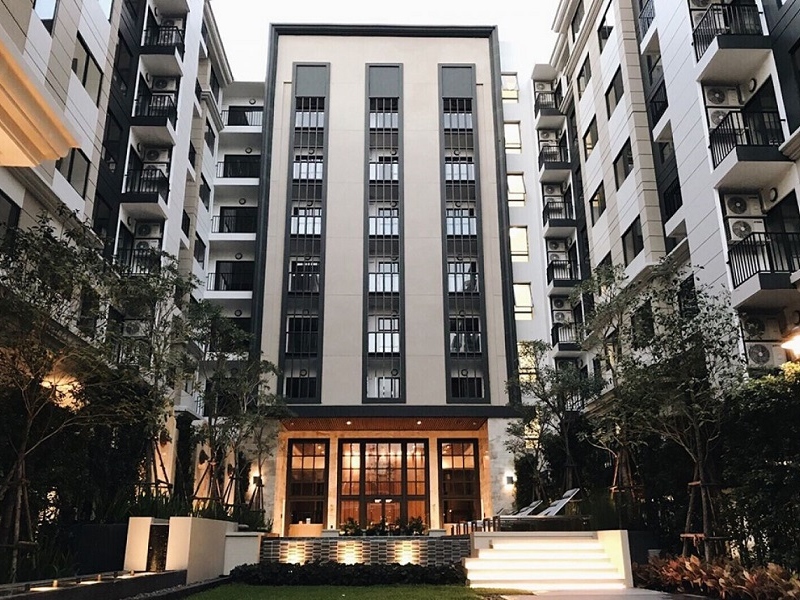
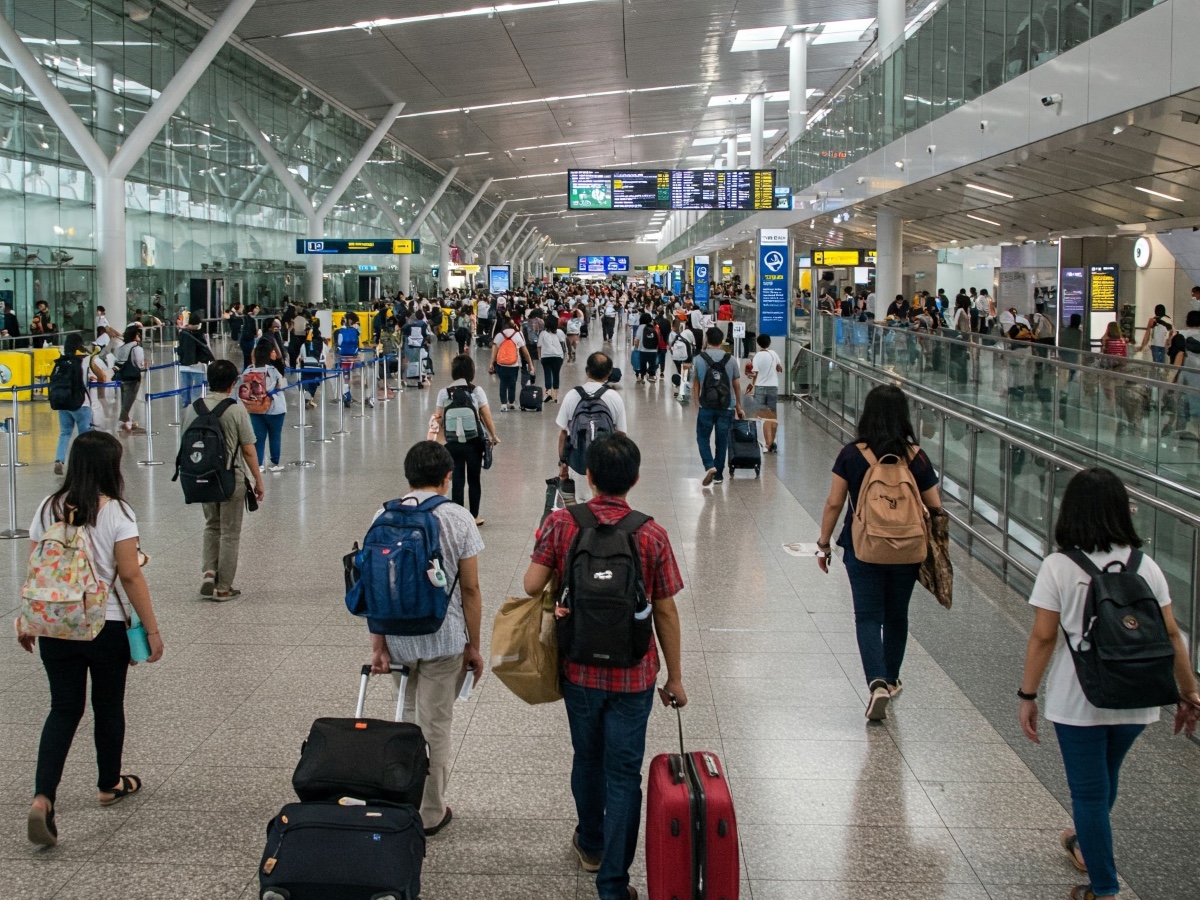
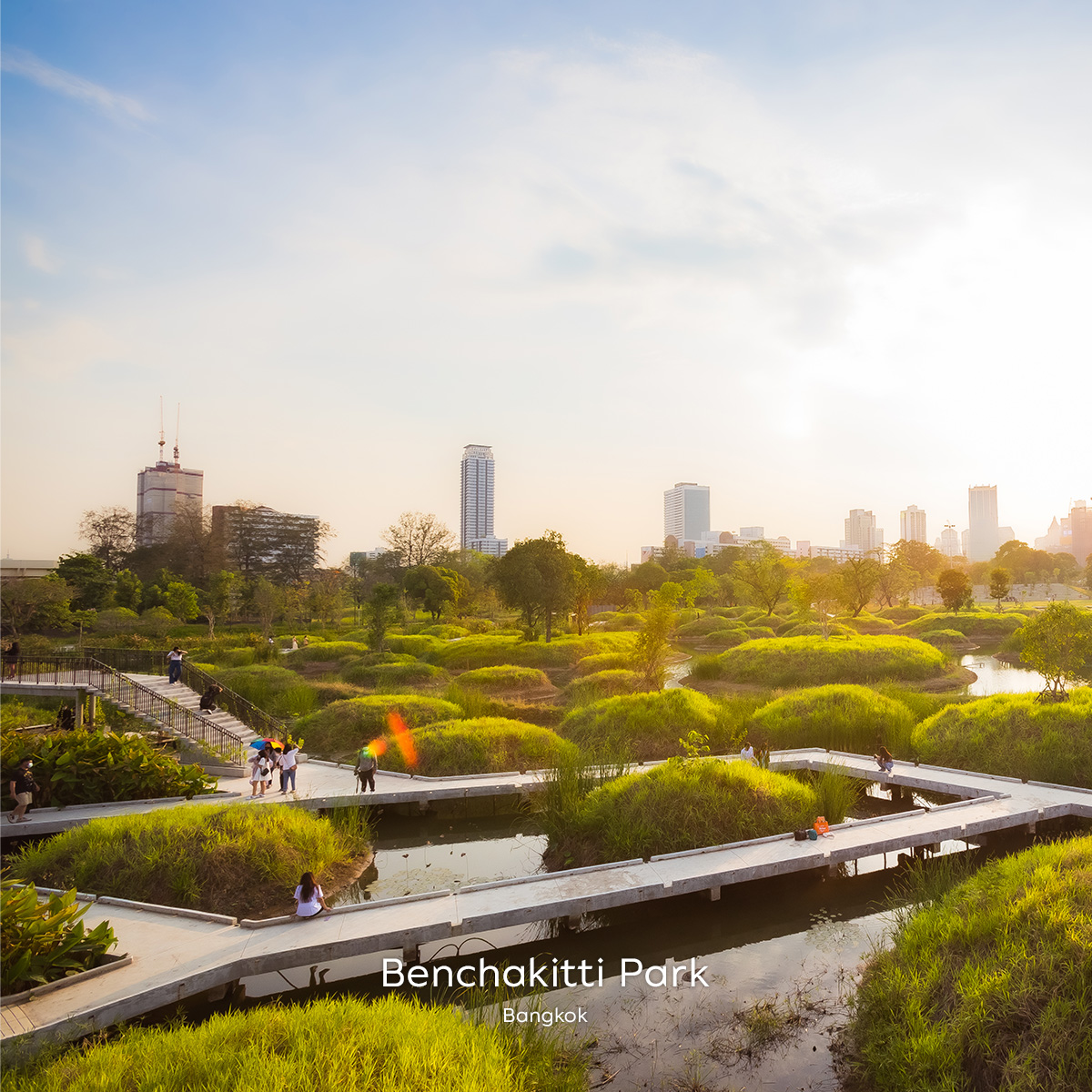
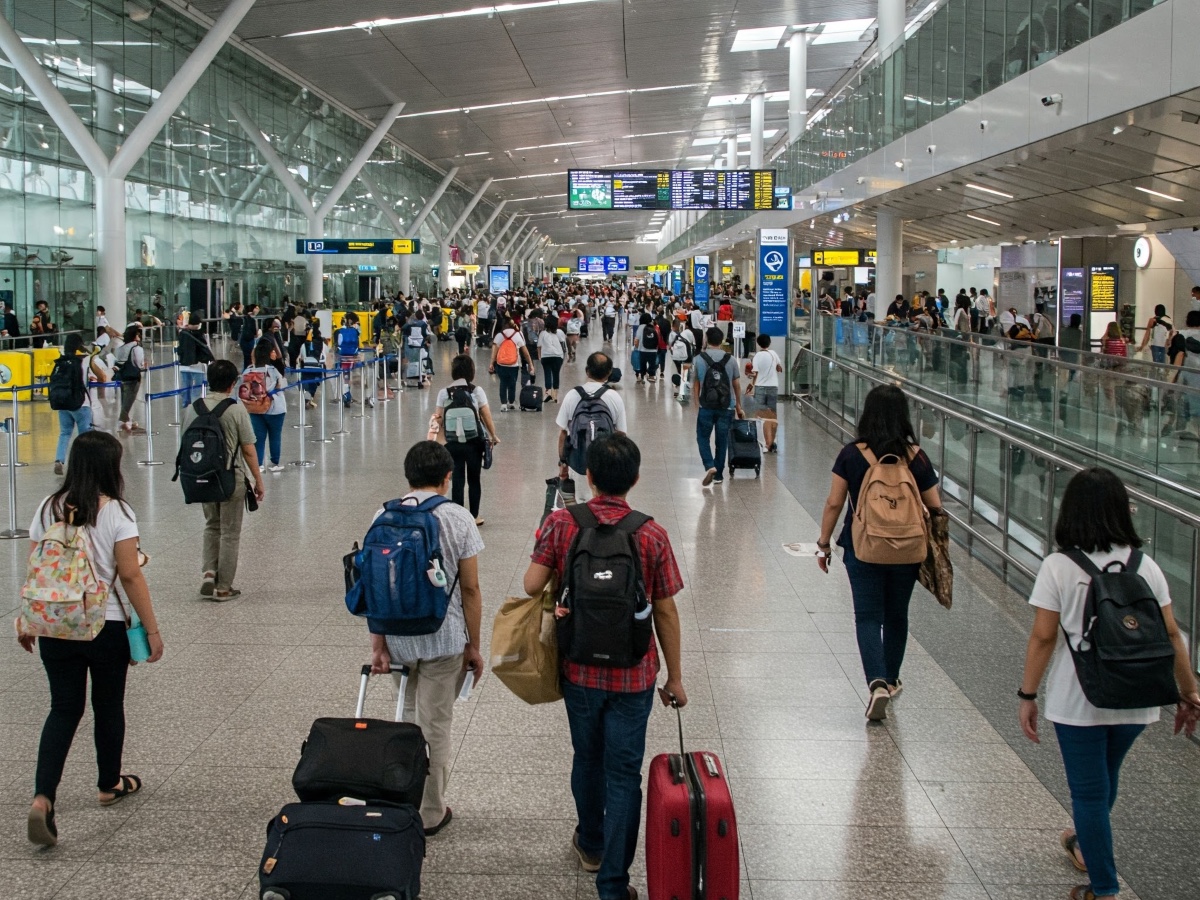
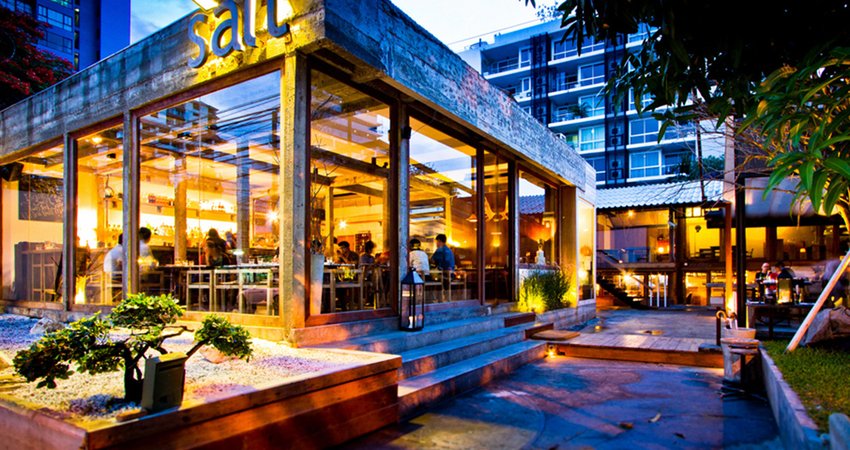
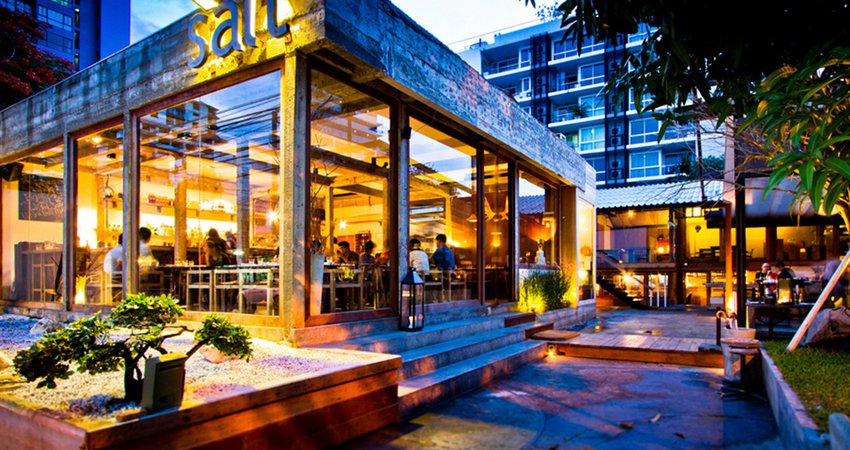
Bangkok’s dining scene is one of the reasons foreign residents settle into the city quickly. It is convenient, varied, social and increasingly connected to wellness, sustainability and local sourcing. TAT Newsroom’s early July 2026 feature on Thailand’s gastronomic turn toward wellness is useful for property buyers because it explains why food is part of Bangkok liveability, not only tourism marketing.
The feature frames Thai dining through the idea of Healing is the New Luxury, linking food, wellness, regional identity and sustainability. For condo buyers, the lesson is practical. A good Bangkok neighbourhood should make healthy, enjoyable and culturally rich daily routines easy. Dining access can help a condo feel like a home base rather than just an investment unit.
Food as everyday infrastructure
Foreign buyers often ask about BTS access, hospitals, schools and malls. Dining should sit in the same liveability conversation. Residents use food networks every day: morning coffee, quick lunches, healthy delivery, family dinners, local markets, grocery access and weekend restaurants. A condo that sits near varied dining options is easier for new arrivals, guests and tenants to enjoy.
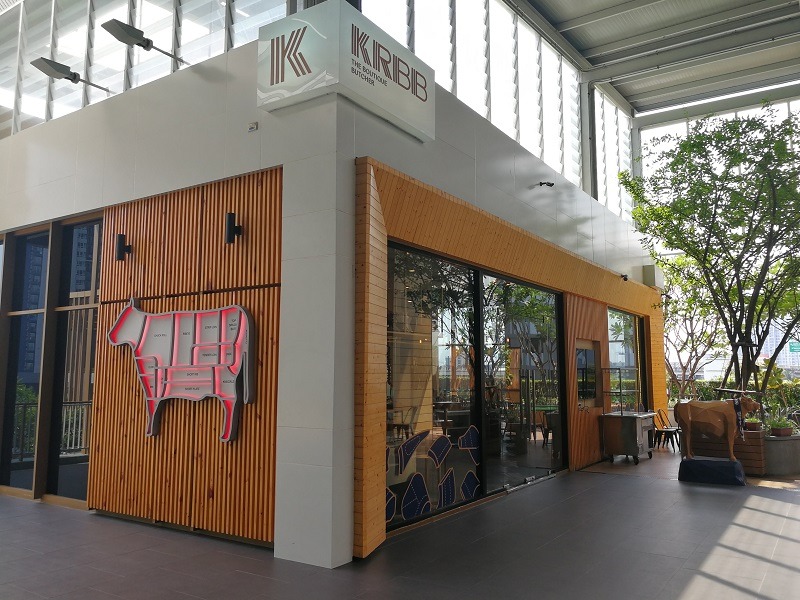
Bangkok is strong because it offers several dining layers at once. Street food, mall dining, chef-led restaurants, hotel restaurants, regional Thai kitchens, vegan cafes, wellness menus, Japanese counters and casual neighbourhood spots can coexist within a short journey. This variety helps residents build routines that match budget, health, work schedule and social life.
Food is part of everyday liveability, not only a visitor attraction.
Wellness dining supports long-stay comfort
TAT’s feature links Thai food with herbs, broths, balance and regional depth. Property buyers should not treat that as a medical claim. The useful point is that residents can access food that feels fresh, varied and rooted in place. For expats who travel often or work long hours, convenient good food can make Bangkok feel easier than cities where daily dining is either expensive or repetitive.
Wellness dining also supports family and retirement decisions. Buyers thinking about a second home often want to know whether daily life can be comfortable without constant planning. Nearby supermarkets, markets, clean casual restaurants, cafes, pharmacies and delivery coverage all contribute to that answer.
Neighbourhoods where dining matters
Dining access is not limited to one district. Phrom Phong, Thonglor, Ekkamai, Ari, Silom, Sathorn, Chit Lom, Siam, Langsuan, riverside areas, Rama 9 and parts of On Nut all offer different versions of food-led liveability. The right choice depends on the buyer’s routine. Some want fine dining and hotels. Others want family restaurants, markets, cafes or easy delivery after work.
When comparing condos, buyers should walk the area at breakfast, lunch and evening. A street that feels quiet at 2pm may be lively after work. A mall may solve rainy-day dining but not late-night convenience. A neighbourhood with excellent restaurants may still lack grocery access, parking or easy taxi pickup.
Dining access can help a Bangkok neighbourhood feel easier to understand for new arrivals.
Rental and resale angle
Food access can help leasing, especially for compact city units, expatriate tenants and owner-occupiers who do not cook every meal. It gives agents a simple lifestyle story. Tenants can imagine where they will eat, meet friends, buy groceries and order delivery. That can make a viewing feel more concrete.
However, dining access should not be exaggerated. A weak unit does not become a strong investment just because there are good restaurants nearby. Investors still need to check rent evidence, competing units, building quality, noise, layout, management and total costs. Dining is a supporting factor, not a substitute for fundamentals.
Buyer checklist
Walk to daily food options, not only destination restaurants.
Check delivery access, lobby handling and rider waiting areas.
Look for supermarkets, markets, cafes, pharmacies and casual meals.
Visit in the evening to test noise, traffic and atmosphere.
Ask whether dining options match the likely tenant or resident profile.
Balance lifestyle appeal with price, layout and building management.
Buyer takeaway
Bangkok wellness dining strengthens the city’s liveability story because it connects food, culture, convenience and daily comfort. Foreign buyers should treat dining access as part of neighbourhood due diligence. The strongest condo locations are not only close to famous restaurants. They make ordinary meals, errands and social routines easy across the week.
IBP helps expats and foreign buyers compare Bangkok condos by lifestyle fit, transport, services and neighbourhood rhythm. Browse our Bangkok lifestyle guides or contact IBP Real Estate for a liveability-focused shortlist.
Bangkok is highly livable for many expats, but wet weather changes how a condo location works. A building that feels convenient on a dry viewing day may be less comfortable when pavements flood, taxis are scarce, deliveries slow down or the short walk to the station becomes exposed. Foreign buyers should test wet-weather living before treating a location as truly convenient.
Wet-weather comfort starts with the everyday route between lobby, transport, food and errands.
This does not mean avoiding Bangkok during the rainy months. It means judging buildings and neighbourhoods with realistic daily routines in mind. The best condos reduce friction when the weather is difficult, because residents can still reach transport, food, work, school, healthcare and errands without feeling trapped.
Start with the lobby-to-transport route
The first wet-weather test is simple: can a resident get from the lobby to BTS, MRT, a taxi point or main road without getting soaked or crossing unsafe waterlogged sections? A short uncovered walk may be fine in January and frustrating in July. Covered walkways, mall connections, shade structures, wide pavements and easy taxi access can change the daily experience.
Buyers should walk the route after rain if possible. Check drainage, slippery surfaces, puddles at crossings, motorcycle-taxi access and whether the building entrance becomes congested. A good location should work in ordinary bad weather, not only in brochure conditions.
Rainy months change how residents use parks, pavements, taxis, deliveries and nearby services.
Drop-off and delivery access matter
Wet weather increases reliance on taxis, ride-hailing, food delivery, parcel delivery and building staff. A condo with a clear covered drop-off, sensible loading area and responsive security team can feel far more comfortable than a building where cars block the road or riders wait in the rain.
For landlords, this affects tenant satisfaction. Tenants may tolerate a smaller unit if daily logistics are smooth. They may leave a larger unit if every rainy evening becomes difficult. Investors should observe how the building handles peak-hour arrivals, parcel storage and visitor flow.
Check building resilience
Rainy months can reveal building-management quality. Look for water stains, leaking windows, damp corridors, slippery car parks, lift issues, poor balcony drainage, blocked gutters and musty common areas. Ask how quickly the juristic team responds to leaks and whether common areas are inspected after heavy storms.
Inside the unit, check window seals, balcony slope, air-conditioning drainage, bathroom ventilation and whether storage areas remain dry. A small leak can become expensive if the owner is overseas and nobody notices it quickly.
Building shuttles, drop-off points and sheltered access can make daily life easier during heavy rain.
Neighbourhood convenience becomes more important
In wet weather, nearby services matter more. Residents value supermarkets, pharmacies, cafes, laundries, clinics, gyms and convenience stores that are easy to reach without a long exposed walk. A building with limited neighbourhood support may feel isolated when rain disrupts transport.
Families should also test school-bus pickup, pram routes and safe crossings. Older residents may need covered access, reliable taxis and fewer steps. Work-from-home residents may care about delivery reliability, internet stability and quiet interiors during storms.
Questions for buyers
Is there a covered or mostly sheltered route to transport?
Can taxis and deliveries reach the lobby easily during rain?
Does the building show signs of leaks, damp or poor drainage?
Are daily services close enough for a wet evening?
Does the balcony drain properly and remain usable?
Can an overseas owner arrange quick help if water enters the unit?
Rental and resale angle
Wet-weather comfort is not always visible in listing photos, but tenants feel it quickly. A building with good access, drainage and daily convenience can be easier to retain tenants in than a cheaper building with awkward logistics. For resale, buyers who have lived in Bangkok often ask practical questions about flooding, covered access and taxi availability.
Investors should treat these checks as part of liveability due diligence. The strongest rental units are not only attractive on a sunny viewing day. They work during the ordinary conditions residents face across the year.
Buyer takeaway
A wet-weather Bangkok condo is not defined by one feature. It is the combination of sheltered access, reliable transport options, sensible drop-off design, good building maintenance and nearby services. Foreign buyers should inspect with rain in mind before deciding whether a location is truly convenient.
IBP helps expats and foreign buyers compare Bangkok condos by lifestyle fit, transport, building management and daily comfort. Browse our Bangkok lifestyle guides or contact IBP Real Estate for a neighbourhood shortlist.
A trial stay can reveal more about a Bangkok condo location than several polished viewings. Foreign buyers often visit a unit during a convenient afternoon slot, see the lobby, check the pool and leave with a good impression. That is useful, but it does not show how the building works on a wet Monday morning, during evening traffic, or when the buyer needs groceries, a quiet workspace, a taxi, a clinic or a simple meal nearby.
A useful trial stay tests ordinary workdays, errands and neighbourhood routines, not only weekend impressions.
A short stay in the target district helps buyers test whether the location suits real life. It does not need to be in the exact building, although that is ideal if a serviced apartment or short-term legal accommodation is available nearby. The purpose is to understand the neighbourhood rhythm before making a long-term property decision.
Choose the trial area carefully
Start with the buildings or districts already on the shortlist. If a buyer is comparing Phrom Phong, Sathorn and Rama 9, staying in only one hotel near Siam will not answer the key questions. Pick accommodation close enough to the target station, main road or side street that daily routes are realistic. A ten-minute difference on the map can feel very different in heat, rain or traffic.
Buyers should also test the likely lifestyle, not a holiday version of Bangkok. If the condo is intended for work, stay during weekdays. If it is for family use, include school-run style mornings, weekend errands and evening meals. If it will be rented out, think like the intended tenant and ask whether the location makes daily life easy at the likely rent level.
Walking routes, shade, crossings and daily services should be tested in real conditions before buying.
Walk the routes that matter
Walk from the station to the building, from the building to groceries, from the main road to the lobby, and from the nearest taxi drop-off to the entrance. Do it in daylight and after dark if possible. Check pavements, crossings, street lighting, shade, motorcycle-taxi stands, construction, flood-prone corners, noise and whether the route feels comfortable for the person who will actually live there.
Do not judge distance only by metres. A short walk with broken pavements, no shade and difficult crossings may feel worse than a longer route through a mall, park edge or covered walkway. For older residents, children, frequent travellers or work-from-home tenants, these details can matter more than a slightly better view.
Test commute reality
Bangkok transport is highly route-specific. During a trial stay, buyers should make the commute they expect to use: BTS, MRT, river boat, taxi, airport rail, private car, motorcycle taxi or a mix. Note door-to-door time, crowding, interchange comfort, last-mile difficulty and reliability at the exact times that matter.
If the property is for tenants, test the commute to likely employment nodes rather than only the buyer’s own destination. A condo that is convenient for Asoke, Sathorn, Chit Lom or Rama 9 may appeal to different tenant groups. The investment story becomes stronger when the commute is easy to explain.
A trial stay helps buyers understand noise, light, storage, lift use and work-from-home practicality.
Spend time inside a comparable unit
If possible, spend a few hours in the exact unit or a similar unit in the same building. Listen for road, rail, bar, school, lift and corridor noise. Check heat and glare in the afternoon. Test mobile signal, internet options, air-conditioning, water pressure, storage and whether furniture placement is practical. A unit can look impressive for ten minutes and feel awkward after three hours.
Buyers who cannot stay in the building should still inspect at different times. Ask to revisit during evening traffic, weekend activity or after heavy rain. If the seller or agent resists reasonable repeat visits, the buyer should slow down and ask why.
Run ordinary errands
A trial stay should include ordinary tasks: buying breakfast, collecting laundry, finding a pharmacy, ordering food, reaching a supermarket, meeting a friend, getting home in rain and arranging a taxi. These errands show whether the neighbourhood supports daily living without constant friction.
For owner-occupiers, this affects happiness. For landlords, it affects tenant retention. Tenants often leave because the building or neighbourhood is slightly inconvenient every day, not because of one dramatic problem.
Questions to answer before buying
Does the route to transport still feel comfortable in heat or rain?
Is the neighbourhood convenient without relying on one mall or one road?
Can taxis, deliveries and visitors find the building easily?
Is the area quiet enough at night for the intended resident?
Are groceries, cafes, clinics, parks or schools realistic for the buyer’s needs?
Would a tenant understand the location’s advantage within one viewing?
Do not confuse holiday appeal with ownership appeal
Bangkok is easy to enjoy as a visitor. Buying property requires a more practical standard. A lively nightlife area may be exciting for a weekend but tiring for long-term residence. A quiet side street may feel peaceful during a viewing but inconvenient without transport or services. The trial stay helps separate attraction from suitability.
Investors should write notes immediately after each test. Memory becomes selective once negotiations begin. Clear notes make it easier to compare districts and avoid paying for a lifestyle that does not match the real routine.
Buyer takeaway
A Bangkok condo trial stay is a low-cost way to reduce buying risk. It lets foreign buyers test commute, noise, errands, weather, services and neighbourhood comfort before committing. The best property decision is usually the one that still makes sense after the buyer has lived the routine, not only viewed the unit.
IBP helps foreign buyers plan Bangkok viewing trips, district comparisons and practical purchase checks. Read our foreign buyer guides or contact IBP Real Estate for a viewing shortlist.
Fitness amenities are easy to admire during a Bangkok condo viewing and easy to overvalue. A gym, pool, yoga room, sauna or wellness lounge can support expat liveability, but only when residents use it regularly, management maintains it properly and the surrounding neighbourhood supports a real routine.
Fitness amenities should be judged by repeat use, maintenance and fit with the resident profile.
Foreign buyers should judge fitness amenities by ordinary weeks, not brochure photographs. A beautiful facility that is crowded, poorly ventilated, too small, badly equipped or awkward to access may add less value than a simpler gym that residents actually use. The goal is not the longest amenity list. It is a healthier daily life.
Start with repeat use
Ask when and how the facility would be used. A working professional may need early-morning or late-evening gym access. A family may care about a safe pool, changing areas and shaded outdoor space. A retiree may value low-impact exercise, clear walkways and easy lift access. A tenant may simply want a clean gym that makes a paid external membership unnecessary.
During a viewing, check opening hours, access rules, towel or locker arrangements, equipment variety, air-conditioning, lighting, noise and how busy the facility feels at peak times. If possible, ask residents or building staff when the gym and pool are most crowded. A facility that works only at quiet viewing times may disappoint later.
Outdoor routes and nearby parks can matter as much as the private gym inside the building.
Look outside the building too
Not every wellness routine happens inside the condominium. Parks, shaded streets, river walks, fitness studios, sports clubs, clinics, healthy food options and reliable transport can matter as much as a private amenity floor. For many expats, the best neighbourhood is one where exercise, food, work and errands fit together without a long trip.
Buyers should walk the nearby area at the times they would exercise. Is there a safe route before work? Are pavements usable after rain? Can residents reach a park, studio or gym without relying only on taxis? Is the building drop-off convenient after a late class? These small details shape whether the routine survives after the first month.
Maintenance tells the real story
Fitness amenities age quickly when management is weak. Check whether machines are working, pool tiles are clean, changing rooms are dry, mirrors and floors are maintained, air-conditioning feels fresh and rules are posted clearly. Strong facilities require budget, staff and resident discipline. If common areas already feel tired, a buyer should ask how future quality will be funded.
This matters for investors as well as owner-occupiers. Tenants may choose a building because the gym photographs well, but they renew because the facility is useful and clean. A poorly maintained amenity can damage the building’s reputation and make the unit compete harder on rent.
The best wellness routine connects the condo, streets, transport, food and daily services.
Match amenities to the resident profile
A compact investment unit near BTS may need a reliable gym and good food options more than a resort-style pool. A family unit may need a pool, outdoor space, safer routes and nearby sports activities. A premium second-home buyer may value privacy, spa-style facilities, hotel access or a calm wellness environment. The right amenity depends on the likely resident.
Buyers should avoid paying a premium for amenities they or their tenants will rarely use. A large pool, theatre room or elaborate lounge can increase common-area costs without improving daily life for every household. The better question is whether the facility supports the resident’s actual week.
Fitness amenity checklist
Visit the gym, pool and wellness areas at likely peak times.
Check equipment condition, air flow, cleanliness and safety rules.
Ask how repairs, pool maintenance and facility closures are communicated.
Walk to nearby parks, studios, clinics and healthy food options.
Compare the amenity package with common fees and building age.
Match facilities to the expected tenant or owner-occupier profile.
Buyer takeaway
Bangkok condo fitness amenities can add real liveability when they are practical, clean and connected to a wider neighbourhood routine. Foreign buyers should test how the facilities work in normal life, not only how they look in marketing. A useful wellness environment can support comfort, tenant retention and resale appeal.
IBP helps expats and foreign buyers compare Bangkok condos by amenities, neighbourhood services and daily liveability. Browse our Bangkok lifestyle guides or contact IBP Real Estate for a liveability-led shortlist.
Bangkok coworking cafes and flexible work-friendly venues can quietly change how a condo neighbourhood feels. For expats, hybrid workers, consultants, entrepreneurs and frequent travellers, the ability to leave the unit, work for a few hours, meet someone nearby and still stay close to home can make daily life more comfortable.
A useful work-friendly venue can make a condo neighbourhood feel more flexible for hybrid routines.
Foreign buyers should not treat coworking access as a fashionable extra. It can be part of liveability, especially when the condo itself has a small room, limited desk space, a busy household or a resident who wants separation between home and work. The useful question is whether the neighbourhood supports real repeat use.
Why third places matter
A third place is not home and not the main office. In Bangkok, it may be a coworking space, cafe, hotel lobby, library-style lounge, members’ club or quiet retail venue. These places help residents create a rhythm: morning coffee, short calls, informal meetings, focused work, weekend planning or a break from a compact condo.
For investors, this can support tenant appeal. A tenant choosing between two similar units may prefer the building with better work-friendly surroundings, especially if they work remotely part of the week or travel often. The venue does not need to be famous. It needs to be reliable, comfortable and close enough to use without planning.
Cafe quality matters most when it supports repeat weekday use, not only weekend atmosphere.
Assess repeat usability, not Instagram appeal
A beautiful cafe may be poor for work if it has unstable Wi-Fi, limited sockets, uncomfortable seating, loud music, weak air-conditioning, short opening hours or staff who discourage laptops. Buyers should visit at real work times. A venue that feels peaceful at 11:00 may be full, noisy or unavailable at 15:00.
Check whether residents can take calls without disturbing others, whether there is a quiet corner for focused work, whether payment policies are clear, and whether the venue feels safe for leaving a laptop while ordering. Practical details matter more than decor.
Look at the full neighbourhood pattern
One good cafe is helpful, but a stronger neighbourhood has several options. Residents may need different places for calls, casual meetings, quiet work, weekend reading or family-friendly downtime. A district with cafes, coworking, restaurants, gyms, groceries and transit within a comfortable route can feel much easier to live in than a building that depends on one destination.
Transport still matters. If a resident needs to cross a difficult road, rely on motorcycles, or sit in traffic for every meeting, the convenience weakens. The best work-friendly districts connect home, transit, food, errands and flexible work in one ordinary loop.
The best third places sit inside a practical neighbourhood routine with transport and daily services nearby.
Match the amenity to the resident profile
Different residents need different work environments. A digital freelancer may want flexible desk space and strong Wi-Fi. A regional executive may value hotel lobbies and quiet meeting rooms. A family may need cafes near schools or activities. A retiree may care more about comfortable daytime social spaces than laptop policies.
Landlords should match the neighbourhood to the likely tenant. A compact unit near several work-friendly venues may appeal to a single professional. A larger unit for a family needs a different test: school route, parking, quieter cafes, clinics and weekend services.
What to inspect before buying
Visit nearby cafes and coworking spaces at actual work hours.
Check Wi-Fi, sockets, seating, noise, air-conditioning and opening hours.
Test the walking route from the condo lobby, including rainy conditions.
Look for backup venues, not just one attractive cafe.
Consider whether the building already has usable work lounges.
Match the neighbourhood to the expected tenant or owner-occupier profile.
Buyer takeaway
Bangkok coworking cafes can make condo living more flexible when they support real weekday routines. Foreign buyers should judge them by usability, access and fit with the resident profile, not by branding alone. A good third-place network helps a neighbourhood feel practical, social and easier to settle into.
IBP helps expats and foreign buyers compare Bangkok condos by transport, daily services, work-friendly venues and neighbourhood comfort. Browse our Bangkok lifestyle guides or contact IBP Real Estate for a liveability-led shortlist.
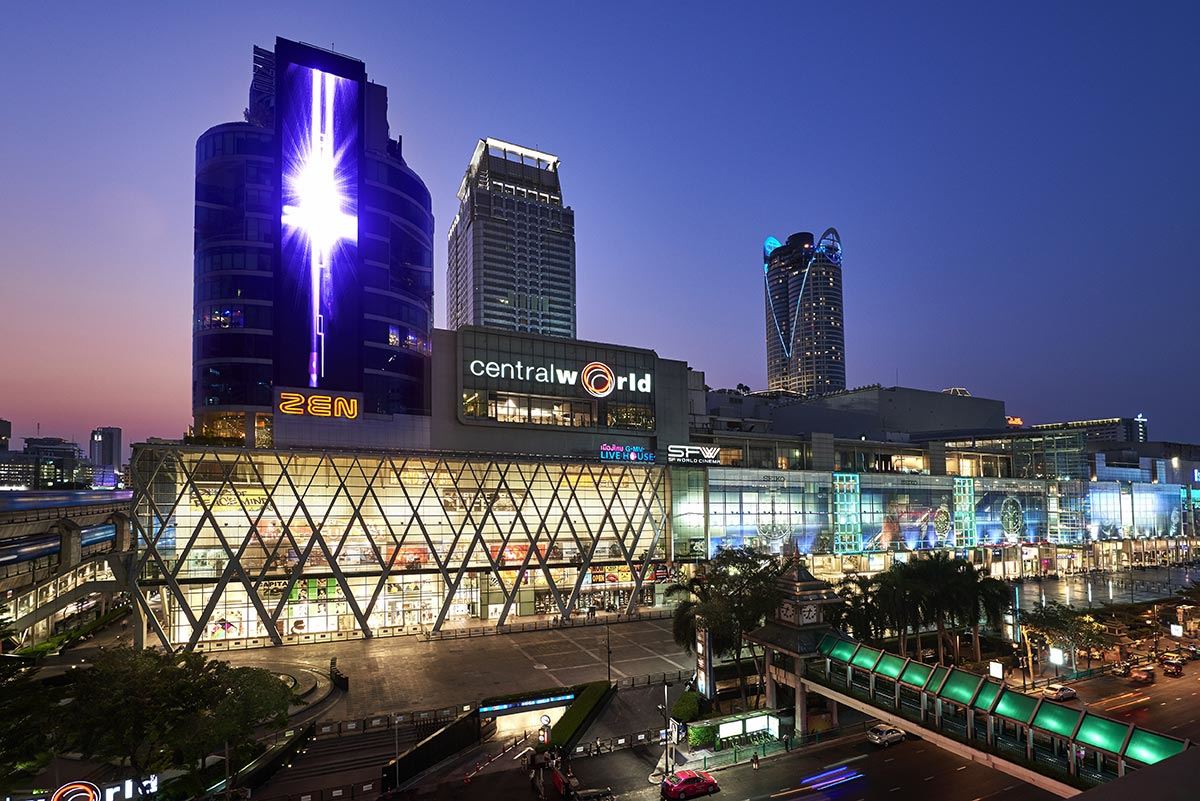
Bangkok community malls can be easy to underestimate during a condo search. They are rarely the headline attraction in a sales brochure, yet they often decide whether daily life feels convenient. For foreign buyers and expats, the useful question is not whether a neighbourhood has a famous mall, but whether it has the right everyday services close to home.
A useful community mall can make weekday errands and casual dining easier for condo residents.
A good community mall can support groceries, coffee, casual dining, pharmacies, salons, fitness, clinics, parcel pickup, tutoring, pet services and weekend routines. It can make a residential district feel easier to live in, especially for residents who do not want to travel to a major shopping centre for every errand.
Why community malls matter to condo buyers
Condo liveability is built around small repeat behaviours. Where do residents buy breakfast? Where can they collect dry cleaning? How easy is it to get a prescription, meet a friend, take a child for lunch or pick up groceries after work? A nearby community mall can reduce the number of taxi trips needed in an ordinary week.
For investors, this can support tenant retention. Tenants may choose a building because it makes life simple, not because every facility is luxurious. If a unit is close to useful services, residents have fewer reasons to move when the lease ends.
Grocery access, pharmacies, cafes and small services often matter more than destination shopping.
Look beyond the tenant list
A mall directory can look impressive but still be less useful in practice. Buyers should visit at the times residents actually use it: weekday mornings, after work, weekends and rainy evenings. Check whether shops are open, whether the dining mix is practical, whether grocery options are strong and whether the space feels safe and maintained.
Also look at turnover. A community mall with constant vacancies may be less reliable than a smaller centre with stable daily-service tenants. The best neighbourhood retail does not need to be spectacular. It needs to be consistent, clean and convenient.
Access matters more than distance
A community mall that is technically nearby may still be difficult to use if the walking route is poor, crossings are awkward, pavements are broken or shade is limited. Foreign buyers should test the route from the condo lobby, not from the main road. If a shuttle is part of the convenience story, check frequency, operating hours and pickup points.
Parking and ride-hailing also matter. Some residents will walk. Others will use taxis, motorcycles or private cars. A mall with a safe drop-off area, clear access and reasonable traffic flow can be far more useful than one that creates daily frustration.
The connection between home, mall and transit decides whether convenience feels real in daily life.
Match the mall to the resident profile
Different buyers need different community retail. A single professional may value coffee, fitness, convenience food and parcel pickup. A family may need grocery options, tutoring, child-friendly dining and clinics. A retiree may care about pharmacy access, quiet cafes and safe walking. A landlord should match the mall’s services to the tenant profile expected for the unit.
Do not assume that a famous retail name helps every condo equally. A quiet residential building near practical services may outperform a flashier address if the daily routine is easier and the rent is sensible.
What to inspect during viewings
Walk from the condo lobby to the community mall in normal conditions.
Check grocery, pharmacy, dining, cafe, fitness and service tenants.
Visit outside peak marketing hours to see real occupancy and atmosphere.
Look at lighting, security, maintenance, toilets and family usability.
Test taxi, shuttle, ride-hailing, parking and rainy-season access.
Ask whether the mall supports the likely tenant or owner-occupier profile.
Buyer takeaway
Bangkok community malls can make condo living feel smooth when they support real daily habits. Foreign buyers should judge them by practical usefulness, not just branding. The best neighbourhood retail helps residents save time, settle faster and feel connected to the area.
IBP helps expats and foreign buyers compare Bangkok condos by transport, retail access, neighbourhood comfort and daily liveability. Browse our Bangkok lifestyle guides or contact IBP Real Estate for a liveability-led shortlist.
Food delivery is part of everyday Bangkok life, but foreign buyers should not treat it as a minor lifestyle detail. A condo that handles deliveries well can feel easy from the first week. A building with confusing lobby rules, awkward pickup points, poor communication or weak nearby alternatives can become frustrating, especially for new arrivals and residents who work from home.
Food delivery works best when it complements nearby groceries, cafes and daily services.
Delivery access is not only about convenience. It connects with security, privacy, traffic, building management, resident routines and neighbourhood quality. The best Bangkok condo locations give residents both options: reliable delivery when needed and walkable food, groceries and cafes when they want to leave the unit.
Start with the building’s delivery rules
Ask how the building handles food, grocery and parcel deliveries. Some condos require riders to wait outside. Some allow lobby handover. Some use lockers, shelves, concierge desks or security counters. Some require residents to come down every time. None of these systems is automatically good or bad, but the buyer should know the rule before deciding how the building will fit daily life.
For overseas owners, delivery rules also matter for tenants. A tenant who works late, has children, hosts visitors or orders groceries regularly will notice whether the system is smooth. A good lobby process can support tenant satisfaction without compromising building security.
A strong neighbourhood gives residents options beyond ordering every meal to the lobby.
Neighbourhood options still matter
A strong delivery area can be useful, but it should not replace neighbourhood quality. Buyers should check nearby supermarkets, cafes, pharmacies, casual restaurants, fresh food options and late-opening services. If every simple errand requires a delivery app, the location may feel less liveable than expected.
Walk the area at meal times and on weekends. Look for shaded routes, crossings, crowd levels, traffic, easy pickup points and places where residents can sit comfortably. Bangkok’s best liveability often comes from having choices within a short radius, not from relying on one channel for everything.
Delivery access, pickup points and walking routes all affect how convenient a condo feels in real life.
Traffic and pickup design affect daily comfort
In busy districts, the way a building handles motorcycle riders and cars can affect the lobby experience. A narrow driveway, unclear entrance or crowded drop-off point may create friction at peak meal times. Conversely, a well-managed pickup area can keep the entrance calm and efficient.
Residents should also think about rain. If the pickup point is exposed, deliveries may be awkward during wet weather. Covered entrances, clear signage and responsive security staff can make a noticeable difference in ordinary weeks.
Security and privacy are part of the check
Delivery convenience should not weaken security. Buyers should ask whether riders can access lifts, floors or corridors, how identity is checked, and whether residents are notified properly. A building that lets too many visitors move freely may feel convenient at first but less comfortable over time.
Privacy matters too. Some residents prefer collecting food from a desk rather than giving room details to every rider. Others value direct handover. The building’s system should be clear enough that residents and riders are not negotiating from scratch every day.
Owner-occupiers and landlords use the feature differently
Owner-occupiers should test whether the routine suits their household. A single professional, couple, family with children and older resident may each have different expectations. Work-from-home residents may use food and parcel deliveries more often, so lift waits and lobby communication become more important.
Landlords should consider how delivery access affects tenant appeal. A practical building can make a unit more competitive, especially in districts where tenants compare several similar condos. However, delivery convenience cannot compensate for poor layout, weak maintenance or an inconvenient location.
Buyer checklist
Ask how food, grocery and parcel deliveries are handled.
Check whether riders use the lobby, security desk, lockers or pickup shelves.
Test nearby groceries, cafes and casual restaurants on foot.
Inspect the drop-off area during busy meal times and rainy weather.
Confirm how the system balances convenience, privacy and security.
Consider whether tenants will find the routine easy to understand.
Buyer takeaway
Bangkok food delivery can make condo life easier, but only when the building and neighbourhood support the routine. Foreign buyers should assess lobby rules, pickup design, nearby food options, rain protection, security and tenant expectations before assuming a location is convenient.
IBP helps foreign buyers evaluate Bangkok condos by liveability, neighbourhood fit and practical ownership routines. Browse our Bangkok lifestyle guides or contact IBP Real Estate for a liveability-focused shortlist.
Bangkok is becoming easier for pet-owning residents to navigate, but a pet-friendly condo still needs careful checking. A building may allow pets in principle while limiting size, breeds, lift access, lobby movement, common-area use or noise tolerance. Foreign buyers should confirm the rules before they fall in love with a unit.
Pet-friendly living depends on outdoor routes, shade and practical places to pause near the building.
Pet-friendly living is not only about permission. It is about whether daily routines work: morning walks, rainy-season toilet breaks, lift etiquette, visitor arrivals, vet access, grooming, cleaning, waste disposal, taxi pickup and neighbours. A condo that fails these small tests can become stressful for both owner and pet.
Start with written building rules
Ask the juristic office for the current pet policy in writing. Confirm whether pets are allowed for owners, tenants or both. Check size limits, weight limits, breed restrictions, registration requirements, vaccination records, deposits, cleaning rules, lift rules and whether pets can use any common areas. Do not rely only on a listing description or a casual comment from a salesperson.
Some buildings tolerate pets quietly even if rules are unclear. That can be risky for a foreign buyer. A written policy gives the owner a stronger basis for living there, renting the unit or reselling to another pet owner. If the policy is uncertain, treat that uncertainty as part of the purchase risk.
Nearby parks and quiet streets can matter as much as the building’s written pet policy.
Inspect the route outside
A pet-friendly unit needs a practical outdoor route. Check whether the lobby exit is calm, whether the pavement is safe, whether there is shade, whether traffic is heavy and whether there are nearby green spaces or quiet side streets. In Bangkok’s heat and rain, the route matters as much as the distance.
Owners should walk the route at the times they would actually use it. Early morning, late evening and rainy afternoons can feel very different. A building with a nice park nearby may still be awkward if the crossing is difficult or if the pavement is broken.
Lifts, lobbies and neighbours
Lift etiquette can decide whether a building feels genuinely pet-friendly. Ask whether pets must use a service lift, be carried through the lobby or avoid certain entrances. In a high-rise building, long lift waits can be frustrating for residents and pets. If many residents have pets, the building also needs clear expectations on cleanliness and noise.
Buyers should look at the lobby, corridors and lift signage. A building that communicates rules calmly is easier to live in than one where every pet issue becomes an argument. Good management matters because pet living affects neighbours as well as owners.
Foreign buyers should confirm lift, lobby, pet-size and common-area rules before assuming a building is pet-friendly.
Unit layout and surfaces
Inside the unit, check flooring, balcony safety, door thresholds, ventilation, storage and cleaning practicality. Glossy finishes may look premium but be slippery. Timber floors may scratch. Balconies need safe doors and sensible supervision. A compact unit can work for one resident and a small pet, but it may not work for larger animals or people who travel frequently.
Landlords should decide whether they will accept tenants with pets and under what conditions. The lease should address cleaning, damage, odour, noise, pest treatment, furniture protection and inspection procedures. Pet-friendly rentals can attract committed tenants, but only if the rules are clear.
Neighbourhood support
Pet owners should check nearby vets, grooming shops, pet supply stores, taxi access, delivery services and weekend walking options. Some Bangkok districts have stronger pet ecosystems than others. A building near a mall or park may still be inconvenient if pets are not welcome on the most useful route.
Also think about travel. If the owner spends time overseas, who will care for the pet? Can a sitter access the building easily? Are there reliable boarding options nearby? A foreign buyer should design the routine before purchase, not after the first problem.
Buyer checklist
Request the current pet policy from the juristic office.
Check size, breed, registration, deposit and lift rules.
Walk the outdoor route in heat, rain and evening conditions.
Assess lobby, lift and neighbour tolerance in daily use.
Review flooring, balcony safety, ventilation and cleaning needs.
Check nearby vets, grooming, supplies and pet-friendly transport options.
Buyer takeaway
A Bangkok pet-friendly condo is defined by rules, routes and routines. Foreign buyers should verify the written policy, inspect the real outdoor journey, test building management and make sure the unit can handle daily pet care. When those pieces align, pet ownership can become part of Bangkok’s liveable expat appeal rather than an ongoing friction point.
IBP helps foreign buyers compare Bangkok condos by lifestyle, building rules and practical neighbourhood fit. Browse our expat living guides or contact IBP Real Estate for a pet-aware shortlist.
Bangkok condo buyers often ask how close a building is to a BTS or MRT station. Distance matters, but comfort matters too. A five-minute route with shade, covered sections, safe crossings and easy drop-off can feel very different from a shorter route that is hot, exposed, noisy or awkward.
Covered-route living starts with the real route from lobby to rail, shops, taxis and services.
For foreign buyers, covered-route living is a practical liveability check. It affects work commutes, school runs, grocery trips, hospital visits, restaurant evenings, gym routines and how willing tenants are to stay after the first lease. The best route is not always the shortest; it is the one residents will actually use in Bangkok’s heat, rain and traffic.
Start at the unit door, not the station
The route begins inside the building. Check the lift wait, lobby layout, driveway, canopy, security desk, parcel area and the first pavement outside the gate. A building can be close to rail yet frustrating if the lobby exit is cramped, taxis cannot stop safely, or the first crossing is difficult.
Buyers should walk from the unit door to the station platform, not only from the building frontage to the station entrance. Include lift time, lobby exit, road crossings, ticket gates and platform access. This gives a more honest picture of the daily journey.
Covered links are useful, but only when they connect
Bangkok has valuable covered connections around some malls, office towers, skywalks, station entrances and mixed-use projects. These links can improve comfort, especially for residents who commute daily or carry laptops, shopping bags or children. But a covered section that ends at a difficult crossing may be less useful than it looks.
Transport choices, drop-off points and station links shape daily comfort in Bangkok.
Inspect whether the route links to the places residents need most: rail, supermarket, pharmacy, clinic, cafes, office lobby, school-bus pickup, taxi stand, mall, park or hospital shuttle. A covered route is most valuable when it supports ordinary errands, not only a marketing photograph.
Shade can matter as much as a roof
Not every useful route needs a full roof. Trees, arcades, building setbacks, awnings, station structures and mall frontage can all make walking more comfortable. Shade matters in Bangkok because a route that feels easy at 7pm may feel much harder at noon.
Foreign buyers should test the route at realistic times. A buyer inspecting after sunset may miss heat, glare and traffic. A tenant who works from home may care about midday errands. A family may care about school pickup. A retiree may prioritise calmer daytime walking and places to sit.
Crossings and pavement quality are part of the value
Covered access is less useful if the route requires unsafe crossings, broken pavements, narrow sections, steep stairs, poor lighting or awkward motorcycle-taxi conflict. Buyers should note every point where the route becomes uncomfortable. A single difficult crossing can change how often residents walk.
Accessibility also matters. Families with strollers, older residents, visitors with luggage and residents recovering from medical treatment may need lifts, ramps and smooth surfaces. A condo that feels premium inside should still work for real movement outside.
Comfortable routes should be balanced with nearby green space, services and places to pause.
How covered routes affect rental demand
Tenants often compare buildings by rent, furniture and station distance. After moving in, they judge convenience more practically. If the walk to rail is unpleasant, if taxis struggle to stop, or if grocery trips are difficult, a tenant may leave for a building that feels easier even if the map distance is similar.
For landlords, covered-route quality can support tenant retention. It can also widen the tenant pool to people who do not want a car, are new to Bangkok, work hybrid schedules, or expect easy access to malls and services. The owner should still price the unit realistically, but a comfortable route can help the property feel more useful.
Do not overpay for a weak link
Developers and agents may highlight proximity to a station, mall or skywalk. Buyers should test whether that link is complete, public, open at useful hours and comfortable in normal conditions. A private shortcut, limited-hours mall route or future promised connection should not be valued the same as a reliable public path.
If the route depends on a mall, office tower or private development, ask whether access hours could change. If the route depends on a future project, treat it as upside rather than a certainty unless it is complete and open.
Buyer checklist
Walk from the unit door to the platform, not only from gate to station.
Check shade, roof cover, crossings, pavement quality and lighting.
Test the route at commute time, midday and evening where possible.
Confirm whether mall or office links are public and open at useful hours.
Check taxi, ride-hailing, delivery and visitor drop-off points.
Compare the route with nearby buildings before paying a premium.
Buyer takeaway
Bangkok covered-route condo living is about practical comfort. Foreign buyers should inspect shade, crossings, station access, mall links, taxis, delivery points and daily services before assuming a short distance equals a convenient home. A better route can make a condo easier to live in, rent out and explain at resale.
IBP helps foreign buyers compare Bangkok condos by liveability, transport and practical ownership. Browse our expat living guides or contact IBP Real Estate for a neighbourhood shortlist.
Work-from-home comfort has become a serious Bangkok condo buying factor. It matters for remote professionals, hybrid executives, entrepreneurs, long-stay owners, digital workers and tenants who may spend far more time in the unit than a traditional commuter. A condo that looks good for weekend stays can feel very different after full working days indoors.
Work-from-home comfort starts with layout, storage, light and a realistic desk position.
Foreign buyers should therefore inspect a Bangkok condo as both a home and a workplace. The question is not only whether a desk can fit somewhere. The better question is whether the unit supports focus, video calls, storage, light, cooling, quiet, breaks, deliveries and easy movement around the city when meetings or errands require it.
Start with the desk position
A proper desk position should have comfortable light, nearby power, enough width for a laptop and monitor, a chair that can stay in place, and a background that works for calls. Many compact condos can support this if the layout is efficient. Others force the desk into a corridor, bedroom corner or dining surface that becomes frustrating quickly.
Buyers should test where work equipment, documents, bags, printer, router and charging cables would go. A beautiful living room may still fail if there is no practical storage and every workday ends with clutter spread across the sofa.
Noise and cooling matter more than the view
Remote workers notice noise. Traffic, rail, construction, lift areas, pool decks, schools, nightlife and neighbouring units can all disrupt calls. Visit at different times, stand quietly in the room, and ask whether nearby construction or renovation is expected. A high floor is not automatically quiet if the building faces a loud road or elevated line.
A practical home office still needs easy access to meetings, services, visitors and transport.
Cooling also matters. A west-facing room with strong afternoon heat may look dramatic but become uncomfortable and expensive to cool during working hours. Check air-conditioning position, curtain quality, window heat and whether the desk area receives harsh glare. The best work-from-home unit feels comfortable at 2pm, not only at sunset.
Internet is a building question too
Buyers should ask what providers serve the building, how installation appointments are handled, where the router sits, and whether the unit has practical cable routes. For owners who will rent the unit, internet setup should be ready before tenant move-in. A remote worker may reject a unit quickly if connectivity is uncertain.
Building systems also affect working life. Parcel handling, visitor registration, lobby seating, delivery procedures, mobile reception, backup power policies and lift reliability all shape the weekday routine. A strong home-office unit needs a building that supports daily logistics.
Amenities can prevent cabin fever
Work-from-home residents need breaks. A usable gym, pool, garden, library room, co-working lounge, cafe access or nearby park can make a major difference. The amenity does not need to be extravagant. It needs to be clean, available, comfortable and easy to use without a complicated booking process.
Green space, gyms, cafes and quiet walking routes help remote workers avoid feeling trapped indoors.
Neighbourhood support is just as important. Coffee, casual dining, groceries, pharmacies, laundry, taxis, rail, walking routes and calm evening options all help remote workers maintain a balanced routine. A district with useful daily services can feel more livable than a more fashionable address that requires travel for every errand.
Who is the target resident?
Investors should define the likely work-from-home tenant before buying. A single professional may accept a compact one-bedroom if the layout is efficient and the building is quiet. A couple may need a separate bedroom and living area so one person can work while the other rests. A senior executive may prefer a larger unit, better privacy and easier car access.
The furnishing package should match that audience. A real office chair, proper desk, task lighting, blackout curtains, storage and reliable appliances may do more for tenant retention than decorative accessories. The goal is a unit that works after the first week, not only in listing photos.
Buyer checklist
Place a real desk, chair, monitor and storage plan on the floor plan.
Check noise, glare and cooling during working hours.
Confirm internet providers, router position and installation process.
Inspect parcel handling, deliveries, lifts and visitor access.
Test nearby cafes, groceries, parks, gyms and walking routes.
Match the unit size and furnishing to the likely remote-worker profile.
Buyer takeaway
A Bangkok work-from-home condo should make ordinary weekdays easier. Foreign buyers should test layout, noise, internet, cooling, building logistics and neighbourhood breaks before assuming any central unit will work. The strongest choices support both living and focus.
IBP helps foreign buyers compare Bangkok condos by liveability, rental demand and long-stay comfort. Browse our expat living guides or contact IBP Real Estate for a practical location shortlist.
Senior-friendly Bangkok condo living is not only a retirement topic. It matters for older foreign buyers, long-stay couples, visiting parents, multigenerational families and investors who want a unit that can appeal to residents who value comfort over novelty. A beautiful building can still be difficult if lifts are slow, crossings are stressful or basic services require too much effort.
Healthcare access is part of the senior-friendly location check, but it should be tested alongside daily routes.
The best senior-friendly condo is not defined by one amenity. It is the combination of building design, reliable management, calm daily routes, healthcare access, transport options, visitor convenience and a neighbourhood that feels manageable in Bangkok’s heat and rain. Buyers should test those details before assuming a central address will automatically be easy to live in.
Start with movement inside the building
Inspect the lobby, ramps, steps, lift access, corridor width, lighting, handrails, parking, drop-off area and route from taxi to front door. A building may look elegant but still be awkward for residents with luggage, mobility limitations or visiting relatives. Small level changes can become daily irritations.
Lift performance is especially important. Long waits, crowded lifts or poorly managed service-lift use can affect older residents more than younger tenants. Buyers should visit during busy periods and ask how the building manages deliveries, contractors and move-ins.
Parks, shade and calm walking routes can make long stays in Bangkok more comfortable.
Healthcare access is practical, not decorative
Bangkok’s hospitals and clinics are a major part of the city’s liveability for foreign residents. Buyers should check realistic travel time, taxi access, emergency routes, pharmacy proximity and whether the building staff can help with visitors or urgent coordination. The question is not only how close a hospital appears on a map, but how easy it is to reach when needed.
This article is not medical or insurance advice. Buyers should arrange their own healthcare, insurance and emergency planning. From a property perspective, the aim is to choose a location that makes ordinary appointments, pharmacy trips and family support easier.
Walkability needs a different standard
A route that feels acceptable to a young commuter may not be senior-friendly. Check shade, pavement quality, crossings, traffic speed, lighting, resting places, building setbacks and rain exposure. If every errand requires a motorcycle taxi, the location may not suit an older resident even if the district is fashionable.
Parks, quiet streets, malls with seating, covered links and nearby cafes can all improve long-stay comfort. The best locations give residents choices: walk when the weather is good, take a taxi easily when it is not, and access daily services without complicated transfers.
Senior-friendly living depends on reliable access to transport, services, visitors and everyday support.
Inside the unit, avoid clever but awkward layouts
Senior-friendly living favours clarity. Look for sensible bedroom access, easy bathroom movement, good lighting, enough storage, minimal trip hazards, practical kitchens and space for visitors or carers if needed. A dramatic design feature may not help if the unit is hard to navigate or maintain.
Noise also matters. Older residents may spend more time at home and may be more sensitive to traffic, nightlife, construction or lift noise. Visit at different times, stand quietly in each room and test whether windows and curtains control heat and sound well enough.
Management and services make the difference
A senior-friendly building needs responsive management. Security, reception, maintenance, parcel handling, visitor registration, repair coordination and communication all affect daily confidence. Foreign buyers should ask whether notices are clear, whether English support is available, and how emergency access or water leaks are handled when the owner is away.
If the condo is for visiting parents or future personal use, think beyond today’s lifestyle. A building that feels slightly less fashionable but much easier to use may be the better long-term choice. Investors should also remember that accessible, calm and well-managed units can appeal to a wider resident pool.
Buyer checklist
Test the route from taxi drop-off to the unit door.
Check lifts, ramps, lighting, parking and corridor comfort.
Measure real travel time to hospitals, clinics and pharmacies.
Walk nearby routes for shade, crossings, pavements and seating.
Inspect bathrooms, storage, lighting and trip hazards inside the unit.
Ask how building staff handle emergencies, visitors and repairs.
Buyer takeaway
A senior-friendly Bangkok condo is one that makes ordinary days easier. For foreign buyers, the right checks include building access, healthcare routes, walkability, unit layout, noise and management quality. These details can support comfort, resale appeal and a wider liveability story.
IBP helps foreign buyers compare Bangkok condos by lifestyle fit, healthcare access, transport and long-stay comfort. Browse our expat living guides or contact IBP Real Estate for a practical location shortlist.
Bangkok condo walkability is not just a lifestyle preference. For foreign buyers, it affects daily comfort, tenant demand, resale appeal and how easy the unit is to use during short visits. A building can look close to a station, mall or park on a map, yet feel awkward in real life because of crossings, heat, rain, traffic, pavement quality or the final approach to the lobby.
Walkability is about the real daily route, not only the distance shown on a map.
The best way to judge walkability is to test the actual route. Do not rely only on distance. A five-minute walk with shade, a safe crossing and useful shops can be more valuable than a shorter route along a busy road with poor pavements. Buyers should inspect how the location works during normal weekday routines, not only during a quiet viewing.
Walk the routes that matter
Start with the routes a resident will use most: station, supermarket, coffee, pharmacy, gym, school pickup point, office shuttle, park, clinic, mall, taxi stand and food delivery area. If the condo is intended as a rental, walk the route as a tenant would. If it is for personal use, walk it with luggage, family members or the errands you expect to do in Bangkok.
Check both directions. A route that feels easy in the morning may be unpleasant at night. A crossing that seems manageable on Sunday may be difficult during office traffic. A pavement that works in dry weather may become uncomfortable in heavy rain.
Shade, crossings, traffic, dust and rainy-season comfort all affect how often residents walk.
Shade and weather change the decision
Bangkok’s heat and rainy season make shade, drainage and covered links important. A condo with trees, awnings, mall connections or short sheltered sections can feel more liveable than one with a completely exposed route. Buyers should also check whether puddles, uneven pavements or construction barriers make the route difficult after rain.
For older residents, children or frequent visitors, these details matter even more. A route that a young professional accepts may not suit parents, guests or tenants with mobility concerns. Good walkability broadens the potential resident pool.
Transport access is more than station distance
Being near BTS or MRT is helpful, but Bangkok residents often combine rail, taxi, motorcycle taxi, ride-hailing, ferries, airport links and walking. A strong location gives residents options. Check whether taxis can stop safely, whether ride-hailing cars can find the lobby, whether motorcycle taxis wait nearby, and whether the building has a practical drop-off during rain.
Investors should be realistic when a building depends on one inconvenient link. If tenants need to rely on a shuttle or motorcycle taxi for every journey, the rent should reflect that friction unless the unit offers other clear advantages.
The best condo locations make errands, transit and weekend routines feel simple.
Daily services create long-stay comfort
Walkability is strongest when useful services sit close together. A resident should be able to handle ordinary errands without turning every task into a car journey. Groceries, pharmacies, laundry, parcel drop-off, casual food, coffee, bank services, clinics and basic household shops all support long-stay comfort.
Foreign buyers should also check noise, smell, street lighting, nightlife, school traffic, construction and delivery activity. A lively street can be convenient, but it may affect sleep or privacy. A quiet street can feel calm, but it may be less comfortable after dark. The correct balance depends on the intended user.
How walkability affects resale
Future buyers and tenants make quick judgements. If the route from station to lobby feels obvious and comfortable, the condo is easier to explain. If the route needs a long caveat, the unit may be harder to market. Walkability can therefore support resale, especially when competing buildings offer similar layouts and facilities.
It also protects owner use. A foreign owner visiting Bangkok for short stays will notice daily friction quickly. A location that makes breakfast, transport, errands and evening plans simple is more likely to be used regularly and maintained well.
Buyer checklist
Walk the actual route to station, shops and daily services.
Test the area at peak hour, evening and after rain where possible.
Check crossings, shade, lighting, pavements and construction barriers.
Observe taxi, ride-hailing, delivery and drop-off routines.
Listen for traffic, nightlife, school and construction noise.
Ask whether the route suits the intended tenant, family or owner use.
Buyer takeaway
Bangkok walkability is a practical ownership filter. Foreign buyers should test the routes that define daily life, not only the distance shown online. The strongest condo locations make transport, errands and weekend routines feel natural, which supports liveability, rental appeal and resale confidence.
IBP helps foreign buyers compare Bangkok condos by district, walking route, transport access and lifestyle fit. Browse our Bangkok lifestyle guides or contact IBP Real Estate for a location shortlist.