Housekeeping, deliveries and building routines can shape daily condo life in Bangkok more than many buyers expect. A foreign owner may focus on view, pool, gym and location, then discover that cleaners, parcels, food delivery, maintenance teams and access cards are what make the home easy or irritating to use every week.
Housekeeping works best when access, timing and responsibility are agreed before problems arise.
This matters for both owner-occupiers and landlords. A well-organised service routine keeps a second home ready, protects furnishings, supports tenant satisfaction and reduces avoidable messages from the juristic office. A weak routine can create missed deliveries, access problems, disputes over damage and a unit that feels poorly managed.
Start with building access rules
Before arranging a cleaner, helper, delivery team or maintenance contractor, check the building’s access policy. Some condominiums require visitor registration, ID cards, owner approval, service-lift use or limited working hours. Others have parcel rooms, delivery counters, QR systems or strict rules about food delivery riders entering residential floors.
Foreign owners should not assume every Bangkok condo works the same way. Ask the juristic office how regular cleaners are registered, whether repeat visitors can be pre-approved, how keys are handled, and what happens when the owner is overseas. Clear rules protect residents and make service providers easier to coordinate.
Regular home care helps overseas owners keep a unit ready for personal use or rental viewing.
Decide who controls the keys
Key control is one of the most practical ownership decisions. Some owners leave keys with a property manager. Some use a trusted cleaner. Some keep access with the juristic office only for emergencies. Each approach has trade-offs, and the right answer depends on whether the unit is personally used, rented, vacant, or prepared for sale.
Whatever the arrangement, keep a written record of who holds keys, access cards, mailbox keys and parking stickers. If a tenant is involved, the lease should make clear how cleaning, maintenance access and emergency entry are handled. Lost access cards can create security concerns and replacement costs.
Housekeeping is part of asset care
Regular cleaning is not only cosmetic. Bangkok humidity, dust, air-conditioning use and vacant periods can affect furniture, curtains, bathrooms, drains and appliances. A vacant condo may still need airing, water traps checked, air-conditioners tested, balcony drains cleared and small leaks spotted early.
For overseas owners, a simple inspection routine can prevent expensive surprises. Ask for dated photos after cleaning, especially of bathrooms, kitchen, balcony, walls, floors, air-conditioning units and any known weak spots. The goal is not to micromanage; it is to know the unit remains presentable and functional.
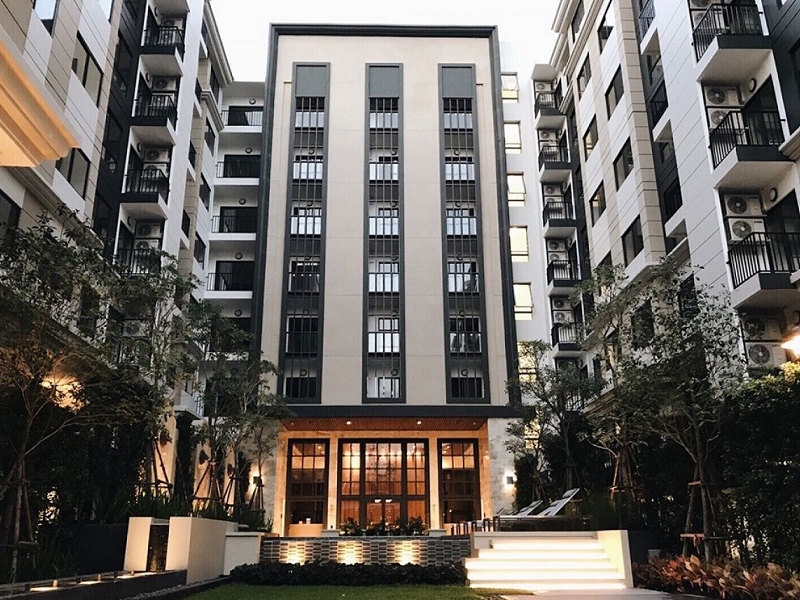
The building’s access rules shape daily convenience for cleaners, deliveries and maintenance teams.
Deliveries and parcels affect liveability
Bangkok residents often rely on food delivery, parcel delivery, grocery delivery, laundry services and repair visits. A condo with a sensible drop-off area, clear lobby process and responsive security team can make daily life easier. A building with confusing delivery rules can frustrate tenants and guests.
Buyers should observe how the lobby works during busy hours. Are parcels organised? Do riders wait in a safe area? Is there a service lift for bulky goods? Can taxis and ride-hailing cars stop without blocking traffic? These small details can influence whether a tenant renews or whether an owner enjoys staying in the unit.
Landlords need service boundaries
If the condo will be rented, decide which services are included and which are the tenant’s responsibility. Some landlords include periodic cleaning, air-conditioning service or linen support for a premium tenancy. Others leave housekeeping entirely to the tenant. The lease should be clear, because vague promises can become disputes.
Property managers also need spending authority for small repairs. A leaking pipe, failed appliance or blocked drain should not wait days because the owner is in another time zone. Set approval limits, preferred contractors and reporting expectations before the first tenant moves in.
Questions to ask before buying
How are cleaners, helpers and contractors registered?
Can regular visitors be pre-approved by the owner?
Where are parcels, food deliveries and bulky goods handled?
Who can hold keys if the owner is overseas?
How does the building manage service lifts and common-area damage?
Can the property manager inspect and photograph the unit after cleaning?
Buyer takeaway
A Bangkok condo feels easier to own when housekeeping and service routines are organised from the start. Foreign buyers should inspect the building’s access rules, key-control options, delivery process and management responsiveness as part of liveability. These details protect the unit, support tenants and make Bangkok ownership less stressful from overseas.
IBP can help expat owners and tenants compare Bangkok condos by building rules, lifestyle convenience and practical management. Browse our Bangkok lifestyle guides or contact IBP Real Estate for a service-ready shortlist.
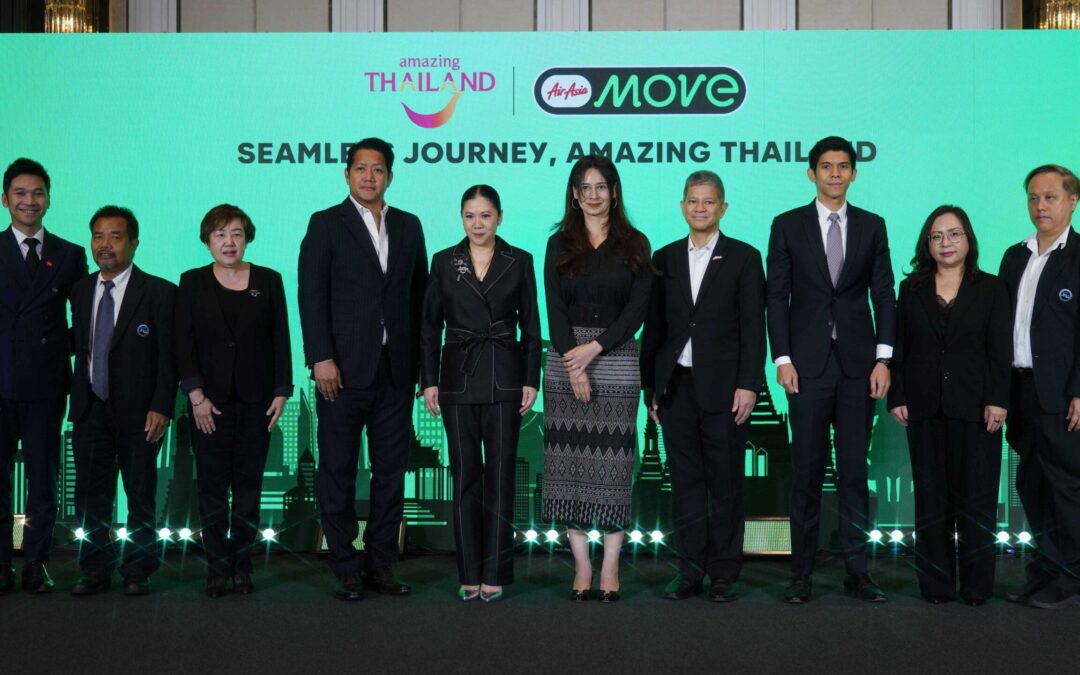
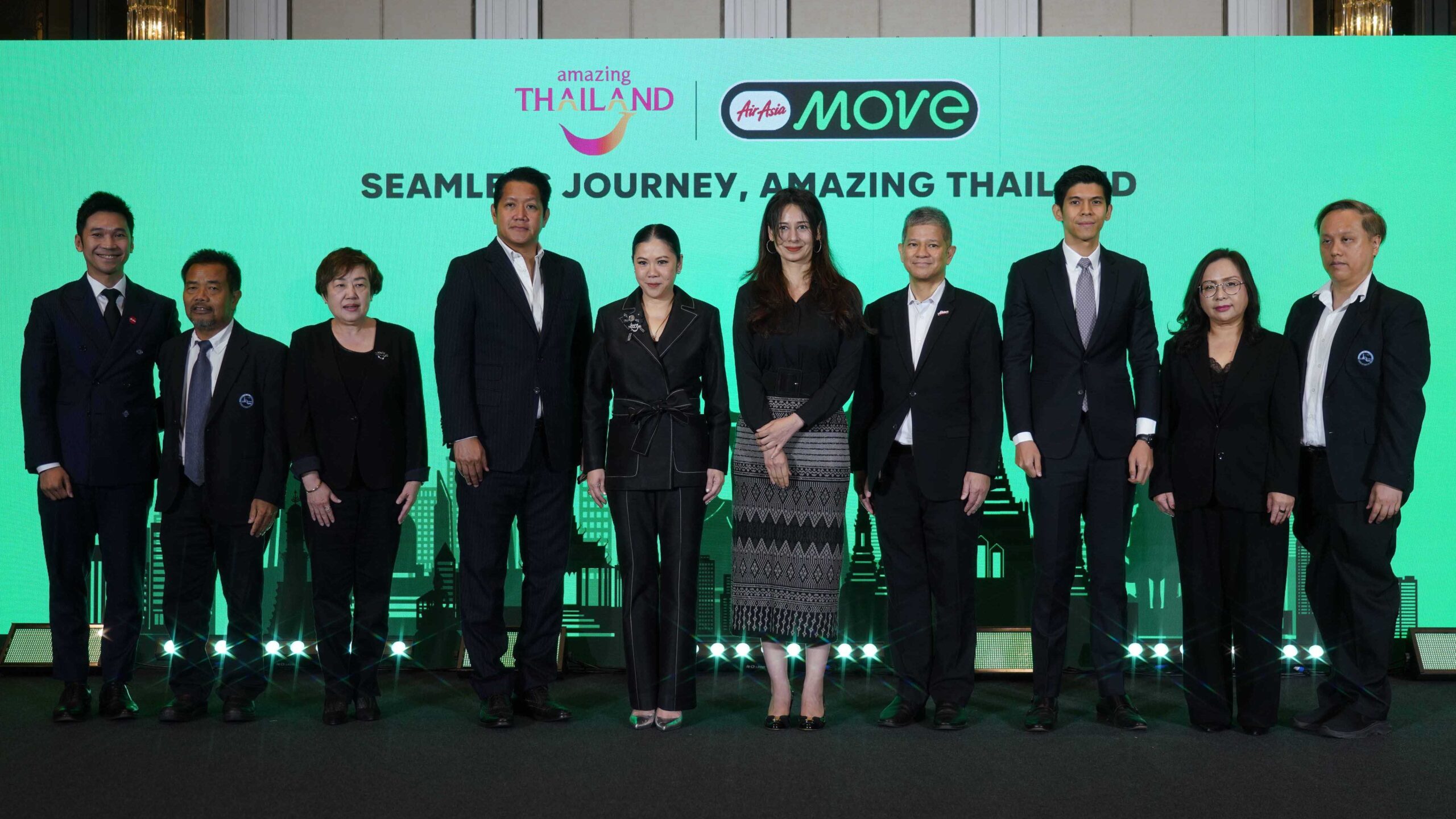
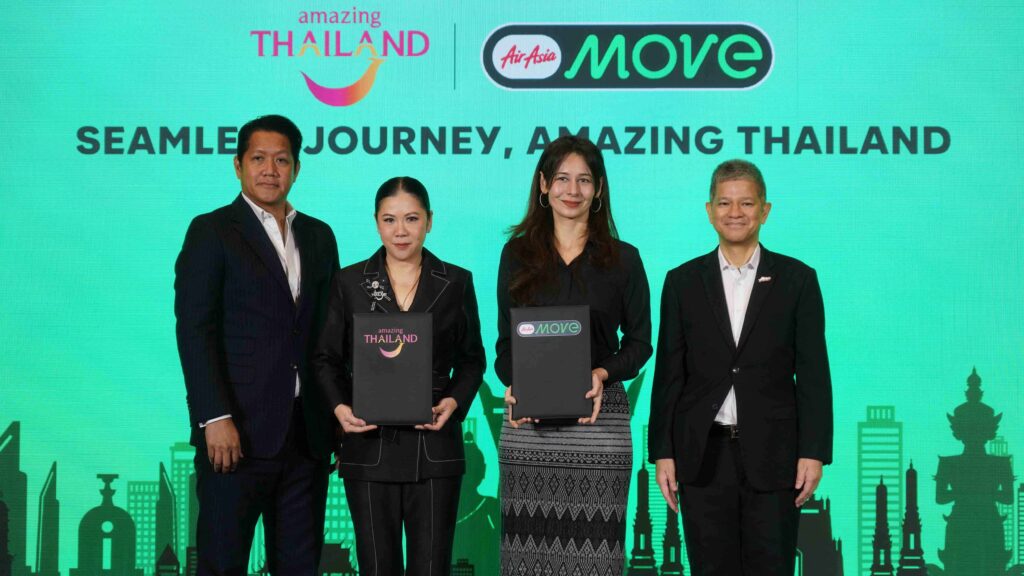
The Tourism Authority of Thailand and AirAsia MOVE announced a three-year digital travel partnership in Bangkok on 23 June 2026. The agreement sits under the TAT x MOVE: Seamless Journey, Amazing Thailand theme and is designed to connect destination marketing, traveller insights, co-branded campaigns and travel bookings across Thailand.
TAT and AirAsia MOVE announced a three-year digital travel partnership in Bangkok.
For Bangkok property buyers, the importance is not that one tourism partnership changes condo prices. It does not. The relevance is confidence: Thailand is continuing to invest in digital travel distribution, regional visitor access and better use of travel behaviour data. Those signals support Bangkok’s position as a connected base for investors, residents and frequent visitors.
What the partnership covers
TAT said the partnership covers co-branded campaigns, content promotion and joint marketing across TAT channels and the AirAsia MOVE platform. AirAsia MOVE brings a regional travel ecosystem and more than 17 million monthly active users. The stated aim is to strengthen Thailand’s position as a world-class tourism destination and use traveller insights from Asia and beyond for more focused destination marketing.
This matters because modern travel decisions often begin on digital platforms. A visitor may discover Thailand through content, compare destinations, book flights, arrange accommodation and plan domestic trips through the same ecosystem. Better distribution can help Thailand convert interest into actual travel, particularly from regional markets with repeat-visitor potential.
The partnership connects destination marketing with traveller data and booking behaviour.
Why Bangkok benefits from travel distribution
Bangkok is the natural starting point for many Thailand trips. It has airports, hotels, hospitals, retail, dining, business services, cultural sites and onward transport. When digital campaigns make Thailand easier to discover and book, Bangkok often benefits as the arrival city, meeting point, shopping stop, medical base or long-stay hub.
For property buyers, that supports the broader case for locations that connect well with airports, rail, hotels, offices, hospitals and lifestyle districts. A condo is still judged by its own fundamentals, but the city around it becomes easier to explain when travel access and destination marketing remain active.
Useful traveller signals from the announcement
TAT cited AirAsia MOVE travel behaviour and booking data for the first half of 2026. Asia remained the main inbound driver, with Malaysia, India, China and Indonesia continuing as top source markets for Thailand on the platform. The United States remained an important long-haul market, with travellers aged 50 and above accounting for 32% of US visitors on the platform and a 77% round-trip booking rate.
Those details are useful because they show Thailand’s visitor story is not limited to one country or travel style. Regional travellers, long-haul visitors, couples, older travellers and gateway users can all support different parts of the tourism economy. Bangkok property investors should not turn these figures into rent forecasts, but they can include them in a wider confidence view.
Digital travel platforms can influence how regional visitors discover and plan Thai trips.
What buyers should not overread
A travel-marketing partnership is not a reason to overpay for a weak condo. It does not solve poor building management, difficult station access, oversupply, inefficient layouts or unrealistic seller pricing. Foreign buyers still need to review comparable listings, ownership route, transfer documents, tenant demand and exit strategy.
The correct reading is city-level. Thailand is working with a major digital travel platform to improve reach, data use and campaign targeting. Bangkok remains a beneficiary when visitors use the capital as an entry point, business base, medical hub, shopping centre or second-home location.
That makes access, neighbourhood clarity and building quality the practical buyer filters.
Property takeaway
The TAT and AirAsia MOVE partnership strengthens the argument that Thailand is still actively competing for digitally connected, quality-led travel demand. For Bangkok property buyers, that supports confidence in well-located condos tied to transport, lifestyle and international access. The investment decision should still be made at unit level, with disciplined pricing and a clear tenant or owner-use story.
IBP helps foreign buyers connect Thailand tourism and economic news with practical Bangkok property choices. Read more in our Thailand economy and investment news archive or contact IBP Real Estate for a Bangkok property brief.
Child-friendly amenities can make Bangkok condo living easier for expat families, but only when they fit real routines. A playroom in a brochure is not the same as a safe, clean, well-managed family environment. Parents should assess how the building works during school mornings, rainy afternoons, deliveries, weekend downtime and visits from grandparents or carers.
Family liveability depends on the building and the surrounding weekday routine.
For foreign buyers, the decision is often emotional and practical at the same time. A building may look sophisticated, but if children have nowhere safe to play, lifts are slow before school, the lobby is difficult for prams, or the route to daily services is awkward, the family may not settle comfortably. A good family condo reduces friction in ordinary weeks.
Start with safety, not decoration
The first check is safety. Look at balcony doors, window locks, pool fencing, lift access, corridor lighting, car-drop areas, fire exits, CCTV coverage and security procedures. Ask how the building manages guests, contractors and delivery riders. If a child can easily reach unsafe areas or wander into vehicle zones, the building may not be as family-friendly as the marketing suggests.
Pool and play areas need particular attention. Check surfaces, shade, cleanliness, staff visibility, depth changes, posted rules and whether older children and toddlers are using the same space. Families should also ask how maintenance issues are reported and how quickly the juristic office responds.
Parents should test how a condo works during school mornings, not only during a quiet viewing.
Layout matters inside the unit
A family-friendly building cannot fix an awkward private unit. Buyers should check whether bedrooms are usable, whether there is space for study, storage, toys, luggage, strollers and household help where relevant. A beautiful two-bedroom unit may still be difficult if the second bedroom is too small, the dining area is squeezed, or there is no practical place for school bags and sports equipment.
Noise separation also matters. Parents working from home may need a quiet area away from children’s activities. Babies and young children may need bedrooms away from traffic noise, lifts or neighbouring entertainment areas. Visit at different times if possible, especially around school pickup, evening traffic and weekend pool hours.
Building amenities to inspect carefully
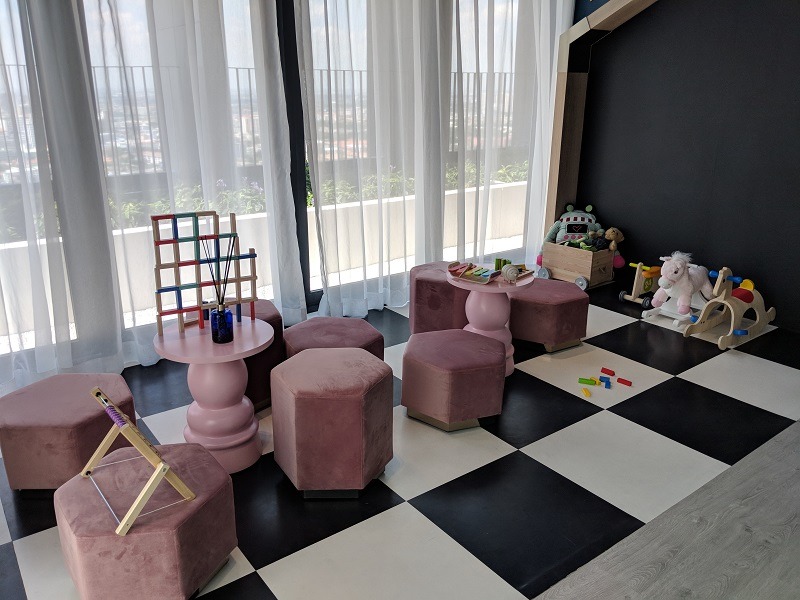
Children’s playroom condition, cleanliness and age suitability.
Swimming pool safety, shade, seating and supervision expectations.
Garden, lawn or outdoor area usability during hot and rainy months.
Lift capacity during school and office rush hours.
Drop-off, pickup, visitor parking and taxi access.
Storage rules for bicycles, scooters, strollers and sports equipment.
A child-friendly amenity is useful only when it is safe, maintained and easy for families to use regularly.
Neighbourhood support is part of the amenity package
Families should not judge the condo alone. The surrounding area needs to support daily life. Check grocery access, pharmacies, clinics, parks, cafes, after-school activities, safe walking routes, school-bus pickup, taxis and weekend options. A building with a playroom may still be inconvenient if every errand requires a difficult car trip.
Bangkok districts vary widely. Some families prioritise school commutes and international hospitals. Others value parks, mall access, language classes, sports clubs, restaurants or quick airport routes. The right condo is the one that matches the family’s actual week, not a generic idea of luxury.
Questions for the juristic office
Ask whether the building has many family residents, how play areas are managed, whether noise complaints are common, and how move-in or renovation works are controlled. Check whether short-term stays are an issue, because heavy transient use can change the feel of common areas. Ask about pets if relevant, visitor policies, childcare helpers and rules for using amenities with guests.
Good answers do not need to be complicated. They should be clear, consistent and easy for foreign residents to follow. A family building depends on predictable management as much as physical facilities.
Rental and resale angle
For investors, family-friendly amenities can broaden the tenant pool, especially for larger units near schools, hospitals and daily services. But families are selective. They will compare layout, storage, management, noise, safety and commute convenience. A token playroom will not compensate for a poor floor plan or a difficult school route.
For resale, family appeal can help when the building has a real community feel and sensible maintenance. Buyers with children often return to buildings recommended by other families. That word-of-mouth value is difficult to see in a spreadsheet, but easy to understand after living in the building.
Buyer takeaway
A child-friendly Bangkok condo is not defined by one amenity. It is the combination of safe common areas, useful unit layout, predictable management and a neighbourhood that supports family routines. Foreign buyers should inspect the building as parents or landlords will actually use it, not only as viewers on a quiet afternoon.
IBP can help expat families compare Bangkok condos by schools, healthcare, amenities, transport and daily liveability. Browse our Bangkok lifestyle guides or contact IBP Real Estate for a family-focused shortlist.
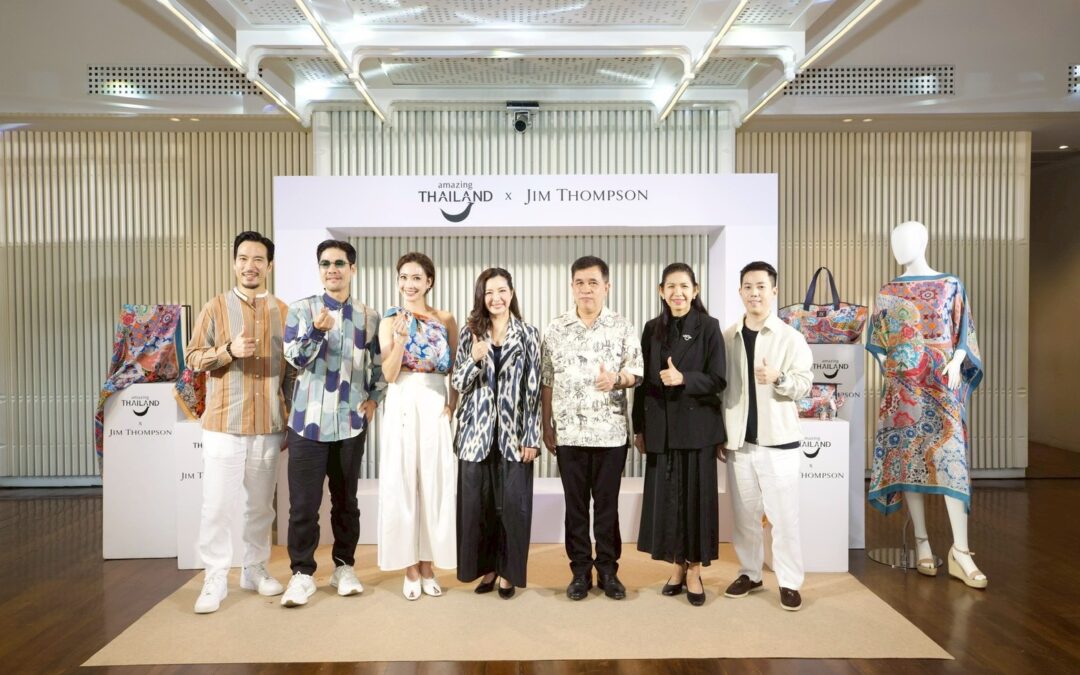
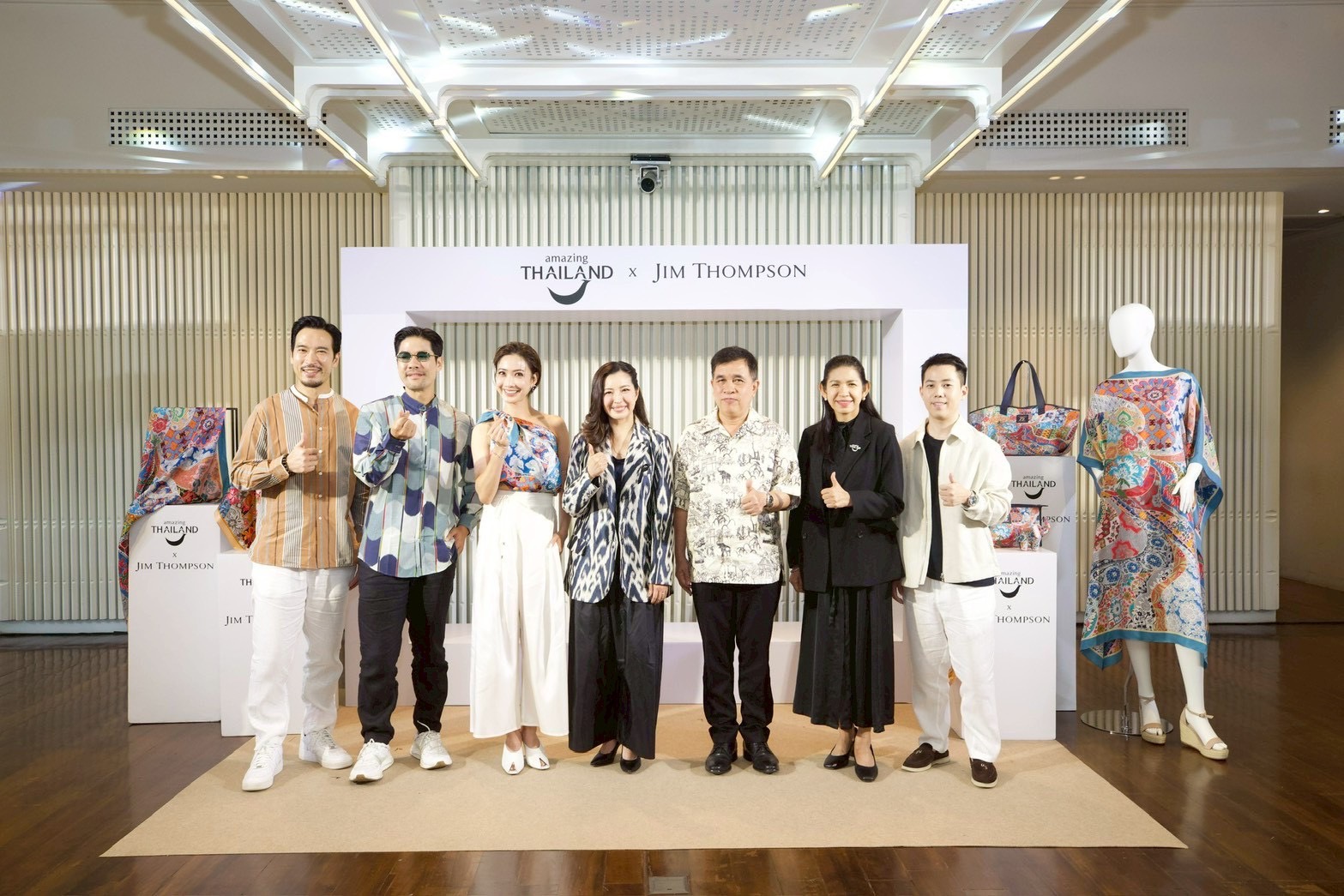
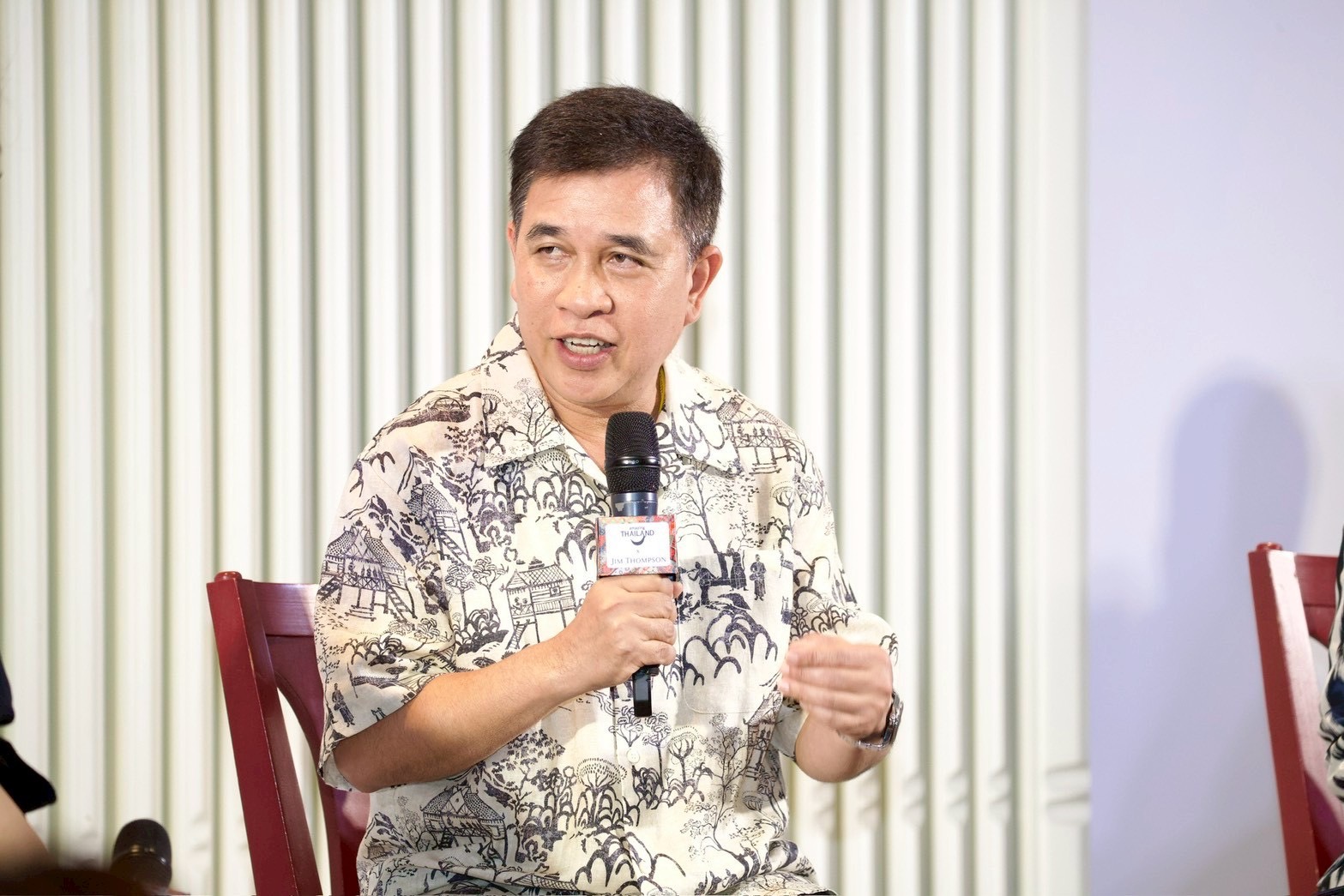
The Tourism Authority of Thailand’s latest Jim Thompson collaboration is not a property launch, but it does say something useful about Bangkok’s premium positioning. TAT Newsroom reported that on 19 June 2026, TAT and Jim Thompson launched the Amazing Thailand x Jim Thompson collection in Bangkok, linking Thai silk, contemporary design, cultural storytelling and high-value travel.
TAT’s collaboration with Jim Thompson connects Thai silk, design heritage and premium travel storytelling.
For foreign property buyers, the relevance is indirect. Bangkok’s best long-term appeal does not come only from office towers and transport lines. It also comes from culture, design, hospitality, retail, food, heritage and the city’s ability to turn Thai identity into experiences that international residents and visitors remember.
Why this collaboration matters
The release positions the collection under TAT’s Luxury Tourism initiative, Soul of Siam: Crafted Luxury. TAT describes the aim as creating greater value from tourism by connecting cultural strengths with meaningful travel experiences. Jim Thompson is named as one of 15 participating brands, recognised for Thai silk heritage, craftsmanship, lifestyle, retail and hospitality.
That matters because Thailand’s tourism strategy has increasingly emphasised quality, value and distinctive experiences rather than simple visitor volume. For Bangkok property, this helps explain why central districts with culture, retail, transport and premium services can remain attractive to internationally mobile buyers, even when they are not the cheapest locations.
Heritage-led retail and cultural programming can strengthen Bangkok’s appeal to high-value visitors.
Bangkok as a cultural base, not just a gateway
Bangkok is often described as a gateway to Thailand, but the Jim Thompson story reminds buyers that the city is also a destination in its own right. The TAT article highlights a Bangkok journey from the Jim Thompson House Museum, where visitors can learn about teak architecture, silk demonstrations, private art collections and the Baan Krua weaving community, to the Jim Thompson Art Center and the Surawong Flagship Store.
This type of route is important because it gives high-value visitors reasons to spend time in the city, not only pass through it. It links shopping, heritage, museums, canals, art, dining and neighbourhood movement. Those are exactly the details that make a city feel more livable to foreign residents evaluating whether Bangkok could be a second home or long-term base.
What property buyers should not overread
A cultural tourism collaboration does not mean condo prices will rise. Buyers should not use it as a reason to overpay for a weak unit, ignore building due diligence or assume all central locations benefit equally. Property performance still depends on entry price, rent evidence, building management, layout, ownership costs and resale depth.
The better reading is confidence-based. When TAT and major Thai brands invest in premium storytelling, Bangkok’s wider brand becomes richer. That can support demand for areas where international visitors, residents and tenants can access culture, retail, hospitality, transport and daily convenience together.
Premium destination positioning works best when it is linked to real places, retail, culture and hospitality.
Districts that can benefit from premium positioning
The most obvious beneficiaries are central districts with a strong lifestyle and cultural offer: Siam, Ratchaprasong, Chit Lom, Langsuan, Silom, Sathorn, riverside areas, Phrom Phong and parts of Sukhumvit. But the lesson is broader. Foreign buyers should look for districts where Bangkok’s premium story is easy to experience from the front door.
A good condo location should make it simple to reach galleries, restaurants, shops, hotels, hospitals, parks, offices and transport. The more those features overlap, the easier it becomes to explain the unit to a future tenant or buyer. A beautifully branded city story is useful only when the property also sits inside a practical daily routine.
How investors can use the signal
Investors can use this news as part of a macro confidence checklist. Is Thailand still investing in high-value tourism? Are major brands connecting Bangkok with culture, craftsmanship and premium travel? Are central districts continuing to attract residents who want a refined urban lifestyle? If the answer is yes, the city remains easy to explain to foreign buyers, but the unit still needs a disciplined purchase case.
For owner-occupiers, the takeaway is personal as much as financial. Bangkok’s appeal lies in how easily a resident can move from home to culture, dining, retail, wellness and travel. The strongest properties are those that make this lifestyle feel natural, not forced.
Buyer takeaway
The Amazing Thailand x Jim Thompson collection strengthens Bangkok’s premium cultural narrative. It gives foreign buyers another example of how Thailand presents heritage, design and hospitality to global audiences. The correct property response is not speculation. It is to choose condos where location, building quality and daily lifestyle genuinely connect with Bangkok’s high-value positioning.
IBP can help foreign buyers connect Thailand economic and tourism news with district-level property decisions. Read more in our Thailand economy and investment news archive or contact IBP Real Estate for a Bangkok property brief.
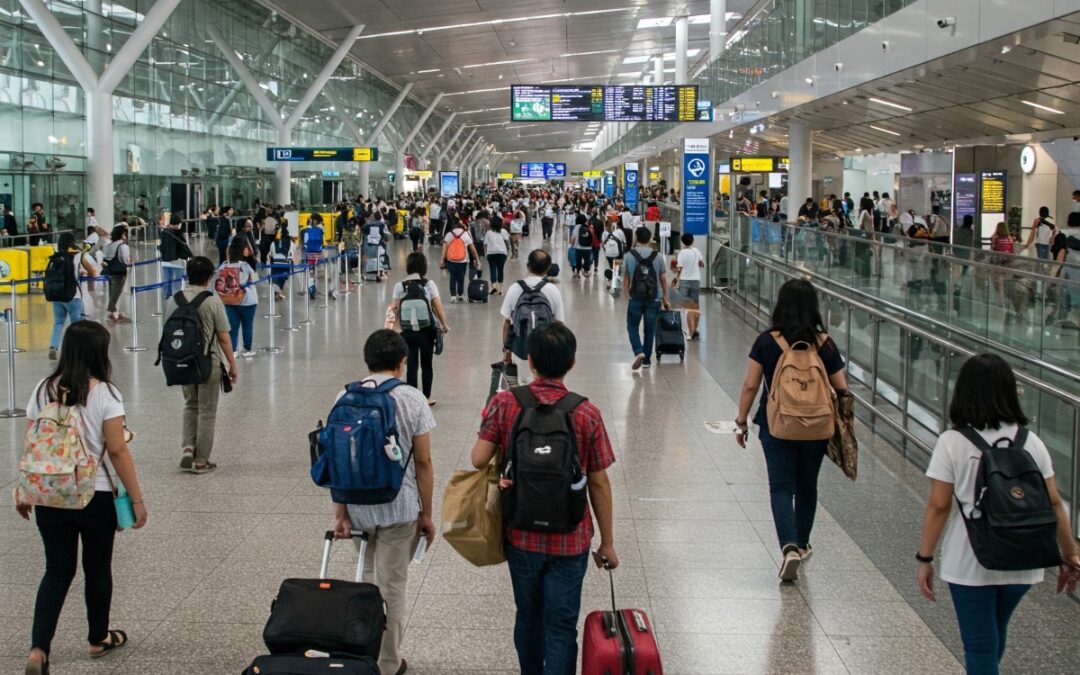
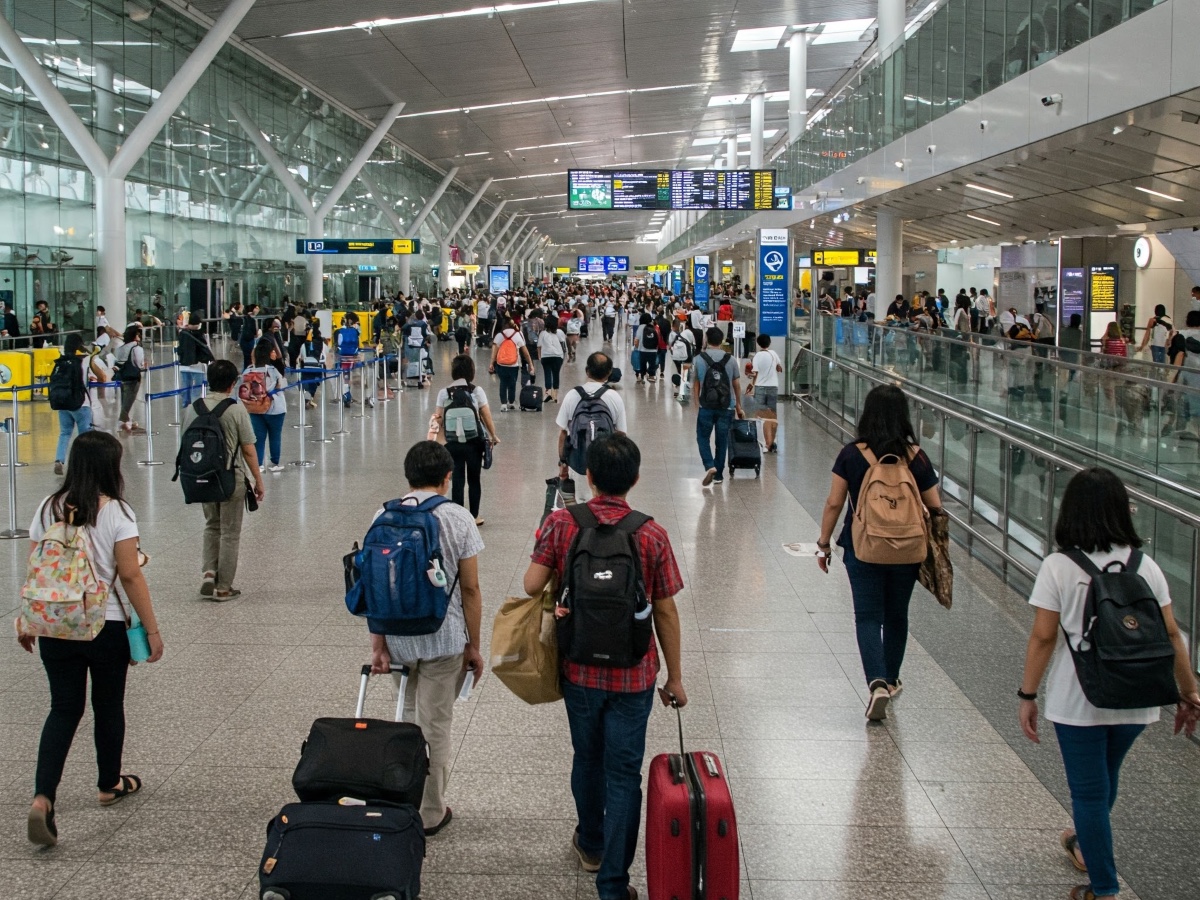
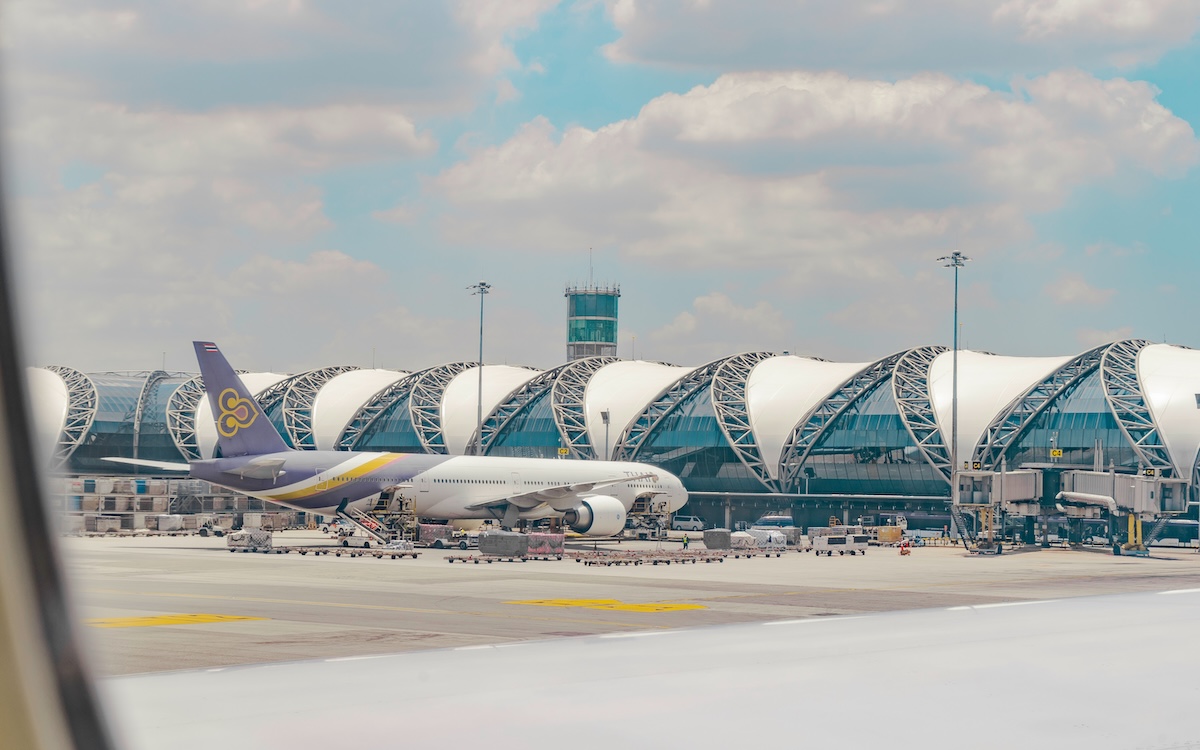
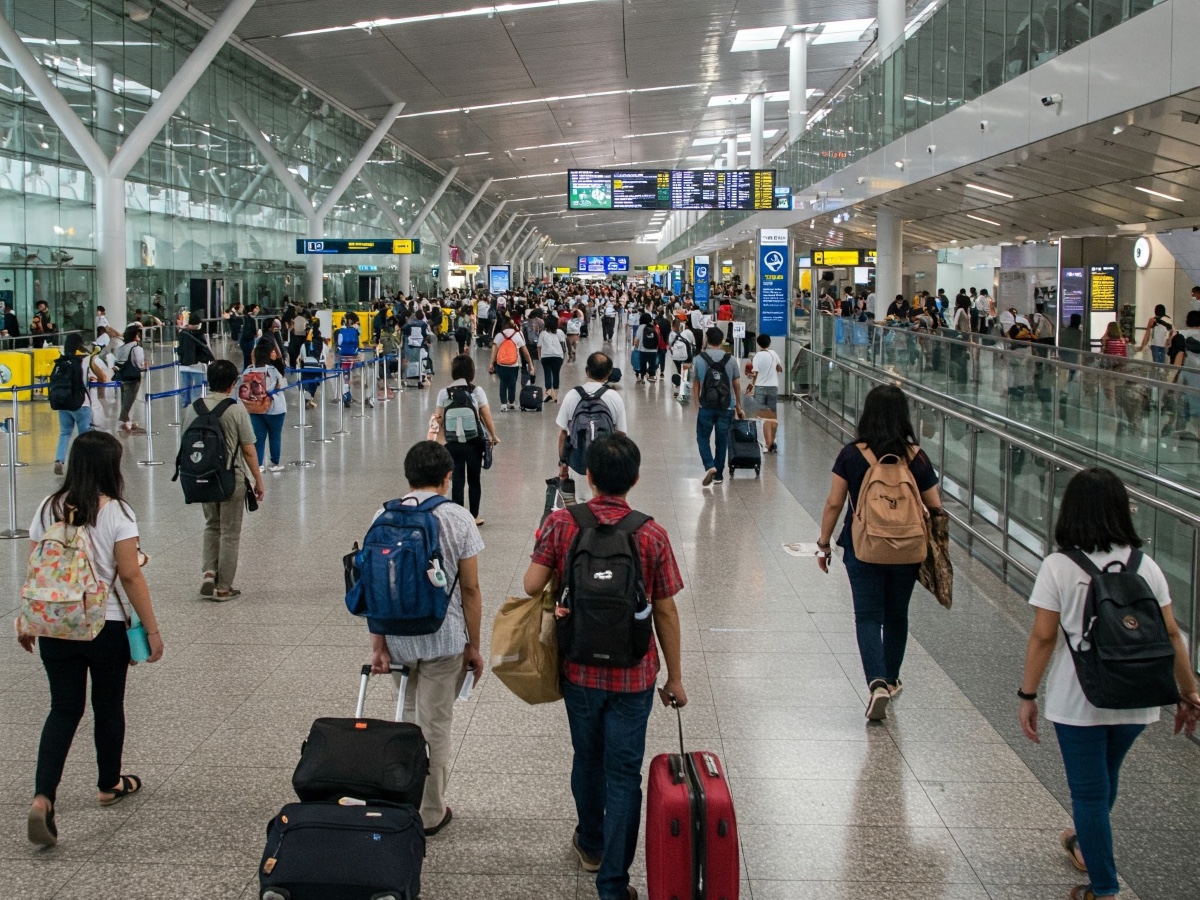
Airport access is one of Bangkok’s quiet liveability tests. It rarely decides a purchase on its own, but it can shape how comfortable a condo feels for foreign owners who fly regularly, families who host visitors, executives who work across the region, and tenants who need reliable travel links. A beautiful unit can still be frustrating if every airport trip is stressful.
Airport access matters most when it fits the owner’s real travel rhythm, not only a map distance.
Foreign buyers should assess airport access as part of daily life, not as a marketing phrase. Bangkok has more than one travel pattern. Some owners use Suvarnabhumi for long-haul and regional flights. Others use Don Mueang for domestic and low-cost regional routes. Many residents also care about the route to the Airport Rail Link, expressways, taxis and ride-hailing pickup points.
Why airport access matters to ownership
For non-resident owners, airport access affects every viewing trip, handover visit, furnishing trip and annual inspection. For owner-occupiers, it affects work travel, family visits and holidays. For tenants, it can be a deciding factor when choosing between similar units, especially for regional managers, consultants, airline staff, medical visitors, academics and internationally mobile families.
The value is not only speed. Predictability matters. A district that gives residents two or three workable airport routes can feel more resilient than a location that depends on one congested road. Buyers should ask how the journey works in the morning, evening, rain and holiday periods, not only on a quiet weekend afternoon.
Suvarnabhumi access supports Bangkok’s appeal as a regional base for mobile households.
Rail, road and the final kilometre
Rail access can be useful, especially when a building connects conveniently to the BTS, MRT or Airport Rail Link network. But rail is only part of the journey. The final kilometre from the condo to the station, luggage handling, escalators, lifts, weather and interchange comfort all matter. A route that looks efficient on a map may be awkward with suitcases or children.
Road access also needs a practical test. Ask how quickly taxis arrive, where cars can stop, whether the lobby pickup point works during rain, and how the route changes during peak traffic. Buildings with clear drop-off areas, helpful security teams and easy ride-hailing access often feel better for frequent travellers.
Which districts benefit from airport logic
There is no single best airport district. Phaya Thai and Ratchaprarop can appeal because of Airport Rail Link access. Asoke, Phrom Phong, Thonglor and Ekkamai may suit residents who balance airport trips with central Sukhumvit work and lifestyle. Sathorn and Silom can work for business travellers who prioritise office access. Bang Na, On Nut and eastern Sukhumvit may appeal to buyers who use expressway routes or prefer a less central base.
The right choice depends on the buyer’s wider routine. A family may prefer school and hospital convenience over shaving ten minutes from an airport trip. A consultant who flies weekly may accept a smaller unit if the travel route is more predictable. A retiree may care more about easy taxi access, lift comfort and nearby healthcare than proximity to a rail interchange.
The best location decision balances airport movement with schools, hospitals, offices and daily errands.
How landlords should think about airport access
Airport access can help rental marketing, but it should not be exaggerated. Tenants still compare rent, layout, furniture, building facilities, noise, internet, grocery access and management quality. A unit near a travel route is stronger when it also works as a home. Good photos, clear directions and honest journey descriptions are more useful than vague claims about being close to everything.
For furnished rentals, consider the traveller’s first hour in the unit. Is the arrival process clear? Can a taxi stop easily? Is there a place for luggage? Does the building allow smooth move-in? Are instructions available in English? These details can influence reviews, renewals and tenant referrals.
Inspection checklist
Test the airport route at realistic times, not only during a viewing slot.
Check taxi pickup, lobby access, luggage movement and station lifts.
Compare Suvarnabhumi and Don Mueang routes if both airports matter.
Balance airport convenience with schools, hospitals, offices and grocery access.
Ask whether building staff can support arrivals, deliveries and move-in coordination.
Buyer takeaway
Bangkok airport access is a liveability factor, not a stand-alone investment thesis. Foreign buyers should choose a condo that fits their real travel pattern while still meeting the fundamentals of layout, building quality, district convenience and resale appeal. The best location is the one that makes both ordinary weeks and travel days easier.
IBP can help foreign buyers compare Bangkok districts by travel access, lifestyle fit and ownership practicality. Browse our Bangkok lifestyle guides or contact IBP Real Estate for a location-led shortlist.
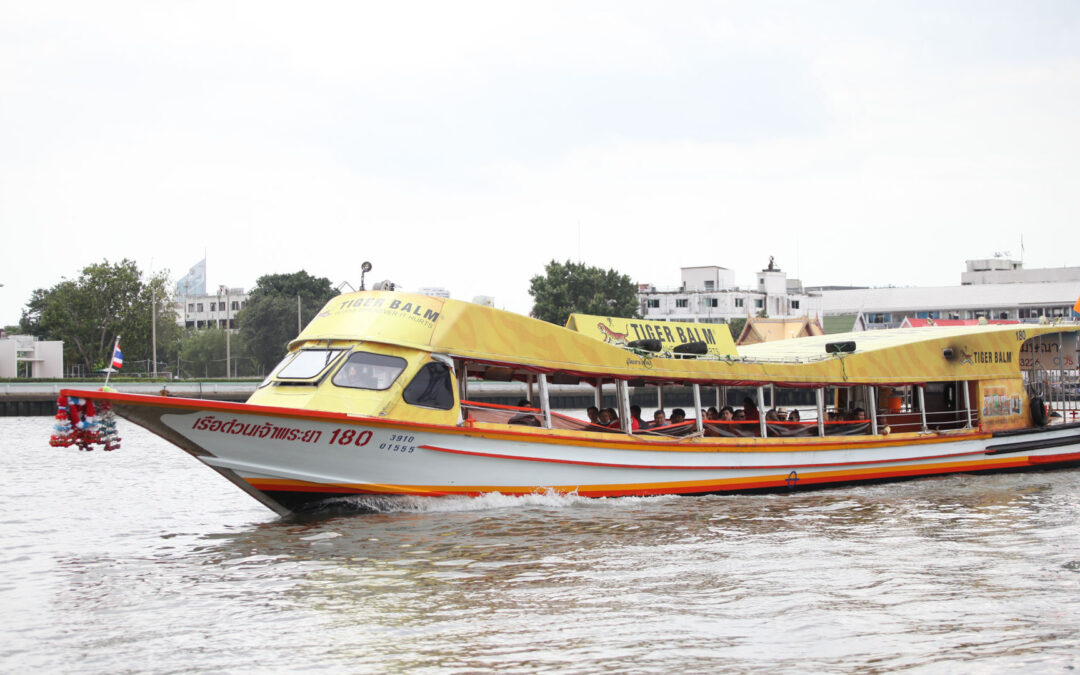
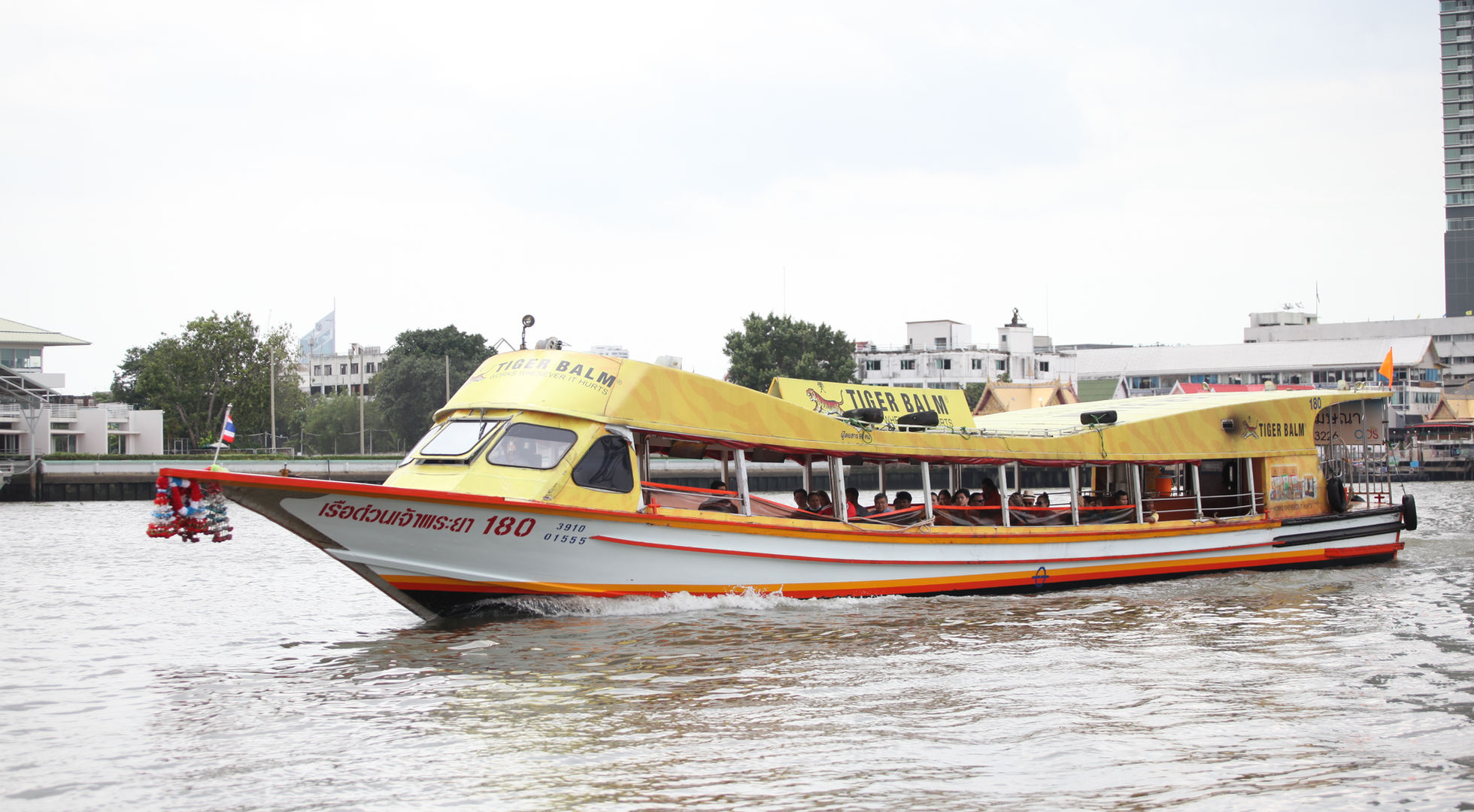
Bangkok’s Chao Phraya river is not only a view. For many residents, it is a practical transport layer, a weekend routine and a reason certain condo districts feel different from inland Bangkok. Foreign buyers considering riverside or near-river condominiums should understand how ferry access changes daily life before paying a premium for scenery.
A river-facing unit can feel calm and distinctive, but the best purchase is not simply the one with the widest view. It is the condo that connects river lifestyle with work, schools, healthcare, shopping and airport journeys in a way the owner or tenant will actually use.
River transport can be a practical part of daily life when pier access is easy.
How river transport fits into daily life
The Chao Phraya Express Boat has operated passenger services on the river for decades and connects communities from Nonthaburi through central Bangkok to southern piers. The company’s current public information lists regular colour-flag services, including routes linking Nonthaburi, Sathorn, Pak Kret and Wat Rajsingkorn, with fares varying by service.
For condo buyers, the most important pier is often Sathorn, because it connects with Saphan Taksin BTS. That interchange allows residents to combine river and rail rather than depending only on road traffic. Other piers can support Chinatown, the old town, ICONSIAM, Charoen Nakhon, hotels, offices and weekend cultural routes.
River commuting is not for every day or every person. Rain, heat, pier access, waiting time and operating hours all matter. But when it works, it gives Bangkok residents a route that feels less stressful than sitting in traffic and more connected to the city’s heritage.
Which condo locations benefit most
The strongest river-ferry locations usually have three things: a realistic walk or shuttle to a pier, a sensible onward link to BTS or key destinations, and a building that is easy to reach by road when ferry use is inconvenient. Buyers should be cautious if a project sells a river story but the pier is awkward, poorly lit or impractical during rain.
Charoen Nakhon, Khlong San, Sathorn, Charoen Krung and selected Thonburi pockets can all appeal to different residents. Some buyers want direct hotel and mall access. Others prefer heritage streets, galleries, temples, food and quieter residential lanes. The right district depends on how often the owner will use the river and where the household needs to go on weekdays.
For tenants, ferry access can be a differentiator when it is clear. A listing that explains the nearest pier, BTS connection and weekend lifestyle is easier to understand than a generic river view claim. Clarity helps leasing because tenants can imagine the routine.
The walk to the pier is part of the real value of a riverside condo.
Buyer checks before paying for a river premium
First, test the walk. Do it in the morning, at night and after rain if possible. Footpaths, crossings, security, shade and pier crowding are part of the real value. A short distance on a map can feel inconvenient if the route is exposed or confusing.
Second, test the alternatives. If the ferry is not running, can the resident still reach BTS, MRT, expressways, hospitals, schools or offices without excessive delay? Riverside living works best when it gives options, not when it replaces every other route.
Third, check building operations. Shuttle boats, shuttle vans, parking, parcel handling, visitor access and taxi pickup points can shape daily comfort. A well-managed riverside building can make river living feel effortless; a poorly managed one can make every trip feel improvised.
Lifestyle advantages beyond transport
River districts can offer a strong sense of place. Morning light, hotel terraces, temple views, old commercial streets, galleries, design shops and riverside dining create a daily texture that many expatriates value. This matters for owner enjoyment and for tenant appeal, especially among renters who want Bangkok to feel distinctive rather than purely functional.
The river can also support weekend routines. Residents may use boats for dining, cultural visits, markets, hotel brunches or family outings. For buyers who spend part of the year in Bangkok, this lifestyle value can be as important as rent. A unit that encourages frequent use is usually easier to justify than a unit kept only as a distant investment.
A useful river location gives residents options, not only a view.
Common mistakes
The first mistake is overpaying for an unprotected view. River outlooks can be valuable, but buyers should ask what future construction could affect the view corridor. Floor level, orientation, heat, glare and noise are also part of the view premium.
The second mistake is ignoring service charges. Riverside buildings with large facilities, shuttles, pools, gardens or hotel-style management can have higher running costs. The owner should compare common fees with realistic rent and resale audience, not only with personal enjoyment.
The third mistake is assuming all tenants want the same lifestyle. Some tenants prioritise the shortest office commute, others value space and atmosphere. A river condo should be marketed to the second group unless its transport links genuinely compete with inner-CBD locations.
How IBP can help compare river options
Foreign buyers can use IBP’s Bangkok lifestyle coverage and district guides to compare river areas with Sukhumvit, Sathorn, Rama IX and emerging BTS/MRT corridors. The decision should combine lifestyle, rentability, holding cost and exit strategy.
A good riverside purchase gives the owner more than a view. It gives a workable routine, a clear tenant story and a reason to keep choosing Bangkok. Before reserving, test the pier, the road access, the building management and the actual room plan together.
Air quality is a practical liveability issue for Bangkok condo buyers. It affects morning walks, school runs, exercise routines, work-from-home comfort, balcony use and how often residents rely on air-conditioning. Foreign buyers should treat it as a building and district check, not only a seasonal complaint.
The point is not to rule out Bangkok. Many residents live comfortably by choosing the right building, routes and routines. The buyer’s task is to understand how a condo performs during traffic-heavy, hot or hazy periods, and whether the surrounding district supports healthier daily choices.
Park access can help daily routines, but buyers should still test routes, shade, traffic and building systems.
Start With The Street Environment
Air-quality comfort begins outside the building. A condo beside a major road, expressway, bus stop or loading area may feel different from one set back on a quieter soi. Buyers should walk the route to BTS, MRT, shops and parks at the times they would actually use it.
Traffic exposure is not only about distance. Crossings, idling vehicles, motorbike concentration, construction, school traffic and poor pavement can make a short walk feel uncomfortable. A slightly longer route with shade and less traffic may be better for daily life.
If the buyer has children, respiratory sensitivities or a work-from-home routine, this check becomes more important. It should influence district choice, building orientation and the value placed on indoor amenities.
Air-quality comfort is partly a neighbourhood question: roads, shade, walkability, transport and daily timing all matter.
Check The Building Systems
Inside the building, ask how common areas are ventilated and maintained. Lobbies, corridors, gyms and lounges may feel comfortable during a viewing, but buyers should still consider air-conditioning maintenance, filters, odours, car-park ventilation and whether smoky or dusty areas sit near resident routes.
The unit itself needs attention. Window seals, balcony doors, air-conditioning age, filter access, kitchen ventilation and bathroom exhaust all affect comfort. A high-floor unit may feel airy but still need good filtration and maintenance. A lower-floor unit may be practical if it faces away from traffic and has better shade.
Buyers who plan to rent out the unit should make filter replacement and air-conditioning servicing part of the management routine. A tenant may not renew if the condo feels dusty, damp or difficult to cool.
Inside the unit, filtration, window condition, orientation and maintenance can affect comfort during haze or traffic-heavy periods.
Parks Help, But They Are Not The Whole Answer
Green space can improve the daily experience of living in Bangkok. Parks, shaded streets and river walks give residents places to exercise and decompress. They also make a district feel more balanced, especially for people moving from less dense cities.
Still, buyers should be realistic. A nearby park does not cancel out a poor building or difficult commute. The route to the park matters, as do opening hours, crowding, safety, shade, lighting and how easily the resident can use it before or after work.
The best liveability choice combines several elements: a building with good systems, a unit away from the worst exposure, access to green or lower-traffic routes, and enough daily services nearby that residents do not spend every errand in heavy traffic.
How Air Quality Affects Investment
For investors, air-quality comfort is part of tenant retention. A well-furnished unit can still struggle if the balcony is unusable, windows leak dust, the gym feels stale or the route to transport is unpleasant. These issues may not appear in listing photos, but tenants discover them quickly.
District reputation can also matter. Some tenants ask about parks, walkability, schools, hospitals and indoor amenities because they are thinking about daily health and comfort. A condo that supports those routines may have a wider audience than one that relies only on a low rent.
The buyer should price this calmly. Do not overpay for a vague green lifestyle claim, but do give credit to buildings and districts that make comfortable routines easier to maintain.
A Practical Viewing Checklist
During the viewing, check the balcony, window seals, air-conditioning units, filters, odours, corridor ventilation, car-park route, gym air flow and the walk to transport. Visit at different times if possible, especially during rush hour or nearby construction activity.
Ask the juristic office about air-conditioning servicing rules, renovation dust control, smoking rules, car-park ventilation and how complaints are handled. If the building has a central system or shared facilities, understand who maintains them and how often.
For personal use, think about your daily rhythm. Where will you exercise, buy groceries, wait for transport, work and rest? For investment, think about how a tenant will answer those same questions after moving in.
Buyer Takeaway
Bangkok air-quality comfort is manageable when buyers treat it as part of location and building due diligence. The right question is not whether the city is perfect, but whether the specific condo gives residents practical control over their environment.
A good purchase should combine a sensible route, good building systems, manageable exposure, useful green or indoor amenities and a unit that is easy to maintain. These factors support both liveability and rental confidence.
Thailand’s wellness positioning is becoming part of the wider confidence story foreign property buyers watch. The Tourism Authority of Thailand marked Global Wellness Day 2026 on 14 June with Thai wellness experiences nationwide, including Bangkok activity on the Chao Phraya River.
This is not a direct condo-price signal. It is a softer but useful indicator of how Thailand presents itself to higher-value visitors, long-stay residents and internationally mobile households: hospitable, health-aware, culturally rooted and lifestyle-led.
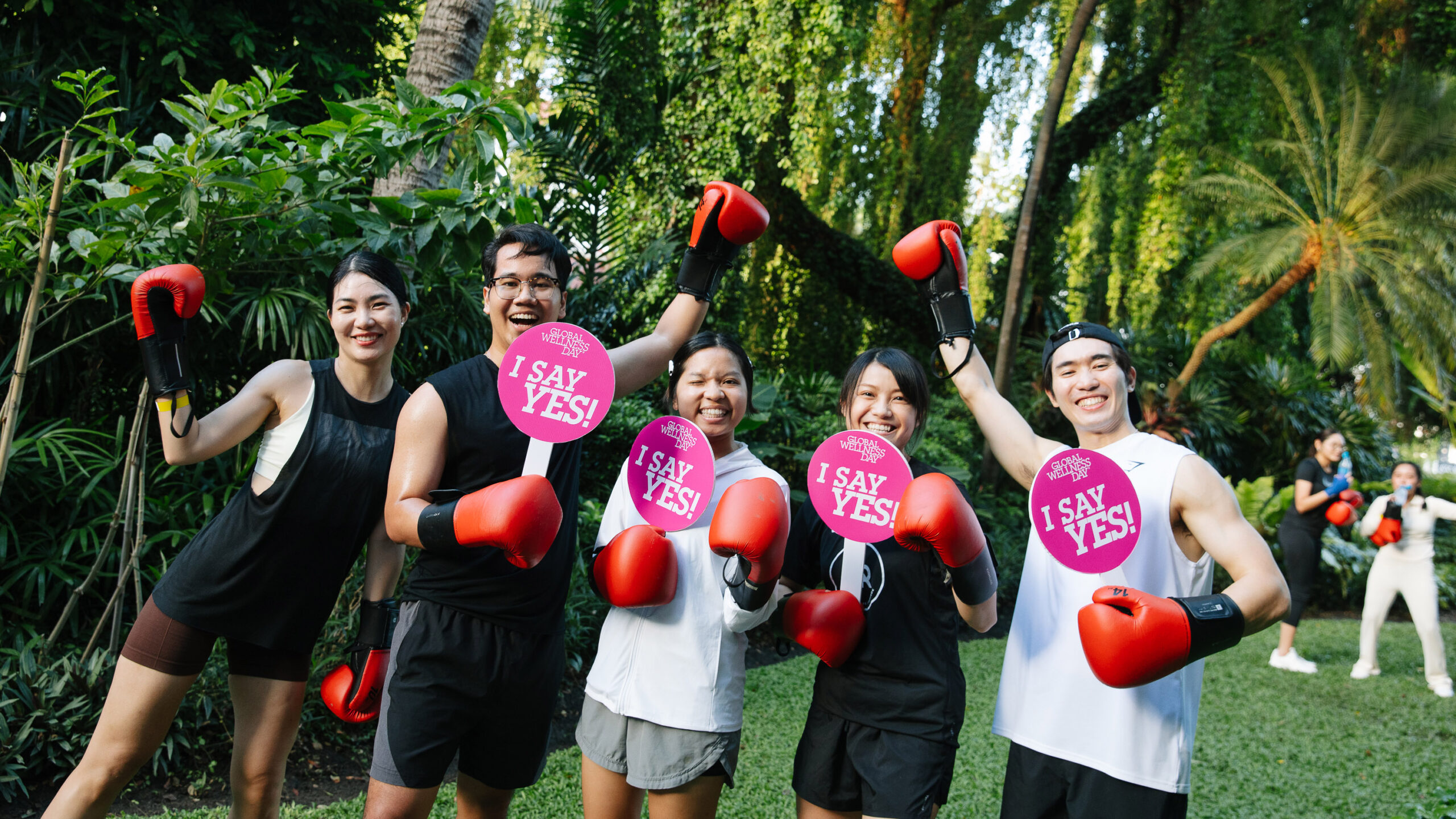
TAT used Global Wellness Day 2026 to reinforce Thailand's wellness tourism positioning.
What TAT Highlighted
TAT said Global Wellness Day 2026 was held under the #JoyMagenta theme and used the occasion to present Thailand as a leading destination for wellness and hospitality. The agency supported activities in Ko Samui and Bangkok, while hotels and wellness operators across the country also joined the movement.
In Bangkok, TAT supported activities at Anantara Riverside Bangkok Resort on 13 June. The programme centred on Eastern wisdom and joyful living, with Thai and international participants exploring traditional healing knowledge, Thai botanicals, mindful movement and modern longevity practices in a riverside setting.
The Bangkok activities included herbal tea blending, selected Thai botanical ingredients, Muay Thai, Tai Chi, yoga and sound healing. For property buyers, the important point is the positioning: Bangkok is not only a business and retail city, but also a place where hospitality, healthcare and wellness routines are part of the urban offer.
Bangkok's wellness positioning is strongest when it connects hospitality, healthcare, river access and daily liveability.
Why Wellness Tourism Matters To Bangkok
Wellness tourism connects several Bangkok strengths. The city has international hospitals, hotels, spas, riverfront resorts, premium retail, restaurants, private clinics, fitness studios and serviced residences. These are not all property demand drivers by themselves, but together they make Bangkok easier to understand as a long-stay and repeat-visit city.
Foreign buyers often move from visitor to resident gradually. A first trip may be for leisure, medical care, business, school research or a family visit. If the city feels comfortable, service-led and easy to navigate, some buyers later consider a rental base, second home or investment condo.
The wellness story also supports districts that offer real daily convenience. A building near healthcare, parks, river access, gyms, restaurants and transport can turn a national tourism theme into a practical resident experience.
Thai wellness, botanicals and mindful movement add to the wider lifestyle story foreign residents consider.
What Investors Should Not Assume
Wellness branding does not make every condo a good investment. Buyers should avoid turning a tourism theme into a blanket price assumption. A weak building, poor management, awkward route or overpriced unit will not be saved by national marketing.
The correct use of the signal is contextual. It can support confidence in Bangkok’s long-term lifestyle appeal, but the purchase still depends on title, foreign quota, building quality, common fees, rent evidence, tenant profile and resale depth.
Investors should also separate hotel and resort demand from residential demand. A wellness traveller may book a hotel or serviced apartment, while a condo tenant may need a very different package: privacy, transport, work space, internet, storage and practical management.
District Implications For Buyers
Districts with strong wellness relevance include riverside areas, central hospital corridors, park-adjacent neighbourhoods and mixed-use locations with reliable retail and dining. The strongest condos make these amenities easy to use without complicated travel.
For owner occupiers, the question is whether the district supports the life they want after the first few weeks. Can they reach healthcare, exercise, quiet space, food, transport and social routines comfortably? For investors, the question is whether the same features broaden the tenant pool and improve renewal prospects.
A buyer should therefore test the lifestyle in person. Visit the area in the morning, evening and weekend. Check routes to hospitals, parks, river piers, BTS or MRT, gyms and supermarkets. Wellness value is practical when it reduces friction in daily life.
Buyer Takeaway
TAT’s Global Wellness Day 2026 activity reinforces the direction Thailand wants to project: quality, hospitality, health and experience. For Bangkok property, that is a confidence backdrop rather than a purchase instruction.
Foreign buyers should use the signal to ask better questions. Which buildings actually benefit from Bangkok’s wellness and healthcare ecosystem? Which districts make healthy daily routines easy? Which units are priced as though a lifestyle premium is guaranteed when the evidence is still thin?
IBP tracks how tourism, infrastructure and lifestyle positioning connect to property decisions. Read more in our Thailand economy and investment news section or contact IBP for a buyer strategy session.
Chatuchak is often introduced through the weekend market, but foreign condo buyers should look beyond the postcard version. The area combines markets, parks, BTS and MRT access, government and office activity, schools, casual dining and northern-Bangkok connectivity. That mix can make it more liveable than buyers expect if the exact building and route are chosen carefully.
The district is not a substitute for prime Sukhumvit or Riverside living. Its appeal is different: practical, local, green in parts, well connected and busy on weekends. For buyers who value real Bangkok routines as much as polished luxury, Chatuchak deserves a measured look.
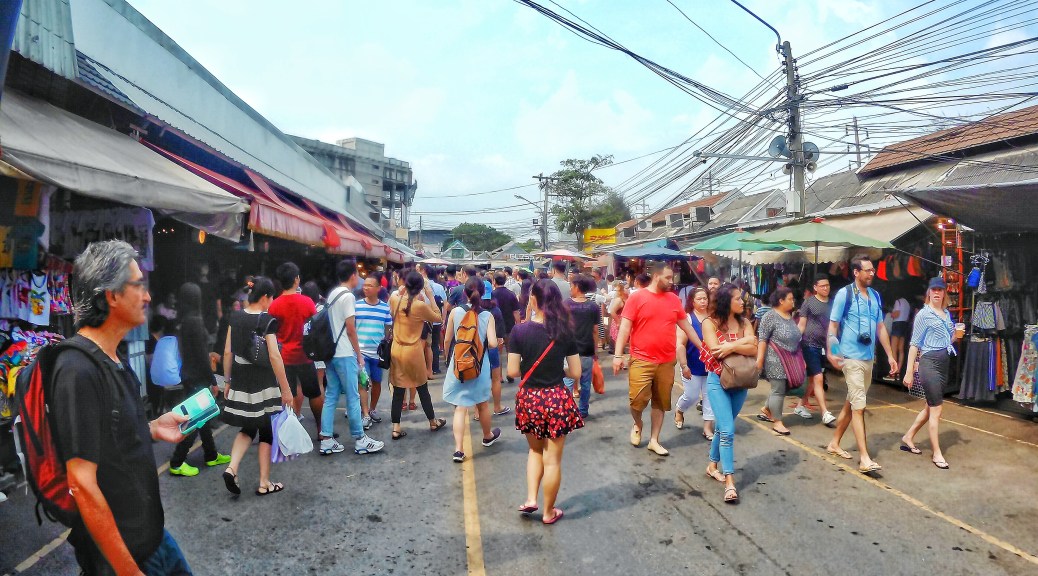
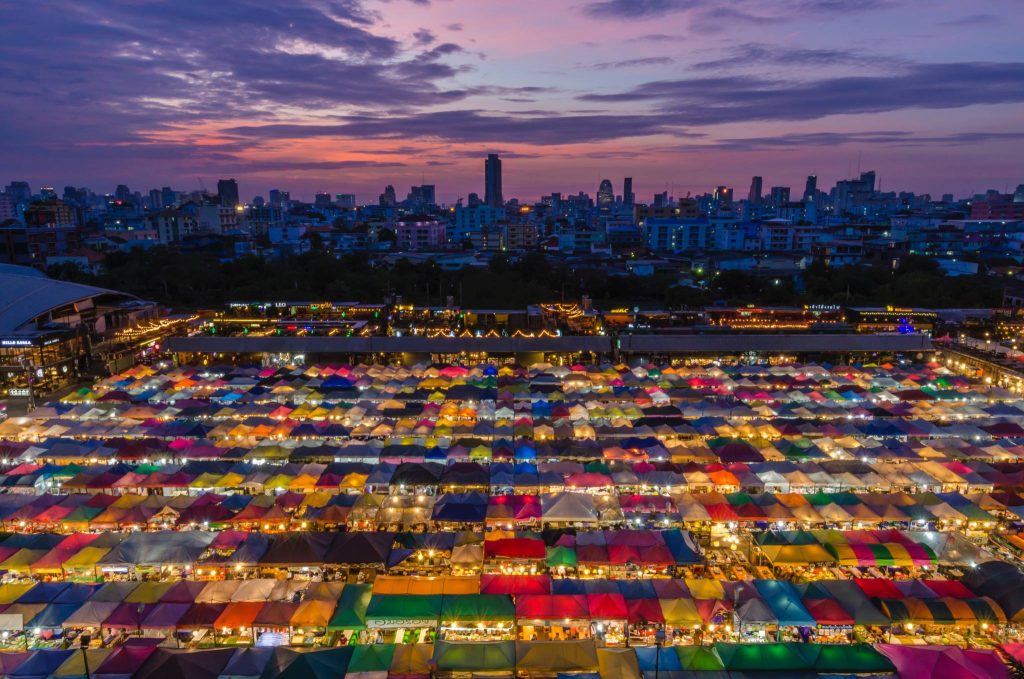
Weekend market access can add texture to Bangkok living when the weekday routine also works.
Why Chatuchak Has A Distinct Lifestyle
Chatuchak Weekend Market gives the area an identity that is easy for foreigners to remember. It brings food, plants, design, antiques, clothes, homeware and a sense of Bangkok street culture into one large district experience. For residents, that can make weekends feel full without needing to cross the city.
The wider area also benefits from green space and rail connections. Chatuchak Park, Queen Sirikit Park and nearby public areas create a different rhythm from dense tower districts. Residents can combine market visits, park walks, casual food and transport access in a way that feels more local than hotel-led.
This lifestyle can appeal to long-stay residents, creatives, students, remote workers and buyers who prefer a practical neighbourhood base. It may be less suitable for buyers who want luxury hotel services, river views or immediate access to the central embassy and premium retail districts.
That distinction keeps expectations realistic.
Chatuchak's appeal is strongest when it is paired with rail access, parks and manageable daily routes.
Transport Is The Main Strength
Chatuchak’s transport story is one of its strongest buyer arguments. BTS and MRT connections around Mo Chit, Chatuchak Park and nearby stations make it easier to reach central areas, northern Bangkok and transport interchanges. That can support tenants who work across several districts rather than in one fixed office corridor.
Foreign buyers should still test the actual route from the condo lobby. A building can be close to a station on a map but awkward because of crossings, heat, event crowds, pavement quality or traffic. Weekend market activity can also change the feel of the district. Visit both busy and ordinary periods.
If airport access, school routes or office commutes matter, test them separately. Chatuchak can be convenient for some routines and less convenient for others. The district should be chosen for the life the buyer will actually lead.
Condo choices around Chatuchak should be compared by station access, building condition and tenant fit.
What To Check In The Building
Because Chatuchak is busy and mixed, building quality matters. Check lifts, security, parking, parcel handling, common areas, gym, pool, juristic management, noise control and short-stay rules. A well-managed building can turn the district’s energy into a positive lifestyle. A weak building can make the same energy feel tiring.
Unit orientation is important. Some units may face roads, rail, construction, market traffic or open green space. Visit at different times so you understand noise, light and privacy. A park or city view can be valuable, but only if the unit remains comfortable during heat, rain and weekend crowds.
Investors should compare rent evidence with Ari, Phahon Yothin, Lat Phrao and Ratchayothin alternatives. The tenant who chooses Chatuchak may be more value-conscious than the tenant choosing Phrom Phong or Chit Lom. Pricing and furnishing should match that audience.
Buyer Takeaway
Chatuchak is attractive when the buyer wants Bangkok to feel accessible, varied and lived-in. The market and parks create weekend appeal, while rail links and daily services can support practical routines. The opportunity is not about buying the market name. It is about finding a building that makes the area easy to use.
Foreign buyers should test weekday convenience, weekend crowd patterns, station access, noise, building management and resale evidence before committing. If those checks are strong, Chatuchak can be a credible alternative to more expensive central districts.
IBP can help compare Chatuchak with Ari, Phahon Yothin, Lat Phrao and central Sukhumvit options. Explore our Bangkok lifestyle guides or contact IBP for a practical location shortlist.
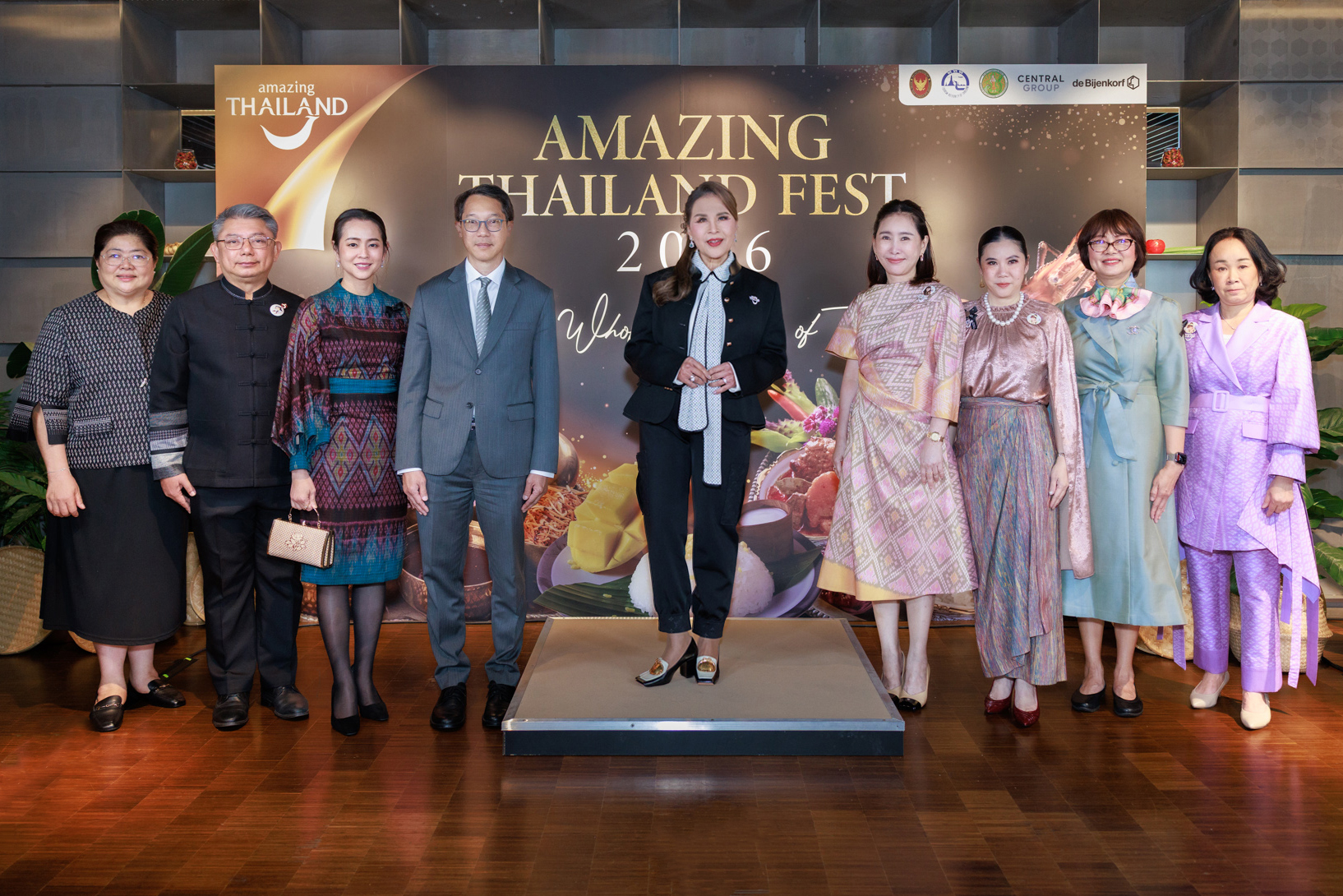
Thailand’s overseas tourism marketing can look distant from Bangkok property, but it is part of the confidence backdrop foreign buyers watch. The Tourism Authority of Thailand’s Amazing Thailand Fest 2026 in Amsterdam is a useful example because it links Thai gastronomy, wellness, culture and travel inspiration with one of Europe’s visible lifestyle settings.
The property conclusion should be measured. A food and culture showcase does not forecast condo prices. It does, however, reinforce Thailand’s ability to keep Bangkok and the wider country visible to quality long-haul visitors, repeat travellers and potential future residents.
Amazing Thailand Fest 2026 in Amsterdam presents Thai food, wellness, culture and travel to European visitors.
What TAT Announced
TAT said the event, branded Amazing Thailand Fest 2026: The Wholesome Taste of Thai, is being presented from 3 to 16 June 2026 at de Bijenkorf in Amsterdam, in collaboration with the Royal Thai Embassy in The Hague and Central Group. The opening ceremony took place on 5 June 2026.
The official release framed the showcase around Thai food, wellness, culture, craftsmanship and travel storytelling. It also noted participation by Thai tourism and business partners including Blue Elephant Bangkok, Thai Airways International, the Office of Agricultural Affairs to the European Union and tour operators.
For Bangkok property buyers, the useful detail is not the event format alone. It is the way Thailand is positioning itself to European audiences: premium, cultural, service-led and experience-led rather than purely volume-driven.
European travel interest supports Bangkok's role as Thailand's main arrival, business and lifestyle gateway.
Why Long-Haul Visibility Matters
Long-haul visitor confidence supports Bangkok in several indirect ways. International visitors arrive through Bangkok, use hotels, restaurants, hospitals, retail, domestic connections and corporate services, and often form their first serious impression of Thailand through the capital. Some later return for longer stays, business trips, medical visits, school searches or property inspections.
TAT’s release said the Netherlands is among Thailand’s top 10 European visitor markets. From 1 January to 31 May 2026, Thailand welcomed 113,878 Dutch visitors, and TAT expects 259,455 Dutch visitors for the full year. Bangkok was listed among popular destinations, alongside Surat Thani, Krabi, Chiang Mai and Phuket.
Those figures should not be converted into a condo demand forecast. They are better read as confidence context. A city that remains easy to market internationally has a stronger platform for hotels, serviced apartments, branded residences, medical travel, education visits and second-home consideration.
Soft-power campaigns are not direct property signals, but they can support visitor and relocation confidence.
The Bangkok Property Link
Bangkok benefits when Thailand’s visitor story is broad. Gastronomy, wellness, culture and shopping are all themes that foreign residents can experience in daily life, not only during a holiday. That matters because many property buyers are not purchasing only square metres. They are buying access to a city that feels liveable, connected and internationally recognisable.
The link is strongest for districts that can convert the national brand into real convenience: rail access, hospitals, premium retail, dining, schools, river culture, parks, hotels and professional services. A weak building in a poor location does not become attractive because of tourism marketing. A well-managed condo in a district that visitors and residents genuinely use may be easier to explain to future tenants and buyers.
European interest can also support the softer side of demand. Buyers from Europe often compare Bangkok with other regional cities for healthcare, climate, cost, culture, airport access and lifestyle depth. Events like the Amsterdam showcase help keep Thailand in that consideration set.
How Buyers Should Use The Signal
The correct response is disciplined optimism. Treat tourism promotion as one macro confidence signal, then return to the property fundamentals: title, foreign quota, building management, common fees, rent evidence, tenant profile and resale depth. Macro visibility can support demand, but it cannot repair a poor purchase.
Investors should focus on buildings that suit repeat use by international residents: easy access, sensible layouts, reliable management, neighbourhood services and a clear exit story. Owner-occupiers should ask whether the district gives them the Bangkok experience they actually want beyond the first trip.
IBP tracks how tourism, infrastructure and corporate confidence connect to Bangkok property decisions. Read more in our Thailand economy and investment news section or contact IBP for a buyer strategy session.
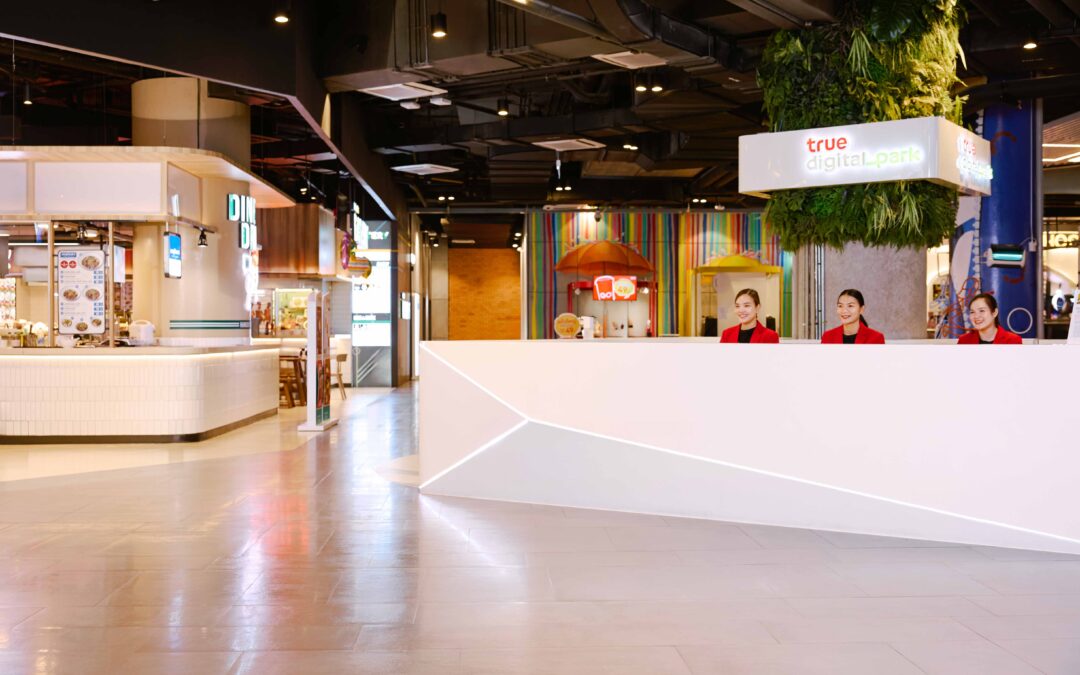
Punnawithi has become easier for foreign condo buyers to understand because True Digital Park gives the district a clear mixed-use anchor. The area is no longer only a lower-Sukhumvit residential stop between On Nut and Bang Na. It now has a more visible work, retail, event and technology ecosystem that can shape tenant demand and daily convenience.
That does not make every nearby condominium a strong purchase. The buyer still has to test distance to BTS, building quality, unit layout, rent evidence and resale depth. True Digital Park is a useful district signal, not a substitute for due diligence.
True Digital Park gives Punnawithi a mixed-use anchor combining work, retail and daily services.
What True Digital Park Adds To The District
True Digital Park’s official positioning describes it as Southeast Asia’s largest tech and startup hub in the South Sukhumvit district of Bangkok. The campus brings together workplaces, event spaces, business services, retail, dining, fitness and lifestyle uses. For condo buyers, the important point is that it creates a repeatable reason for people to visit, work and spend time in Punnawithi.
Mixed-use anchors can help a district because they make daily life more legible. A tenant or owner can picture where to work, meet, eat, exercise, collect services and join events. That is different from buying in a purely residential area where convenience may depend on scattered shops and road access.
The effect is strongest when the condo has a realistic connection to the anchor. A building that is genuinely easy to reach from BTS Punnawithi and True Digital Park may benefit from the story. A building that is far away or awkward on foot should not borrow the same premium without proof.
The campus effect is useful to condo buyers only when it improves repeatable daily routines.
Tenant Profiles To Consider
The most natural tenant profile is practical rather than ultra-luxury. Punnawithi can suit technology workers, startup founders, corporate teams, remote workers, students, regional professionals and residents who want lower-Sukhumvit access without paying prime Asoke, Thonglor or Phrom Phong prices. Some buyers may also consider it for owner use if they value work-life convenience over prestige.
Investors should be precise about unit size. Compact one-bedroom units may appeal to single professionals if the layout supports work from home and the building is easy to reach. Larger units need a clearer audience because families may compare schools, parks, hospitals and car access more carefully. A two-bedroom unit should not rely only on the tech-hub story.
Furnishing should match the tenant. A durable desk, good lighting, storage, reliable internet setup and simple maintenance may be more useful than decorative luxury. In this district, the strongest rental product is often one that makes a busy weekday easy.
Connectivity And Walking Route
Punnawithi’s BTS access is central to the buyer case. The station links the area to On Nut, Udom Suk, Bang Na, Siam and the wider Sukhumvit line. That is useful for commuters and for residents who want to move around Bangkok without depending entirely on taxis.
The walking route still needs to be tested. Shade, pavement quality, crossings, rain cover, traffic, security and the route from station to lobby all affect rent and liveability. A map distance can look short while the real walk feels inconvenient in heat or rain. Buyers should walk the route during the day and evening before paying a premium.
Car access also matters. Some residents may commute to business parks, international schools, industrial estates or airport routes. Check drop-off, parking, traffic chokepoints and expressway access if the target tenant is not purely rail-led.
Workplace, event and business-service activity can broaden the district's tenant story.
How To Compare Punnawithi With Nearby Stops
Punnawithi should be compared with On Nut, Udom Suk, Bang Na and selected inner-Sukhumvit alternatives. On Nut has a stronger established residential and retail identity. Udom Suk and Bang Na may offer different value and road access stories. Inner Sukhumvit has deeper expat recognition but higher entry pricing. Punnawithi sits between value, connectivity and the True Digital Park anchor.
That middle position can be attractive when the price is disciplined. A buyer may accept less prime address recognition in exchange for a lower total ticket and a clearer work-life anchor. The risk is overpaying for a district story that has not translated into actual rent or resale evidence in the specific building.
Compare completed rents, not only asking prices. Look at how long similar units stay listed, whether tenants renew, and whether the building attracts corporate or long-stay demand. A good Punnawithi investment should work on current evidence, with the district story as support.
Also check the building’s owner mix. A project with too many identical investor units may face more rent competition, while a building with committed residents and sensible management can make the same district feel more stable.
Buyer Takeaway
True Digital Park gives Punnawithi a more defined identity and a practical reason for foreign buyers to study the area. It supports the case for selected condos that offer easy access, efficient layouts, sound management and tenant-ready furnishing. It does not justify paying a premium for a weak building or inconvenient route.
Foreign buyers should treat Punnawithi as a value-and-connectivity district with a strong mixed-use anchor. The best purchases will be specific: the right building, the right walk, the right rent evidence and the right total price.
IBP can help compare Punnawithi with On Nut, Udom Suk, Bang Na and inner-Sukhumvit options. Browse our district and BTS guides or contact IBP for a buyer shortlist.
Bangkok liveability is often decided by ordinary errands rather than landmark attractions. A condo can look impressive on a viewing day, but foreign buyers should ask how easily the address handles groceries, coffee, laundry, deliveries, clinics, parks, transport and weekend routines. The best Bangkok home is usually the one that makes the week feel simple.
Daily retail access can matter more to long-stay residents than landmark attractions.
This is especially important for buyers who plan to stay for several months a year, relocate with family, work remotely or rent the unit to long-stay tenants. Daily convenience can support tenant appeal and resale confidence because it broadens the number of people who can imagine living there.
Start with the weekday route
A useful liveability test begins at the lobby, not at the sales gallery. Walk from the building to the nearest station, supermarket, pharmacy, cafe, bank, clinic and main road. Notice shade, pavement quality, crossings, traffic, noise, rain cover and how the route feels after dark. If the daily route is awkward, a strong view may not compensate.
Foreign buyers should also test the building’s arrival process. Can taxis and ride-hailing cars stop safely? Is there a sensible parcel system? Are delivery riders managed clearly? Does the lobby feel secure without being difficult for guests? These details affect residents every week and can influence tenant renewals.
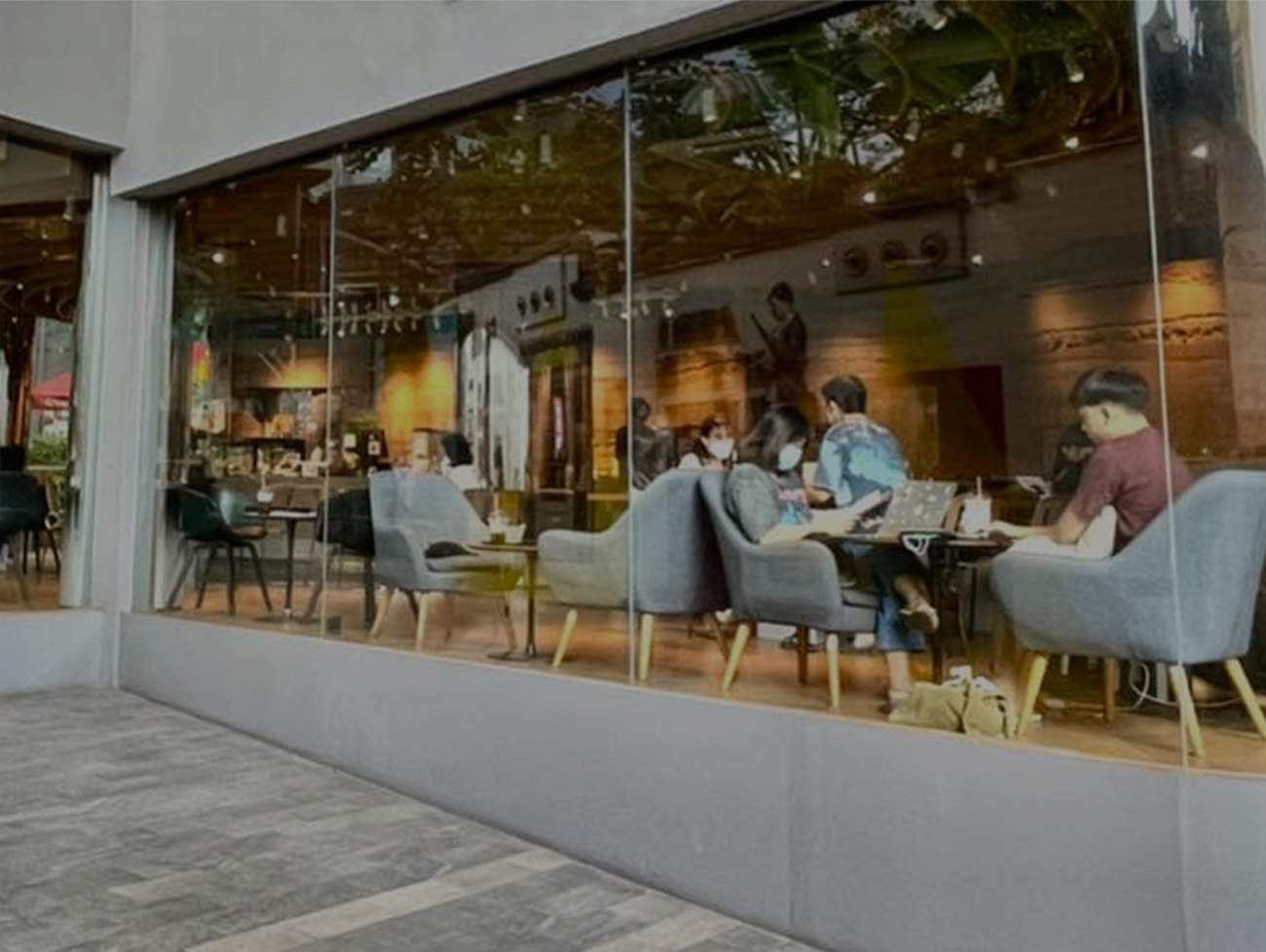
Cafes, workspaces and food options help buyers understand the ordinary weekday rhythm.
Groceries and food access
Bangkok is strong on food, but not every condo location is equally practical. Some addresses offer excellent restaurants but weak supermarket access. Others have easy groceries and casual food but fewer international dining choices. The right balance depends on the buyer profile. A long-stay owner may care more about daily groceries than rooftop dining.
For rental investors, food access should be tested by tenant type. A single professional may value coffee, gym and quick meals. A couple may want a better supermarket and delivery options. A family may need larger grocery runs, parking, schools and weekend activities. The more tenant profiles a location can serve, the deeper its demand can be.
Healthcare, wellness and quiet time
Many foreign residents choose Bangkok partly because private healthcare, dental care, wellness services and pharmacies are easy to access. A condo does not need to sit next to a hospital, but the route to trusted clinics and emergency care should be realistic. This matters for retirees, families, medical visitors and owners who split time between countries.
Quiet time matters too. Visit on weekdays and weekends. Check whether nearby bars, schools, roads or construction affect the unit. A district can be exciting at night and still be tiring to live in. Good Bangkok buying decisions usually balance energy with retreat.
A good address makes ordinary errands feel manageable in real weather and traffic.
Weekend routines reveal the real district
Weekend routines are a useful way to compare districts. Ask where you would walk in the morning, where visitors would stay, how you would reach parks, malls, museums, restaurants or the river, and how long it takes to get home after dinner. If every weekend plan requires a long taxi ride, the location may be less convenient than it first appears.
Families should add school events, sports, play areas and medical access to the test. Remote workers should add cafes, coworking options and reliable internet. Frequent travellers should add airport access and luggage movement. The same building can be excellent for one buyer and inconvenient for another.
Building services still matter
A lively district cannot fix poor building management. Check lifts, security, maintenance response, cleanliness, pest control, air-conditioning drainage, move-in rules, parking and renovation controls. Long-stay tenants notice these details quickly. Owners living overseas need them even more because they cannot solve every problem in person.
Ask the juristic office how repairs are reported, how utilities are handled, whether there are English-language notices, and how emergencies are managed. A well-run building turns a good location into a usable home.
Buyer checklist
Walk the weekly errands route before making an offer.
Check supermarket, pharmacy, clinic, cafe and transport access in real time.
Visit the unit during rain, evening traffic and weekend activity where possible.
Match the location to the tenant or owner profile, not only to district reputation.
Review building services because daily convenience depends on management too.
Buyer takeaway
Bangkok’s appeal is not only premium malls, hotels and skyline views. It is the way daily life can be made efficient, comfortable and internationally connected. Foreign condo buyers should test the ordinary week before they buy. If errands, transport, healthcare, quiet time and building services all work, the property has a stronger liveability case.
IBP can help foreign buyers compare Bangkok neighbourhoods by daily routine, tenant profile and building management. Explore our expat living guides or contact IBP Real Estate for a practical location shortlist.