
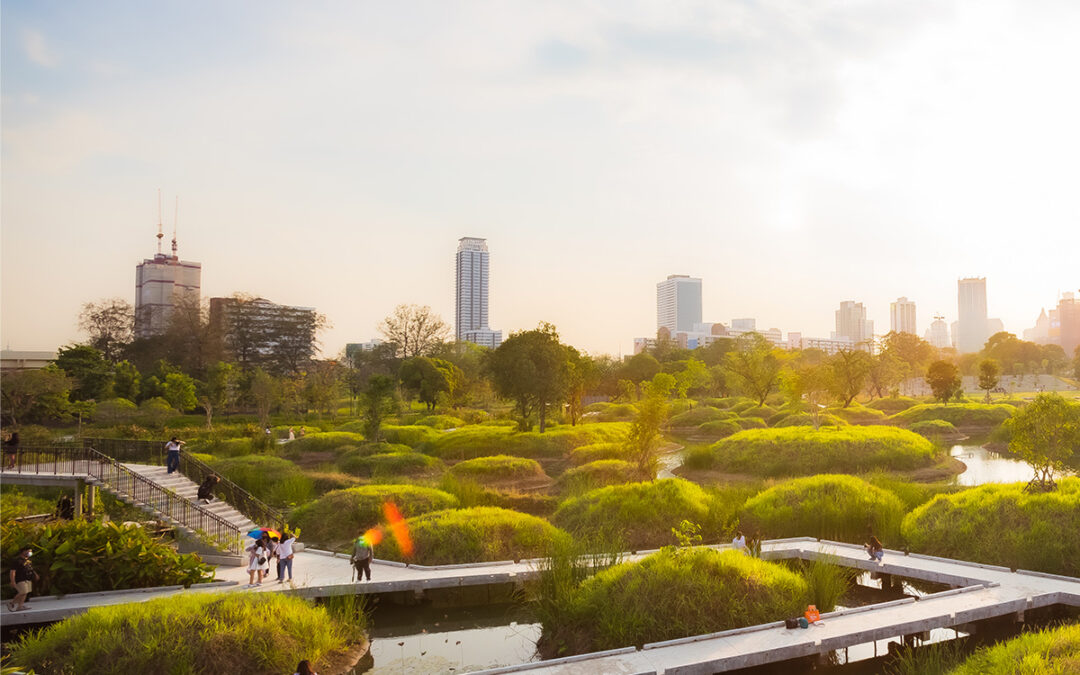
Air quality is a practical liveability issue for Bangkok condo buyers. It affects morning walks, school runs, exercise routines, work-from-home comfort, balcony use and how often residents rely on air-conditioning. Foreign buyers should treat it as a building and district check, not only a seasonal complaint.
The point is not to rule out Bangkok. Many residents live comfortably by choosing the right building, routes and routines. The buyer’s task is to understand how a condo performs during traffic-heavy, hot or hazy periods, and whether the surrounding district supports healthier daily choices.
Start With The Street Environment
Air-quality comfort begins outside the building. A condo beside a major road, expressway, bus stop or loading area may feel different from one set back on a quieter soi. Buyers should walk the route to BTS, MRT, shops and parks at the times they would actually use it.
Traffic exposure is not only about distance. Crossings, idling vehicles, motorbike concentration, construction, school traffic and poor pavement can make a short walk feel uncomfortable. A slightly longer route with shade and less traffic may be better for daily life.
If the buyer has children, respiratory sensitivities or a work-from-home routine, this check becomes more important. It should influence district choice, building orientation and the value placed on indoor amenities.
Check The Building Systems
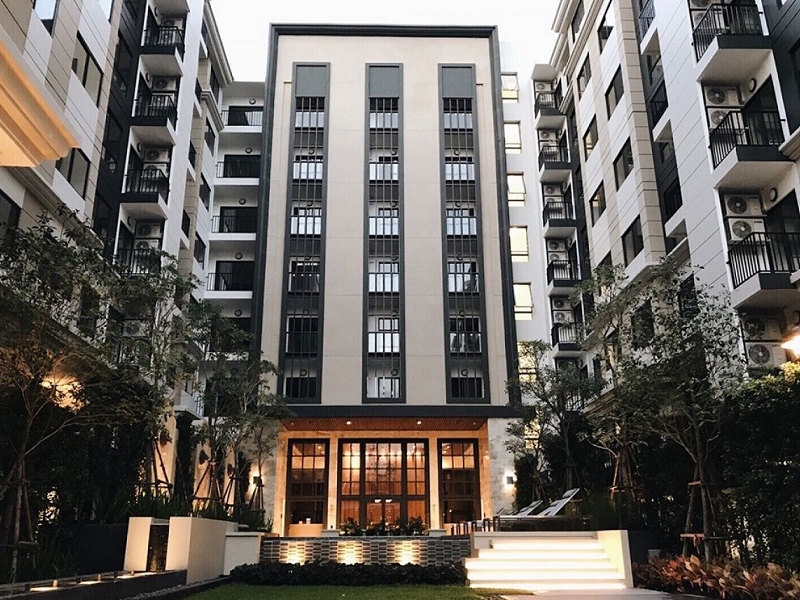
Inside the building, ask how common areas are ventilated and maintained. Lobbies, corridors, gyms and lounges may feel comfortable during a viewing, but buyers should still consider air-conditioning maintenance, filters, odours, car-park ventilation and whether smoky or dusty areas sit near resident routes.
The unit itself needs attention. Window seals, balcony doors, air-conditioning age, filter access, kitchen ventilation and bathroom exhaust all affect comfort. A high-floor unit may feel airy but still need good filtration and maintenance. A lower-floor unit may be practical if it faces away from traffic and has better shade.
Buyers who plan to rent out the unit should make filter replacement and air-conditioning servicing part of the management routine. A tenant may not renew if the condo feels dusty, damp or difficult to cool.
Parks Help, But They Are Not The Whole Answer
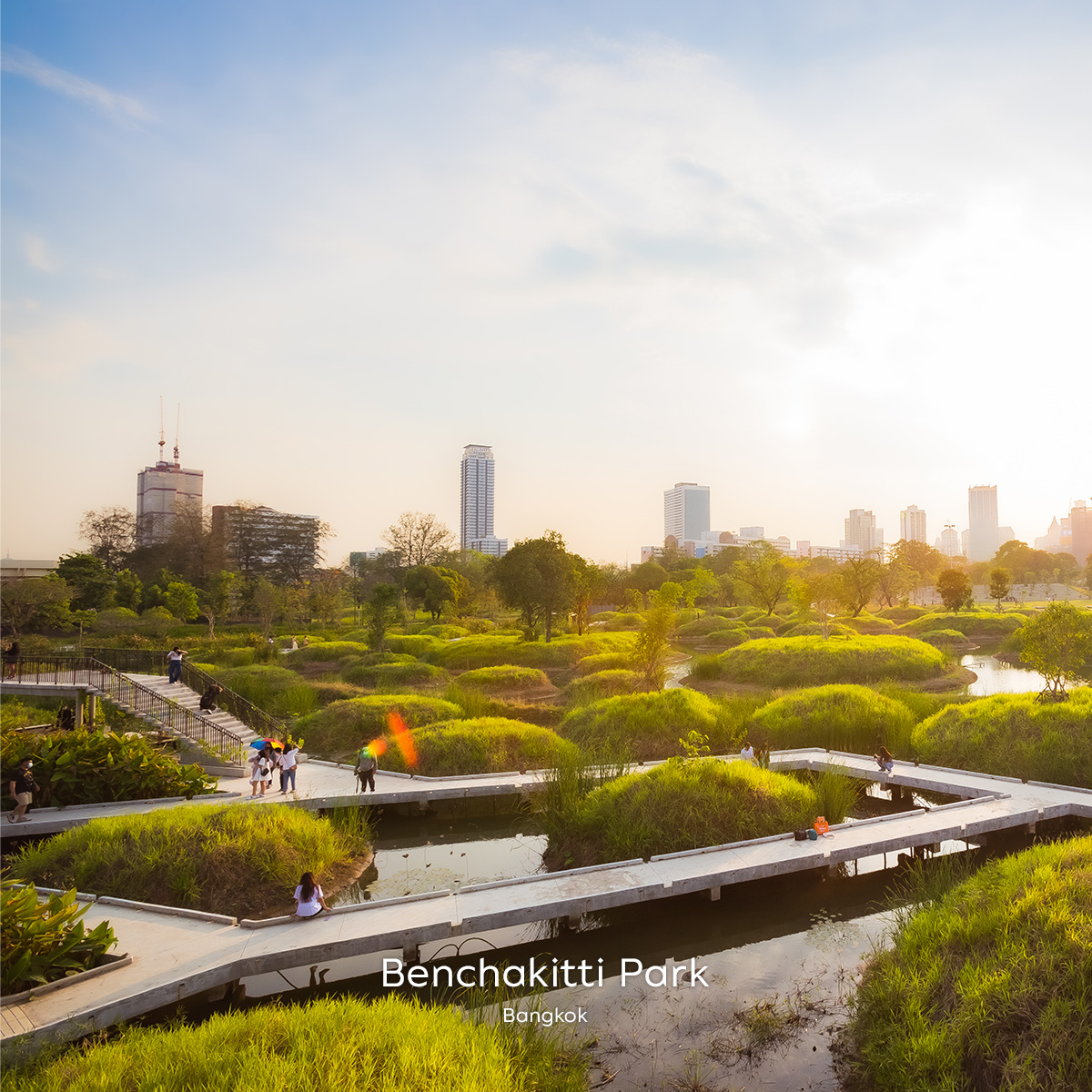
Green space can improve the daily experience of living in Bangkok. Parks, shaded streets and river walks give residents places to exercise and decompress. They also make a district feel more balanced, especially for people moving from less dense cities.
Still, buyers should be realistic. A nearby park does not cancel out a poor building or difficult commute. The route to the park matters, as do opening hours, crowding, safety, shade, lighting and how easily the resident can use it before or after work.
The best liveability choice combines several elements: a building with good systems, a unit away from the worst exposure, access to green or lower-traffic routes, and enough daily services nearby that residents do not spend every errand in heavy traffic.
How Air Quality Affects Investment
For investors, air-quality comfort is part of tenant retention. A well-furnished unit can still struggle if the balcony is unusable, windows leak dust, the gym feels stale or the route to transport is unpleasant. These issues may not appear in listing photos, but tenants discover them quickly.
District reputation can also matter. Some tenants ask about parks, walkability, schools, hospitals and indoor amenities because they are thinking about daily health and comfort. A condo that supports those routines may have a wider audience than one that relies only on a low rent.
The buyer should price this calmly. Do not overpay for a vague green lifestyle claim, but do give credit to buildings and districts that make comfortable routines easier to maintain.
A Practical Viewing Checklist
During the viewing, check the balcony, window seals, air-conditioning units, filters, odours, corridor ventilation, car-park route, gym air flow and the walk to transport. Visit at different times if possible, especially during rush hour or nearby construction activity.
Ask the juristic office about air-conditioning servicing rules, renovation dust control, smoking rules, car-park ventilation and how complaints are handled. If the building has a central system or shared facilities, understand who maintains them and how often.
For personal use, think about your daily rhythm. Where will you exercise, buy groceries, wait for transport, work and rest? For investment, think about how a tenant will answer those same questions after moving in.
Buyer Takeaway
Bangkok air-quality comfort is manageable when buyers treat it as part of location and building due diligence. The right question is not whether the city is perfect, but whether the specific condo gives residents practical control over their environment.
A good purchase should combine a sensible route, good building systems, manageable exposure, useful green or indoor amenities and a unit that is easy to maintain. These factors support both liveability and rental confidence.
IBP can help compare buildings by district, route, orientation and tenant fit. Explore our Bangkok lifestyle guides and district guides, or contact IBP for a focused viewing brief.