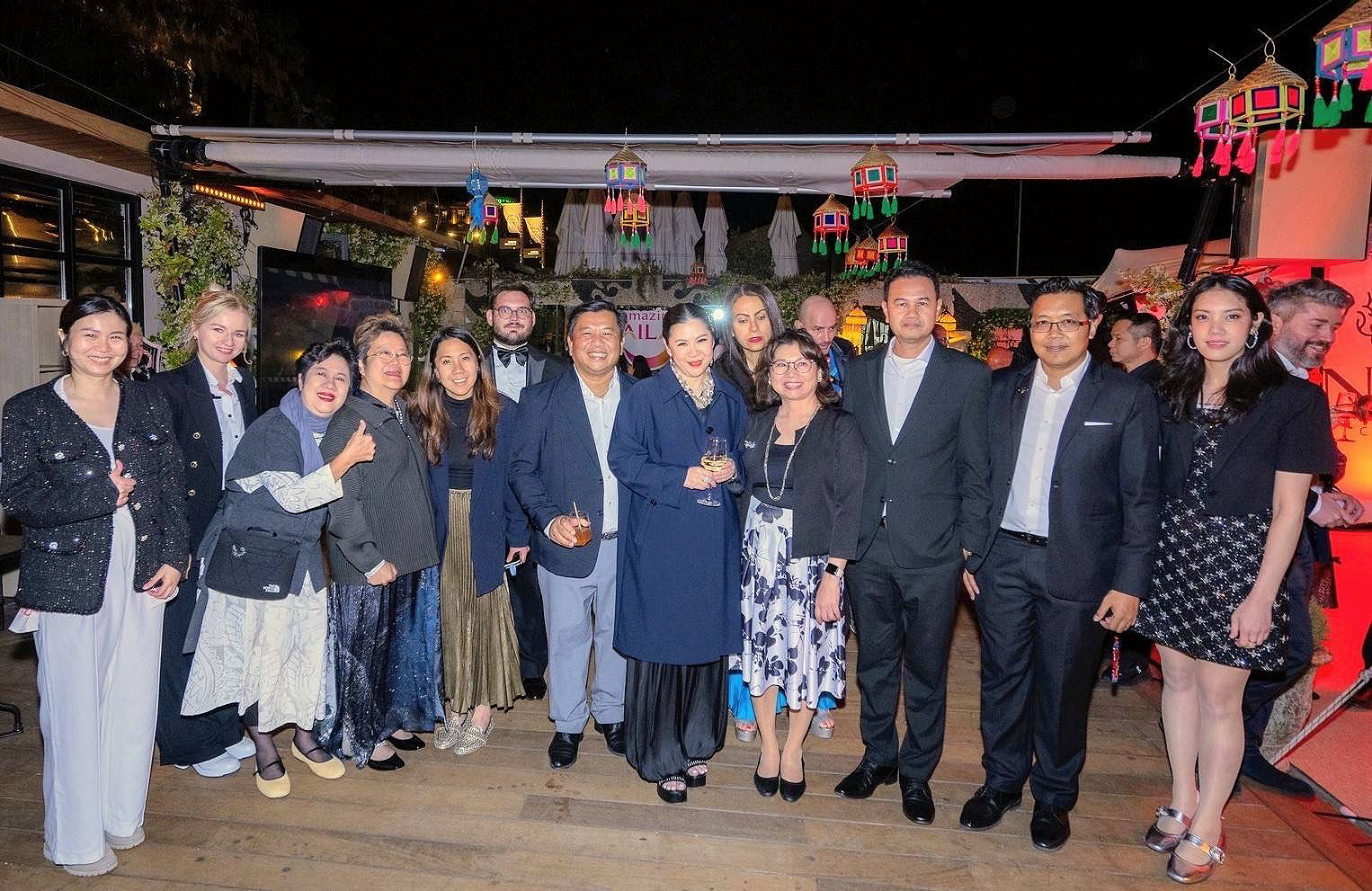
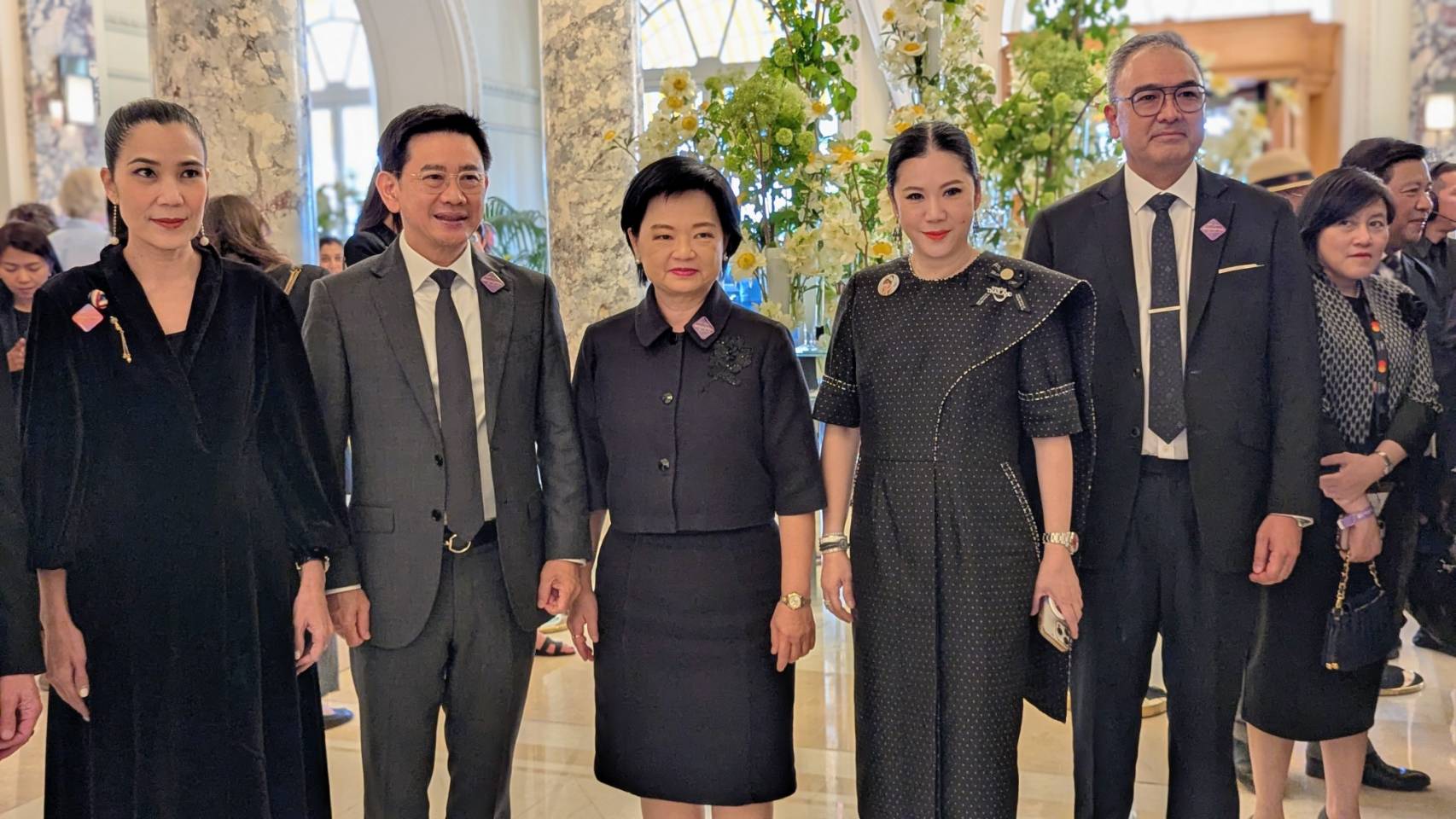
Thailand’s push into film tourism is a useful confidence signal for Bangkok property buyers because it sits at the intersection of travel, creative industries, hospitality and global visibility. The Tourism Authority of Thailand hosted Amazing Thai Night in Cannes 2026 during the Cannes Film Festival, using the event to promote Thailand as both a film destination and a journey destination. For property investors, the point is not that a film event directly raises condo prices. The point is that Thailand is working to turn international attention into repeat travel and higher-value economic activity.
TAT used Amazing Thai Night in Cannes 2026 to position Thailand as a global film and travel destination.
TAT said the Cannes activity supported the “Amazing Location Thailand the Story Continues” campaign and the wider Thailand FILMAZING Year direction towards 2027. The agency also reported that Thailand welcomed 546 foreign productions with a combined value of more than 6 billion baht in 2025, while 218 productions generated 2.46 billion baht from January to April 2026. These figures matter because film production brings crews, hotels, local vendors, logistics, post-production services and destination exposure into the economy.
Why this matters beyond tourism
Film tourism is not only about visitors following a movie location. It can deepen a country’s brand among producers, streaming platforms, media teams, actors, creators and high-spending fans. That type of visibility supports Thailand’s wider soft-power strategy. Bangkok benefits because it is the country’s main international gateway, business base and hospitality hub even when filming or travel routes include beaches, heritage towns or national parks.
For foreign property buyers, this reinforces Bangkok’s role as a globally connected city. The strongest property markets are not supported by one demand channel. They draw from tourism, corporate relocation, education, healthcare, events, regional business and lifestyle appeal. Film tourism adds another layer to that mix by keeping Thailand present in international culture and media conversations.
Film tourism links creative-industry visibility with visitor demand and local economic activity.
The Bangkok property connection
A buyer should connect this signal to districts that already capture international movement. Areas near hotels, convention venues, embassies, hospitals, premium retail, BTS and MRT stations are better positioned than isolated buildings. If Thailand attracts more film-related travel, business events and media attention, Bangkok’s established central districts are likely to be the places where visitors stay, meet, shop and consider longer returns.
This does not make every central condominium a good investment. The property still has to pass the normal tests: sensible entry price, foreign quota, building management, tenant demand, common fees, furnishing cost and resale liquidity. The macro story can support confidence, but the unit must earn the purchase case locally.
The most relevant buyer response is to watch repeat-use districts rather than promotional headlines. If media, production and tourism campaigns keep bringing international visitors back through Bangkok, the advantage should be tested in buildings with proven daily convenience and professional management.
Quality travel over simple arrival numbers
TAT’s Cannes messaging also fits Thailand’s broader focus on value-led tourism. A film-production visitor, international media delegate or set-jetting traveller may spend differently from a mass-market tourist. They may use premium hotels, specialist services, private transport, restaurants, wellness venues and repeat Bangkok stopovers. That is more relevant to prime property districts than raw arrival numbers alone.
Foreign buyers should therefore watch how Thailand converts visibility into structured routes, business partnerships and repeat spending. A one-off event is less important than whether the country can keep attracting productions, crews, festivals, media campaigns and travel products over time.
Soft-power events can keep Thailand visible to international media, producers and high-value travellers.
Investor takeaway
Thailand’s film-tourism push is a positive soft-power signal, not a shortcut to property returns. It suggests that the country is competing for higher-value attention and creative-economy activity, both of which can support Bangkok’s long-term position as a liveable and internationally recognised base.
For buyers, the practical move is to keep macro confidence separate from unit selection. Use the country story to decide whether Bangkok deserves attention, then use building evidence to decide what to buy. IBP can help foreign buyers compare districts that benefit from tourism, business travel and premium lifestyle demand. Read our Thailand economy and investment news or contact IBP Real Estate for a Bangkok plan.
Thailand’s latest investment approvals give foreign property buyers a useful macro signal, but they should be read carefully. The Board of Investment’s May 2026 announcement pointed to a major new wave of high-technology and infrastructure-linked projects, led by data centres and supported by clean-energy and facilitation measures. For Bangkok property, the relevance is not a simple promise of higher condo prices. It is confidence in the wider economy, business travel, regional headquarters activity and the service ecosystem that makes Bangkok a practical base.
Large-scale investment approvals can strengthen the wider business setting behind Bangkok residential demand.
What was announced
The BOI’s current press-release list includes a 6 May 2026 announcement titled Thailand Approves $29 Billion Investment Wave as Data Center Demand Surges. The detailed release, republished by business media, said the BOI approved six major projects worth a combined 958 billion baht, or about USD 29 billion. Three data-centre and data-hosting projects accounted for 913 billion baht, including a large TikTok System Thailand expansion across Bangkok, Samut Prakan and Chachoengsao, plus projects linked to Skyline Data Center and Bridge Data Centres.
The same announcement also covered renewable energy, recycled plastic pellet production and potassium chloride production. It noted that additional projects were selected for Thailand FastPass, a mechanism designed to coordinate permits and help strategic projects move more quickly from approval to operation. For foreign buyers, the important detail is the policy direction: Thailand is trying to compete for high-value digital, clean-energy and industrial investment, not only conventional manufacturing.
Why this matters to Bangkok property
Bangkok benefits when Thailand attracts firms that need executives, specialists, consultants, suppliers, legal advisers, finance teams and regional visitors. Even when factories or data centres sit outside the capital, Bangkok often remains the place where decision-makers live, meet, fly through, educate their children and use private healthcare. That helps explain why property demand in central Bangkok cannot be analysed only through local household credit.
Corporate growth can translate into executive travel, relocation, serviced accommodation and rental demand over time.
The effect is indirect. A data-centre investment in Chonburi does not automatically fill a Sukhumvit condominium. But a deeper digital economy can support demand for serviced apartments, prime rentals, international schools, hospitals, private clubs, premium retail and office-linked residential districts. Investors should look for these links rather than assuming that any macro headline benefits every building.
The Q1 investment backdrop
The BOI also reported that first-quarter 2026 investment applications exceeded 1.01 trillion baht across 624 projects, about 2.4 times the value in the same period a year earlier. Digital, electronics, clean energy, agriculture and food processing, logistics and automotive were among the major categories. The foreign direct investment component was also substantial, with Singapore, the United Kingdom and Japan among the leading economies by value in the Q1 report.
For property buyers, this reinforces Thailand’s role as a regional platform. It does not remove risks: power readiness, skilled labour, global trade volatility and implementation timing still matter. But it shows that international capital is evaluating Thailand at scale. Bangkok’s strongest property locations are the ones most likely to benefit from that confidence because they already serve international residents and corporate users.
How to translate macro news into a condo decision
Prioritise districts with proven executive rental demand, not only locations near future promises.
Check whether the building suits the likely tenant: corporate lease, family relocation, regional commuter or owner-occupier.
Treat airport access, BTS/MRT links, hospitals and schools as demand infrastructure.
Avoid using national investment headlines to justify overpaying for weak layouts or poorly managed buildings.
Model resale liquidity under conservative assumptions, because macro confidence does not guarantee a fast exit.
Districts to watch through this lens
Sukhumvit from Asok through Phrom Phong, Thonglor and Ekkamai remains relevant because of expat services, retail depth and access to offices. Rama 9 and Ratchada can appeal where corporate, Chinese-speaking, healthcare and transport demand intersect. Sathorn and Silom continue to matter for finance, embassies, law firms and established CBD tenants. Riverside and Rama IV addresses can work when they combine premium living with easy routes to business districts and airports.
Connectivity helps Bangkok remain the practical residential and business base for regional investors and executives.
A balanced conclusion for buyers
Thailand’s investment wave is supportive for confidence, but it should be a background filter, not the main reason to buy. A foreign condo purchase still needs the basics: legal transferability, clean funds evidence, foreign quota, building management, realistic rental demand and a sensible exit route. The best interpretation is that Thailand’s business environment is giving Bangkok a stronger long-term platform, while the buyer’s return is still decided at district, building and unit level.
Thailand tourism policy is not only a hotel story. For Bangkok property buyers, tourism influences aviation capacity, retail sales, serviced residences, short-stay demand, restaurant spending, wellness investment and the confidence global companies have in Bangkok as a regional base.
In 2026, the Tourism Authority of Thailand is emphasising quality-led growth rather than simple arrival volume. TATs January 2026 Thailand Tourism Next announcement set a target of up to three trillion baht in total tourism revenue, while its April update reaffirmed a value-over-volume direction focused on high-value experiences, market diversification, safety, reliability and wellbeing.
This matters to foreign buyers because Bangkok is the main gateway, corporate meeting point and premium lifestyle showcase for Thailand. A stronger, better-managed tourism economy can support the citys property ecosystem even when the direct buyer is purchasing a condominium for long-term living rather than tourist rental.
TAT has reaffirmed a 2026 tourism strategy focused on value, quality and resilience. Image: TAT Newsroom.
From recovery to quality growth
TATs 2026 message is that Thailand wants to move beyond recovery and compete on value. That is important because high-volume tourism can fill rooms but still pressure infrastructure and margins. Value-led tourism aims for better spending, stronger experiences and more resilient demand across different source markets.
For Bangkok, this supports the premium end of the city. International visitors who come for wellness, dining, shopping, medical services, meetings and culture are more likely to spend in central districts. That spending helps sustain malls, restaurants, hotels, private clinics, transport services and lifestyle venues that also make Bangkok more liveable for residents.
A foreign condominium buyer should not convert tourism targets into a guaranteed yield. The connection is indirect. The better question is whether tourism policy supports the everyday ecosystem around the districts where tenants and owners want to live.
Why Bangkok benefits first
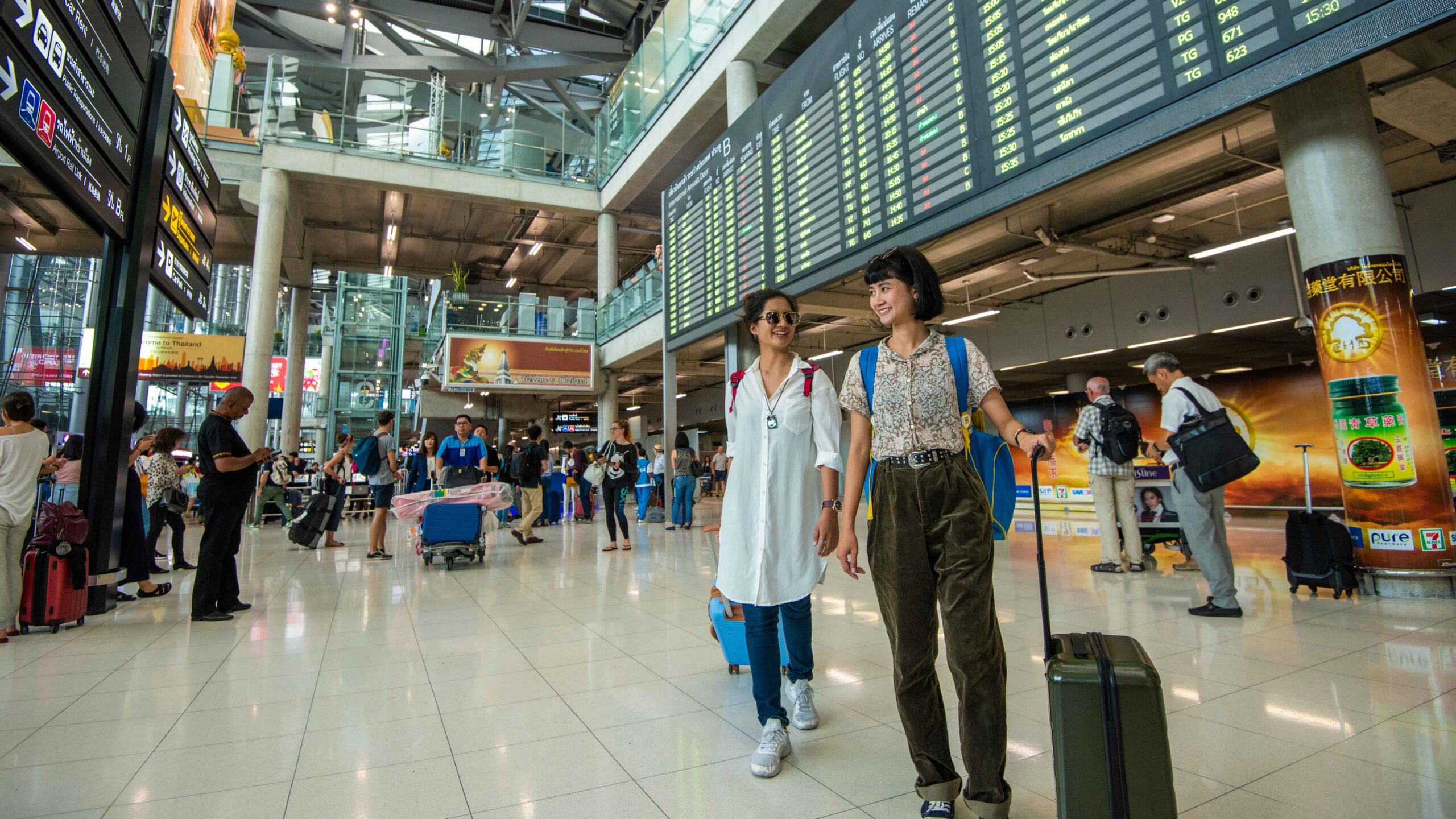
Bangkok captures a large share of national visibility because many travellers arrive through the capital, stay before onward trips, attend meetings, visit hospitals, shop, dine or use the city as a base for regional travel. Even buyers focused on long-term ownership benefit from this connectivity.
A globally connected city tends to have deeper rental demand. Expatriates, consultants, airline and hospitality staff, regional executives, medical visitors, education-related families and digital-sector workers all interact with the same urban infrastructure. Better tourism services can improve the citys reputation and make relocation feel less risky.
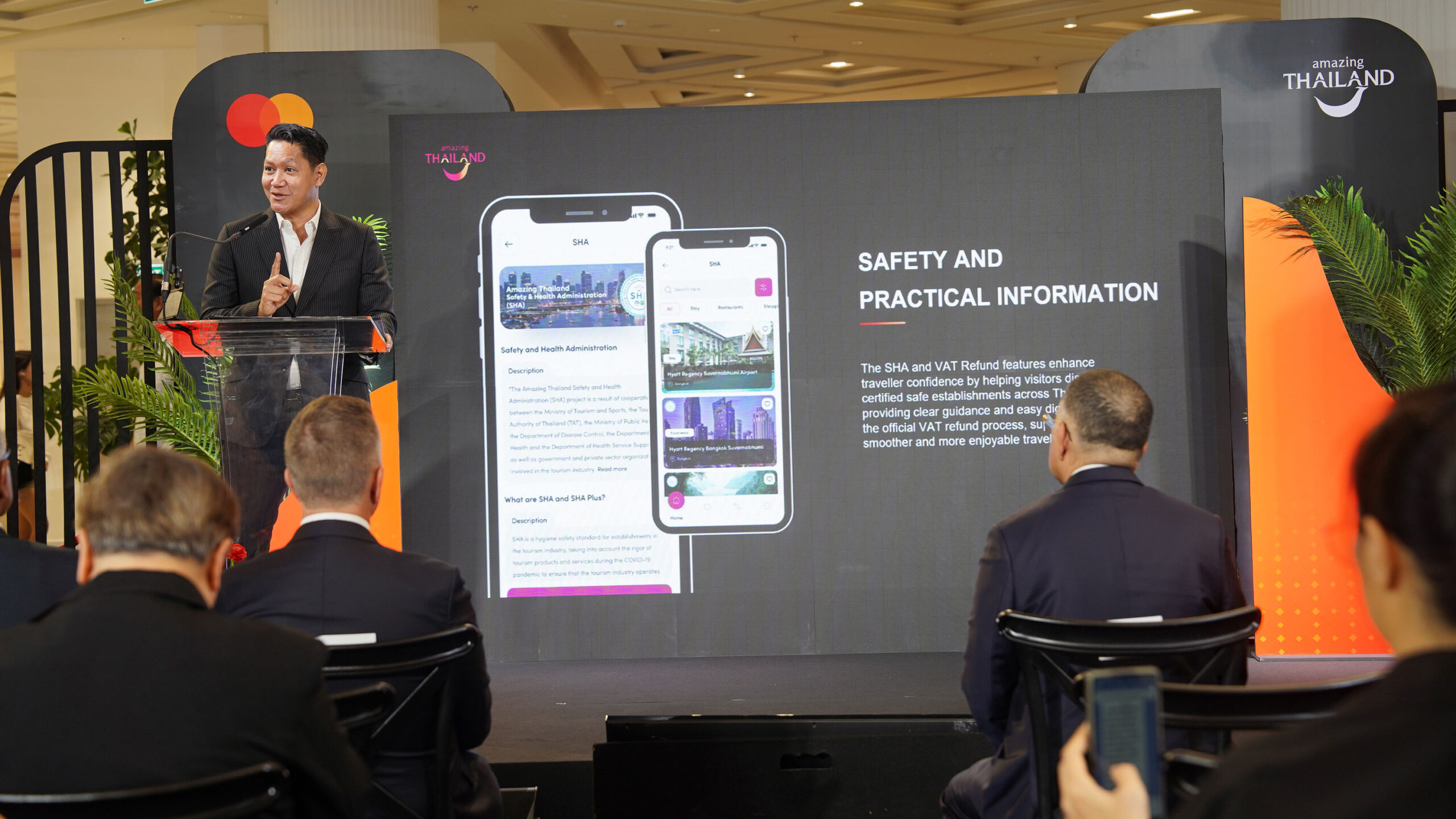
TATs digital initiatives, including the enhanced Amazing Thailand app launched with Mastercard for public rollout in March 2026, also signal a push to make travel easier and more organised. For property buyers, small improvements in visitor experience can support the broader perception that Thailand is professionalising its premium tourism platform.
Thailand Tourism Next set a quality-led direction for tourism revenue and long-term competitiveness. Image: TAT Newsroom.
The property channels to watch
The first channel is hospitality. A healthier tourism market supports hotels, serviced apartments and branded residences. That can lift expectations for service quality in nearby luxury condominiums and strengthen demand in districts with hotel, retail and office clusters.
The second channel is retail and dining. Bangkoks leading malls and lifestyle districts rely on both residents and visitors. When tourism spend is stronger, retail landlords and operators have more reason to invest in tenant mix, events and upgrades. This improves liveability for condominium owners in surrounding areas.
The third channel is corporate confidence. Tourism and MICE activity keep Bangkok visible to regional decision makers. Business travel, conferences and airline connectivity make it easier for companies to choose Bangkok for teams, sales offices or regional functions. That, in turn, supports professional tenant demand.
Risks foreign buyers should keep in view
Tourism is cyclical. Exchange rates, airline capacity, regional competition, safety perception, geopolitics and economic conditions can all affect arrivals and spending. Buyers should avoid investment cases that depend on aggressive short-stay income or constant visitor growth.
Regulation also matters. Condominium buildings have their own rules, and many juristic persons restrict hotel-like short stays. A foreign buyer who wants rental income should focus on legal long-term leasing unless the property structure clearly supports another model.
The durable takeaway is broader: tourism supports Bangkoks city quality, but a sound property purchase still depends on location, legal structure, building management, price and tenant fit.
Digital visitor services are part of Thailands effort to improve the travel experience. Image: TAT Newsroom.
What this means for a 2026 buyer
TATs value-led strategy is positive background for Bangkok property because it supports the citys premium infrastructure and international appeal. It strengthens the case for districts with hotels, hospitals, malls, parks, offices and mass transit rather than isolated projects that depend on one narrow demand source.
For buyers comparing Bangkok condominiums in 2026, the tourism story should be used as a confidence filter, not a substitute for due diligence. Choose buildings that a real resident would want to live in during normal weeks, not only during peak travel seasons.
Invest Bangkok Property can help foreign buyers connect the macro story to practical district and building choices, including rental evidence, ownership structure and exit planning.
Thailand intends to accelerate the development of the China-Thailand railway, a significant project within the framework of the China-proposed Belt and Road Initiative (BRI), as announced by Thai Prime Minister Srettha Thavisin during a live discussion on Thailand’s future in 2024.
In pursuit of BRI alignment, Thailand aims to establish a railway network connecting Bangkok, Khon Kaen, Nong Khai, pivotal transport hubs in Thailand’s northeastern region, and extending all the way to China.
Srettha emphasized the pivotal role of logistics in Thailand’s BRI cooperation and expressed the nation’s commitment to strengthening the link between its domestic rail system and the China-Laos Railway, which is a prominent BRI initiative in the region. This was conveyed during an interview with Xinhua before his official visit to China, where he also participated in the third Belt and Road Forum for International Cooperation.
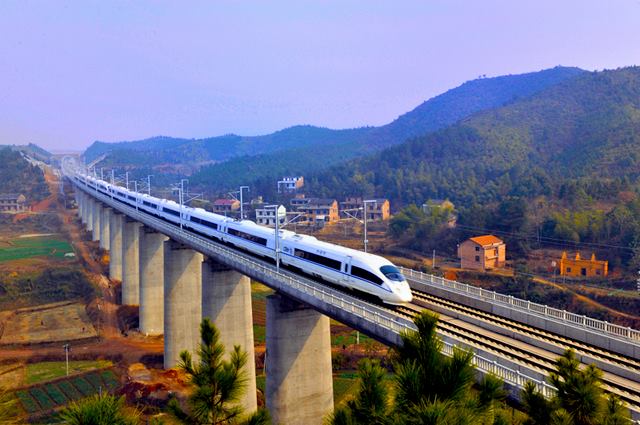
The China-Thailand railway, a crucial component of the trans-Asian rail network, is poised to become Thailand’s inaugural standard-gauge high-speed railway.
Upon completion, this railway line will facilitate train travel from Bangkok to the border town of Nong Khai. There are plans for a bridge to connect it with the China-Laos Railway, thus enabling train travel from Bangkok, through Laos, all the way to Kunming in Yunnan Province, southwestern China.
Yours sincerely,
The editorial team at IBP Real Estate Co., Ltd.
In the April-June quarter, Thailand’s economy expanded by around 3.1%, a rise from the previous quarter’s growth of 2.7%. This upswing is attributed to the increased influx of foreign tourists, as predicted by a median survey of 21 economists.
Quarterly calculations indicate that the gross domestic product (GDP) growth, when seasonally adjusted, is projected to be approximately 1.2%. This marks a slowdown compared to the preceding quarter’s growth of 1.9%, as indicated by a smaller set of forecasts gathered between August 14 and 17 in a Reuters poll.
Although Thailand’s economy, which heavily relies on tourism, is anticipated to exhibit gradual improvement, the number of visitors remains significantly lower than the levels seen before the Covid-19 pandemic. The projection for this year suggests that Thailand might welcome around 29 million tourists, a decrease from the 40 million visitors recorded in 2019, the year before the pandemic hit.
As of August 13, the Tourism and Sports Ministry reported a total of 16.47 million foreign tourists visiting Thailand from January, with a total expenditure amounting to 690 billion baht (equivalent to USD 19.48 billion).
Exports, which play a crucial role in driving growth, have been contracting since October 2022, reflecting subdued global demand, particularly from China, Thailand’s primary trading partner.
Chua Han Teng, an economist at DBS, noted that the ongoing recovery in foreign tourism, including returning visitors from China, along with resilient private consumption, were the pillars supporting the expansion of the economy. However, the decline in merchandise exports, although stabilizing, continued to impede overall growth, thus preventing a more robust improvement in the second quarter of 2023, due to the challenging global economic environment.
The growth forecast for the year shows an average of 3.7%, aligning with the estimate from the Bank of Thailand (BoT). Additionally, a separate Reuters poll indicated that growth is expected to reach 3.8% in 2024.