Bangkok condo fire safety deserves attention before purchase, after move-in and whenever a unit is rented out. A polished lobby or new interior does not by itself show how well residents can detect a problem, leave the building or receive help during an emergency.
Fire safety should be assessed at building level as well as inside the unit.
Foreign owners should treat safety as a whole-building issue. The unit, corridor, stairways, equipment, management procedures and resident behaviour all interact. This guide provides practical questions to raise, but it does not replace inspection by qualified professionals or advice on Thai building requirements.
Walk the escape route from the exact unit
Start at the front door and follow the designated route to a safe exit. Note the number and position of stairways, direction signs, emergency lighting, fire doors and any level changes. The route should be understood without assuming that lifts will be available.
Repeat the walk at night and consider how smoke, low visibility or a power interruption could affect it. Check whether corridor storage, decorative furniture, bicycles or renovation materials obstruct movement. Ask the juristic office how obstructions are reported and removed.
Understand alarms and resident notifications
Identify detection and alarm equipment inside the unit and in shared areas. Ask how the building communicates an incident, whether announcements are made in languages residents understand and how management contacts owners who are overseas.
An alarm is useful only if residents recognise it and know what to do. Request the building’s emergency instructions, save relevant contact numbers and discuss the procedure with every household member. Tenants should receive the same information at handover rather than discover it during an emergency.
Check fire doors and stairways
Fire doors and protected stairways are part of the escape strategy, not ordinary convenience features. Observe whether doors close correctly, are damaged, are held open or are difficult to use. Do not alter shared safety components or prop doors open for deliveries.
Look at the route all the way to ground level or the building’s designated discharge point. A stairwell that appears clear near the unit may have a problem on another floor. Any concern should be recorded and raised with management for professional assessment.
Residents should know the usable route from the unit to a safe exit without relying on a lift.
Review in-unit electrical and cooking risks
Overloaded extensions, damaged plugs, poor-quality chargers and unsuitable adapters can create avoidable risk. Have the unit’s electrical condition checked where age, renovation history or visible workmanship creates concern. Use equipment appropriate to the local supply and replace damaged items promptly.
Cooking needs similar discipline. Keep combustible items away from heat, do not leave active cooking unattended and clean grease from appliances and extraction areas. Confirm which cooking equipment the building permits, especially before buying or installing high-load appliances.
Treat renovations as a safety event
Renovation can affect wiring, detectors, sprinklers, doors, partitions and access routes. Obtain written building approval where required and use properly qualified contractors. The cheapest proposal is not good value if it bypasses permissions or leaves undocumented changes.
Before work begins, agree how alarms, dust controls, hot work, material storage and waste removal will be handled. After completion, keep invoices, approvals, drawings and test records in the ownership file. A later buyer, tenant or insurer may need to understand what changed.
Ask for building-level records
Through the appropriate legal and management channels, ask about inspection, testing, drills, maintenance and known defects affecting safety systems. The purpose is not to collect certificates without reading them, but to understand whether the building follows a consistent maintenance programme and closes identified issues.
Minutes and notices may reveal recurring concerns such as blocked routes, failed equipment, access problems or delayed repairs. Have important Thai-language material translated accurately and let a qualified adviser explain anything that affects the purchase decision.
Plan for children, older residents and pets
Households differ in mobility, hearing, vision and language. Decide who assists children or an older family member and how essential medication, mobility aids or pet carriers can be reached without delaying evacuation. Keep routes clear inside the unit.
Do not create a plan that depends on one person always being home. Guests, domestic staff and short-term visitors should know the basics. If a household member needs specific assistance, discuss realistic arrangements with building management rather than assuming they are already in place.
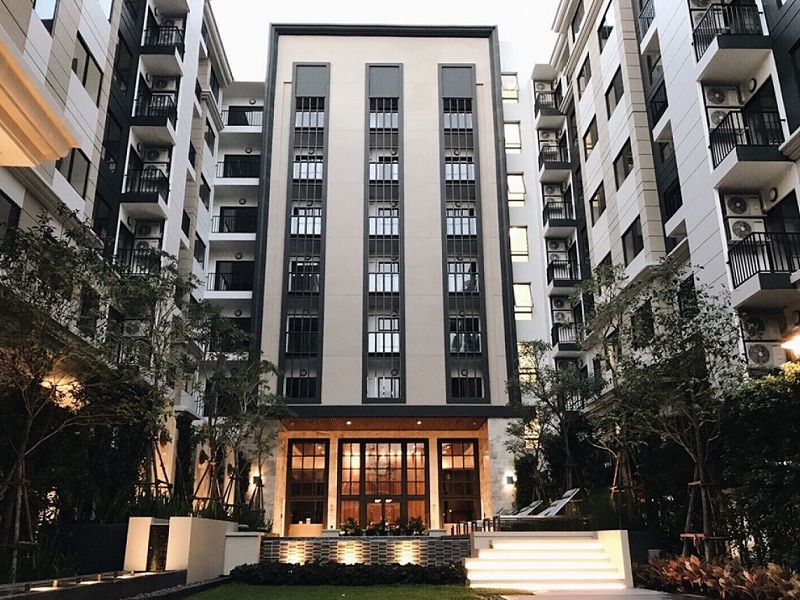
Clear management procedures, maintenance records and resident communication support a safer building.
Coordinate insurance and documentation
Building insurance and an owner’s own cover may protect different interests. Ask an insurance professional to explain the scope, exclusions, declared use, contents, liability, temporary accommodation and claim requirements. A landlord should disclose the actual tenancy arrangement accurately.
Photograph important contents, retain purchase and renovation records and keep policy details securely accessible outside the unit. Overseas owners should nominate a reliable local contact within a clearly documented authority while keeping control of personal and financial information.
Give tenants a proper safety handover
A rental handover should identify the escape route, alarms, emergency contacts, building rules and permitted appliances. Demonstrate relevant equipment where appropriate and record that information was provided. Avoid presenting safety as a page of rules that the tenant is unlikely to read.
Schedule periodic checks through an agreed management process and provide a simple way to report faults. Safety-related repairs should be distinguished from cosmetic requests and escalated promptly to the responsible party.
Foreign-owner fire-safety checklist
Walk the full escape route from the unit.
Identify alarms and resident notification methods.
Inspect visible doors, signs, lighting and obstructions.
Review electrical, cooking and renovation risks.
Ask about testing, drills, maintenance and open defects.
A projected yield is only as dependable as the rent behind it. For a foreign investor, Bangkok condo rental comps are the bridge between an attractive listing and a realistic operating plan. The objective is not to find the highest advertised rent, but to identify what a comparable tenant is likely to pay for the exact unit in normal market conditions.
Rental evidence is most useful when it comes from the same tenant market, budget band and commute pattern.
Bangkok is not one rental market. Demand changes by station, street, building, unit type and tenant profile. A carefully built comparison set helps an investor separate genuine pricing power from optimistic marketing and makes later decisions about furnishing, negotiation and cash reserves more disciplined.
Start with the tenant, not the headline yield
Define who is likely to rent the unit and why. A compact one-bedroom near a major office cluster may serve a different market from a larger two-bedroom near international schools. Their search channels, lease budgets, commuting tolerances and expectations are not interchangeable.
Write a short tenant hypothesis before collecting listings. Include likely household size, workplace or school corridor, preferred transport, lease length, furnishing standard and essential services. This prevents unrelated high rents from entering the comparison merely because the properties share a postcode.
Build a tight comparison set
Begin inside the same condominium. Recent rentals in the same building are usually the best starting point because they share management, facilities, access and brand perception. If evidence is thin, widen the search gradually to genuinely competing buildings rather than the whole district.
Record the building, floor area, bedroom count, floor, orientation, view, condition, furniture, parking, advertised rent, known agreed rent, listing date and current status. Note where information is unverified. A simple spreadsheet is more valuable than a collection of screenshots with no dates or context.
Separate asking rent from achieved rent
Public portals show what owners hope to receive, not necessarily what tenants finally pay. Repeated listings may also represent the same unit through several agents. Deduplicate by photographs, layout, floor, size and description before treating the results as separate evidence.
Ask active local agents about recent completed deals and how long comparable units took to lease. Owners and juristic offices may offer useful context, subject to privacy and accuracy limits. Give the greatest weight to evidence with a credible leasing date, clear unit specification and confirmed transaction status.
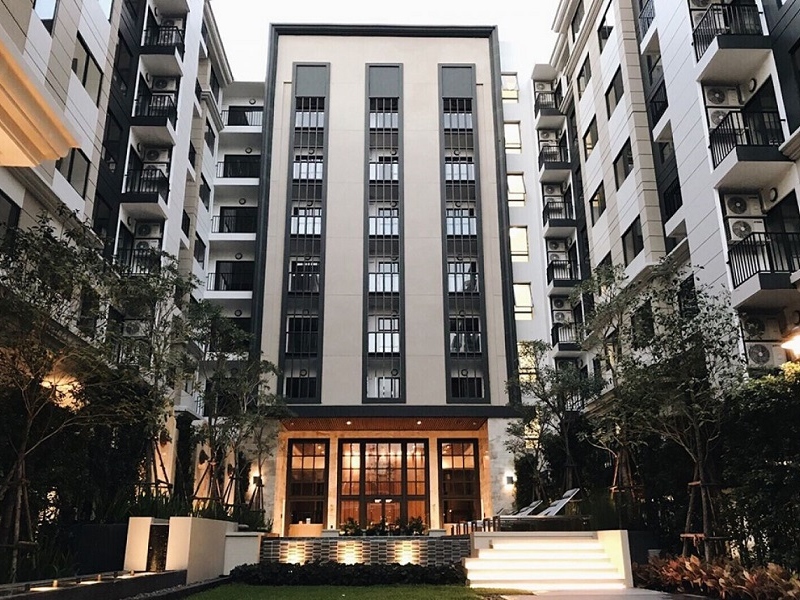
Layout, condition, furnishing and view can explain why two units in one building achieve different rents.
Adjust for differences that tenants notice
A raw price-per-square-metre calculation can conceal important differences. Tenants experience room proportions, storage, privacy, daylight and noise rather than abstract floor area. An efficient 45-square-metre plan may compete better than a larger unit with awkward circulation.
Review view protection, afternoon heat, lift proximity, traffic noise, balcony usability, appliance quality, internet readiness and work-from-home space. Treat branded furniture cautiously: condition and functionality usually matter more than the original retail cost. Adjustments should be modest and evidence-led, not invented to justify a target rent.
Use time and availability correctly
A rent agreed eighteen months ago may not represent the market at the next handover. Record when each comparable was marketed or leased and whether it reflects a peak relocation period, an unusually urgent owner or a corporate tenancy. A small, current set can be more useful than a large collection of stale listings.
Also count competing units available now. If many similar homes are advertised in one building, a tenant can negotiate or choose the best-presented option. Scarcity can support pricing, but only when demand is real. Availability should therefore sit beside achieved rent in the analysis.
Normalise what the rent includes
Confirm whether the quoted rent includes common-area charges, parking, internet, cleaning, servicing or other benefits. Check the expected deposit, advance payment and minimum lease term. Two apparently equal rents may produce different net outcomes when the inclusions and owner obligations differ.
For a furnished unit, prepare a replacement schedule for air conditioners, appliances, mattresses, curtains and small equipment. A premium rent that requires frequent refreshes can be less attractive than a slightly lower, stable rent with simpler upkeep.
Convert the evidence into three cases
Use a conservative case, a central case and an upside case. The conservative figure should reflect slower leasing or stronger competition without assuming a crisis. The central figure should be supported by the best current comparables. The upside figure should require identifiable advantages, not general confidence about Bangkok.
Apply the same discipline to vacancy, agency fees, repairs, insurance, taxes and management. Gross rent is not distributable income. A purchase still needs to work after realistic operating costs and an allowance for periods between tenants.
A comparable becomes stronger when its condition, leasing date and included items can be checked rather than assumed.
Recheck the comps before making an offer
Rental evidence can change during a long purchase process, especially for an off-plan unit. Refresh the comparison shortly before reservation, before major non-refundable payments and again when planning the first tenancy. For a resale purchase, compare the seller’s claimed history with supporting documents where lawfully available.
Do not assume that a guaranteed or suggested rent proves open-market demand. Read the commercial terms, identify who carries vacancy and operating risk, and test the property against ordinary competing leases. Independent legal and tax advice remains important for the ownership structure and rental activity.
Rental-comparable checklist
Define the likely tenant and their practical search area.
Start with the same building and widen only to true competitors.
Deduplicate repeated listings and date every item.
Distinguish asking rents from completed leases.
Adjust for layout, condition, view, noise and included services.
Count current competing inventory and leasing time.
Foreign owners usually think about bringing money into Thailand when they buy a Bangkok condo. They should think just as carefully about taking sale proceeds out when they eventually sell. Repatriation is not a last-minute task. It depends on a clean ownership file, bank records, sale documents and coordination between the owner, broker, lawyer, bank and buyer.
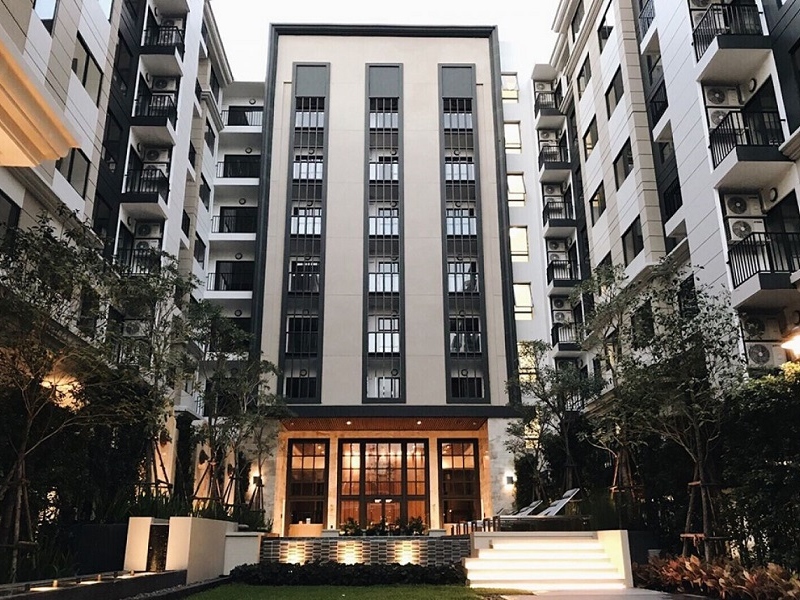
A clean resale file helps foreign owners prepare bank, transfer and tax conversations before completion.
This guide is a practical checklist, not legal or tax advice. Rules and bank procedures can vary, and each owner should confirm the exact process with their adviser and Thai bank before signing a sale agreement. The goal is to make the exit process predictable rather than rushed.
Start with the original purchase file
The most important sale-proceeds file often begins on the day the owner bought the condo. Foreign buyers should keep the title deed copy, sale and purchase agreement, land-office transfer documents, bank inward-remittance evidence, foreign-exchange transaction forms where issued, receipts, mortgage records if any, tax documents and correspondence with the bank.
When the owner later sells, the bank may need to understand how funds originally entered Thailand and how the sale proceeds relate to the property. If the file is incomplete, the owner may still be able to solve the issue, but it can take time. Starting early is easier than searching for old paperwork after a buyer has already set a transfer date.
Sale-proceeds planning should include the original inward remittance file and the outward-transfer process.
Confirm the bank process before listing
Before marketing the condo, contact the Thai bank that will handle the proceeds. Ask what documents it normally requires for outward remittance after a foreign-owned condominium sale. Ask whether the proceeds must pass through a specific account, whether the account holder’s name must match the title deed, what identification documents are needed and how long outward transfer processing usually takes.
Owners who live overseas should also ask whether they can complete any part of the process remotely. Some banks may require in-person steps, updated signatures or specific authorisations. If a representative will act for the owner, check the power of attorney format and whether it needs notarisation, legalisation or Thai translation.
Prepare the resale documents
A clean resale file helps both the sale and the remittance. Owners should prepare the title deed copy, passport copy, ownership registration details, unit address, sale agreement, buyer details, tax and fee estimates, juristic office clearance documents, utility settlement evidence and any mortgage release documents if relevant.
The exact list depends on the transaction. A lawyer or experienced broker should coordinate the land-office and bank requirements so the sale price, transfer date, tax handling and bank transfer steps are consistent. Do not assume the buyer’s preferred completion structure automatically suits the foreign seller’s remittance plan.
Exit planning starts before listing, because the buyer, bank, land office and building records all need to align.
Check tax and fee timing
Foreign sellers should understand which taxes and transfer costs will be paid at completion and which records they will receive. The net amount available for outward transfer is not the headline sale price. It is the amount left after agreed fees, taxes, agent commission, mortgage settlement, repairs, utility balances and any other closing items.
Because tax treatment can depend on the owner, holding period and transaction facts, sellers should get advice before agreeing the net proceeds they expect. A simple sale price can become confusing if the owner has not budgeted for deductions or if responsibility for costs is unclear in the sale agreement.
Power of attorney needs careful handling
Many overseas owners cannot travel to Bangkok for every step. A power of attorney can help, but it must be handled precisely. The owner should confirm who is authorised to sign the sale agreement, attend the land office, deal with the juristic office, receive documents, settle utilities and communicate with the bank. Different tasks may require different wording.
Do not give broad authority casually. Use a trusted representative and keep the authorisation aligned with the transaction. If the bank requires separate forms, prepare them early. A sale can be delayed when the land-office document is ready but the bank authorisation is not.
Coordinate currency conversion
Once sale proceeds are available, the owner should decide whether to hold Thai baht temporarily or convert immediately. That decision depends on personal needs, exchange-rate comfort and bank process. Sellers should avoid making the conversion decision under pressure on transfer day unless they have already considered the options.
Owners should also confirm the receiving overseas account details, beneficiary name, intermediary bank information where needed and any reporting requirements in their home country. A typo in international transfer details can create unnecessary delays.
Seller checklist
Locate the original inward-remittance and purchase documents.
Ask the Thai bank for outward-remittance requirements before listing.
Confirm whether the owner must be present or can use a representative.
Align the sale agreement with tax, fee and bank requirements.
Prepare juristic office clearance, utilities and keycard handover records.
Review the net proceeds after all deductions, not only the sale price.
Check overseas receiving-account details before completion.
Buyer takeaway
Thai condo sale proceeds repatriation is easiest when the owner prepares before the resale starts. Keep the original money trail, speak to the bank early, use a careful power of attorney when needed and make sure the sale documents support the outward-transfer plan. A clean exit file protects the seller’s time and reduces avoidable completion stress.
IBP helps foreign owners plan Bangkok condo purchases, rentals and exits with practical documentation in mind. Explore our resale and exit strategy guides or contact IBP Real Estate for a resale consultation.