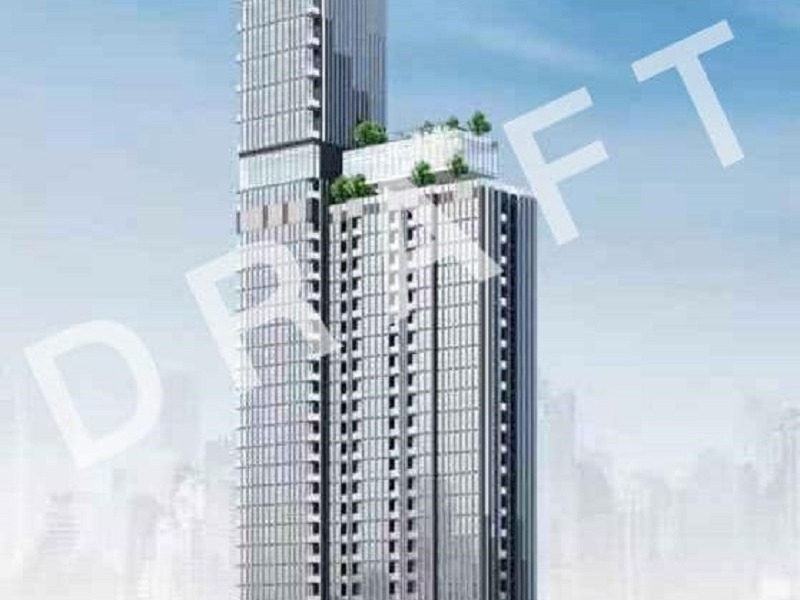
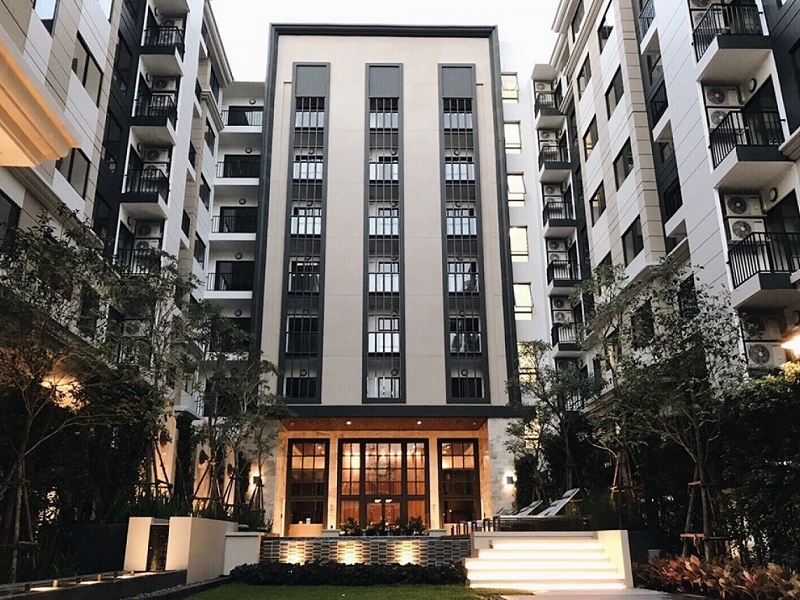
Foreign buyers often spend time checking the unit, the view and the price, but the building records can be just as important. A Bangkok condominium is not only private space. It is a shared building with common property, budgets, rules, committees, repairs, staff, lifts, insurance, sinking funds and owners who must keep paying their share.
The condominium juristic person sits at the centre of that building life. Before paying a meaningful deposit, a buyer should ask what records are available and what they reveal. This is not about turning every purchase into a court case. It is about knowing whether the building is orderly, financially realistic and transferable to a foreign owner.
Juristic-person records help buyers test the building before relying on a viewing or sales pitch.
The first record is foreign quota
Thailand.go.th explains that foreign buyers may own condominium units within the statutory foreign ownership limit, and that a letter confirming the foreign proportion from the condominium juristic person is submitted to the Department of Lands for transfer. For a foreign freehold buyer, this is not optional background. It is central to whether the unit can be transferred in the buyer’s name.
A seller or agent may say the unit is available in foreign quota, but the buyer should still ask for written confirmation through the proper process. The exact unit, building and buyer status need to be aligned. If the quota is tight, do not assume that verbal comfort is enough. Ask your lawyer to check timing, wording and whether anything could change before transfer.
Debt-free and fee records
The buyer should also ask whether the seller has outstanding common fees, sinking fund obligations, utility charges, repair charges or penalties. A clean transfer should not leave the buyer arguing later about historic arrears. The juristic office may provide a debt-free letter or confirmation as part of the transfer package, but buyers should understand what it covers and when it is issued.
Do not treat low common fees as automatically good. A building with fees that are too low may be underfunding future repairs, staff, security, lift maintenance, insurance or facade work. A well-run building needs realistic income. The stronger question is whether fees are appropriate for the age, facilities and repair needs of the building.
The building file should support the title, foreign quota, maintenance and management story.
Annual budgets and financial statements
A buyer does not need to become an accountant, but the annual budget is still useful. It shows how the building expects to pay for staffing, security, cleaning, utilities, lift contracts, pool maintenance, garden work, insurance and repairs. Repeated deficits, vague line items or sudden increases may require explanation.
The financial statements can also show whether owners are paying on time. High receivables from unpaid common fees may point to weak collection or a building with many financially stressed owners. That can affect repairs, atmosphere and future resale. A foreign buyer who will not live in Bangkok full-time should be especially careful with buildings that require constant owner pressure to function properly.
Records to request or discuss
Foreign quota confirmation for the exact unit and transfer timing.
Debt-free or arrears confirmation for common fees and special charges.
Recent annual budget and financial statements, where available.
Recent annual general meeting minutes and any extraordinary meeting minutes.
Building rules covering renovation, pets, short stays, parking, deliveries and use of facilities.
Major repair history, planned works and any special assessments already approved or likely.
Meeting minutes tell the building story
Meeting minutes are often more revealing than brochures. They can show whether owners argue about repairs, short-term letting, parking, noisy tenants, water leakage, lift replacements, facade work, security, management contracts or unpaid fees. One disagreement does not make a building bad. Repeated unresolved problems deserve attention.
Minutes can also show whether the committee is active and whether management explains issues clearly. A good building is not a building with no problems. It is a building that identifies problems, budgets for them and communicates with owners before they become crises.
Rules affect rent and resale
Foreign buyers who plan to rent out the unit should read building rules before they buy. Pet policies, minimum lease terms, registration procedures, move-in fees, renovation hours, delivery access, parking allocation and facility rules all affect tenant appeal. A unit that looks attractive may become harder to rent if the rules do not match the intended tenant profile.
Short-stay restrictions are particularly important. Do not assume that a condo can be used like a hotel or serviced apartment. Ask a Thai lawyer and the juristic office how building rules apply, and separate what owners actually do from what is legally and practically allowed. A rental plan should be built on a conservative reading, not on informal promises.
A unit inspection is stronger when it is matched with building records and future repair planning.
Repairs, age and capital planning
Older Bangkok buildings can be excellent purchases when they have space, location, land value and sensible management. They can also require serious capital planning. Lifts, pumps, pipes, waterproofing, facade systems, roofs, car parks, fire systems and common-area air-conditioning all age. A buyer should ask what has already been replaced, what is scheduled and how it will be funded.
Newer buildings also need checking. A new lobby does not guarantee good management. Look for defect-handling processes, warranty issues, owner handover minutes and whether the developer-controlled phase has transitioned into normal owner management. The early record can shape the building’s culture for years.
Buyer takeaway
Juristic records do not replace title review, contract review or transfer checks, but they add a building-level view that foreign buyers often miss. The best purchases have a clean unit file and a credible building file: quota, fees, minutes, rules, budgets and repair planning all point in the same direction.
IBP Real Estate can help organise the commercial due diligence file while your independent Thai lawyer reviews the legal position. Continue with our foreign buyer guides and legal and due diligence articles before reserving.
Maintenance funds are easy to overlook when a Bangkok condominium looks polished during a viewing. Foreign buyers tend to focus on title, foreign quota, price, view, furniture and rental potential. Those are important, but the building’s financial health can decide whether ownership remains smooth. Common fees, sinking funds, repair reserves and juristic person records show how the condominium pays for daily operations and larger future works.
Maintenance and sinking fund records should be reviewed before transfer, not after completion.
This guide is not about avoiding every building with higher fees. Sometimes a premium building costs more to run because it offers larger common areas, better security, stronger staffing, better landscaping, reliable lifts and more extensive facilities. The question is whether owners are paying for value and whether the building has enough money to maintain itself without constant emergency calls for additional contributions.
For an overseas owner, this is also a distance-management issue. If the owner is in Singapore, Hong Kong, Europe or Australia when a lift replacement, facade repair or pipe problem appears, the owner needs the building to have a process, a budget and a clear communication channel. Weak financial planning turns routine ownership into repeated surprise decisions. Strong records make the condo easier to hold from abroad.
Common fees and sinking funds are different
Common fees normally cover recurring expenses such as security, cleaning, lift maintenance, common electricity, garden care, pool service, management staff, minor repairs and administrative costs. A sinking fund is normally intended for larger capital items such as major repairs, repainting, roof works, lift replacement, facade work, plant equipment and other long-cycle costs. Buyers should understand both.
A low monthly common fee can look attractive, but it may also mean underfunded maintenance. A high fee can be reasonable if the building is complex, well staffed and transparent. The most useful question is whether the fee level matches the building condition and service standard. If a property has high fees but weak upkeep, owners may be paying without receiving proper management.
Ask for recent juristic records
Before paying a large deposit, ask the seller or agent for recent juristic person documents where available. These may include annual meeting minutes, budget summaries, audited accounts, notices of special assessments, insurance information, major repair plans and current common fee rates. In a resale purchase, also ask for confirmation that the unit has no outstanding common fees or penalties before transfer.
Foreign buyers should not expect every document to be presented in perfect English. Still, the process should be orderly. A building that cannot explain its fees, fund position or upcoming works may require extra caution. If the buyer cannot read Thai, a bilingual lawyer or trusted adviser should review the important records before the transfer appointment.
A well-maintained building is often the result of boring but important financial discipline.
Look for signs of deferred maintenance
The building tour should confirm what the paperwork suggests. Check lift condition, corridors, fire doors, lobby wear, parking areas, drainage, pool tiles, gym equipment, air-conditioning in shared areas, exterior paint, garden condition and staff responsiveness. Deferred maintenance often appears in small details first. If common areas feel tired, the buyer should ask whether this reflects poor management, low fee collection, upcoming renovation, or simple age.
Older buildings can still be excellent purchases when they are well managed and priced sensibly. In fact, some older Bangkok condominiums offer larger layouts and established locations. The risk is not age by itself. The risk is an ageing building without a realistic capital plan. A buyer who saves on purchase price but later faces repeated special levies may not have saved much at all.
Questions foreign buyers should ask
What are the current common fees per square metre and when were they last changed?
How much is held in the sinking fund and what major works are planned?
Are there unpaid common fees from other owners that affect the building budget?
Has the building issued any recent or pending special assessments?
Are lifts, fire systems, pumps, facade, parking systems and pool equipment under regular maintenance contracts?
Can the seller provide a debt-free letter before transfer?
These questions turn maintenance from a vague concern into a decision framework. The buyer does not need perfect answers to every item, but unexplained gaps should affect price, negotiation and willingness to proceed. If a seller pressures the buyer to sign before basic records are available, that pressure is itself a warning sign.
Physical condition and financial records should tell the same story.
How this affects rental and resale
Tenants notice maintenance. They may not read annual meeting minutes, but they experience lifts, corridors, water pressure, pest control, parking, security and common facilities every day. A building with weak maintenance can suffer higher vacancy, lower rent and more frequent tenant complaints. A landlord living overseas may also face more operational stress when the building does not manage problems properly.
Resale buyers notice maintenance even more. A future buyer will compare your unit with competing units in better-managed buildings. If the common areas have aged badly, your renovated interior may not be enough. Maintenance funds therefore influence both income and exit value. They are part of investment analysis, not only administration.
Buyer takeaway
Foreign buyers should treat maintenance funds as part of Bangkok condo due diligence. A building that collects fees transparently, maintains common areas and plans for major repairs gives owners a stronger base. A building that looks cheap to hold but has weak reserves may become expensive later.
IBP can help buyers ask the right juristic questions before transfer and compare buildings on management quality as well as price. Read our foreign buyer guides or contact IBP Real Estate before committing to a Bangkok condominium.
Foreign buyers often ask whether they can own a Bangkok condominium freehold, whether the foreign quota is available and whether the transfer documents are correct. Those questions are essential. They are not the whole due-diligence exercise. A condominium is also a shared building, and the long-term value of a private unit depends heavily on how that shared building is managed.
Juristic records, meeting minutes and fee schedules should be reviewed before a buyer commits.
Common-area due diligence helps a buyer understand the condition of the lobby, lifts, parking, corridors, swimming pool, gym, fire systems, drainage, security, access controls and service areas. It also helps identify whether the juristic person has enough money, whether owners pay on time, whether disputes are recurring and whether major repair works are being deferred.
Read the juristic documents before transfer
The juristic person should be able to provide practical records that show how the condominium is run. Ask for current common-area fees, sinking-fund details, annual accounts, recent annual general meeting minutes, building rules, renovation rules, pet rules if relevant, short-stay restrictions, parking rules and insurance information. If documents are not available, ask why.
Minutes are especially useful because they show what owners are actually discussing. Repeated complaints about water leaks, lift outages, security, unpaid fees or short-term rentals can be more revealing than a polished sales presentation. A buyer does not need to reject every building with issues, but they should know the issues before pricing the unit.
Inspect the building like an owner
A common-area walk-through should be practical rather than cosmetic. Look at lift waiting times, corridor ventilation, smells, lighting, water pressure, drainage, pool condition, gym equipment, fire exits, emergency signage, basement condition and the way staff handle visitors. Tidy staff areas and clear notices can indicate discipline. Repeated temporary repairs can indicate a budget or management problem.
Common-area condition can reveal whether the building is being maintained with enough discipline.
Visit at more than one time if possible. A building can feel calm during a weekday viewing and crowded during evening peak hours. Parking, lift use, delivery traffic and lobby flow are all part of the lived experience. For rental investors, these points affect tenant satisfaction and renewal probability; for owner occupiers, they affect daily comfort.
Check money, arrears and future works
A healthy condominium needs cash for routine operations and future capital works. Ask whether common fees have been increased recently, whether arrears are material, whether any special assessment has been proposed and whether major repairs are expected. Older buildings may be good value, but only if the owner body is willing and able to fund maintenance.
Be careful with buildings where fees have been kept artificially low for years. Low fees can look attractive during purchase but may leave the building underfunded. Conversely, a building with higher fees may be reasonable if facilities, staffing and maintenance standards are strong. The point is not to choose the cheapest building; it is to understand what the fee pays for.
Rules can affect rentability and resale
House rules should match the intended use. If the buyer wants to rent to families, check rules on children, pets, school buses and visitor parking. If the buyer expects executive tenants, check internet options, renovation rules, moving hours and delivery management. If the buyer is considering short stays, be extremely cautious and obtain proper legal advice because hotel-style use can create compliance and building-rule problems.
The private unit and the shared building should be checked together, not in isolation.
Rules also affect resale. A building with clear enforcement may be more attractive to long-stay residents, while inconsistent enforcement can create disputes. Foreign buyers should ask how complaints are handled, whether fines are used, whether access cards are controlled and whether the building has a stable management company.
Coordinate legal, physical and financial checks
The safest process is to coordinate three workstreams. Legal due diligence checks title, foreign quota, contracts, power of attorney, transfer documents and restrictions. Physical due diligence checks the unit and shared areas. Financial due diligence checks fees, arrears, tax exposure, renovation budget and holding costs. Weakness in one area can change the decision in another.
For example, a unit may be legally transferable but overpriced once future building works are considered. A building may be financially stable but unsuitable for the buyer rental plan because of layout, transport or rules. Treat due diligence as an integrated decision rather than a formality between deposit and transfer.
This is especially important when the buyer is overseas and cannot revisit the building easily before completion. A local representative can photograph service areas, ask the juristic office for written clarification, check whether promised repairs have actually been completed and confirm that the transfer file still matches the buyer name, passport details and payment route. Small mismatches are easier to correct before the land office appointment than on the day of transfer.
A buyer-focused checklist
Before paying a substantial deposit, request the juristic records, inspect shared facilities, confirm transfer readiness, check unpaid charges, review the sale agreement and ask how future repairs are funded. Keep written answers. If a seller or agent cannot provide a reasonable explanation, slow the process down rather than relying on verbal comfort.
IBP helps overseas buyers coordinate practical purchase checks with local market context. Start with the Foreign Buyer Guides archive, then speak with the team before signing if a building, management record or contract point needs a second look.