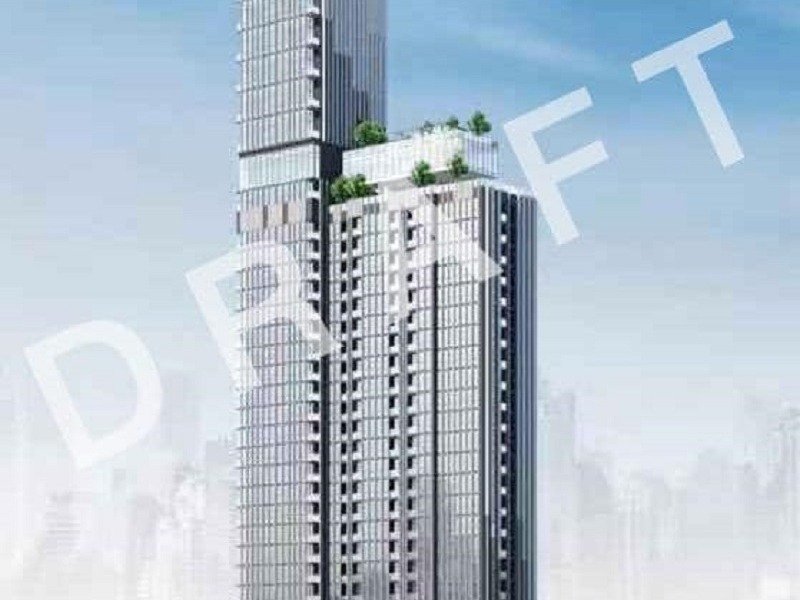
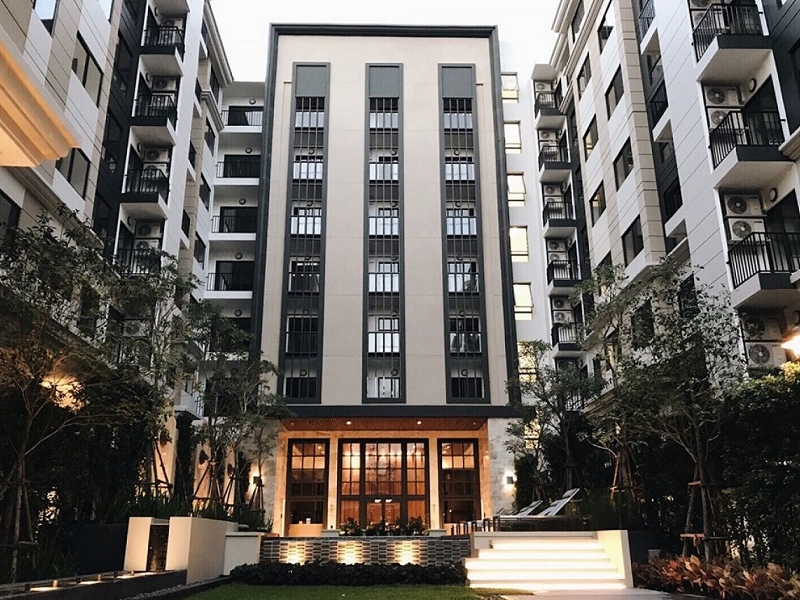
Building age is one of the simplest Bangkok condo facts to check and one of the easiest to underestimate. Foreign buyers often focus first on the view, furniture, floor level or headline price per square metre. Those details matter, but the age and maintenance history of the building can have a larger effect on rent, resale confidence and the real cost of ownership.
Building age should be read together with maintenance quality and resale evidence.
A ten-year-old Bangkok condo can be an excellent purchase if the management is disciplined, the common areas are well funded and the location still has tenant depth. A newer building can be a weak investment if defects, poor juristic management or unrealistic pricing are already visible. Age is not a verdict. It is a prompt for deeper questions.
Why building age changes the investment case
Bangkok condominiums do not age evenly. Some buildings remain attractive because they were well designed, use durable materials and have co-owners who approve sensible maintenance budgets. Others look tired within a few years because common areas were overpromised, repairs were deferred or the juristic office struggles to collect fees. The difference shows up in tenant demand before it shows up in official documents.
For investors, age affects three areas. First, it influences the rent a tenant is willing to pay compared with newer alternatives nearby. Second, it affects holding costs because older lifts, pumps, corridors, facades and air-conditioning systems may need more attention. Third, it shapes the future buyer pool. A resale buyer may accept an older building if the price, location and management record are convincing.
AGM minutes and budgets help buyers understand what older buildings may need next.
Newer does not always mean lower risk
New projects can offer fresh facilities, modern layouts and easier financing for local buyers. They can also carry early-stage uncertainty. Common fees may not yet reflect the true operating cost, defects may still be settling, rental competition may be intense if many owners complete at the same time, and the first few years of juristic management can reveal whether the building culture is serious.
Foreign buyers should therefore avoid a simple new-versus-old rule. A completed five-year-old building with stable occupancy, clear accounts and strong tenant demand may be safer than a brand-new project where the rent case is based mainly on brochure assumptions. Conversely, an older building with poor reserves, weak security and repeated water issues may be cheap for good reason.
Repairs and capital expenditure
The practical question is not only what the unit costs today. It is what the building may ask owners to fund over the next ownership period. Lift upgrades, waterproofing, pipe repairs, fire-system improvements, lobby refreshes, pool repairs, parking equipment and exterior works can all become material. These costs may be covered by the sinking fund, by annual budgets or by special contributions.
Before buying, ask for recent AGM minutes, audited accounts, sinking fund balance, common fee arrears and any notices about major works. If the building is older, ask specifically about lifts, water pressure, drainage, roof and facade condition. A good answer will not always be perfect, but it should be documented. Vague reassurance is not enough.
A physical inspection should match what the building records say about repairs.
How age affects rental demand
Tenants are practical. They may love a central address, but they still notice lifts, corridors, air-conditioning, smell, noise, security, parcel handling, gym quality and the route from station to lobby. In some mature Bangkok areas, older buildings offer larger rooms and better value than new stock. In other areas, new supply can pull tenants away if the older building has not kept pace.
Investors should compare actual rental listings and closed rents in the same micro-market. Look at unit size, view, floor level, furniture quality and building condition. If an older building rents well because of room size and location, the age may be acceptable. If rent is being defended only through discounting, the investment case needs a more conservative model.
Resale depth matters more as buildings mature
As a building ages, the resale buyer becomes more selective. They will ask whether the location is still convenient, whether the project has a recognisable reputation, whether the common areas are clean and whether future works are manageable. For foreign owners, this matters because exit can be harder if the buyer pool narrows to bargain hunters.
A useful test is to imagine explaining the unit to a future buyer in one sentence. If the sentence is easy because the building has a strong address, sensible size, good management and fair price, age may be manageable. If the explanation depends on excuses, the discount should be meaningful.
Foreign buyer checklist
Confirm completion year, developer record and current juristic management.
Read recent AGM minutes, budgets and sinking fund information.
Inspect lifts, corridors, parking, waste rooms, pool, gym and back-of-house areas.
Compare rents with newer and older competitors within the same walking radius.
Ask whether major repairs are planned and how they will be funded.
Model a resale period that is realistic for the age, price bracket and unit size.
Buyer takeaway
Building age should not scare foreign buyers away from Bangkok resale condos. It should make the due diligence sharper. The best older buildings can offer proven locations, larger layouts and established tenant demand. The weaker ones can trap owners in repair costs and slow resale. Age is useful only when it is read together with management quality, cash reserves, rent evidence and exit demand.
IBP can help foreign buyers compare Bangkok condo buildings by age, management record, rent assumptions and resale evidence. Read more in our investment analysis section or contact IBP Real Estate for a building-level review.
A Bangkok condominium purchase is often planned around transfer day, rental yield and resale value. Foreign owners should also ask a quieter question: what happens to the unit if the owner dies while the condo is still held in Thailand? A Thai will is not glamorous, but for many overseas buyers it is one of the simplest ways to reduce uncertainty for heirs.
This guide is not legal advice. Thai succession, condominium and tax questions should be checked with a qualified Thai lawyer, especially where the owner has assets in more than one country. The practical point is straightforward: a foreign buyer who organises succession documents early gives family members, executors and advisers a much clearer route if the condo ever has to be transferred, rented, held or sold by an estate.
A Thai-specific document plan can reduce delays for heirs and advisers.
Why a Thai will belongs in the ownership file
A foreign owner may already have a will in their home country. That document may still matter, but it may not be the fastest tool for dealing with a Thai condominium. If a foreign will has to be translated, legalised and recognised before Thai authorities and service providers can act, heirs may face delay at precisely the moment when they need access to title records, bank information, tenant communication and building management.
A separate Thai will limited to Thai assets can make the ownership file easier to administer. The will should be drafted by a Thai lawyer, use names and passport details carefully, identify the Thai assets it covers, name an executor who can work locally, and avoid accidentally revoking the owner’s home-country estate plan. For many foreign buyers, the key phrase is limitation: the Thai will should deal with Thai assets, while the home-country will continues to deal with assets elsewhere.
What heirs may need to prove
When a Thai condo owner dies, heirs and advisers will usually need to establish authority before they can sell, transfer or otherwise deal with the unit. That may involve death certificates, translations, passports, family records, probate or court documents, title documents, juristic-person records, bank evidence and tax or fee calculations. The exact route depends on the owner’s nationality, residence, family situation, documents and the status of the condo.
This is why the owner’s records matter. A beautiful unit can become difficult to administer if no one knows which law firm handled the purchase, where the title deed copy is stored, which bank received the foreign-currency remittance, whether the unit is under lease, how the tenant deposit was held or which juristic person manages the building. Good succession planning is partly legal drafting and partly clean record-keeping.
Succession planning should be checked while the purchase file is still organised.
Foreign freehold condos are different from land
Foreign buyers are usually focused on condominium freehold because Thai law gives foreigners a clearer route to registered ownership of qualifying condominium units than to land. That distinction remains important at succession stage. A foreign freehold condo and a land plot held through a spouse, company or leasehold structure do not raise the same questions.
For a Bangkok condominium, the practical due-diligence issue is whether the heir can register the inherited interest cleanly and whether the building’s foreign-ownership position, title records and estate documents support the intended result. For land, leasehold or company structures, the analysis can be materially more complex. Buyers should not assume that a plan suitable for a freehold condominium automatically works for another property type.
Checks to make before completion
A foreign buyer does not need to solve every succession question before making an offer, but several checks can be built into the purchase workflow. Ask the lawyer how the title will be recorded, whether the owner’s passport details are consistent across documents, how the foreign-exchange evidence will be stored, and whether the building can provide foreign-quota and debt-free records clearly. If the owner is buying jointly, ask what happens if one co-owner dies and whether the intended ownership shares are properly reflected.
If the unit will be rented out, the lease file should also be succession-ready. Tenants, agents and property managers need to know who has authority to receive rent, return deposits, approve repairs and issue notices if the owner is incapacitated or deceased. A Thai will is not a substitute for a proper management agreement, but it can sit alongside one as part of a more complete ownership plan.
Documents worth keeping together
A lawyer-reviewed Thai will limited to Thai assets, with executor details kept current.
Title deed copy, sale and purchase agreement, transfer records and tax or fee receipts.
Foreign-exchange transaction form or bank documentation linked to the purchase funds.
Juristic-person contact details, common-fee records and building insurance information.
Tenant agreements, deposit records, property-management agreements and key handover notes.
Home-country adviser details so Thai and overseas estate work can be coordinated.
Legal, financial and practical records should be stored together for future estate administration.
Fees, taxes and family assumptions
Government information on foreign condominium ownership notes that inheritance transfers can involve official transfer fees, with different treatment in some family relationships. Owners should not rely on a casual estimate because appraised value, relationship, tax position and document route can all affect the final cost. For larger estates, cross-border inheritance tax and home-country estate rules should also be checked before the buyer assumes Thailand is the only relevant jurisdiction.
Family assumptions deserve equal care. A spouse, adult child, partner, sibling or business associate may each face different practical steps depending on the will, nationality, documents, relationship evidence and ability to act in Thailand. If the owner has remarried, has children in different countries or owns assets through companies, a professionally drafted plan becomes much more important.
When to update the will
A Thai will should not be treated as a one-time formality. Review it after marriage, divorce, birth of children, passport changes, major asset purchases, refinancing, change of residence, change of executor or sale of the original condo. If the owner buys a second Thai asset, changes the ownership structure or starts using a property manager, the Thai estate file should be reviewed again.
Foreign owners often postpone this topic because it feels remote. The better approach is to handle it while documents are fresh, advisers are easy to contact and the owner can make deliberate choices. Compared with the cost of a Bangkok condo, a properly drafted Thai will and organised ownership file are modest but meaningful safeguards.
Buyer takeaway
A Bangkok condo can be a clean, foreigner-friendly asset when the purchase, remittance, title and building documents are handled properly. A Thai will extends that discipline beyond the acquisition date. It helps the owner’s family understand who can act, where the records are and how the Thai asset should be handled.
Before or shortly after completion, ask IBP Real Estate to coordinate a document checklist with your Thai lawyer, property manager and home-country adviser. The aim is not to make the purchase more complicated; it is to make ownership safer for the people who may one day need to act on your behalf.