Thailand’s first-quarter GDP data gives foreign property buyers a useful, measured confidence signal. It does not replace project due diligence or rental evidence, but it helps explain whether the wider economy is expanding, where demand is coming from, and how Bangkok’s property market fits into the national story.
GDP data is a macro signal; buyers still need to connect it to districts, tenants and building quality.
NESDC’s official Q1 2026 release reported that the Thai economy expanded by 2.8 percent year-on-year, accelerating from 2.5 percent in the fourth quarter of 2025. After seasonal adjustment, the economy grew by 0.7 percent from the previous quarter. The report also noted favourable private consumption growth, stronger investment, accelerated exports of goods and a return to expansion in exports of services.
For Bangkok property buyers, this matters because the city sits at the centre of many of those demand channels. Corporate investment, services, tourism, business travel, healthcare, retail and education all feed into the practical reasons people live in, rent in or revisit Bangkok. A growing economy can support confidence, but it should be interpreted with discipline.
Investment was the standout signal
NESDC reported that total investment expanded by 9.9 percent in Q1 2026, accelerating from 8.1 percent in the previous quarter and marking the strongest growth in 44 quarters. Private investment grew by 10.1 percent, while public investment also expanded. For foreign buyers, this is relevant because investment spending can support jobs, infrastructure use and corporate activity in Bangkok.
The property implication is not that every condominium will rise in value. The better reading is that Bangkok remains connected to a wider investment cycle. Districts with offices, transport, hospitals, universities, logistics access and retail depth are more likely to convert macro activity into resident demand than locations that depend only on speculative buying.
Consumption, investment and travel activity all influence how foreign buyers read Bangkok’s resilience.
Consumption and services still matter
Private consumption grew by 3.2 percent in the quarter, according to NESDC. Services spending slowed from the previous quarter but hotels and restaurants improved, while exports of services returned to expansion. Those details are important for Bangkok because property demand is not only office-led. It is also linked to dining, medical travel, education, shopping, events, hospitality and long-stay living.
A foreign owner who wants to rent out a unit should look for districts where consumption and services are visible in daily life. Good buildings near supermarkets, transport, hospitals, parks and restaurants can appeal to residents even when the wider economy is uneven. The data supports the city-level case, while the micro-location decides the owner result.
Confidence does not remove caution
The same official release kept the 2026 outlook within a range rather than a single bullish story. That is the correct tone for property buyers too. Thailand’s growth is positive, but households, credit, geopolitics and global trade can still affect demand. Buyers should avoid using GDP as a reason to skip title checks, quota checks, rental comparisons or exit planning.
In practice, foreign buyers should use GDP data as a starting point. It can justify continued interest in Bangkok as a regional base, but it should lead to more specific questions: which district benefits from investment, which tenant group can afford the rent, and what would make the unit easy to resell?
A stronger national economy supports confidence, but individual condo selection remains decisive.
How to apply the data
Connect investment growth to real employment corridors rather than broad optimism.
Use consumption data to assess retail, dining, healthcare and lifestyle-led districts.
Compare new launches with completed resale units where rents are visible.
Stress-test rental income against vacancy, furnishing replacement and common fees.
Treat economic expansion as supportive context, not a substitute for due diligence.
For many overseas buyers, Bangkok remains attractive because it combines relative affordability, regional connectivity, healthcare access, lifestyle depth and a clear legal route for foreign condominium ownership. The Q1 GDP data adds support to that city-level case, especially because investment and consumption both remained positive.
Investor takeaway
Thailand’s Q1 2026 GDP expansion is a constructive confidence signal for Bangkok property, but it is not a blanket buy signal. Foreign buyers should translate macro growth into district, building and tenant evidence before making a purchase.
Bangkok property confidence is not built only inside condominium sales galleries. It is also shaped by how easily people, capital and companies can reach the city. Thai Airways’ latest investor materials give foreign buyers a useful aviation signal: Thailand’s flag carrier remains profitable, is modernising its fleet, and continues to operate a broad international network from Bangkok.
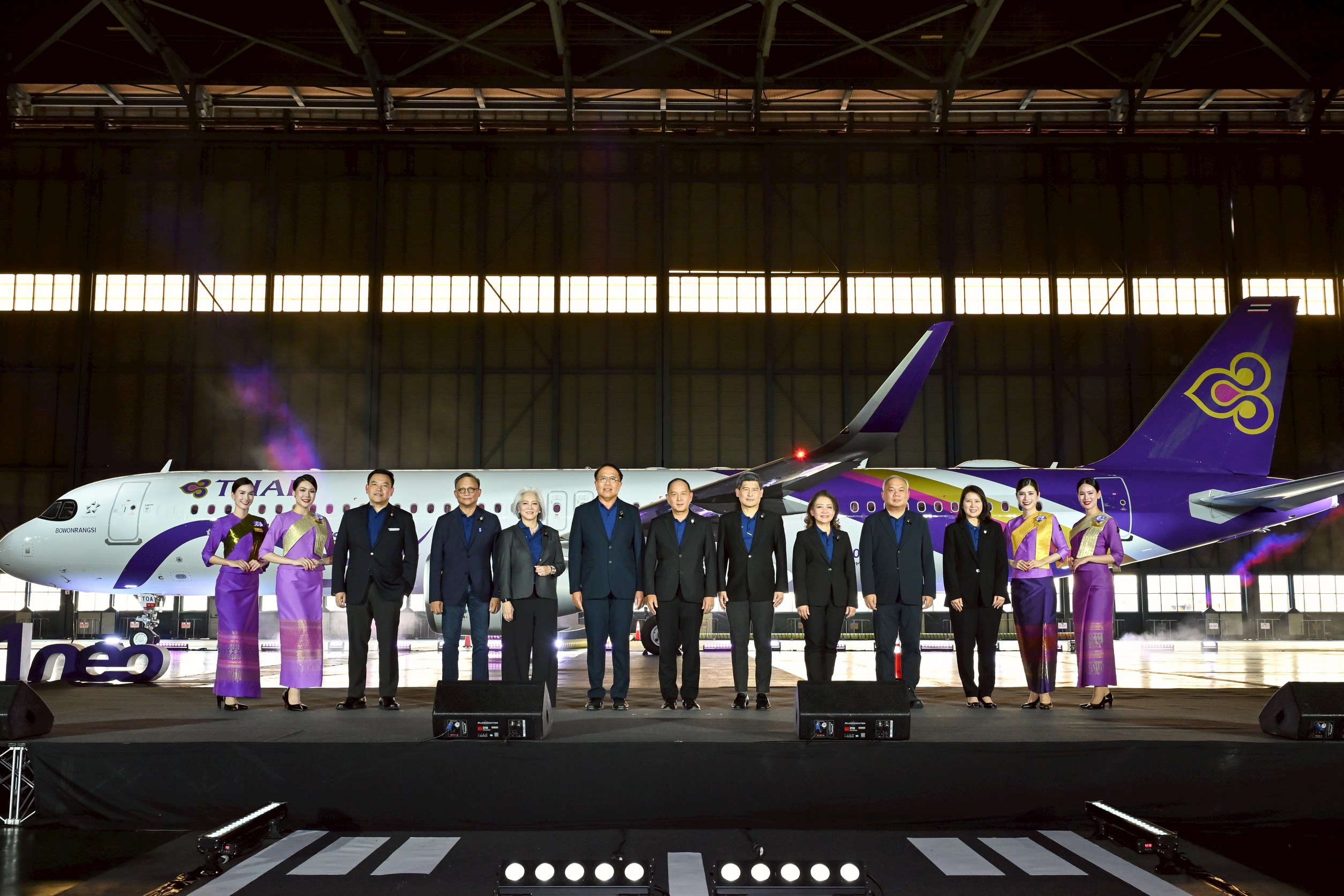
Modern fleet investment supports Bangkok’s role as a regional gateway for residents and investors.
In its Management’s Discussion and Analysis for the first quarter of 2026, Thai Airways reported total revenues excluding one-time items of 51.029 billion baht and net profit of 10.107 billion baht. The airline carried 4.18 million passengers, operated 80 aircraft as of 31 March 2026, and reported a cabin factor of 83.1 percent. The same document said Thailand’s six main airports handled 36.8 million passengers in the quarter, up 5.8 percent year-on-year, with 22.4 million international passengers.
For property buyers, these are not direct rent forecasts. They are confidence indicators. A city that remains accessible to executives, tourists, students, medical visitors and long-stay residents has a stronger foundation than a city dependent on one local demand source.
Why airline performance matters to property
Foreign buyers often compare Bangkok with Singapore, Kuala Lumpur, Ho Chi Minh City, Tokyo, Seoul and Dubai. Airport access and airline networks are part of that comparison. Bangkok’s appeal improves when travellers can reach the city reliably for viewing trips, medical appointments, school visits, regional work, family use and future resale inspections.
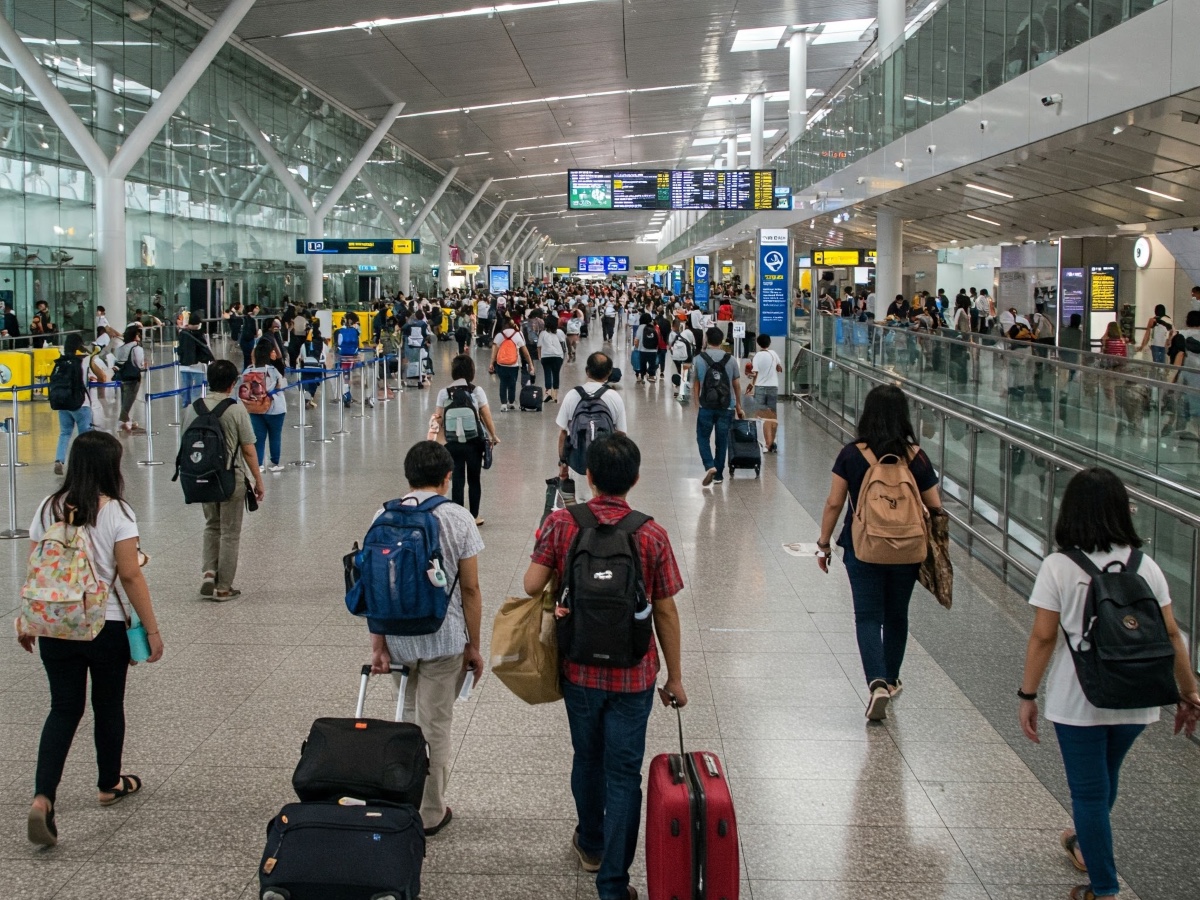
Thai Airways’ route network is not the only measure of connectivity, but it is symbolically important. A stronger national carrier supports Thailand’s positioning as a regional hub, while Suvarnabhumi and Don Mueang give the Bangkok metropolitan area a broad airport platform. That matters to buyers who may live between countries or manage a Bangkok property from overseas.
Short- and medium-haul connectivity is part of the practical liveability case for Bangkok.
The A321neo signal
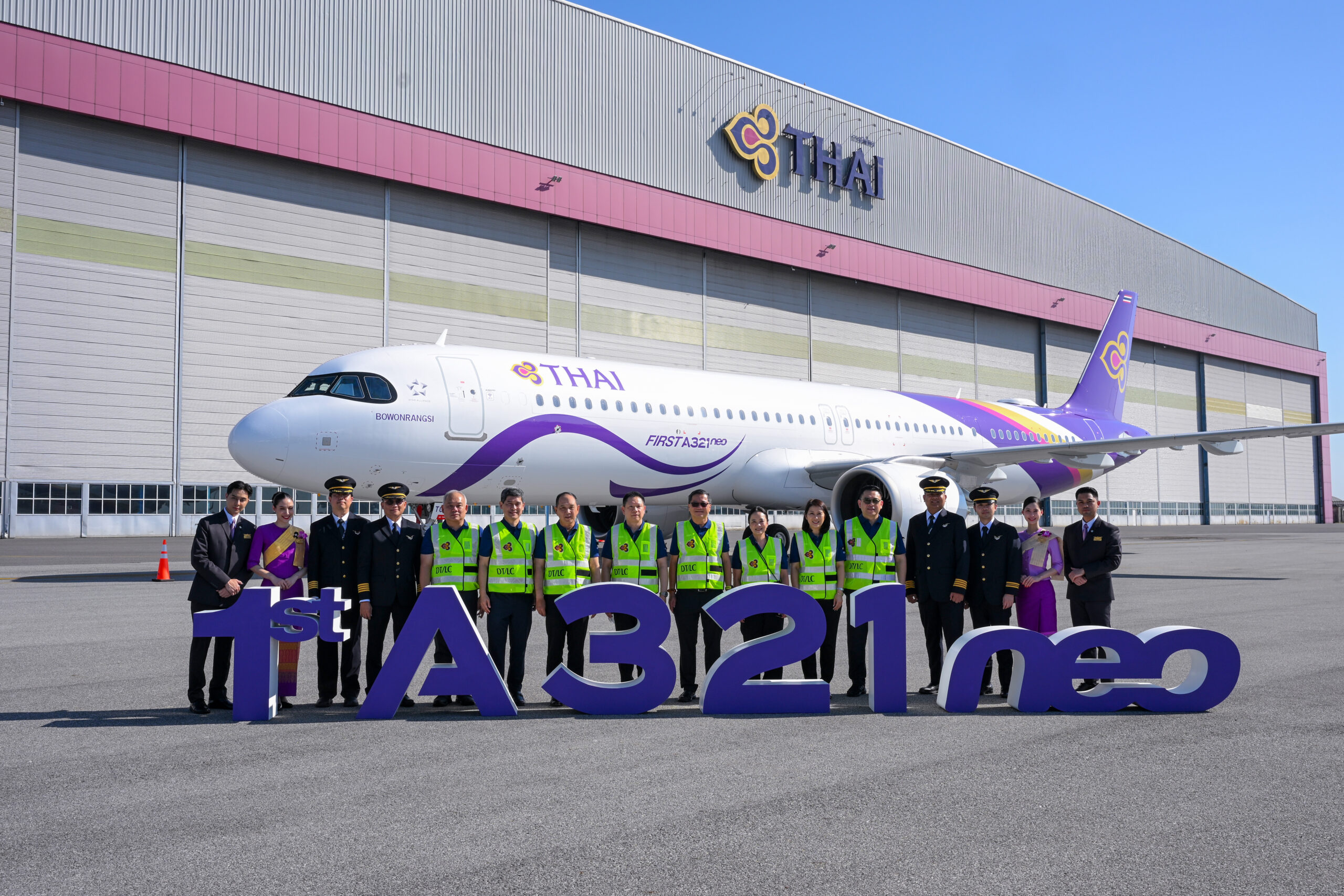
Thai Airways introduced its first Airbus A321neo in January 2026 for short- and medium-haul operations. The company described the aircraft as part of its fleet modernisation plan, with improved fuel efficiency, lower noise and an upgraded cabin. The aircraft was scheduled for Bangkok-Singapore, Bangkok-Phuket and Bangkok-Delhi services during its initial operating period.
This type of fleet investment matters because Bangkok’s property demand is tied to regional movement. Singapore, India, Phuket and other Asia-Pacific routes are not abstract aviation data points. They connect buyers, tenants, corporate travellers, families and tourists to the city. Better regional connectivity can make Bangkok easier to use as a second home, work base or investment inspection point.
Read the signal carefully
Buyers should not turn one airline result into a property-buying thesis. Thai Airways also reported that total revenue was slightly lower year-on-year and that passenger numbers decreased by 3.5 percent from the same period last year. The value of the aviation signal is not that every metric is perfect. It is that Bangkok remains a deep, active transport market even in a more uncertain global setting.
The sensible interpretation is selective confidence. International passenger movement, profitable airline operations and fleet renewal support the long-term case for Bangkok as a connected city. They do not rescue a weak unit, an inconvenient building or an unrealistic rent assumption.
A stronger national carrier can reinforce confidence in Bangkok as a globally connected base.
Property districts most connected to the theme
Sukhumvit and Phrom Phong for expatriate services, retail, hospitals and BTS access.
Rama 9 and Makkasan for Airport Rail Link connectivity and office growth.
Silom, Sathorn and Wireless for corporate, embassy and hotel demand.
Riverside and old-city fringe areas for hospitality, culture and long-stay lifestyle use.
Bang Na and eastern Bangkok for airport-side business, schools and industrial access.
The common thread is not simply distance to an airport. It is the combination of daily transport, healthcare, retail, schools, offices and reliable building management. A buyer who travels frequently should test the full route: airport to building, building to work or school, and building to daily services.
Investor takeaway
Thai Airways’ Q1 2026 performance and A321neo deployment add to the broader Bangkok connectivity story. Foreign buyers can read this as a positive city-level signal, especially when combined with airport passenger growth and Bangkok’s established role in tourism, business travel and regional living.
Thailand’s data-centre investment wave matters to Bangkok property buyers because it points to the kind of economy the country is trying to build. On 6 May 2026, the Board of Investment, through the One Start One Stop Investment Center, reported that Thailand had approved six major projects worth a combined 958 billion baht, or about USD 29 billion, led by data infrastructure expansion by TikTok System (Thailand) Co., Ltd.
BOI approvals show how digital infrastructure has become a major Thailand investment theme.
For foreign property buyers, this is not a direct instruction to buy a condominium. It is a confidence signal. Large digital-infrastructure commitments can support employment, supply chains, professional services, power planning, data, cloud services and regional business activity. Bangkok, as the main corporate, financial, legal and international-services base, is likely to remain closely connected to that activity even when some facilities sit outside the central city.
What BOI said was approved
BOI said three of the six approved projects were in data centre and data-hosting services, with a combined investment value of 913 billion baht. The largest was a TikTok System (Thailand) project valued at 842 billion baht, covering additional servers and expanded data storage and processing infrastructure across Bangkok, Samut Prakan and Chachoengsao. BOI also referred to a 46 billion baht Skyline Data Center and Cloud Services project in Chachoengsao with an IT load of 200 megawatts.
Those details matter because they show digital infrastructure is not a small side story. It is tied to regional cloud demand, AI-related services, power availability, clean energy access and speed of investment facilitation. These are the same factors multinational companies consider when choosing where to operate, hire and place regional functions.
Power readiness, clean energy access and faster facilitation are now central to the digital investment cycle.
Why Bangkok property buyers should care
Bangkok property confidence is strongest when it is supported by more than tourism. Tourism remains important, but a more resilient city has multiple demand engines: corporate offices, embassies, hospitals, universities, international schools, retail, logistics, finance, technology and professional services. Data-centre investment can add to that broader platform by attracting vendors, engineers, consultants, compliance specialists and regional management activity.
The effect on condominiums is indirect and selective. A data centre in Chachoengsao does not automatically lift rent in every Bangkok tower. The more realistic link is through Bangkok’s role as the living and working base for executives, service providers and regional decision-makers. Well-connected districts with strong transport, healthcare, schools, retail and office access are better positioned to benefit from this kind of economic confidence.
Watch power and clean-energy execution
BOI’s release did not treat approvals as the end of the story. It highlighted electricity readiness, clean-energy options, skilled talent, deeper supply chains and faster facilitation. Foreign buyers should pay attention to those execution points. If Thailand can support major digital projects with reliable power, cleaner procurement options and predictable approvals, the investment story becomes stronger.
This is relevant to real estate because cities compete on operating confidence. A buyer choosing Bangkok over another regional city is influenced by infrastructure quality, business confidence, airport links, healthcare and policy continuity. Property assets become more attractive when the surrounding economy can support diverse, long-term demand.
Large-scale digital projects can reinforce Bangkok’s role as a regional business base.
How to translate the news into property strategy
Focus on districts connected to offices, hospitals, schools, retail and mass transit.
Avoid treating national investment headlines as proof for a weak building.
Track where corporate tenants and service firms are expanding, not only where infrastructure is announced.
Model rental demand from real tenant groups rather than assuming all FDI becomes condo demand.
Prefer buildings with strong management, usable layouts and credible resale audiences.
This approach keeps the macro story useful without making it exaggerated. BOI approvals can support national confidence, but a condominium still needs its own case. The best Bangkok assets usually combine city-level momentum with building-level discipline.
Investor takeaway
Thailand’s latest BOI data-centre approvals strengthen the country’s technology and investment narrative. For Bangkok property buyers, the signal is positive but indirect: digital infrastructure can support the economy, corporate services and confidence, while the actual purchase decision should still depend on location, building quality, tenant demand and holding costs.
IBP can help buyers connect Thailand economy signals with specific Bangkok districts and condominium choices. Read our Thailand economy and investment news or contact IBP Real Estate for a data-led buying discussion.
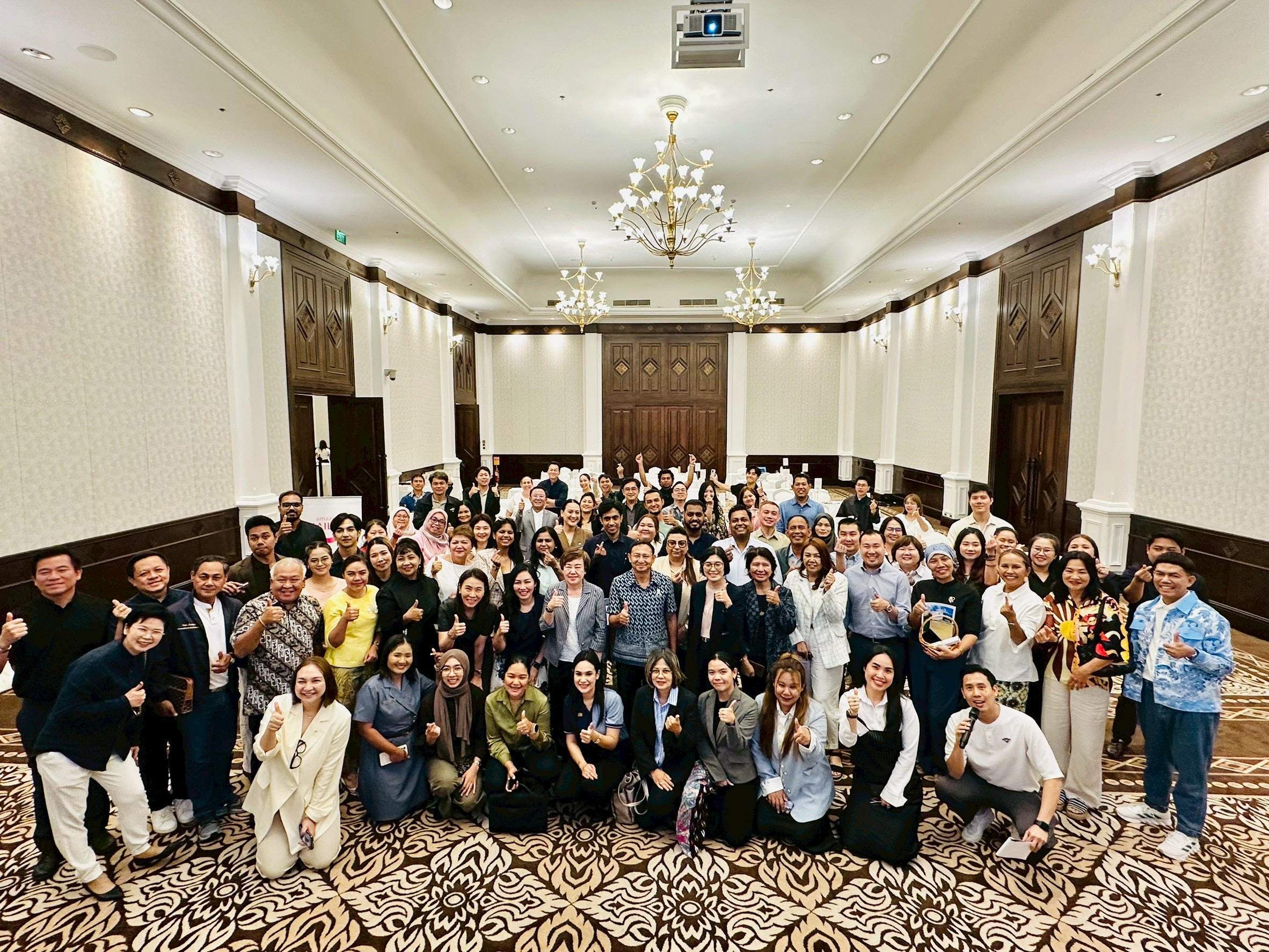
Thailand’s responsible-tourism push is relevant to Bangkok property because it shows how the country is trying to move beyond simple visitor volume. On 8 May 2026, the Tourism Authority of Thailand hosted the Amazing Green Experience in Thailand trade meet in Krabi, bringing overseas travel partners and media together with responsible tourism operators from southern Thailand. The event was not in Bangkok, but the signal matters for Bangkok buyers because the capital remains the main international gateway, corporate base and stopover city for many Thailand itineraries.
TAT’s Amazing Green Experience connected overseas buyers and media with responsible tourism operators.
TAT said the programme brought together 22 tourism operators from Krabi, Phang-nga and Surat Thani, 19 overseas travel trade partners from India, Vietnam, Singapore, Malaysia, Indonesia and Australia, and 16 media representatives from those markets. For property investors, the important point is that Thailand is building market-ready products around responsible travel, wellness, community tourism and low-impact experiences rather than relying only on headline arrival counts.
Why responsible tourism matters to property buyers
A property market is stronger when the city and country appeal to different kinds of residents and visitors. Bangkok already benefits from business travel, healthcare, education, retail, dining, events and regional connectivity. Responsible tourism adds another layer by attracting travellers and trade partners who value quality, wellness, culture and local experience. These are often the same factors that make a foreign buyer comfortable holding a Bangkok condo for personal use, rental income or future retirement planning.
The connection is indirect but useful. A successful responsible-tourism strategy can raise Thailand’s brand with travel agents, media, creators and repeat visitors. Bangkok may not be the final destination for every nature or community route, but it is often the arrival point, meeting place, medical stop, shopping base or extension city. That keeps the capital tied to national tourism strategy.
Trade matching turns sustainability messaging into business channels for Thai operators.
Quality travel supports premium districts
Foreign buyers should pay attention to quality-of-demand signals. A country attracting longer-stay, wellness, family, community and higher-value travel can support premium services, hotels, restaurants, serviced apartments and residential districts. In Bangkok, this can reinforce areas with strong lifestyle infrastructure: Sukhumvit, Lumphini, Sathorn, Riverside, Rama IV and well-connected neighbourhoods near hospitals or retail.
That does not mean a responsible-tourism campaign turns every condo into a good investment. The unit still needs to pass due diligence: foreign quota, title, transfer process, common fees, tenant demand, building management, entry price and resale audience. Macro confidence should guide market selection, while building evidence should guide the actual purchase.
A wider regional confidence signal
The trade partners in TAT’s programme came from several important regional markets. India, Singapore, Malaysia, Indonesia, Vietnam and Australia all matter to Thailand through tourism, business links, education choices, lifestyle travel and sometimes property interest. When Thailand keeps engaging these markets through structured trade programmes, it supports confidence that demand is being cultivated rather than left to chance.
Bangkok benefits when regional visitors see Thailand as easy to reach, professionally promoted and suitable for repeat trips. A buyer from Singapore or Australia may first know Thailand through travel, healthcare, wellness or family holidays before considering property. The more credible the country platform, the easier it is for Bangkok to remain on the shortlist.
Responsible tourism can support higher-quality travel demand across Thailand, with Bangkok as a gateway.
What investors should watch next
Whether responsible-tourism routes convert into repeat bookings, not only one-off media events.
Whether regional visitor markets continue to diversify beyond any single country.
Whether quality travel supports rents in central districts used by executives, families and long-stay visitors.
Whether developers respond with real wellness and management standards rather than generic marketing.
These indicators are more useful than treating sustainability as a slogan. Foreign buyers should look for places where lifestyle, transport, healthcare, retail and management quality already exist. Responsible tourism can reinforce those fundamentals, but it cannot create them inside a weak building.
Investor takeaway
TAT’s Amazing Green Experience is a positive national confidence signal because it links Thailand’s tourism economy with responsible products, overseas trade channels and media reach. For Bangkok property buyers, the practical lesson is to focus on districts that can benefit from higher-quality, repeat international demand while still passing normal unit-level due diligence.
IBP can help overseas buyers connect Thailand’s economy and tourism signals with specific Bangkok districts and buildings. Read our Thailand economy and investment news or contact IBP Real Estate for a Bangkok buying plan.
Thailand’s push into film tourism is a useful confidence signal for Bangkok property buyers because it sits at the intersection of travel, creative industries, hospitality and global visibility. The Tourism Authority of Thailand hosted Amazing Thai Night in Cannes 2026 during the Cannes Film Festival, using the event to promote Thailand as both a film destination and a journey destination. For property investors, the point is not that a film event directly raises condo prices. The point is that Thailand is working to turn international attention into repeat travel and higher-value economic activity.
TAT used Amazing Thai Night in Cannes 2026 to position Thailand as a global film and travel destination.
TAT said the Cannes activity supported the “Amazing Location Thailand the Story Continues” campaign and the wider Thailand FILMAZING Year direction towards 2027. The agency also reported that Thailand welcomed 546 foreign productions with a combined value of more than 6 billion baht in 2025, while 218 productions generated 2.46 billion baht from January to April 2026. These figures matter because film production brings crews, hotels, local vendors, logistics, post-production services and destination exposure into the economy.
Why this matters beyond tourism
Film tourism is not only about visitors following a movie location. It can deepen a country’s brand among producers, streaming platforms, media teams, actors, creators and high-spending fans. That type of visibility supports Thailand’s wider soft-power strategy. Bangkok benefits because it is the country’s main international gateway, business base and hospitality hub even when filming or travel routes include beaches, heritage towns or national parks.
For foreign property buyers, this reinforces Bangkok’s role as a globally connected city. The strongest property markets are not supported by one demand channel. They draw from tourism, corporate relocation, education, healthcare, events, regional business and lifestyle appeal. Film tourism adds another layer to that mix by keeping Thailand present in international culture and media conversations.
Film tourism links creative-industry visibility with visitor demand and local economic activity.
The Bangkok property connection
A buyer should connect this signal to districts that already capture international movement. Areas near hotels, convention venues, embassies, hospitals, premium retail, BTS and MRT stations are better positioned than isolated buildings. If Thailand attracts more film-related travel, business events and media attention, Bangkok’s established central districts are likely to be the places where visitors stay, meet, shop and consider longer returns.
This does not make every central condominium a good investment. The property still has to pass the normal tests: sensible entry price, foreign quota, building management, tenant demand, common fees, furnishing cost and resale liquidity. The macro story can support confidence, but the unit must earn the purchase case locally.
The most relevant buyer response is to watch repeat-use districts rather than promotional headlines. If media, production and tourism campaigns keep bringing international visitors back through Bangkok, the advantage should be tested in buildings with proven daily convenience and professional management.
Quality travel over simple arrival numbers
TAT’s Cannes messaging also fits Thailand’s broader focus on value-led tourism. A film-production visitor, international media delegate or set-jetting traveller may spend differently from a mass-market tourist. They may use premium hotels, specialist services, private transport, restaurants, wellness venues and repeat Bangkok stopovers. That is more relevant to prime property districts than raw arrival numbers alone.
Foreign buyers should therefore watch how Thailand converts visibility into structured routes, business partnerships and repeat spending. A one-off event is less important than whether the country can keep attracting productions, crews, festivals, media campaigns and travel products over time.
Soft-power events can keep Thailand visible to international media, producers and high-value travellers.
Investor takeaway
Thailand’s film-tourism push is a positive soft-power signal, not a shortcut to property returns. It suggests that the country is competing for higher-value attention and creative-economy activity, both of which can support Bangkok’s long-term position as a liveable and internationally recognised base.
For buyers, the practical move is to keep macro confidence separate from unit selection. Use the country story to decide whether Bangkok deserves attention, then use building evidence to decide what to buy. IBP can help foreign buyers compare districts that benefit from tourism, business travel and premium lifestyle demand. Read our Thailand economy and investment news or contact IBP Real Estate for a Bangkok plan.