The Tourism Authority of Thailand’s enhanced Amazing Thailand app is a small but useful signal for Bangkok property buyers. TAT announced that the upgraded platform would enter public rollout from 15 March 2026, developed with Mastercard and designed to combine inspiration, trip planning, on-ground discovery, spending, safety guidance and VAT refund information. For the property market, the app is not about one technology launch. It is about Thailand’s effort to make travel easier, more trusted and more commercially connected.
TAT and Mastercard positioned the enhanced app as part of Thailand’s digital tourism development.
Foreign buyers often judge Bangkok through repeated visits before they buy. They test neighbourhoods, hospitals, restaurants, malls, transport links, hotels and weekend routines. Anything that reduces visitor friction can improve confidence. A traveller who can plan more easily, discover local experiences, receive practical guidance and move through the city with fewer surprises is more likely to imagine Bangkok as a repeat-use base rather than a one-off holiday stop.
Why a tourism app matters to property demand
Tourism and property are not the same market, but they overlap in Bangkok. Many condo buyers first encounter the city as tourists, business travellers, medical visitors, event attendees or regional family visitors. A stronger visitor experience can widen the pool of people who understand Bangkok’s daily convenience. That matters for both owner-use buyers and landlords targeting short-to-medium executive or long-stay tenants within legal building rules.
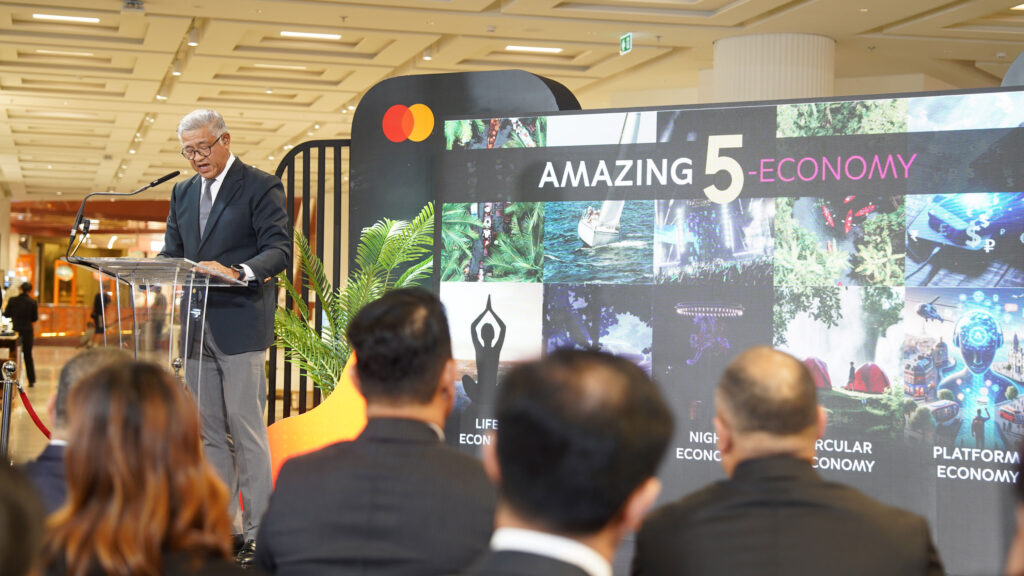
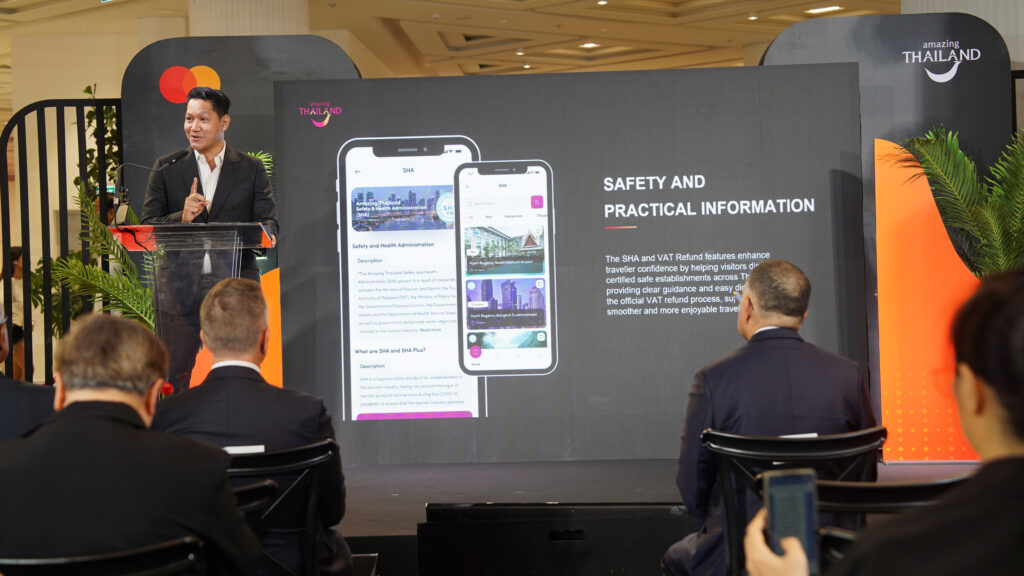
TAT said the enhanced app aligns with the Amazing 5 Economy framework and is intended to support quality revenue, innovation and sustainable tourism growth. The platform includes an AI-powered chatbot, personalised recommendations, Mastercard Priceless experiences, itinerary tools and safety guidance. Those details point to a broader policy direction: Thailand wants visitor spending to be better distributed, more trusted and less dependent on simple arrival numbers.
Digital tourism tools are designed to support higher-quality visitor spending and travel confidence.
The Bangkok angle
Bangkok benefits when Thailand improves the full travel journey. The capital is often the arrival city, the business base, the medical hub and the shopping stop. Even travellers heading elsewhere frequently spend time in Bangkok before or after domestic trips. If digital tools help them discover places to stay, eat, shop and explore, the city’s premium districts become easier to navigate for new and returning visitors.
For foreign property buyers, that reinforces three practical themes. First, Bangkok’s global connectivity is not only about airports and flights; it is also about how easy the city is to use after arrival. Second, neighbourhoods with hotels, retail, transport and services can convert tourism familiarity into property interest. Third, landlords in visitor-facing districts should think carefully about legal, building-compliant rental positioning rather than relying on vague tourism demand.
What buyers should not overstate
The app does not guarantee condo price growth, rental yield or higher occupancy. It is one part of a wider tourism strategy, and property returns still depend on entry price, location, building management, tenant demand, legal compliance and exit liquidity. A foreign buyer should treat tourism technology as a confidence signal, not a valuation shortcut.
It is also worth separating visitor convenience from landlord permission. A better travel journey can introduce more people to Bangkok, but condominium owners still need to respect building regulations, lease terms and Thai law. The strongest property case is usually built around legitimate long-stay demand, repeat owner use and neighbourhood quality, not informal short-stay assumptions.
The more important question is whether a district captures repeat visitor behaviour. Areas near BTS, hospitals, premium retail, convention venues, embassies, offices and hotels are more likely to benefit from improved visitor confidence than isolated buildings with weak daily convenience. The app may help travellers discover Thailand more broadly, but property value remains local.
Trip-planning, safety guidance and discovery tools can make Thailand easier for repeat visitors and long-stay buyers.
Investor takeaway
The enhanced Amazing Thailand app supports a larger story: Thailand is competing for higher-quality tourism, trusted experiences and digitally assisted travel. That is constructive for Bangkok because the city’s property appeal depends partly on repeated, confident use by international visitors. Buyers should connect that macro signal to specific neighbourhoods rather than buying the headline.
For foreign buyers, the practical move is to use each Bangkok visit as due diligence. Test the commute, hospital access, dining, shopping, airport route and neighbourhood rhythm before buying. IBP can help convert those visits into a structured property shortlist. Read our Thailand economy and investment news or contact IBP Real Estate for a Bangkok buyer plan.
Thailand’s latest investment approvals give foreign property buyers a useful macro signal, but they should be read carefully. The Board of Investment’s May 2026 announcement pointed to a major new wave of high-technology and infrastructure-linked projects, led by data centres and supported by clean-energy and facilitation measures. For Bangkok property, the relevance is not a simple promise of higher condo prices. It is confidence in the wider economy, business travel, regional headquarters activity and the service ecosystem that makes Bangkok a practical base.
Large-scale investment approvals can strengthen the wider business setting behind Bangkok residential demand.
What was announced
The BOI’s current press-release list includes a 6 May 2026 announcement titled Thailand Approves $29 Billion Investment Wave as Data Center Demand Surges. The detailed release, republished by business media, said the BOI approved six major projects worth a combined 958 billion baht, or about USD 29 billion. Three data-centre and data-hosting projects accounted for 913 billion baht, including a large TikTok System Thailand expansion across Bangkok, Samut Prakan and Chachoengsao, plus projects linked to Skyline Data Center and Bridge Data Centres.
The same announcement also covered renewable energy, recycled plastic pellet production and potassium chloride production. It noted that additional projects were selected for Thailand FastPass, a mechanism designed to coordinate permits and help strategic projects move more quickly from approval to operation. For foreign buyers, the important detail is the policy direction: Thailand is trying to compete for high-value digital, clean-energy and industrial investment, not only conventional manufacturing.
Why this matters to Bangkok property
Bangkok benefits when Thailand attracts firms that need executives, specialists, consultants, suppliers, legal advisers, finance teams and regional visitors. Even when factories or data centres sit outside the capital, Bangkok often remains the place where decision-makers live, meet, fly through, educate their children and use private healthcare. That helps explain why property demand in central Bangkok cannot be analysed only through local household credit.
Corporate growth can translate into executive travel, relocation, serviced accommodation and rental demand over time.
The effect is indirect. A data-centre investment in Chonburi does not automatically fill a Sukhumvit condominium. But a deeper digital economy can support demand for serviced apartments, prime rentals, international schools, hospitals, private clubs, premium retail and office-linked residential districts. Investors should look for these links rather than assuming that any macro headline benefits every building.
The Q1 investment backdrop
The BOI also reported that first-quarter 2026 investment applications exceeded 1.01 trillion baht across 624 projects, about 2.4 times the value in the same period a year earlier. Digital, electronics, clean energy, agriculture and food processing, logistics and automotive were among the major categories. The foreign direct investment component was also substantial, with Singapore, the United Kingdom and Japan among the leading economies by value in the Q1 report.
For property buyers, this reinforces Thailand’s role as a regional platform. It does not remove risks: power readiness, skilled labour, global trade volatility and implementation timing still matter. But it shows that international capital is evaluating Thailand at scale. Bangkok’s strongest property locations are the ones most likely to benefit from that confidence because they already serve international residents and corporate users.
How to translate macro news into a condo decision
Prioritise districts with proven executive rental demand, not only locations near future promises.
Check whether the building suits the likely tenant: corporate lease, family relocation, regional commuter or owner-occupier.
Treat airport access, BTS/MRT links, hospitals and schools as demand infrastructure.
Avoid using national investment headlines to justify overpaying for weak layouts or poorly managed buildings.
Model resale liquidity under conservative assumptions, because macro confidence does not guarantee a fast exit.
Districts to watch through this lens
Sukhumvit from Asok through Phrom Phong, Thonglor and Ekkamai remains relevant because of expat services, retail depth and access to offices. Rama 9 and Ratchada can appeal where corporate, Chinese-speaking, healthcare and transport demand intersect. Sathorn and Silom continue to matter for finance, embassies, law firms and established CBD tenants. Riverside and Rama IV addresses can work when they combine premium living with easy routes to business districts and airports.
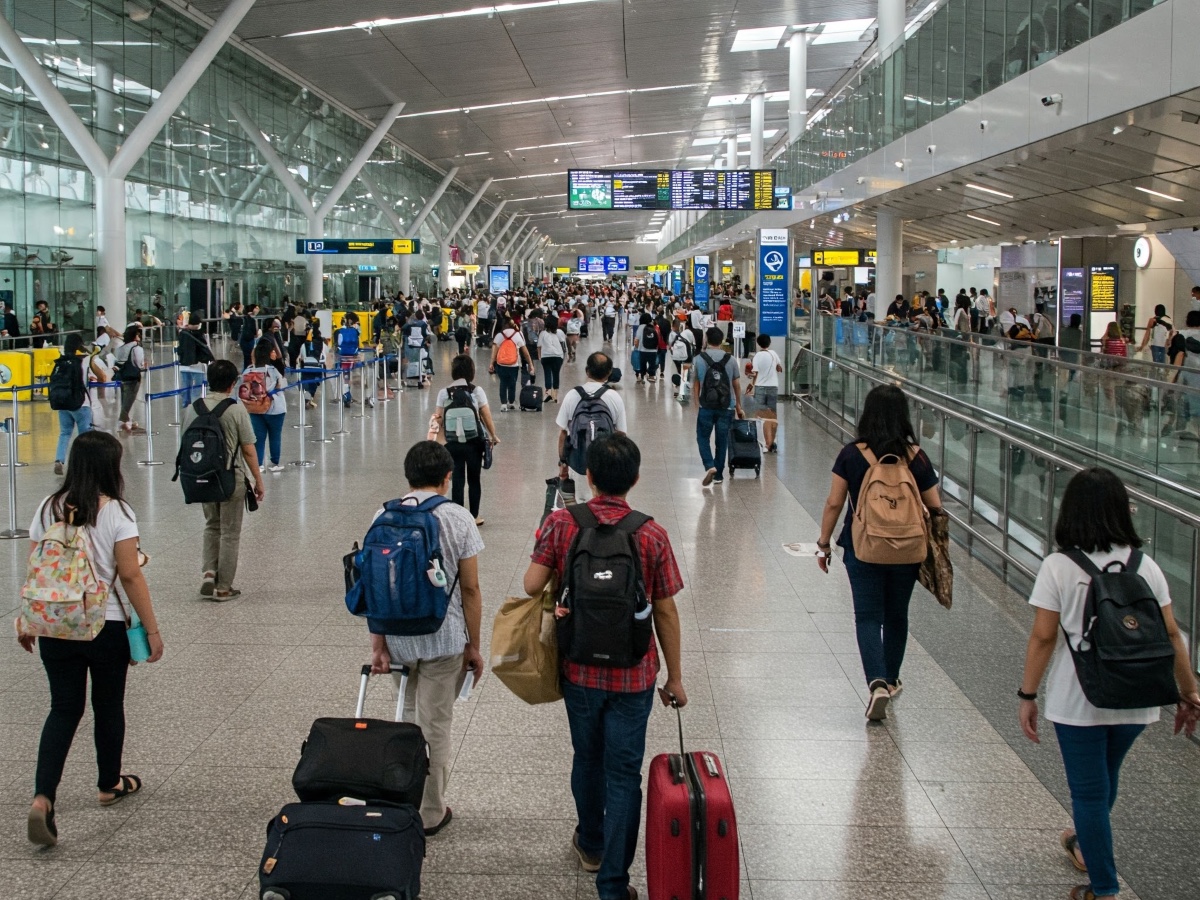
Connectivity helps Bangkok remain the practical residential and business base for regional investors and executives.
A balanced conclusion for buyers
Thailand’s investment wave is supportive for confidence, but it should be a background filter, not the main reason to buy. A foreign condo purchase still needs the basics: legal transferability, clean funds evidence, foreign quota, building management, realistic rental demand and a sensible exit route. The best interpretation is that Thailand’s business environment is giving Bangkok a stronger long-term platform, while the buyer’s return is still decided at district, building and unit level.
Thailand’s tourism story is increasingly about quality, resilience and standards, not only visitor numbers. That shift matters for Bangkok property because the capital benefits when Thailand is seen as a credible long-stay, business, wellness and lifestyle base.
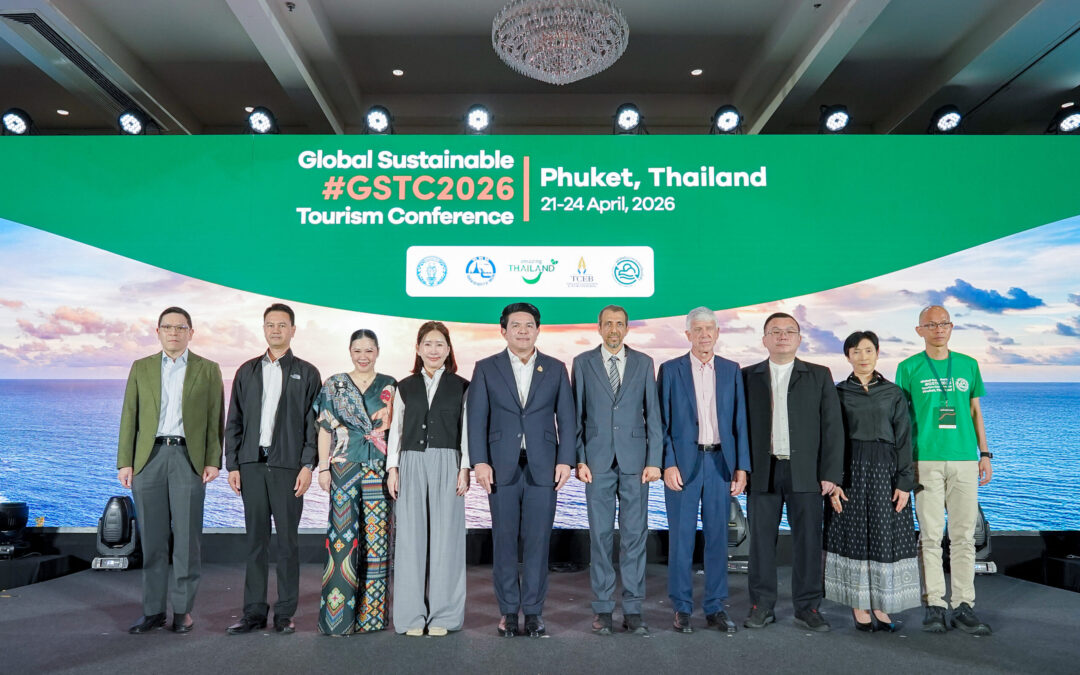
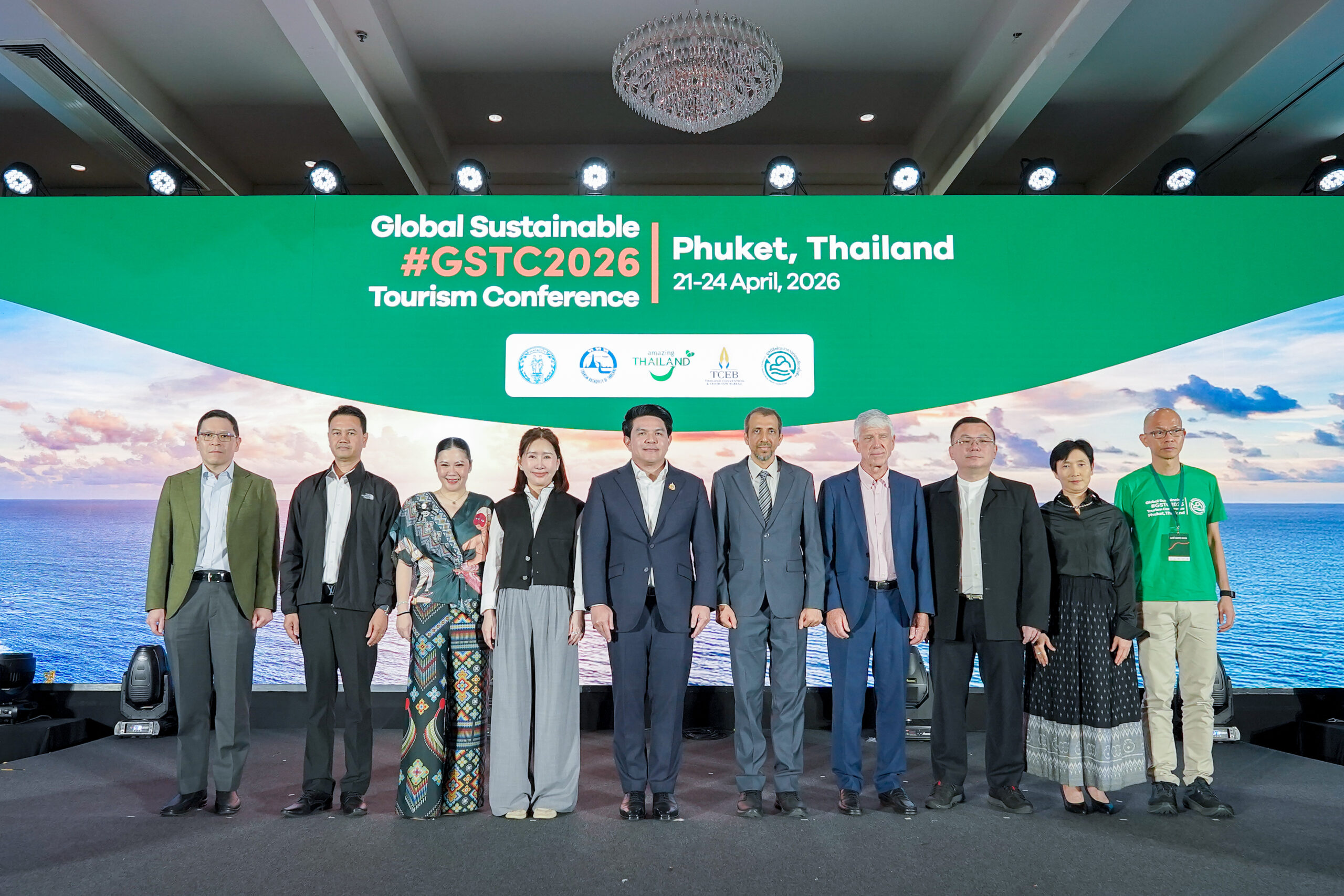
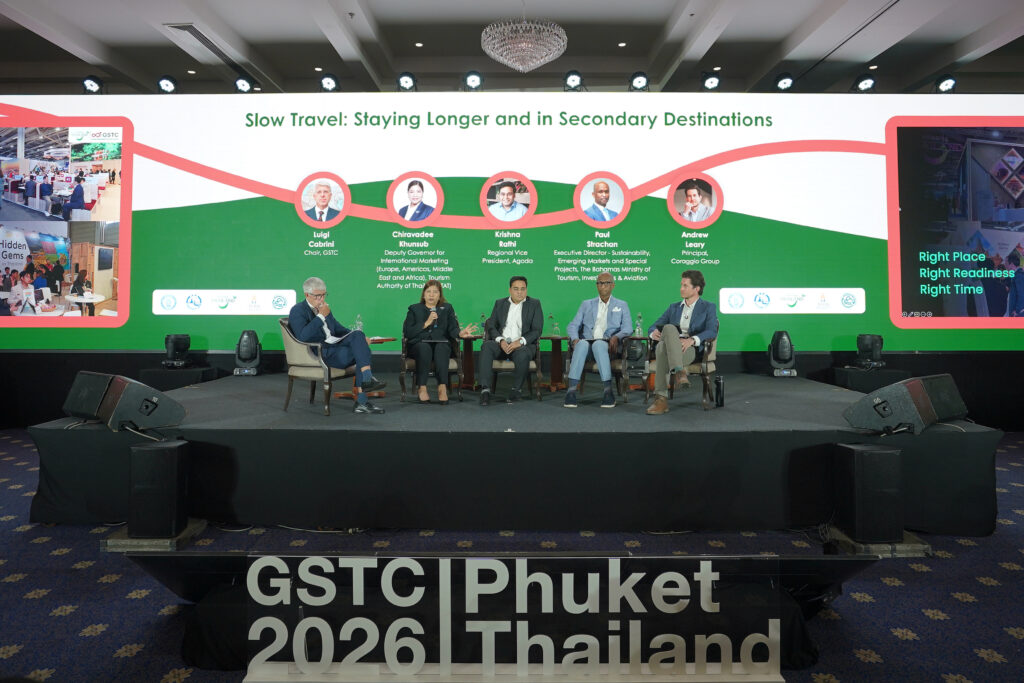
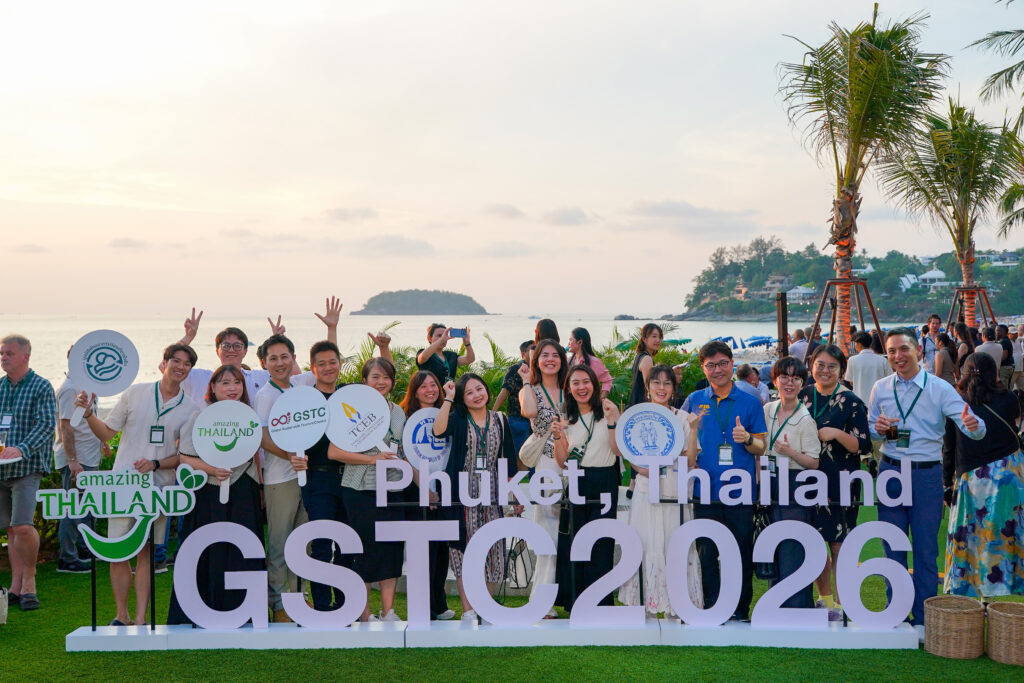
GSTC 2026 highlighted Thailand’s role in sustainable tourism standards and destination management.
On 24 April 2026, the Tourism Authority of Thailand reported the conclusion of the Global Sustainable Tourism Conference 2026 in Phuket. The event ran from 21 to 24 April and brought together more than 660 delegates from 60 countries. TAT said the programme focused on sustainable hospitality, resilient cities and communities, and carrying capacity and visitor distribution management.
For Bangkok condo buyers, the direct point is not that a Phuket conference changes rents overnight. The more useful signal is strategic. Thailand is trying to position itself as a higher-value, better-managed destination with stronger international standards. That can support confidence among foreign residents, corporate travellers and investors who want a country to feel stable, liveable and globally connected.
Why value-led tourism matters
Tourism volume can fill hotels and shopping centres, but value-led tourism can do more for property demand. Longer stays, business events, medical travel, wellness trips and remote-work lifestyles create demand for neighbourhoods, services and housing. Bangkok is the natural hub for many of those flows because it concentrates airports, hospitals, embassies, schools, offices, retail, dining and rail links.
TAT’s 2026 direction has repeatedly emphasised value, sustainability and balanced growth. That is relevant to property because the strongest residential demand often follows confidence in the wider city experience. Foreign buyers are more comfortable purchasing when Thailand looks organised, internationally visible and serious about long-term destination quality.
Bangkok is the gateway city
Even when events are held outside Bangkok, the capital usually remains the entry point. Many international visitors arrive through Suvarnabhumi or Don Mueang, spend time in Bangkok before travelling onward, meet advisers or business partners in the city, and return for healthcare, shopping or onward flights. This gateway function supports serviced apartments, rental condos and mixed-use districts.
For investors, the practical question is where this demand concentrates. Areas with strong transport, hospitals, offices, conference hotels and lifestyle retail are better placed than isolated projects that rely only on a low purchase price. The tourism story supports Bangkok property most clearly when it intersects with daily convenience.
Sustainable hospitality and resilient cities are increasingly part of Thailand’s tourism investment story.
Resilient cities and residential confidence
The GSTC programme’s emphasis on resilient cities and communities is worth noting. Foreign property buyers increasingly care about flood management, walkability, public transport, energy efficiency, waste handling, urban parks and neighbourhood quality. These factors are not always captured in a simple price-per-square-metre comparison, but they influence whether a district remains desirable.
Bangkok still has infrastructure and urban-management challenges, yet the direction of travel matters. Buyers should watch locations where private investment, public transport, parks, hospitals and retail upgrades reinforce each other. A condo in a resilient, service-rich district should have a wider tenant and resale audience than a unit that depends only on a short-term discount.
What foreign buyers should take from the news
The sustainable tourism push should not be treated as a promise of capital gains. It is a confidence signal. It supports the case that Thailand wants to compete for quality visitors, international events, wellness travellers and responsible tourism spending. Bangkok property benefits indirectly when that positioning strengthens the country’s reputation.
Buyers should still underwrite each unit carefully. A good macro story cannot fix a poor building, weak title, unrealistic rent or difficult resale path. The better approach is to use the macro story to choose districts, then use due diligence to choose the unit.
International tourism events reinforce Thailand’s visibility with policymakers, operators and investors.
Property angles to watch
Districts near hospitals, hotels and conference venues.
Mixed-use areas that combine work, retail, parks and rail.
Buildings with professional management and strong maintenance records.
Units suited to longer stays rather than only weekend tourism.
Projects that can explain their tenant profile without relying on hype.
Thailand’s sustainable tourism agenda strengthens the country’s premium positioning. For Bangkok property, the clearest opportunity is not chasing every tourism headline. It is buying carefully in districts that convert international confidence into everyday residential demand.
Buyer takeaway
GSTC 2026 reinforces Thailand’s ambition to lead on sustainable, value-driven tourism. Foreign buyers should read that as a supportive backdrop for Bangkok, while still making unit-level decisions with conservative rental and resale assumptions.
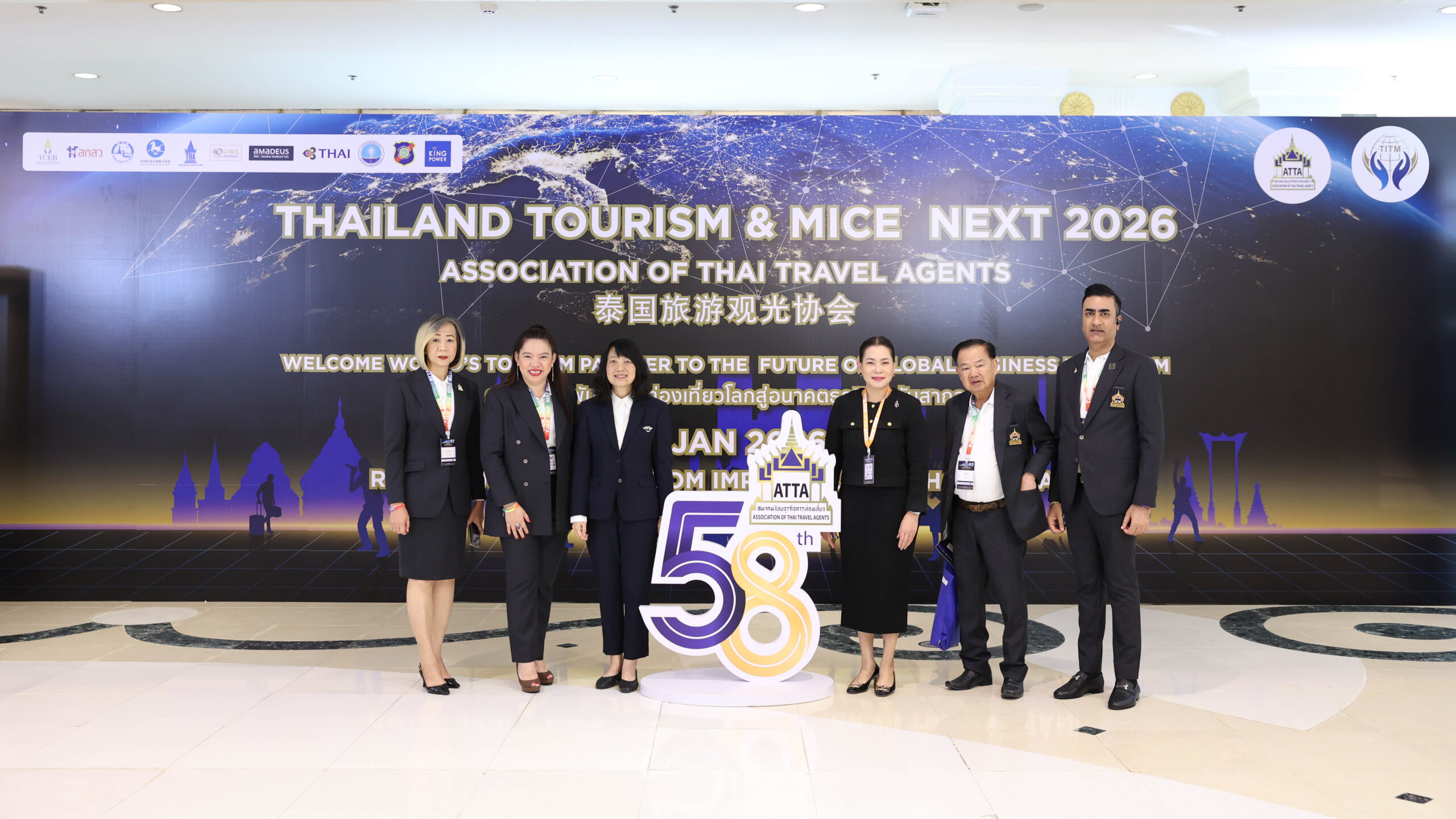
Thailand Tourism and MICE Next 2026 may look like a travel-industry event, but it carries a useful message for foreign property buyers: Bangkok’s role is not only leisure tourism. The city also functions as a meeting point for operators, buyers, agencies, hotels, event organisers and regional decision-makers. That matters because business-led travel can support more stable urban demand than holiday demand alone.
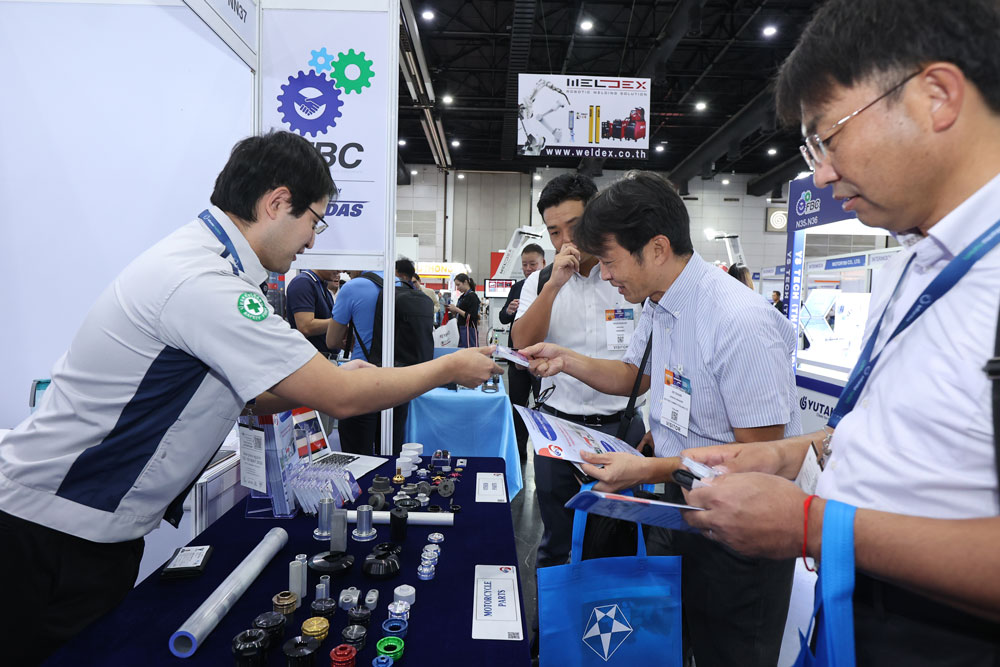
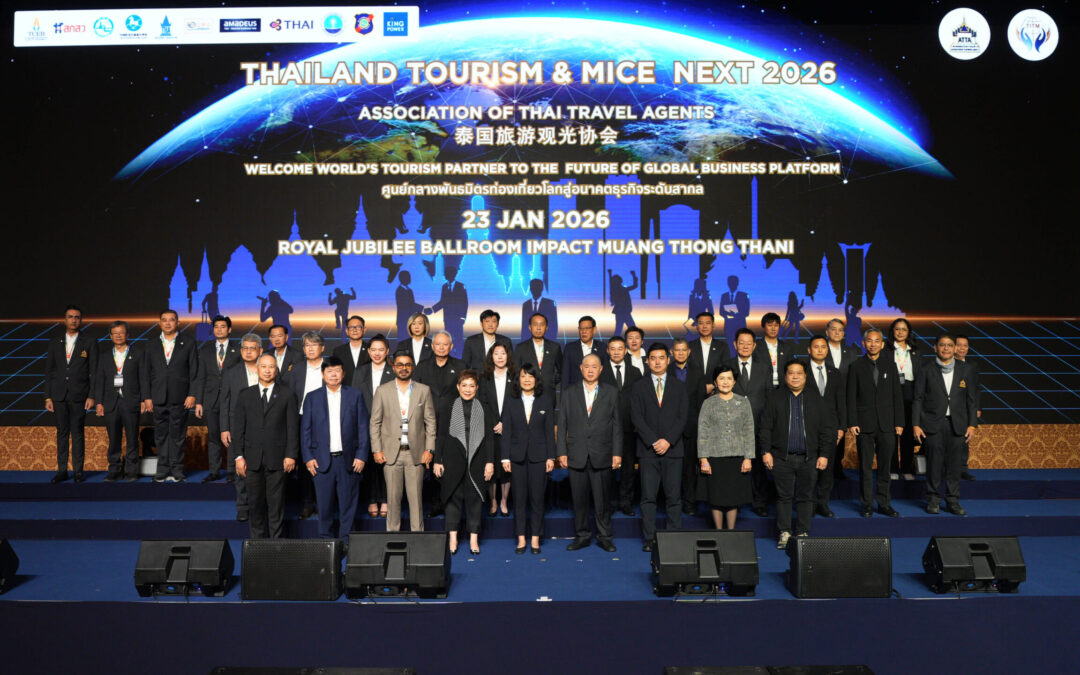
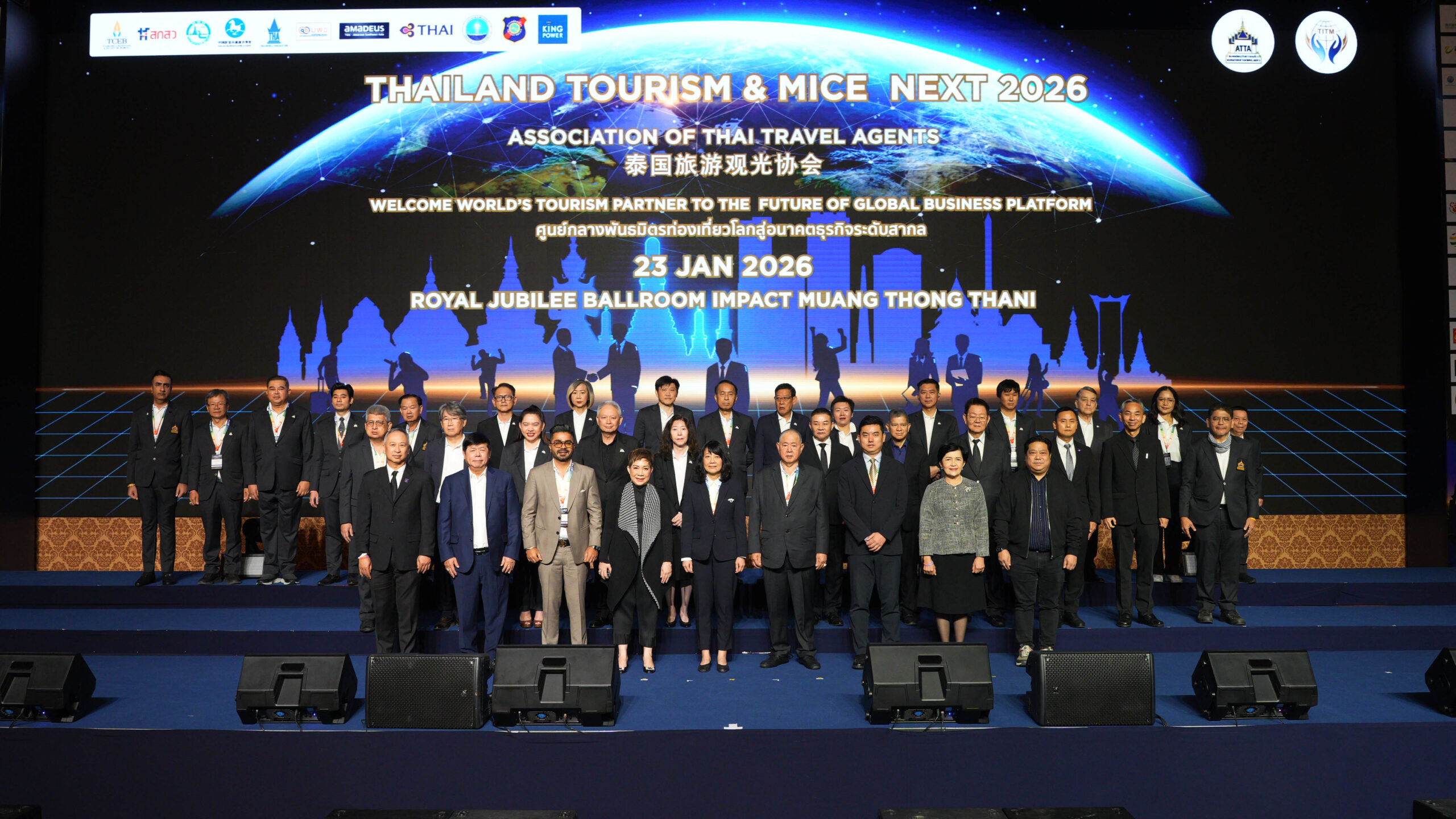
Thailand Tourism and MICE Next 2026 brought tourism and MICE partners together in Bangkok.
TAT reported that the platform was held at IMPACT Muang Thong Thani on 23 January 2026 and brought public, private and academic sectors together to strengthen Thailand’s position in global tourism and MICE markets. According to the official release, the event included more than 2,000 structured business matching meetings and was expected to generate at least 3 billion baht in economic value.
For property buyers, those figures should not be read as a direct price forecast. They are better understood as evidence of a wider ecosystem. Bangkok is useful to international businesses because it offers airports, hotels, convention venues, private healthcare, restaurants, retail, serviced accommodation and an established professional-services base. A city with repeat business visitors has a deeper demand story than a destination dependent only on short holidays.
Why MICE matters for Bangkok condos
MICE stands for meetings, incentives, conferences and exhibitions. It is important because delegates, organisers, corporate teams and regional managers often return to the same city repeatedly. Some stay in hotels. Others use serviced apartments or condominiums for longer assignments. Over time, that can support rental demand in districts connected to offices, convention centres, hospitals and mass transit.
Bangkok benefits from a layered geography. IMPACT anchors northern event demand, Queen Sirikit National Convention Centre supports central-city conferences, BITEC connects the eastern corridor, and CBD hotels serve meetings across Sukhumvit, Sathorn, Silom and Rama IV. Foreign condo buyers should understand which demand node is relevant to their building rather than assuming one MICE headline benefits the whole city equally.
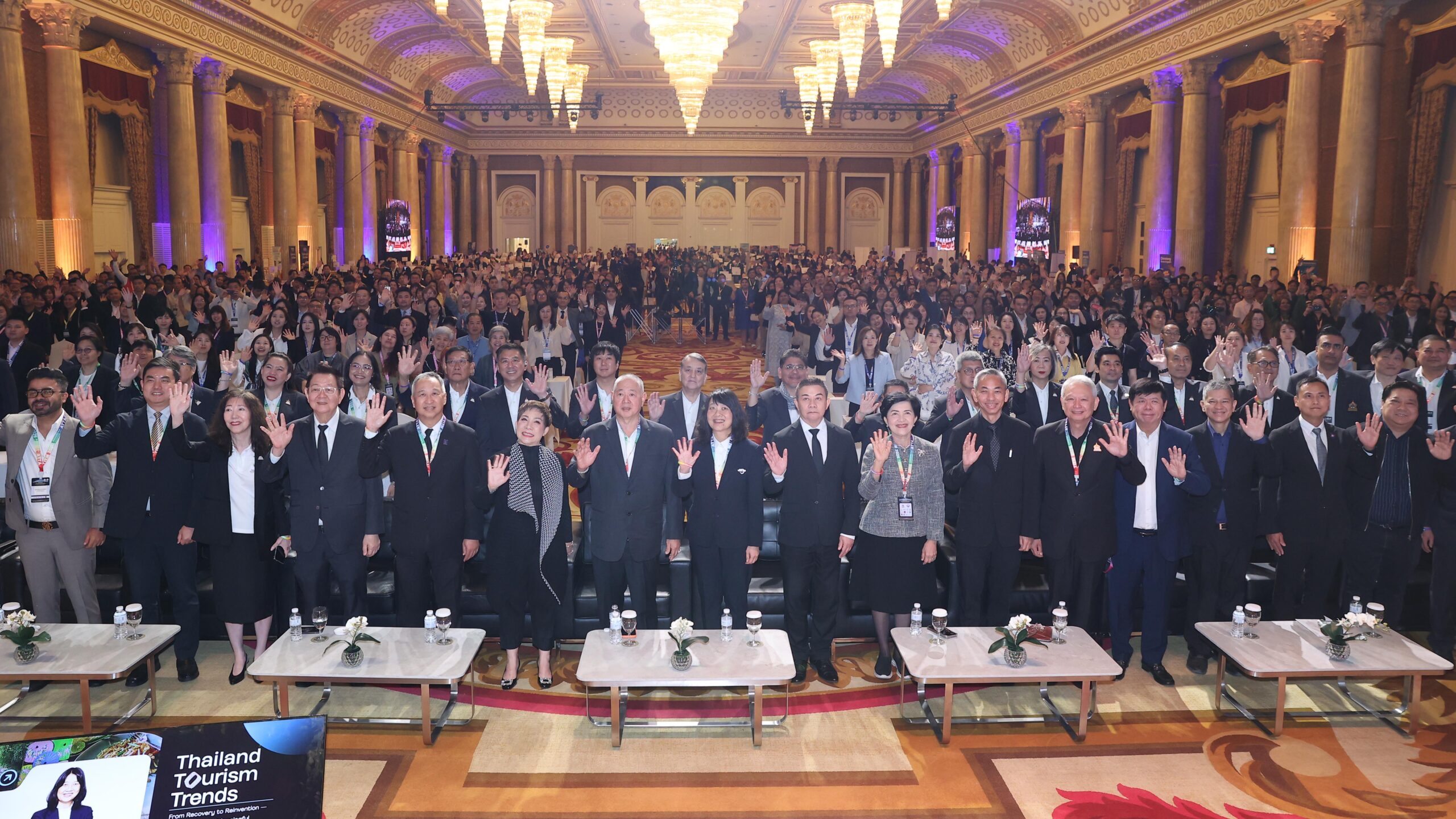
Business events help keep Bangkok visible to international operators, executives and repeat visitors.
The property signal is confidence, not certainty
The stronger signal is confidence in Bangkok’s international-use infrastructure. Events like Tourism and MICE Next show that Thailand is still actively building relationships with overseas buyers and operators. This supports the same ecosystem that makes Bangkok attractive for second homes and long-stay ownership: connectivity, hotels, lifestyle, healthcare, restaurants and services that foreign residents can use easily.
But property selection must remain disciplined. A condo near a conference route still needs fair pricing, practical layout, good management, a clear foreign quota position and a realistic tenant pool. MICE demand may help a district, but it will not rescue a poorly managed building or an overpriced unit.
Buyers should also remember that MICE demand is often seasonal and event-led. A building that works only during large event weeks may not produce stable annual income. The stronger case is a district with MICE activity plus offices, hospitals, schools, retail and normal residential demand between events.
Where foreign buyers can use the information
Look for districts with both business demand and daily residential convenience.
Compare long-stay corporate rents, not only nightly hotel rates.
Check whether the building allows the lease length and tenant profile you expect.
Treat event demand as one support factor alongside healthcare, offices, schools and transport.
Avoid buying solely because a district is near a venue if the walkability and services are weak.
The best Bangkok investment cases usually combine several demand channels. A district that serves offices, hospitals, embassies, retail and MICE activity has more ways to attract tenants than a single-purpose location. That diversity can matter during slower market periods.
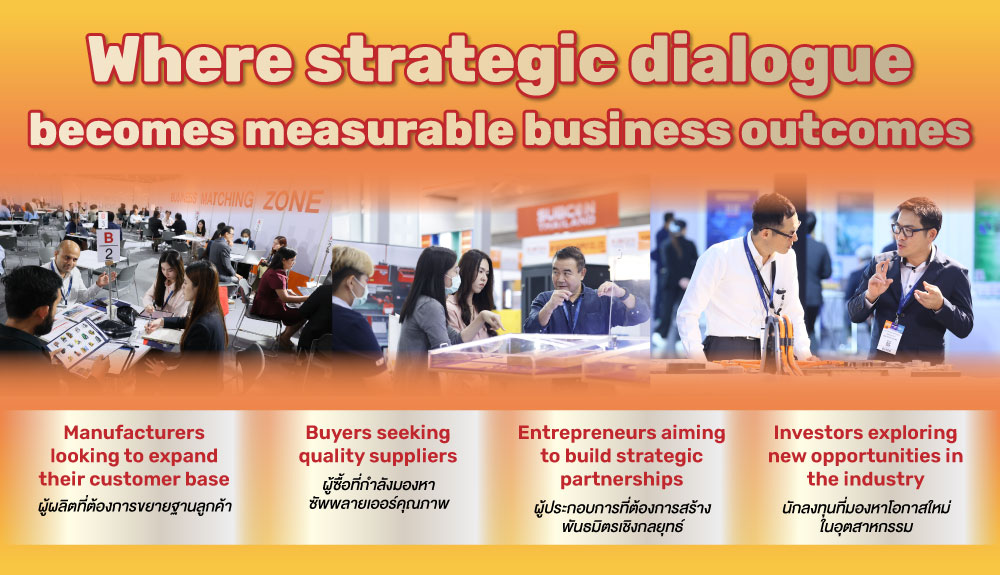
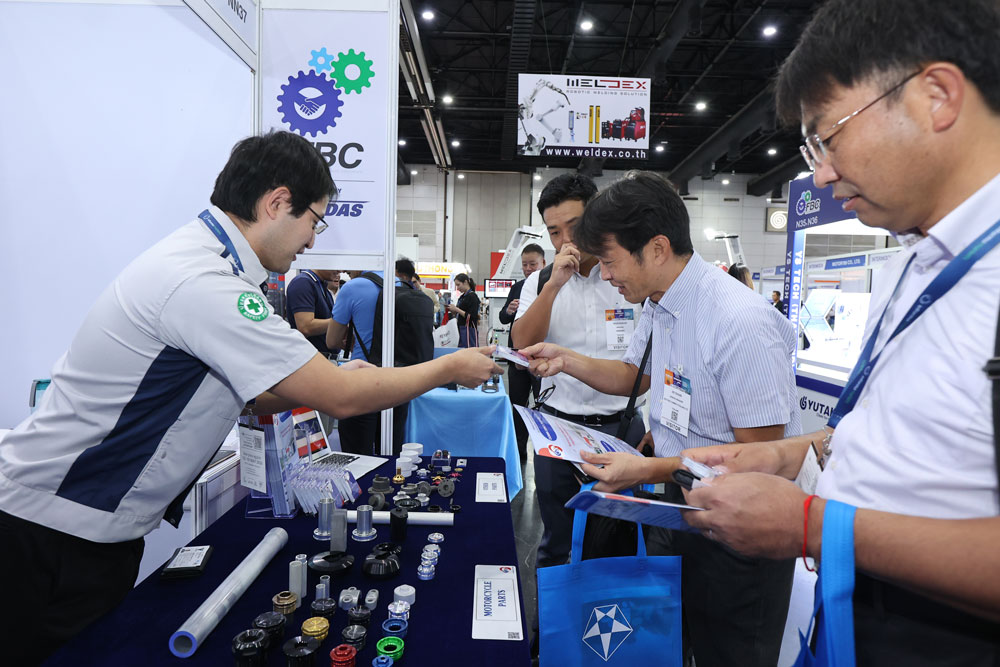
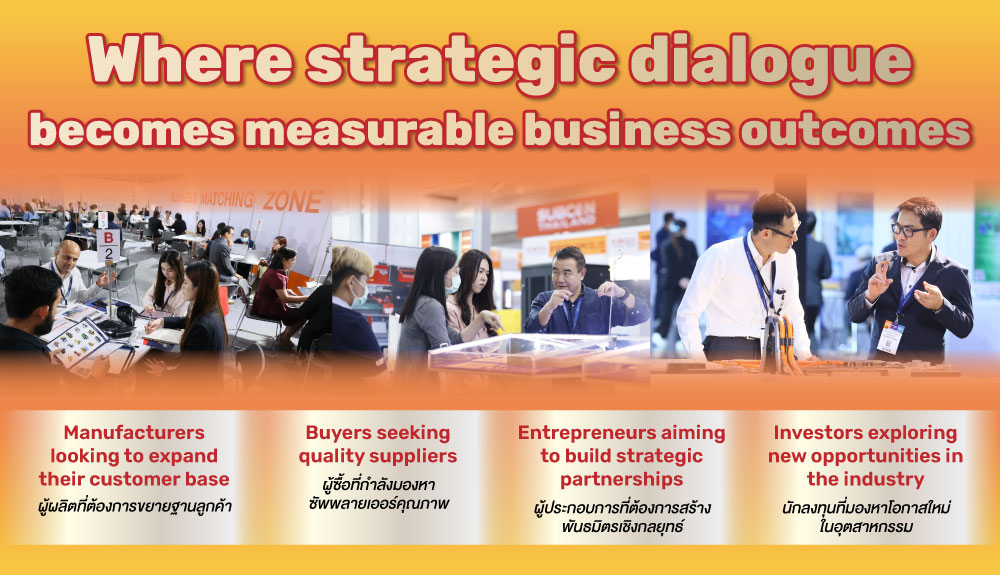
Structured business matching can translate travel interest into commercial relationships and repeat city use.
Buyer takeaway
Thailand Tourism and MICE Next 2026 reinforces Bangkok’s role as a regional business platform. For foreign property buyers, the value lies in understanding how that platform feeds practical city use: repeated visits, longer stays, executive relocation, serviced-apartment demand and confidence in Bangkok as a globally connected base.
Thailand’s Board of Investment reported a striking first quarter for 2026. On 29 April 2026, BOI said investment-promotion applications exceeded 1.01 trillion baht, or about US$31.8 billion, across more than 600 projects. The agency said digital and AI-related investment led the surge, followed by electronics, clean energy, agriculture and food processing, logistics and automotive activity.
Large investment applications support confidence in Thailand’s corporate and services ecosystem.
For Bangkok property buyers, this is not a direct price forecast. A data centre application or electronics project does not automatically make a condominium more valuable. The relevance is broader: strong investment interest supports Thailand’s role as a business base, and Bangkok remains the country’s headquarters, finance, legal, healthcare, education and lifestyle hub.
What BOI reported
BOI said 624 projects were submitted in Q1 2026 with a combined investment value of 1,016,962 million baht, about 2.4 times the same period last year. Digital investment accounted for 873,741 million baht across 48 projects, mostly data centres and cloud services. BOI also reported that foreign direct investment applications reached 965,869 million baht, with Singapore, the United Kingdom and Japan among the highest-value origin markets.
The scale of the digital number matters because it shows how Thailand is positioning itself in AI infrastructure, cloud services and advanced supply chains. Bangkok may not host every industrial asset, but it benefits from the decision-making, professional services, international travel, education and healthcare demand that often sits around such investment.
Connectivity, logistics and executive travel help link industrial investment to Bangkok living demand.
How this supports Bangkok living demand
When multinational and regional companies commit capital, they need managers, engineers, consultants, bankers, lawyers, suppliers and visiting executives. Many of those people use Bangkok as their base even when factories, data centres or logistics assets are outside the inner city. That can support demand for well-located rentals, serviced residences, family apartments and owner-occupier purchases.
The strongest property connection is usually in districts with transport depth and daily-life infrastructure. Asoke, Phrom Phong, Thonglor, Sathorn, Rama IV, Phaya Thai, Bang Na and selected riverside areas each serve different professional and family routines. Buyers should use the BOI signal to ask which locations are most likely to benefit from real people living, working and travelling through Bangkok.
Digital and AI investment also changes the type of renter a buyer may encounter. A regional executive or technical manager may care less about nightlife and more about reliable internet, work space, quiet bedrooms, airport access and proximity to international schools or hospitals. That pushes investors to think beyond a generic “near BTS” checklist. The better question is whether the apartment supports a serious working life in Bangkok.
Why buyers should stay realistic
Investment applications are not the same as completed investment. Projects can be delayed, resized or affected by power, land, permits, financing and global demand. BOI’s own FastPass efforts show that implementation matters. Property buyers should therefore avoid turning application numbers into aggressive appreciation assumptions.
Bangkok’s condominium market also remains segmented. Some luxury and well-located assets may perform better than generic stock, while weaker units may remain difficult to rent or resell. Macro confidence cannot repair a poor layout, inconvenient location or overpaid purchase price.
Foreign buyers should treat BOI momentum as macro support, then still test the specific building and district.
How foreign buyers can use the signal
Prioritise districts that connect business, schools, hospitals, airports and mass transit.
Check whether the likely tenant is corporate, family, medical, student, retiree or lifestyle-led.
Compare completed resale units with new-launch pricing before accepting a premium.
Model rent and vacancy conservatively even when the macro story is positive.
Keep legal ownership, foreign quota and payment documentation clean.
The BOI surge is encouraging because it suggests that Thailand remains visible to strategic investors despite global volatility. For Bangkok property, it supports a measured confidence story: the city continues to matter as a regional base, but the right purchase still requires careful unit selection, patient negotiation and realistic expectations about how long demand takes to show up in rents.
IBP can help foreign buyers translate Thailand investment themes into practical district and building choices. Read more in our Thailand economy and investment news or contact IBP Real Estate for a buyer brief.